"Women who hurt themselves"
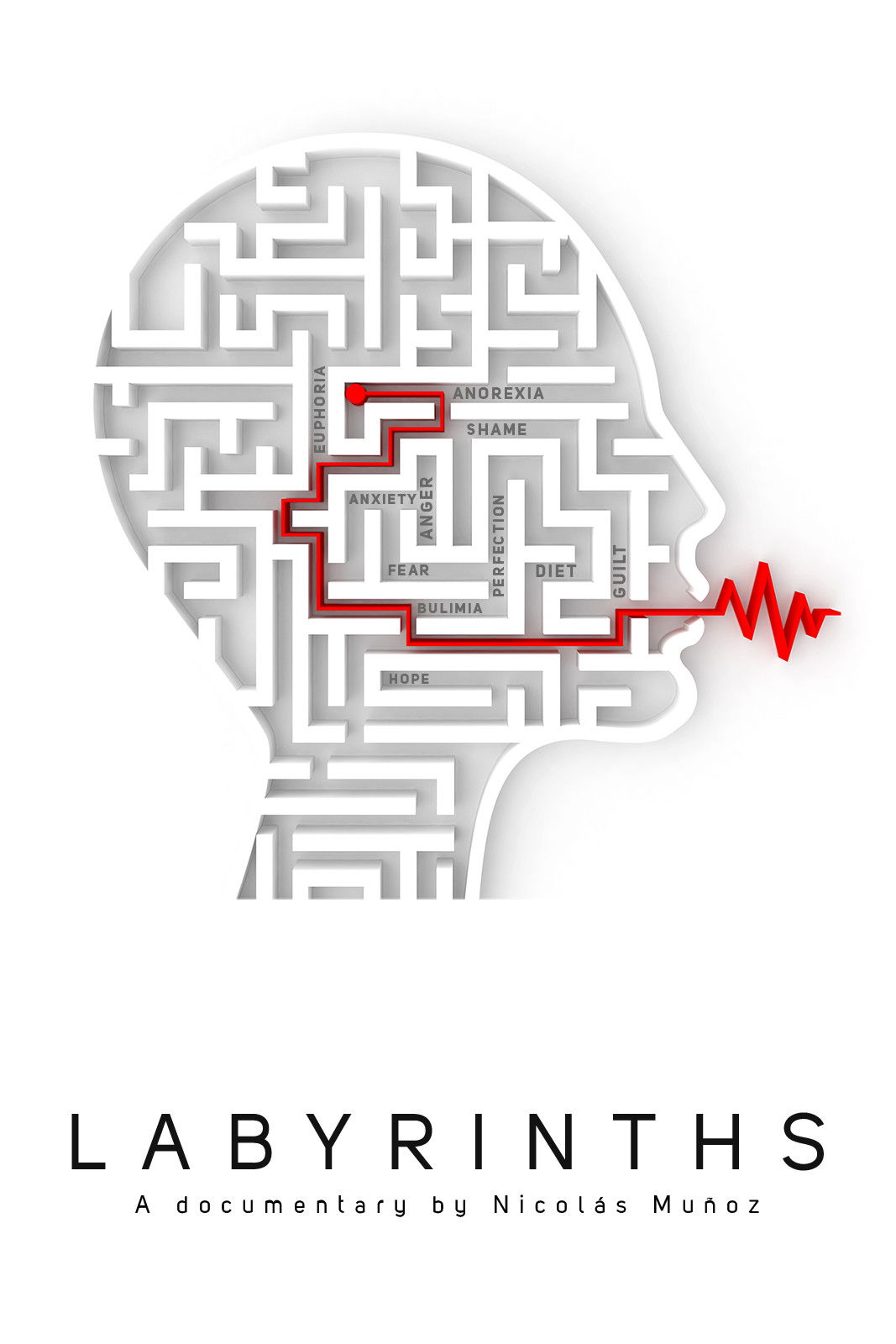
Marked by childhood trauma, three women from different generations living with an eating disorder try to get back to life.
Social & External
Self
Self - Doctor
Self - Nurse
The lives of Jeff, Lauren and Lloyd—three very different people who share one common experience—have been transformed by speaking up for mental health. These inspiring stories depict what mental health in America really looks like and highlights just how important it is to speak up and seek help.
The complex and controversial history of the mental institution in the U.S. through a detailed study of St. Elizabeths Hospital in Washington, D.C.
Following Karen Carpenter's meteoric climb to stardom in the 1970s and the little-known anorexia nervosa diagnosis that resulted in her untimely death.
A short retrospective documentary on the struggles of eating disorder.
It's a sensitive, moving doc chronicling the life of Tétrault's brother Philip , a Montreal poet, musician and diagnosed paranoid schizophrenic. A promising athlete as a child, Philip began experiencing mood swings in his early 20s. His extended family, including his daughter, share their conflicted feelings love, guilt, shame, anger with the camera. They want to make sure he's safe, but how much can they take?
Using home videos recorded by her voice coach, Diana takes us through the story of her life.
Initially airing on HBO's "America Undercover" series, this riveting documentary focuses on three families shattered by the psychiatric disorder of schizophrenia. Subjects "Bob," "Missy" and "Steven" have lived for over a decade with schizophrenia. The film documents the difficult day-to-day existence of both those afflicted with this order and the families searching for answers to their loved ones' suffering. This film also shows the varied and variably successful treatment methods for each of the subjects—one is placed in a group home, one is placed in an institution, and one is cared for at home. The documentary was critically acclaimed for its compassionate treatment of mental illness.
New York, 1980. Three complete strangers accidentally discover that they're identical triplets, separated at birth. The 19-year-olds' joyous reunion catapults them to international fame, but also unlocks an extraordinary and disturbing secret that goes beyond their own lives – and could transform our understanding of human nature forever.
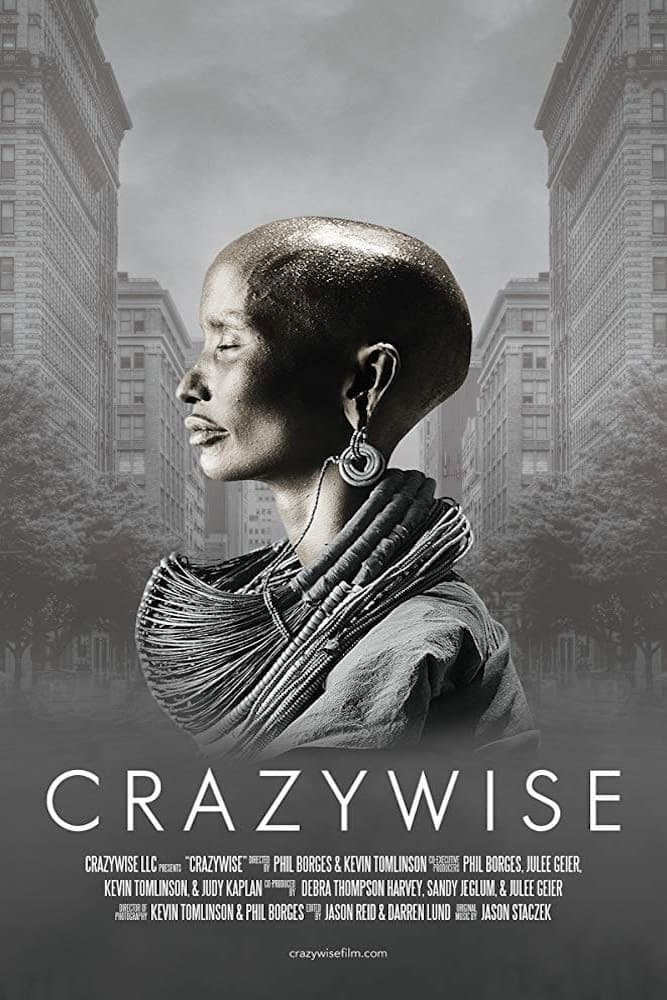
The story of who psychiatrists are today, what they do, and what they value has been told by almost everyone but them. Psychiatrists are notoriously private; cautious about revealing personal information, and noticeably absent in the media. What has been the consequence of this? If you don’t tell your story, someone else will tell it for you. Mental illness is the number one cause of disability worldwide, however many patients still fear coming to see a psychiatrist – that they will be overmedicated, not listened to, not understood, not cared for, or worse - maybe the psychiatrist will see how “crazy” they are and lock them up. The stereotype of being “crazy” is equated with being dangerous, weird, scary, and ostracized - and in some ways - so is being a psychiatrist.
Five subjects from Gen-Z take the PHQ-9 - a survey to assess the degree of one's depression severity. They -also- have a lot to say.
Joe wants to be a rapper. Max wants to be a filmmaker. They go to a secluded house in rural Virginia to document the production of Joe's demo CD. But what begins as a funny music documentary turns into a film about Joe's harrowing battle with a self-destructive alter-ego.
Scott Panetti was tried for the capital murder of his parents-in-law on September 8, 1992 in Gillespie County, Texas. He was subsequently sentenced to death on September 22, 1995. Panetti has an extensive history of mental illness, including schizophrenia, manic depression, auditory hallucinations and paranoia. Panetti was hospitalized, both voluntarily and involuntarily for mental illness fourteen times in six different hospitals before his arrest for capital murder in 1992. Following his conviction, Panetti’s former wife, and daughter of the victims, Sonja Alvarado, filed a petition stating that Panetti never should have been tried for the crimes as he was suffering from paranoid delusions at the time of the killings.
As a result of the 2008 documentary"Generation Rx," thousands of people wrote director Kevin P. Miller to share their experiences on psychiatric drugs. Miller combines their gripping tales with the latest mental health research, science, and medical health perspectives.
An unflinching documentary of those dealing with mental illness in the criminal justice system and a profile of families who tragically fell victims to that system.
A Southern Indiana man endures a fatal night of torture after being arrested for a routine traffic stop.