Social & External
Unknown Role
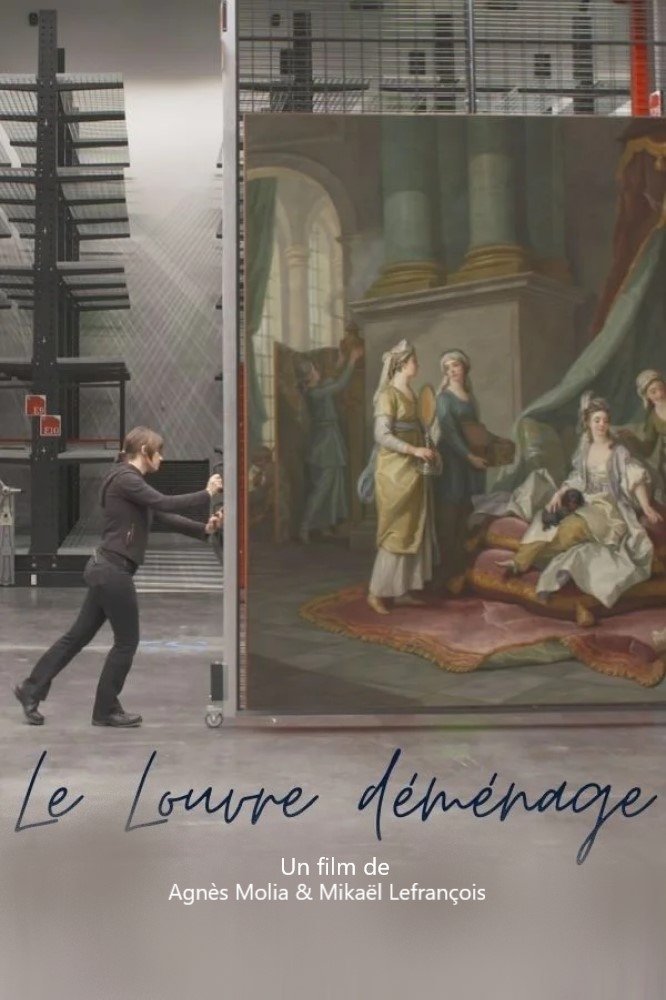
From the evacuation of the reserves, threatened by the flooding of the Seine in June 2016, to the first transfers of works to the Louvre's conservation center in Liévin, a look back at a spectacular rescue operation.
Some of them move. Others make noise. One weighs in at 700 pounds. Collectively, they represent the future of contemporary craft. Go behind the scenes of the "40 under 40: Craft Futures" exhibition, featuring traditional and non-traditional works of decorative art created by the top 40 American craft artists under the age of 40. Observe this wildly creative and diverse exhibition, assembled for the 40th anniversary of the Smithsonian American Art Museum's Renwick Gallery, and witness the challenges and rewards of bringing together 40 unique artists at the top of their craft.
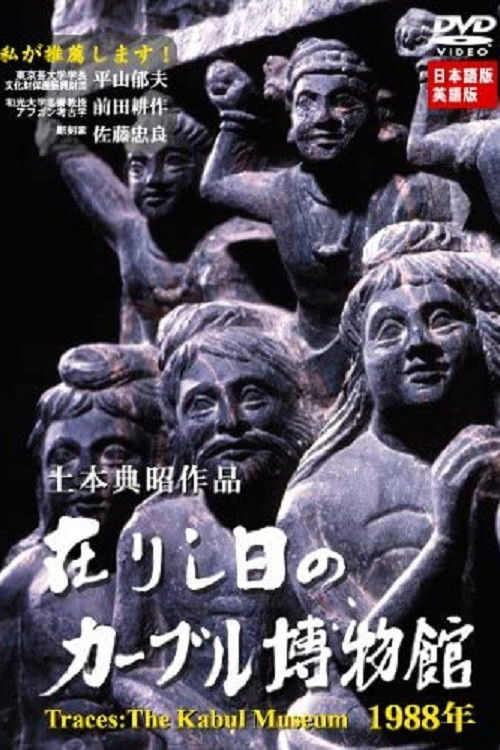
The Kabul National Museum, once known as the "face of Afghanistan," was destroyed in 1993. We filmed the most important cultural treasures of the still-intact museum in 1988: ancient Greco-Roman art and antiquitied of Hellenistic civilization, as well as Buddhist sculpture that was said to have mythology--the art of Gandhara, Bamiyan, and Shotorak among them. After the fall of the Democratic Republic of Afghanistan in 1992, some seventy percent of the contents of the museum was destroyed, stolen, or smuggled overseas to Japan and other countries. The movement to return these items is also touched upon. The footage in this video represents that only film documentation of the Kabul Museum ever made.
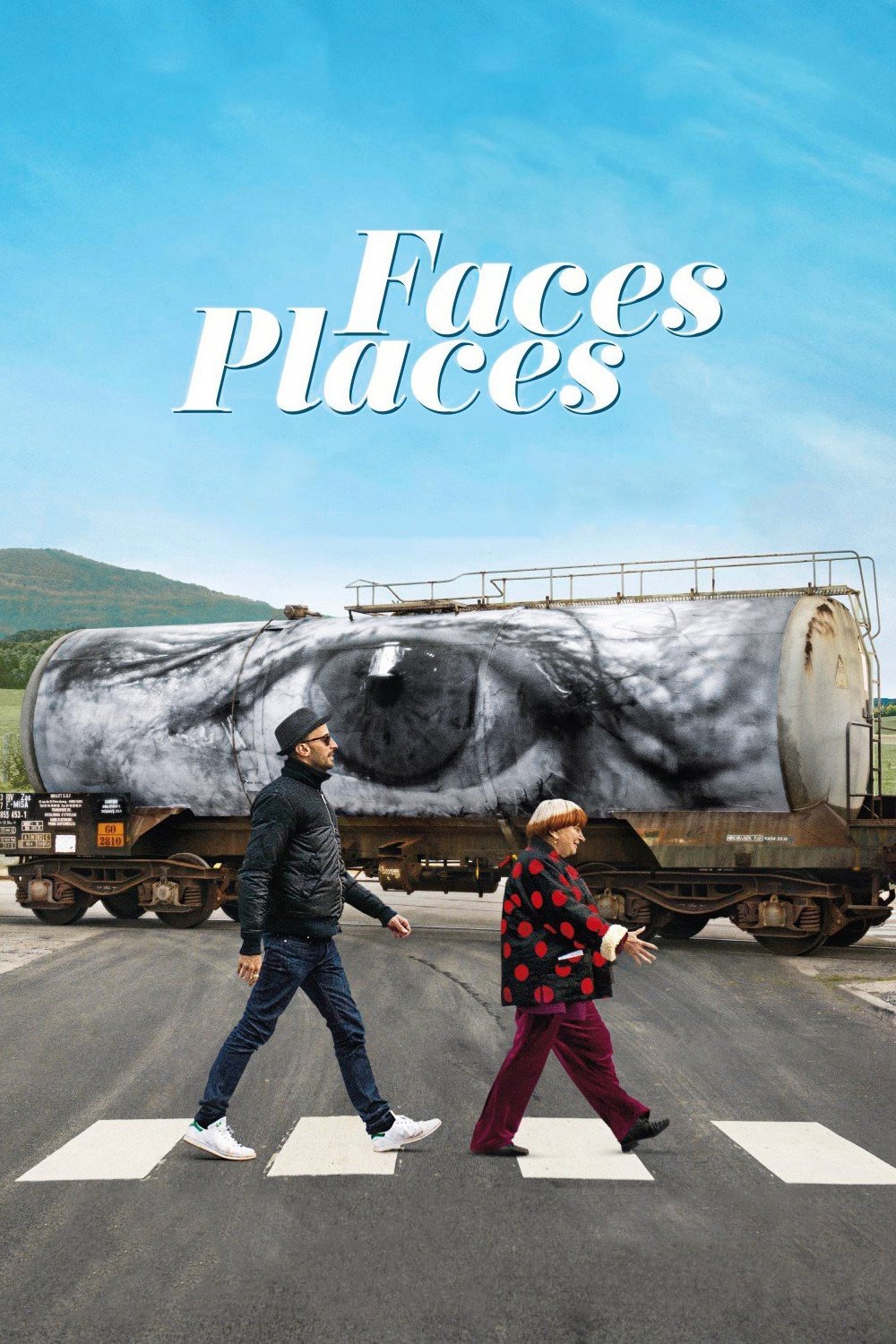
Director Agnès Varda and photographer/muralist JR journey through rural France and form an unlikely friendship.
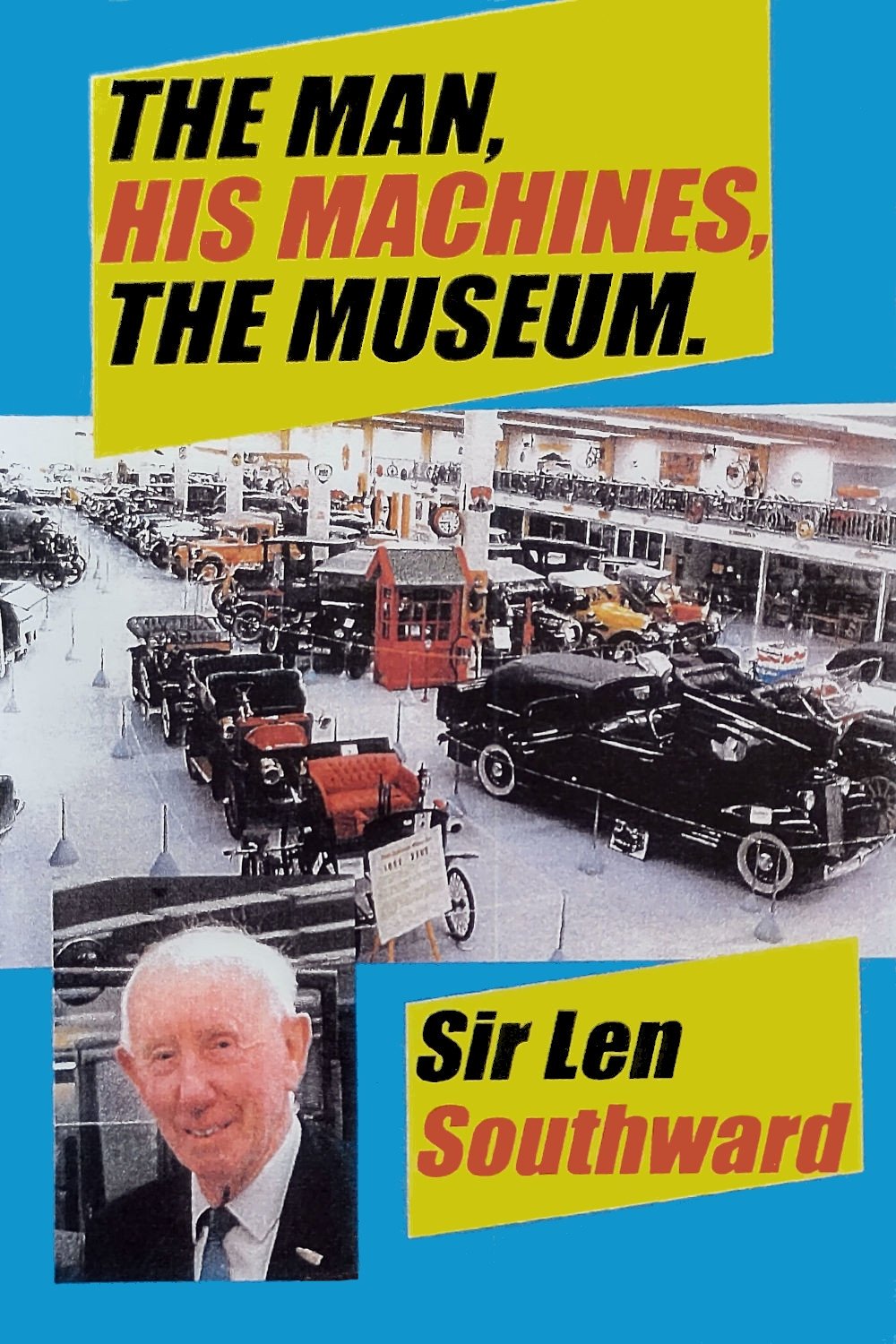
A documentary about Sir Len Southward OBE and his collection of vehicles at his Southward Car Museum in Paraparaumu, New Zealand, among the largest car museums in the world.
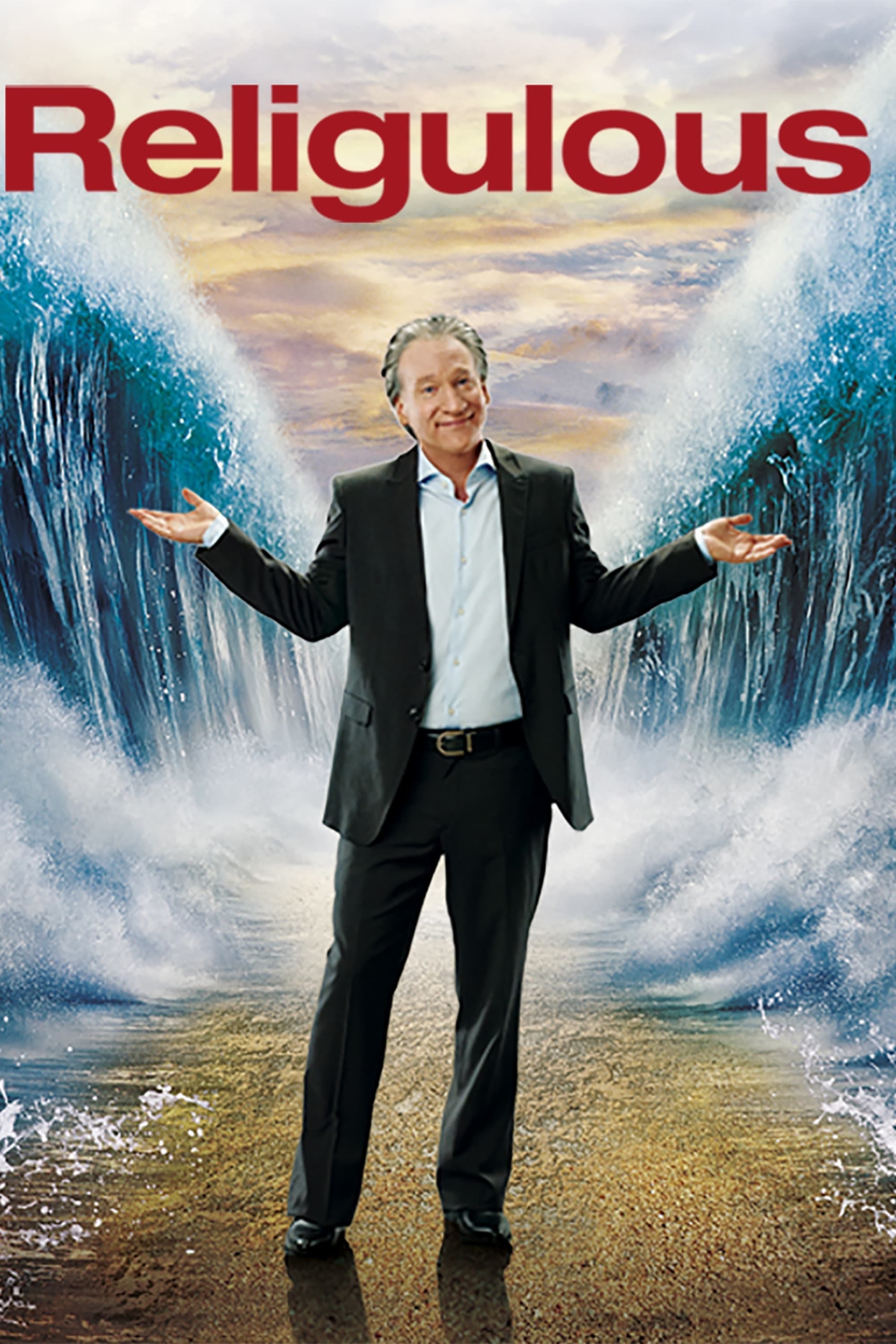
Commentator-comic Bill Maher plays devil's advocate with religion as he talks to believers about their faith. Traveling around the world, Maher examines the tenets of Christianity, Judaism and Islam and raises questions about homosexuality, proof of Christ's existence, Jewish Sabbath laws, violent Muslim extremists.
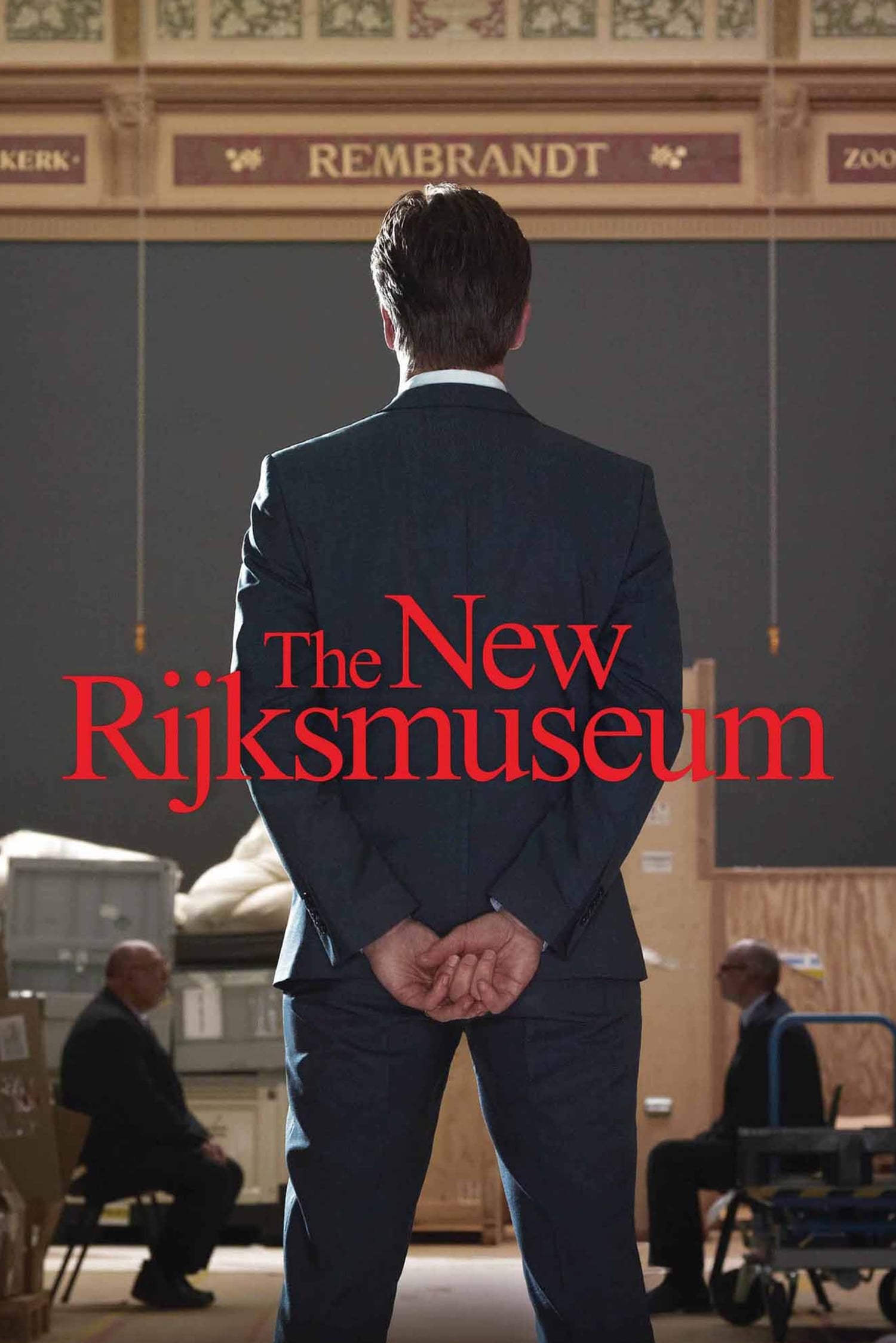
A documentary about the fascinating and complicated process of the rebuilding of Holland's most famous museum, The Rijksmuseum. The film shows the people behind the scenes during the years of demolition, restoration, and political and financial debate. We witness their efforts, joys and struggles with one goal in common: the love of art.
Decolonising the Curatorial Process is a forty-minute documentary which explores decolonial strategies in an academic and curatorial context. The film features academics, activists and practitioners, and contains case studies of institutions that are deploying critical, self-reflective forms of curatorial practice. The Museum of London Docklands exhibition on slavery and the sugar industry is examined as an example of how an institution can decolonise the curatorial process, utilise the work of artists in a museum context, and critically examine East London's imperial history. The Pitt Rivers museum in Oxford, who are working with Maasai activists from Kenya and Tanzania on a project centred on repatriating the museum's collection of sacred Maasai artefacts, also features in the film.
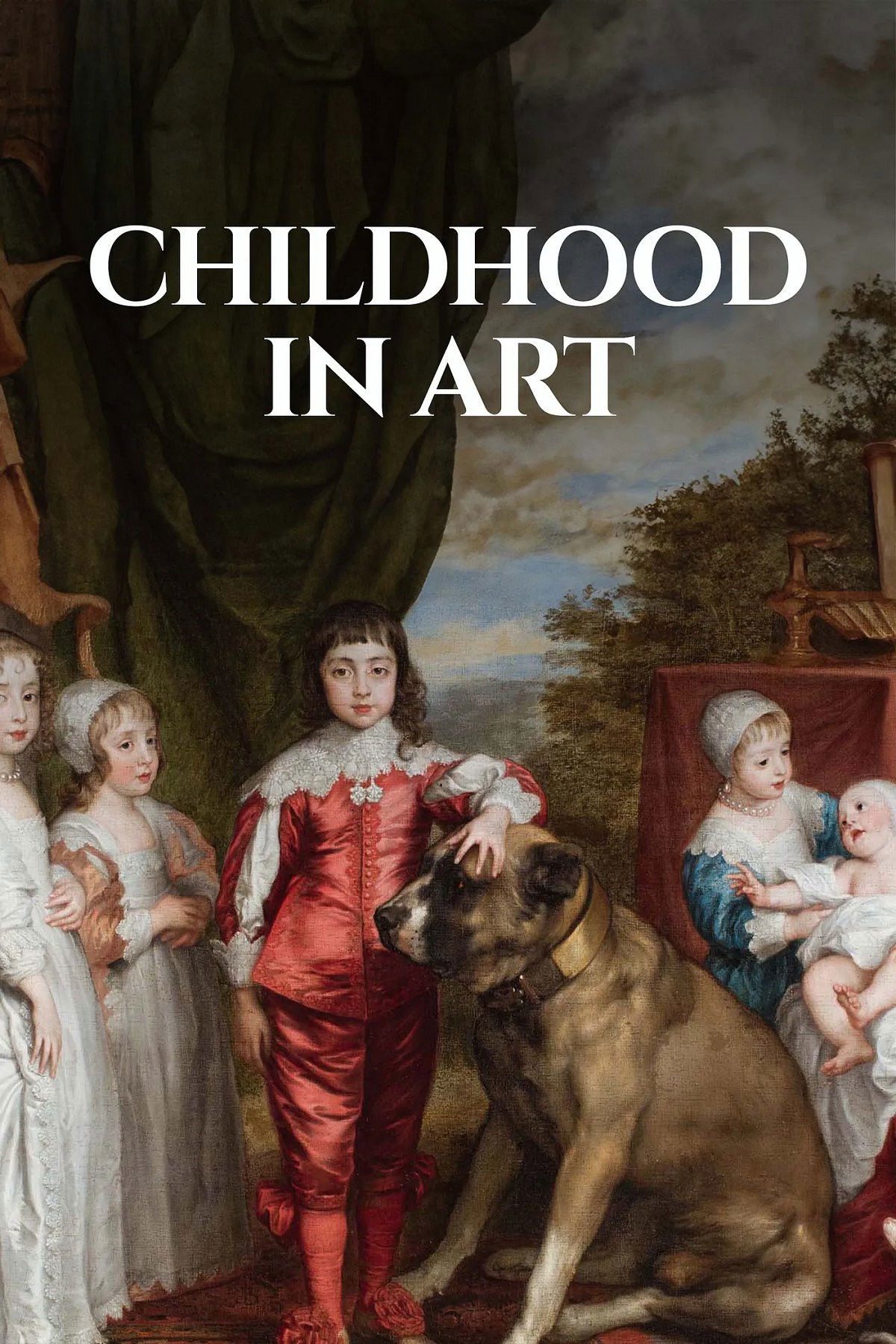
How have the changing views on children been reflected in their representation in art? From Baby Jesus to the first photographic portraits, an exploration of six centuries of art history through the prism of childhood.
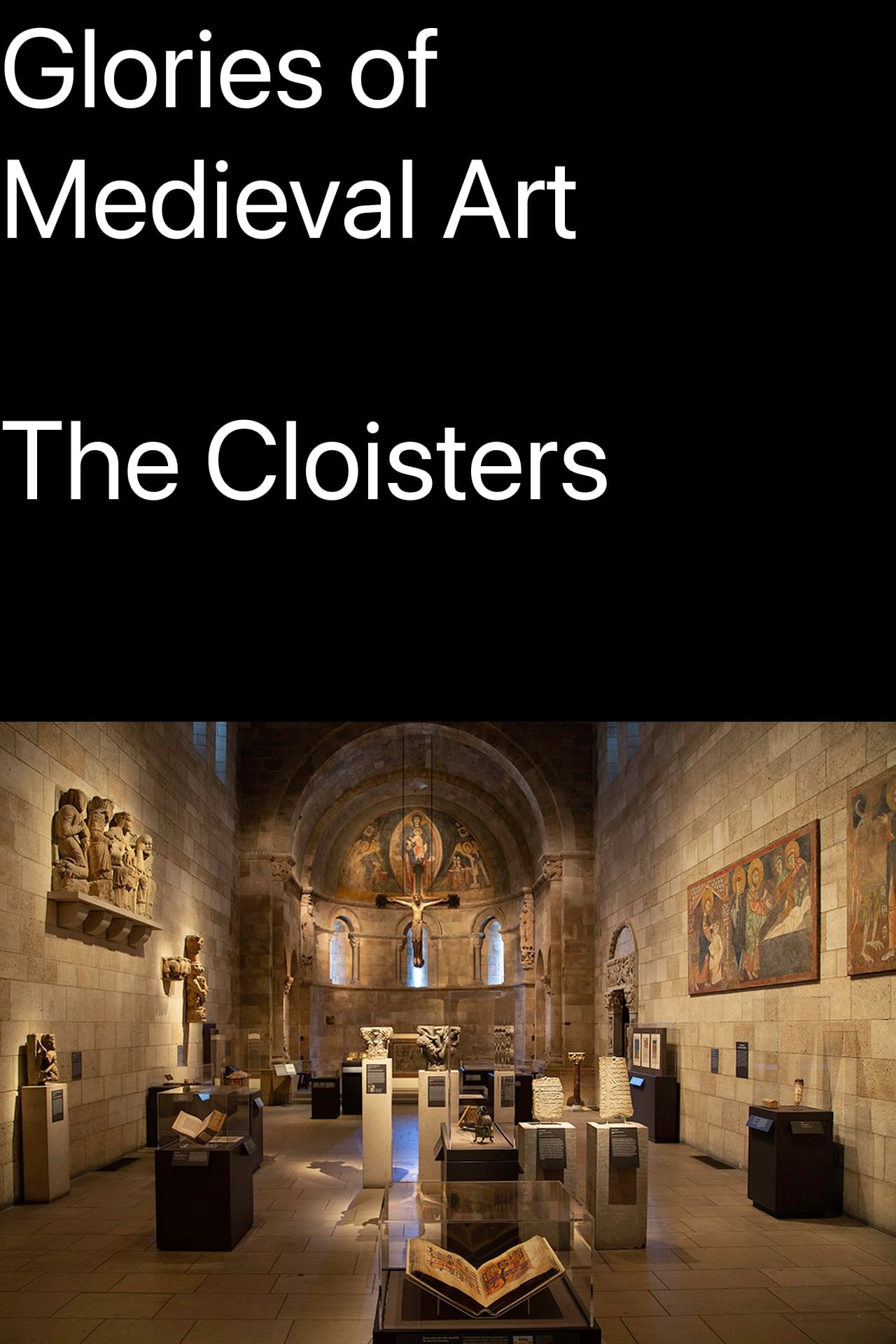
Philippe de Montebello, Director of The Metropolitan Museum of Art from 1977 to 2008, guides viewers through The Cloisters, pointing out Romanesque and Gothic architecture and artwork, beautiful tapestries, and the diverse species in the gardens. He outlines the history of the building and it's many influences and highlights significant works of art in the collection. It was produced in 1989 by The Metropolitan Museum of Art's Office of Film and Television.
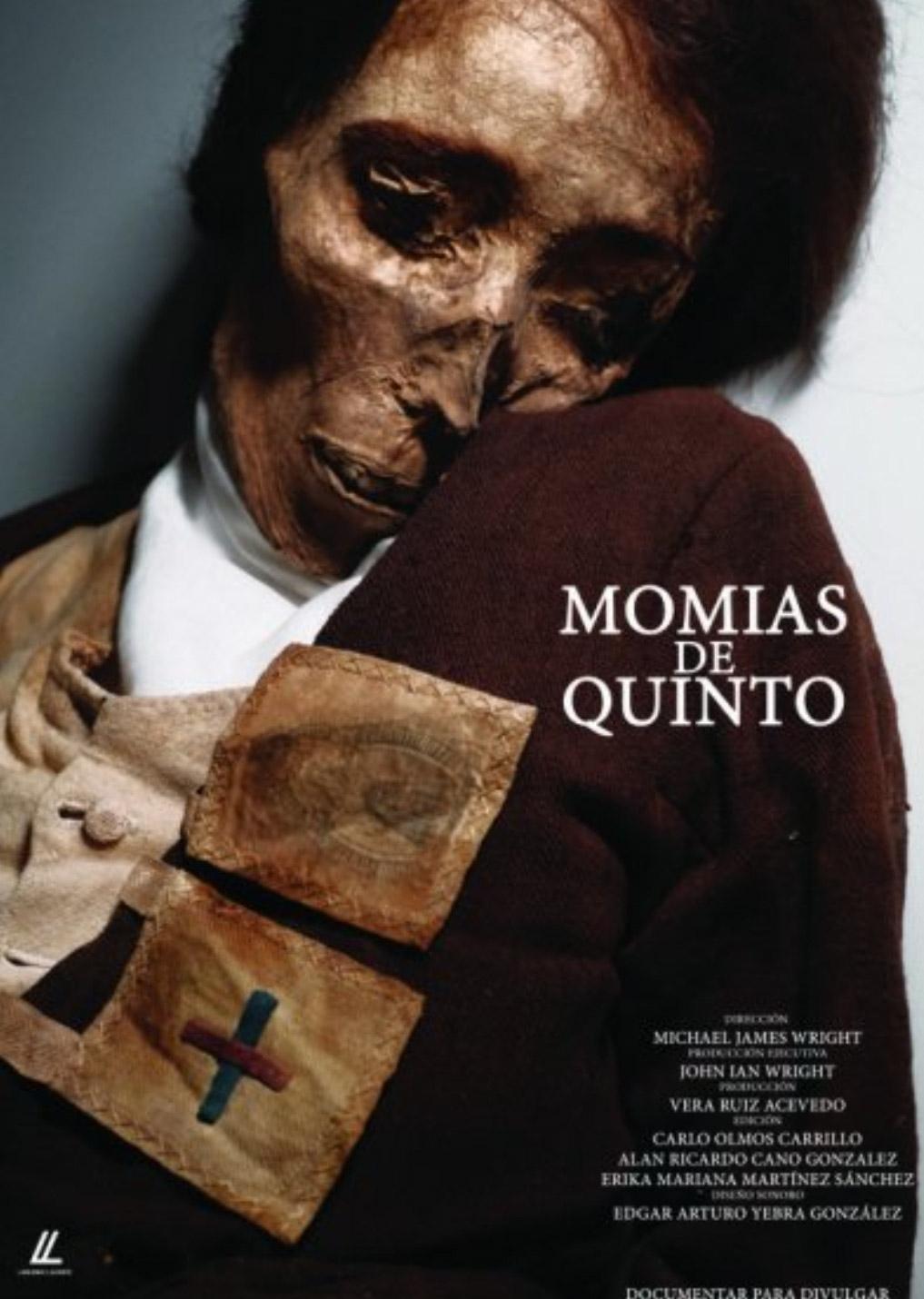
Fifteen naturally mummified bodies were found during the excavations of 2011 in the old church of El Piquete, —a building that suffered almost total devastation as a consequence for being a refuge for civilians during the Spanish Civil War—, this discovery allowed the creation of the Museum of the Mummies of Quinto where this collection with unique characteristics in Spain is exhibited thanks to the research of historians, scientists, bio anthropologists and archaeologists.
Filmmaker Kevin McMahon accompanies the Haida delegation on a repatriation trip to Chicago in 2003. His film reveals the whole repatriation process through the stories and experiences of the people who participated, both Museum staff and the Haida people.
To celebrate its 250th anniversary, this documentary tells the story of one of the world’s greatest museums, from its foundation by Catherine the Great, though to its status today as a breathtakingly beautiful complex which includes the Winter Palace. Showcasing a vast collection of the world’s greatest artworks together with contemporary art galleries and exhibitions, it holds over 3 million treasures and world class masterpieces in stunning architectural settings. This is its journey from Imperial Palace to State Museum, encompassing a sometimes troubled past, surviving both the Revolution in 1916 and the siege of Leningrad by the Nazis in 1941-44.
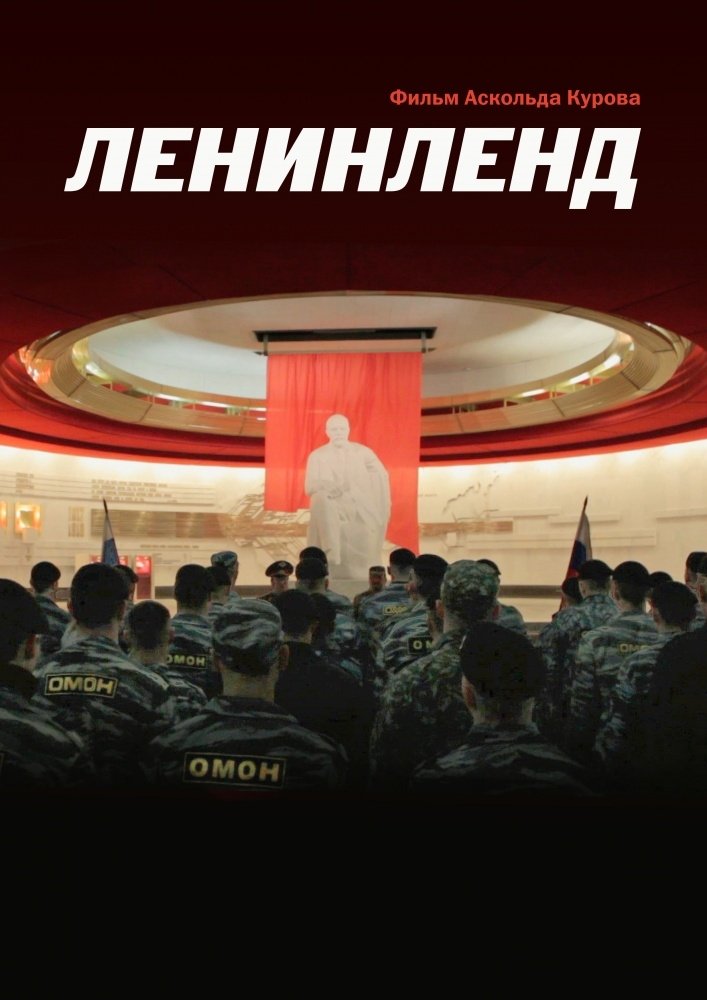
At the peak of Perestroika, in 1987, in the village of Gorki, where Lenin spent his last years, after a long construction, the last and most grandiose museum of the Leader was opened. Soon after the opening, the ideology changed, and the flow of pilgrims gradually dried up. Despite this, the museum still works and the management is looking for ways to attract visitors. Faithful to the Lenin keepers of the museum as they can resist the onset of commercialization. The film tells about the modern life of this amazing museum-reserve and its employees.
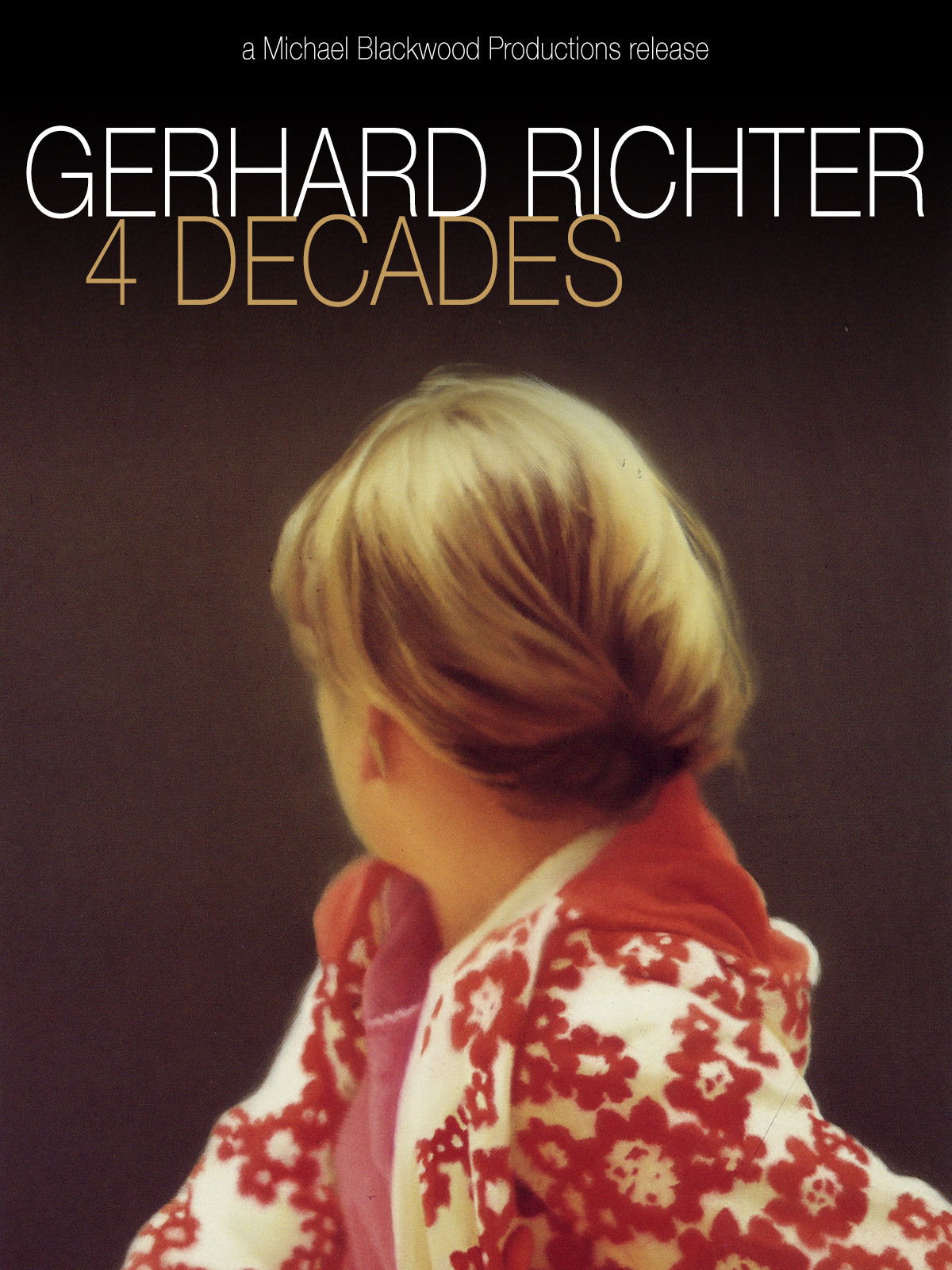
Curator Robert Storr takes us through the 2002 MoMA Gerhard Richter retrospective.
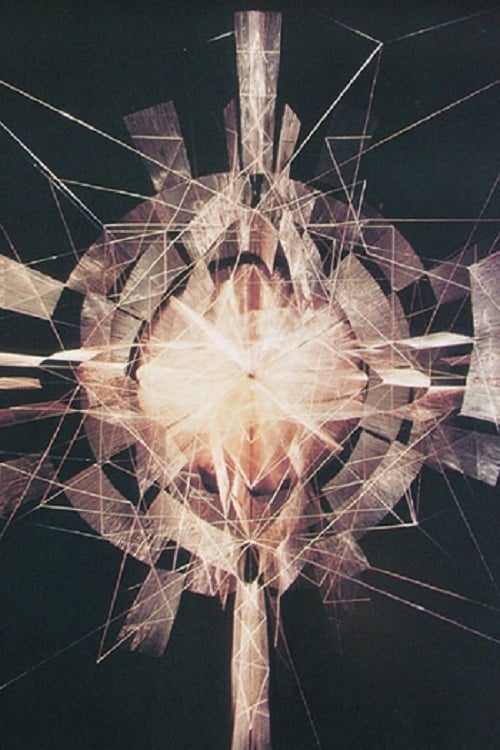
Documentary examining the work of sculptor Richard Lippold, particular his sculpture of the sun at the Metropolitan Museum of Art.
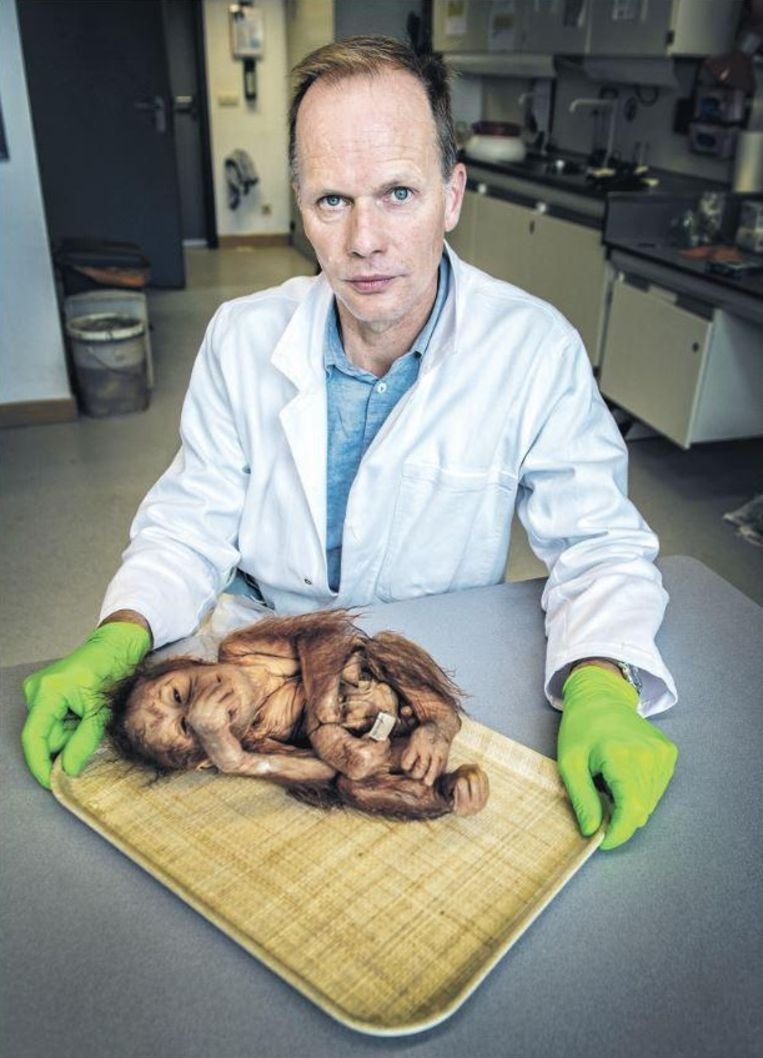
"The Last Dragon" is a nature mockumentary about a British scientific team that attempts to understand the unique incredible beasts that have fascinated people for ages. CGI is used to create the dragons.
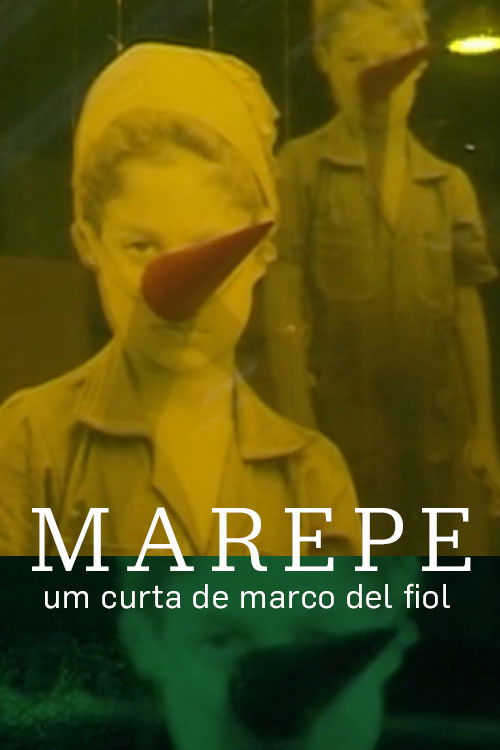
Marepe, an artist from Bahia, produces art with anything he comes across in the town he lives in, Santo Antônio de Jesus. Packs of cigarettes, coconut palms, walls, and memories taken from the streets, go into putting together a personal archeology for this young artist.
Through deeply personal interviews with her siblings and an examination of the photographs, letters, and belongings left behind, Mariska assembles a new portrait of her mother Jayne Mansfield, an extraordinary and complex woman.
A compilation of over 30 years of private home movie footage shot by Lithuanian-American avant-garde director Jonas Mekas, assembled by Mekas "purely by chance", without concern for chronological order.
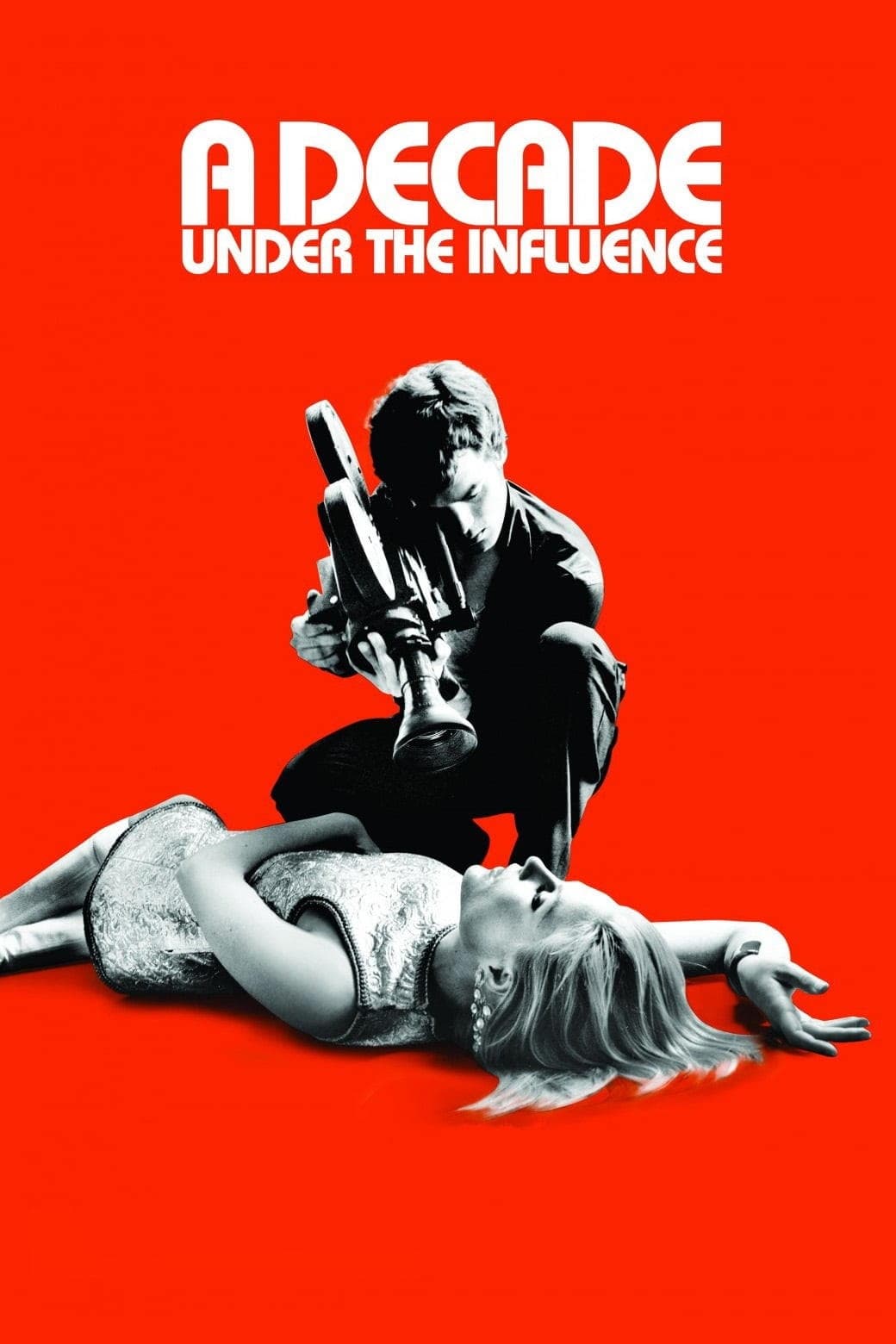
A documentary examining the decade of the 1970s as a turning point in American cinema. Some of today's best filmmakers interview the influential directors of that time.
A detailing of the rise to prominence and global sporting superstardom of six supremely talented young Manchester United football players (David Beckham, Nicky Butt, Ryan Giggs, Paul Scholes, Phil and Gary Neville). The film covers the period 1992-1999, culminating in Manchester United's European Cup triumph.
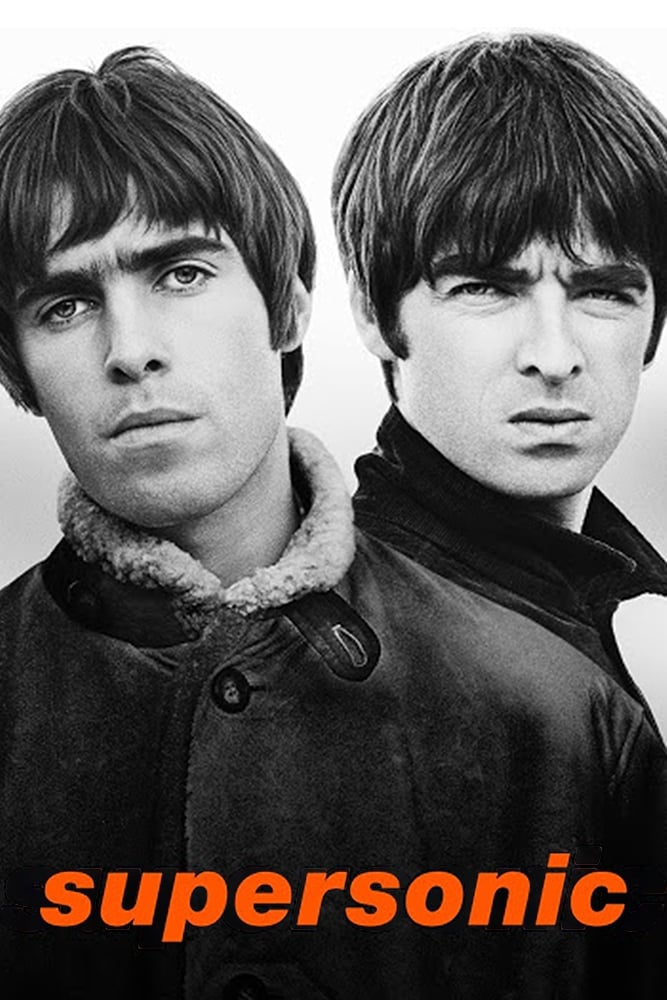
Supersonic charts the meteoric rise of Oasis from the council estates of Manchester to some of the biggest concerts of all time in just three short years. This palpable, raw and moving film shines a light on one of the most genre and generation-defining British bands that has ever existed and features candid new interviews with Noel and Liam Gallagher, their mother, and members of the band and road crew.
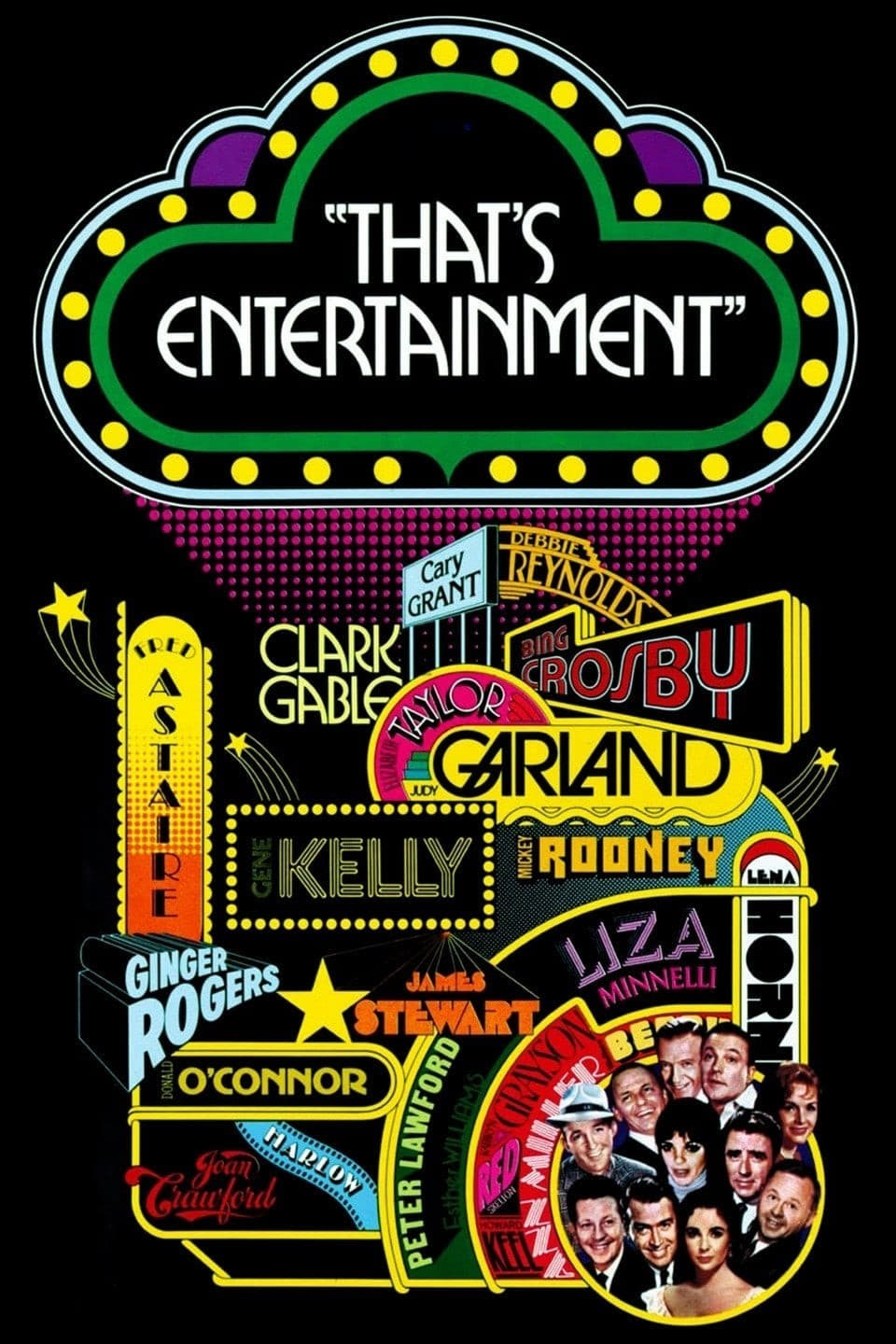
Various MGM stars from yesterday present their favorite musical moments from the studio's 50 year history.
Director Michael Apted revisits the same group of British-born adults after a 7 year wait. The subjects are interviewed as to the changes that have occurred in their lives during the last seven years.
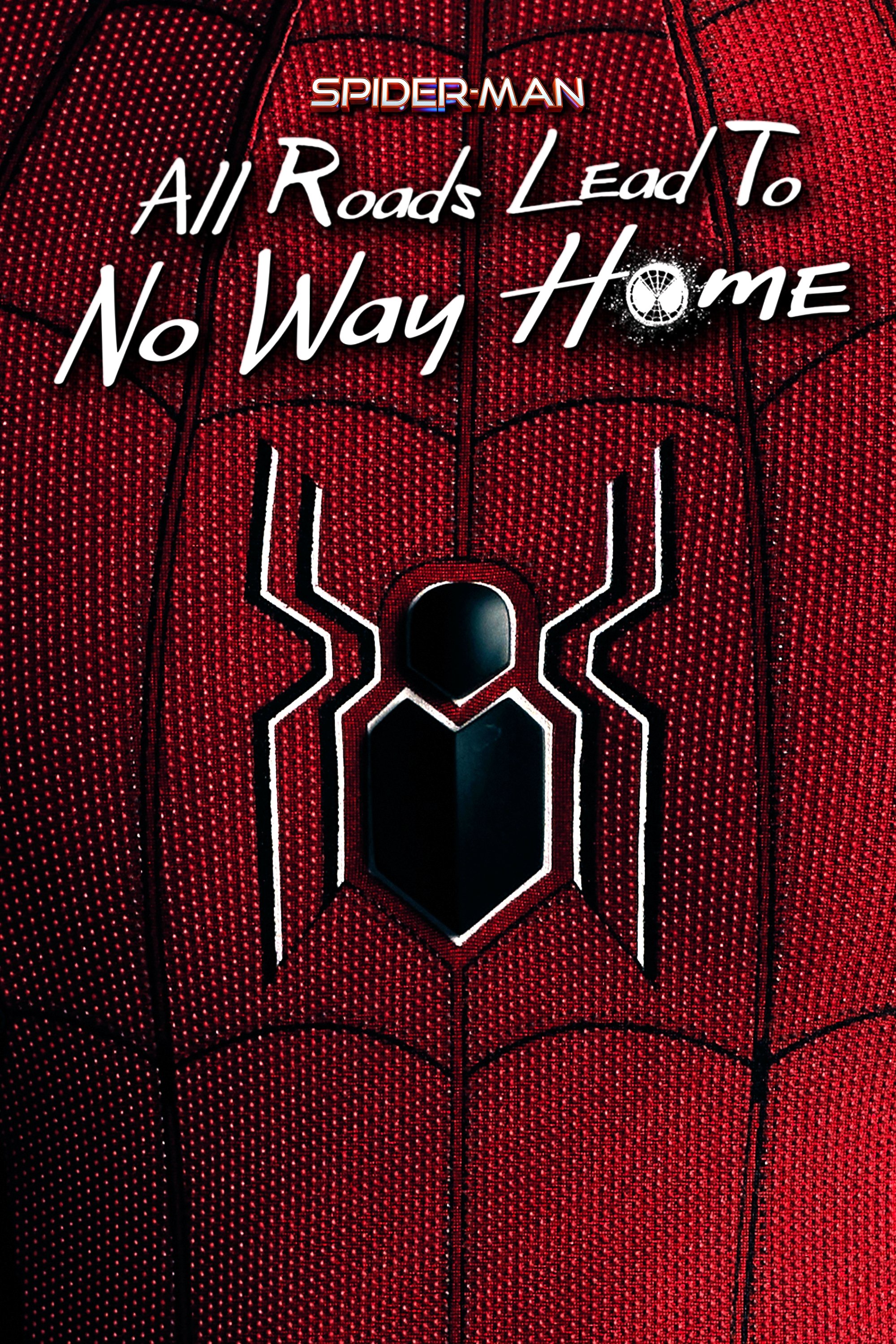
JB Smoove and Martin Starr host a celebration of 20 years of "Spider-Man" movies, from the Sam Raimi trilogy to Marc Webb's movies and the trio from Jon Watts.
An inside look at one of the most anticipated movie sequels ever with James Cameron and cast.
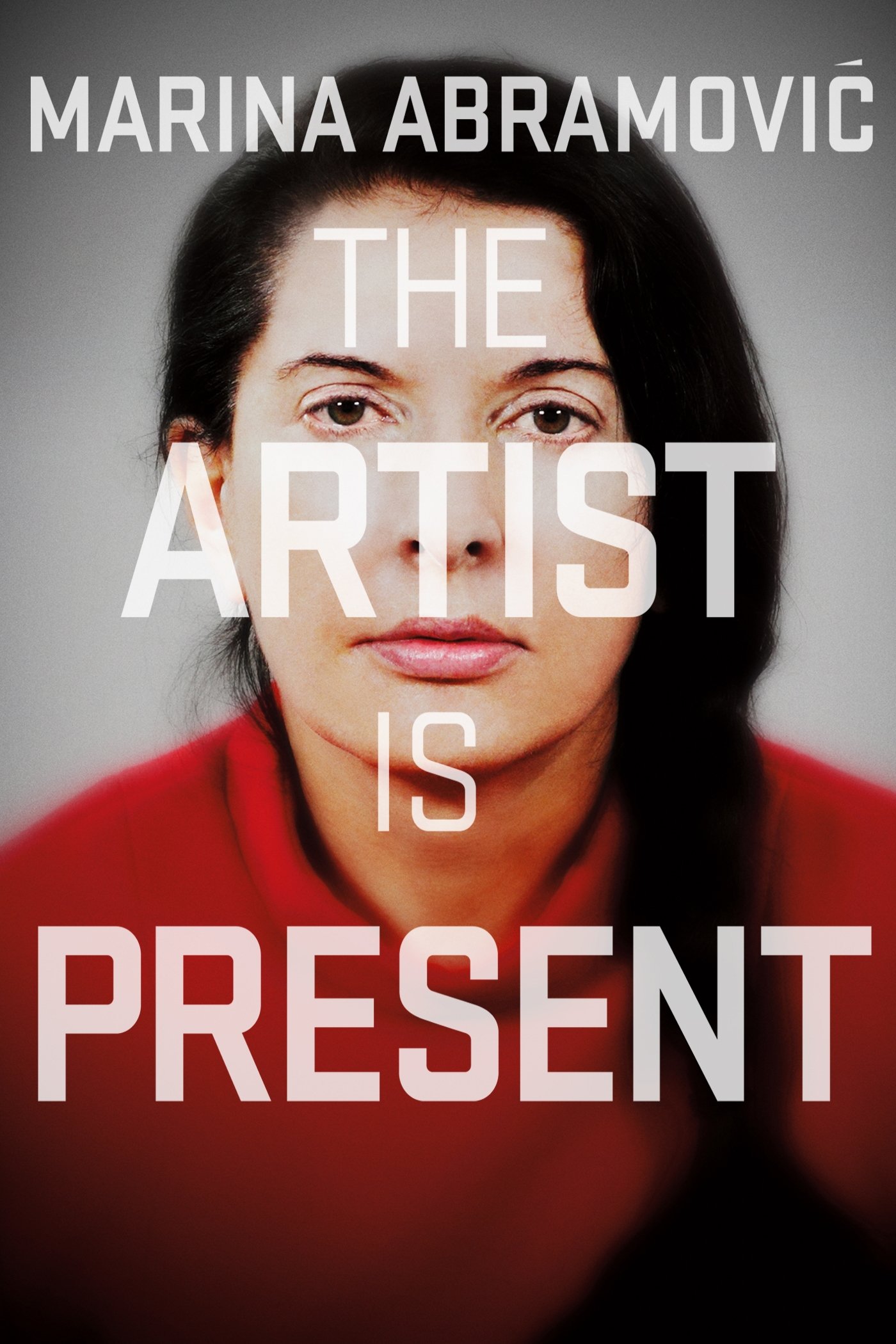
Performance artist Marina Abramovic prepares for a major retrospective of her work at the Museum of Modern Art in New York.
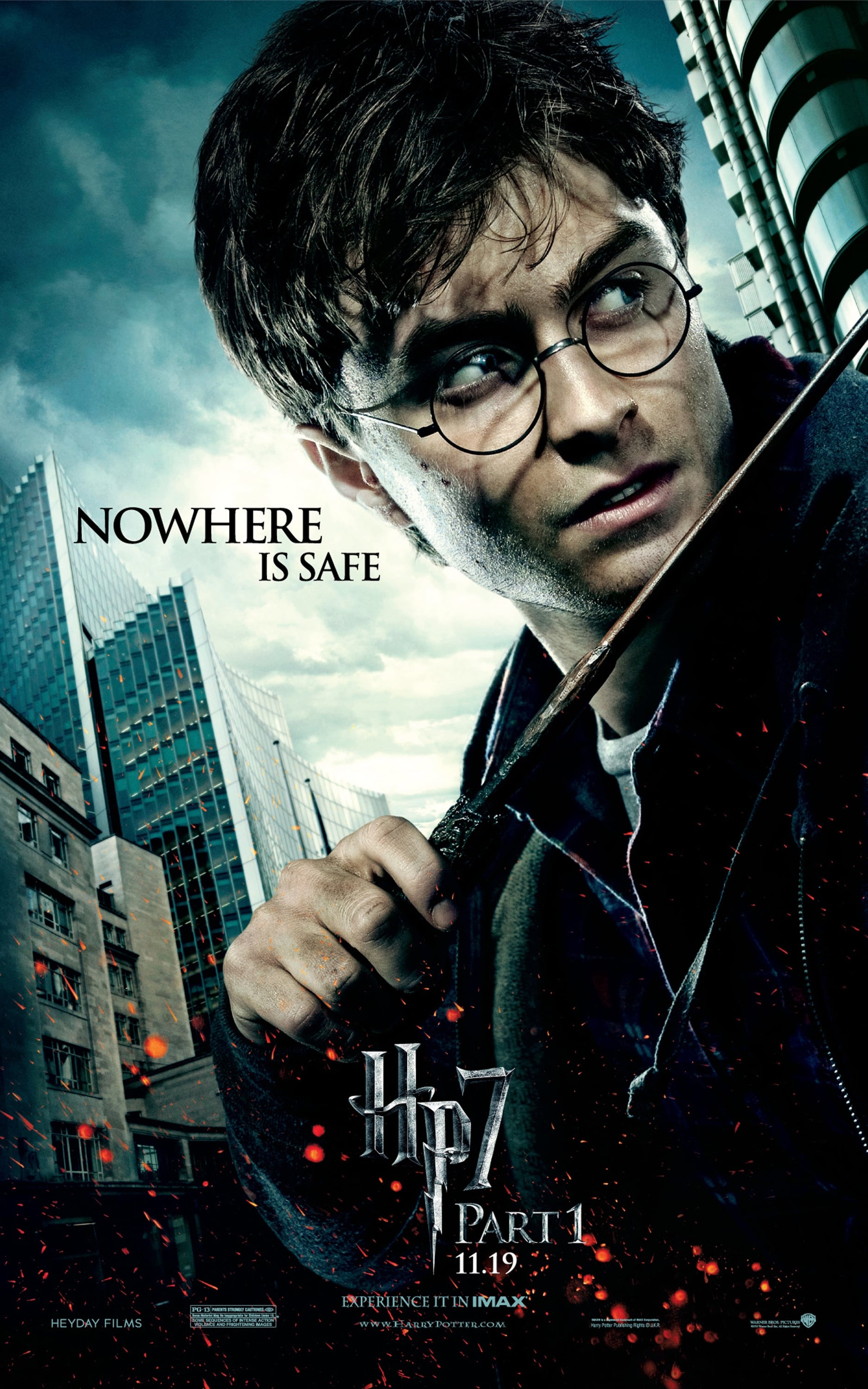
To mark the release two weeks ago of the eighth and final movie in the series, Robbie Coltrane narrates a countdown of the movie franchise's best moments. From Harry's first meeting with Ron and Hermione aboard the Hogwarts Express through to magical mysteries.
A documentary about how a dominant cultural and demographic institution both sustains their traditional activities and adapts to the digital revolution.
Featuring interviews with filmmakers and industry legends, discover the origins and evolution of The Joker, and learn why The Clown Prince of Crime is universally hailed as the greatest comic-book supervillain of all time.
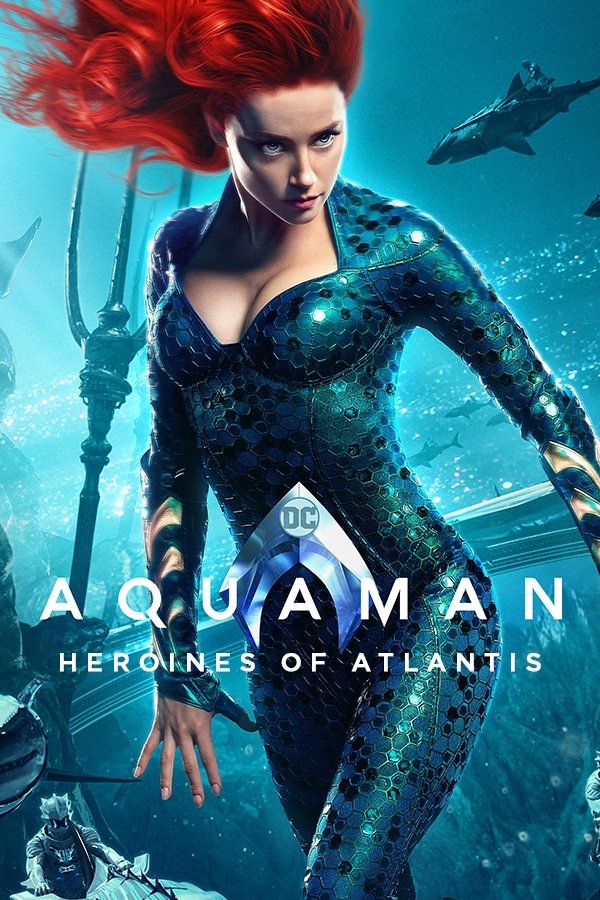
Amber Heard and Nicole Kidman discuss their characters Mera and Atlanna.
A documentary about the life and films of director John Ford.
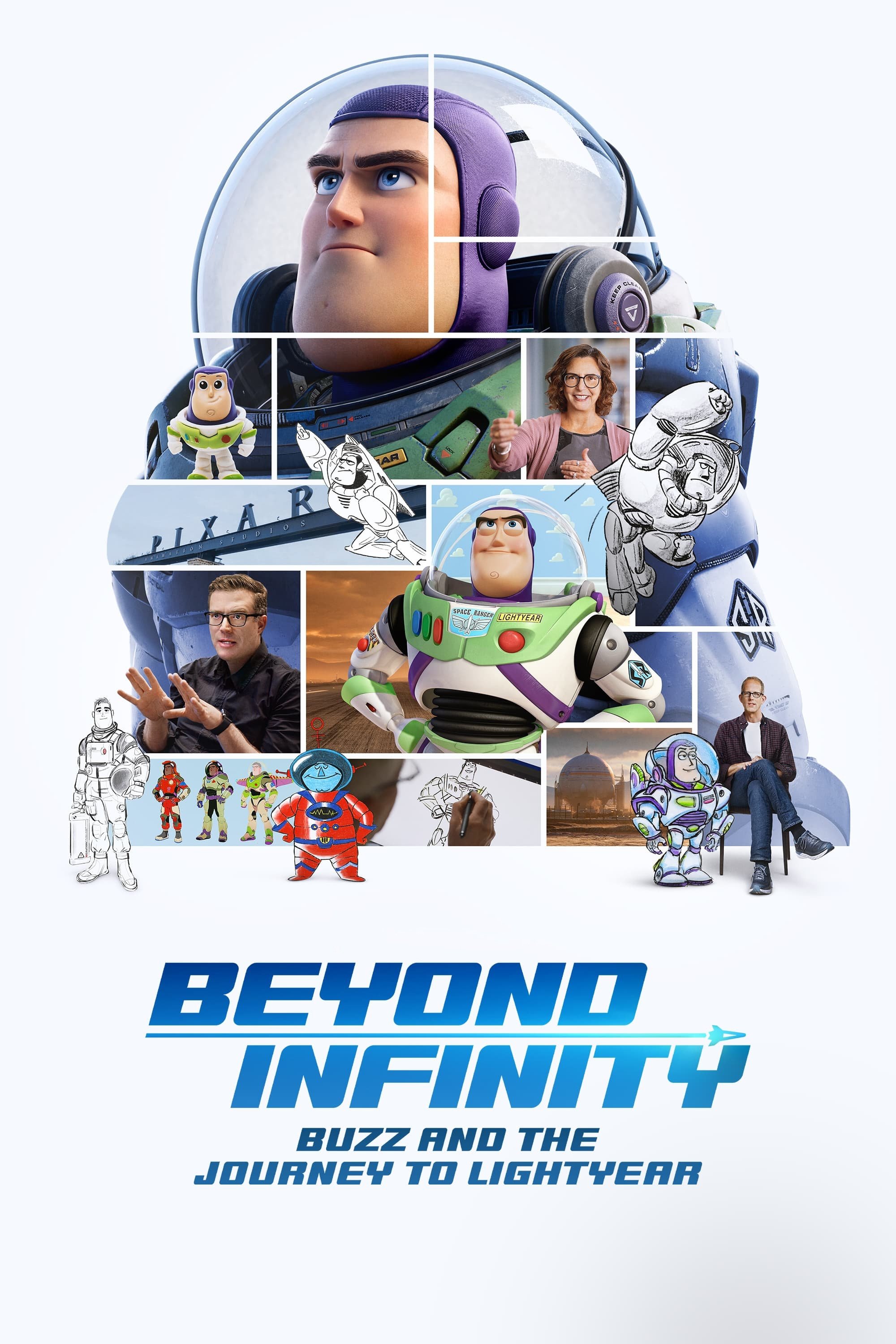
Explore the evolution of Buzz Lightyear from toy to human in the making of Pixar’s Lightyear. Dive into the origin and cultural impact of everyone’s favorite Space Ranger, the art of designing a new “human Buzz,” and the challenges faced by the Lightyear crew along the way.
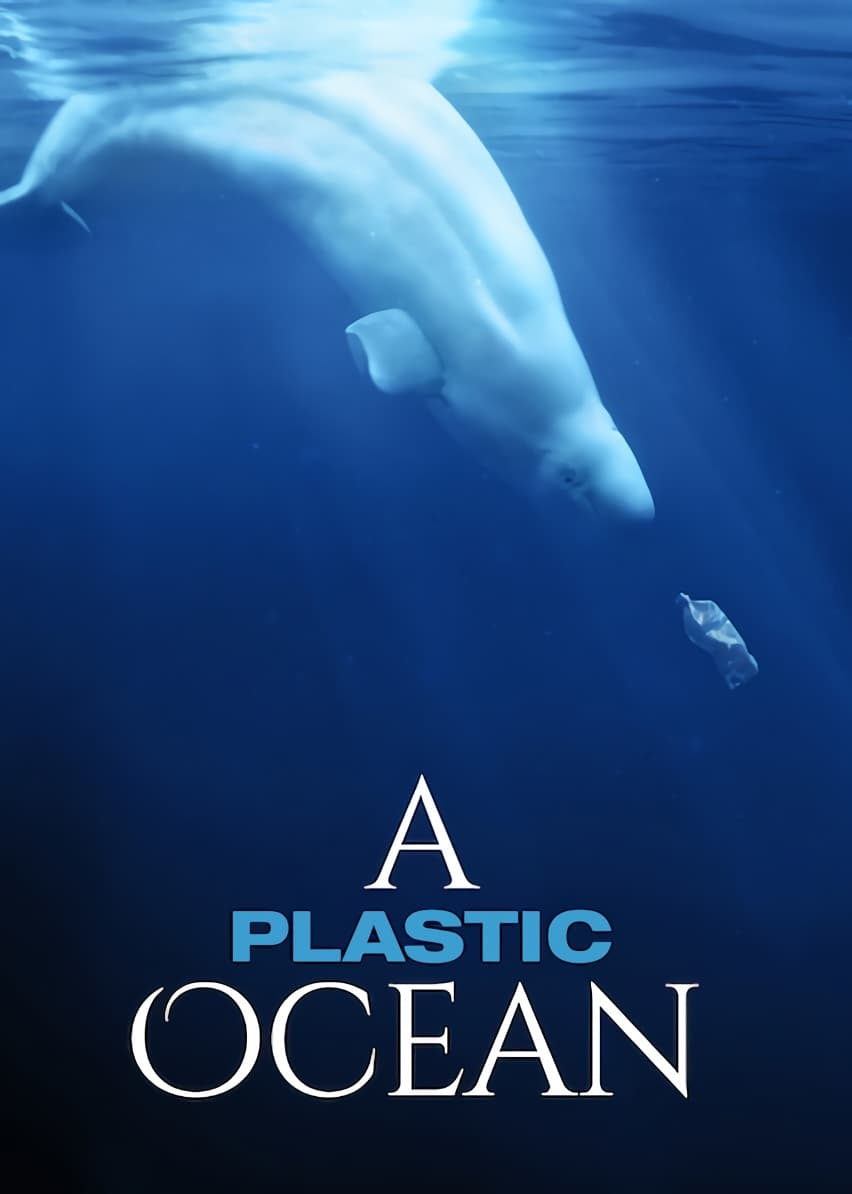
A documentary focused on plastic pollution in the world's oceans.
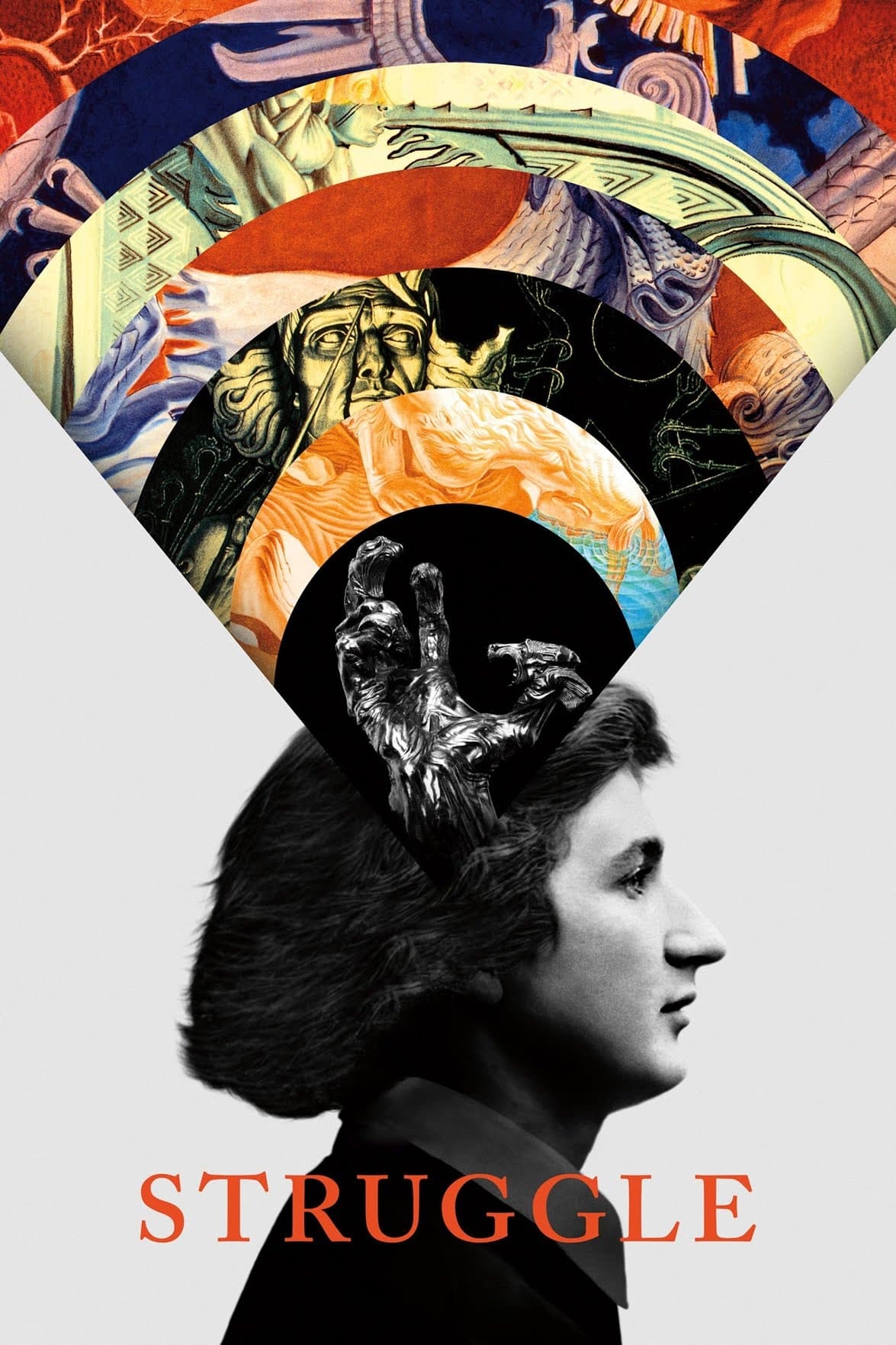
Artists in LA discover the work of forgotten Polish sculptor Stanislav Szukalski, a mad genius whose true story unfolds chapter by astounding chapter.
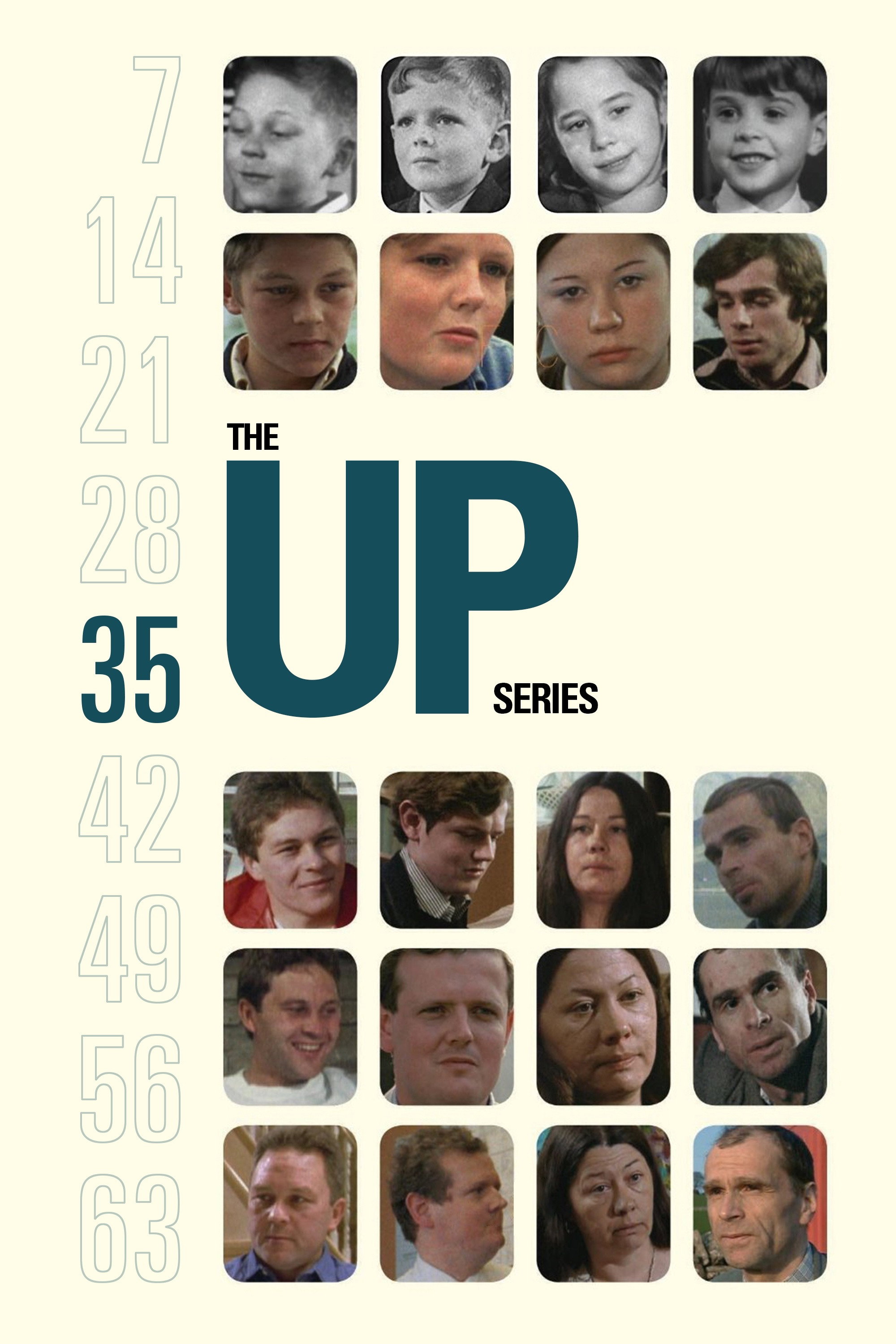
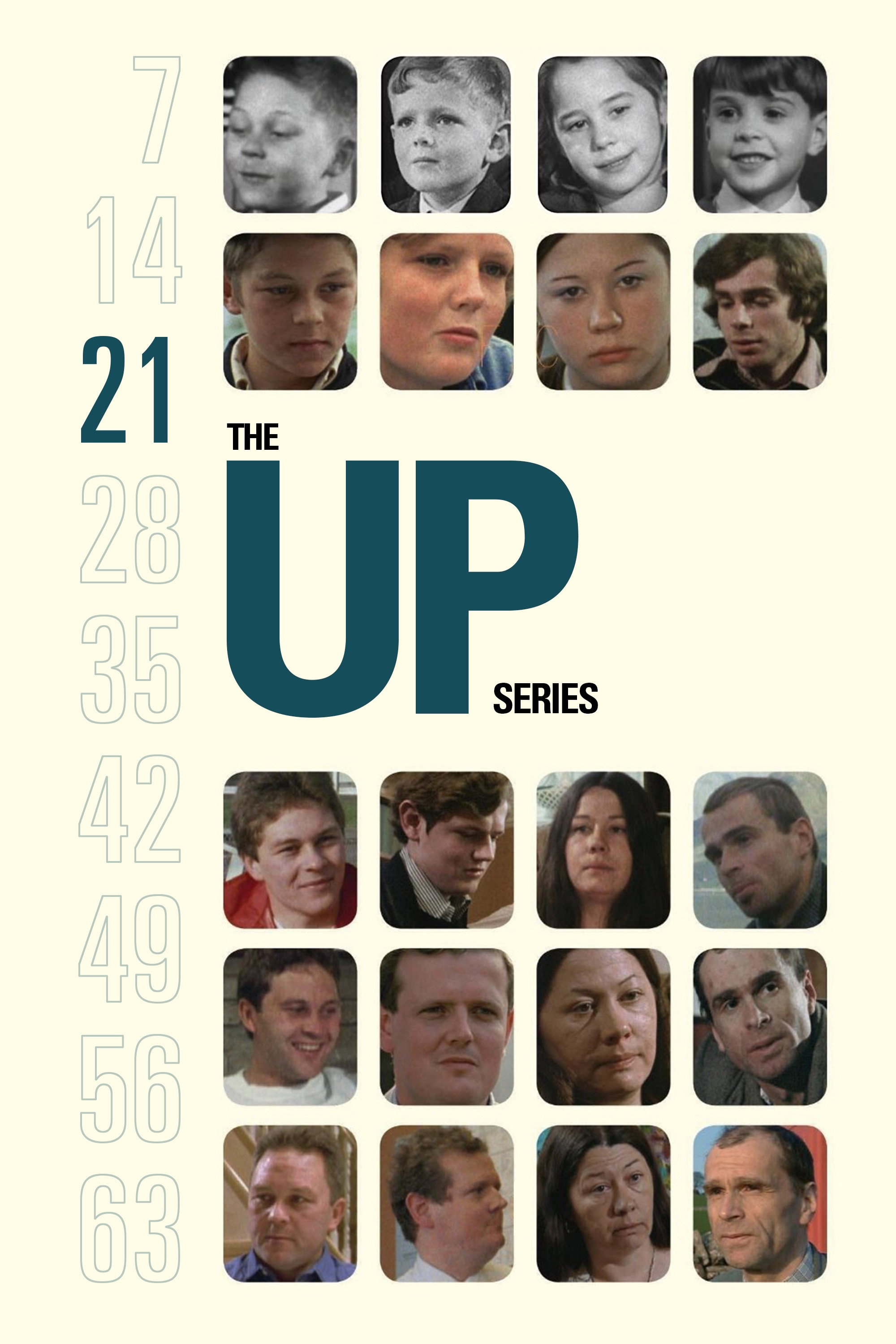
After another 7 year wait, director Michael Apted revisits the same group of British-born children from Seven Up! and 7 Plus Seven. The subjects are interviewed as to the changes that have occurred in their lives during the last seven years.