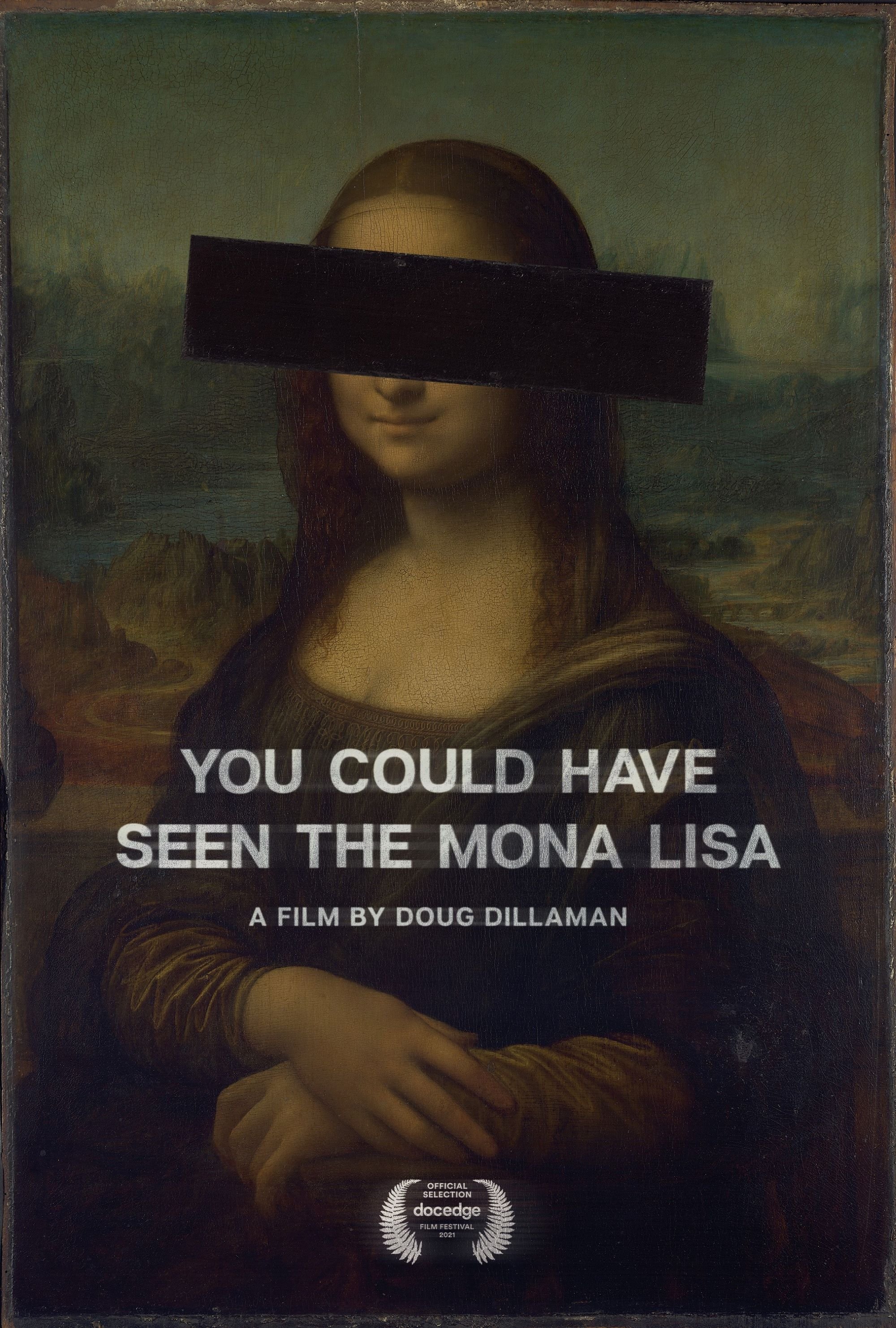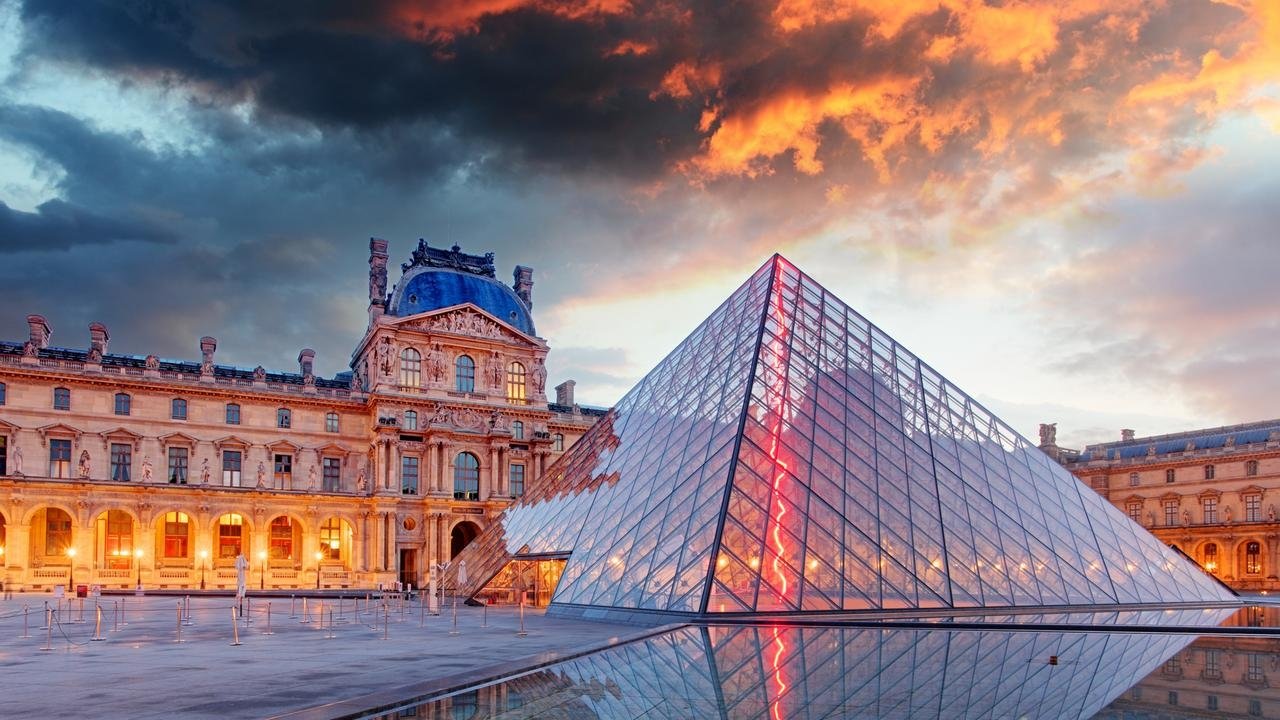
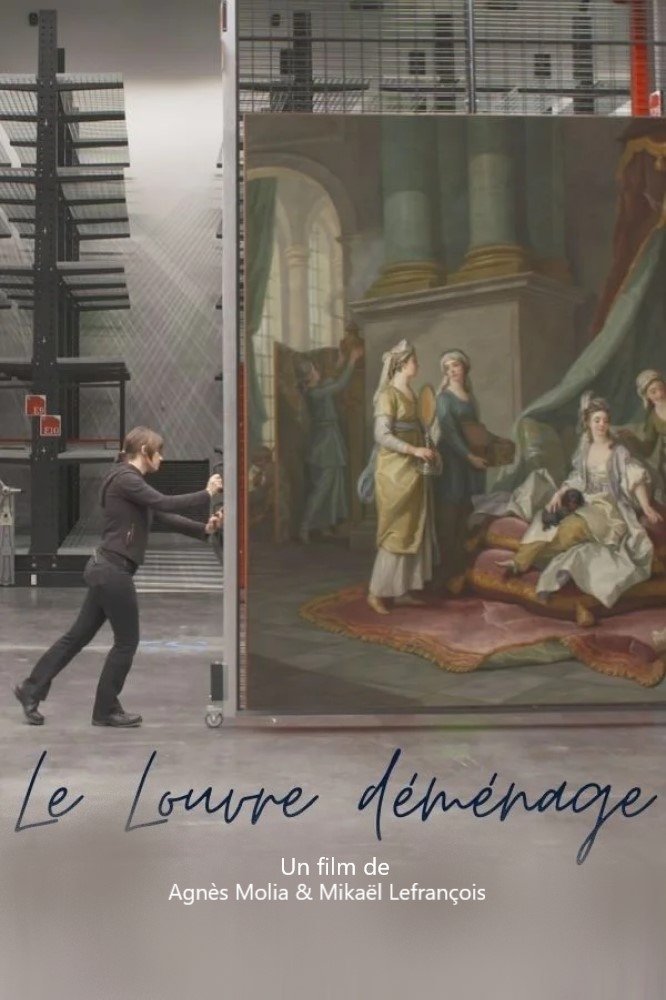
From the evacuation of the reserves, threatened by the flooding of the Seine in June 2016, to the first transfers of works to the Louvre's conservation center in Liévin, a look back at a spectacular rescue operation.
Social & External
A ghost and a French marquis wander through the Winter Palace in St Petersburg, encountering scenes from many different periods of its history.
Some of them move. Others make noise. One weighs in at 700 pounds. Collectively, they represent the future of contemporary craft. Go behind the scenes of the "40 under 40: Craft Futures" exhibition, featuring traditional and non-traditional works of decorative art created by the top 40 American craft artists under the age of 40. Observe this wildly creative and diverse exhibition, assembled for the 40th anniversary of the Smithsonian American Art Museum's Renwick Gallery, and witness the challenges and rewards of bringing together 40 unique artists at the top of their craft.
A video-letter to Thomas Hoving, former director of the Metropolitan Museum of Art in New York and author of the unforgivable "Art for Dummies".
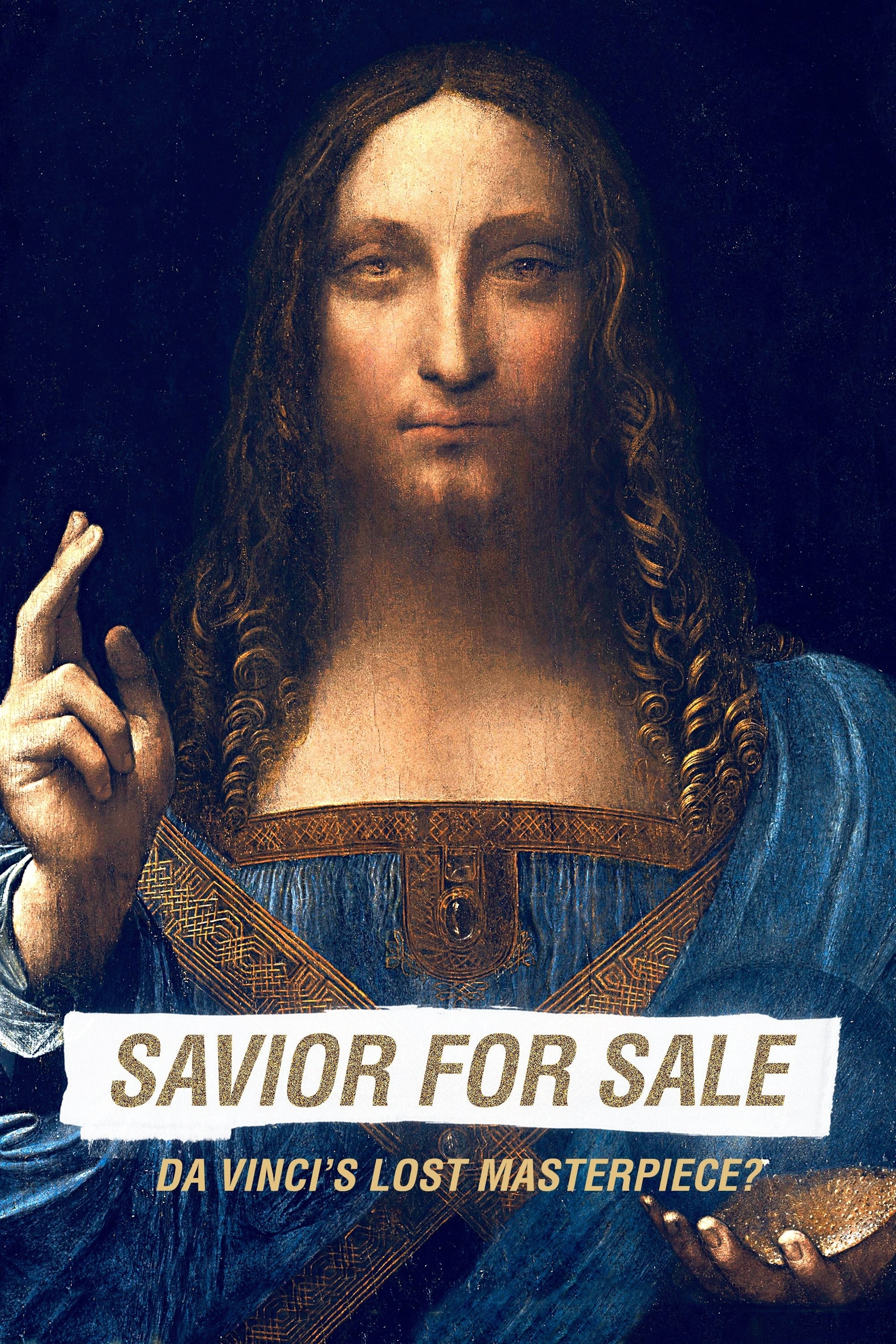
In November 15, 2017, the painting Salvator Mundi, attributed to Italian artist Leonardo da Vinci (1452-1519), was sold for an unprecedented $450 million. An examination of the dirty secrets of the art world and the surprising story of how a work of art is capable of upsetting both personal and geopolitical interests.
The largest railroad community in history at work making the Pennsylvania Railroad become the Standard Railroad of the World. Generations of Altoona shopmen and train crews created the extraordinary legacy this film brings to life.
A documentary about Sir Len Southward OBE and his collection of vehicles at his Southward Car Museum in Paraparaumu, New Zealand, among the largest car museums in the world.
"The Last Dragon" is a nature mockumentary about a British scientific team that attempts to understand the unique incredible beasts that have fascinated people for ages. CGI is used to create the dragons.
To celebrate its 250th anniversary, this documentary tells the story of one of the world’s greatest museums, from its foundation by Catherine the Great, though to its status today as a breathtakingly beautiful complex which includes the Winter Palace. Showcasing a vast collection of the world’s greatest artworks together with contemporary art galleries and exhibitions, it holds over 3 million treasures and world class masterpieces in stunning architectural settings. This is its journey from Imperial Palace to State Museum, encompassing a sometimes troubled past, surviving both the Revolution in 1916 and the siege of Leningrad by the Nazis in 1941-44.
The ninth opus of his Walker Films series, which was shot at Centre Pompidou.
Ka Hoʻina documents members of Hui Mālama I Nā Kūpuna O Hawaiʻi Nei's final repatriation of over 140 sets of iwi kupuna and provides an intimate look into the legacy forged by these committed and passionate few, ensuring that Hawaiians will mālama or care for kupuna for generations to come.
How does art survive in a time of oppression? During the Soviet rule artists who stay true to their vision are executed, sent to mental hospitals or Gulags. Their plight inspires young Igor Savitsky. He pretends to buy state-approved art but instead daringly rescues 40,000 forbidden fellow artist's works and creates a museum in the desert of Uzbekistan, far from the watchful eyes of the KGB. Though a penniless artist himself, he cajoles the cash to pay for the art from the same authorities who are banning it. Savitsky amasses an eclectic mix of Russian Avant-Garde art. But his greatest discovery is an unknown school of artists who settle in Uzbekistan after the Russian revolution of 1917, encountering a unique Islamic culture, as exotic to them as Tahiti was for Gauguin. They develop a startlingly original style, fusing European modernism with centuries-old Eastern traditions.
UNESCO Memory of the World: Explore the Bibliotheca Philosophica Hermetica’s new home with 25,000+ rare books on alchemy, hermetica & mysticism at the Embassy of the Free Mind museum, set in Amsterdam’s historic canal mansion, the House with the Heads.
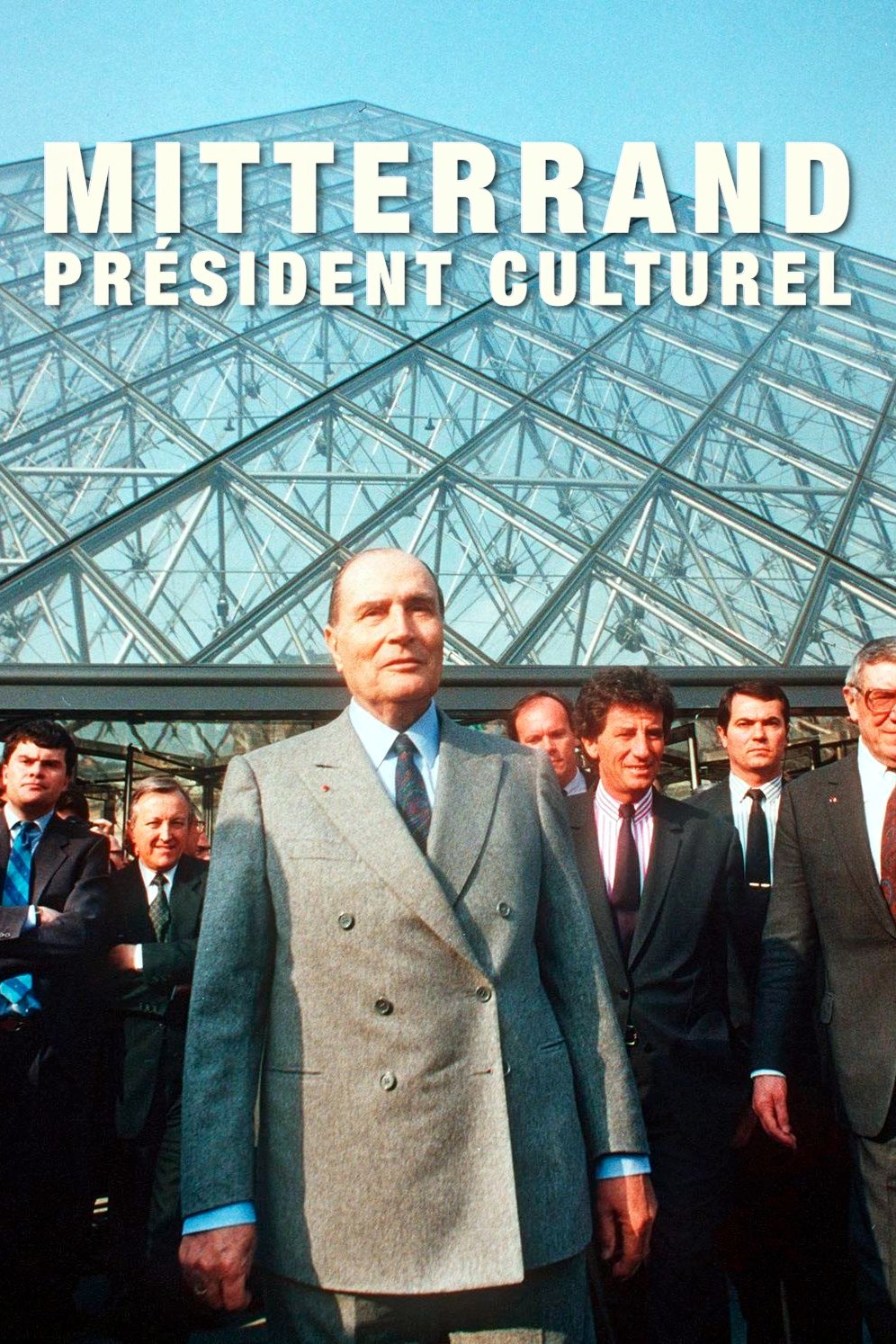
The tumultuous history of the Louvre Museum, founded in 1793, and its fabulous art collections, an immortal testimony to the destiny of France and all of Europe.
Newly edited version of Luigi Cozzi's 1997 documentary "Il mondo di Dario Argento 3: Il museo degli orrori di Dario Argento" focusing on the museum-part of the "Profondo Rosso" shop.
Bouncing between Europe and the United States as often as she would between lovers, Peggy Guggenheim’s life was as swirling as the design of her uncle’s museum, and reads more like fiction than any reality imaginable. Peggy Guggenheim – Art Addict offers a rare look into Guggenheim’s world: blending the abstract, the colorful, the surreal and the salacious, to portray a life that was as complex and unpredictable as the artwork Peggy revered and the artists she pushed forward.
In August 2021, writer Lola Lafon spent a night alone in the Annex of the Anne Frank Museum, where the young girl and her family hid from 1942 to 1944. This experience gave rise to a book, Quand tu écouteras cette chanson, and now its documentary adaptation. Over the course of a night, the author revisits her story. An inner journey around the figure of Anne Frank and the power of writing in the face of oblivion.

In this follow-up to his 2003 film, Totem: the Return of the G'psgolox Pole, filmmaker Gil Cardinal documents the events of the final journey of the G'psgolox Pole as it returns home to Kitamaat and the Haisla people, from where it went missing in 1929.
Decolonising the Curatorial Process is a forty-minute documentary which explores decolonial strategies in an academic and curatorial context. The film features academics, activists and practitioners, and contains case studies of institutions that are deploying critical, self-reflective forms of curatorial practice. The Museum of London Docklands exhibition on slavery and the sugar industry is examined as an example of how an institution can decolonise the curatorial process, utilise the work of artists in a museum context, and critically examine East London's imperial history. The Pitt Rivers museum in Oxford, who are working with Maasai activists from Kenya and Tanzania on a project centred on repatriating the museum's collection of sacred Maasai artefacts, also features in the film.
One man's hat is another man's treasure when it comes to the importance and significance of saving items of historic value.
Cameramen and women discuss the craft and art of cinematography and of the "DP" (the director of photography), illustrating their points with clips from 100 films, from Birth of a Nation to Do the Right Thing. Themes: the DP tells people where to look; changes in movies (the arrival of sound, color, and wide screens) required creative responses from DPs; and, these artisans constantly invent new equipment and try new things, with wonderful results. The narration takes us through the identifiable studio styles of the 30s, the emergence of noir, the New York look, and the impact of Europeans. Citizen Kane, The Conformist, and Gordon Willis get special attention.
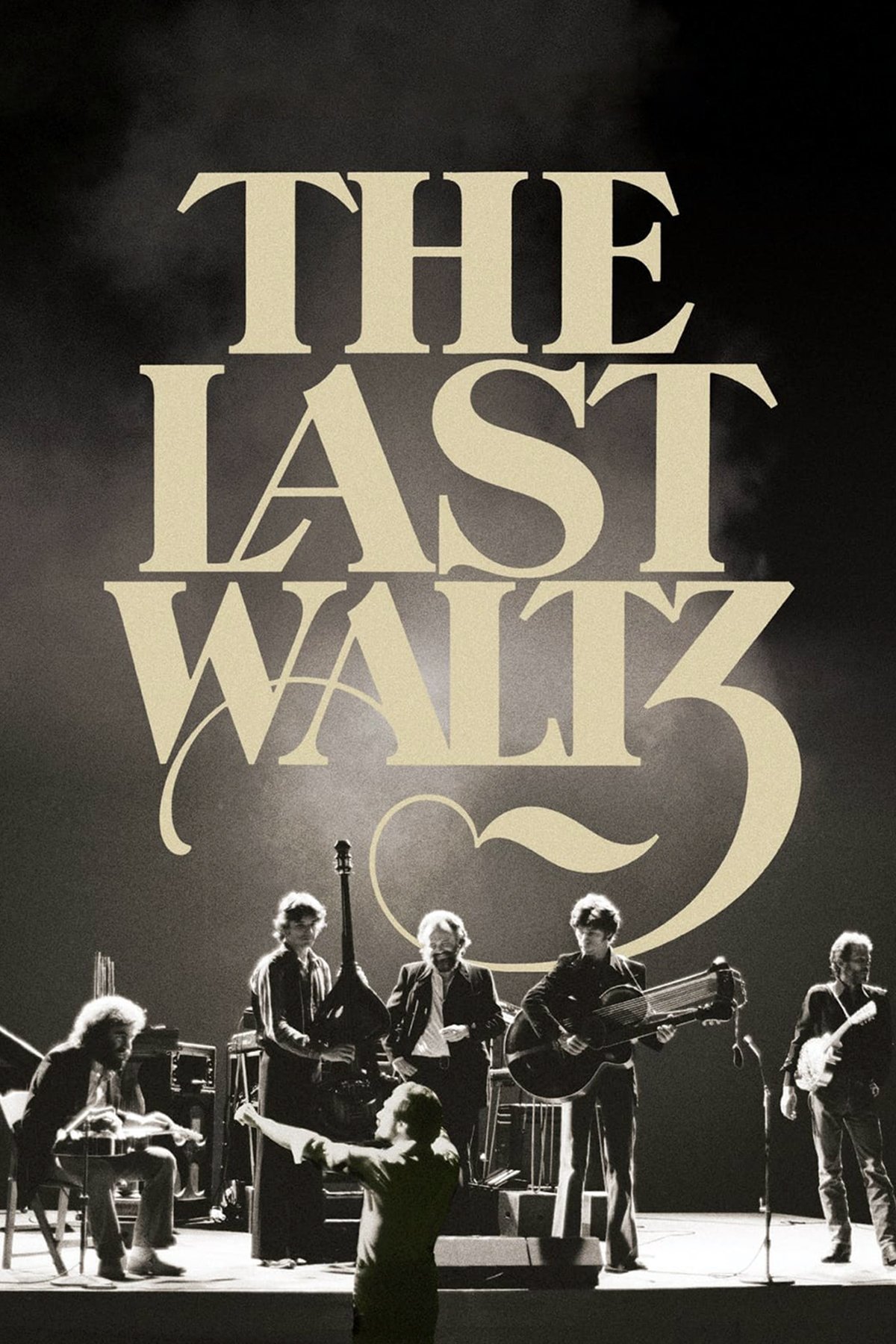
The history of cinematic sound, told by legendary sound designers and visionary filmmakers.
Director Agnès Varda and photographer/muralist JR journey through rural France and form an unlikely friendship.
JB Smoove and Martin Starr host a celebration of 20 years of "Spider-Man" movies, from the Sam Raimi trilogy to Marc Webb's movies and the trio from Jon Watts.
A collection of restored prints from the Lumière Brothers.
National Geographic's riveting effort recounts all 12 crewed missions using only archival footage, photos and audio.
Jacques Perrin and Jacques Cluzaud travel throughout Europe to film brown bears, wild horses, wolves and other animals in their natural habitat.
Director Claude Lanzmann spent 11 years on this sprawling documentary about the Holocaust, conducting his own interviews and refusing to use a single frame of archival footage. Dividing Holocaust witnesses into three categories – survivors, bystanders, and perpetrators – Lanzmann presents testimonies from survivors of the Chelmno concentration camp, an Auschwitz escapee, and witnesses of the Warsaw Ghetto Uprising, as well as a chilling report of gas chambers from an SS officer at Treblinka.
A behind-the-scenes documentary about the Clinton for President campaign, focusing on the adventures of spin doctors James Carville and George Stephanopoulos.
Oliver Stone charts the history of the United States from the Second World War to the present.
A documentary on the expletive's origin, why it offends some people so deeply, and what can be gained from its use.
After years in the limelight, Selena Gomez achieves unimaginable stardom. But just as she reaches a new peak, an unexpected turn pulls her into darkness. This uniquely raw and intimate documentary spans her six-year journey into a new light.
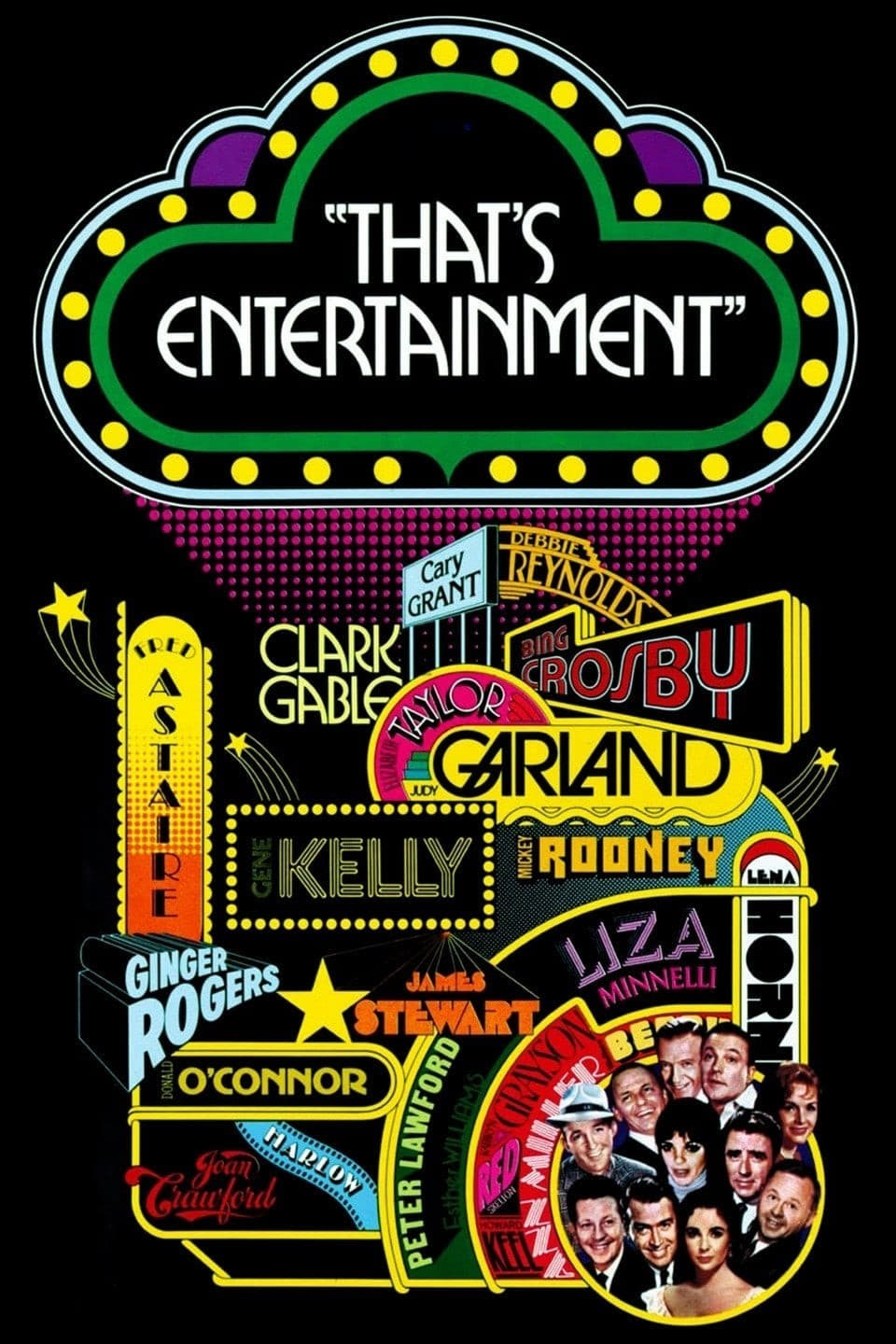
Various MGM stars from yesterday present their favorite musical moments from the studio's 50 year history.
A portrait of singer-songwriter Shawn Mendes' life, chronicling the past few years of his rise and journey.
For the 20th anniversary of "Titanic," James Cameron reopens the file on the disaster.
Experience the events of September 11, 2001 through the eyes of President Bush and his closest advisors as they personally detail the crucial hours and key decisions from that historic day.
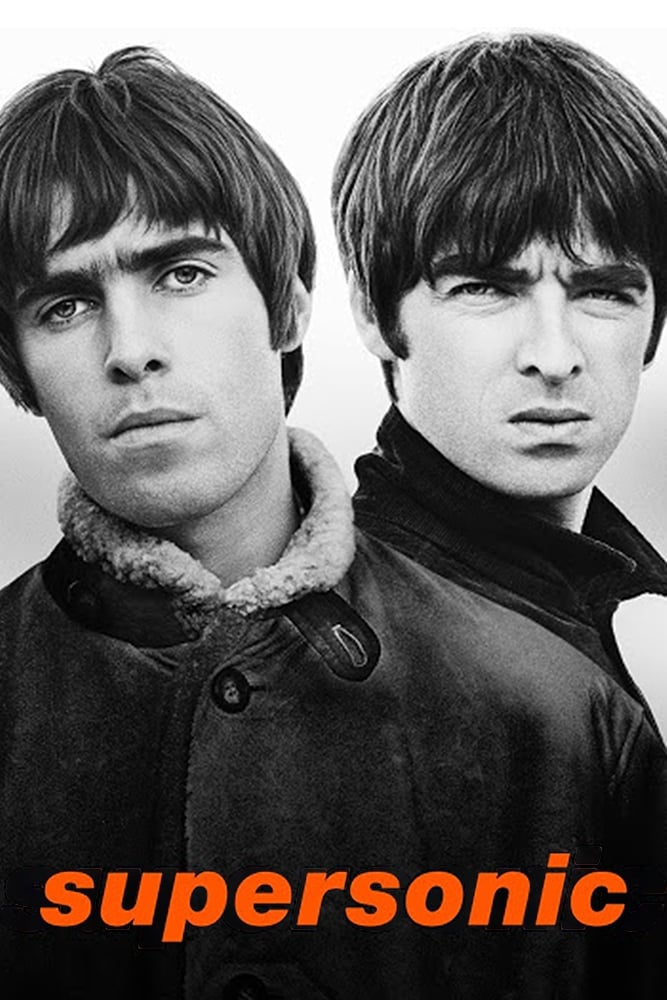
Supersonic charts the meteoric rise of Oasis from the council estates of Manchester to some of the biggest concerts of all time in just three short years. This palpable, raw and moving film shines a light on one of the most genre and generation-defining British bands that has ever existed and features candid new interviews with Noel and Liam Gallagher, their mother, and members of the band and road crew.
"One Direction: This Is Us" is a captivating and intimate all-access look at life on the road for the global music phenomenon. Weaved with stunning live concert footage, this inspiring feature film tells the remarkable story of Niall, Zayn, Liam, Harry and Louis' meteoric rise to fame, from their humble hometown beginnings and competing on the X-Factor, to conquering the world and performing at London’s famed O2 Arena. Hear it from the boys themselves and see through their own eyes what it's really like to be One Direction.
When Allied forces liberated the Nazi concentration camps in 1944-45, their terrible discoveries were recorded by army and newsreel cameramen, revealing for the first time the full horror of what had happened. Making use of British, Soviet and American footage, the Ministry of Information’s Sidney Bernstein (later founder of Granada Television) aimed to create a documentary that would provide lasting, undeniable evidence of the Nazis’ unspeakable crimes. He commissioned a wealth of British talent, including editor Stewart McAllister, writer and future cabinet minister Richard Crossman – and, as treatment advisor, his friend Alfred Hitchcock. Yet, despite initial support from the British and US Governments, the film was shelved, and only now, 70 years on, has it been restored and completed by Imperial War Museums under its original title "German Concentration Camps Factual Survey".
Cast, crew and fans explore the “Back to the Future” time-travel trilogy's resonance throughout our culture, thirty years after Marty McFly went back in time.