"The Story of VJing and Live Video Art"
Brief history of the video artist and the history of the video
Social & External
The people behind it
Joshua Goldberg
Self
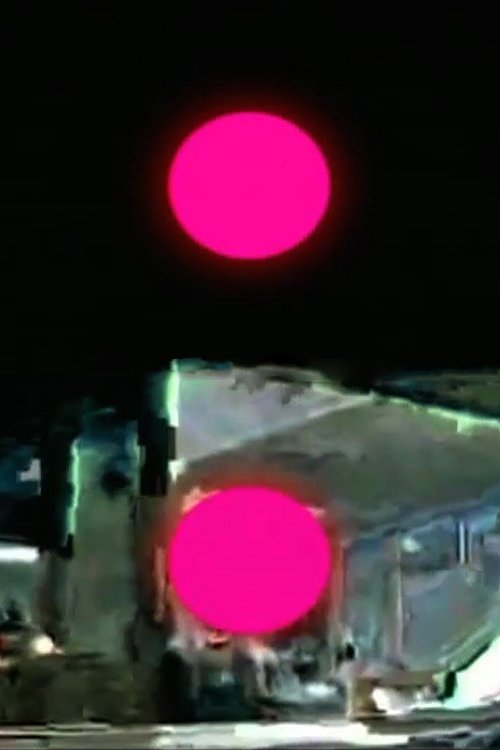
In Untitled (Pink Dot), Murata transforms footage from the Sylvester Stallone film First Blood (1982) into a morass of seething electronic abstraction. Subjected to Murata's meticulous digital reprocessing, the action scenes decompose and are subsumed into an almost palpable, cascading digital sludge, presided over by a hypnotically pulsating pink dot.
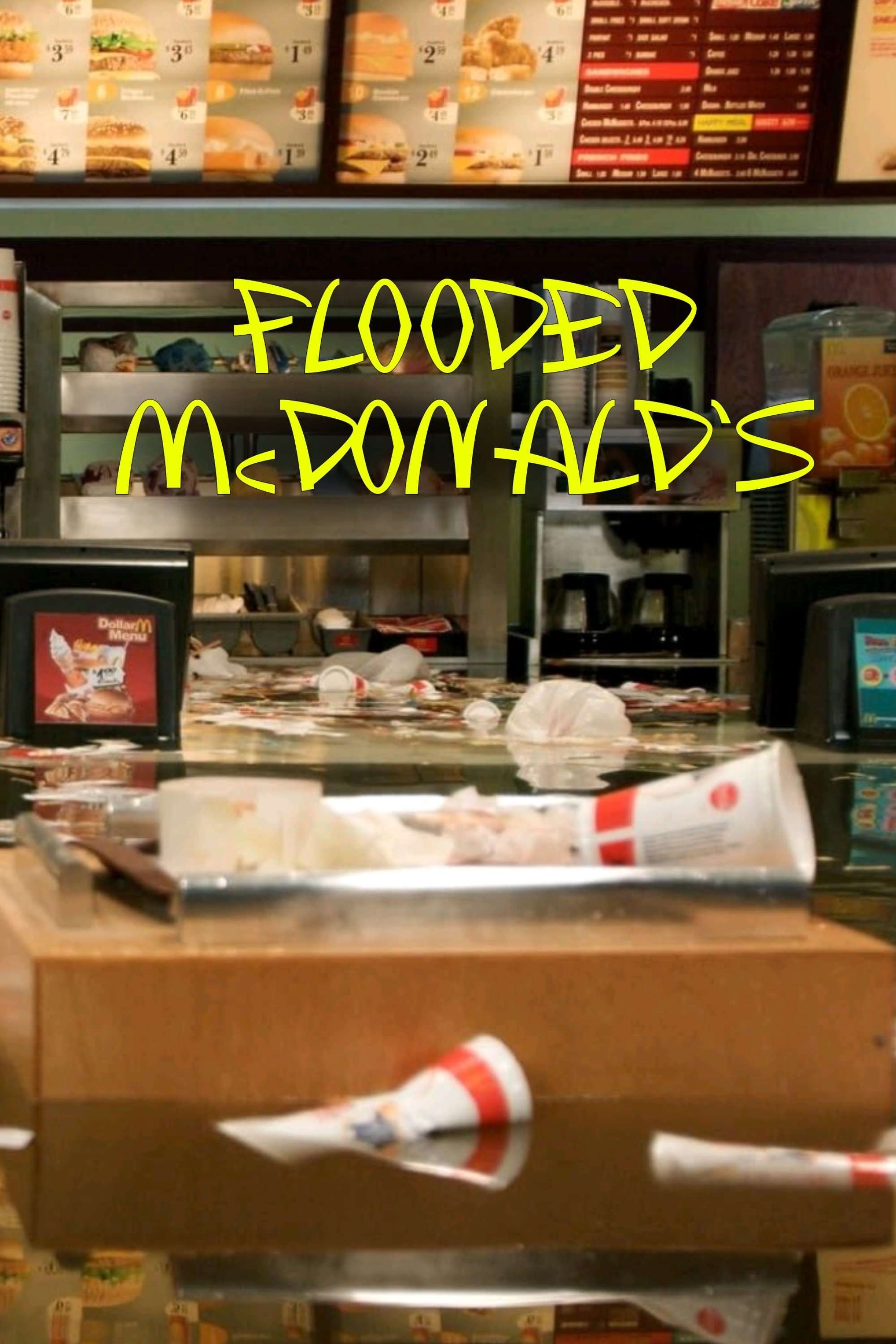
Flooded McDonald's is a new film work in which a convincing life-size replica of the interior of a McDonald's burger bar, without any customers or staff present, gradually floods with water.
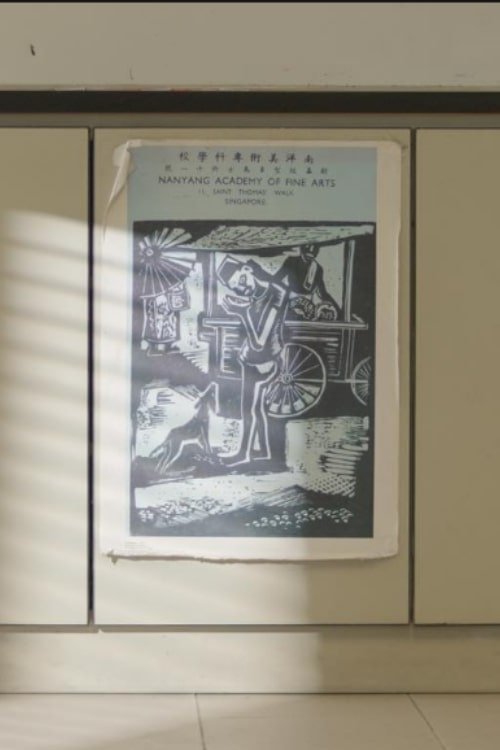
Proximities focuses on the trope of the Malay Boy found in the works of Singaporean artist Cheong Soo Pieng (b. 1917-1983). It attempts to locate the Malay male in art history while unpacking underlying systems of power that have shaped and naturalised the understanding of difference.
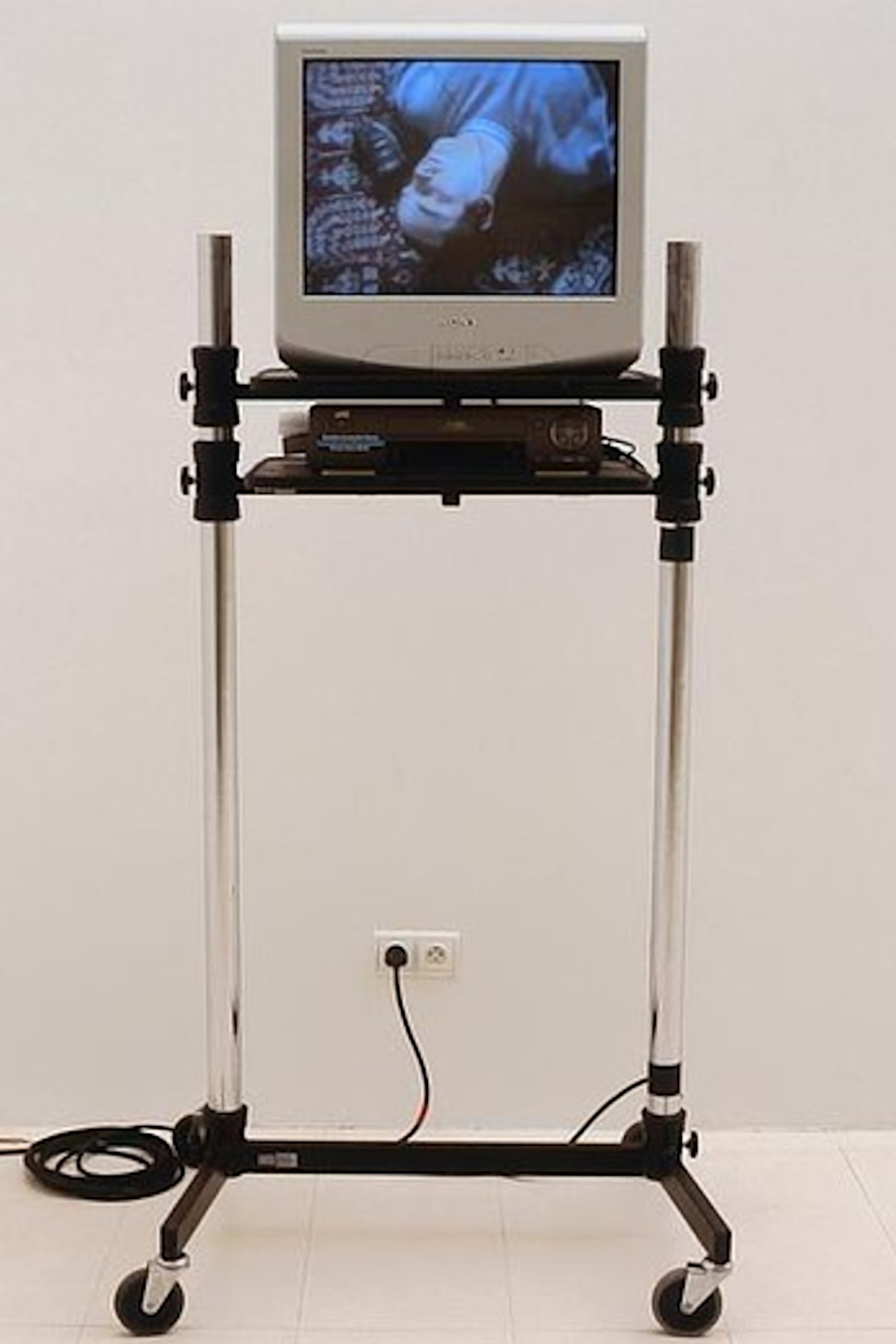
In the present work, the artists appears lying on his back, his eyes mostly closed, dreamingly listening to a walkman that plays, a recording of 'The Best of Lou Reed and the Velvet Underground'. The artist can hear the music through his earphones, but as viewers we are only privy to the sound of his voice that whispers the melody. As we listen to the hypnotic interpretion of the familiar songs - as emblematic for pop music history as 'Psycho' is for film - we are forced to mentally 'reconstruct' the remaining orchestration, instrumentation and vocals. We must attempt to reassemble something we already know to be a fact by negotiating the sticky mess of interpretation, meaning, and memory.
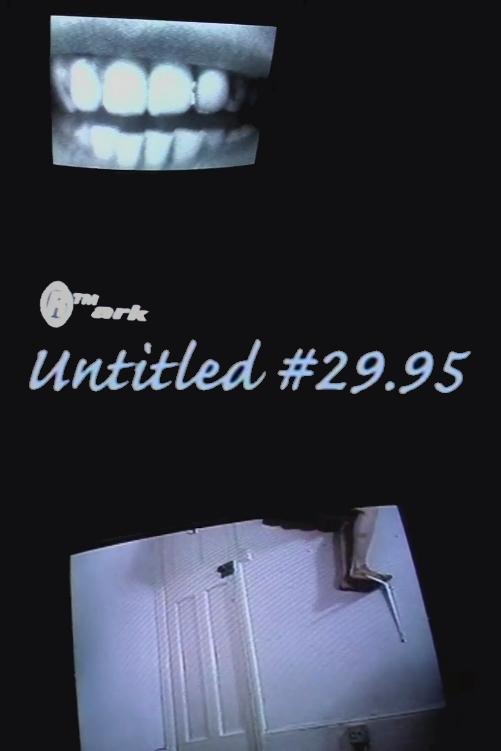
Originally produced anonymously and distributed by RTMark, Untitled #29.95 tells the story of the commercial art establishment's attempt to turn video art into a precious commodified object through the release of limited editions during the nineties.
Bits and blocks are the home of the Super Vario Birds who are dancing to the 8bit symphony of Ludwig van Beethoven.
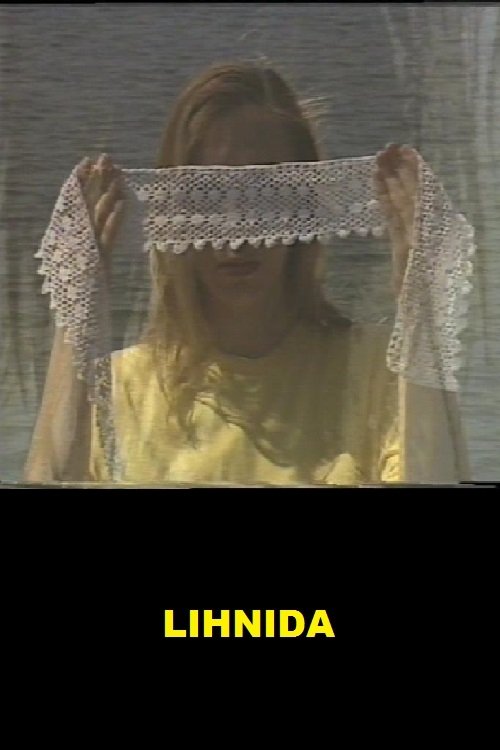
A dream where obsession for German as a second language mixes up with an obsession for neatness and cleanliness as a distinctive feature of the national culture in question seen from the perspective of a foreigner. The dream is not a nightmare only because the set it is dreamt into is the seashore of the mare nostrum, where the dreaming subject is perfectly at home. A homeland which she, in turn, in her more secret thus naïf dreams would dream of being cleaner and tidier as in the reality, especially in front of such beauty of nature. As is right and proper.
A ritual of grids, reflections and chasms; a complete state of entropy; a space that devours itself; a vertigo that destroys the gravity of the Earth; a trap that captures us inside the voids of the screen of light: «That blank arena wherein converge at once the hundred spaces» (Hollis Frampton).
After concluding the now-legendary public access TV series, The Pain Factory, Michael Nine embarked on a new and more subversive public access endeavor: a collaboration with Scott Arford called Fuck TV. Whereas The Pain Factory predominantly revolved around experimental music performances, Fuck TV was a comprehensive and experiential audio-visual presentation. Aired to a passive and unsuspecting audience on San Francisco’s public access channel from 1997 to 1998, each episode of Fuck TV was dedicated to a specific topic, combining video collage and cut-up techniques set to a harsh electronic soundtrack. The resultant overload of processed imagery and visceral sound was unlike anything presented on television before or since. EPISODES: Yule Bible, Cults, Riots, Animals, Executions, Static, Media, Haterella (edited version), Self Annihilation Live, Electricity.
A spectral first-person journey through Los Angeles layers the city across itself as our guide disassociates, giving way to an abstracted daytime ghost story following a woman's splitting of self and perception. ANGEL PROJECT continues.
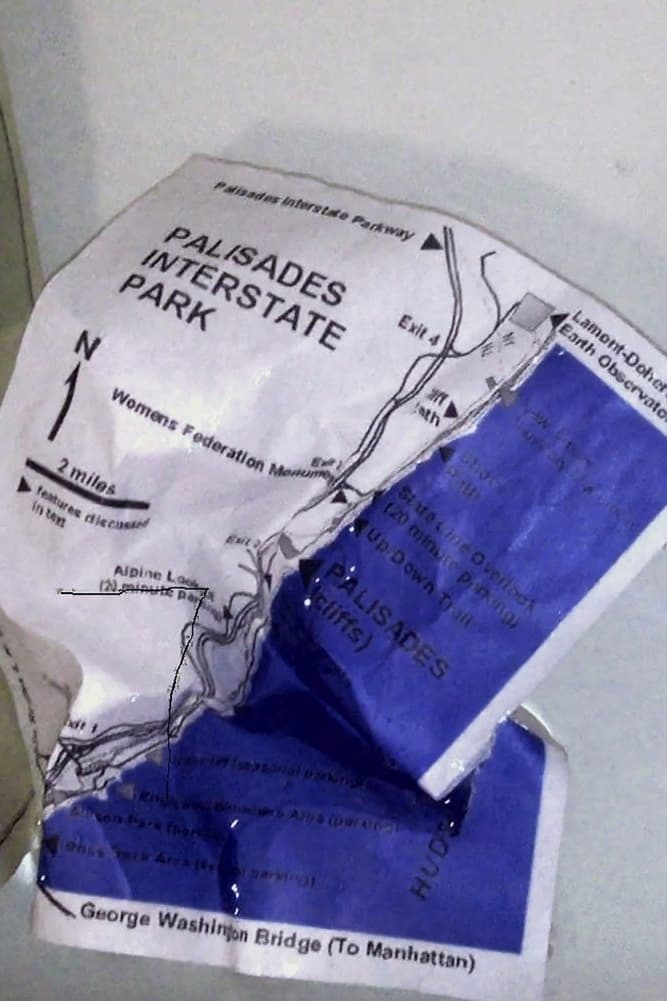
For this video, Palisades in Palisades, 2014, Rose wanted to expand both her conceptual concerns and her cinematographic repertoire. “I was learning how to make a shot in relation to the content,” she explains, “and how the shots were metaphors for pure sensual material.” The artist accomplished this by using a remote-control camera that could zoom from 200 feet away all the way up to the pores in an individual’s skin. She chose to shoot in New Jersey’s Palisades Interstate Park, a onetime Revolutionary War battleground turned landscaped circuit park that sits atop an ancient cliff.
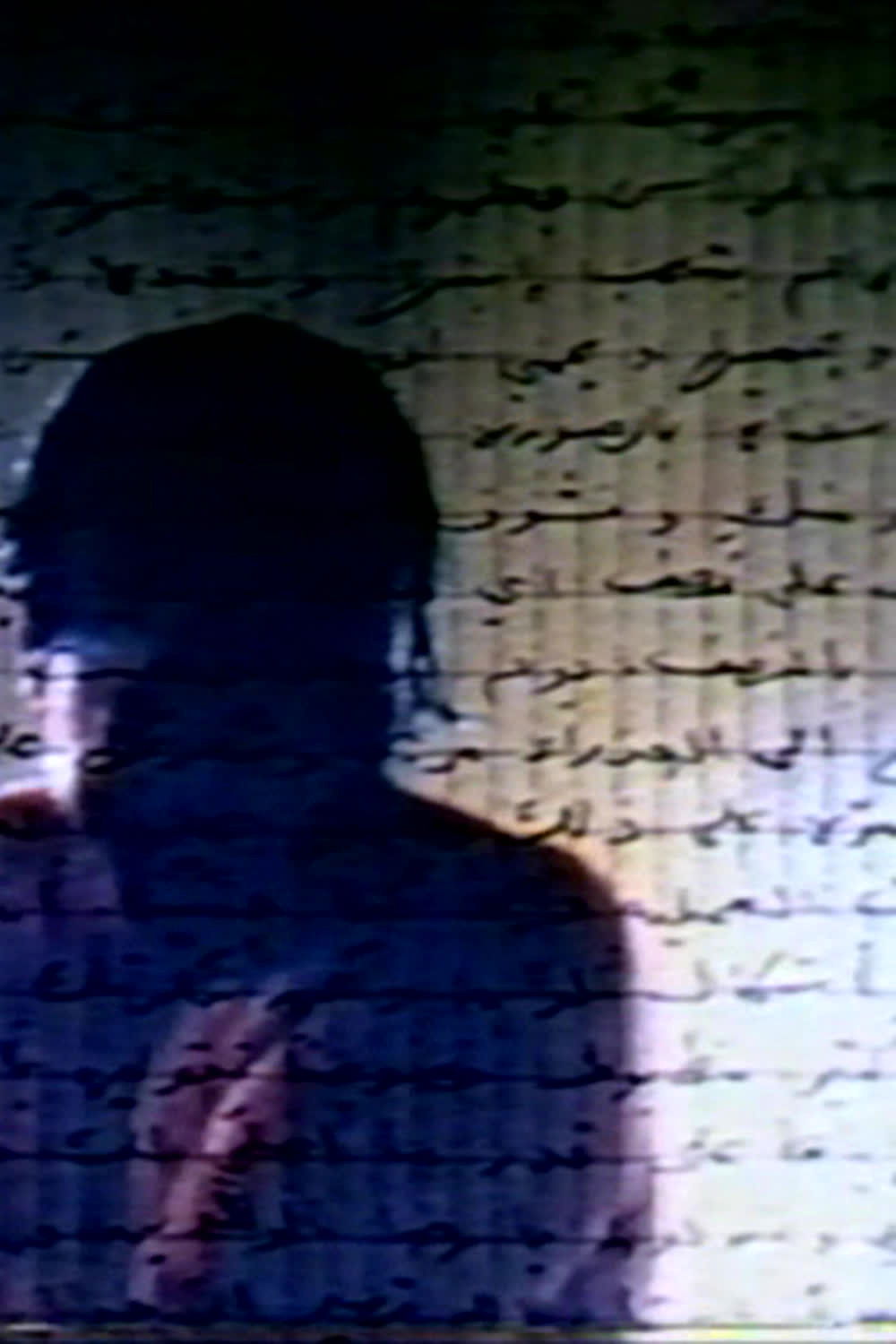
In this video, the artist tries to overcome the effects of distance, and reflects on geography represented in exile due to war, and on the psychological distance represented in each one’s approach to her womanhood. The video beautifully weaves personal images and audio recordings of a very intimate nature, binding the personal with the political. Reading aloud from letters sent by her mother in Beirut, Hatoum creates a visual montage reflecting her feelings of separation and isolation from her Palestinian family. The personal and political are inextricably bound in a narrative that explores personal and family identity against a backdrop of traumatic social rupture, exile and displacement.
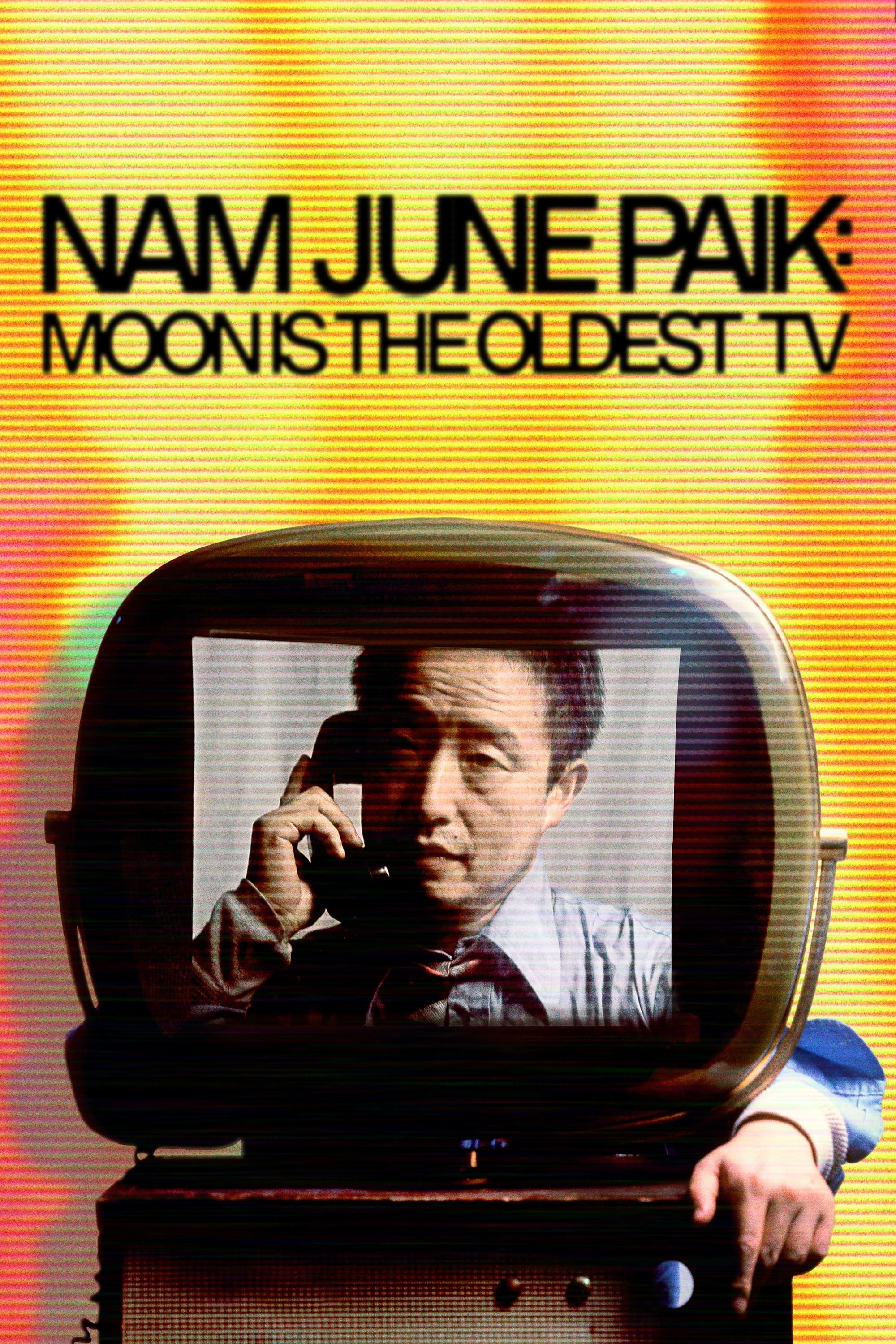
The quixotic journey of Nam June Paik, one of the most famous Asian artists of the 20th century, who revolutionized the use of technology as an artistic canvas and prophesied both the fascist tendencies and intercultural understanding that would arise from the interconnected metaverse of today's world.
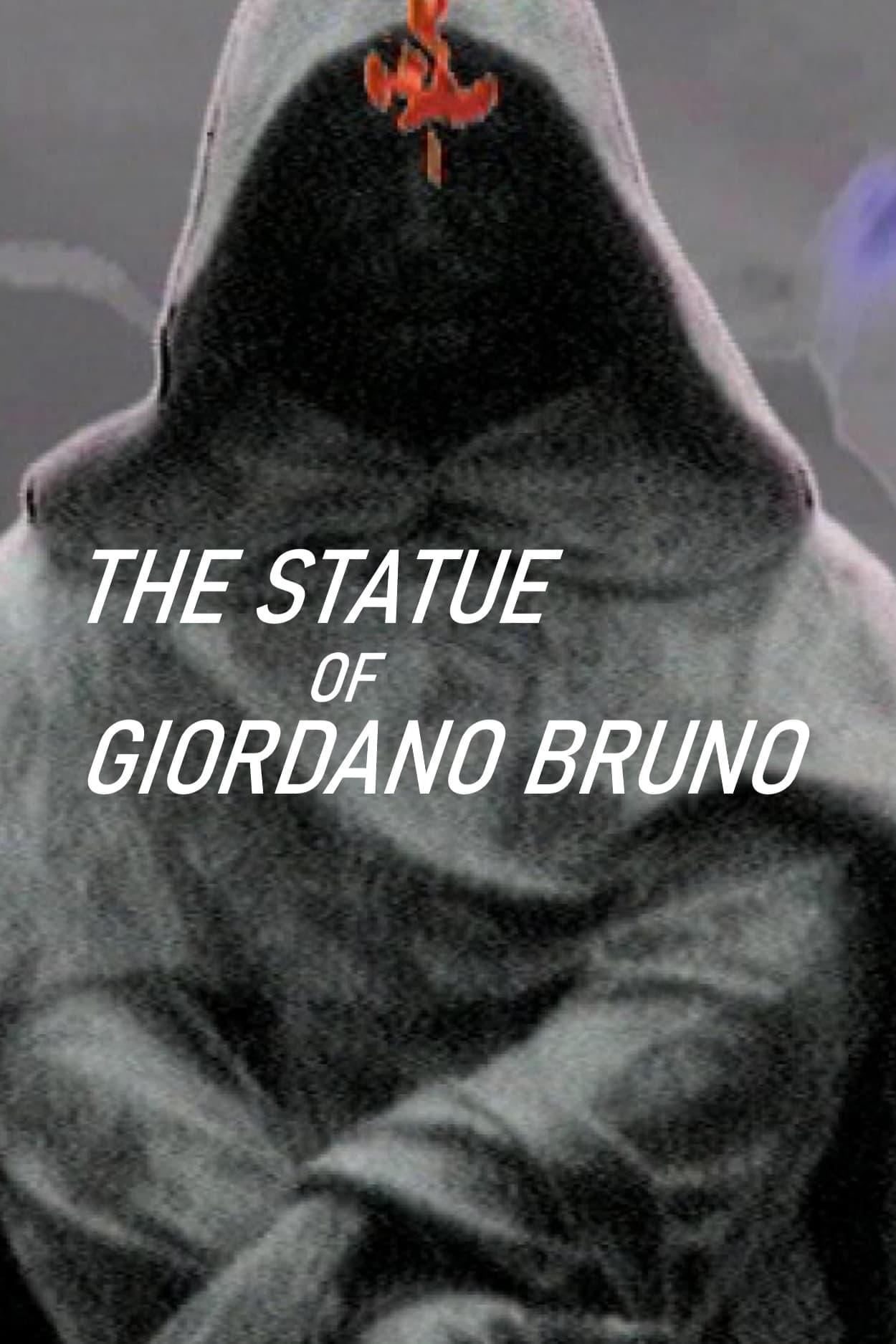
This film was made out of the capture of a live animation performance presented in Rome in January 2005 by Pierre Hébert and the musician Bob Ostertag. It is based on live action shooting done that same afternoon on the Campo dei Fiori where the philosopher Giordano Bruno was burned by the Inquisition in 1600. A commemorative statue was erected in the 19th century, that somberly dominate the market held everyday on the piazza. The film is about the resurgence of the past in this place where normal daily activities go on imperturbably. The capture of the performance was reworked, shortened and complemented with more studio performances.
In Junior War, a throng of highschoolers congregate at night for a party in the woods sometime in the year 2000. A band plays, the kids get drunk, the boys and girls tepidly flirt, and groups deploy into cars for the purpose of destroying mailboxes, tee-peeing houses, breaking lawn ornaments, and sparring with the police. The film is composed entirely of footage Trecartin took during his senior year of high school in exurban Ohio; as such, it baits the viewer with genealogical significance.
A woman's body communicates with its surroundings; it is a receptor of the macrocosm that bears traces of all other laws, including even the physiology with all its energetic zones. This is the energy that corresponds to spiritual experiences, which also depend on the body technique. The communicability can be understood, among other things, as one of the variations of the functioning of the body within the sequential regime of signs.
Produced at International Video Colony Ohrid, Macedonia 1989. Screened in retrospective at Alternative Film/Video Belgrade Festival 2014.
On the occasion of the Taipei Biennale, Me, my friends and my gallerist went to Taipei city, then found mere materials in daily use which is you can easily find in most of asian city. We were collecting the moment of improvised "performance" with those objects to activate possibility of how we could see things differently. Originally made in 2006 for the installation version. And in 2007 I edited it into single channel.
The life and career of an actor, artist, and icon. His own journey through his own camera.
Al Pacino's deeply-felt rumination on Shakespeare's significance and relevance to the modern world through interviews and an in-depth analysis of "Richard III."
This revealing documentary honors the legendary Sidney Poitier—iconic actor, filmmaker, and civil rights activist. Featuring interviews with Denzel Washington, Spike Lee, Halle Berry, and more.
SEDUCED AND ABANDONED combines acting legend Alec Baldwin with director James Toback as they lead us on a troublesome and often hilarious journey of raising financing for their next feature film. Moving from director to financier to star actor, the two players provide us with a unique look behind the curtain at the world's biggest and most glamourous film festival, shining a light on the bitter-sweet relationship filmmakers have with Cannes and the film business. Featuring insights from directors Martin Scorsese, 'Bernando Bertolucci' and Roman Polanski; actors Ryan Gosling and Jessica Chastain and a host of film distribution luminaries.
An inside look at one of the most anticipated movie sequels ever with James Cameron and cast.
A visual montage portrait of our contemporary world dominated by globalized technology and violence.
In an intimate and joyful story of love in the face of loss, celebrated poets Andrea Gibson and Megan Falley find strength—and unexpected hilarity—in what might be their final year together.
From a prolific career in film and television, Anton Yelchin left an indelible legacy as an actor. Through his journals and other writings, his photography, the original music he wrote, and interviews with his family, friends, and colleagues, this film looks not just at Anton's impressive career, but at a broader portrait of the man.
Daniel Craig candidly reflects on his 15 year adventure as James Bond. Including never-before-seen archival footage from Casino Royale to the upcoming 25th film No Time To Die, Craig shares his personal memories in conversation with 007 producers, Michael G Wilson and Barbara Broccoli.
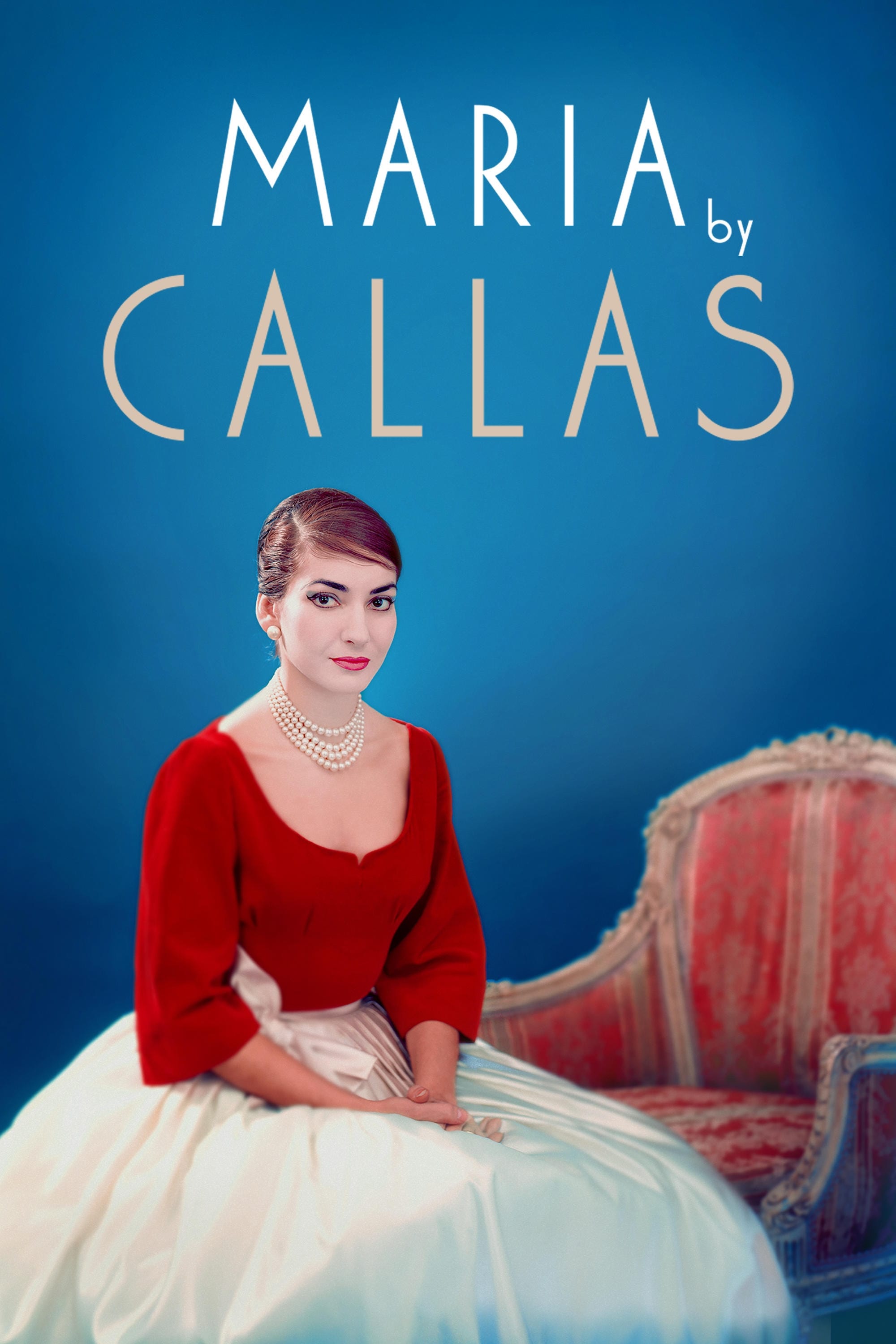
Told through performances, TV interviews, home movies, family photographs, private letters and unpublished memoirs, the film reveals the essence of an extraordinary woman who rose from humble beginnings in New York City to become a glamorous international superstar and one of the greatest artists of all time.
A string of threatening emails escalates into a revenge plot involving a newly married US marshal and his ex-girlfriend.
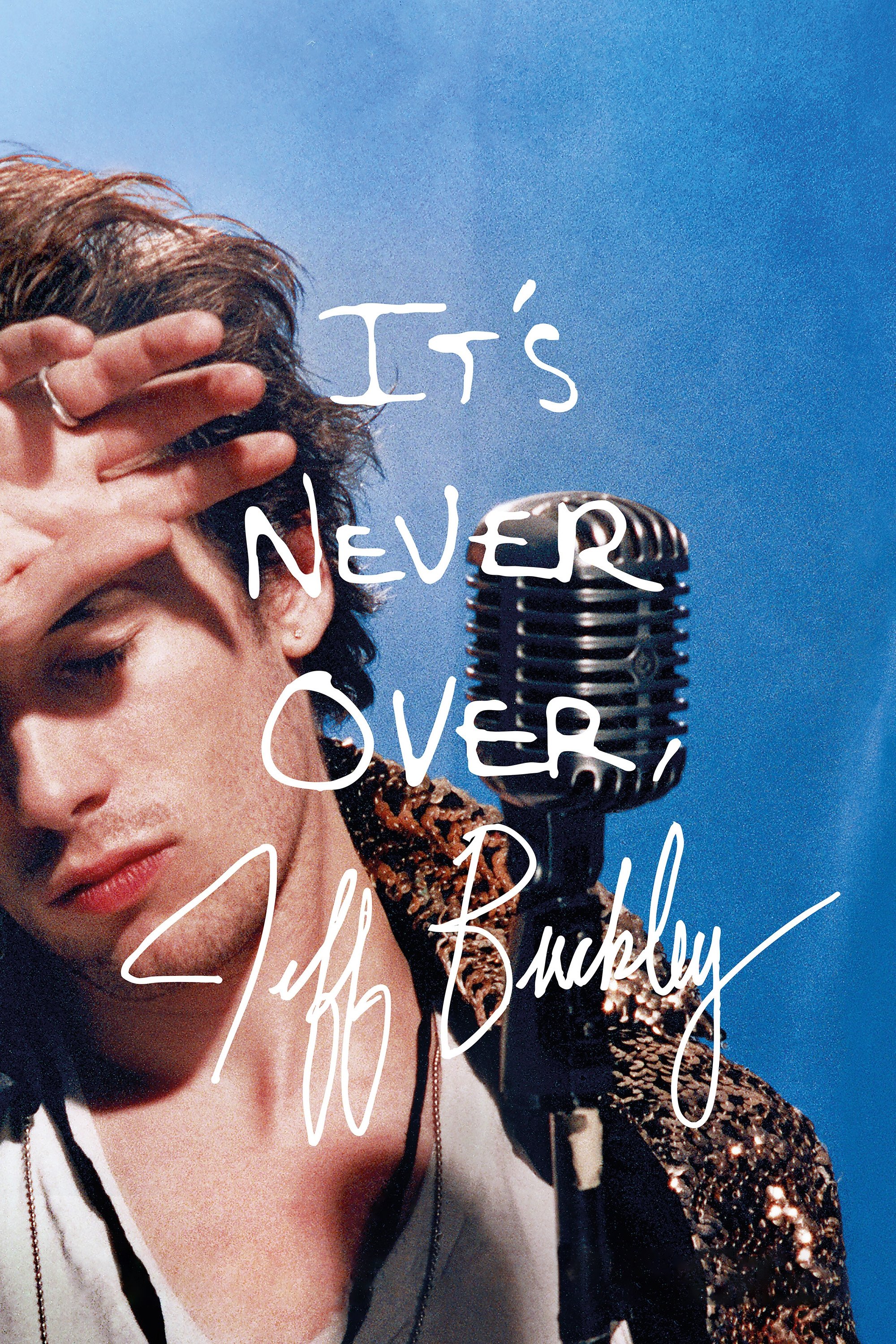
Rising musician Jeff Buckley had only released one album when he died suddenly in 1997. Now, never-before-seen footage, exclusive voice messages, and accounts from those closest to him offer a portrait of the captivating singer.
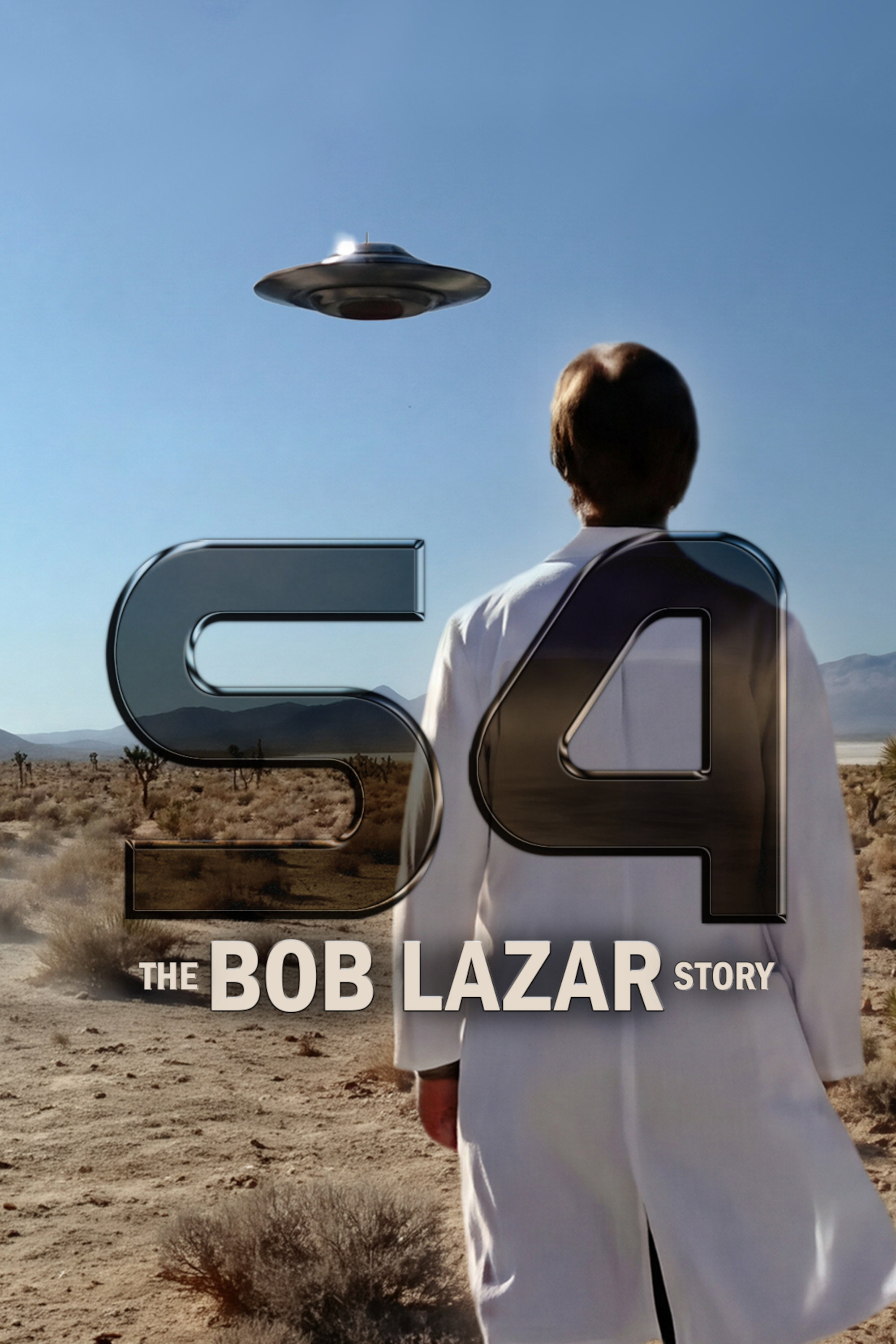
Over 35 years after Bob Lazar's revelations, this documentary exposes secrets of a facility the government still denies. Featuring Lazar's testimony, recreations, and new evidence, it reopens a case that continues to spark global curiosity
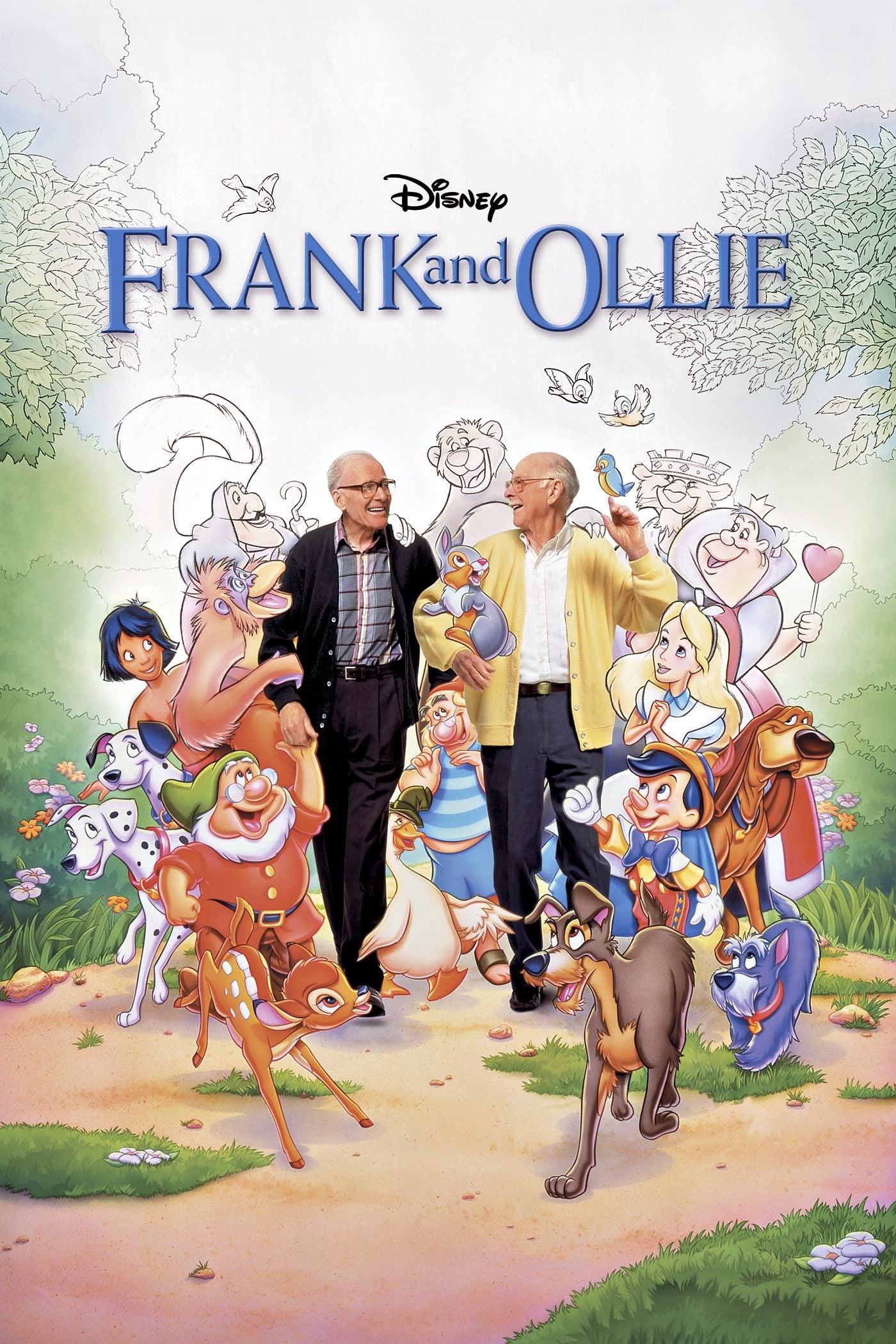
Before computer graphics, special effects wizardry, and out-of-this world technology, the magic of animation flowed from the pencils of two of the greatest animators The Walt Disney Company ever produced -- Frank Thomas and Ollie Johnston. Frank and Ollie, the talent behind BAMBI, PINOCCHIO, LADY AND THE TRAMP, THE JUNGLE BOOK, and others, set the standard for such modern-day hits as THE LION KING. It was their creative genius that helped make Disney synonymous with brilliant animation, magnificent music, and emotional storytelling. Take a journey with these extraordinary artists as they share secrets, insights, and the inspiration behind some of the greatest animated movies the world has ever known!
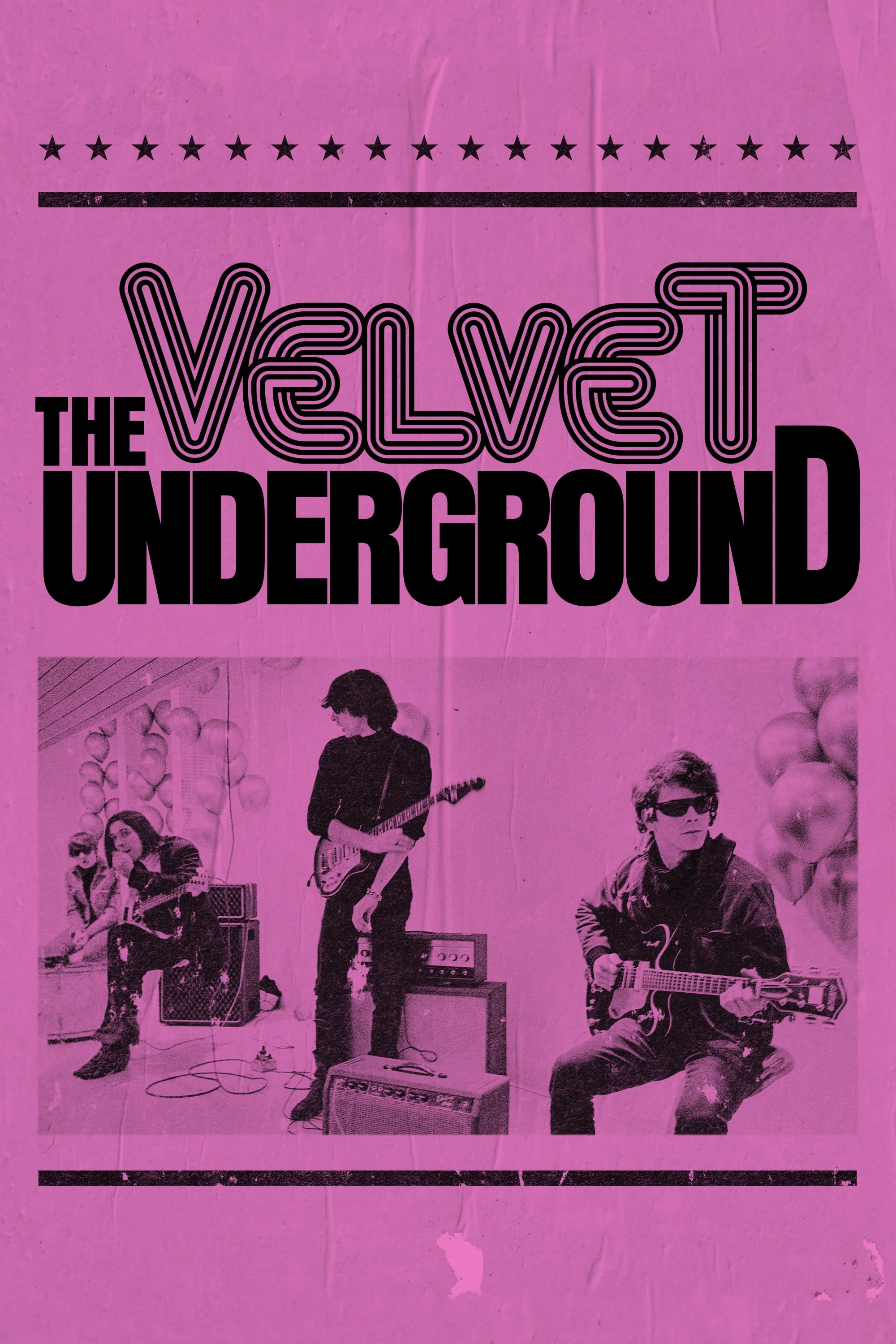
Experience the iconic rock band's legacy in the first major documentary to tell their story. Directed with the era’s avant-garde spirit by Todd Haynes, this kaleidoscopic oral history combines exclusive interviews with dazzling archival footage.
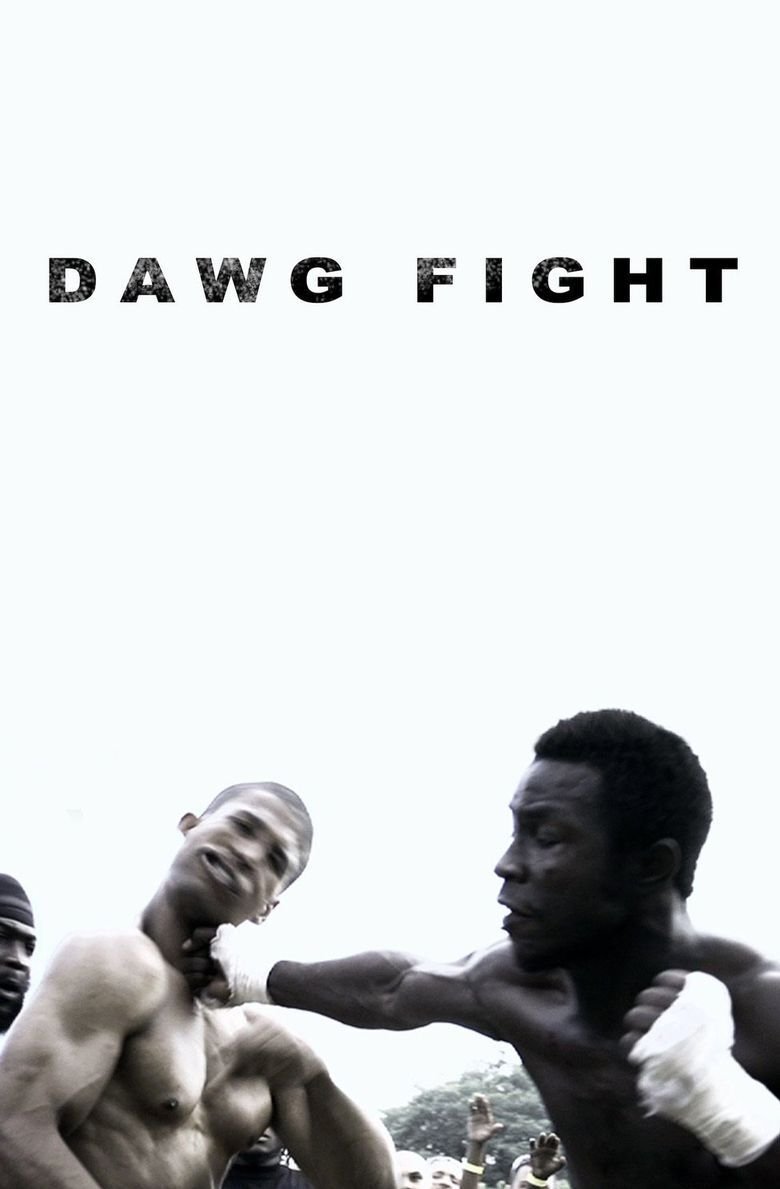
In a crime-plagued neighborhood near Miami, brutal, bare-knuckled backyard fights give young men a chance to earn money -- and self-respect.
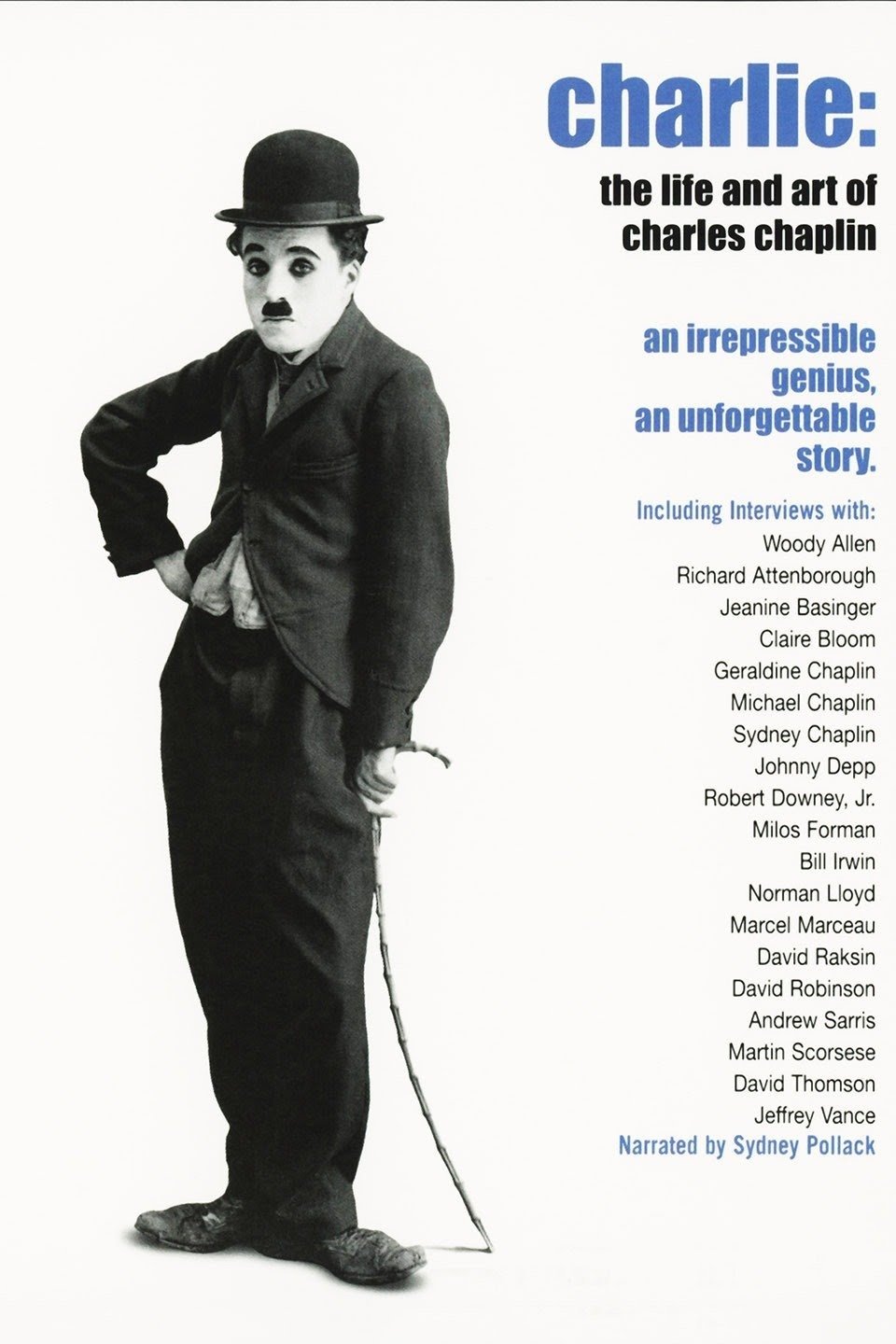
Brilliant, long in-the-works story of the life and art of the world's greatest comedian and the cinema's first genius, Charlie Chaplin. Produced, written and directed by renowned film critic Richard Schickel.
Through deeply personal interviews with her siblings and an examination of the photographs, letters, and belongings left behind, Mariska assembles a new portrait of her mother Jayne Mansfield, an extraordinary and complex woman.
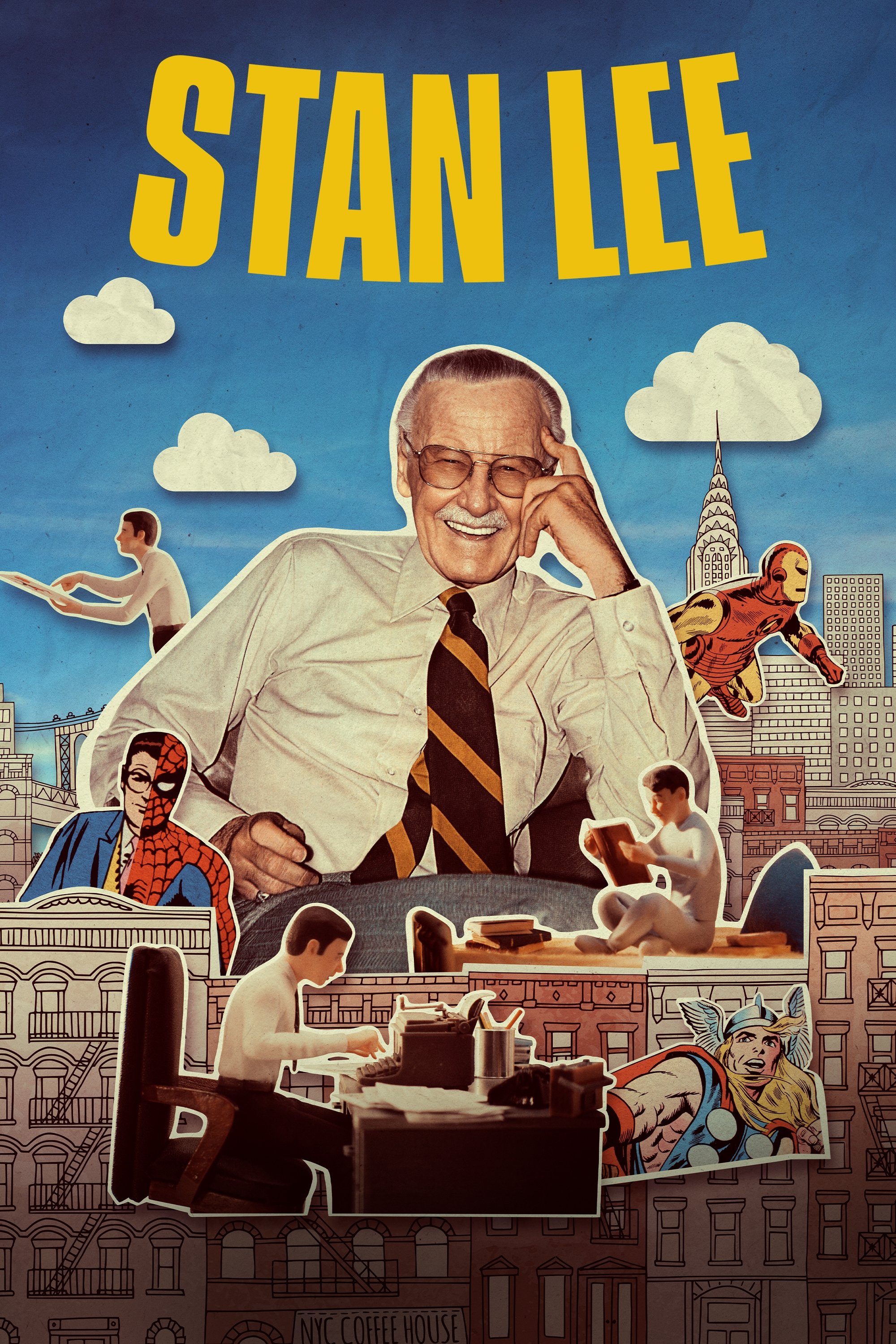
Celebrate the legacy of Stan Lee as the co-creator of such legendary characters as Fantastic Four, Iron Man, the X-Men, The Avengers, and hundreds more.
Join the likes of Jeremy Renner, Hailee Steinfeld, Florence Pugh, and Vincent D’Onofrio as they reveal how Marvel Studios’ “Hawkeye” was conceived and created. Witness firsthand what it took to pull off the show’s pulse-pounding action set pieces, and discover how iconic characters from the pages of Marvel Comics such as Kate Bishop were adapted and brought to life for the six-episode series.