Interview with three victims of the Chongqing bombing.
Social & External
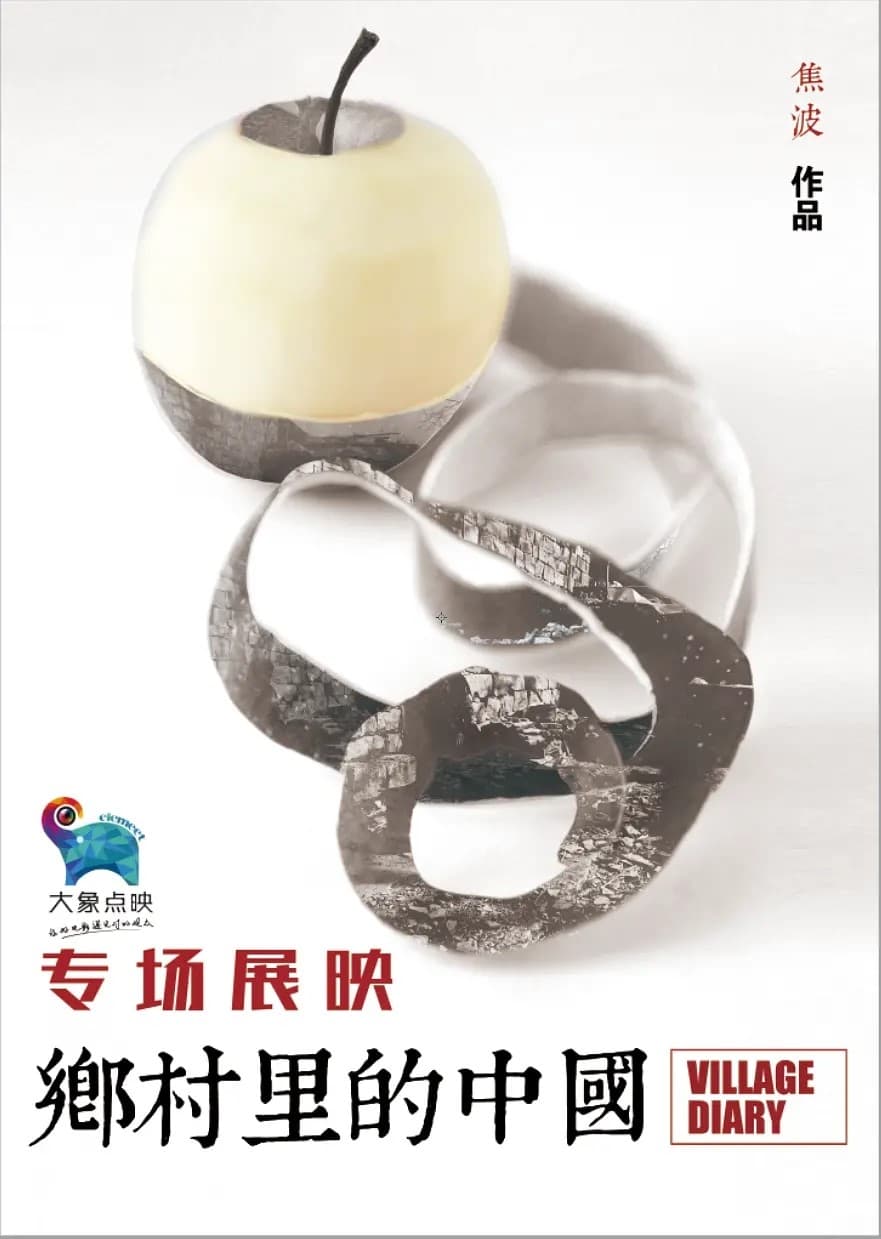
This is my second documentary film, and it is fully composed of old people. One woman, nearing 80, is living out the last two years of her life. From when she is still using a cane to walk, to when she becomes paralyzed. This is my grandmother. We also see other elderly people from the village, their daily activities, the tales of their starvation from 50 years ago.
It is the director's second documentary of "my village" series since she got involved with the "Folk Memory Project". She returned to her hometown to shoot footage, recording the realities she encountered in her search for memories. Her biggest question is: after experiencing the disaster of the tragic famine fifty years ago, the villagers now are not short of food, and are living a better life than before, but is the spirit of this village still starving?
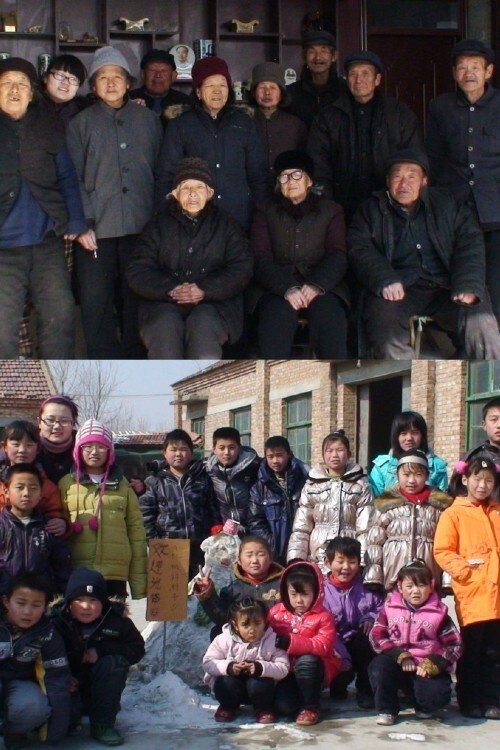
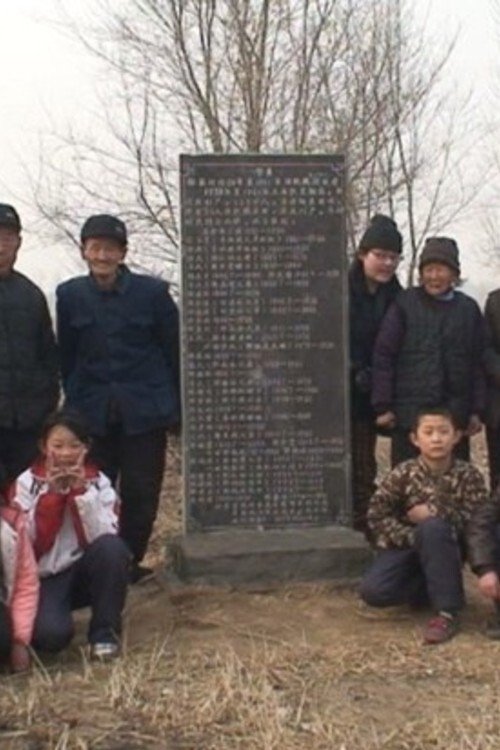
Zou Xueping continues to interview old people in her village, this time with the help of local children. They start collecting names and money to erect a memorial for the victims of the famine.
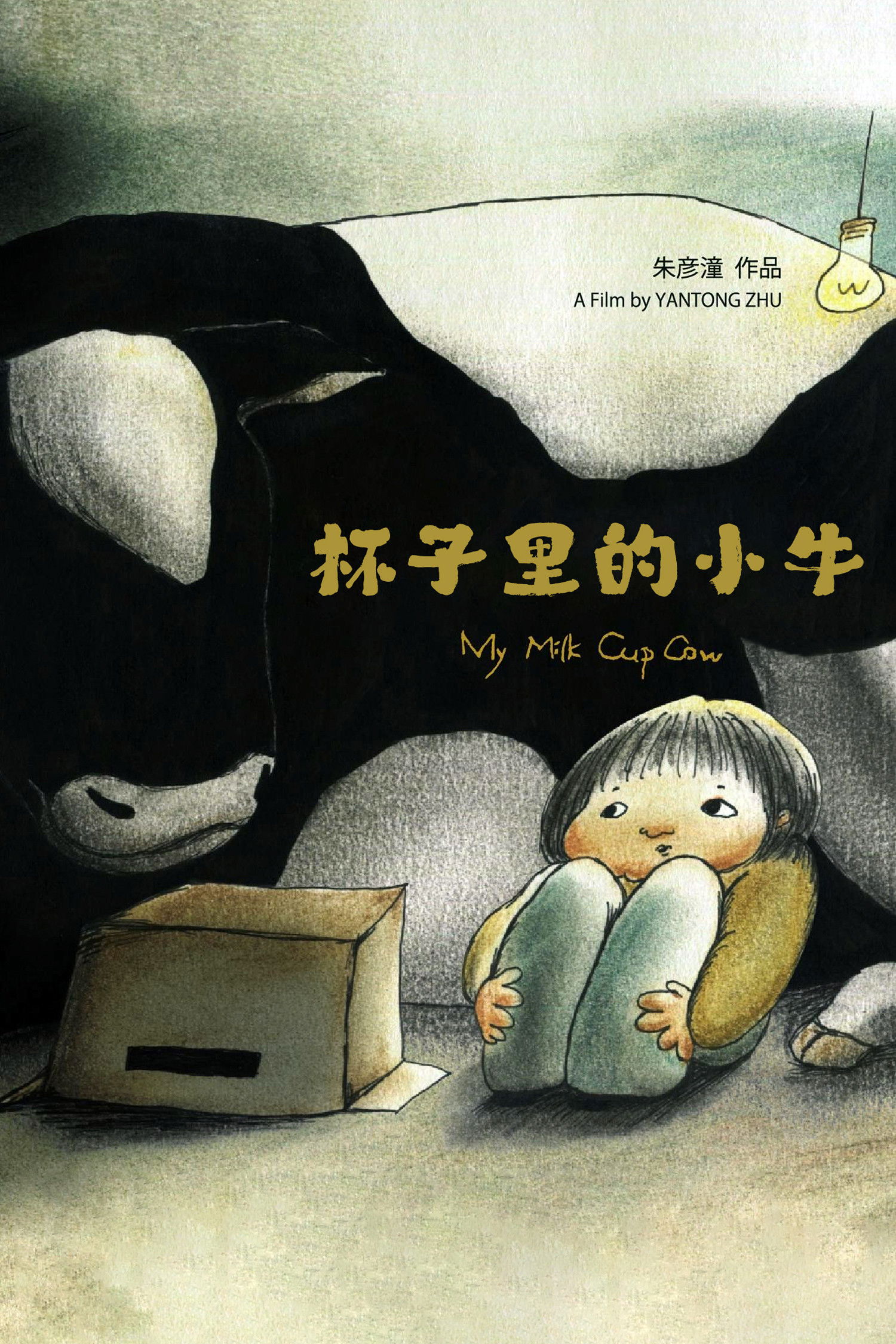
The father tells his daughter Nunu a lie that there is a cow in her milk cup. She believes it and drinks up milk, but there isn't any cow. Her father tells her a variety of lies, which Nunu finds increasingly difficult to believe.
Part mournful meditation through documentary footage, part experimental narrative. This film looks at the life of the Chinese who have been displaced within their own society.
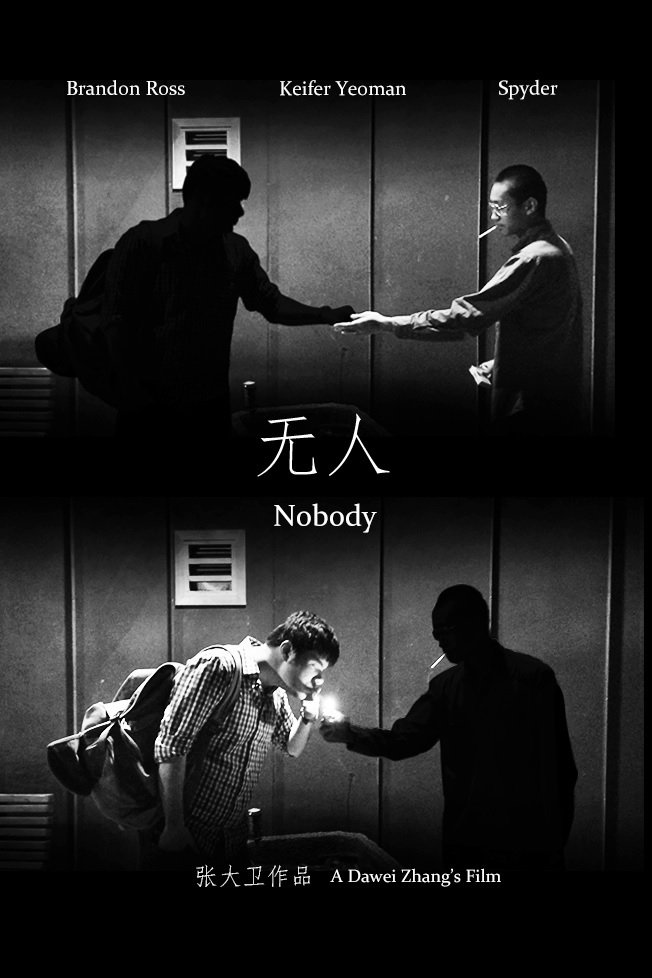
The pool table faces shattered statues. Nobody. Broad fishnets drape crumbling walls. Nobody. Bikes chained to pillars. Nobody. Three caryatids gunned down. Nobody. The asphalt sea will surge here soon. Nobody. On the beach, one horse. Nobody. If you stand here, you're an extra, nobody. Nobody, nobody keeps watch at home.
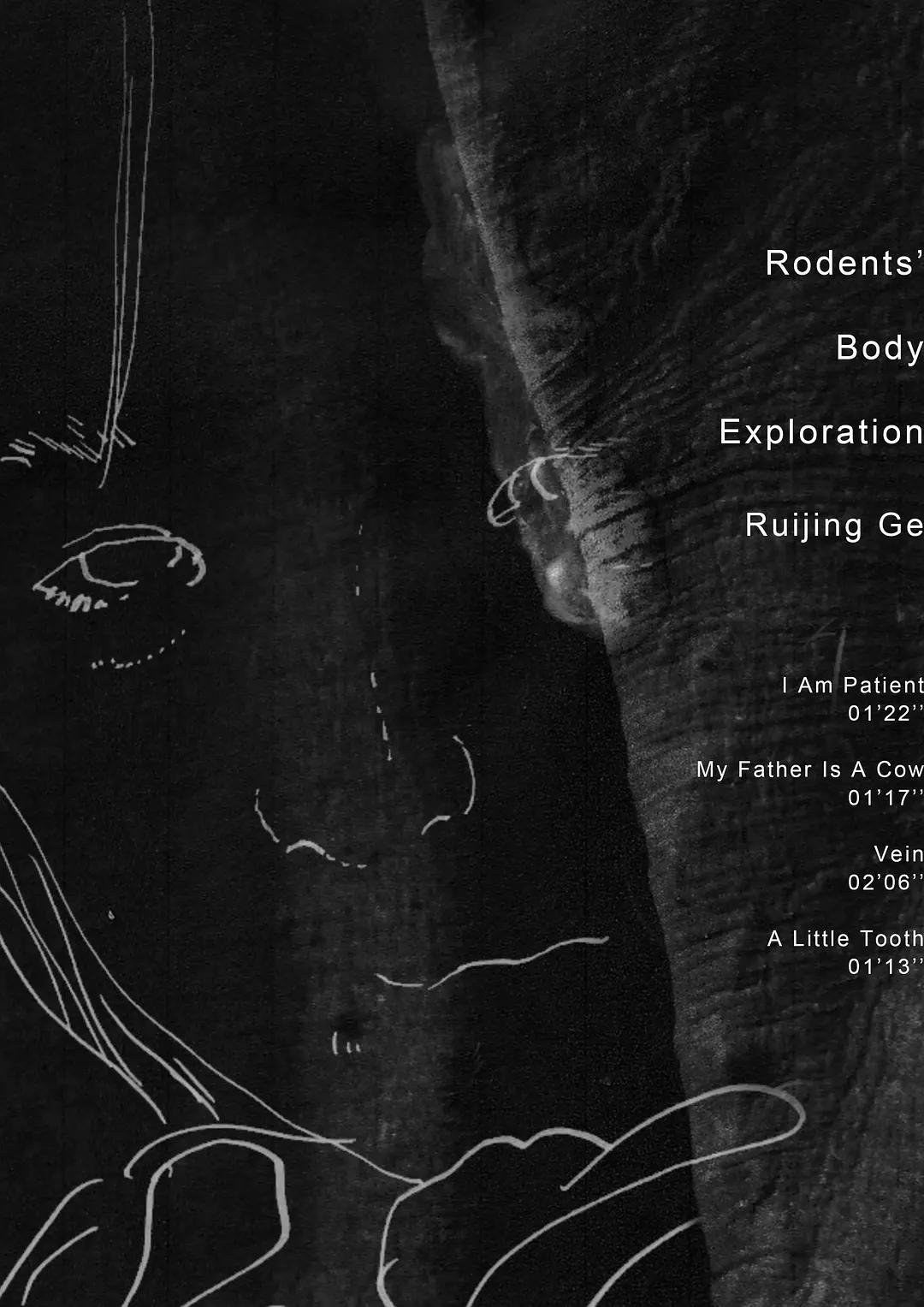
The artist works around the different individual experiences which consolidates the different changes in the body while examines intimate relationships under the structure of the disease, all by making her experience visible and public. Within the realms of Ruijing’s discussions, she hopes for the work to push the boundaries of the marginality of the body, for the work to allow oneself to look at their and others’ body in an objective manner that escapes the ontological. She further wished for the experience of living and the reflection on the mass would help the discovery of the self and its connection with society, while reflecting on life itself by doing so.
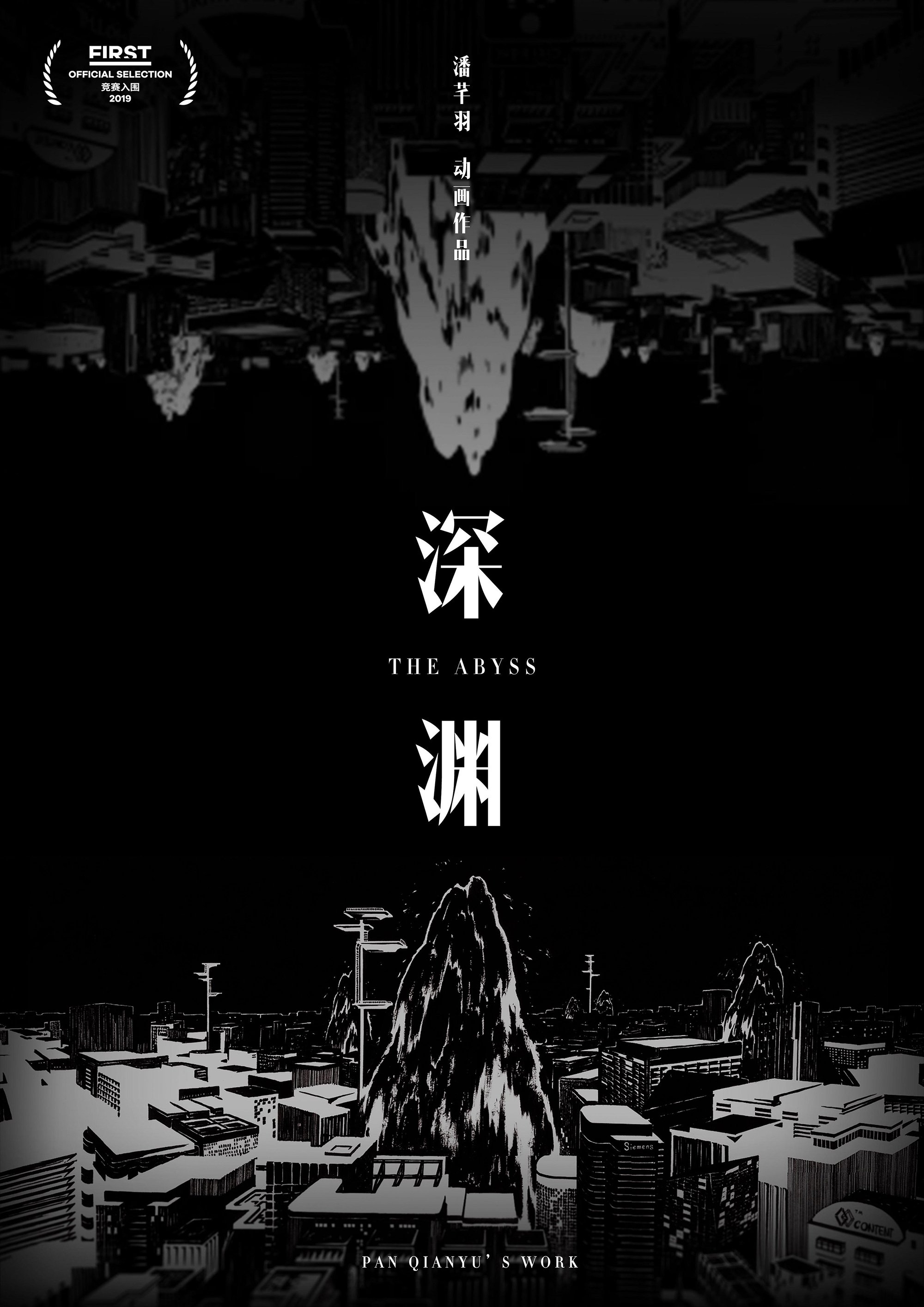
My inspiration is from the novel Us, which was written by Yevgeny Zamyatin, a Russian writer. In this world, no one has his/her own name except a code. Human beings are divided into several levels. Different levels were assigned to different types of work. The “Fountain” is both the source of energy and the landmark landscape in this city. There are many tall towers like diving platforms near the fountain. People can get closed to the “fountain” here. This city is always crowded and dark. D-503 lives a regular life here every day…
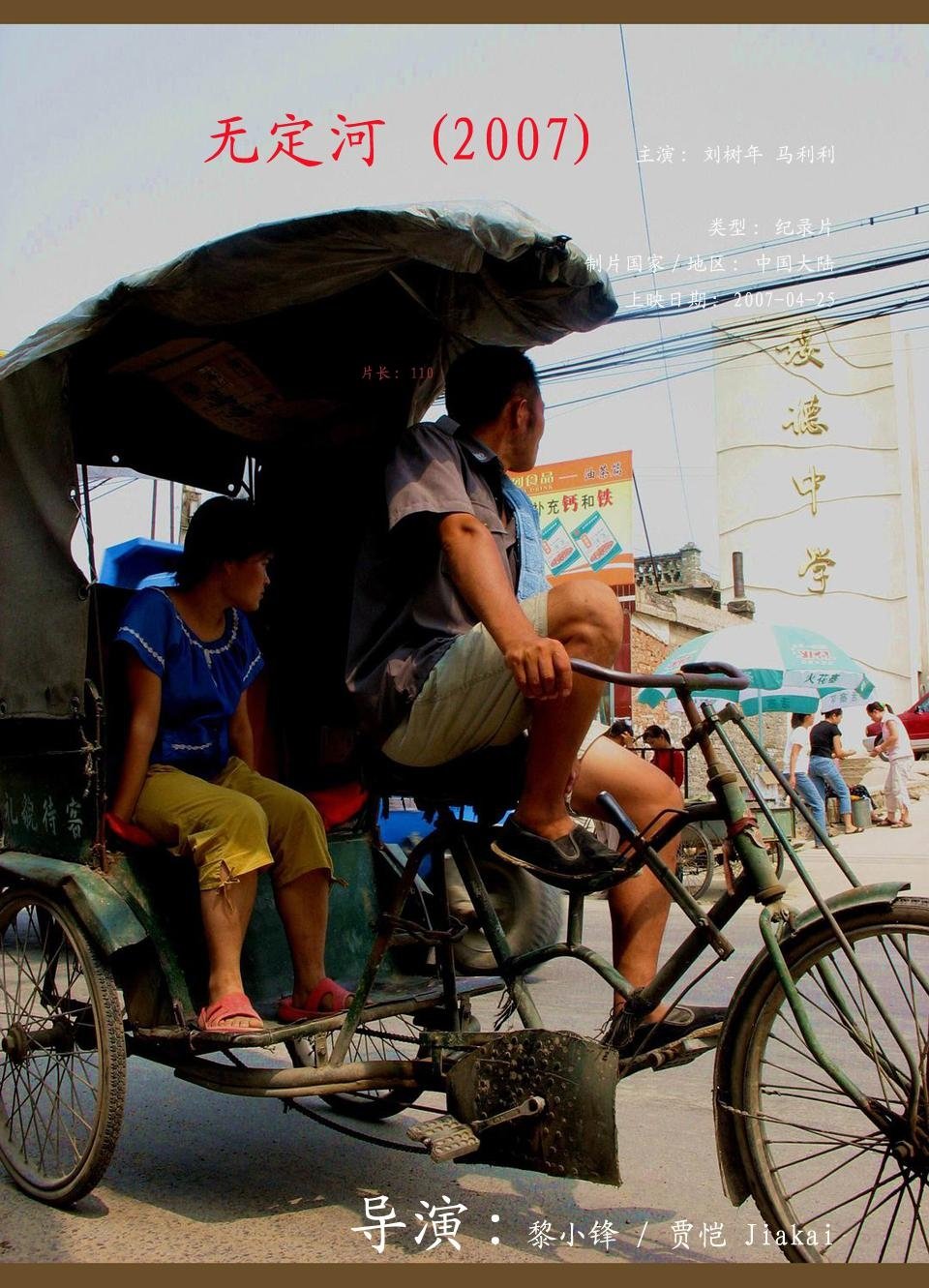
In northern Shaanxi, those three-wheeled trucks who came to the city from rural areas came to be suffering. They talked hard and finally sent their children to distant universities. Four years have passed, the big children can't find a job, the future is uncertain, the smaller children have come to the age of the university. It seems to be in the instinct, a family is still like a hen hatch, waiting for the new hope to break out.
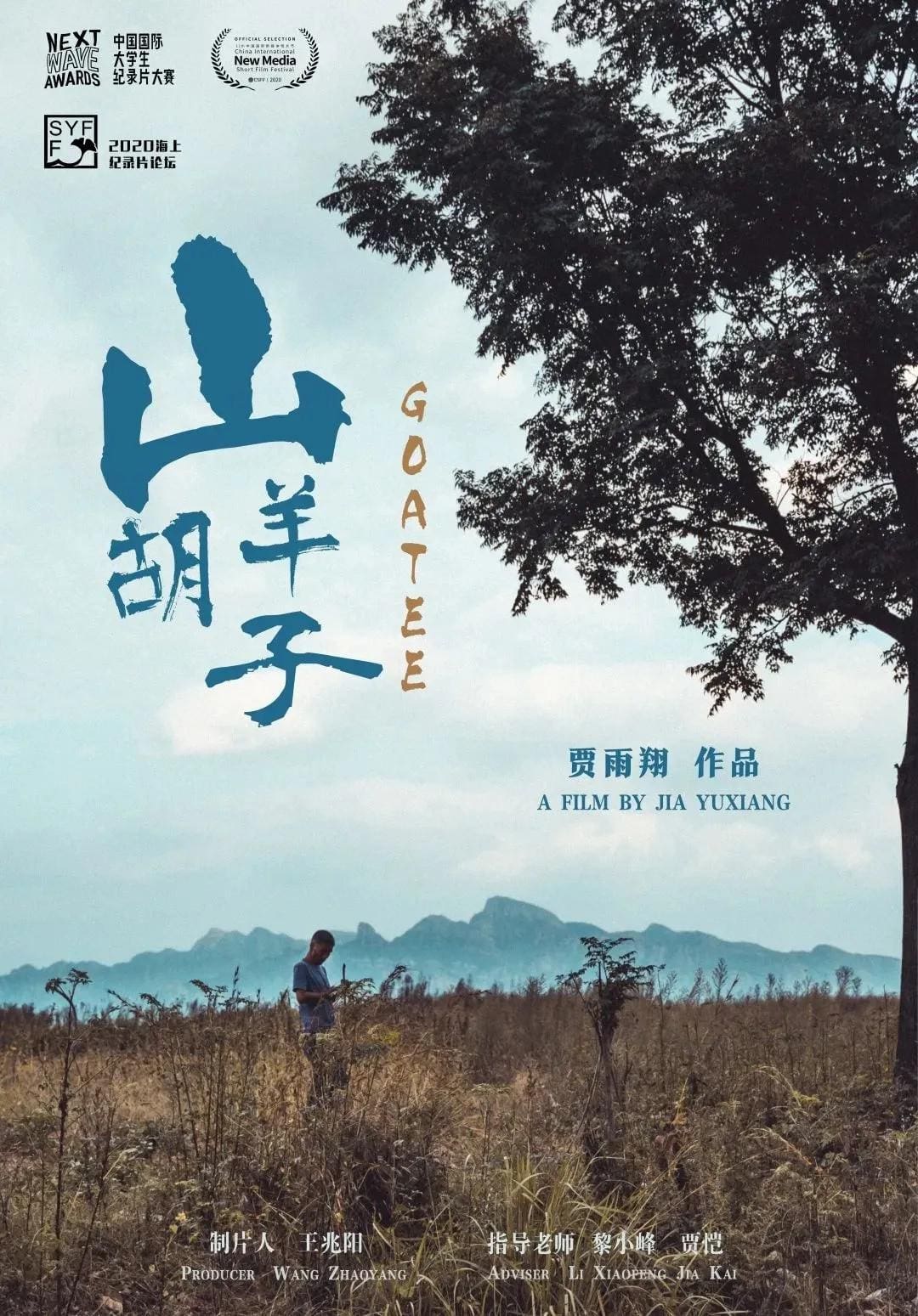
Li Songshan, a disabled poet in Lilou Village, Henan Province He lived with sheep every day and gave himself a pen name -- Goateed. Film explores the wonderful intertext between the poetic world of goatee and real life through an award-winning journey and the people around him.
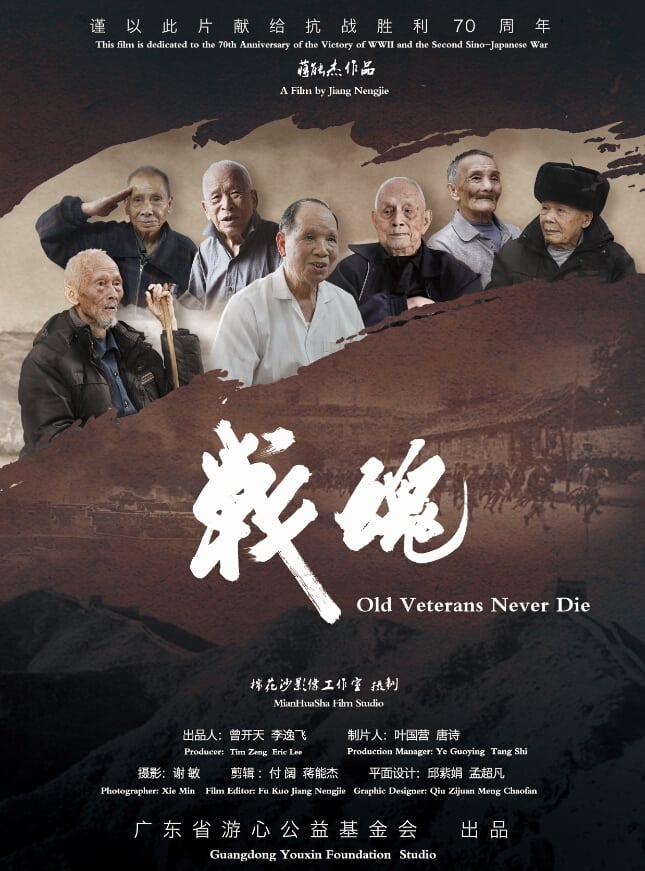
Different veterans, different memories of the Anti-Japanese War, and different lives. The oral narratives of 7 veterans show you the pictures of the Anti-Japanese War in that year, and take you to understand the current situation of the veterans of the Anti-Japanese War in Guangdong.
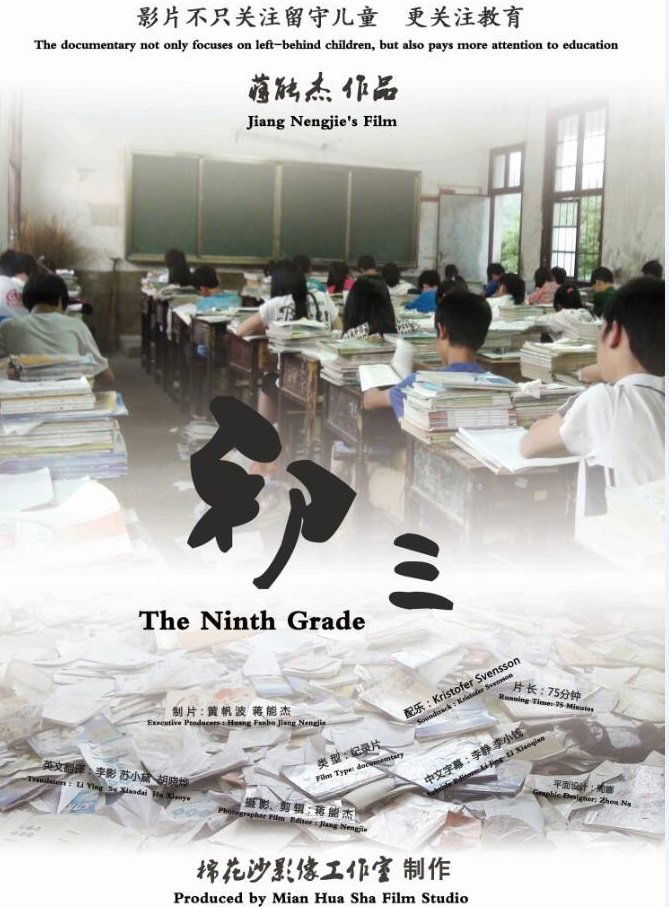
Class 172 is a key class for their excellent students of an ordinary secondary school in Hunan province, from which the kids’ main goal is to upgrade into one of the best province-level high school – No.1 high school of the county. In the recent few years, the school’s enrollment rate to high school was not quite satisfying, and this year, the newly promoted class in charge teacher – Mr. Xiang, who’s only graduated a few years ago, became their brightest hope to teach the students and raise the enrollment rate for school.
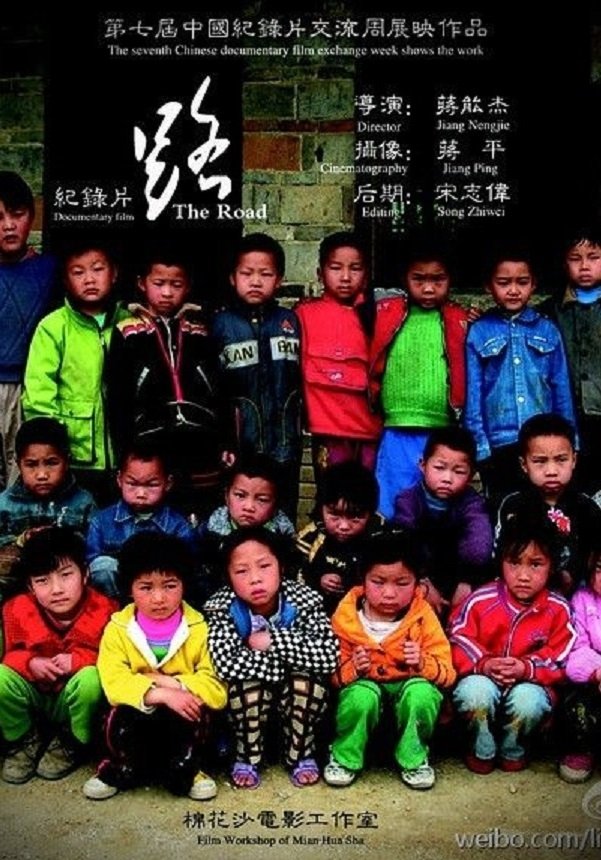
The documentary film, The Road, reveals the status of 22 students who study in a private village school in Hunan Province. Through in-depth interviews, the inner world of these “left-behind children” who are lack of parental love has been explored. We hope that through this film, we could hear the responses and actions from our society.
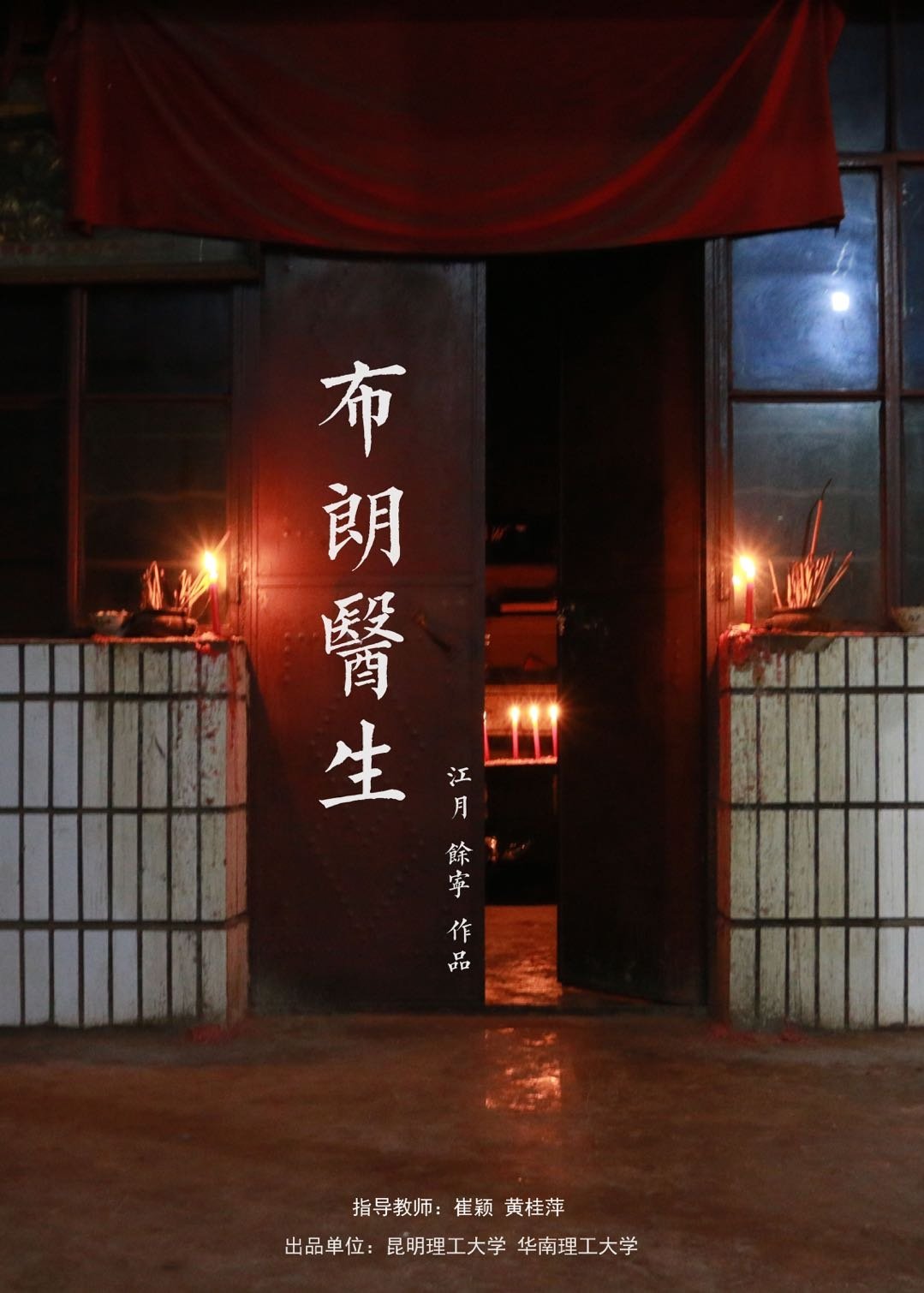
Chen came from a family of herbal doctors, who have treated numerous orthopaedics dseases, severe and minor. Chen's house, hardly a big one, have accommodated patients from different ethnic groups and from different villiages near and far. The patients found themselves recovering sooner under the care of Chen than that of doctors from large hospitals, and the charges for their treatment were rather small. Year after year, Dr. Chen dedicated himself to this charitable work... This movie attempts to show the medical conditions in remote rural areas in China as objectively as it can. Dr. Chen, as a thread, links togther the real lives of the locals presented by a group portrait of them. Also, It reveals that the traditional doctor-patient relationship has survived the aggressive modern civilization in this area, so has the culture of helpfulness common to an "aquaintance society".
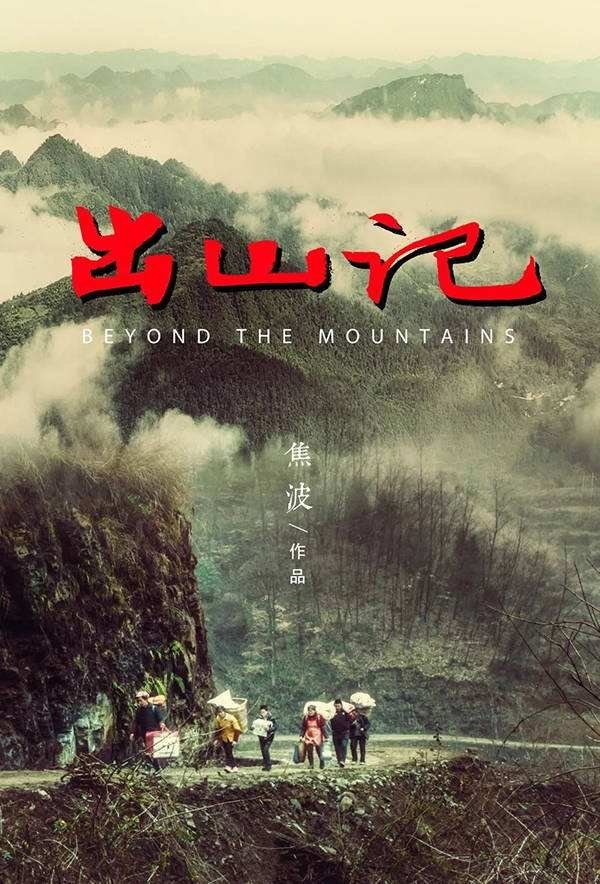
Daqi Village is located in Shichao Township, Wuchuan Gelao and Miao Autonomous County, Zunyi City, Guizhou Province. The village has 985 households with 4119 people, including 435 households with 1803 persons. It is one of the 2,760 deeply impoverished villages in Guizhou Province.
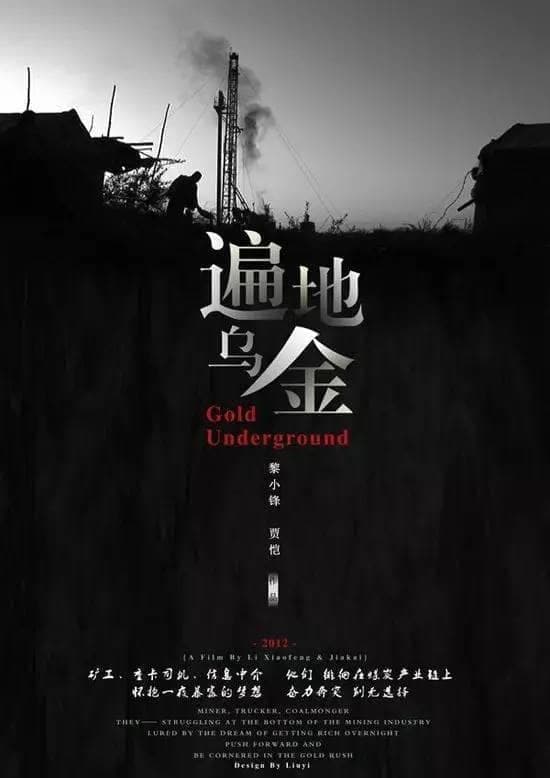
Yulin, once the poorest region of Northwest China, has rapidly become "China's Kuwait" for the mining industry launched in recent years. People rush into the coal mine and other coal-related businesses, hoping to get rich overnight. They are possessed by anxiety and restlessness. However, it seems they have no other choices…
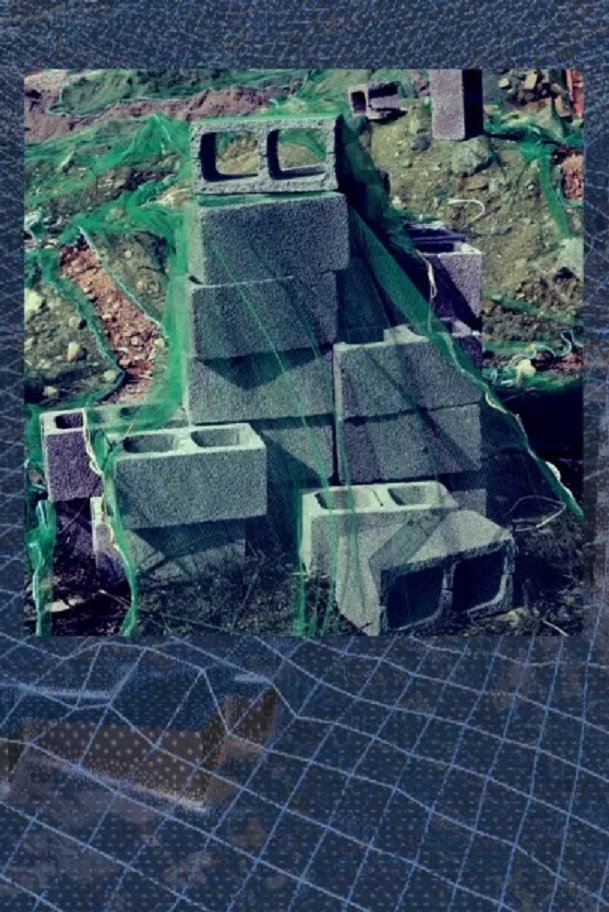
Video essay ‘Rock and Cliff' investigates the creation of Horn Town, a new model village and centre of large scale tourist development, and the experiences of rural residents moved there through government-led displacement. Horn Town is located in Wulong, a rural district near the Three Gorges Dam administered by the Chongqing municipality (a city of 30 million people). Narrated in the style of a science documentary but using local Chongqing dialect, the video brings a geological and topographical perspective to types of 'rocks' found in the area,from mythological stones from a mountain cliff, to ruins of the original settlement, to a stone sculpture from a dubious 'Land Art Biennial', in order to address issues of land acquisition, top-down development and spatial politic.
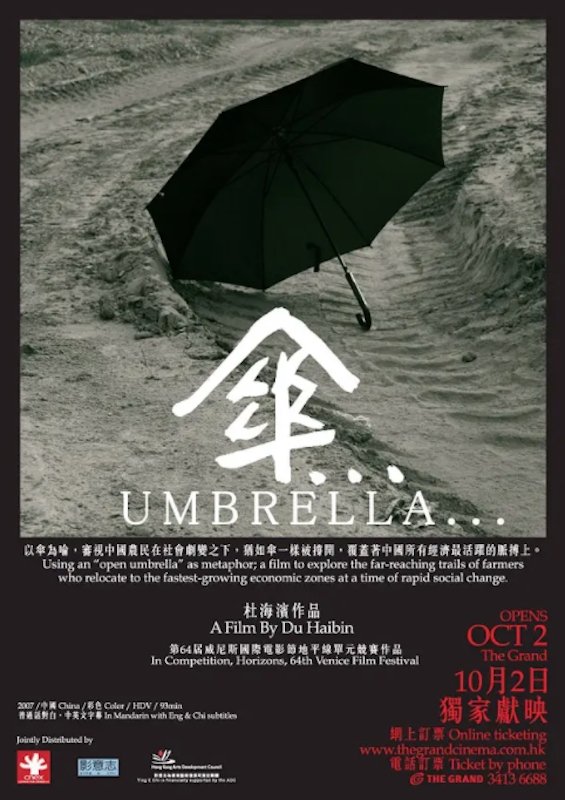
Workers, peasants, soldiers, students and merchants were five groups of Chinese society in the 1950s, after the so-called elimination of the exploited class. Borrowing this concept, the umbrella is taken as the clue to rediscover changes in various social classes after the economic reform, and to analyze the social problems in China. Workers making umbrellas, merchants selling umbrellas, students looking for jobs in the rain. Umbrella is used as a metaphor that can be seen everywhere. As the raindrop, what we see is sometimes clear, sometimes untraceable.
Follow the lives of the elderly survivors who were forced into sex slavery as “Comfort Women” by the Japanese during World War II. At the time of filming, only 22 of these women were still alive to tell their story. Through their own personal histories and perspectives, they tell a tale that should never be forgotten to generations unaware of the brutalization that occurred.
The government gets wind of a plot to destroy America involving a trio of nuclear weapons for which the whereabouts are unknown. It's up to a seasoned interrogator and an FBI agent to find out exactly where the nukes are.
Four people in different provinces are driven to violent ends: An angry miner is enraged by corruption in his village. A migrant discovers the possibilities of owning a firearm. A receptionist is pushed beyond her limits by an abusive client. A young factory worker goes from one job to the next.
Three people — a blue-collar American, a French journalist and a London school boy — are touched by death in different ways.
Meet the real-life airmen who inspired Masters of the Air as they share the harrowing and transformative events of the 100th Bomb Group.
A Westerner finds refuge with a group of women in a church during Japan's rape of Nanking in 1937. Posing as a priest, he attempts to lead the women to safety.
Jamie Graham, a privileged English boy, is living in Shanghai when the Japanese invade and force all foreigners into prison camps. Jamie is captured with an American sailor, who looks out for him while they are in the camp together. Even though he is separated from his parents and in a hostile environment, Jamie maintains his dignity and youthful spirit, providing a beacon of hope for the others held captive with him.
Assigned to oversee the development of the atomic bomb, Gen. Leslie Groves is a stern military man determined to have the project go according to plan. He selects J. Robert Oppenheimer as the key scientist on the top-secret operation, but the two men clash fiercely on a number of issues. Despite their frequent conflicts, Groves and Oppenheimer ultimately push ahead with two bomb designs — the bigger "Fat Man" and the more streamlined "Little Boy."
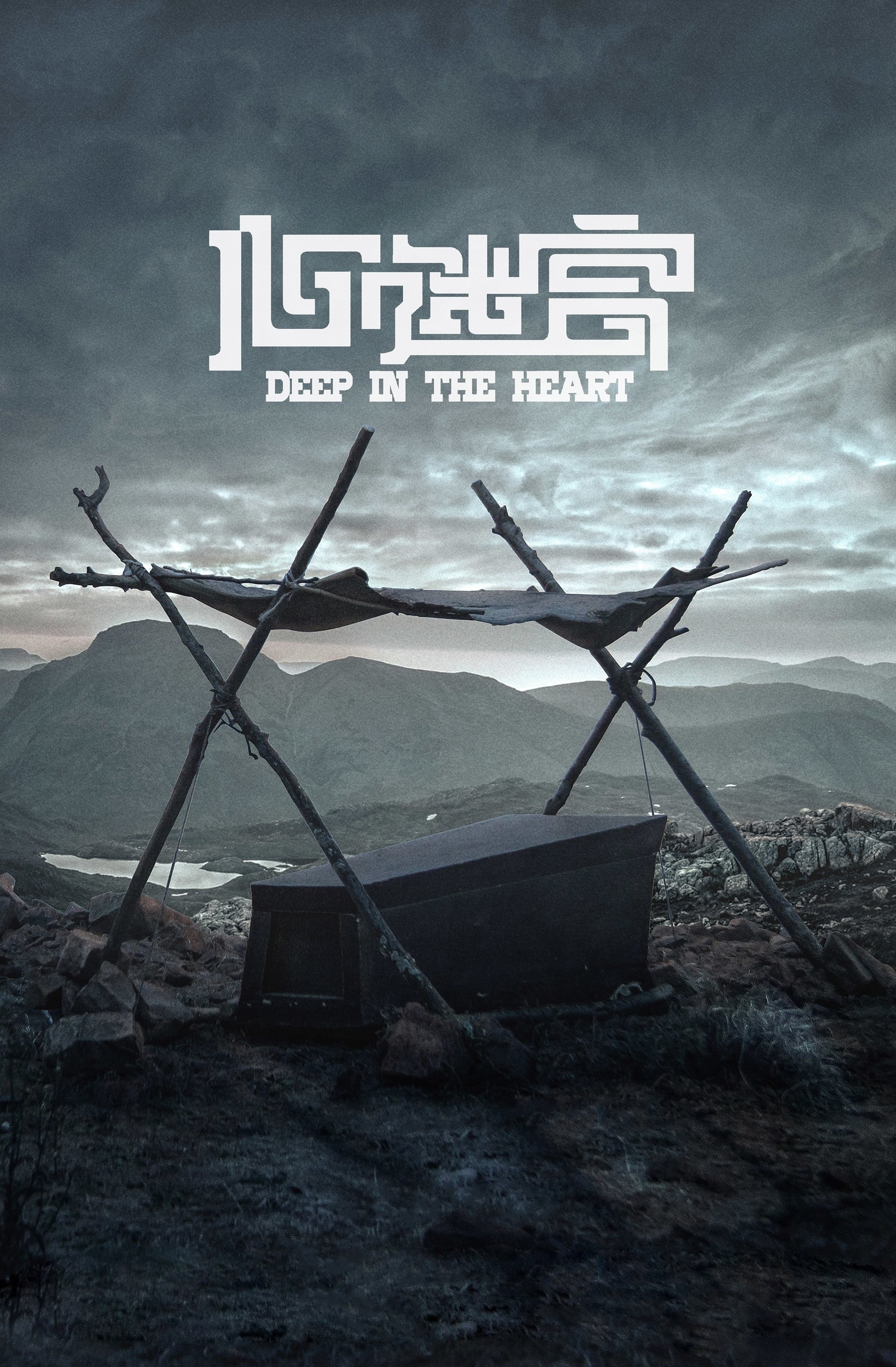
An unrecognizable, charred corpse discovered in a remote mountain village in China connects three local stories.
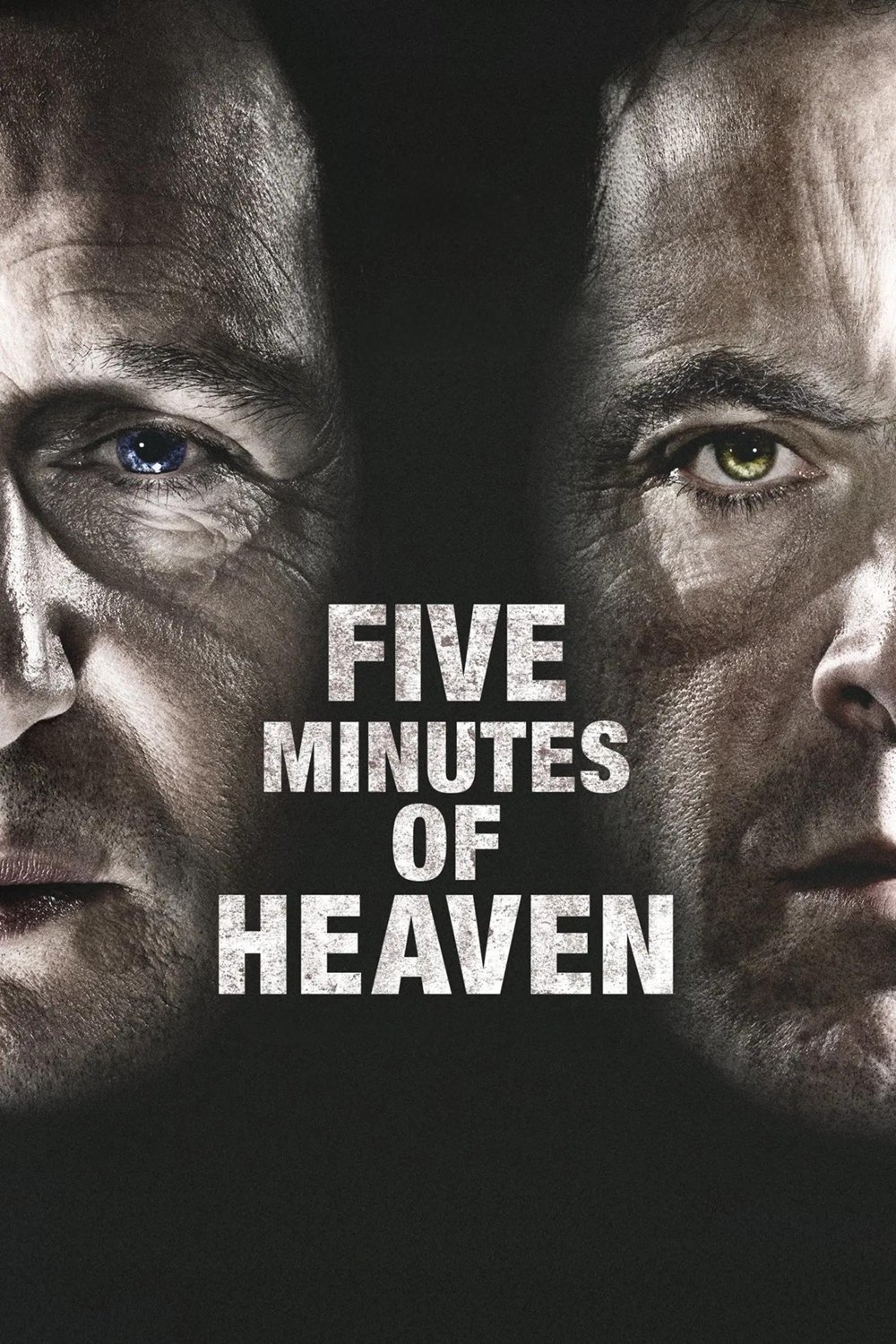
The story of former Ulster Volunteer Force member Alistair Little. Twenty-five years after Little killed Joe Griffin's brother, the media arrange an auspicious meeting between the two.
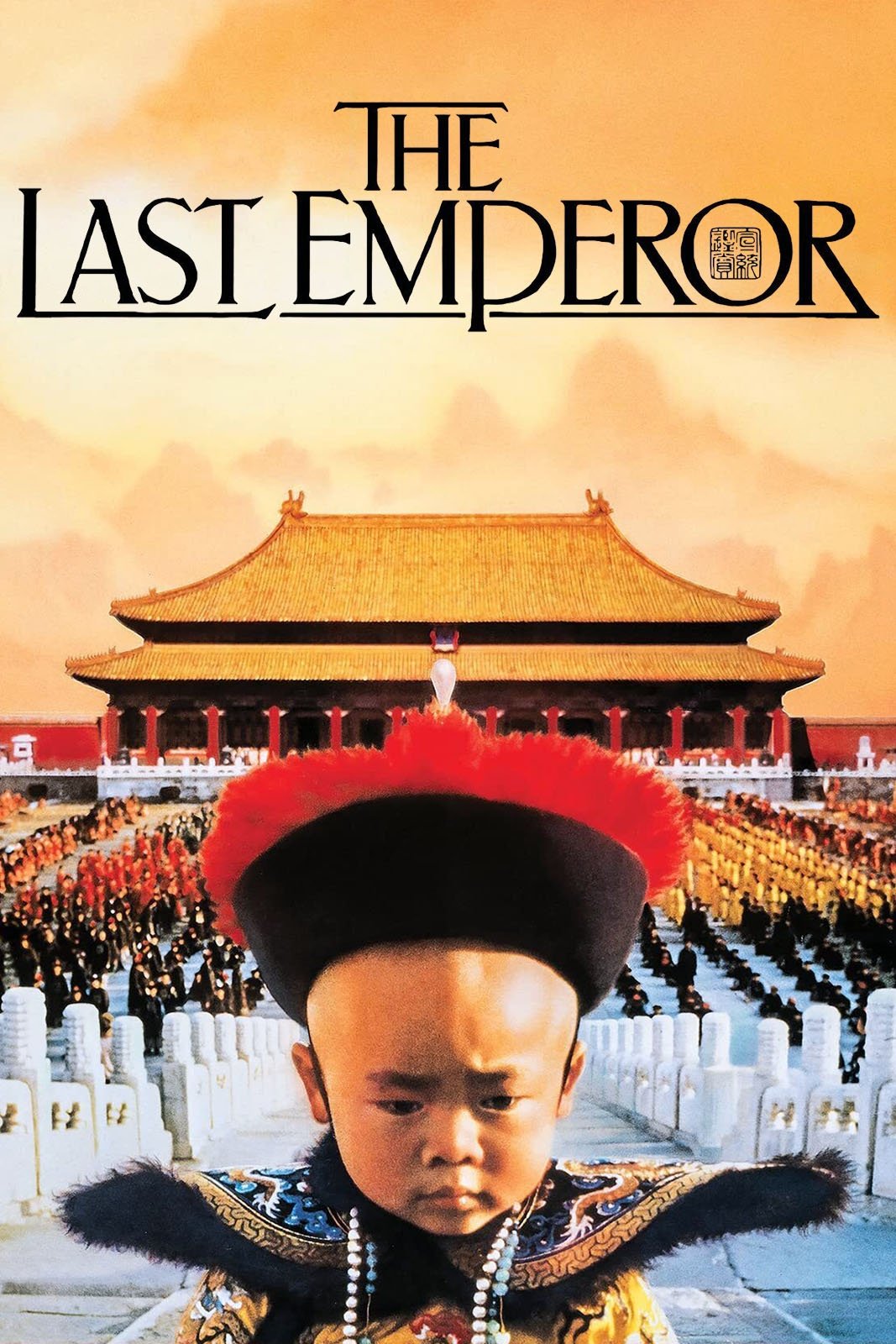
A dramatic history of Pu Yi, the last of the Emperors of China, from his lofty birth and brief reign in the Forbidden City, the object of worship by half a billion people; through his abdication, his decline and dissolute lifestyle; his exploitation by the invading Japanese, and finally to his obscure existence as just another peasant worker in the People's Republic.
A woman struggles to recover from a brutal attack by setting out on a mission for revenge.
A psychotherapist helps a law student cope with schizophrenia in one of five interconnected tales dealing with mental illness.
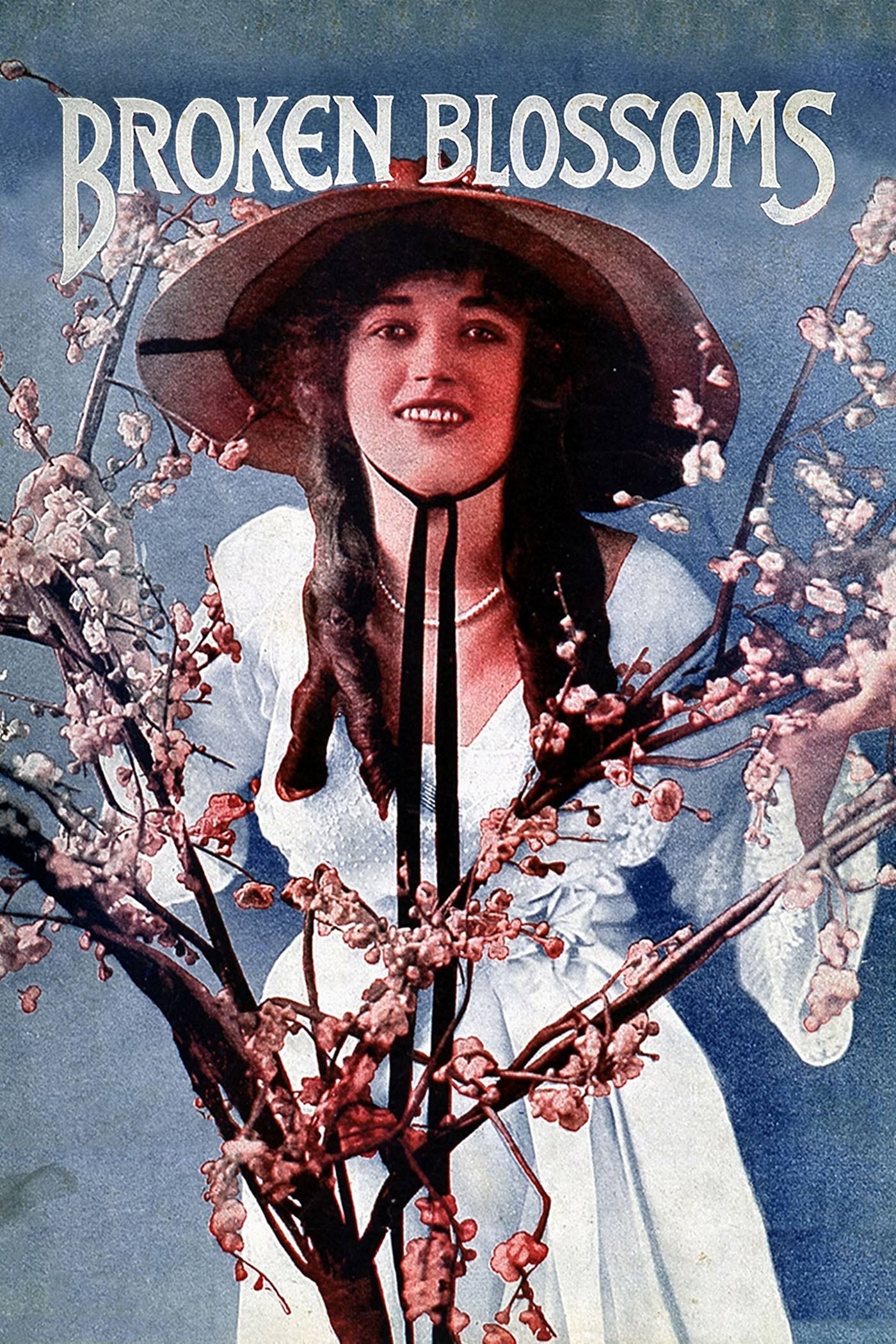
The love story of an abused English girl and a Chinese Buddhist in a time when London was a brutal and harsh place to live.
A victim of the Boston Marathon bombing in 2013 helps the police track down the killers while struggling to recover from devastating trauma.
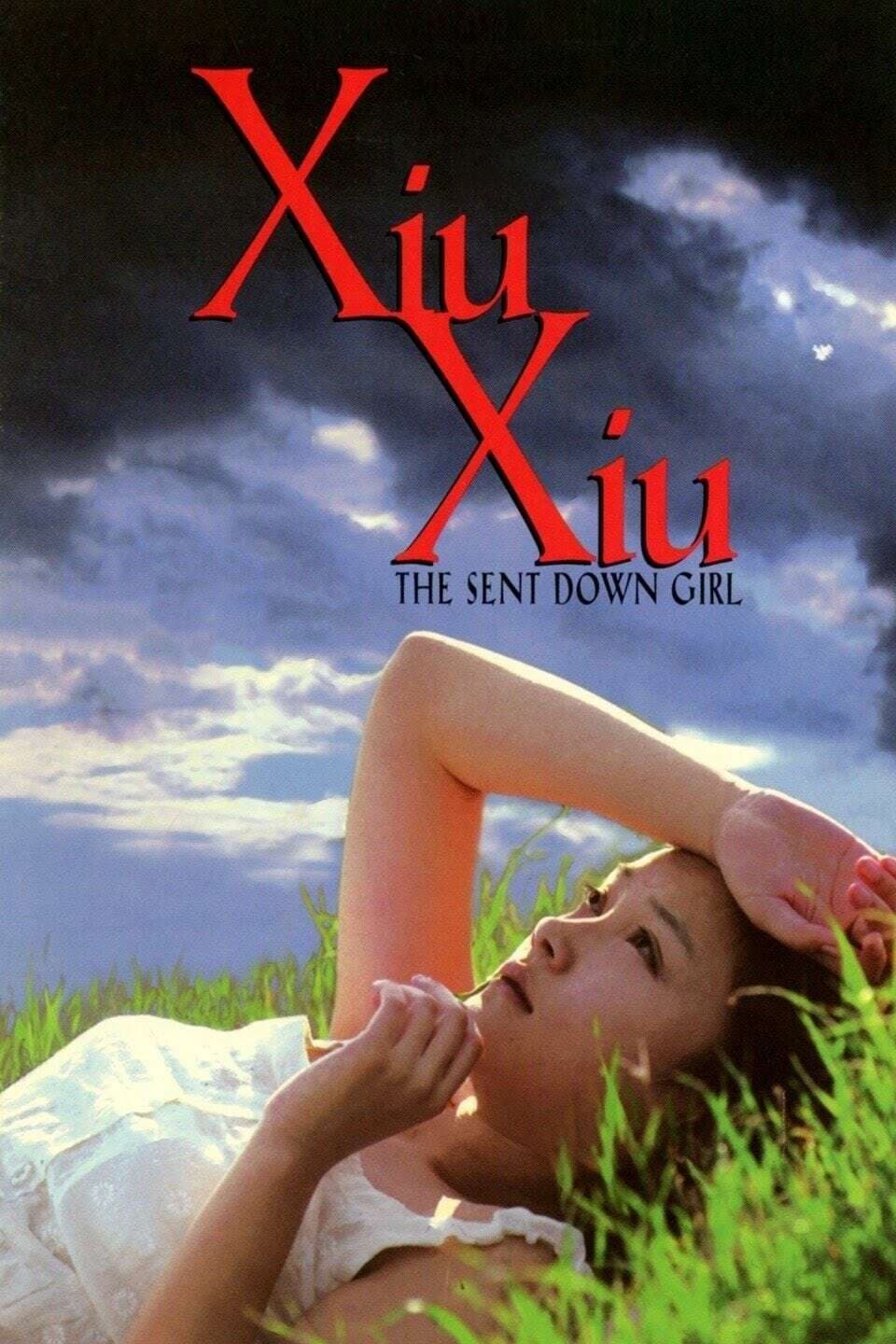
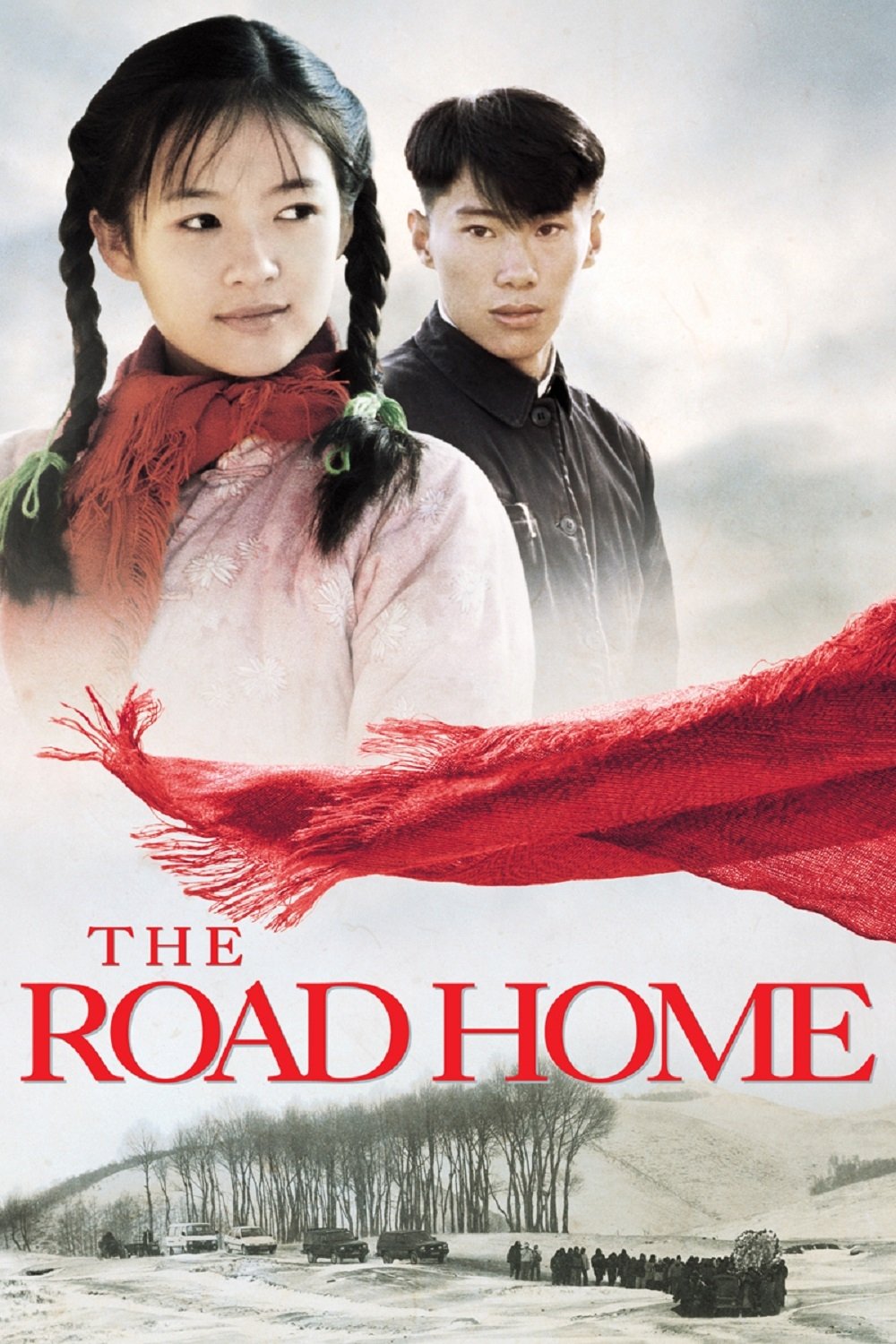
Young teen girl Xiu Xiu is sent away to a remote corner of the Sichuan steppes for manual labor in 1975 (sending young people to there was a part of Cultural Revolution in China). A year later, she agrees to go to even more remote spot with a Tibetan saddle tramp Lao Jin to learn horse herding.
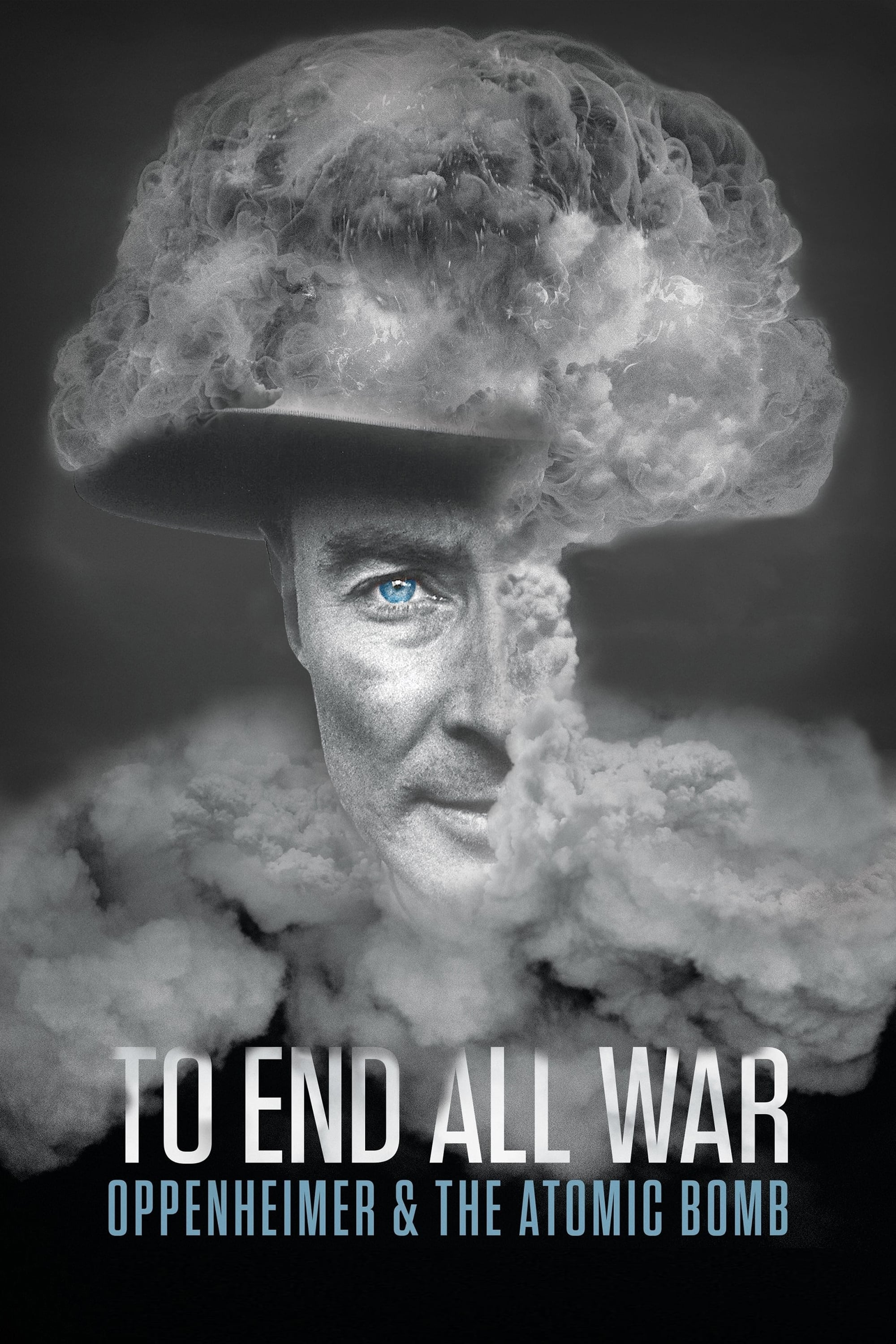
Explore how one man's relentless drive and invention of the atomic bomb changed the nature of war forever, led to the deaths of hundreds of thousands of people and unleashed mass hysteria.
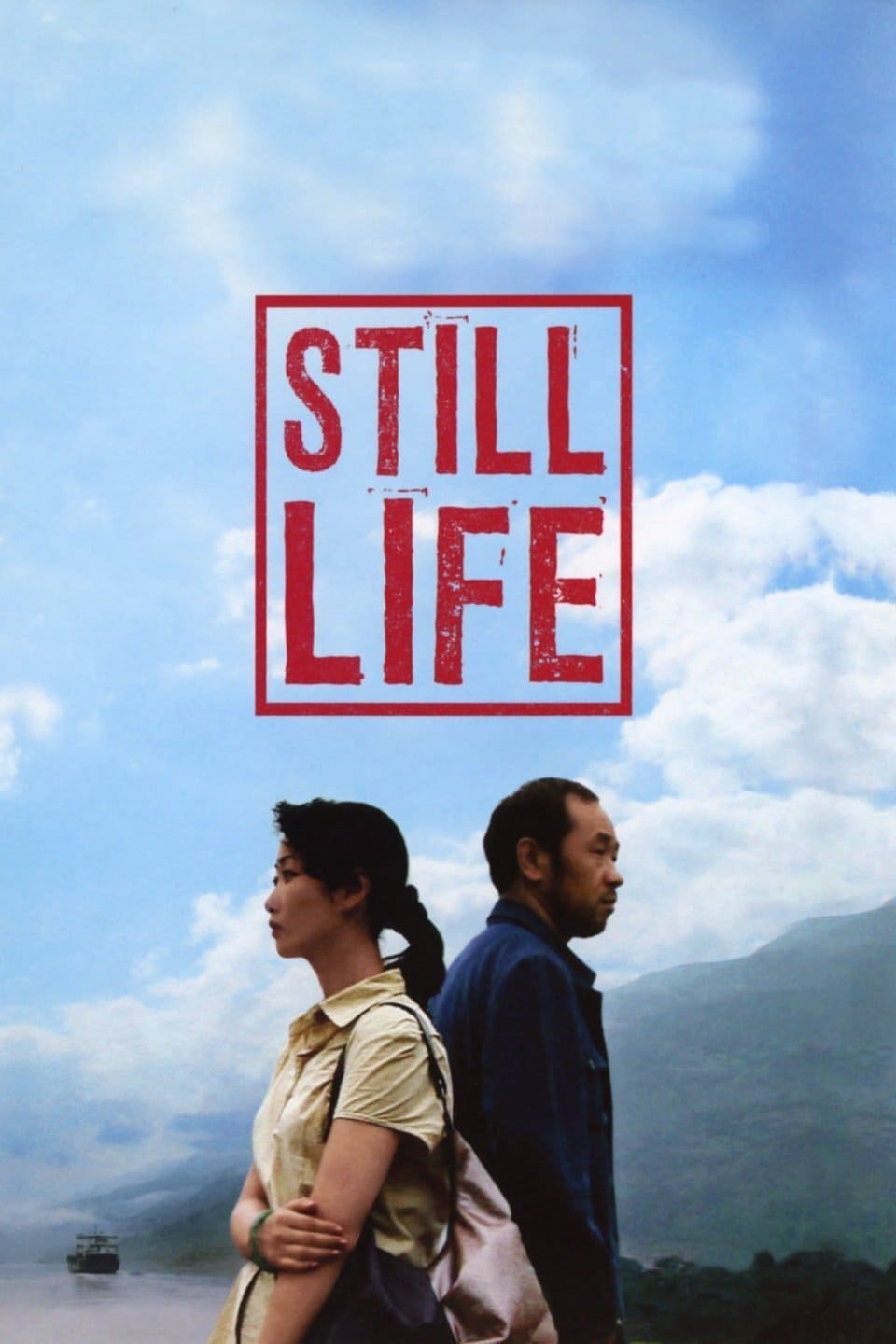
A town in Fengjie county is gradually being demolished and flooded to make way for the Three Gorges Dam. A man and woman visit the town to locate their estranged spouses, and become witness to the societal changes.
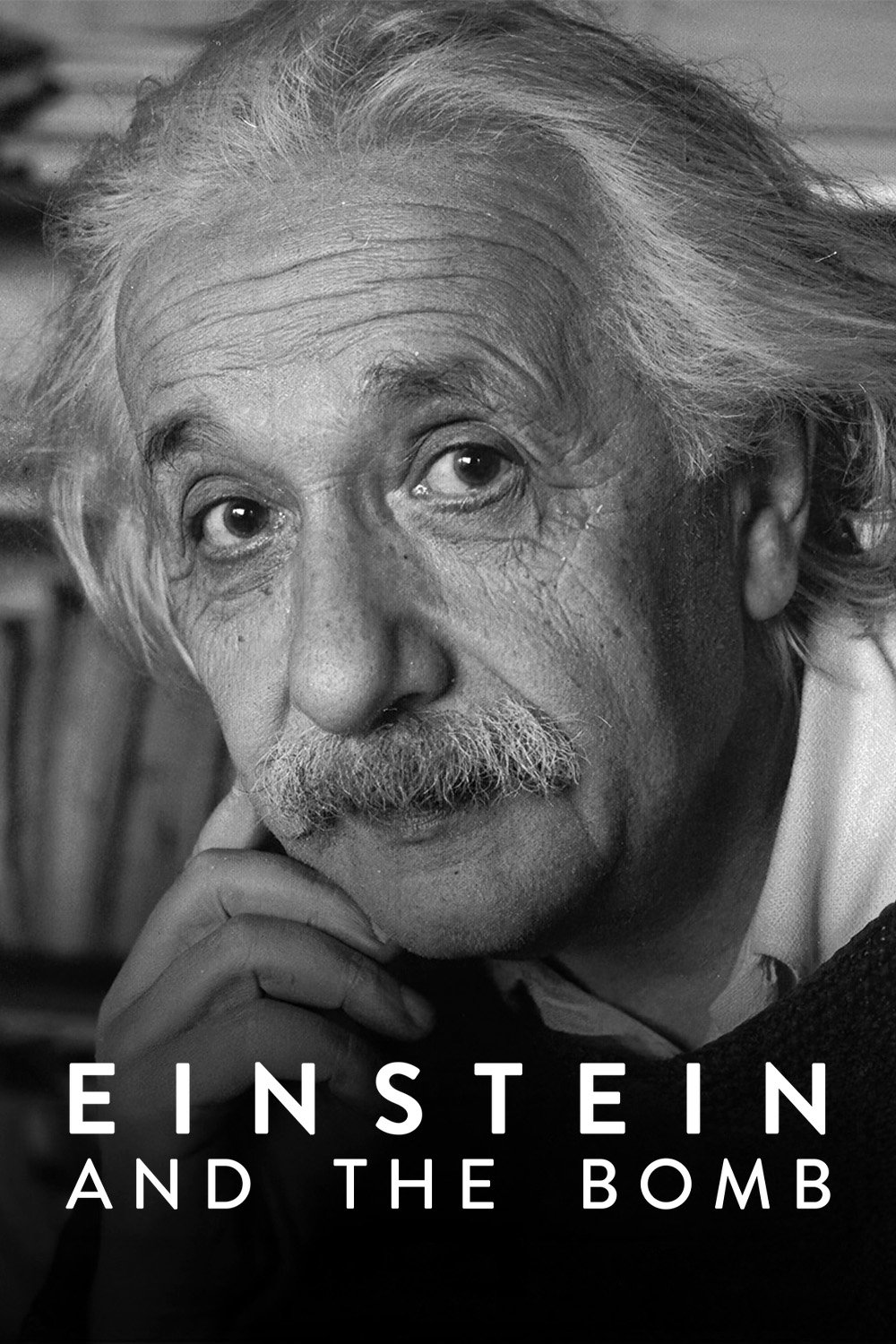
What happened after Einstein fled Nazi Germany? Using archival footage and his own words, this docudrama dives into the mind of a tortured genius.
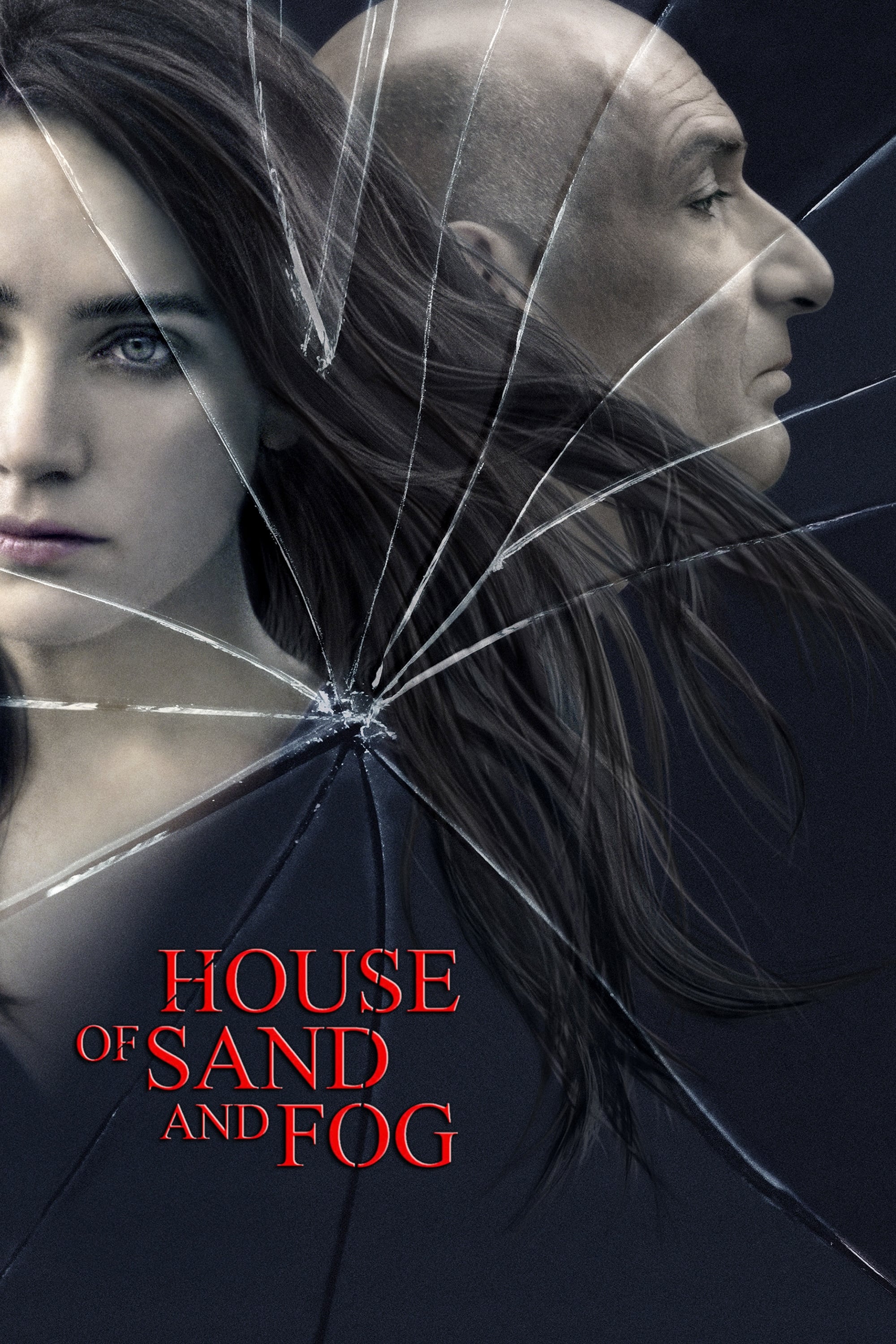
Behrani, an Iranian immigrant buys a California bungalow, thinking he can fix it up, sell it again, and make enough money to send his son to college. However, the house is the legal property of former drug addict Kathy. After losing the house in an unfair legal dispute with the county, she is left with nowhere to go. Wanting her house back, she hires a lawyer and befriends a police officer. Neither Kathy nor Behrani have broken the law, so they find themselves involved in a difficult moral dilemma.
Prompted by the death of his father and the grief of his mother, a man recalls the story of how they met in flashback.