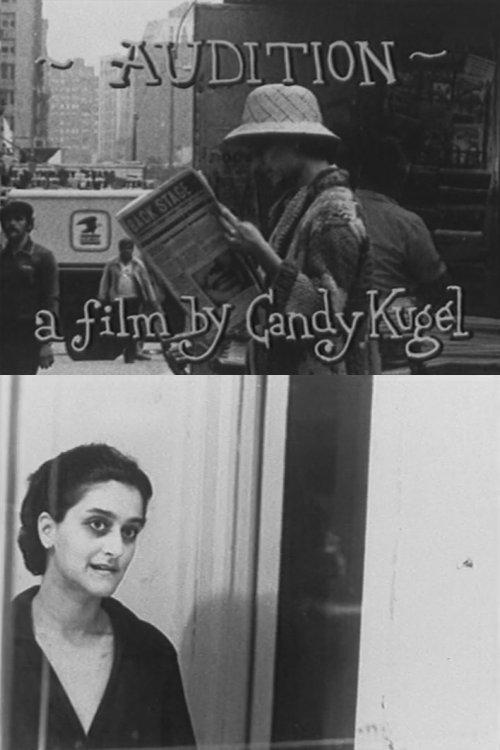
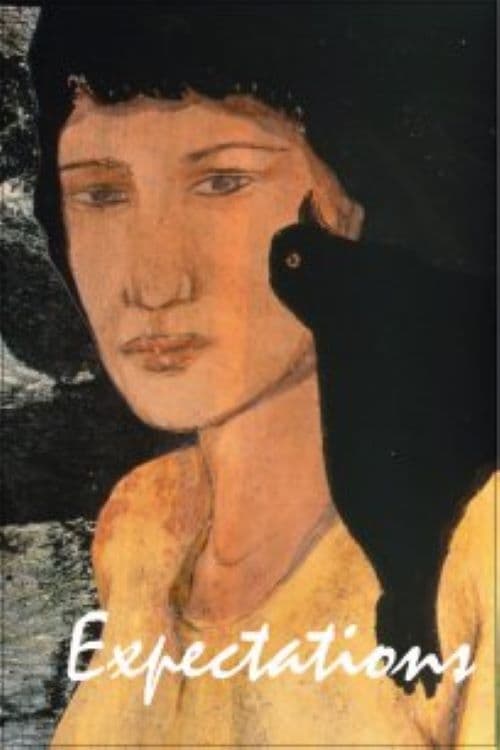
A young woman grapples with the decision of following her dream of an acting career or marrying and having babies with the man she loves.
Social & External
The people behind it
Candy Kugel
Self (voice)
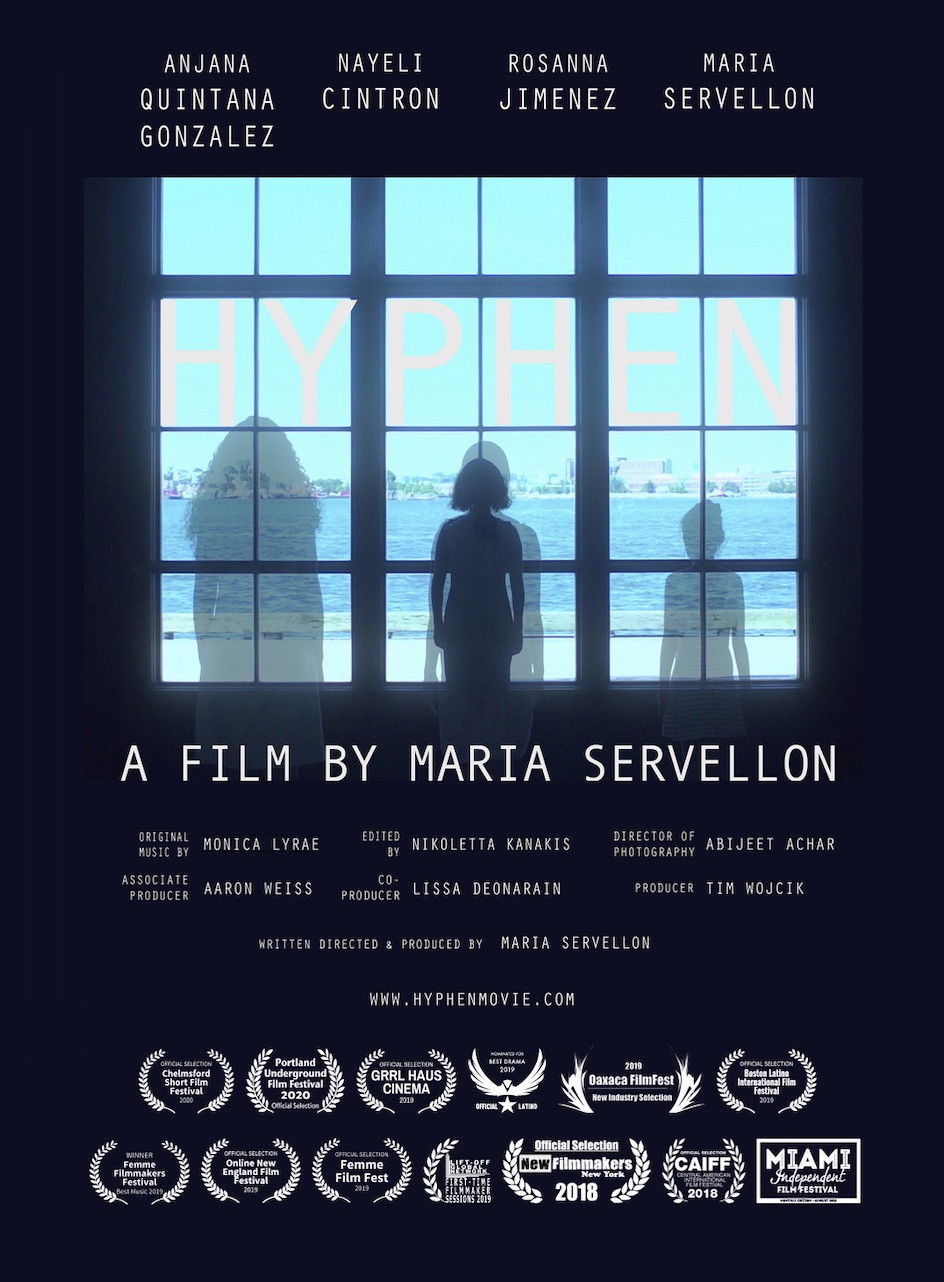
A poetic journey of memory and fantasy told through the eyes of four versions of an artist as she creates her own self-identity.
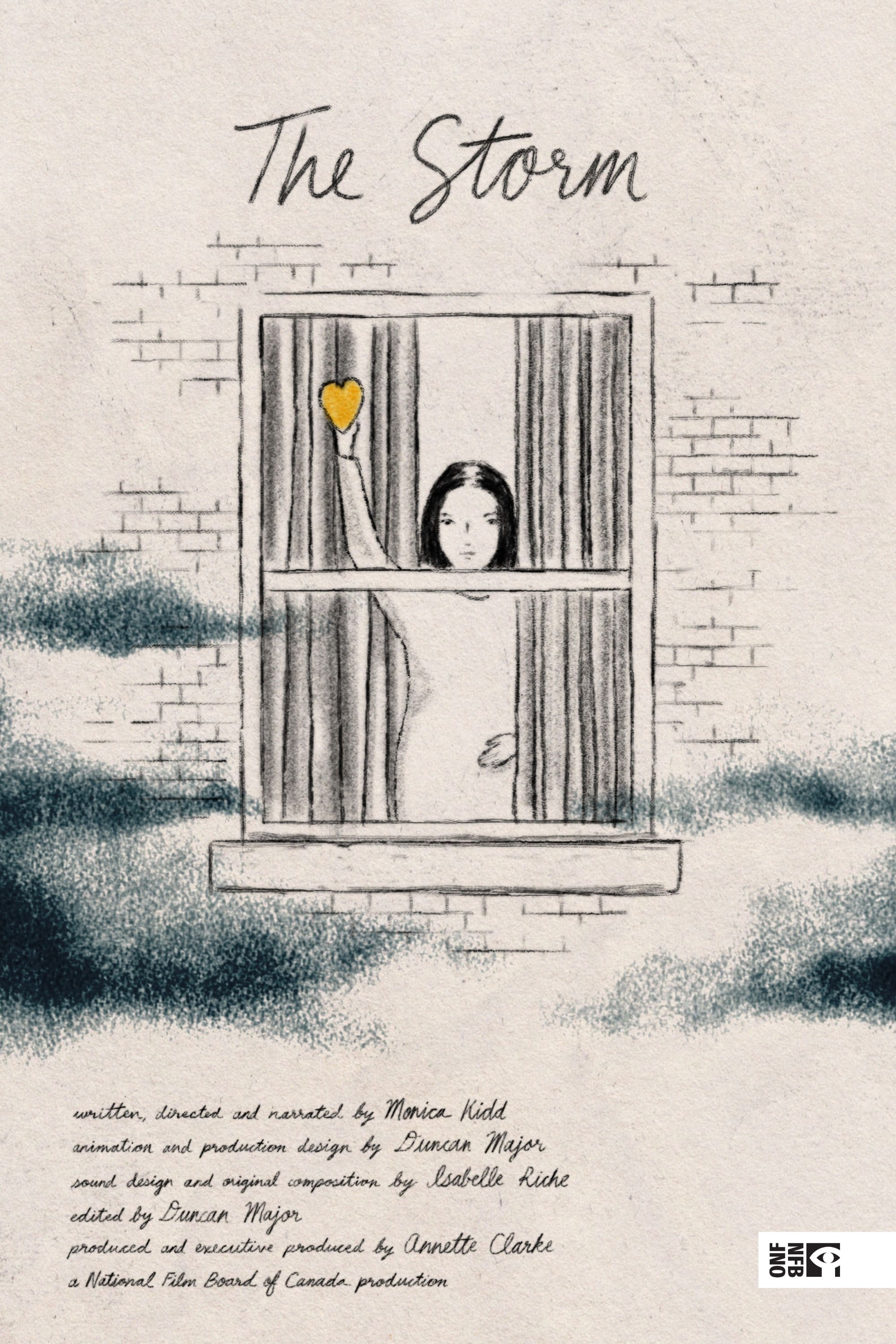
Global pandemics are like prairie thunderstorms. Full of terror and havoc, they eventually pass. Bringing a new baby into the world can also feel like a storm.
Our hero inadvertently earns the favor of a woman after suffering frustration in a campaign to win her heart.
A study, in film animation, of a day in the life of a housewife, described without words, with a minimum of detail but with a perception all the more pertinent because of the simplicity of presentation. The film makes no judgments. It simply states the case, but serves as an apt starting point for any discussion of the role of women and the value of their work.
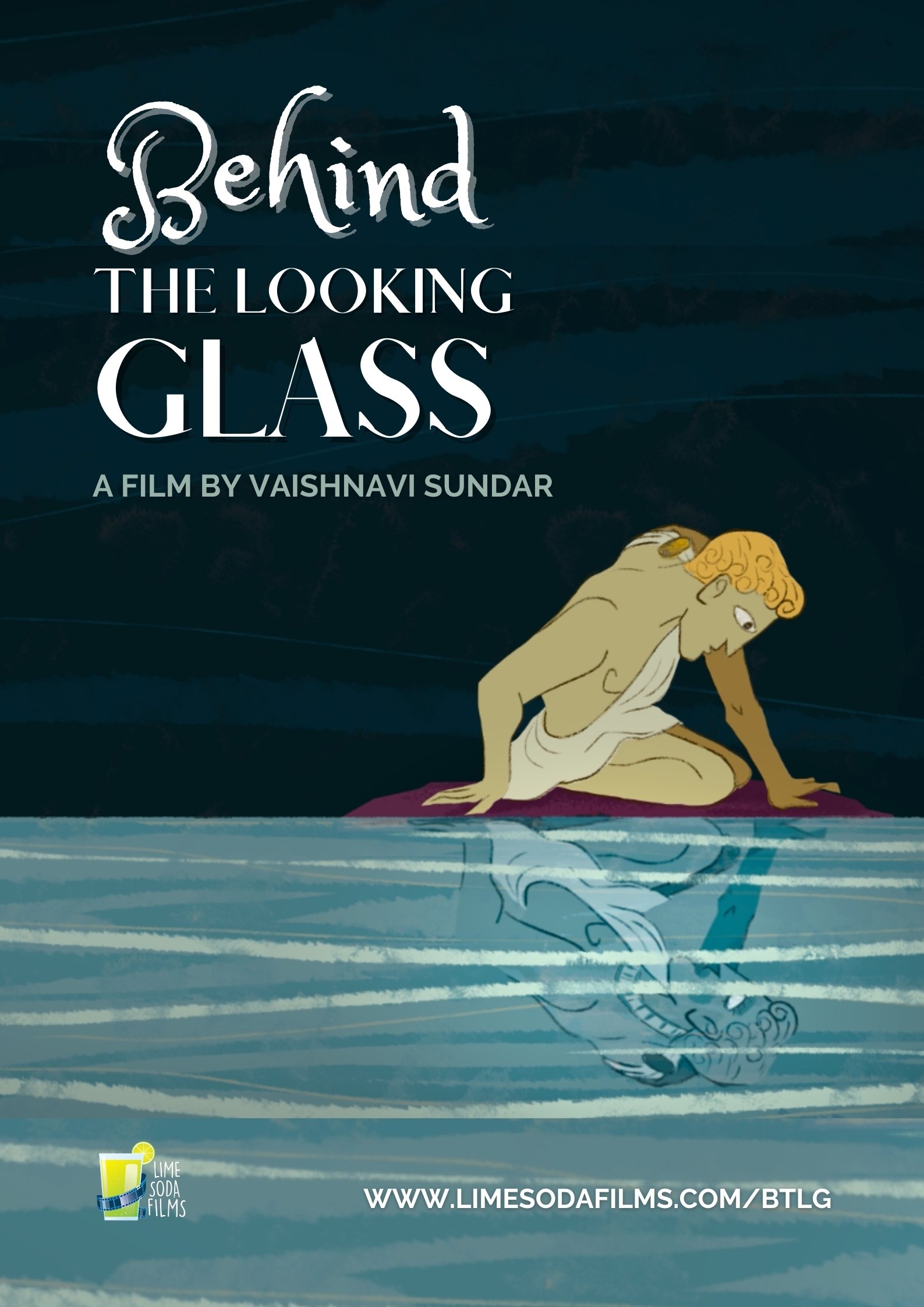
Behind The Looking Glass is a film about the lives of women whose partners have or want to ‘transition’. While we hear a great deal of “stunning and brave” stories of men, there is a deadly silence when it comes to the stories of the wives or partners. This film will be the first of its kind in collecting such experiences of women from around the world.
When a teenage girl and a black cat find themselves living on the streets, they have to get past their differences to get out of a dangerous situation.
The encounter can never happen between a man in the past (tense) and a girl in the present (tense) in the garden of times.
This visual poetry is a celebration of the full spectrum of womanhood, from the complex vulnerability to the hidden power.
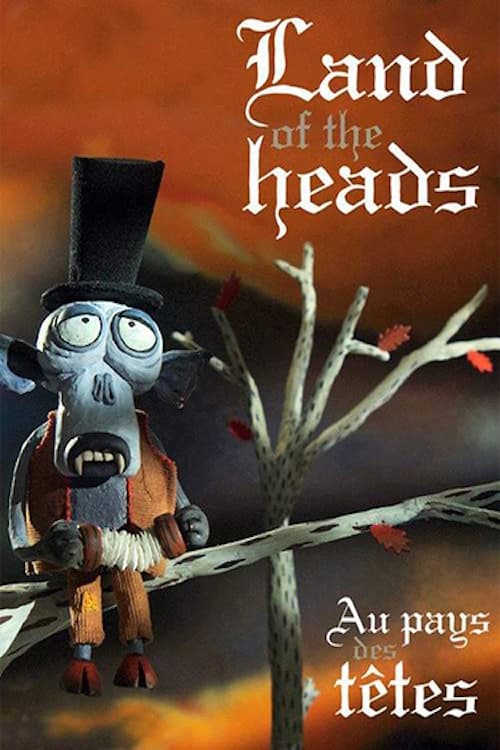
Emile is an unhappy little vampire, doing a job he detests, in a world plunged into perpetual gloom. He serves a despotic mistress who loathes wrinkles, in the most extreme way.
In her attempt to escape her past, Huiju relocated to the UK over 11 months ago. However, even after moving to a new country, she found that her nightmares from Korea continued to haunt her. Determined to move forward, she made the decision to confront her memories head-on in a very contemporary way, using dating apps to push the boundaries she had set due to her sexual trauma.
Using original animation, archival footage and personal interviews, this full-length documentary portrays the multiple relationships Canadian Muslim women entertain with Islam’s place of worship, the mosque. Islam is the fastest growing religion in the world. In North America, a large number of converts are women. Many are drawn to the religion because of its emphasis on social justice and spiritual equality between the sexes. Yet, many mosques force women to pray behind barriers, separate from men, and some do not even permit women to enter the building. Exploring all sides of the issue, the film examines the space – both physical and social – granted to women in mosques across the country.
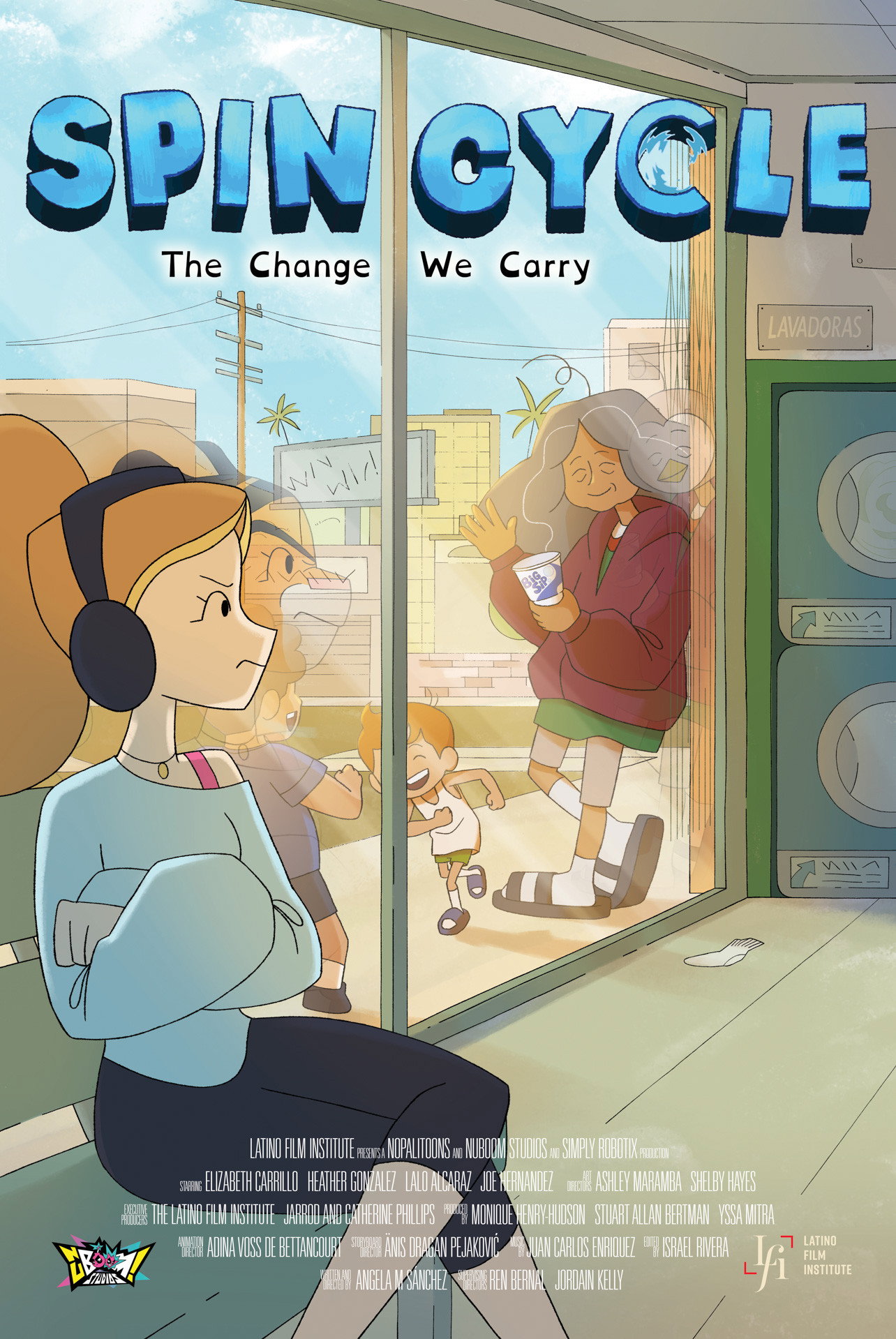
In a bustling Los Angeles strip mall parking lot, Mandy is a well-to-do arrival in a gentrifying neighborhood. She brushes off locals, including the woman panhandling outside the laundromat, Lena. But when a dryer eats the last of her quarters, Mandy goes through literal head changes for fifty cents. Blinded by her own biases, she repeatedly dismisses Lena, who keeps approaching her with a soda cup full of change.
The mother of animation director Rebecca Blöcher didn’t want to live an ordinary life. She wanted “something more,” she explains in this stop-motion film. The people around her didn’t understand—in a letter written in 1968, a girlfriend criticizes her for going out on her own and making men jealous, while advising her to dress in a more “feminine” way and to join a cooking course. Blöcher’s mother brushed aside the advice. Years later still, she divorced her husband and stepped into the big wide world.
At the end of the workday, the women of the city head to the bathhouse.
Inspired by the poem Hamza by the great Palestinian poet Fadwa Tuqan, compares and connects the mystery of the fertility of the Palestinian land to the mysterious power of it's women.
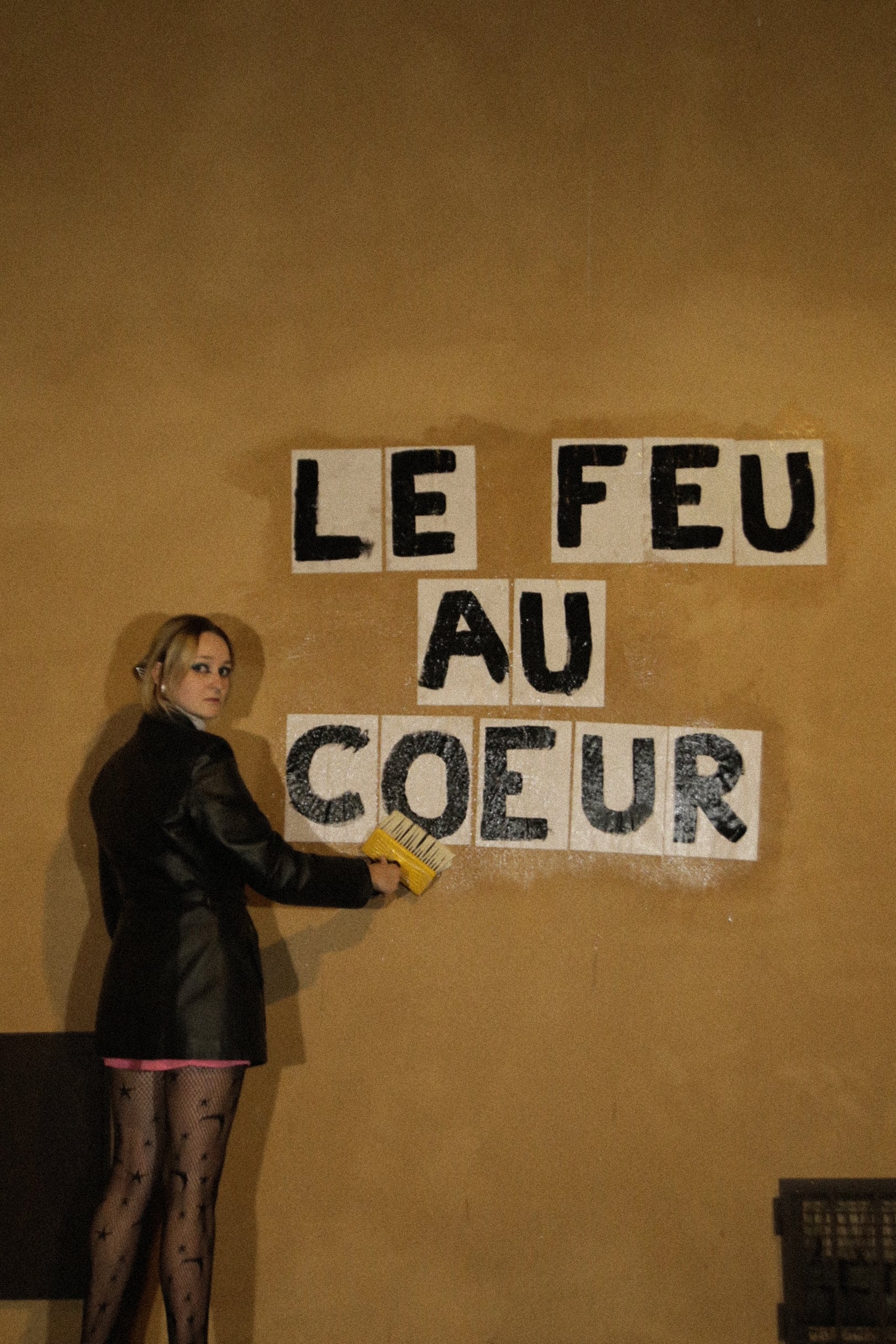
In Aix-en-Provence, feminist slogans dot the walls of the city. This is the work of "Les colleuses". Their goal: to claim their place in the public space, and to denounce patriarchal violences. For a month, we follow young Ameline and her friends. They tell us about their process, the reasons for their commitment, their doubts and their hopes.
An aging, out-of-work actress accepts one last job, though the consequences of her decision affect her in ways she didn't consider.
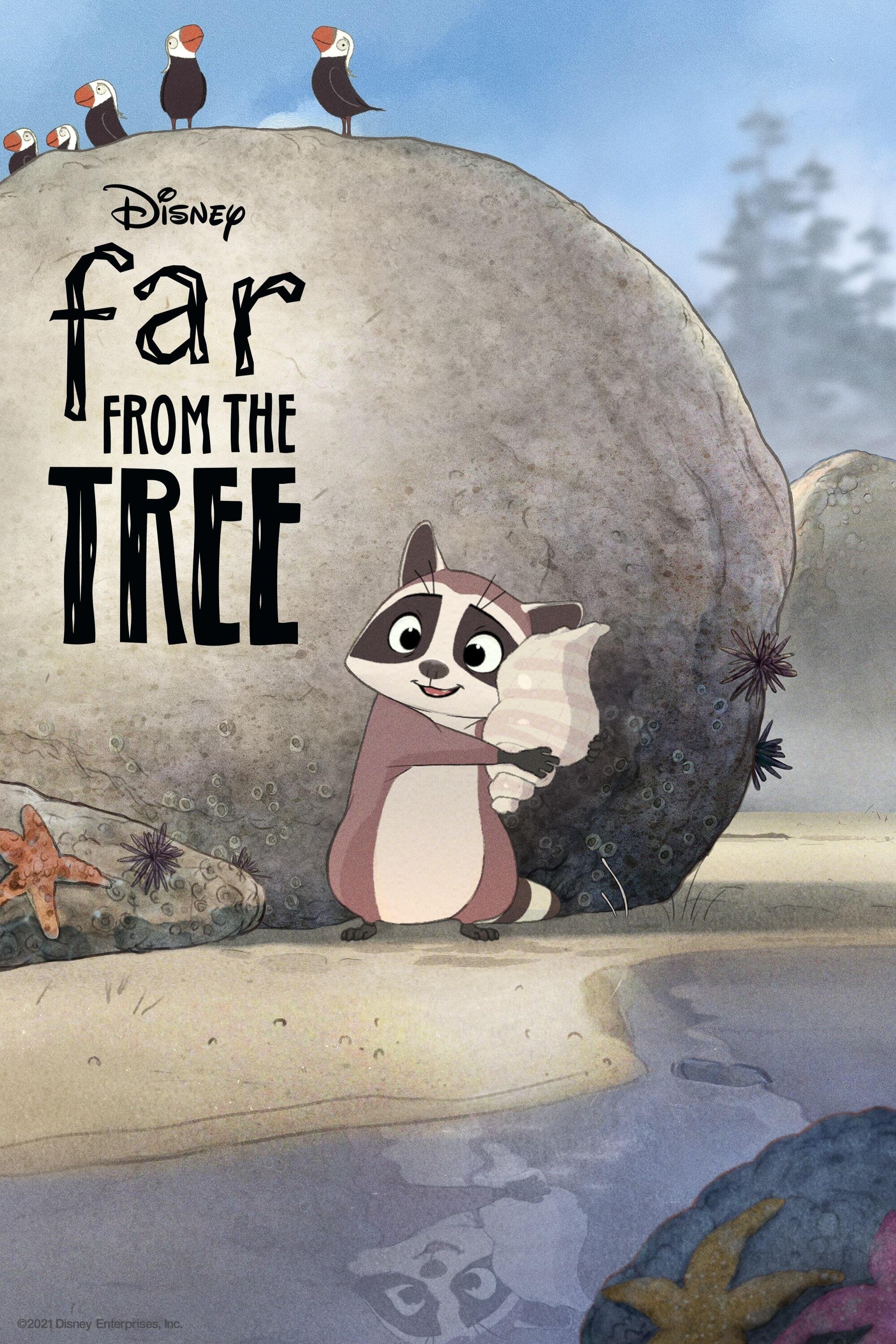
On an idyllic beach in the Pacific Northwest, curiosity gets the better of a young raccoon whose frustrated parent attempts to keep them both safe.
Po and the Furious Five uncover the legend of three of kung fu's greatest heroes: Master Thundering Rhino, Master Storming Ox, and Master Croc.
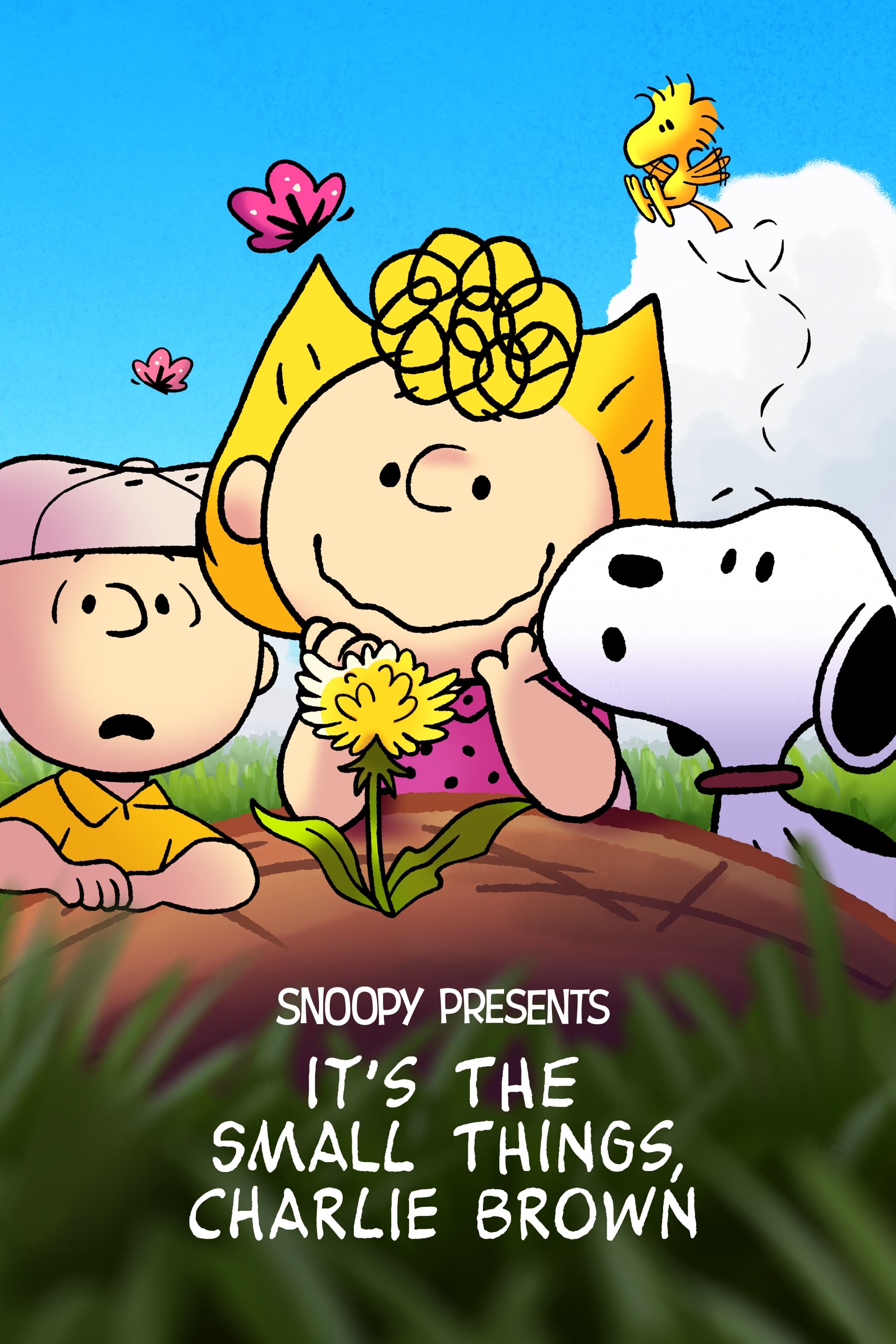
Charlie Brown is determined to win the big baseball game. But things turn into a fiasco right before the matchup, when Sally bonds with a little flower on the pitcher's mound and vows to protect it at all costs.
A royal relative steals a gem with the power to make things fly, the Paw Patrol takes to the skies to stop him and save Barkingburg.
When her babysitting business takes a hit, Skipper takes a summer job at the water park. Here she can quickly put her skills as a nanny to good use.
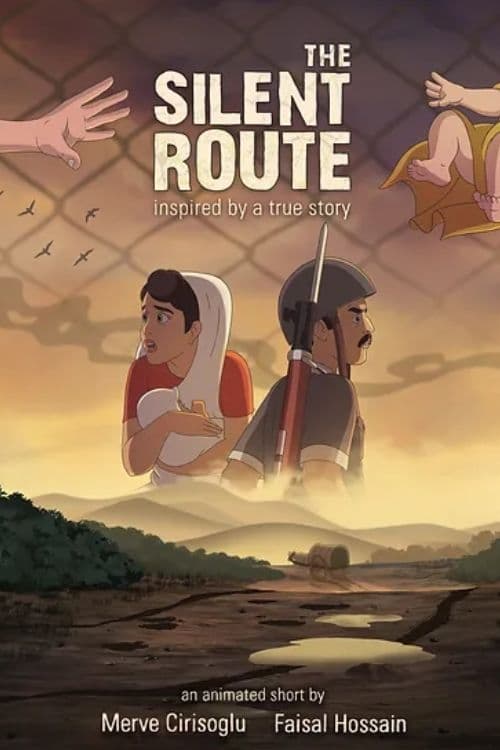
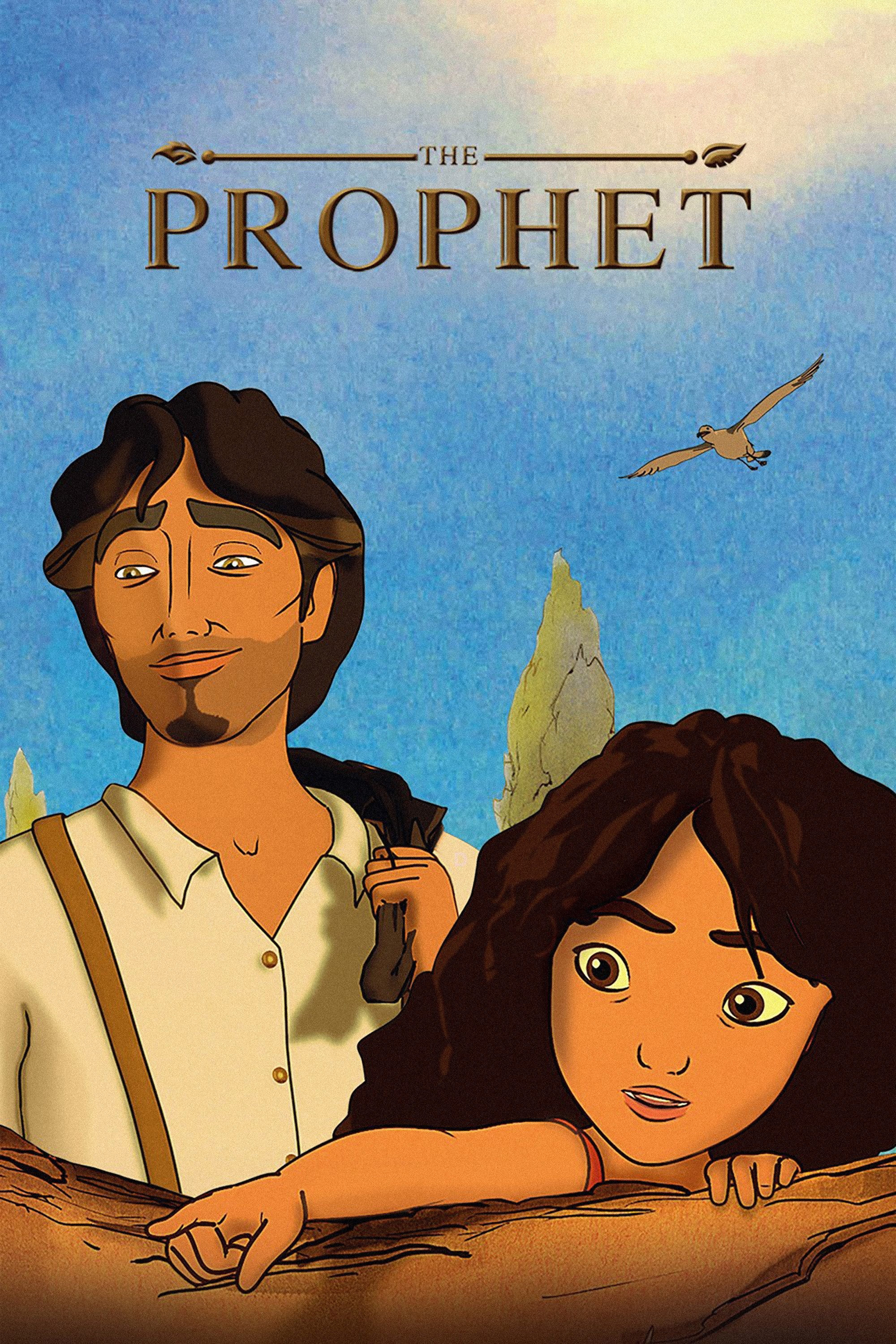
Exiled artist and poet Mustafa embarks on a journey home with his housekeeper and her daughter; together the trio must evade the authorities who fear that the truth in Mustafa's words will incite rebellion.
In this anime visual album, a mysterious driver heads deep into a postapocalyptic hellscape toward a ferocious showdown with two monstrous opponents.
Wonder Woman, Supergirl, Batgirl, Harley Quinn, Bumblebee, Poison Ivy and Katana band together to navigate the twists and turns of high school in DC Super Hero Girls: Hero of the Year.
Animals band together to save the day when the evil Otto Von Walrus hatches a sinister scheme to accelerate global warming and melt the Arctic Circle.
After Pooh, Piglet, Tigger, and Rabbit see Christopher Robin making a valentine for -- gasp! -- a girl, they find he's been bitten by a "Smitten" and is lovesick! Worried that he'll no longer have time for them, and hoping a second bite from the love bug will cure him, they set out on a wild adventure to capture the Smitten. This wonderful story, filled with magic and whimsy, and sweetened with three new songs, reminds us all that the heart is big and always has plenty of room for friends -- old and new.
A curious girl investigates the cries she hears coming from a forbidden house across the street.
In the tradition of Fantasia, Make Mine Music is a glorious collection of musically charged animated shorts featuring such fun-filled favorites as "Peter and the Wolf", narrated by the beloved voice behind Winnie the Pooh. In addition you'll enjoy such classic cartoon hits as "Casey at the Bat," "The Whale Who Wanted to Sing at the Met" and "Johnnie Fedora and Alice Bluebonnet."
On the way to Daphne's relatives' condominium, the Mystery Inc. gang detours through the town of Winter Hollow, where the vengeful Headless Snowman has destroyed the town's Christmas spirit.
As Po looks for his lost action figures, the story of how the panda inadvertently helped create the Furious Five is told.
Former Gotham City District Attorney Harvey Dent, one side of his face scarred by acid, goes on a crime spree based on the number '2'. All of his actions are decided by the flip of a defaced, two-headed silver dollar.
When Santa crash-lands in the junkyard on Christmas Eve, Hank, Trash Truck and their animal friends all have a hand in rescuing the holiday for everyone.
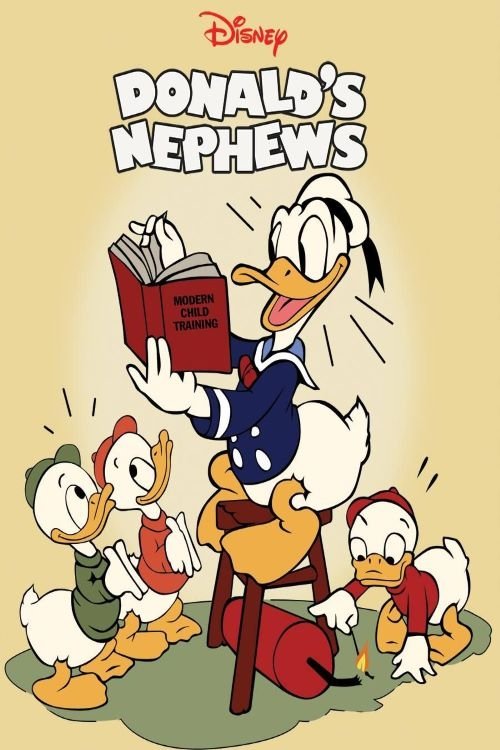
Donald's sister Dumbella sends her three sons Huey, Dewey, and Louie to visit their uncle Donald. They prove to be quite a handful for Donald, even with help from his book on child rearing.
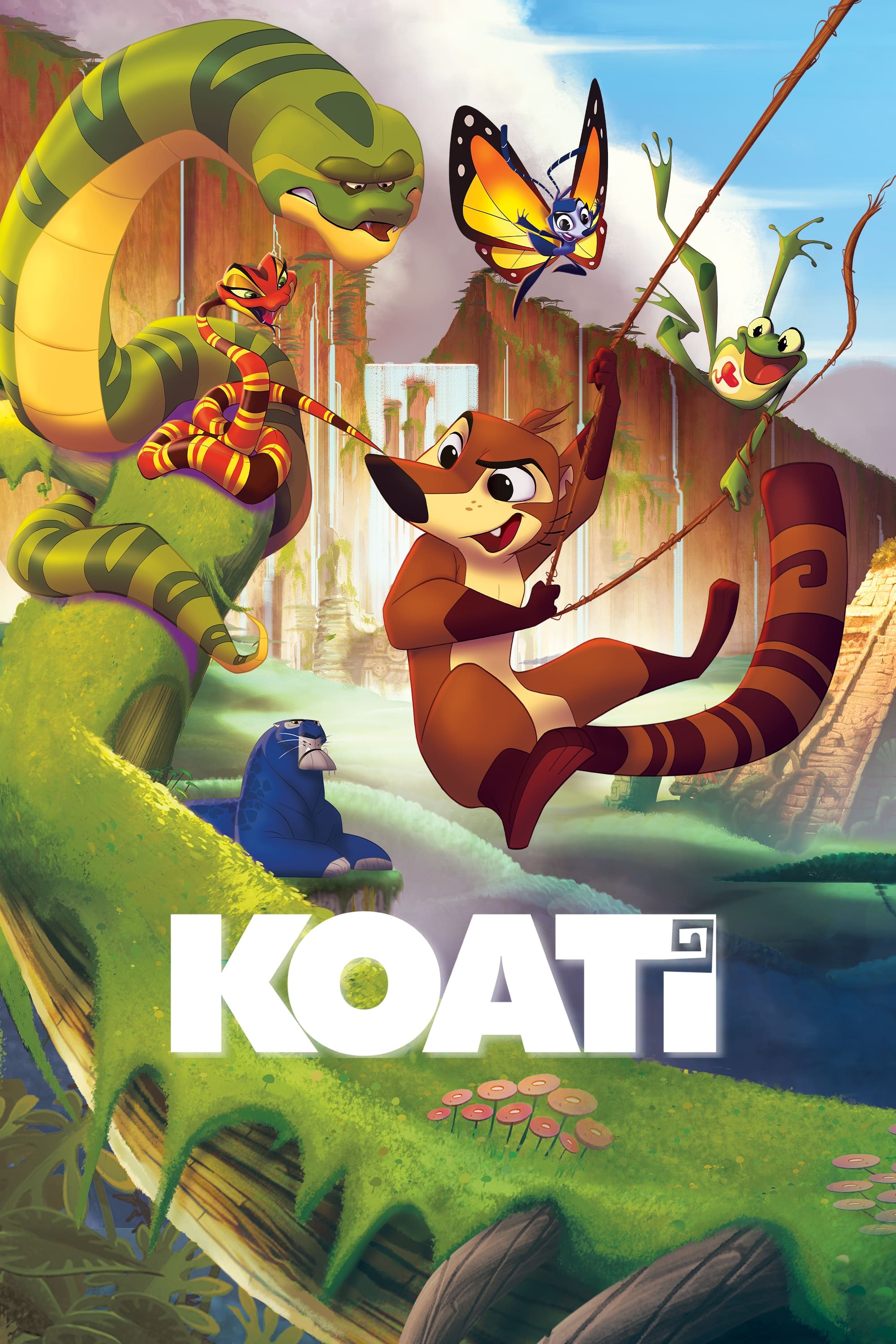
Three unlikely heroes - Nachi, a free-spirited coati; Xochi, a fearless monarch butterfly and Pako, a hyperactive glass frog - embark on an adventure to stop wicked coral snake Zaina from destroying their rain forest homeland.
By accident, Cedric (Goofy), replaces his master, Sir Loinsteak, in the armor just before the joust with champion Sir Cumference.