Social & External
Abdel Aziz Mahmoud
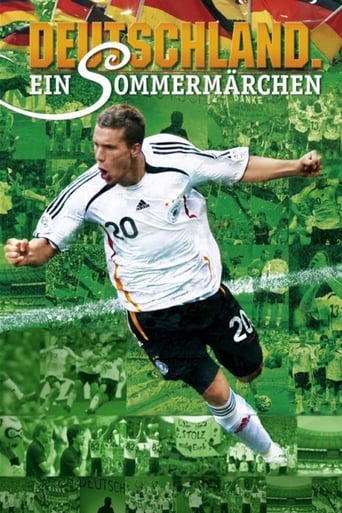
A documentary of the German national soccer team’s 2006 World Cup experience that changed the face of modern Germany.
This documentary follows the French soccer team on their way to victory in the 1998 World Cup in France. Stéphane Meunier spent the whole time filming the players, the coach and some other important characters of this victory, giving us a very intimate and nice view of them, as if we were with them.
How do seven young people, former street children from Romania, get to see the Pacific Ocean? On 1 December 2008, a Romanian national team participates for the first time in the Homeless World Cup in Melbourne, Australia. The film follows the team from the formation of the squad to the end of the championship. The young people are from Timisoara and Arad, runaway children who now live in abandoned houses or who have managed to get a job and live in rented accommodation after going through orphanages or prisons. After taking a beating from many teams, the young Romanians manage to beat the USA. They are happy. They are all thinking of never going "home" again. It's warm and nice here, the people are nice. "In case I stay, I kissed you all!" says one of them cautiously. But after taking pictures of themselves on the beach with the ocean behind them and beautiful girls by their side, the seven return to Romania and get on with their lives.
Against the backdrop of a turbulent era in Brazil, this documentary captures Pelé's extraordinary path from breakthrough talent to national hero. Mixing rare archival footage and exclusive interviews, this documentary celebrates the legendary Brazilian footballer who personified football as art.
The ultimate guide to the players on the road to Rio. Ahead of the world football tournament in June & July, Stars in Brazil celebrates ten of the world’s most talented players on the road to Rio. From Cristiano Ronaldo’s breathtaking skills to the brillance of Wayne Rooney, Stars in Brazil offers detailed player profiles, fantastic footage and exclusive interviews with football experts.
In the early 1980s, at the beginning of what would become a 12-year-long civil war, El Salvador's talented football team was one national institution upon which both the left and the right could agree. When the team pulled off a stunning 1-0 upset against Mexico and qualified to compete in the 1982 World Cup, it was a high point for the tiny country's national pride. Unfortunately, the team's Cinderella story devolved into a nightmarish farce.
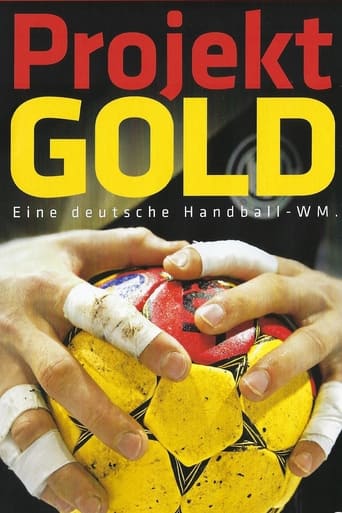
Documentary shows the German national handball team on their way to winning the title at the 2007 World Cup in their own country.
New Jersey, June 18, 1994. Giants Stadium is awash with green as Irish soccer fans arrive to watch Ireland's opening World Cup match against the mighty Italy. The sense of optimism is infectious. The Celtic Tiger is in its infancy. Bill Clinton's decision a few months earlier to grant a visa to Irish Republican leader Gerry Adams has added momentum to an embryonic peace process. Jack Charlton's team walks onto the pitch before 75,000 fervent spectators who've traveled from across the globe for this game.
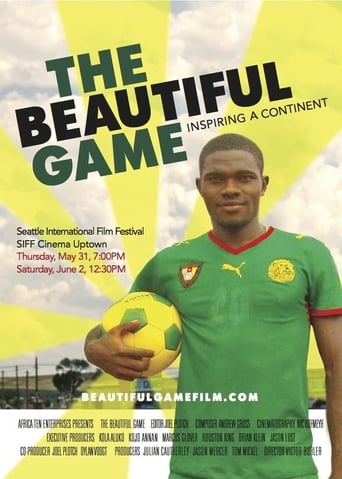
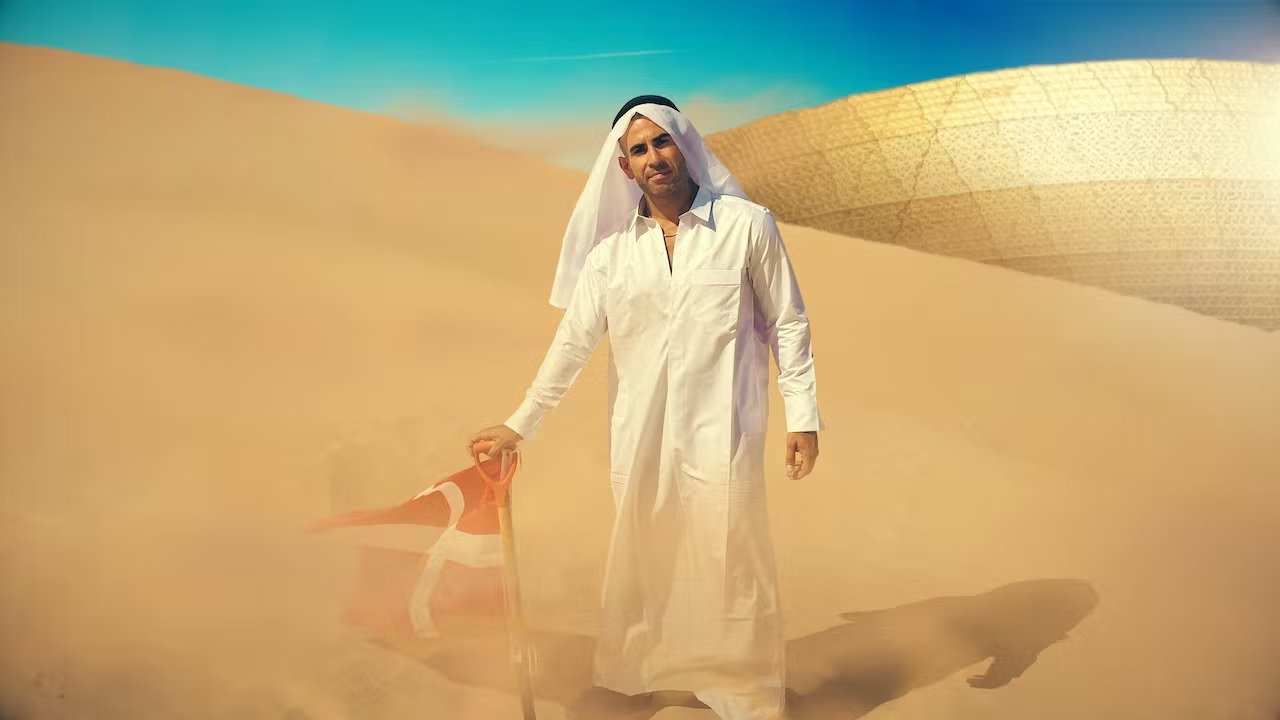
Inside Qatar’s labor camps, African and Asian migrant workers building the facilities of the 2022 World Cup compete in a football tournament of their own.
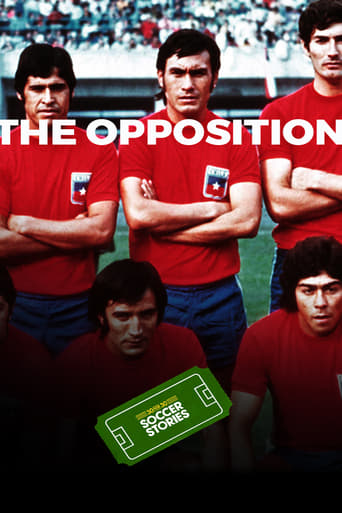
Chile hosts a decisive World Cup qualifier at Santiago’s National Stadium just weeks after the stadium had been transformed into a concentration camp and killing field for opponents of Augusto Pinochet (who had just gained power in a military coup). Though FIFA investigates the matter, the game goes on, with the Chilean team winning in a walkover after their opponents from the Soviet Union boycott in protest over the stadium's use
In the 1986 World Cup, Diego Maradona, the world's greatest football player, reached his apotheosis, redefining what is possible for one man to accomplish on a football pitch. His ability to take control of the ball -- the game -- an entire tournament -- split the world in two. It was both illuminating and an affront, beguiling and an outrage, and the fervor that surrounded him was unprecedented, bordering on the religious. Constructed from archive material, "Maradona '86" is an ode to this ultimate footballing idol, basking in the operatic intensity of his performance in Mexico as he wrote his name on football history forever.
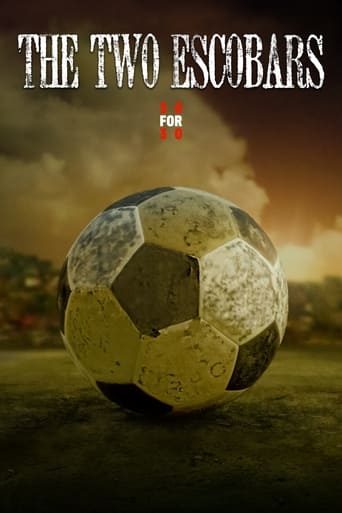
Pablo Escobar was the richest, most powerful drug kingpin in the world, ruling the Medellin Cartel with an iron fist. Andres Escobar was the biggest soccer star in Colombia. The two were not related, but their fates were inextricably-and fatally-intertwined. Pablo's drug money had turned Andres' national team into South American champions, favored to win the 1994 World Cup in Los Angeles. It was there, in a game against the U.S., that Andres committed one of the most shocking mistakes in soccer history, scoring an "own goal" that eliminated his team from the competition and ultimately cost him his life. The Two Escobars is a riveting examination of the intersection of sports, crime, and politics.
1986 FIFA World Cup Official Film. Mexico had just recovered from a devastating earthquake, but the nation put on a great tournament and Argentina, inspired by Maradona, justified "favourite" status. Eighty-six minutes of football magic from numerous world stars, including Diego Maradona, Gary Lineker, Michel Platini, Socrates, Rummenigge, Sanchez, Laudrup and many others. Michael Caine narrates this, the official FIFA coverage.
This is the official FIFA film of the 1982 World Cup Finals in Spain. Runs 96 minutes and includes commentary by Sean Connery with a special score composed by Rick Wakeman. Not your average footie film, this is a stunning record of the 1982 tournament finals which included England and Northern Ireland and culminated in Italy's thrilling victory against West Germany.
Documentary about the Football World Cup held in Argentina in 1978, focusing on the competition and behind the scenes of the most important soccer competition in the world. Two versions of the 1978 official film exist, the first "Copa 78 - O Poder do Futebol" was made by Brazilian directors Maurício Sherman and Victor di Mello in 1979 but was later withdrawn by FIFA because of its controversial content. The film includes an interview with Rodolfo Galimberti, one of the leaders of the Montoneros guerrilla group and also made accusations that the Argentinian competition organisation committee had deliberately hindered Brazilian chances of success by tampering with the pitch at Mar del Plata.
Independent documentary about the hidden side of the 1990 FIFA World Cup.
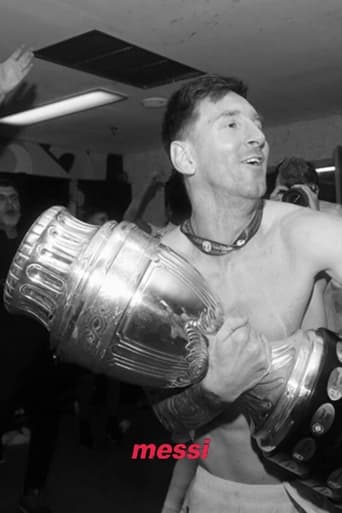
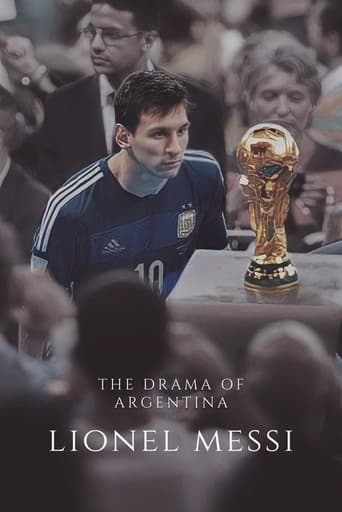
Behind-the-scenes documentary about how Lionel Messi succeeded in lifting the World Cup – the only trophy to have eluded him in an incredible career.
A behind the scenes look into George Romero's groundbreaking horror classic Night of the Living Dead.
A documentary about ten very different lives connected by having appeared onscreen wearing masks or helmets in Star Wars.
In this genre-bending tale, Errol Morris explores the mysterious death of a U.S. scientist entangled in a secret Cold War program known as MK-Ultra.
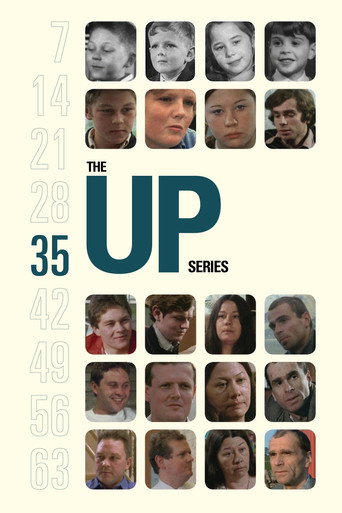
Director Michael Apted revisits the same group of British-born adults after a 7 year wait. The subjects are interviewed as to the changes that have occurred in their lives during the last seven years.
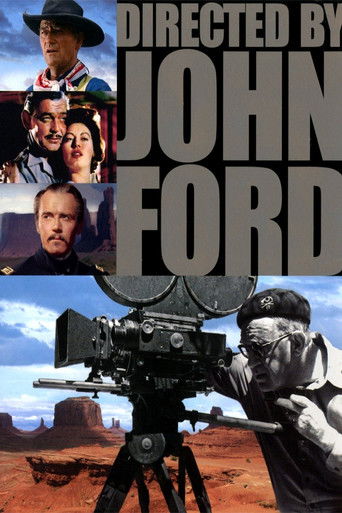
A documentary about the life and films of director John Ford.
Martin Scorsese’s portrait of writer and social commentator Fran Lebowitz, celebrated for her sharp wit and observations on modern life. Filmed at New York’s Waverly Inn and intercut with archival footage and interviews, the documentary captures Lebowitz’s distinctive worldview through her spontaneous monologues and public appearances.
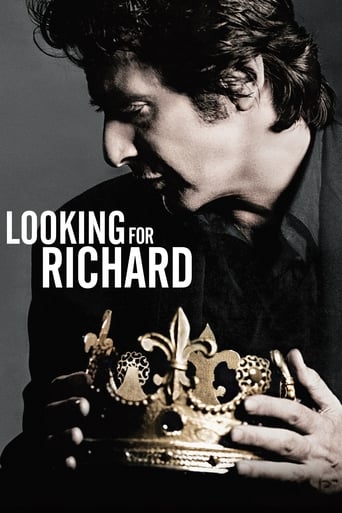
Al Pacino's deeply-felt rumination on Shakespeare's significance and relevance to the modern world through interviews and an in-depth analysis of "Richard III."
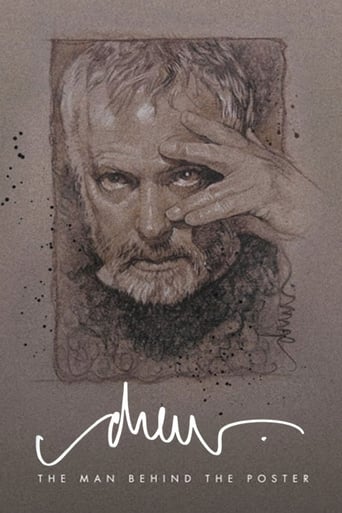
A documentary on legendary movie-poster artist Drew Struzan.
Through deeply personal interviews with her siblings and an examination of the photographs, letters, and belongings left behind, Mariska assembles a new portrait of her mother Jayne Mansfield, an extraordinary and complex woman.
An inside look at one of the most anticipated movie sequels ever with James Cameron and cast.
Those who knew iconic funnyman John Candy best share his story, in their own words, through never-before-seen archival footage, imagery, and interviews.
In this concert film, 'Hannah Montana' star Miley Cyrus performs a slew of hit songs, including 'Just Like You' and 'Life's What You Make It.'
A true-crime comedy exploring a failed music festival turned internet meme at the nexus of social media influence, late-stage capitalism, and morality in the post-truth era.
A portrait of the day-to-day operations of the National Gallery of London, that reveals the role of the employees and the experiences of the Gallery's visitors. The film portrays the role of the curators and conservators; the education, scientific, and conservation departments; and the audience of all kinds of people who come to experience it.
The definitive 3½-hour documentary about the troubled creation and enduring legacy of the science fiction classic 'Blade Runner', culled from 80 interviews and hours of never-before-seen outtakes and lost footage.
A purely observational non-fiction film that takes viewers into the ethically murky world of end-of-life decision making in a public hospital.
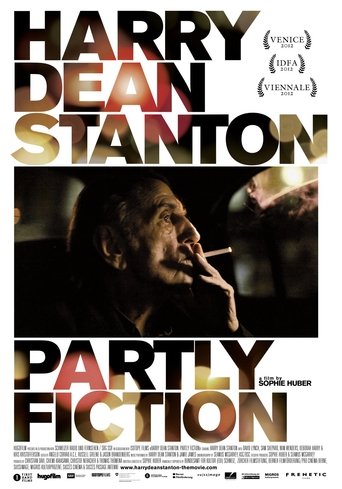
An impressionistic portrait of the iconic actor Harry Dean Stanton comprised of intimate moments, film clips from some of his 250 films and his renditions of American folk songs.
After the high-profile killing of Damilola Taylor, Cornelius' family move out of London. But when they discover their new town is run by racists, Cornelius takes a drastic step to survive.
The Captains is a feature-length documentary film written and directed by William Shatner. The film follows Shatner as he interviews the other actors who have portrayed starship captains in the Star Trek franchise.