Social & External
The people behind it
Haunted by the killing by Israeli police of a Palestinian friend from his youth, an Israeli queer filmmaker embarks on a cinematic dialogue across time — confronting memory, friendship, and the genocide unfolding today. In this intimate cinematic letter, Israeli filmmaker Roy Cohen addresses his Palestinian friend and fellow peace activist Aseel Aslih, who was murdered by Israeli police in their youth. Cohen tells Aslih of his experiences navigating a growingly genocidal society and seeks Aslih’s moral clarity and resilience in the evocative letters he had written as a teenager.
Story of Mary Mallon. Typhoid fever carrier
An instructional video from the 1990s that teaches the viewer how to cook a tasty Christmas feast.
This film focuses on the basics of adapting to life in England.
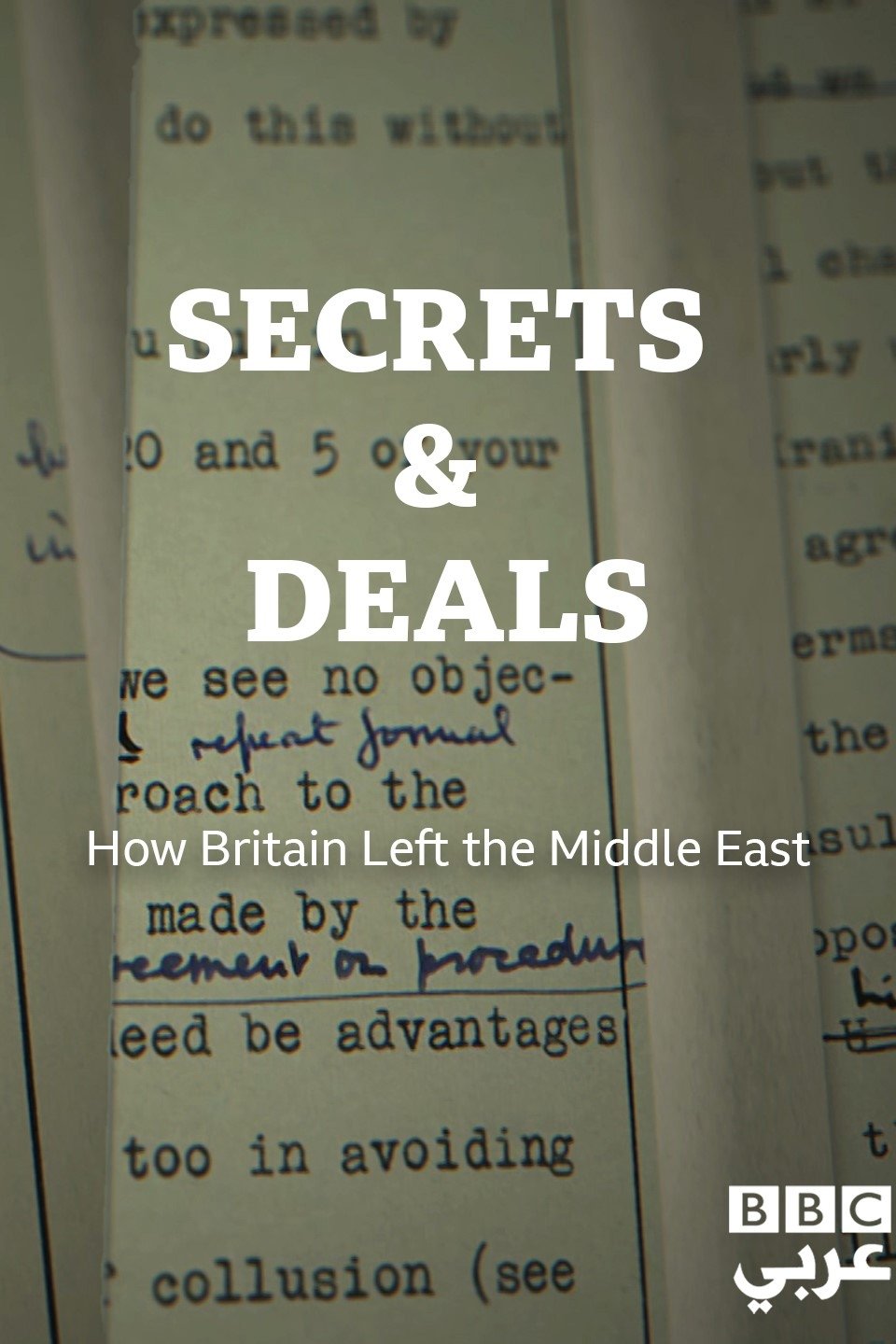
In 1971, Bahrain, Qatar and the UAE ceased to be part of Britain’s empire in the Middle East and became fully independent states. BBC News Persia and BBC Arabic collaborate in this gripping film, to uncover the secrets and shady deals that underpinned the decolonization process. From eye-witness accounts of a British-organised coup to Iran being left in control of disputed islands, it's a fascinating insight to a murky history.
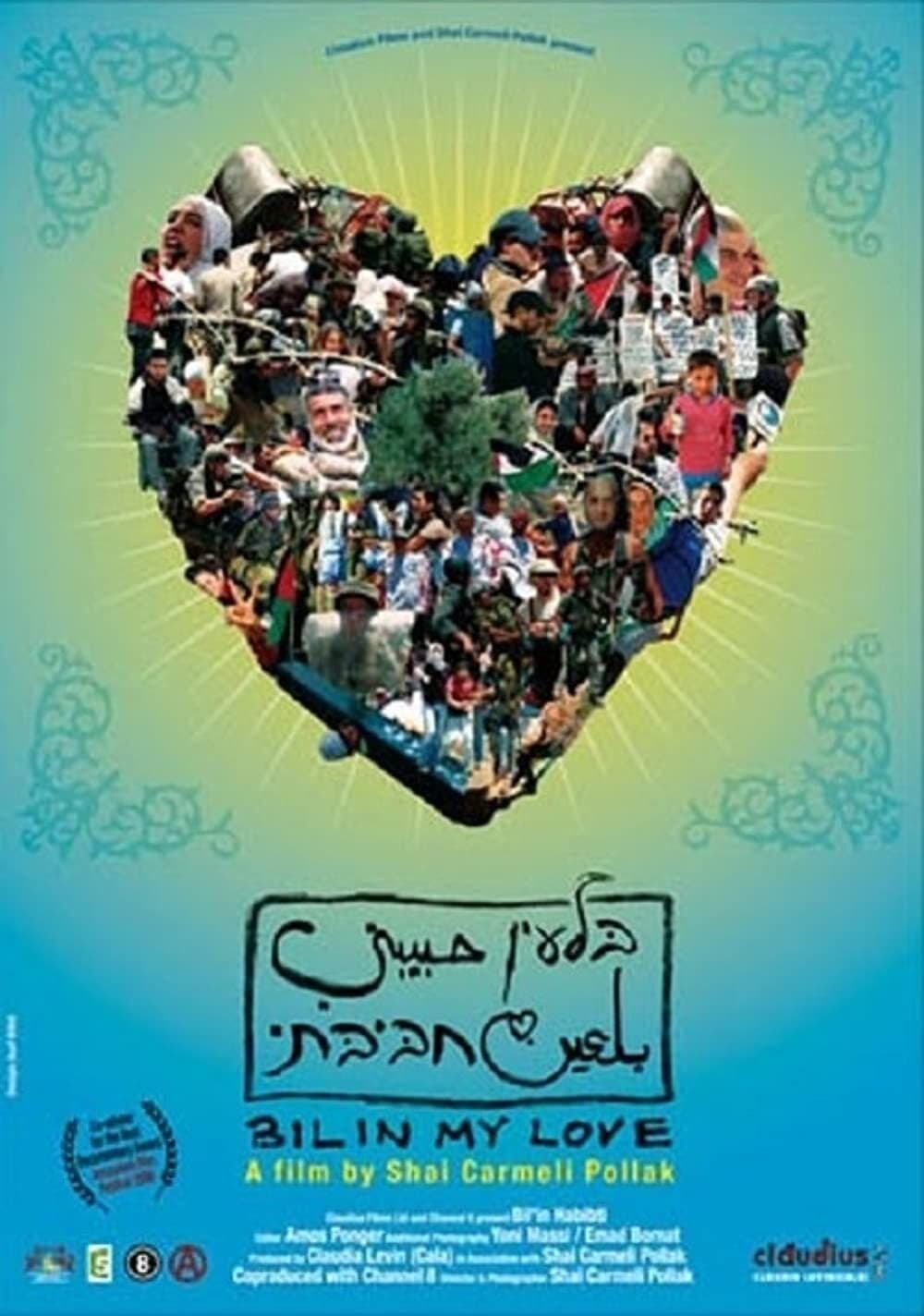
The Israeli filmmaker Shai Corneli Polak records the building of the 'security wall' through Palestinian territory at the village of Bil'in. The villagers protest mostly peacefully, while the Israeli army doesn't react peacefully. By now the Israeli High Court has ruled that the building of the wall was illegal.
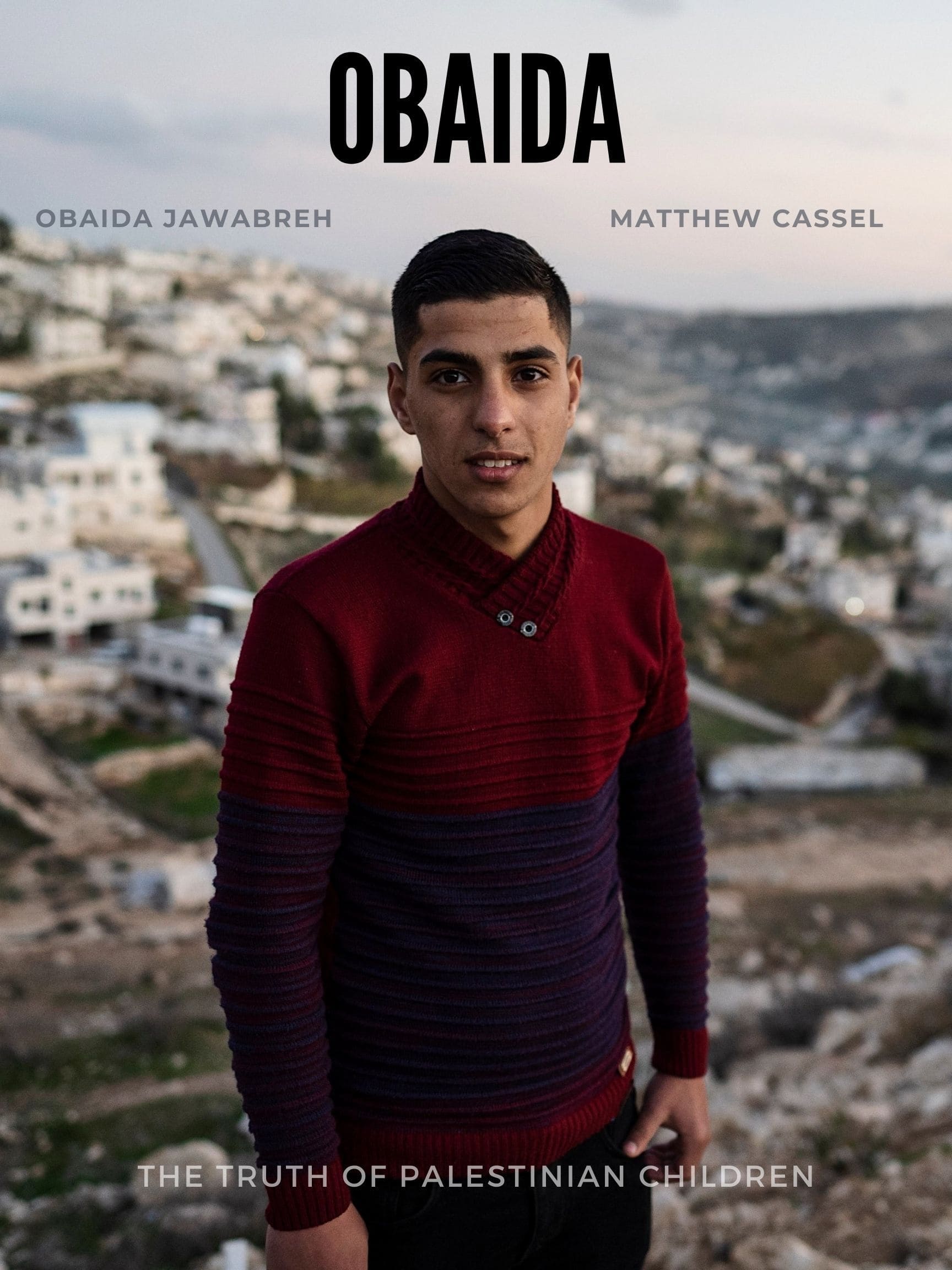
OBAIDA, a short film by Matthew Cassel, explores a Palestinian child’s experience of Israeli military arrest. Each year, some 700 Palestinian children undergo military detention in a system where ill-treatment is widespread and institutionalized. For these young detainees, few rights are guaranteed, even on paper. After release, the experience of detention continues to shape and mark former child prisoners’ path forward.
In May 1974, the Israeli Air Force carried out an extermination operation against the Palestinian refugee camp Nabatiyeh. With this as a starting point, it is reviewed how the last 50 years of Zionist colonization of Palestine have partly led to the establishment of the state of Israel, partly to the expulsion of a people, the Palestinians, from their land. The film shows scenes of daily life in Palestinian refugee camps. We hear various of the inhabitants talk about their desire to return to their country, and we follow how the resistance movement works to free women from their traditional backward role. At the same time, the emergence of the armed resistance struggle is analysed, and the significance of the latest military technological developments for guerilla wars in the 3rd world is explained.
Untold stories from the frontlines of the 'Deterring Aggression' battle. This documentary chronicles the ten decisive days preceding the operation, casting light on a political milestone that catalyzed the liberation of Syrian lands and signaled the dawn of a new era of hope.
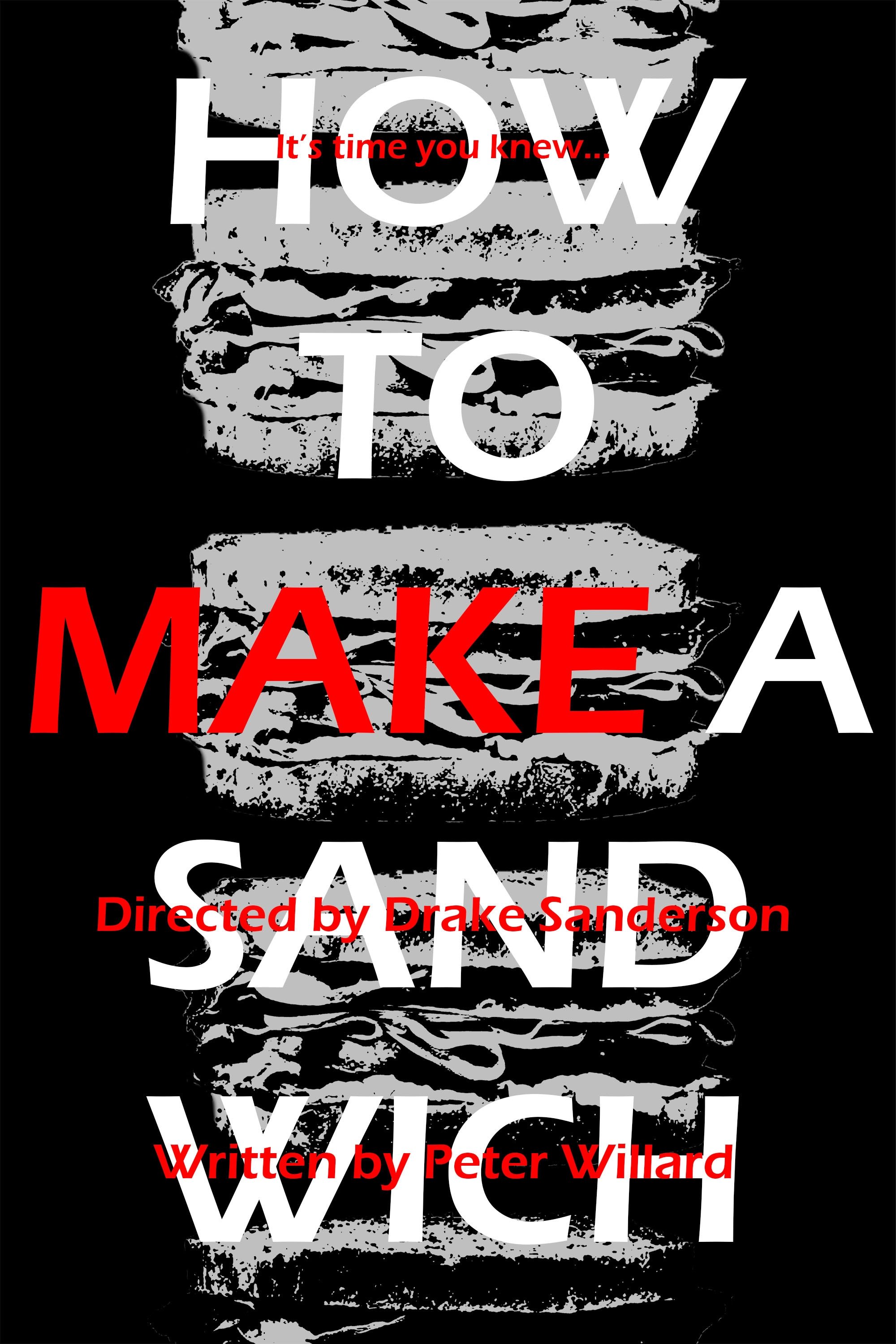
Based on the popular phone service, "How To Make a Sandwich" is a short film directed by Drake Sanderson that depicts the rise of media star, Peter Willard, and his acclaimed sandwich-making skills. From breads to meats to condiments, follow Peter as he teaches you how to make the perfect sandwich!
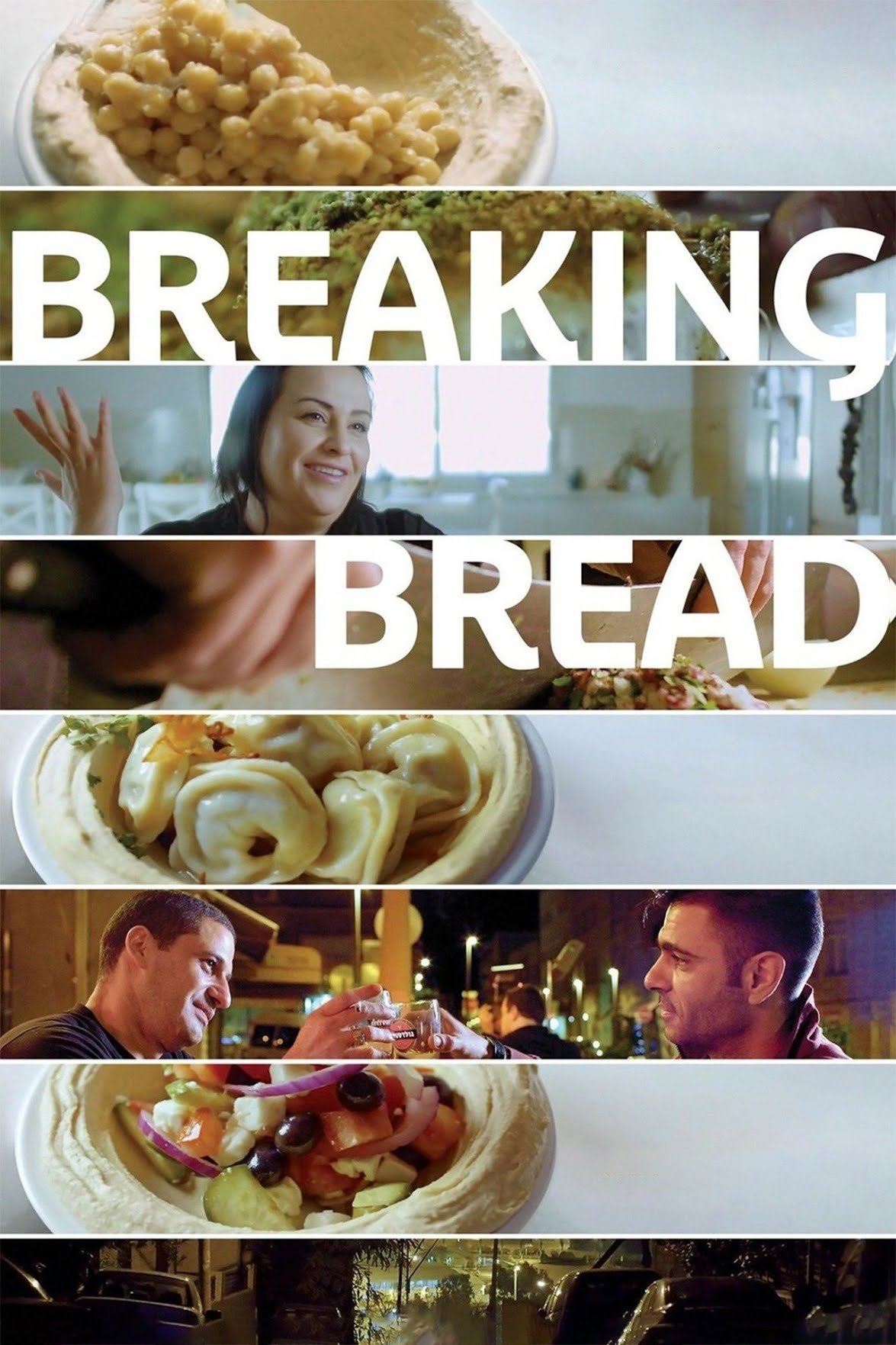
In Breaking Bread, exotic cuisine and a side of politics are on the menu. Dr. Nof Atamna-Ismaeel - the first Muslim Arab to win Israel's MasterChef - is on a quest to make a social change through food. And so, she founded the A-sham Arabic Food Festival in Haifa. There, pairs of Arab and Jewish chefs collaborate on mouthwatering dishes like kishek (a Syrian yogurt soup), and qatayef (a dessert typically served during Ramadan), as we savor the taste of hope and discover the food of their region free from political and religious boundaries.
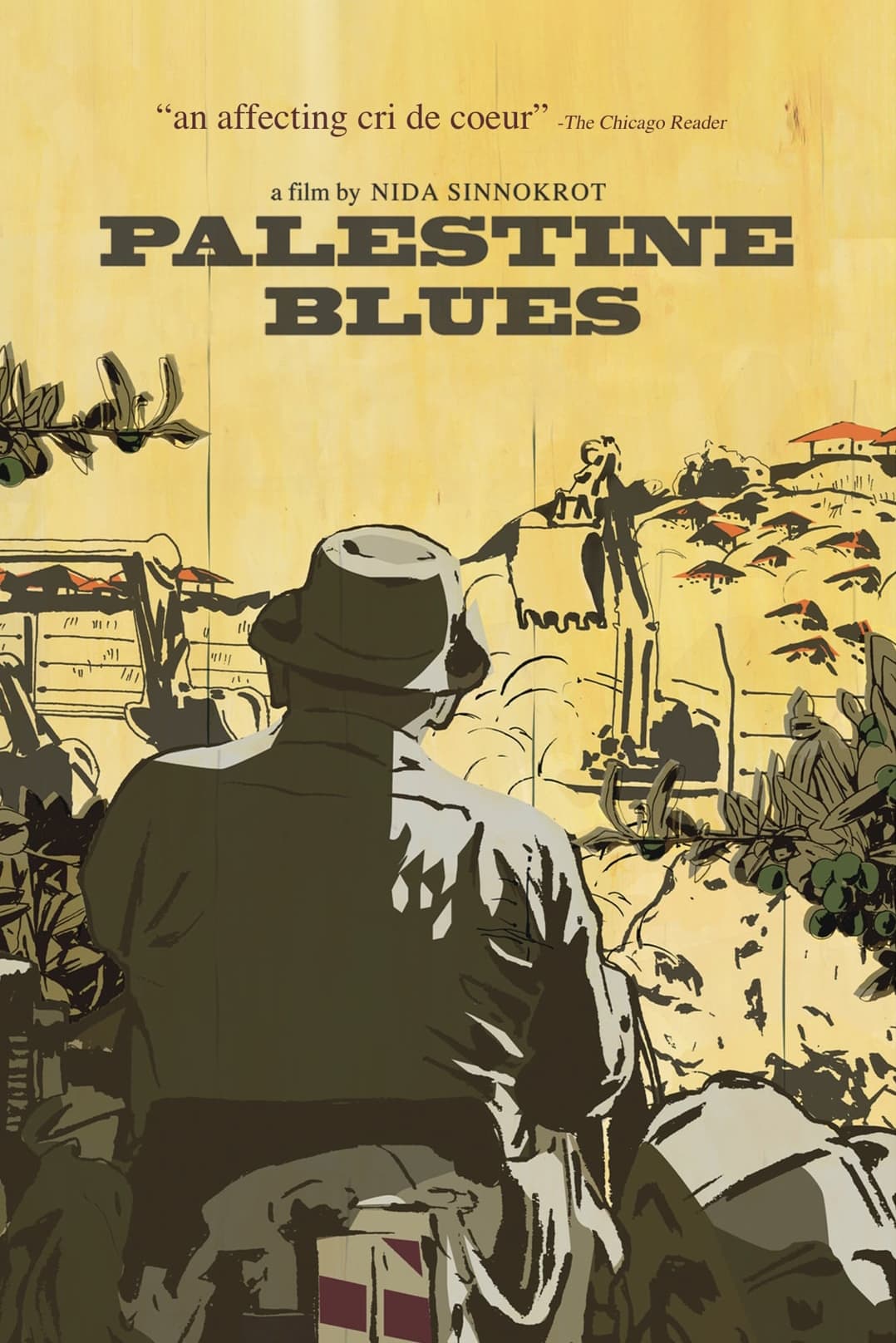
Follows the repercussions of the Israeli Security Wall and Settlement expansion in the engulfed/annexed Palestinian farming communities of the West Bank and the Gaza Strip, examining the grassroots resistance movement that sprang up against it. An interminable road trip across hard and liquid borders, across a terrain that is being erased as it is being traversed.
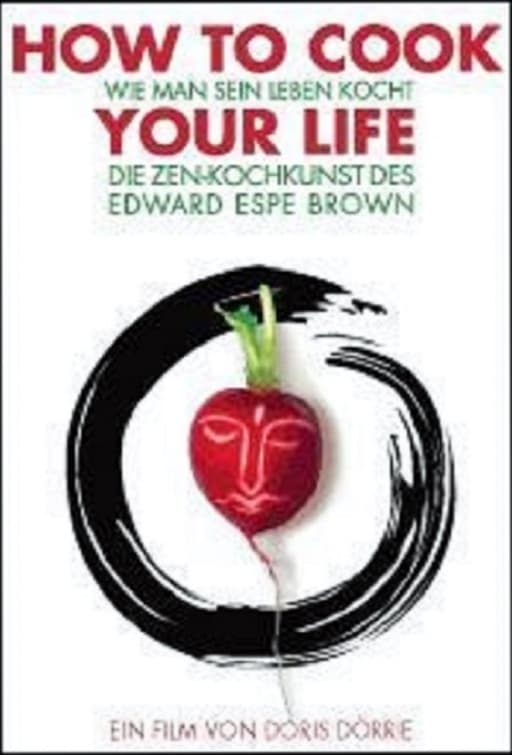
A Zen priest in San Francisco and cookbook author use Zen Buddhism and cooking to relate to everyday life.
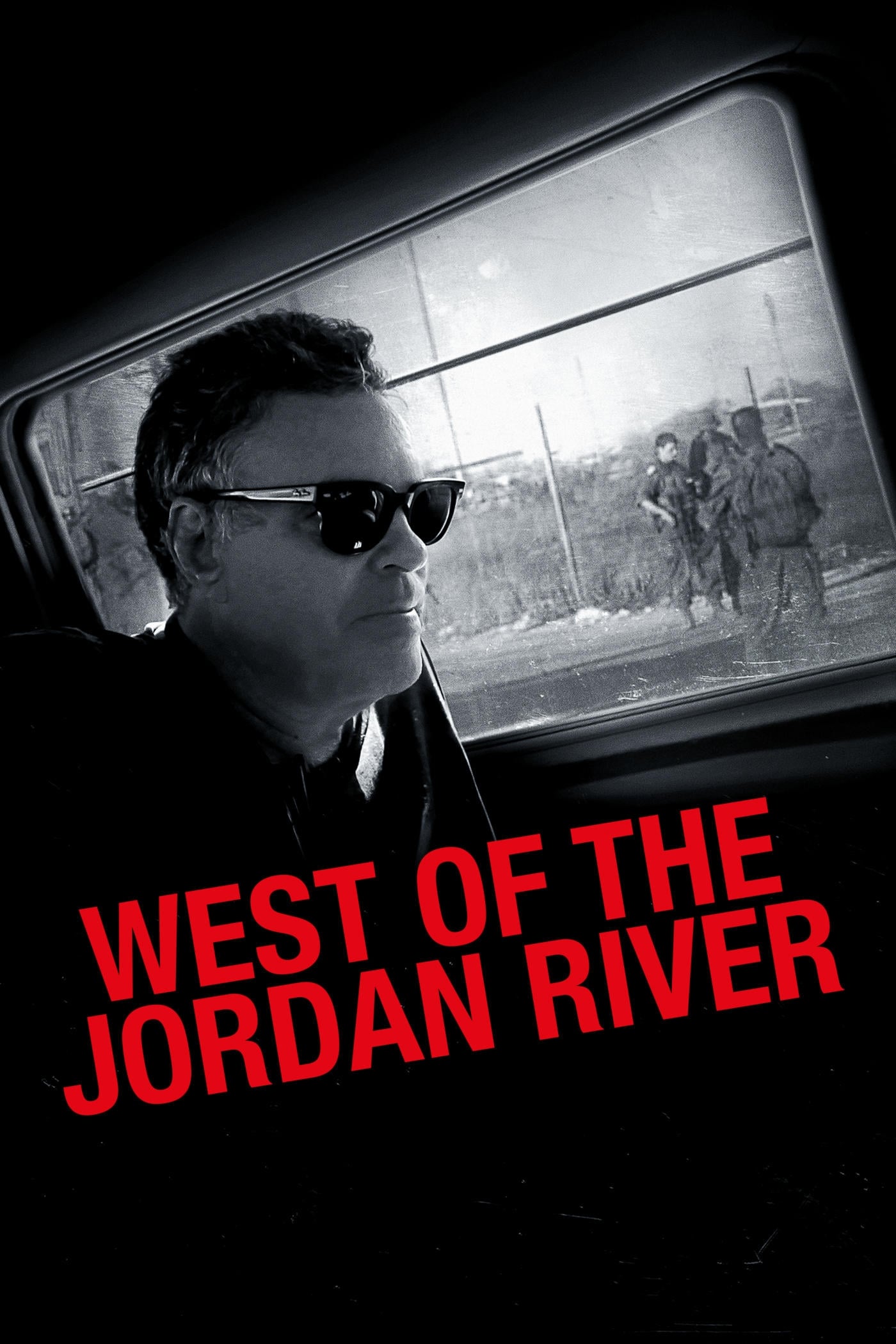
Amos Gitai returns to the occupied territories for the first time since his 1982 documentary FIELD DIARY. WEST OF THE JORDAN RIVER describes the efforts of citizens, Israelis and Palestinians, who are trying to overcome the consequences of occupation. Gitai's film shows the human ties woven by the military, human rights activists, journalists, mourning mothers and even Jewish settlers. Faced with the failure of politics to solve the occupation issue, these men and women rise and act in the name of their civic consciousness. This human energy is a proposal for long overdue change.
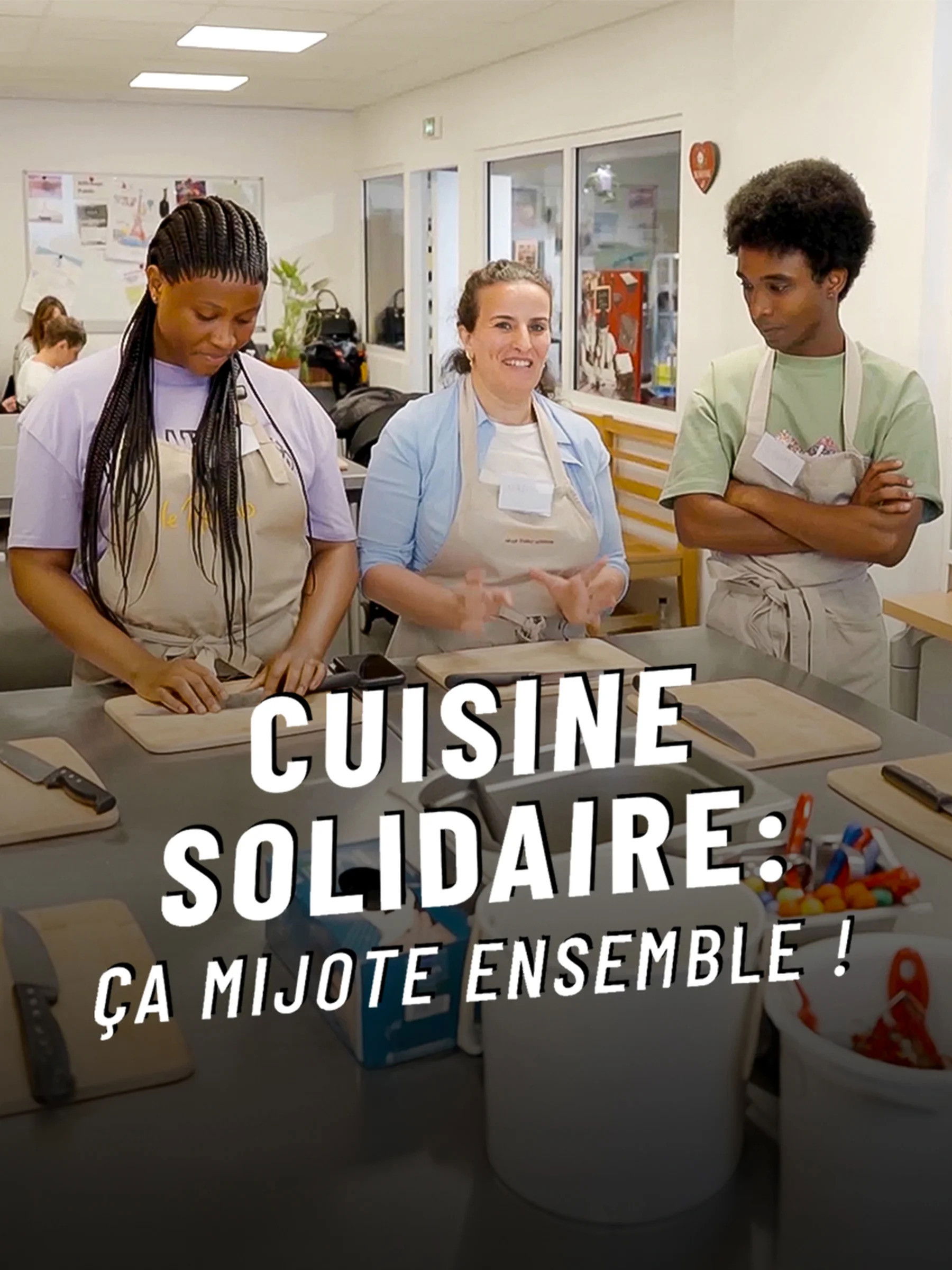
In France, more than 10 million people of all ages are believed to rely on food aid. Faced with this reality, mutual aid initiatives are multiplying to feed, comfort, and integrate people. From lunches where everyone pitches in, to one-euro menus, workshops on how to cook healthily and cheaply, and dinners prepared by Michelin-starred chefs, solidarity kitchens are multiplying in France.
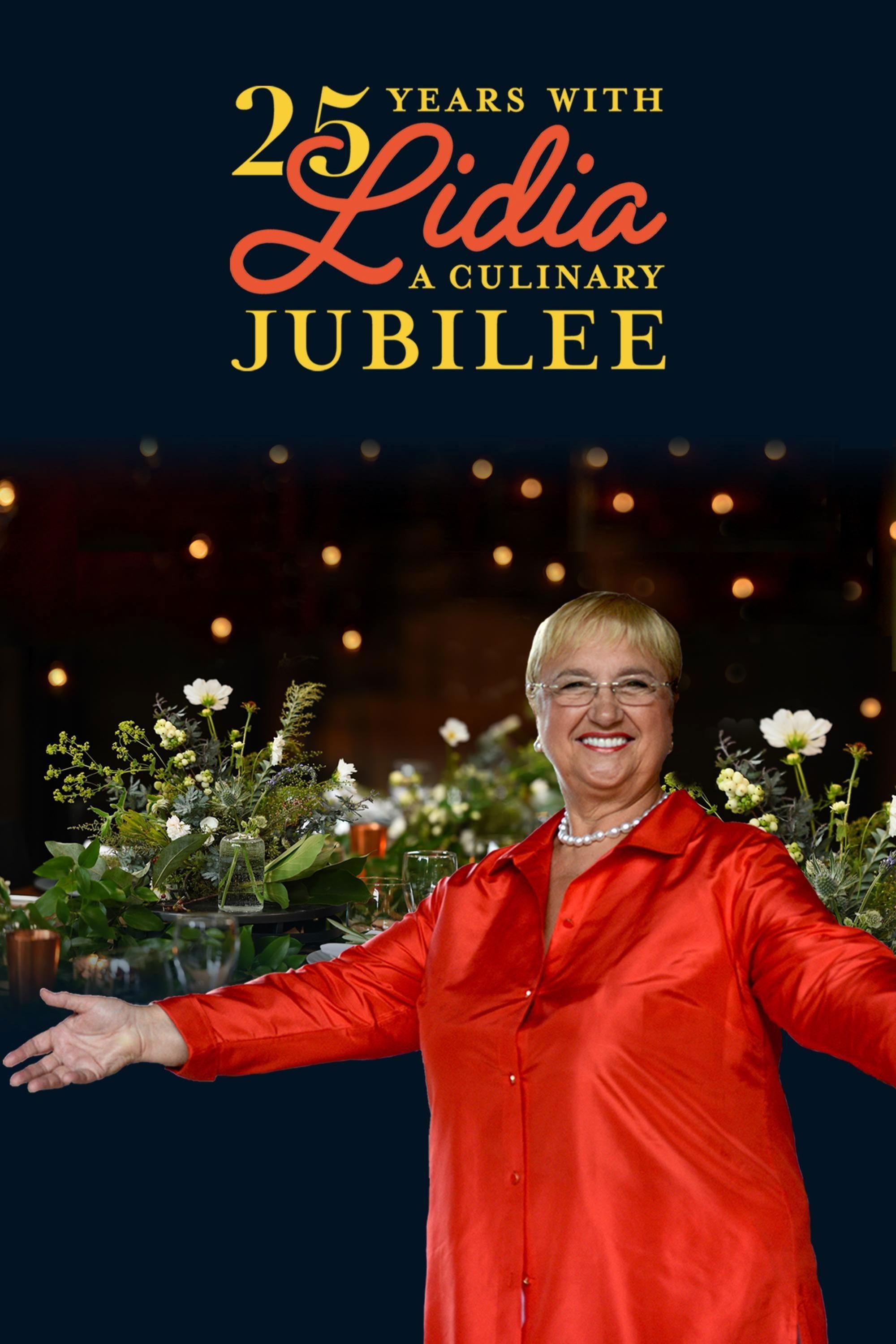
A look at the life of chef, restaurateur and cookbook author Lidia Bastianich both on and off the screen as she celebrates 25 years on public television.
An instructional video from the 1990s that teaches the viewer how to cook a tasteful, sumptuous Thanksgiving meal.
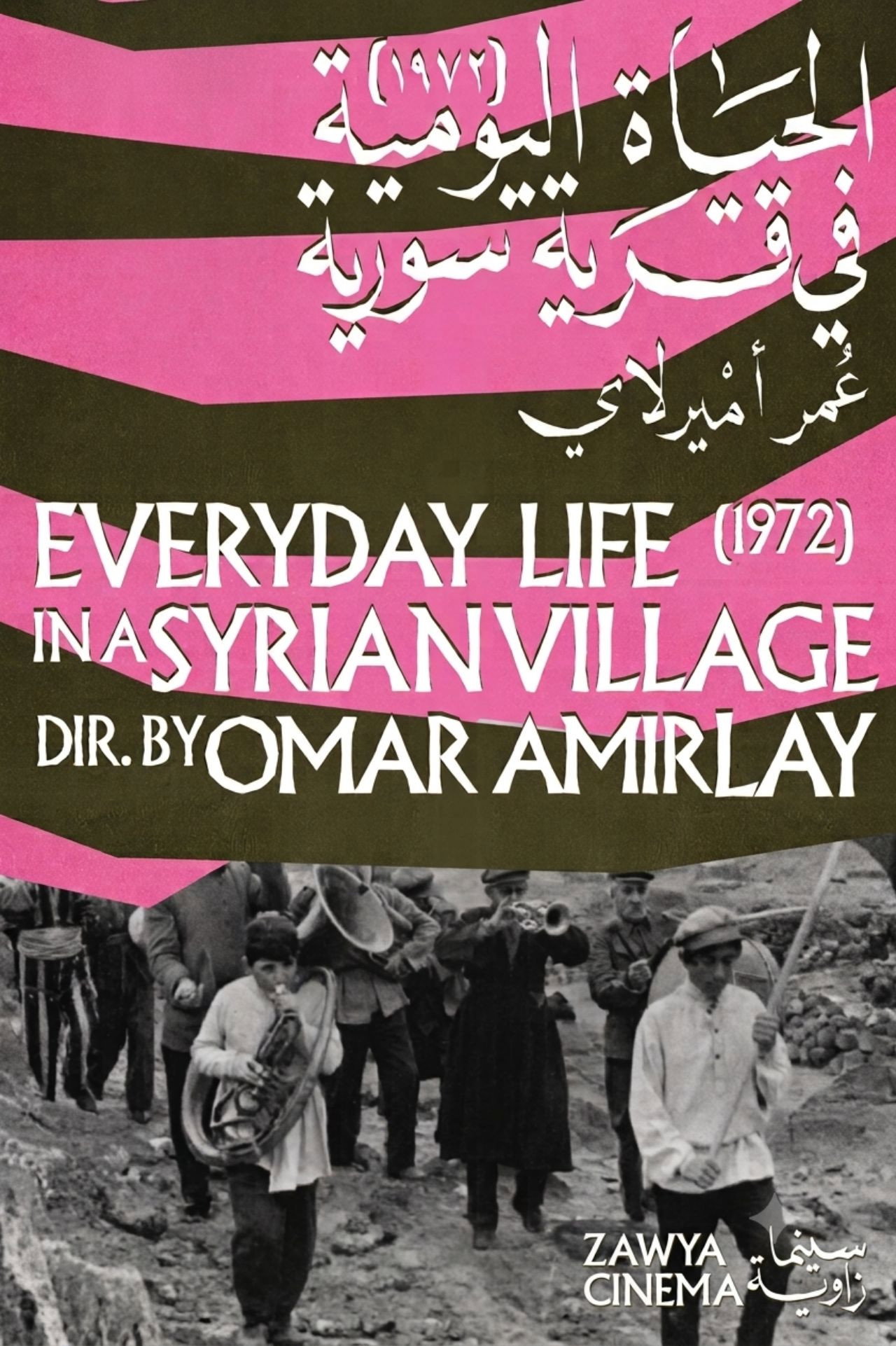
The first documentary to present an unabashed critique of the impact of the Syrian government’s agricultural and land reforms, Everyday Life in a Syrian Village delivers a powerful jab at the state’s conceit of redressing social and economic inequities.
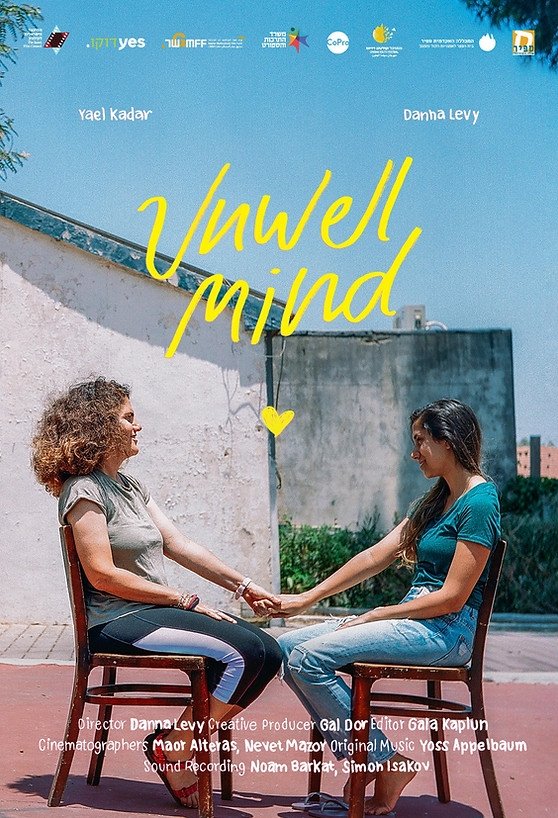
Danna, a young college student, and Yael, a woman with an intellectual disability, are forced to face the difficulties that arise in their love lives. In the end, they realize that their bond with each other is what gives them both the support they need.
In an intimate and joyful story of love in the face of loss, celebrated poets Andrea Gibson and Megan Falley find strength—and unexpected hilarity—in what might be their final year together.
A string of threatening emails escalates into a revenge plot involving a newly married US marshal and his ex-girlfriend.
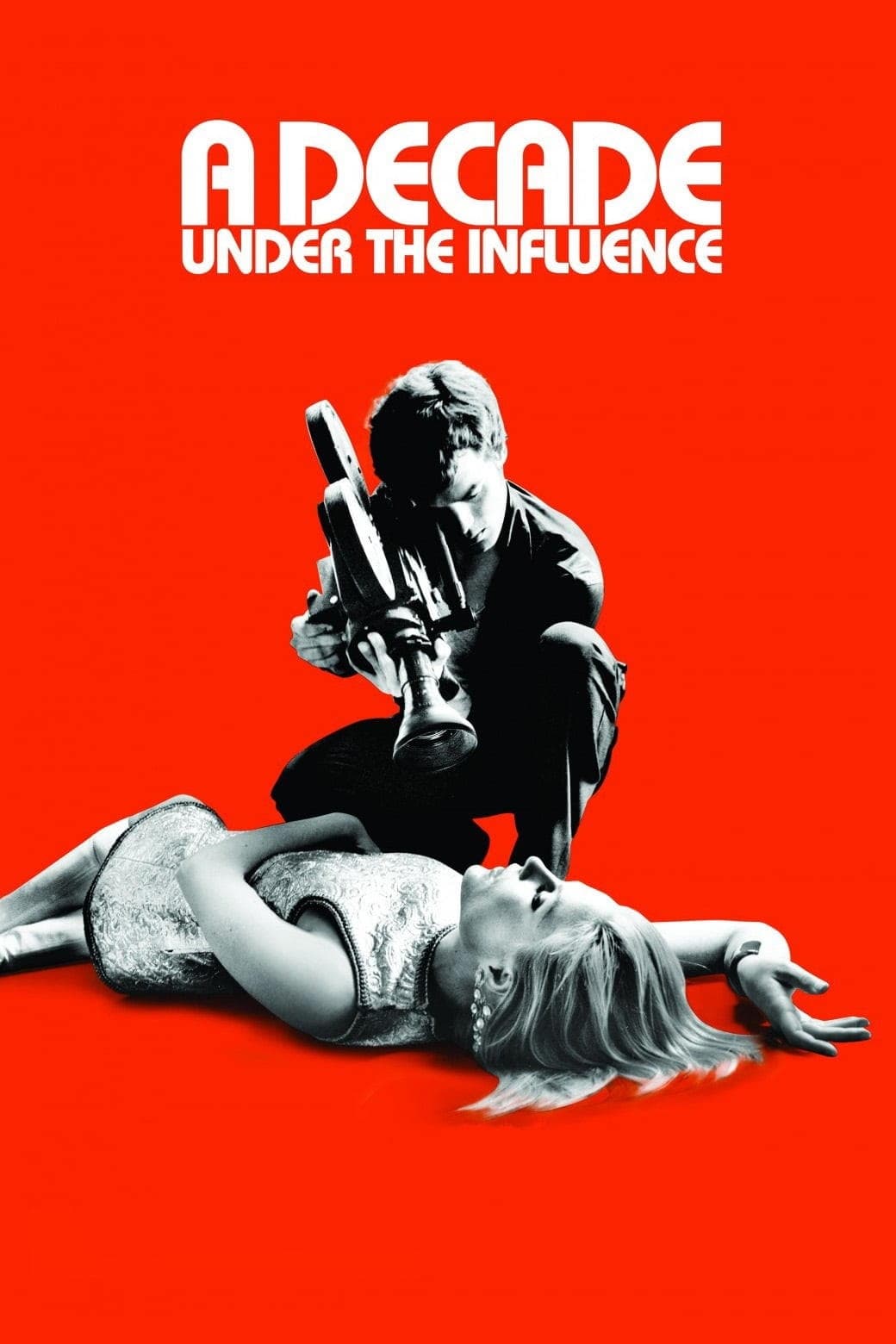
A documentary examining the decade of the 1970s as a turning point in American cinema. Some of today's best filmmakers interview the influential directors of that time.
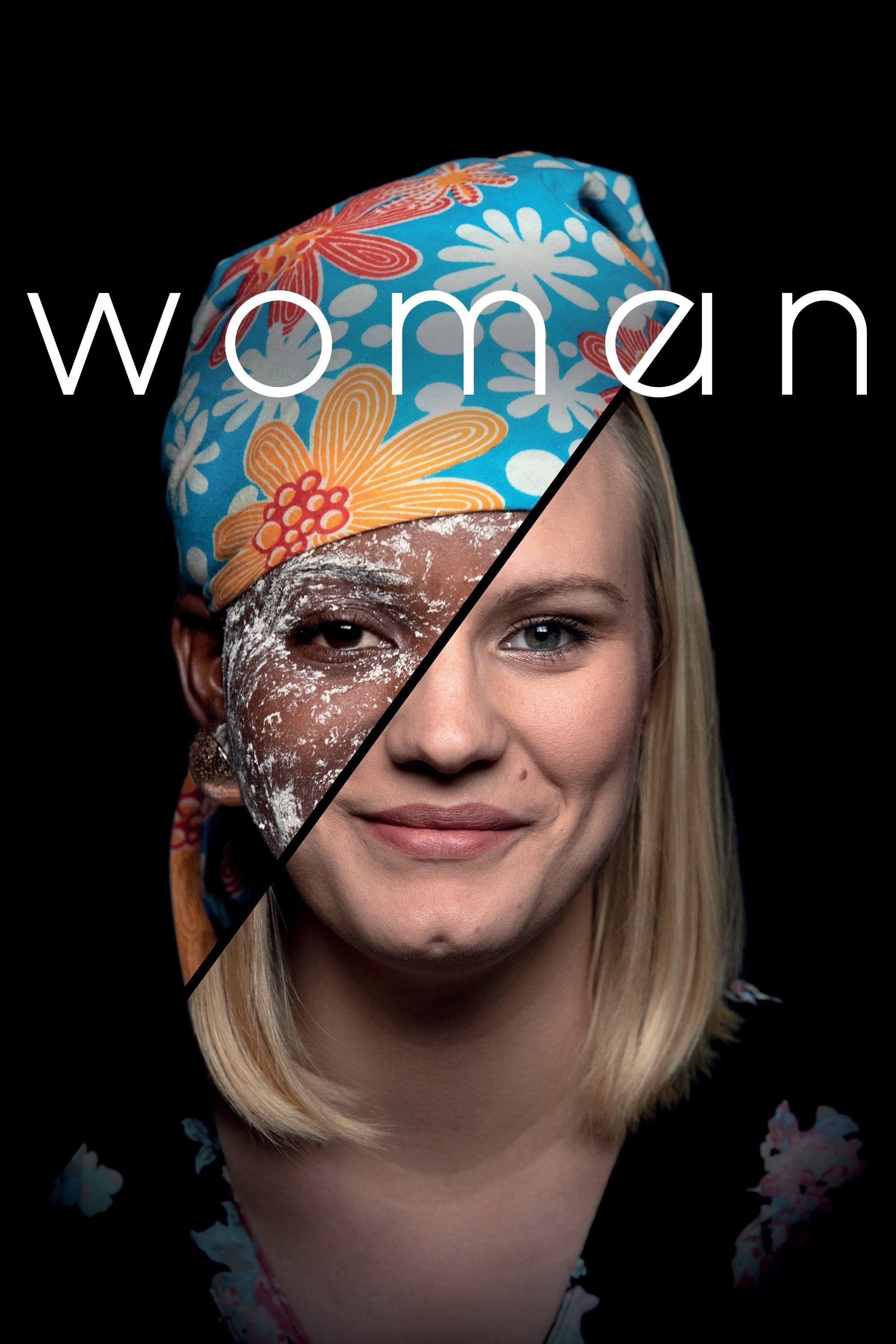
The film is based on interviews with 2,000 women from 50 countries, and covers the status of women all over the world. The topics covered include forced marriages, sexual assault, female genital mutilation, acid attacks, motherhood, sexuality, menstruation, education and the professional success of women.
Director Michael Apted revisits the same group of British-born adults after a 7 year wait. The subjects are interviewed as to the changes that have occurred in their lives during the last seven years.
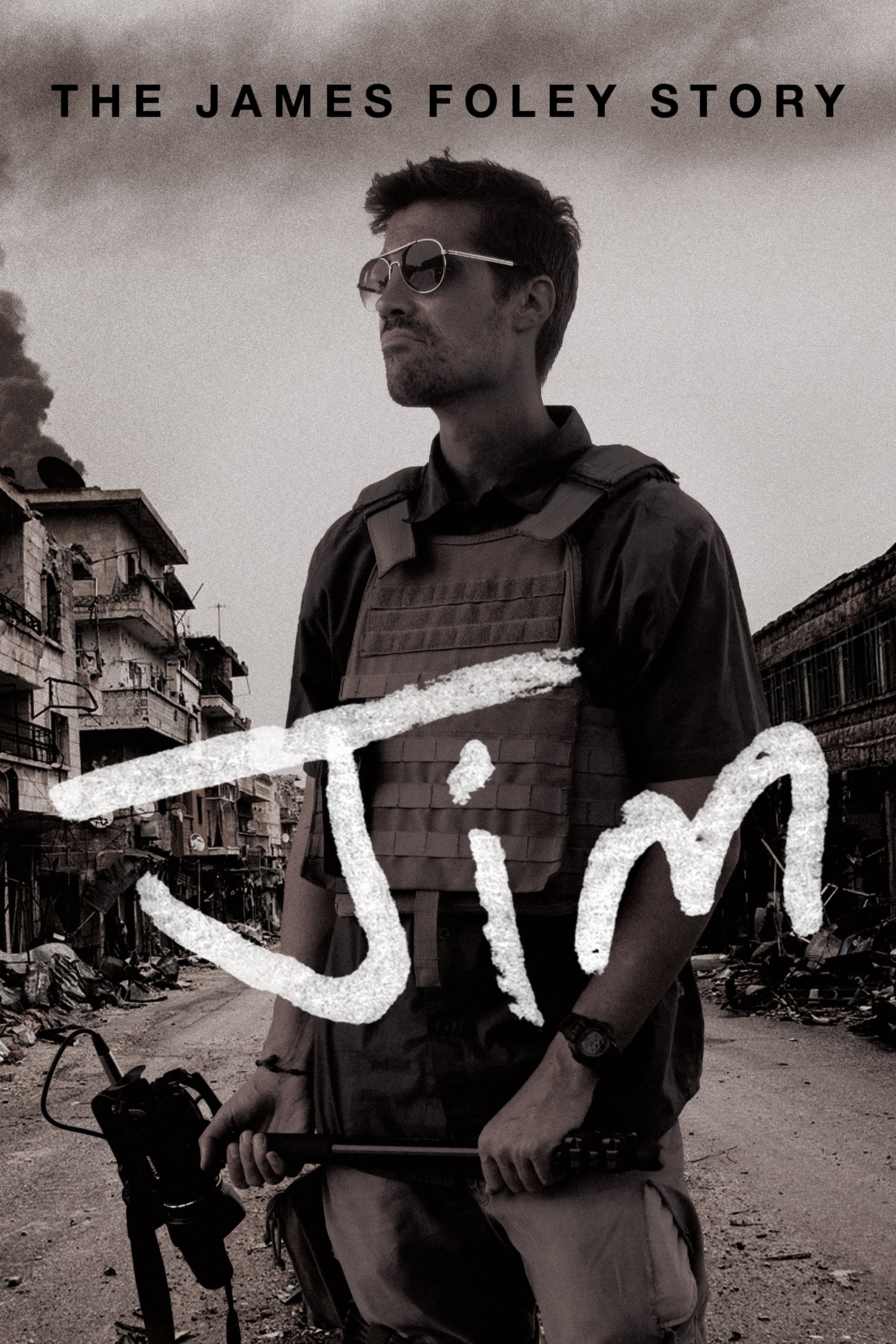
In August, 2014, a video of the public execution of American photojournalist James Foley rippled across the globe. Foley wore an orange jumpsuit as he knelt beside an ISIS militant dressed in black. That image challenged the world to deal with a new face of terror. And it tested one American family. Seen through the lens of filmmaker Brian Oakes, Foley’s close childhood friend, Jim takes us from small-town New England to the adrenaline-fueled front lines of Libya and Syria, where Foley pushed the limits of danger to report on the plight of civilians impacted by war.
A documentary about the making of David Fincher's 2008 film THE CURIOUS CASE OF BENJAMIN BUTTON. Virtually every element in the evolution of the Fincher's film is documented here, from the project's attachment to numerous other directors during the 1990s, to its shoot in 2006 and 2007 in New Orleans, to its complex, CGI-intensive postproduction process.
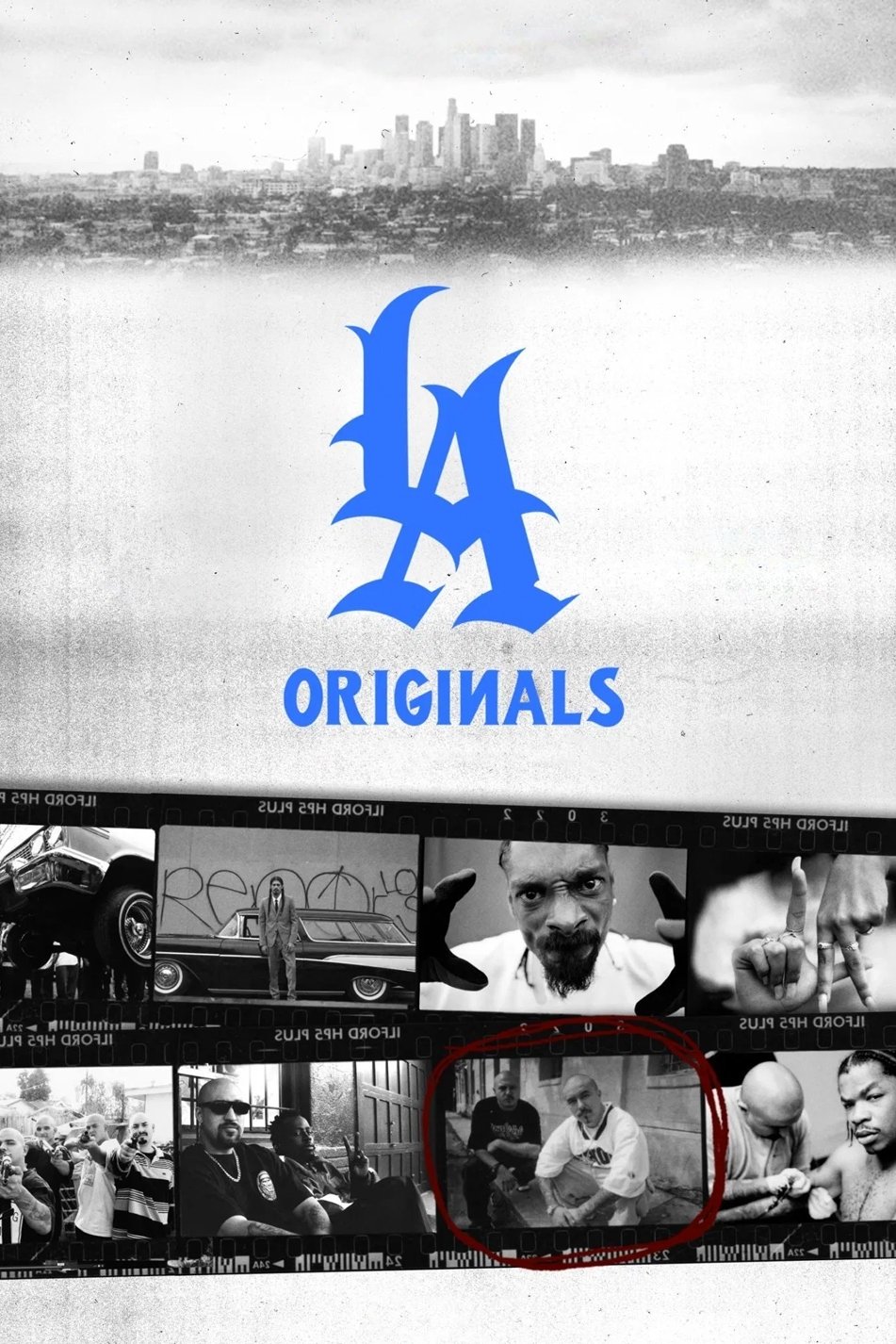
Photographer Estevan Oriol and artist Mister Cartoon turned their Chicano roots into gritty art, impacting street culture, hip hop and beyond.
Brilliant, long in-the-works story of the life and art of the world's greatest comedian and the cinema's first genius, Charlie Chaplin. Produced, written and directed by renowned film critic Richard Schickel.
The Making-of James Cameron's Avatar. It shows interesting parts of the work on the set.
A compilation of over 30 years of private home movie footage shot by Lithuanian-American avant-garde director Jonas Mekas, assembled by Mekas "purely by chance", without concern for chronological order.
Through deeply personal interviews with her siblings and an examination of the photographs, letters, and belongings left behind, Mariska assembles a new portrait of her mother Jayne Mansfield, an extraordinary and complex woman.
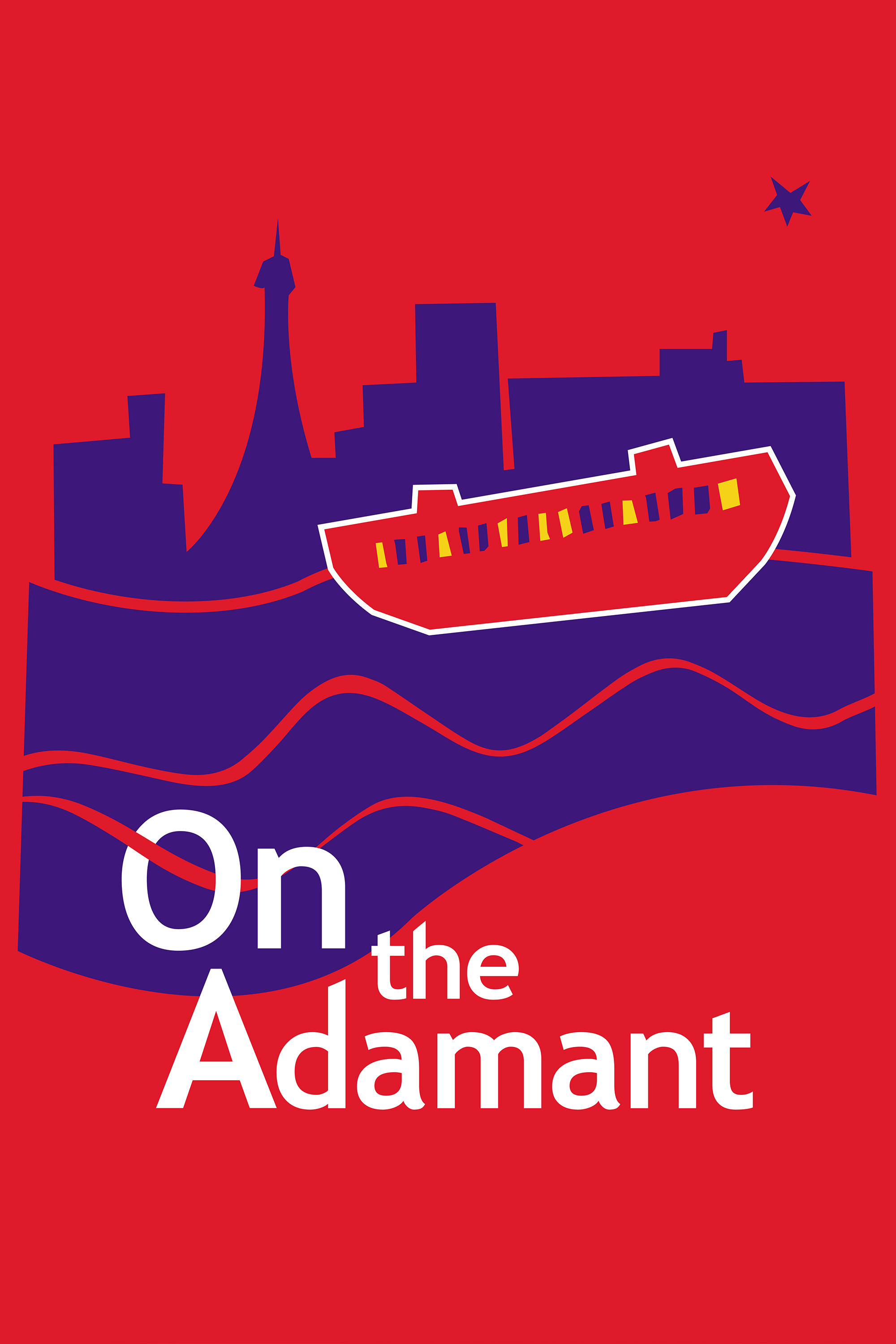
The Adamant is a unique day-care centre. A floating structure located on the Seine in the heart of Paris, it welcomes adults suffering from mental disorders, offering the kind of care that grounds them in time and space and helps them to recover or keep up their spirits. The team running it tries to resist the deterioration and dehumanisation of psychiatry as best as they can.
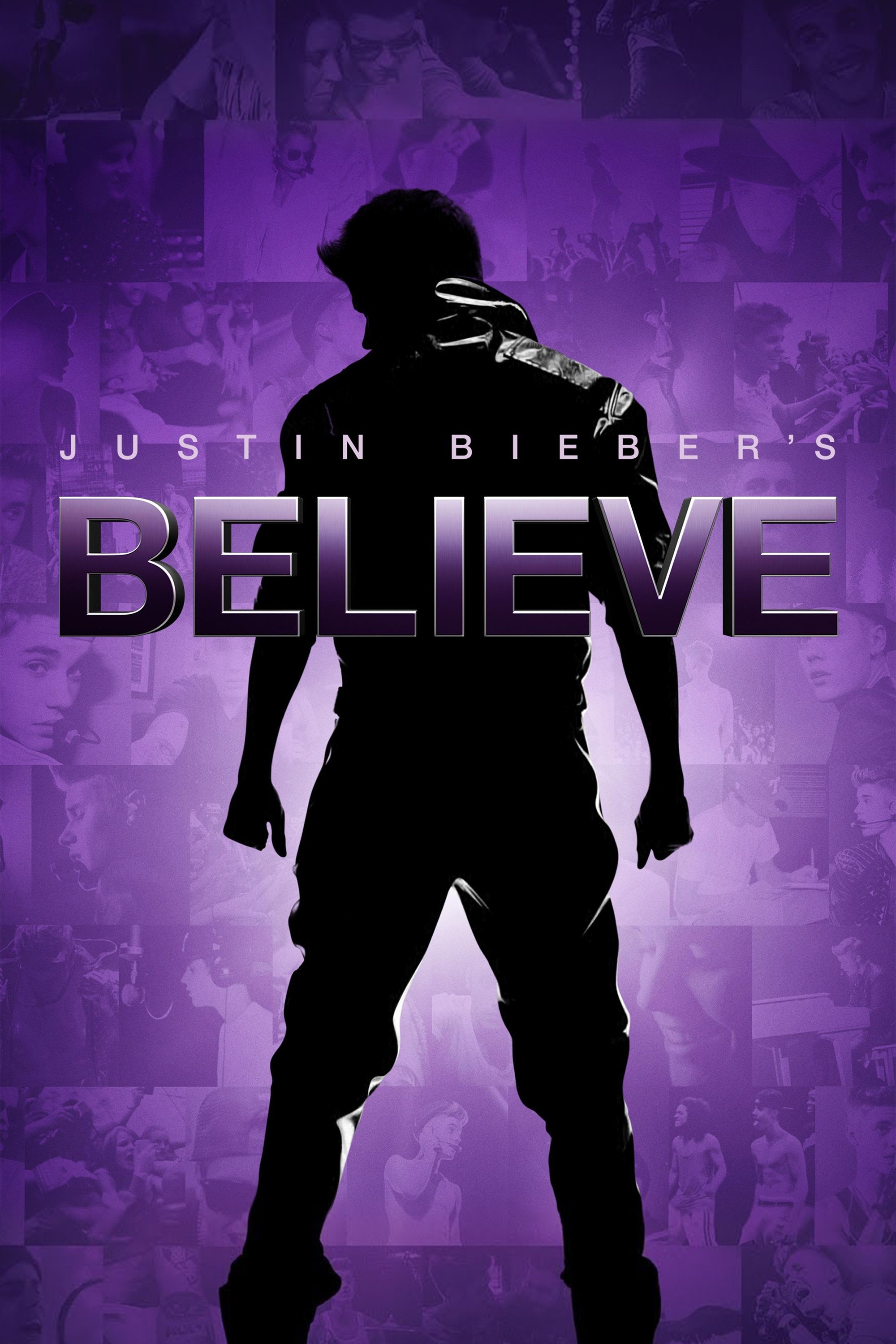
A backstage and on-stage look at Justin Bieber during his rise to super stardom.
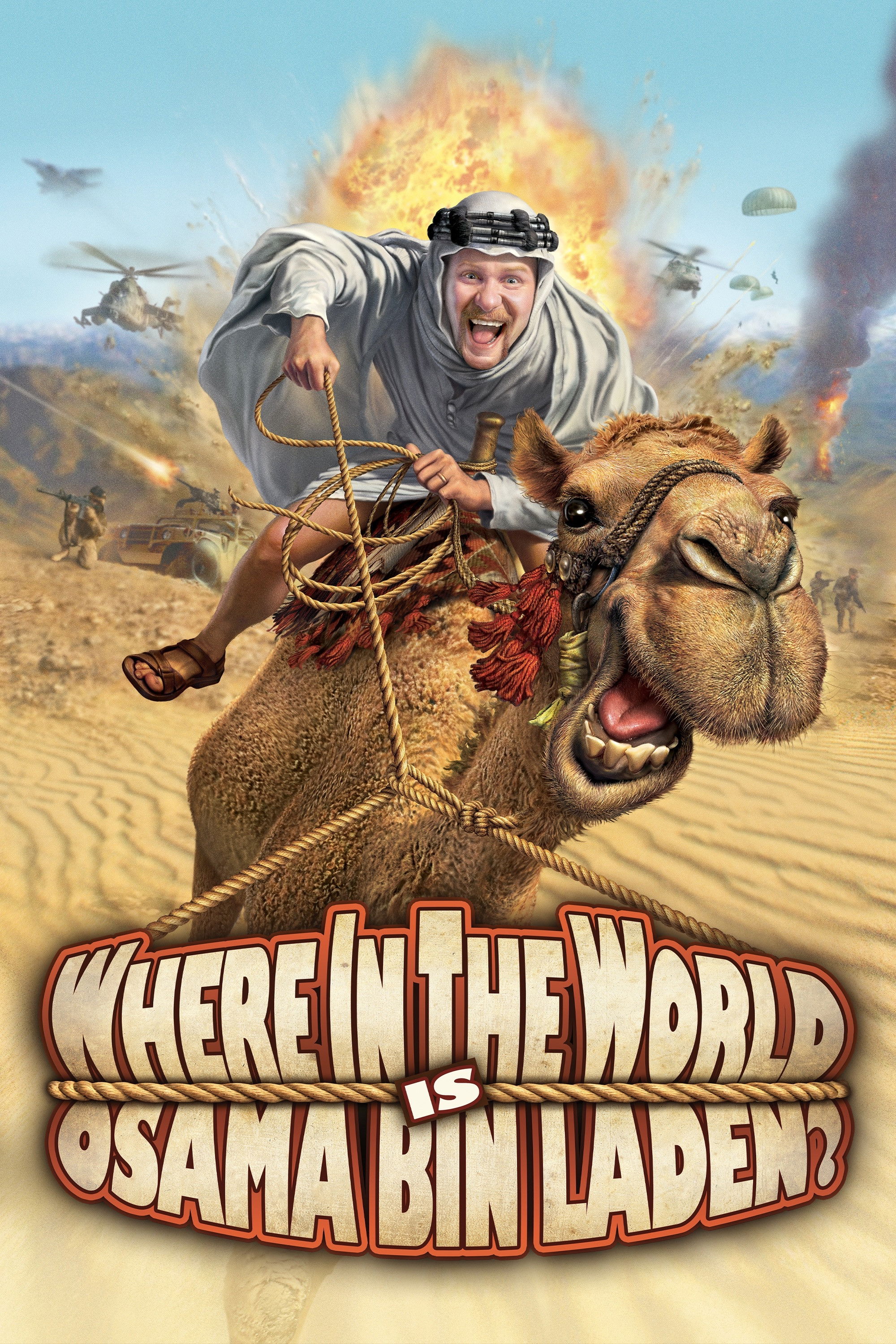
Morgan Spurlock tours the Middle East to discuss the war on terror with Arabic people.
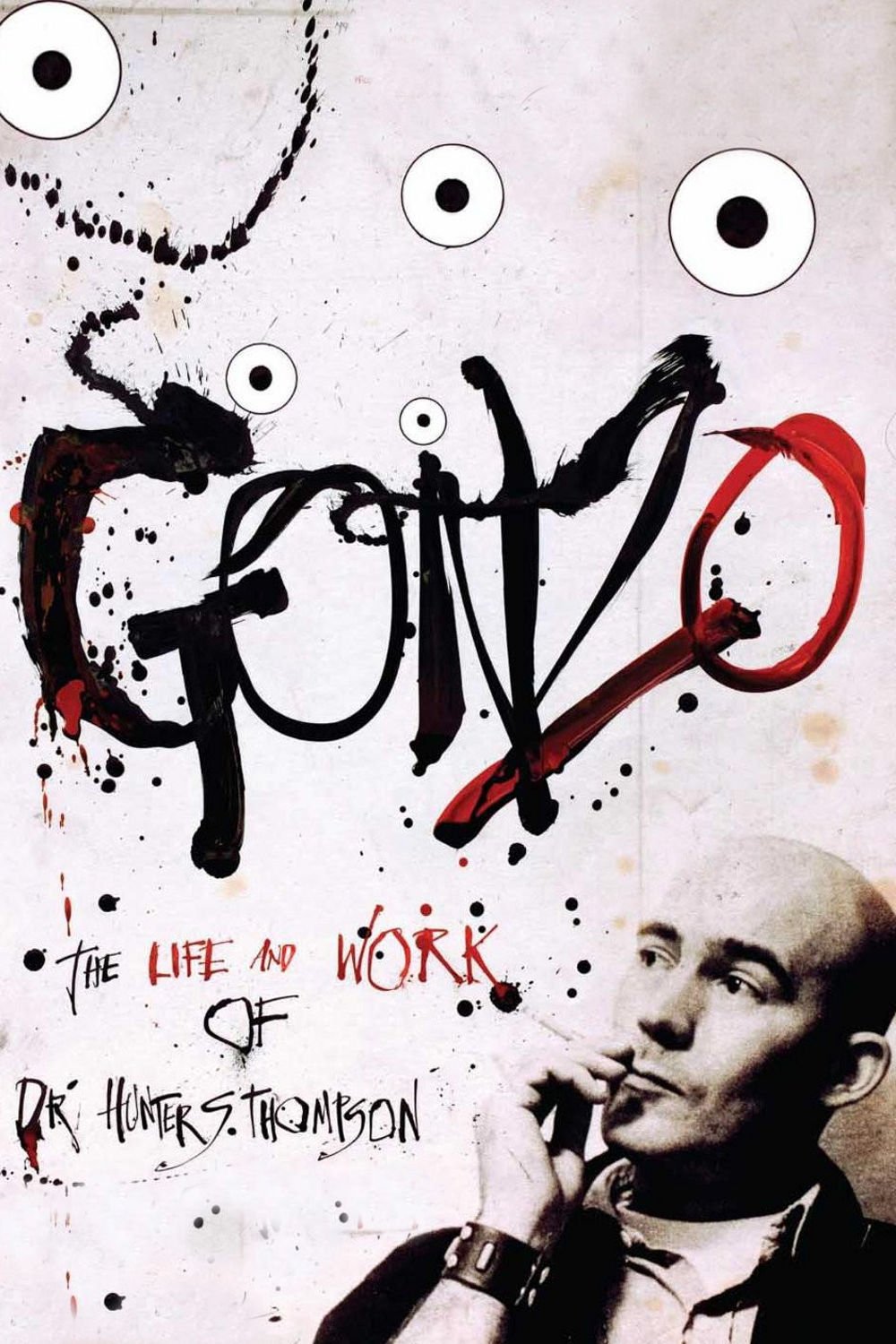
Fueled by a raging libido, Wild Turkey, and superhuman doses of drugs, Thompson was a true "free lance, " goring sacred cows with impunity, hilarity, and a steel-eyed conviction for writing wrongs. Focusing on the good doctor's heyday, 1965 to 1975, the film includes clips of never-before-seen (nor heard) home movies, audiotapes, and passages from unpublished manuscripts.
A documentary on the expletive's origin, why it offends some people so deeply, and what can be gained from its use.
Musician and performance artist Laurie Anderson reflects on the deaths of her husband Lou Reed, her mother and her beloved dog.
Part documentary, part concert film, part fever dream, this film captures the troubled spirit of America in 1975 and the joyous music that Dylan performed during the fall of that year.
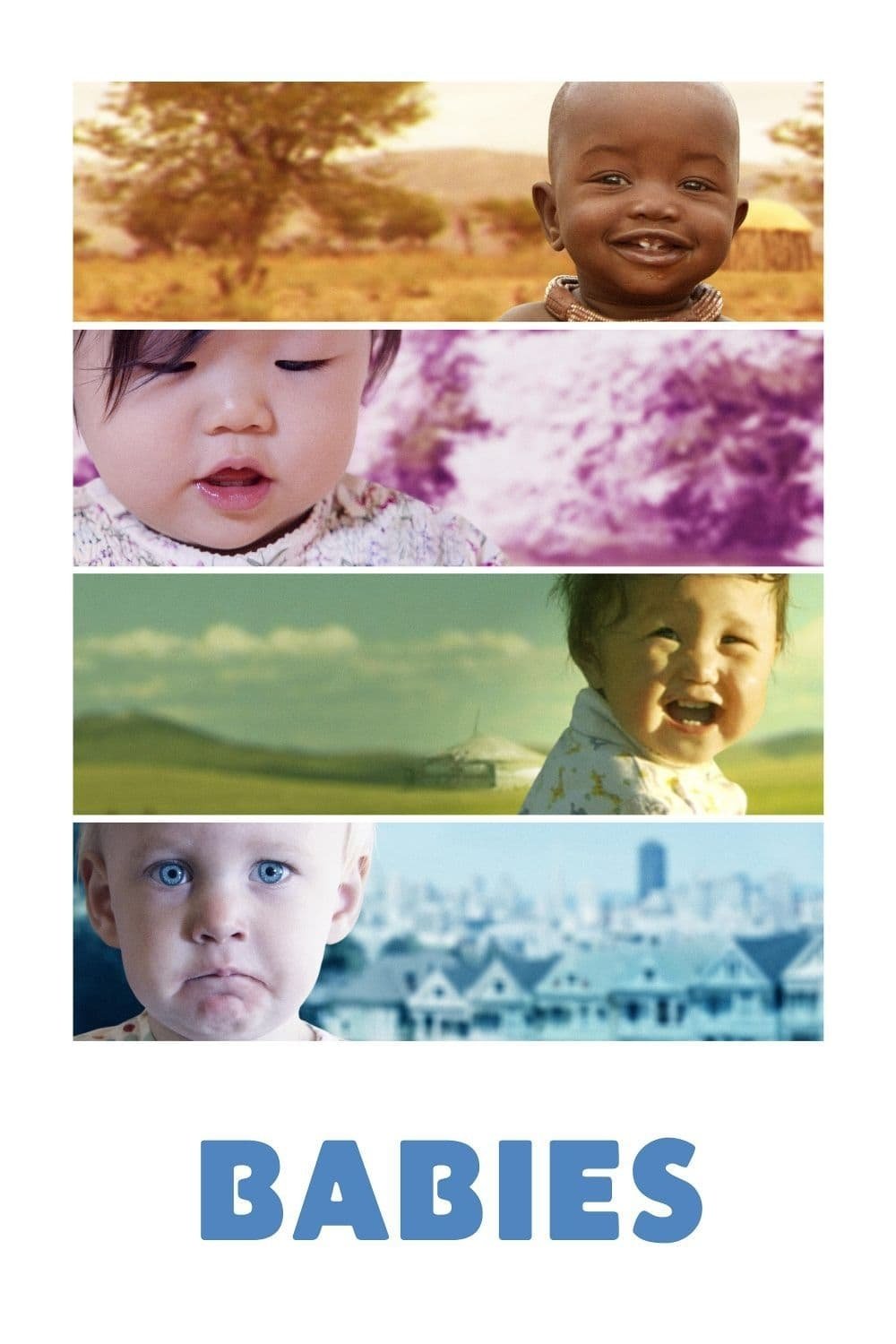
A non-narrated documentary following the lovesome lives of four infants from birth to their first birthday. The babies featured are two from rural areas: Ponijao from Opuwo, Namibia, and Bayar from Bayanchandmani, Mongolia, as well as two from urban areas: Mari from Tokyo, Japan, and Hattie from San Francisco, USA.