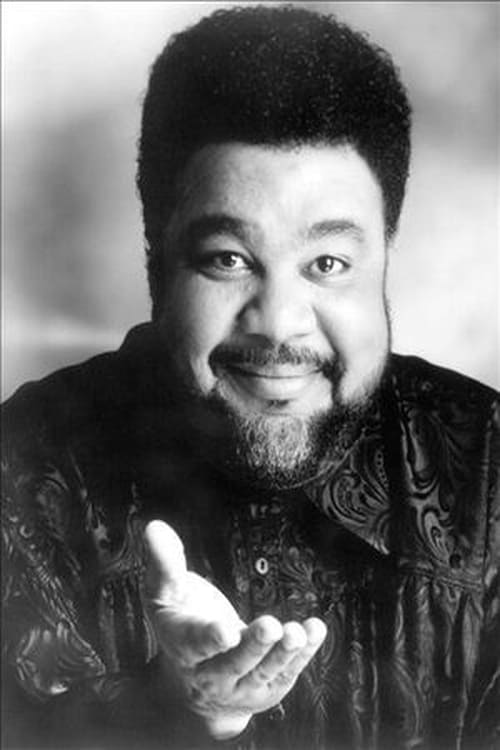
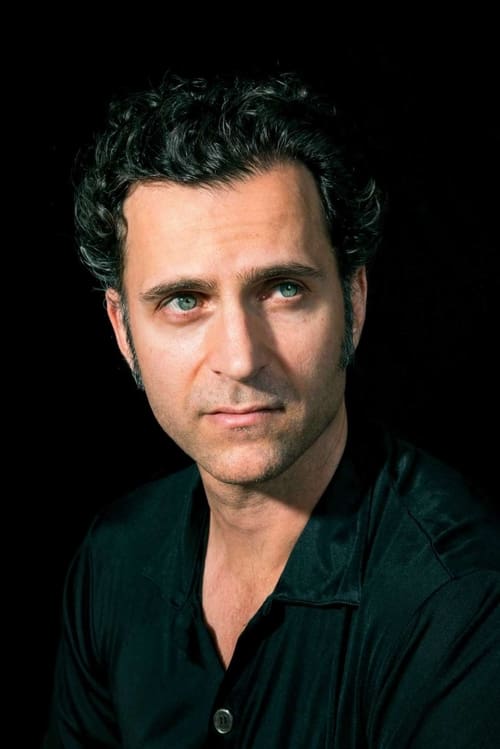
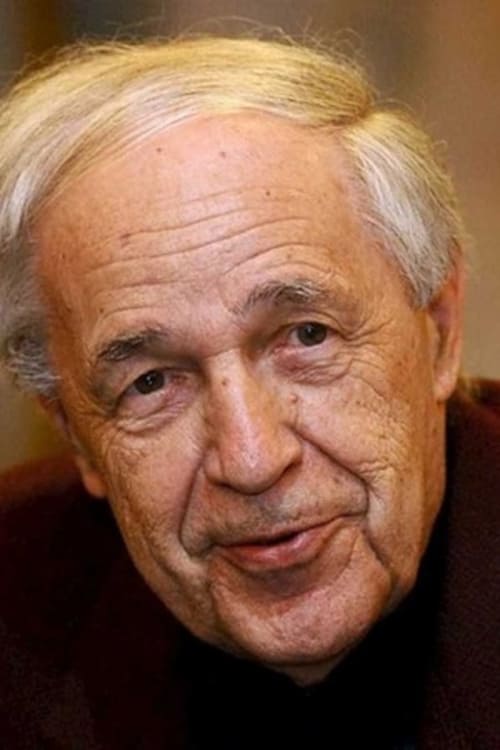
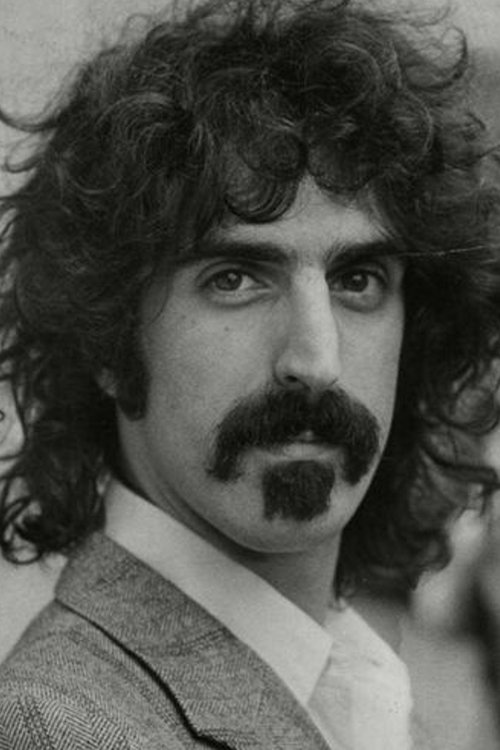
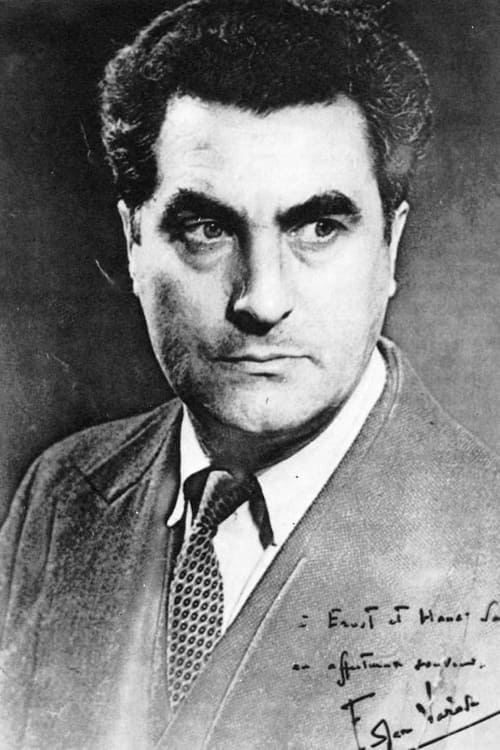
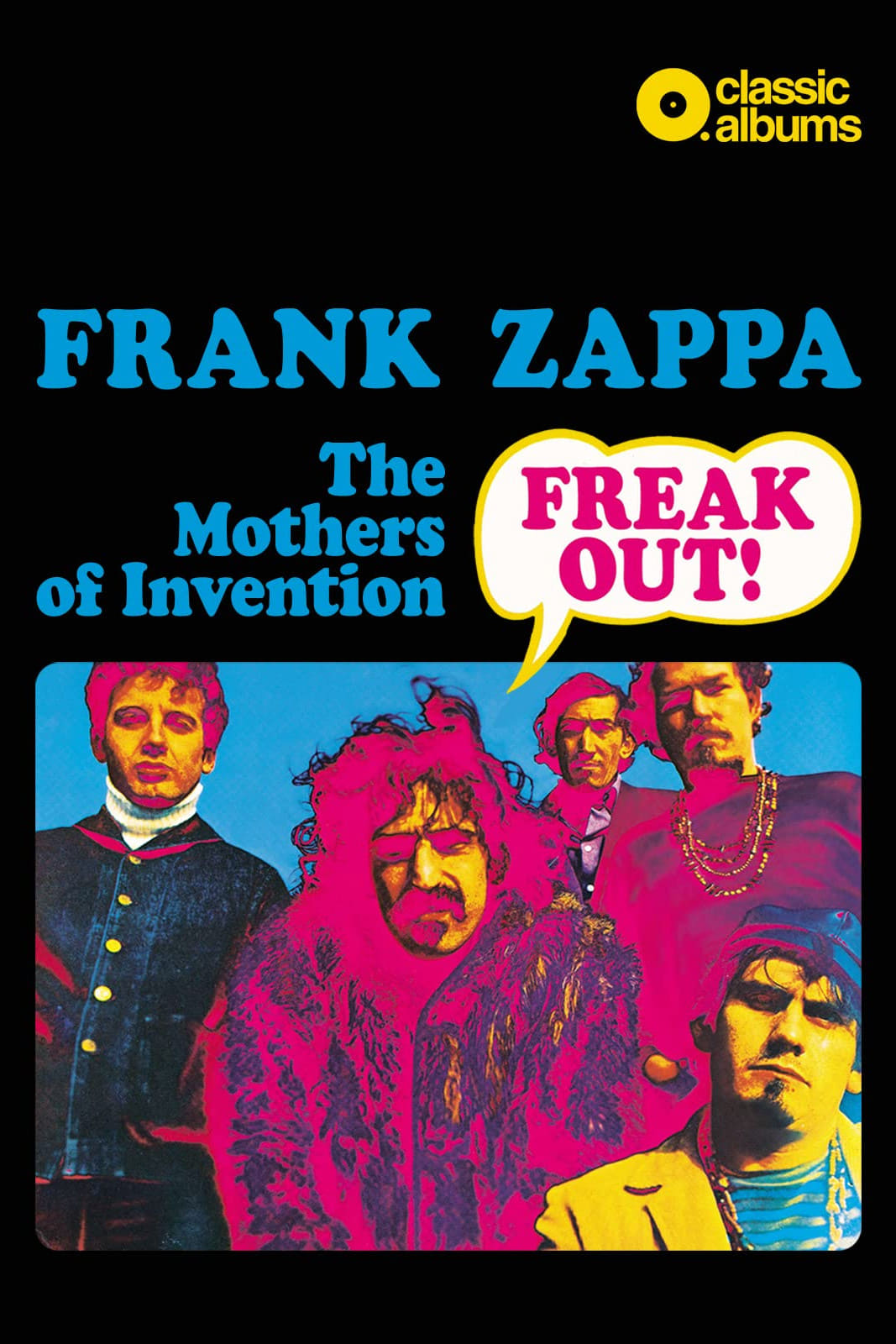
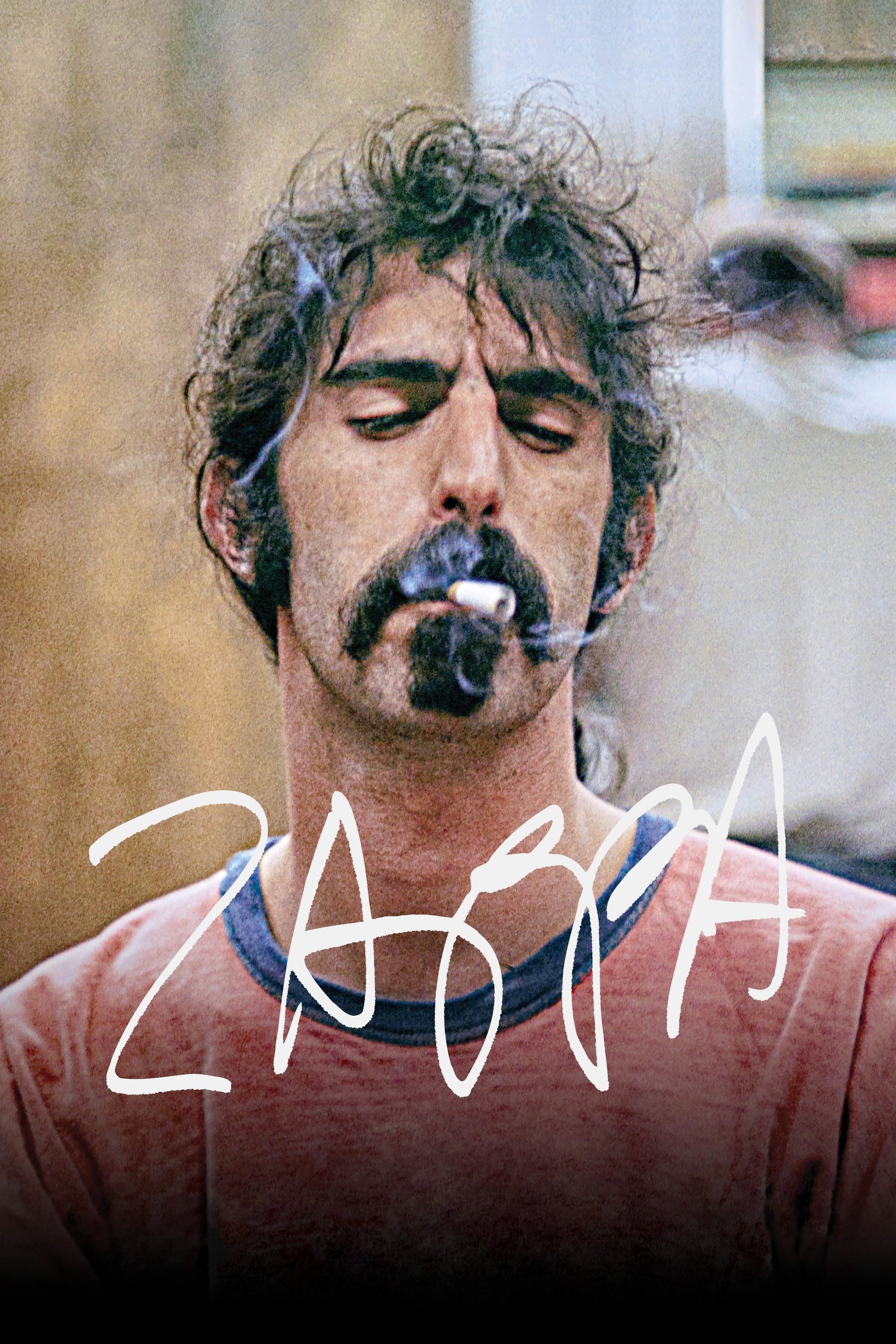
Frank Zappa: The Present-Day Composer Refuses To Die is a 2000 documentary about Frank Zappa.
Social & External
Self
Self (archive footage)
A day in the city of Berlin, which experienced an industrial boom in the 1920s, and still provides an insight into the living and working conditions at that time. Germany had just recovered a little from the worst consequences of the First World War, the great economic crisis was still a few years away and Hitler was not yet an issue at the time.
The inner world of the great painter Max Ernst is the subject of this film. One of the principal founders of Surrealism, Max Ernst explores the nature of materials and the emotional significance of shapes to combine with his collages and netherworld canvases. The director and Ernst together use the film creatively as a medium to explain the artist's own development.
Jim Moir (aka Vic Reeves) explores Video Art, revealing how different generations ‘hacked’ the tools of television to pioneer new ways of creating art that can be beautiful, bewildering and wildly experimental.
An anthology of one-minute films created by 51 international filmmakers on the theme of the death of cinema. Intended as an ode to 35mm, the film was screened one time only on a purpose-built 20x12 meter public cinema screen in the Port of Tallinn, Estonia, on 22 December 2011. A special projector was constructed for the event which allowed the actual filmstrip to be burnt at the same time as the film was shown.
A humorous documentary about the search for a great composer who managed to overcome his depression by spelling his own name wrong.
Luis Bunuel, the father of cinematic Surrealism, made his film debut with 'Un Chien Andalou' in 1929 working closely with Salvador Dali. Considered one of the finest and controversial filmmakers with, 'L’Age d’Or' (1930), attacking the church and the middle classes. He won many awards including Best Director at Cannes for 'Los Olvidados' (1950), and the coveted Palme d’Or for 'Viridiana' (1961), which had been banned in his native Spain. His career moved to France with 'The Diary of a Chambermaid' with major stars such as Jeanne Moreau and Catherine Deneuve.
Hosted by Bette Midler, enjoy a musical tribute to the man who wrote some of the most enduring songs in American popular music. Lyricist Hal David and composer Burt Bacharach dominated the pop-music charts in the 1960s and early ’70s, crafting dozens of timeless Top 40 hits.
A short documentary on Jerome Kern and the making of Till the Clouds Roll By.
"Ryuta is 5 years old. Even though he is my son, I sometimes wonder what this small person is to me. Even though I see his joys and sadnesses and know the feel of his warmth on my skin when I hold him, there are moments when my feelings for him become vague and blank." - Takashi Ito
A film in which the one 60-story skyscraper that soars in the spaces between roofs spins with incredible speed. I centered the circumference with its 400 or 500 meter radius on the skyscraper and divided it into 48 sections, then took photographs from those spots and shot the photographs frame by frame.
The Black Album places scrutiny on the notion of "Black Excellence" in a revisionist take.
An overview of Cole Porter’s musical contributions to the film Broadway Melody of 1940.
An extraordinary live performance of Hans Zimmer's most beloved and renowned movie soundtracks, including music from Dune, Gladiator, Interstellar, and The Lion King. Featuring conversations with creative collaborators Billie Eilish, Christopher Nolan, Denis Villeneuve, Finneas, Jerry Bruckheimer, Pharrell Williams, Timothée Chalamet, Zendaya, and more.
"This project consists a visual fluidity of construction, harmony and thoughts taking colors and length from this body of autonomy. Different images between figuration and abstraction are created by meaning and phenomenon letting the decoupage revealing a piece of a strange underworld. I built it like a window opened to the fresh air of improvisation by familiar landscapes, those exact moments articulating a connection between light and movement."
"This film explores how freedom of speech — including dissent — is afforded to all Americans, and shows freedom of expression in art, music, dance, architecture, and science. The film also emphasizes the importance of the individual’s contribution to the whole of society and demonstrates how a productive and creative society is formed by the open and respectful exchange of ideas. The film was written, produced, and directed by William Greaves" (National Archives).
Six composers work on a composition to be performed in a shopping mall.
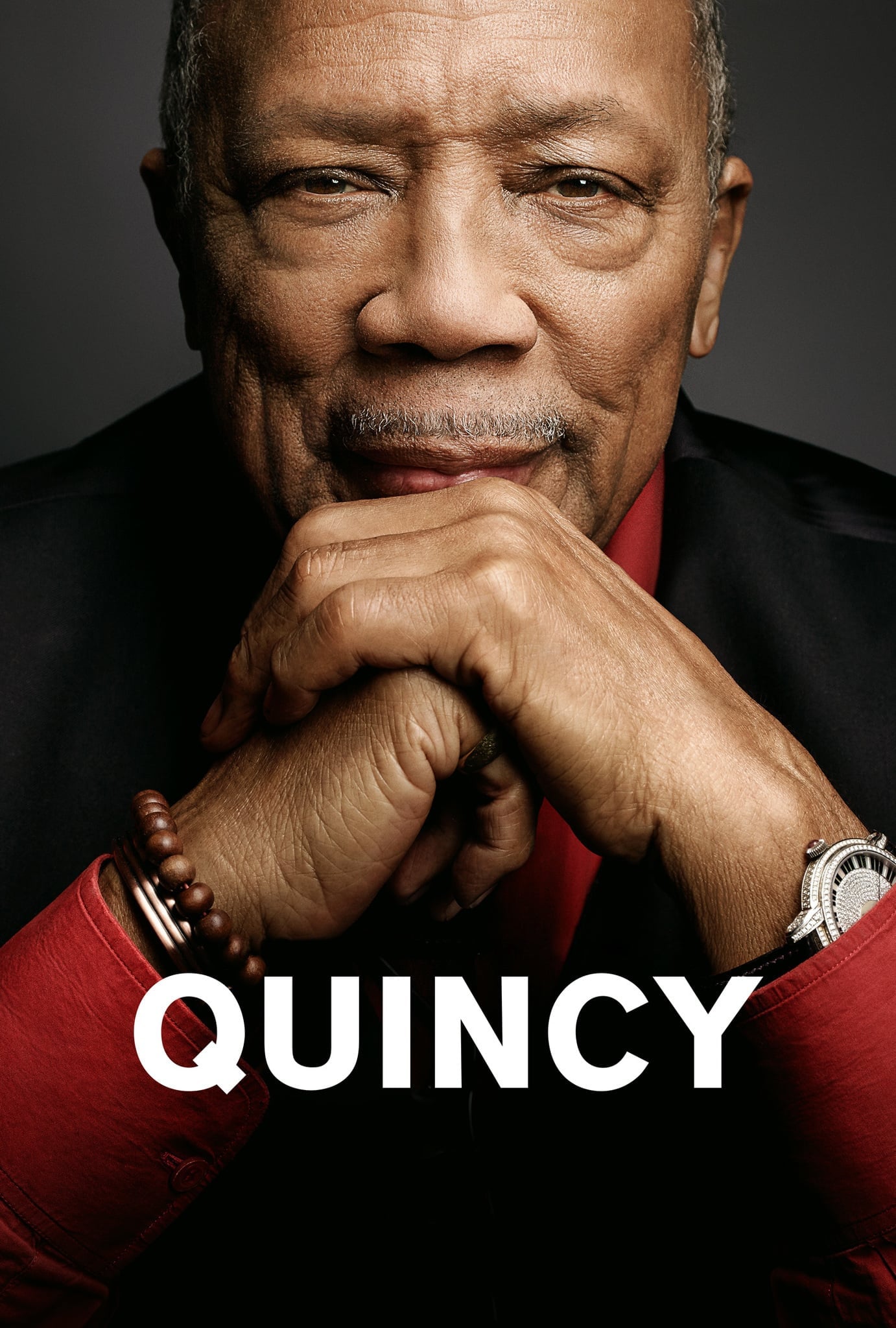
An intimate look into the life of icon Quincy Jones. A unique force in music and popular culture for 70 years, Jones has transcended racial and cultural boundaries; his story is inextricably woven into the fabric of America. Jones came to prominence in the 1950s as a jazz arranger and conductor before working on pop music and film scores. He moved easily between musical genres, producing major pop hits of the early 1960s and serving as an arranger and conductor for several collaborations in the same time period.
His unforgettable scores are an essential part of some of the most beloved movies of our time, over a career that spans decades. See and hear maestro John Williams' own story, with insights from filmmakers, musicians, and others he has inspired, complete with rare behind-the-scenes looks at the making of movie history.
One of the first US born conductors to receive worldwide fame, Leonard Bernstein is an exceptional composer and certainly not only due to The West Side Story. Instead of concentrating exclusively on his most famous work, Thomas von Steinaecker sets out to paint a complete picture of Bernstein. Thus, the documentary focusses on the American’s less known later works and on three compositions in particular: his Mass, the musical 1600 Pennsylvania Avenue and the great final opera A Quiet Place. The film paints a vivid picture of the multitalented Bernstein, struggling with his role as composer and conductor, tackling the tension between successes and flops, between the politics of his time and his own liberal humanitarian claim. It looks back on Bernstein’s major achievements, such as his acclaimed conducting of Mahler and his involvement in the Young People’s Concerts, and it shows Bernstein’s work with young aspiring musicians as well as his political commitment.