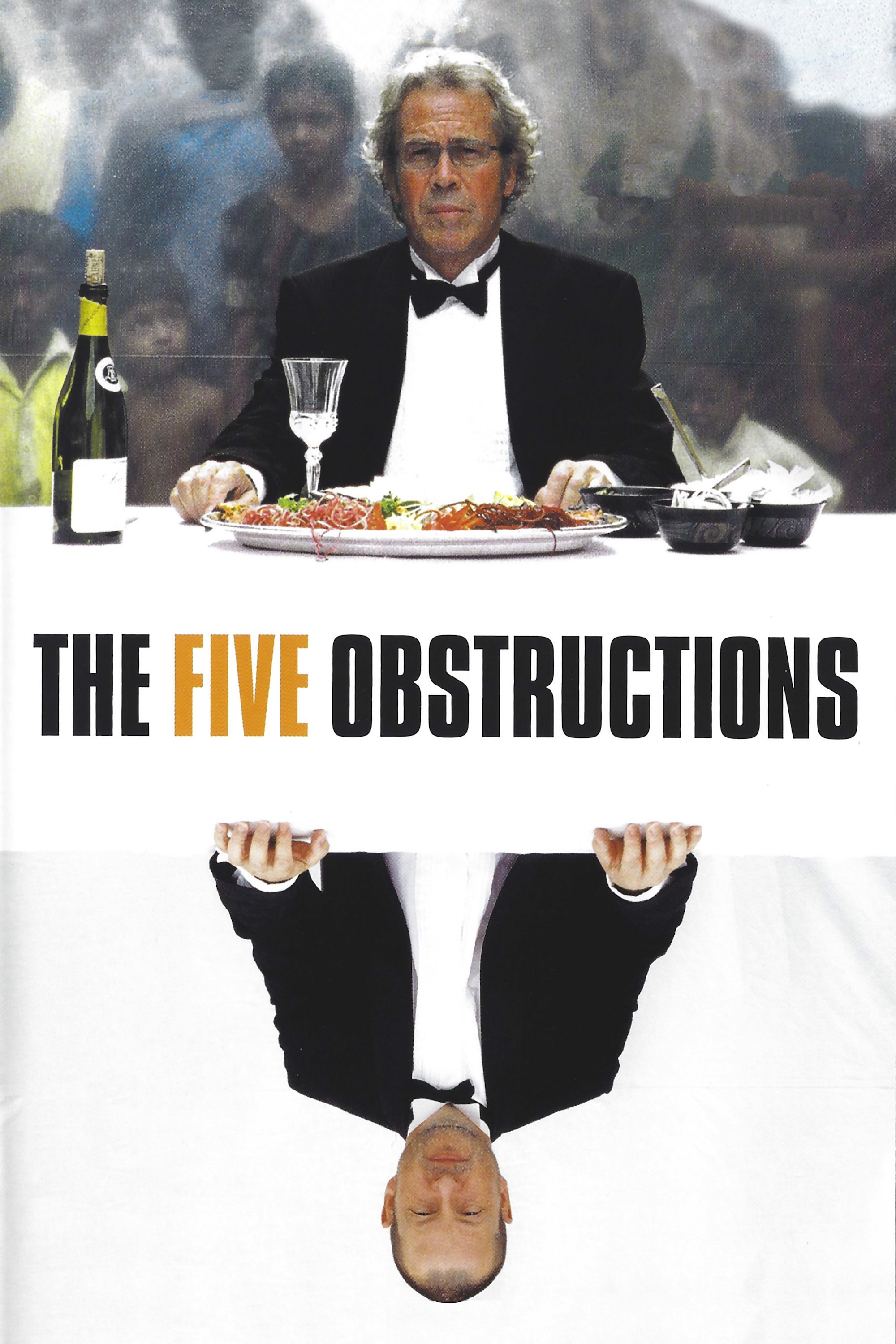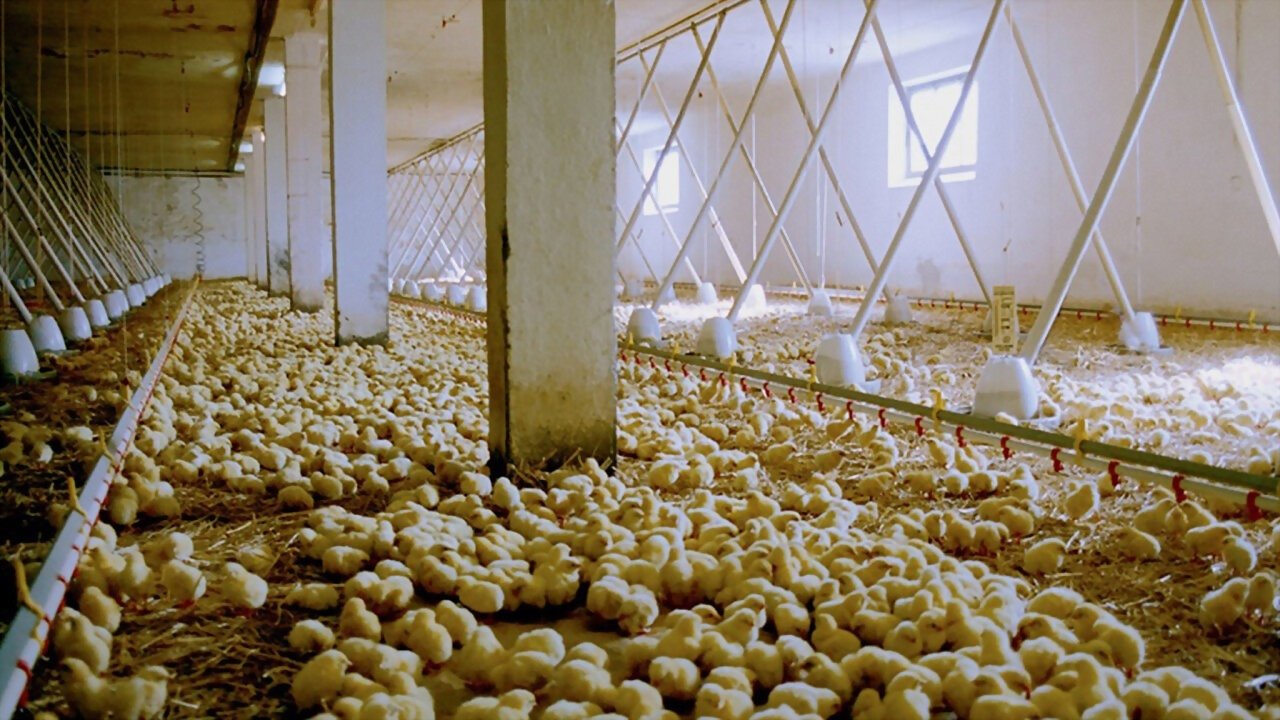
A documentary that exposes the shocking truths behind industrial food production and food wastage, focusing on fishing, livestock and crop farming. A must-see for anyone interested in the true cost of the food on their plate.

Social & External
Self
The last days of the first Romanian king, Carol I of Hohenzollern-Sigmaringen, and the tough decisions he had to make in the summer of 1914 in order to please both Romanian Parliament and his relatives from the German Empire.
Through the eyes of grandmother Rumidjah, a poor old Christian woman living in the slums of Jakarta, we see the economical changing society of Indonesia and the influence of globalization reflected in the life of her juvenile granddaughter Tari and her sons Bakti and Dwi.
This documentary takes a piercing investigative look at the economic, political and ecological implications of the worldwide disappearance of the honeybee. The film examines our current agricultural landscape and celebrates the ancient and sacred connection between man and the honeybee. The story highlights the positive changes that have resulted due to the tragic phenomenon known as "Colony Collapse Disorder." To empower the audience, the documentary provides viewers with tangible solutions they can apply to their everyday lives. Vanishing of the Bees unfolds as a dramatic tale of science and mystery, illuminating this extraordinary crisis and its greater meaning about the relationship between humankind and Mother Earth. The bees have a message - but will we listen?
Pianomania takes the audience on a humorous journey through the secret world of sound and accompanies Stefan Knüpfer in his extraordinary work with the greatest pianists in the world. To select the instrument that corresponds to the vision of the virtuoso, according it to his desire and accompany him until he goes on stage, Stefan Knüpfer has developed nerves of steel, a boundless passion and above ability to translate words into sounds.
Go up-river and deep into the jungle far from Brazil's cities and stadiums, where families of giant otters, tufted capuchin monkeys and mischievous coati (South American raccoon cousins) rally their wits to survive in a breathtakingly beautiful yet dangerous land.
The three-hour-long documentary covers 25 years in the life of Nicolae Ceaușescu and was made using 1,000 hours of original footage from the National Archives of Romania.
All food can be adulterated. More discreet than a drug cartel, more elusive than arms dealers, criminals have taken over food. Olive oil, fish, meat, spices, no department escapes their juicy traffic. A jackpot estimated in Europe at 30 billion euros enriches a new kind of mafia every year. Organized crime is selling altered products in restaurants, supermarkets and all food shops in the European Union. Their secret is to replace an ingredient with a cheaper one. Who are these new traffickers? What are their methods of operation?
Promotional film for Southern California Edison. We see a housewife in a tastefully colour-coordinated kitchen equipped with the latest electrical appliances as she prepares dinner for her husband and his business associates. While the dishwasher takes care of the dirty dishes, she bakes a cake and puts a roast in the oven. As it cooks, she’s off to the theatre… Mrs. Mortimer Jones promotes not only Edison, but also Natalie Kalmus’ subtle sense of colour and the “home cooking” principle of the Technicolor franchise.
From the makers of legendary CZECH DREAM, a hilarious documentary about a hoax hypermarket, comes CZECH PEACE, a new playfully explosive flm about the mayor of a small Czech village and his attempts to foil the American plan to build its 762nd military base right on his doorstep. The players in this story are everyone from villagers to George W. Bush, Condoleezza Rice, Barack Obama, peace activists and lobbyists representing American arms manufacturers. Can the Mayor of Trokavec (population 80) take the US on? CZECH PEACE shows the workings of geopolitics and the way they affect the little people. The personal clashes with the impersonal, the specifc with the universal, and an individual with the so-called great history.
Doctors, scientists and chefs around the globe combat illness with dietary changes, believing fat should be embraced as a source of fuel.
Cooking and dining with Anthony Bourdain! Europe - 6 episodes Arachon, France, the birthplace of Tony's father, was the first place Tony learned to love food. Tony revisits his childhood and enjoys many staples, including steak frites, gaufres (waffles), and soupe de pecheur (fisherman's soup). Other episodes include A Pleasing Palate (London) and Highland Grub (Scotland). The #1 food writer and television presenter in the world, Anthony Bourdain reinvented the food travel genre. In his groundbreaking first series, that originally aired on the Food Network, Bourdain travels around the world indulging his taste for local cuisine and eccentric characters. Join Tony as he feasts on sushi in Tokyo, enjoys authentic Mexican cuisine, and traverses the Australian Outback on a memorable food journey. You never know what he'll say, who he'll meet, or what they'll have for dinner.
This mountain region that reaches across several countries in Eastern Europe is the home to gold diggers, wizards, cow herders and old Hassids.
Revered sushi chef Jiro Ono strives for perfection in his work, while his eldest son, Yoshikazu, has trouble living up to his father's legacy.
An account of the short life and the astonishing and provocative work of the Austrian painter Egon Schiele (1890-1918), seen through the peculiar point of view and the critic voices of the women who defined the paramount milestones of his existence: Gerti, his sister; Wally, his main model and lover; and Edith, his wife. A brief story of love, hate, betrayal and misfortune.
Brazilian soccer players Sócrates, Casagrande and Vladimir lead a historic movement in sports by adopting a democracy within their team, making a statement against the country's military dictatorship.
A food-loving and scientific tribute to the Mediterranean diet and, not least, the liquid gold: olive oil.
They’ve become the human face of inhuman barbarity. Leaders like Hitler, Idi Amin Dada, Stalin, Kim Jong Il, Saddam Hussein, Nicolae Ceausescu, Bokassa, Muammar Kadhafi, Khomeini, Mussolini and Franco governed their countries completely cut off from reality. These paranoid leaders were driven to abuse their power by the pathology of power itself. Dictators are driven by a relentless, thought-out determination to impose themselves as infallible, all-knowing and all-powerful beings. But they are also men ruled by their caprices, uncontrollable impulses, and reckless fits of frenzy, which paradoxically render them as human as anyone else. The abuses they committed were clearly atrocious, yet some of them were as outlandish as the characters portrayed in the film The Dictator. They sunk to depths worthy of Kafka: so incredibly absurd, they are outrageously funny.
Documentary filmmaker Robert Kenner examines how mammoth corporations have taken over all aspects of the food chain in the United States, from the farms where our food is grown to the chain restaurants and supermarkets where it's sold. Narrated by author and activist Eric Schlosser, the film features interviews with average Americans about their dietary habits, commentary from food experts like Michael Pollan and unsettling footage shot inside large-scale animal processing plants.
Takes us inside the world of Anonymous, the radical "hacktivist" collective that has redefined civil disobedience for the digital age. The film explores early hacktivist groups like Cult of the Dead Cow and Electronic Disturbance Theater, then moves to Anonymous' raucous beginnings on the website 4chan. Through interviews with current members, people recently returned from prison or facing trial, writers, academics, activists and major players in various "raids," the documentary traces Anonymous’ evolution from merry pranksters to a full-blown movement with a global reach, the most transformative civil disobedience of our time.
Follow the shocking, yet humorous, journey of an aspiring environmentalist, as he daringly seeks to find the real solution to the most pressing environmental issues and true path to sustainability.
A visual montage portrait of our contemporary world dominated by globalized technology and violence.
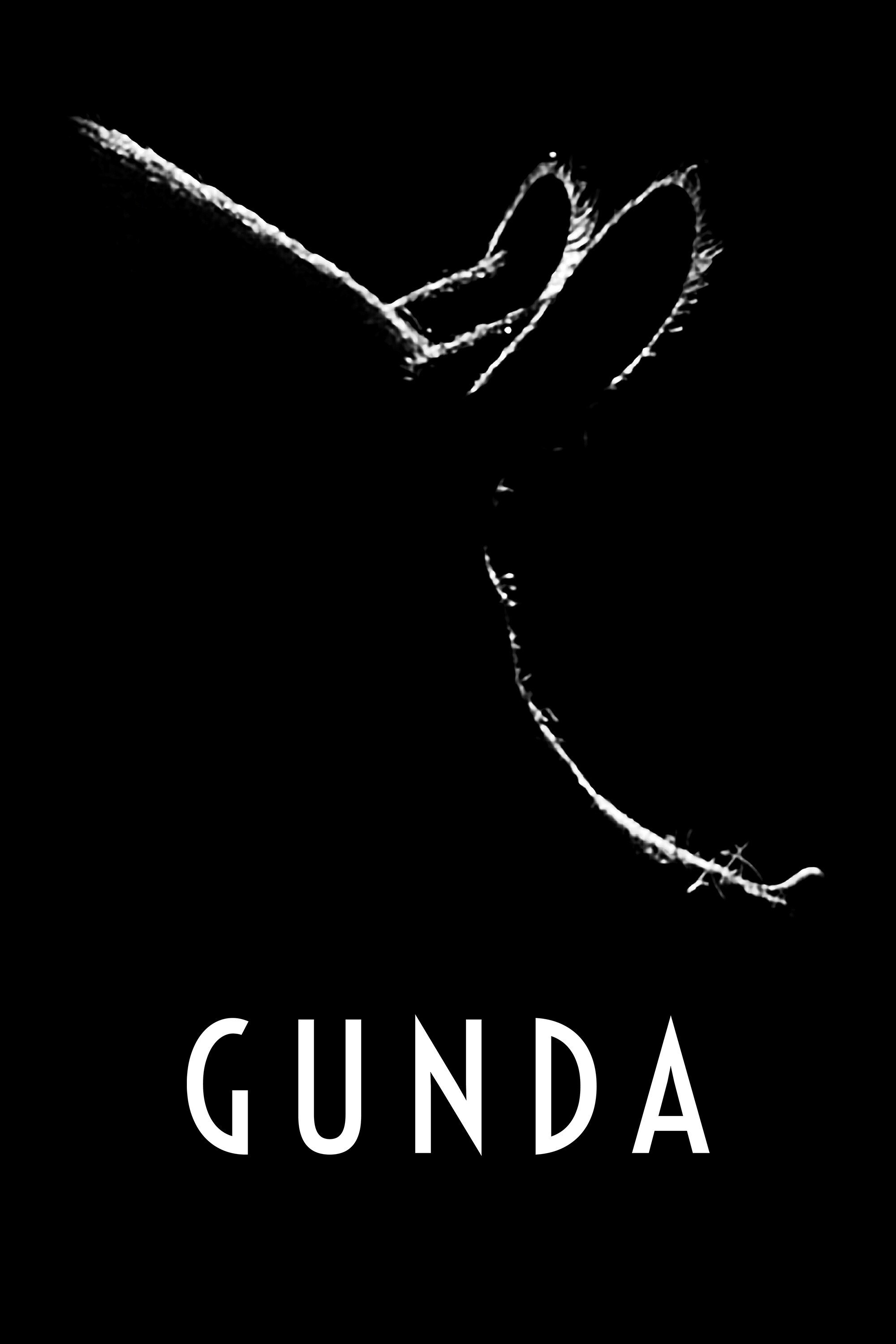
A glimpse into the raw and simple power of nature through encounters with farm animals: the eponymous Gunda, a mother pig; two cows, and a one-legged chicken.
A documentary on the life of John Lennon, with a focus on the time in his life when he transformed from a musician into an antiwar activist.
This documentary focuses on the actors and their journey over two summers to create the remake to the original IT, by Stephen King. The documentary originally released as bonus material, bundled with IT: Chapter Two.
Filmed over nearly five years in twenty-five countries on five continents, and shot on seventy-millimetre film, Samsara transports us to the varied worlds of sacred grounds, disaster zones, industrial complexes, and natural wonders.
Sheds light on an alternative approach to farming called “regenerative agriculture” that could balance our climate, replenish our vast water supplies, and feed the world.
A look at the origins, history and conspiracies behind the "Majestic 12", a clandestine group of military and corporate figureheads charged with reverse-engineering extraterrestrial technology.
Lyrical and powerfully personal essay film that reflects on the deaths of her husband Lou Reed, her mother, her beloved dog, and such diverse subjects as family memories, surveillance, and Buddhist teachings.
A documentary shot by filmmakers all over the world that serves as a time capsule to show future generations what it was like to be alive on the 24th of July, 2010.
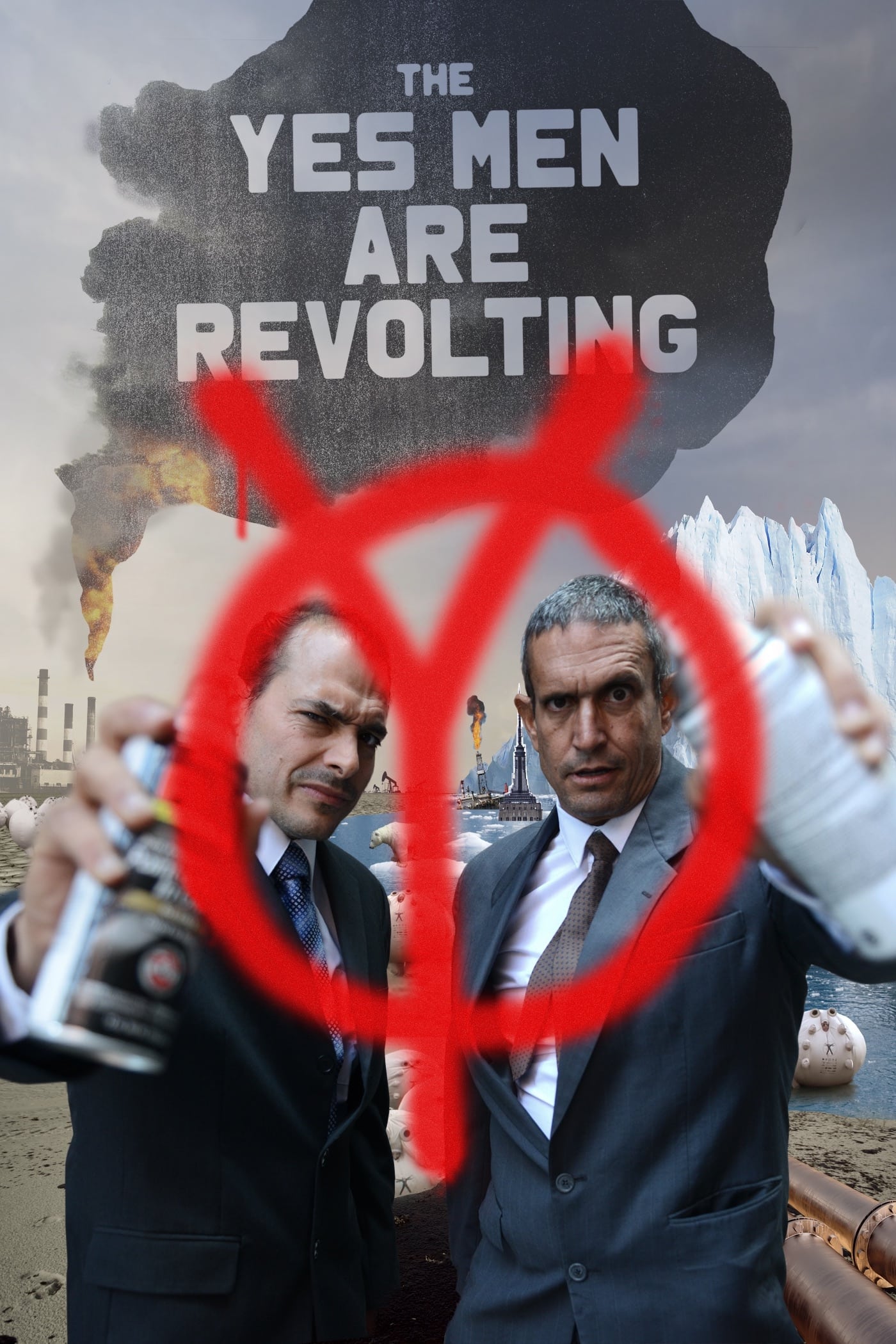
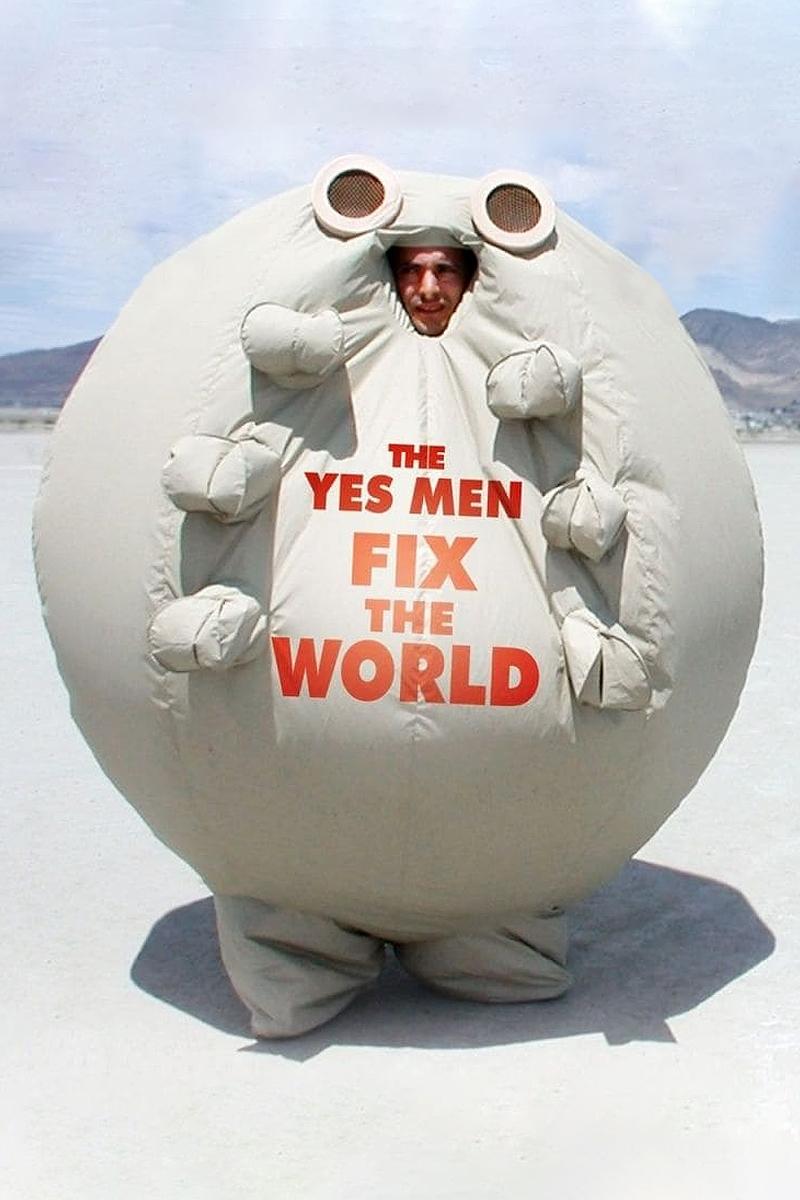
THE YES MEN FIX THE WORLD is a screwball true story about two gonzo political activists who, posing as top executives of giant corporations, lie their way into big business conferences and pull off the world's most outrageous pranks.
An inside look at one of the most anticipated movie sequels ever with James Cameron and cast.
A documentary about ten very different lives connected by having appeared onscreen wearing masks or helmets in Star Wars.
A detailing of the rise to prominence and global sporting superstardom of six supremely talented young Manchester United football players (David Beckham, Nicky Butt, Ryan Giggs, Paul Scholes, Phil and Gary Neville). The film covers the period 1992-1999, culminating in Manchester United's European Cup triumph.
A film that exposes the shocking truth behind the economic crisis of 2008. The global financial meltdown, at a cost of over $20 trillion, resulted in millions of people losing their homes and jobs. Through extensive research and interviews with major financial insiders, politicians and journalists, Inside Job traces the rise of a rogue industry and unveils the corrosive relationships which have corrupted politics, regulation and academia.
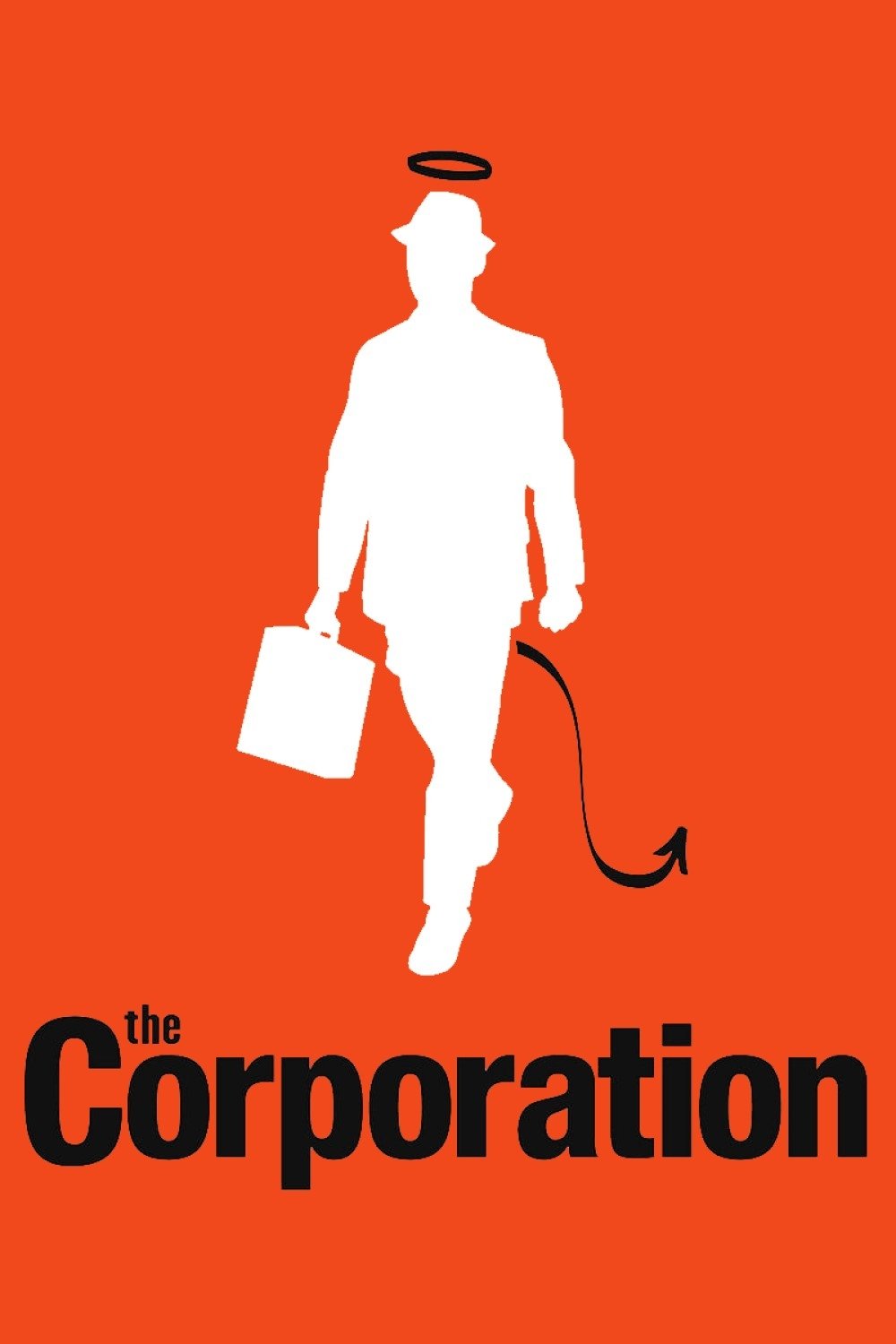
Since the late 18th century American legal decision that the business corporation organizational model is legally a person, it has become a dominant economic, political and social force around the globe. This film takes an in-depth psychological examination of the organization model through various case studies. What the study illustrates is that in the its behaviour, this type of "person" typically acts like a dangerously destructive psychopath without conscience. Furthermore, we see the profound threat this psychopath has for our world and our future, but also how the people with courage, intelligence and determination can do to stop it.
Through deeply personal interviews with her siblings and an examination of the photographs, letters, and belongings left behind, Mariska assembles a new portrait of her mother Jayne Mansfield, an extraordinary and complex woman.
As a visually radical memoir, CAMERAPERSON draws on the remarkable footage that filmmaker Kirsten Johnson has shot and reframes it in ways that illuminate moments and situations that have personally affected her. What emerges is an elegant meditation on the relationship between truth and the camera frame, as Johnson transforms scenes that have been presented on Festival screens as one kind of truth into another kind of story—one about personal journey, craft, and direct human connection.