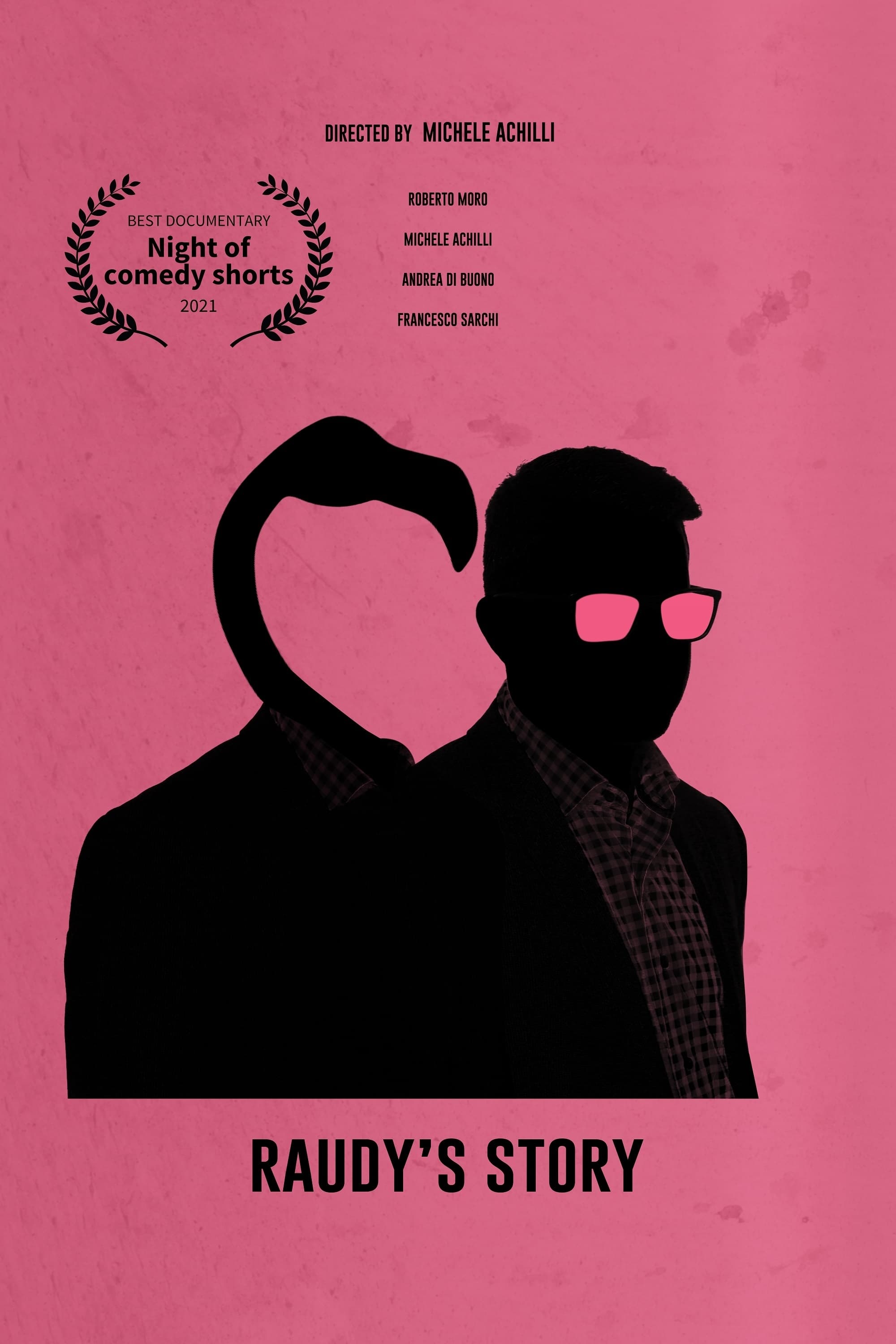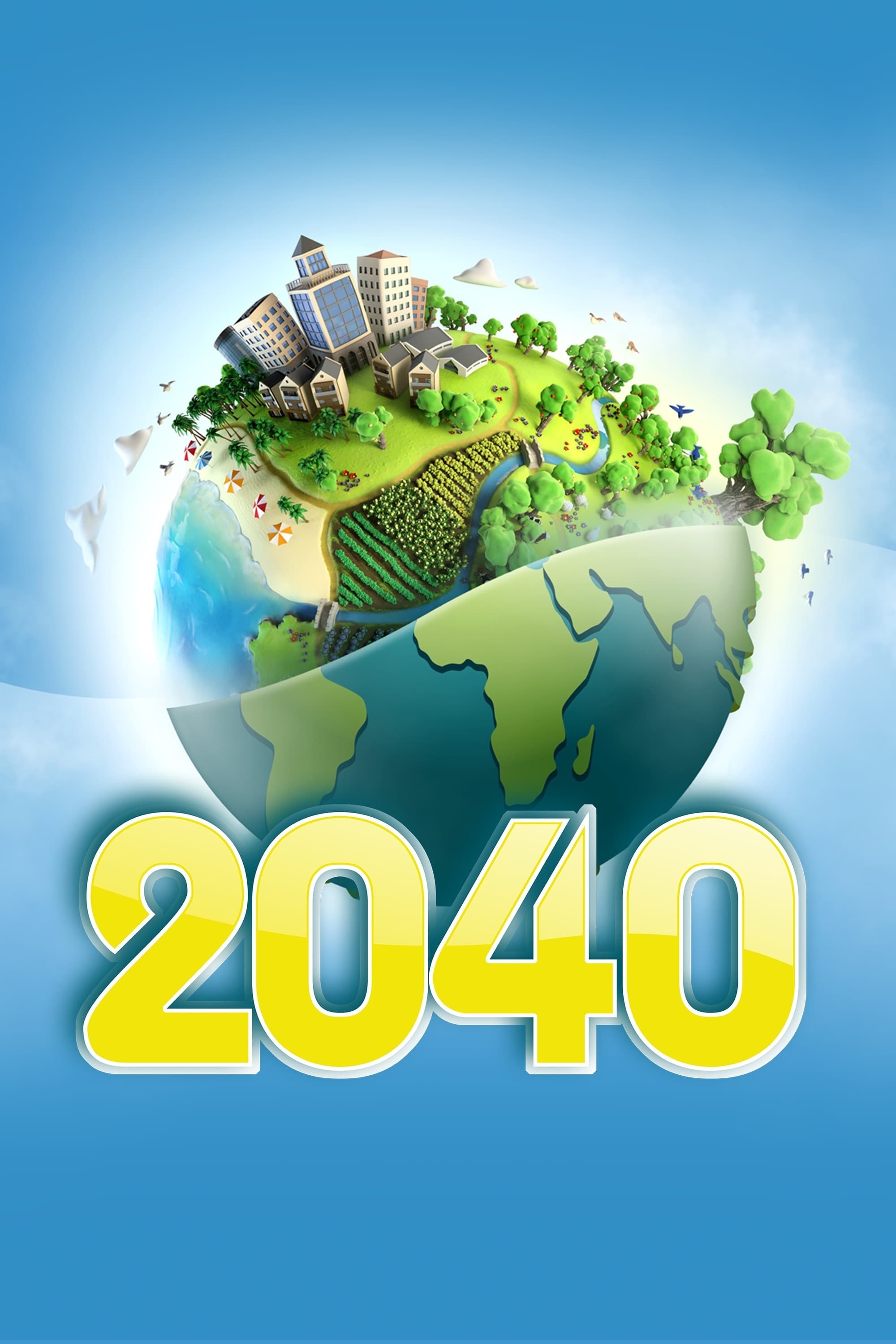

Follow the shocking, yet humorous, journey of an aspiring environmentalist, as he daringly seeks to find the real solution to the most pressing environmental issues and true path to sustainability.

Stream
Social & External
Self
"Losing The West" is a documentary film that promotes small ranching and farming, as told through the eyes of a 70-year-old Native American cowboy. The film was shot primarily in Colorado. The director was born in Denver and owns a small ranch near Ridgway, Colorado.
Industrial food production has provided the public with an abundance of food at very low prices. But with obesity and diabetes at record levels in Europe, there is clearly a problem with the food we eat. This documentary puts the spotlight on the agri-food industry and reveals how low-cost ultra-processed foods are really made.
Tar Creek is an environmentally devastated area in northeastern Oklahoma with acidic creeks, stratospheric lead poisoning and enormous sinkholes. Nearly 30 years after being designated as a Superfund cleanup program, residents are still struggling.
This documentary examines the battle strategies of citizens, scientists, loggers, environmentalists and First Nations people who are fighting over the liquidation of public forests and, with it, a way of life.
As co-created by environmentalists Stephan Poulle and Nicolas Koutsikas, the documentary Gulf Stream and the Next Ice Age argues and provides evidence for the idea that mankind is wreaking permanent and potentially irreversible damage on the ecosystem by interfering with the natural course of the Gulf Stream. Koutsikas and Poulle suggest that this interference, in turn, will prompt a new Ice Age that virtually destroys the modern world.
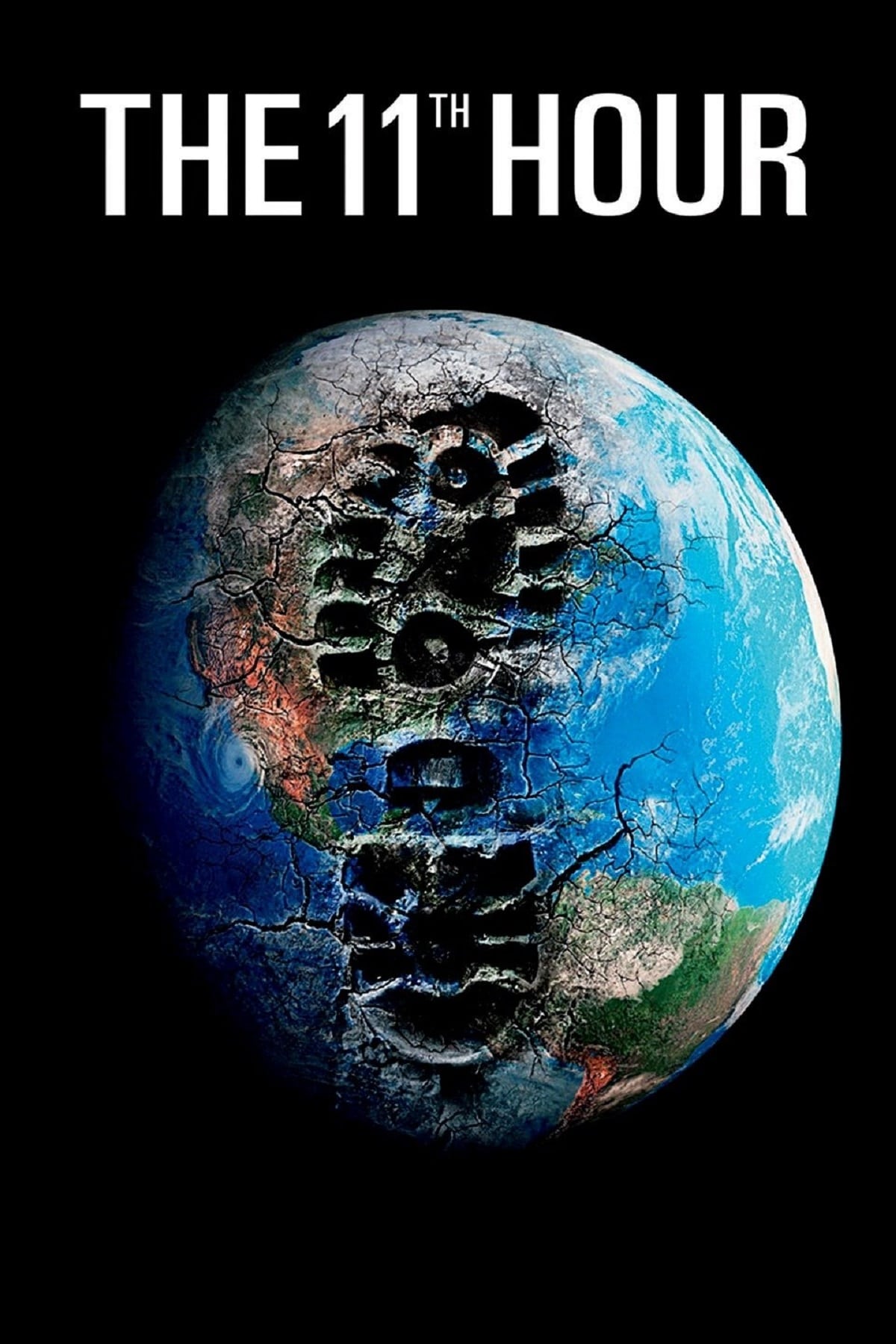
A look at the state of the global environment including visionary and practical solutions for restoring the planet's ecosystems. Featuring ongoing dialogues of experts from all over the world, including former Soviet Prime Minister Mikhail Gorbachev, renowned scientist Stephen Hawking, former head of the CIA R. James Woolse
Spin doctors spread misinformation and confusion among American citizens to delay progress on such important issues as global climate change.
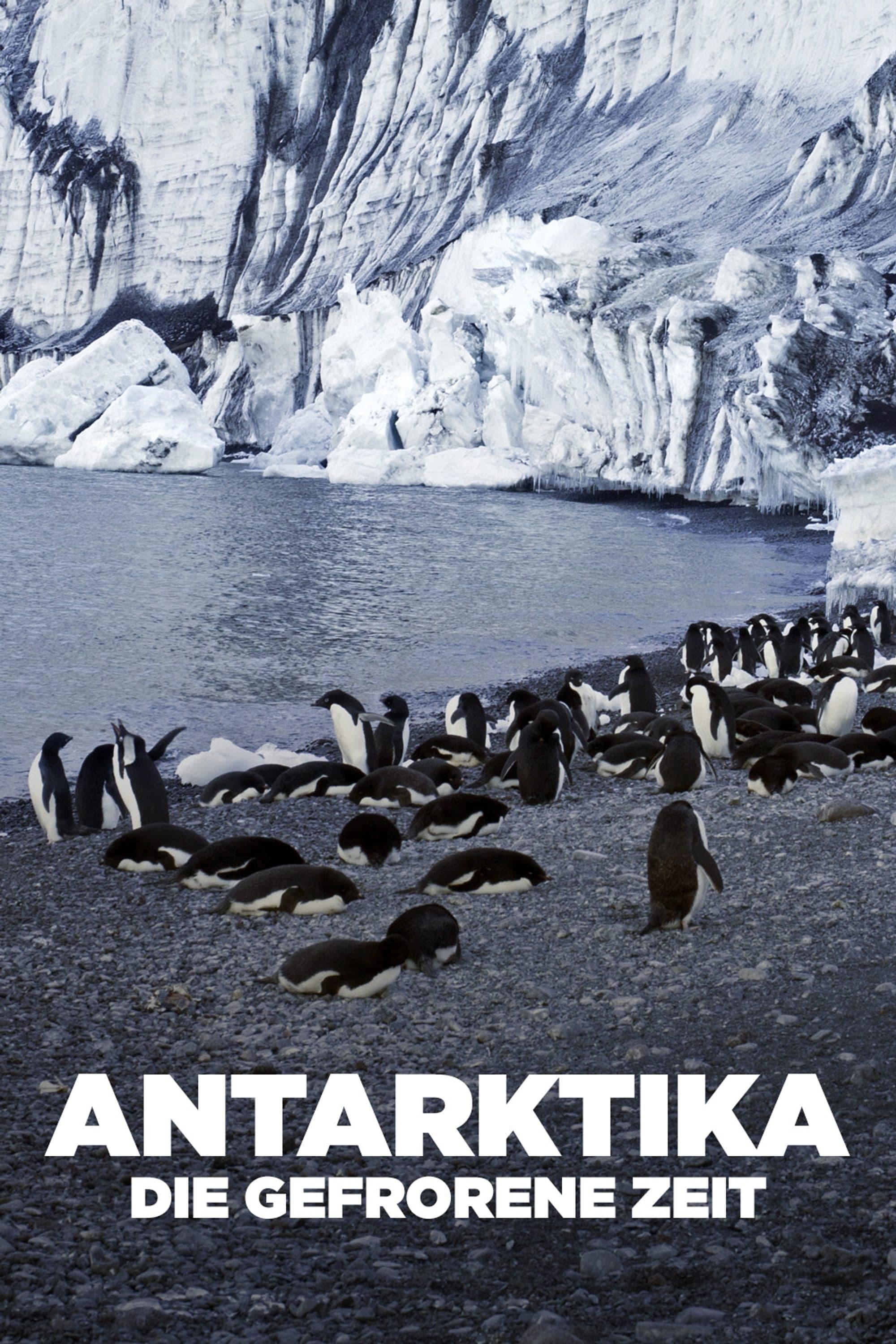
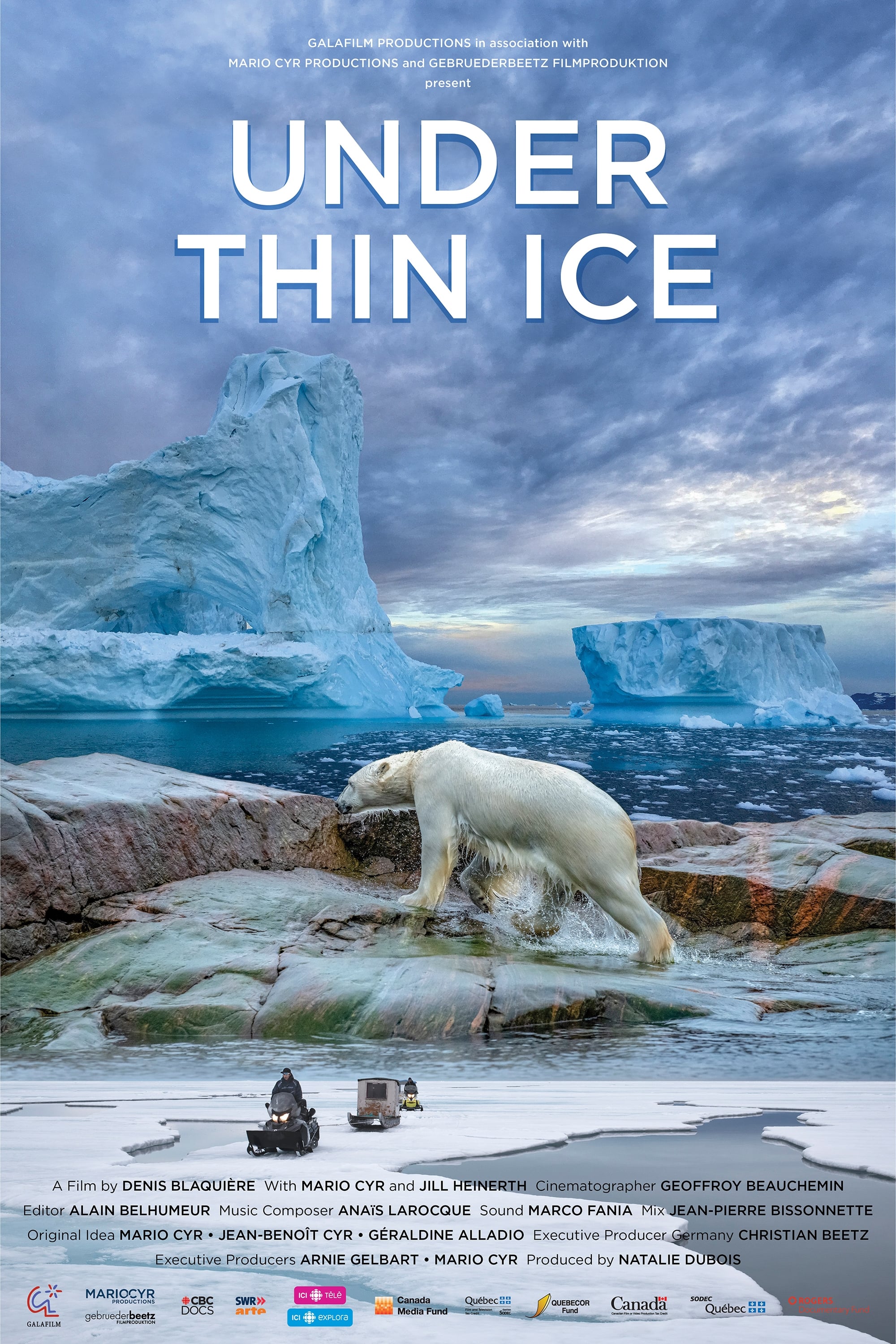
The bleakness of Antarctica is a fallacy. The ice continent is full of life and offers a biodiversity of which only about two percent are known. Much of it is under water and could determine the future of human beings. When the northern lights cover the ice landscape in summer, the animals in the Antarctic are in a paradisiacal state. Whales blow their fountains in the sky, penguins fly like small rockets into the water, seals dive for crabs under the glittering ice floes. From the bay of the Ross Sea to the ice shelf, from the huge penguin colonies to steaming volcanoes, a life in rhythm with the ice. But the consequences of climate change are slowly becoming apparent here too. While some species are dying, others are spreading. They could bring new viruses and bacteria with them, and new dangers for humans too. The structure of nature has gotten off course. How many generations will still be able to experience the magic of Antarctica?
An up-to-date look at the climate change research currently being done by the scientists stationed in Antarctica.
This film takes us on an emotional journey from sacred ground above Byron Bay to Antarctica, Indonesia to Pakistan, and is sure to light a fire under the strongest climate change denier. THE POWER OF ACTIVISM focuses on six highly spirited female activists as they are put under the microscope to ascertain the financial impact of their environmental solutions… and the results are astonishing. From shark conservation to indigenous practices, intensive farming to plastic pollution; all their ‘causes' fall under the umbrella of "climate change", but they should also fall under the umbrella of "saving tax payers hundreds of millions of dollars!”
The film follows Vincent Schiavelli as he returns to Polizzi Generosa, the very town in Sicily his grandparents emigrated from in 1901.
With unprecedented access to the nuclear industry in France, Russia, and the United States, Nuclear Now explores the possibility for the global community to overcome the challenges of climate change and energy poverty to reach a brighter future through the power of nuclear energy. Beneath our feet, Uranium atoms in the Earth’s crust hold incredibly concentrated energy. Science unlocked this energy in the mid-20th century, first for bombs and then to power submarines. The United States led the effort to generate electricity from this new source. Yet in the mid-20th century as societies began the transition to nuclear power and away from fossil fuels, a long-term PR campaign to scare the public began, funded in part by coal and oil interests.
From the UFC Octagon in Las Vegas and the anthropology lab at Dartmouth, to a strongman gym in Berlin and the bushlands of Zimbabwe, the world is introduced to elite athletes, special ops soldiers, visionary scientists, cultural icons, and everyday heroes—each on a mission to create a seismic shift in the way we eat and live.
In the year 2000, Les Blank, along with co-filmmaker Gina Leibrecht, visited Richard Leacock (1921-2011) at his farm in Normandy, France and recorded conversations with him about his life, his work, and his other passion: cooking! With the flair of a seasoned raconteur, Leacock recounts key moments in his seventy years as a filmmaker and the innovations that he, D.A. Pennebaker, Albert Maysles and others invented that revolutionized documentary filmmaking, and explores the mystery of creativity. With the passing of both Blank and Leacock, the documentary is a moving insight into the lives of two seminal figures in the history of film.

A Cow at My Table explores Western attitudes towards farm animals and meat, and the intense battle between animal advocates and the meat industry to influence the consumer's mind. Five years in production took Director Jennifer Abbott across Canada, the US, Australia and New Zealand to meet with the leaders of the animal rights movement, animal welfare advocates as well as spokespeople from livestock industries. A Cow at My Table inter-cuts these diverse perspectives with archival films, images from modern-day agribusiness and footage of farm animals shot from uncharacteristic vantage points.
Although evidence of meat consumption's negative impact on the planet and on human health continue stacking up as animal welfare is on the decline, humanity's love affair with hamburgers, steaks, nuggets and chops just doesn't end. In The End of Meat, filmmaker Marc Pierschel embarks on a journey to discover what effect a post-meat world would have on the environment, the animals and ourselves. He meets Esther the Wonder Pig, who became an internet phenomenon; talks to pioneers leading the vegan movement in Germany; visits the first fully vegetarian city in India; witnesses rescued farm animals enjoying their newly found freedom; observes the future food innovators making meat and dairy without the animals, even harvesting "bacon" from the ocean and much more. The End of Meat reveals the hidden impact of meat consumption; explores the opportunities and benefits of a shift to a more compassionate diet; and raises critical questions about the future role of animals in our society.
Antarctica is the most extreme continent on our planet—higher, colder, and even drier than any other on Earth, and although it is thousands of miles away, what happens here affects every single one of us.
An award-winning short exploring man-made impacts on New Zealand’s water cycle.
The first full-length film about the Chornobyl tragedy, filmed in May-September 1986. The authors did not set themselves the task of showing an exhaustive picture of what happened in Chornobyl. They sought to capture the testimonies of people directly involved in the tragedy, the lessons of which have yet to be realized.
Documentary filmmaker Robert Kenner examines how mammoth corporations have taken over all aspects of the food chain in the United States, from the farms where our food is grown to the chain restaurants and supermarkets where it's sold. Narrated by author and activist Eric Schlosser, the film features interviews with average Americans about their dietary habits, commentary from food experts like Michael Pollan and unsettling footage shot inside large-scale animal processing plants.
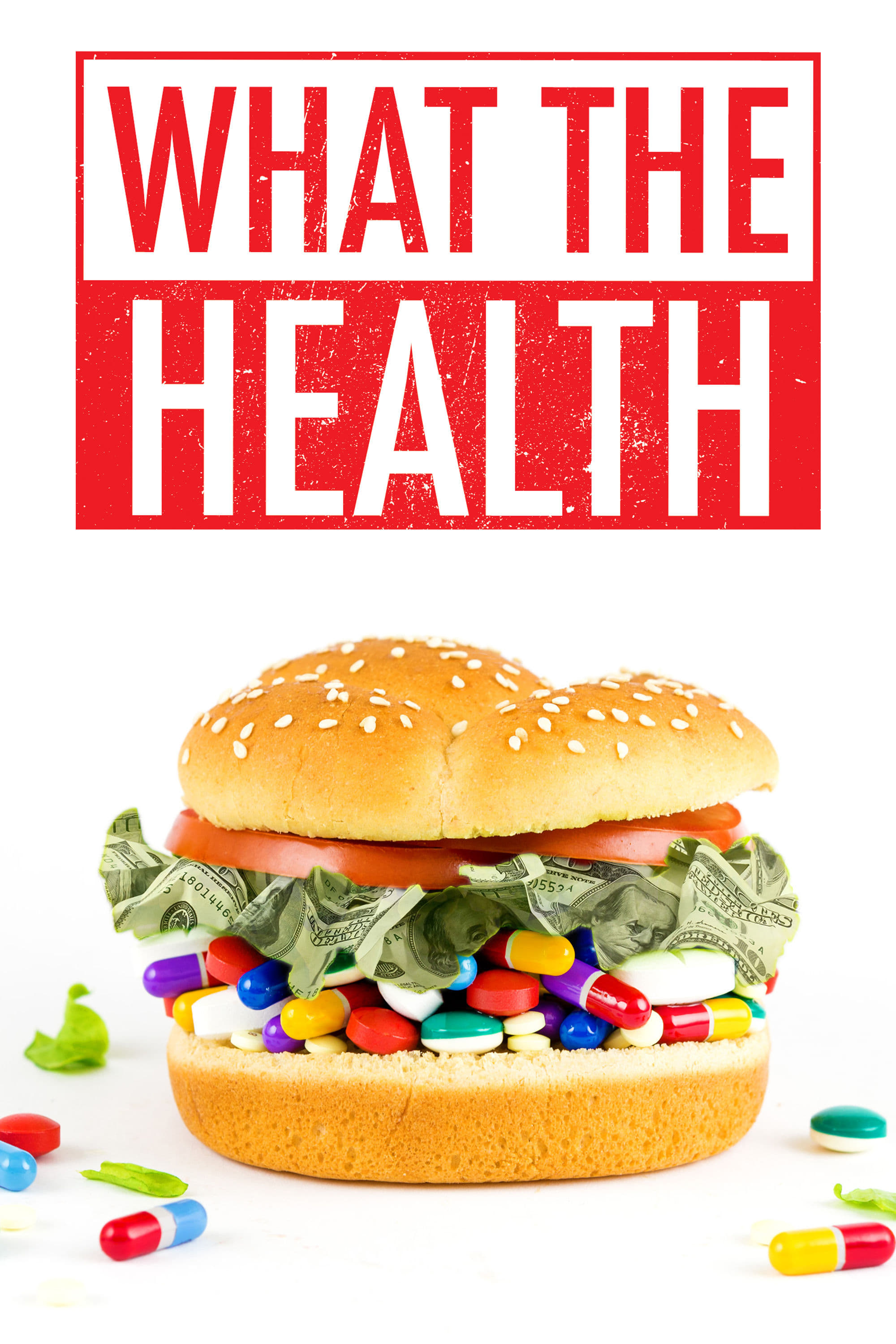
Filmmaker Kip Andersen uncovers the secret to preventing and even reversing chronic diseases, and he investigates why the nation's leading health organizations doesn't want people to know about it.
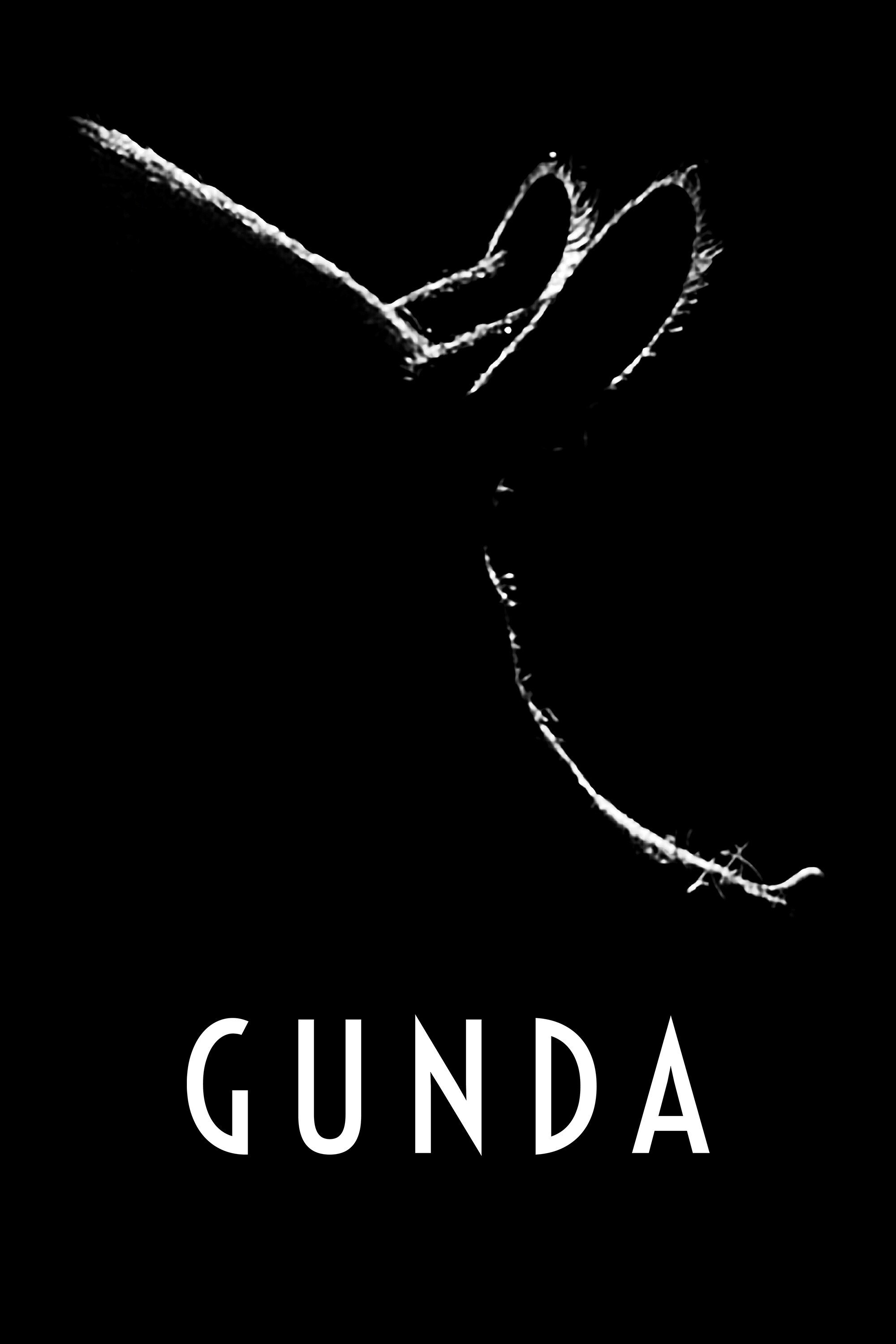
A glimpse into the raw and simple power of nature through encounters with farm animals: the eponymous Gunda, a mother pig; two cows, and a one-legged chicken.
An unlikely team of activists and innovators hatches a bold mission to save endangered species.
Sheds light on an alternative approach to farming called “regenerative agriculture” that could balance our climate, replenish our vast water supplies, and feed the world.
Discovering that sharks are being hunted to extinction, and with them the destruction of our life support system - activist and filmmaker Rob Stewart embarks on a dangerous quest to stop the slaughter. Following the sharks - and the money - into the elusive pirate fishing industry, Stewart uncovers a multi-billion dollar scandal that makes us all accomplices in the greatest wildlife massacre ever known.
The successes and failures of a couple determined to live in harmony with nature on a farm outside of Los Angeles are lovingly chronicled by filmmaking farmer John Chester, in this inspiring documentary.
A visual montage portrait of our contemporary world dominated by globalized technology and violence.
A documentary focused on plastic pollution in the world's oceans.
A decade after An Inconvenient Truth brought climate change into the heart of popular culture comes the riveting and rousing follow-up that shows just how close we are to a real energy revolution. Vice President Al Gore continues his tireless fight, traveling around the world training an army of climate champions and influencing international climate policy. Cameras follow him behind the scenes—in moments private and public, funny and poignant—as he pursues the empowering notion that while the stakes have never been higher, the perils of climate change can be overcome with human ingenuity and passion.
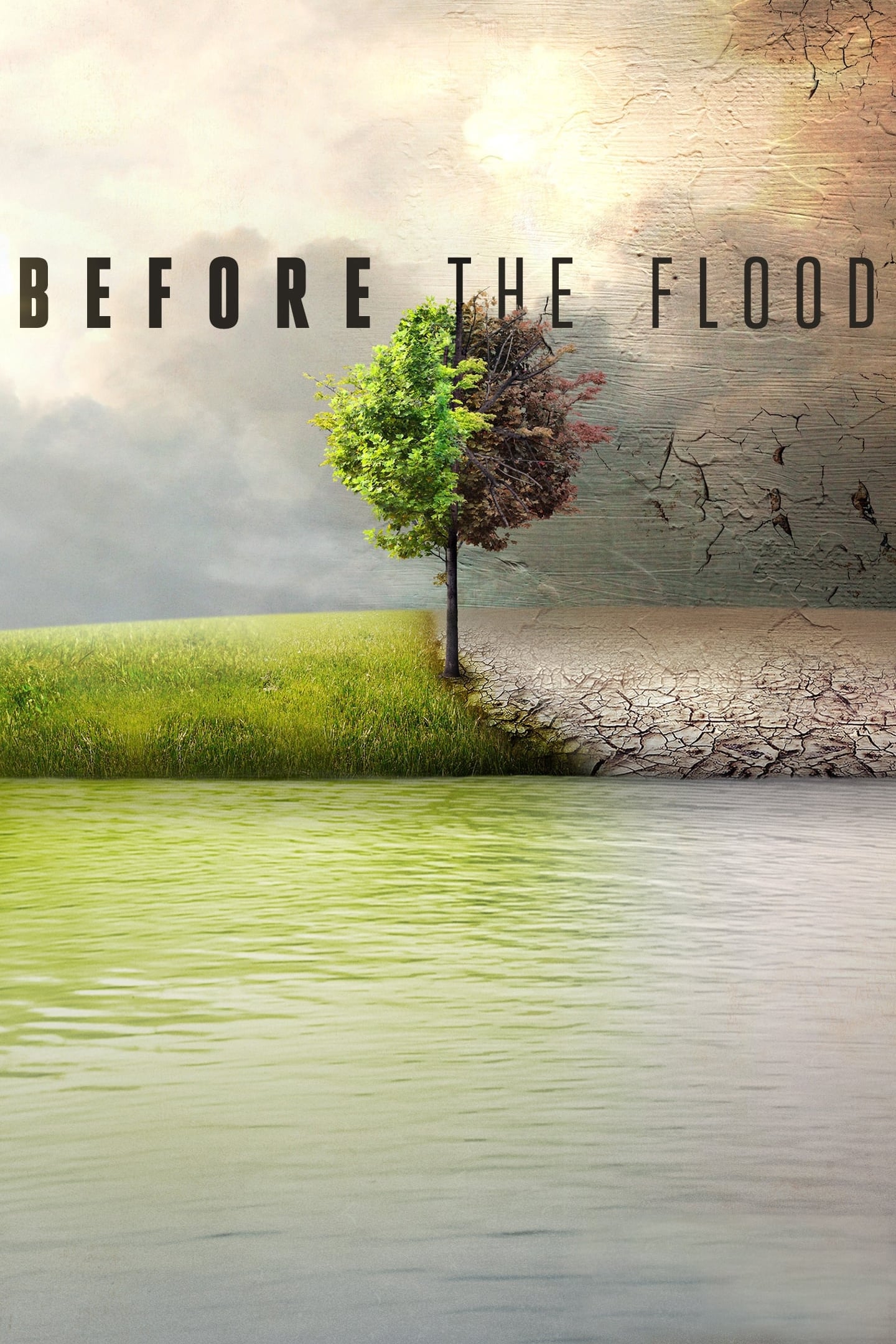
A look at how climate change affects our environment and what society can do to prevent the demise of endangered species, ecosystems, and native communities across the planet.
A documentary on Al Gore's campaign to make the issue of global warming a recognized problem worldwide.
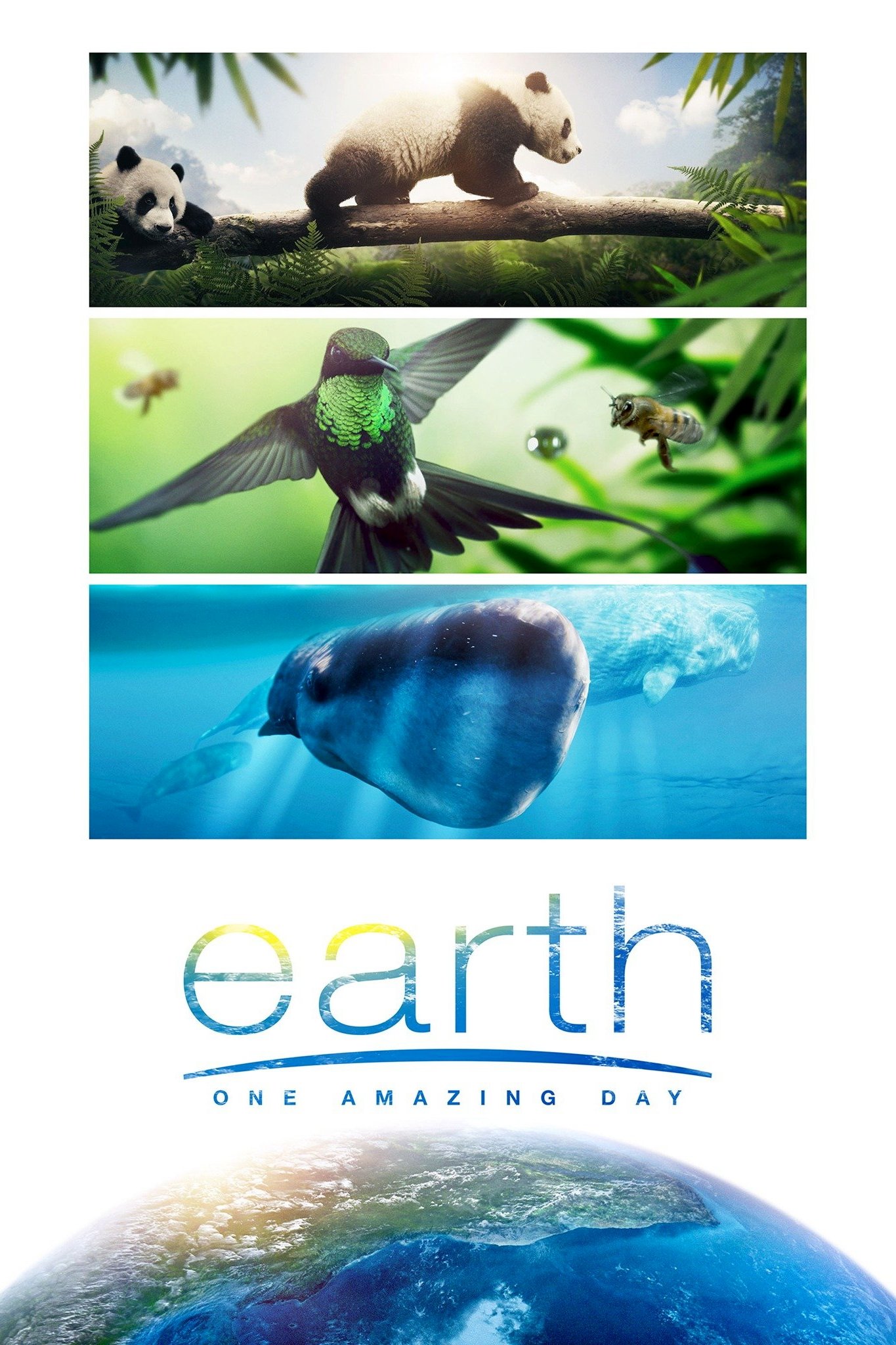
An astonishing journey revealing the awesome power of the natural world. Over the course of one single day, we track the sun from the highest mountains to the remotest islands to exotic jungles.
An inside look at one of the most anticipated movie sequels ever with James Cameron and cast.
This documentary follows oceanographer Sylvia Earle's campaign to save the world's oceans from threats such as overfishing and toxic waste.
On the eve of Earth Day, a precocious seven-year-old learns about the wonders of the planet from his parents—and a mysterious exhibit at the aptly named Museum of Everything.
Takes us to locations all around the US and shows us the heavy toll that modern technology is having on humans and the earth. The visual tone poem contains neither dialogue nor a vocalized narration: its tone is set by the juxtaposition of images and the exceptional music by Philip Glass.
Wildlife activists and investigators put their lives on the line to battle the illegal African ivory trade, in this suspenseful on-the-ground documentary.
Years spent recording footage of creatures from every corner of the globe is bound to produce a bit of drama. Here's a behind-the-scenes look.