Social & External
Unknown Role
An insider's look into Francis Ford Coppola's latest Live Cinema project, Distant Vision.
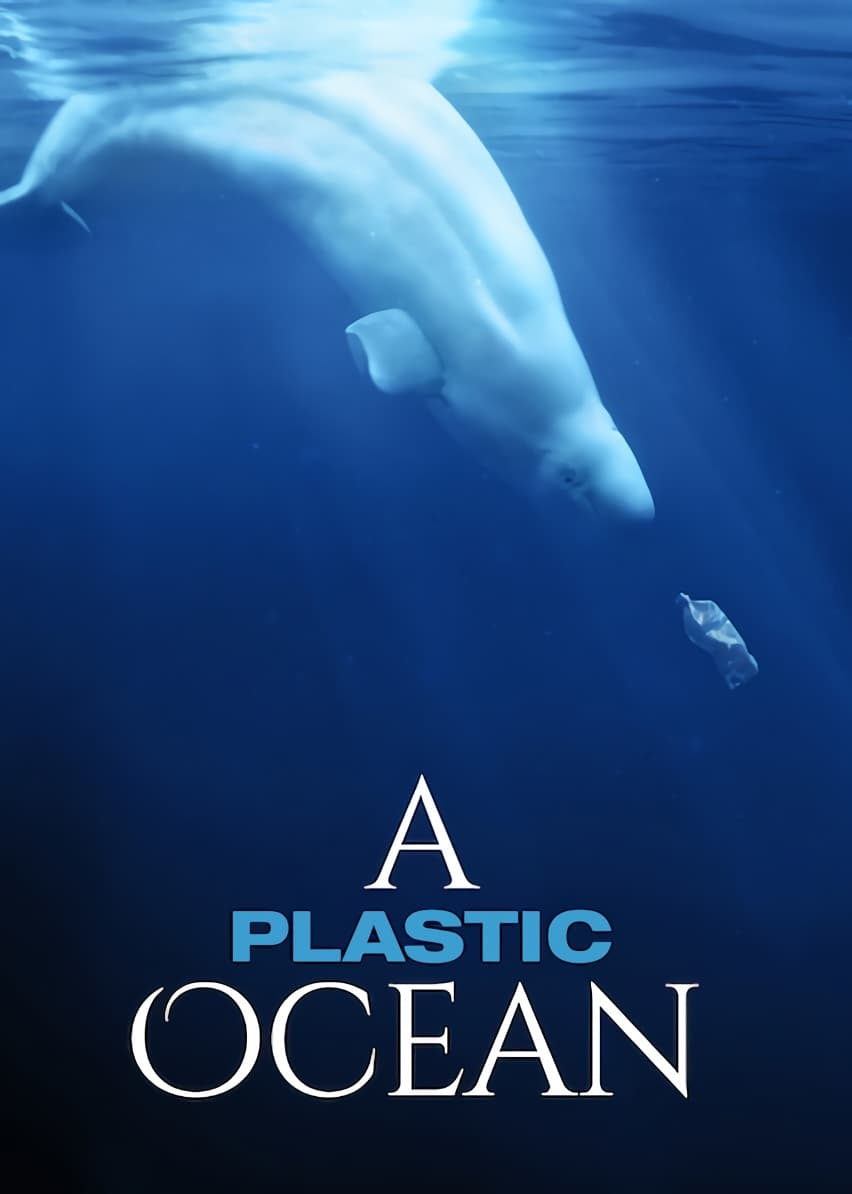
A documentary that explores the natural world of the sea, from the single-celled organism to more complex forms of life, OCEAN ORIGINS was originally filmed in the IMAX large format, which adds a crispness and clarity to the images. This documentary film seeks to examine the process of evolution by looking at the many creatures of the sea that can illustrate the way multi-cellular life emerged over the course of four billion years. OCEAN ORIGINS is a creative film that uses fascinating documentary footage to look at scientific theories and principles in an interesting manner
An evening of celebrated stars performing the titles songs from Broadway’s best.
Using his failed attempts at creating profitable stock footage, a filmmaker reflects on the absurd, mundane and funny side of being trapped inside your own head as an out of work, self-employed freelancer.
Erik Satie’s work is at the heart of modern music. However, who was Satie? An elusive genius or a visionary misanthrope? The film tries to sketch an identikit of the musician through his notes and the places he lived in. Musicologists mostly agree in describing Satie’s music as inhabited by voids and holes. The long pauses between one musical passage and the other are musical structures unto themselves; therefore, the filmmakers create a dissonant Satie-like universe in which empty spaces are adjacent to eloquent passages. Like a mysterious flower visible only to the eye that is willing to dance with its charm, the film unfolds little by little through mental associations and creative juxtapositions. There are no answers in the universe inhabited by the ghosts of Satie’s creations. Architectural forms and recollections from desires and acts of creative hubris compete to create a new world, which ultimately is the image of a new and more seductive pleasure principle.
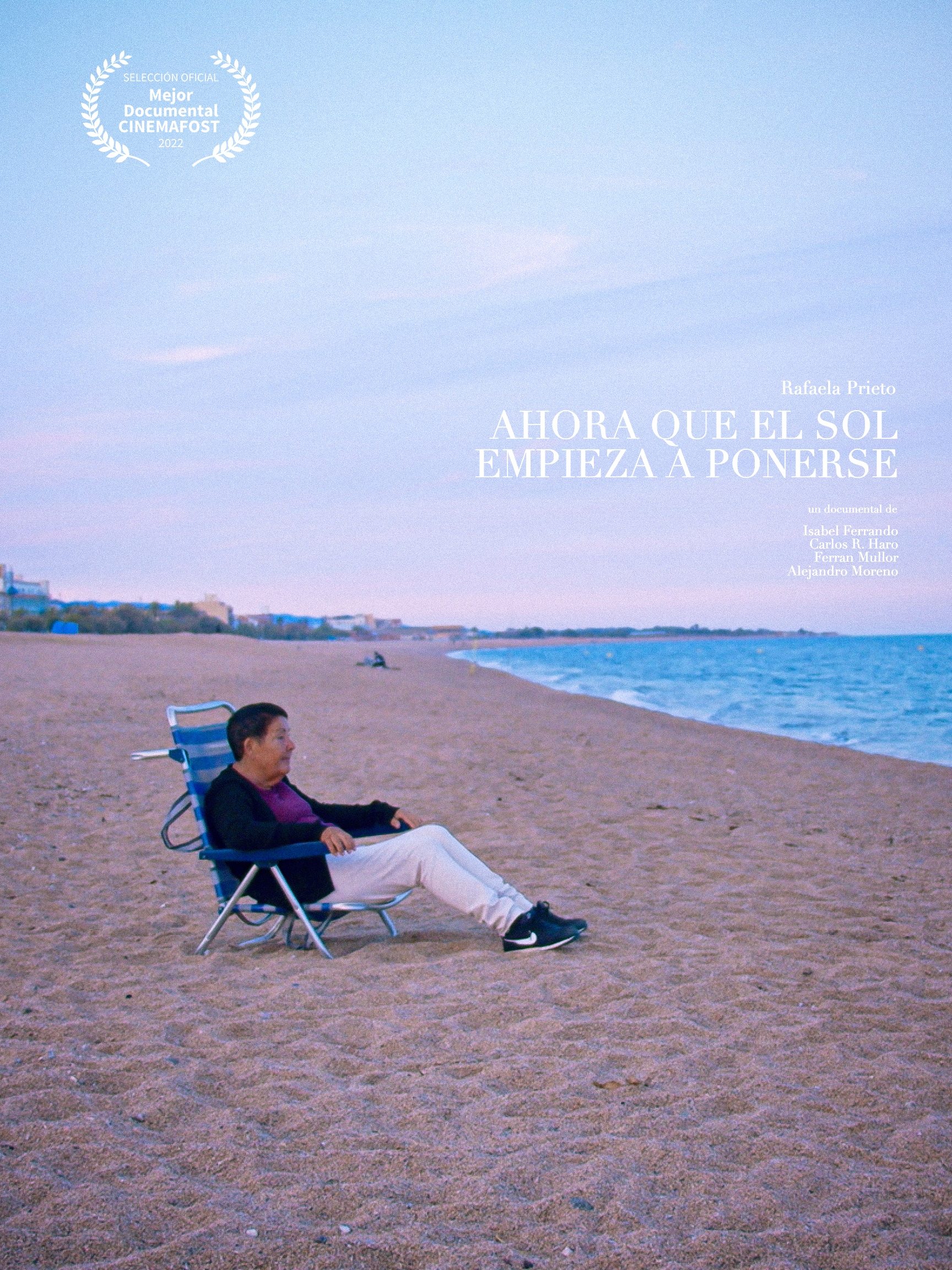
Crashing waves, the cry of a gull, silence.
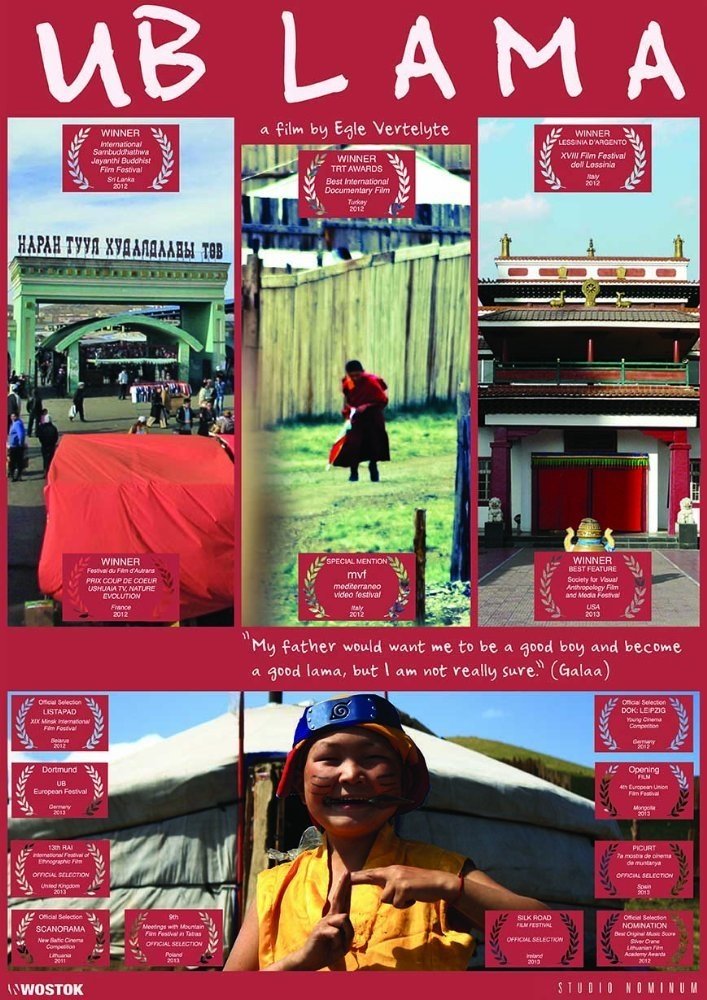
A Tibetan Lama. His disciple. The disciple's wife, young boy and terrier. An old tugboat crossing the Mississippi River. A man in his seventh month of solitude. His hermitage built by his own hands. The man's bloodhound; his cat. Clouds crossing the Continental Divide. A mountain stream. A girl. The sun.
Life in a rural area in Spain where the sole source of income is the physically gruelling labour of salt mining.
A documentary about the Friends of the Western Buddhist Order in London.
The film depicts young people at various socioeconomic levels presenting their views on the use of marijuana.
Johan van der Keuken's first film is a uniquely beautiful portrait of Paris at dawn.
A film crew trails Philbert Powell through his morning, from the supermarket to his job at a video store. Along the way, he crosses paths with several individuals all named “Slater.” His interactions with them raise the central question: who, among those Slaters, is his friend? The narrative unfolds across a single morning, blending encounters and identity as Philbert’s journey reveals the shifting dynamics of connection.
Told on the premise that the United States has always been a refuge from those seeking a reprieve from poverty and bigotry, this Miniature short from M-G-M is the story of a young Polish boy, unable to speak English, just arriving in New York City with hie parents. He leaves his lower east-side tenement to go play. Passing an open field he sees a sight unfamiliar to him; a group of boys playing baseball. When the boys drop their bats and gloves to hitch a ride on a passing ice-wagon, the Polish boy goes over to the baseball diamond and starts examining the baseball equipment. The boys come back and think he is about to steal their belongings but, when they learn he is a new immigrant and doesn't understand English, they invite him to play base ball with them..and he gets a base-hit his first time at bat.
Documentary of Daniel Schubert's grandmother, Martha Katz, a Holocaust survivor.
Filmed in 2003 while staying in a Brooklyn Heights apartment, the work centers on a small Greek statue revealed in shifting morning and afternoon light. Beavers weaves these images with views of the East River and Manhattan Bridge, later completing the film in 2010 as a meditative elegy for his friend Jacques Dehornois.
The urge to relieve a winter valley of permanent shadow and find gold in alluvial gravel is part of a long history of desire and extraction in the far Canadian north. Cancan dancers, curlers, smelters, former city officials, and a curious cliff-side mirrored disc congregate to form a town portrait. Shot on location in Dawson City, Yukon Territory.
A confrontation and comparison of two church buildings, which could hardly be more different, but also a dialogue between various concepts of church and community: the Protestant Grundtvig’s Church in Copenhagen and the Catholic Cathedral in Orvieto.
This film describes a yearning for beauty and gentleness. The philosopher Lothar Kühne was especially concerned with how we live and build. He applied his own ideas about the traditional house to his Villa Rotonda in Vincenza, Italy, not grand, but homely and marvellous. Here he developed his dream of the New House, achallenge to the concrete confines of urban living. In the film, La Rotonda is the motif of yearning which helps to explain Kühne's rigorous dedication to change and to convey the mental and physical torment he felt in the face of the concrete jungle. In November 1985 Prof. Lothar Kühne sought solace in the sea. This film is an indictment of ignorance and stupidity, a plea for sensitivity towards creative minds.