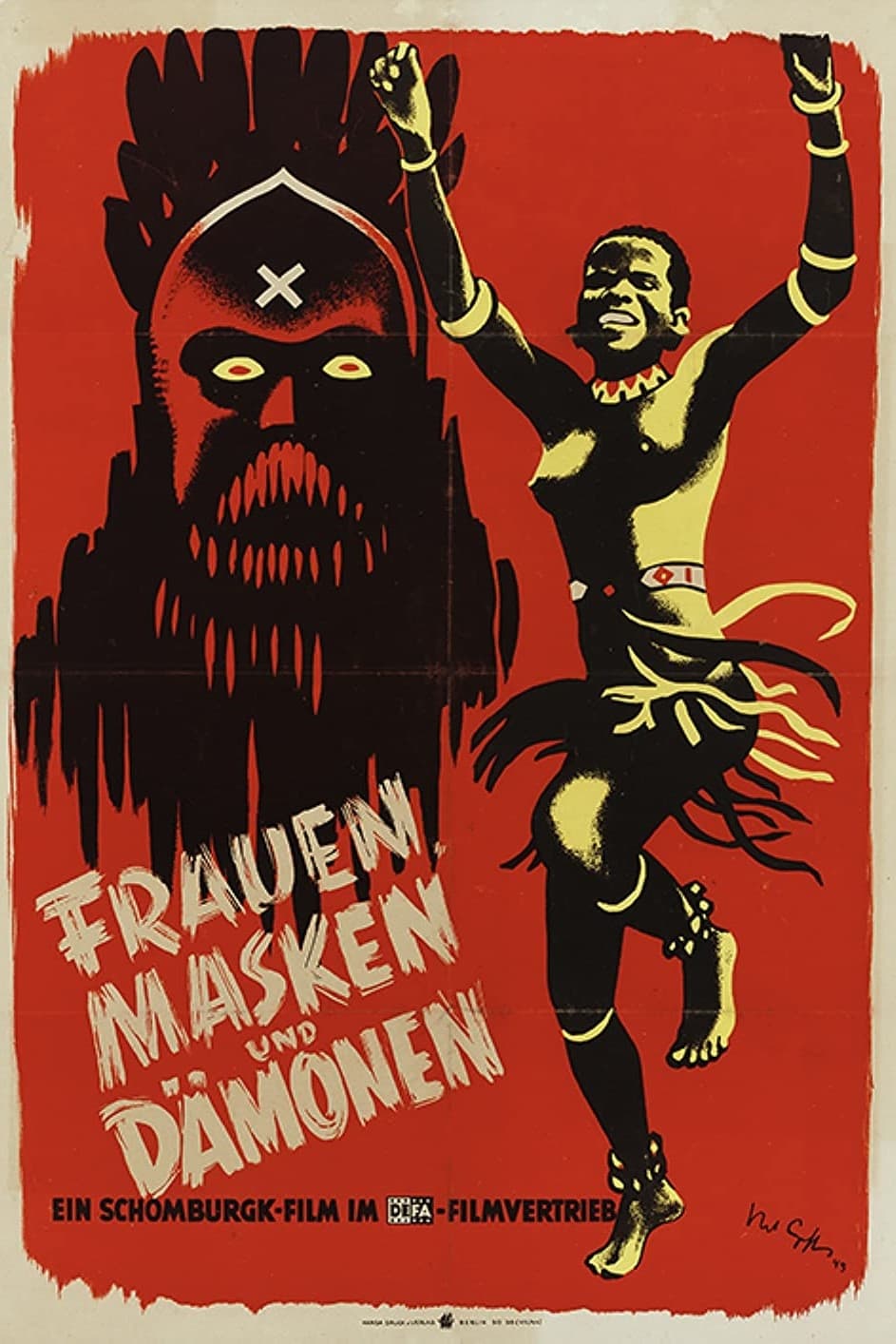
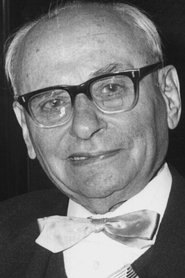
Documentary about Africa that includes footage from Hans Schomburgk's numerous African expeditions. The film footage was shot between 1913 and 1932.
Social & External
The people behind it
Hans Schomburgk
Self
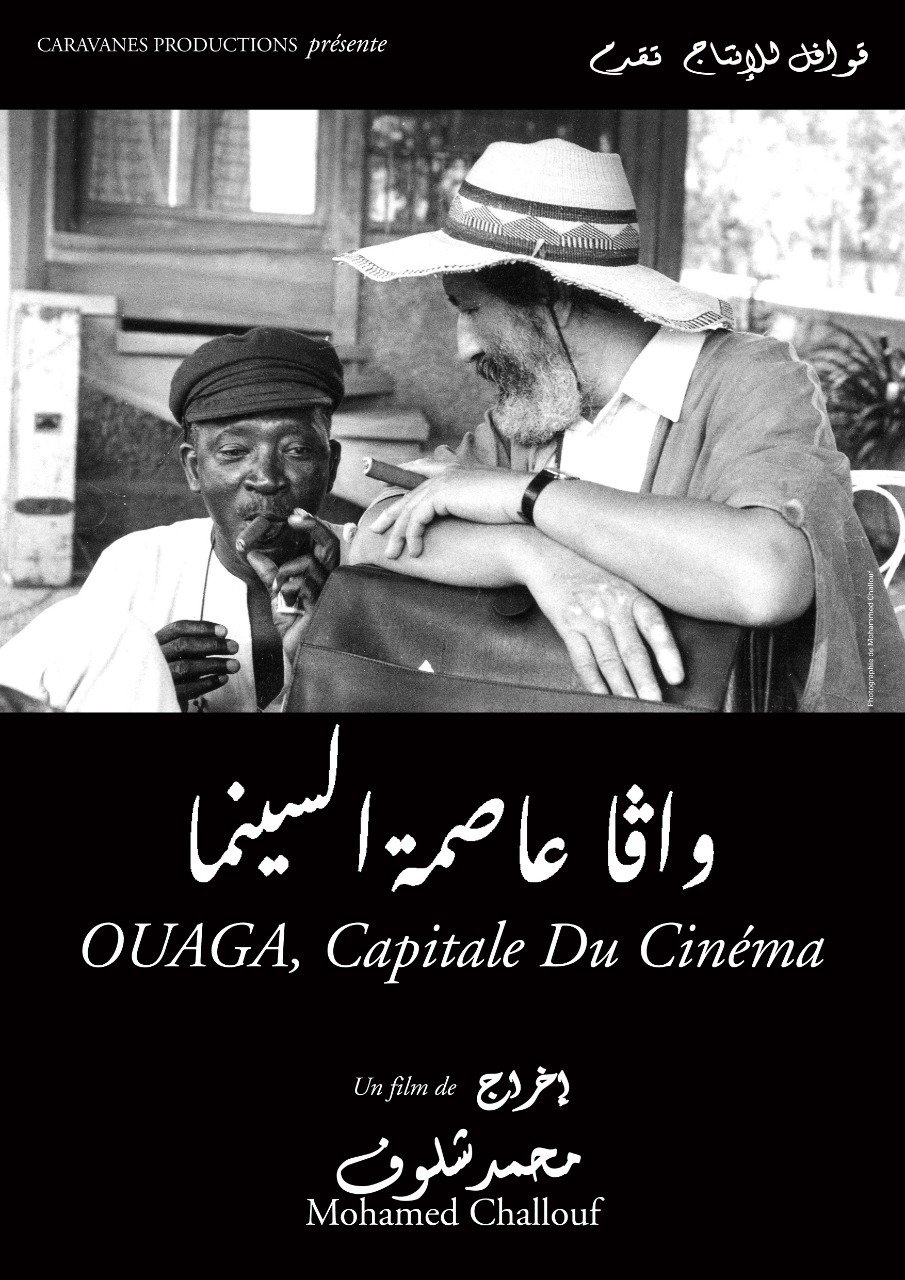
Between 1983 and 1987, Ouagadougou, the capital of Burkina Faso and the home city of FESPACO, one of the most important Pan-African film festivals in the world, was the scene of an exciting cinema utopia. With the support of the young president Thomas Sankara, the festival became a symbol of the cultural renaissance of a whole continent. The assassination of Sankara stifled the hopes of millions of young Africans, but the dynamism of FESPACO and African cinema did not stop.
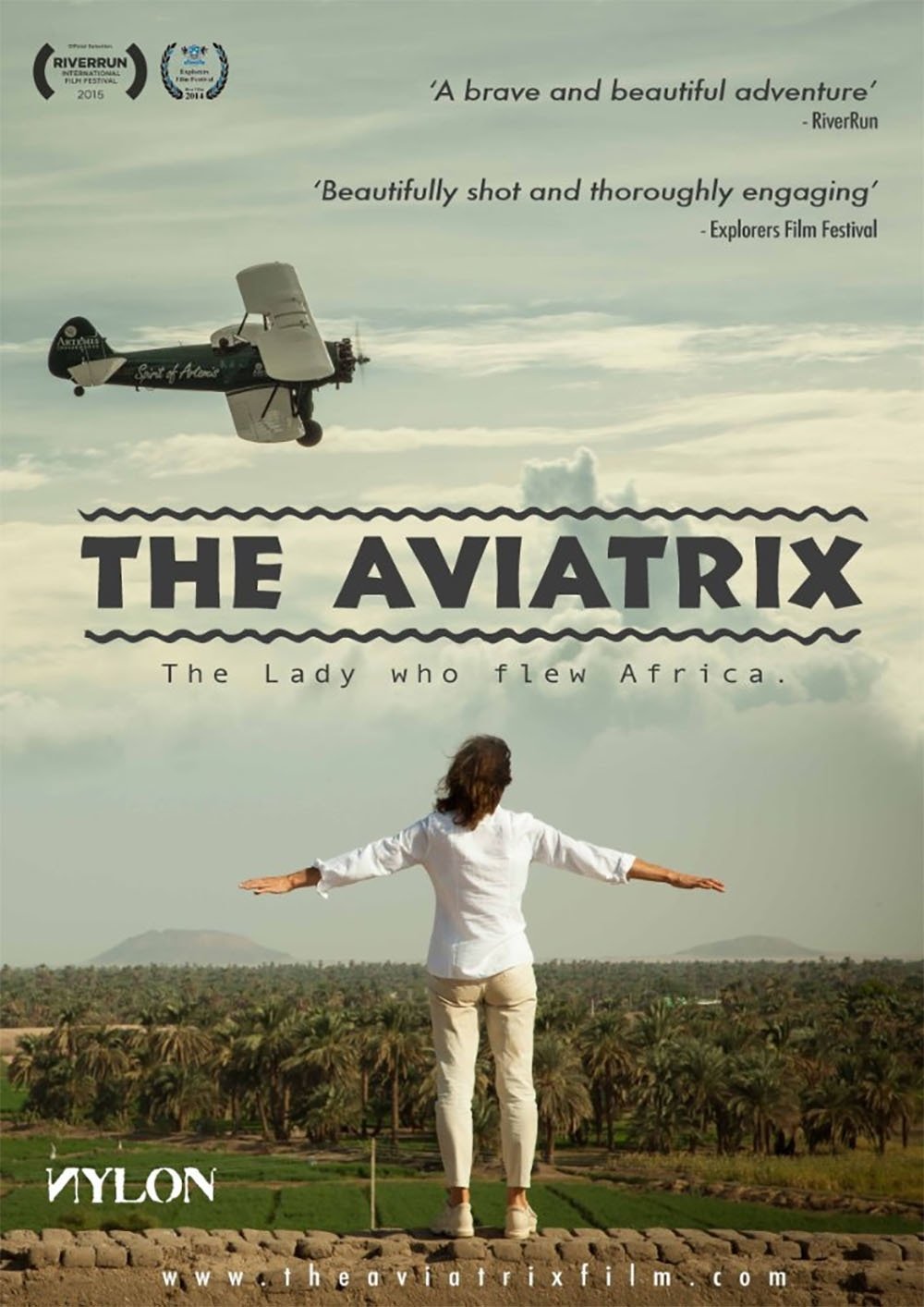
In 1928, Lady Heath became the first person to fly solo from Cape Town to London. Eighty-five years later, Tracey Curtis-Taylor set out in a vintage biplane to fly that adventure again. Following Tracey as she retraces the journey, The Aviatrix is more than just a film about the rapture of flying – it’s a story about living life on your own terms and having the courage and determination to realise your greatest dreams.
A Luta Continua explains the military struggle of the Liberation Front of Mozambique (FRELIMO) against the Portuguese. Produced and narrated by American activists Robert Van Lierop, it details the relationship of the liberation to the wider regional and continental demands for self-determination against minority rule. It notes the complicit roles of foreign governments and companies in supporting Portugal against the African nationalists. Footage from the front lines of the struggle helps contextualize FRELIMO's African socialist ideology, specifically the role of the military in building the new nation, a commitment to education, demands for sexual equality, the introduction of medical aid into the countryside, and the role of culture in creating a single national identity.
In this comedic travelogue movie, filmmaker Alex Suszko ventures to the country of Mauritius where he attempts to understand the cultural differences as a lower-middle class American abroad.
Directed by François Woukoache.
A documentary film about the art and process of making Fura Da Nono - a type of food that is originated from West Africa's Sahel region, one of the many unique traditions of the Fulani people which has been preserved for centuries.
Edeltraut Hertel - a midwife caught between two worlds. She has been working as a midwife in a small village near Chemnitz for almost 20 years, supporting expectant mothers before, during and after the birth of their offspring. However, working as a midwife brings with it social problems such as a decline in birth rates and migration from the provinces. Competition for babies between birthing centers has become fierce, particularly in financial terms. Obstetrics in Tanzania, Africa, Edeltraud's second place of work, is completely different. Here, the midwife not only delivers babies, she also trains successors, carries out educational and development work and struggles with the country's cultural and social problems.
America has long been called a Christian nation. In fact, over 70% of adults in America identify themselves as Christian. Yet when filmmaker Brandon McGuire heads to the streets to ask a few clarifying questions about how Christianity is defined within our culture, he is shocked by the answers he finds. This provocative documentary takes us deep within the American mind and brings to the surface the big ideas that have influenced the way we think about ourselves and about God.
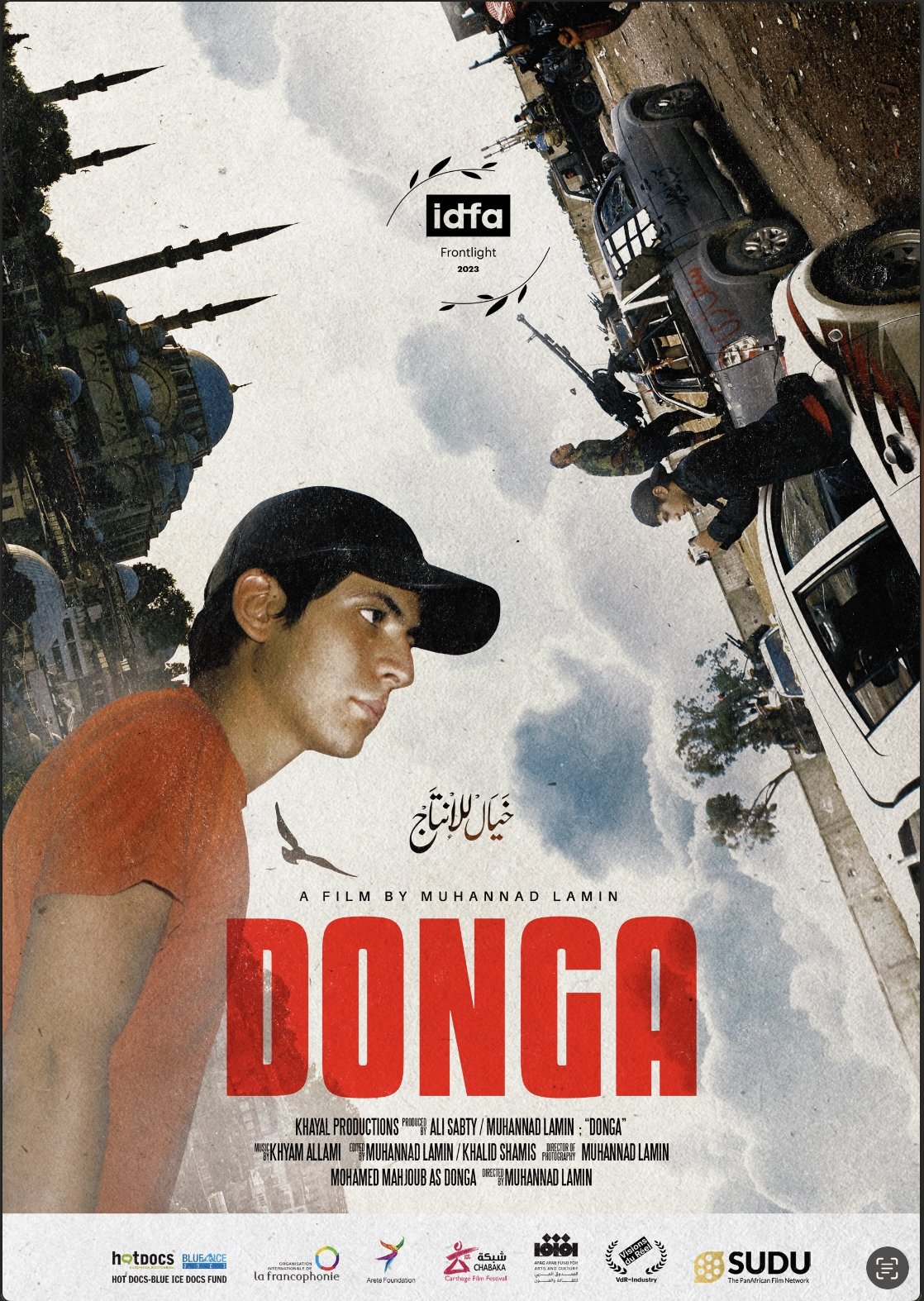
“There was excitement in the air,” says Donga, now in his late twenties, describing his feelings when the uprising against Muammar Gaddafi’s rule broke out in 2011. He was 19, living in Misrata, and boldly went to film the fighting with a friend. A decade later, in a hotel in Istanbul, where he has been living since he was wounded in battle, he looks back on the past ten years through excerpts from his videos. And he reflects on how that period has affected him.
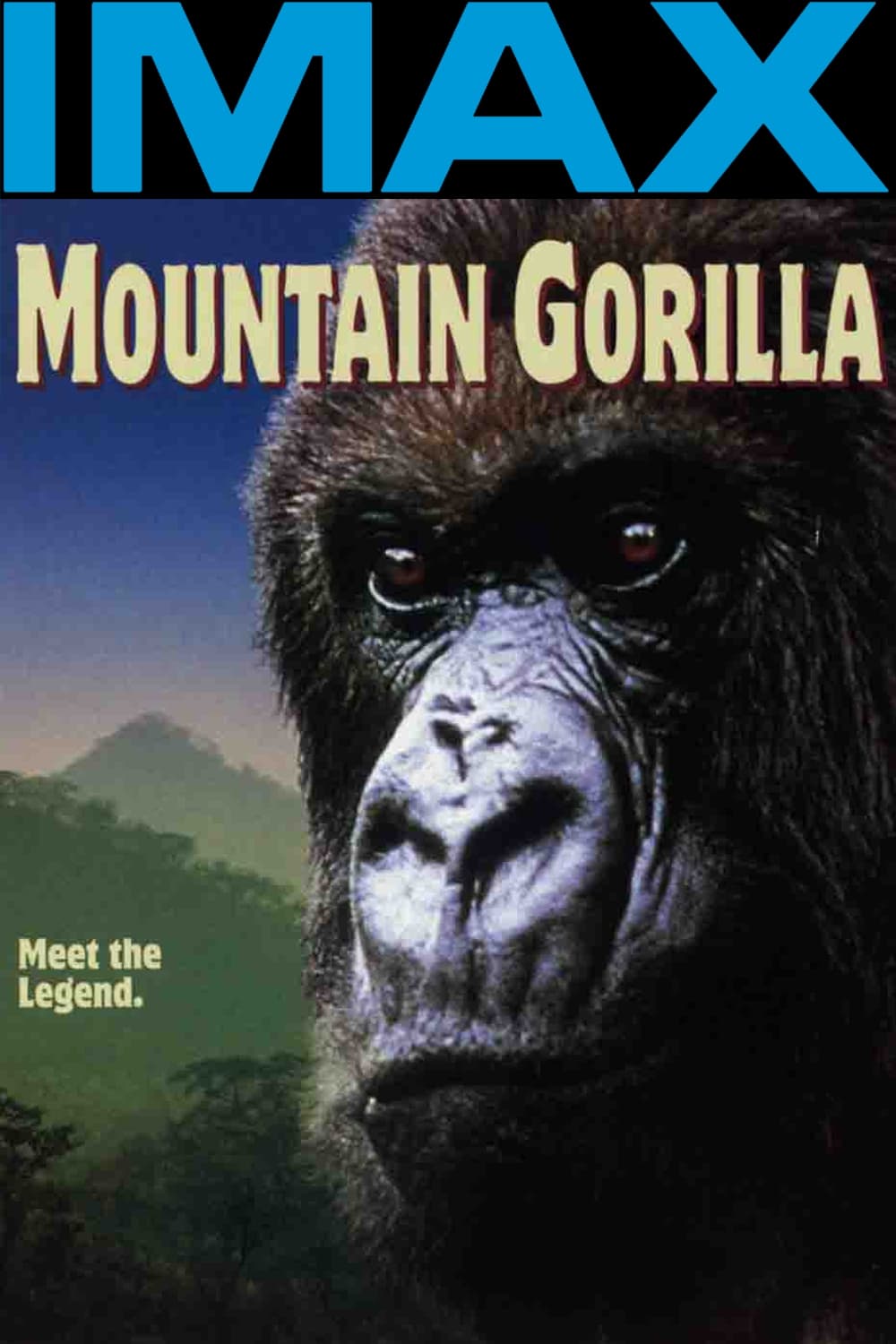
Mountain Gorilla takes us to a remote range of volcanic mountains in Africa, described by those who have been there as ""one of the most beautiful places in the world"", and home to the few hundred remaining mountain gorillas. In spending a day with a gorilla family in the mountain forest, audiences will be captivated by these intelligent and curious animals, as they eat, sleep, play and interact with each other. Although gorillas have been much-maligned in our popular culture, viewers will finally ""meet the legend"" face to face, and learn about their uncertain future.
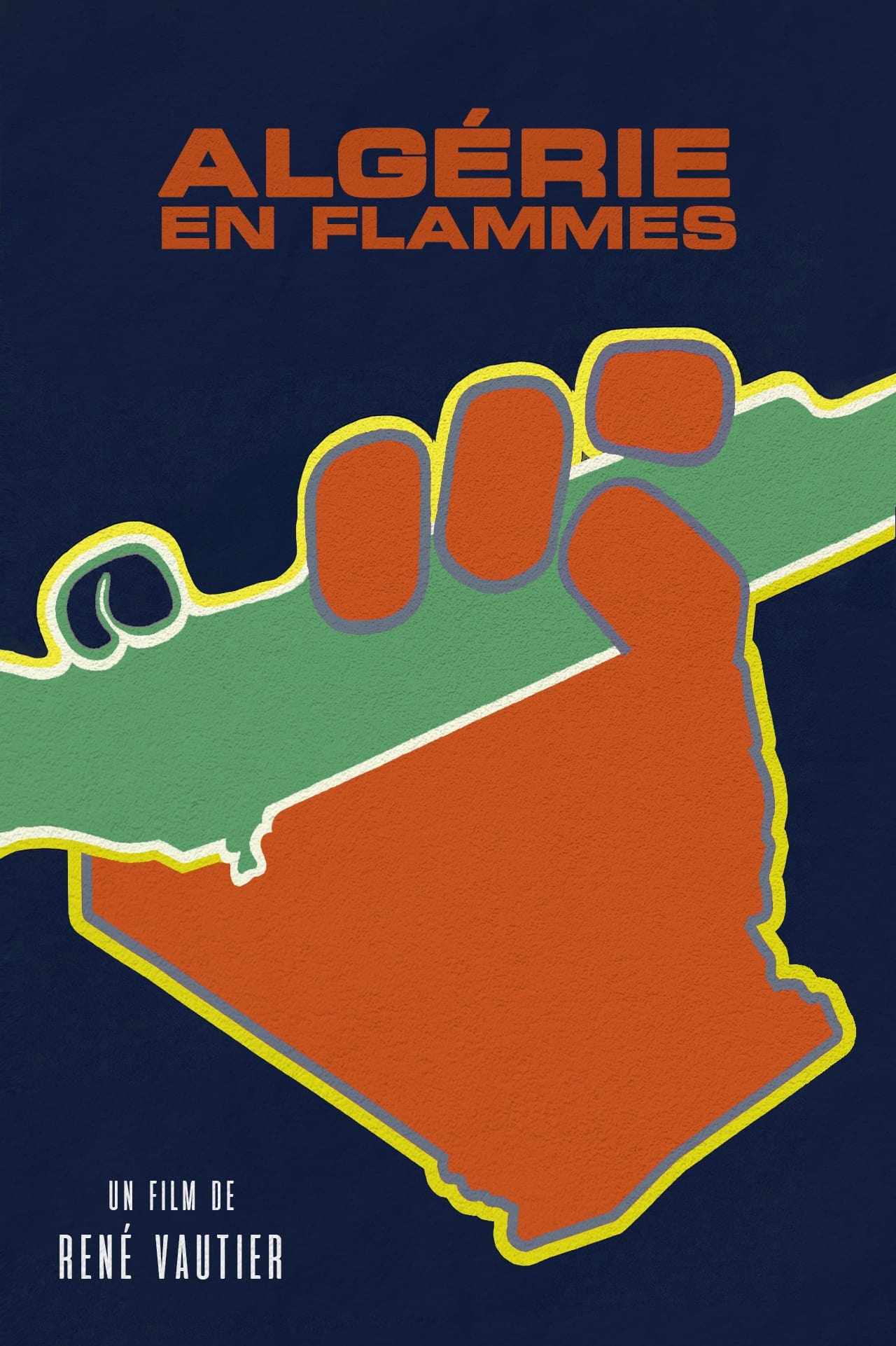
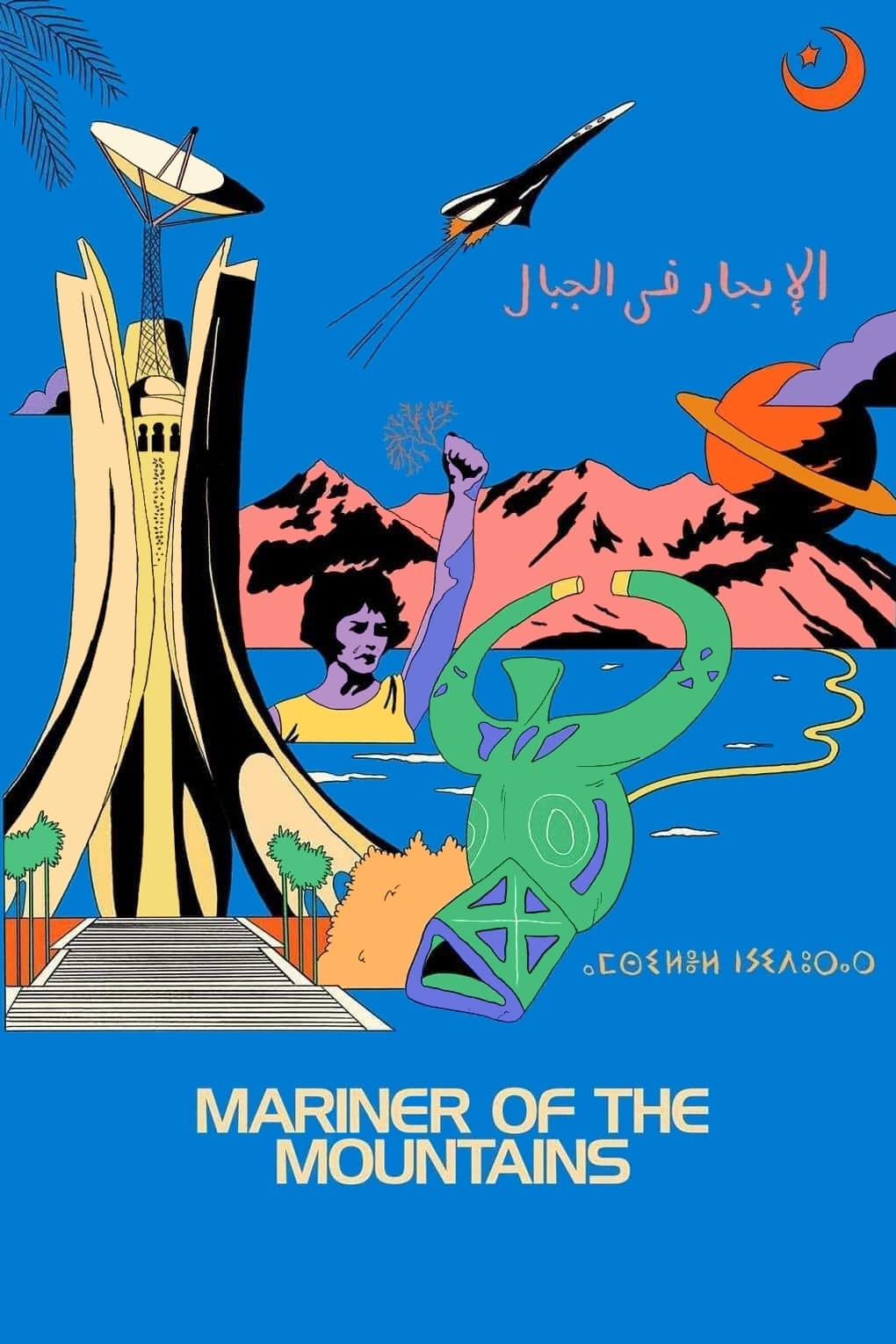
These are the first images shot in the ALN maquis, camera in hand, at the end of 1956 and in 1957. These war images taken in the Aurès-Nementchas are intended to be the basis of a dialogue between French and Algerians for peace in Algeria, by demonstrating the existence of an armed organization close to the people. Three versions of Algeria in Flames are produced: French, German and Arabic. From the end of the editing, the film circulates without any cuts throughout the world, except in France where the first screening takes place in the occupied Sorbonne in 1968. Certain images of the film have circulated and are found in films, in particular Algerian films. Because of the excitement caused by this film, he was forced to go into hiding for 25 months. After the declaration of independence, he founded the first Algerian Audiovisual Center.
Many geneticists and archaeologists have long surmised that human life began in Africa. Dr. Spencer Wells, one of a group of scientists studying the origin of human life, offers evidence and theories to support such a thesis in this PBS special. He claims that Africa was populated by only a few thousand people that some deserted their homeland in a conquest that has resulted in global domination.
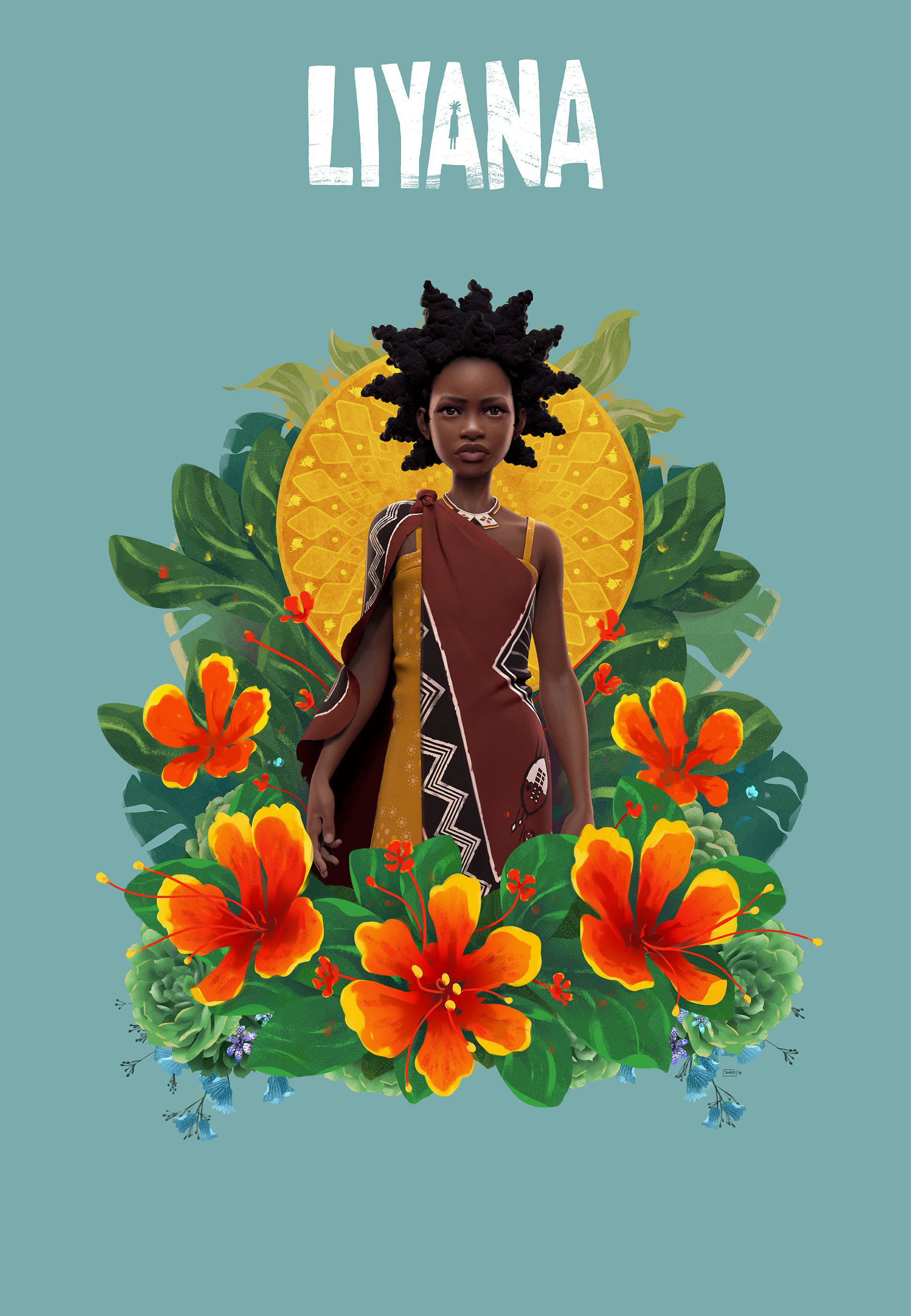
A talented group of orphaned children in Swaziland create a fictional heroine and send her on a dangerous quest.
Part travelogue and part sensitive investigation, the movie tells the universal story of people who refuse to be erased, reminding us that defending the Earth means defending life.
An ethnographic documentary following four Ju/’hoansi (!Kung) men during a multi-day giraffe hunt in the Kalahari Desert, filmed during the Smithsonian–Harvard Peabody expedition of 1952–53.
In a fascinating geopolitical drama, Danish filmmaker Mik-Meyer closely follows Ravalomanana as he attempts to return from exile in South Africa to Madagascar, under the threat of arrest and bodily harm.
Commissioned by the journal Présence Africaine, this short documentary examines how African art is devalued and alienated through colonial and museum contexts. Beginning with the question of why African works are confined to ethnographic displays while Greek or Egyptian art is celebrated, the film became a landmark of anti-colonial cinema and was banned in France for eight years.
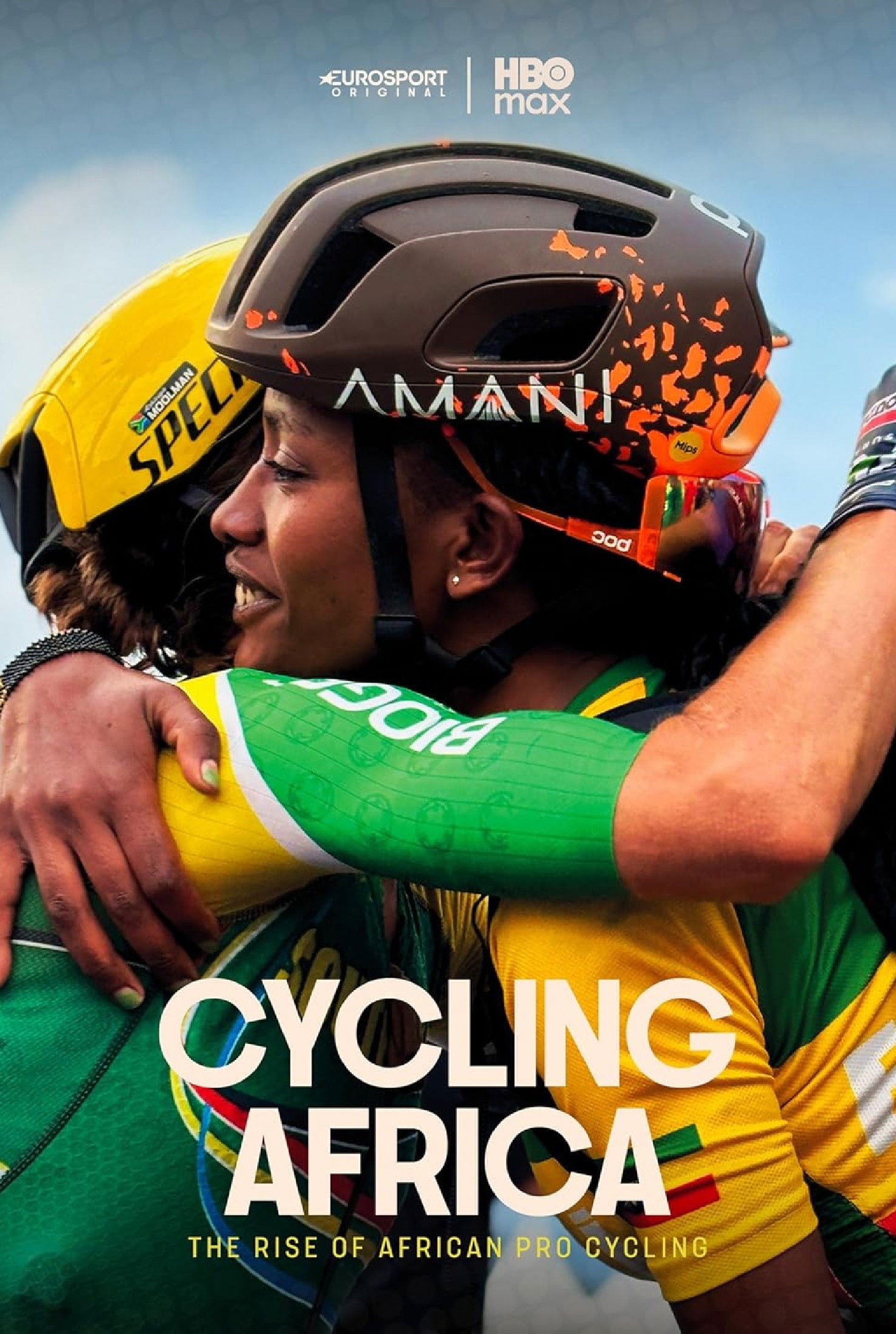
For the first time in history, the UCI Road World Championships are coming to African soil. This documentary captures the sweat, setbacks and symbolic power of cycling.
"A Walk to Beautiful" tells the story of five women in Ethiopia suffering from devastating childbirth injuries. Rejected by their husbands and ostracized by their communities, these women are left to spend the rest of their lives in loneliness and shame. The trials they endure and their attempts to rebuild their lives tell a universal story of hope, courage, and transformation.
Filmmaker Karim Aïnouz decides to take a boat, cross the Mediterranean, and embark on his first journey to Algeria. Accompanied by the memory of his mother, Iracema, and his camera, Aïnouz gives a detailed account of the journey to his father’s homeland, interweaving present, past, and future.
A night of drunken chaos rocks a quiet Dutch town in this shocking documentary about a teen's birthday invite that accidentally went viral on Facebook.
A documentary on the expletive's origin, why it offends some people so deeply, and what can be gained from its use.
Follow the evolution of the 'Halloween' movies over the past twenty-five years. It examines why the films are so popular and revisits many of the original locations used in the films - seeing the effects on the local community. For the first time, cast, crew, critics and fans join together in the ultimate 'Halloween' retrospective.
In an intimate and joyful story of love in the face of loss, celebrated poets Andrea Gibson and Megan Falley find strength—and unexpected hilarity—in what might be their final year together.
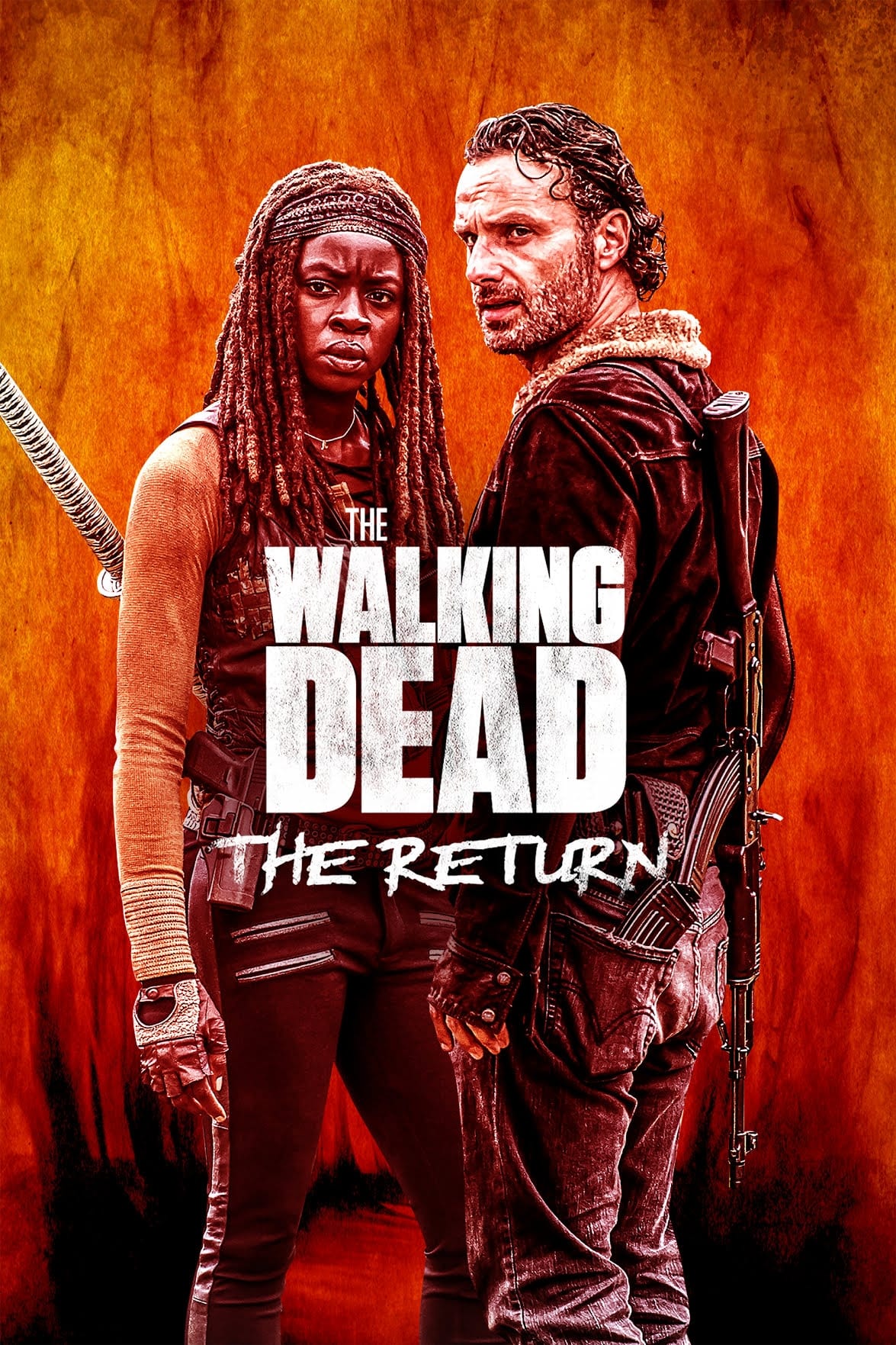
Stars of "The Walking Dead," Andrew Lincoln and Danai Gurira, walk down memory lane and visit iconic locations where pivotal moments between their characters, Rick and Michonne, were filmed.
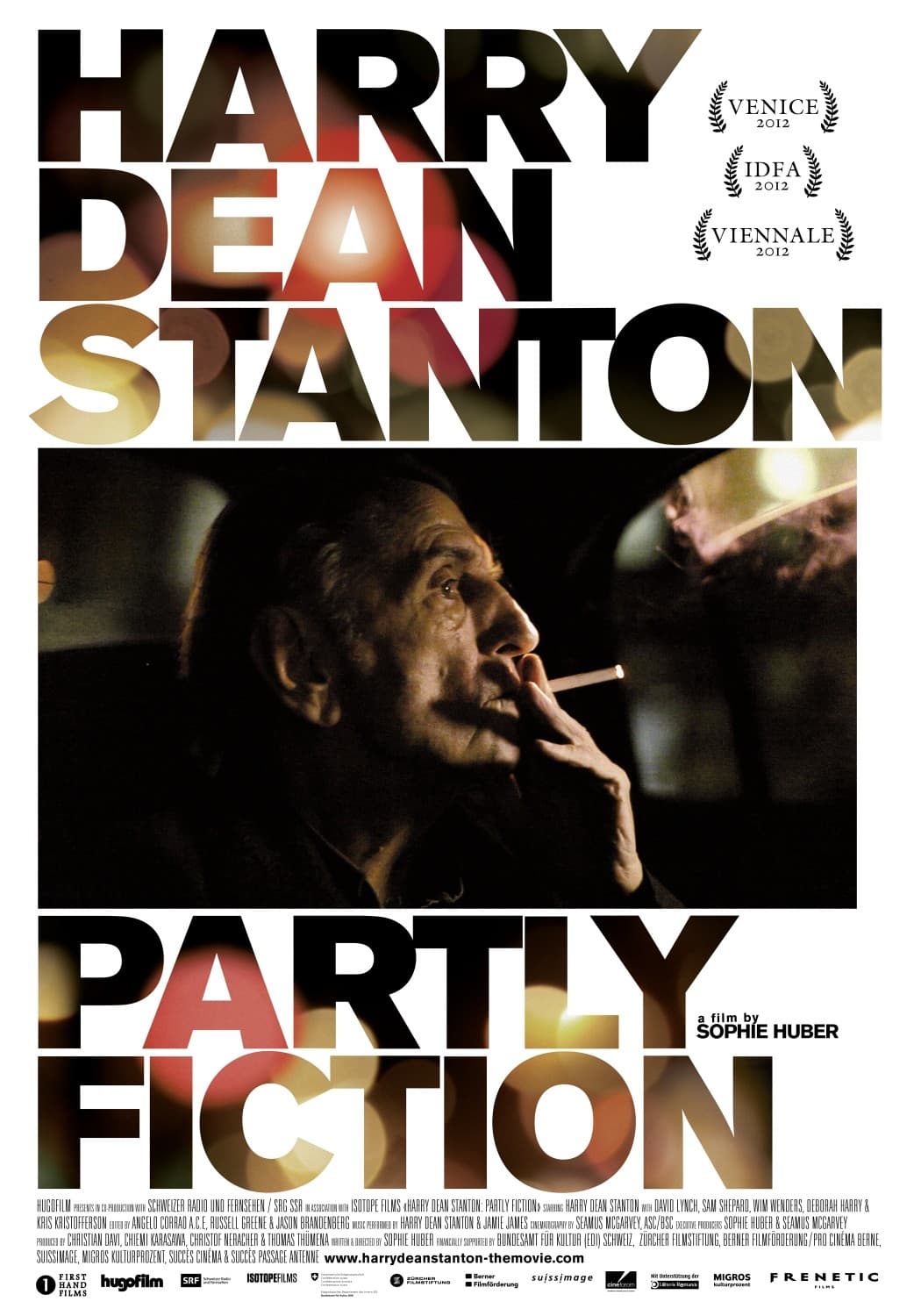
An impressionistic portrait of the iconic actor Harry Dean Stanton comprised of intimate moments, film clips from some of his 250 films and his renditions of American folk songs.
Alexander McQueen's rags-to-riches story is a modern-day fairy tale, laced with the gothic. Mirroring the savage beauty, boldness and vivacity of his design, this documentary is an intimate revelation of McQueen's own world, both tortured and inspired, which celebrates a radical and mesmerizing genius of profound influence.
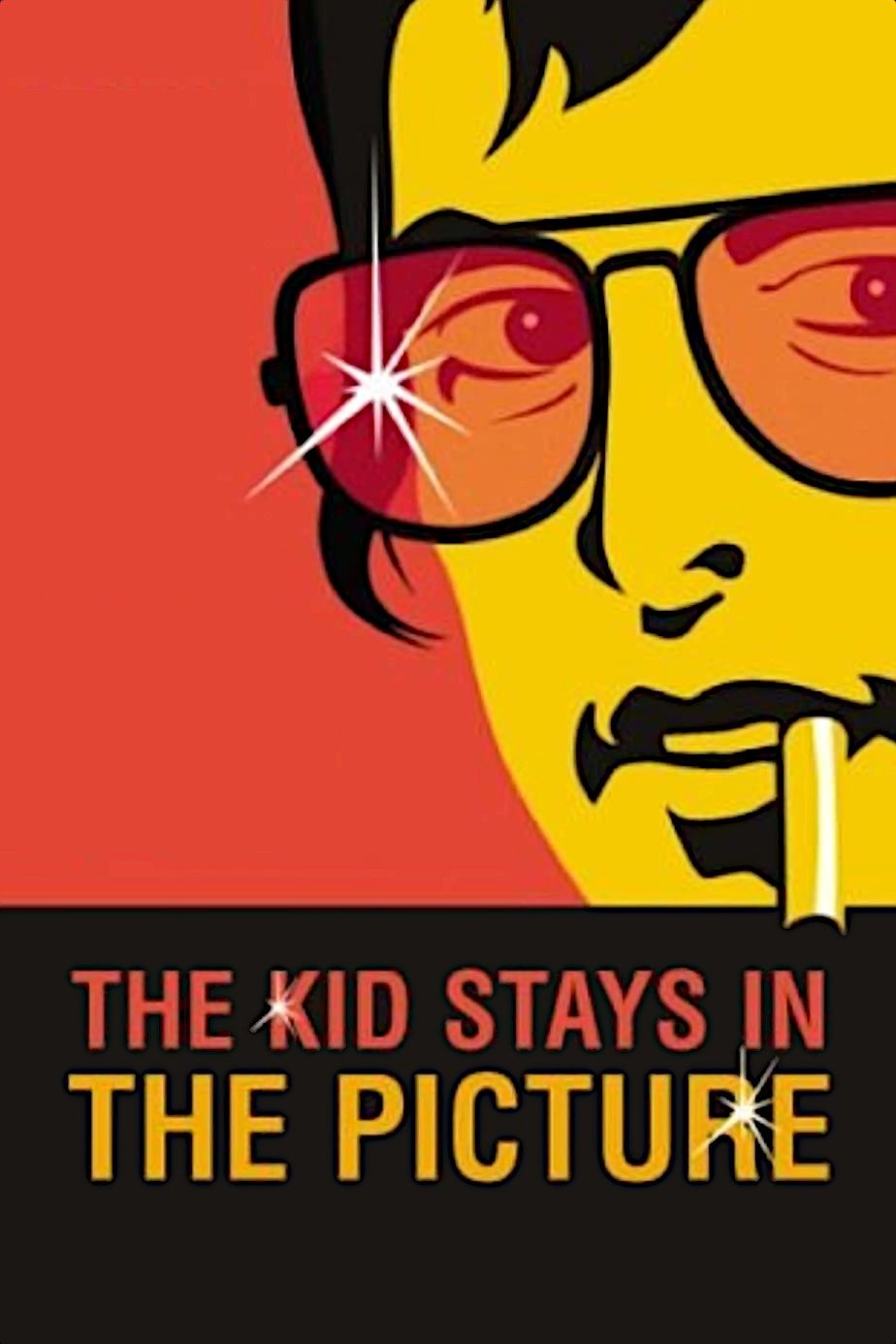
Documentary about legendary Paramount producer Robert Evans, based on his famous 1994 autobiography.
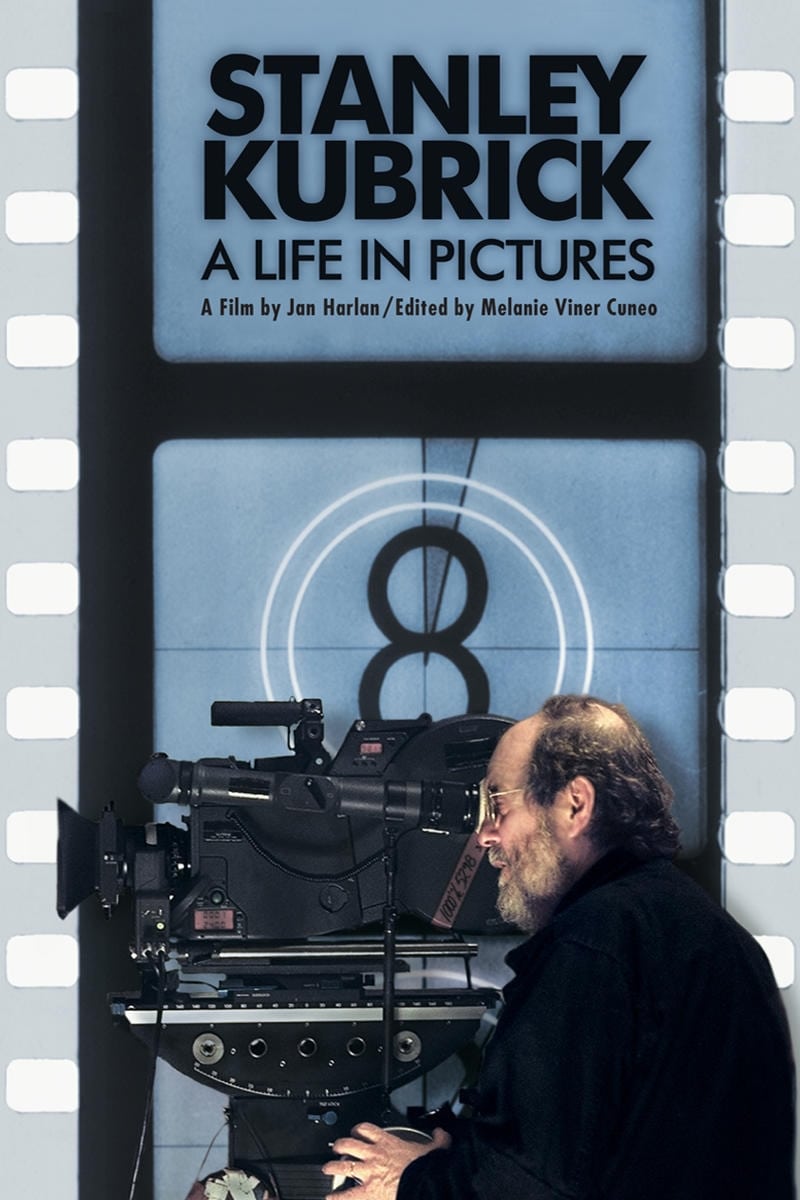
With commentary from Hollywood stars, outtakes from his movies and footage from his youth, this documentary looks at Stanley Kubrick's life and films. Director Jan Harlan, Kubrick's brother-in-law and sometime collaborator, interviews heavyweights like Jack Nicholson, Woody Allen and Sydney Pollack, who explain the influence of Kubrick classics like "Dr. Strangelove" and "2001: A Space Odyssey," and how he absorbed visual clues from disposable culture such as television commercials.
From the heights of her modeling fame to her tragic death, this documentary reveals Anna Nicole Smith through the eyes of the people closest to her.
A documentary about how a dominant cultural and demographic institution both sustains their traditional activities and adapts to the digital revolution.
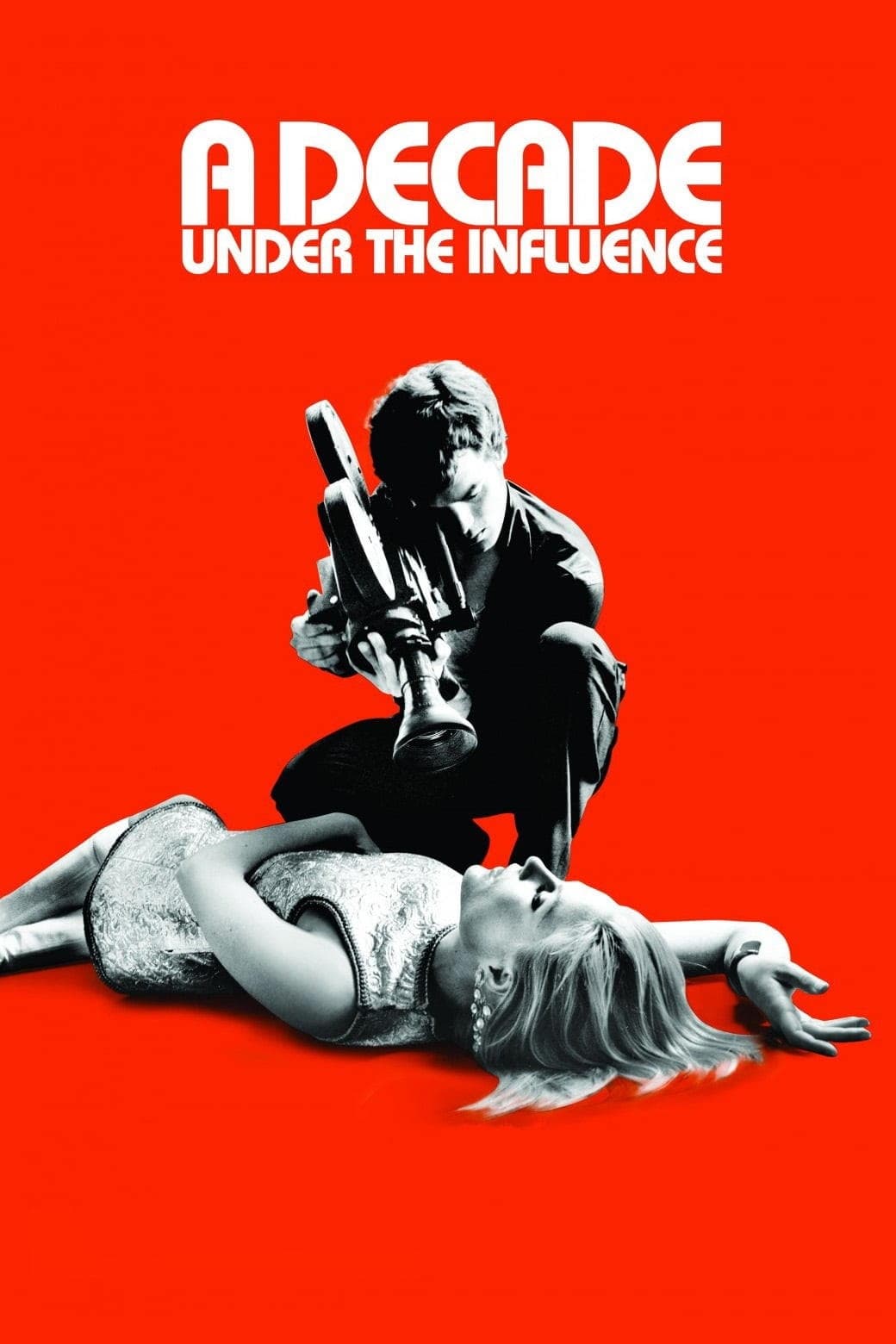
A documentary examining the decade of the 1970s as a turning point in American cinema. Some of today's best filmmakers interview the influential directors of that time.
Unravel the case of Utah therapist Jodi Hildebrandt, whose child abuse arrest with parenting YouTuber Ruby Franke exposed a twisted tale of manipulation.
A string of threatening emails escalates into a revenge plot involving a newly married US marshal and his ex-girlfriend.
Ranjit, a farmer in India, takes on the fight of his life when he demands justice for his 13-year-old daughter, the victim of a brutal gang rape. His decision to support his daughter is virtually unheard of, and his journey unprecedented.
As England reach the final of the Euros at last, 6,000 ticketless football fans storm Wembley stadium, leaving destruction in their wake.
A chronicle of the production problems — including bad weather, actors' health, war near the filming locations, and more — which plagued the filming of Apocalypse Now, increasing costs and nearly destroying the life and career of Francis Ford Coppola.
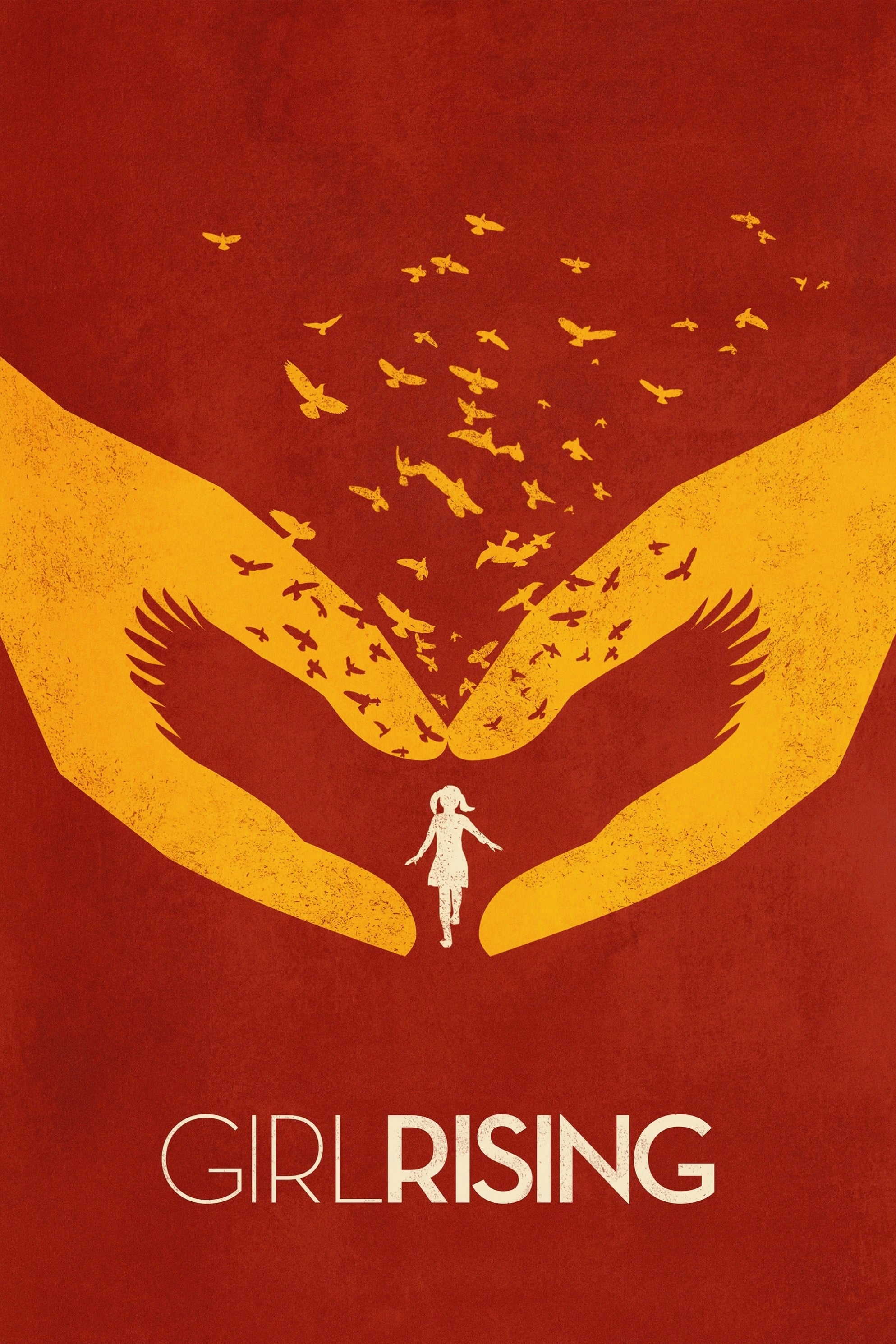
Nine filmmakers each profile a young girl from a different part of the world to weave a global tapestry of youth in the 21st century.
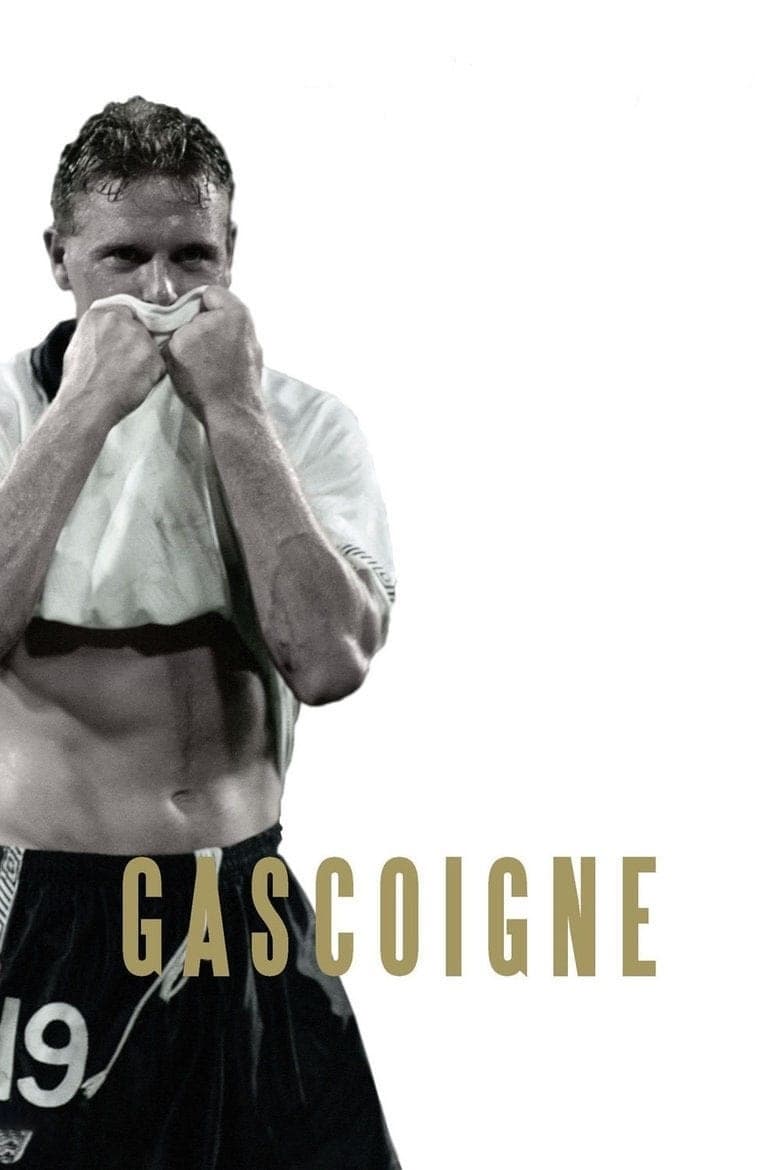
A feature length, theatrical documentary on the life of Paul Gascoigne, one of the greatest footballers that ever lived: delving deep into his psyche, vulnerabilities, fears and triumphs.
The life and career of one of comedy's most inimitable modern voices, Mr. Gilbert Gottfried.