Social & External
Voix-off
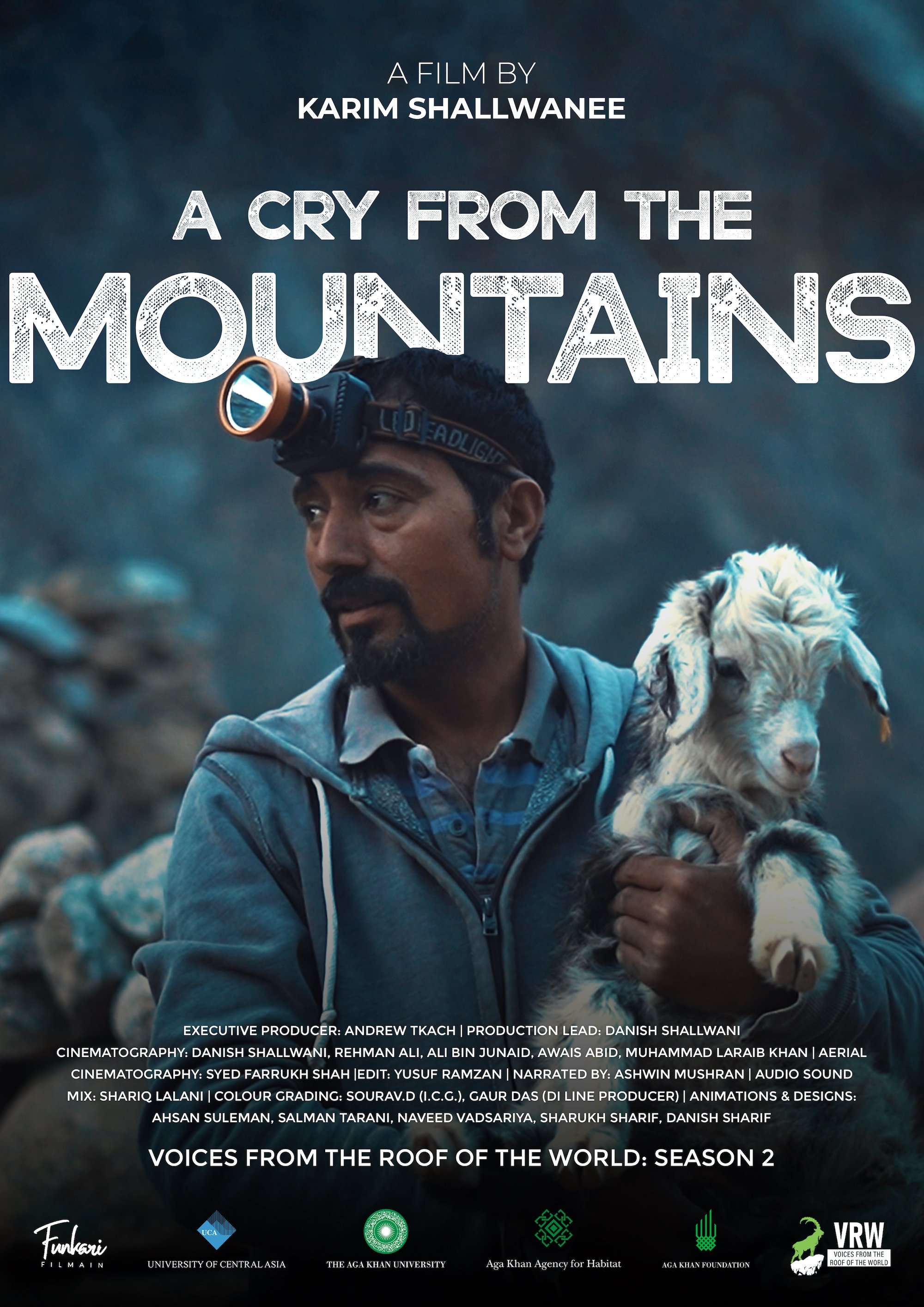
Last May record temperatures provoked a GLOF or glacial lake outburst flood in northern Pakistan, sweeping away bridges and villages in the valley below the Shisper glacier. Higher up the mountains, a semi-nomadic people called the Wakhi were leading their yaks to summer pastures 15,500 feet above in the mountains. Their traditional lifestyle has also been heavily impacted by climate change. From the K2 and the Himalayas, we profile the scientists,mountain climbers, and the villagers on this global warming frontline.
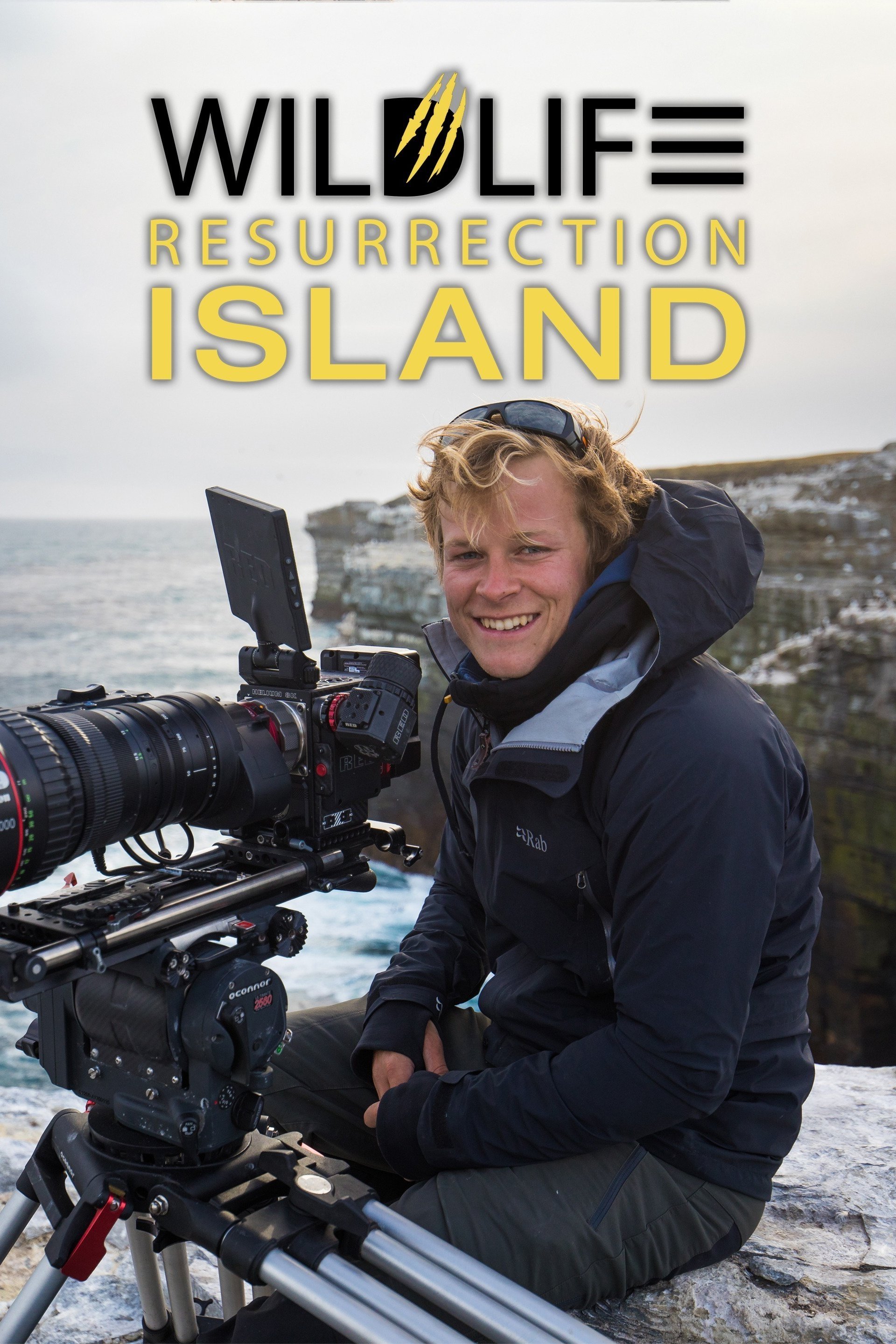
National Geographic wildlife filmmaker Bertie Gregory takes audiences on an adventure to iconic South Georgia Island. Sailing through the roughest ocean on the planet in a 50-foot boat, his team's target is the sub-Antarctic island, known for its breathtaking scenery and high concentration of wildlife. It's a life of extremes for Antarctic fur seals. Bulls fight to the death for breeding rights, while seal moms work to raise their adorable pups.
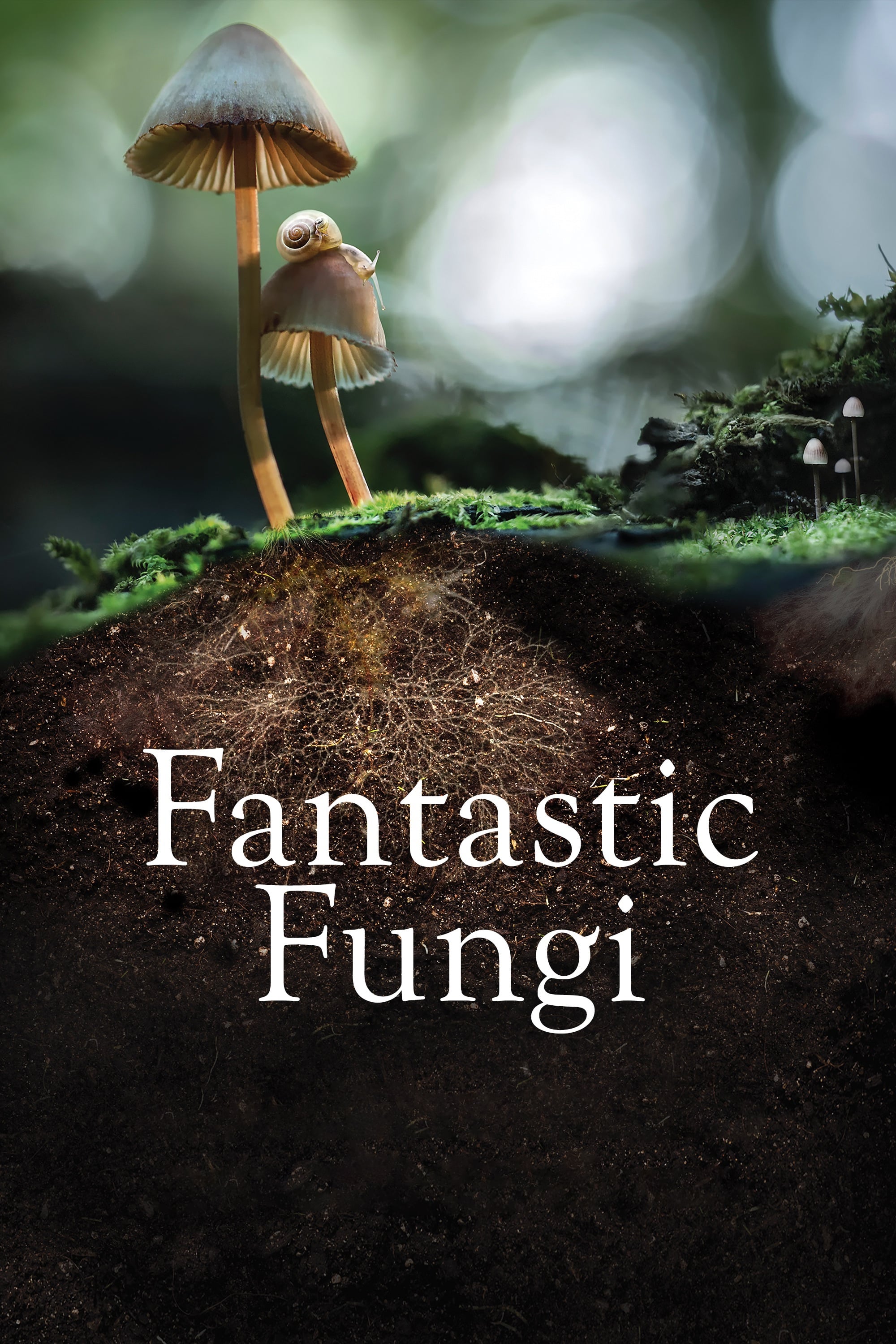
A vivid journey into the mysterious subterranean world of mycelium and its fruit— the mushroom. A story that begins 3.5 billion years ago, fungi makes the soil that supports life, connecting vast systems of roots from plants and trees all over the planet, like an underground Internet. Through the eyes of renowned mycologist Paul Stamets, professor of forest ecology Suzanne Simard, best selling author Michael Pollan, food naturalist Eugenia Bone and others, we experience the power, beauty and complexity of the fungi kingdom.
Gigantic machine combs beach in southern California and retrieves articles lost in sand; synthetic gems made by new chemical process; aviation school holds classes in grounded transport plane; how seaweed is processed for scientific use.
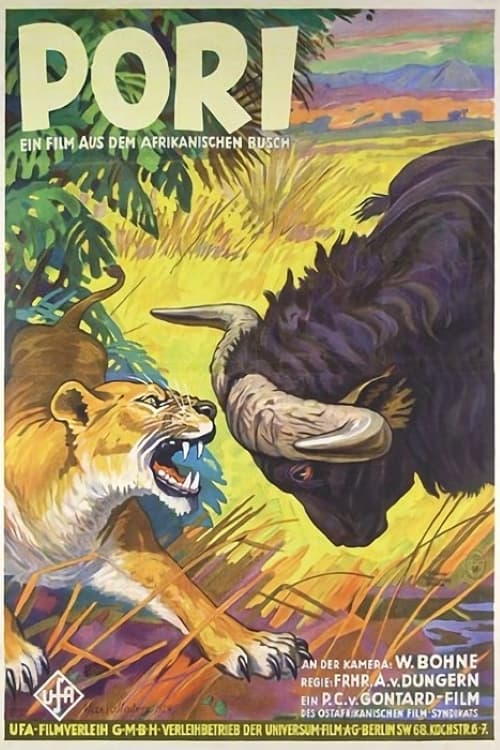
Expedition by Gontard Herbert Kluge into the heart of the former German colony of "East Africa". This land is called Pori by the locals. The film shows mainly zoological images.
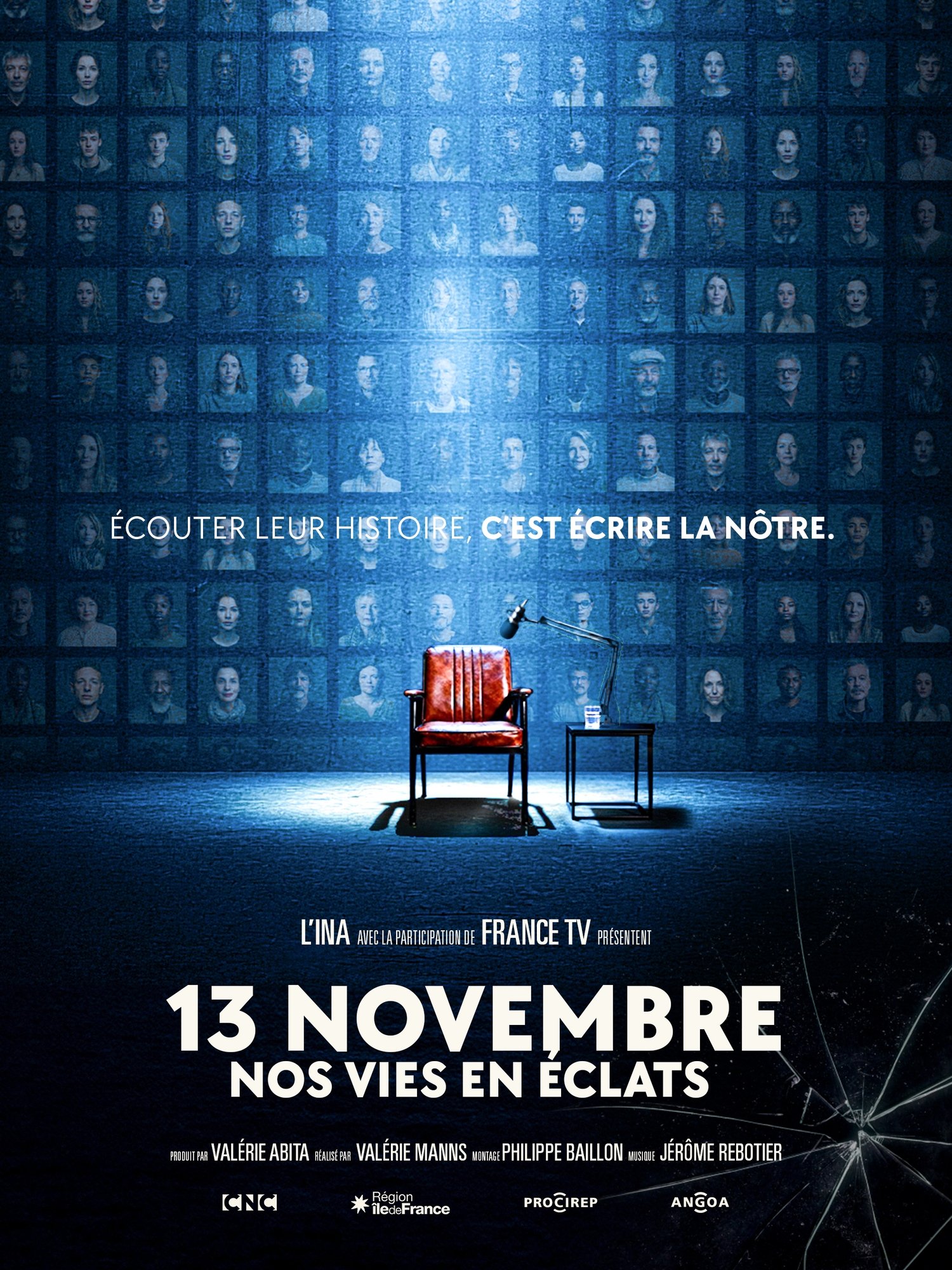
On November 13, 2015, the attacks in Paris and Saint-Denis, carried out by three Islamist commandos and claimed by ISIS, were the deadliest in France since the end of World War II. In the months that followed, the November 13 Program was launched by the CNRS and Inserm to study the construction of individual and collective memory around an event that profoundly marked French society. Today, the testimonies of 27 volunteers—among some 1,000 people—who participated in the study form a mosaic of experiences that shows how trauma extends beyond the immediate circle to permeate the national collective memory.
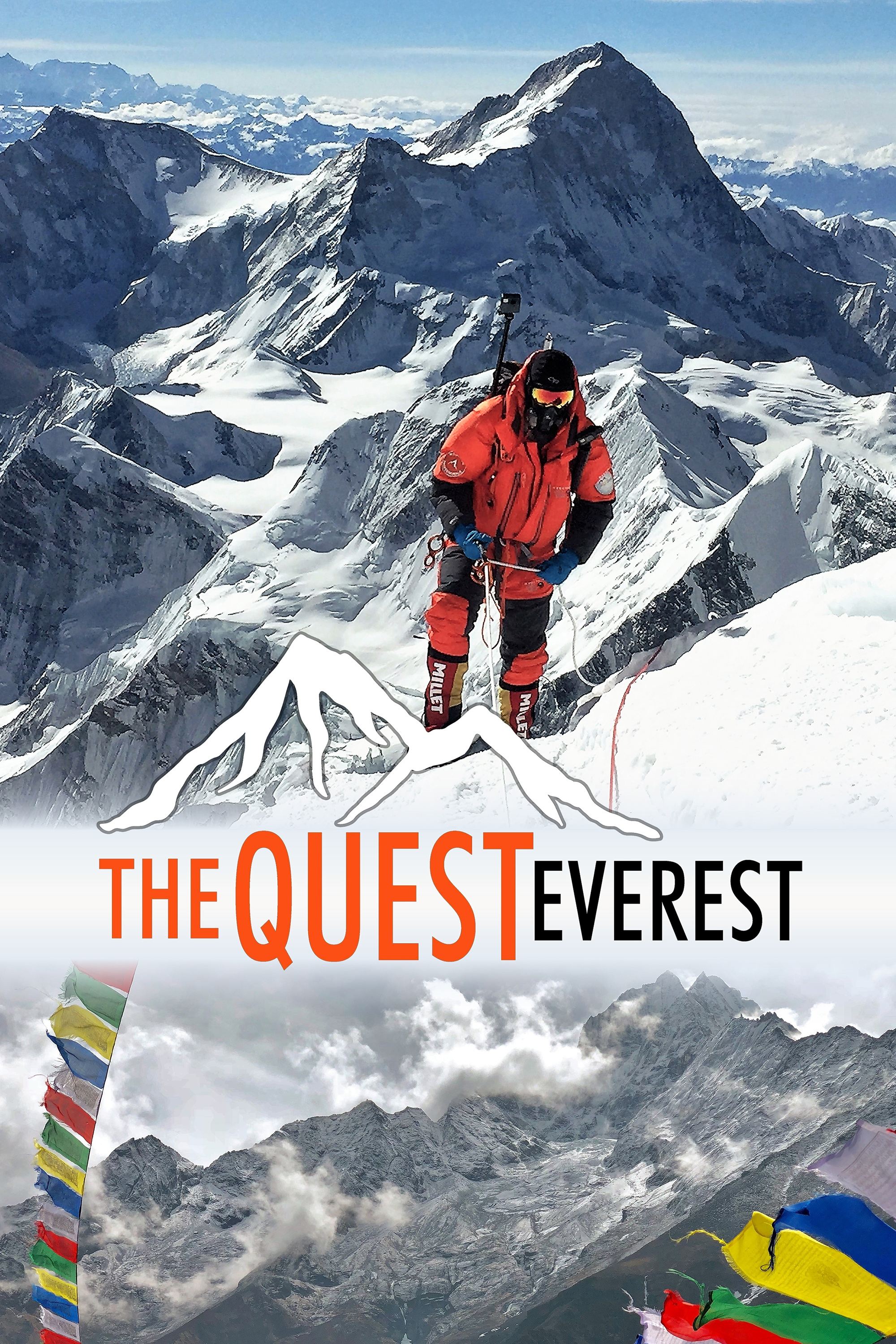
THE QUEST: Everest is a journey to deeper understand and climb the most iconic mountain in the world, Mt. Everest, and to reveal its amazing history and culture. From experiencing Everest like never before to witnessing unique stories about one of the most remarkable places on earth, THE QUEST: Everest is a one-of-a-kind cinematic tribute to the human spirit of adventure that lives inside us all.
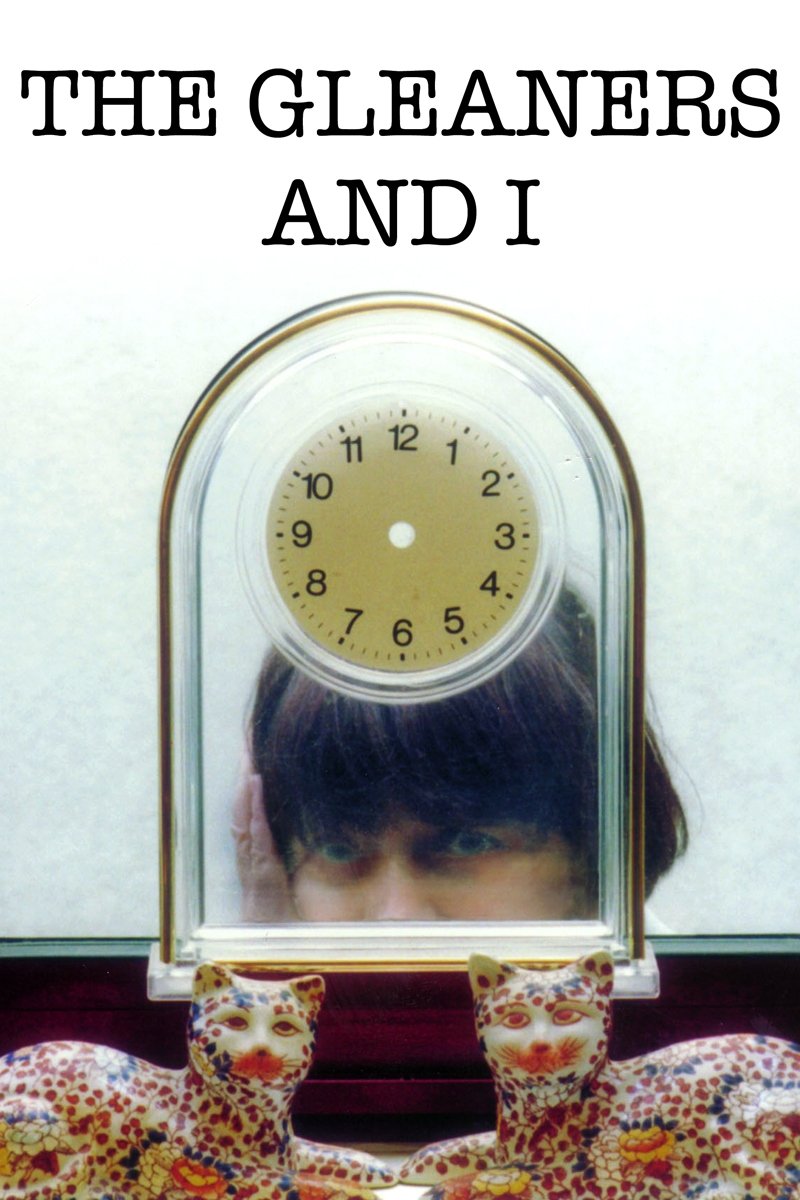
Varda focuses her eye on gleaners: those who scour already-reaped fields for the odd potato or turnip. Her investigation leads from forgotten corners of the French countryside to off-hours at the green markets of Paris, following those who insist on finding a use for that which society has cast off, whether out of necessity or activism.
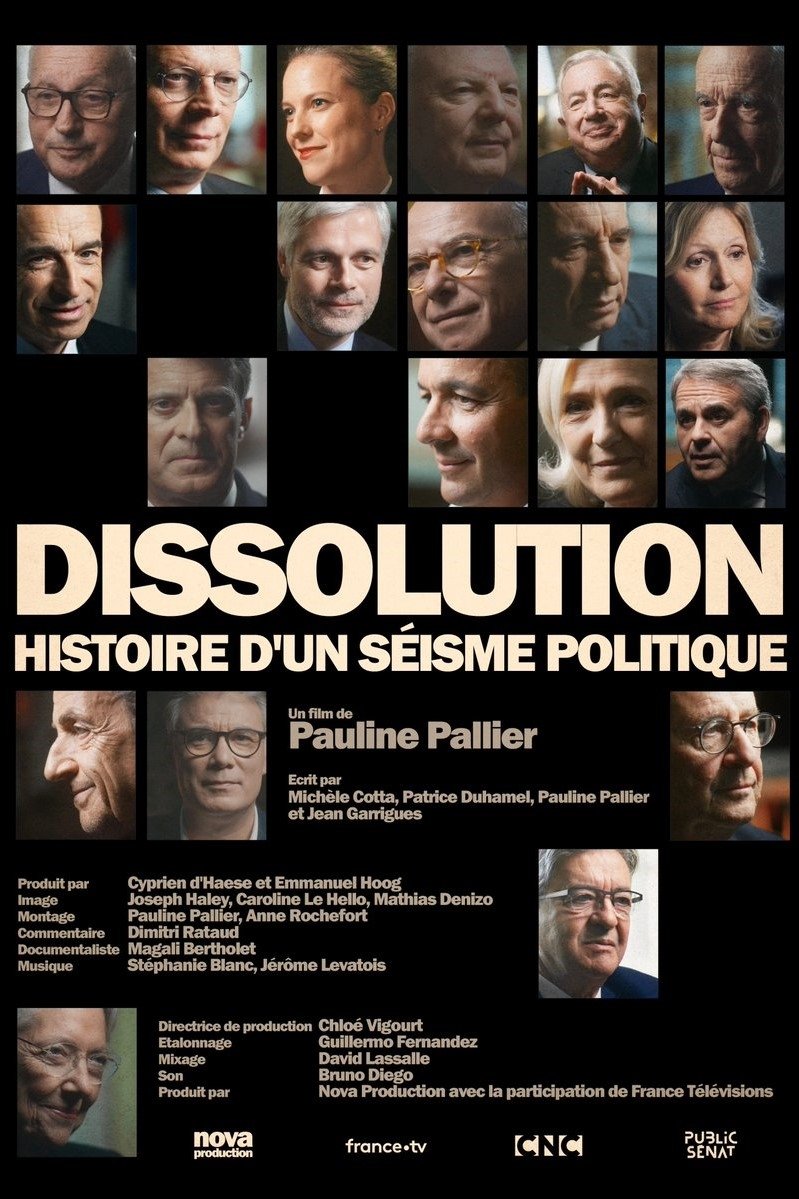
Misunderstood by the French, Emmanuel Macron’s dissolution of the National Assembly on June 9, 2024, led to an unprecedented political deadlock. This documentary examines whether he miscalculated, why he took such a risk, and whether this signals a deeper institutional crisis in the Fifth Republic.
The discovery of neuroplasticity, the fact that thoughts can change the structure and function of our brains, even into old age, is one of the most important breakthroughs in our understanding of the brain in recent times. In The Brain That Changes Itself, Dr Norman Doidge explores the profound implications of the changing brain in a way that will permanently alter the way we look at human possibility and human nature. The documentary examines a blind man who sinks a basketball; a woman with half a brain who leads a normal life; learning disorders, strokes and brain traumas that are improved and cured; and chronic pain that is alleviated. The vast expanse of the brain's possibility is still unrealized.
Since the 18th century, the Paris Foreign Missions Society (MEP) has been sending priests to Asia in the name of the Gospel. The MEP missionaries have contributed to an extraordinary human, cultural, and religious adventure that gave birth to the Churches of Asia. The MEP priests continue the work begun 350 years ago by the first missionaries: bearers of good news, pioneers, spiritual mentors, and social activists, they are writing the history of the universal Church in Asia.
This film offers us a juxtaposed journey of two priests: Father Van Ban, a Vietnamese priest from the parish of Thy Hu in the Hé region, who after nine years of training in Paris decides to return to Vietnam, and Bernard de Terves, a young deacon from the Foreign Missions of Paris who decides to leave for China after his ordination. Their intersecting paths allow us to address themes related to East-West intercultural dialogue, particularly that of transmitting the Gospel message.
The war memorials of 1914-1918 have become so familiar that we no longer see them. They've become an invisible museum, blending into the landscape of France. Then, one fine day, a sculpture catches our eye. Another History appears, perhaps the most gigantic artistic project since the cathedrals...
At DIFAJE, the Family and Youth Affairs Division of the Bobigny Court, the duties of young prosecutors are the same, with one exception: they deal with minors who are either victims or perpetrators of crimes. For the latter, the prosecutor is the first person they deal with in the legal system, their first point of contact. He or she is the one who gives society's initial response to a young person whose future is already uncertain. Between prevention and punishment, the magistrate's role is a delicate one. He or she must combine authority with education. He or she must deal with the reality of a complex environment and with the differences and vulnerabilities of each individual.
Explorer Robert Ballard sets out to solve the mystery of Amelia Earhart's disappearance as he and a team of experts travel to the remote Pacific atoll named Nikumaroro in search of her final resting place.
A young penguin, driven by his instinct, embarks on his first major trip to an unknown destination.
Herbert Ponting travelled to Antarctica with Captain Scott’s ill-fated South Pole expedition and filmed the stunning images that make up this extraordinary documentary. (Originally released in 1912 as With Captain Scott in the Antarctic, the material was re-edited and re-issued by Ponting in 1924 as The Great White Silence.)
The story of Steve, an Adélie penguin, on a quest to find a life partner and start a family. When Steve meets with Wuzzo the emperor penguin they become friends. But nothing comes easy in the icy Antarctic.
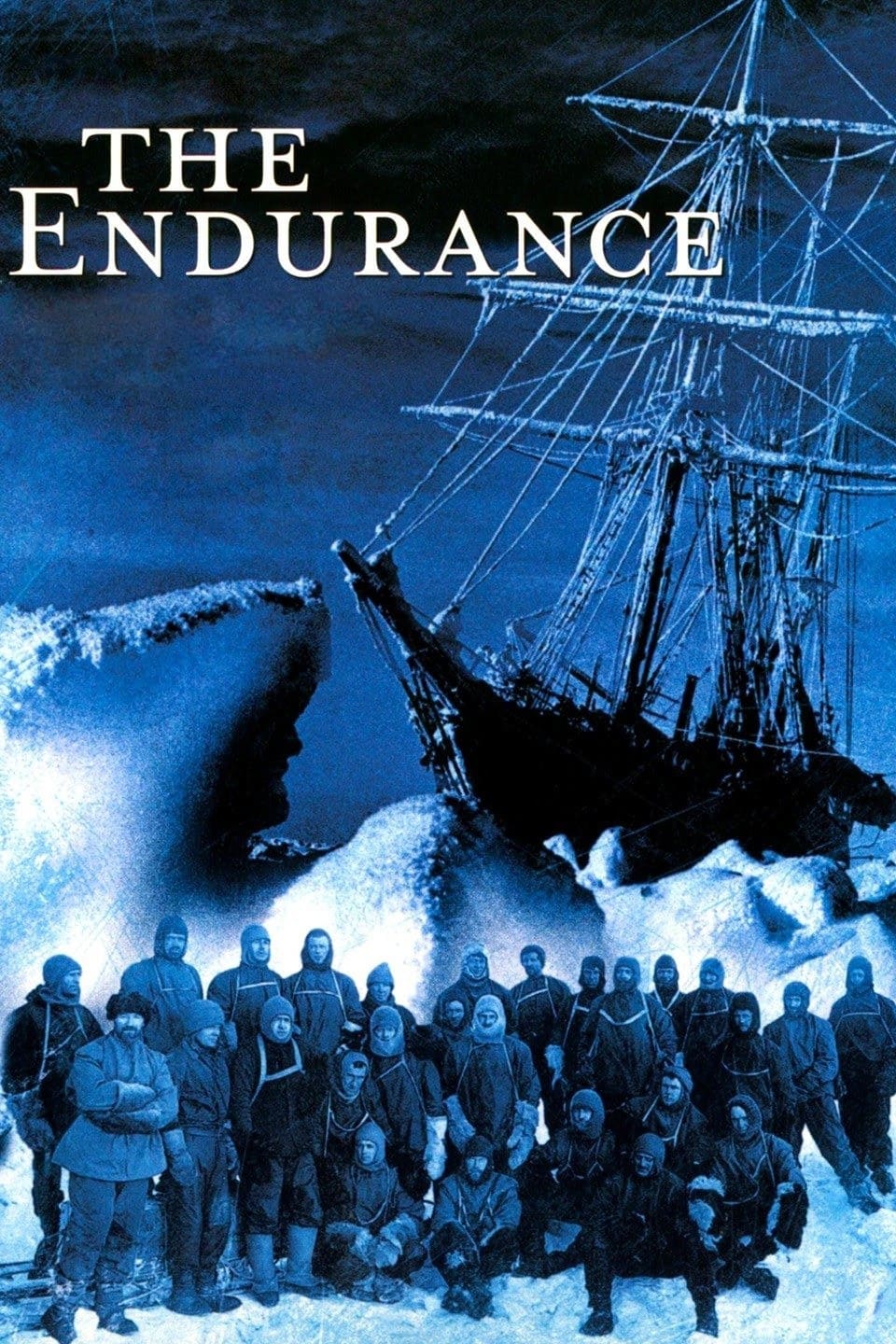
Documentary on the Shackleton Antartic expedition. A retelling of Sir Ernest Shackleton's ill-fated expedition to Antarctica in and the crew of his vessel 'The Endurance', which was trapped in the ice floes and frigid open ocean of the Antarctic in 1914. Shackleton decided, with many of his crew injured and weak from exposure and starvation, to take a team of his fittest men and attempt to find help. Setting out in appalling conditions with hopelessly inadequate equipment, they endured all weather and terrain and finally reached safety. Persuading a local team of his confidence that the abandoned team would still be alive, he set out again to find them. After almost 2 years trapped on the ice, all members of the crew were finally rescued.
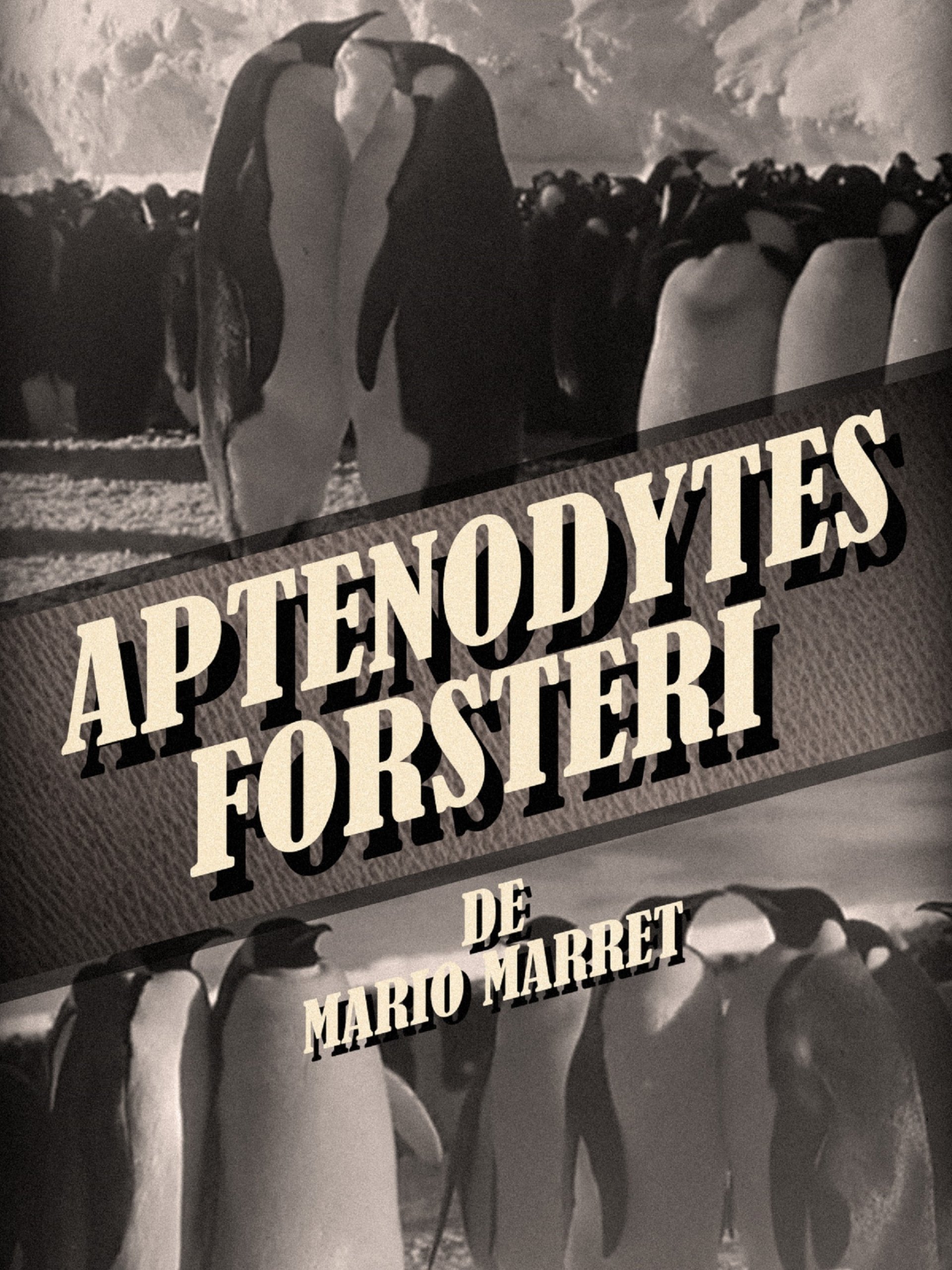
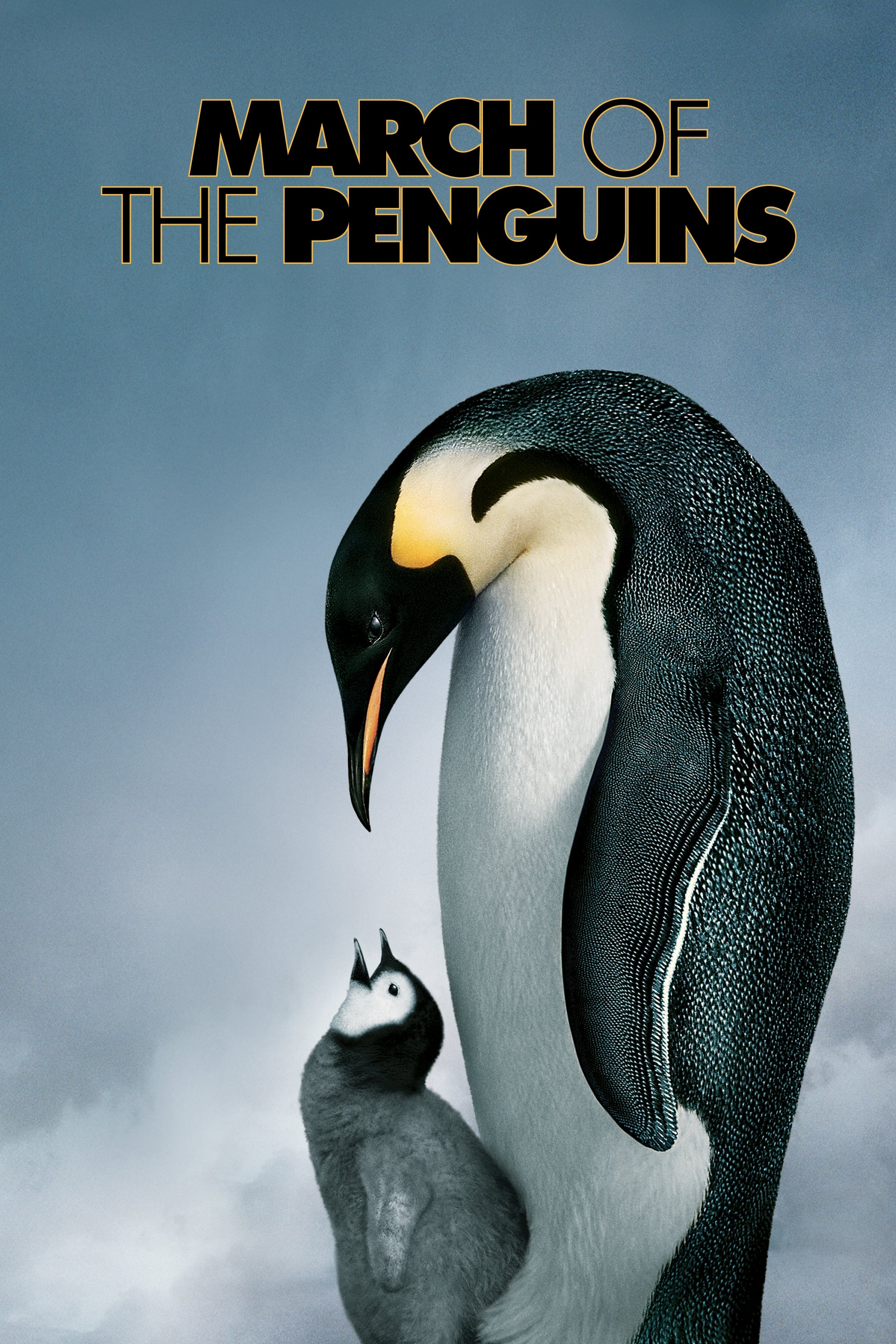
Every year, thousands of Antarctica's emperor penguins make an astonishing journey to breed their young. They walk, marching day and night in single file 70 miles into the darkest, driest and coldest continent on Earth. This amazing, true-life tale is touched with humour and alive with thrills. Breathtaking photography captures the transcendent beauty and staggering drama of devoted parent penguins who, in the fierce polar winter, take turns guarding their egg and trekking to the ocean in search of food. Predators hunt them, storms lash them. But the safety of their adorable chicks makes it all worthwhile. So follow the leader... to adventure!!
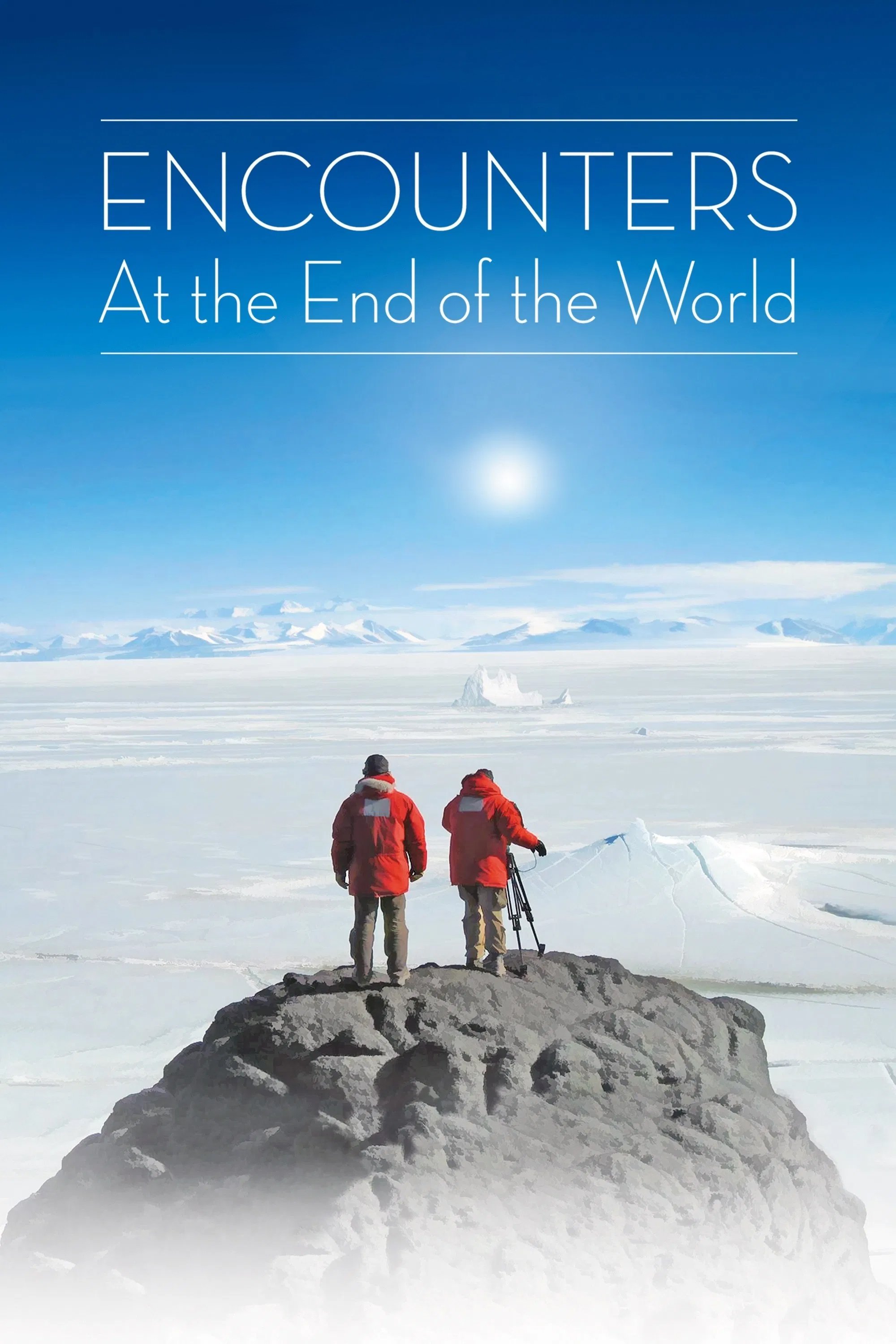
Acclaimed filmmaker Werner Herzog travels to Antarctica, where he finds a desolate, beautiful landscape, largely untouched by human hands, and a group of truly unique people who risk their lives to study it. Centered at McMurdo Station, the United States' largest Antarctic research center, Herzog explores the minds of the scientists willing to abandon civilization and endure volatile conditions to learn more about the continent's wildlife and awe-inspiring natural wonders.
Echo is a youngster who can't quite decide if it's time to grow up and take on new responsibilities-or give in to her silly side and just have fun. Dolphin society is tricky, and the coral reef that Echo and his family call home depends on all of its inhabitants to keep it healthy. But Echo has a tough time resisting the many adventures the ocean has to offer.
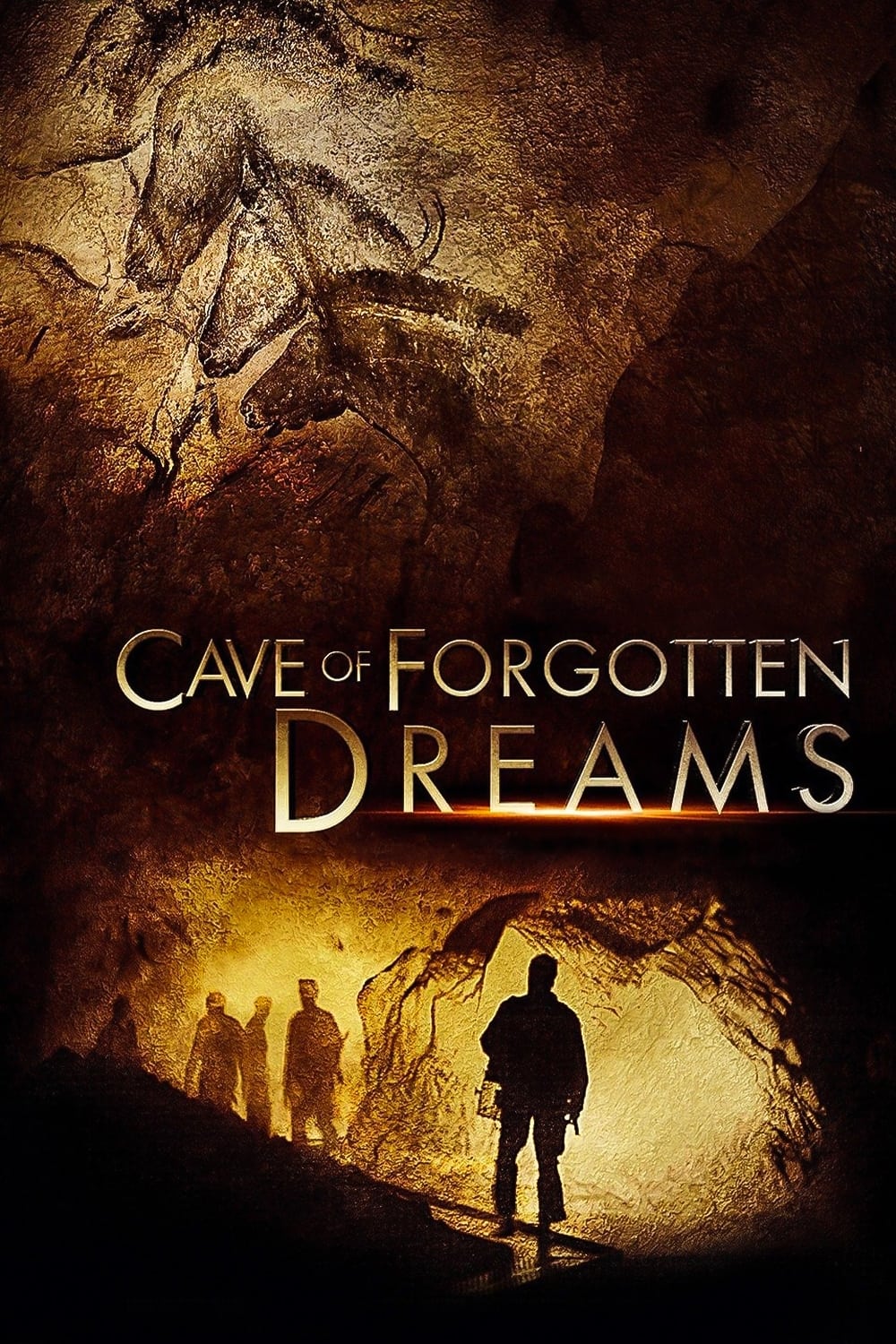
Werner Herzog gains exclusive access to film inside the Chauvet caves of Southern France, capturing the oldest known pictorial creations of humankind in their astonishing natural setting.
The film follows adventurer Jeff Johnson as he retraces the epic 1968 journey of his heroes Yvon Chouinard and Doug Tompkins to Patagonia.
A French documentary or, one might say more accurately, a mockumentary, by director William Karel which originally aired on Arte in 2002 with the title Opération Lune. The basic premise for the film is the theory that the television footage from the Apollo 11 Moon landing was faked and actually recorded in a studio by the CIA with help from director Stanley Kubrick.
The making of Matrix Revolutions, The (2003) is briefly touched on here in this documentary. Interviews with various cast and crew members inform us how they were affected by the deaths of Gloria Foster and Aaliyah, and also delve into the making of the visual effects that takes up a lot of screen time. Written by Rhyl Donnelly
Marc-André Leclerc, an exceptional climber, has made solo his religion and ice his homeland. When filmmaker Peter Mortimer begins his film, he places his camera at the base of a British Columbia cliff and waits patiently for the star climber to come down to answer his questions. Marc André, a little uncomfortable, prefers to return to the depths of the forest where he lives in a tent with his girlfriend Brette Harrington. In the heart of winter, Peter films vertiginous solos on fragile ice. He tries to make appointments with the climber who is never there and does not seem really concerned by this camera pointed at him "For me, it would not be a solo if there was someone else" . Marc-André is thus, the "pure light" of the mountaineers of his time, which marvel Barry Blanchard, Alex Honnold or Reinhold Messner, interviewed in the film. An event film for an extraordinary character.
This documentary starring climber Alex Honnold and famous biologist Bruce Means document their expedition to the South American sky islands in search of new species and discoveries. Follows elite climber Alex Honnold and a world-class climbing team led by National Geographic Explorer and climber Mark Synnott on a grueling mission deep in the Amazon jungle as they attempt a first-ascent climb up a 1000 foot sheer cliff.
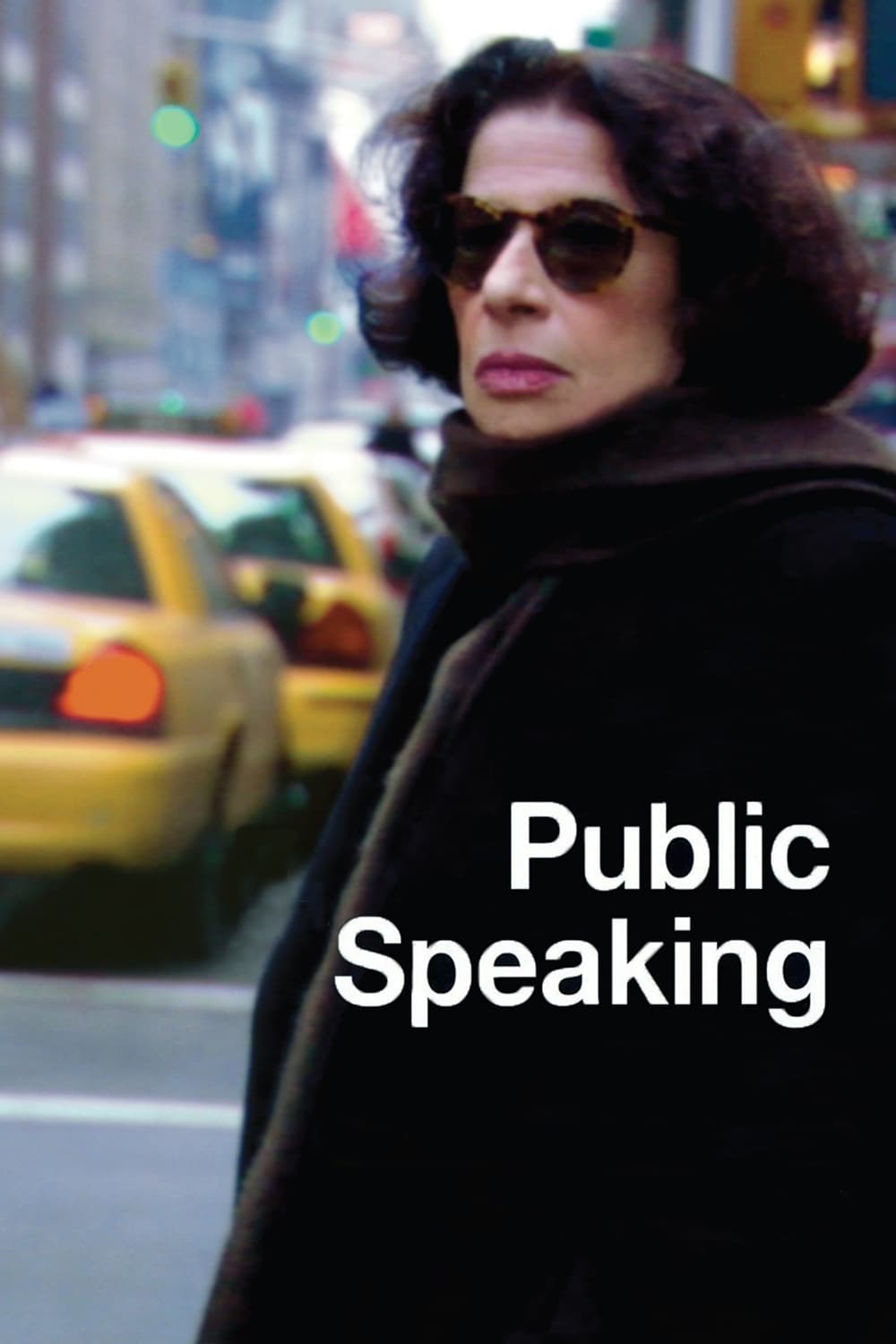
Martin Scorsese’s portrait of writer and social commentator Fran Lebowitz, celebrated for her sharp wit and observations on modern life. Filmed at New York’s Waverly Inn and intercut with archival footage and interviews, the documentary captures Lebowitz’s distinctive worldview through her spontaneous monologues and public appearances.
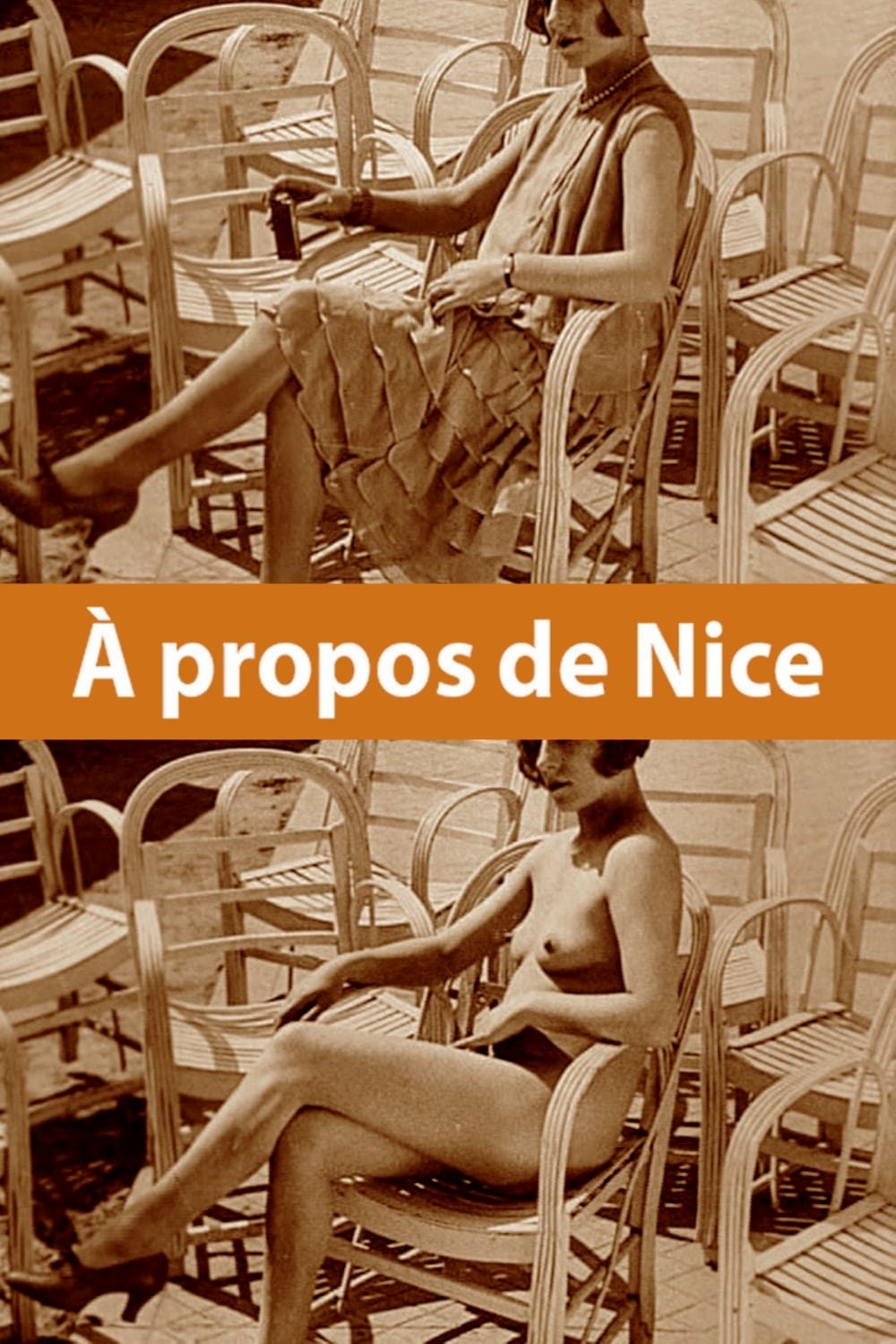
What starts off as a conventional travelogue turns into a satirical portrait of the town of Nice on the French Côte d'Azur, especially its wealthy inhabitants.
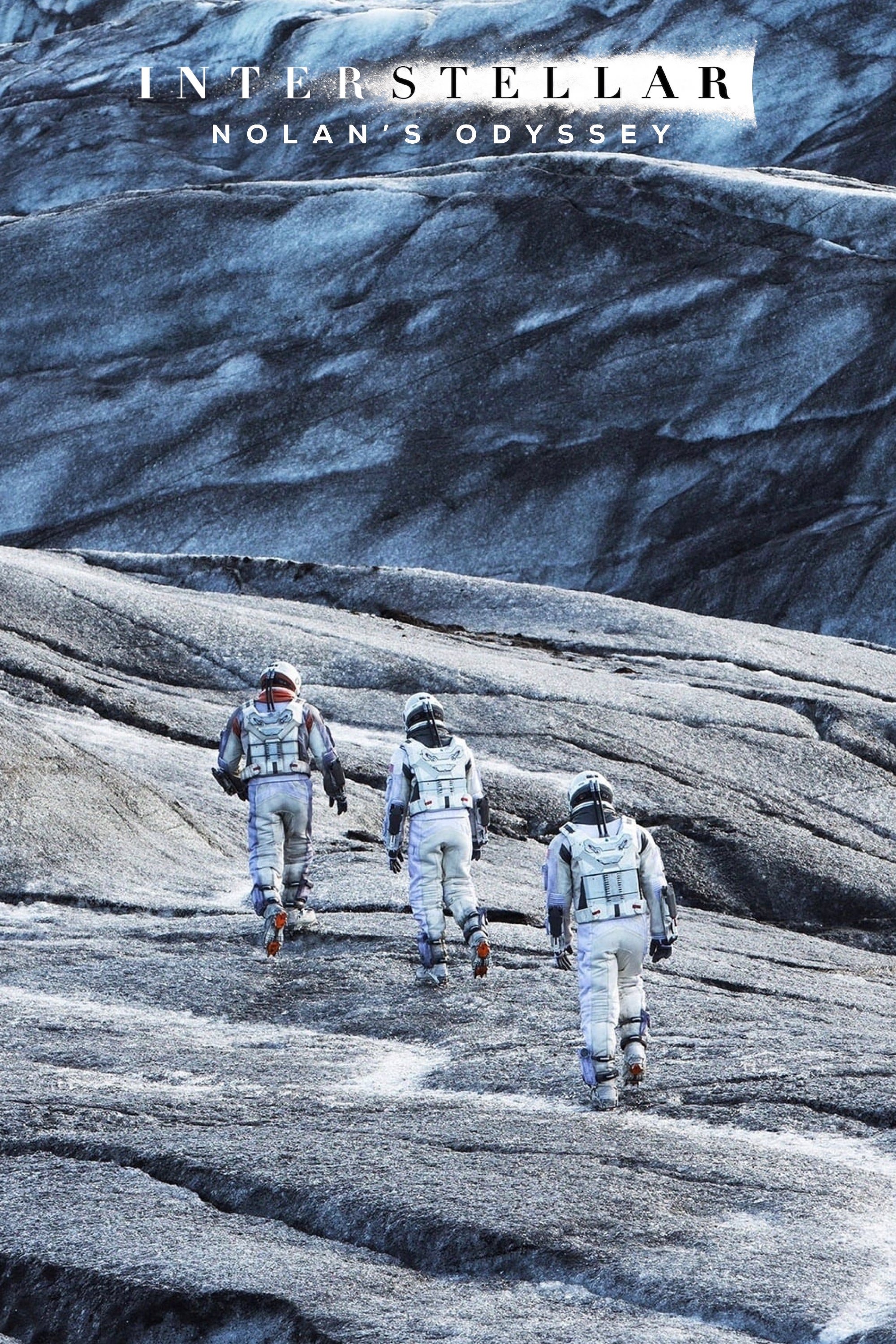
A look behind the lens of Christopher Nolan's space epic.
Atlantis is filmmaker Luc Besson's celebration of the beauty and wonder of the world beneath the sea, expanding upon themes touched on in his film The Big Blue. Combining stunning underwater cinematography and a hypnotic score by Eric Serra, Besson's singular vision defies dialogue or narrative structure to explore ocean life as you've never seen it before. Following the colossal success of The Big Blue, Luc Besson crisscrossed the world's seas and oceans to film the beauty and diversity of marine life: from the giant octopuses of Vancouver to the manta rays of the Pacific (New Caledonia), and the grey sharks of Tahiti. A film with no actors or sets other than the underwater world. A breathtaking view of marine species: sharks, dolphins, manatees, octopuses. An exploration of the seabed in the Bahamas, the Galapagos, Vancouver, and Tahiti.
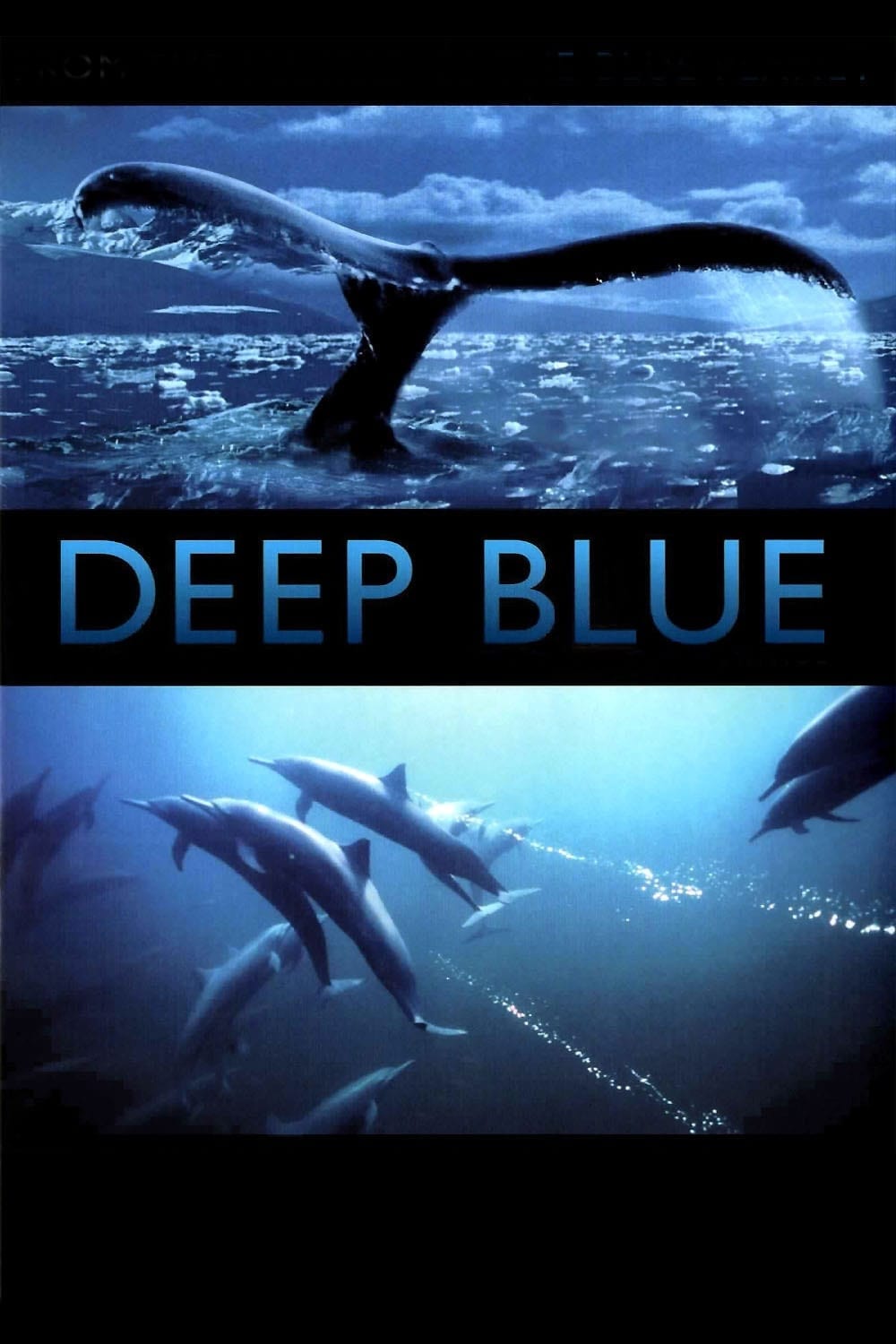
Deep Blue is a major documentary feature film shot by the BBC Natural History Unit. An epic cinematic rollercoaster ride for all ages, Deep Blue uses amazing footage to tell us the story of our oceans and the life they support.
After years of swimming every day in the freezing ocean at the tip of Africa, Craig Foster meets an unlikely teacher: a young octopus who displays remarkable curiosity. Visiting her den and tracking her movements for months on end he eventually wins the animal’s trust and they develop a never-before-seen bond between human and wild animal.
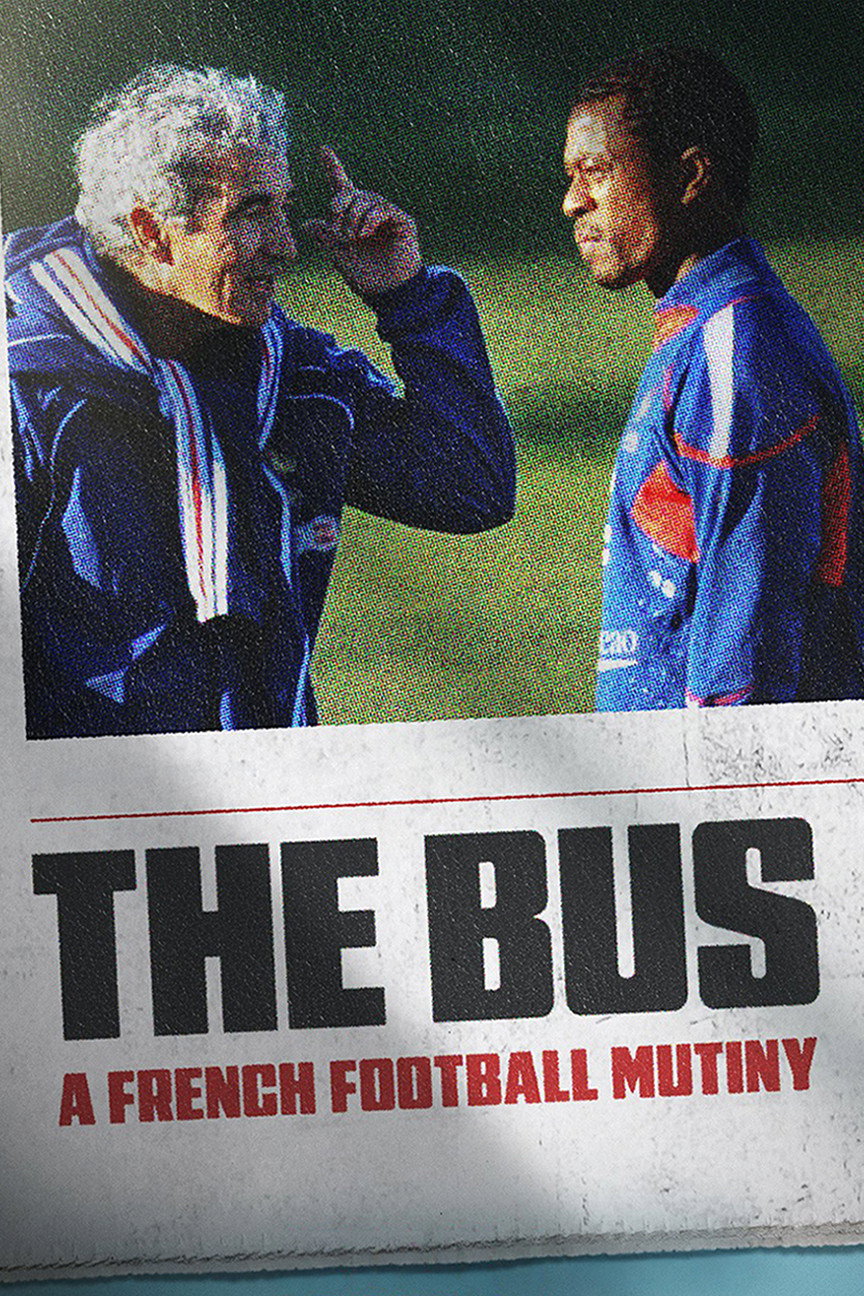
This documentary revisits the French football team's controversial 2010 World Cup and the bus strike that sparked global headlines and national outrage.