A documentary video about the Kingdom of Bhutan.
Social & External
The people behind it
Sonam Choden Dorji
Narrator
From the Bhutanese wilderness, scientist and yeti-hunter Mark Evans hears fresh reports of new sightings; Mark mounts a considerable expedition into the Himalayas and takes his search for the yeti further than ever before.
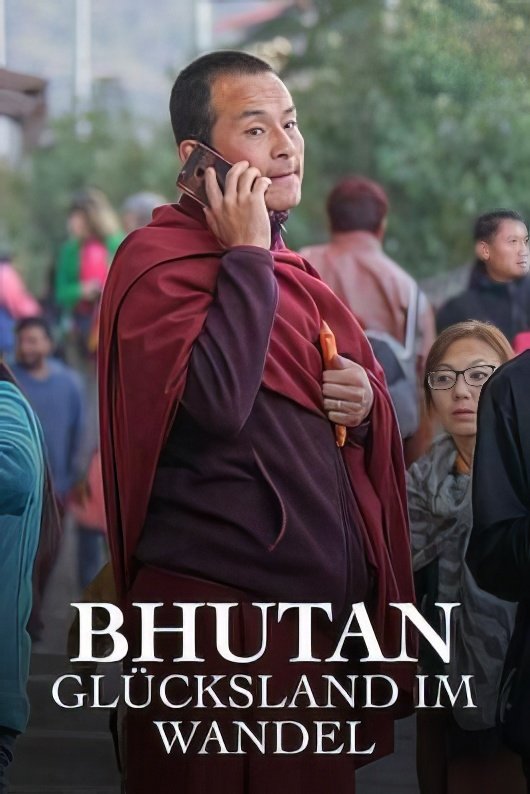
The Dragon House portrays the confrontation between tradition and modernity which the Kingdom of Bhutan is currently experiencing. This is done by means of two Bhutanese characters: a young Buddhist monk, heir to the local tradition, and the first disc jockey to dare to play House and Techno music in the small Himalayan kingdom.
It was only in the 2000s that the population of Bhutan discovered television and the Internet, as well as the first democratic elections. Near the capital Thimphou, one of the fastest-developing cities in Southeast Asia, live some 20,000 nomadic yak herders.
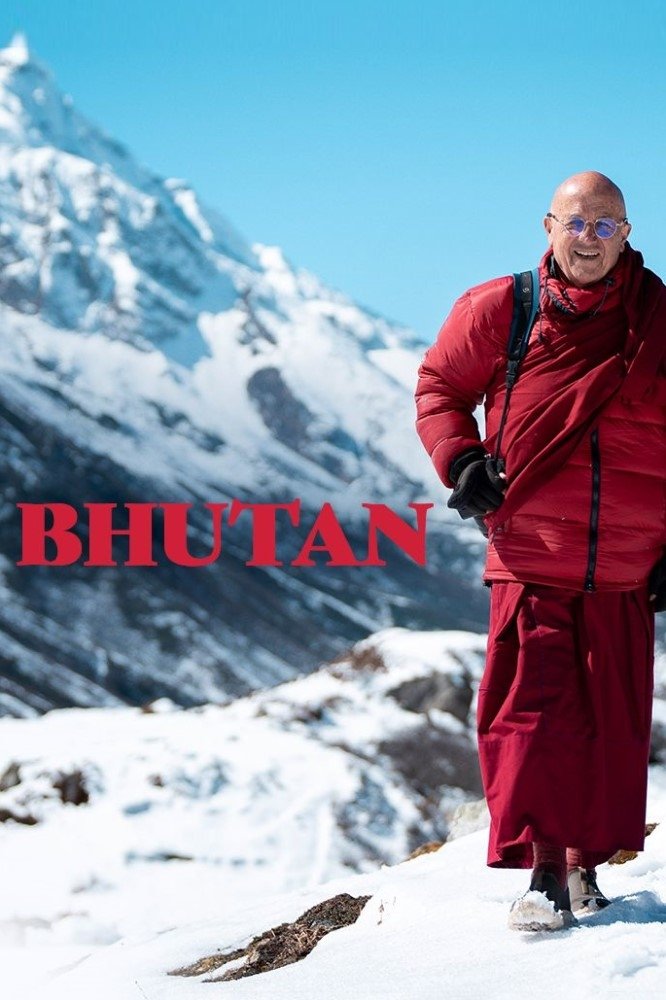
Buddhist monk and photographer Matthieu Picard as he returns to the Asian country in the Himalayas where he spent a decade after seven years away, revisiting breathtaking landscapes and experiencing local traditions.
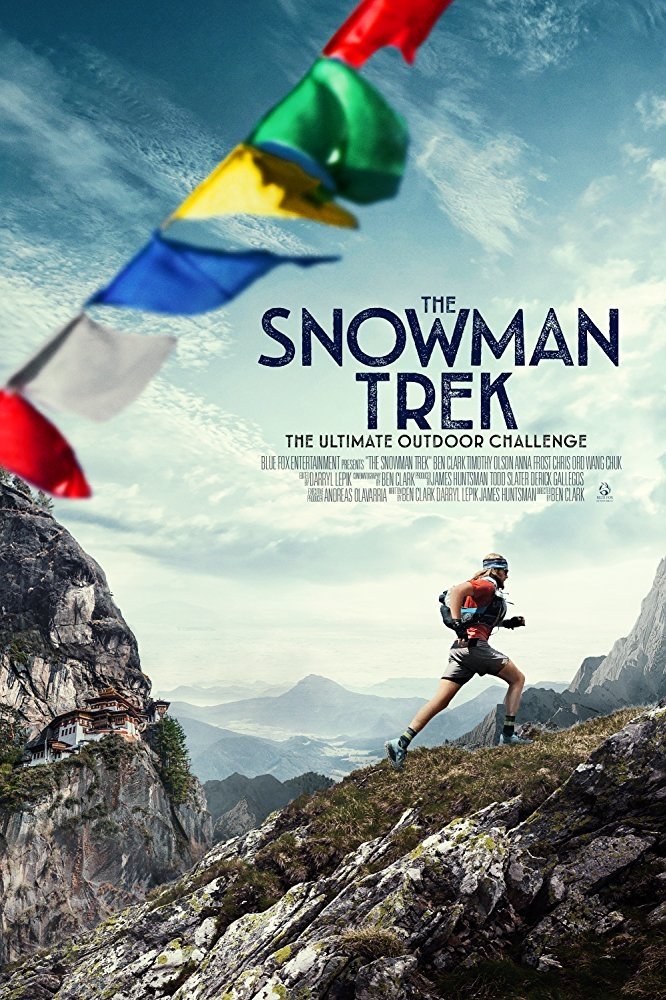
Ultramarathon runners Ben Clark, Anna Frost and Tim Olson travel to Bhutan's high Himalayan landscape to try and set a speed record on the world's hardest trek.
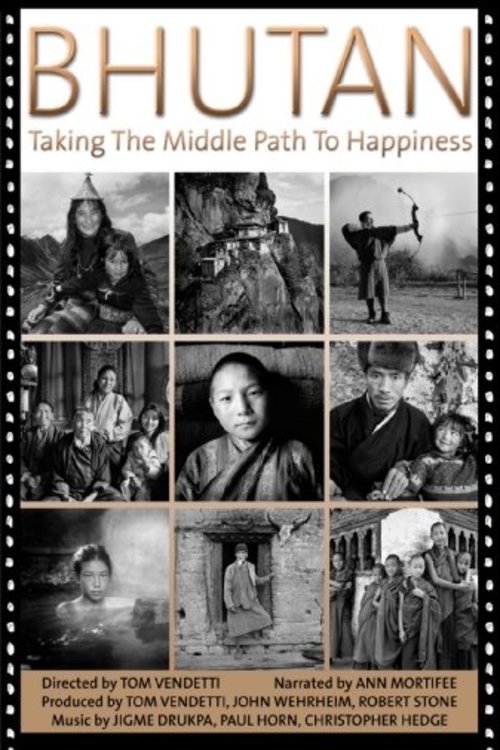
Imagine a country where happiness is the guiding principle of government. Imagine a people who see all life as sacred and the source of their happiness, a place with an abundance of clean and renewable energy, a nation committed to preserving its culture and whose progress is measured by obtaining Gross National Happiness for its people. Where is this Shangri-La? Bhutan. But can a place like Bhutan really exist? Can such ideals be realized? Can this small, geographically isolated country tucked away in the Himalayans truly protect its environment and culture as they open their doors to the West? The answer is rooted in the Bhutanese view of the world, anchored in Buddhism, with the simple message that happiness can only be found by taking the middle path the path that balances the needs of man with the powerful spirits of nature.
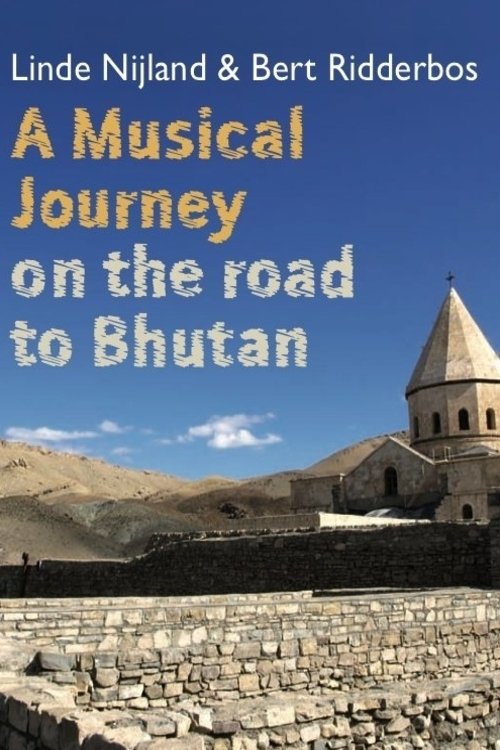
The Frisian singer Linde Nijland was always fond of the combination of traveling and singing. An invitation to listen to a concert in honor of the coronation of the fifth king of Bhutan was the ideal occasion in 2008 to make a months-long journey through South East together with multi-instrumentalist Bert Ridderbos.
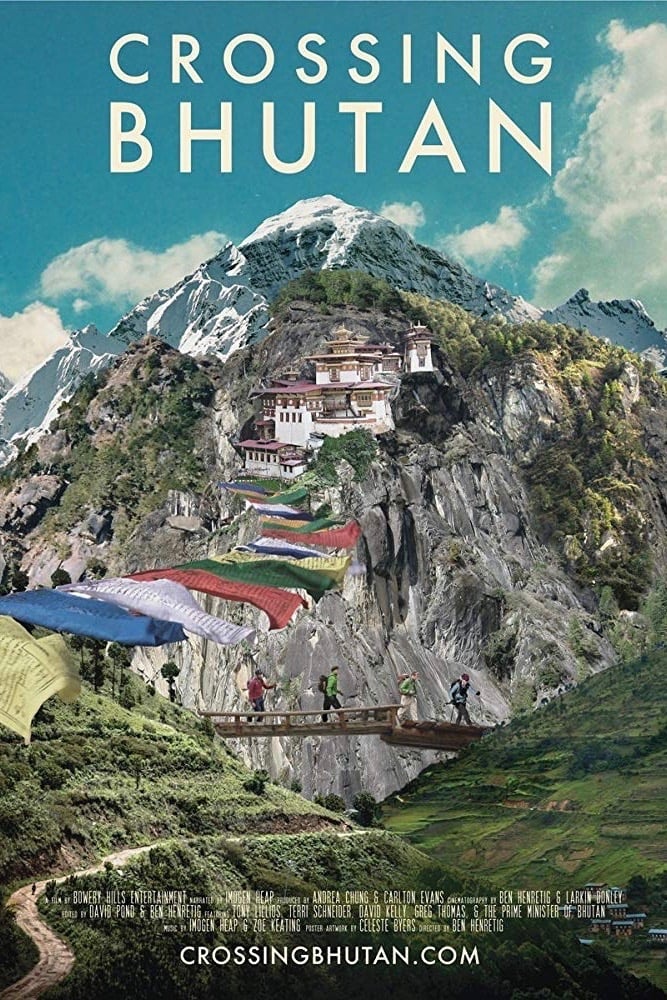
Bhutan is known as the last Himalayan Buddhist Kingdom and one of the happiest places on earth. 'Crossing Bhutan' tells the story of four veteran athletes and their journey to explore Bhutan’s enigmatic policy of Gross National Happiness by making the first 485-mile, border-to-border crossing of this isolated kingdom entirely by foot and bike.
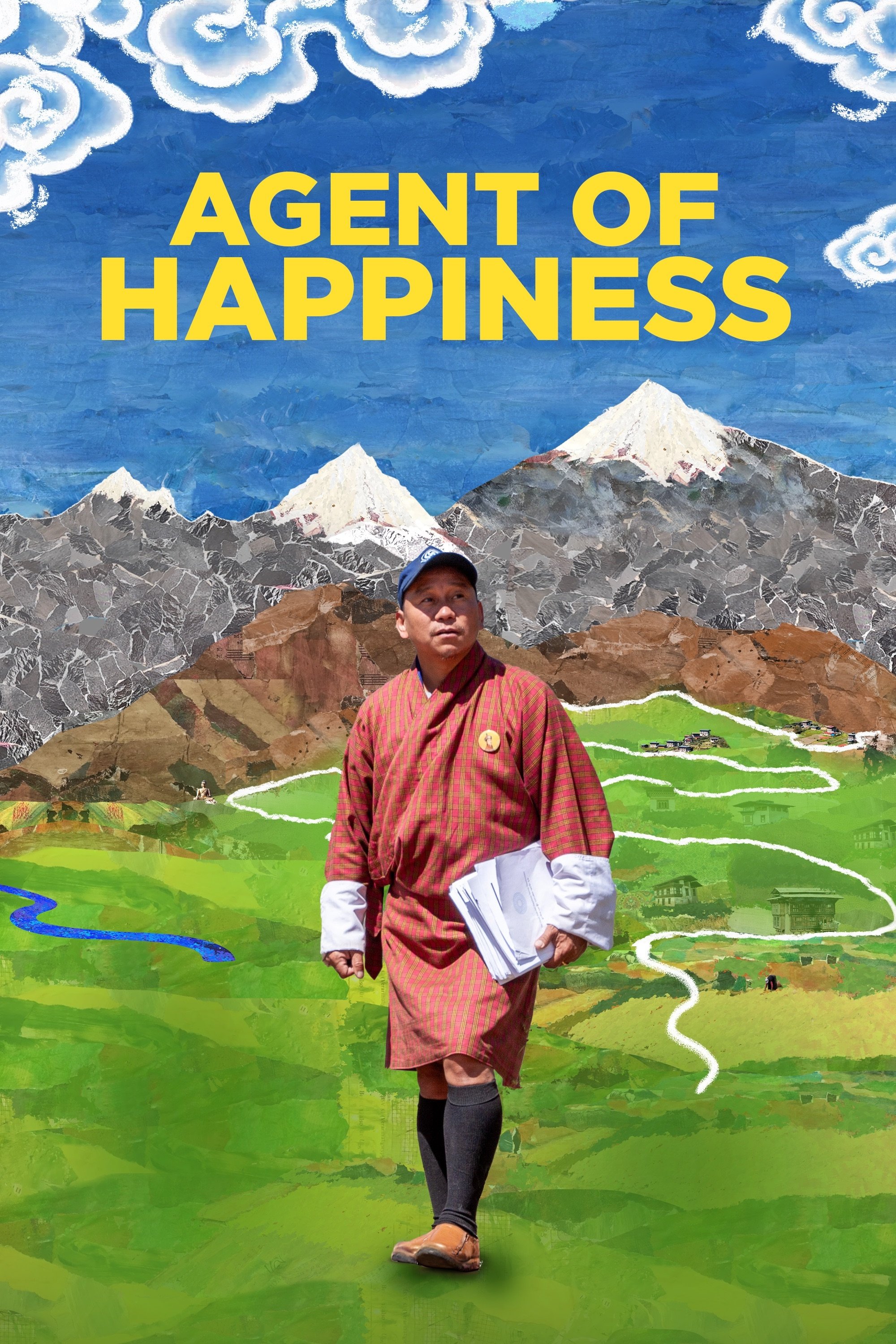
The documentary team follows two happiness agents in their forties who spend a month and a half on the road twice a year, going door-to-door with their questionnaires in isolated villages in the Himalayas. The filmmakers undertake to provide an intimate insight into the daily lives and desires of Bhutanese people, and also seek the answer to the universal question of whether happiness can really be measured. Gross National Happiness promises a heart-warming journey into a mysterious, fairytale-like world, which is the exact opposite of the social order dominated by consumption and desires.
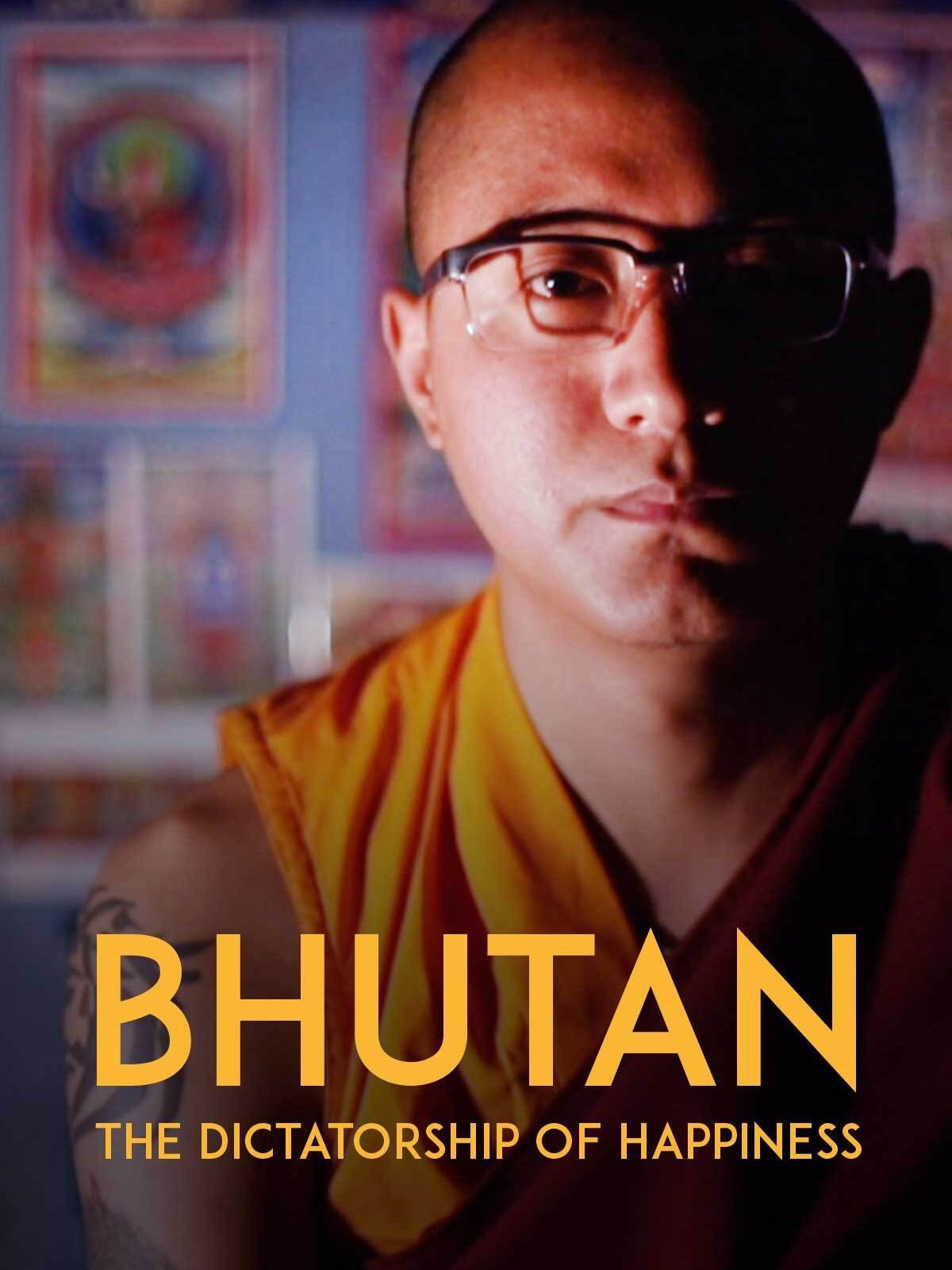
Hidden away in the Himalayan foothills, Bhutan is a country reputed for its exquisite natural beauty and the importance its people place on individual happiness. The Bhutaneses’ acute environmental awareness has led it to being the only carbon-negative country in the world. To many, the small nation seems like a model for the rest of the world. But behind this idyllic façade there lies a more sinister reality. Buddhism is the only religion tolerated by the Wangchuck dynasty who have ruled the country for the last century. This ultra-conservative regime is closely intertwined with the Buddhist faith. The flocks of millionaires and Hollywood stars who arrive in Bhutan to work on their karma can only be accommodated thanks to the toil of terribly paid workers. This film explores the dynasty’s rule while also taking a look at the youthful counterculture movement which has emerged since the country’s exposure to the internet.
This amateur film captures the Maharajah of Bhutan watching the marking of the Assam/Bhutan boundary, as well as fantastic scenes of elephants bathing on the Manas River, which flows through the Himalayan foothills.
Peyangki is a dreamy and solitary eight-year-old monk living in Laya, a Bhutanese village perched high in the Himalayas. Soon the world will come to him: the village is about to be connected to electricity, and the first television will flicker on before Peyangki's eyes.
The film opens with general views and shows building works and Sherpas loading up. Scenes of threshing and a campsite, with Sherpas and huts. A settlement is then shown, including people weaving. Scenes of walking in towards the mountains and climbing in the foothills. More threshing scenes and the film ends with shots of the mountains and village.
Four monks, a royal scholar, and their American guru are fighting to save Bhutan's sacred arts while learning the art of letting go.
Bhutan, despite being one of the world's two carbon negative countries, suffers from a changing climate that has led to a disastrous water shortage. After his children leave him, Daw, an elderly Bhutanese villager, must fend for himself. 83 AND ALONE explores a community made empty because of water.
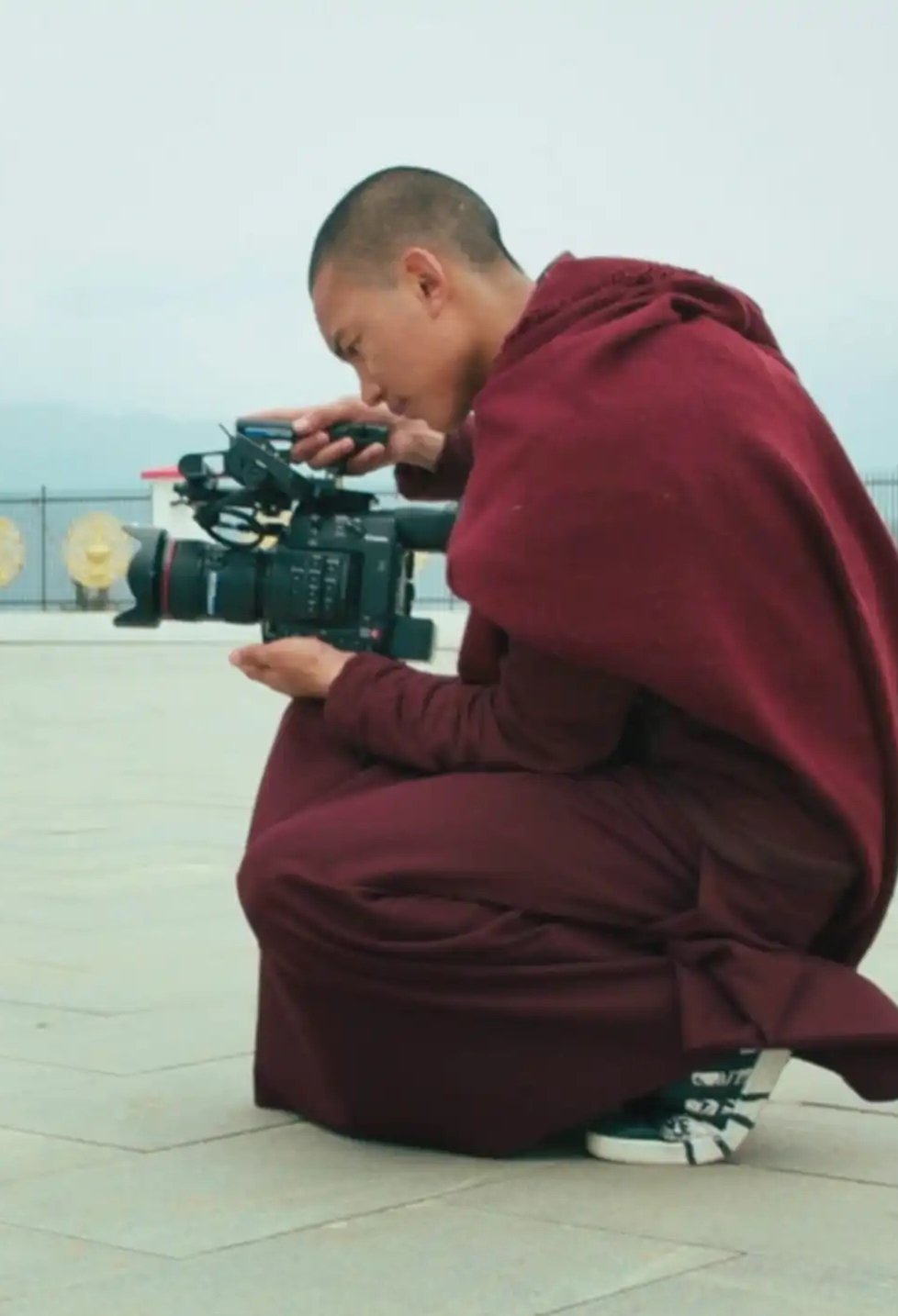
Rinzin Jurmey chose to join a monastery and dedicate his life to Buddhism at the age of 11, loving its rituals and traditions. Now 18, he moves harmoniously between mountain village and city, embracing tradition and pop culture, religion and hip-hop, prayer and video games. With guidance from cinematographer Cat Papadimitriou, Jurmey documents the ways in which he – and his country – are striving to preserve ancient practices while embracing modernity.
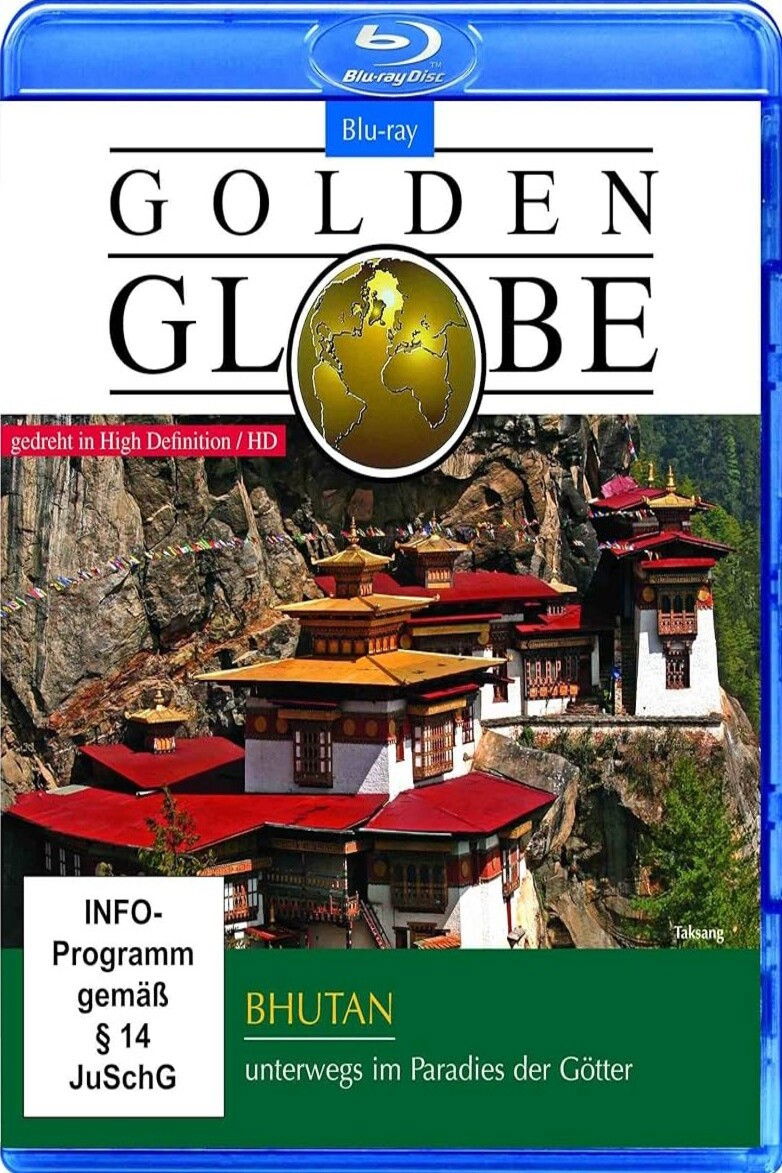
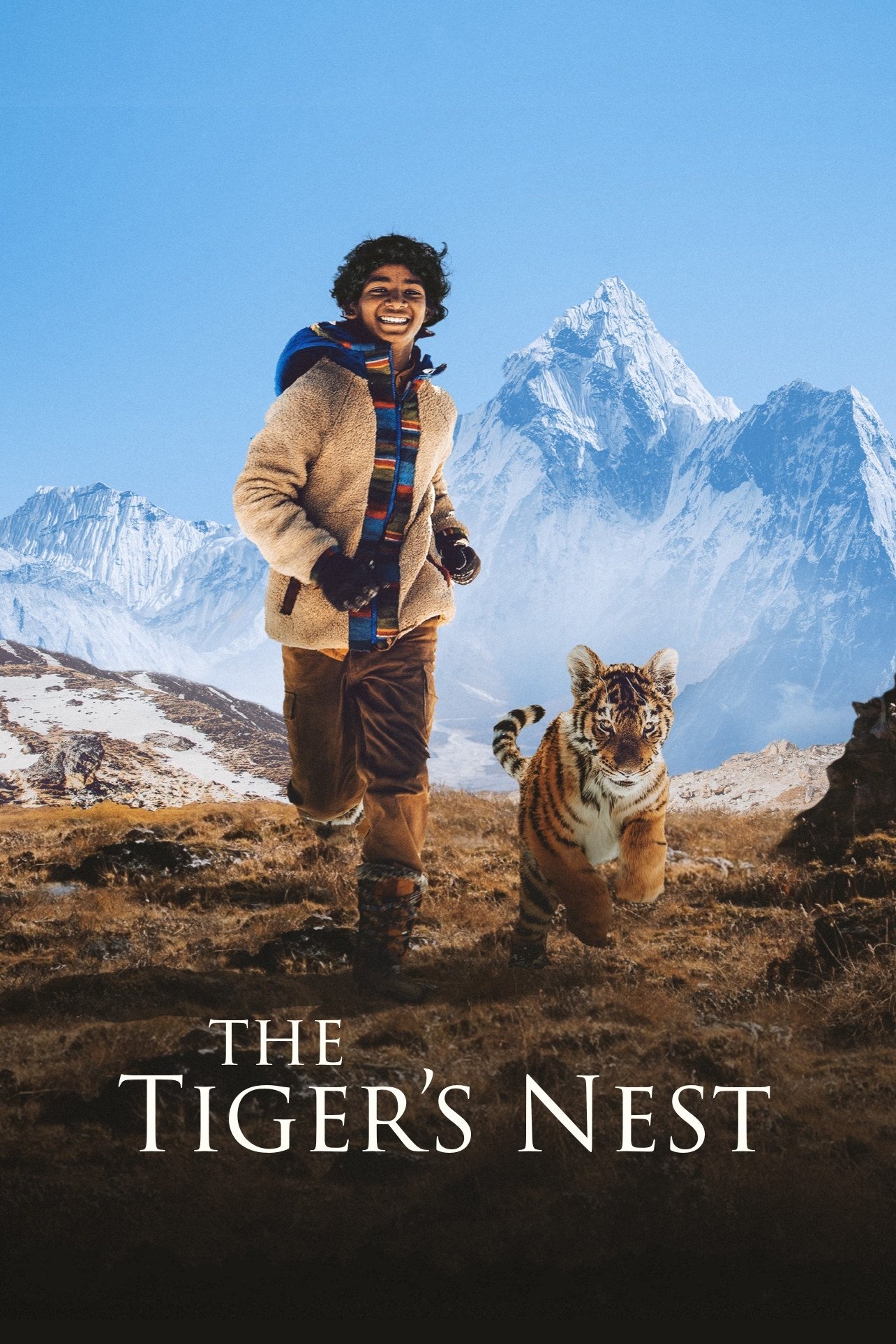
In the valleys of the Himalayas, an orphan boy saves a Bengal tiger cub from the ruthless poachers who killed the tiger's mother. Together they set out in the Himalayan mountains to the Taktsang monastery in Bhutan known as "The Tiger's Nest" where Buddhist monks took refuge after the 1950 Chinese invasion of Tibet and protect the big cats. A new great film for the whole family that talks about the importance of defending animals through the story of the friendship between two orphans, a tiger cub and a child, in a tale of brotherhood and the discovery of life.
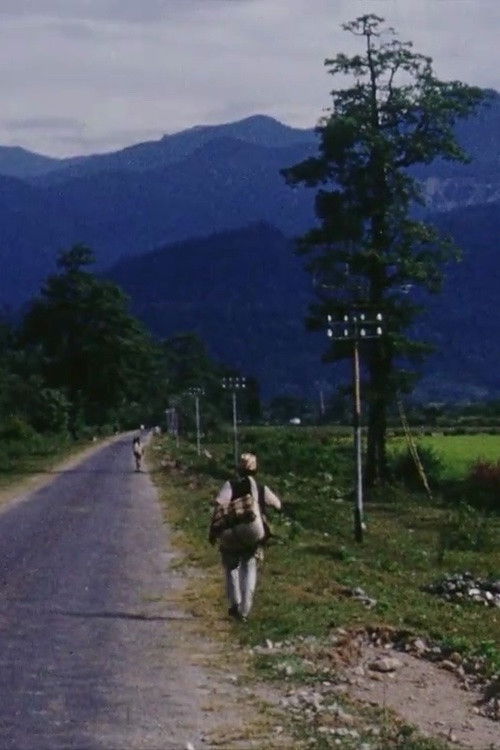
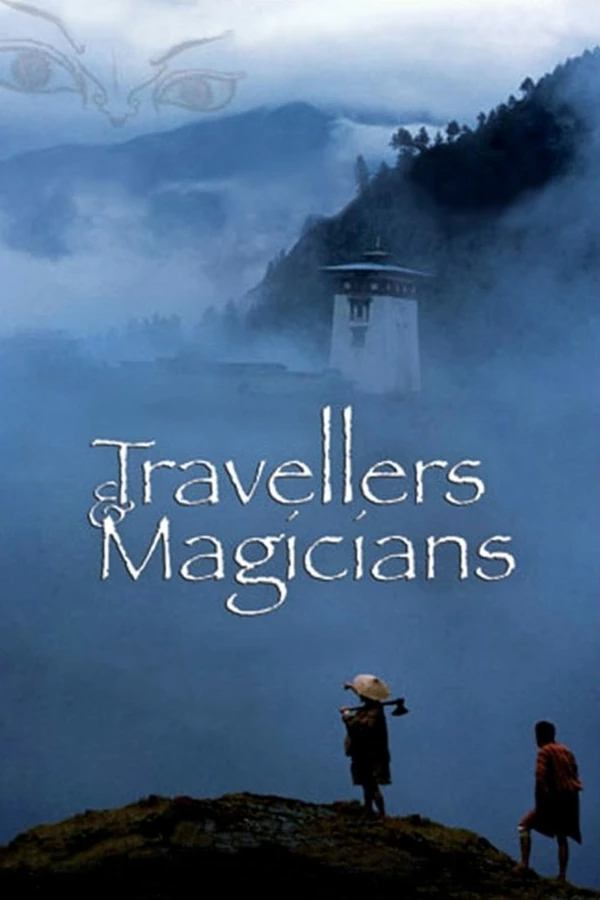
A young government official, named Dondup, who is smitten with America (he even has a denim gho) dreams of escaping there while stuck in a beautiful but isolated village. He hopes to connect in the U.S. with a visa out of the country. He misses the one bus out of town to Thimphu, however, and is forced to hitchhike and walk along the Lateral Road to the west, accompanied by an apple seller, a Buddhist monk with his ornate, dragon-headed dramyin, a drunk, a widowed rice paper maker, and his beautiful daughter, Sonam.
A visual montage portrait of our contemporary world dominated by globalized technology and violence.
A documentary about how a dominant cultural and demographic institution both sustains their traditional activities and adapts to the digital revolution.
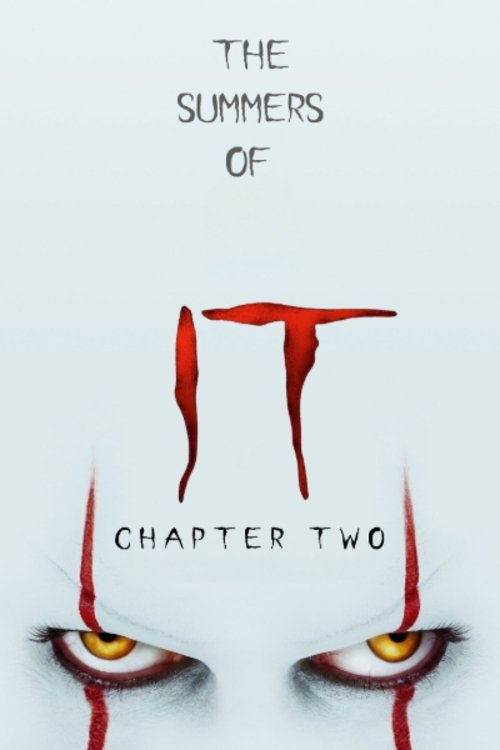
This documentary focuses on the actors and their journey over two summers to create the remake to the original IT, by Stephen King. The documentary originally released as bonus material, bundled with IT: Chapter Two.
The film follows adventurer Jeff Johnson as he retraces the epic 1968 journey of his heroes Yvon Chouinard and Doug Tompkins to Patagonia.
An exploration of technologically developing nations and the effect the transition to Western-style modernization has had on them.
Martin Scorsese, Robert De Niro, Joe Pesci, and Al Pacino in conversation about The Irishman.
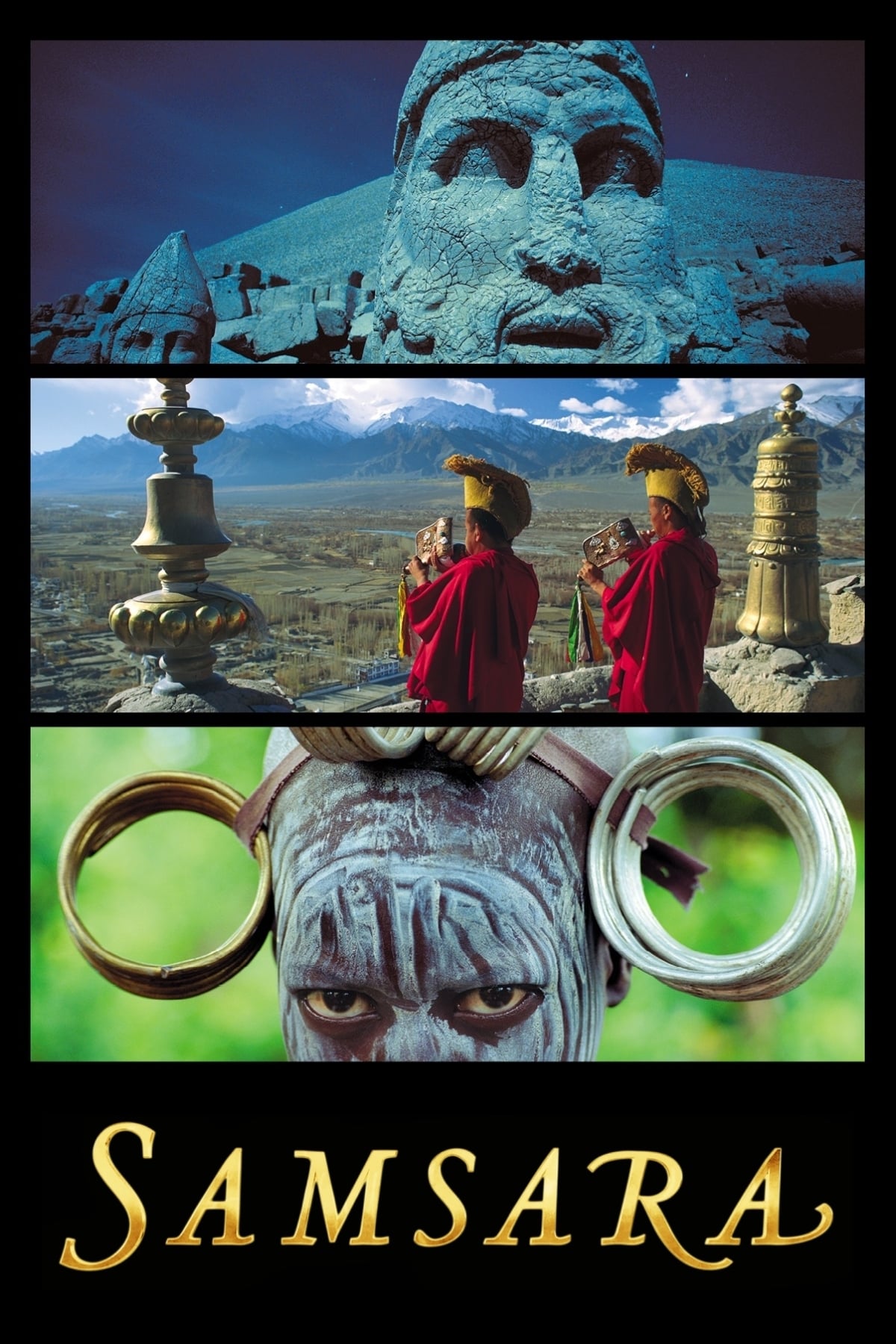
Filmed over nearly five years in twenty-five countries on five continents, and shot on seventy-millimetre film, Samsara transports us to the varied worlds of sacred grounds, disaster zones, industrial complexes, and natural wonders.
A documentary chronicling Queen and Lambert's incredible journey since they first shared the stage together on "American Idol" in 2009.
Lupita Nyong'o narrates a documentary about Peanuts and its creator, Charles M. Schulz. Famous fans—including Drew Barrymore, Kevin Smith, and Al Roker—share its influence on them, and a new animated story finds Charlie Brown on a quest.
Daniel Craig candidly reflects on his 15 year adventure as James Bond. Including never-before-seen archival footage from Casino Royale to the upcoming 25th film No Time To Die, Craig shares his personal memories in conversation with 007 producers, Michael G Wilson and Barbara Broccoli.
A documentary on the life of John Lennon, with a focus on the time in his life when he transformed from a musician into an antiwar activist.
Film adaptation of French economist Thomas Piketty's ground-breaking global bestseller of the same name: an eye-opening journey through wealth and power.
Retrospective documentary about the making of the horror cult classic "The Return of the Living Dead."
A documentary on Al Gore's campaign to make the issue of global warming a recognized problem worldwide.
A real-life undercover thriller about two ordinary men who embark on an outrageously dangerous ten-year mission to penetrate the world's most secretive and brutal dictatorship: North Korea.
The life and career of an actor, artist, and icon. His own journey through his own camera.
Follow the evolution of the 'Halloween' movies over the past twenty-five years. It examines why the films are so popular and revisits many of the original locations used in the films - seeing the effects on the local community. For the first time, cast, crew, critics and fans join together in the ultimate 'Halloween' retrospective.
An epic story of adventure, starring some of the most magnificent and courageous creatures alive, awaits you in EARTH. Disneynature brings you a remarkable story of three animal families on a journey across our planet – polar bears, elephants and humpback whales.
An astonishing journey revealing the awesome power of the natural world. Over the course of one single day, we track the sun from the highest mountains to the remotest islands to exotic jungles.
Al Pacino's deeply-felt rumination on Shakespeare's significance and relevance to the modern world through interviews and an in-depth analysis of "Richard III."