Social & External
The people behind it
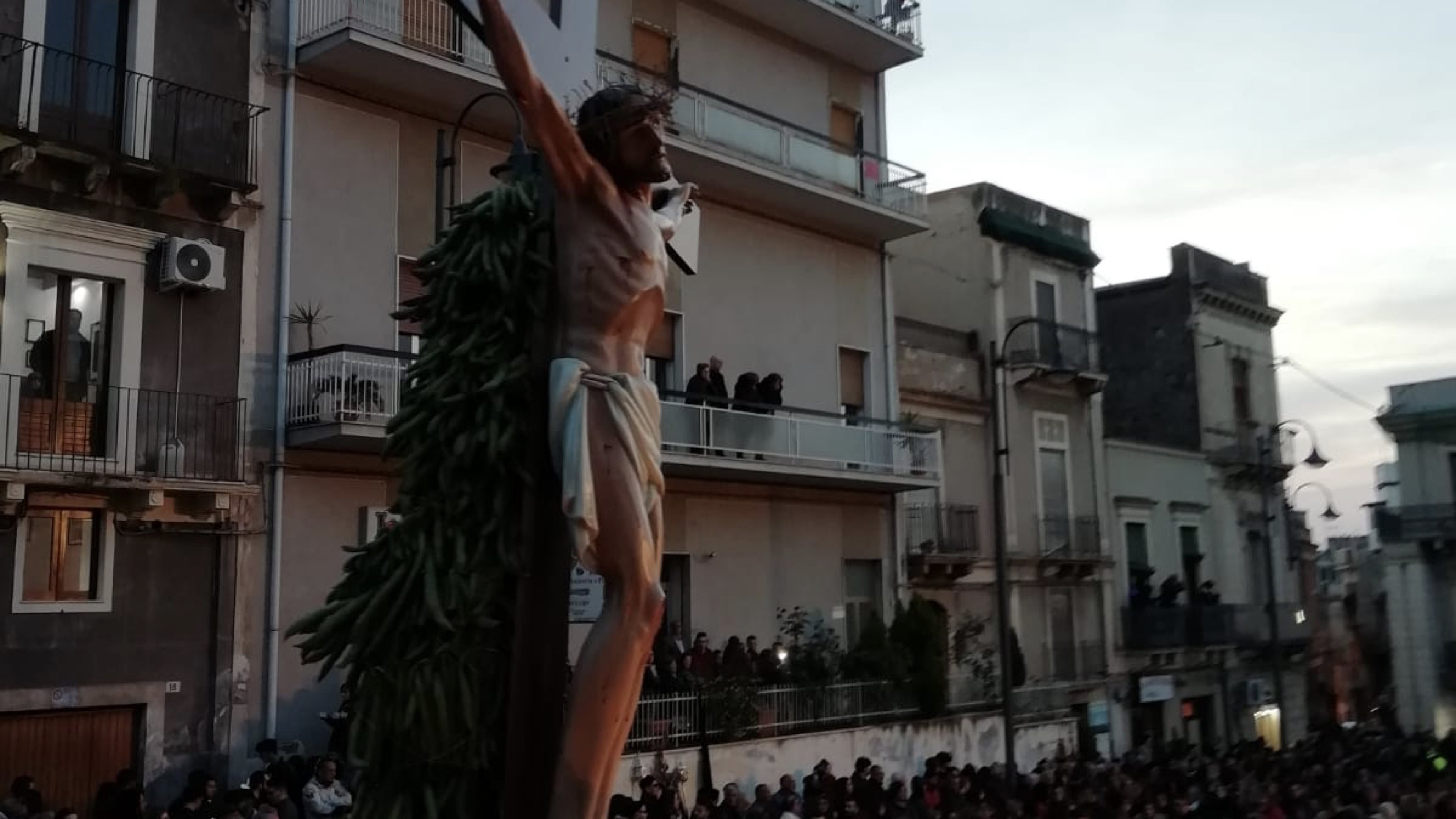
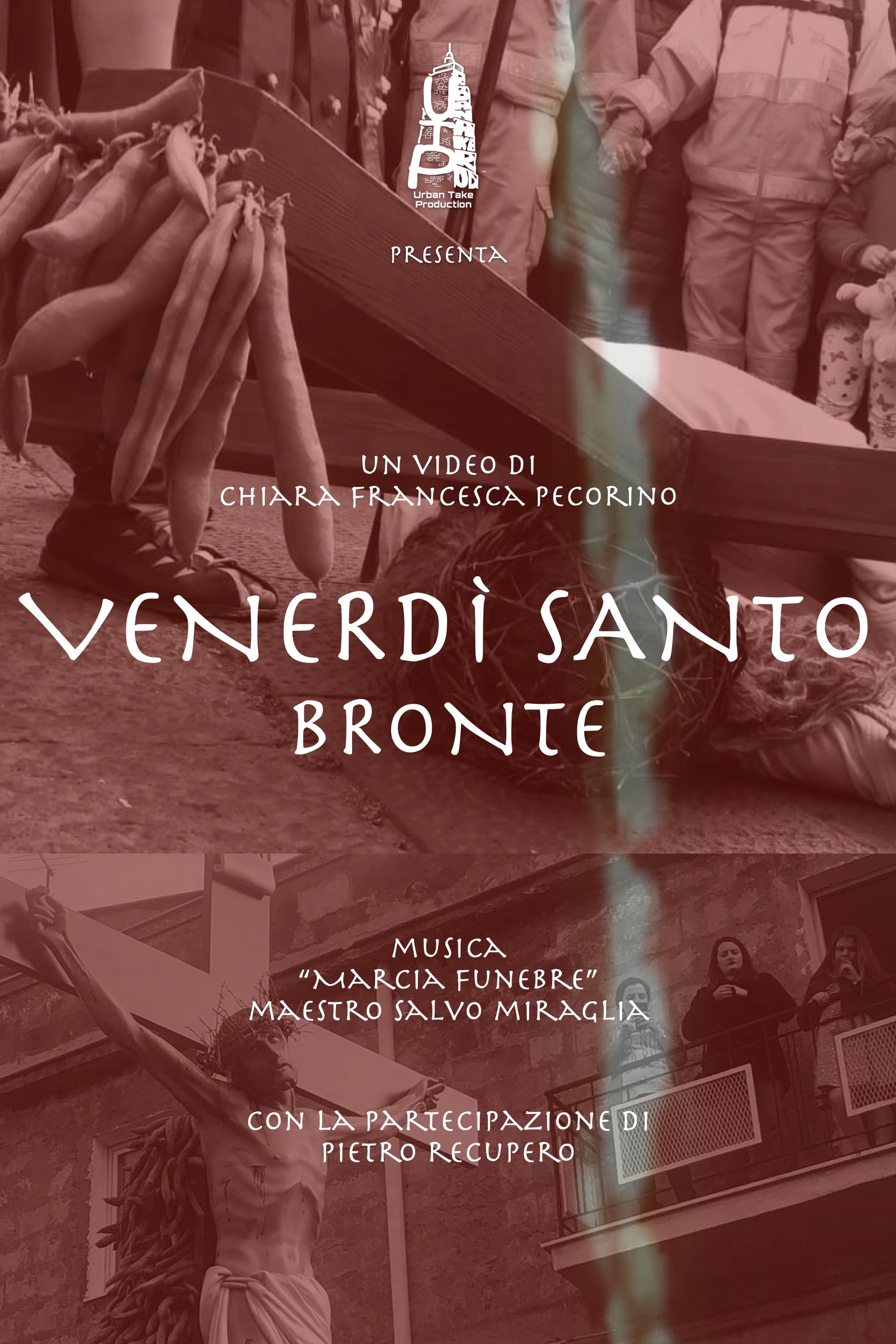
Pietro Recupero
Self
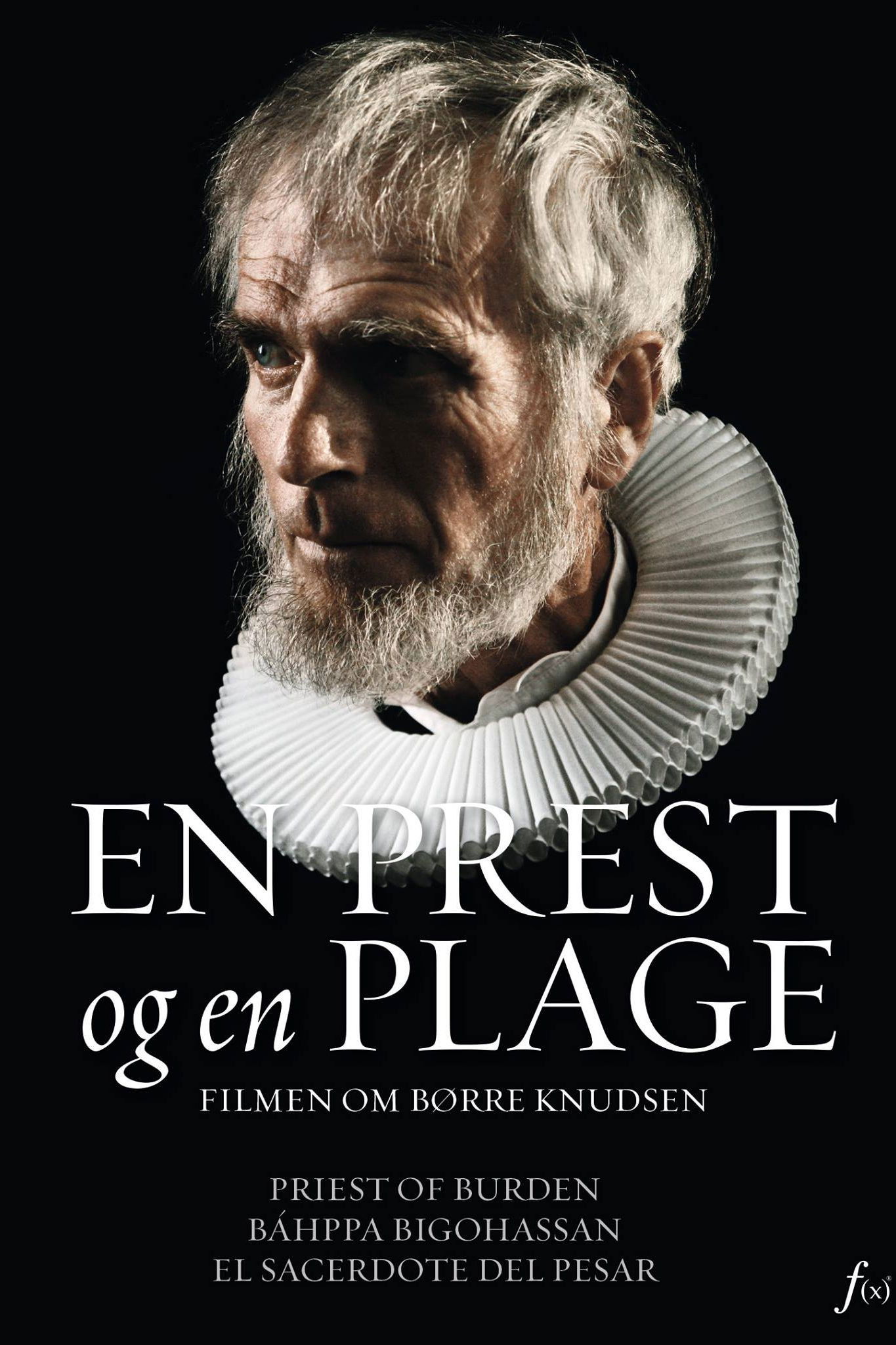
The priest Børre Knudsen is Norway's most infamous anti-abortionist, and much hated for this. He fought for his cause without thinking about the consequences for his family and his children even in the worlds most democratic country.
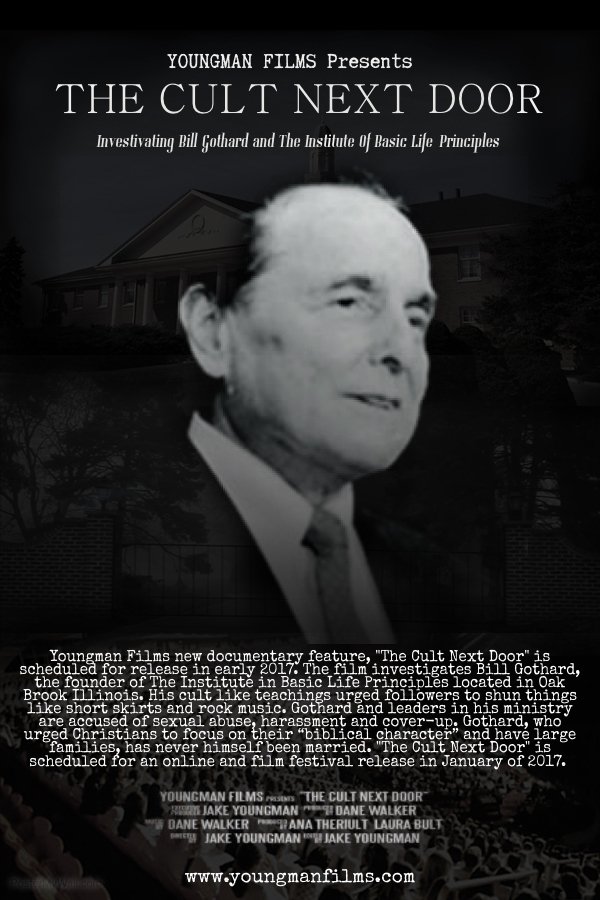
A short documentary featuring a brief overview of Bill Gothard's ministries, and some of the consequences for his followers.
Call Me Malcolm is an amazing story of the human spirit and God's spirit, and the liberating struggle to realize and express with confidence the marvelous gift of one's truest sense of self. As Malcolm shares his own story and through the stories of others we meet, Call Me Malcolm offers us a glimpse into the real lives of real people who are transgender. But it is only a glimpse. There are many stories to be told and Malcolm helps us make connections to our own stories, encouraging us to share them. That can seem daunting in a culture which has done more to heap shame on persons who identify as transgender. The good news of Malcolm's story is the way in which shame and fear are overcome by grace, compassion and knowledge. Viewers cannot help but come to a deeper understanding of faith, love, and gender identity, and by doing so, arrive at a deeper understanding of their own journey.
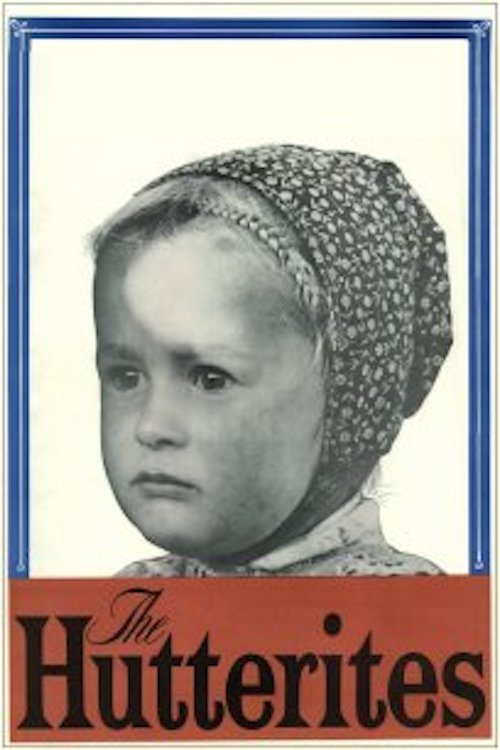
A look at the Hutterites, an Anabaptist religious community similar to the Amish or the Mennonites in rural Alberta. The followers of religious leader Jacob Hutter live in farm communities, devoutly holding to the rules their founder laid down four centuries ago. Through the kindness of a Hutterite colony in Alberta, this film, in black and white, was made inside the community and shows all aspects of the Hutterites' daily life.
A study of England's history, with particular emphasis on the role religion has played in shaping the nation and its people. Includes scenes of Stonehenge, the sanctuary at Glastonbury, the fortress of Maiden Castle, and Bamburg Castle. (worldcat.org)
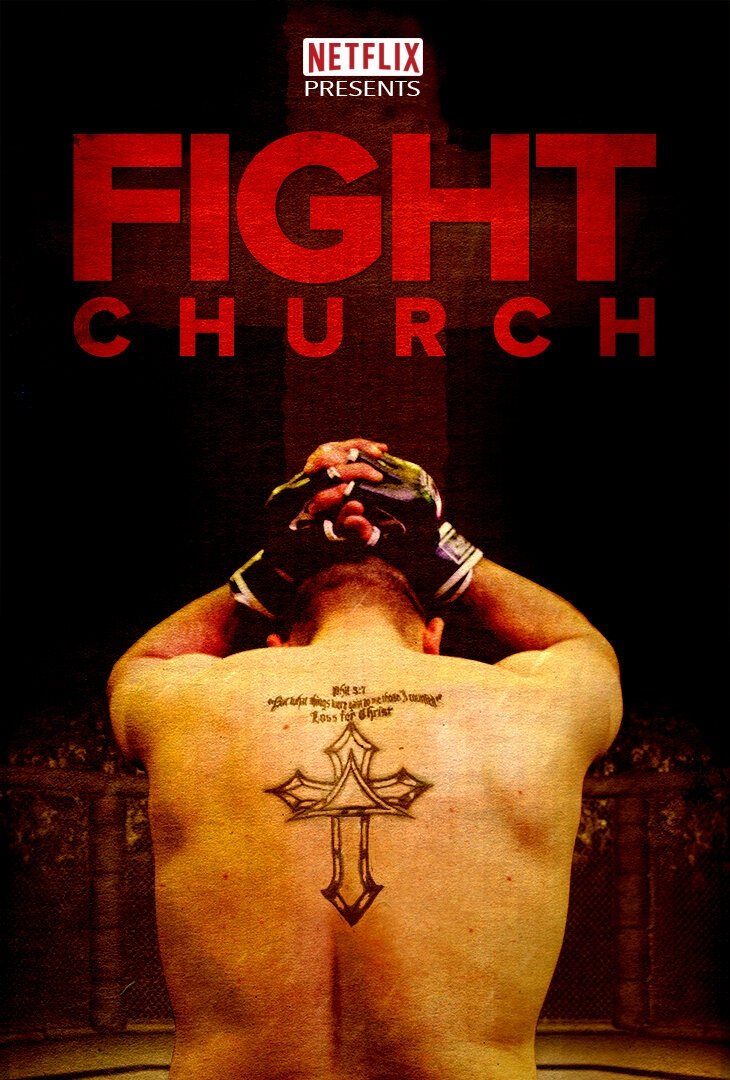
A documentary about the confluence of Christianity and mixed martial arts, including ministries which train fighters. The film follows several pastors and popular fighters in their quest to reconcile their faith with a sport that many consider violent and barbaric. Faith is tried and questions are raised. Can you really love your neighbor as yourself and then punch him in the face?
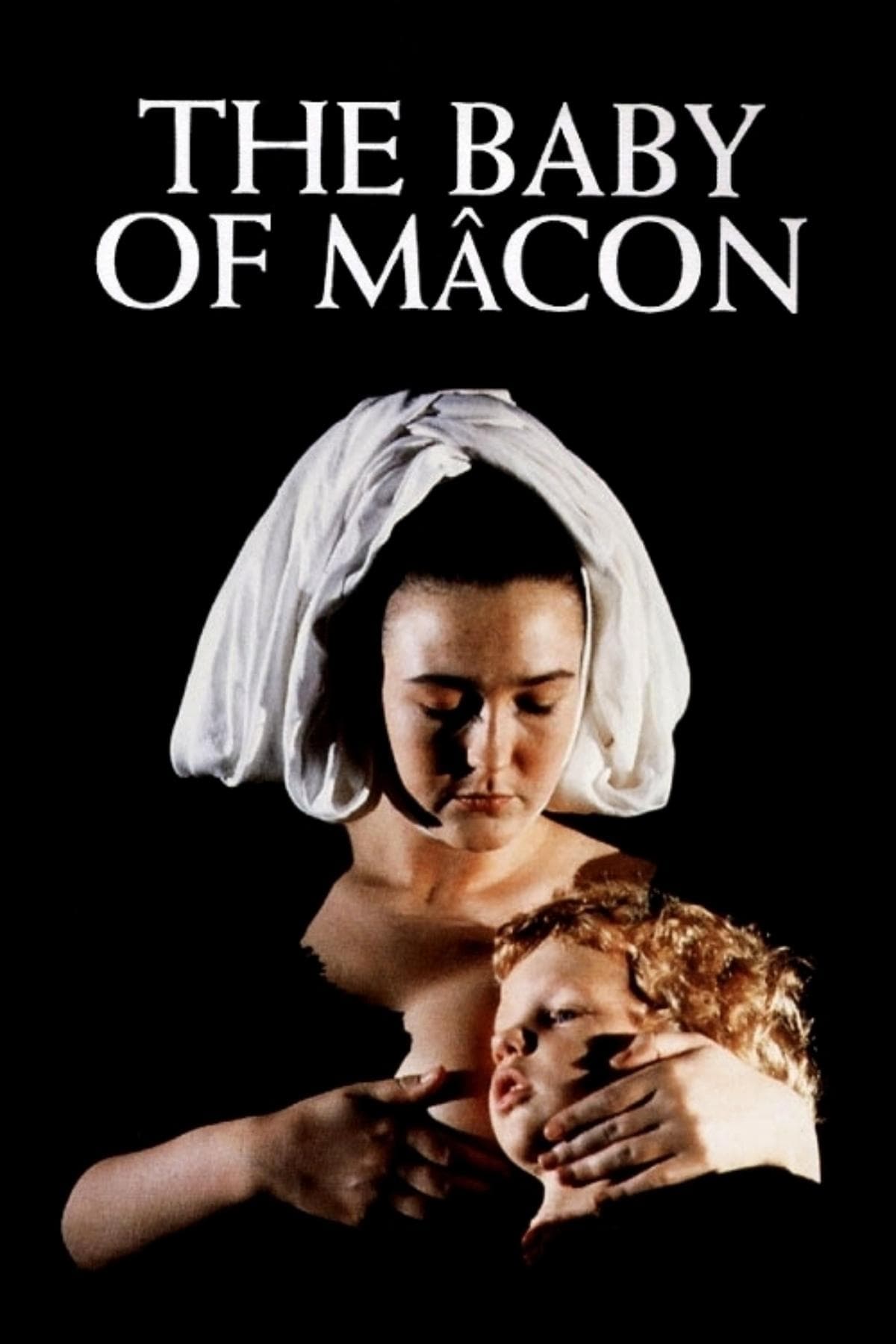
In 17th-century Tuscany, a church play is performed for the benefit of young aristocrat Cosimo. In the play, a grotesque old woman gives birth to a beautiful baby boy. The child's older sister is quick to exploit the situation, selling blessings from the baby, and even claiming she's the true mother by virgin birth. However, when she attempts to seduce the bishop's son, the Church exacts a terrible revenge.
Are we in the last days of our great nation? Is it too late for America? Revive Us features worship, prayer, and thoughtful discussion as Kirk Cameron turns to Scripture to offer encouragement for our great nation. As Kirk says, 'When our family of believers gets together and the Spirit is moving, we are unstoppable!' Revive Us will have you believing this could be our finest hour!
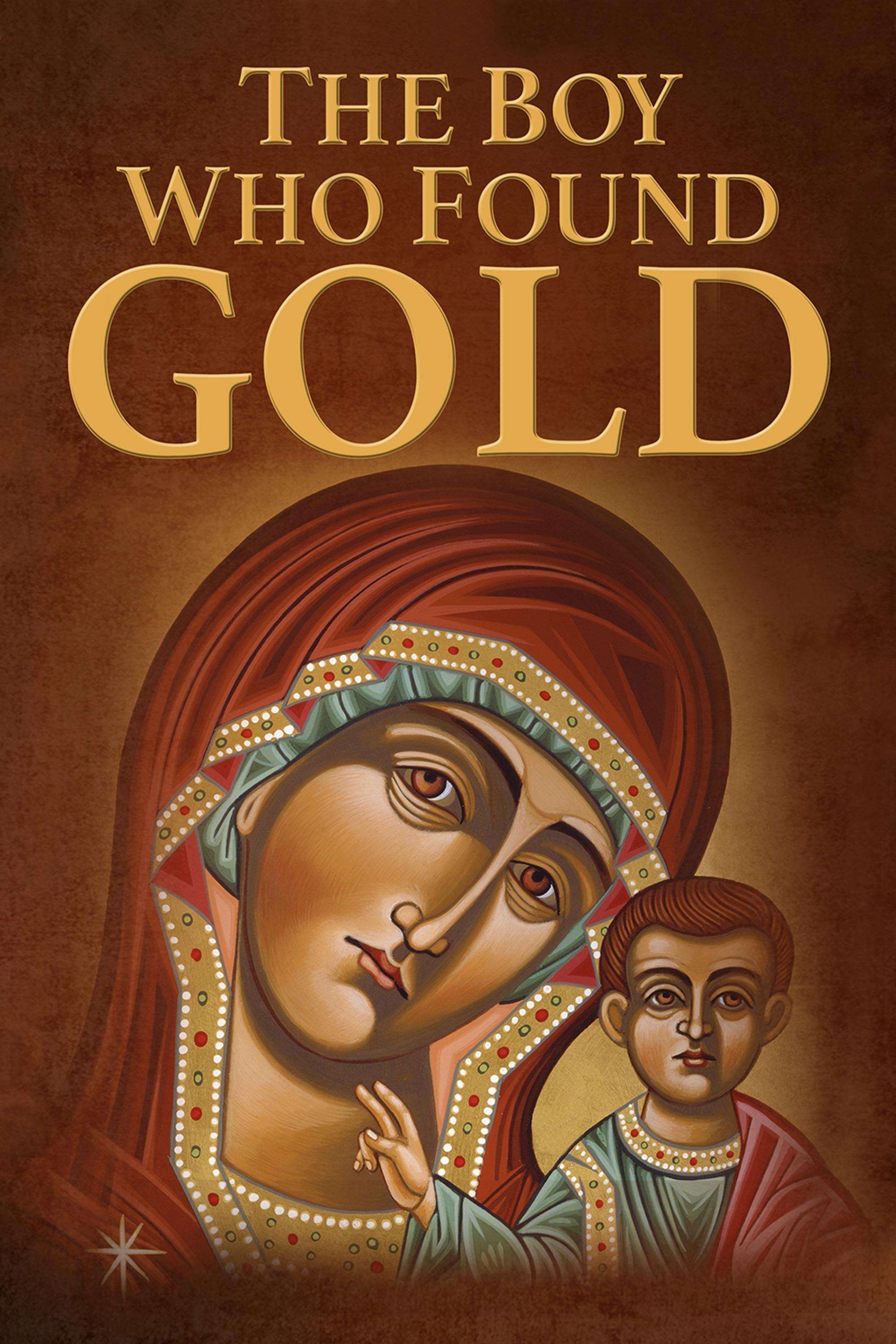
William Hart McNichols is a world renowned artist, heralded by Time magazine as "among the most famous creators of Christian iconic images in the world". As a young Catholic priest from 1983-1990 he was immersed in a life-altering journey working as a chaplain at St. Vincent's AIDS hospice in New York city. It was during this time that he became an early pioneer for LGBT rights within the Catholic church. "The Boy Who Found Gold" is a cinematic journey into the art and spirit of William Hart McNichols. The film follows his colorful life as he crosses paths with presidents, popes, martyrs, and parishioners, finding an insightful lesson with each encounter. McNichols' message as a priest, artist and man speaks to the most powerful element of the human spirit: Mercy.
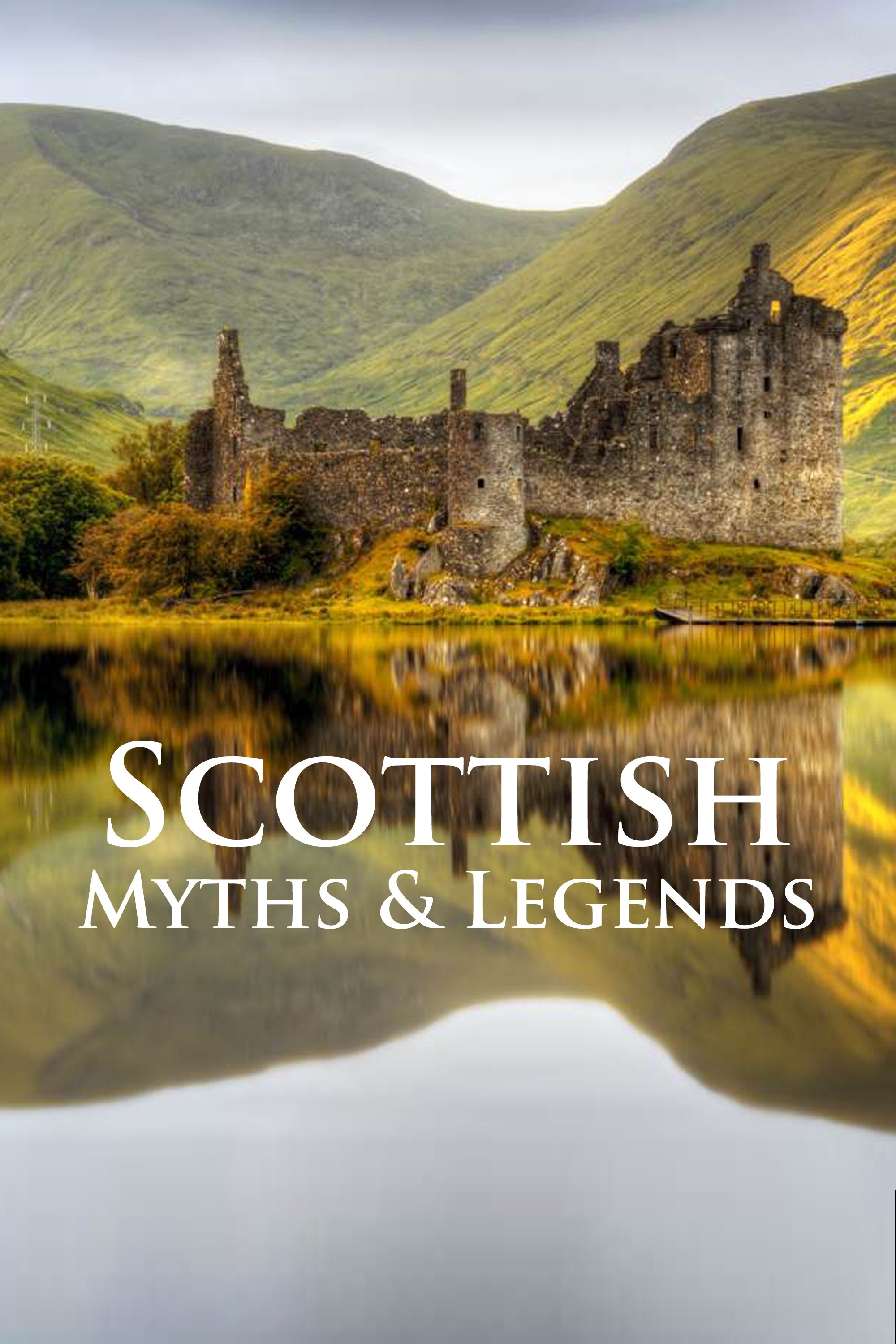
"Scottish Myths & Legends" explores the magic, mystery and sprinkling of mayhem that covers the dramatic landscape of Scotland. From the ancient tales of the Loch Ness Monster to the stories of shape shifting Kelpies, we go on a fascinating journey of discovery to uncover the stories behind the myths and the magnificent Scottish landscape that has inspired these truly legendary legends.
A highlight of Baltic culture, the festival dedicated to Latvian song and dance celebrates its 150th anniversary in Riga.
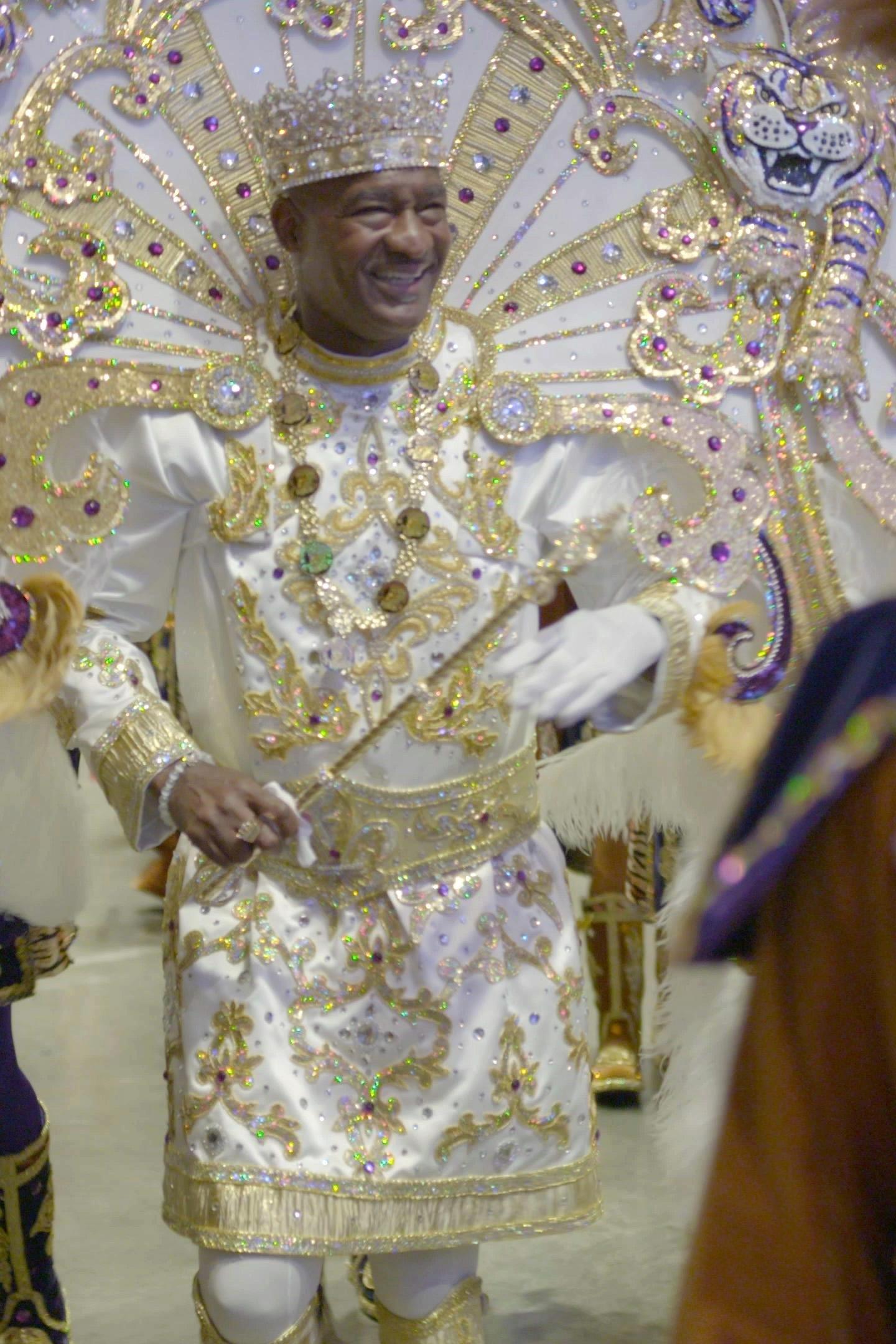
Follows members of the Zulu Club, New Orleans’ first Black Mardi Gras, as they work to bring the Zulu parade back to the streets for Mardi Gras Day 2022, in the face of a global pandemic, hurricane Ida and the loss of members due to COVID and gun violence.
Short documenting the importance of comic books to children's imaginative development, in spite of adult fears that they might be a negative influence.
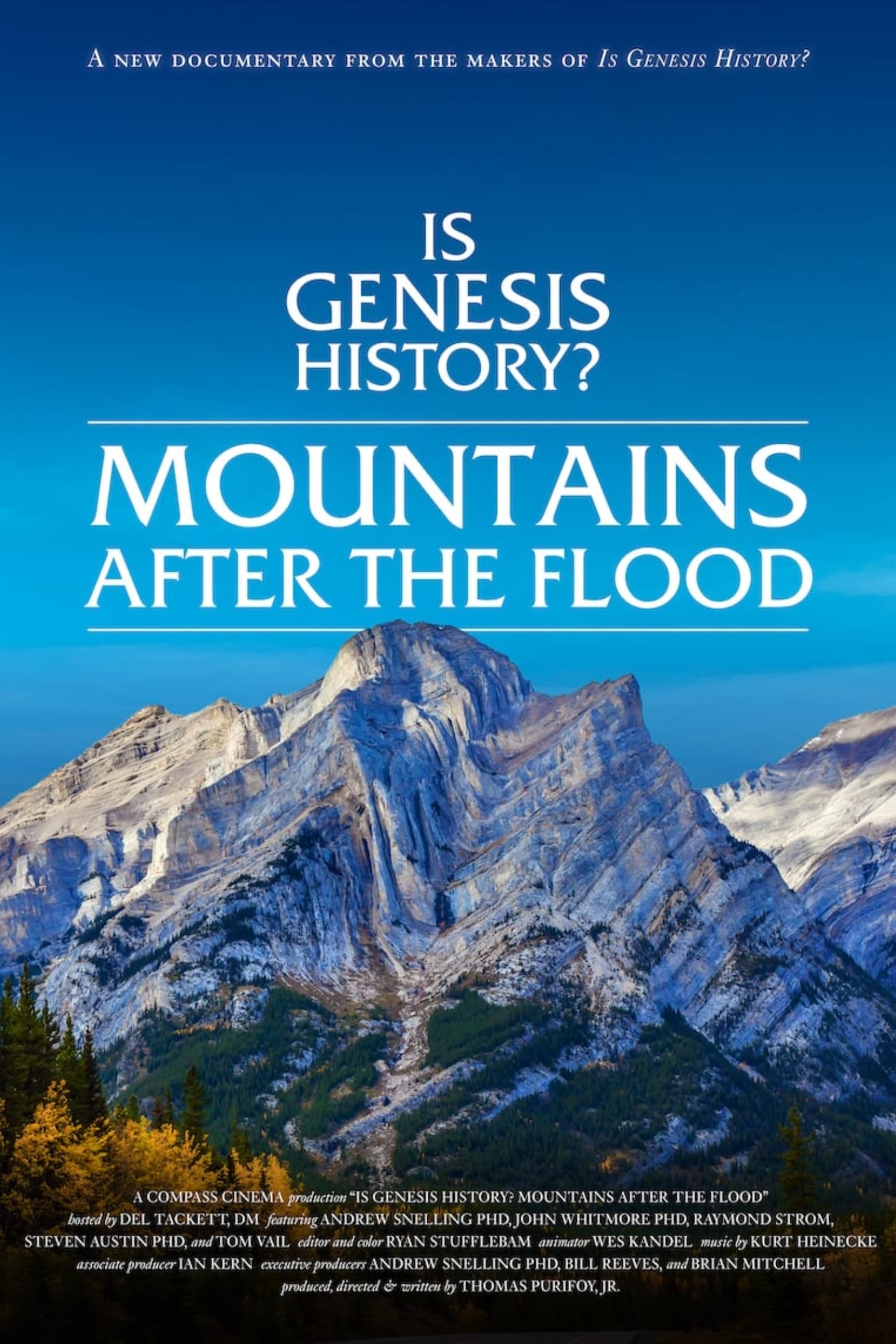
In this fascinating sequel to "Is Genesis History?", watch a team of scientists discover new evidence for the global Flood. By the time the journey is over, you'll understand exactly how modern science connects to the book of Genesis.
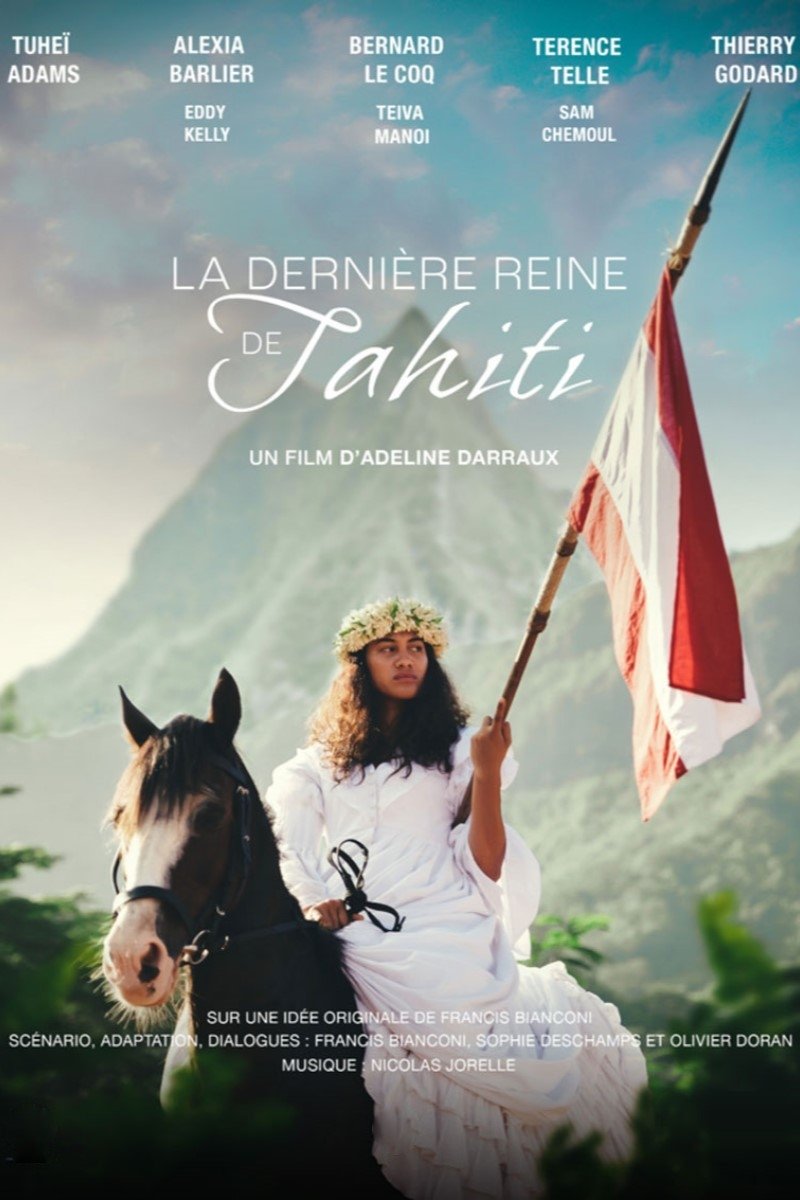
In the kingdom of the lagoons where the custom wants that only the men can become kings. The young Aïmata Pomaré will break this law. Faced with the hostility of her fellow men, threatened by the covetousness of England and France, Aïmata, a young Tahitian princess, will try to save her traditions and her people in order to offer them a destiny. This is how she will become the last queen of Tahiti and make peace with France.
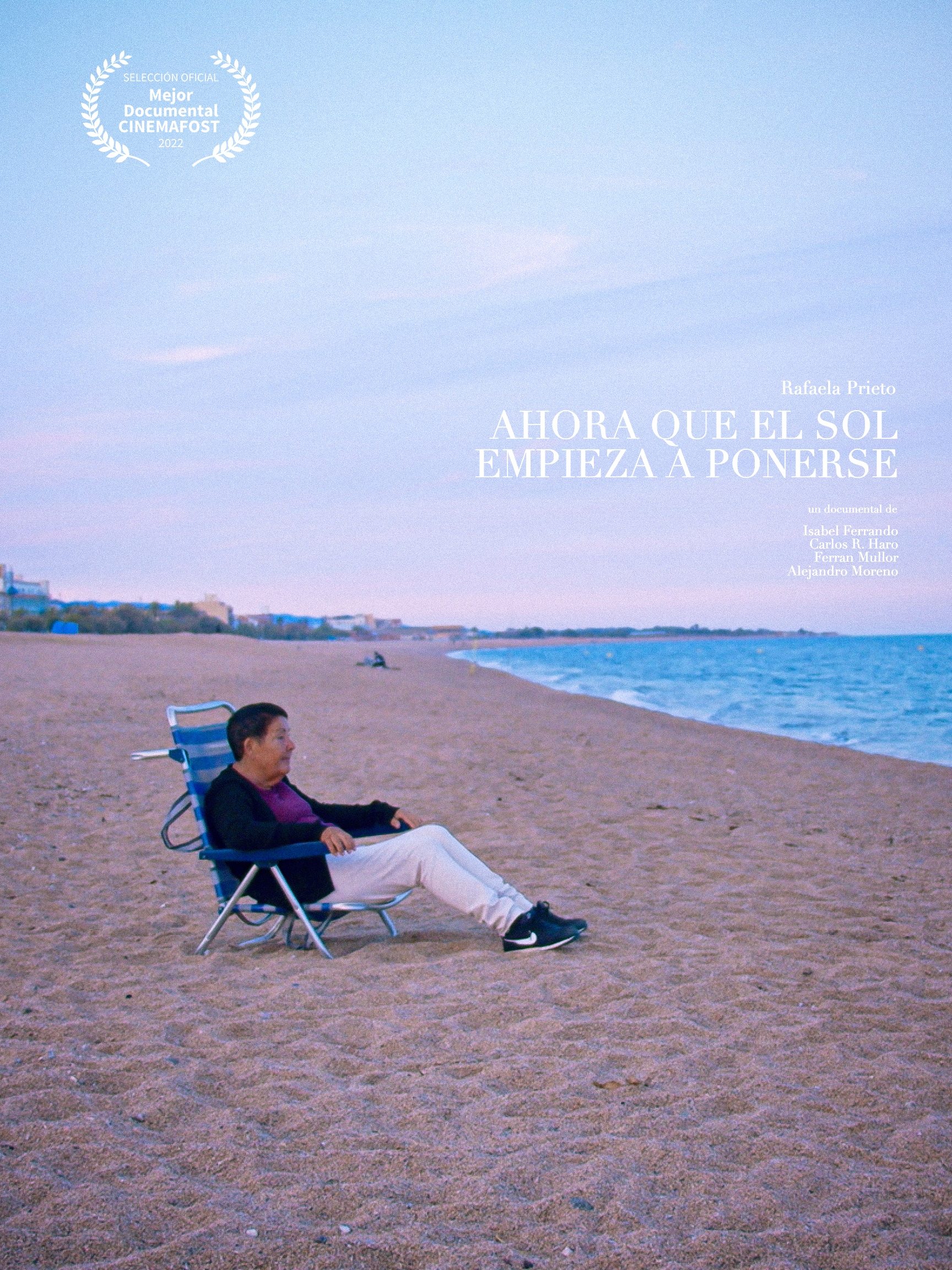
Rafaela, an 80-year-old woman, has a long conversation with her grandson, going over his path from childhood to old age. Now that she has been diagnosed with chronic breast cancer, faith is more present in her life than ever, which coexists with Rafaela's fear of death, and her grandson's fear of dying.
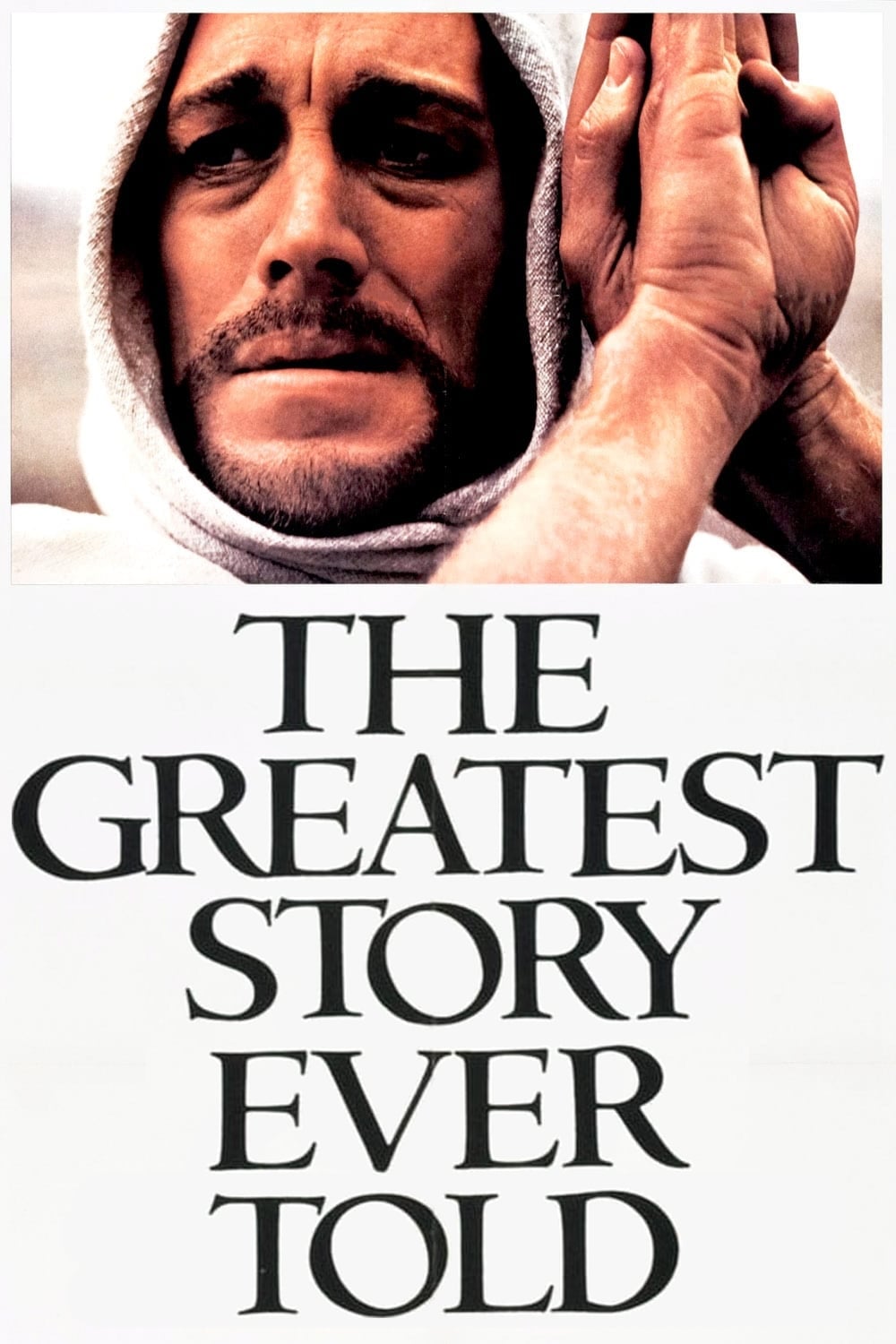
From his birth in Bethlehem to his death and eventual resurrection, the life of Jesus Christ is given the all-star treatment in this epic retelling. Major aspects of Christ's life are touched upon, including the execution of all the newborn males in Egypt by King Herod; Christ's baptism by John the Baptist; and the betrayal by Judas after the Last Supper that eventually leads to Christ's crucifixion and miraculous return.
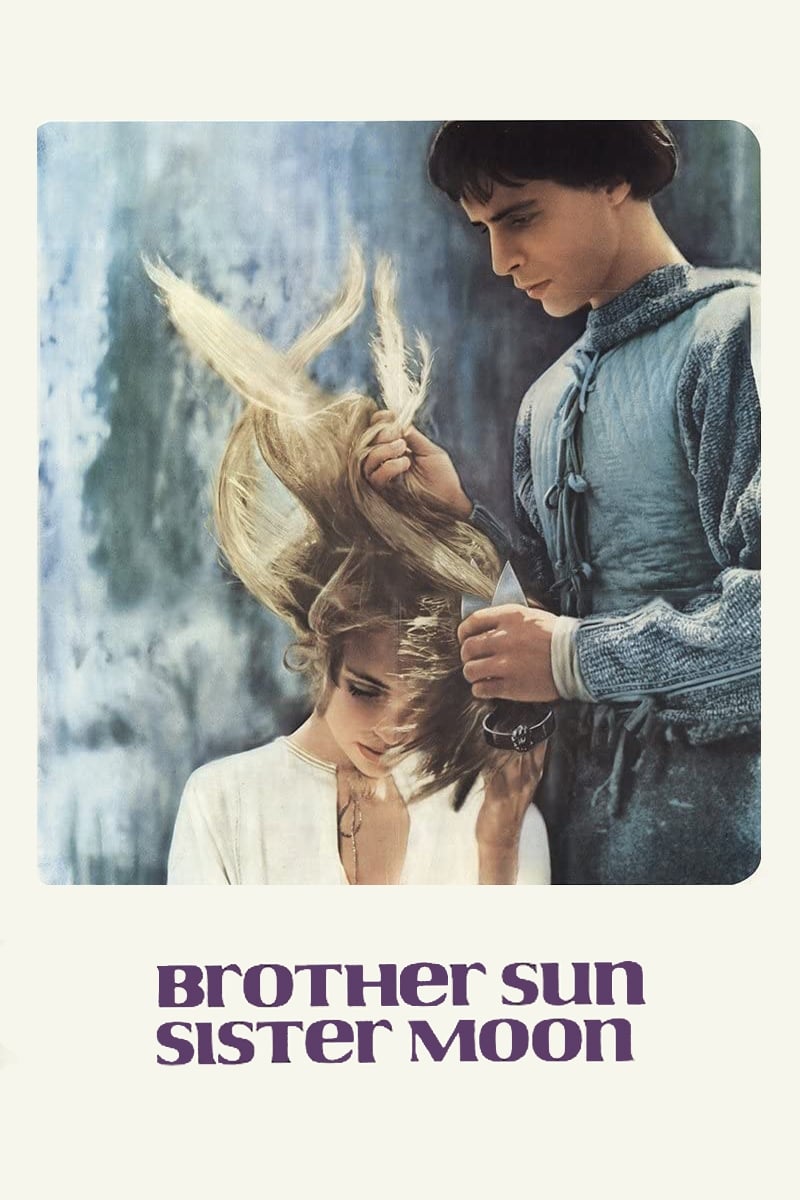
In his delirium from his return from war, Francesco Bernardone goes back in his memories to the days when he lived for parties and carnal pleasures. He slowly recovers, but after the illness he is no longer the Francesco that everybody knew. Instead of spending hours in taverns, he meditates on the beauty of God's creatures, soon renouncing his riches and his family with plans to rebuild an abandoned church and his life.
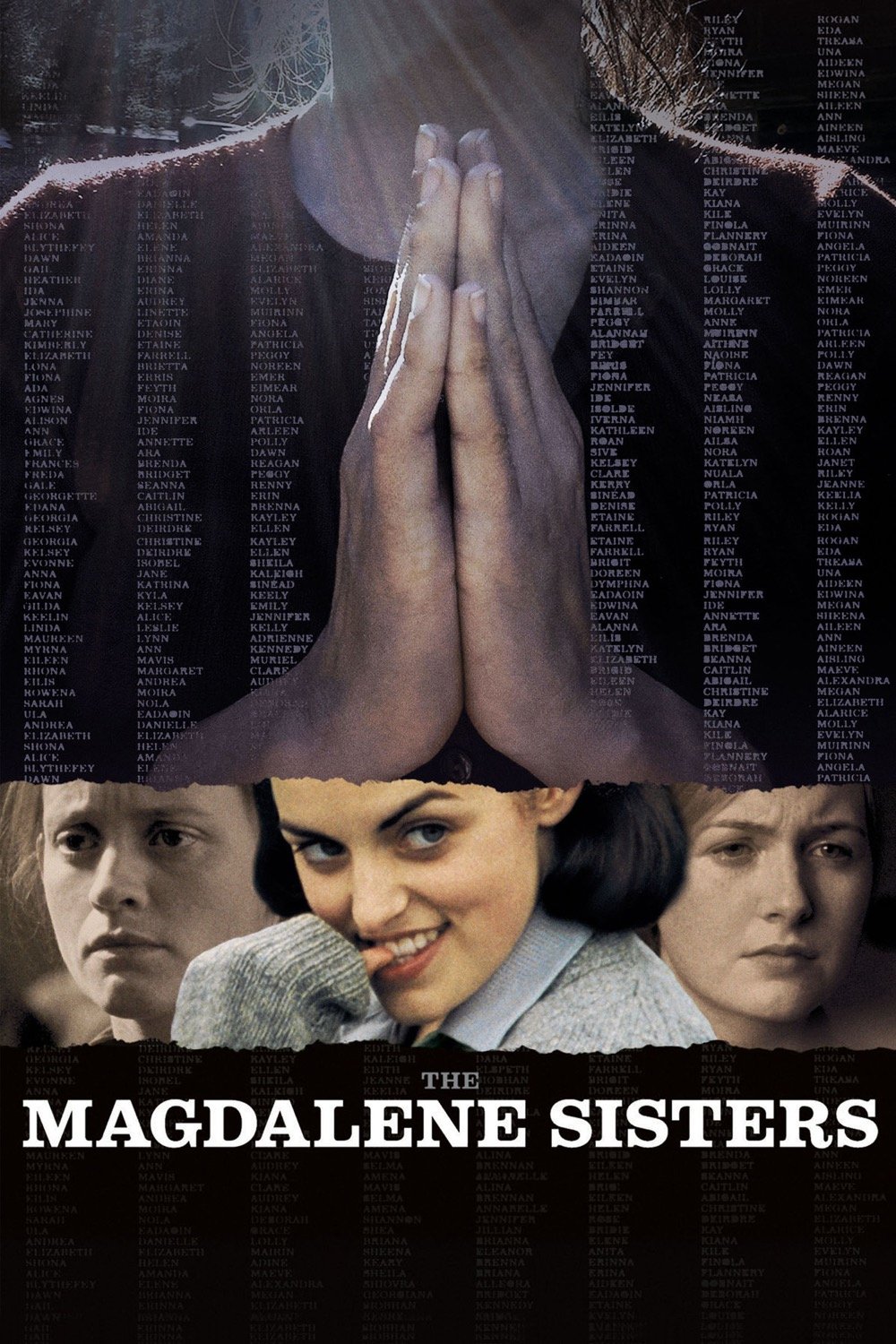
Three young Irish women struggle to maintain their spirits while they endure dehumanizing abuse as inmates of a Magdalene Sisters Asylum.
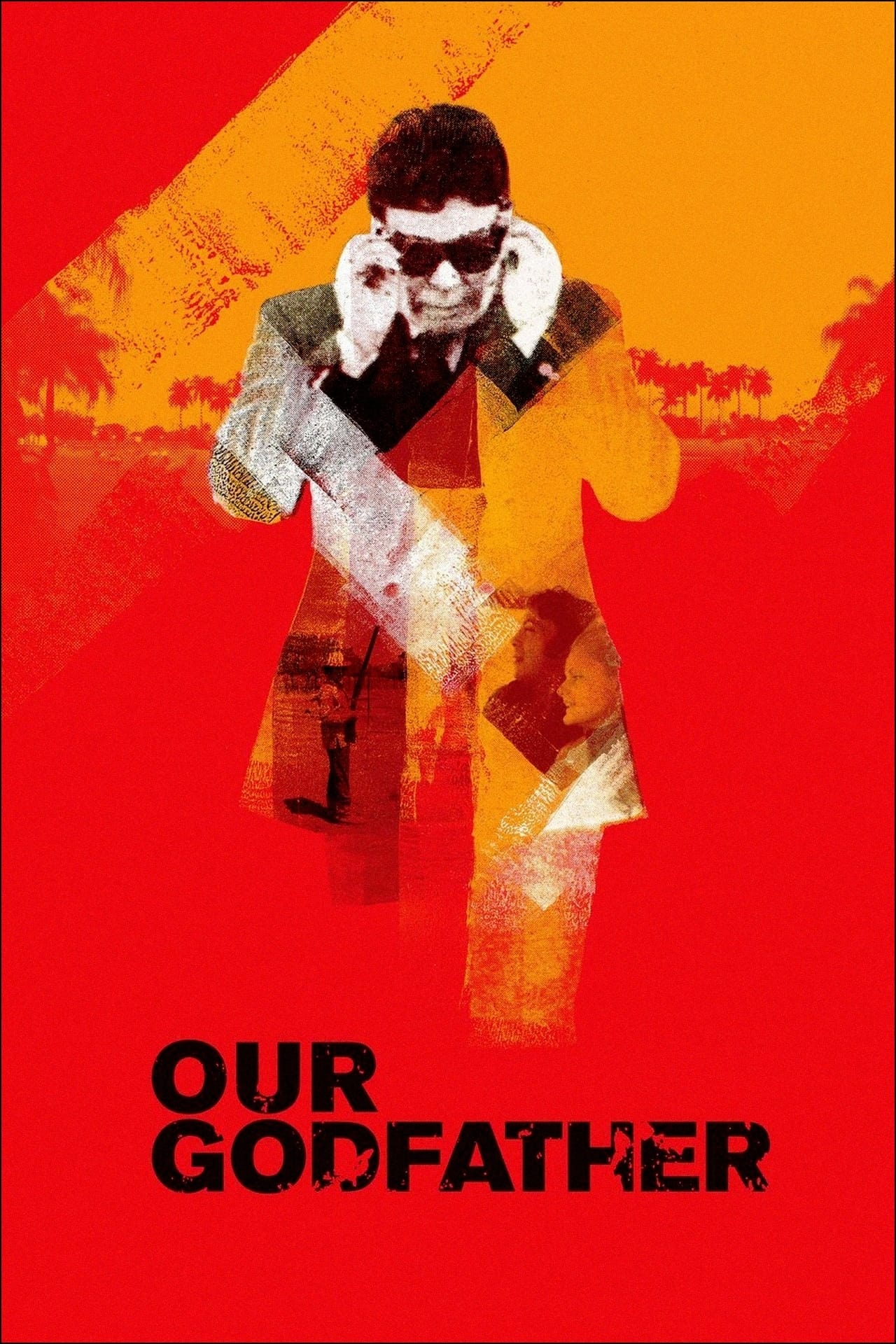
The story of how Sicilian Mafia boss Tommaso Buscetta (1928-2000), the Godfather of Two Worlds, revealed, starting in 1984, the deepest secrets of the organization, thus helping to convict the hundreds of mafiosi who were tried in the trial held in Palermo between 1986 and 1987.
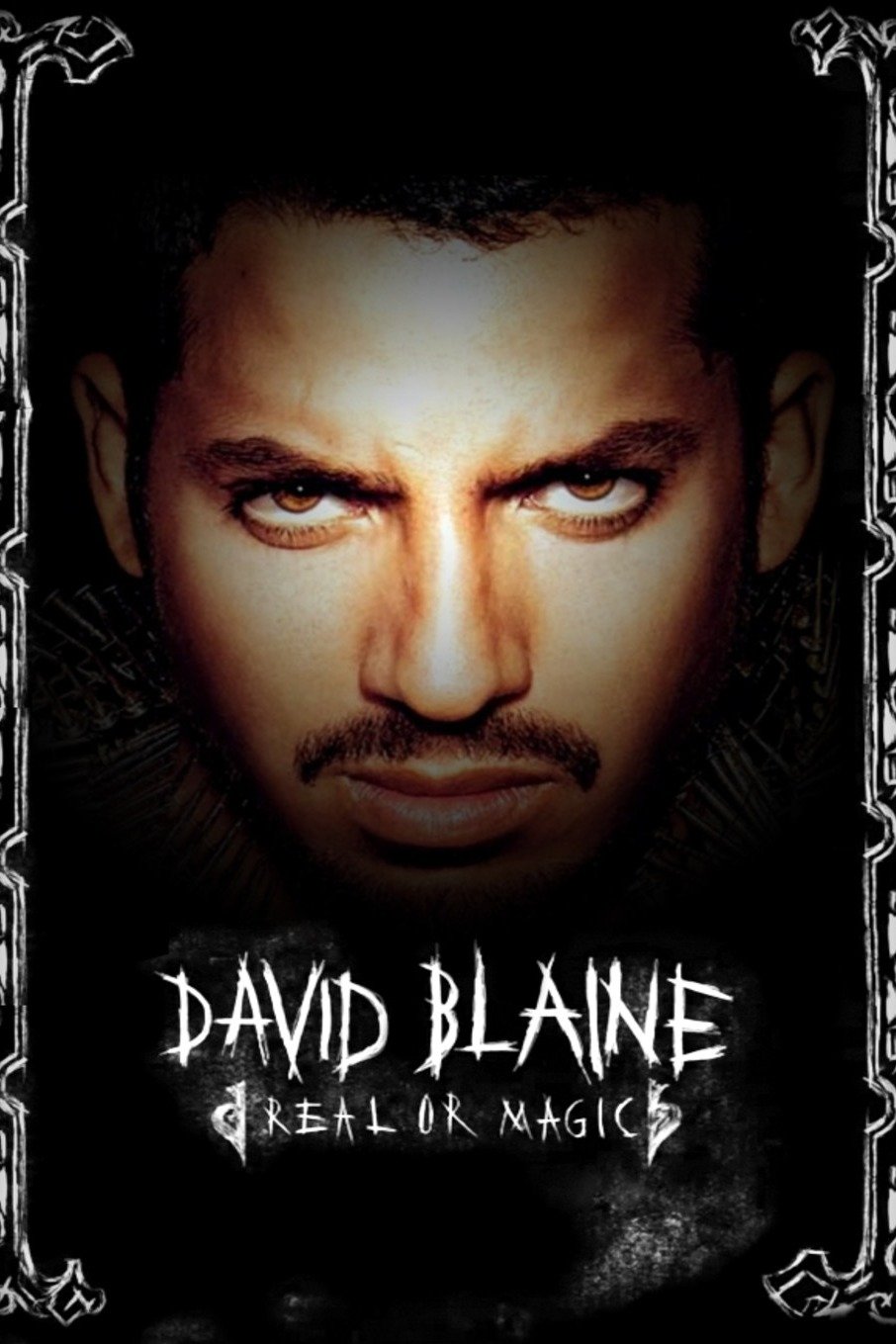
David Blaine's signature brand of street magic mystifies the most recognisable celebrities in the world, such as Jamie Foxx, Bryan Cranston, Aaron Paul, Ricky Gervais, Katy Perry, Woody Allen, and Robert DeNiro, to name a few. He goes to the homes of Kanye West and Harrison Ford, Will Smith and Olivia Wilde. He pays a visit to Stephen Hawking at his office in Cambridge University. Blaine also travels the world, astonishing people from all walks of life with never-before seen, inconceivable magic.
Documentary about the art of film editing. Clips are shown from many groundbreaking films with innovative editing styles.
Echo is a youngster who can't quite decide if it's time to grow up and take on new responsibilities-or give in to her silly side and just have fun. Dolphin society is tricky, and the coral reef that Echo and his family call home depends on all of its inhabitants to keep it healthy. But Echo has a tough time resisting the many adventures the ocean has to offer.
A courageous pastor uses his underground network to rescue and aid North Korean families as they risk their lives to embrace freedom.
After the coup d'État of the Democratic government of Allende, the embassy of Italy in Santiago played a major role in helping the opposers of the regime, and extradited many of them to Italy.
An unprecedented and intimate look at the life, work and enduring legacy of British actress Audrey Hepburn (1929-1993).
Follow Aisholpan, a 13-year-old girl, as she trains to become the first female in twelve generations of her Kazakh family to become an eagle hunter, and rise to the pinnacle of a tradition that has been typically been handed down from father to son for centuries.
In 1972, a seemingly typical shoestring budget pornographic film was made in a Florida hotel: "Deep Throat," starring Linda Lovelace. This film would surpass the wildest expectation of everyone involved to become one of the most successful independent films of all time. It caught the public imagination which met the spirit of the times, even as the self-appointed guardians of public morality struggled to suppress it, and created, for a brief moment, a possible future where sexuality in film had a bold artistic potential. This film covers the story of the making of this controversial film, its stunning success, its hysterical opposition along with its dark side of mob influence and allegations of the on set mistreatment of the film's star.
“The Soviet Story” is a story of an Allied power, which helped the Nazis to fight Jews and which slaughtered its own people on an industrial scale. Assisted by the West, this power triumphed on May 9th, 1945. Its crimes were made taboo, and the complete story of Europe’s most murderous regime has never been told. Until now...
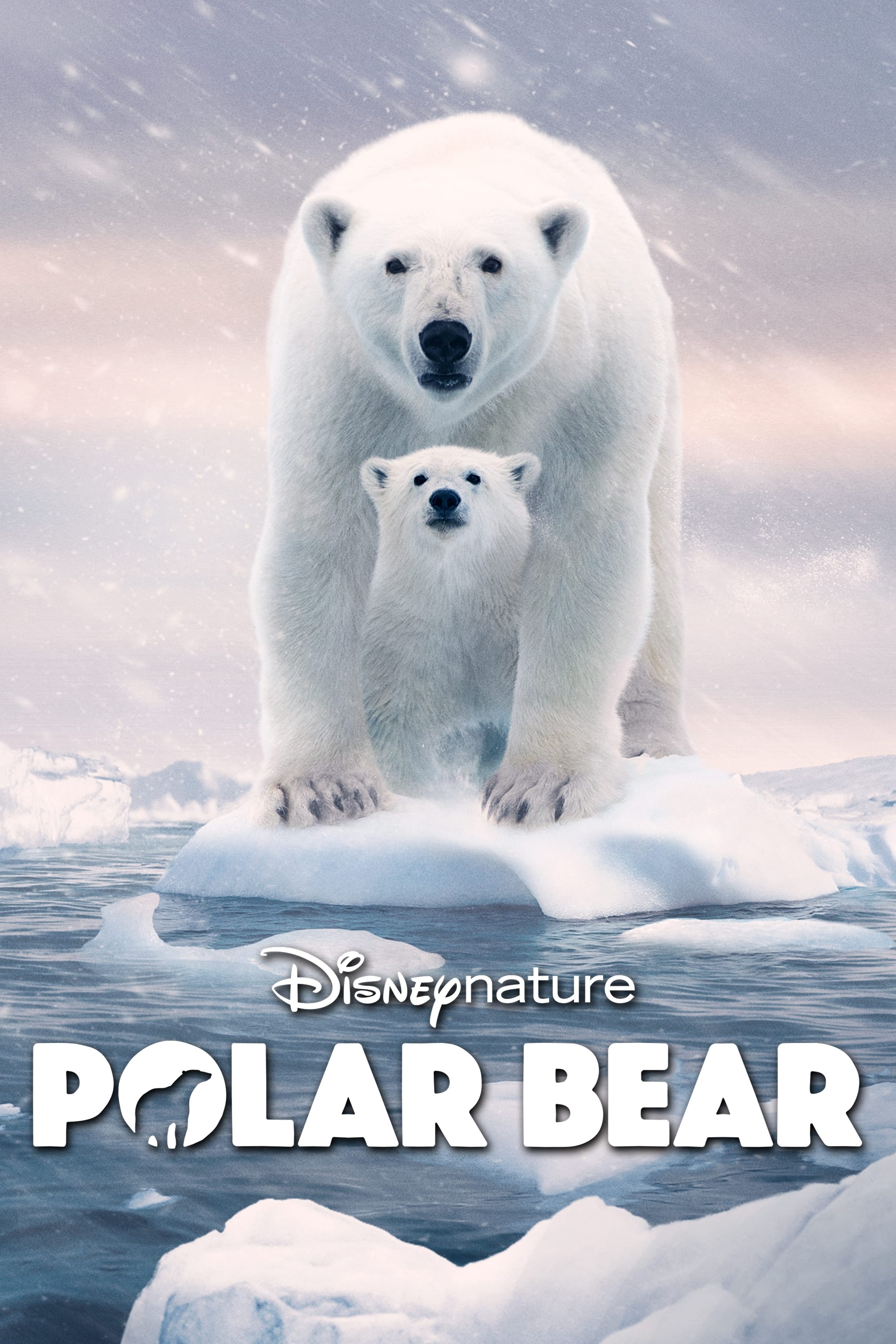
A new mother’s memories of her own youth prepare her to navigate motherhood in the increasingly challenging world that polar bears face today.
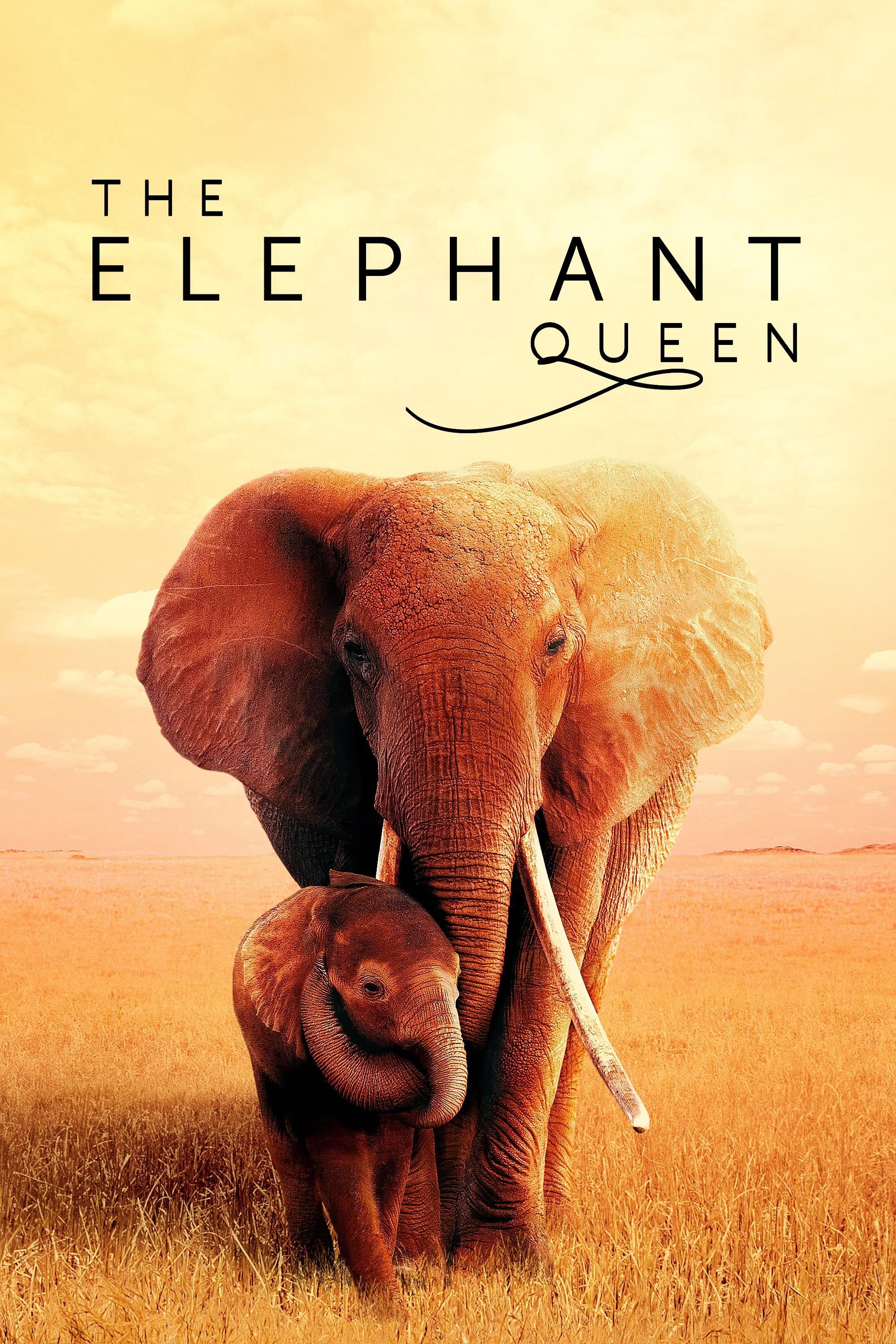
Embark on an epic journey of family, courage, and coming home in this feature-length documentary. Join Athena, the majestic matriarch, as she leads her elephant herd across an unforgiving African landscape filled with vibrant wildlife.
Experience the events of September 11, 2001 through the eyes of President Bush and his closest advisors as they personally detail the crucial hours and key decisions from that historic day.
He's devoted his career to uncovering stories the powerful want buried. From My Lai to Abu Ghraib, dig into the life's work of journalist Seymour Hersh.
A behind-the-scenes documentary about the Clinton for President campaign, focusing on the adventures of spin doctors James Carville and George Stephanopoulos.
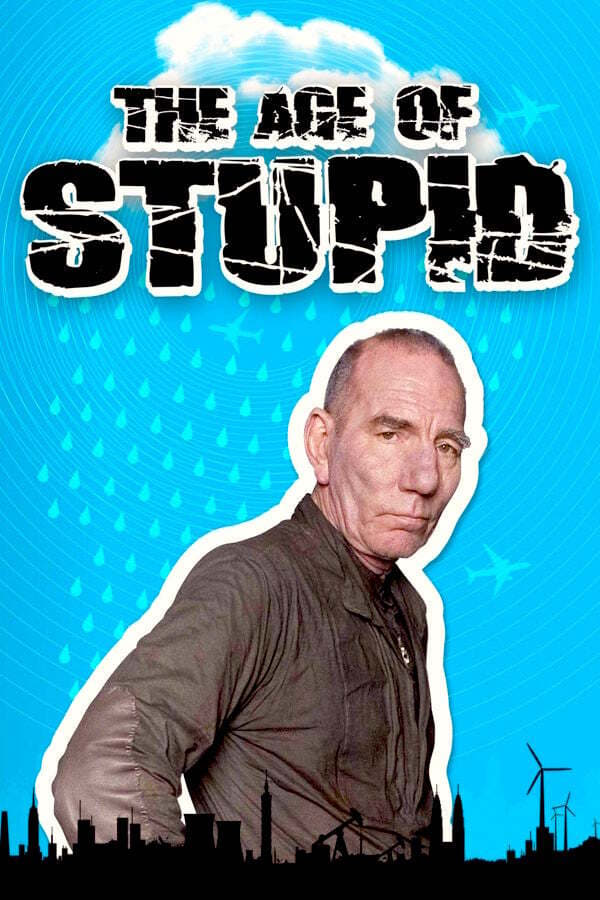
Pete Postlethwaite stars as a man living alone in the devastated future world of 2055, looking at old footage from 2008 and asking: why didn’t we stop climate change when we had the chance?
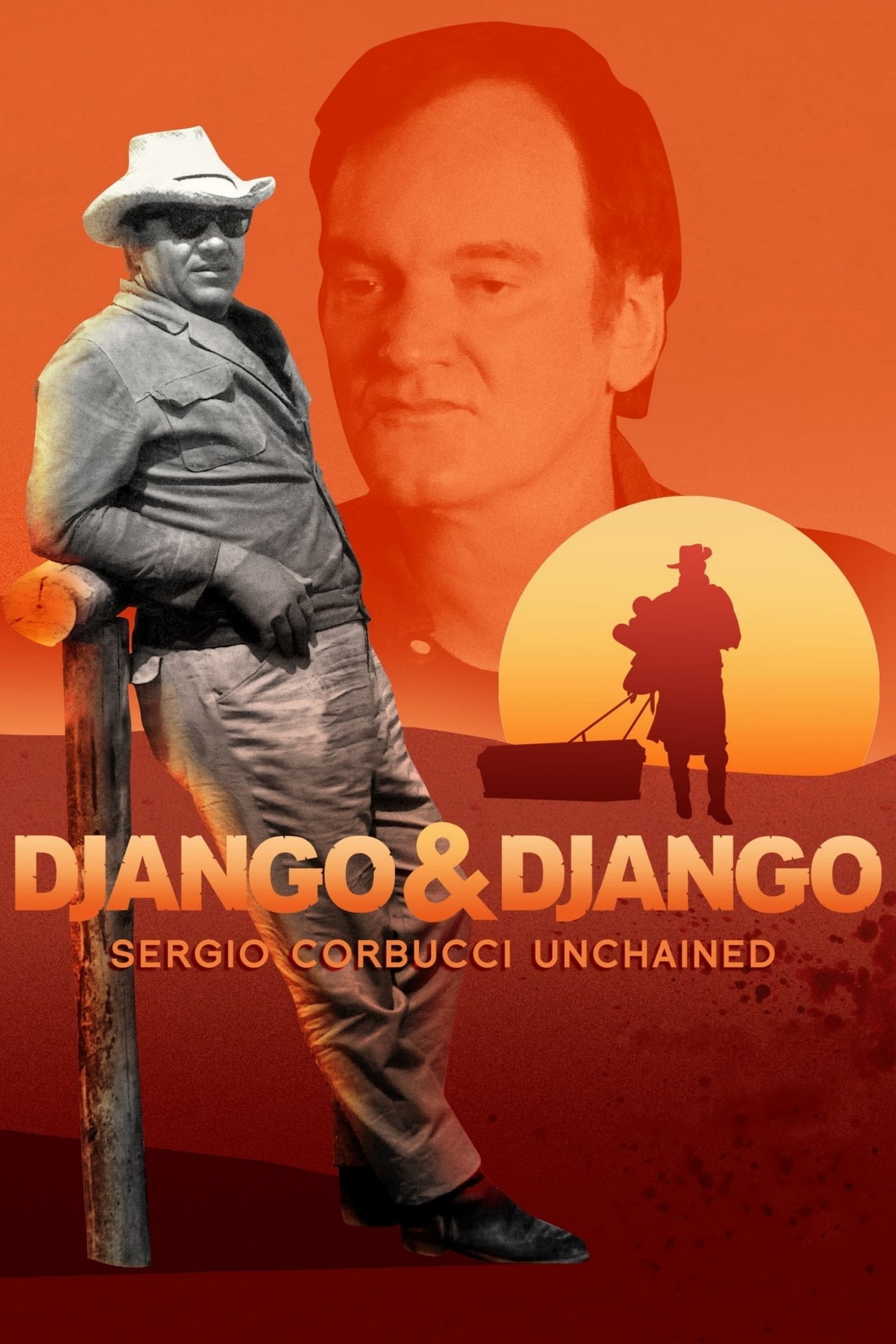
A tribute to Italian filmmaker Sergio Corbucci (1926-90), presented by American filmmaker Quentin Tarantino.
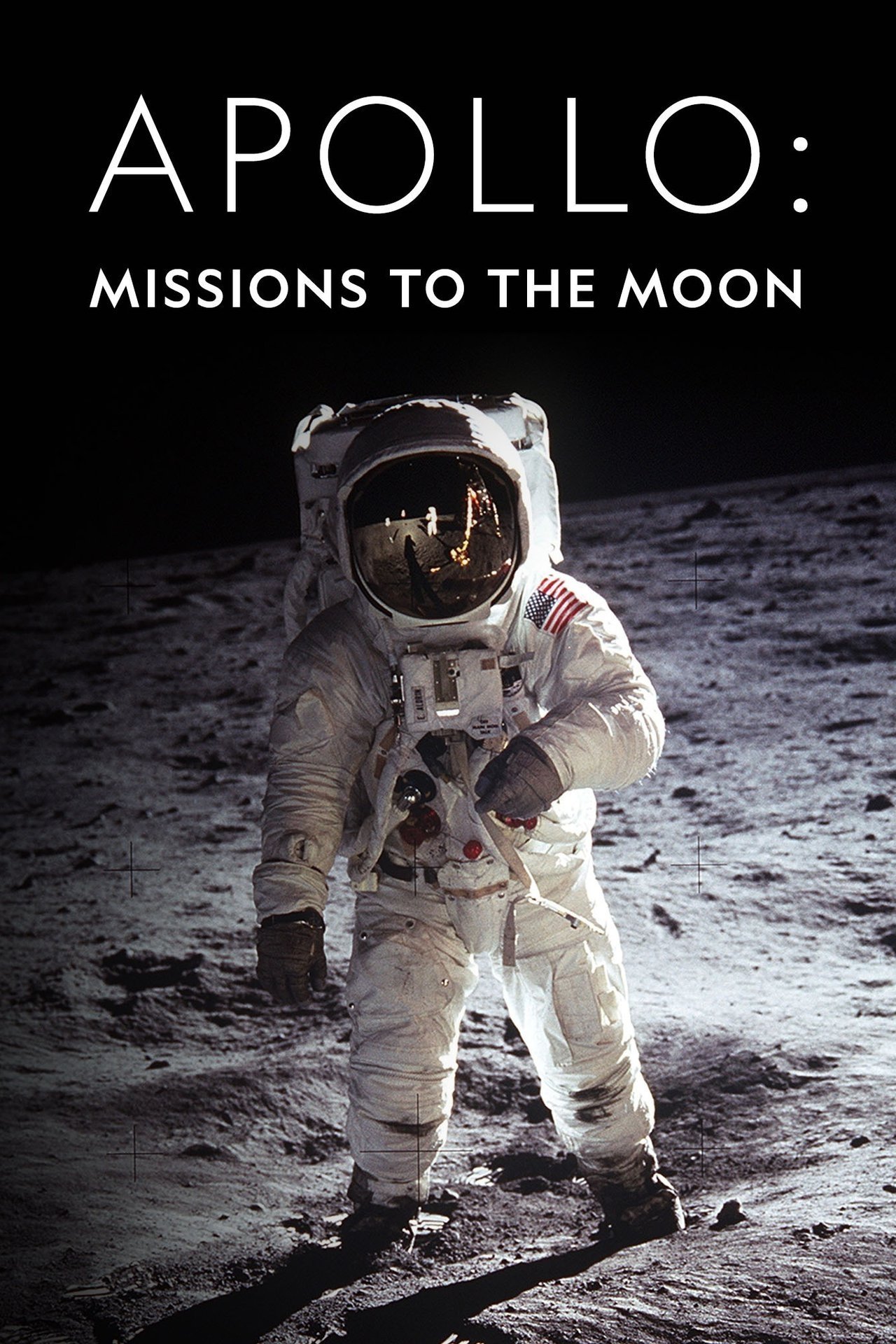
National Geographic's riveting effort recounts all 12 crewed missions using only archival footage, photos and audio.
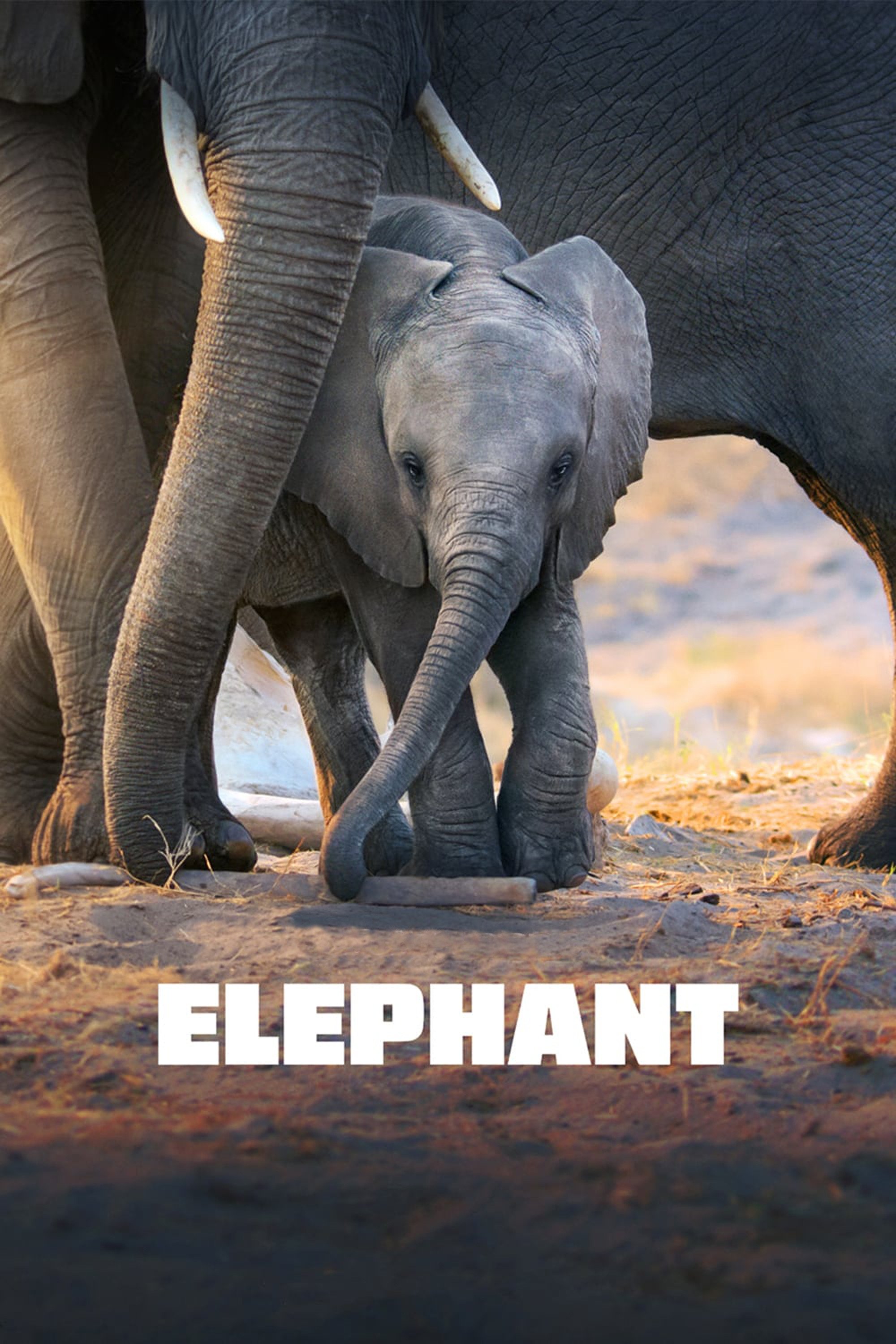
Disneynature’s Elephant follows African elephant Shani and her spirited son Jomo as their herd make an epic journey hundreds of miles across the vast Kalahari Desert. Led by their great matriarch, Gaia, the family faces brutal heat, dwindling resources and persistent predators, as they follow in their ancestors’ footsteps on a quest to reach a lush, green paradise.
A documentary examining possible historical and modern conspiracies surrounding Christianity, the 9/11 terrorist attacks, and the Federal Reserve bank.