Social & External
Commentary (voice)
Anna "Buksa" Scemelinska (1925 - 2011) was a Latvian folksinger. She learned her song repertoire and singing style from her parents and villagers. She sang in the Rekova Church Choir in 1956, and has also been a member of the Rekava Ethnographic Ensemble from 1980. Her mother sang religious hymns ,"godzinkas", while Anna sang traditional dainas. The singing was like the rest of her life: in harmony with nature. Marked by hard work and deep religiosity, her songs are a kind of Eastern European blues or gospel. Singers like Anna Scemelinska are storytellers. Their folk songs comprise legends, history and experience from life.
An anthropological research on the survival of the supernatural in traditional culture. Shot in different locations in southern Italy, the documentary focuses on the link between the cult of the Madonna and ancient rites related to female fertility.
Six part TV series where Karpo Godina filmed common folk, showing the world of people who have filled their lives with hobbies and skills of their own making. It features gold panners on the river Pek, a shepherdess who plays music on a leaf, a football fan, a potter, and an unusual orchestra.
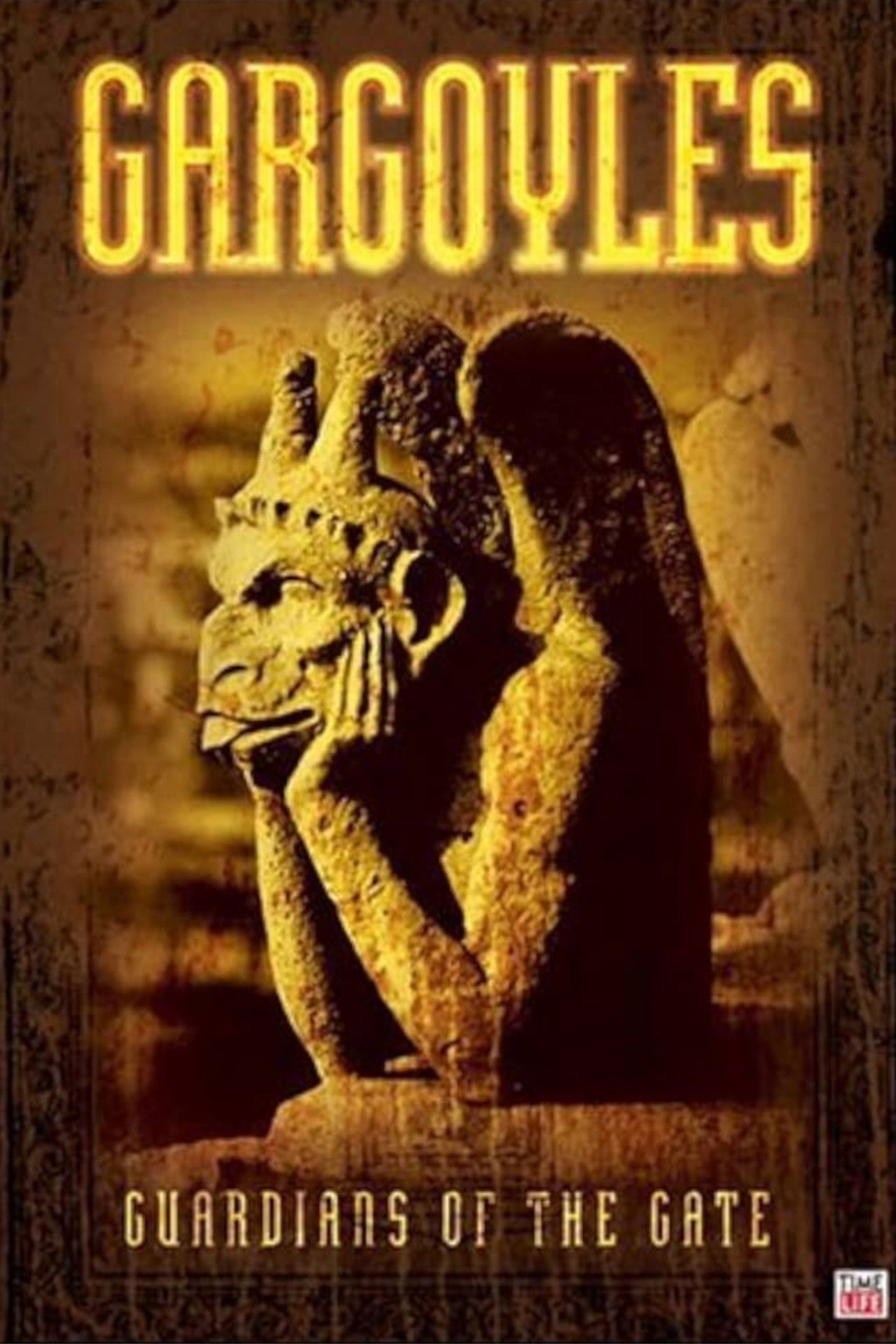
This documentary takes a look at gargoyles, the stone or cement creatures that adorn the lofty tops of buildings. Thought by some to contain the trapped souls of the condemned and believed by others to ward off evil, these adornments are sources of curiosity even today.
From the book by the same name by Ninni Ravazza, "Diario di Tonnara" tells the story of the towns, villages, communities and adventures that dictate the daily lives of the tuna fishermen in Italy.
In the frigid waters off of Russia’s Bering Strait, Inuit and Chukchi hunters today still seek out the giant sea mammals that have provided their people with food since time immemorial. It is known, that the whale hunting today is controversial and subject to international criticism and regulations. But the Inuit and Chukchi hunt is permitted by international law because of the whaling is the foundation of their culture and their life. The contemporary story of elders Aleksandr and Aleksei blends seamlessly with that of “the woman who gave birth to a whale” and other ancient myths, told here in vivid animation, in this ongoing struggle for survival and preservation of a traditional lifestyle in one of the most remote places on earth.
In Africa there is a fable that explains the creation of the tides. When a hyaena challenged a mudskipper to a drinking contest to decide who should own the shore, the god Mungu tilted the earth so the sea flowed inland, and neither could win.
Walker takes us on a personal journey into a world of myth and imagination that he learned from his grandmother. He travels from the Moors of Devon and the Highlands of Scotland to the brooding Celtic landscapes of Ireland and the intimate hills of Cape Breton, in his search of this potent “otherworld” of the imagination.
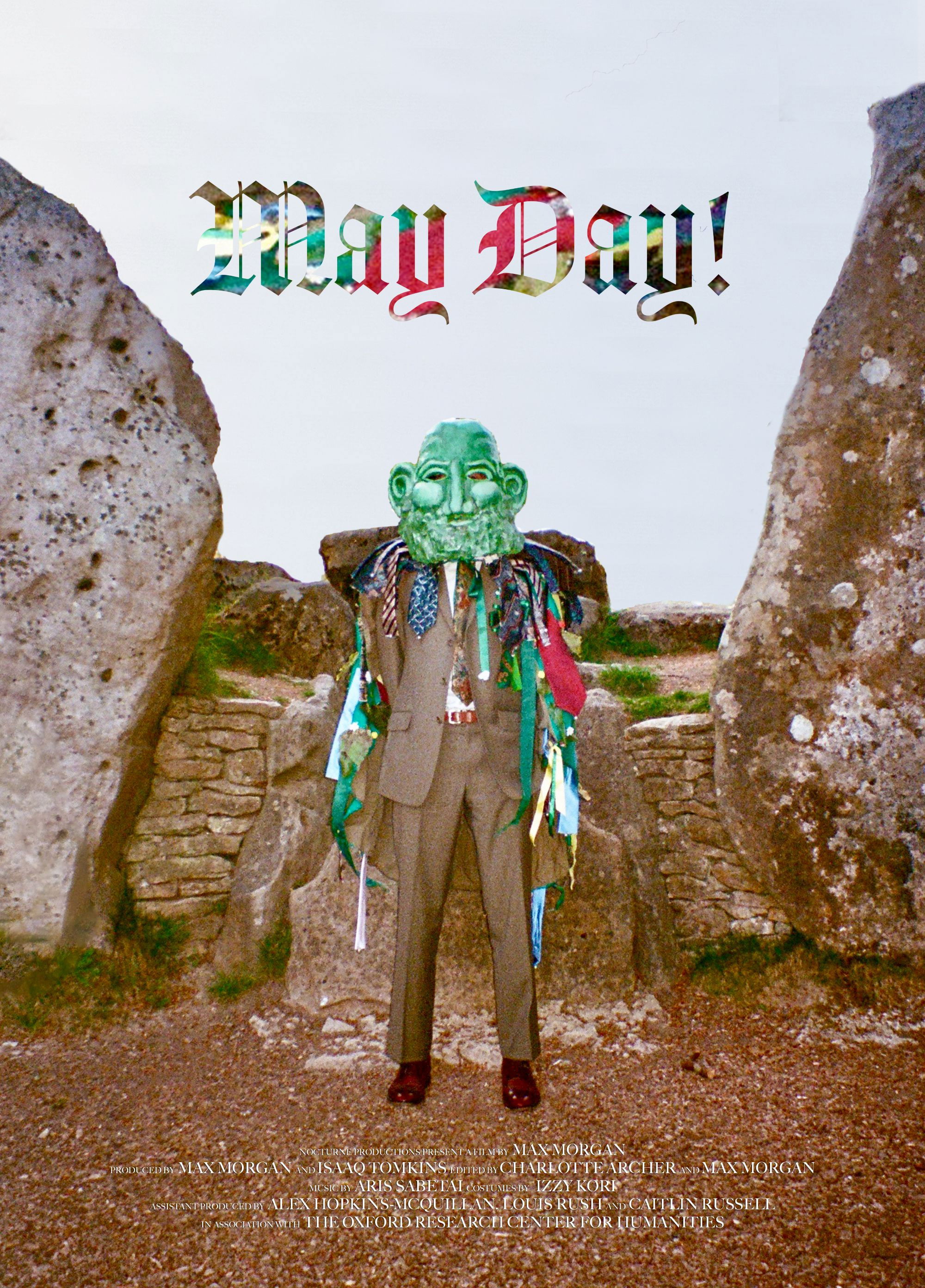
Since ancient times, the Green Man has been one of the most mysterious and menacing of mythical characters. He also has a familiar face as Robin Hood , Jack in the Green and on numerous pub signs. Across the arts from comic strips to classical opera, the Green Man is now making a comeback. Where is he taking us? Writer Sir Kingsley Amis , film director John Boorman , composer Sir Harrison Birtwistle and other leading artists offer their interpretations of the mystery in this Omnibus documentary film from 16th November, 1990.