A glimpse at how genre film-focused home video companies have taken the charge in preserving, restoring, and releasing so many works which otherwise might have been lost to time.

Social & External
Self
As Hong Kong's foremost filmmaker, Johnnie To himself becomes the protagonist of this painstaking documentary exploring him and his Boundless world of film. A film student from Beijing and avid Johnnie To fan, Ferris Lin boldly approached To with a proposal to document the master director for his graduation thesis. To agreed immediately and Lin's camera closely followed him for over two years, capturing the man behind the movies and the myths. The result is Boundless, a candid profile of one of Hong Kong's greatest directors and a heartfelt love letter to Hong Kong cinema.
Brought to life through archival material and the reflections of over 40 colleagues, friends and fans, BLOOD & FLESH is much more than the story of a moviemaking life most unusual. It beautifully captures the worlds of outsider filmmaker communities that existed in California in the ’70s, and the weird ways they intersected with Hollywood mainstream and union indies. On Adamson shoots, regular Orson Welles crew and cinematographers like Gary Graver, Vilmos Szigmond and Lazlo Kovaks worked alongside Bud Cardos — and at one point, Charles Manson! Director David Gregory (founder of Severin Films, director of LOST SOUL: THE DOOMED JOURNEY OF RICHARD STANLEY’S ISLAND OF DR. MOREAU) spent years making this film, speaking to everyone down to the cops who investigated Adamson’s murder, vividly encapsulating both a bold life and tragic demise, with alien conspiracies, go-go dancers and Colonel Sanders coming in along the way. If you’ve got even a passing interest in cinema, you want to see this
Jack L. Warner, Harry Warner, Albert Warner and Sam Warner were siblings who were born in Poland and emigrated to Canada near the turn of the century. In 1903, the brothers entered the budding motion picture business. In time, the Warner Brothers moved into film production and would open their own studio in 1923.
The glorious and tragic story of American athlete and actor Johnny Weissmuller (1904-84), Olympic swimmer, water polo player and the only true Tarzan, an archetypal character and myth of cinema, that of the original Hollywood blockbusters (1932-48).
In one of those wonderful coincidences of history, lumière, the French word for “light,” was also the last name of brothers Auguste and Louis, whose brilliant invention, the cinematograph, helped to inaugurate the most beloved art form of the last 130 years. Institute Lumière director Thierry Frémaux uses Lumière, Le Cinema! to guide the viewer through over a hundred shorts—some famous, some forgotten, some never before seen—directed by Lumière and company. In the process, Frémaux illuminates how the brothers employed the camera as a creative instrument as they (and their operators) mastered framing, staging, and subject selection for quotidian and exotic microdocumentaries as well as the first ever fictional motion pictures. The result is not only a glorious re(telling) of the genesis of cinema but a profound meditation on the beautiful world captured—and the mysterious world imagined—by the Lumières.
A look at the making of the film Troll 2 (1990) and its journey from being crowned the "worst film of all time" to a cherished cult classic.
An investigation of how Hollywood's fabled stories have deeply influenced how Americans feel about transgender people, and how transgender people have been taught to feel about themselves.
An oral history exploring the development of film projection and cinema in Kingston-on-Thames - from resident innovator Eadweard Muybridge through the heyday, decline, and re-emergence of cinema. Features interviews with historians, projectionists and usherettes as well as cinema-goers with rare footage and images from Kingston’s cinemas.
Using testimonies by pioneers and witnesses of the times, delve into the feverish visual culture the media generated – with far-fetched examples of canine television games, seduction manuals, aerobics class while holding a baby, among others.
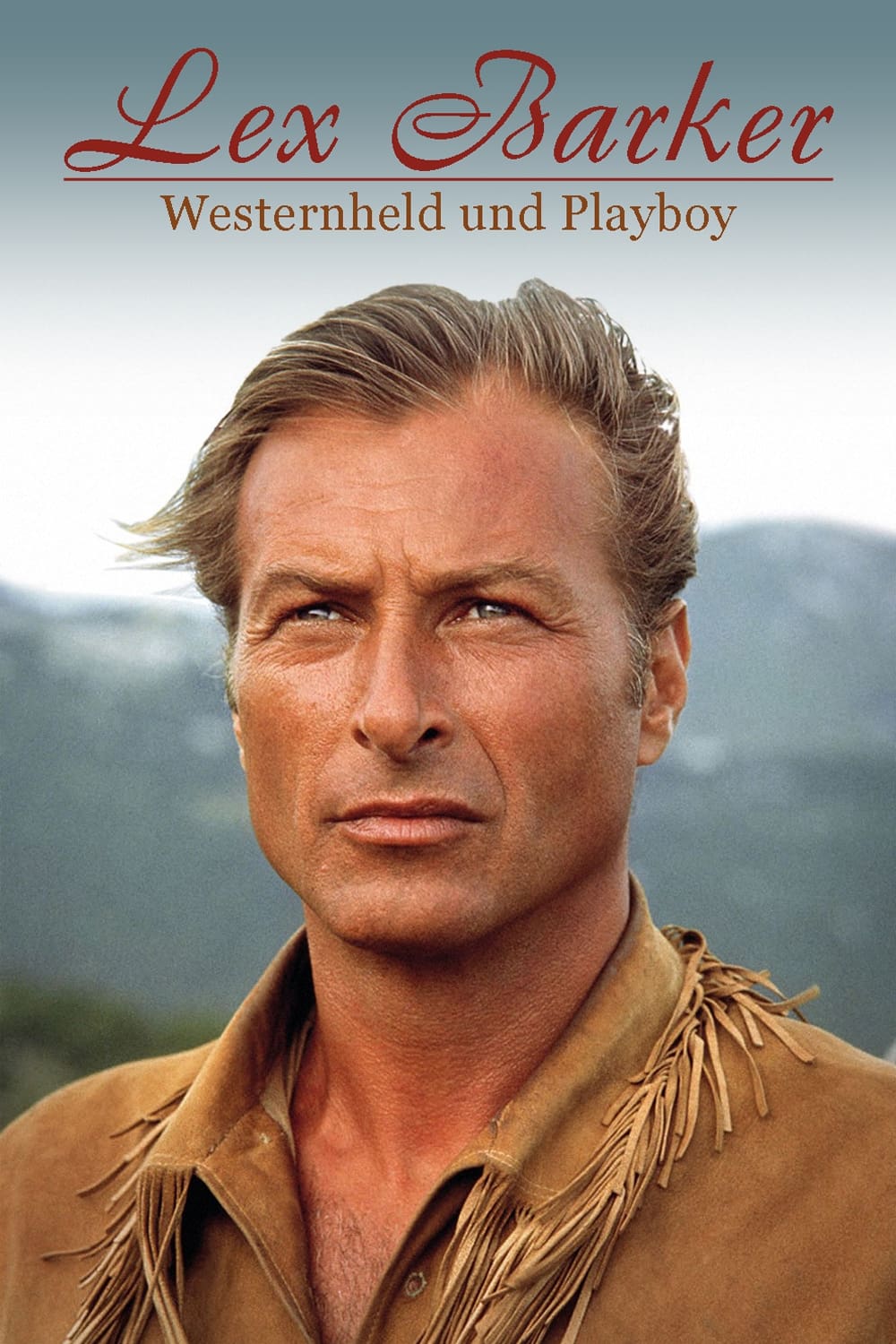
He is the most sought-after man in Europe in the 1960s. Lex Barker embodies the flawless hero in his films and, as Old Shatterhand, becomes a role model for generations of fans. Revered in Europe, misunderstood and almost forgotten in his native America. But who was this American who rode through Yugoslavia in a leather costume for the European audience? In 1973, Lex Barker died of a heart attack on the streets of Manhattan in New York. But no one recognizes the man who was Tarzan in Hollywood. Nobody knows him or cares about that he, as Winnetou's friend, is revered as an icon in Europe. Lex Barker's European western adventures are just a footnote in American film history. On the occasion of the 50th anniversary of his death, the documentary tells the story of one of the most beautiful men who ever flickered across Europe's cinema screens, for whom European cinema proved to be a stroke of luck and for whom a failed Hollywood career took him via Italy to Germany.
The story of how Norma Jeane Mortenson became Marilyn Monroe (1926-62), a lucid path of self-discovery, from anonymity to stardom: the painful birth of a myth.
Robert Altman's life and career contained multitudes. This father of American independent cinema left an indelible mark, not merely on the evolution of his art form, but also on the western zeitgeist. With its use of rare interviews, representative film clips, archival images, and musings from his family and most recognizable collaborators, Altman is a dynamic and heartfelt mediation on an artist whose expression, passion and appetite knew few bounds.
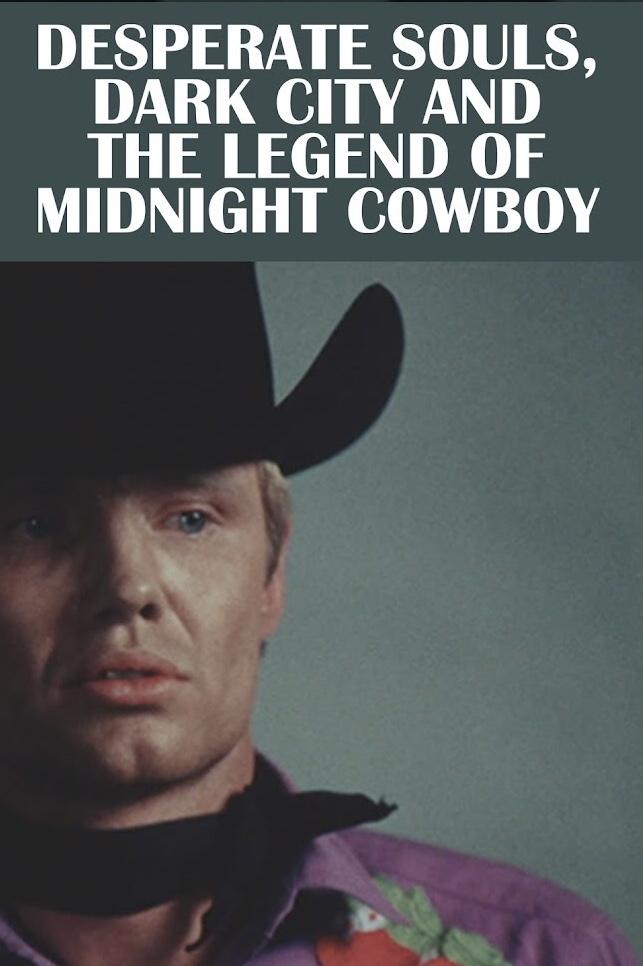
This is not a documentary about the making of Midnight Cowboy. It is about a humane and groundbreaking masterpiece and the flawed but gifted people who made it. It is about a troubled era of cultural ferment, social and political change, about broken dreams and strivers, then and now. It is about an era that made a movie and a movie that made an era.
A documentary covering Firefly's birth, death and rebirth from the perspective of both the fans and the cast and crew of both productions.
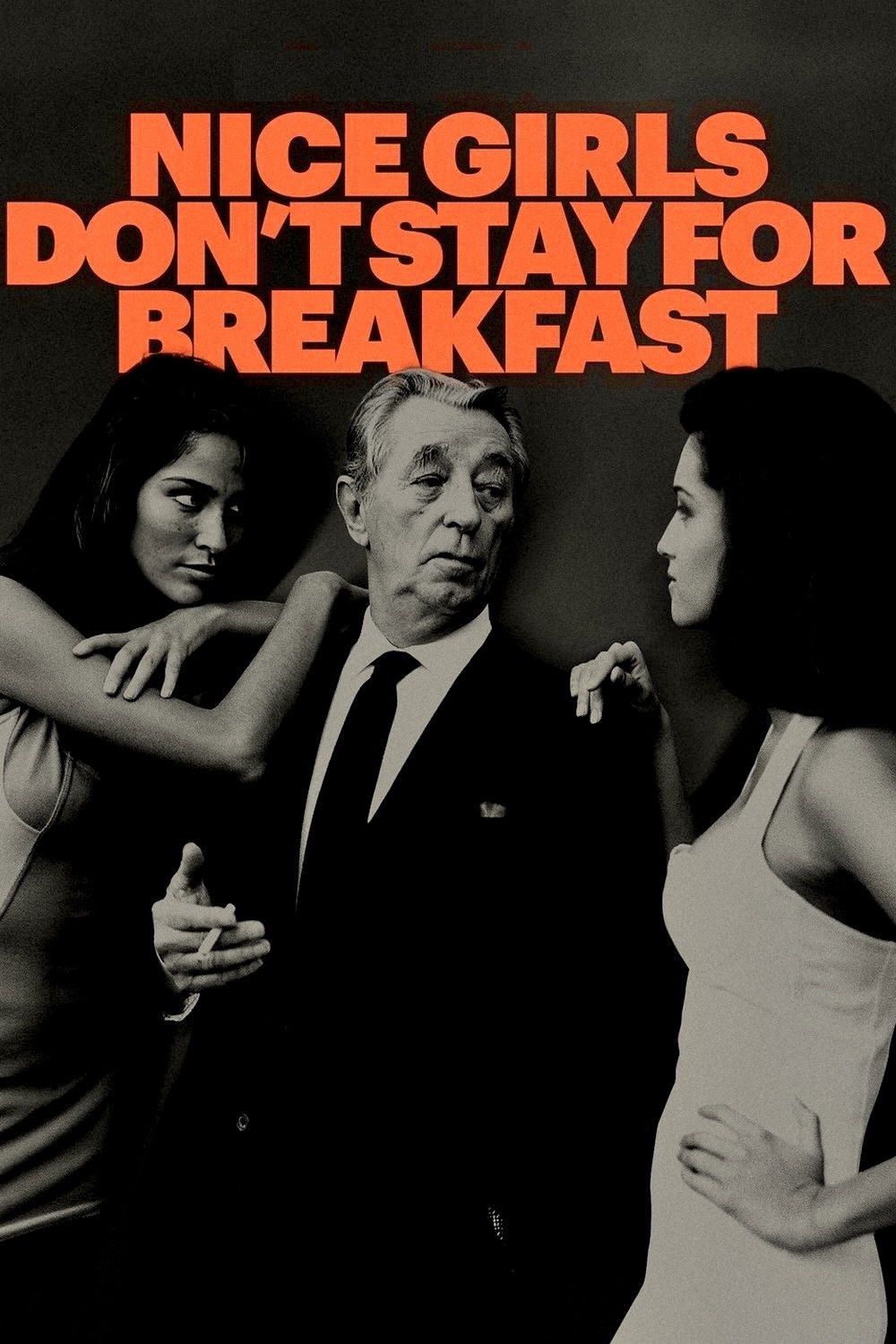
In the late 1990s, iconic photographer Bruce Weber barely managed to convince legendary actor Robert Mitchum (1917-97) to let himself be filmed simply hanging out with friends, telling anecdotes from his life and recording jazz standards.
Before computer graphics, special effects wizardry, and out-of-this world technology, the magic of animation flowed from the pencils of two of the greatest animators The Walt Disney Company ever produced -- Frank Thomas and Ollie Johnston. Frank and Ollie, the talent behind BAMBI, PINOCCHIO, LADY AND THE TRAMP, THE JUNGLE BOOK, and others, set the standard for such modern-day hits as THE LION KING. It was their creative genius that helped make Disney synonymous with brilliant animation, magnificent music, and emotional storytelling. Take a journey with these extraordinary artists as they share secrets, insights, and the inspiration behind some of the greatest animated movies the world has ever known!
An intimate portrait and saga of four film pioneers--Harry, Albert, Sam and Jack who rose from immigrant poverty through personal tragedies persevering to create a major studio with a social conscience.
The Captains' Summit documents the first time in Star Trek history that four stars who at some point have played Captains in Star Trek (William Shatner, Patrick Stewart, Leonard Nimoy, Jonathan Frakes) have been brought together for a 70-minute rare and unprecedented round table event. Whoopi Goldberg, star of Star Trek: The Next Generation, hosts the event.
From 1970-1977, six low budget films shown at midnight transformed the way we make and watch films.
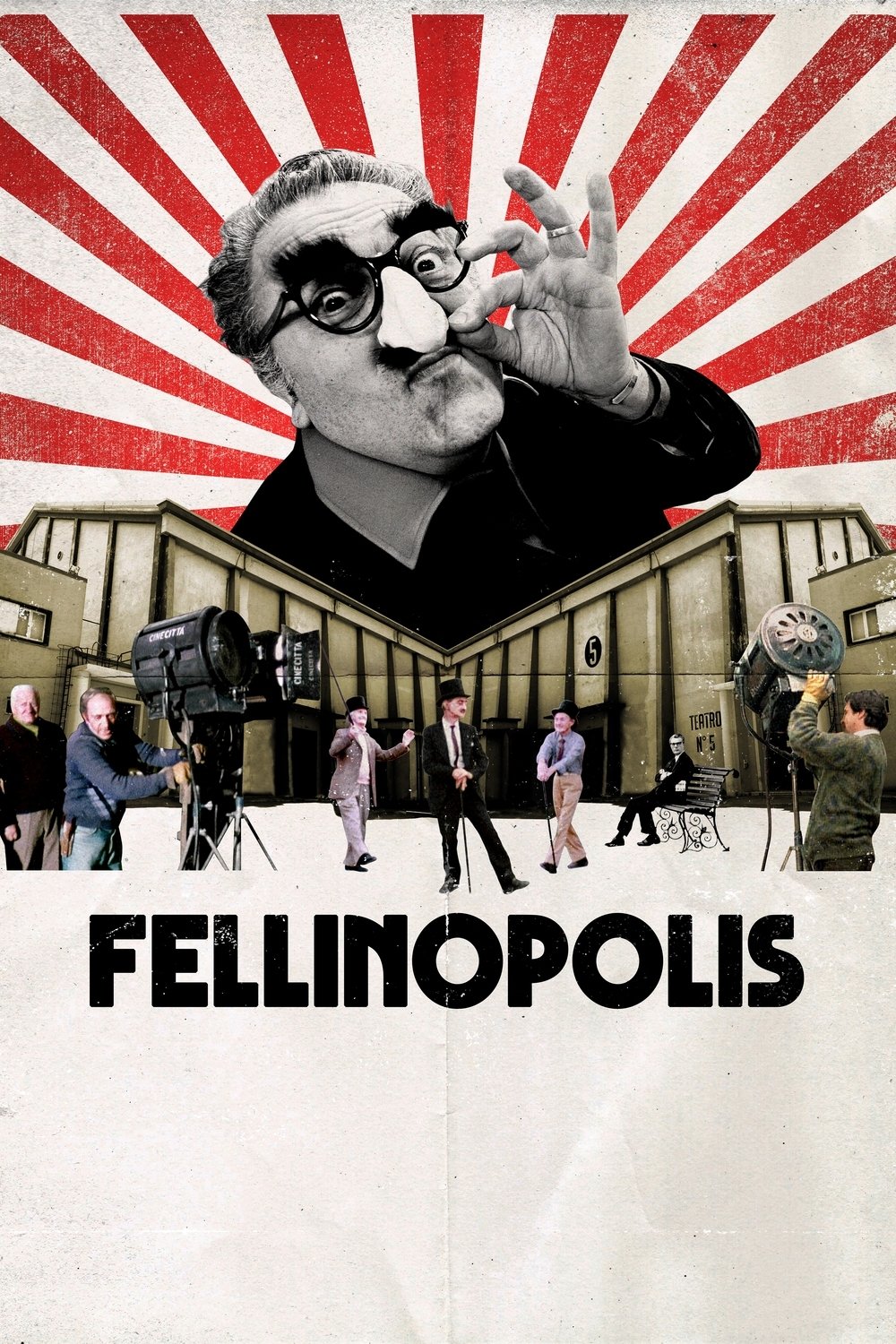
The story of Italian cinema under Fascism, a sophisticated film industry built around the founding of the Cinecittà studios and the successful birth of a domestic star system, populated by very peculiar artists among whom stood out several beautiful, magnetic, special actresses; a dark story of war, drugs, sex, censorship and tragedy.
Tells the history and importance of The National Film Registry, a roll call of American cinema treasures that reflects the diversity of film, and indeed the American experience itself.
A compilation of over 30 years of private home movie footage shot by Lithuanian-American avant-garde director Jonas Mekas, assembled by Mekas "purely by chance", without concern for chronological order.
Told through performances, TV interviews, home movies, family photographs, private letters and unpublished memoirs, the film reveals the essence of an extraordinary woman who rose from humble beginnings in New York City to become a glamorous international superstar and one of the greatest artists of all time.

The history of cinematic sound, told by legendary sound designers and visionary filmmakers.
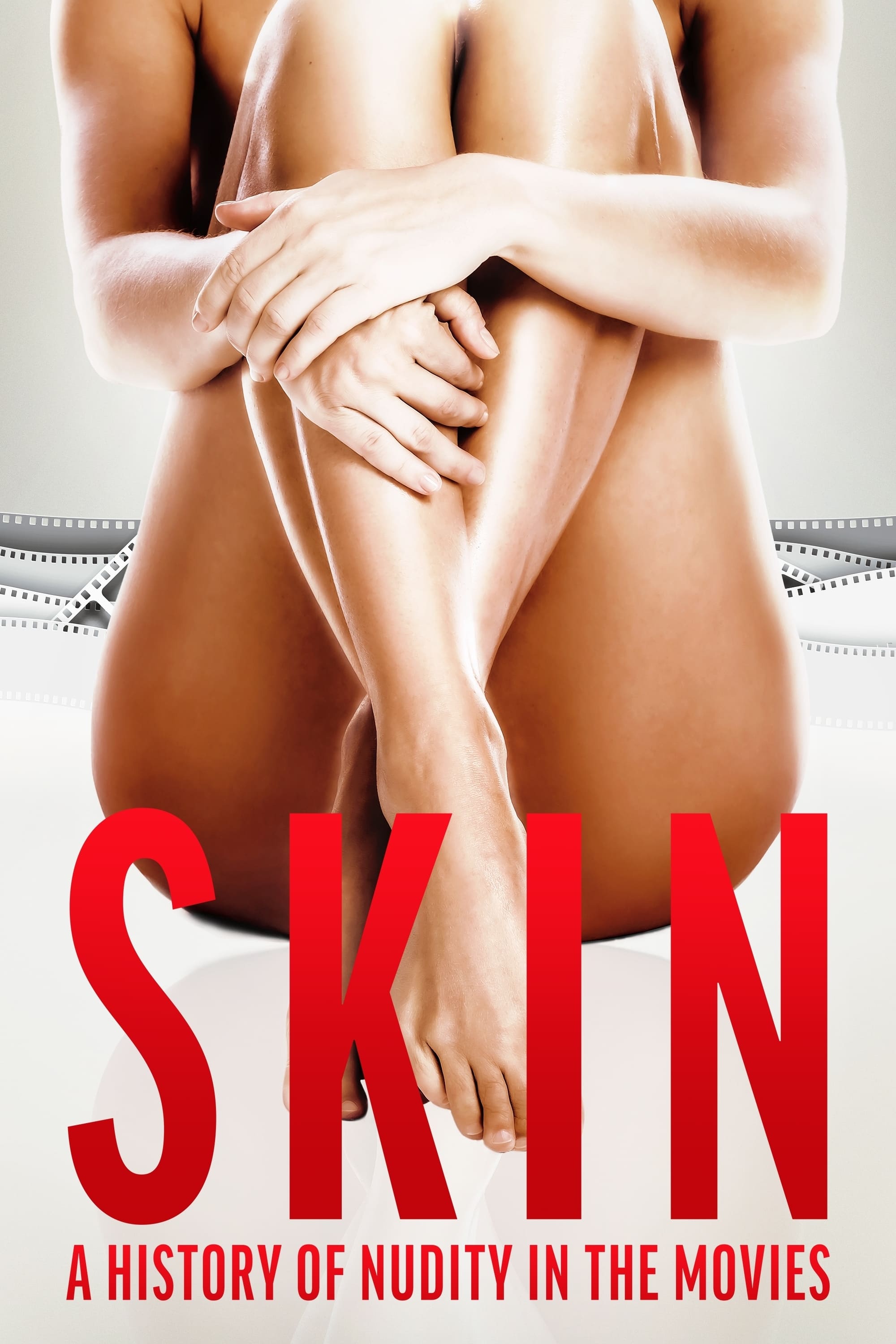
The definitive documentary on the history of nudity in feature films from the early silent days to the present, studying the changes in morality that led to the use of nudity in films while emphasizing the political, sociological and artistic changes that shaped that history. Skin will also study the gender inequality in presenting nude images in motion pictures and will follow the revolution that has created nude gender equality in feature films today.
Cameramen and women discuss the craft and art of cinematography and of the "DP" (the director of photography), illustrating their points with clips from 100 films, from Birth of a Nation to Do the Right Thing. Themes: the DP tells people where to look; changes in movies (the arrival of sound, color, and wide screens) required creative responses from DPs; and, these artisans constantly invent new equipment and try new things, with wonderful results. The narration takes us through the identifiable studio styles of the 30s, the emergence of noir, the New York look, and the impact of Europeans. Citizen Kane, The Conformist, and Gordon Willis get special attention.
Cast, crew and fans explore the “Back to the Future” time-travel trilogy's resonance throughout our culture, thirty years after Marty McFly went back in time.
Director Michael Apted revisits the same group of British-born adults after a 7 year wait. The subjects are interviewed as to the changes that have occurred in their lives during the last seven years.
The most comprehensive retrospective of the '80s action film genre ever made.
Daniel Craig candidly reflects on his 15 year adventure as James Bond. Including never-before-seen archival footage from Casino Royale to the upcoming 25th film No Time To Die, Craig shares his personal memories in conversation with 007 producers, Michael G Wilson and Barbara Broccoli.
JB Smoove and Martin Starr host a celebration of 20 years of "Spider-Man" movies, from the Sam Raimi trilogy to Marc Webb's movies and the trio from Jon Watts.
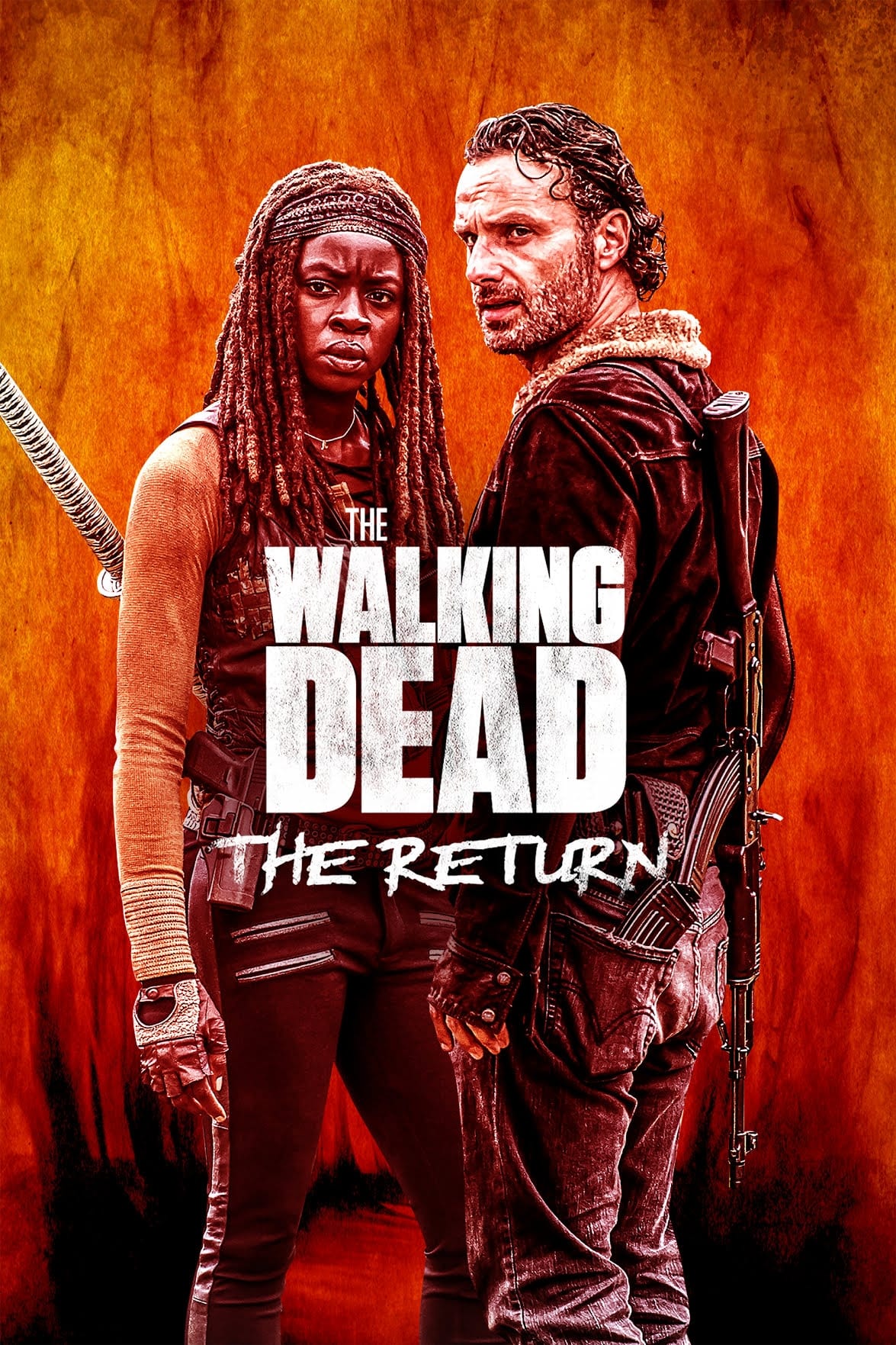
Stars of "The Walking Dead," Andrew Lincoln and Danai Gurira, walk down memory lane and visit iconic locations where pivotal moments between their characters, Rick and Michonne, were filmed.
A subjective documentary that explores various theories about hidden meanings in Stanley Kubrick's classic film The Shining. Five very different points of view are illuminated through voice over, film clips, animation and dramatic reenactments.
Vivian Maier's photos were seemingly destined for obscurity, lost among the clutter of the countless objects she'd collected throughout her life. Instead these images have shaken the world of street photography and irrevocably changed the life of the man who brought them to the public eye. This film brings to life the interesting turns and travails of the improbable saga of John Maloof's discovery of Vivian Maier, unravelling this mysterious tale through her documentary films, photographs, odd collections and personal accounts from the people that knew her. What started as a blog to show her work quickly became a viral sensation in the photography world. Photos destined for the trash heap now line gallery exhibitions, a forthcoming book and this documentary film.
Follow the evolution of the 'Halloween' movies over the past twenty-five years. It examines why the films are so popular and revisits many of the original locations used in the films - seeing the effects on the local community. For the first time, cast, crew, critics and fans join together in the ultimate 'Halloween' retrospective.
A documentary examining the decade of the 1970s as a turning point in American cinema. Some of today's best filmmakers interview the influential directors of that time.

The authorized documentary celebrating the film that redefined Hollywood, 50 years after its premiere. Featuring rare archival footage and interviews with acclaimed Hollywood directors alongside Steven Spielberg, top shark scientists, and conservationists, the film uncovers the behind-the-scenes chaos and how the film launched the summer blockbuster, inspired a new wave of filmmakers, and paved the way for shark conservation that continues today.

A documentary about the making of David Fincher's 2008 film THE CURIOUS CASE OF BENJAMIN BUTTON. Virtually every element in the evolution of the Fincher's film is documented here, from the project's attachment to numerous other directors during the 1990s, to its shoot in 2006 and 2007 in New Orleans, to its complex, CGI-intensive postproduction process.
A retrospective documentary about the groundbreaking horror series, Friday the 13th, featuring interviews with cast and crew from the twelve films spanning 3 decades.
An intimate documentary delving into Rian Johnson's process as he comes in as a director new to the Star Wars universe.