Social & External
The people behind it
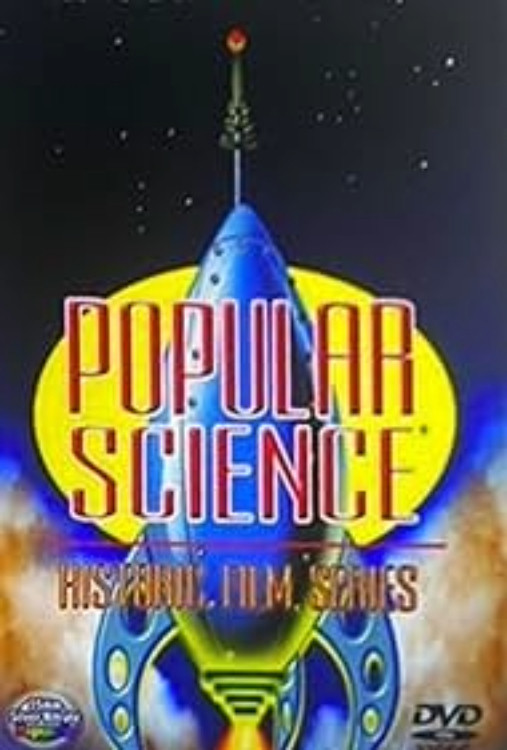
A variety of scientific subjects, including the laboratory of a plastic surgeon in London, and his method for applying permanent makeup; a new school for kiddies employing finger paint so they can express their urge to put things on paper; Army aviation, showing the latest development in blind landing. Produced in Cinecolor.
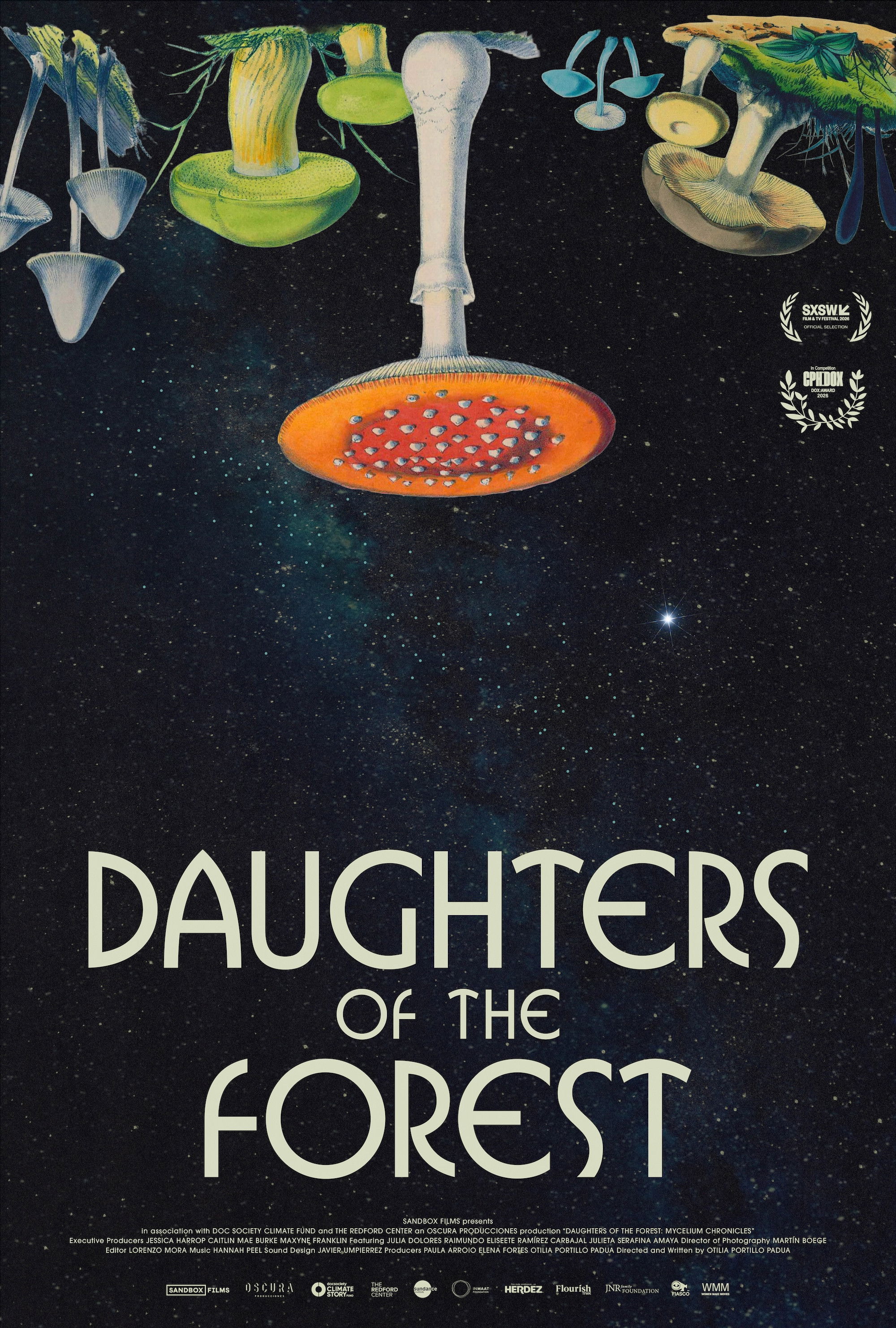
Deep in Mexico’s mushroom-rich forests, two women from indigenous communities have become mycologists. This immersive sci-fi documentary follows their unusual, fungi-driven paths as they seek to reconcile the past and present while reimagining the future for themselves and the changing world they inhabit.
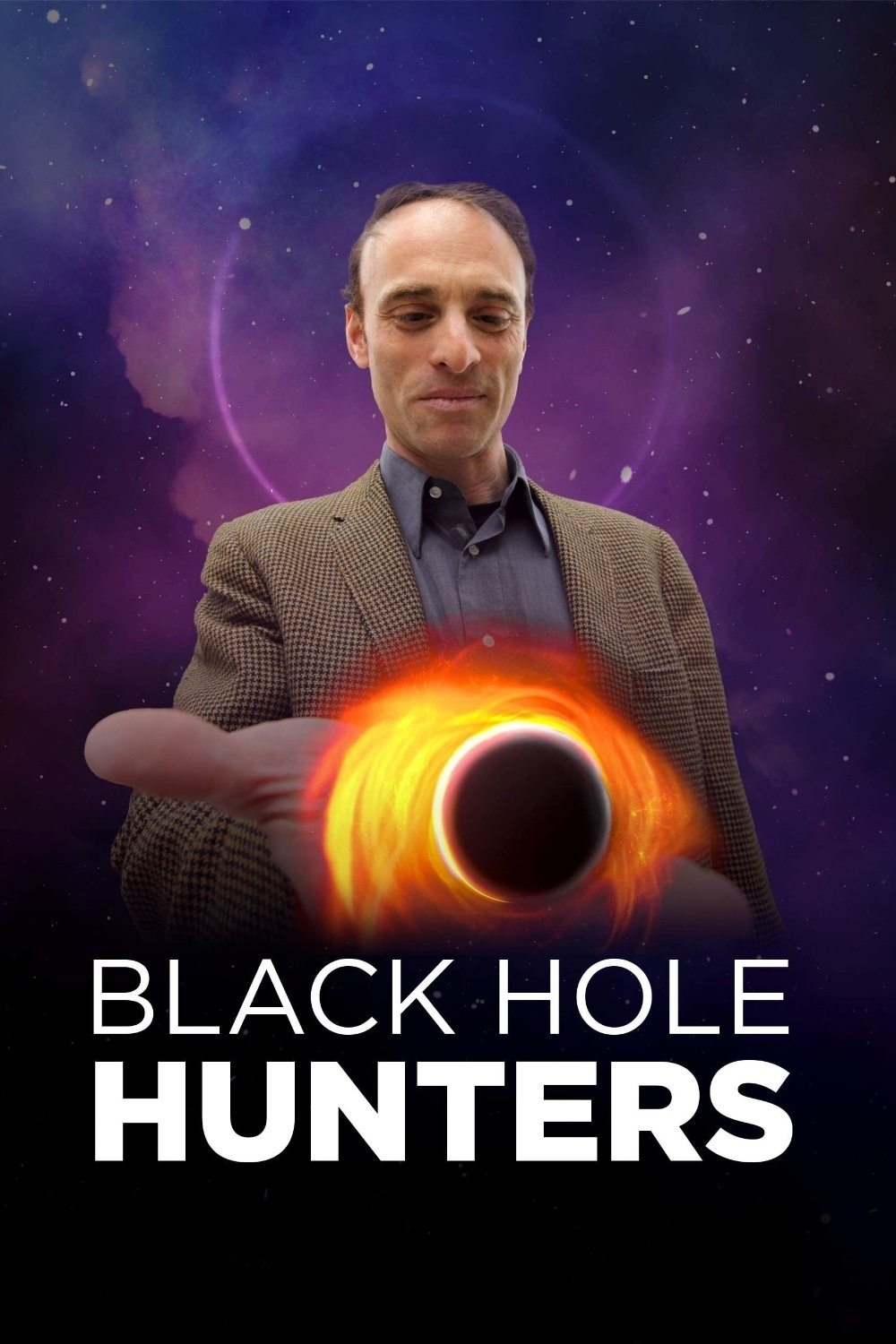
A team of international scientists attempt to document the first-ever image of a black hole.
More than 7,000 km from his home in the Jura Mountains, Sébastien dos Santos Borges is taking seventeen of his dogs on an extraordinary adventure between Yukon and Alaska, following in the footsteps of the adventurers of the Far North. He is one of the most respected mushers in the world and is preparing to set off on the Iditarod Trail Sled Dog Race, one of the most difficult dog sled races. An expedition into the heart of the wilderness, where the relationship between man and animal is essential to triumph over the cold.
In this educational film, laboratory demonstrations show the effects of moisture and temperature on the growth of molds. Photomicrography reveals the structure of molds: hyphae, mycelium, spore balls, spores. Beginning with spores on a rice culture, time-lapse photography shows the formation of a new colony.
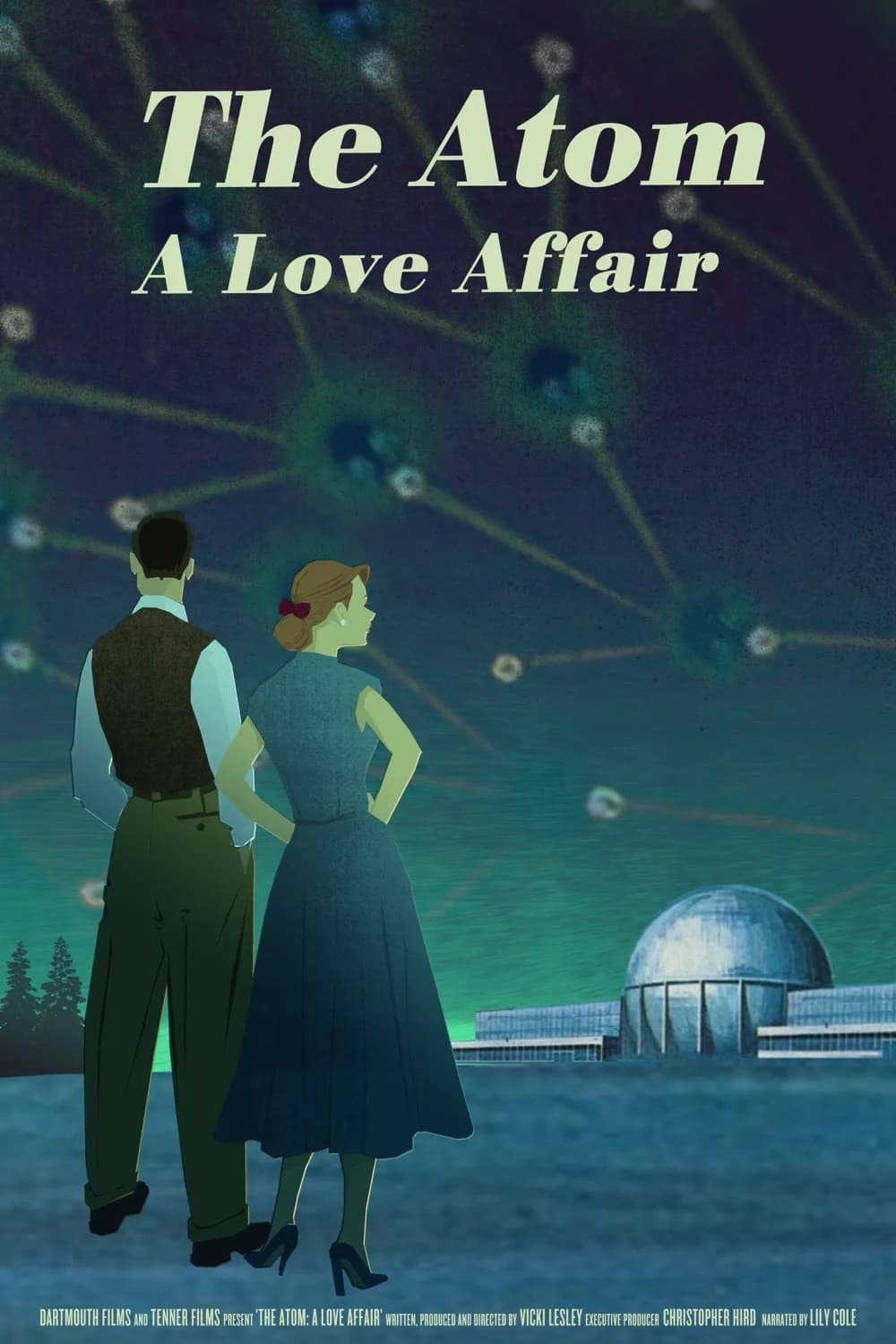
With a wealth of fantastic archive footage and a series of revealing interviews with those who had first-hand experience, filmmaker Vicki Lesley tells the turbulent story of the West’s love-hate relationship with a nuclear power over the past seventy years. Capturing both the tantalising promise and the repeated disappointments of this singular technology, the film reveals how the post-war, romantic fantasy of an Atom-powered future developed into the stormy, on-off relationship still playing out today. A tale of scientific passion and political intrigue all wrapped up in the packaging of a sentimental screen melodrama.
In this two-part Channel 4 series, Professor Richard Dawkins challenges what he describes as 'a process of non-thinking called faith'. He describes his astonishment that, at the start of the 21st century, religious faith is gaining ground in the face of rational, scientific truth. Science, based on scepticism, investigation and evidence, must continuously test its own concepts and claims. Faith, by definition, defies evidence: it is untested and unshakeable, and is therefore in direct contradiction with science. In addition, though religions preach morality, peace and hope, in fact, says Dawkins, they bring intolerance, violence and destruction. The growth of extreme fundamentalism in so many religions across the world not only endangers humanity but, he argues, is in conflict with the trend over thousands of years of history for humanity to progress to become more enlightened and more tolerant.
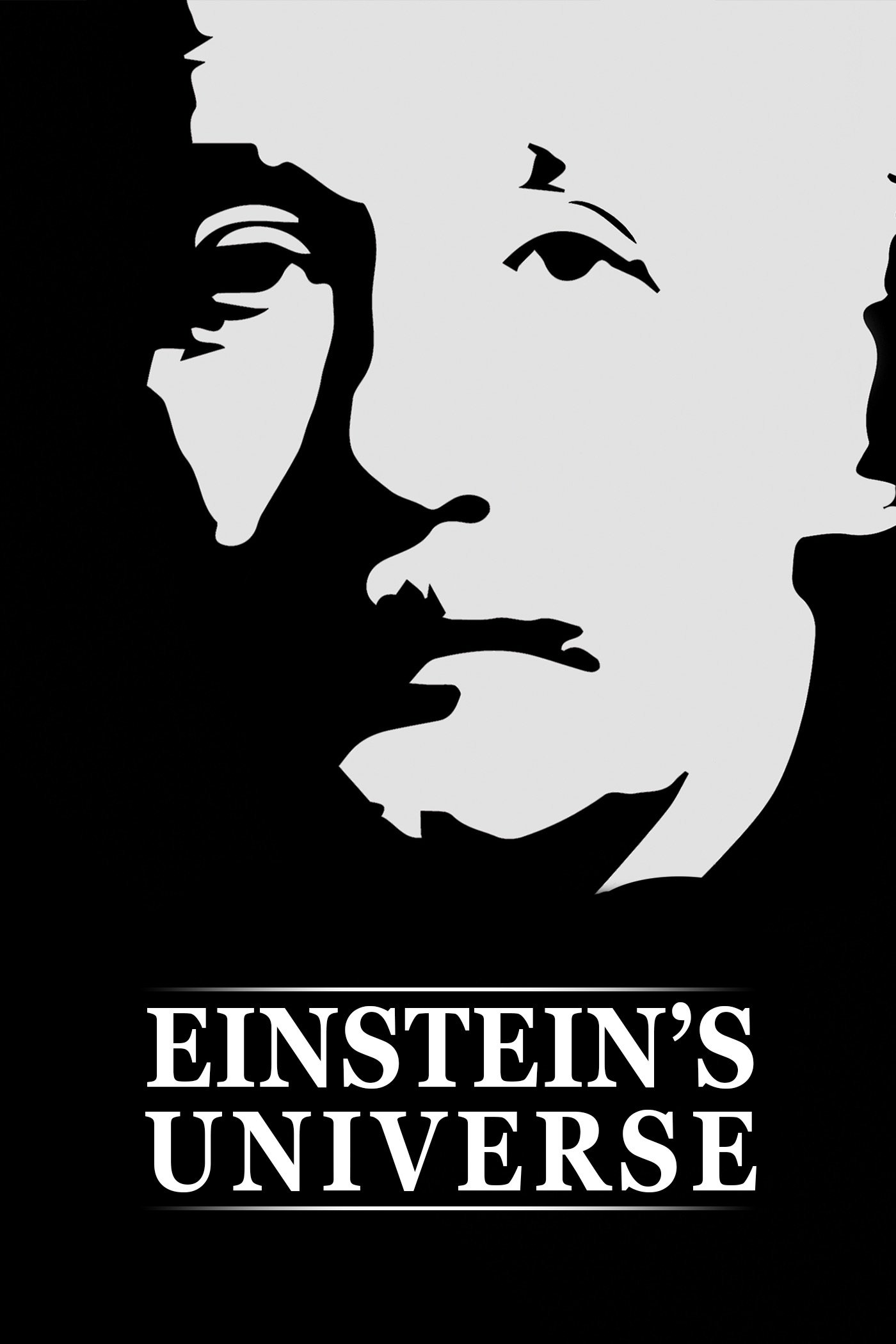
A documentary produced in 1979 to celebrate the centenary of the birth of Albert Einstein. Narrated and hosted by Peter Ustinov and written by Nigel Calder.
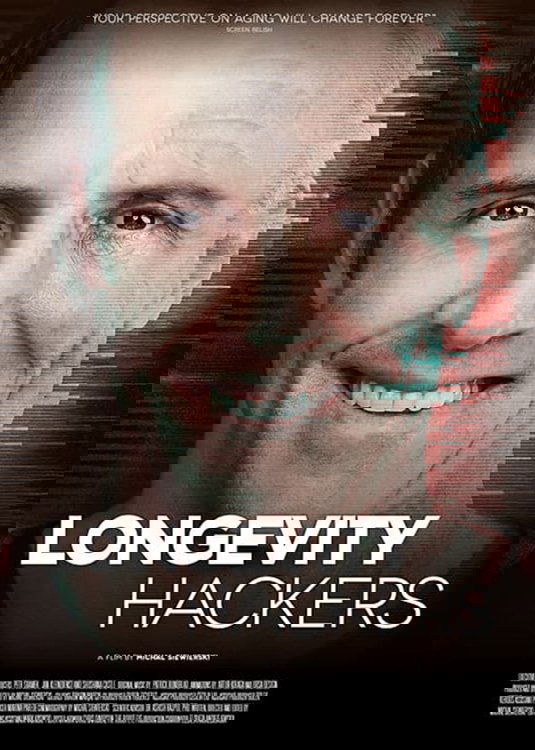
Explores the latest longevity research and whether dramatically extended human lifespan is achievable. Features top scientists, startup leaders, celebrities, and critics offering balanced perspectives on this fascinating field.
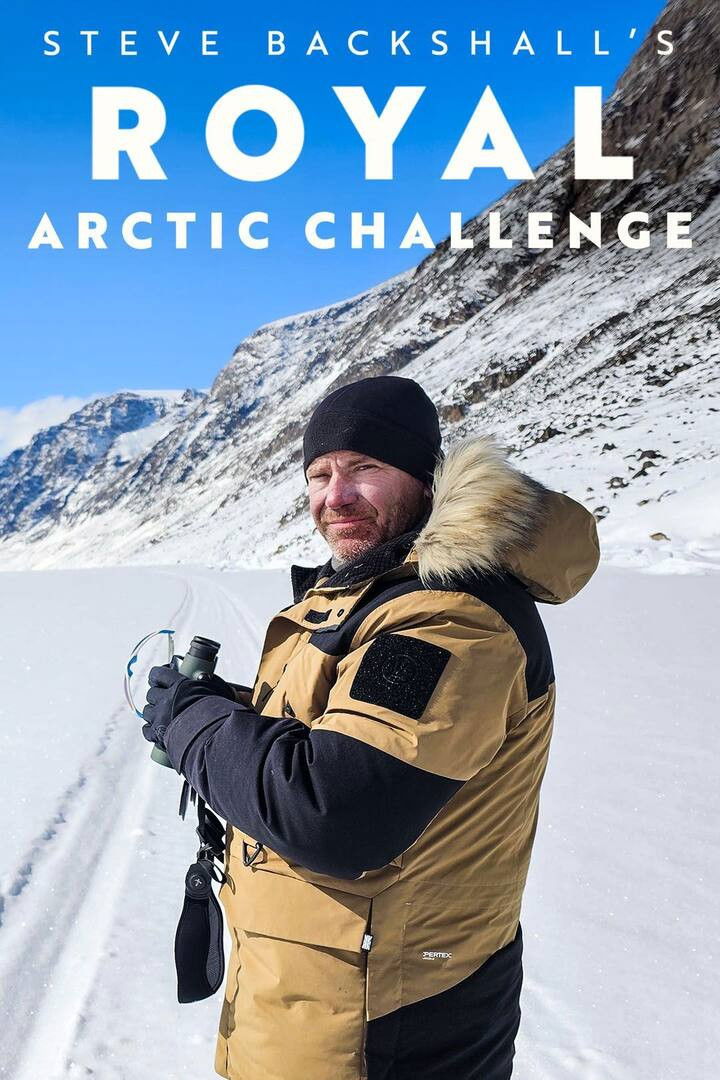
50 years on from the event, environmentalist Steve Backshall retraces a young Prince Charles' Arctic adventure and uncovers dramatic changes to our planet alongside an urgent need for action.
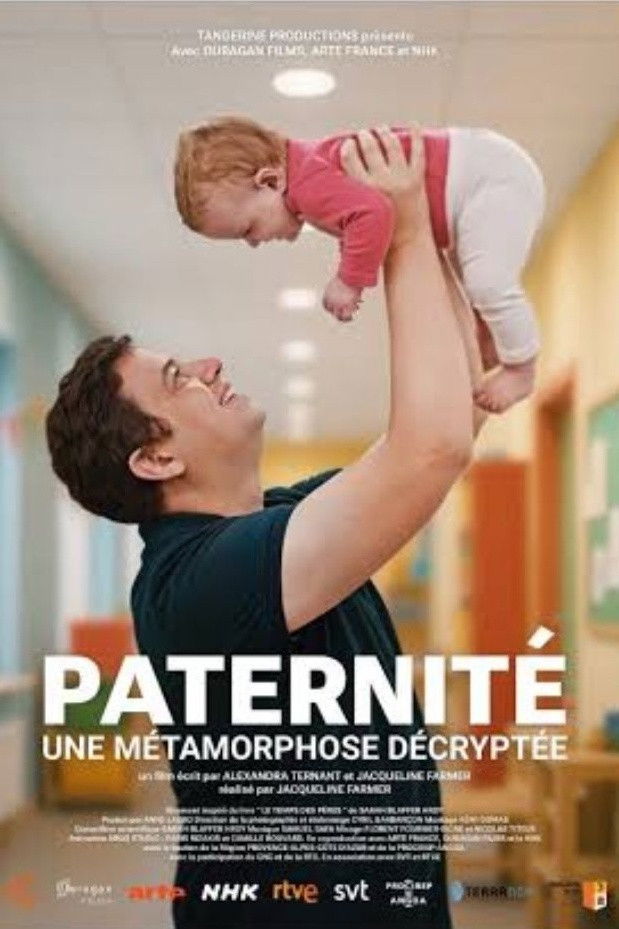
Becoming a father is an extraordinary adventure in a man's life, but it is also a real physiological metamorphosis that science is only just beginning to reveal. Researchers from multiple disciplines are lifting the veil on these changes taking place in men who are in contact with young children, and their discoveries are astonishing. By tracing the thread of evolution, the film reveals that these deep, long-ignored bonds between men and children are very ancient. And that they are just waiting for the right context to fully express themselves.
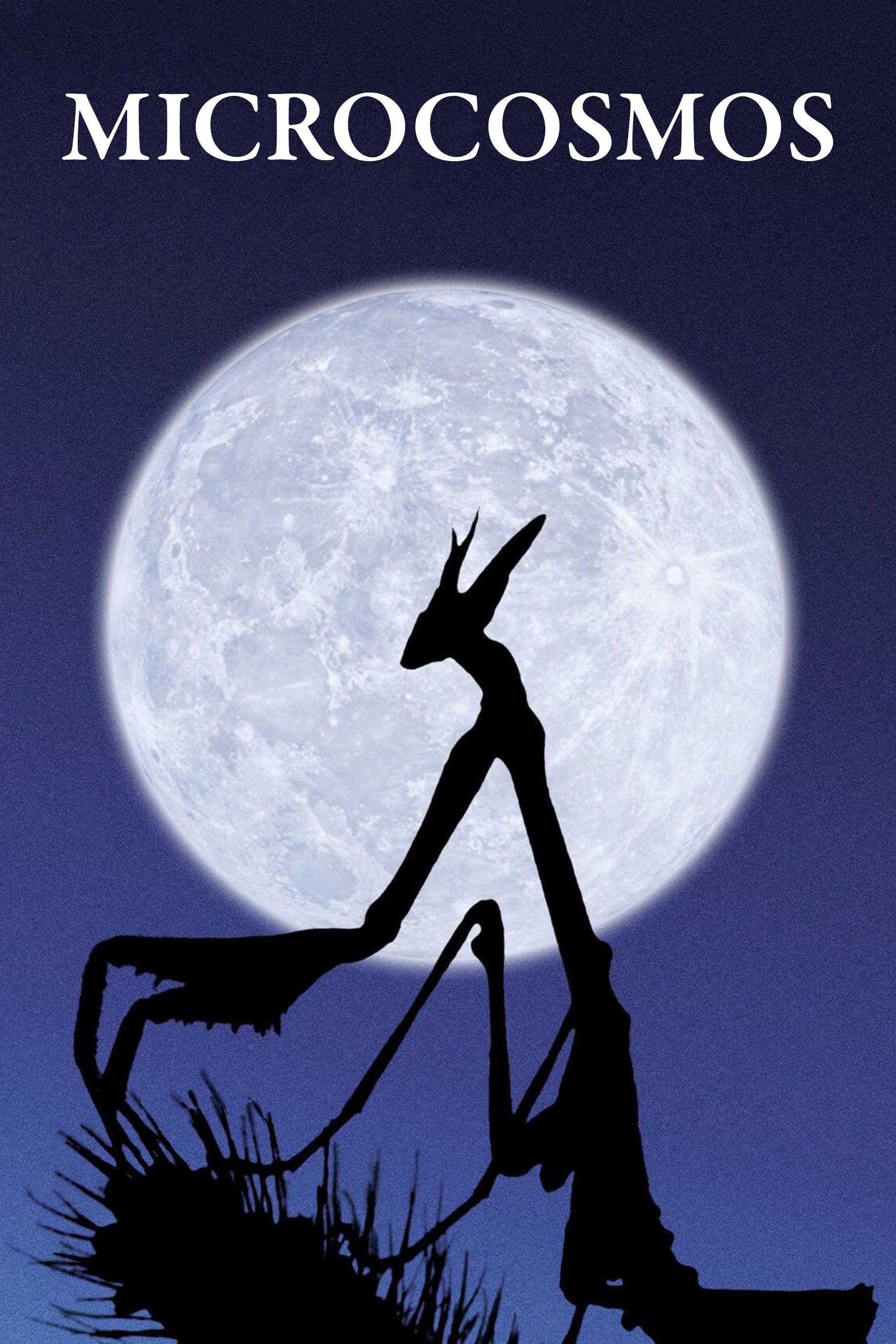
A documentary of insect life in meadows and ponds, using incredible close-ups, slow motion, and time-lapse photography. It includes bees collecting nectar, ladybugs eating mites, snails mating, spiders wrapping their catch, a scarab beetle relentlessly pushing its ball of dung uphill, endless lines of caterpillars, an underwater spider creating an air bubble to live in, and a mosquito hatching.
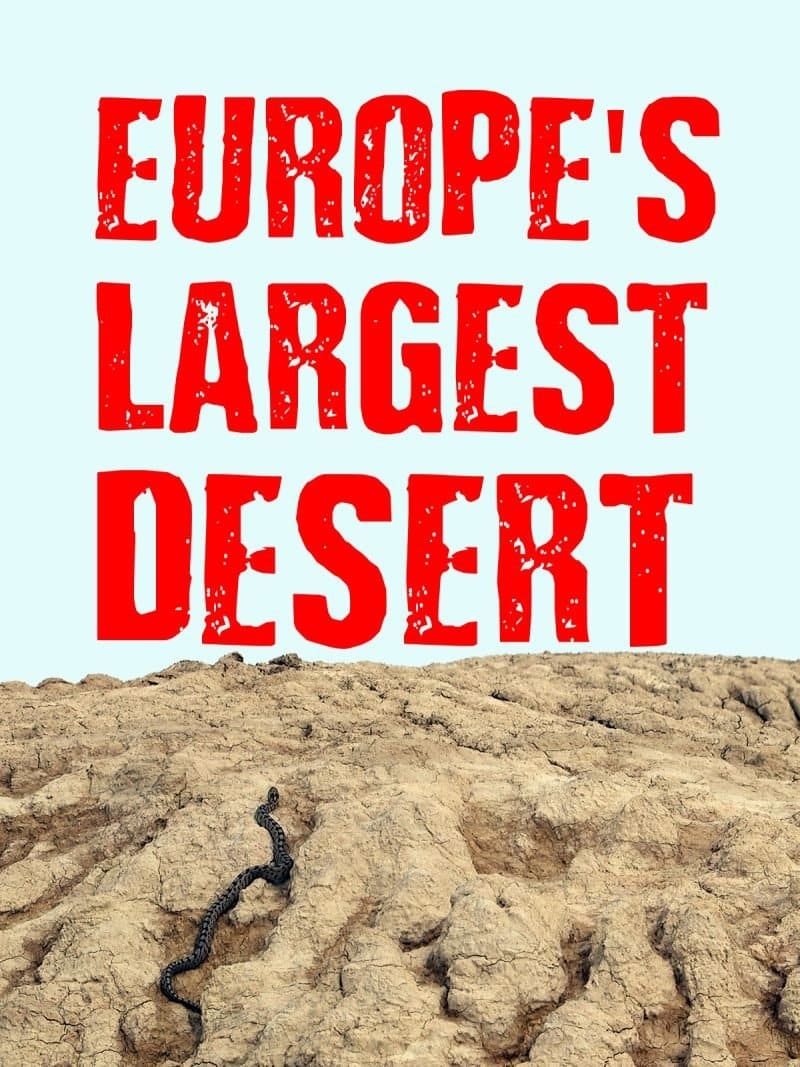
Near the cold Pyrenees of Iberia, surrounded by ancient and dark green forests, lies a strange land where the rain is scarce and the wind is always blowing. The soil is poor, there are no trees and the landscape resembles the moon. Is this what the future of desertification will look like? Incredible creatures with surprising behavior live in this strange landscape. The documentary explores a place with very dry skin but a wet hidden heart where even waterfowl or amphibians can live. Living in such conditions is not easy and only the toughest animals will survive.
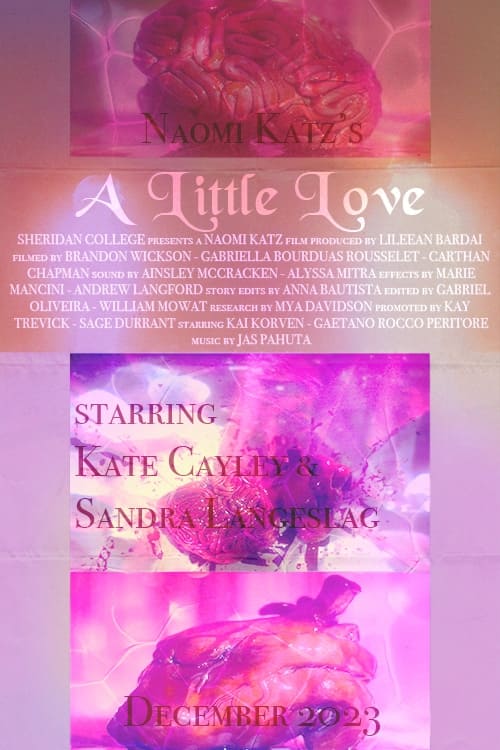
Through interspersed conversation and prose, this experimental documentary follows a poet and a neuroscientist as they explore the definition of love, what it means, and why it matters.
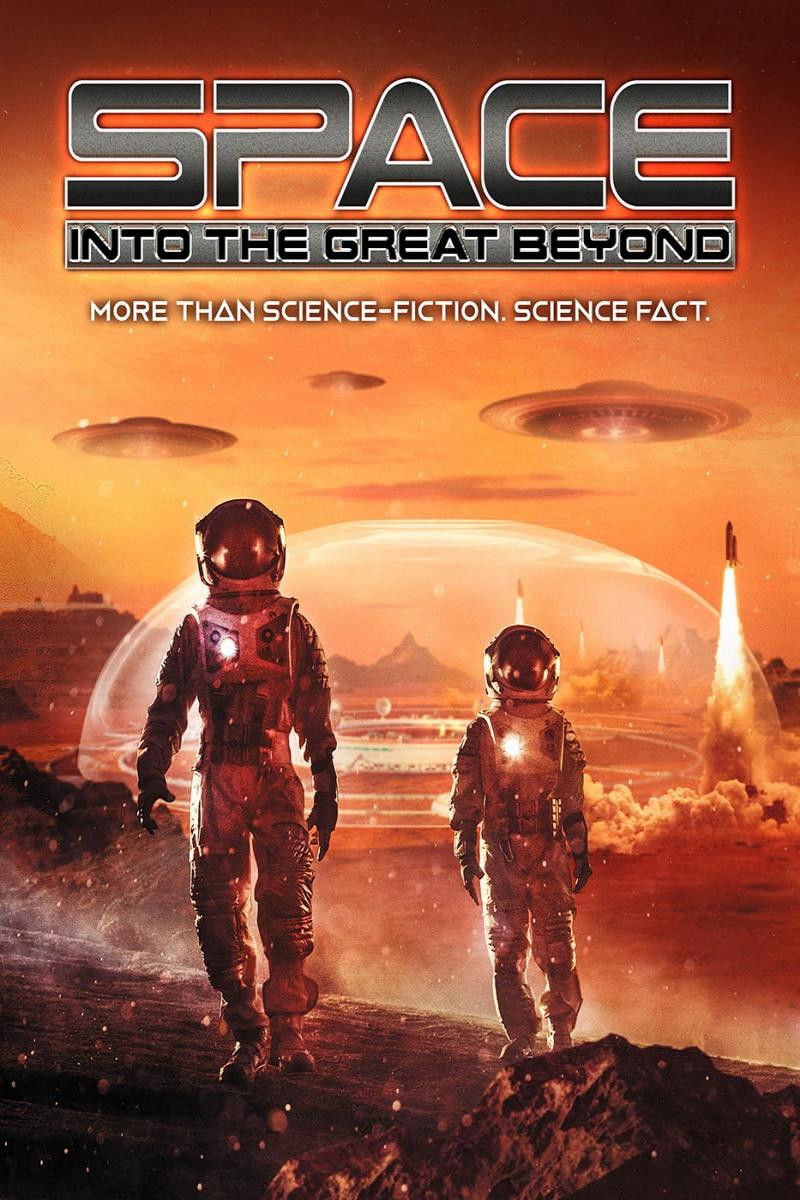
We have all dreamed of going where no man has gone before but that time is here and now. We are on the very edge of a new era in humanity. Within our lifetime, mankind will not only be journeying to other planets, we will be inhabiting them. Our ultra-high technology robots are even now walking upon the surface of Mars, sending back information and preparing the ground for our arrival. This is not science fiction, we are living the future now.
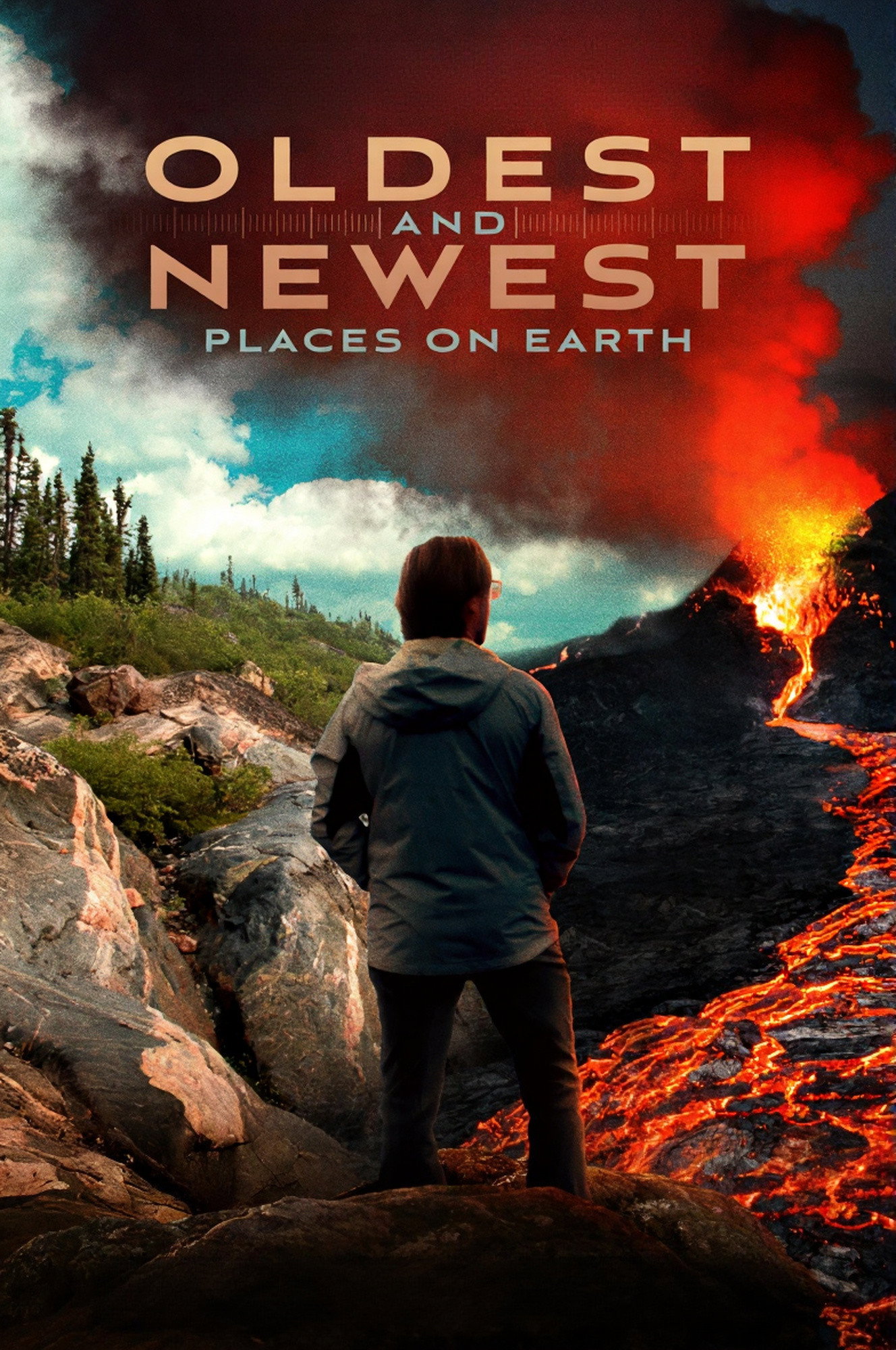
It all started with a simple question: Is it possible to travel to the oldest and newest places on Earth? YouTuber, author and filmmaker Joe Scott looked into it, and it turned into the trip of a lifetime. It's a journey across 4 billion years of geologic history that explores the past and present of our remarkable planet, the absurd immensity of deep time, and our tiny but important place in it.
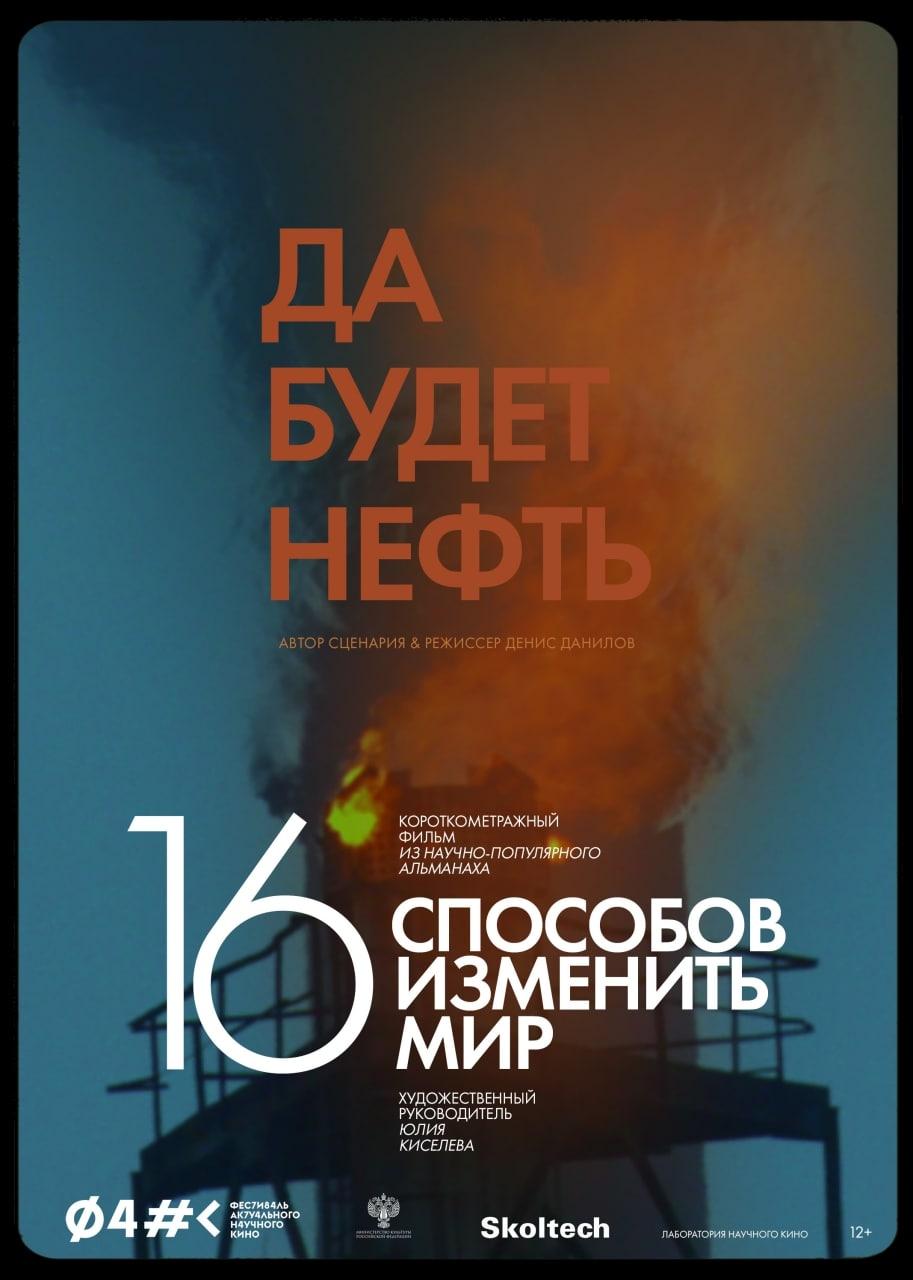
Oil is a primary energy source in the world. Global oil consumption reached approximately 95 million barrels per day but oil fields' quality is constantly declining. A team of Russian scientists came up with more accurate, cheaper, and faster technology that can increase the oil production rate. After all, modern civilization is built in the way that 'to live well' means 'consume more oil'
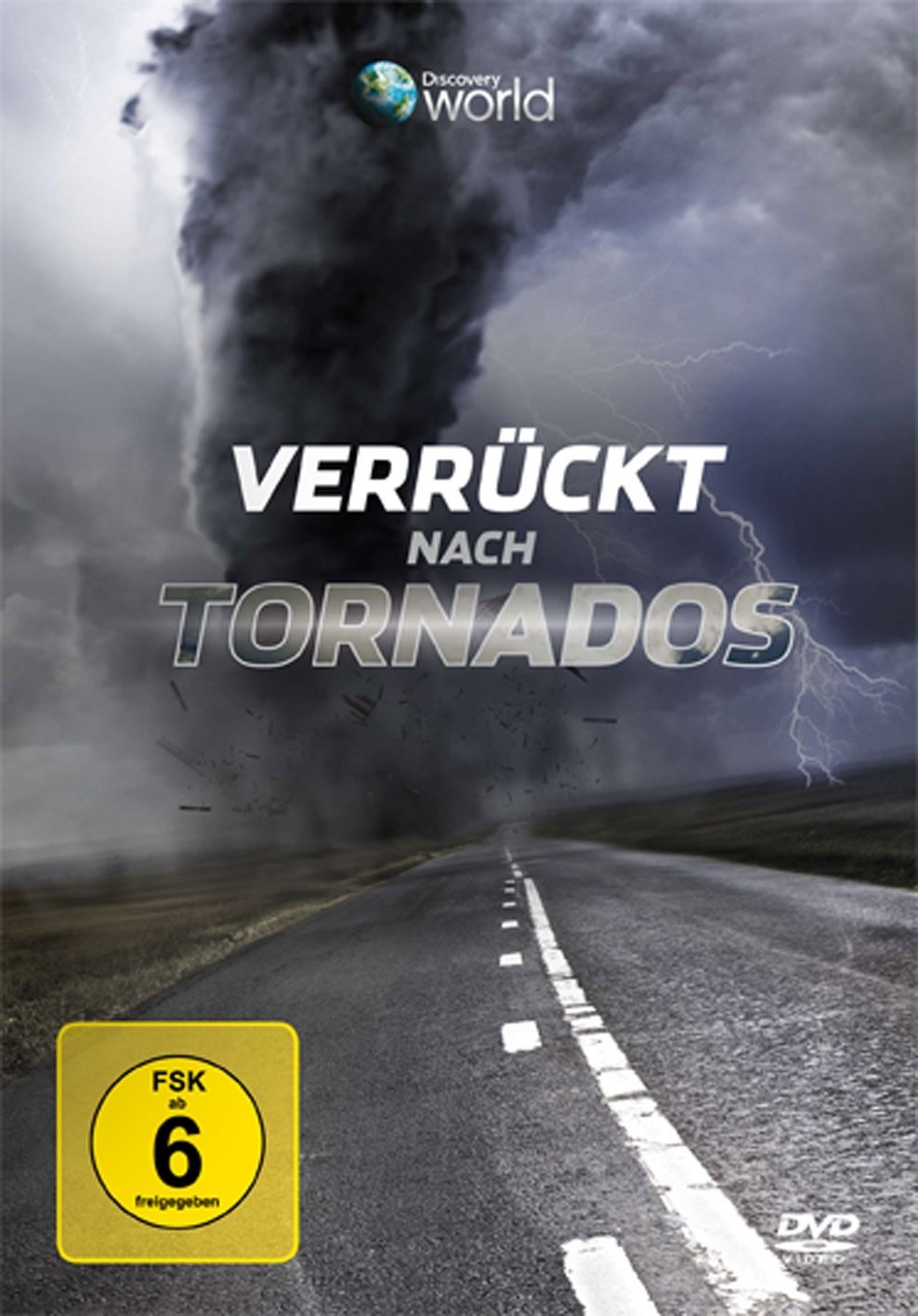
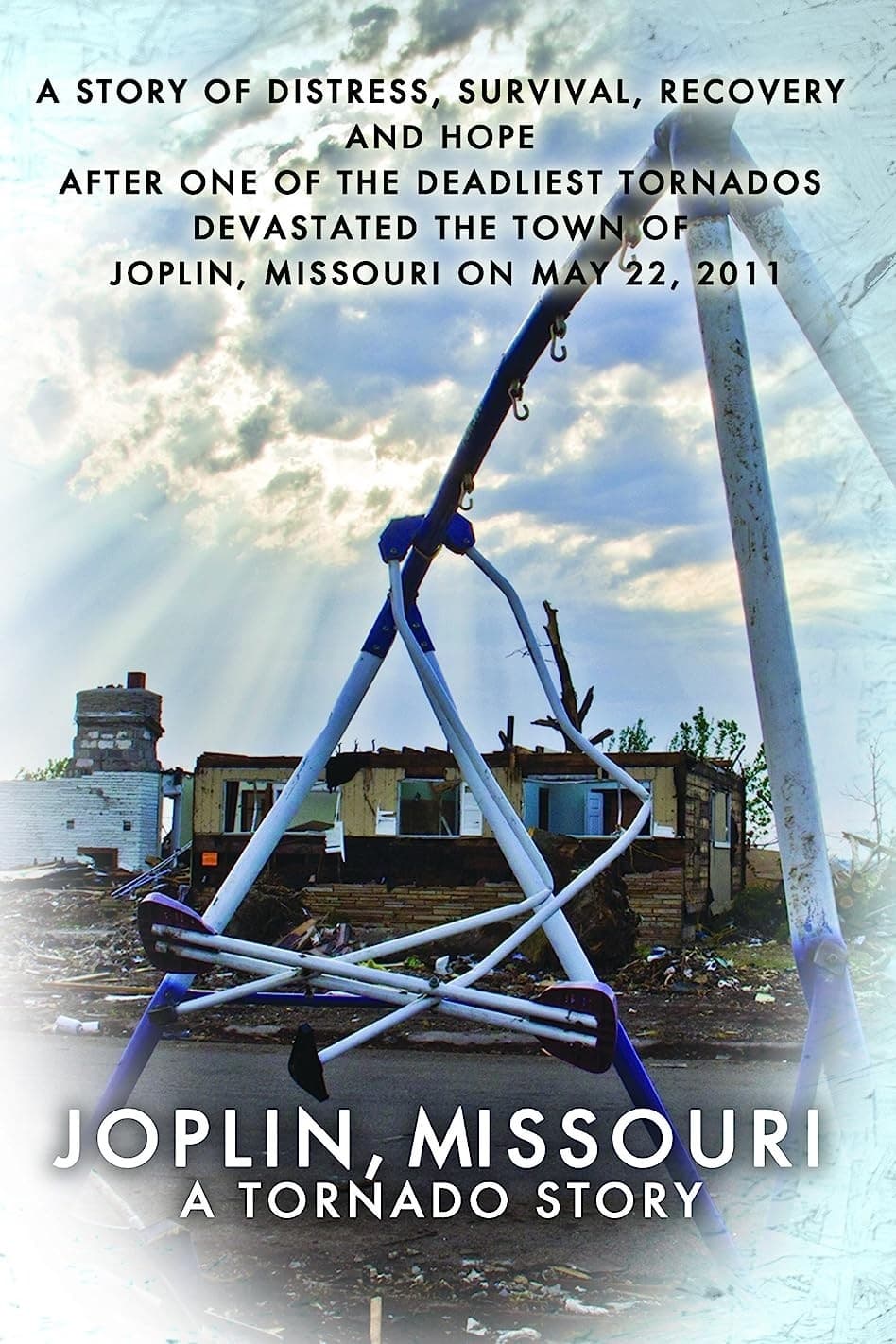
Weaving together dozens of professional and amateur archival sources, along with dramatic interviews with the people behind the cameras, Witness: Joplin Tornado reconstructs the deadliest tornado in modern times, through the eyes of those who lived through it. A group of strangers huddle together in a convenience store cooler, shrieking in terror as the tornado tears apart everything around them. A husband-and-wife stormchasing team find themselves caught in the teeth of the storm, then pressed into service when it finally passes. A young mother sobs as she surveys her daughter’s destroyed bedroom. Yet all the while they film, using their cameras to record both the harrowing experience of the storm itself and the shock of what confronted them after — homes destroyed, neighborhoods flattened, a city devastated. Witness: Joplin Tornado tells the story of that day and its aftermath entirely through the videos and voices of the survivors.
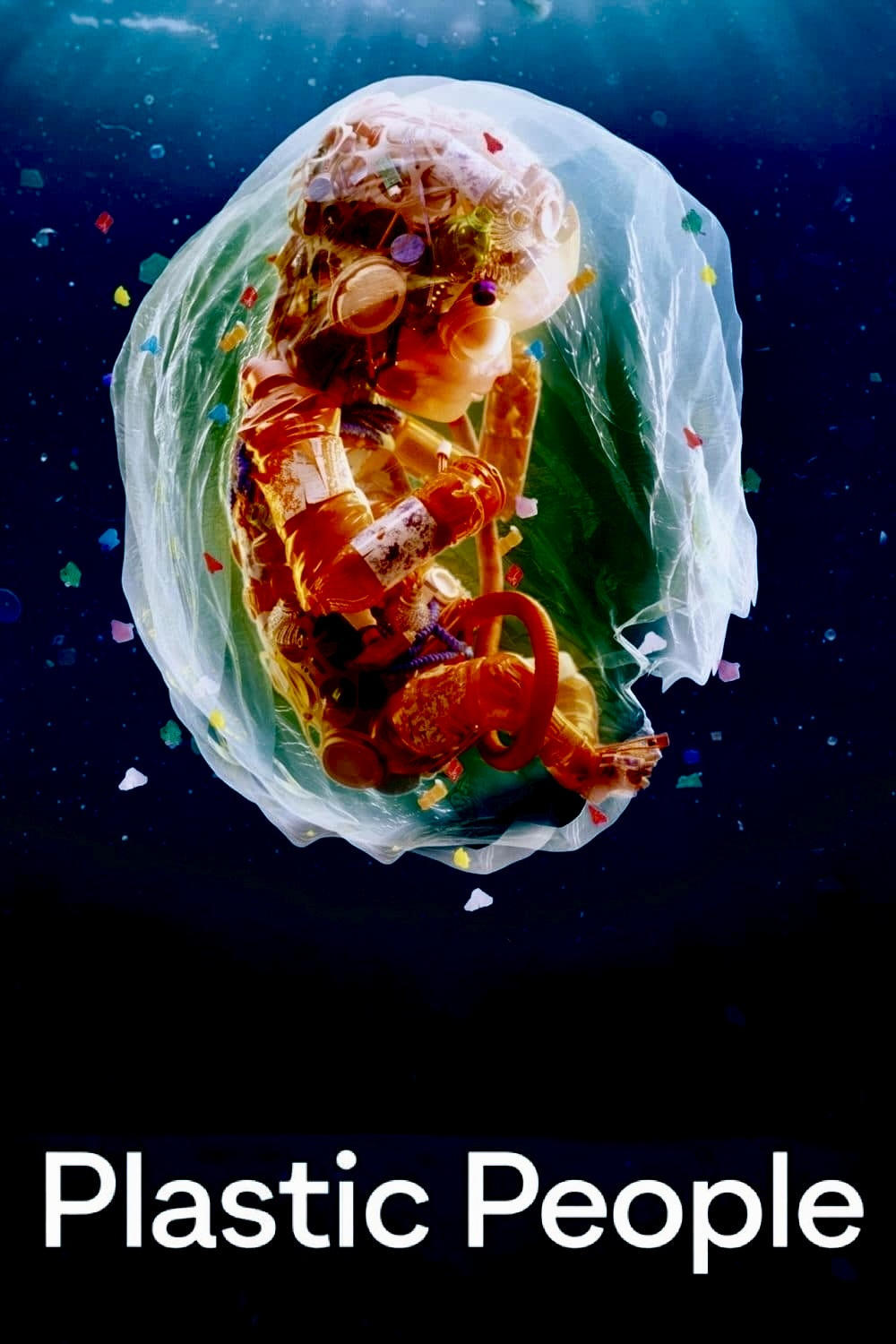
Are we becoming Plastic People? Our ground-breaking feature documentary investigates our addiction to plastic and the growing threat of microplastics on human health. Almost every bit of plastic ever made ends up ground down into "microplastics". These microscopic particles drift in the air, float in the water and sit in the soil. And now, leading scientists are finding them in our bodies: organs, blood, brain tissue and even the placentas of new mothers. What is the impact of these invisible invaders on our health? Ziya Tong, author and science journalist, makes it personal by visiting leading scientists and undergoing experiments in her home, on her food, and on her body.
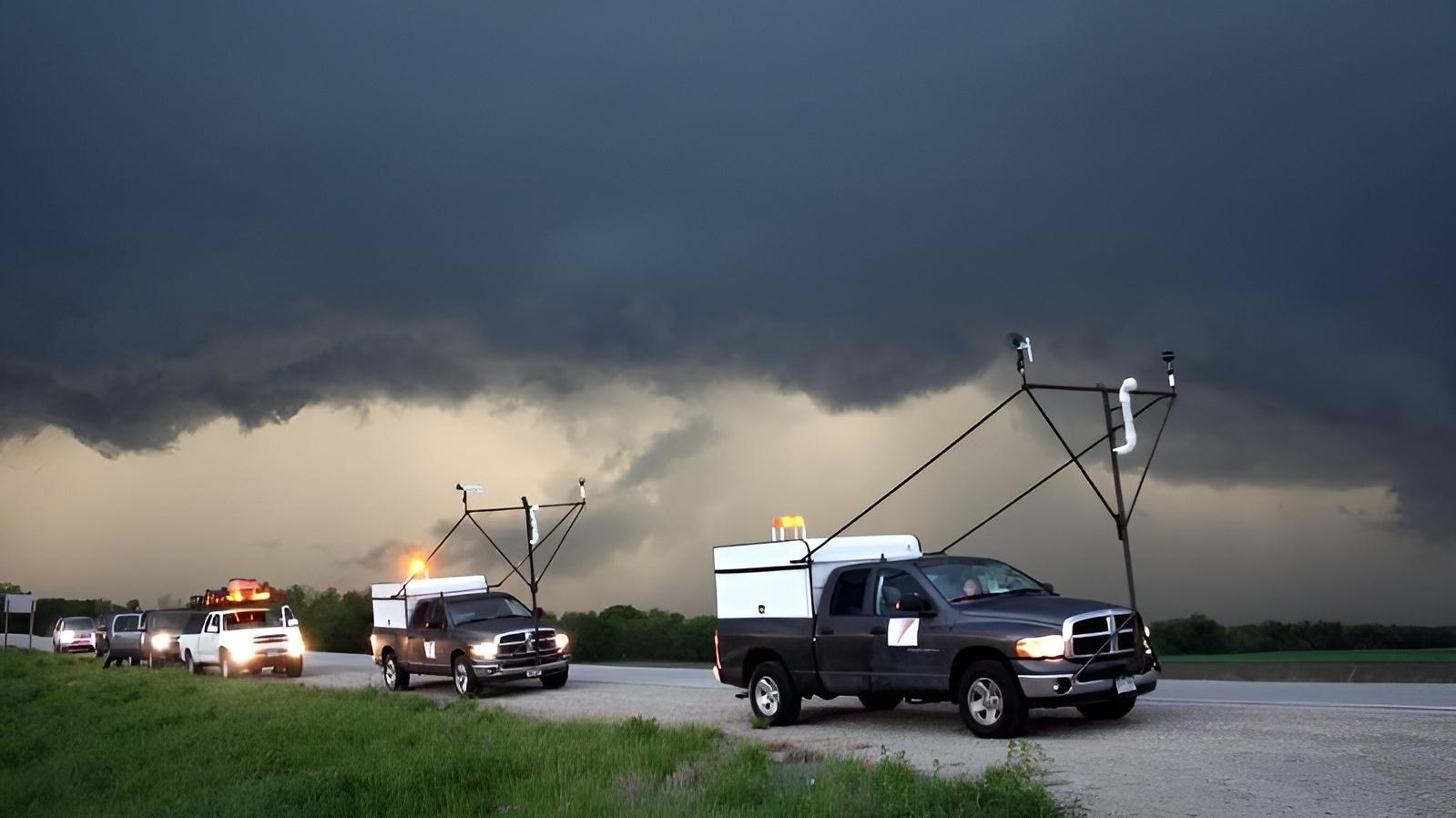
An intimate look at Jeff Gammons, a chronically ill man who finds peace and beauty chasing the world's largest hurricanes.
Those who knew iconic funnyman John Candy best share his story, in their own words, through never-before-seen archival footage, imagery, and interviews.
An inside look at one of the most anticipated movie sequels ever with James Cameron and cast.
Join the likes of Jeremy Renner, Hailee Steinfeld, Florence Pugh, and Vincent D’Onofrio as they reveal how Marvel Studios’ “Hawkeye” was conceived and created. Witness firsthand what it took to pull off the show’s pulse-pounding action set pieces, and discover how iconic characters from the pages of Marvel Comics such as Kate Bishop were adapted and brought to life for the six-episode series.
The life and career of an actor, artist, and icon. His own journey through his own camera.
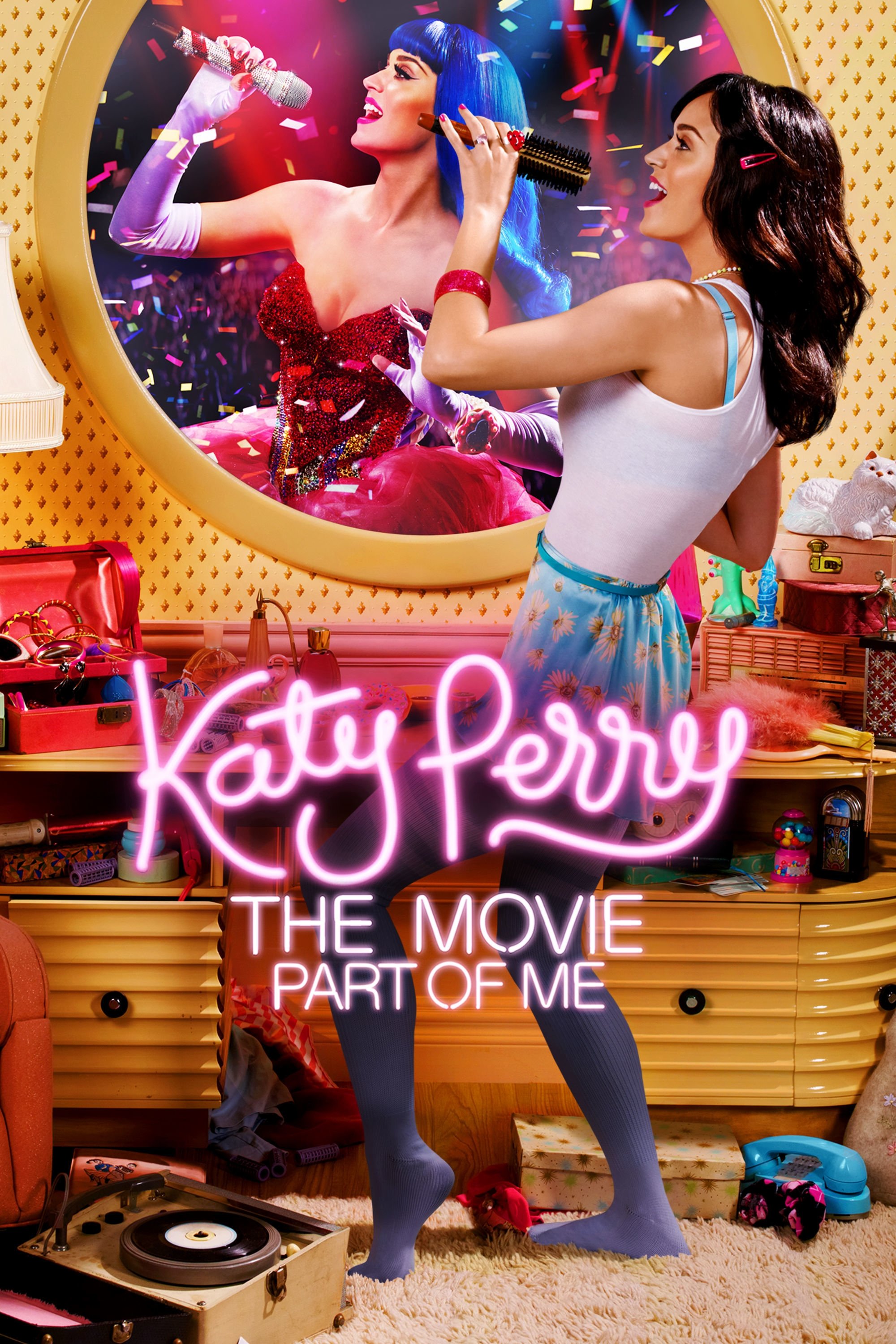
Giving fans unprecedented access to the real life of the music sensation, Katy Perry: Part of Me exposes the hard work, dedication and phenomenal talent of a girl who remained true to herself and her vision in order to achieve her dreams. Featuring rare behind-the-scenes interviews, personal moments between Katy and her friends, and all-access footage of rehearsals, choreography, Katy’s signature style and more, Katy Perry: Part of Me reveals the singer’s unwavering belief that if you can be yourself, then you can be anything.
This remarkable journey across our planet and universe explores how meteorites, shooting stars, and deep impacts have awoken our wonder about other realms—and make us rethink our destinies.
A backstage and on-stage look at Justin Bieber during his rise to super stardom.
A detailing of the rise to prominence and global sporting superstardom of six supremely talented young Manchester United football players (David Beckham, Nicky Butt, Ryan Giggs, Paul Scholes, Phil and Gary Neville). The film covers the period 1992-1999, culminating in Manchester United's European Cup triumph.
A feature length documentary about the all-women team at the helm of Pixar's original feature, Turning Red. With unprecedented behind-the-scenes access to Director Domee Shi and her core leadership crew, this story shines a light on the powerful professional and personal journeys that brought this incredibly comical, utterly relatable, and deeply heartfelt story to the screen.
“Showrunners” is the first ever feature length documentary film to explore the fascinating world of US television showrunners and the creative forces aligned around them. These are the people responsible for creating, writing and overseeing every element of production on one of the United State’s biggest exports – television drama and comedy series. Often described as the most complex job in the entertainment business, a showrunner is the chief writer / producer on a TV series and, in most instances, the show’s creator. Battling daily between art and commerce, showrunners manage every aspect of a TV show’s development and production: creative, financial and logistical.
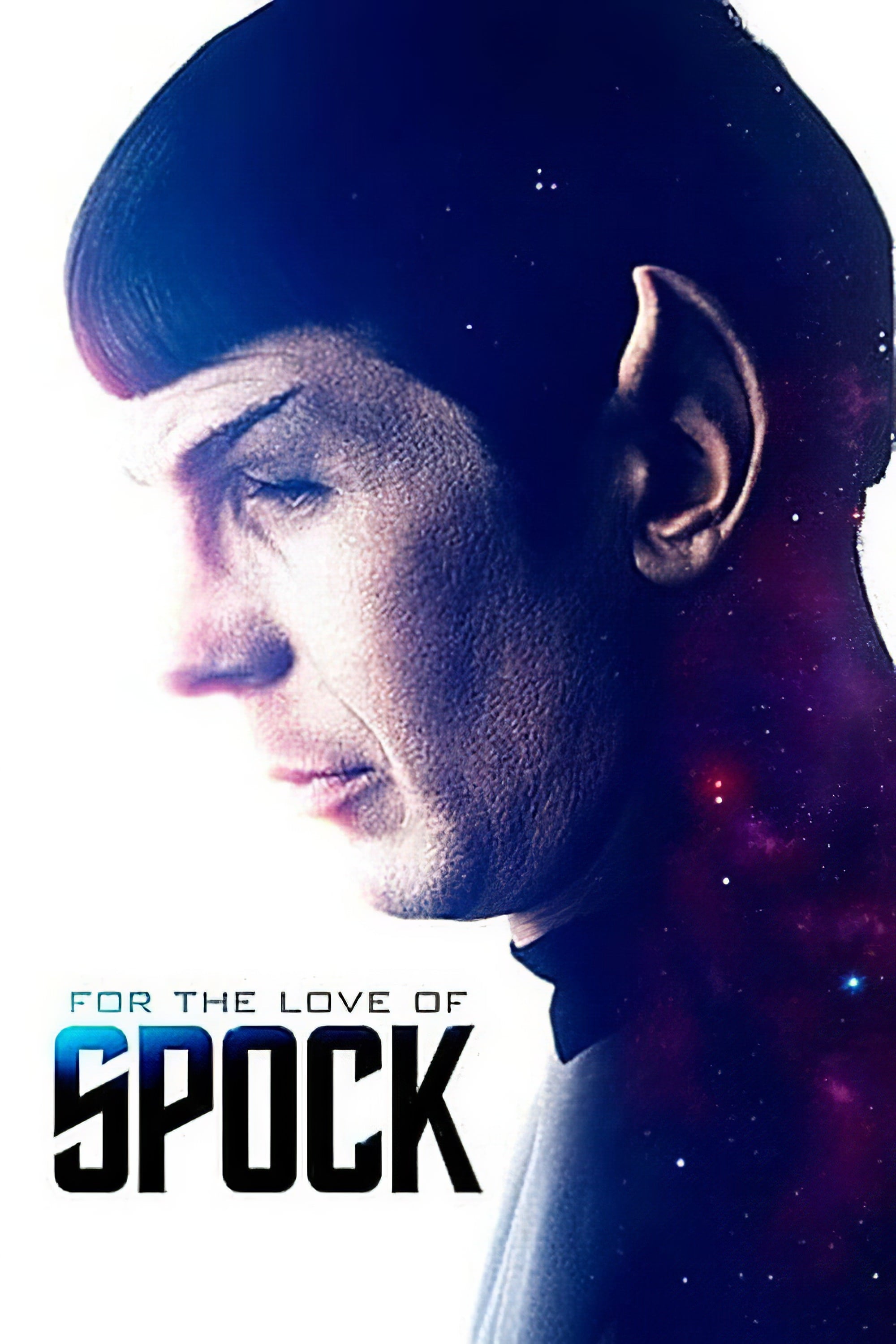
The life of Mr. Spock, as well as that of Leonard Nimoy, the actor who played him for almost fifty years, written and directed by his son: Adam.
The film follows adventurer Jeff Johnson as he retraces the epic 1968 journey of his heroes Yvon Chouinard and Doug Tompkins to Patagonia.
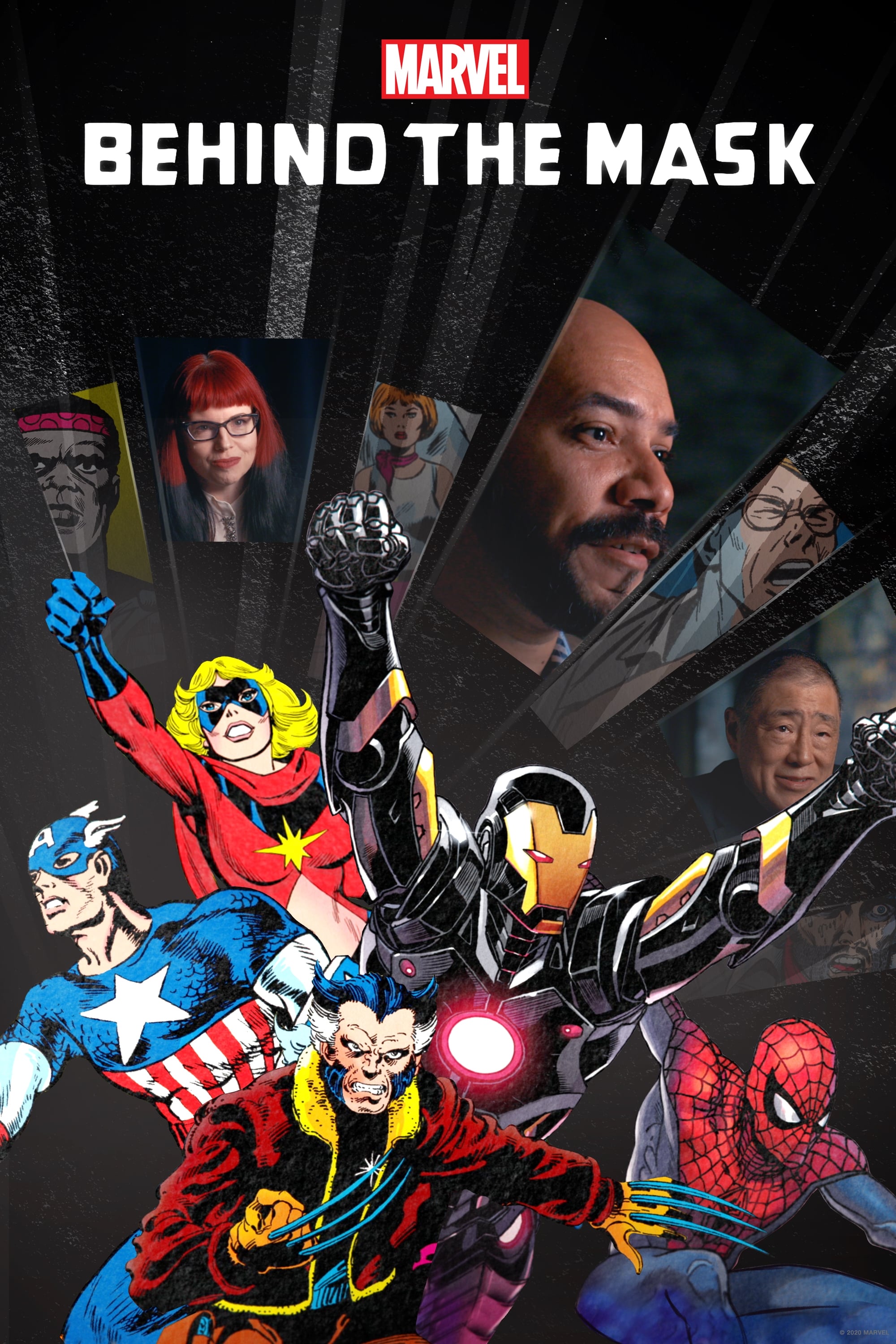
A documentary special that explores the power of identity behind the iconic superheroes we know and love today. These legendary Marvel creations and stories have not only reflected the world outside our window – they have become a reflection of our own identities and who we truly are.
In this fascinating Oscar-nominated documentary, American guitarist Ry Cooder brings together a group of legendary Cuban folk musicians (some in their 90s) to record a Grammy-winning CD in their native city of Havana. The result is a spectacular compilation of concert footage from the group's gigs in Amsterdam and New York City's famed Carnegie Hall, with director Wim Wenders capturing not only the music -- but also the musicians' life stories.
Al Pacino's deeply-felt rumination on Shakespeare's significance and relevance to the modern world through interviews and an in-depth analysis of "Richard III."
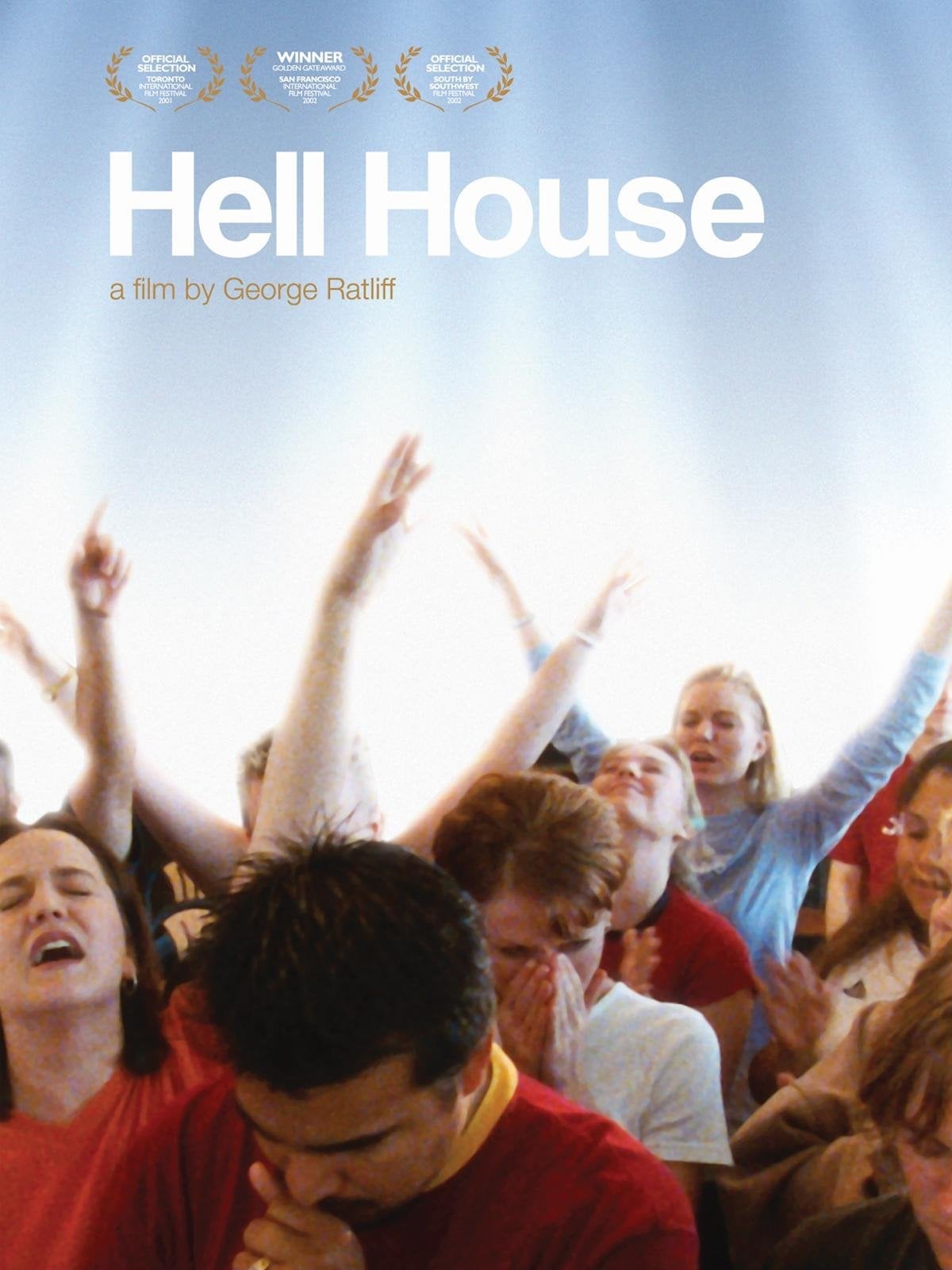
A look at the "Hell House" performed annually in October by the youth members of Trinity Church (Assemblies of God) in Cedar Hill, Texas (a Dallas suburb) — seen by over 10,000 visitors each year.
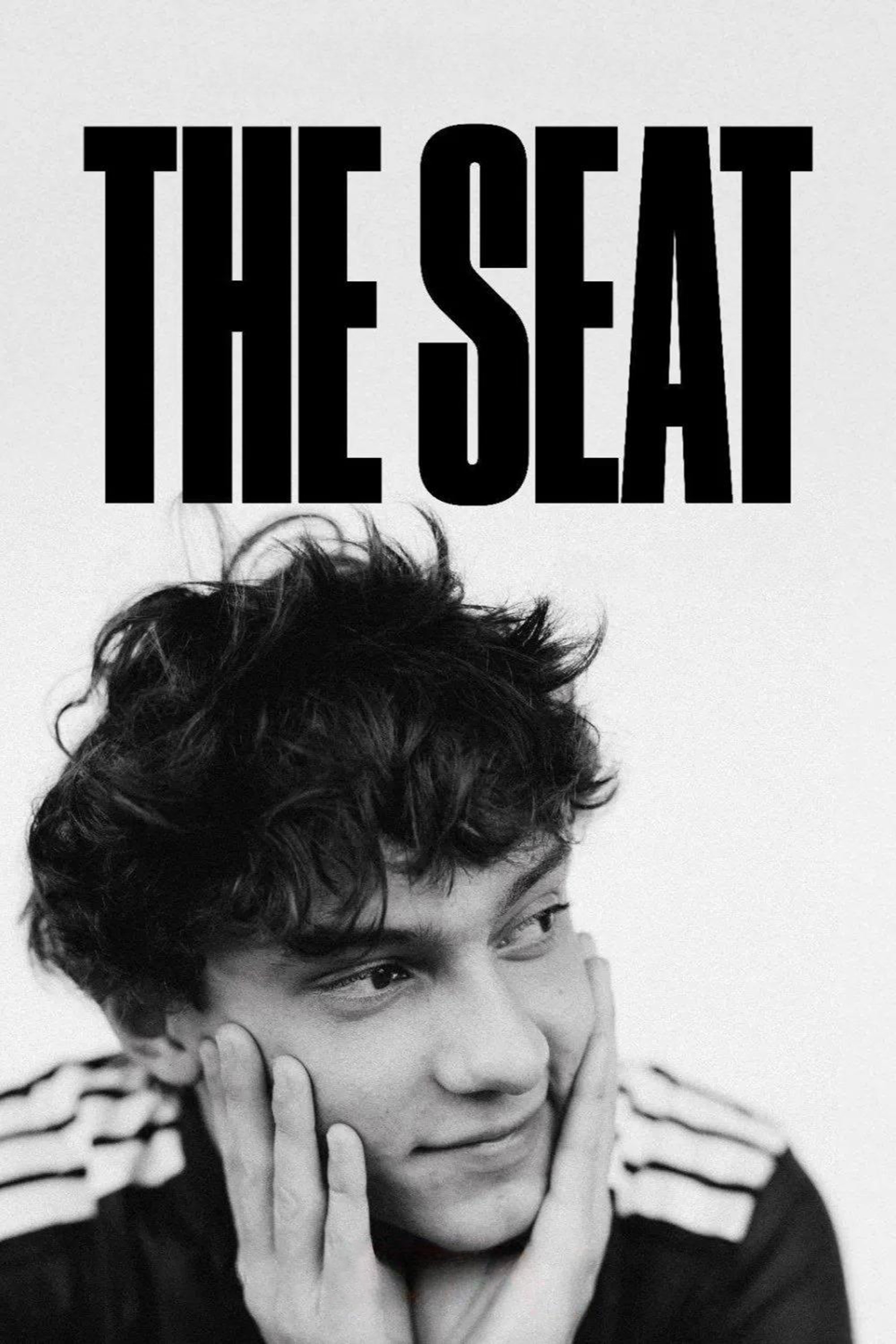
'The Seat' is an unprecedented inside look that led to a once-in-a-generation driver change in Mercedes and F1 history. It reveals the private conversations that led the Mercedes team and Toto Wolff, its Team Principal and CEO, to its decision to promote 18-year-old Italian-born Kimi Antonelli to a Formula 1 Driver, making him the third-youngest rookie in the sport's history. The film follows Kimi, in the lead up to his first Formula 1 season as he takes on his destiny.
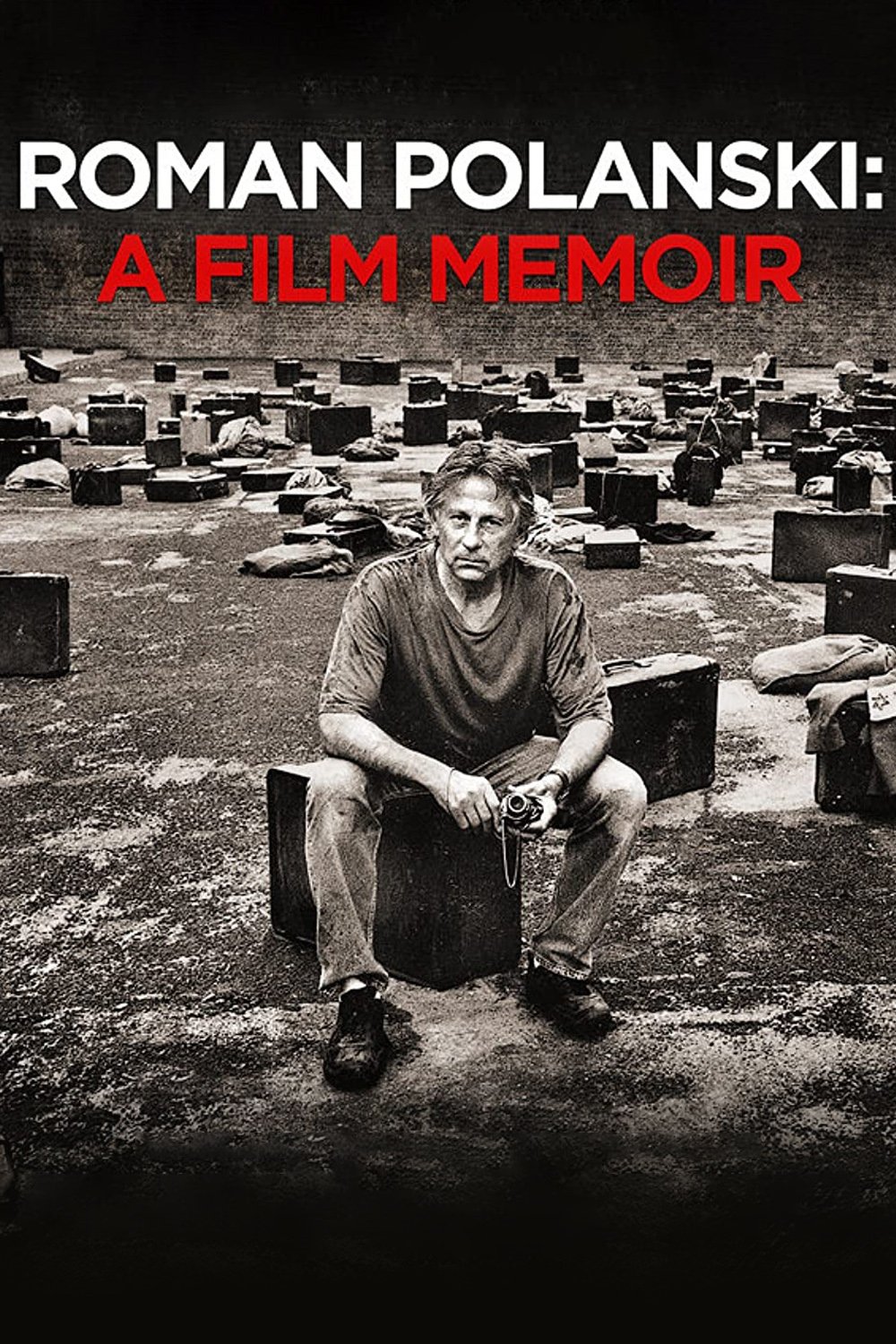
An interview with film director Roman Polanski conducted during his period of house arrest, discussing his life and work.
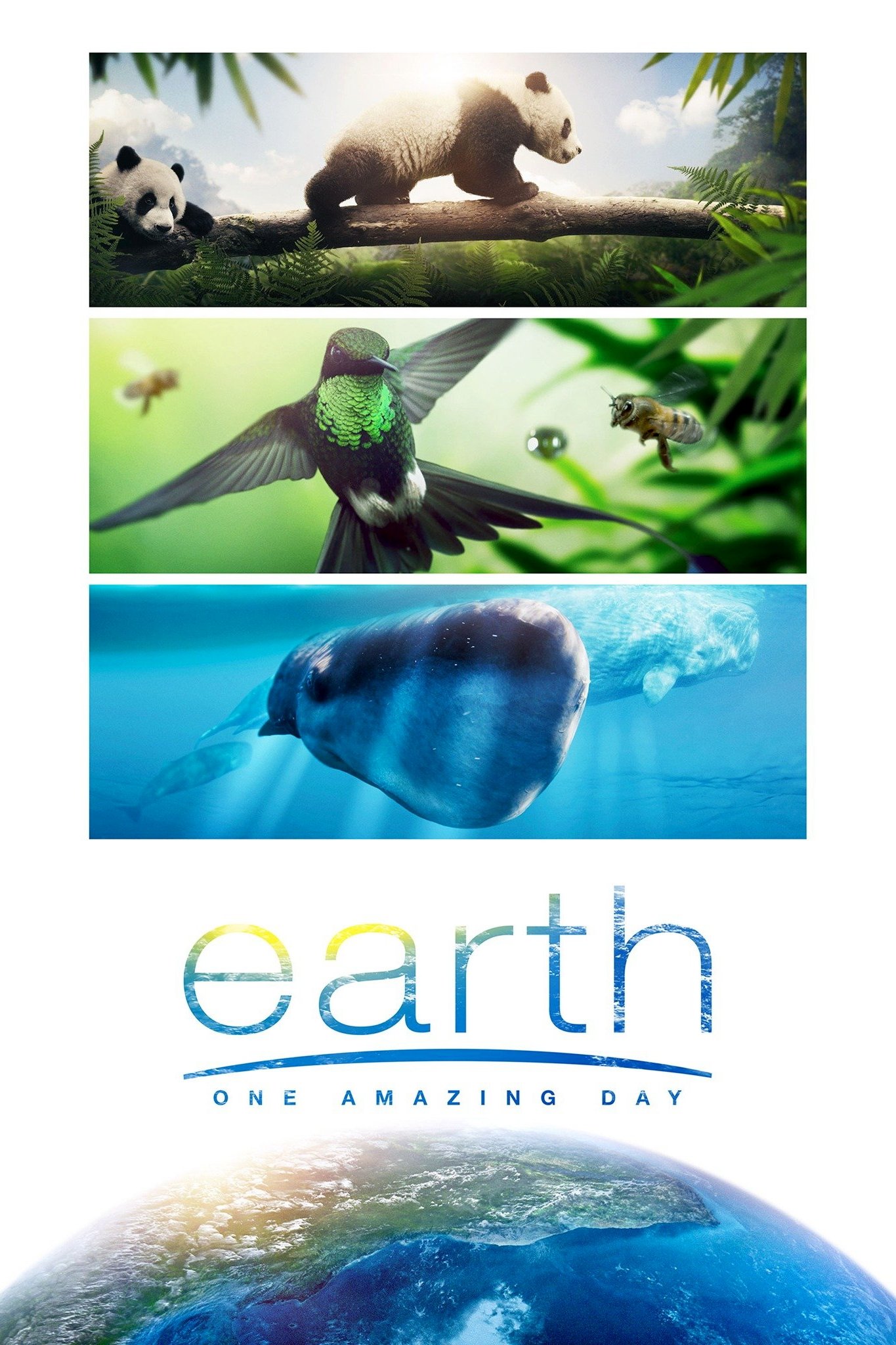
An astonishing journey revealing the awesome power of the natural world. Over the course of one single day, we track the sun from the highest mountains to the remotest islands to exotic jungles.
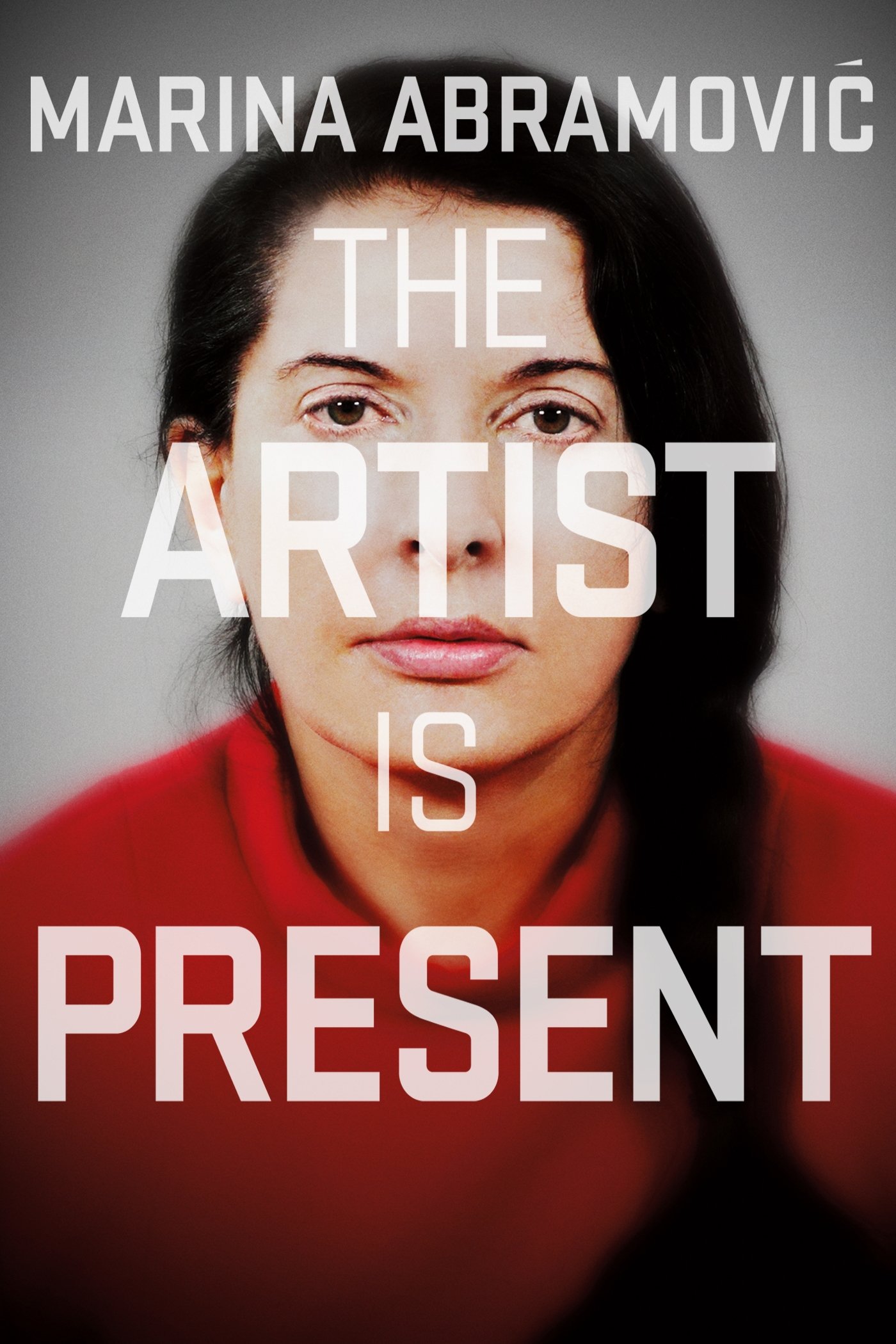
Performance artist Marina Abramovic prepares for a major retrospective of her work at the Museum of Modern Art in New York.