Social & External
The people behind it
Corentin Aymon
Arthur
Rebecca Vogel
Rebecca
Gabriel Bender
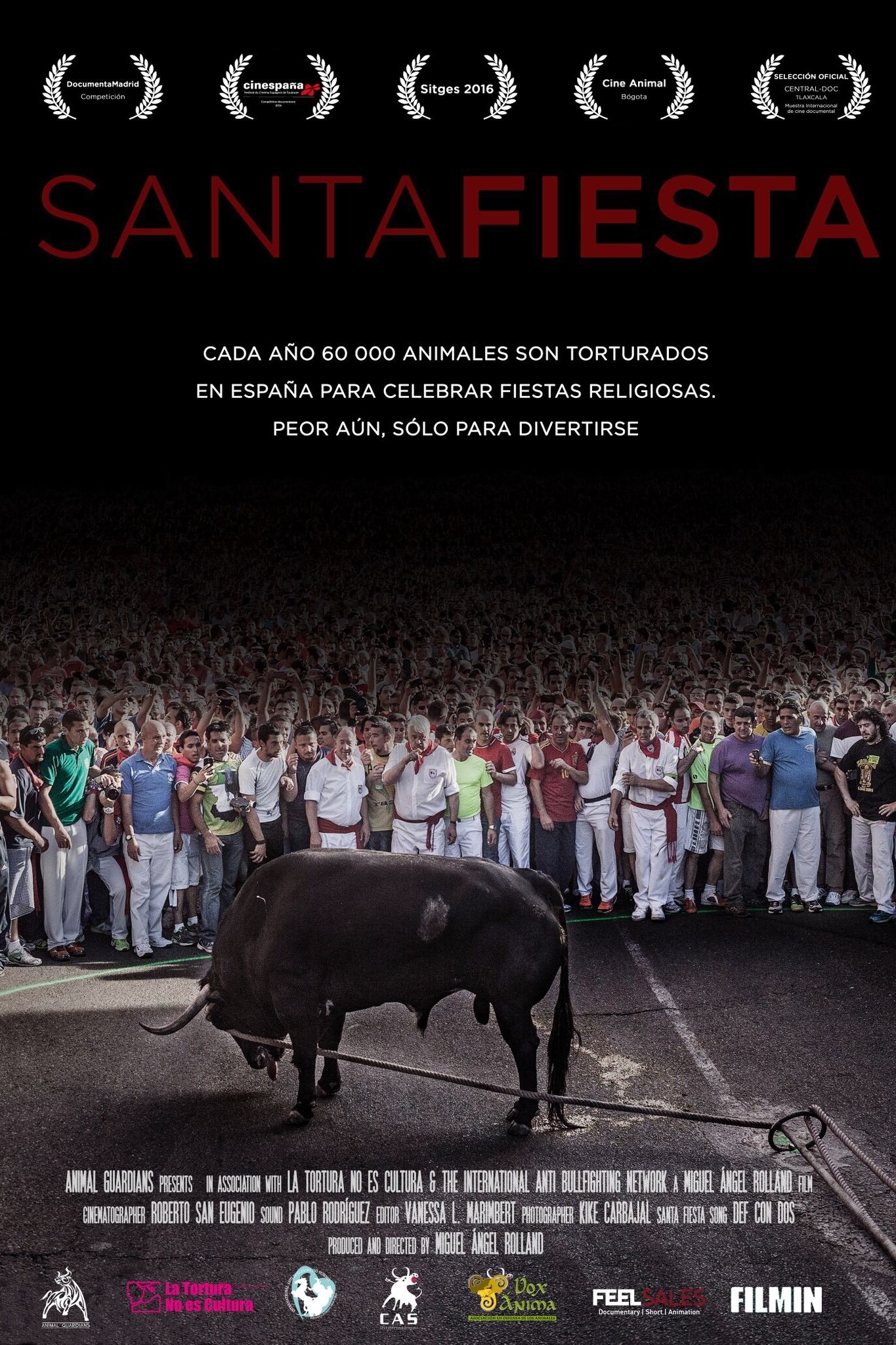
SINOPSIS / SYNOPSIS Every year in Spain, some 16,000 Fiestas are organized, during which animals are used. Honoring the Holy Virgin and the Patron Saints, and with the blessing of religious and political authorities, entire towns -including children- are involved in celebrations of unbelievable cruelty. 60,000 animals are hence abused each year during these “Fiestas of Blood”.
Ãjãí is a fun game in which only the players' heads can touch the ball. This practice, shared by few indigenous peoples in the world, is present among the Myky and Manoki populations of Mato Grosso, who speak a language of an isolated linguistic family. of the villages. But to organize this great party, your young bosses will face some challenges ahead.
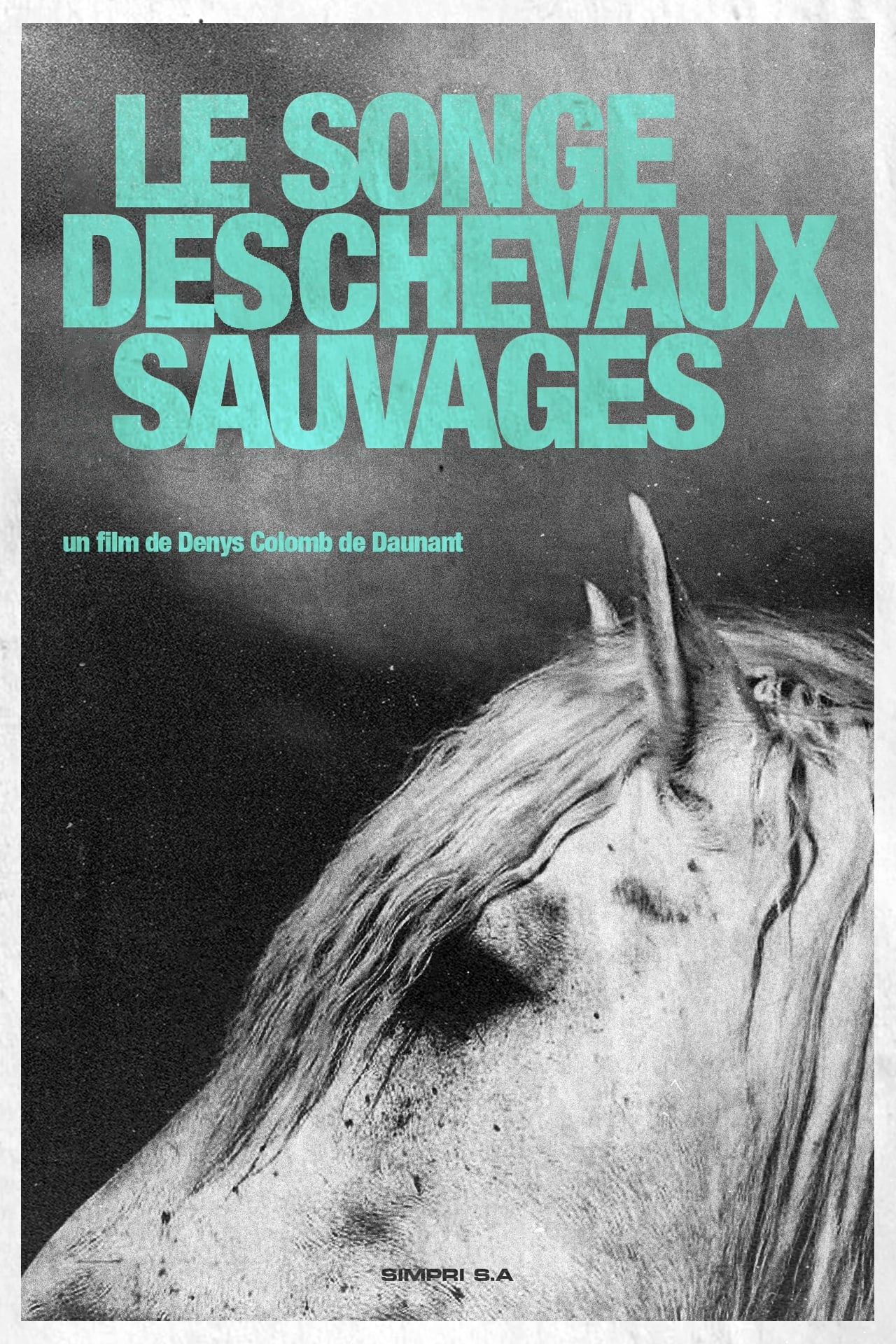
The horses in Denys Colomb Daunant’s dream poem are the white beasts of the marshlands of the Camargue in South West France. Daunant was haunted by these creatures. His obsession was first visualized when he wrote the autobiographical script for Albert Lamorisse’s award-winning 1953 film White Mane. In this short the beauty of the horses is captured with a variety of film techniques and by Jacques Lasry’s beautiful electronic score.
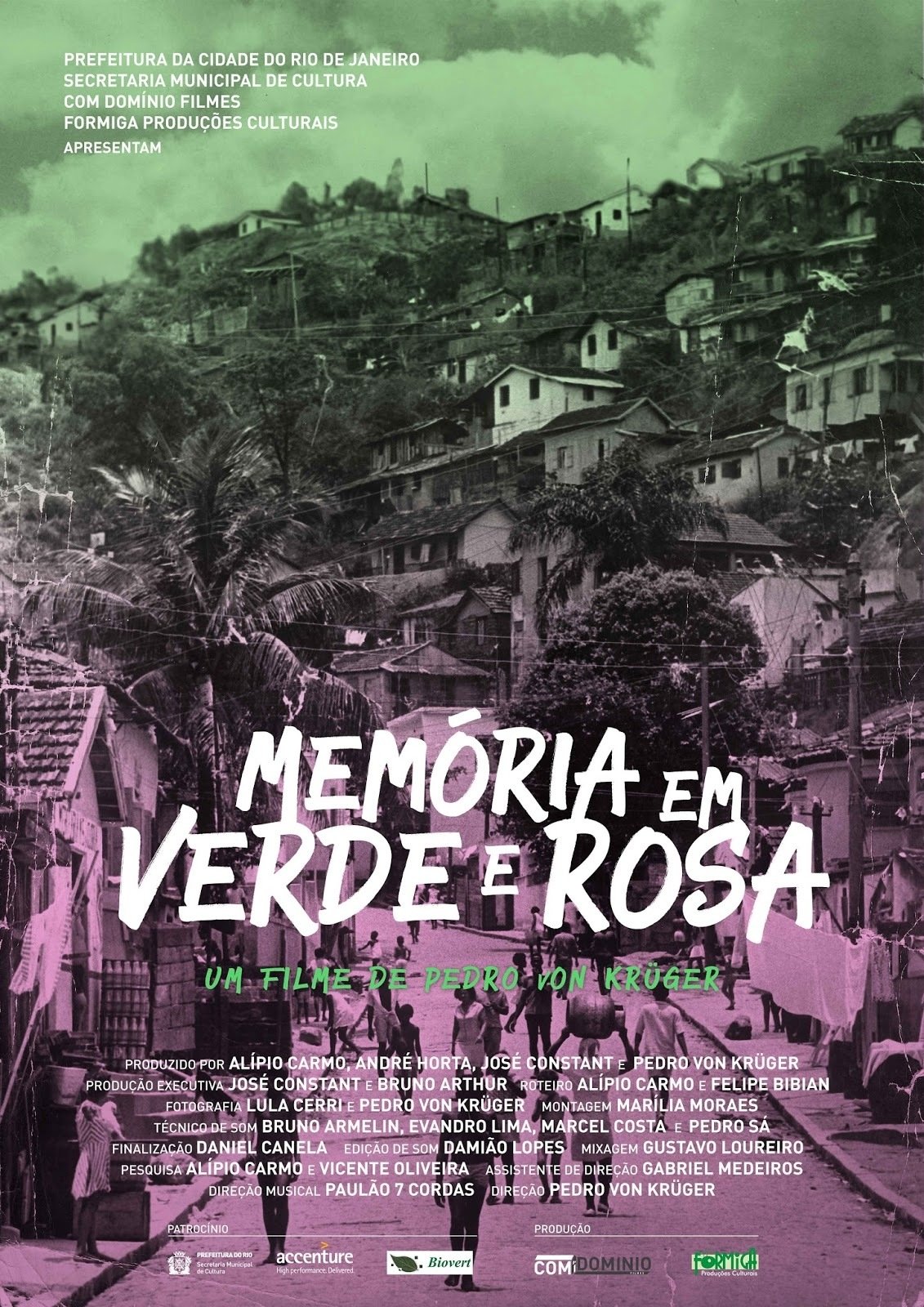
The Mangueira slum is the scenario where Tantinho and the old samba composers remember stories about the slums and samba.
Trans and queer communities shaped carnival traditions in the Canary Islands, exploring their historical role in developing costumes, performances, and celebrations that define the region's festive identity.
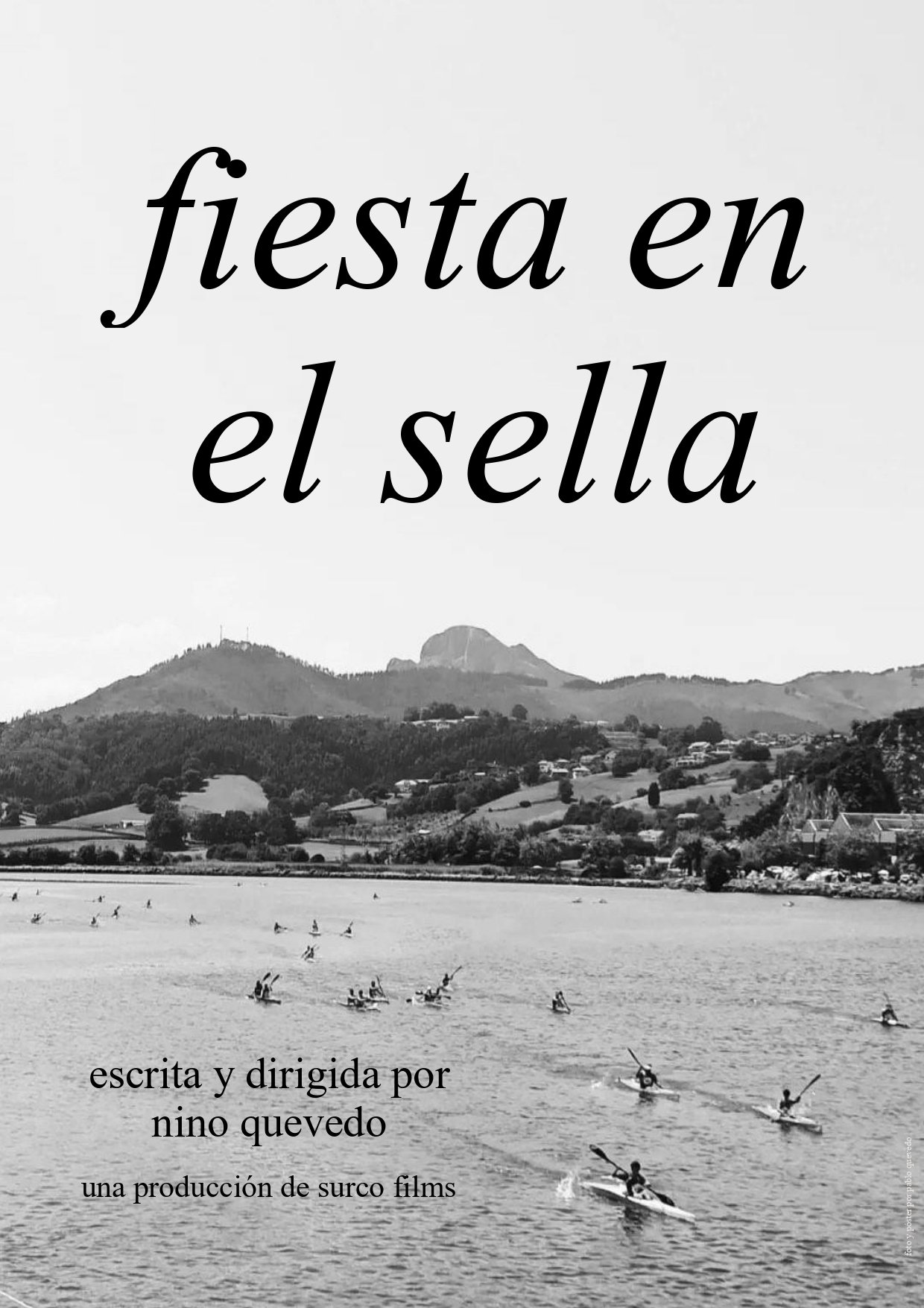
Documentary short film that shows what the International Descent of the Sella (Asturias), one of the most famous canoeing events in the world, was like then. It also covers the festival, celebrations and traditions that surround "les piragües".
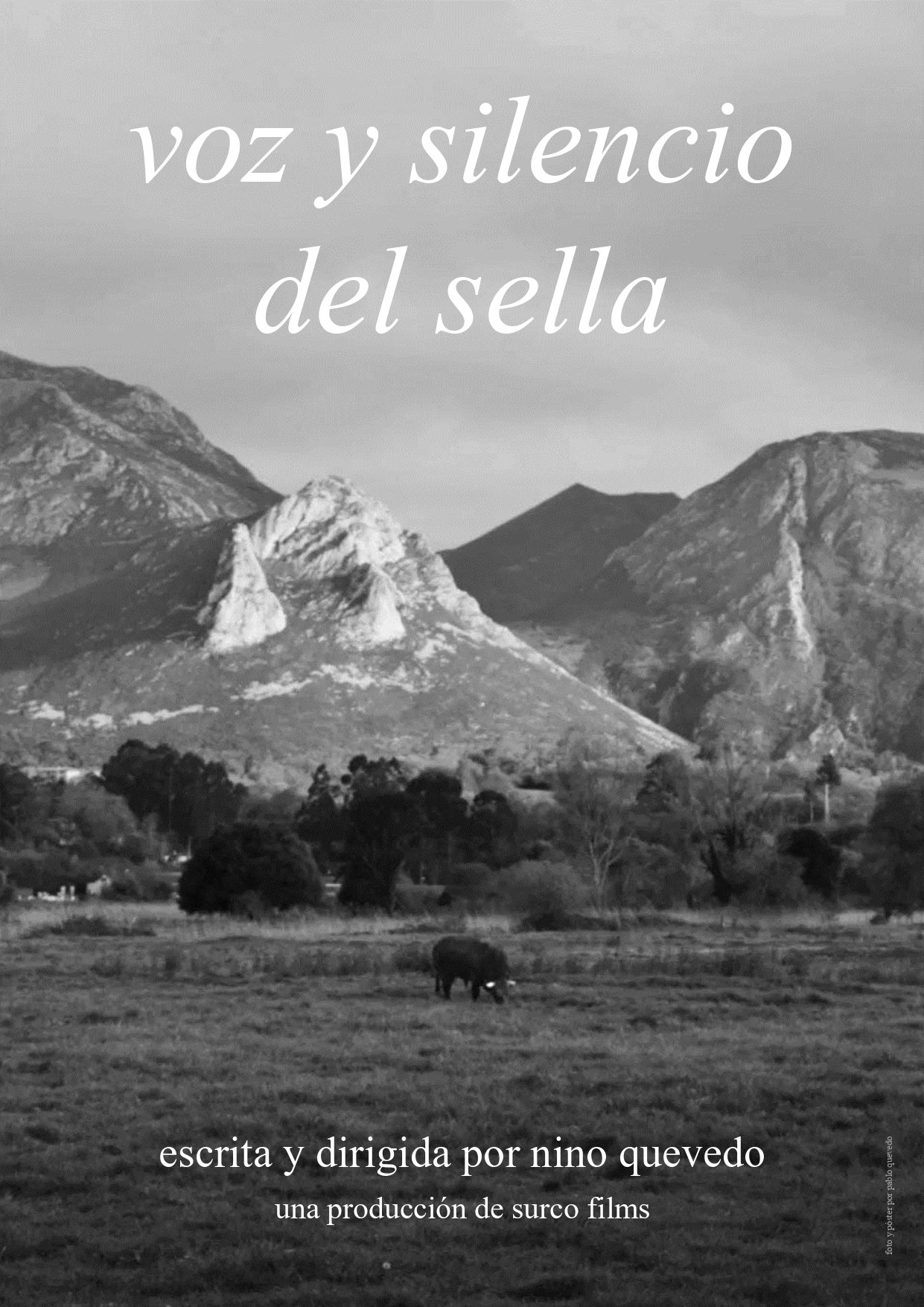
Short film that explores the route of the Sella River, from its source in the Fuente del Infierno (León) to its mouth in the town of Ribadesella (Asturias). It pays special attention to the mysticism that surrounds it and with which it bathes the places through which it passes.
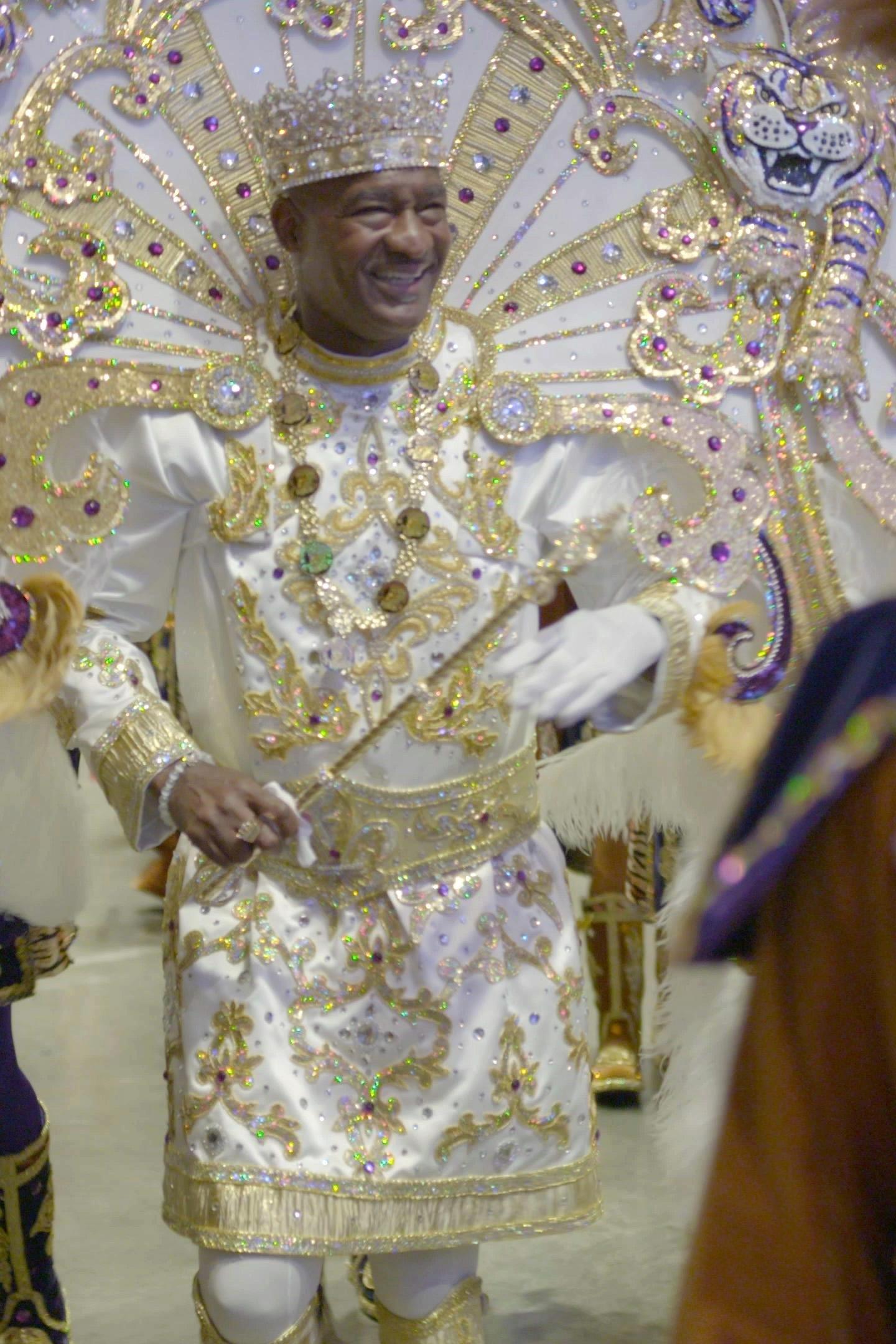
Follows members of the Zulu Club, New Orleans’ first Black Mardi Gras, as they work to bring the Zulu parade back to the streets for Mardi Gras Day 2022, in the face of a global pandemic, hurricane Ida and the loss of members due to COVID and gun violence.
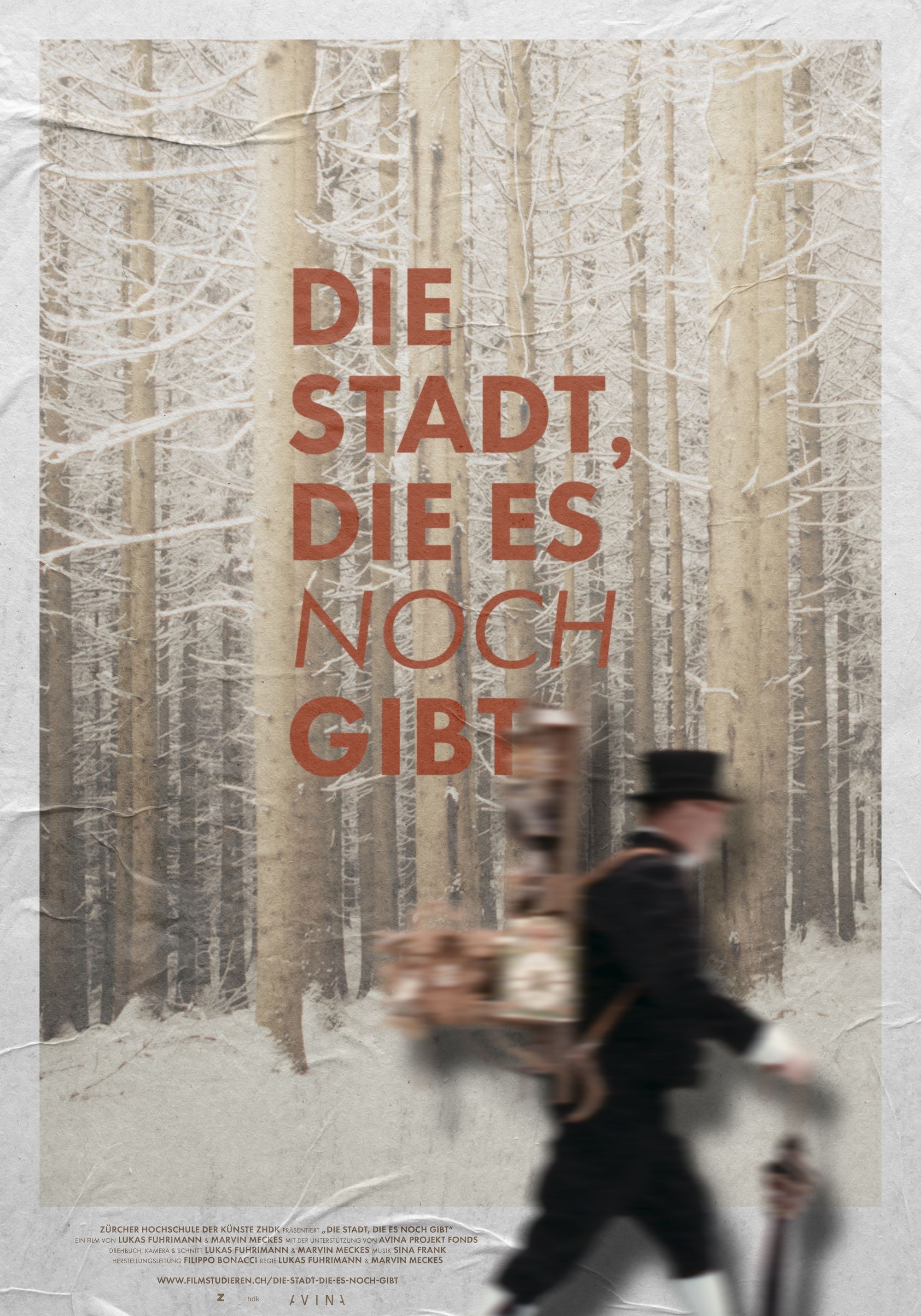
Nestled behind high mountains and dark forests lies Triberg, the birthplace of the cuckoo clock. For centuries, this cult item has been handcrafted right here, attracting tourists from all over the world. Ever since the boom of the 1980s has faded, the cuckoo clock has gradually lost its appeal and magic. And so has the place, which now resembles a ghost town. Its residents however still believe in their clock: Vendors, clockmakers and tourist guides alike fight to preserve their beloved heritage. Between abandoned restaurants and souvenir shops they hope for new tourists, while the clock continues ticking away.
Essence of Healing is a documentary exploring the life journeys of 14 American Indian nurses - their experiences growing up, their experiences in nursing school, and their experiences on the job. They are part of a larger story - a historical line of care and compassion that has run through hundreds of indigenous tribes for thousands of years.
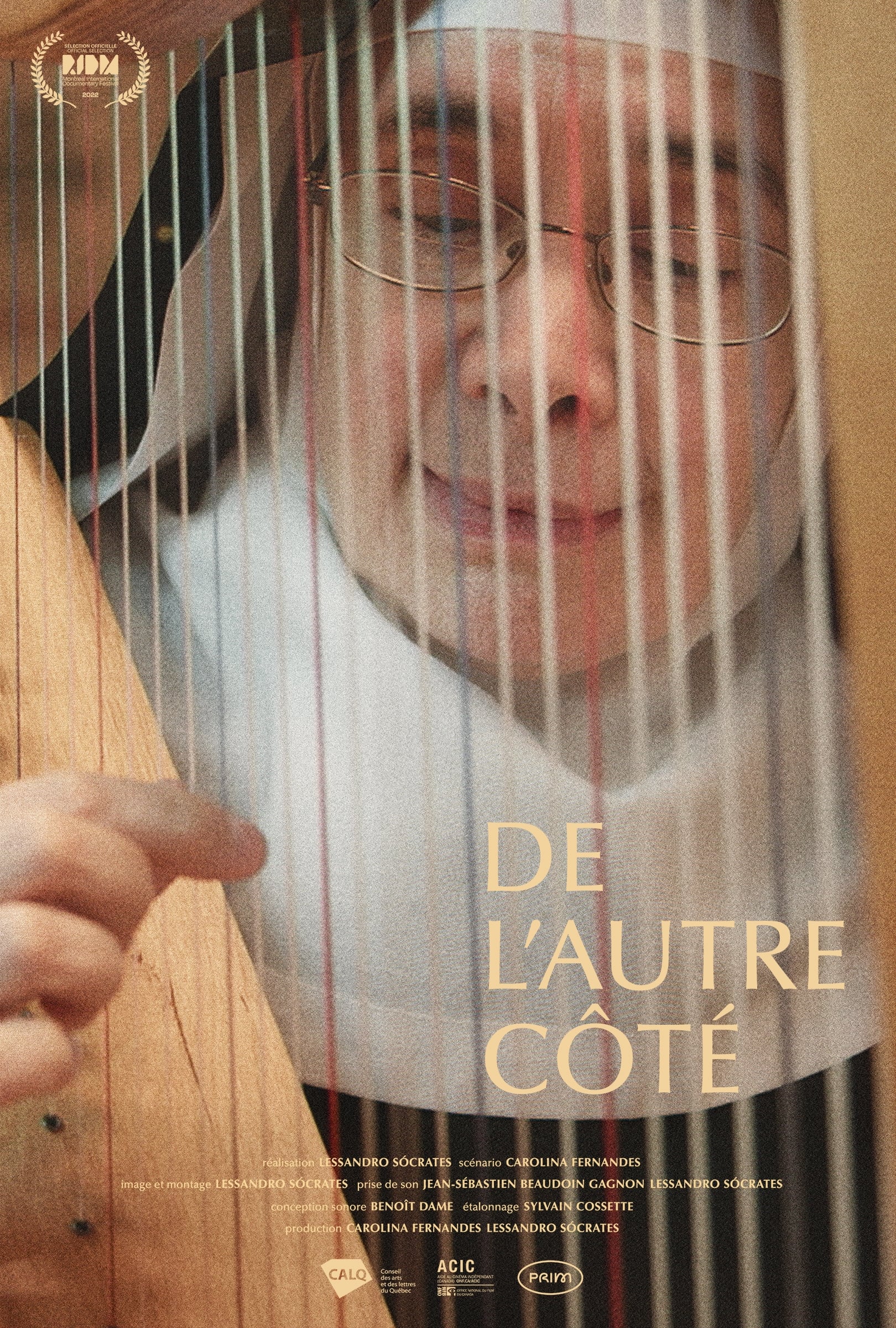
The oldest Quebecois Benedictine convent open its gates to a documentary filmmaker for the first time. Observed up close, life behind its walls is busier than one would expect. About twenty cloistered nuns, most of them over 70, share their daily life with diligence and humor. A contemplative portrait of a community of sisterhood and solidarity emerges, punctuated by prayer, work and games evenings.
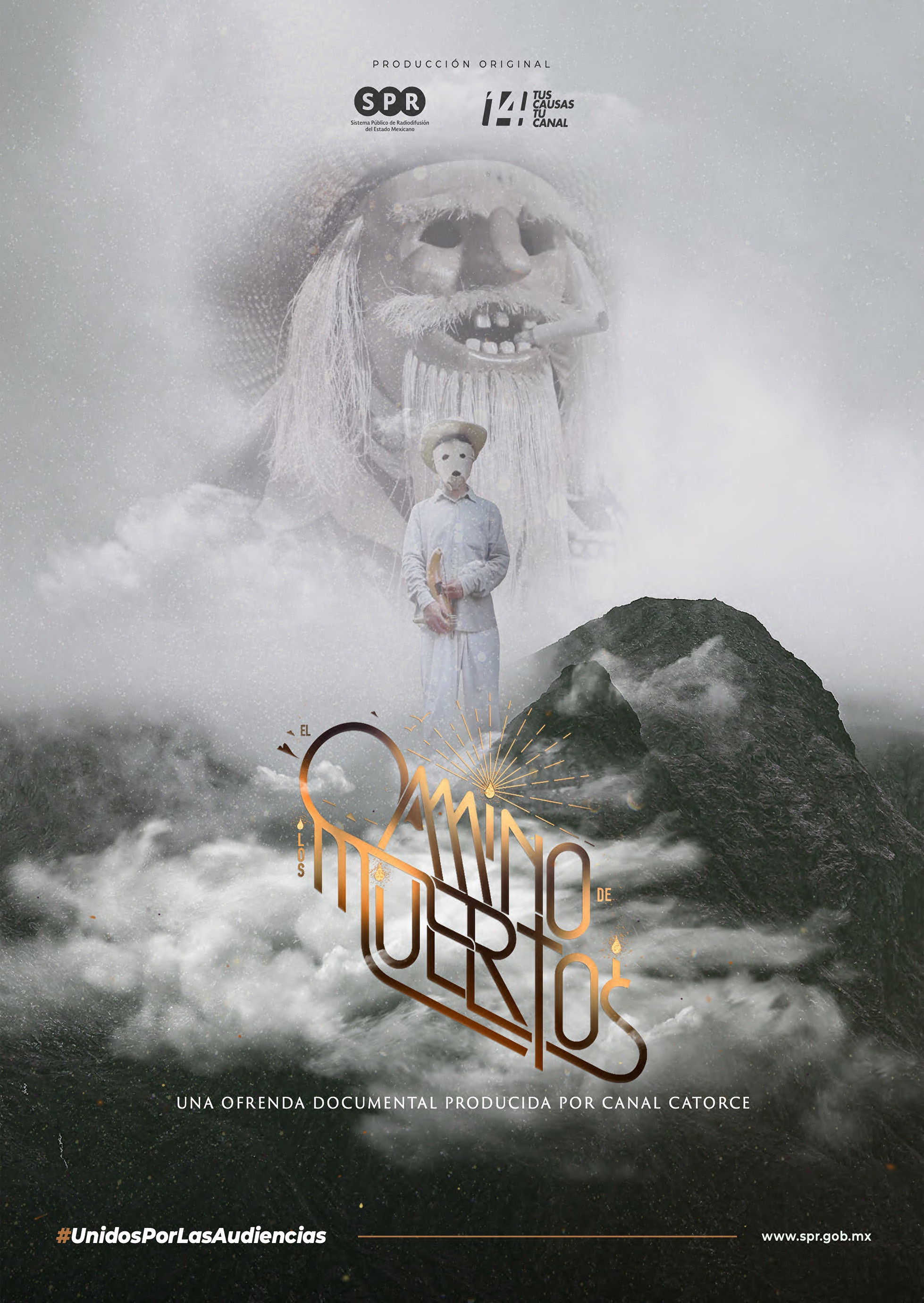
The Day of the Dead is one of the most deeply rooted and celebrated traditions in our country and when this festivity takes place in a magical town, the event becomes something memorable. The Day of the Dead tradition in Huautla de Jiménez, Oaxaca begins on October 27 with the arrival of the chá to xo´o´ and the celebration lasts six days. Hand in hand with its inhabitants, we will take a tour to witness all the colors, smells, flavors, sounds, textures, and visions that surround this ancestral festival and that of the Mazatecs.
The Shipibo-Konibo people of Peruvian Amazon decorate their pottery, jewelry, textiles, and body art with complex geometric patterns called kené. These patterns also have corresponding songs, called icaros, which are integral to the Shipibo way of life. This documentary explores these unique art forms, and one Shipibo family's efforts to safeguard the tradition.
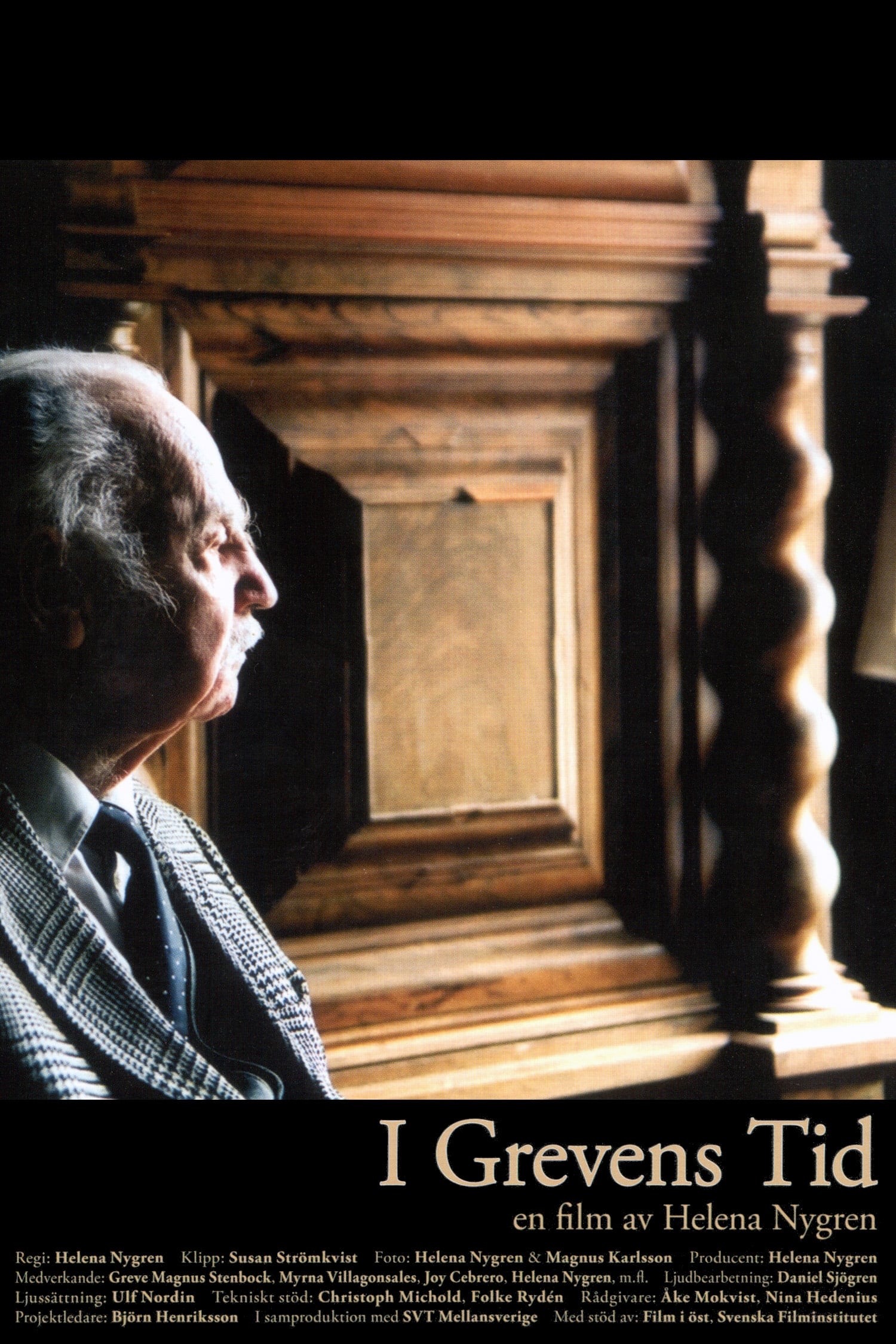
At the forests of Östergötland, where land meets sea, rests the old castle Herrborum. Here lives count Magnus Stenbock, 92, according to his own ideas about what is appropriate and what is not. Film-maker Helena Nygren is fascinated by the count and the castle, and is allowed to film on the condition that she takes the role of companion lady. Over one year, Helena returns several times to take part of count Magnus Stenbock and his servants life on castle Herrborum in Östergötland. Time stands still on the castle, and in the movie Helena wants to preserve the fairy tale feeling she gets when she steps into these ancient surroundings. The count is a strong personality with strong opinions and a great interest in history. All kinds of people come to his castle to savor the special atmosphere and follow the old fashioned rules of etiquette. Helena transforms from an observer to a lady who participates in the social games on the estate, where everything moves around its own time axis.
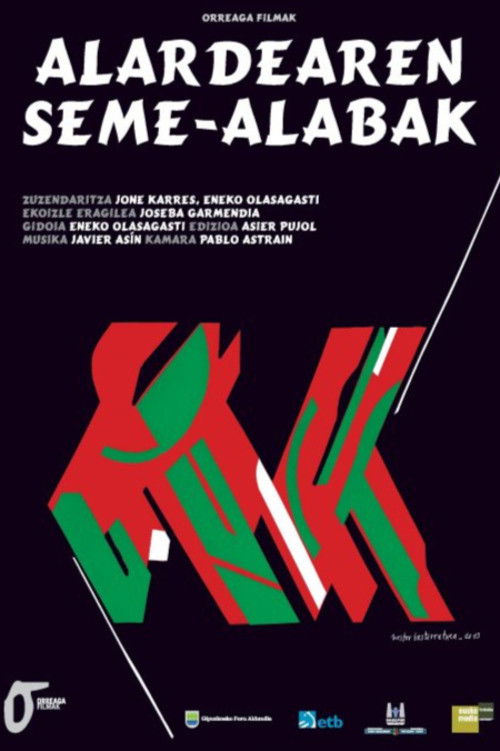
An analysis of the controversy over the participation of women in the Irun and Hondarribia festivity known as Alarde. It is divided into three parts: in the first part, the history, structure, and characteristics of the Alarde are explained; in the second part, the beginning of the conflict and its development in the 1990s; and in the third part, the present situation, reflecting on the present and future of the festival.
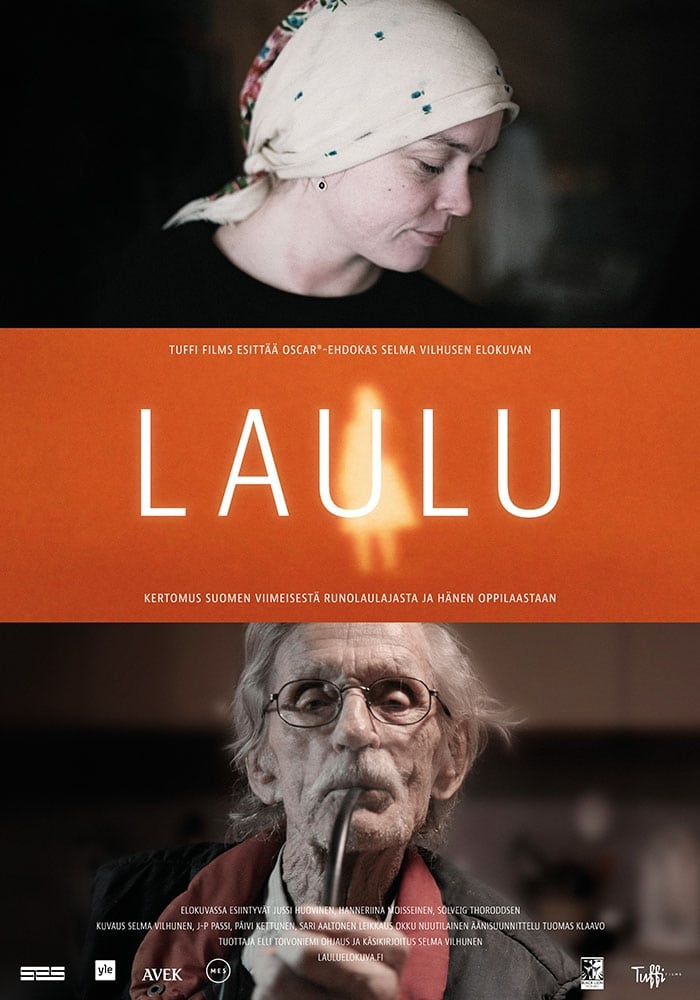
Song is a story of the last Finnish rune singer and his pupil, and the comforting power of singing.
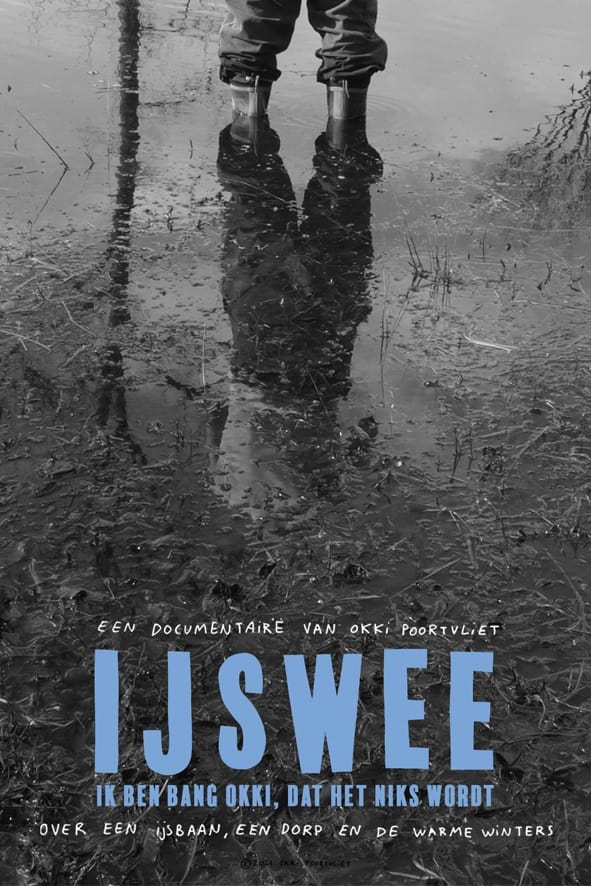
IJswee is a documentary film about an ice club, a village and the warm winters. In the film we follow Oringers, the inhabitants of Odoorn, through the winter. The Oringers all experience IJswee in their own way. You will also see the Icecounter (Rafael van der Ziel), who builds ice sculptures and drinks frozen milk. You see the Drenthe countryside changing with the weather. You see animations, archive material and you hear the mysterious sounds of IJswee in the music of Wietse de Haan. And there are two trumpet players, who welcome winter with their music and say goodbye to it.
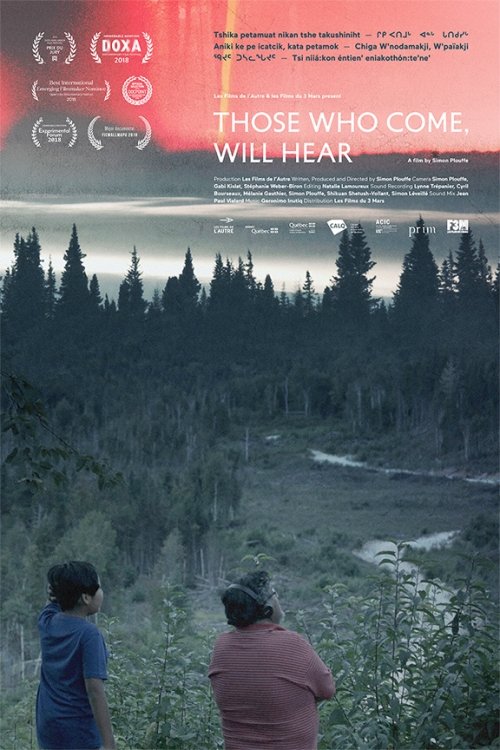
The documentary proposes a unique meeting with the speakers of several indigenous and inuit languages of Quebec – all threatened with extinction. The film starts with the discovery of these unsung tongues through listening to the daily life of those who still speak them today. Buttressed by an exploration and creation of archives, the film allows us to better understand the musicality of these languages and reveals the cultural and human importance of these venerable oral traditions by nourishing a collective reflection on the consequences of their disappearance.
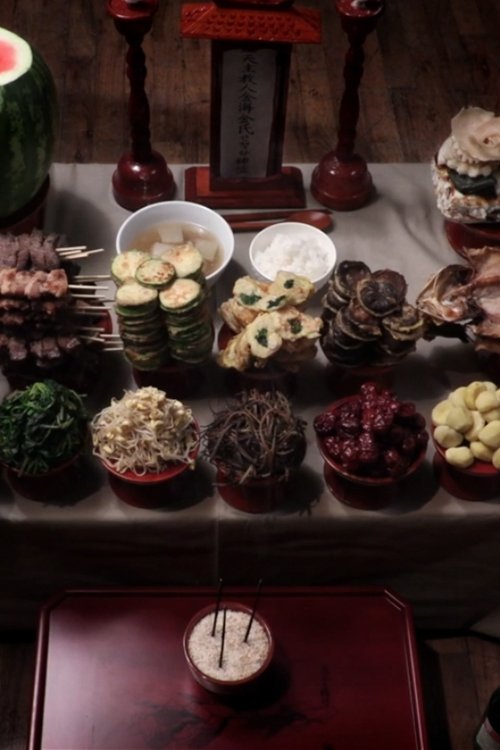
Jesa is a Korean tradition honoring one's ancestors. The filmmaker interviewed her parents about this ritual. However, it goes totally unexpected.
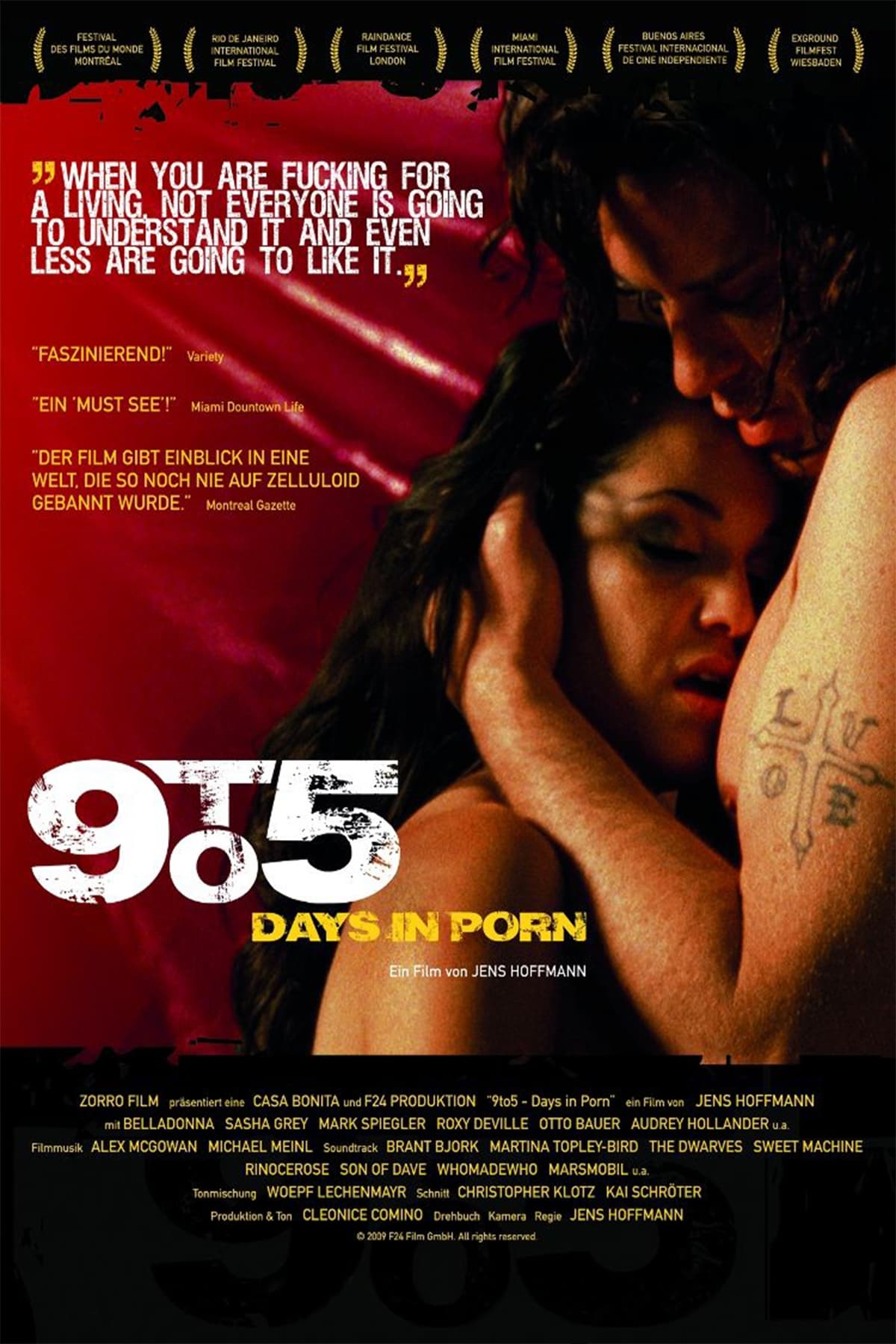
9to5 - Days in Porn focuses on the people behind a controversial and multi-billion dollar industry "The Adult Entertainment industry". It depicts their stories, each one different, unadorned and authentic, without glorification or prejudice. It delivers deep insight into their personal lives - from glamorous to grotesque - strange, fascinating, offensive, absurd and sometimes funny moments all at once.
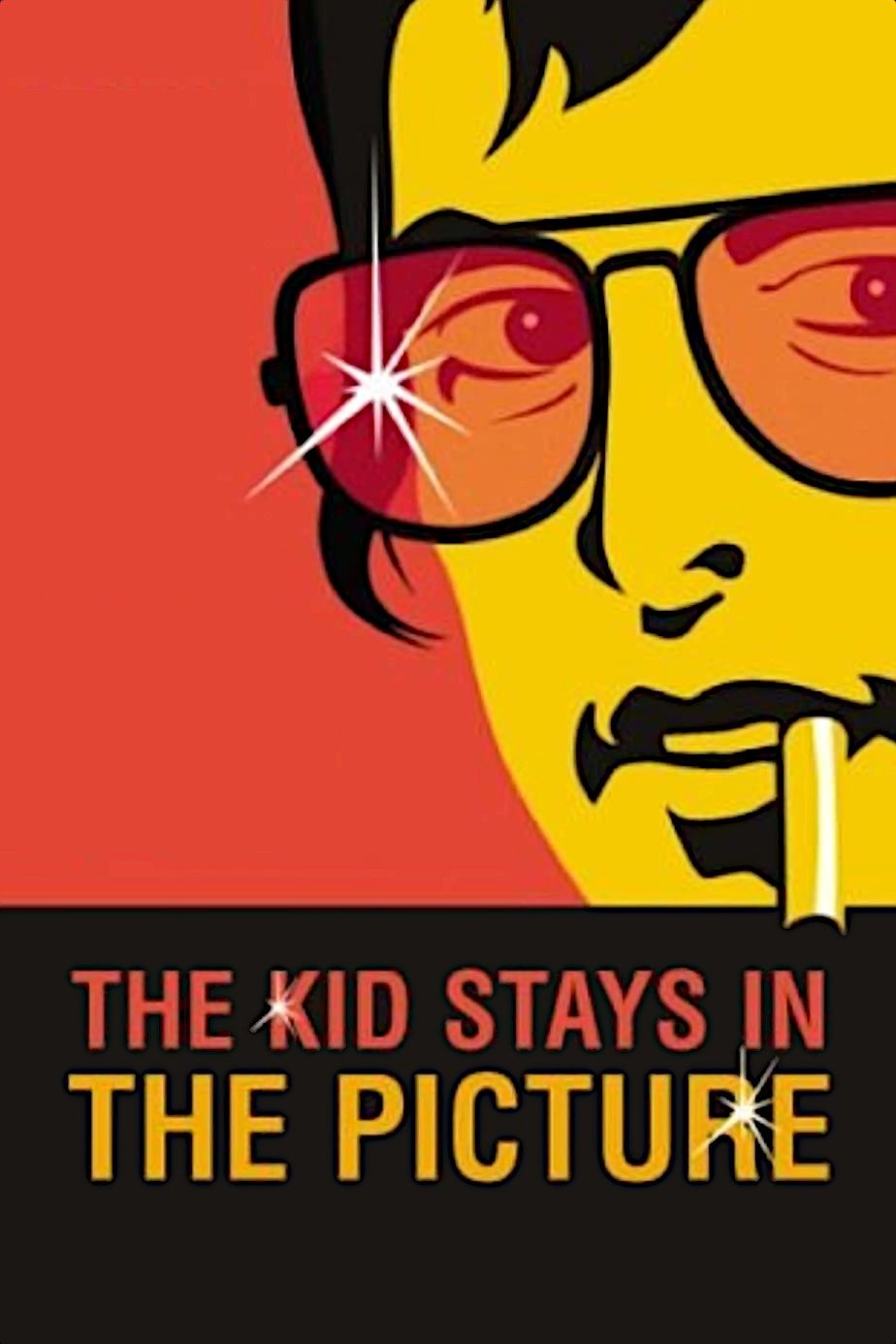
Documentary about legendary Paramount producer Robert Evans, based on his famous 1994 autobiography.
This searing investigative work shadows a group of activists risking unimaginable peril to confront the ongoing anti-LGBTQ program raging in the repressive and closed Russian republic. Unfettered access and a remarkable approach to protecting anonymity exposes this under-reported atrocity–and an extraordinary group of people confronting evil.
Ten of Muhammad Ali's former rivals pay tribute to the three-time world heavyweight champion.
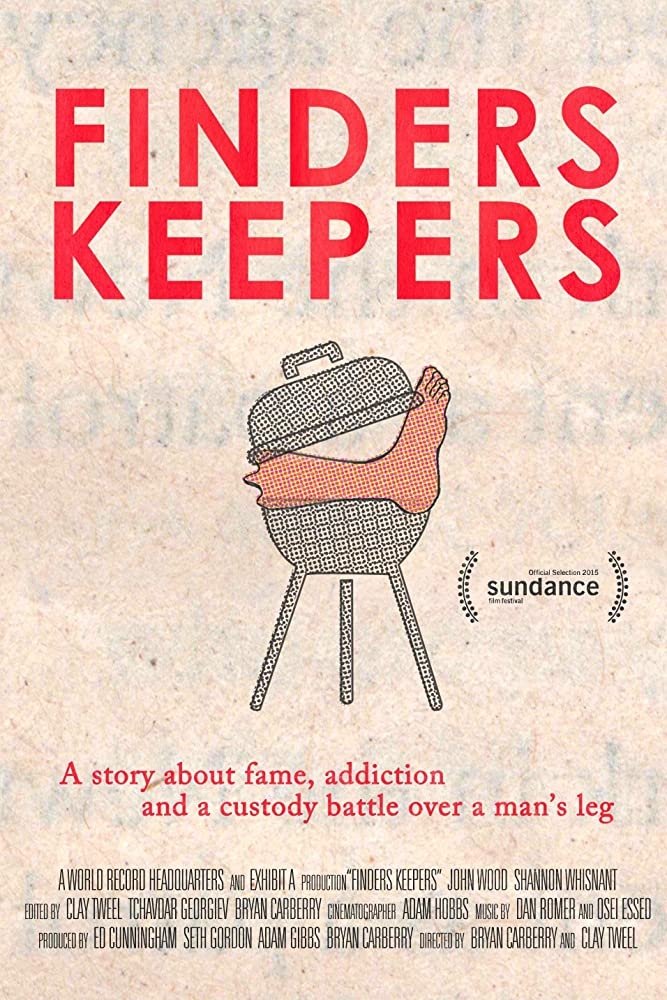
In this documentary, recovering addict and amputee John Wood finds himself in a stranger-than-fiction battle to reclaim his mummified leg from Southern entrepreneur Shannon Whisnant, who found it in a grill he bought at an auction and believes it therefore to be his rightful property.
A subjective documentary that explores various theories about hidden meanings in Stanley Kubrick's classic film The Shining. Five very different points of view are illuminated through voice over, film clips, animation and dramatic reenactments.
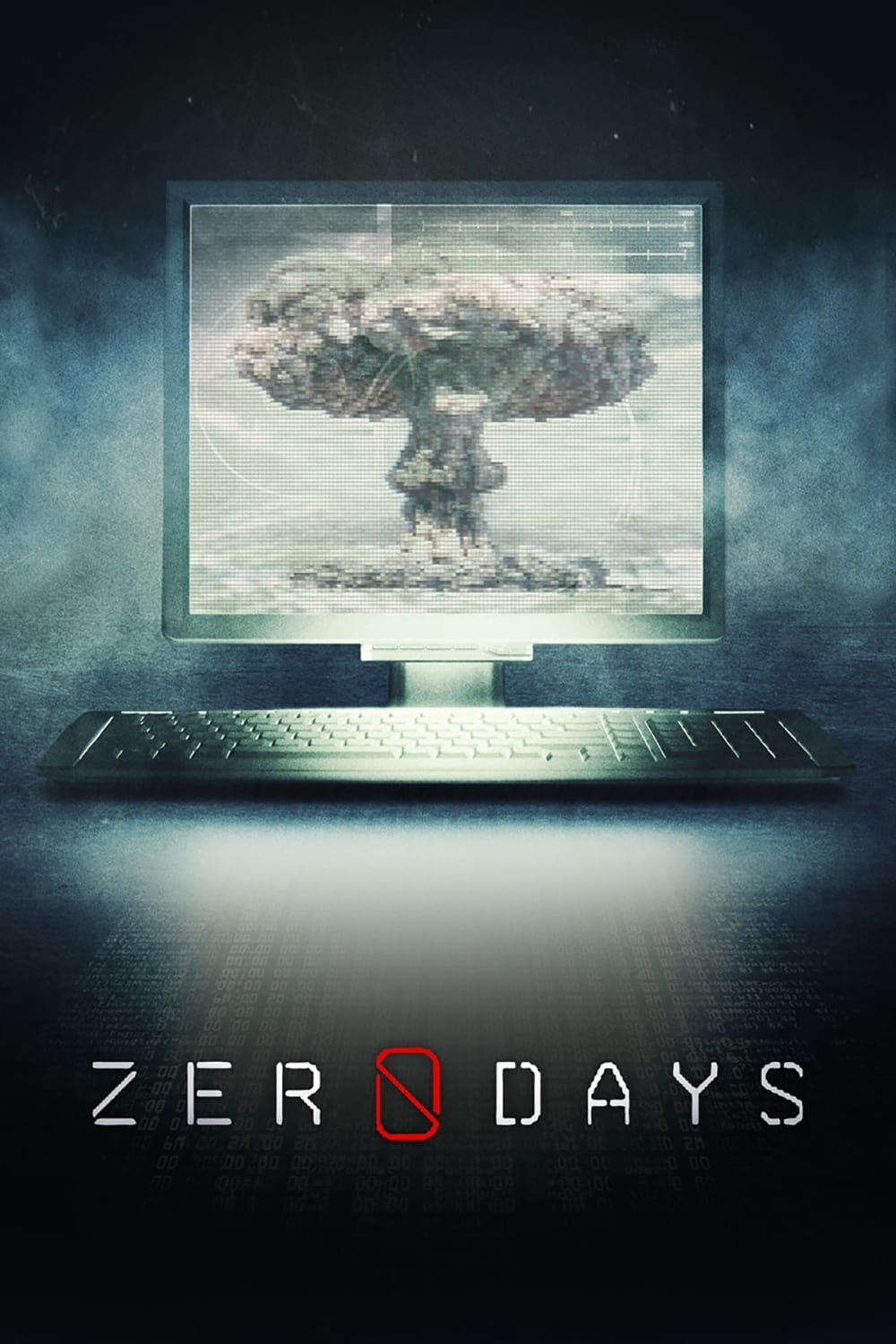
Alex Gibney explores the phenomenon of Stuxnet, a self-replicating computer virus discovered in 2010 by international IT experts. Evidently commissioned by the US and Israeli governments, this malware was designed to specifically sabotage Iran’s nuclear programme. However, the complex computer worm ended up not only infecting its intended target but also spreading uncontrollably.
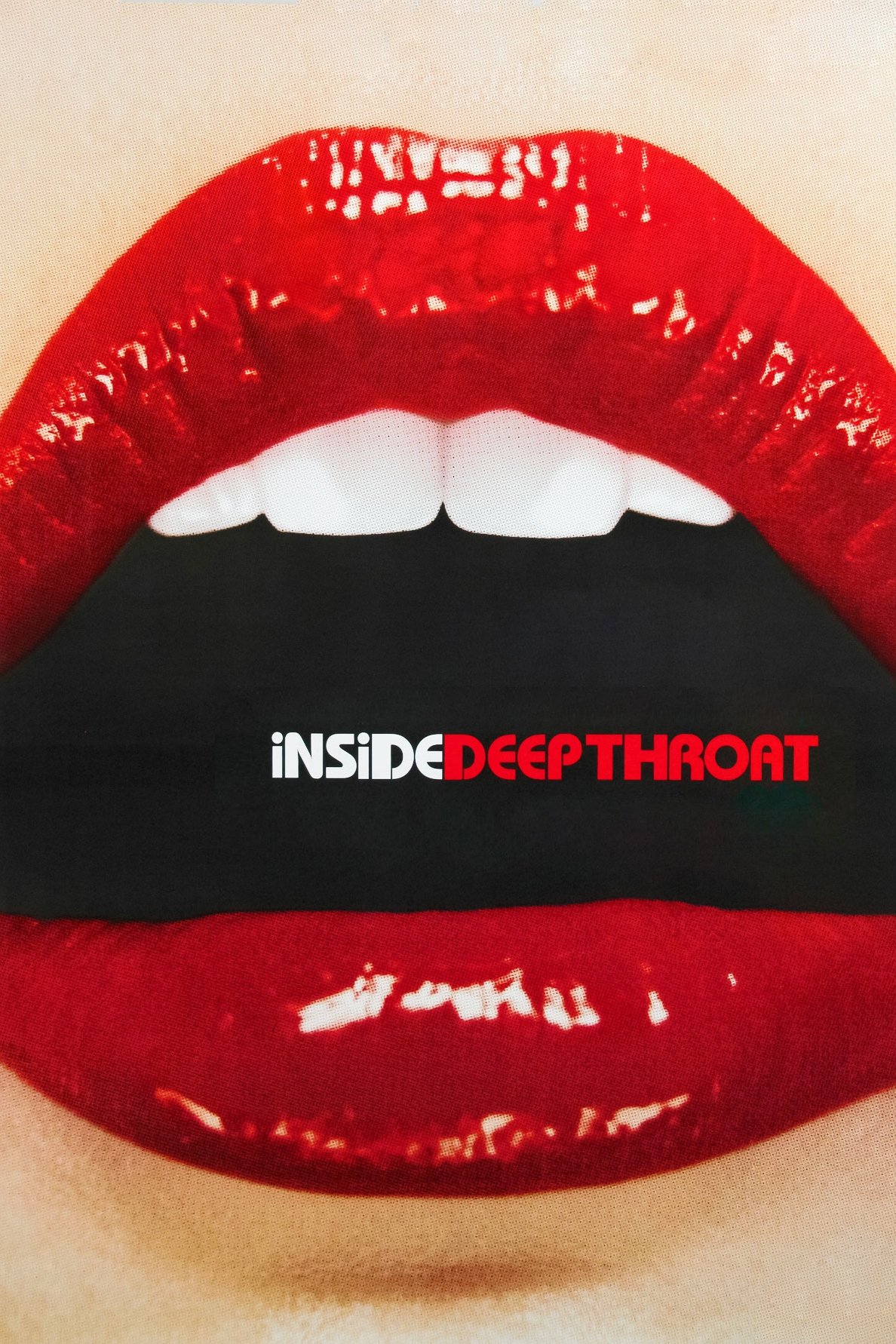
In 1972, a seemingly typical shoestring budget pornographic film was made in a Florida hotel: "Deep Throat," starring Linda Lovelace. This film would surpass the wildest expectation of everyone involved to become one of the most successful independent films of all time. It caught the public imagination which met the spirit of the times, even as the self-appointed guardians of public morality struggled to suppress it, and created, for a brief moment, a possible future where sexuality in film had a bold artistic potential. This film covers the story of the making of this controversial film, its stunning success, its hysterical opposition along with its dark side of mob influence and allegations of the on set mistreatment of the film's star.
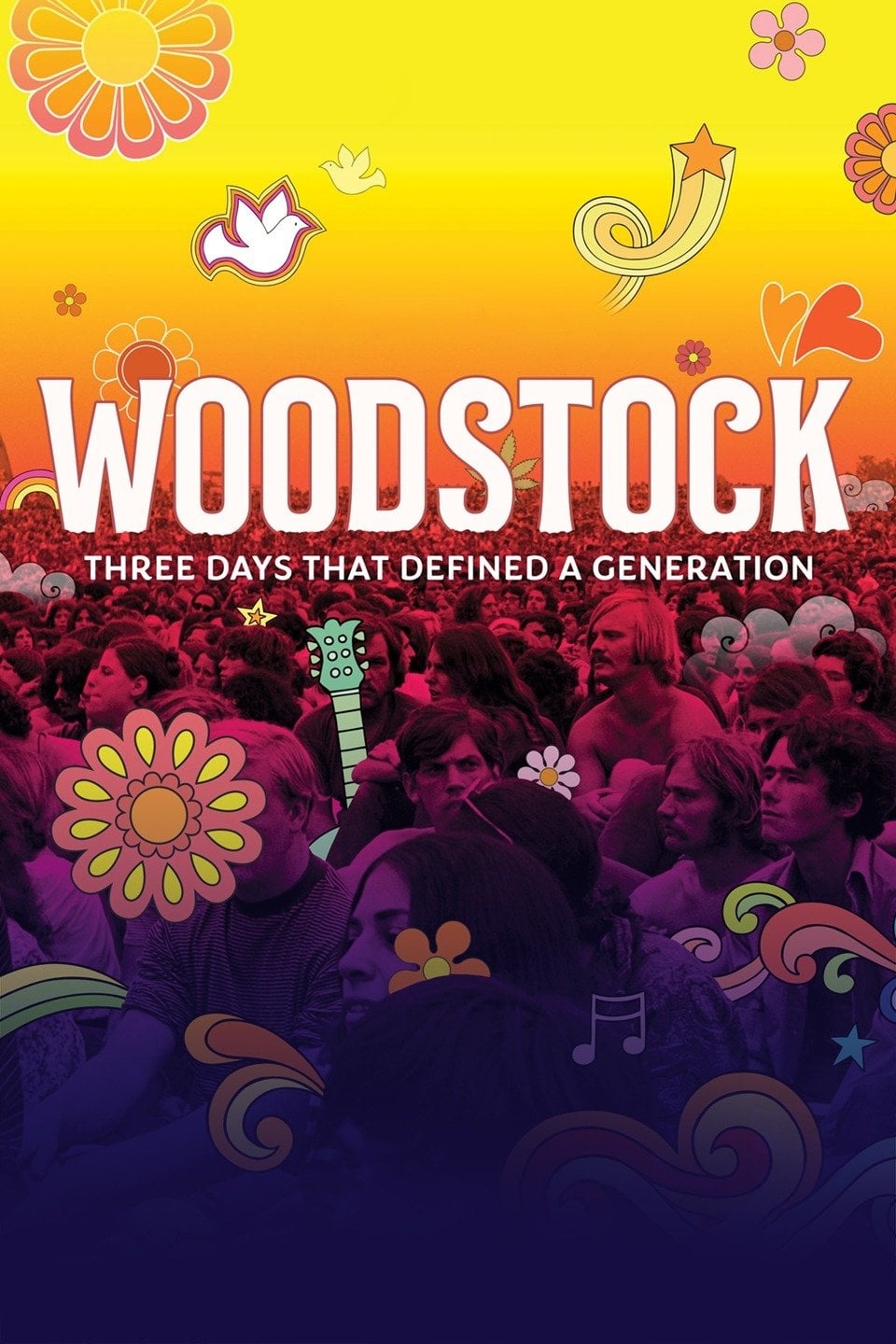
50 years after the legendary fest, Barak Goodman’s electric retelling of Woodstock, from the point of view of those who were on the ground, evokes the freedom, passion, community, and joy the three-day music festival created.
Filmmaker Alain Resnais documents the atrocities behind the walls of Hitler's concentration camps.
A love letter from a young mother to her daughter, the film tells the story of Waad al-Kateab’s life through five years of the uprising in Aleppo, Syria as she falls in love, gets married and gives birth to Sama, all while cataclysmic conflict rises around her. Her camera captures incredible stories of loss, laughter and survival as Waad wrestles with an impossible choice– whether or not to flee the city to protect her daughter’s life, when leaving means abandoning the struggle for freedom for which she has already sacrificed so much.
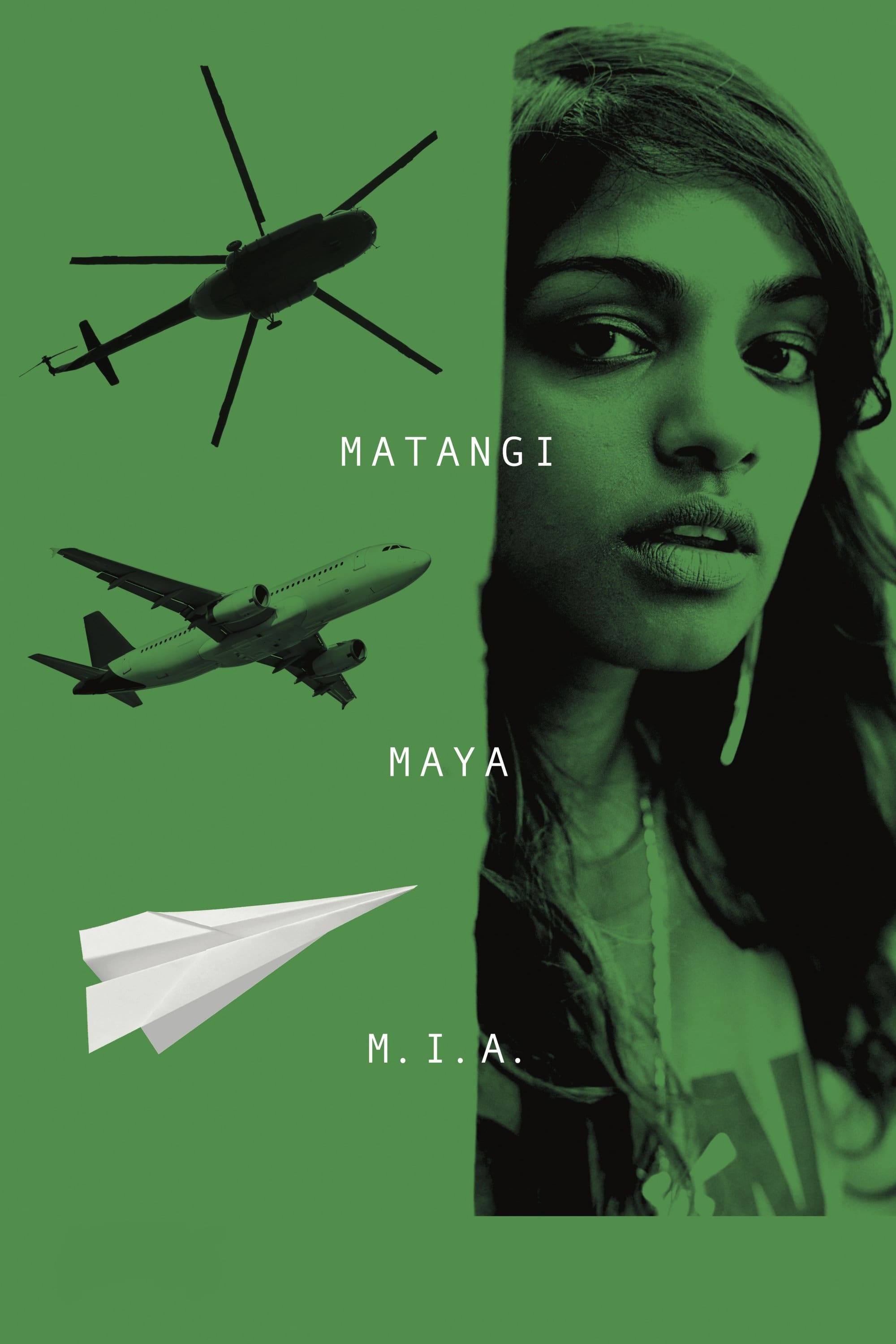
Drawn from a never before seen cache of personal footage spanning decades, this is an intimate portrait of the Sri Lankan artist and musician who continues to shatter conventions.
An intimate, behind-the-scenes look at how an anonymous chef became a world-renowned cultural icon. This unflinching look at Anthony Bourdain reverberates with his presence, in his own voice and in the way he indelibly impacted the world around him.
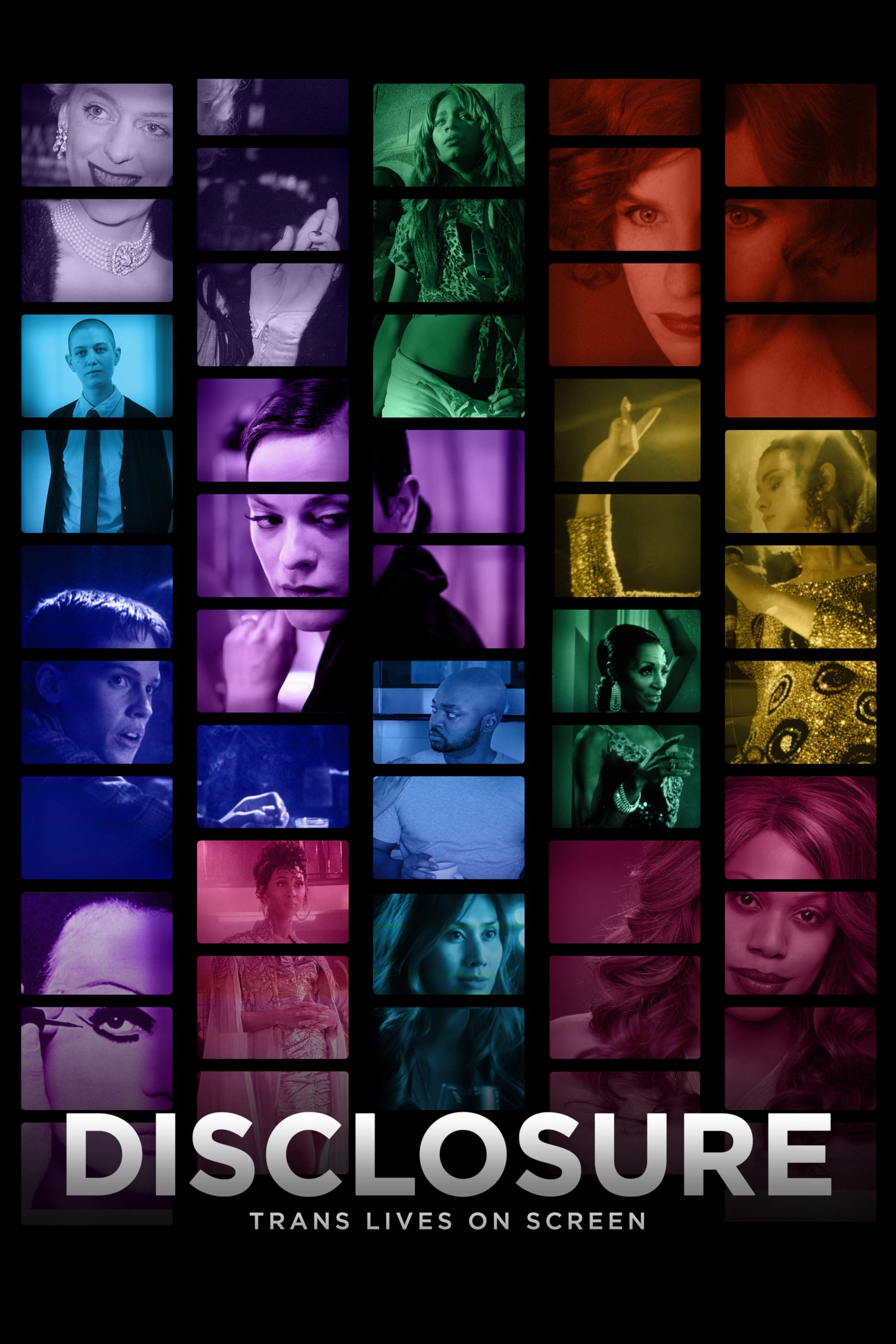
An investigation of how Hollywood's fabled stories have deeply influenced how Americans feel about transgender people, and how transgender people have been taught to feel about themselves.
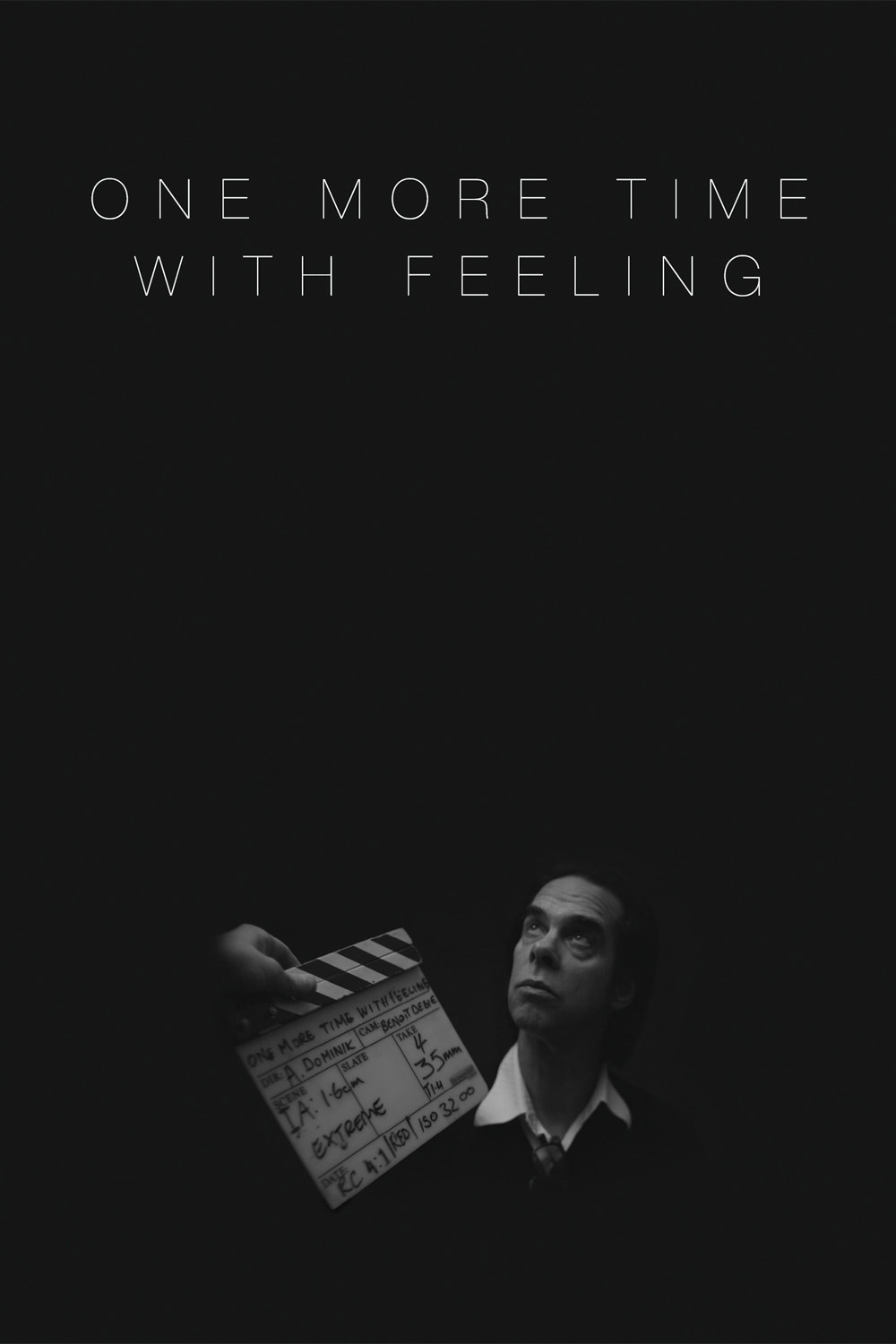
Andrew Dominik's One More Time With Feeling is a remarkable black and white documentary which chronicles the creation of Nick Cave & The Bad Seeds' album Skeleton Tree. Originally a performance based concept, the film evolved into something much more significant as Dominik delved into the tragic backdrop of the writing and recording of the album. The result is stark, fragile and raw, and a true testament to an artist trying to find his way through the darkness. It documents the writing, recording and performing of Nick Cave & the Bad Seeds’ sixteenth studio album, Skeleton Tree.
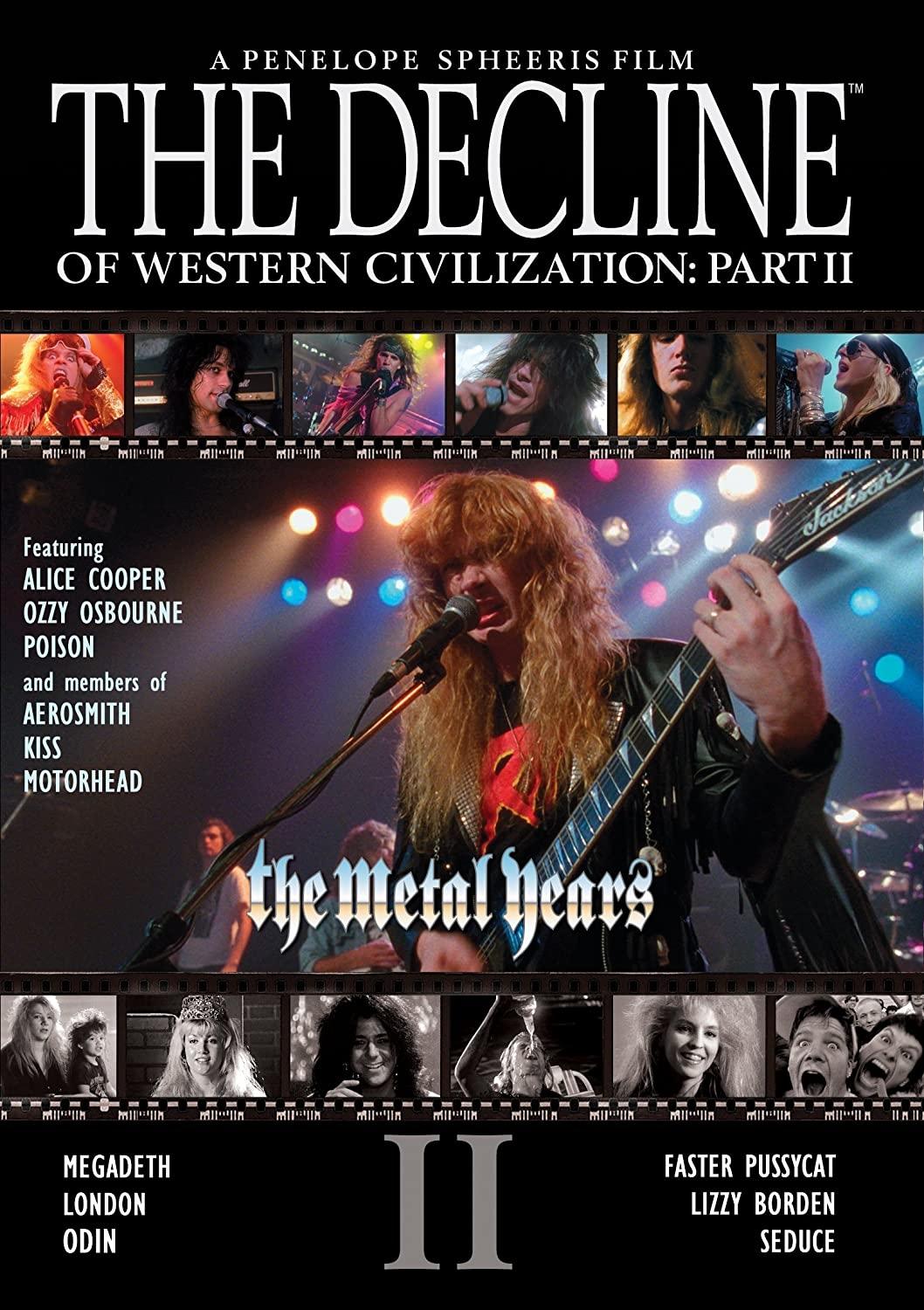
An exploration of the heavy metal scene in Los Angeles, with particular emphasis on glam metal. It features concert footage and interviews of legendary heavy metal and hard rock bands and artists such as Aerosmith, Alice Cooper, Kiss, Megadeth, Motörhead, Ozzy Osbourne and W.A.S.P..
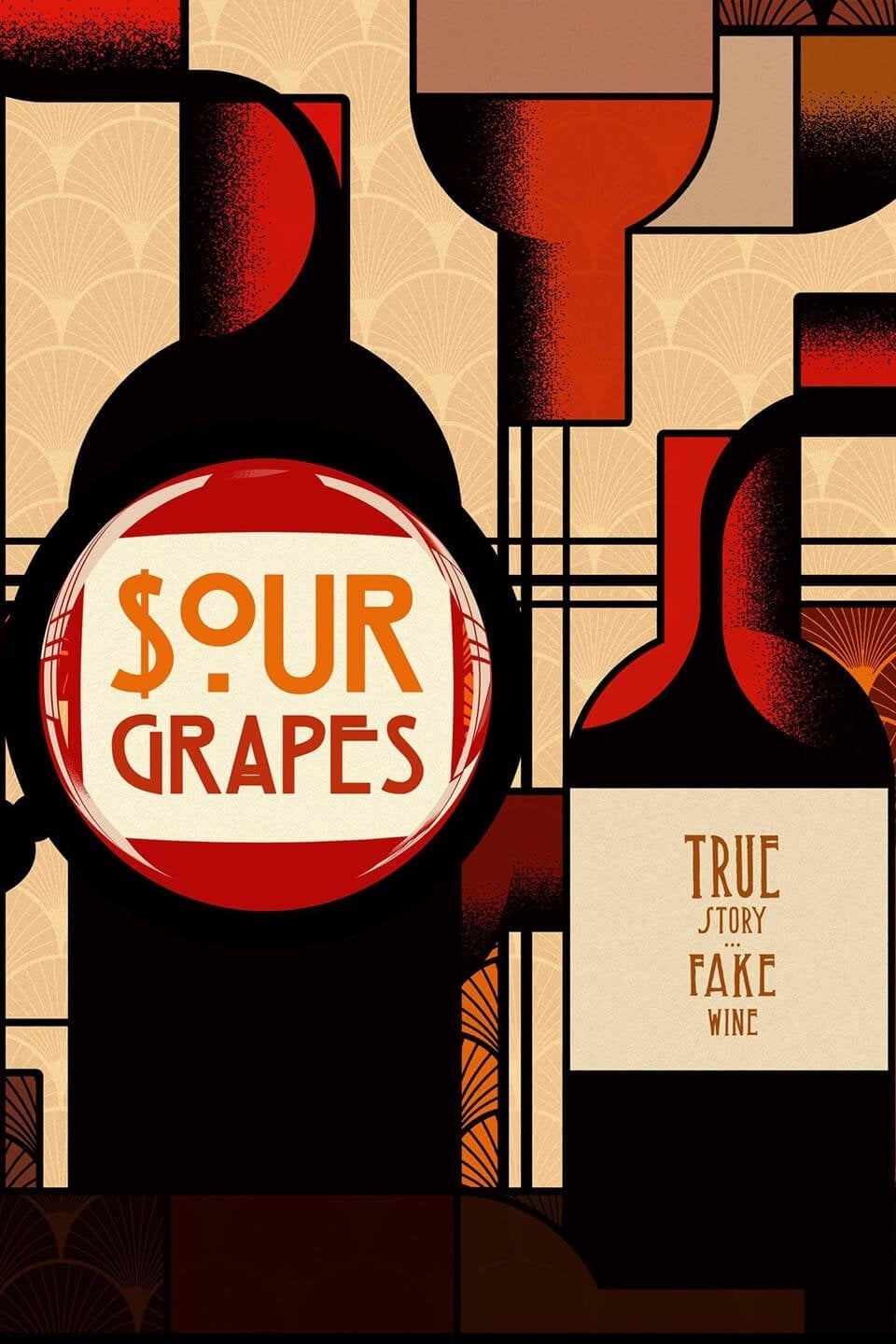
Controversy erupts when an unassuming young man floods the American wine market with fake vintages valued in the millions, bamboozling the wine world elite, in this humorous and suspenseful tale of an ingenious con on the eve of the 2008 stock market crash.
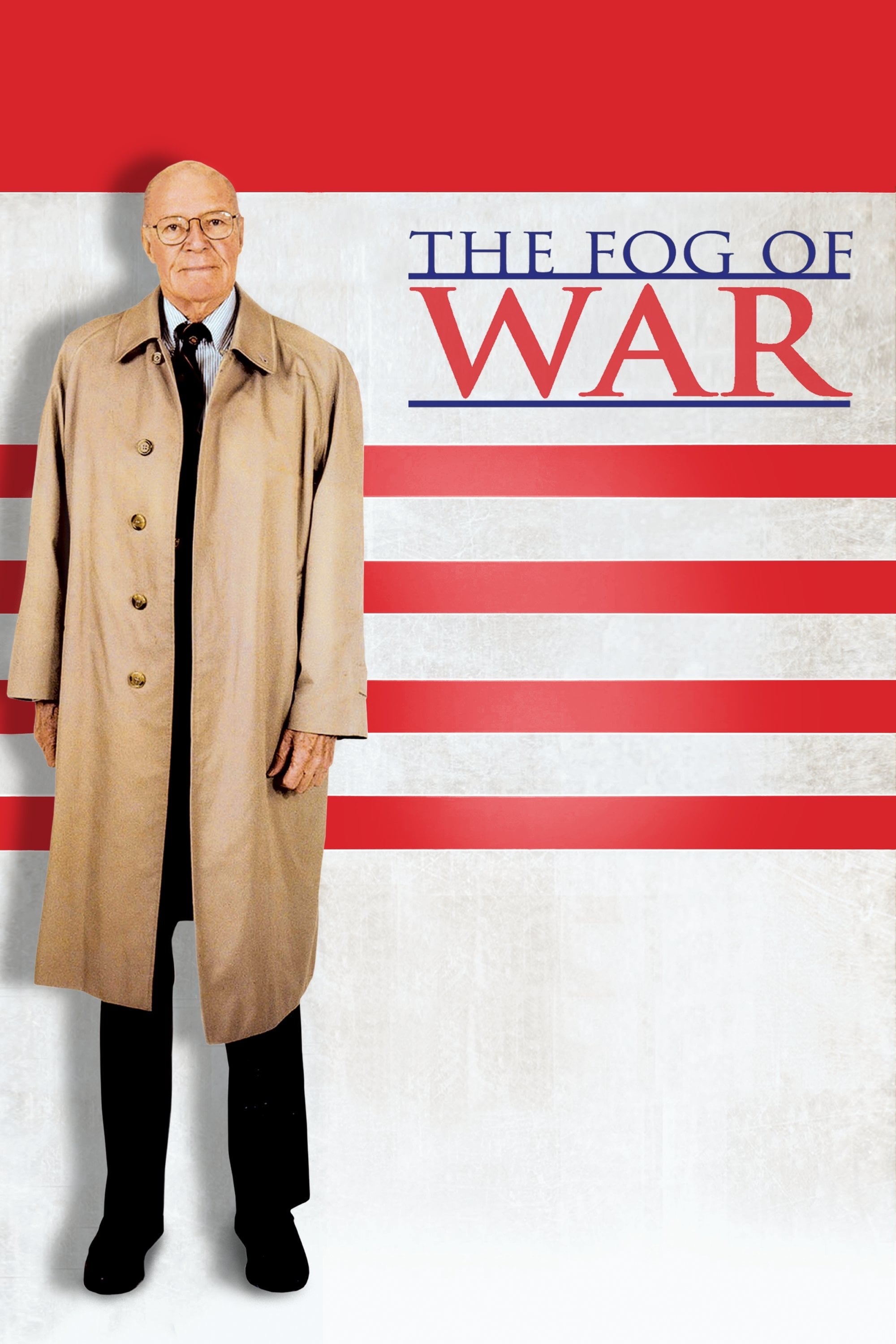
Using archival footage, cabinet conversation recordings, and an interview of the 85-year-old Robert McNamara, The Fog of War depicts his life, from working as a WWII whiz-kid military officer, to being the Ford Motor Company's president, to managing the Vietnam War as defense secretary for presidents Kennedy and Johnson.
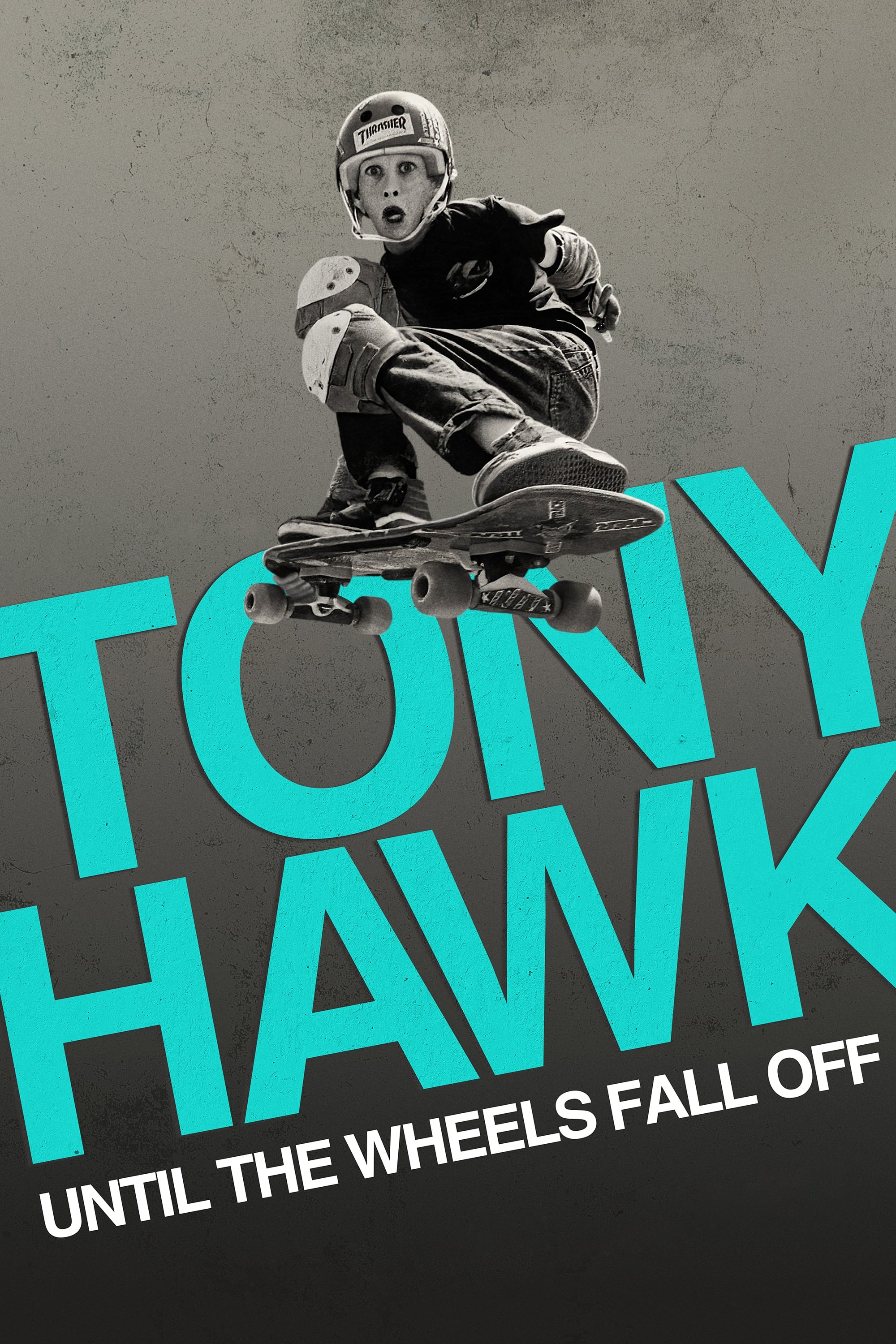
A wide-ranging, definitive look at Hawk’s life and iconic career, and his relationship with the sport with which he’s been synonymous for decades, featuring unprecedented access, never-before-seen footage, and interviews with Hawk and prominent figures in the sport including Stacy Peralta, Rodney Mullen, Mike McGill, Lance Mountain, Steve Caballero, Neil Blender, Andy MacDonald, Duane Peters, Sean Mortimer, and Christian Hosoi.
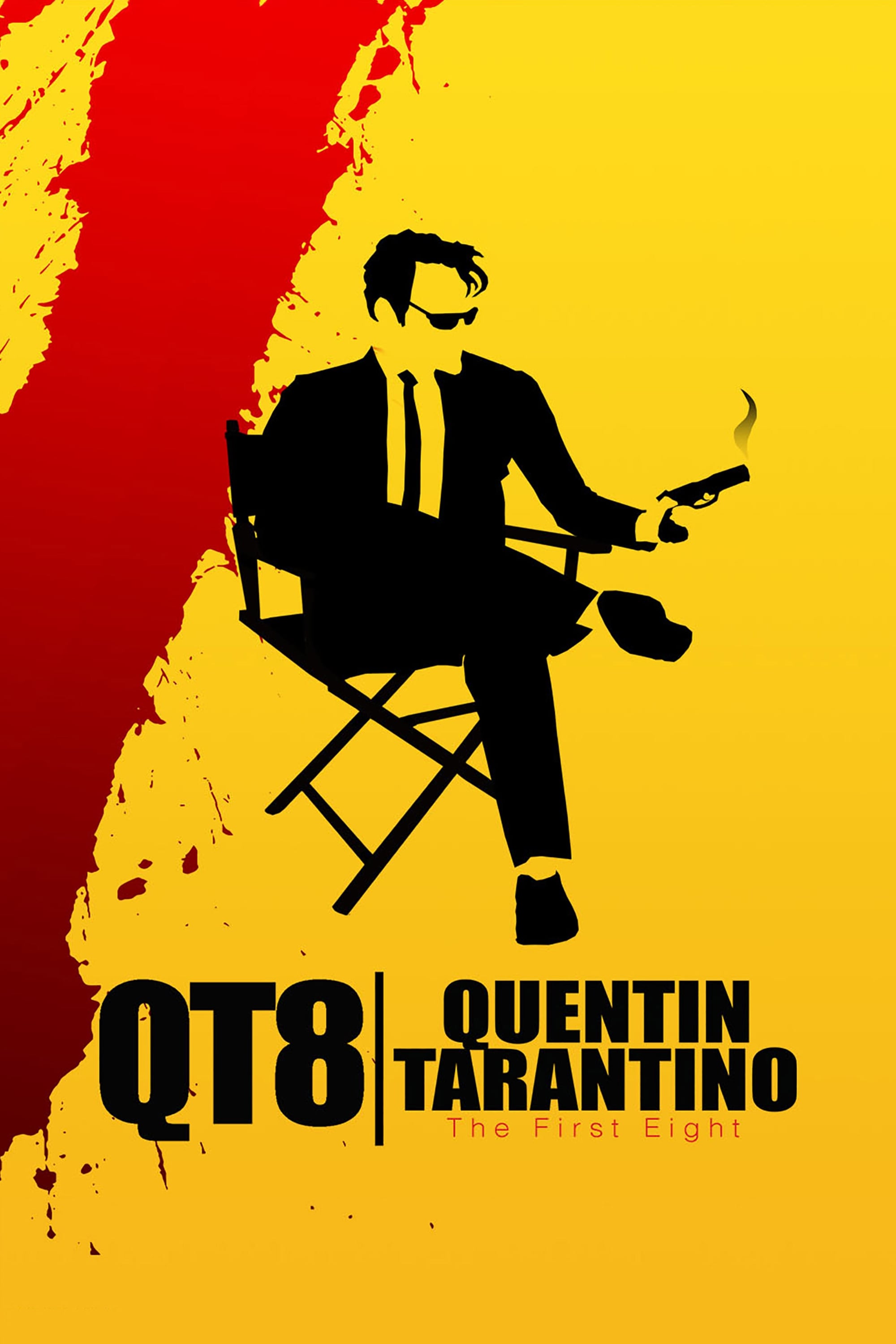
A detailed account of the life and artistic career of legendary filmmaker Quentin Tarantino, from his early days as a video club manager to the scandalous fall in disgrace of producer Harvey Weinstein. A story about how to shoot eight great movies and become an icon of modern pop culture.