Short film about electric railroad lines
Social & External
Narrator (voice)
In the north of the Philippines lies the area of Banaue, known for its rice cultivation. Roger lives here in a small village. Roger is thirteen and has five brothers and sisters. As the oldest, he is responsible for the daily firewood. To get this, Roger sets off into the mountains every other day. At seven in the morning, they start. A truck takes Roger and his four friends out into the steep, forested slopes above the rice terraces. With them on the back of the truck are the 'scooters', homemade wooden scooters with which the firewood is driven down to the valley. Once they reach the top, they cut down smaller logs, chop them up and pack their scooters full of them. After this strenuous work, the great fun begins. On bumpy paths and at breakneck speed, they make their way back to the village. Races and tricks are part of the fun, of course.
Explores the $10 billion JWST's engineering and construction process, historic Dec. 25, 2021 launch, and the release of its first full-color, galaxy-sprinkled images on July 12, 2022 witnessed by the entire planet.
Preschool to Prison is a compelling examination of how the United States public school system is built and operated like prisons. Zero-tolerance policies are used to justify suspension and arrests that set up a pathway to send children of color and children with special needs from school to prison. Children are being suspended, restrained, dragged, physically manhandled, and subsequently arrested for minor offenses such as throwing candy on a school bus. These personal accounts from people affected by the school-to-prison pipeline give riveting tales about the generational impact on society.
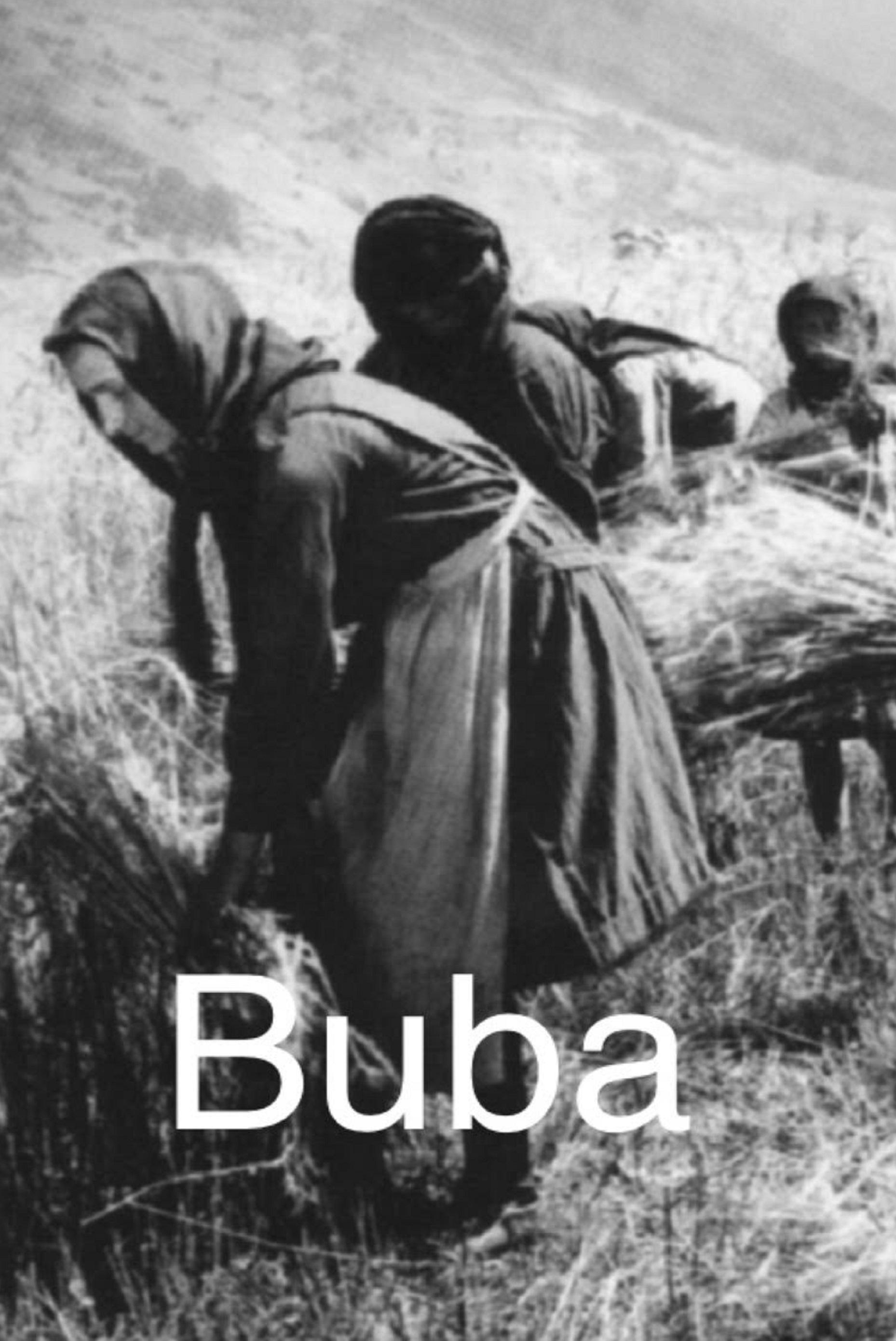
Landscapes, things, men, women and children taken by an "evil eye" more than a century ago haunt the present in this jagged reverie. A persona voicelessly narrates, via captions, going through colonial photographs, digresses to eating fruit and entering a cave on a tropical vacation island.
A short documentary that tells the story of queer artist Heather Spooner and the adult pen pal program she created during the pandemic, featuring the poignant and humorous stories of connection and humanity that came from it.
In Kohlberger’s second film that could be considered narrative driven, the artist fashions a dystopian fiction from the remnants of cinema’s past. Drawing on excerpts from obscure sci-fi films, The Electric Kiss imagines a world not unlike our own, in which people plug their brains into a kind of neuro-network that connects the whole of human consciousness. As cyberpunk imagery draped in VHS textures alternates with passages of prismatic visual noise (achieved, in trademark style, by feeding footage through self trained machine learning algorithms), a quasi-plot emerges: a man in a VR headset, literally and figuratively lost in space, subjects himself to a mysterious procedure to alleviate the ill effects of this new technology on the mind.
The Water Map is an essayistic journey through the ethnography and landscapes of the Region of Murcia. These places are in the process of disappearing due to the increasing and abundant agricultural exploitation. Water has marked the territory and the culture of the area, and with its disappearance, the memories of four characters fade away.
One of the very few films made by Etienne O'Leary, all of which emerged from the French underground circa 1968 and can be very loosely designated 'diary films.' Like the contemporaneous films by O'Leary's more famous friend Pierre Clementi, they trippily document the drug-drenched hedonism of that era's dandies. O'Leary worked with an intoxicating style that foregrounded rapid and even subliminal cutting, dense layering of superimposed images and a spontaneous notebook type shooting style. Yet even if much of O'Leary's material was initially 'diaristic,' depicting the friends, lovers, and places that he encountered in his private life, the metamorphoses it underwent during editing transformed it into a series of ambiguously fictionalized, sometimes darkly sexual fantasias. - Experimental Film Club
In a dry unforgiving part of Australia, a man and his wife have set up home and live stock to make their living. Just when it seemed the drought and lack of finances were getting to be too much, things change: BP is looking for a suitable area to attempt the world land speed record.
A hand-filmed 32-minute documentary of the Skinny Puppy's 1988 'Head Trauma' tour of Europe by Dwayne Rudolph Goettel. Edited by Nivek Ogre in 2005.
Follows Haida artist Bill Reid, from British Columbia. A jeweller and wood carver, he works on a traditional Haida totem pole. We watch the gradual transformation of a bare cedar trunk into a richly carved pole to stand on the shores of the town of Skidegate, in the Queen Charlotte Islands of B.C.
The movie shows the consequences of total and partial removal of the epithelial bodies in a cat
Two cats housed in a glass box, one of which had received a small amount of atropine in the preliminary experiment, are exposed to ether vapors with the result that only the animal which had not been pretreated began to salivate (profusely).
Tessa Hughes-Freeland’s “Baby Doll” is a tiny slice of cinéma vérité from 1982 about the girls working the now defunct Baby Doll Lounge on Church and White St. in downtown Manhattan. It captures a moment before NYC got sanitized.
Three military drivers are introduced. They bear a special responsibility in their collective and often fulfill a dual function.
Documentary about the problem district of Gropiusstadt in Berlin.
Intended as a publicity film for Chrysler, Rhythm uses rapid editing to speed up the assembly of a car, synchronizing it to African drum music. The sponsor was horrified by the music and suspicious of the way a worker was shown winking at the camera; although Rhythm won first prize at a New York advertising festival, it was disqualified because Chrysler had never given it a television screening. P. Adams Sitney wrote, “Although his reputation has been sustained by the invention of direct painting on film, Lye deserves equal credit as one of the great masters of montage.” And in Film Culture, Jonas Mekas said to Peter Kubelka, “Have you seen Len Lye’s 50-second automobile commercial? Nothing happens there…except that it’s filled with some kind of secret action of cinema.” - Harvard Film Archive
Made for the centenary of France’s trade union laws, Chris Marker’s 2084 imagines a future in which a computer looks back on the labor movement of the 20th century. Mixing documentary reflection with speculative fiction, the film envisions contrasting paths for the future of workers and unions.
Short documentary about the new ICE. On March 19, 1985, the ICE was officially handed over to the Bundesbahn at Krupp in Essen during a rollout ceremony attended by invited guests, experts and media representatives.
Short film directed by Wolfgang Kiepenheuer