Documentary directed by Klaus Antes
Social & External
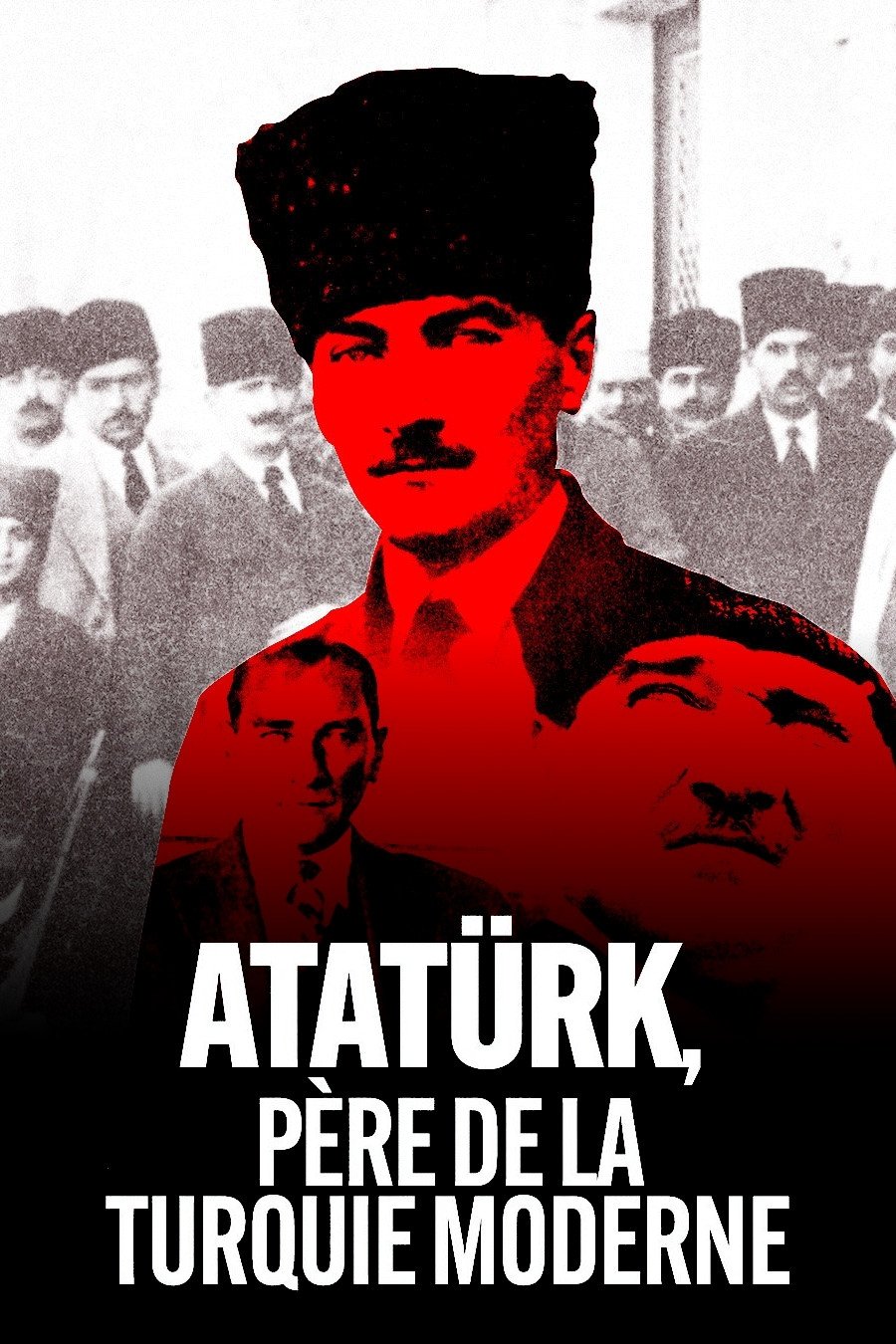
Turkey's history has been shaped by two major political figures: Mustafa Kemal (1881-1934), known as Atatürk, the Father of the Turks, founder of the modern state, and the current president Recep Tayyıp Erdoğan, who apparently wants Turkey to regain the political and military pre-eminence it had as an empire under the Ottoman dynasty.
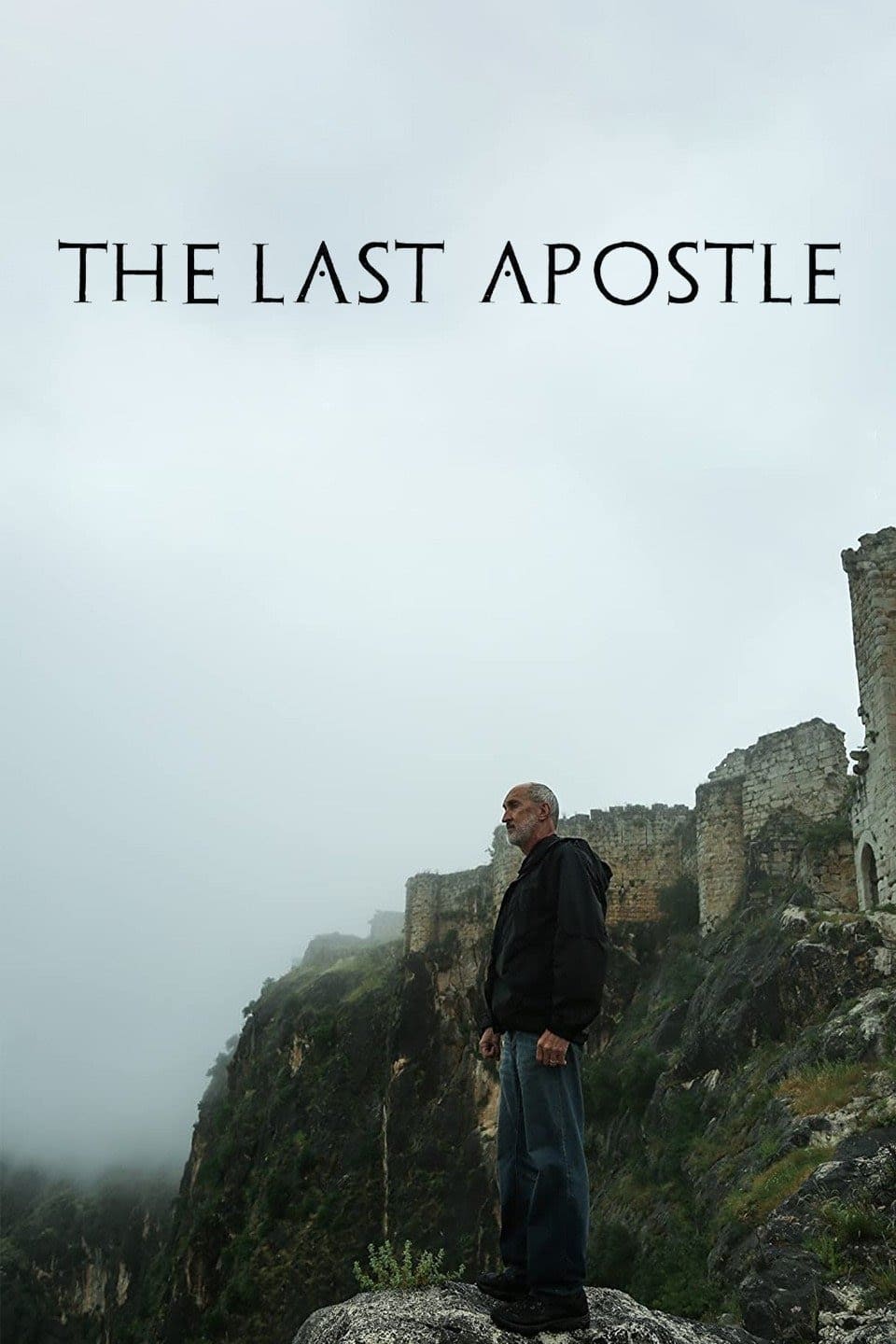
Dr. Mark Fairchild, world-renowned archaeologist, traces the hidden years of Saint Paul's life in the mountainous Turkish countryside of Rough Cilicia.
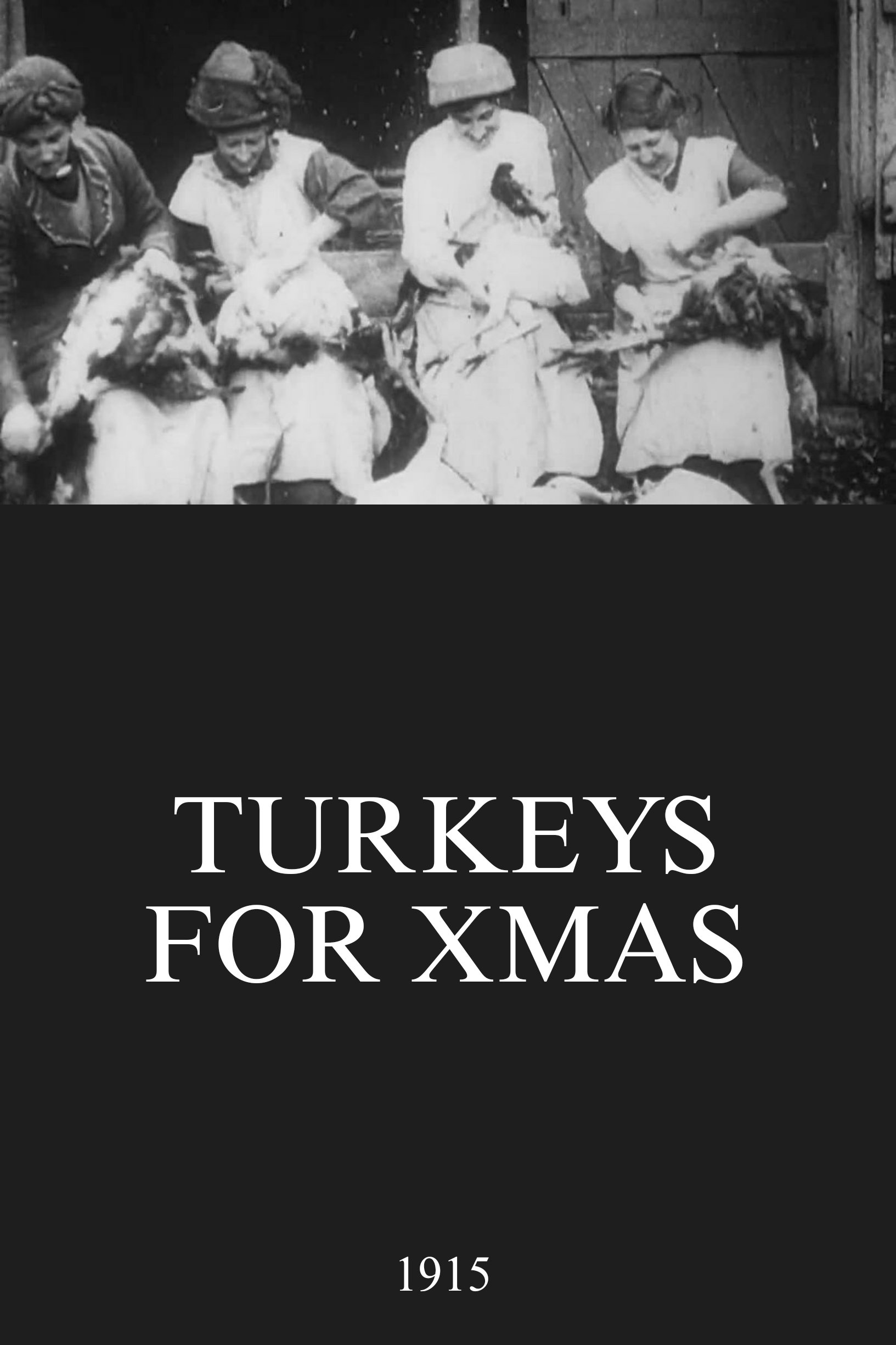
Naturalist Joe Hutto's remarkable experience of being imprinted on by group of wild turkey hatchlings, and raising them to adulthood and beyond, in the remote wilderness of northern Florida.
Though both the historical and modern-day persecution of Armenians and other Christians is relatively uncovered in the mainstream media and not on the radar of many average Americans, it is a subject that has gotten far more attention in recent years.
When ordinary humans failed, Roghaye became a 48-hour superwoman—not to escape death, but to reclaim her ordinary life.
Pictures of the Mediterranean made with bread, oil and wine. In one meal the history, geography, economy, climate, culture and people of the Mediterranean. Close up of threshing floors, threshing floors, mills. Dietary habits, production methods, daily routines together with the natural and built environment make up the cultural body of the most interesting, perhaps, man-made environment in history. A culture that runs as a commonplace even in seemingly different worlds. The Mediterranean emerges in a sea of convergence and meeting without, however, ignoring the dynamics of the different.
Produced by the Fox Movietone News arm of Fox Film Corporation and based on the book by Lawrence Stallings, this expanded newsreel, using stock-and-archive footage, tells the story of World War I from inception to conclusion. Alternating with scenes of trench warfare and intimate glimpses of European royalty at home, and scenes of conflict at sea combined with sequences of films from the secret archives of many of the involved nations.
Turkey in the 1960s and 1970s was one of the biggest producers of film in the world. In order to keep up with the demand, screenwriters and directors were copying scripts and remaking movies from all over the world. This documentary visits the fastest working directors, the most practical cameramen and the most hardheaded actors to have a closer look into the country's tumultuous history of movie making.
A documentary of Turkish political history about multi-party period, Democrat Party government and the coup d'etat of 27th May. Including eye-witness interviews with journalists, officers, politicians and family members.
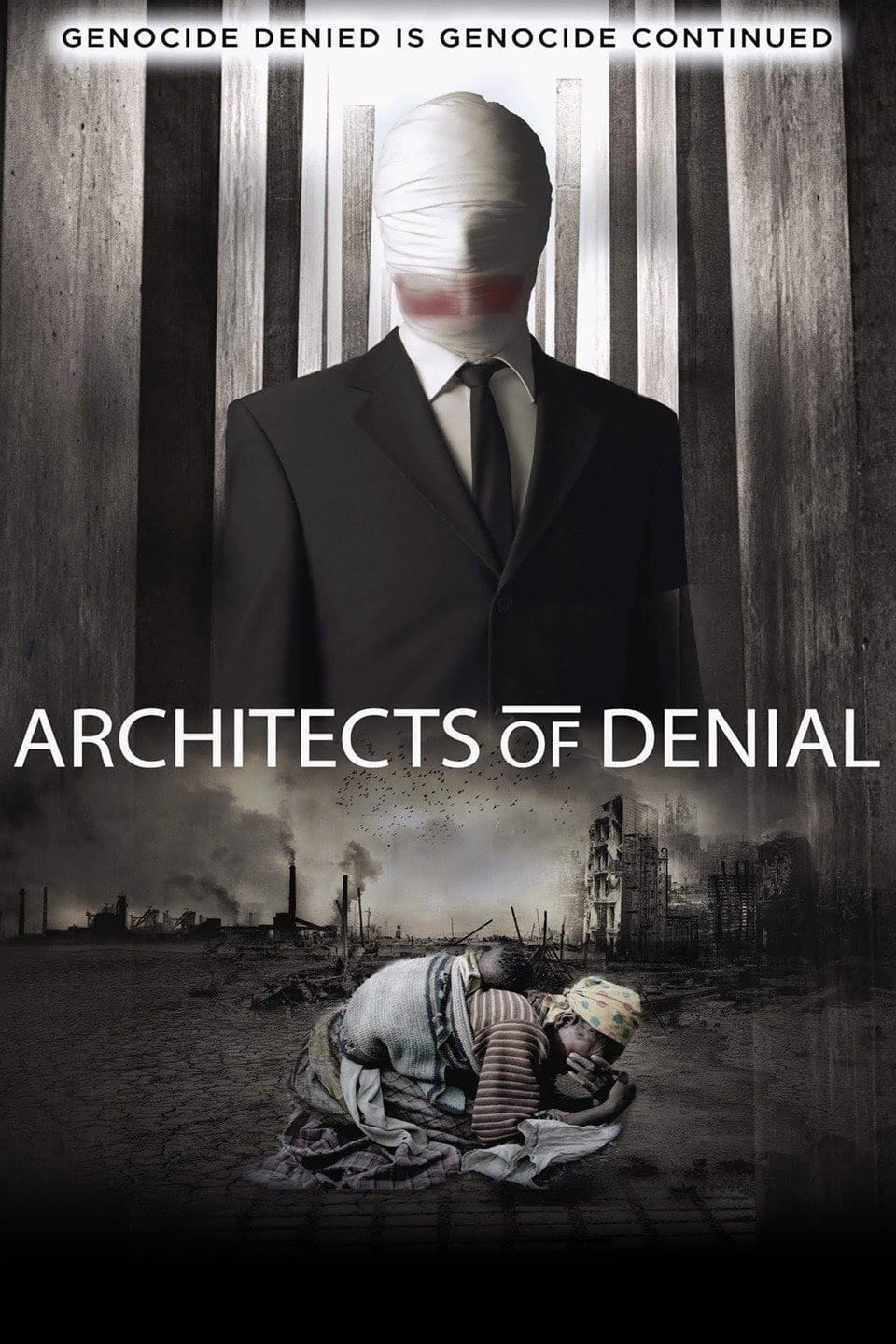
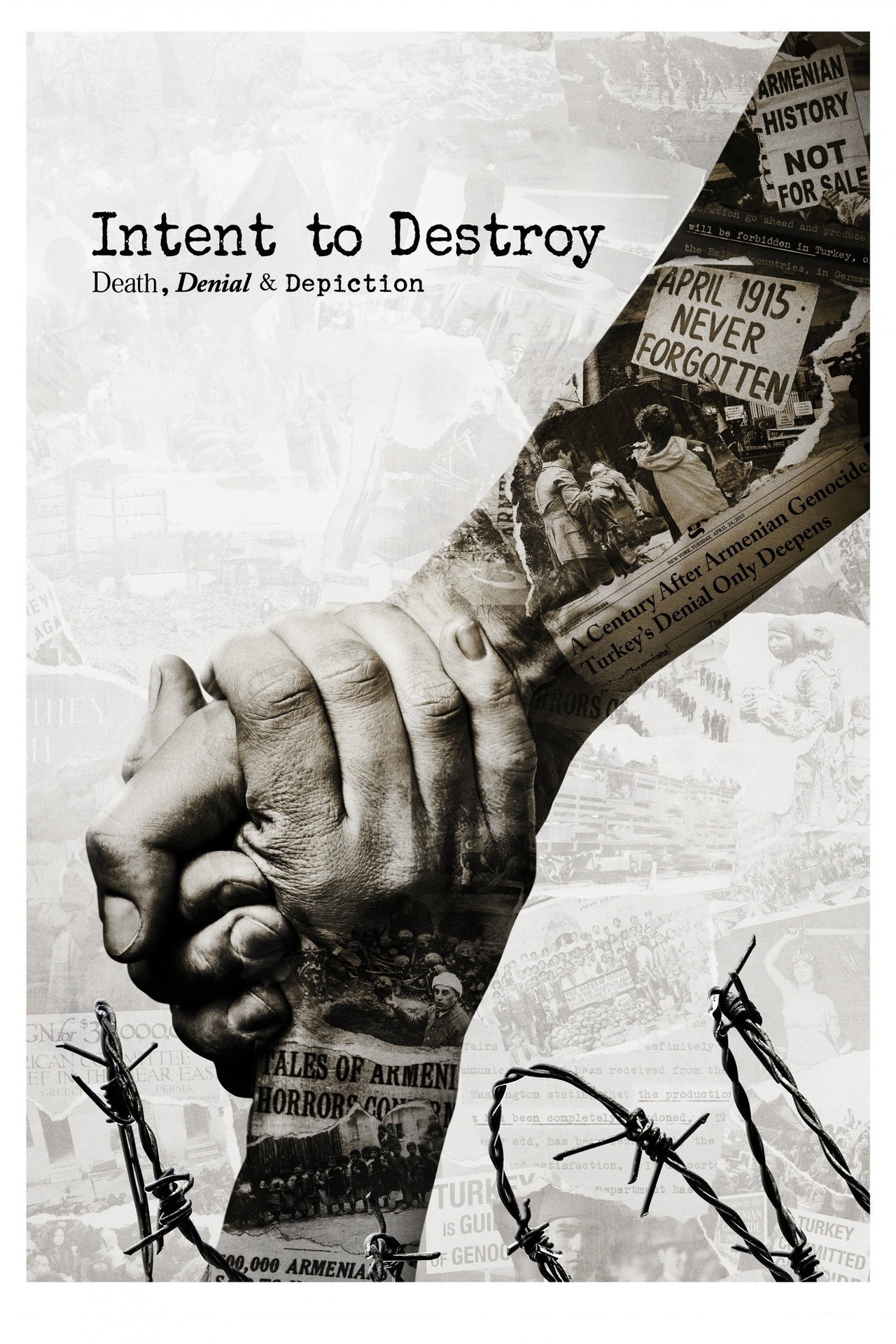
More than one million Armenians perished between 1915 and 1916 in massacres or brutal deportation programs. Turkey still denies it ever happened. Laurence Jourdan examines massacres of Armenians in the decades leading up to the mass murder, and the geopolitical situation both before and after the genocide. Contemporaneous reports and documents written by Western diplomats stationed in the Ottoman Empire describe the methods used and the deportation routes. These accounts are mixed with personal stories from the living survivors and archive footage from Ottoman authorities.

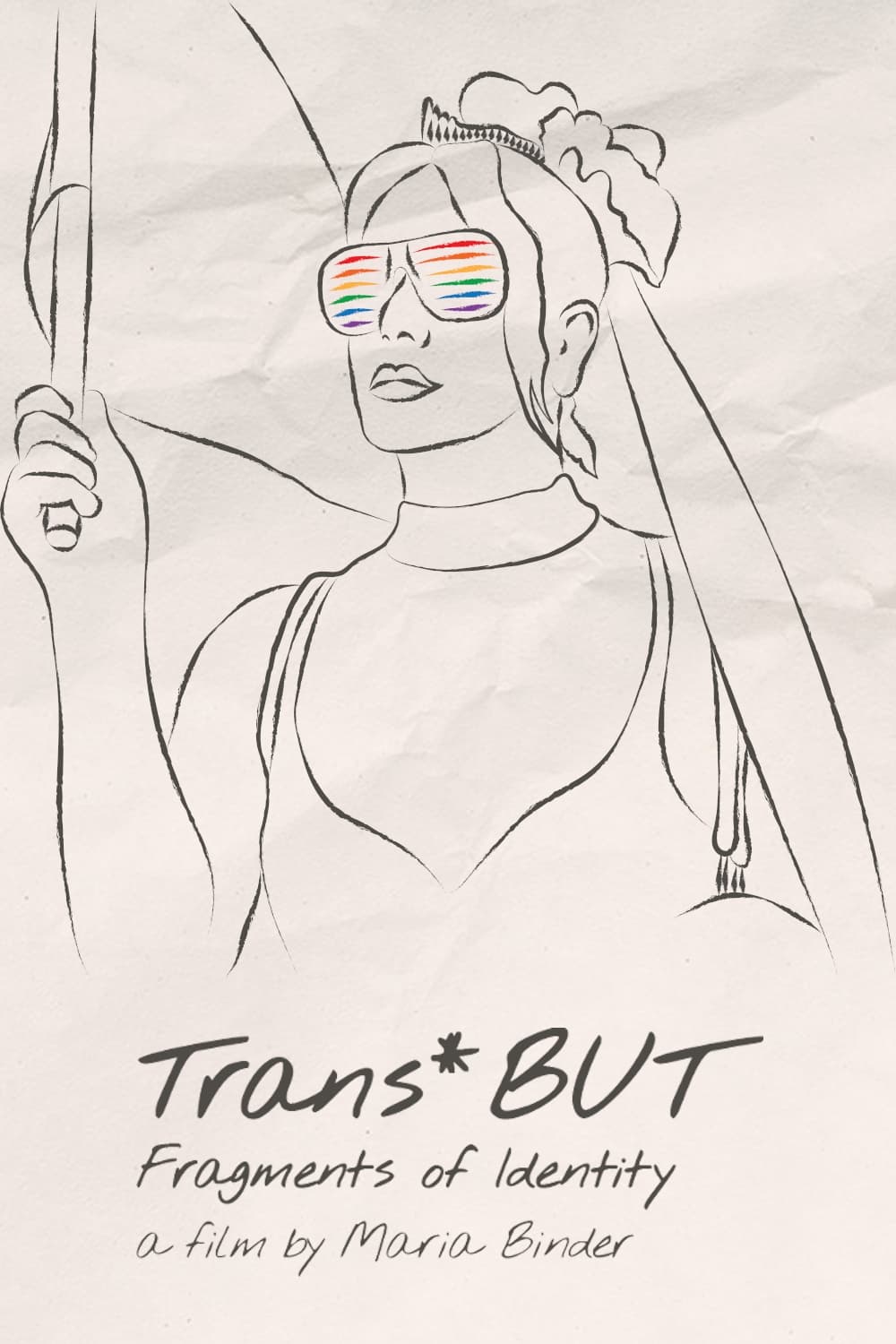
Fragmentary perspectives on Human Rights and transgender (trans*) People in Turkey. What remains at the place where a murder happened? What constitutes trans* life? How to cope with daily violence and hatred? We begin to search for traces. We follow the tracks of resistance and survival. We are collectors of the expelled. We gather fragments of trans* lives inspired by texts of Nazim Hikmet, Foucault, Benjamin and Zeki Müren. Trans*BUT is a documental research study driven by the question: “What keeps you going when all else falls away?”

Host Peter Greenberg explores the hidden gems of Turkey's Aegean coast. Some of the stunning destinations include Bodrum, Izmir and the ancient city of Troy.
In the words of those days, "The first parliament of the Second Republic opened in its new building at 15:00 on a Wednesday. At that moment, the National Unity Committee, which had been ruling the country since 27 May, vanished into history. Now there was an Assembly and a Senate. The old Members of the Committee of National Unity had been "senators of course" for life. The country was finally getting its parliament again after a year and a half hiatus. After many painful days and nights, the biggest share in this success belonged to İsmet İnönü...
Turkish democracy got over the 27th of May and the 12th of March and set off again, but the storm did not subside and the mutual reckoning was not over. On the contrary, new fronts were opened in the country and blood began to flow like a gutter. Finally, on September 12, there was a knock on the door again. Those who came that day changed everything, everything. Nothing would ever be the same again, nothing would be the same as before.