Social & External
muhsin ertuğrul
bedia muahhit
semazen
konuşmacı

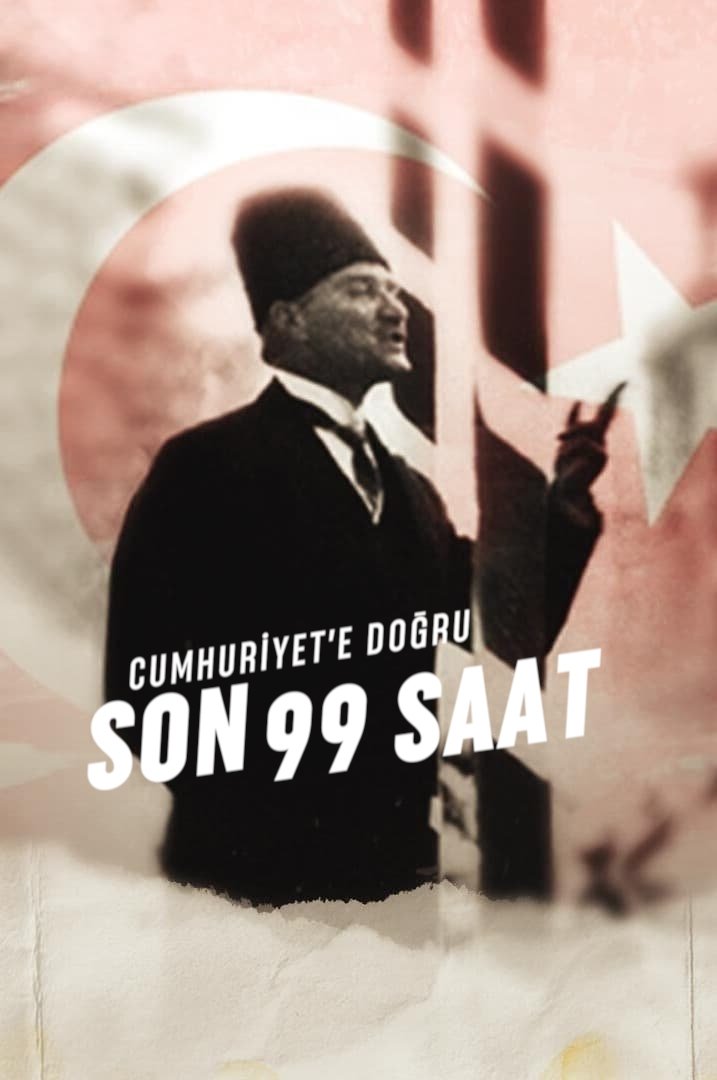
In the documentary, the life of Mustafa Kemal Atatürk, the last period of the Ottoman Empire, the War of Independence and the developments in the first years of the Republic of Turkey are told in parallel. The documentary prepared by Michael Adams consists of recordings made by the BBC in 1970 in Çanakkale, Samsun, Amasya, Sivas and Ankara, as well as historical footage.
Documentary directed by Klaus Antes
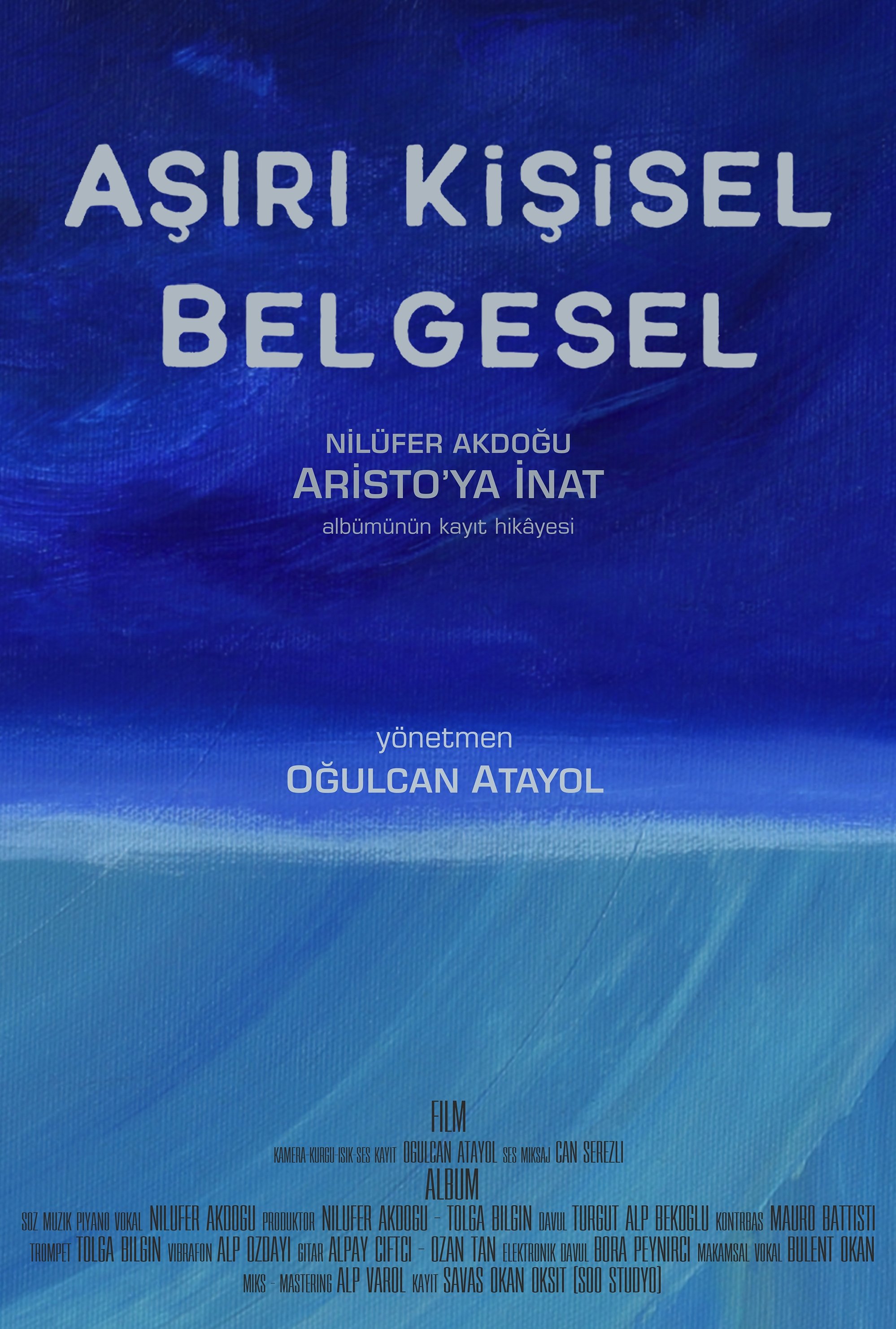
The recording process of musician Nilufer Akdogu's Turkish jazz album Aristo'ya Inat (Against Aristotle). The film presents the musical searches during the creation of an album with all its fragility. At the same time, it is a record of special sharings which elements from world jazz history are discussed with experiences, and the joy is never lost despite the setbacks.
Ali Kemal and Vahi, two childhood friends striving to realize their dreams, aim to make a Yeşilçam film. Although the two friends, who devoted themselves to their work during Yeşilçam's most dynamic and popular period, thought their task would be easy, as they became more familiar with the industry, they realized that it was a much more complex and large-scale system.
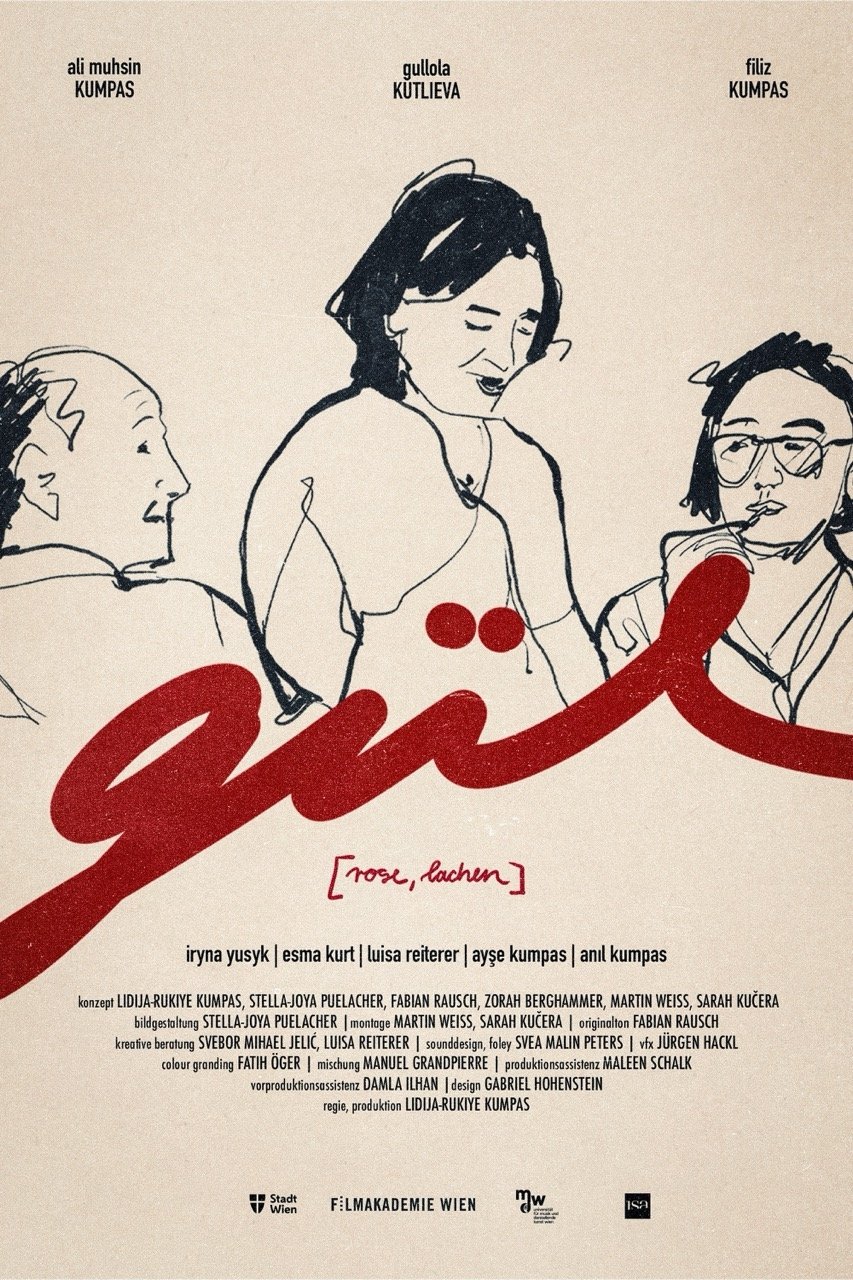
A summer day amidst languages, meals, and misunderstandings. Gül, far away from home, works in a Turkish village with a patchwork family. As young Filiz idles, Gül faces an unexpected early departure, her thoughts torn between her distant homeland and the life she's living.
After another 7 year wait, director Michael Apted revisits the same group of British-born children from Seven Up! and 7 Plus Seven. The subjects are interviewed as to the changes that have occurred in their lives during the last seven years.
A documentary chronicling the Beatles' rehearsal sessions in January 1969 for their proposed "back to basics" album, "Get Back," later re-envisioned and released as "Let It Be."
Just two years away from turning 30, participants in Michael Apted's documentary series are facing serious questions of identity and purpose, wondering whether they've found their place in the world.
Director Michael Apted revisits the same group of British-born adults after a 7 year wait. The subjects are interviewed as to the changes that have occurred in their lives during the last seven years.
Formed in 1975 from the remnants of a British blues band and a California soft-rock duo, Fleetwood Mac evolved into one of the most successful pop-rock groups of the 1970s--a reputation no doubt cemented by their 1977 masterpiece RUMOURS. One of the bestselling albums of all time, RUMOURS' impeccable songwriting, lush vocal harmonies, and polished production stand as testament to the band's cohesive powers--a fact made even more remarkable by the romantic tensions roiling amongst its members at the time (Lindsey Buckingham and Stevie Nicks were ending their long-term romantic relationship; Christine and John McVie were getting a divorce). This episode of the CLASSIC ALBUMS series recounts the making of Fleetwood Mac's career-making opus through interviews, behind-the-scenes footage, and live performances of timeless gems such as "Don't Stop," "Dreams,""Go Your Own Way," "You Make Loving Fun," "The Chain," and more.
track list: 1.Sometimes I Just Freak Out 2.All Or Nothing At All 3.Stop This World 4.The Girl In The Other Room 5.Abandoned Masquerade 6.I'm Coming Through 7.Temptation 8.East Of The Sun (And West Of The Moon) 9.Devil May Care 10.Black Crow 11.Narrow Daylight 12.Love Me Like A Man 13.Departure Bay 14.Narrow Daylight
Recorded live at Open Theater East, Tokyo, Japan on July 25, 1993. Keith Jarrett piano - Gary Peacock bass - Jack De Johnette drums /// 1. In Your Own Sweet Way 2. Butch And Butch 3. Basin Street Blues 4. Solar 5. Ex-tension 6. If I Were A Bell 7. I Fall In Love Too Easily 8. Oleo 9. Bye Bye Blackbird 10. The Cure 11. I Thought About You
Five Jewish Hungarians, now US citizens, tell their stories: before March 1944, when Nazis began to exterminate Hungarian Jews, months in concentration camps, and visiting childhood homes more than 50 years later. An historian, a Sonderkommando, a doctor who experimented on Auschwitz prisoners, and US soldiers who were part of the liberation in April 1945.
The film discusses the traits and originators of some of metal's many subgenres, including the New Wave of British Heavy Metal, power metal, Nu metal, glam metal, thrash metal, black metal, and death metal. Dunn uses a family-tree-type flowchart to document some of the most popular metal subgenres. The film also explores various aspects of heavy metal culture.