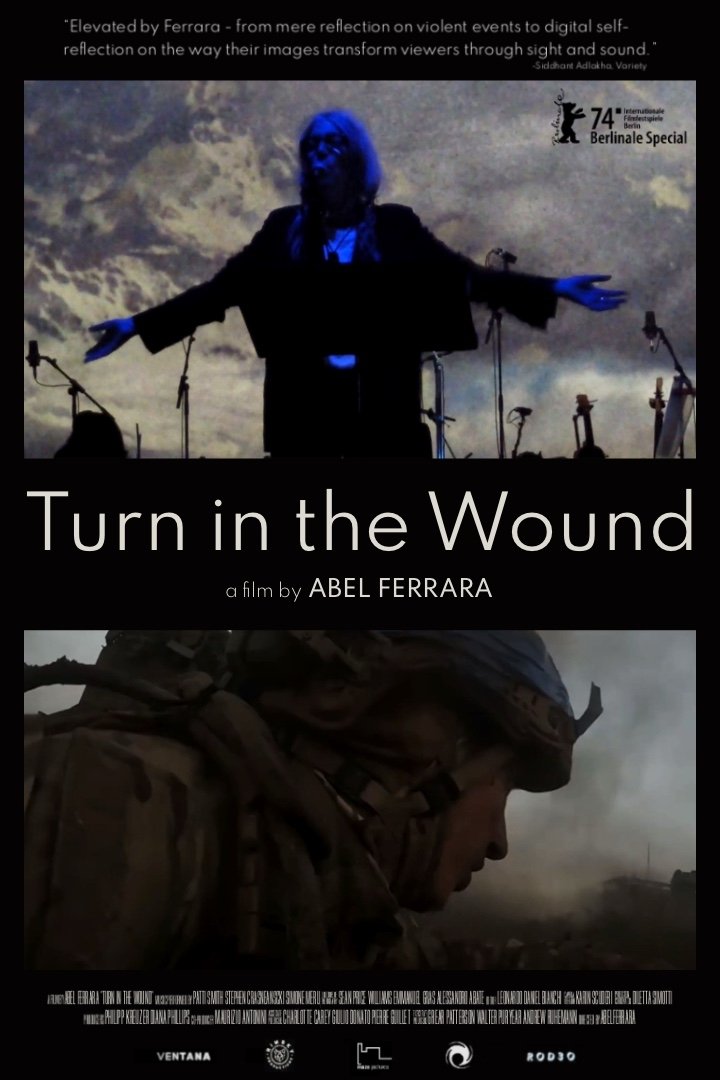
Abel Ferrara explores human conflict and the search for peace and balance through the music and words of Patti Smith and the experiences of people at war in Ukraine.
Social & External
The people behind it
Patti Smith
Andrii Yermak
Volodymyr Zelenskyy
Self (archive footage)
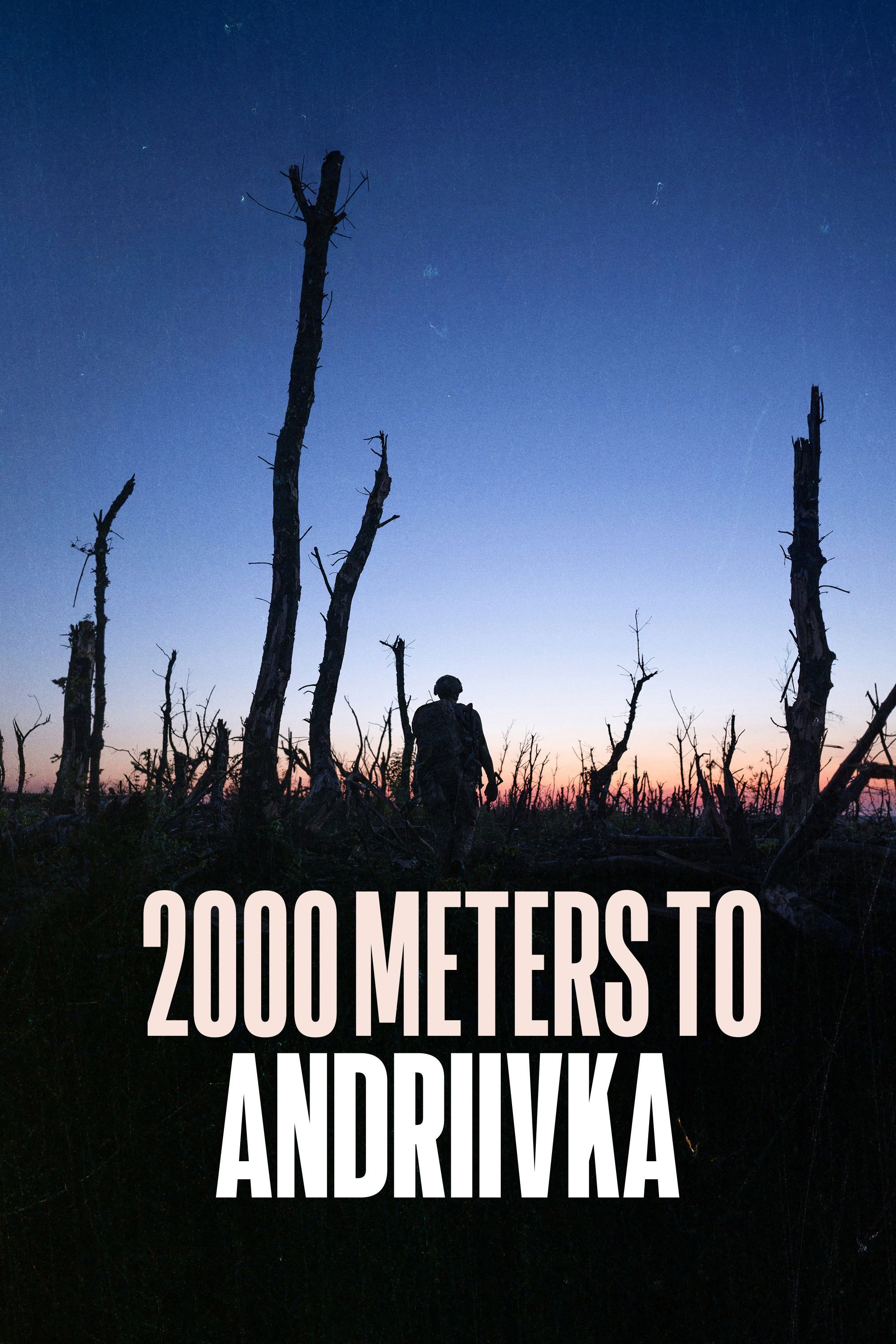
Amid the failing counteroffensive, a journalist follows a Ukrainian platoon on their mission to traverse one mile of heavily fortified forest and liberate a strategic village from Russian occupation. But the farther they advance through their destroyed homeland, the more they realize that this war may never end.
A retrospective on Hollywood's role in the war effort in World War II, narrated by Johnny Carson.
This documentary, filmed after October 7, places recent events in context and retraces the extraordinary history of this region to shed light on the present, interviewing actors and witnesses to this conflict: Islamists, Jewish nationalists, imams, rabbis, intellectuals, urban planners, soldiers, etc.
The story of the last months of the 20-year war in Afghanistan through the intimate relationship between American Green Berets and the Afghan officers they trained.
On April 30, 1945, while the Russian Army surrounded Berlin, Hitler committed suicide in his bunker. His body was discovered a few days later by the Soviets. He would be positively identified after a top secret inquest in which Hitler's personal dentist would play a central role. And yet, at the same time, Stalin publicly declared that his army was unable to find the Führer's body, choosing to let the wildest rumors develop and going so far as to accuse some of his Allies of having aided the monster's probable escape. What secrets were hidden behind this dissimulation? What happened then to the two ladies involved in the identification of Hitler’s body?
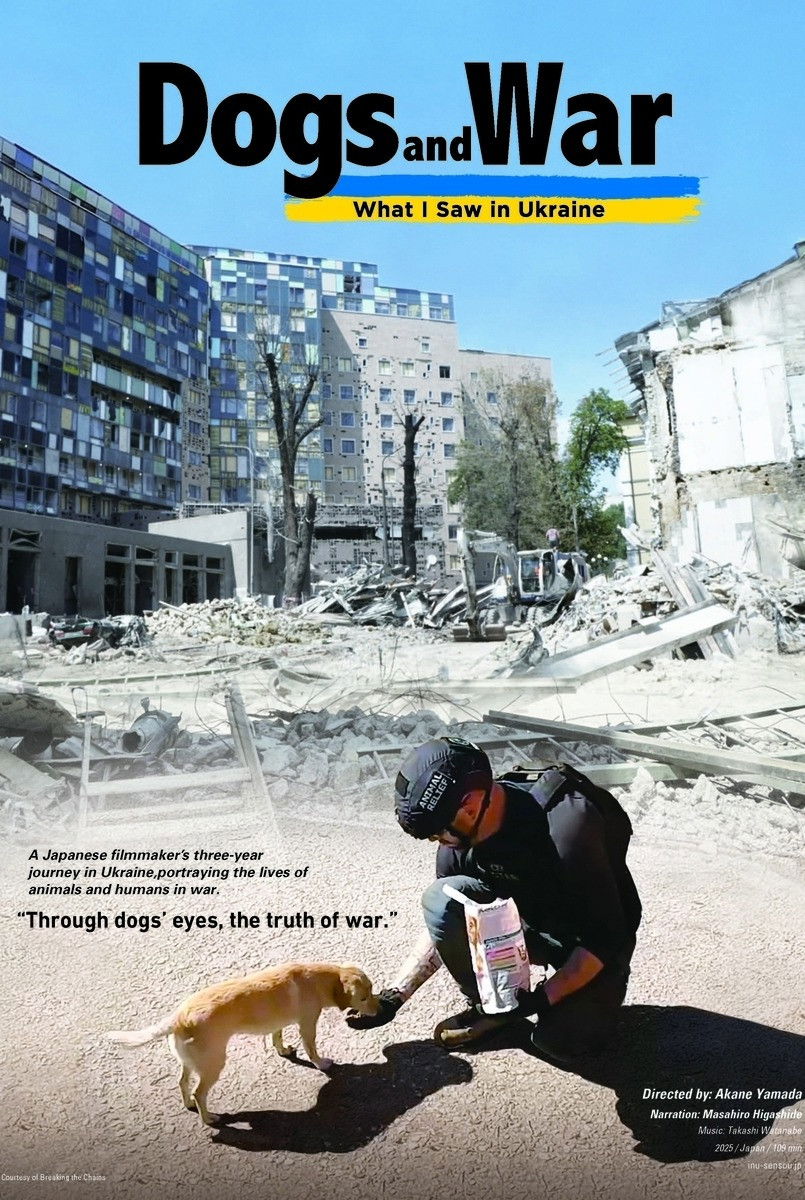
When Russia invaded in February 2022. Japanese director Akane Yamada travelled to the war zone to document an often-overlooked story - the fate of animals and the people who refuse to abandon them. Known for her work in disaster zones since Fukushima, Yamada witnessed animal welfare groups mobilising at the Polish border to help refugees and their pets, and followed Ukrainians who continued to adopt shelter animals amid the chaos. In Borodianka, near Kyiv, she uncovered the tragic deaths of shelter dogs left behind during occupation. Her three-year investigation led her deep into Ukraine's frontline regions, from flooded Kherson after the Kahkovka Dam's destruction to a children's hospital in Kyiv struck by a missile. Through the stories of people who refuse to abandon animals even amid the devastation of war, this documentary portrays the resilience and dignity of those who refuse to surrender to violence.
Documentary about the first German foreign deployment of German soldiers in Kosovo since the Second World War in 1995.
A chronicle of the civil uprising against the regime of Ukrainian president Viktor Yanukovych that took place in Kyiv in the winter of 2013/14. The film follows the progress of the revolution: from peaceful rallies, half a million strong in the Maidan square, to the bloody street battles between protesters and riot police.
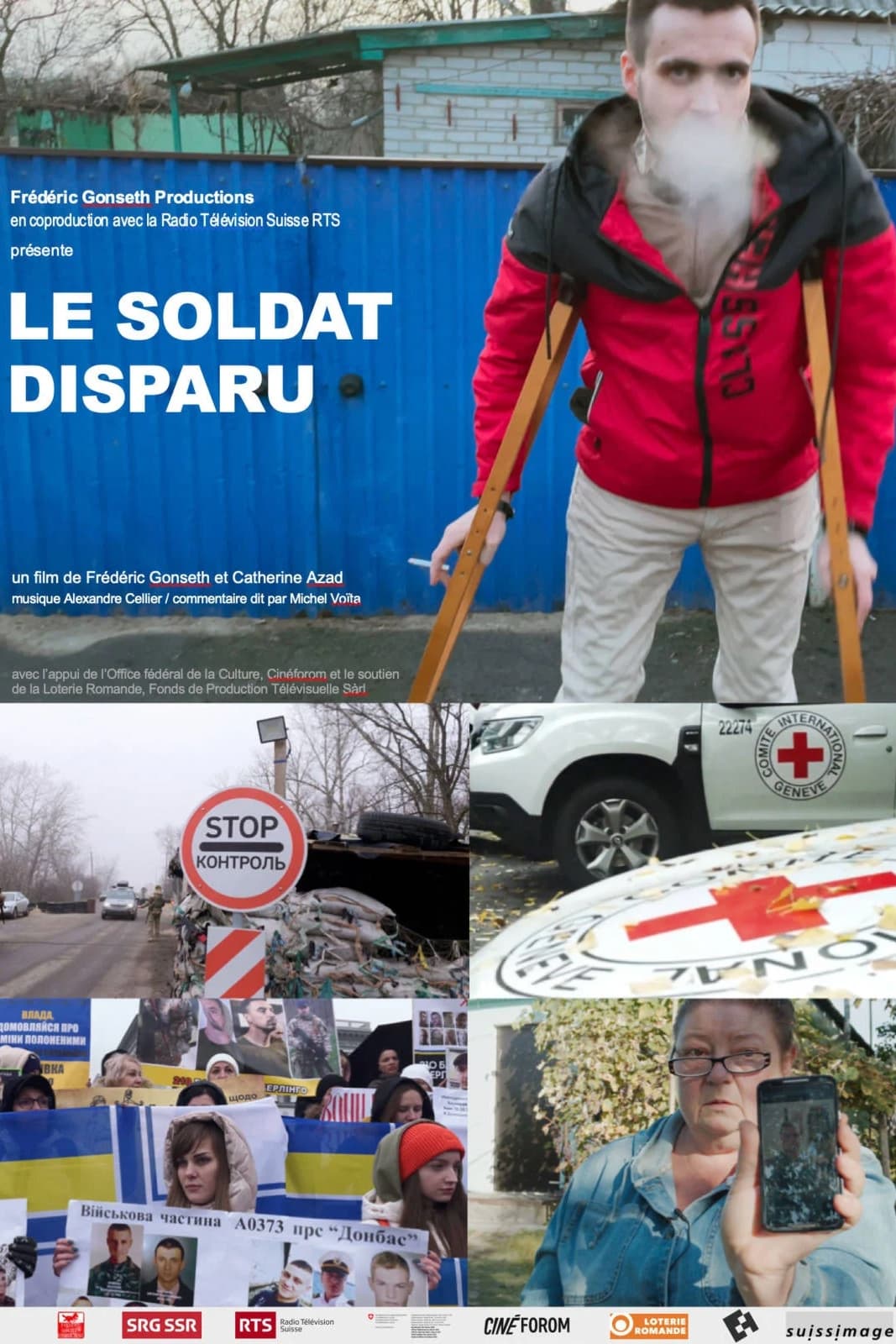
For 9 months, Irina has had no news of her son who was captured during the battle of Marioupol. We conduct an investigation in the small Ukrainian town where she lives to try to find out what happened to him.
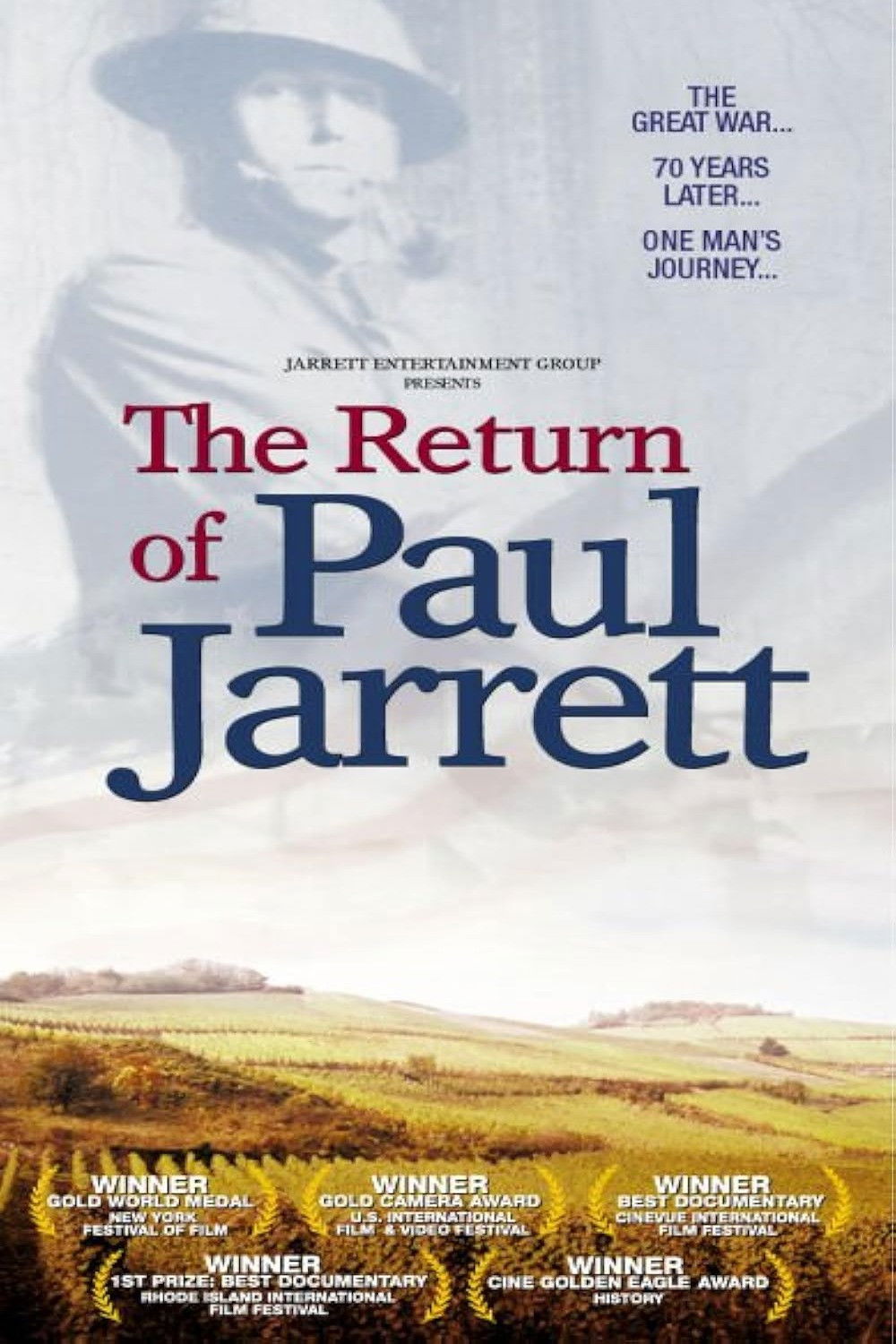
A very personal account of one of the last gentlemen of a dying era. In fact, Paul Jarrett will forever be remembered in the annals of American history as the last WWI veteran to ever return to the battlefields of France.
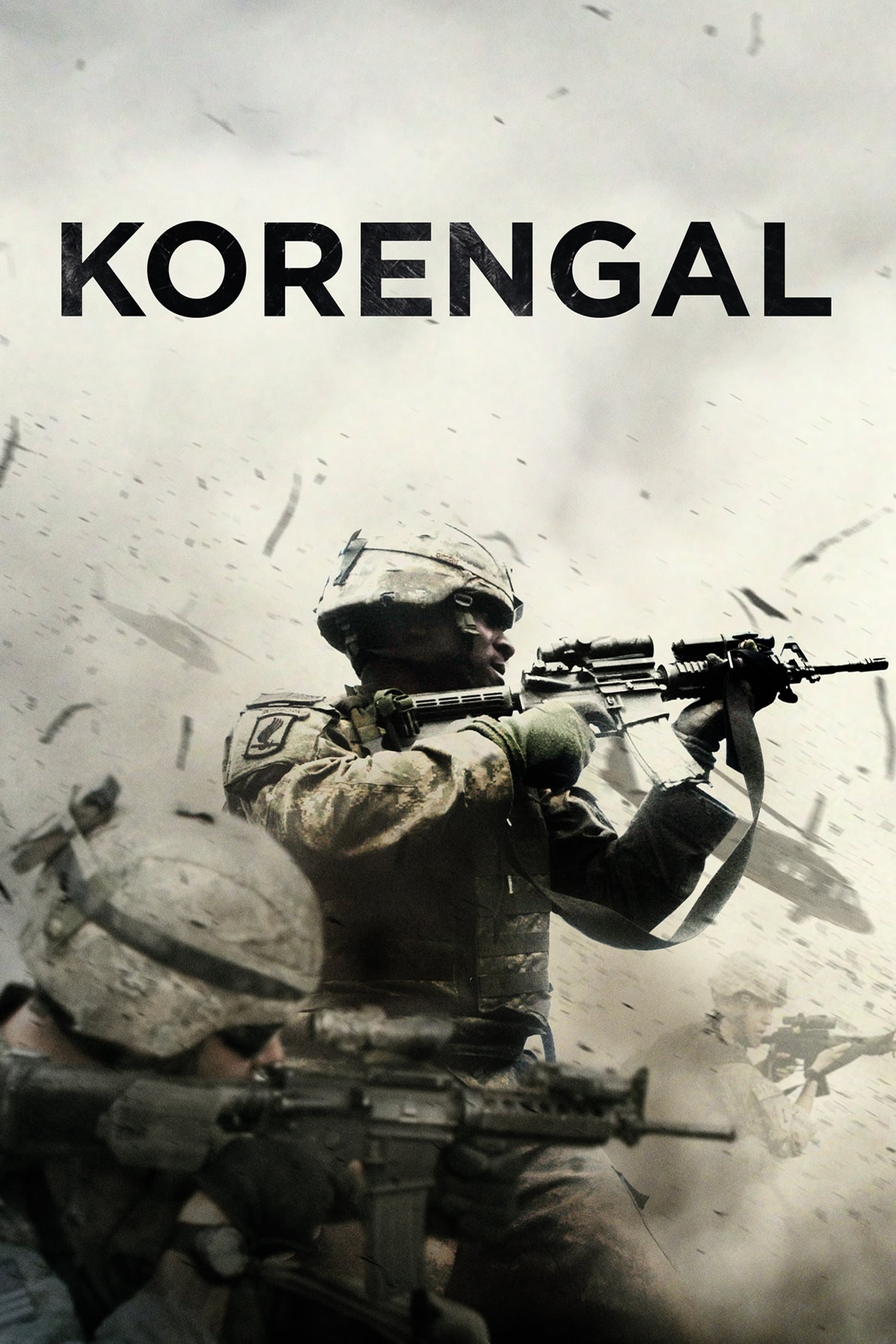
Korengal picks up where Restrepo left off; the same men, the same valley, the same commanders, but a very different look at the experience of war.
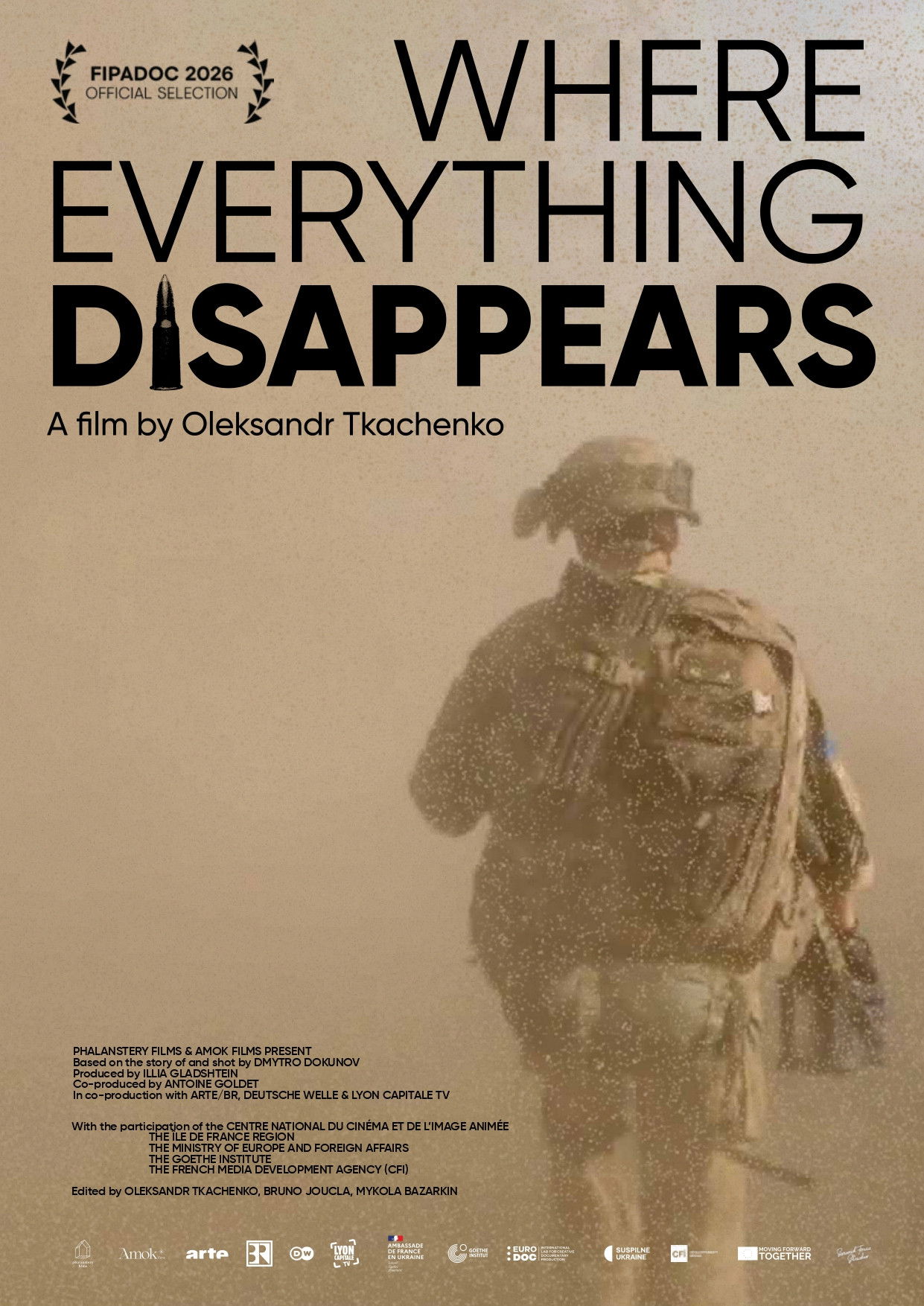
Dmytro Dokunov, a Ukrainian cinematographer, is deployed in a combat unit to face the Russian invasion with his mobile camera always recording.
In this new documentary, award-winning soccer journalist and CBS Sports analyst Guillem Balagué brings audiences into the action and biggest stories of the unforgettable 2021-22 UEFA Champions League. On the pitch this season, Barcelona began life without Lionel Messi. Balagué also delves into the responses within football to Russia's full-scale military invasion of neighboring Ukraine and sanctions at Chelsea, carefully bringing the audience into these turbulent stories with exclusive interviews.
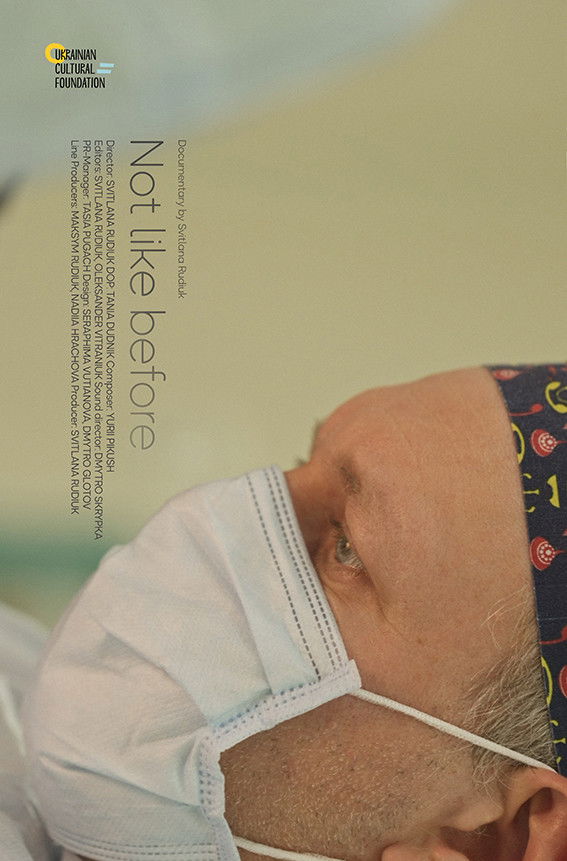
After the full-scale invasion of Ukraine, the lives of the doctors at Ohmatdyt changed forever. Yet they continue to save young patients and, with professionalism, care, tenderness, and even humor, hold on to a sense of normalcy that no longer exists.
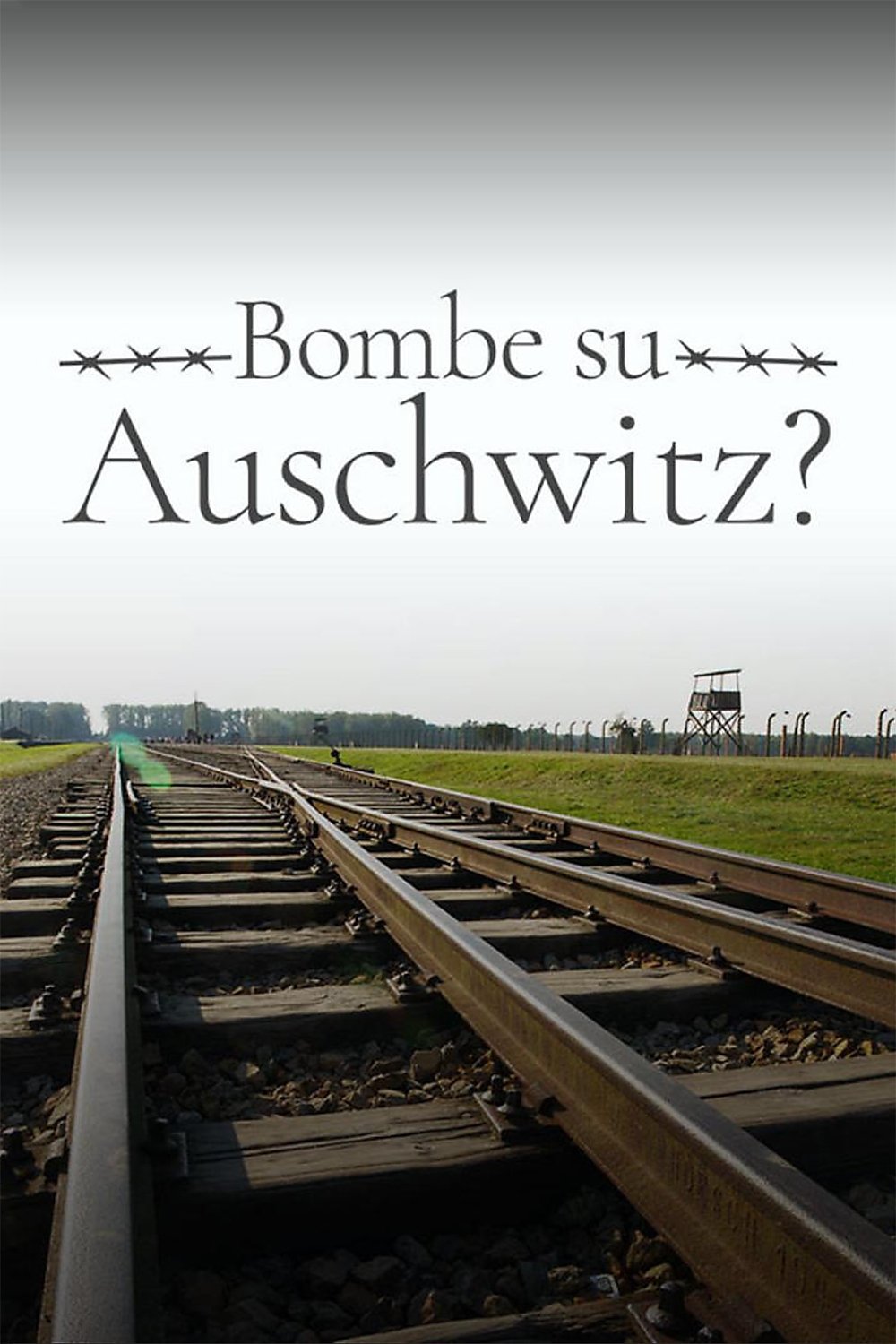
In 1944, two prisoners miraculously escaped from Auschwitz. They told the world of the horror of the Holocaust and raised one of the greatest moral questions of the 20th century.
In Kyiv, the editorial staff of ELLE Ukraine, continue to publish the famous fashion and beauty magazine despite the war surrounding them.
As the Russian invasion begins, a team of Ukrainian journalists trapped in the besieged city of Mariupol struggle to continue their work documenting the war's atrocities.
A love letter from a young mother to her daughter, the film tells the story of Waad al-Kateab’s life through five years of the uprising in Aleppo, Syria as she falls in love, gets married and gives birth to Sama, all while cataclysmic conflict rises around her. Her camera captures incredible stories of loss, laughter and survival as Waad wrestles with an impossible choice– whether or not to flee the city to protect her daughter’s life, when leaving means abandoning the struggle for freedom for which she has already sacrificed so much.
Prelude to War was the first film of Frank Capra's Why We Fight propaganda film series, commissioned by the Pentagon and George C. Marshall. It was made to convince American troops of the necessity of combating the Axis Powers during World War II. This film examines the differences between democratic and fascist states.
“The Soviet Story” is a story of an Allied power, which helped the Nazis to fight Jews and which slaughtered its own people on an industrial scale. Assisted by the West, this power triumphed on May 9th, 1945. Its crimes were made taboo, and the complete story of Europe’s most murderous regime has never been told. Until now...
A documentary about World War I with never-before-seen footage to commemorate the centennial of Armistice Day, and the end of the war.
A visual montage portrait of our contemporary world dominated by globalized technology and violence.
When Sgt. First Class Brian Eisch is critically wounded in Afghanistan, it sets him and his sons on a journey of love, loss, redemption and legacy.
This documentary movie is about the battle of San Pietro, a small village in Italy. Over 1,100 US soldiers were killed while trying to take this location, that blocked the way for the Allied forces from the Germans. Preserved by the Academy Film Archive in 2005.
Meet the real-life airmen who inspired Masters of the Air as they share the harrowing and transformative events of the 100th Bomb Group.
With unprecedented access, this documentary follows the extraordinary journey of “Raqqa is Being Slaughtered Silently”—a group of anonymous citizen journalists who banded together after their homeland was overtaken by ISIS—as they risk their lives to stand up against one of the greatest evils in the world today.
"Trinity and Beyond" is an unsettling yet visually fascinating documentary presenting the history of nuclear weapons development and testing between 1945-1963. Narrated by William Shatner and featuring an original score performed by the Moscow Symphony Orchestra, this award-winning documentary reveals previously unreleased and classified government footage from several countries.
Police pull over a woman who claims she just gave birth. But the baby — and the blood — aren't hers. Twisted lies unravel in this true-crime documentary.
Set both in Latin America and the United States, the film explores the historic and current relationship of Washington with countries such as Venezuela, Bolivia and Chile. Pilger says that the film "...tells a universal story... analysing and revealing, through vivid testimony, the story of great power behind its venerable myths. It allows us to understand the true nature of the so-called "war on terror". According to Pilger, the film’s message is that the greed and power of empire is not invincible and that people power is always the "seed beneath the snow".
Director Michael Apted revisits the same group of British-born adults after a 7 year wait. The subjects are interviewed as to the changes that have occurred in their lives during the last seven years.
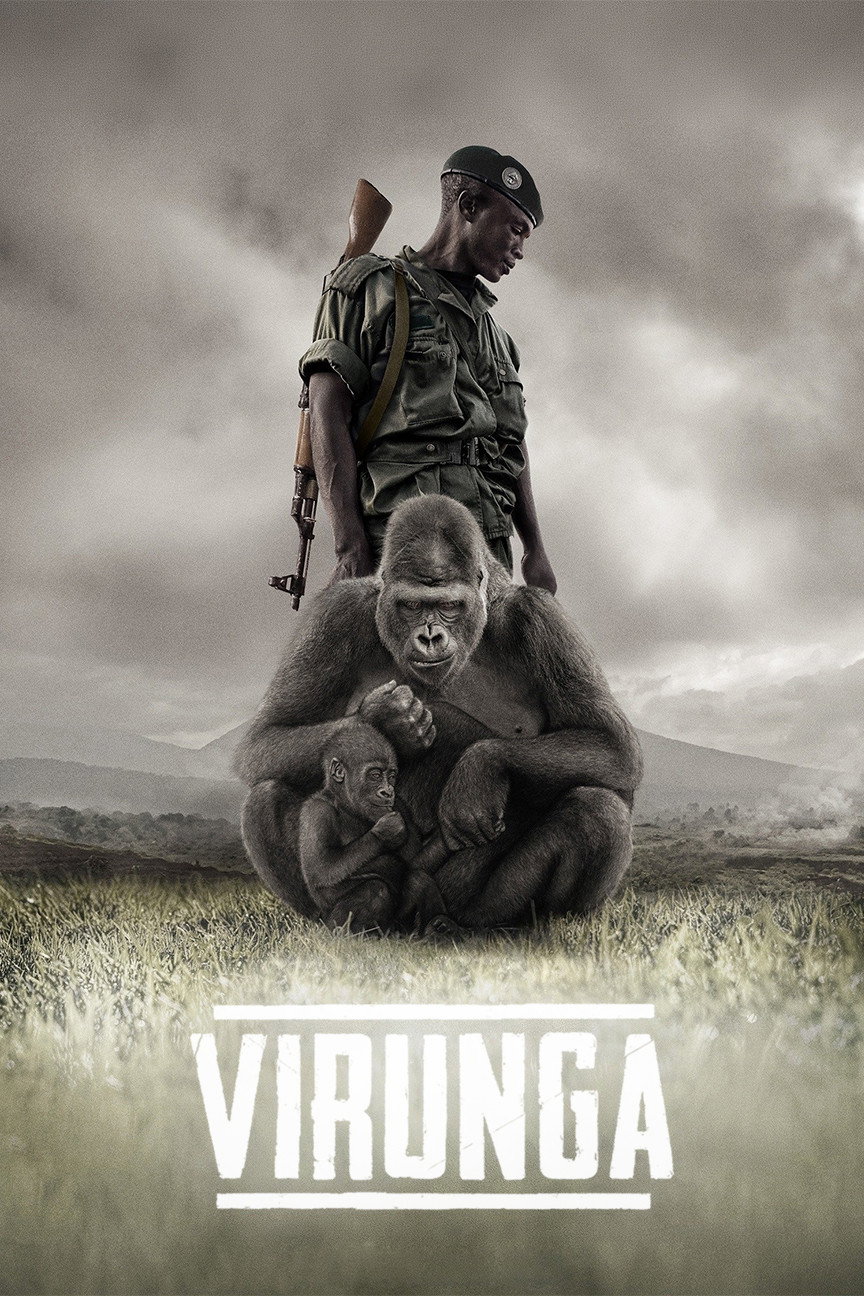
Virunga in the Democratic Republic of the Congo is Africa’s oldest national park, a UNESCO world heritage site, and a contested ground among insurgencies seeking to topple the government that see untold profits in the land. Among this ongoing power struggle, Virunga also happens to be the last natural habitat for the critically endangered mountain gorilla. The only thing standing in the way of the forces closing in around the gorillas: a handful of passionate park rangers and journalists fighting to secure the park’s borders and expose the corruption of its enemies. Filled with shocking footage, and anchored by the surprisingly deep and gentle characters of the gorillas themselves, Virunga is a galvanizing call to action around an ongoing political and environmental crisis in the Congo.
From the heights of her modeling fame to her tragic death, this documentary reveals Anna Nicole Smith through the eyes of the people closest to her.
In an intimate and joyful story of love in the face of loss, celebrated poets Andrea Gibson and Megan Falley find strength—and unexpected hilarity—in what might be their final year together.
A string of threatening emails escalates into a revenge plot involving a newly married US marshal and his ex-girlfriend.