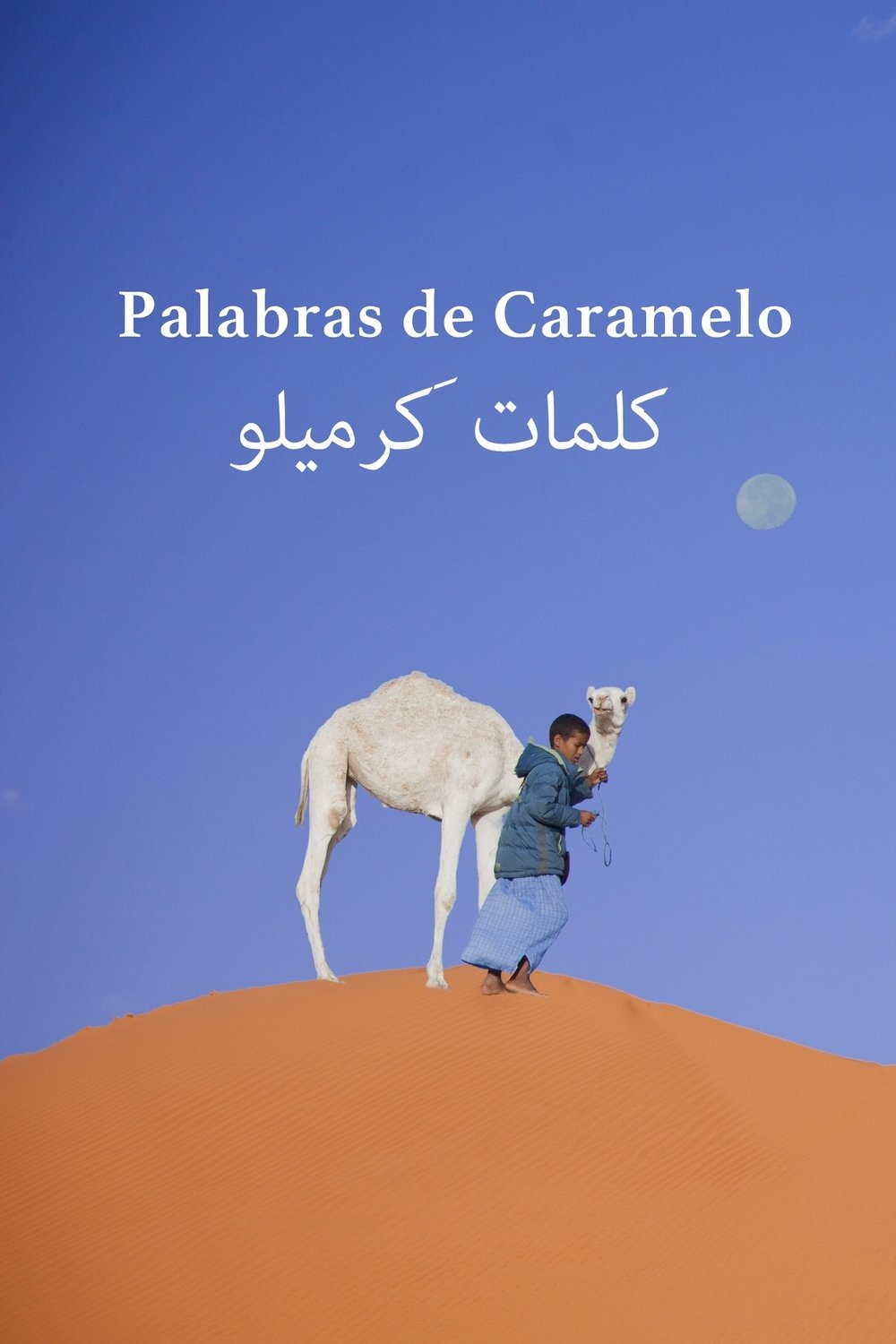
In a refugee camp in the Sahara desert lives a deaf boy who wants to learn to write. Welcome to the silent world of Kori and his best friend the camel Caramelo.
Social & External

Taleb, who came to a refugee camp at the age of five in 1975 and returned there after his studies abroad, tells of his life as a displaced person, his gratitude for the reception and support in Algeria, and his hope that the Sahrawis may one day return to their homeland. For Taleb, this hope drives him to actively prepare for better times: as a graduate in agricultural sciences, he conceived a successful small-scale closed-loop economy in a desert under the most difficult conditions, producing enough food for self-sufficiency.
The Nomad Garden is an ode to the impossible. A young Sahrawi refugee shows how he grows organic vegetables and herbs in one of the most inhospitable places on Earth, overcoming challenges like the lack of water, extreme temperatures and a barren soil.
Sahrawi artist and visual poet Mohamed Sleiman Labat follows the story of the emerging phenomenon of small scale family gardens in his local community in the Hamada Desert. The film features the story of four families in Samara Camp with small scale gardens, their practices and the knowledge they develop as part of their practices in the garden. The camps are located in a very harsh environment with extreme climate conditions, and the Sahrawi are still dependent on international food aid.
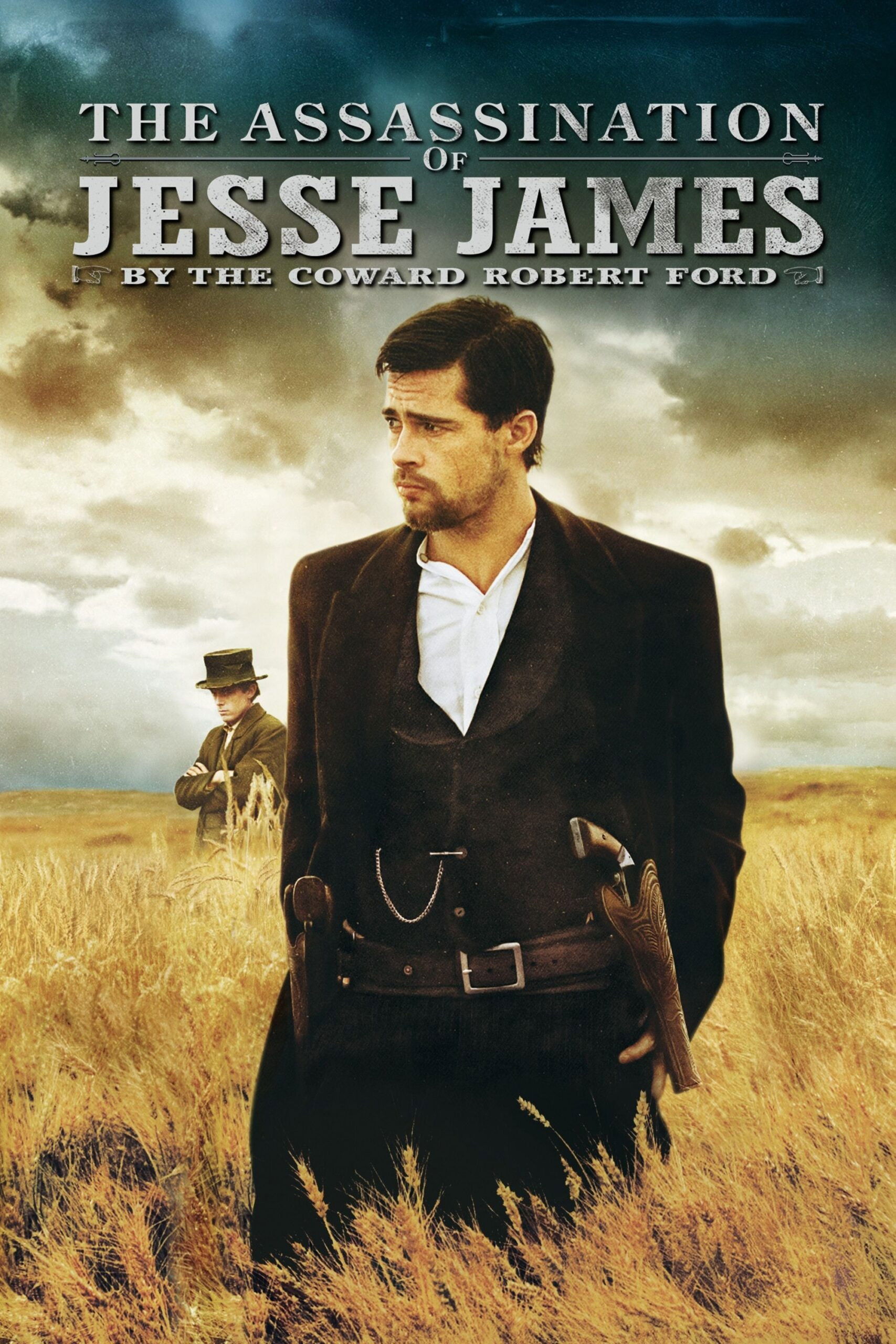
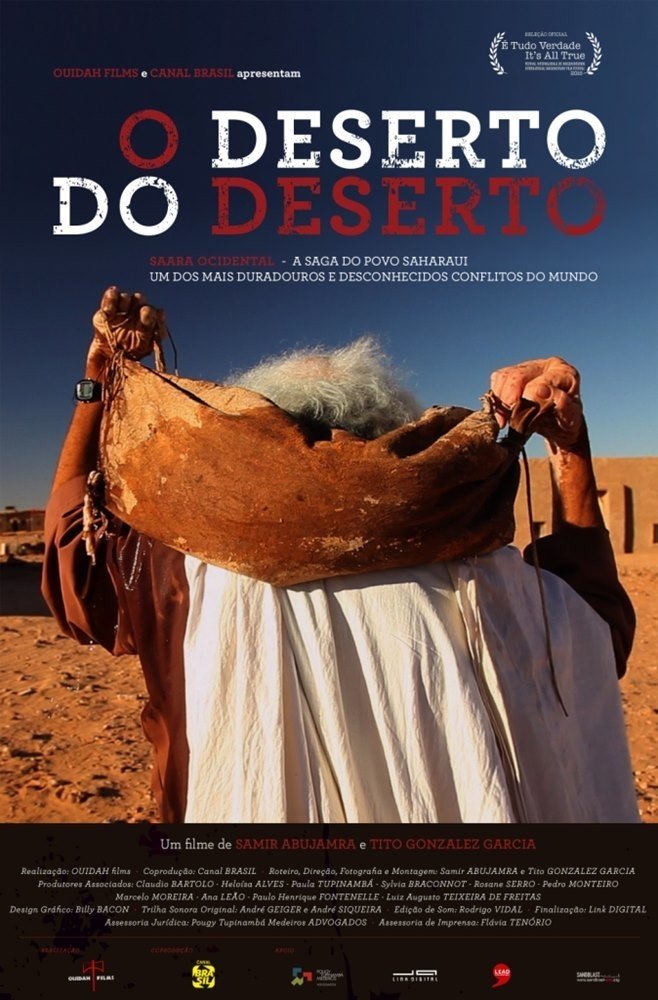
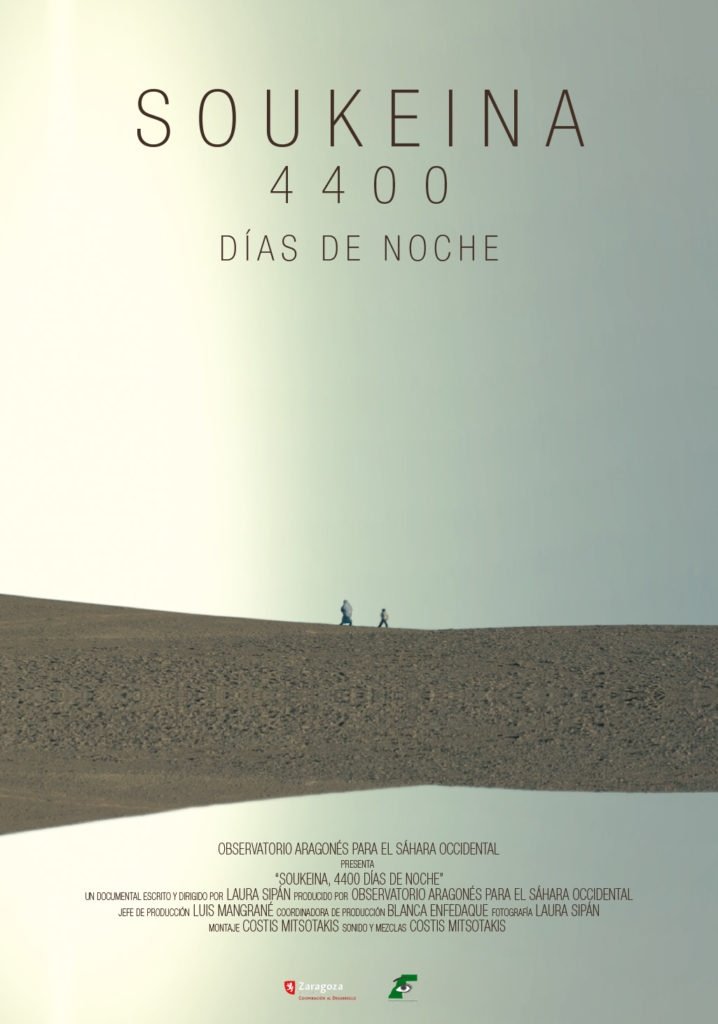
The political upheaval in North Africa is responsibility of the Western powers —especially of the United States and France— due to the exercise of a foreign policy based on practical and economic interests instead of ethical and theoretical principles, essential for their international politic strategies, which have generated a great instability that causes chaos and violence, as occurs in Western Sahara, the last African colony according to the UN, a region on the brink of war.
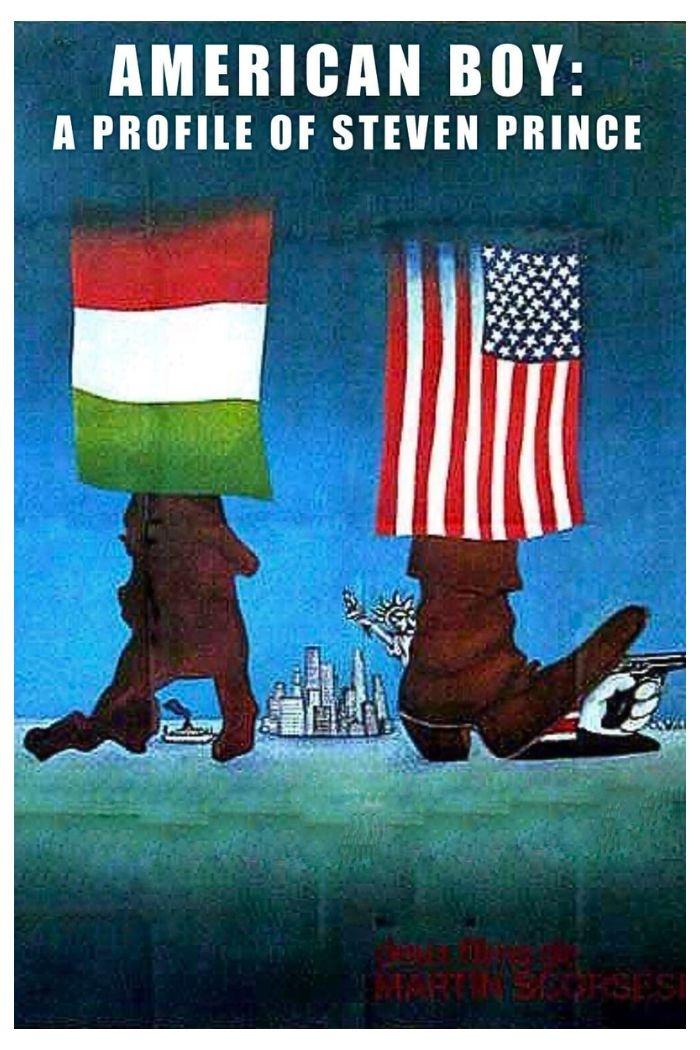
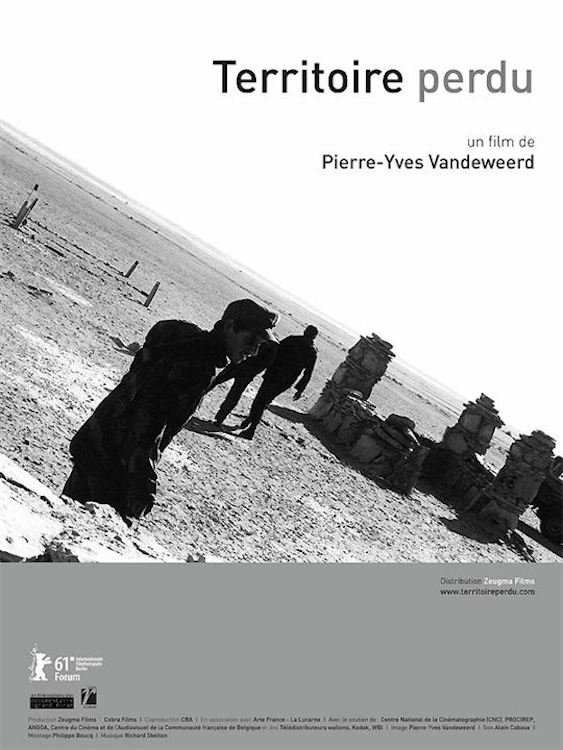
Straddling a 2,400-kilometer-long wall constructed by the Moroccan army, the Western Sahara is today divided into two sections — one occupied by Morocco, the other under the control of the Sahrawi National Liberation Movement’s Polisario Front. Drawing from stories of flight, exile, interminable waiting and the arrested, persecuted lives on both sides of that wall, this film bears witness to the Sahrawi people, their land, their entrapment in other people’s dreams. In an esthetic that sublimates the real, Lost Land resonates like a score that juxtaposes sonorous landscapes, black-and-white portraits and nomadic poetics.
This film offers a picture of the tense situation in which the Sahrawi people have lived for more than 30 years. The yearly celebration of a marathon in the Sahrawi refugee camps serves as the central focus of the story.
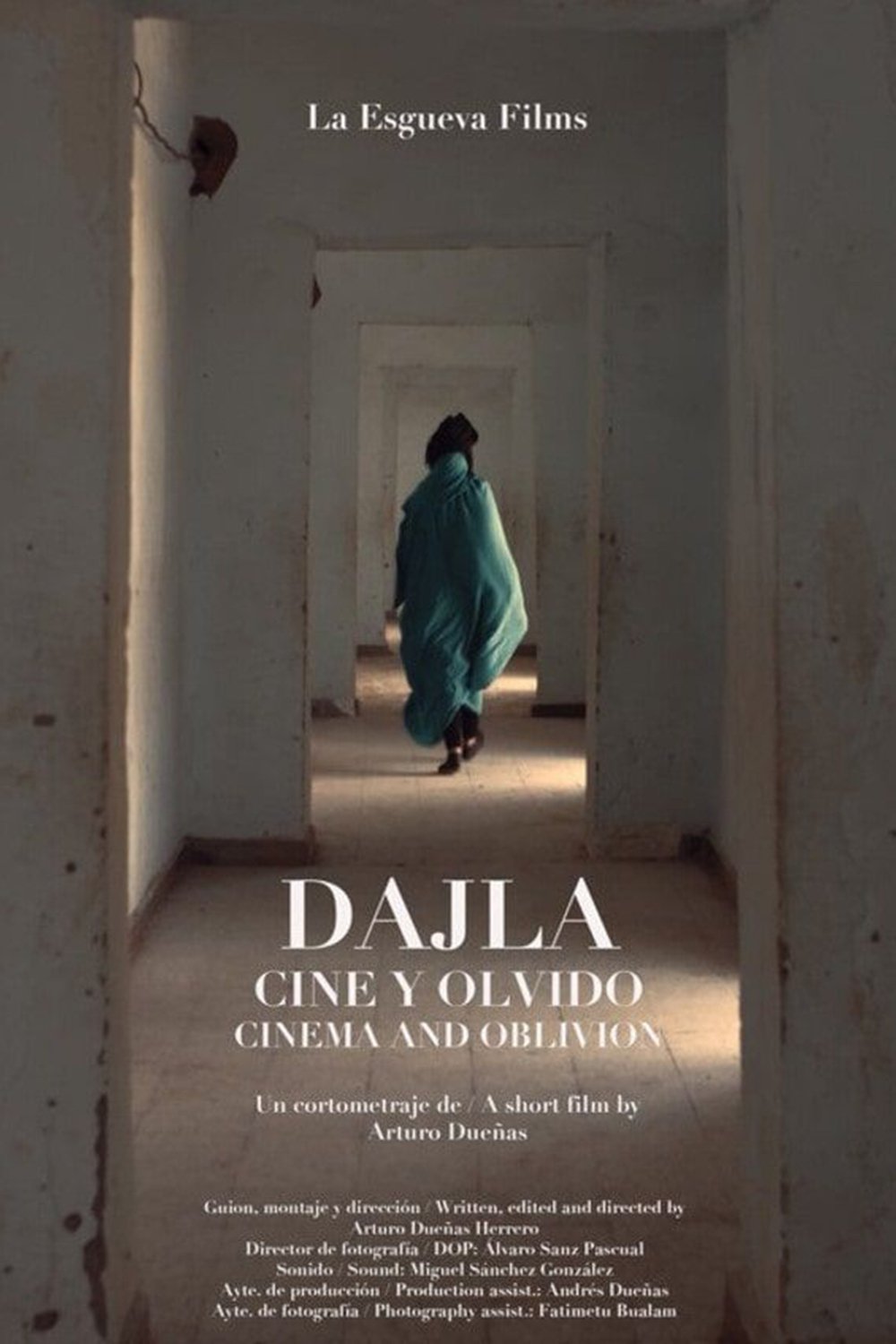
A documentary about the daily lives, hopes, aspirations and demands of though living in the Sahrawi refugee camps of Dajla.
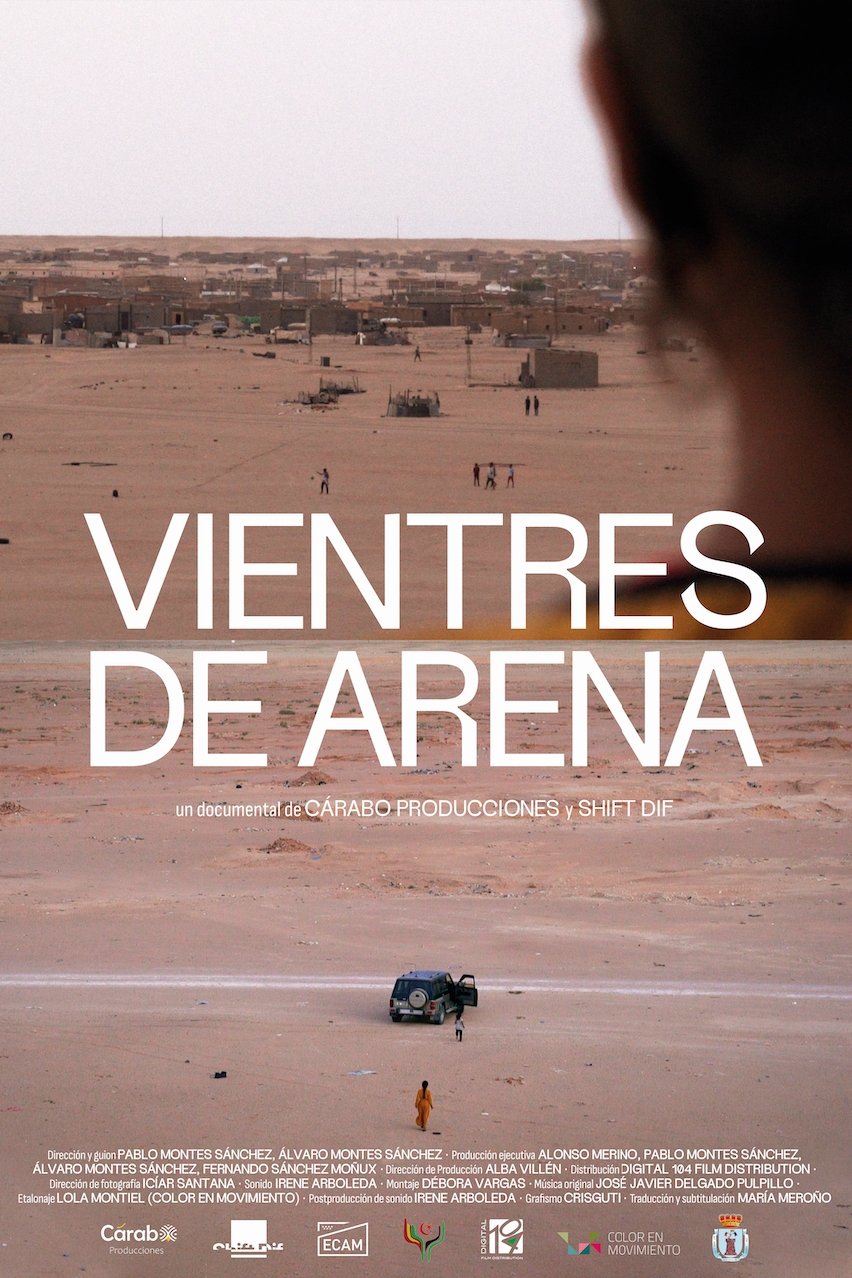
Smara is the city of dust, kingdom of sirocco, a surviving ruin of a suffocating region… Thousands of Sahrawis who fled Western Sahara after the war against Morocco (36 years ago) live in this refugee camp, located in the Sahara’s inhospitable north, in the middle of the Algerian hamada. They live here, under poor human conditions, thanks to international help. A small film cooperative fights, with barely any means, to elevate the voices of young Saharawis. It is one of the many Nollywoods (Hollywood of emptiness) found in Africa.
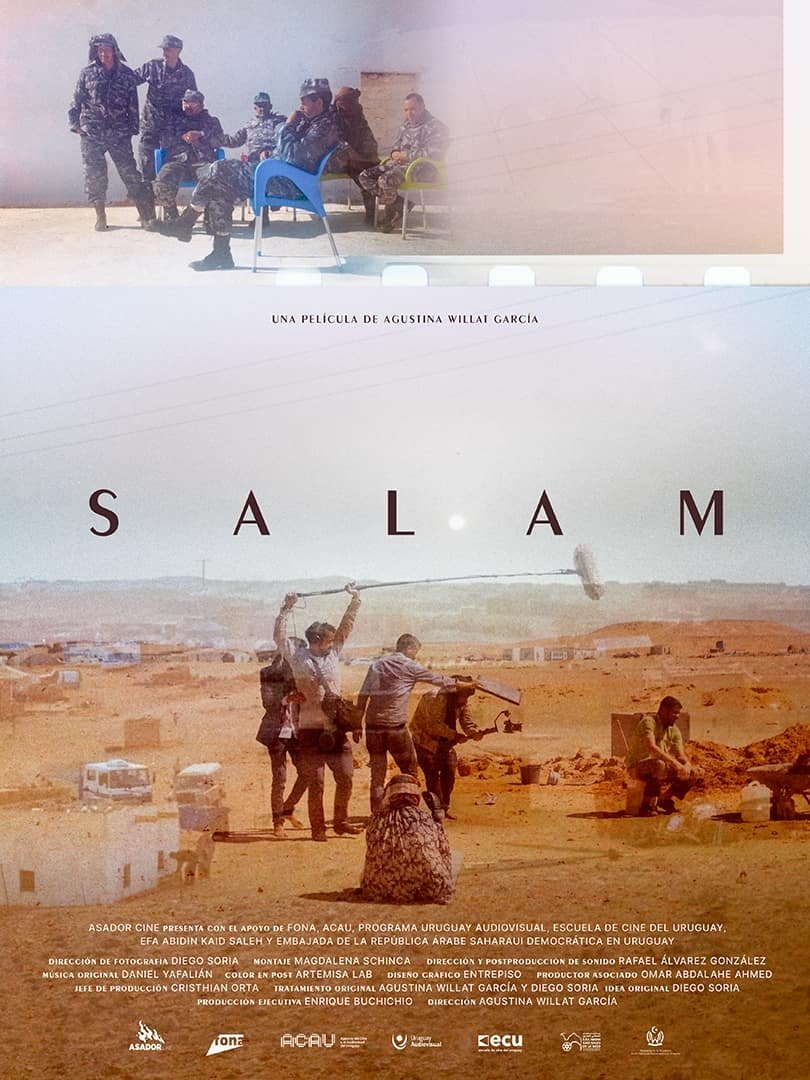
28-year-old Azman, a student in the film school Abidin Kaid Saleh, explains how he discovered film in the Sahrawi refugee camps, the difficulties he had explaining his choice of study to his family, and how his society views this career.
A documentary about the lives of Sahrawi refugees in the Tindouf camps (Algeria). A didactic video for families hosting Sahrawi minors in the Vacations in Peace programme with the objective of them learning and being introduced to the Saharwi culture and customs so that they see what life is like in the camps for these children.
A nine-year old girl, Naha, who in day-to-day life studies primary education en Wilaya de Smara is the point of departure for this documentary. Through the her family life, teachers, those responsible for Sahrawi education and NGOS, we understand the education system in the camps causing us to be in awe of the patience of the Sahrawi people, refugees for 35 years, holding out hope for a definitive solution to the conflict. This documentary intends to introduce the viewer to the situation of the Sahrawi people in the camps through one of the most basic needs for the development of a community: chidren's education. Education in the Sahrawi refugee camps is supported by women being those that develop and strengthen the task of educating in schools.
Bubisher, as well as being 'the bird of luck', is a word loaded with literary meaning in Spanish in the Sahrawi refugee camps of Tindouf. Seeing the way in which two cultures interact through small stories and tales can is striking and so is the contrast between the resilience of the young female generations and the realities of life in the desert. This documentary paints a picture of a generation of young female Sahrawis.
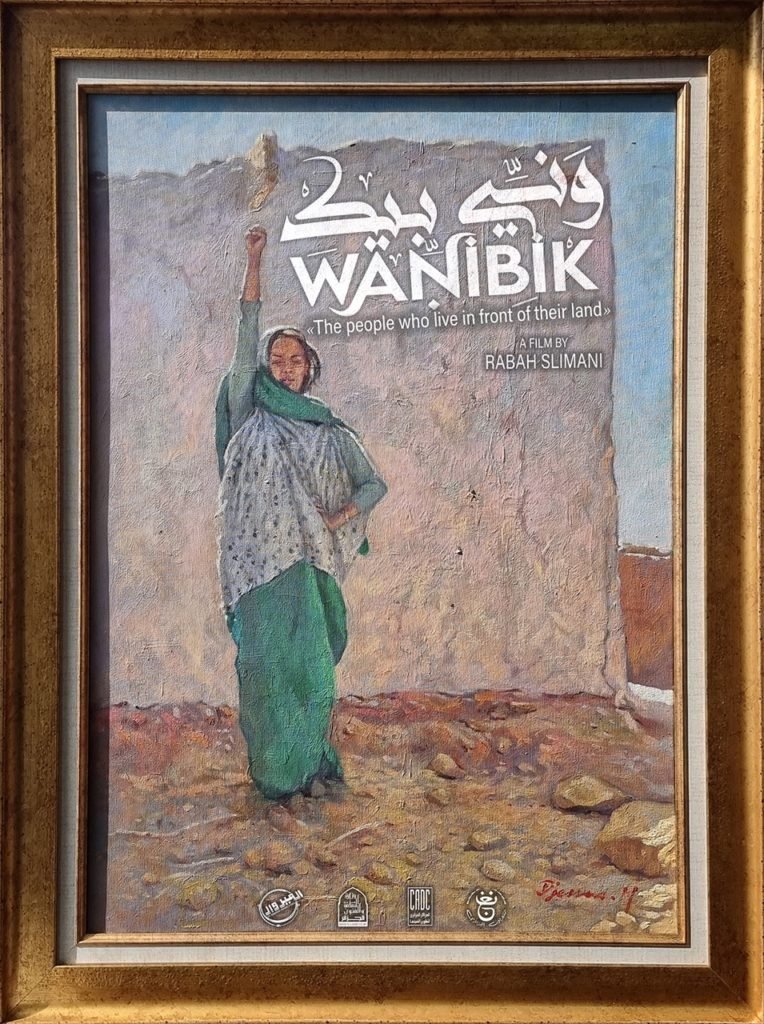
For over 40 years, the Sahrawi population, as refugees, has been waiting peacefully to return to their homeland after Morocco's illegal invasion of their territory in 1976. In the Sahrawi refugee camps, located in a portion of Algerian territory, two young men meet by chance where they share a conversation that leads them to reflect on the fleetingness of life and the urgency of making dreams possible. The dream of returning home.
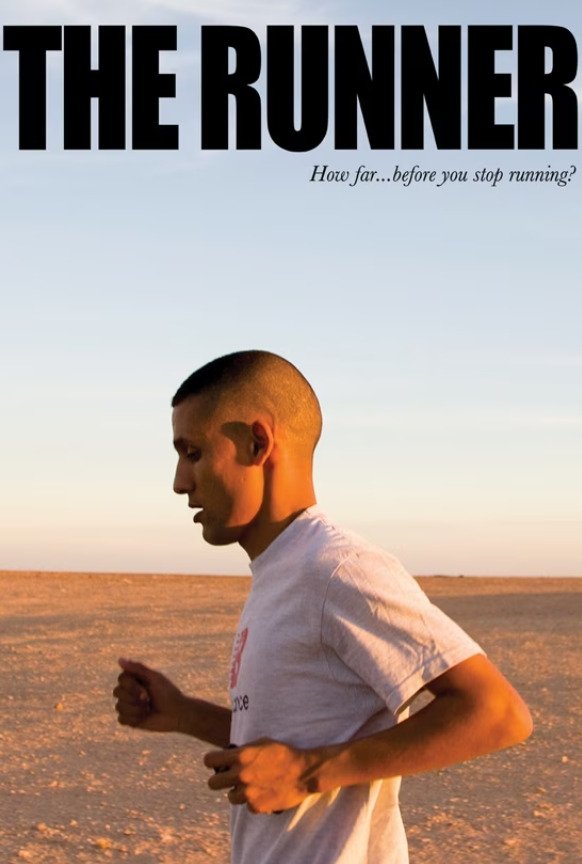
The Runner is a film about endurance. It is the story of a champion long-distance runner whose journey transformed him from an athlete into the symbol of a national liberation movement. Salah Hmatou Ameidan is willing to risk his life, his career, his family and his nationality to run for a country that doesn't exist. He is from Western Sahara, officially Africa's last colony and under Moroccan occupation since 1975.
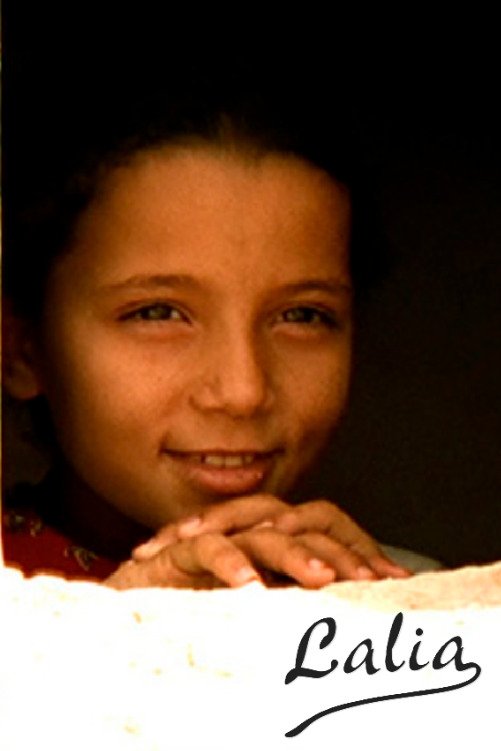
Lalia is a Saharaui girl who lives in a refugee camp in Algiers. She has only heard her grandmother and grandfather talk about her country, about the Sahara, that was taken away by Morroco. She dreams of one day seeing the ocean, seeing her real country. The reality she lives in is different... the uncertainty of the refugee camps, the political unbalance... but she is strong... and she knows that there can be change... she won't stop dreaming, and she won't stop longing..
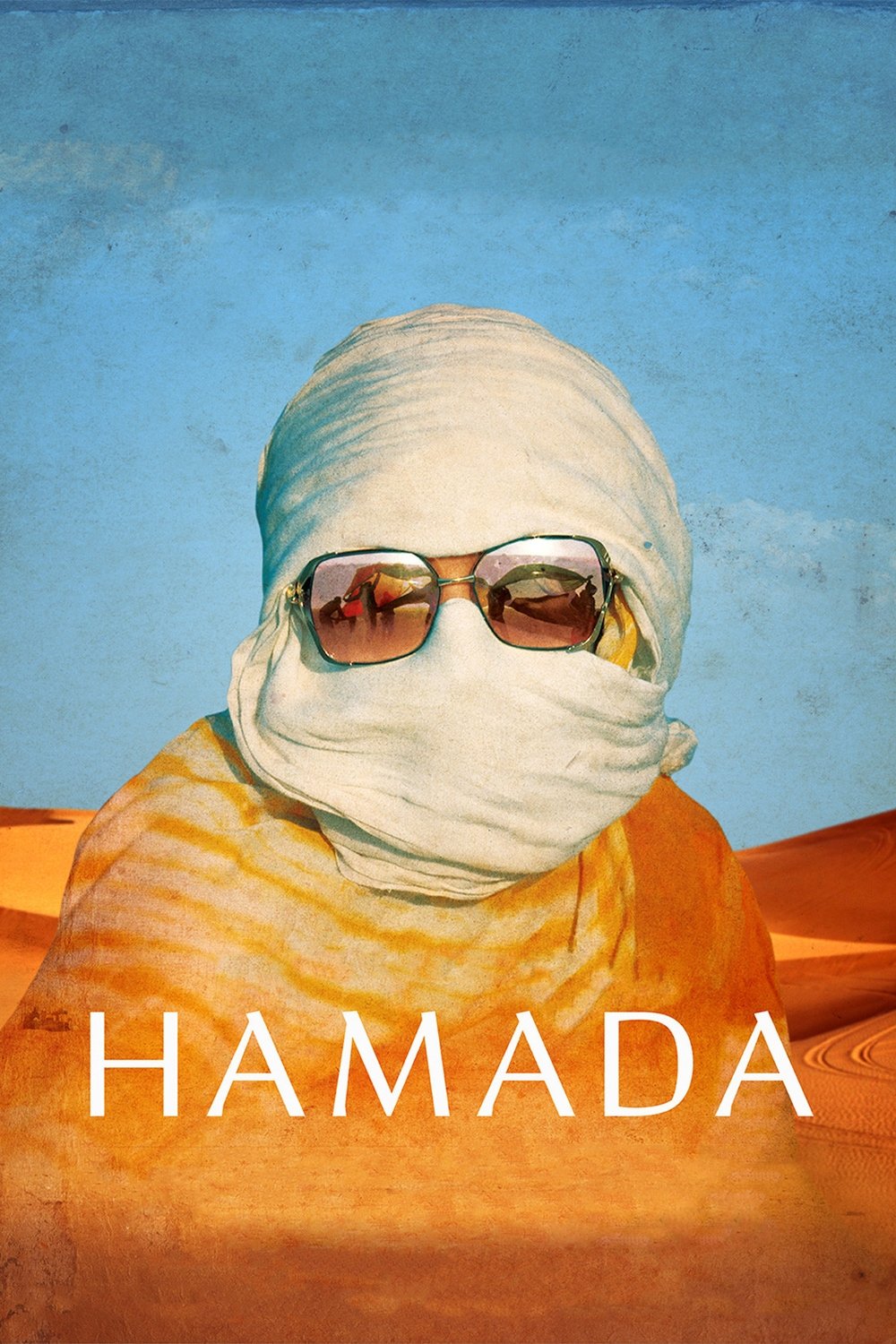
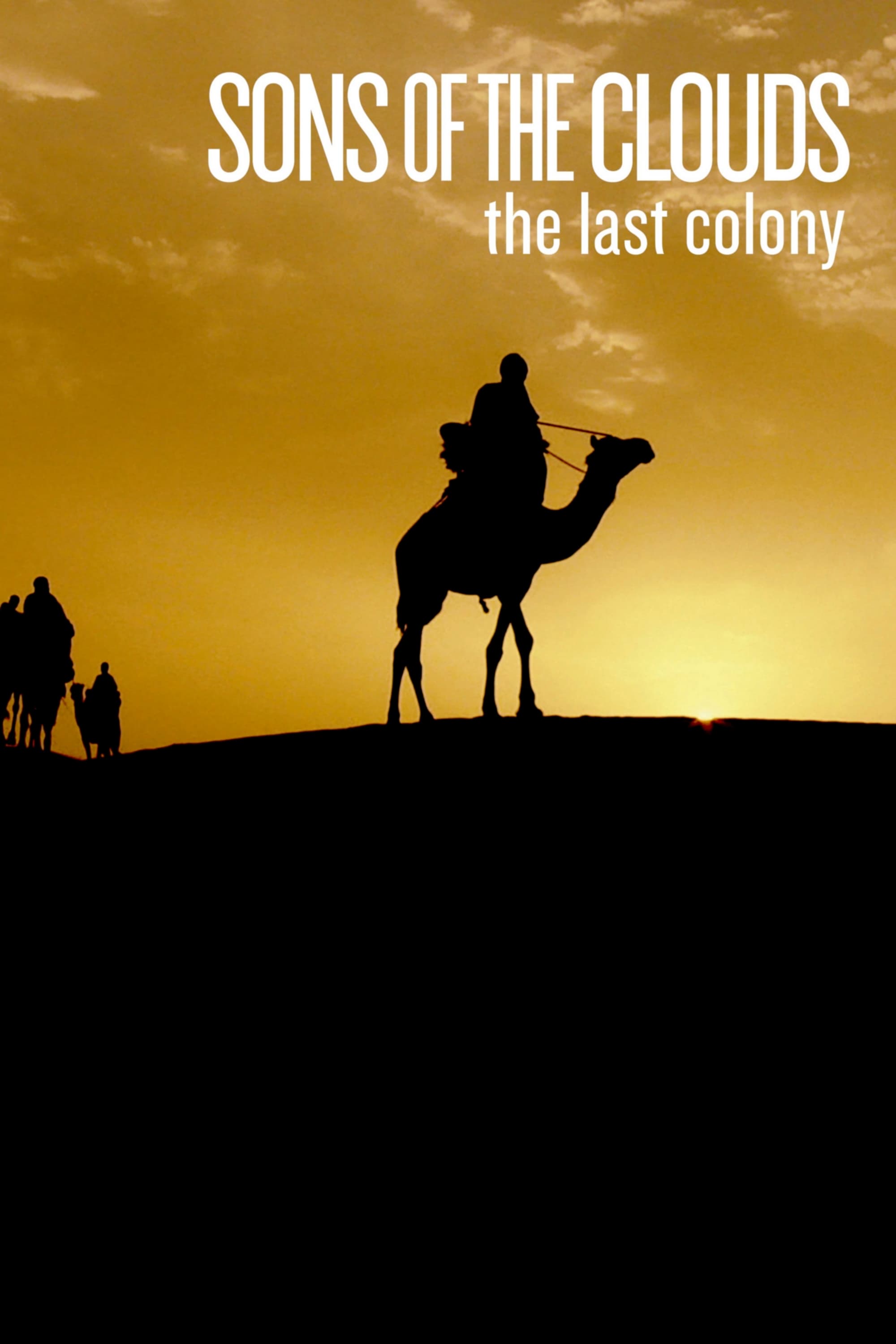
Filled with vitality, humor and unexpected situations, Hamada paints an unusual portrait of a group of young friends living in a refugee camp in the middle of nowhere. Western Sahara is known as “the last colony in Africa” and this conflict is the longest and one of the least known ongoing disputes in the continent, but the Sahrawi people refuse to become invisible.
In the middle of Western Sahara desert, where no water, no trees, no animals live but a bunch of refugees, struggling in poverty to survive the harsh habitat, the least of the problem one might face is the environmental crisis.
Ali Salem Hamudi Mohamed - Yahdih, was born in 1955 in El Aaiún (Western Sahara). He completed his secondary schooling in the "Spanish" Sahara. A scholarship allowed him to enrol at the Universidad de la Peninsula in 1975, but Morocco's invasion of the Sahara led him to return to the city of his birth and go into exile with his people, participating in the resistance and helping to organise the Tindouf Refugee Camps (Algeria). In 1980, the Polisario Front and the Government of Cuba offered him the opportunity to study Architecture at the University of Havana. On his return to the Camps in 1985 he worked for the SADR's Department of Construction. He designed more than twenty public buildings, including town halls, schools and nursery schools, and also collaborated with international aid organisations to build hospitals and training colleges. All of these buildings were built collectively by the Saharan people. ;In 1999 he emigrated to Spain. His family joined him five years later.
Documentary about the arduous early years of the Sahrawi cause (1977)
Looking at the situation of the Sahrawi people in 1999, the documentary examines different aspects of institutions and organisation methods from the military to education, healthcare, camp administration and the search for solutions to the conflict in Western Sahara.