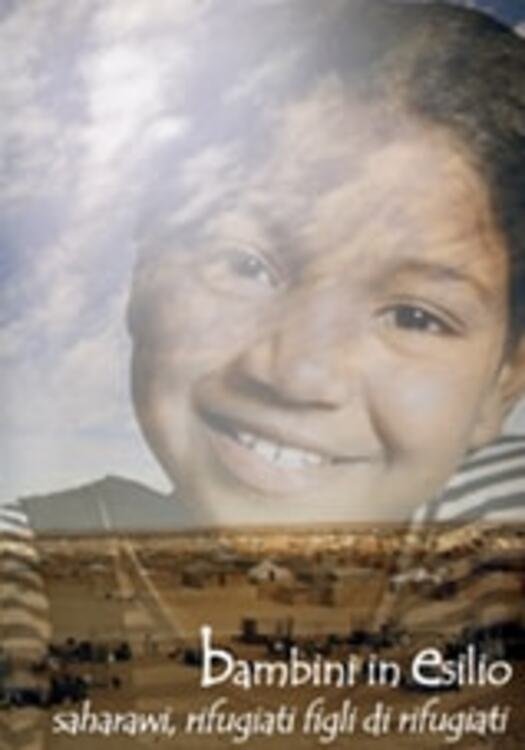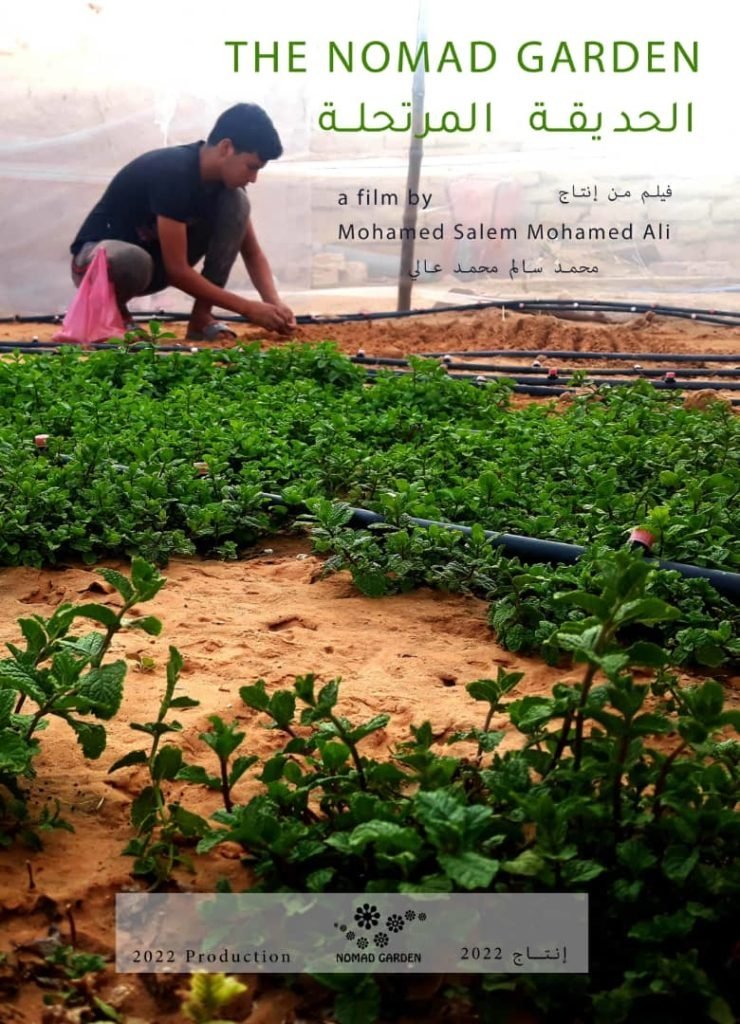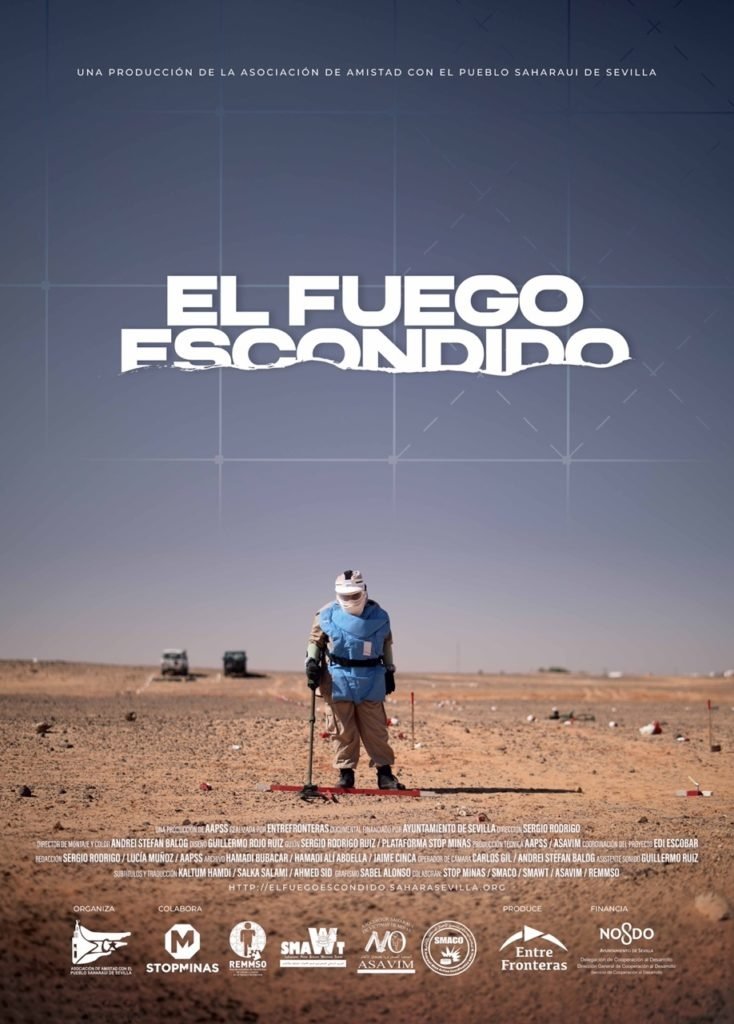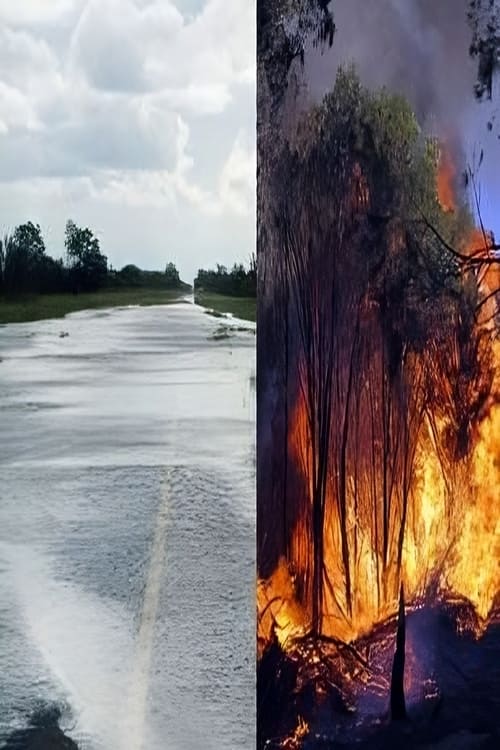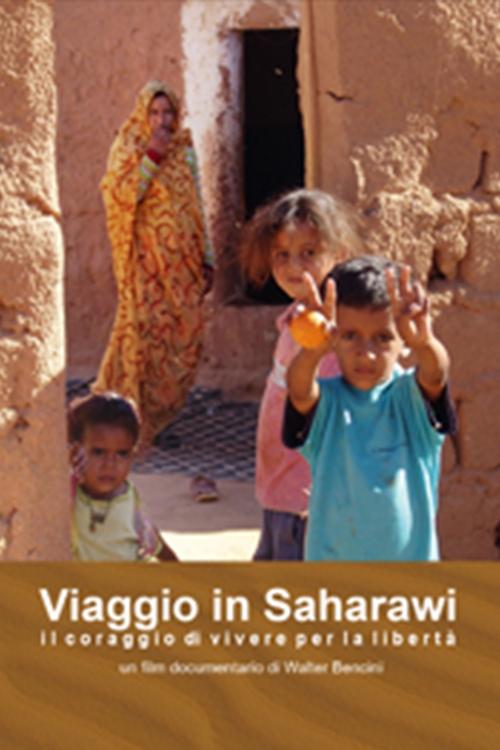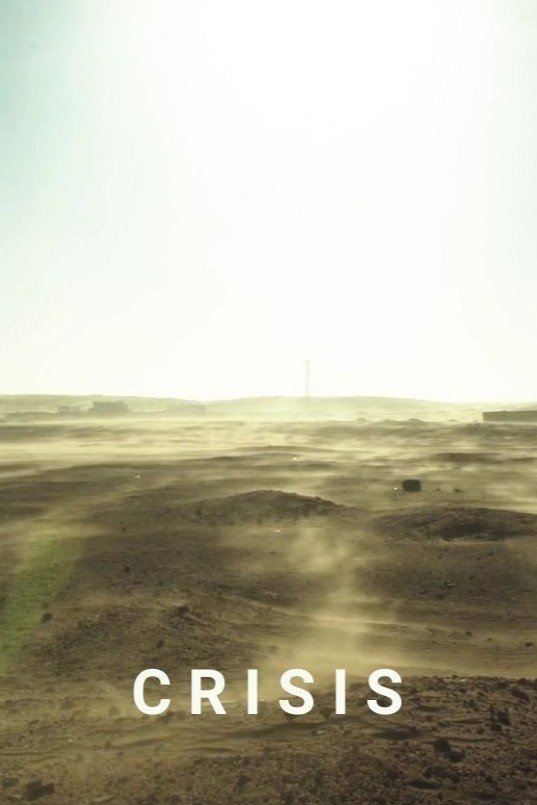
In the middle of Western Sahara desert, where no water, no trees, no animals live but a bunch of refugees, struggling in poverty to survive the harsh habitat, the least of the problem one might face is the environmental crisis.
Social & External
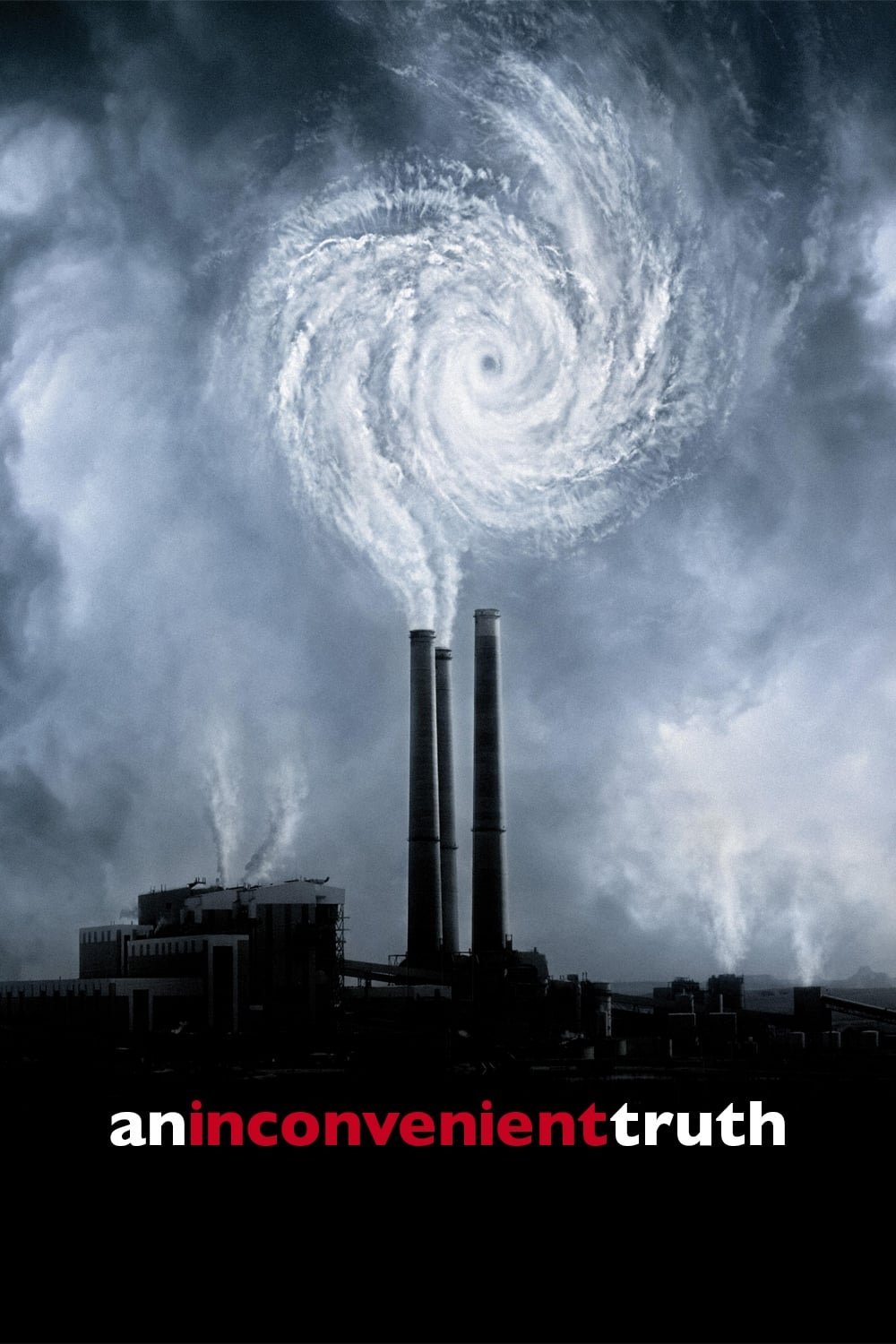
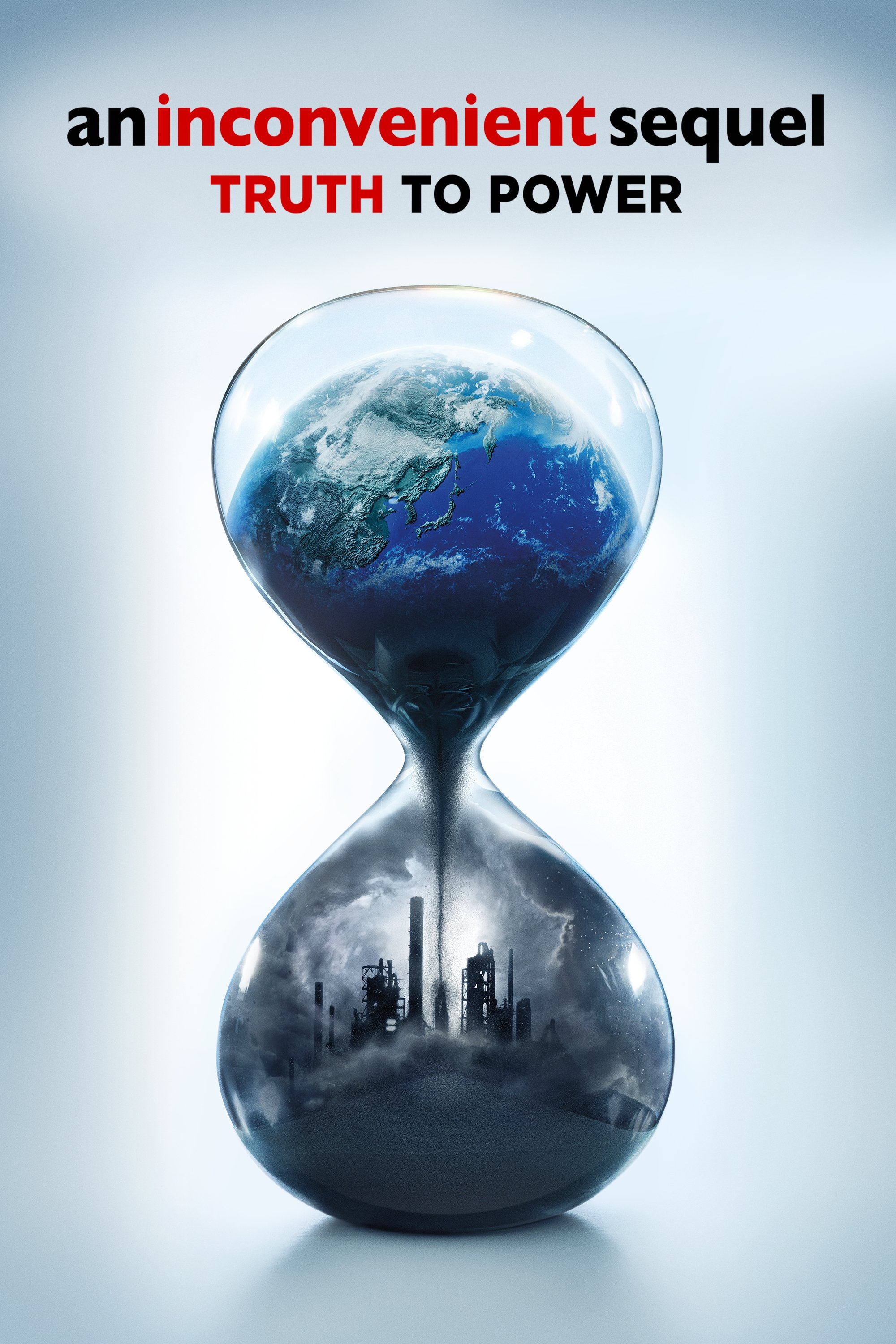
A documentary on Al Gore's campaign to make the issue of global warming a recognized problem worldwide.
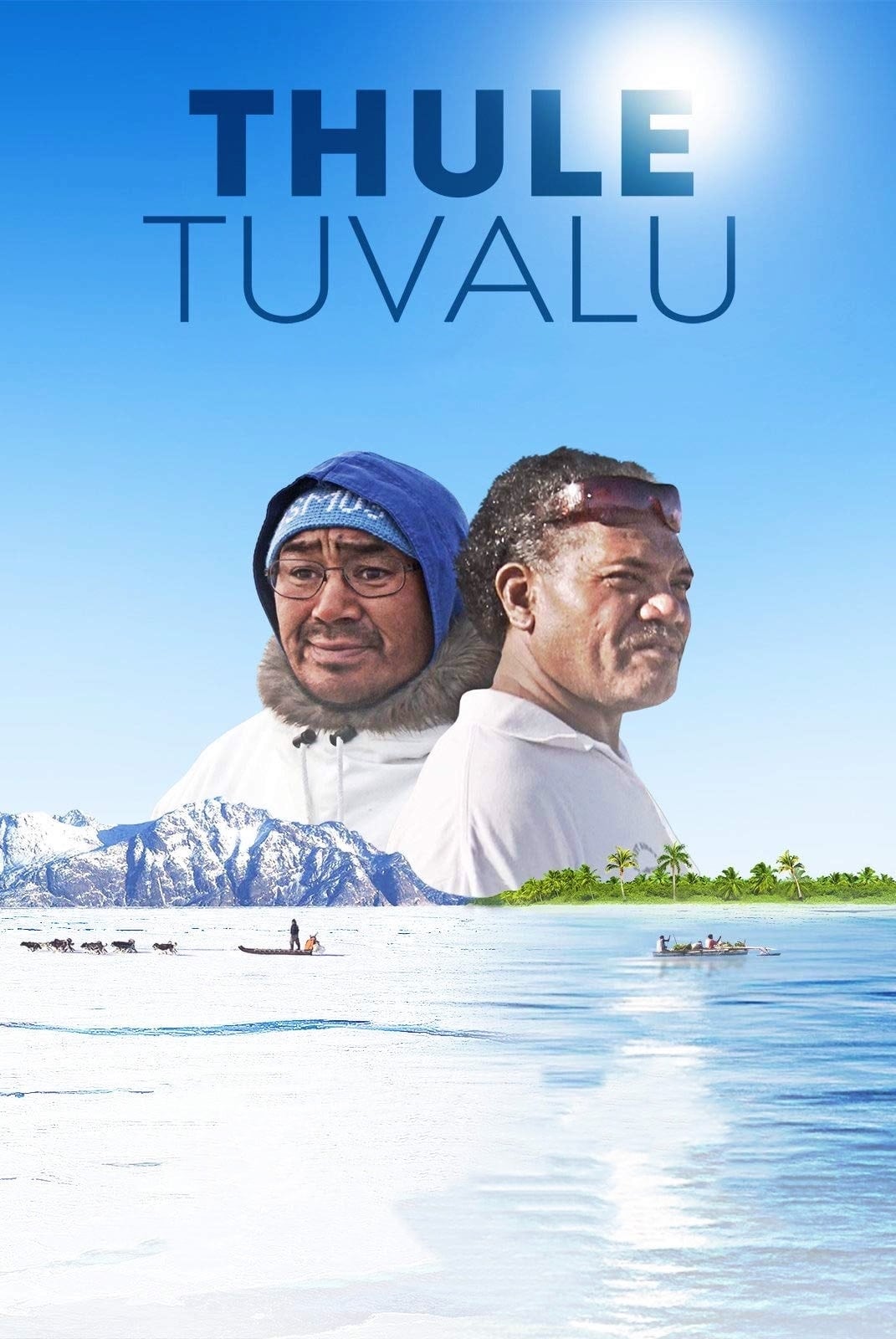
Thule, Greenland, also called Qaanaaqis, one of the northernmost towns in the world. As the climate warms and the ice caps begin to melt, the gentle balance of life for the people of this community is in jeopardy. On the other side of the globe, the melting ice caps are raising sea levels around the Polynesian island nation of Tuvalu, threatening to wipe the island right off the map. Though a world apart, these two communities are intricately connected as environmental balance begins to tip and traditional ways of life are threatened. 'ThuleTuvalu' is a stunning documentary addressing the high price of a hundred years of development and how two very different communities are now bound together in facing an uncertain future.
Wars of the future will be fought over water as they are over oil today, as the source of human survival enters the global marketplace and political arena. Corporate giants, private investors, and corrupt governments vie for control of our dwindling supply, prompting protests, lawsuits, and revolutions from citizens fighting for the right to survive.
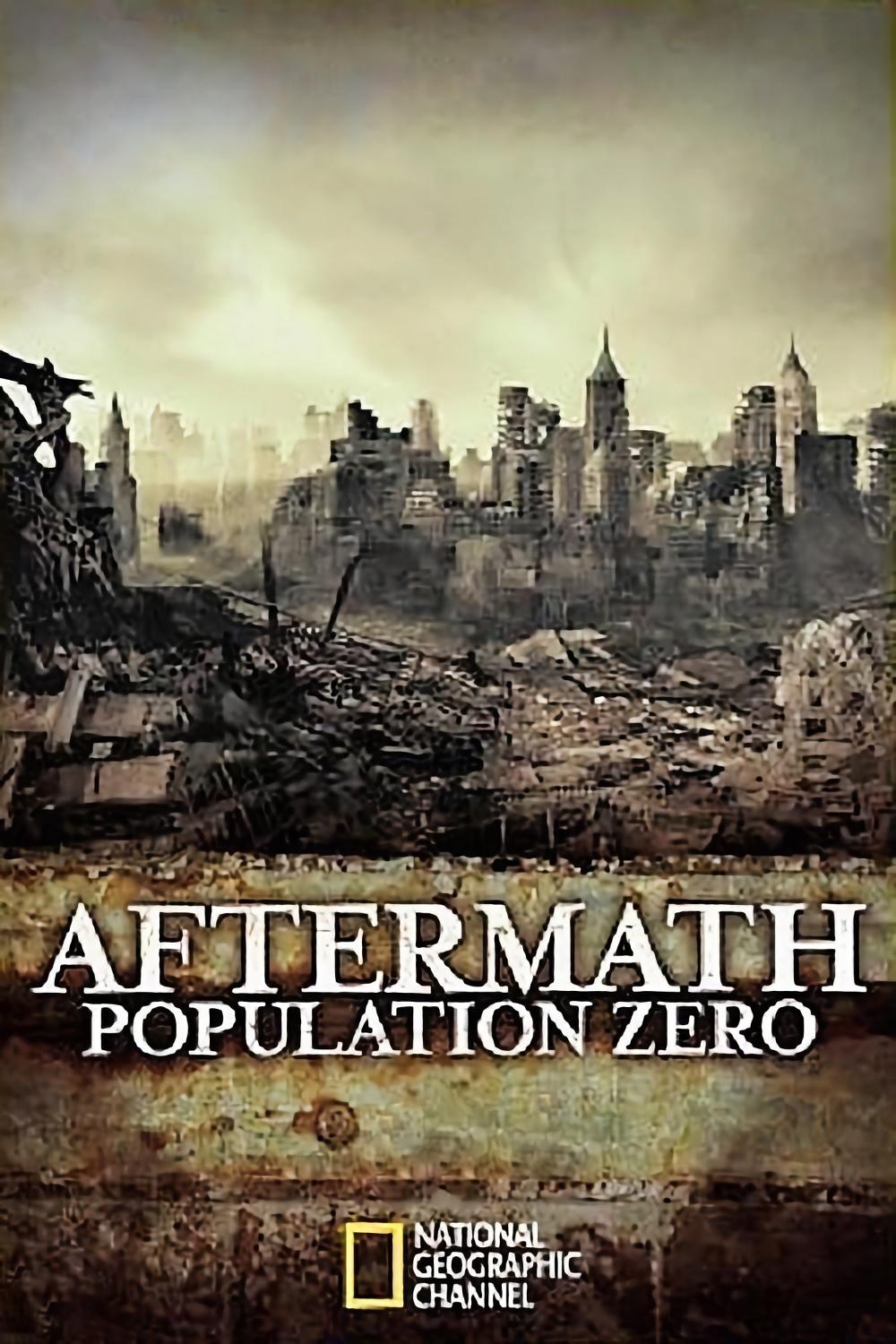
Aftermath: Population Zero investigates what would happen if every single person on Earth simply disappeared. Explore the interactive world without us.
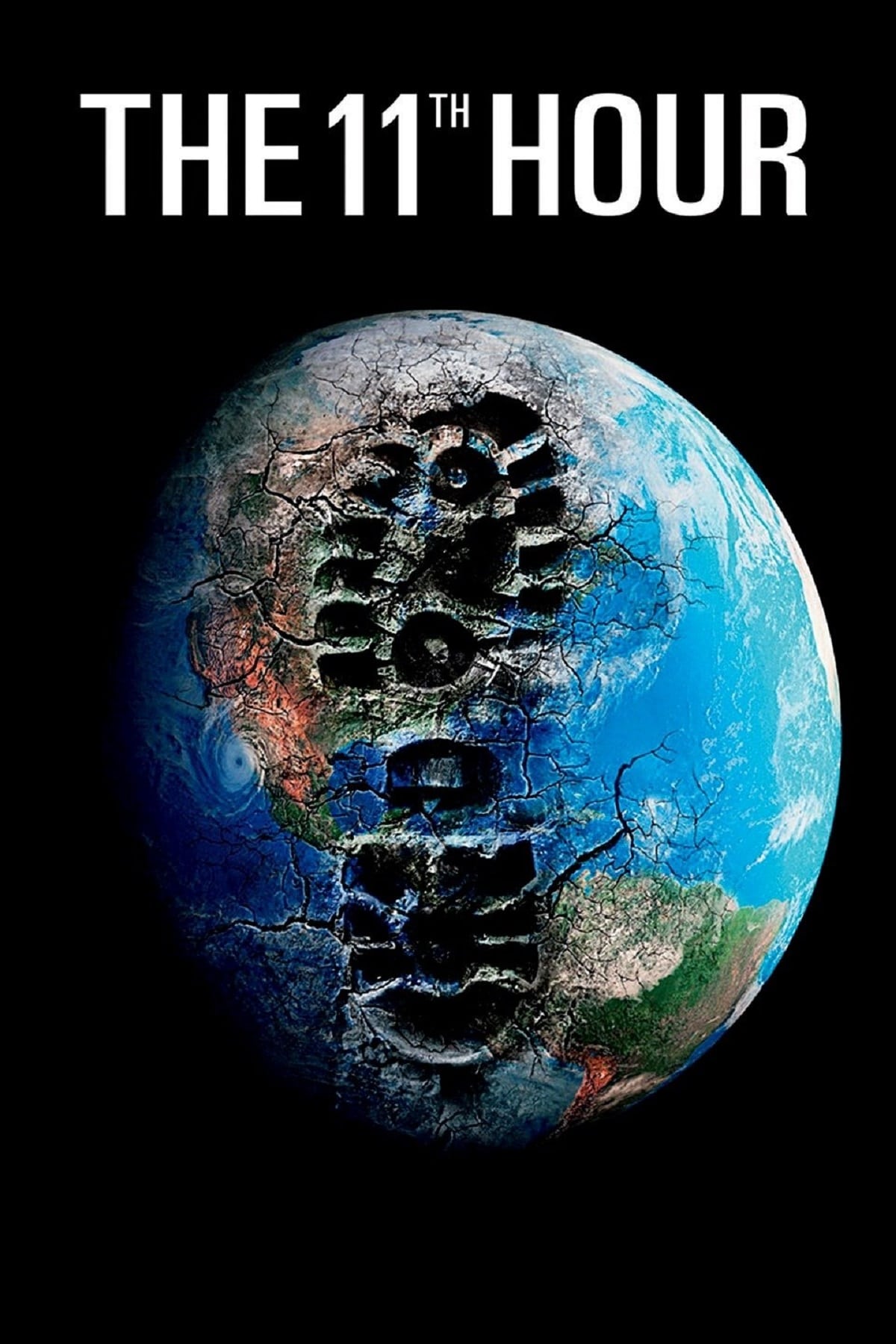
A look at the state of the global environment including visionary and practical solutions for restoring the planet's ecosystems. Featuring ongoing dialogues of experts from all over the world, including former Soviet Prime Minister Mikhail Gorbachev, renowned scientist Stephen Hawking, former head of the CIA R. James Woolse
Climate change is taking place. Will we have the wisdom to survive? The film features thought leaders and activists in the realms of science, economics and spirituality discussing how we can evolve in the face of climate disruption. Interviewees include Bill McKibbin, Joanna Macy, Roger Payne and young pioneers like Herschelle Milford and Quincy Saul.
Milah van Zuilen, visual artist and forest ecologist in training, uses the square to deal with the habit of people to construct nature. Square Fieldwork is filmed in the Bohemian forest in the Czech Republic and the concrete structure of Barendrecht, The Netherlands.
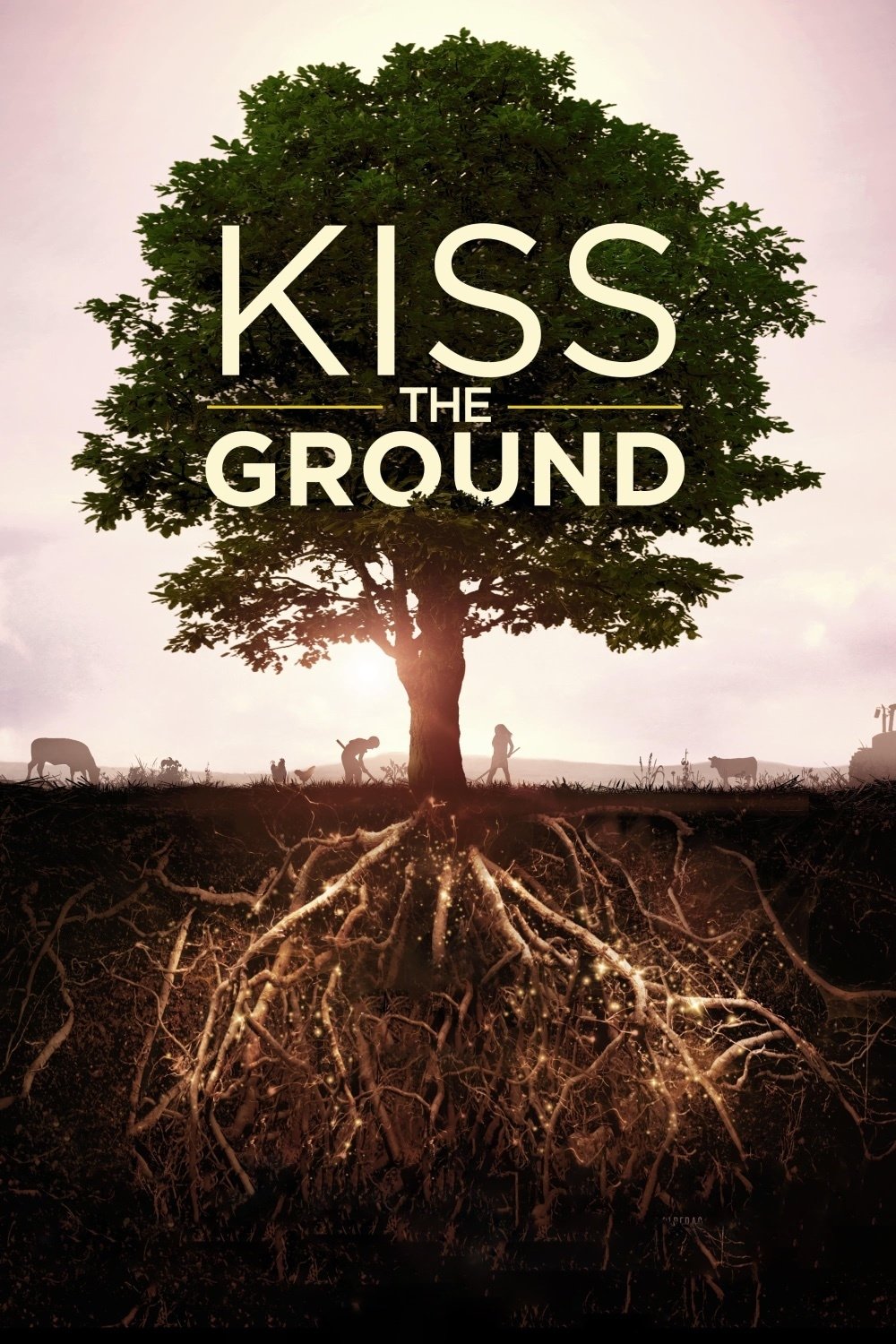
Sheds light on an alternative approach to farming called “regenerative agriculture” that could balance our climate, replenish our vast water supplies, and feed the world.
This film offers a picture of the tense situation in which the Sahrawi people have lived for more than 30 years. The yearly celebration of a marathon in the Sahrawi refugee camps serves as the central focus of the story.
VAKA is a short documentary about the energy and resilience of the Tokelauan people as they weave their customary-wisdom regarding the environment with modern eco-technologies to respond to climate change.
After the military occupation of Western Sahara in 1976, Moroccan government attacked the civil population with hard repression, forcing hundreds of Saharan people to “disappear” in clandestine jails. An invisible and slow death was the only horizon. However, some prisoners were able to survive after suffering their own “extinction” for more tan 10 years, ripped from their families, suffering torture, in total isolation. When they finally were released, their known world had changed radically.
"The Hypocrite" delves into a critical discourse that is resonating with individuals across various spheres. In the context of climate advocacy, the film examines the inherent contradiction between personal actions and systemic efforts. The story is masterfully woven through the perspective of a professional skier, confronting the complex interplay between advocating for change and relying on fossil fuels for athletic pursuits. The film aspires to foster unity and collaboration within the outdoor community, transcending perceived hypocrisy and feelings of not fitting in. It aims to dismantle the culture of individual blame and guilt, focusing instead on the systemic shifts required to pave the way for a sustainable future. By erasing the boundaries that label individuals as hypocrites, the narrative invites viewers to recognize the urgent need for collective action and change.
A black-and-white visual meditation of wilderness and the elements. Wildlife filmmaker Richard Sidey returns to the triptych format for a cinematic experience like no other.
Using nature shots with narration and a musical score, this documentary tells the story about the Moken, Myanmar's last sea nomads.
Habub and Marcos establish a relationship through “video letters” during the wintertime. Through these videos, we see what daily life is like in the Sahrawi refugee camps and, more importantly, how important the friendship between these two kids is.
The rocks, sculpted by sea and wind, stand resilient, displaying the scars of the fragments torn away. From that beach, a young Sahrawi embarks on a mental journey to his last visit to the camps. The places, the rituals, the history, and the time make his voice merge with the memories of his mother's stories, showing a deep contrast between the situation in the recent past and the present.
A documentary about the lives of Sahrawi refugees in the Tindouf camps (Algeria). A didactic video for families hosting Sahrawi minors in the Vacations in Peace programme with the objective of them learning and being introduced to the Saharwi culture and customs so that they see what life is like in the camps for these children.
A nine-year old girl, Naha, who in day-to-day life studies primary education en Wilaya de Smara is the point of departure for this documentary. Through the her family life, teachers, those responsible for Sahrawi education and NGOS, we understand the education system in the camps causing us to be in awe of the patience of the Sahrawi people, refugees for 35 years, holding out hope for a definitive solution to the conflict. This documentary intends to introduce the viewer to the situation of the Sahrawi people in the camps through one of the most basic needs for the development of a community: chidren's education. Education in the Sahrawi refugee camps is supported by women being those that develop and strengthen the task of educating in schools.
Bubisher, as well as being 'the bird of luck', is a word loaded with literary meaning in Spanish in the Sahrawi refugee camps of Tindouf. Seeing the way in which two cultures interact through small stories and tales can is striking and so is the contrast between the resilience of the young female generations and the realities of life in the desert. This documentary paints a picture of a generation of young female Sahrawis.
For over 40 years, the Sahrawi population, as refugees, has been waiting peacefully to return to their homeland after Morocco's illegal invasion of their territory in 1976. In the Sahrawi refugee camps, located in a portion of Algerian territory, two young men meet by chance where they share a conversation that leads them to reflect on the fleetingness of life and the urgency of making dreams possible. The dream of returning home.