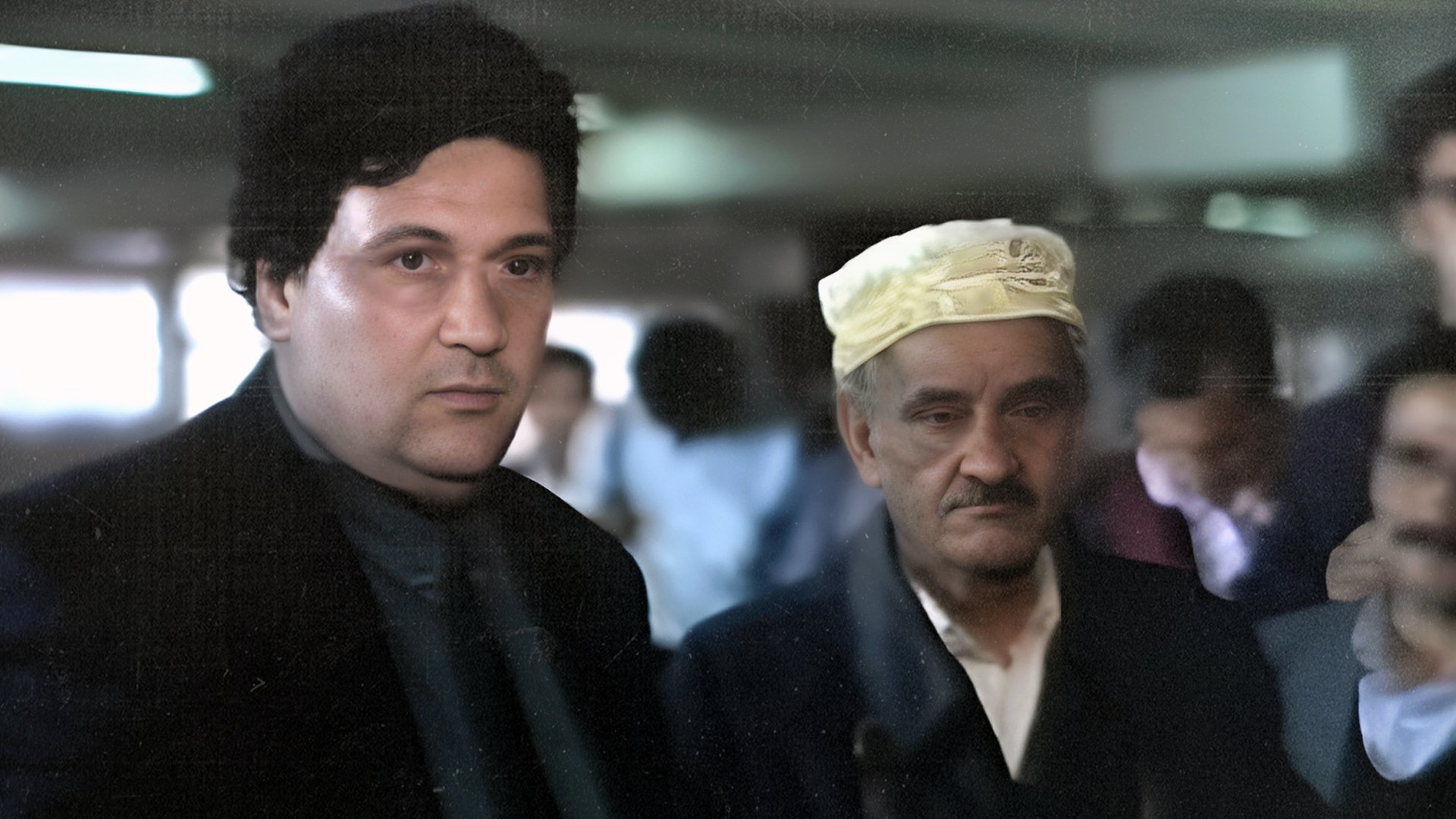
27 years after 1962, Antoine returns to Algiers...
Social & External
The people behind it
Michel Such
Mustapha El Anka
Aziz Degga
Fawzi B. Saichi
Osmane Bechikh
The true story of explorer, journalist and writer Isabelle Eberhardt, originally from Switzerland. She moved to Annaba in Algeria in 1897 with her mother, who preferred to live in the Algerian neighborhoods rather than the European neighborhoods that she hated, and converted to Islam. Her lifestyle shocked the French colonialists: she dressed like a man, frequented cafes and smoke shops. Fascinated by the desert, she traveled the Sahara under the identity of Si Mahmoud, she published articles and books on the world she discovered in southern Algeria, strongly criticizing the colonial authorities. Arriving in El Oued, the soldiers prevent him from continuing his journey. She disobeys and overhears officers shooting Arab prisoners. Arrested, she was accused of espionage and was expelled from Algeria. She married Slimane, a Muslim non-commissioned officer in 1901. Having become French through this marriage, she could now reside in Algeria.
Chants d’Automne (Song of Autumn), is a story of daily life on a colonial farm, at the start of the war of liberation in Algeria, describing individual and group behavior in this context. An unthinkable, even dangerous, romantic relationship, born in this context between Catherine, daughter of a settler, and Abdelmalek, son of a blacksmith. Managing his vast property in a feudal manner, Monsieur Marcel whose only ambition is his personal enrichment to the detriment of the community. Everyone fears his authority except his daughter Catherine, a student in France, who returns home during the holidays. She does not stop herself from expressing to him her ideas of justice which go against family and colonial practices. Catherine and Abdelmalek's romance makes relationships increasingly strained, but the call for freedom will be stronger than a woman's love.
In a village on the edge of the Sahara, Rima, a 19-year-old orphan, dreams of learning, of discovering, of living free while the men of the salt mine go on strike. The authorities react by sending the army, Rima decides to help the strikers by trapping the soldiers. Co-produced with the Office des Actualités Algériens and shot in the region of Téhouda, 50 kilometers from Biskra, this Franco-Algerian film is fully part of the cinematographic heritage of both shores of the Mediterranean. Bertuccelli adopts the technique of cinema verite, with non-professional actors from the village itself, giving the film a striking documentary texture and a rare force of authenticity. Carried by the moving interpretation of Leila Shenna in the role of Rima, the actor Krikèche and lulled by the music of Taos Amrouche, the film questions female emancipation, social resistance and the relationship with the territory.
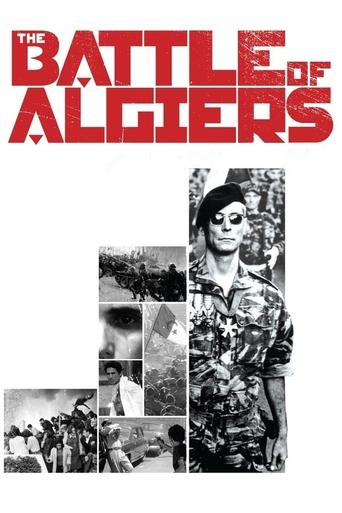
Paratrooper commander Colonel Mathieu, a former French Resistance fighter during World War II, is sent to Algeria to reinforce efforts to squelch the uprisings of the Algerian War. There he faces Ali la Pointe, a former petty criminal who, as the leader of the Algerian Front de Liberation Nationale, directs terror strategies against the colonial French government occupation. As each side resorts to ever-increasing brutality, no violent act is too unthinkable.
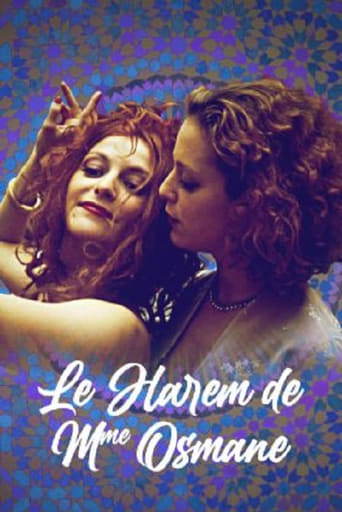
In Algiers in 1993, while the civil war is starting, Mrs Osmane's tenants have to endure her bad temper. Her husband left her and the fear to lose her respectability haunt her. The former member of the Resistance during the Independence War persists in controlling the slightest moves of the households rather than struggle against her own frustrations. Learning her daughter is in love, the possibility of finding herself alone will push her to the limit: The symbolical Mrs Osmane "harem" is about to collapse.
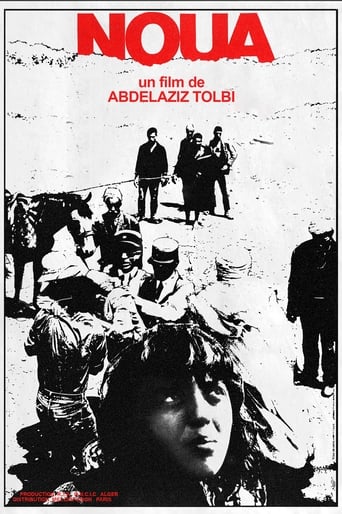
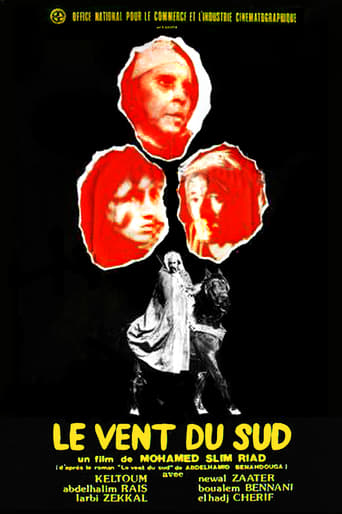
In Algeria in 1954, in a village in the Aurès region, poverty reigns over peasants enslaved by colonial administrators and Algerian landowners. Noua, in love with the son of a peasant dispossessed of his land, must be sold to a wealthy landowner.
As a boy, Raoul is reared by an Arab tribe in Algerian Sahara. Years later, as a refined Europeanized gentleman, he falls in love with Barbara, an officer's daughter, who rejects him when she discovers his background. Affecting a raid, he captures her and then secretly buys her at a slave auction. When she is rescued by French troops, however, his ancestry is established and they find happiness together.
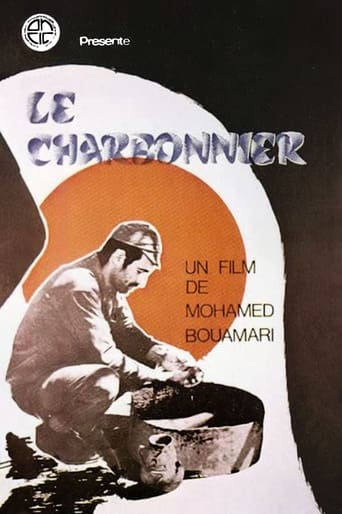
Film describes the miserable existence of a charcoal-burner who is barely able to feed his family. His search for work in town ends in failure and he is forced to return to his village.
This excellent feature-length documentary - the story of the imperialist colonization of Africa - is a film about death. Its most shocking sequences derive from the captured French film archives in Algeria containing - unbelievably - masses of French-shot documentary footage of their tortures, massacres and executions of Algerians. The real death of children, passers-by, resistance fighters, one after the other, becomes unbearable. Rather than be blatant propaganda, the film convinces entirely by its visual evidence, constituting an object lesson for revolutionary cinema.
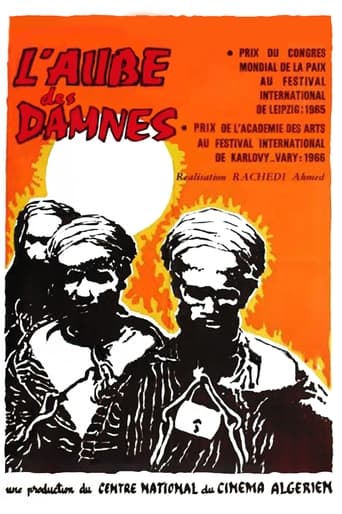
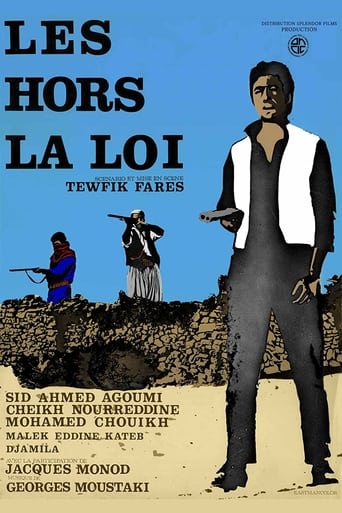
In prison in colonial Algeria, shortly after the end of the Second World War, three indigenous cellmates make out. Once free, they attack the authority represented by the triad of the boss, the gendarme and the administrator. “Living the colonial condition,” confided Tewfik Farès, “is something! It’s not sociologically or historically speaking. It’s life. And I think that’s all there in it. [...] For a hundred and thirty years, we wait. We hold back. We push back. We hope. At the same time, on different occasions, there are skirmishes, unrest.
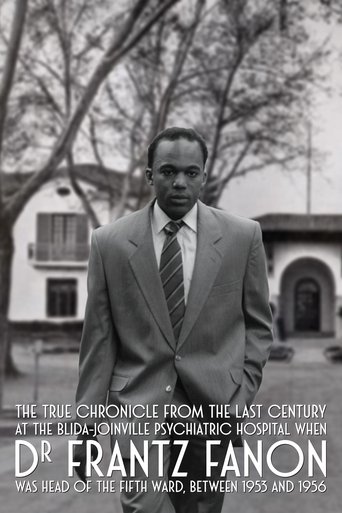
1953, colonized Algeria. Fanon, a young black psychiatrist is appointed head doctor at the Blida-Joinville Hospital. He was putting his theories of ‘Institutional Psychotherapy’ into practice in opposition to the racist theories of the Algies School of Psychiatry, while a war broke out in his own wards.
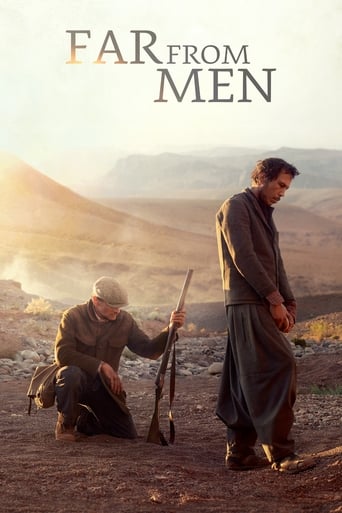
A French teacher in a small Algerian village during the Algerian War forms an unexpected bond with a dissident who is ordered to be turned in to the authorities.
A legend that begins with the magic words: "Once upon a time." Once upon a time, there was a little girl nicknamed Mimezrane for her beauty and especially for her beautiful braids. She was beautiful but had strangely sad eyes. She was orphaned at a very young age. Her boyfriend and confidant was Hennouche, a mischievous little boy with big black eyes. They lived together a carefree childhood. Time passed. They grew up. Hennouche became a goat herder with a melodious voice; Mimezrane, for her part, became a washerwoman and, on occasion, a water carrier. Both accepted their fate without ever complaining. Yet, even in her poverty, Mimezrane was the most beautiful of all.
The story of the post-independence nationalization of the mill of Monsieur Fabre, an old man attached to the land of Algeria where he was born. In this small town in eastern Algeria, there was nothing else to nationalize and they were actively preparing for the arrival of high dignitaries who would elevate the mill to the rank of an industrial flour mill even though it was threatened with ruin. The comedy gets worse when the football player from the local team withdraws for love, the officials' visit is canceled and Mr. Fabre returns.
Pépé le Moko, one of France's most wanted criminals, hides out in the Casbah section of Algiers. He knows police will be waiting for him if he tries to leave the city. When Pépé meets Gaby, a gorgeous woman from Paris who is lost in the Casbah, he falls for her.
Djamila, a young Algerian woman living with her brother Hadi and her uncle Mustafa in the Casbah district of Algiers under the French occupation of Algeria, sees the full extent of injustice, tyranny and cruelty on his compatriots by French soldiers. Jamila's nationalist spirit will be strengthened when French forces invade her university to arrest her classmate Amina who commits suicide by ingesting poison. Shortly after the prominent Algerian guerrilla leader Youssef takes refuge with her, she realizes that her uncle Mustafa is part of this network of anti-colonial rebel fighters. Her uncle linked her to the National Liberation Front (FLN). A series of events illustrate Jamila's participation in resistance operations against the occupier before she was finally captured and tortured. Finally, despite the efforts of her French lawyer, Jamila is sentenced to death...
In 1971, the Algerian government nationalized hydrocarbons. The consequences of this decision on the community of Algerians in France are numerous. The Galti family is prey to these economic problems. The father, Khaled, former member of the F.L.N. in France, does not escape the sentence. Sharazade, his wife and comrade in combat, finds herself torn between her role as wife, mother and nostalgia for a country and a bygone past. As for his son Karim, a victim of socio-cultural division, all he has left is refusal.
Directed by Kamal Dehane
Algerian youth of the 1960s, straddling traditional South Mediterranean and Western culture and the desire for emancipation of younger generations to find true love.
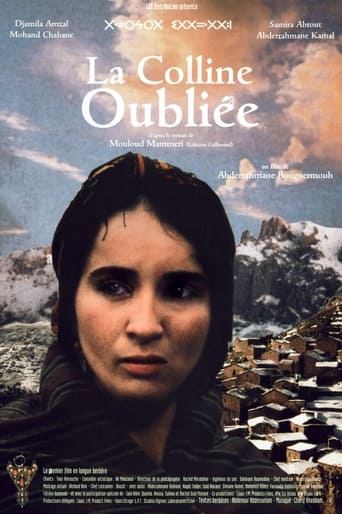
At the outbreak of the Second World War, two friends, Mokrane and Menach, abruptly interrupt their studies and return to their remote native Kabylian village of Tagsa. While waiting to be drafted into the French Army they have time to woo. Mokrane falls for beautiful Aazi and soon marries her only to find out that she can bear no child. Menach, on his part, is stongly attracted to Davda, but the latter is already married to a rich merchant...Happiness does not seem to be in store for the two former students...
After leaving France in search of a better life in America, a television producer returns with a group of burlesque dancers to take the Paris club scene by storm.
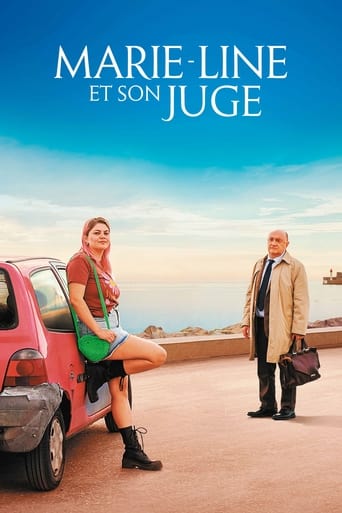
When 43-year-old hairdresser Suze Trappet finds out that she's seriously ill, she decides to go looking for a child she was forced to abandon when she was only 15. On her madcap bureaucratic quest she crosses paths with JB, a 50-year-old man in the middle of a burnout, and Mr. Blin, a blind archivist prone to overenthusiasm. The unlikely trio set off on a hilarious and poignant helterskelter journey across the city in search of Suze's long-lost child.
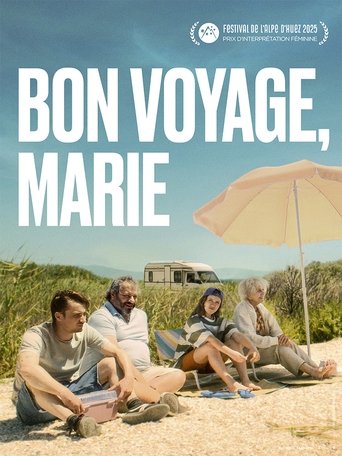
From the Atlantic to the Black Sea, Mathias and Philippe, two old friends, embark on a bicycle journey that Mathias’s son made before his tragic death. The two men ride through the ordeals with tenderness, humor and emotion.
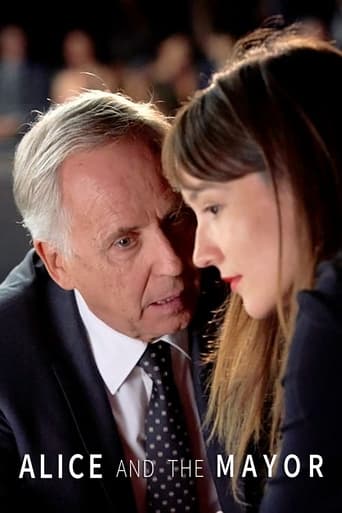
The mayor of Lyon, Paul Théraneau, is in a delicate position. After 30 years in politics, he is running out of ideas and is faced with a feeling of existential emptiness. To overcome this, Paul hires a young and brilliant philosopher, Alice Heimann. Then follows a dialogue between two diametrically opposed personalities who will turn their certainties upside down.
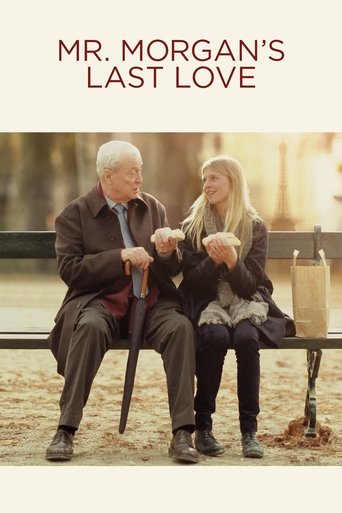
A widowed professor living in Paris develops a special relationship with a younger French woman.
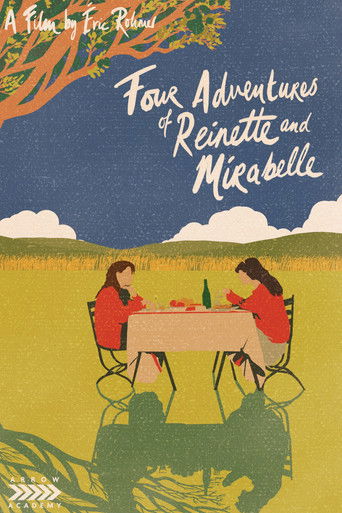
Two young girls meet, Reinette from the countryside and Mirabelle from Paris, and decide to take a flat together in Paris where they attend University. Four successive stories about their daily lives illustrate the very different views, characters and relation to the world of these two friends.
When she arrived at the Elysée Palace, Bernadette Chirac expected to finally get the place she deserved, she who had always worked in the shadow of her husband to make him president. Put aside because she was considered too old-fashioned, Bernadette decided to take her revenge by becoming a major media figure.
Paris 1930. Paul has only ever had one and the same horizon: the high walls of the orphanage, an austere building in the Parisian working class suburbs. Entrusted to a joyful country woman, Célestine, and her husband, Borel, the rather stiff gamekeeper of a vast estate in Sologne, the city child, recalcitrant and stubborn, arrives in a mysterious and disturbing world, that of a sovereign and wild region. The huge forest, misty ponds, heaths, and fields all belong to the Count de la Fresnaye, an elderly taciturn man who lives alone in his manor.
After World War II, a small French village struggles to put the war behind as the controlling Communist Party tries to flush out Petain loyalists. The local bar owner, a simple man who likes to write poetry, who only wants to be left alone to do his job, becomes a target for Communist harassment as they try and locate a particular loyalist, and he pushes back.
Selma, a psychoanalyst, deals with a cast of colorful new patients after returning home to Tunisia to open a practice.
Filmmaker Elia Suleiman travels to different cities and finds unexpected parallels to his homeland of Palestine.
A young boy who gradually loses sight goes on a getaway vacation with his divorced parents.
A group of suburban teenagers try to support each other through the difficult task of becoming adults.
Chocolat the clown, the first black stage performer in France, goes from anonymity to fame after forming an unprecedented duo with fellow performer Footit in the very popular in Belle Epoque Paris. But easy money, gambling, and discrimination take their toll on their friendship and Chocolat's career.
When a sudden tragedy uproots the lives of two women and their families, they begin to question the relationships they once held so dear.
A man takes his wife and their teenage children on a road trip down memory lane while facing divorce.
With the aid of a fellow Auschwitz survivor and a hand-written letter, an elderly man with dementia goes in search of the person responsible for the death of his family.
When Internal Affairs officer Stéphanie investigates a young man severely injured during a chaotic Paris demonstration and finds no police misconduct, the routine case hits close to home upon her discovering the victim is from her native town.
Duncan is a genius straight A student, Blade is ajuvenile delinquent. But because of a mix up with their school records, everyone thinks each is the other one. Now, Duncan kind of likes the attention from being thought of as a real bad dude, if only the school bully would stop trying to rough him up. And Blade definitely likes being thought of as important instead of as trouble.
Rachel loves her life, her students, her friends, her ex, her guitar lessons. When she falls in love with Ali, she grows close to his 4-year-old daughter, Leila. She tucks her in, looks after her, and loves her like a mother... which she isn’t. Not yet. Rachel is 40. The desire for a family of her own is growing stronger, and the clock is ticking. Is it too late?