A dreamlike and hallucinatory dive into the depths of the human psyche.
Social & External
The people behind it
The film intersperses carefully framed shots of unfamiliar Hamburg cityscapes with silent, close-ups of ballerinas from the Hamburg Ballet, images reminiscent of Andy Warhol’s “Screen Tests”.
A short study on our relationship with natural landscapes, the evolution of spaces and the memories they hold
Memory is a collaboration with musician Noah Lennox (Panda Bear), exploring the relationship between a musician and filmmaker and their personal reflection on memories. From Super 8 home movies and entirely handmade, this film explores familiar memories, the present moment combined with past experiences and how it all seems to evade from our present memory.
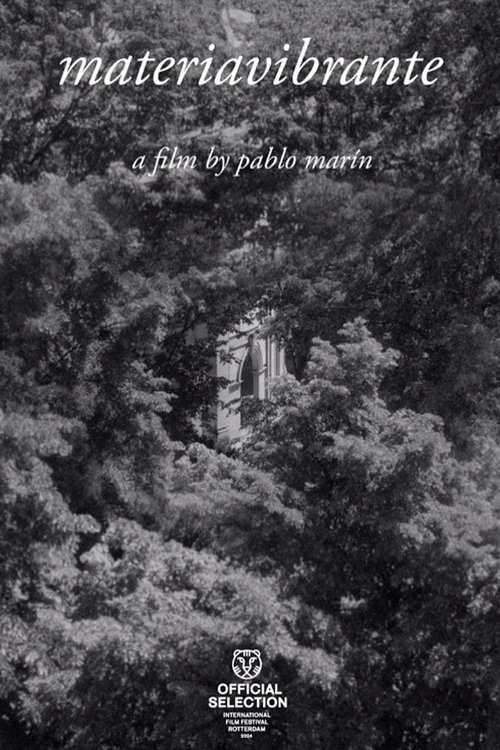
A silent city symphony, projected from gorgeous black and white 16mm film. Materia vibrante lets the resonating frequencies of the urban environment create the inaudible hum that keeps the engines of society running, absent of the inhabitants running around like little ants toiling away.
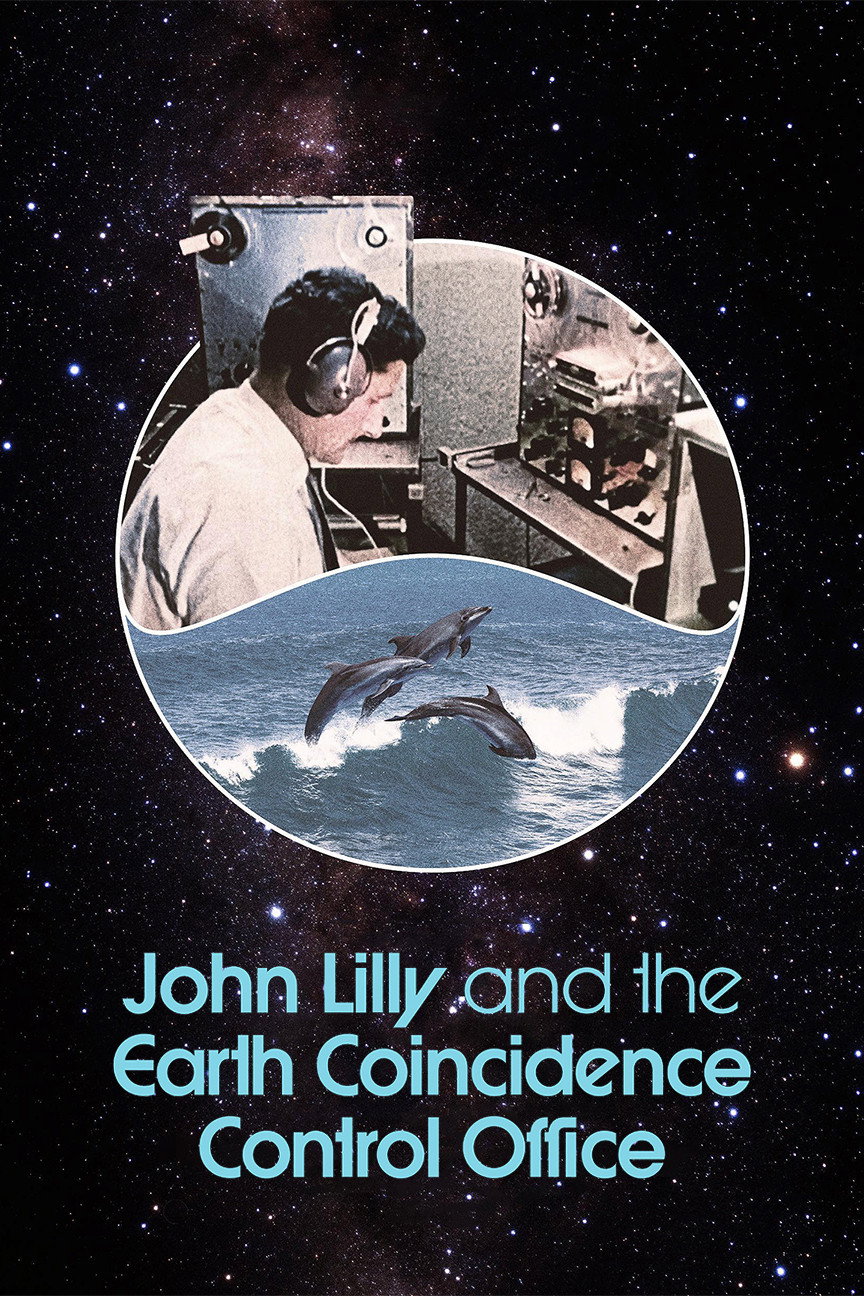
The daring experimenter Dr. John C. Lilly dedicated his life to radical self-investigation and unlocking the mysteries of consciousness and communication. “My body is my laboratory” was the motto, and his research on the language of dolphins and whales – as well as psychedelics and sensory deprivation – assured his own cult status in 20th-century pop culture as the basis for Ken Russel’s Altered States and Mike Nichols’s The Day of the Dolphin. Directors Michael Almareyda and Courtney Stephens, along with narrator Chloë Sevigny, explore the life of a determined scientist and his experiments into the psychonautical unknown.
An immersive dive into the heart of the discomfort felt by anyone struggling to sleep.
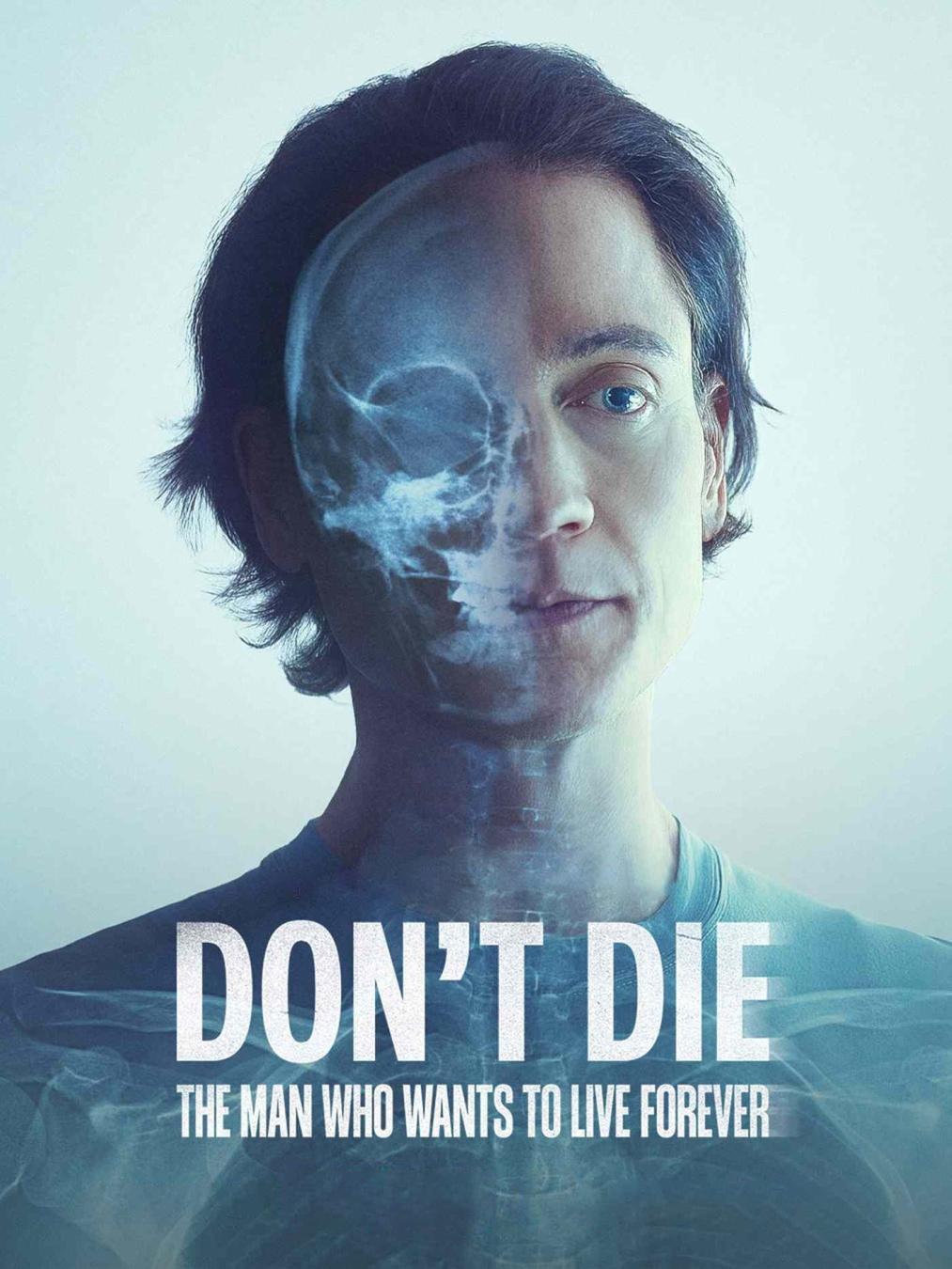
In this documentary, wealthy entrepreneur Bryan Johnson puts his body and fortune on the line to defy aging and extend his life beyond all known limits.
Two filmmakers juxtapose field recordings and documented moving images as an attempt to reconcile with their place in their desensitized semi-urban hometown in India.
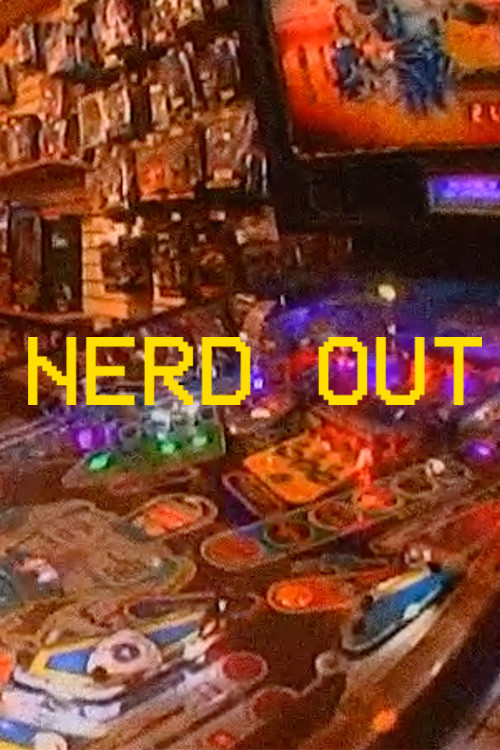
A documentary about three different physical media shop owners "nerding out" about the media that their store specializes in and their thoughts on how one day physical media may become obsolete.
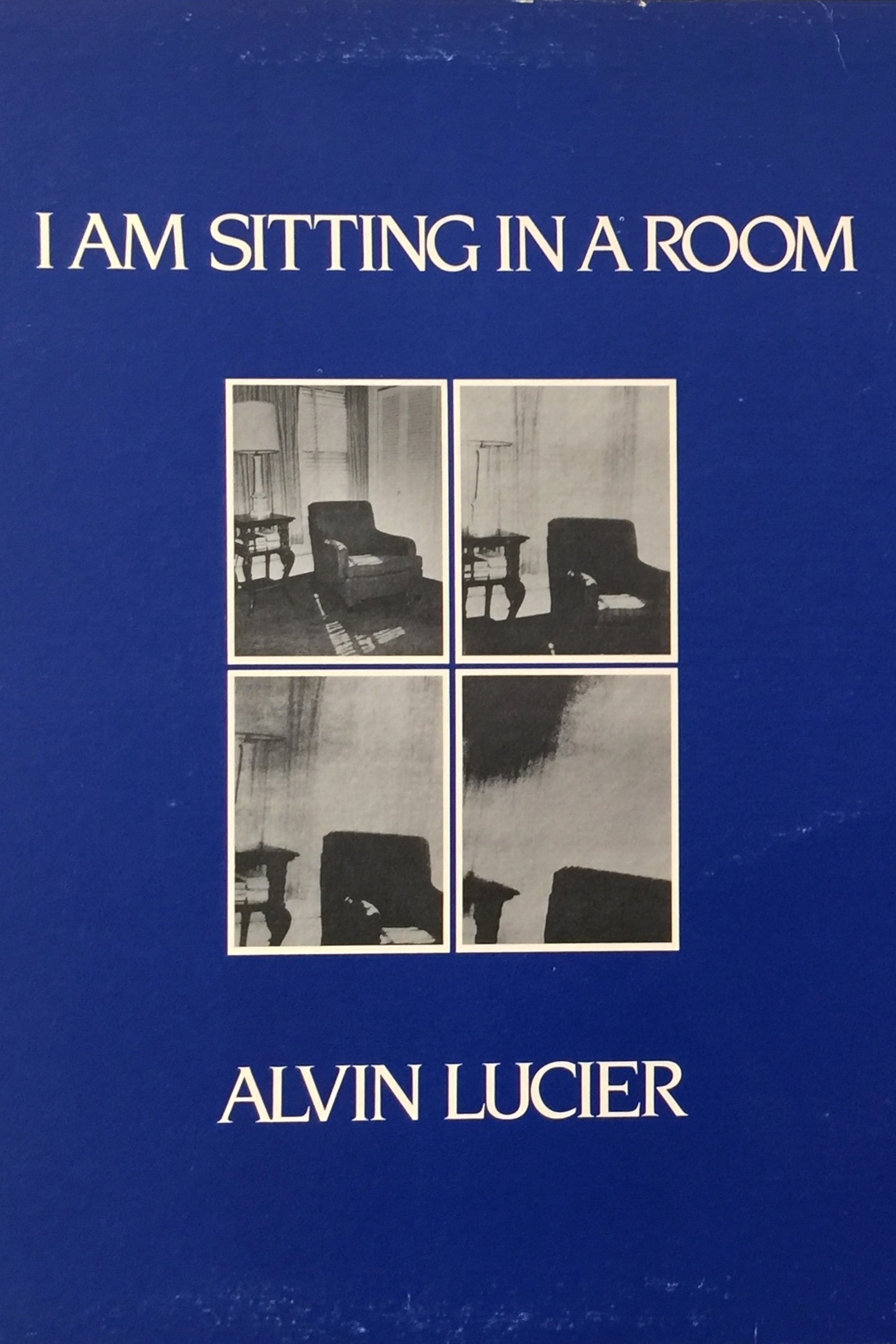
I am sitting in a room is a sound art piece by American composer and sound artist Alvin Lucier composed in 1969. The first performance of the work was in 1970 at the Guggenheim Museum in New York. In collaboration with his partner Mary Lucier. The piece features Lucier recording himself narrating a text, and then playing the tape recording back into the room while re-recording it. The new recording is then played back and re-recorded, and this process is repeated. Due to the room's particular size and geometry, certain resonant frequencies are emphasized while others are attenuated. Eventually the words become unintelligible, replaced by the characteristic resonance of the room.
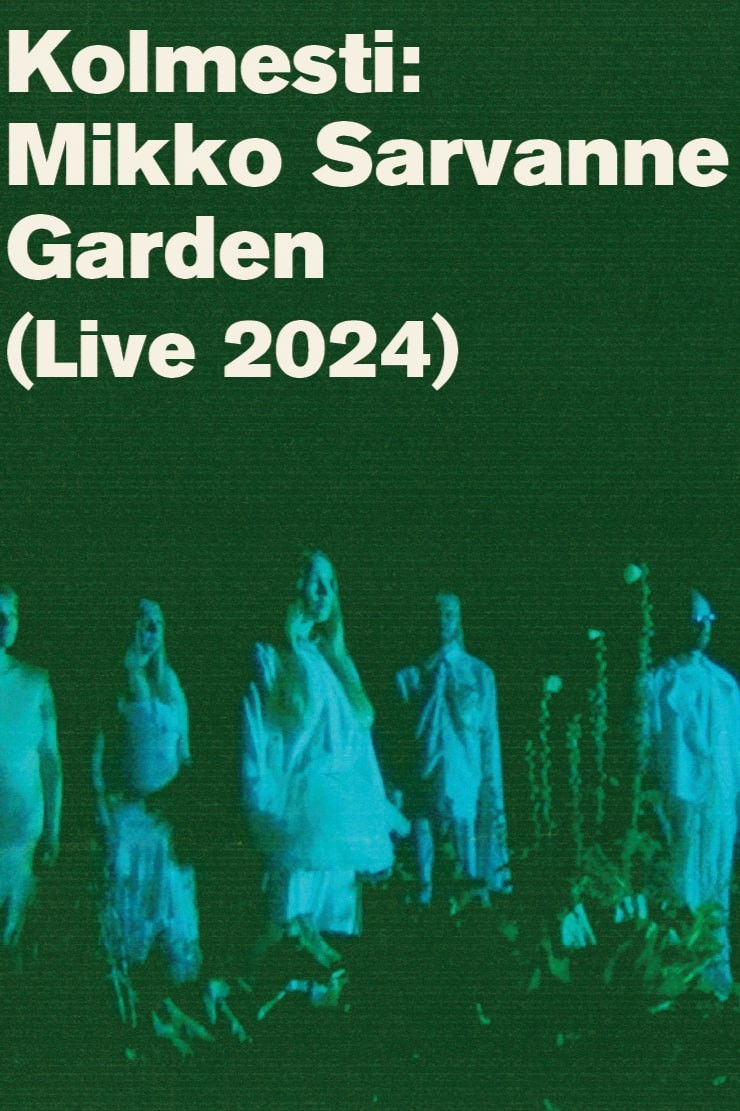
Did you look at the sun for too long, until the shapes of the surrounding world stretched and the colors became distorted? In this music documentary, the band Mikko Sarvanne Garden performscompositions set to contemporary poetry: Heräämisen valkea myrsky, Valo jota pöly juo, and Hiljainen kuin metsä.
A sock puppet explores a family history told from the perspective of a mother and father.
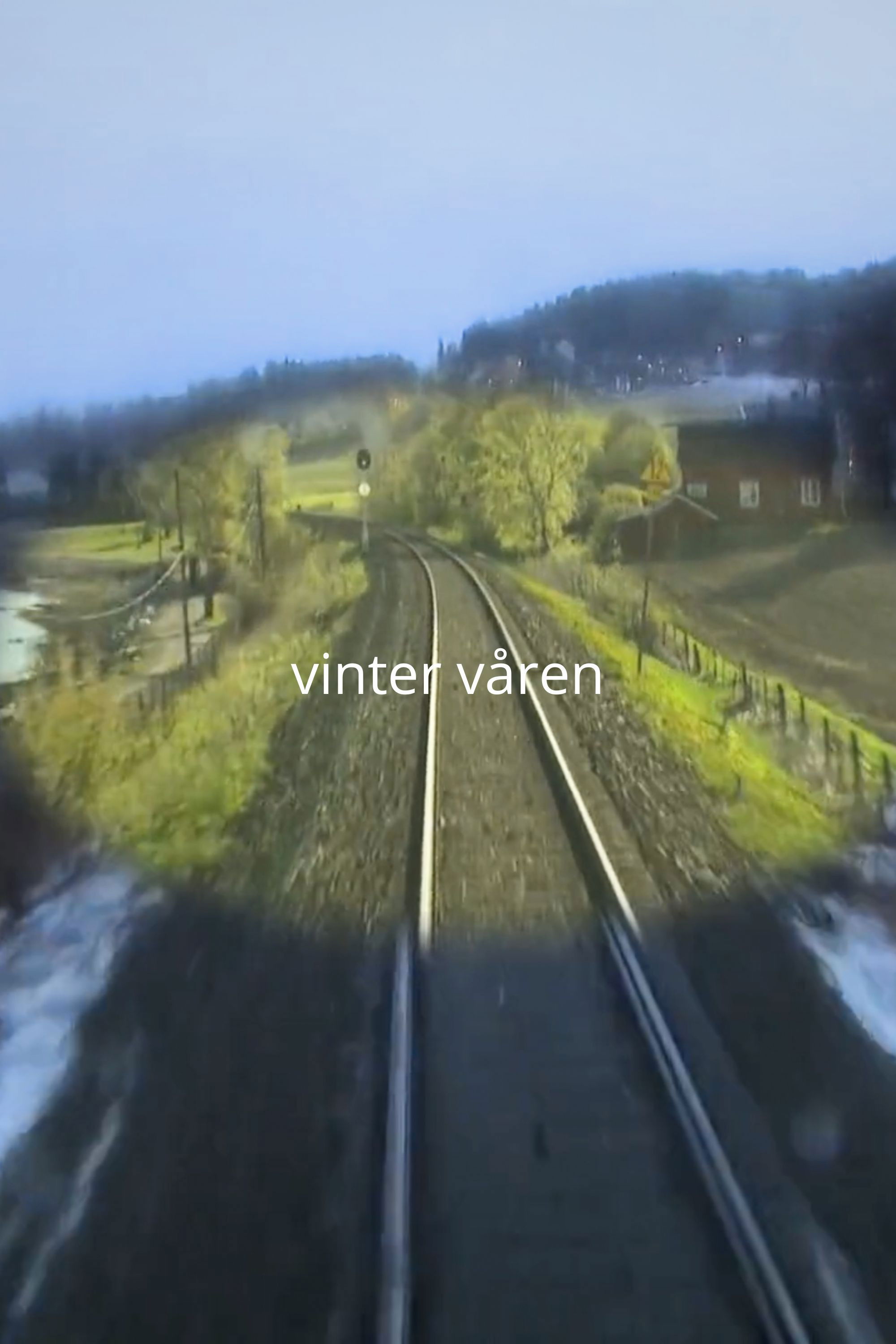
A train moves through winter as a superimposed image of the same route in spring gradually emerges. Both moments coexist within a single frame, revealing two seasons happening at once.
Using variations of color and light, this is a method that I attempted to translate how I feel for a special someone on her special day.
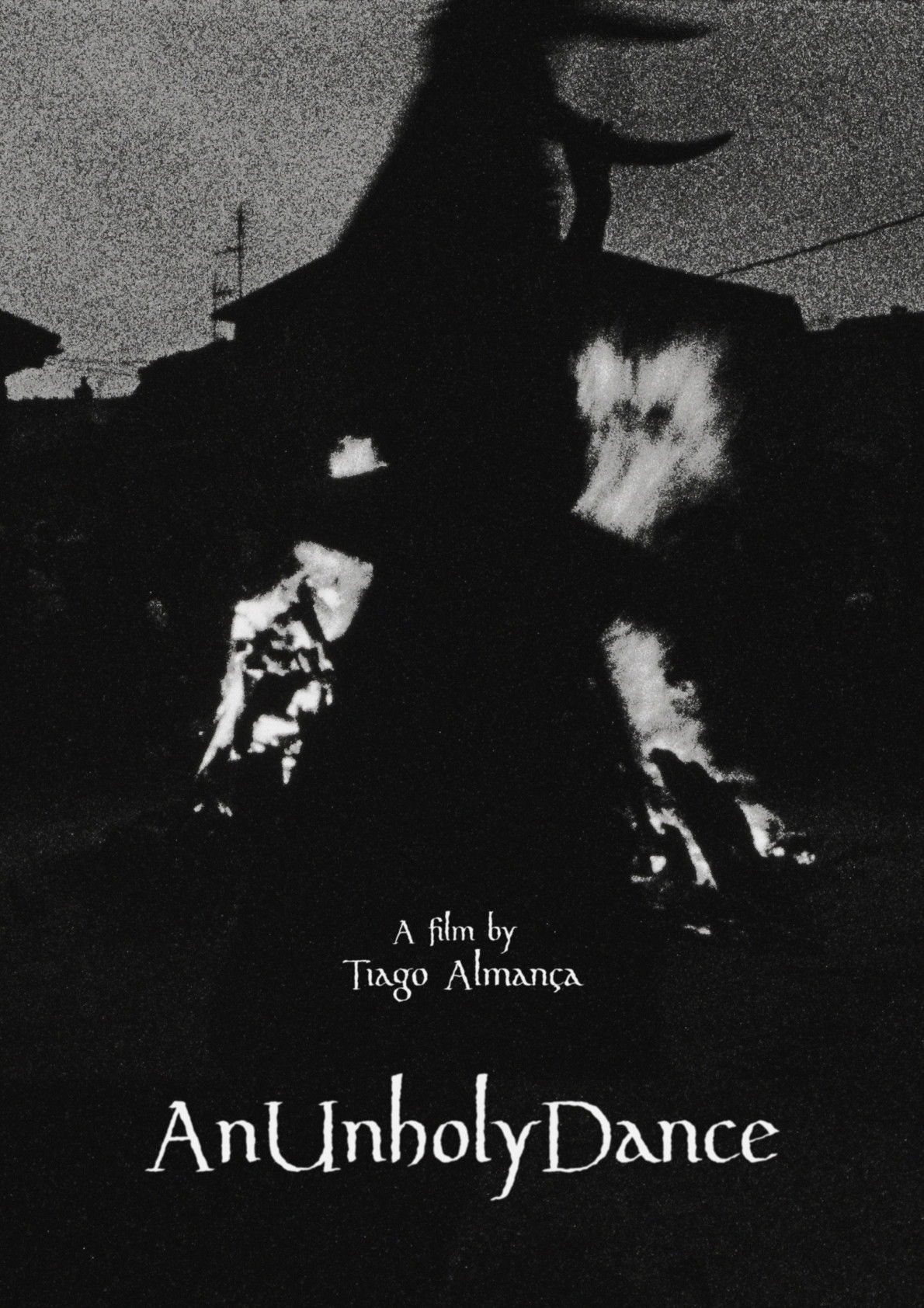
Every winter, a small town in Castilla-La Mancha called Luzón transforms into a little hell. Its inhabitants, dressed as devils, venture into the darkness and roam its streets with horns, bells, and smeared with soot. Una dança non sancta could have been just an anthropological documentary. Instead, it delves into the inferno with the town’s residents to participate in and immortalize this unholy ritual.
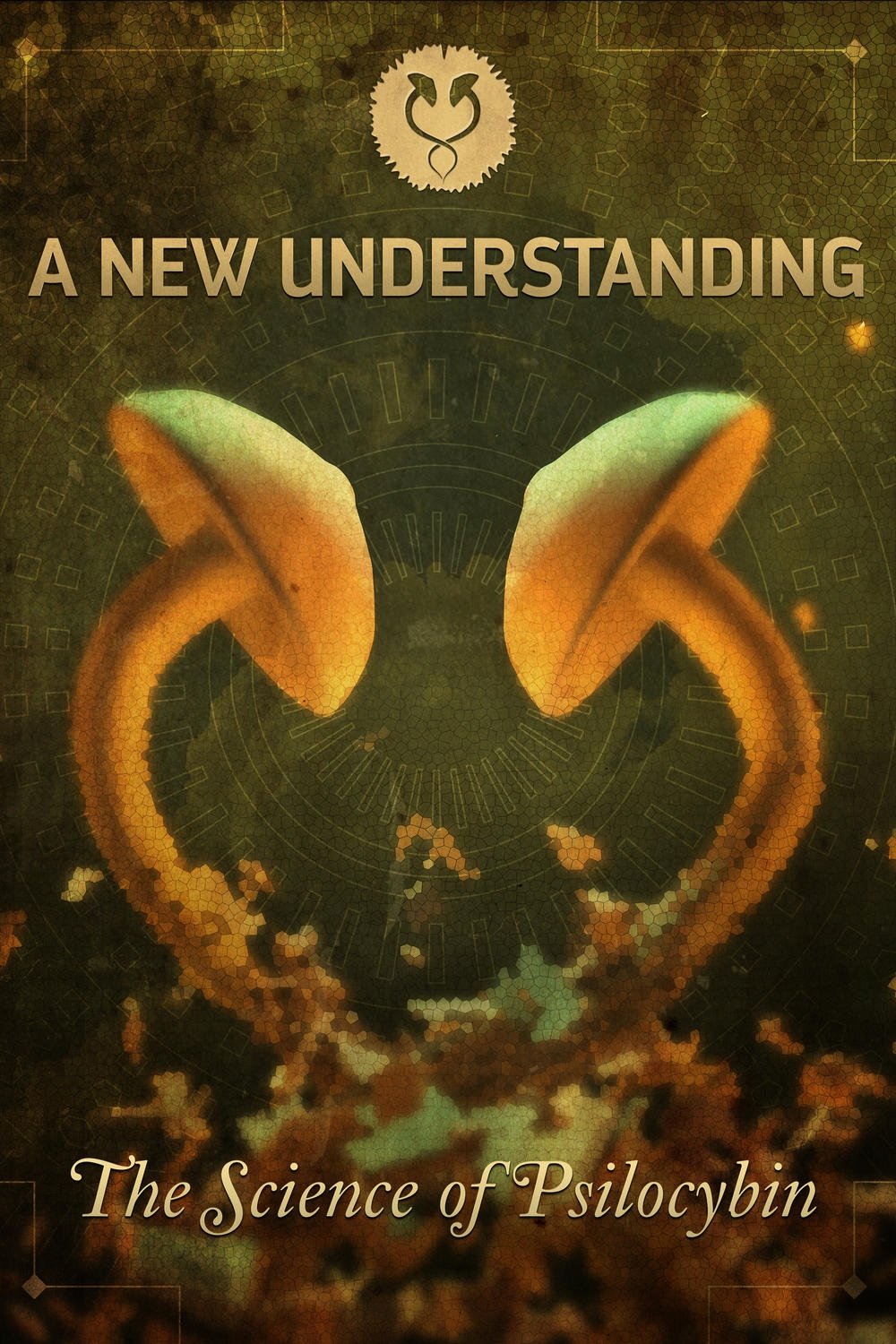
A New Understanding explores the treatment of end-of-life anxiety in terminally ill cancer patients using psilocybin, a psychoactive compound found in some mushrooms, to facilitate deeply spiritual experiences. The documentary explores the confluence of science and spirituality in the first psychedelic research studies since the 1970s with terminally ill patients. As a society we devote a great deal of attention to treating cancer, but very little to treating the human being who is dying of cancer.
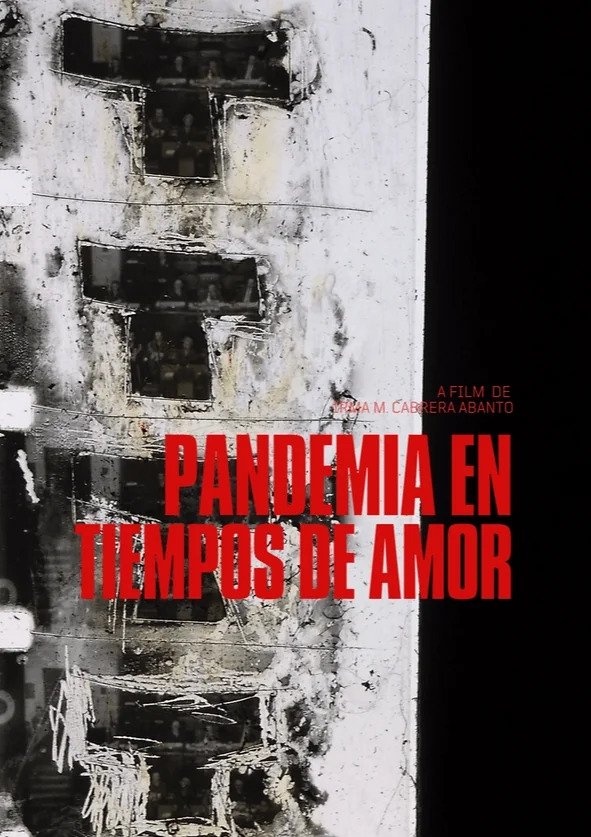
A 16mm archive from 1964 intervened as an emotional diary during the first three months of the COVID-19 pandemic is the basis of this film, reinterpreted in the montage of the sound design, in which the images are reinterpreted, emphasizing the soundscape of the protests from 2020 to 2023 in the streets of Cajamarca, Cusco and Lima, three regions of Peru, questioning the constant political and social crisis.
An inside look at one of the most anticipated movie sequels ever with James Cameron and cast.
Follow the evolution of the 'Halloween' movies over the past twenty-five years. It examines why the films are so popular and revisits many of the original locations used in the films - seeing the effects on the local community. For the first time, cast, crew, critics and fans join together in the ultimate 'Halloween' retrospective.
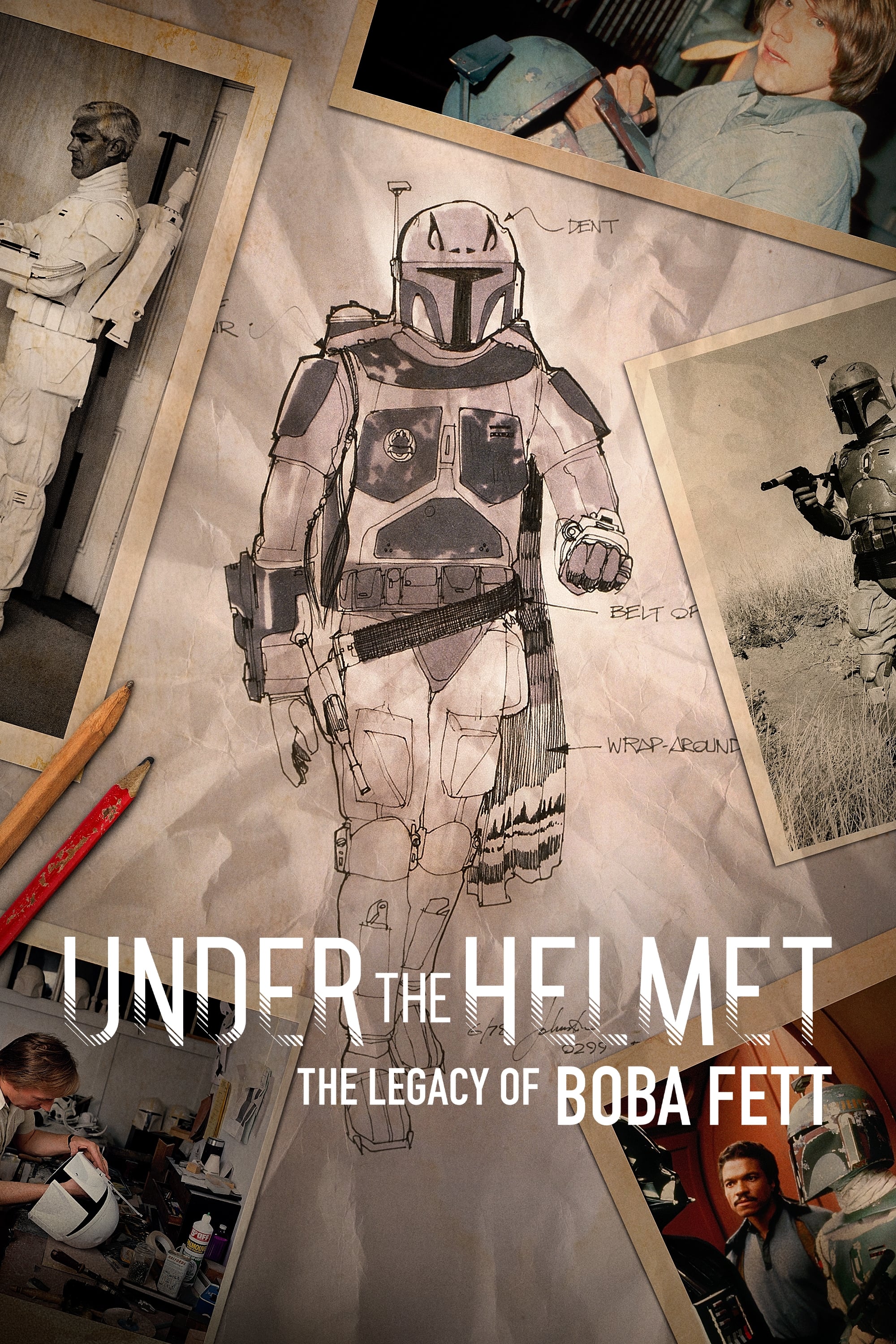
A special celebrating the origins and legacy of Star Wars' legendary bounty hunter, Boba Fett.
The life and career of an actor, artist, and icon. His own journey through his own camera.
Take a virtual vacation to some of the Star Wars films' most iconic and beloved locations like Hoth, Tatooine, and Sorgan, as this charming series whisks you off for fly-through tours of the Galaxy Far, Far Away.
A visual montage portrait of our contemporary world dominated by globalized technology and violence.
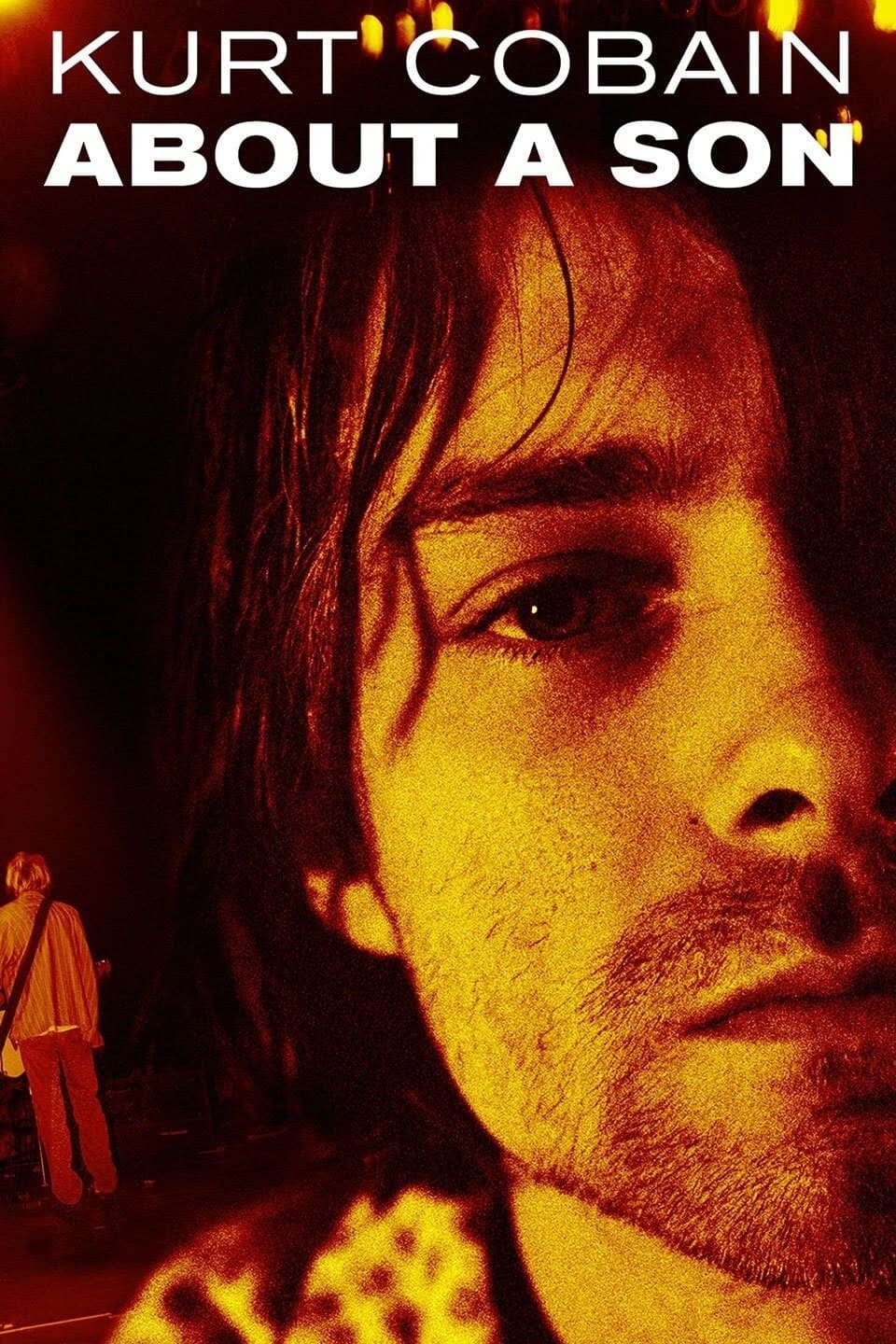
An intimate and moving meditation on the late musician and artist Kurt Cobain, based on more than 25 hours of previously unheard audiotaped interviews conducted with Cobain by noted music journalist Michael Azerrad for his book "Come As You Are: The Story of Nirvana." In the film, Kurt Cobain recounts his own life - from his childhood and adolescence to his days of musical discovery and later dealings with explosive fame - and offers often piercing insights into his life, music, and times. The conversations heard in the film have never before been made public, and they reveal a highly personal portrait of an artist much discussed but not particularly well understood.
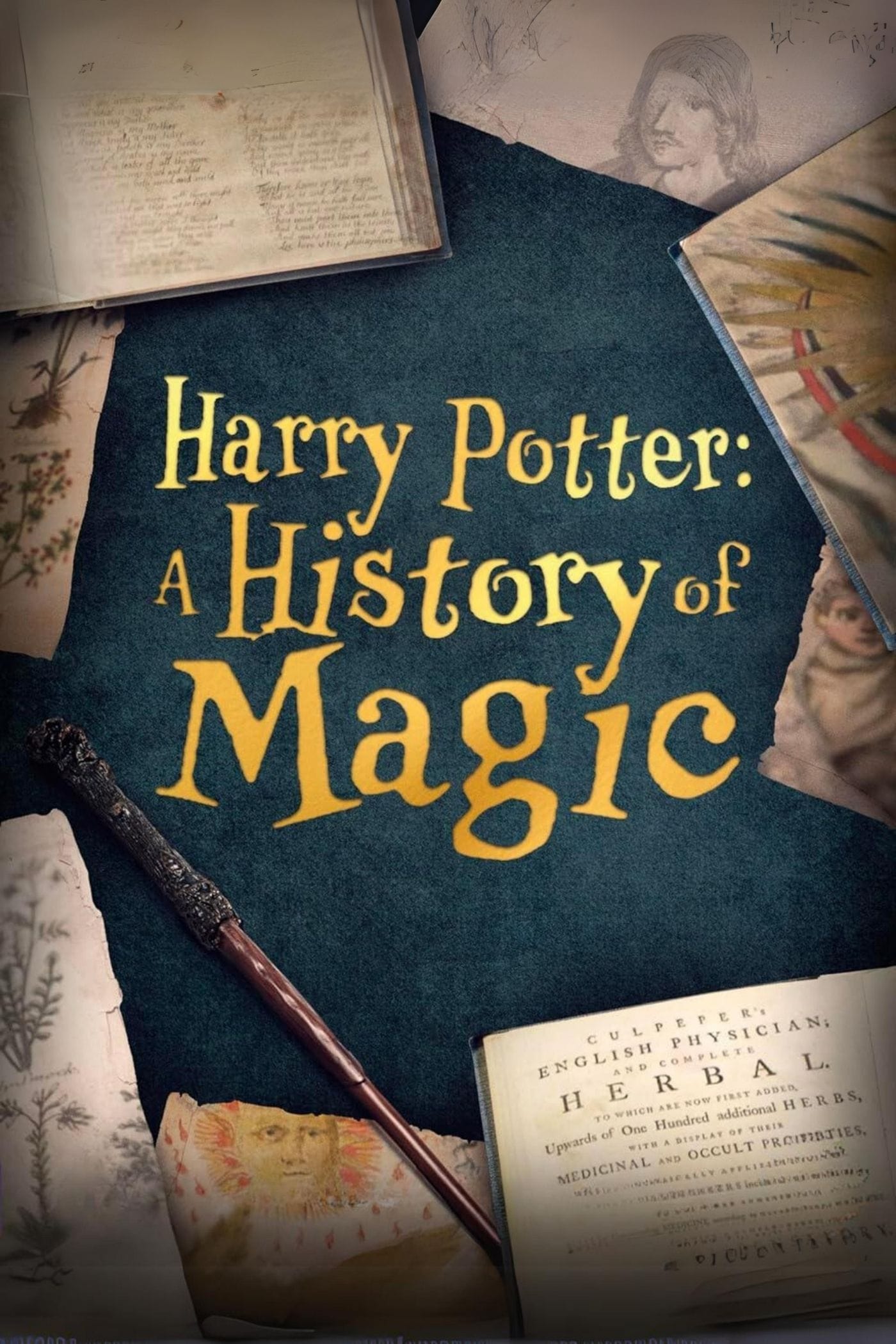
A thrilling journey through legends, belief and folklore, this film goes behind the scenes with the British Library as they search to tell that story through objects in their collection, in an ambitious new exhibition: Harry Potter: A History Of Magic. J.K. Rowling, who is lending unseen manuscripts, drawings and drafts from her private archives (which will sit alongside treasures from the British Library, as well as original drafts and drawings from Jim Kay) talks about some of the personal items she has lent to the exhibition and gives new insight into her writing, looking at some of the objects from the exhibition that have fired her imagination.
A purely observational non-fiction film that takes viewers into the ethically murky world of end-of-life decision making in a public hospital.
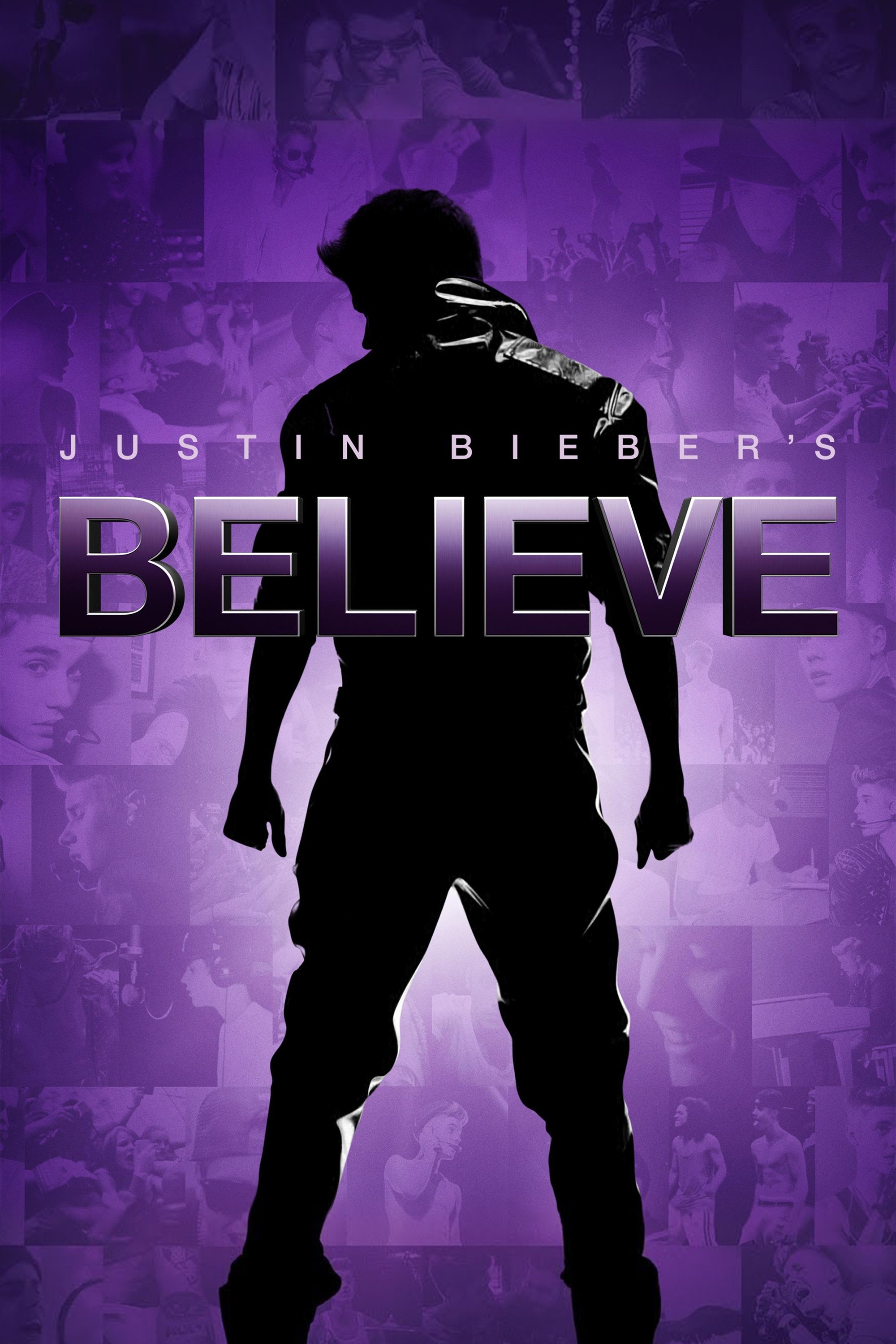
A backstage and on-stage look at Justin Bieber during his rise to super stardom.
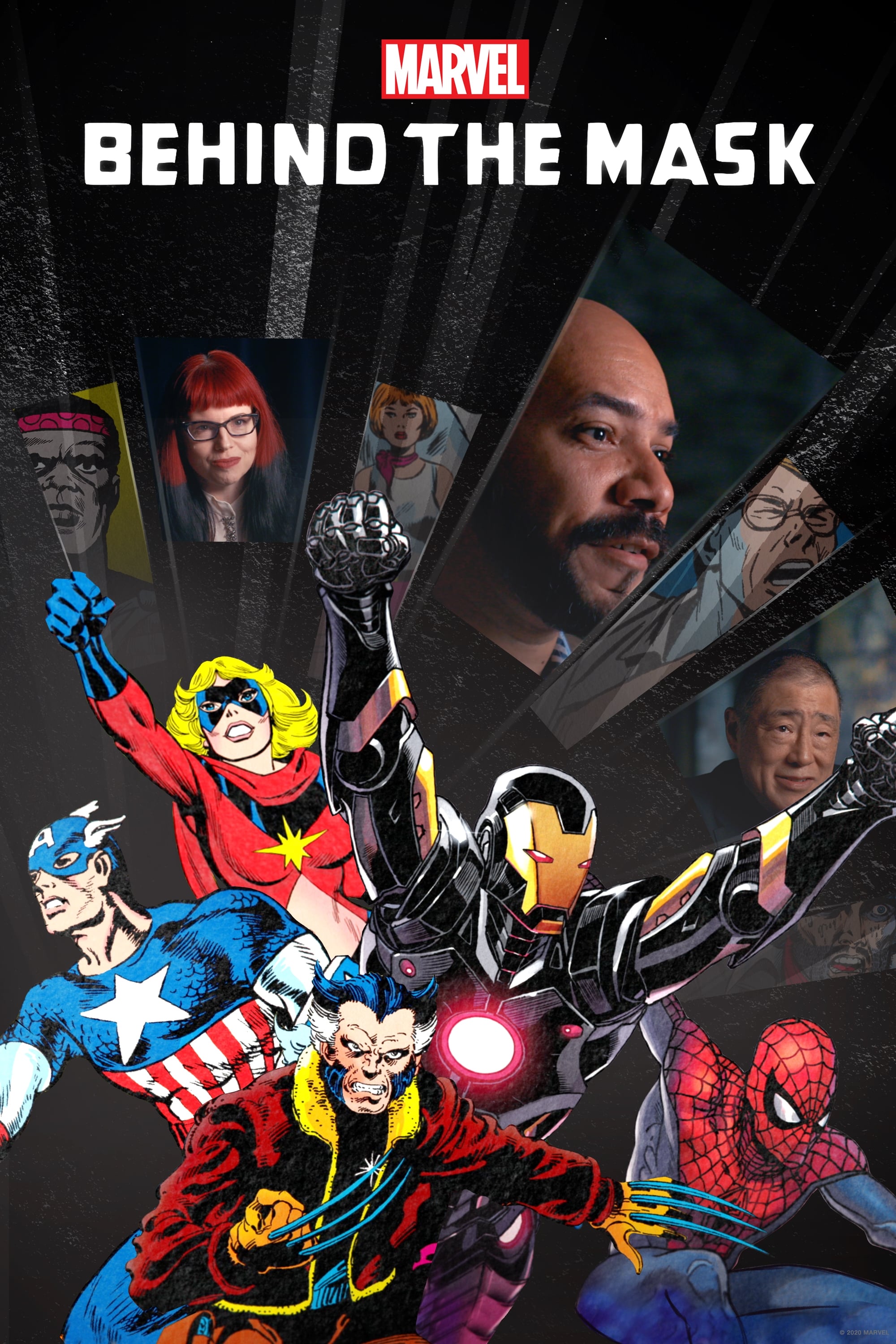
A documentary special that explores the power of identity behind the iconic superheroes we know and love today. These legendary Marvel creations and stories have not only reflected the world outside our window – they have become a reflection of our own identities and who we truly are.
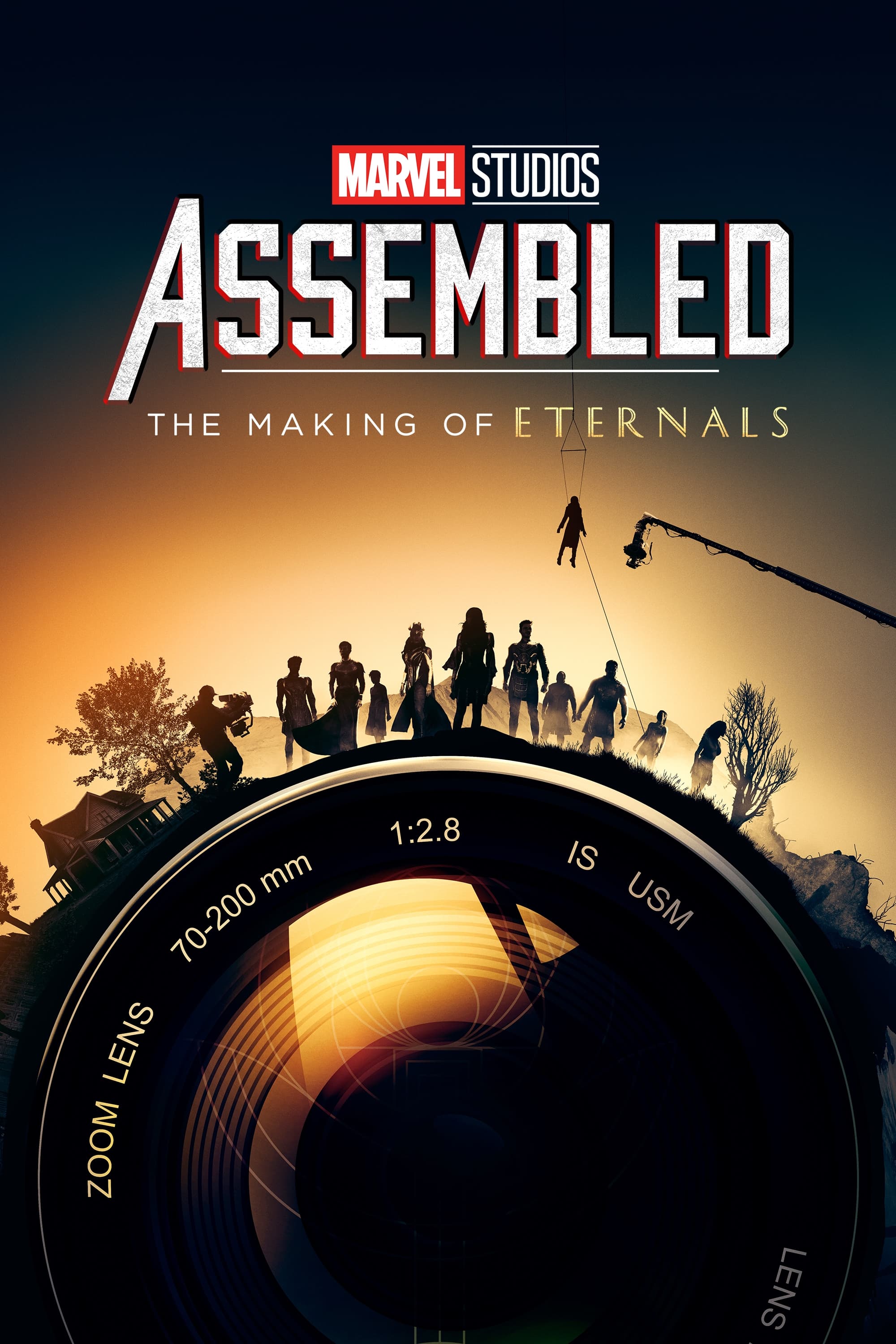
Join director Chloe Zhao and the Cast of Eternals as they recount their experiences during the making of Marvel Studios’ most ambitious film to date. Discover how the ensemble cast felt stepping into their roles, filming in remote locations, and creating bonds that would help to create the on-screen relationships that span over 7,000 years.
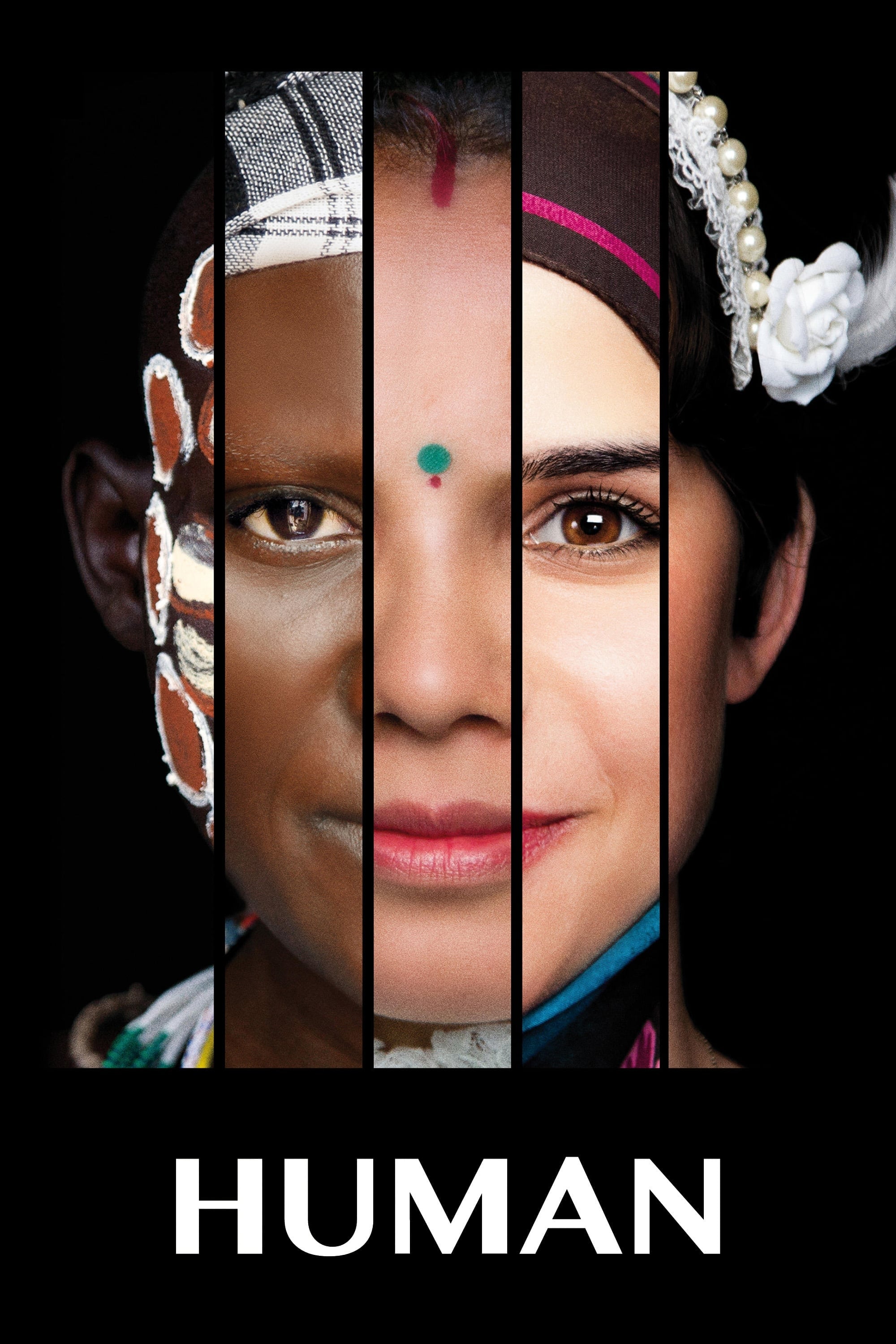
A collection of stories about and images of our world, offering an immersion to the core of what it means to be human. Through these stories full of love and happiness, as well as hatred and violence, it brings us face to face with the Other, making us reflect on our lives. From stories of everyday experiences to accounts of the most unbelievable lives, these poignant encounters share a rare sincerity and underline who we are – our darker side, but also what is most noble in us, and what is universal. Our Earth is shown at its most sublime through never-before-seen aerial images accompanied by soaring music, resulting in an ode to the beauty of the world, providing a moment to draw breath and for introspection. This film is a politically engaged work which allows us to embrace the human condition and to reflect on the meaning of our existence.
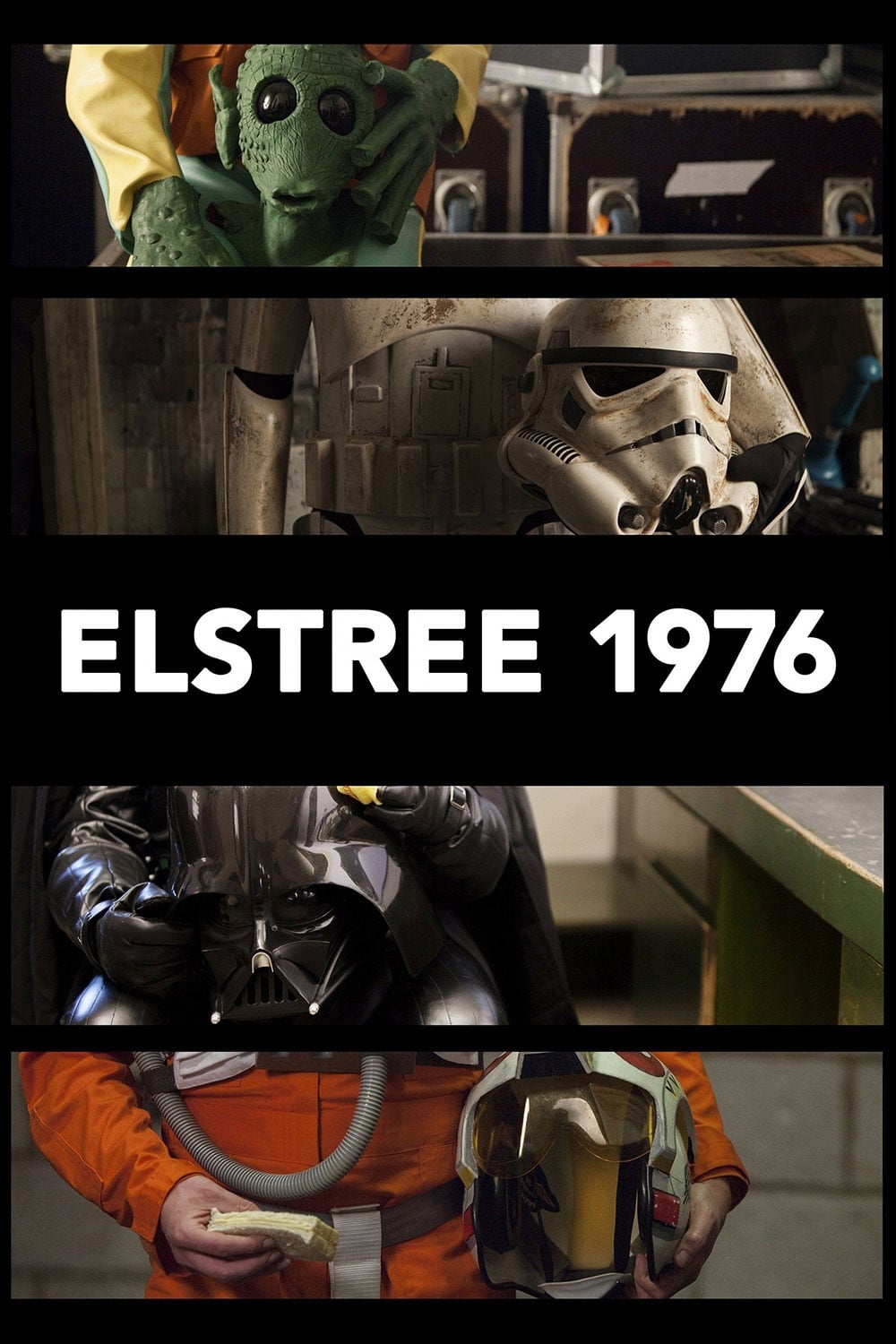
A documentary about ten very different lives connected by having appeared onscreen wearing masks or helmets in Star Wars.
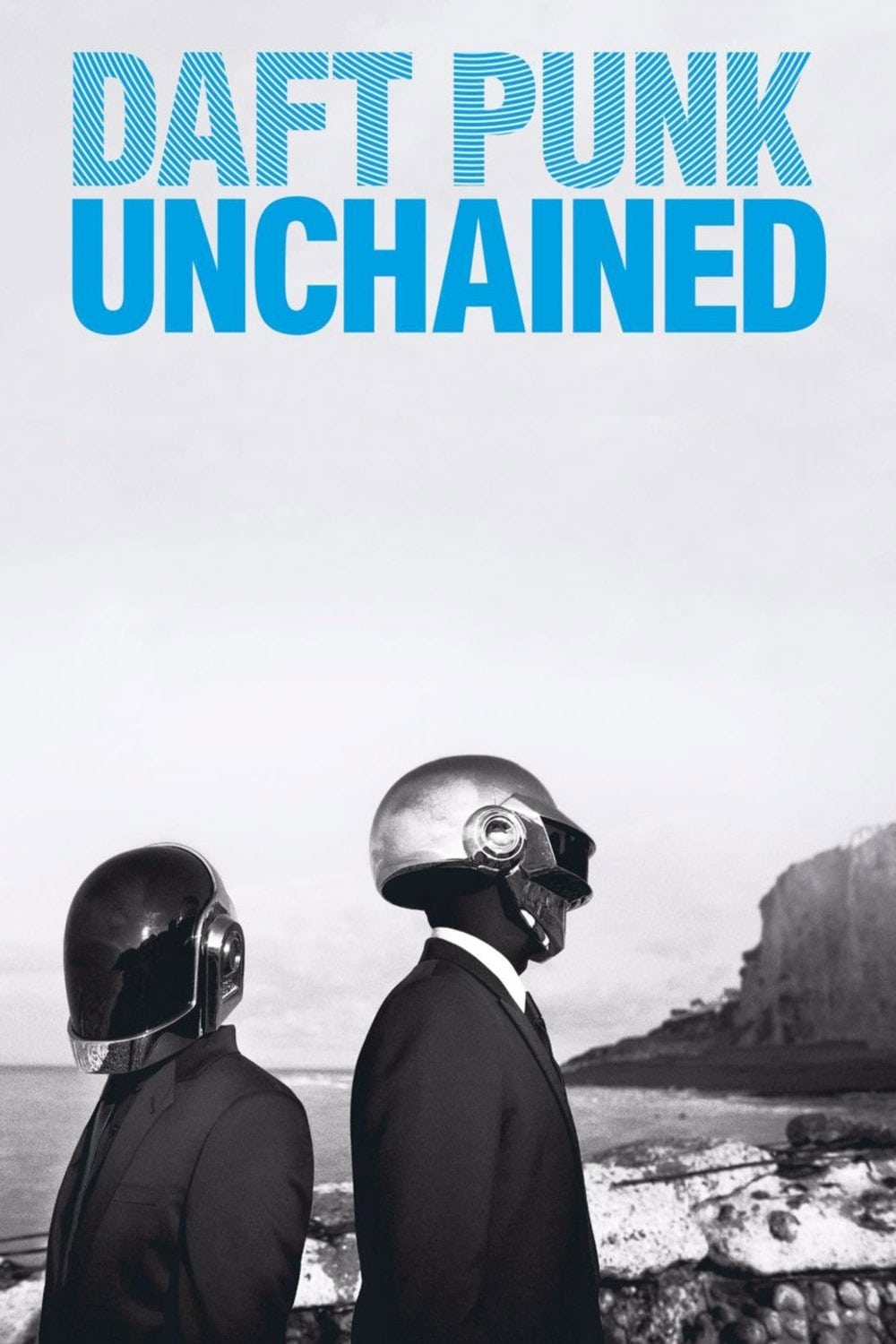
Daft Punk Unchained is the first film about the pop culture phenomenon that is Daft Punk, the duo with 12 million albums sold worldwide and seven Grammy Awards. Throughout their career Thomas Bangalter and Guy-Manuel de Homem-Christo have always resisted compromise and the established codes of show business. They have remained determined to maintain control of every link in the chain of their creative process. In the era of globalisation and social networks, they rarely speak in public and neither do they show their faces on TV. This documentary explores this unprecedented cultural revolution revealing a duo of artists on a permanent quest for creativity, independence and freedom.
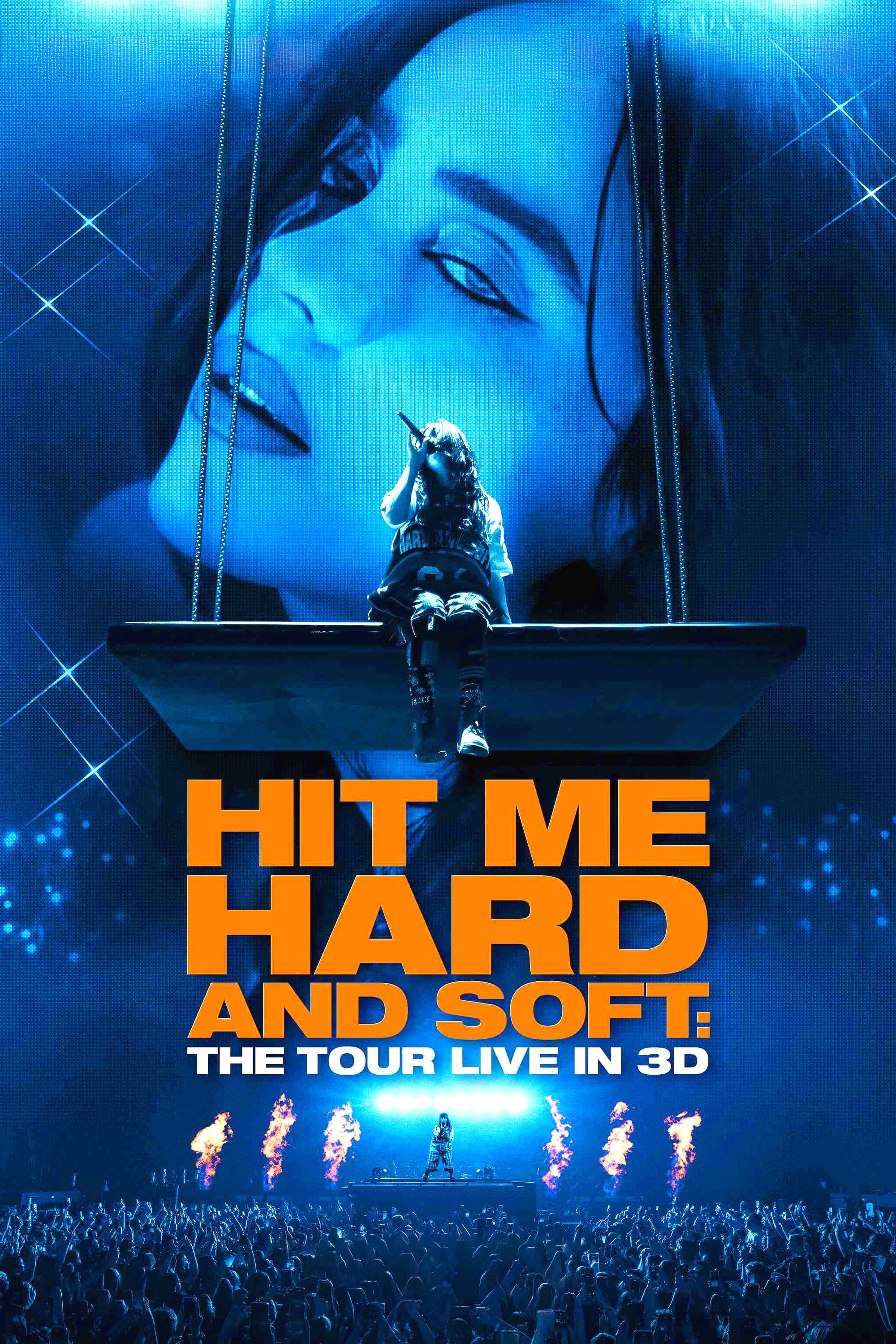
Captured during Billie Eilish's sold-out world tour, a concert experience from one of the most celebrated and successful artists of her generation, presented in immersive 3D.
The film follows adventurer Jeff Johnson as he retraces the epic 1968 journey of his heroes Yvon Chouinard and Doug Tompkins to Patagonia.
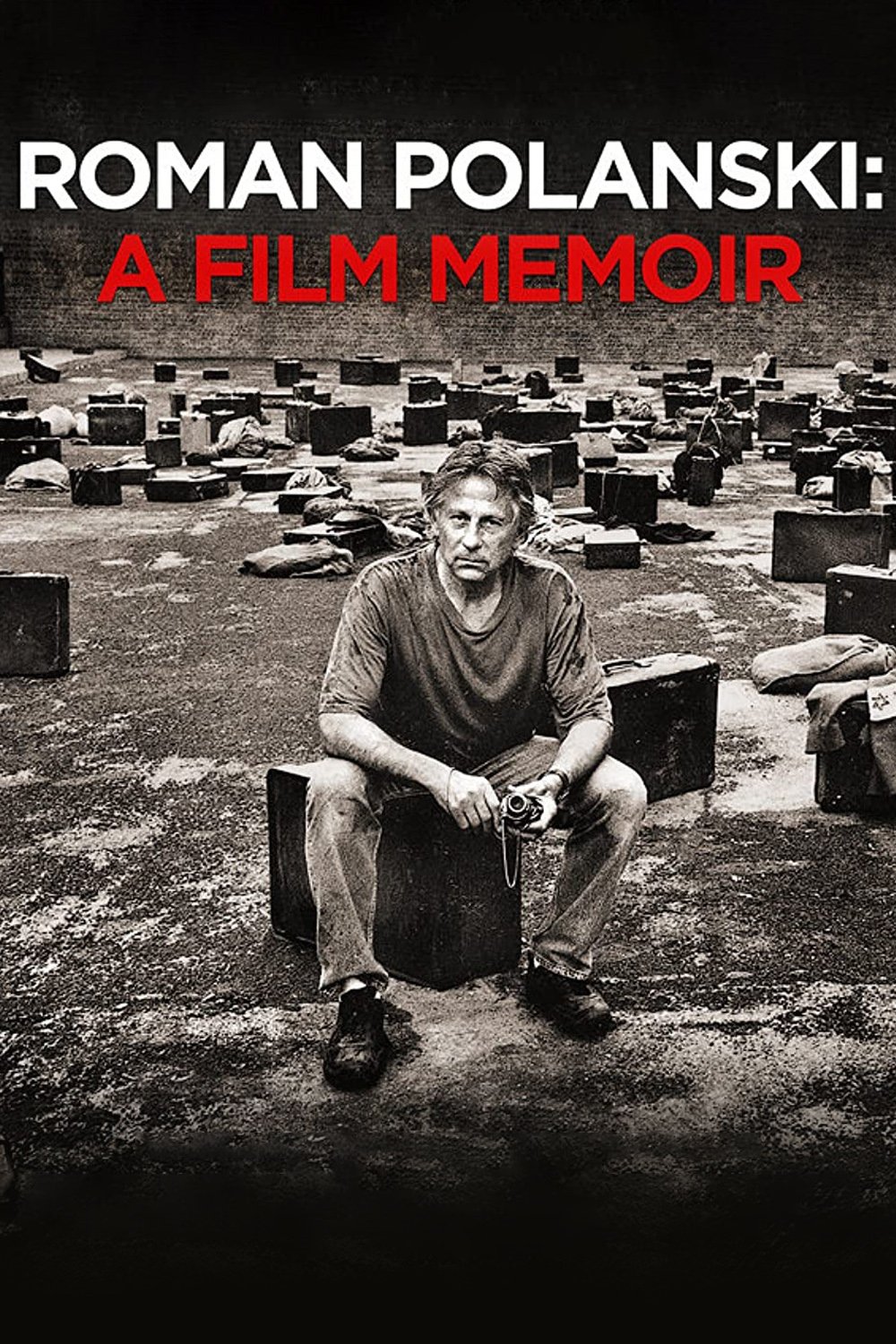
An interview with film director Roman Polanski conducted during his period of house arrest, discussing his life and work.
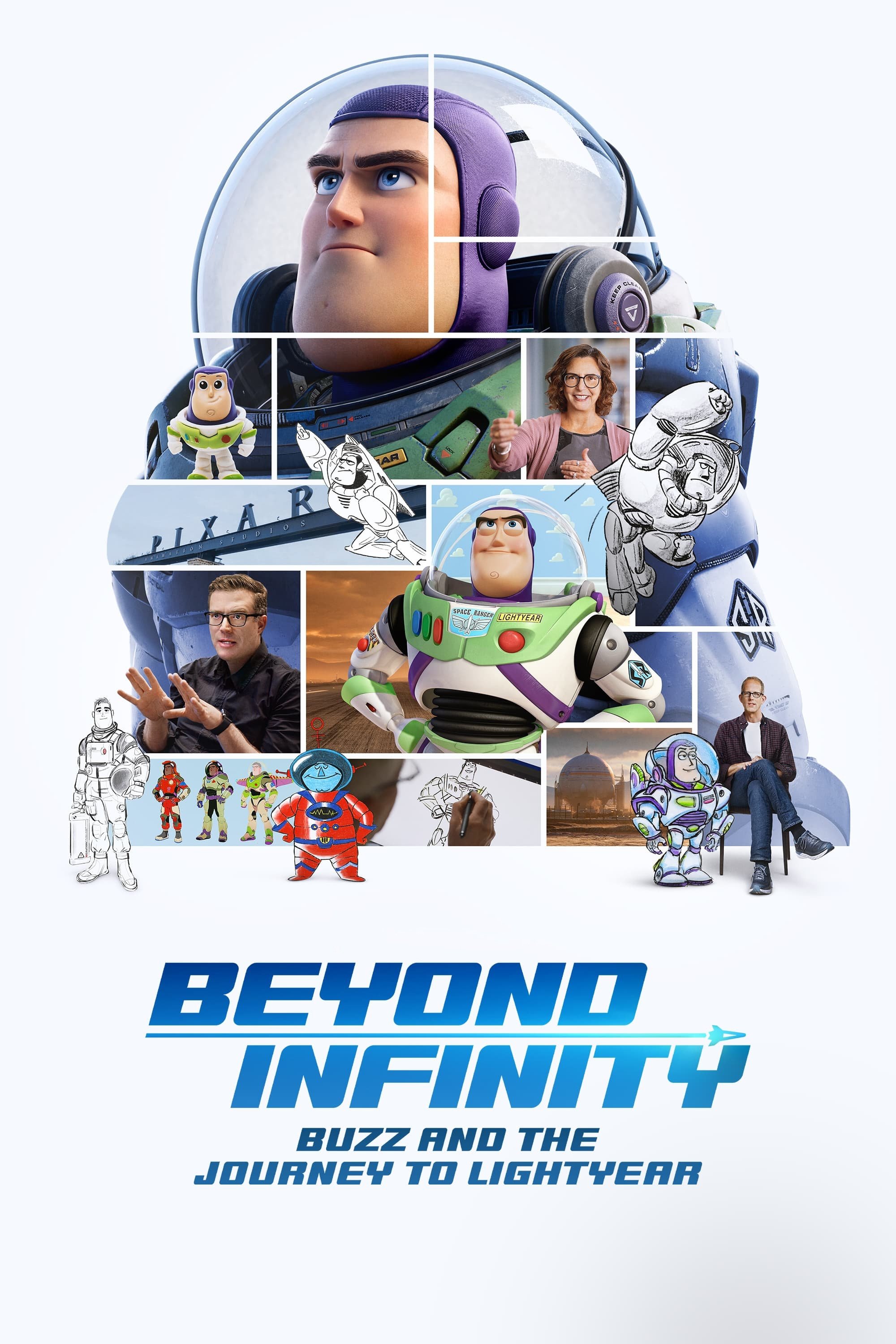
Explore the evolution of Buzz Lightyear from toy to human in the making of Pixar’s Lightyear. Dive into the origin and cultural impact of everyone’s favorite Space Ranger, the art of designing a new “human Buzz,” and the challenges faced by the Lightyear crew along the way.
Al Pacino's deeply-felt rumination on Shakespeare's significance and relevance to the modern world through interviews and an in-depth analysis of "Richard III."

![Sculptures [short]](https://image.tmdb.org/t/p/original/4Ro6uepPWHINvYeSAd5mKZBvceR.jpg)