Documentary on Lars von Trier
Social & External
Self
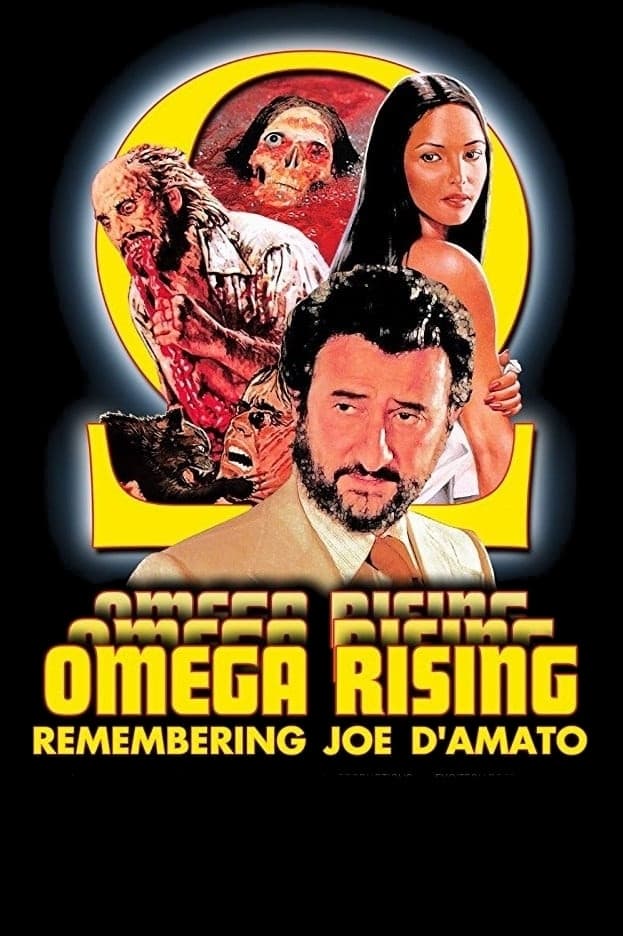
Delves into the career of the notorious Italian filmmaker, Aristide Massaccesi aka Joe D'Amato, the infamous director behind the legendary Video Nasties Anthropophagus: The Beast and Absurd.
The author of the film decides to leave the country where she lives, in connection with the outbreak of the dramatic events, and return home to Armenia in search of a worthy example and solutions on how to live on. Paradjanov's house becomes a place of inspiration and a point of no return to toxic reality.
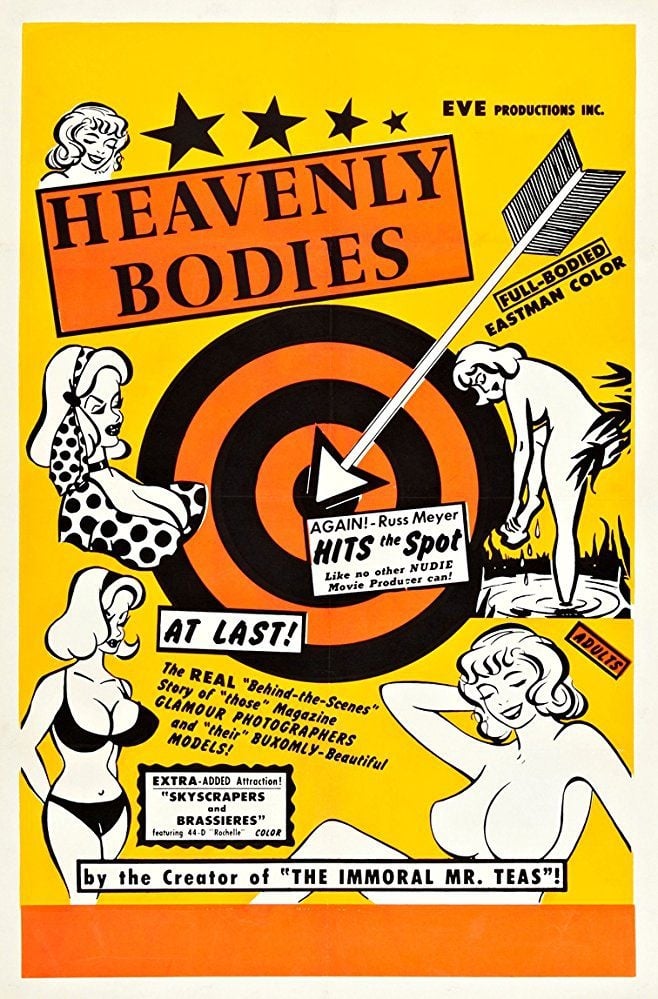
A group of filmmakers shadow some glamour photographers in order to discover the skill involved in getting 'magic' to appear on the photos.
Eleven major film makers from Europe, America and Asia talk about Akira Kurosawa and discover surprising influences on their own work.
Documentary relating Ingmar Bergman's life, from his high school graduation up until he became an established filmmaker in the latter half of the 40's.
A documentary on Teruo Ishii, the Japanese "King of Cult".
Iranian film director Amir Naderi talks to Zar Amir Ebrahimi about his career in this documentary directed and produced by Ebrahimi and broadcast by BBC World Service and BBC Persian. Amir Naderi is one of the most influential figures of Iranian modern cinema. He was born in 1945 in the Persian Gulf port of Abadan. Orphaned at an early age and living the life of a street urchin, Naderi had to survive by selling ice, working as a shoeshine boy and recycling empty beer bottles. He developed his knowledge of cinema by watching films in the theaters where he worked at a very young age. He began his career by taking pictures for some notable Iranian features. In the 1970’s, he started directing his own films, and made some of the most important movies of the New Iranian Cinema. After moving to New York in the early 90’s, Amir Naderi continued to make films. They have premiered at the Venice, Cannes, Tribeca, and Sundance Film Festivals.
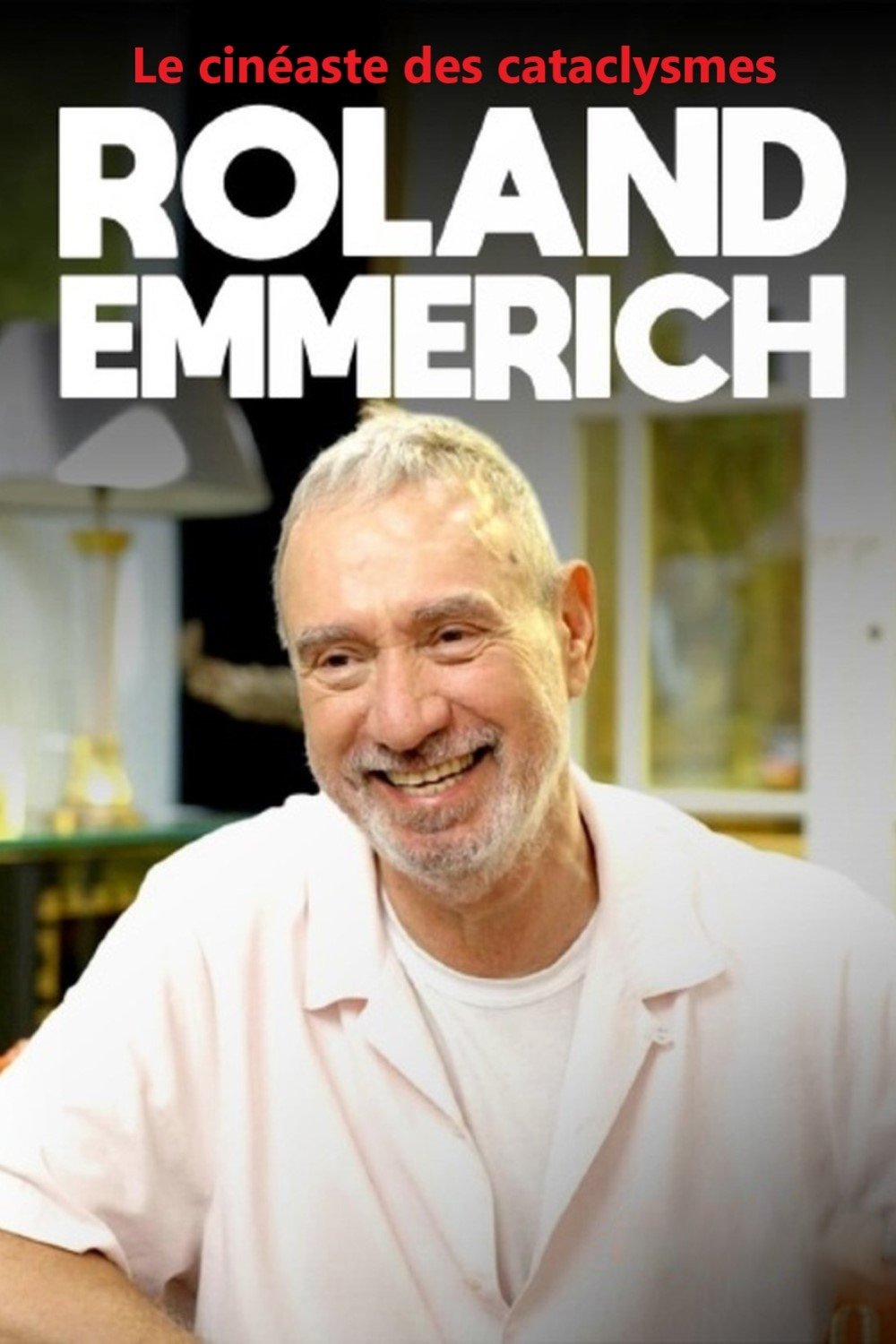
Roland Emmerich himself and many of his companions provide insights into his life. With films such as Independence Day, 2012, and The Day After Tomorrow, he probably became the most successful director of disaster movies. But there were also failures.
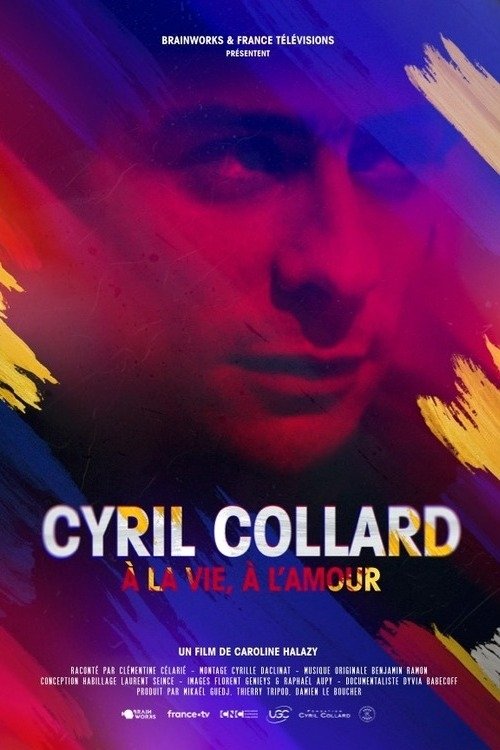
It's a tale of two shocks. 1992, Les Nuits fauves hits theaters. 1993, Cyril Collard dies of AIDS. The artist and his film caused a scandal in 90s France, which suddenly realized the violence of the epidemic and the upheaval it would bring for its children... Collard's work still resonates today, through its depiction of the rage of life and sexual freedom, and the courage it takes to face up to the inevitability of the virus. This documentary is supported by powerful archive footage, allowing us to rediscover the destiny of a striking artist. It is also based on the testimonies of those who knew him and agreed to talk about who he was, the driving forces behind his rebellion and his way of creating. The film is also punctuated by readings from some of the thousands of letters sent to Cyril Collard, revealing what it was about his work that struck a chord with viewers, especially younger ones.

Bienvenue en…. Los Angeles! Film executive Kyle and filmmaker Arran rendez-vous for a tête à tête in this crème de la crème of Cinéma Verité.
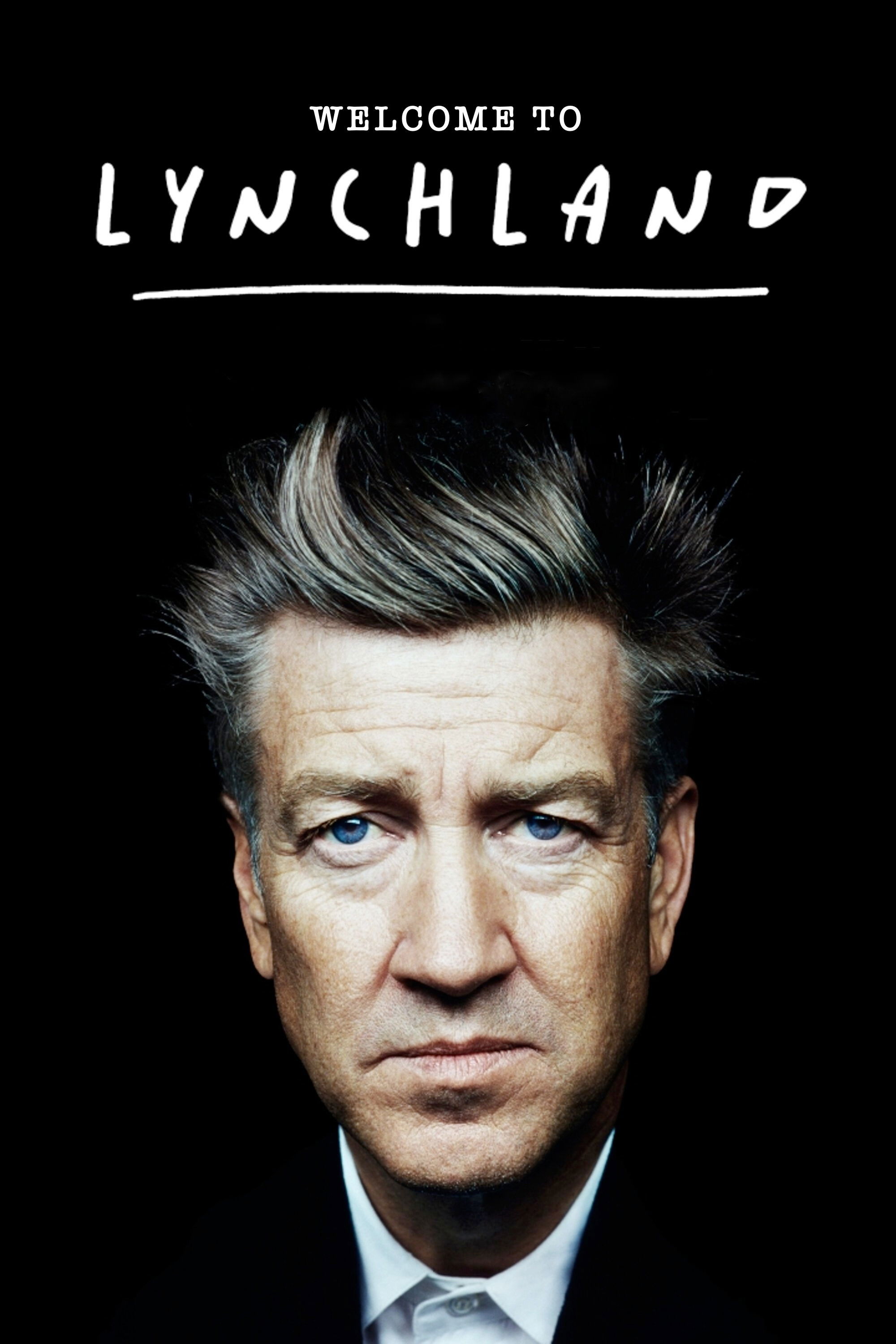
Creator of absolute freedom, David Lynch constructed his work as an enigma to be deciphered between dream and reality. A cult director from his first films ("Eraserhead", "Elephant Man", "Blue Velvet"), Lynch forever changed the world of television with his series "Twin Peaks", before tackling the lies of Hollywood in "Mulholland Drive". Tracing the life of the most influential filmmaker of his generation, this documentary explores the hidden meaning of a relentlessly consistent filmography and delves beneath the dark, teeming surface of the American Dream.

For this behemoth, Bressane took his opera omnia and edited it in an order that first adheres to historical chronology but soon starts to move backwards and forward. The various pasts – the 60s, the 80s, the 2000s – comment on each other in a way that sheds light on Bressane’s themes and obsessions, which become increasingly apparent and finally, a whole idea of cinema reveals itself to the curious and patient viewer. Will Bressane, from now on, rework The Long Voyage of the Yellow Bus when he makes another film? Is this his latest beginning? Why not, for the eternally young master maverick seems to embark on a maiden voyage with each and every new film!
At the end of his life, gravely ill, François Truffaut took refuge with his ex-wife Madeleine Morgenstern. She tried to keep him occupied during his long agony. The filmmaker confided in his friend Claude de Givray, with the intention of writing his autobiography. Too weakened, he abandoned the project. The film reveals part of this final story.
A life long dream of making a feature film turns into a comedic disaster for a New Jersey filmmaker.
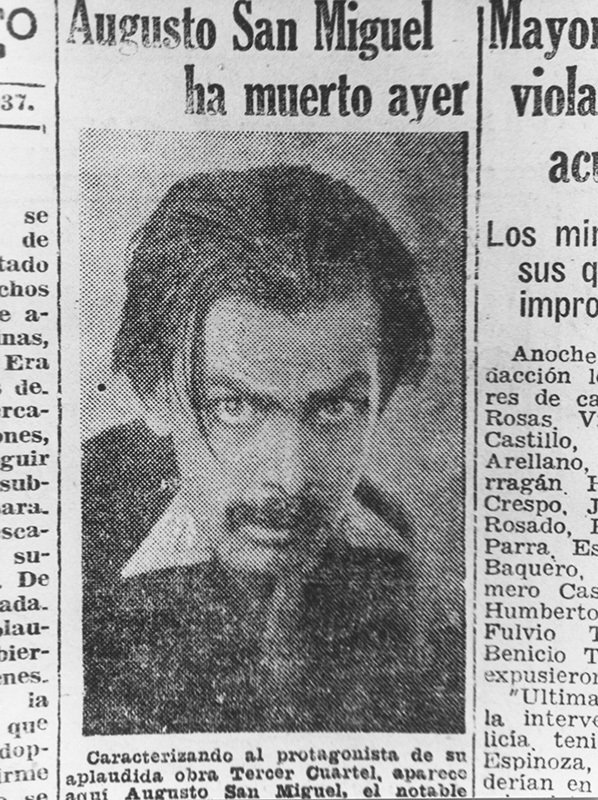
During the 1920's, Augusto San Miguel (1905-1937) directed, produced and starred in the first feature films made in Ecuador. Unfortunately, San Miguel's films -like many episodes of his life- disappeared in time. The only remains are the movie ads on old newspapers and a mysterious legend, by which San Miguel was buried with his films.
Senegalese documentary about the country's most famous film-maker - Ousmane Sembène. The groundbreaking director explains his philosophy, politics and hopes for the future of African cinema.
Walter Hill sits down for a rare retrospective interview for his 1981 film "Southern Comfort".
"Remembering Arthur is a feature-length documentary about an influential yet little-known Canadian filmmaker. Although the Montreal-born artist's work won many awards and received an Oscar nomination, his life ended tragically in suicide. This intimate portrait explores Lipsett's creative genius and impact on film while illuminating his fascinating life story. The film is directed by filmmaker Martin Lavut, Arthur's closest friend."
JB Smoove and Martin Starr host a celebration of 20 years of "Spider-Man" movies, from the Sam Raimi trilogy to Marc Webb's movies and the trio from Jon Watts.
A purely observational non-fiction film that takes viewers into the ethically murky world of end-of-life decision making in a public hospital.
Filmmakers discuss the legacy of Alfred Hitchcock and the book “Hitchcock/Truffaut” (“Le cinéma selon Hitchcock”), written by François Truffaut and published in 1966.
Documentary filmmaker Frederick Wiseman takes us inside Northeast High School as a fly on the wall to observe the teachers and how they interact with the students.
A documentary examining the decade of the 1970s as a turning point in American cinema. Some of today's best filmmakers interview the influential directors of that time.
Lyrical and powerfully personal essay film that reflects on the deaths of her husband Lou Reed, her mother, her beloved dog, and such diverse subjects as family memories, surveillance, and Buddhist teachings.
Alexander McQueen's rags-to-riches story is a modern-day fairy tale, laced with the gothic. Mirroring the savage beauty, boldness and vivacity of his design, this documentary is an intimate revelation of McQueen's own world, both tortured and inspired, which celebrates a radical and mesmerizing genius of profound influence.
Artists in LA discover the work of forgotten Polish sculptor Stanislav Szukalski, a mad genius whose true story unfolds chapter by astounding chapter.
A documentary about the making of season five of the acclaimed AMC series Breaking Bad.
A documentary on the expletive's origin, why it offends some people so deeply, and what can be gained from its use.
A documentary about ten very different lives connected by having appeared onscreen wearing masks or helmets in Star Wars.
Daniel Craig candidly reflects on his 15 year adventure as James Bond. Including never-before-seen archival footage from Casino Royale to the upcoming 25th film No Time To Die, Craig shares his personal memories in conversation with 007 producers, Michael G Wilson and Barbara Broccoli.
From the heights of her modeling fame to her tragic death, this documentary reveals Anna Nicole Smith through the eyes of the people closest to her.
Director Michael Apted revisits the same group of British-born adults after a 7 year wait. The subjects are interviewed as to the changes that have occurred in their lives during the last seven years.
This revealing documentary honors the legendary Sidney Poitier—iconic actor, filmmaker, and civil rights activist. Featuring interviews with Denzel Washington, Spike Lee, Halle Berry, and more.
As a visually radical memoir, CAMERAPERSON draws on the remarkable footage that filmmaker Kirsten Johnson has shot and reframes it in ways that illuminate moments and situations that have personally affected her. What emerges is an elegant meditation on the relationship between truth and the camera frame, as Johnson transforms scenes that have been presented on Festival screens as one kind of truth into another kind of story—one about personal journey, craft, and direct human connection.
During the 1982 Cannes Film Festival, Wim Wenders asked a number of global film directors to, one at a time, go into a hotel room, turn on the camera, and answer a simple question: "What is the future of cinema?"
Diaries, audiotapes, videotapes and testimonials from friends and colleagues offer insight into the life and career of Gilda Radner -- the beloved comic and actress who became an icon on Saturday Night Live.
A subjective documentary that explores various theories about hidden meanings in Stanley Kubrick's classic film The Shining. Five very different points of view are illuminated through voice over, film clips, animation and dramatic reenactments.
A documentary about the life and films of director John Ford.