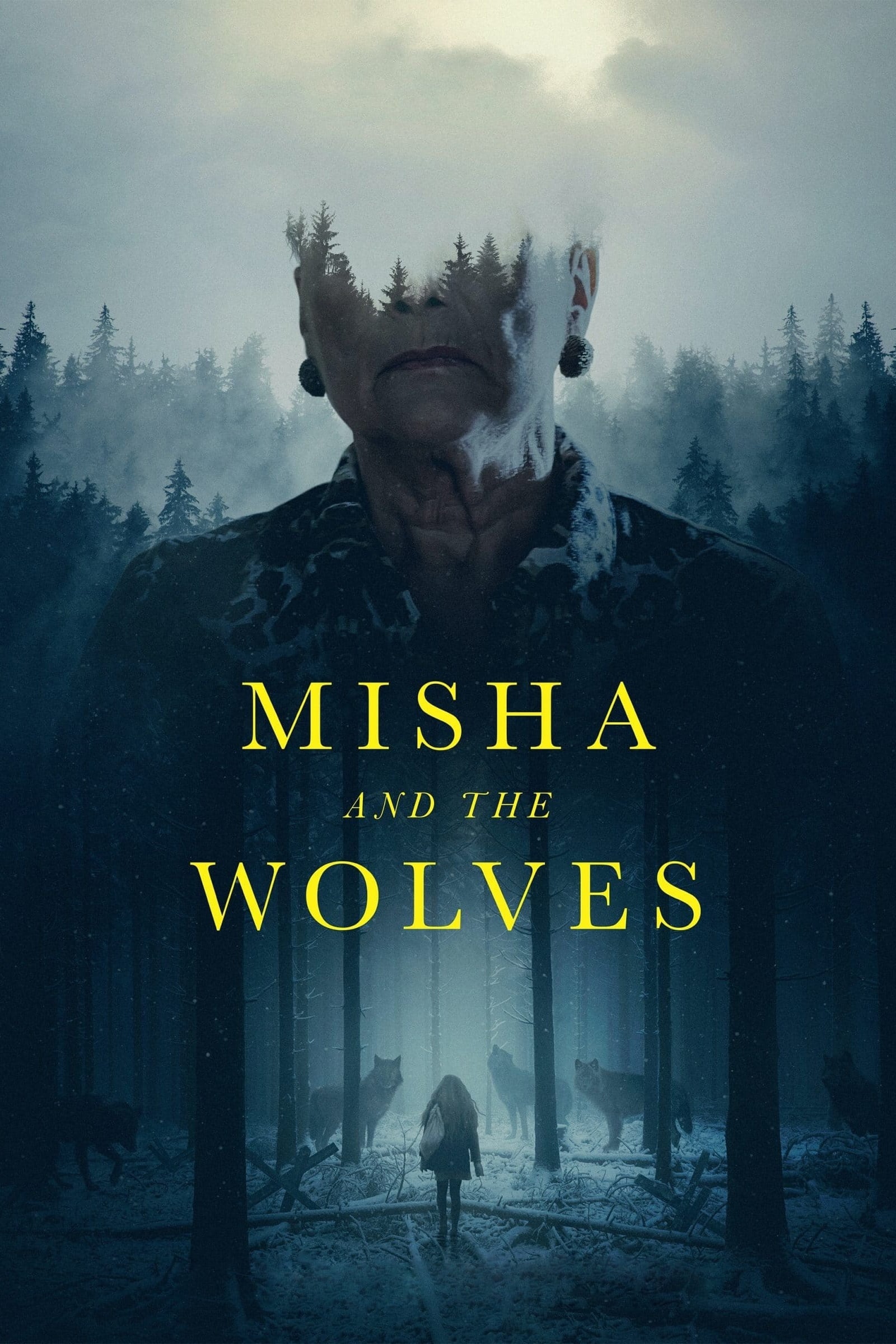
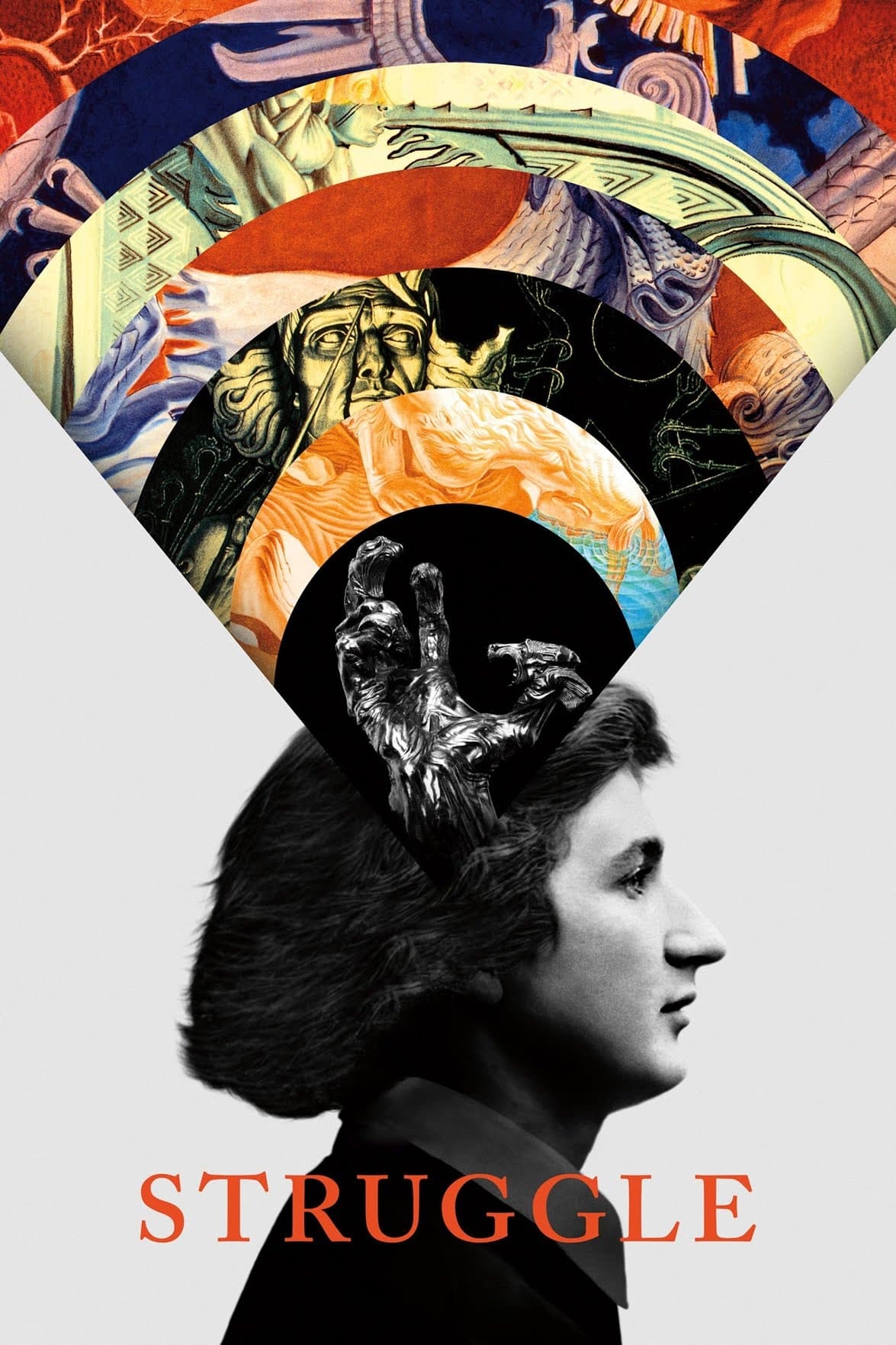
A documentary short film about the genocide at the Jasenovac concentration camp in Croatia in World War II.
Social & External
The people behind it
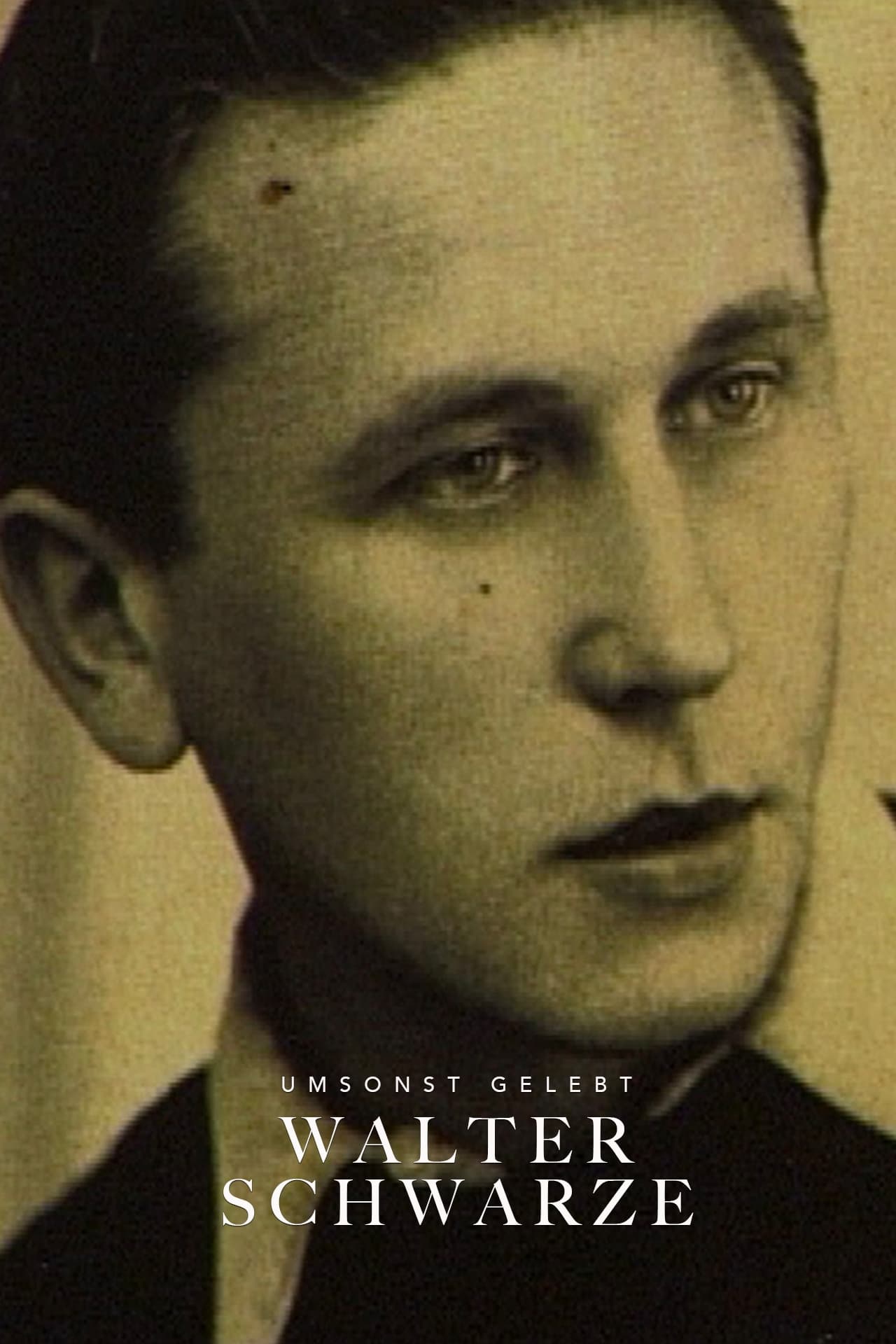
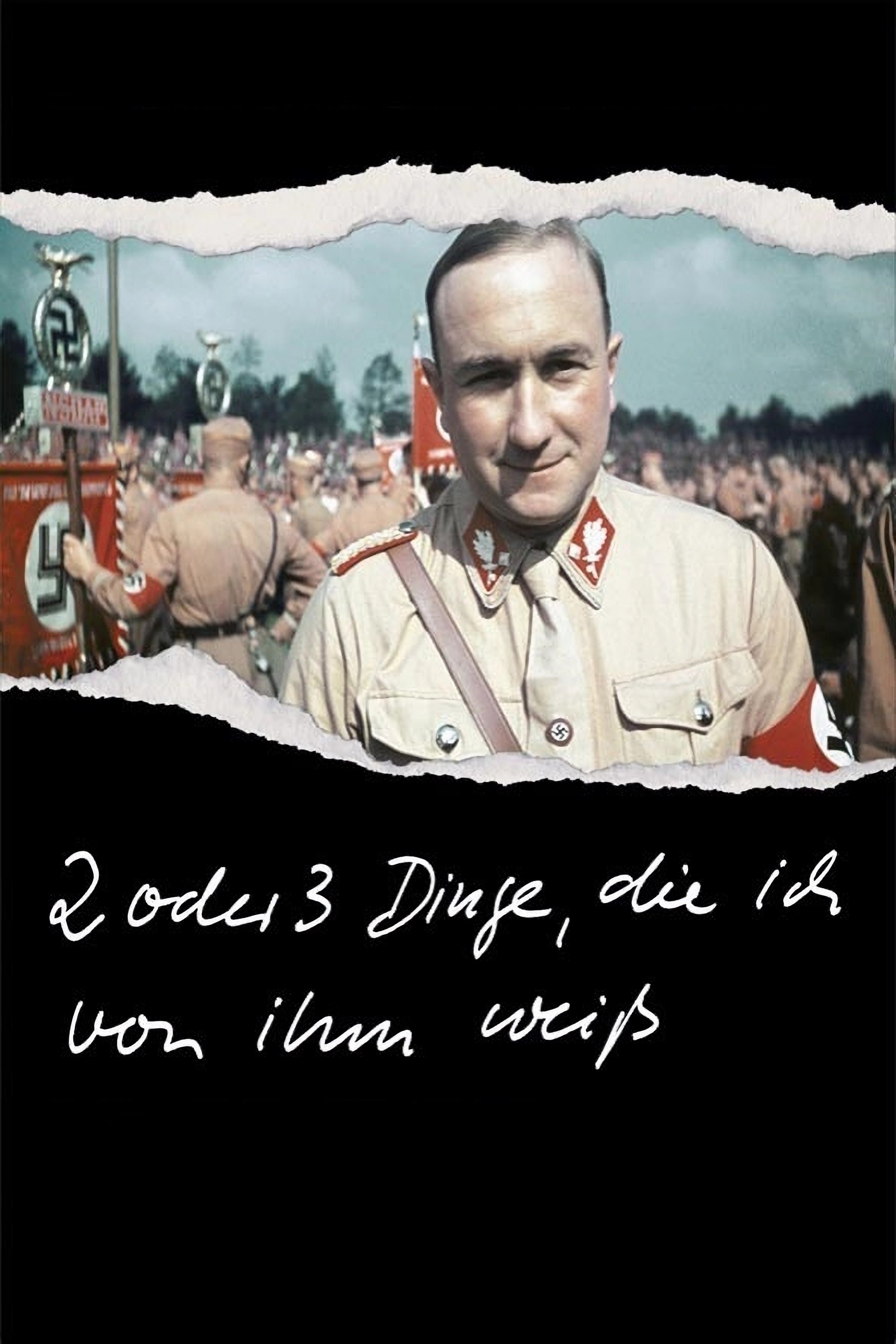
“This film is part of a series of films on gay men who survived the Nazi era. I met Walter Schwarze when he was already in his eighties. My camera recorded his first public account of his five-year incarceration as a homosexual at Sachsenhausen concentration camp. He was in his fifties when he met Ali in his hometown of Leipzig; the two men became partners and remained close until his demise. And yet, Walter told me, he felt he had lived in vain because he had not had the good fortune of today's gays, who are able to grow up in freedom. Walter Schwarze died of cancer on May 10, 1998.” Rosa von Praunheim
Here is the hair raising, seat-of-the-pants tale of men who dared to fly their planes, unescorted, to the heart of enemy held Romania to blast the source of German oil. It's also the story of long, low level flights over water, searching for the tell tale sliver of a U-boat periscope. It's a tribute to an underdog that became the most versatile, widely used bomber of World War II. This is THE B-24 LIBERATOR! Aviation A.V. Library brings you this battling classic in a hell-raising video adventure that we call "THE FIGHTING LIBERATOR." From the Bismark Sea to dirt airstrips in China to the exhilaration of the great push on D-Day the Liberator was there, fighting her way over, around and through the Axis ranks.
On March 24, 1944, in the heart of Nazi Germany, 76 British, Canadian, Norwegian and French pilots who were held in Stalag Luft III, a prison camp of the Luftwaffe, escaped. Unique testimony from the last survivors, recreations and today’s digital images sheds new light on the audacious escape.
Filmmaker Alain Resnais documents the atrocities behind the walls of Hitler's concentration camps.
Reinhard Heydrich was considered the most dangerous man in Nazi Germany after Hitler himself. The plot to kill him masterminded in England and carried through to finality in Prague in 1942, is told in this gripping dramatised documentary special. Featuring meticulous reconstructions, coupled with authentic historical film, some of it never shown before the film powerfully presents a vivid account of the only successful assassination of a leading Nazi in World War II. It also chillingly recreates the terrible human cost of SS savagery against the Resistance and the total obliteration of the village of Lidice.
This is not a film about gun control. It is a film about the fearful heart and soul of the United States, and the 280 million Americans lucky enough to have the right to a constitutionally protected Uzi. From a look at the Columbine High School security camera tapes to the home of Oscar-winning NRA President Charlton Heston, from a young man who makes homemade napalm with The Anarchist's Cookbook to the murder of a six-year-old girl by another six-year-old. Bowling for Columbine is a journey through the US, through our past, hoping to discover why our pursuit of happiness is so riddled with violence.
Markus Meechan is a criminal. Guilty of posting a YouTube video judged “grossly offensive” and containing menacing, anti-Semitic and racist material. He claims the video was a joke. Others claim, Markus is a Nazi. But what does the prosecution of a YouTube comedian mean for freedom of expression – is a censorious state overstepping the mark? Or are there some things you just shouldn’t joke about?
In the darkest days of World War II, St. Peter's was shrouded in the shadow of the swastika. But even as the Führer surrounded him, the Pope was plotting a secret counter-offensive. Wartime Pontiff Pius XII has been derided for his public silence about the Holocaust. But evidence suggests his silence may have been subterfuge.
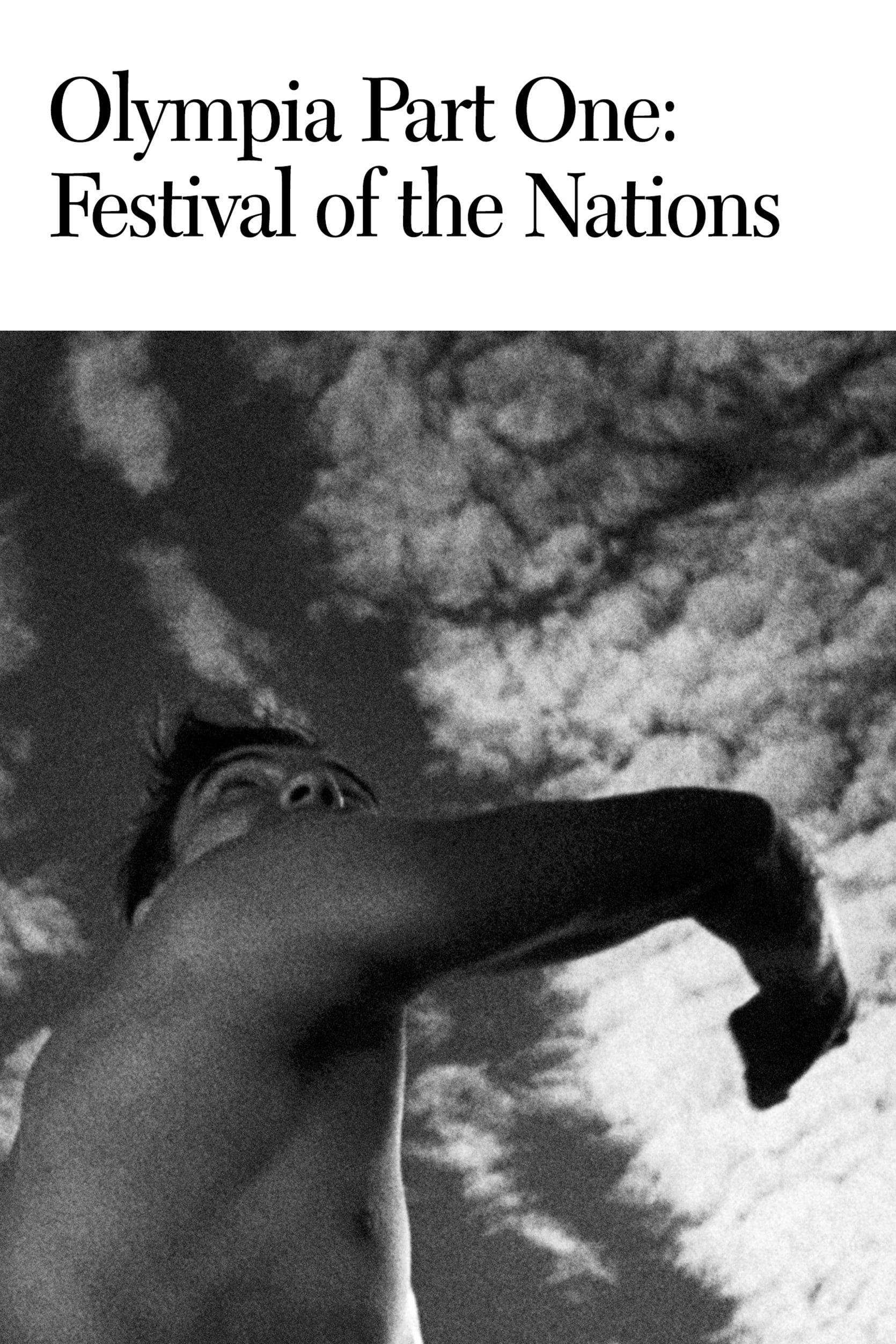
Starting with a long and lyrical overture, evoking the origins of the Olympic Games in ancient Greece, Riefenstahl covers twenty-one athletic events in the first half of this two-part love letter to the human body and spirit, culminating with the marathon, where Jesse Owens became the first track and field athlete to win four gold medals in a single Olympics.
Part two of Leni Riefenstahl's monumental examination of the 1938 Olympic Games, the cameras leave the main stadium and venture into the many halls and fields deployed for such sports as fencing, polo, cycling, and the modern pentathlon, which was won by American Glenn Morris.
Documentary about Douglas Charlton a young British soldier who fought against the Germans in Arnhem during World War II.
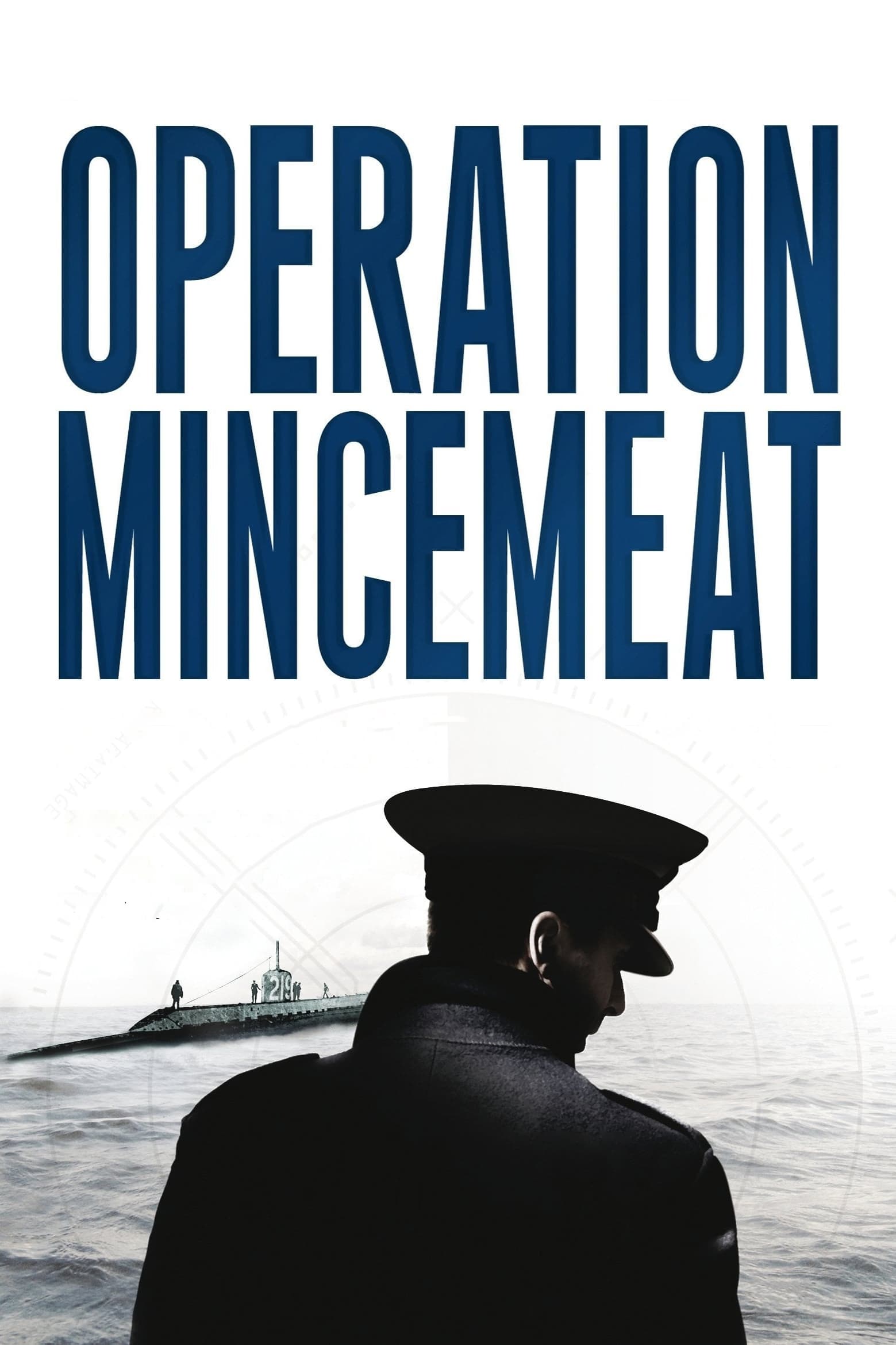
Documentary detailing the successful Operation Mincemeat in 1943, which led to the Allies successfully invading Sicily and the war turning in their favour.
What would your family reminiscences about dad sound like if he had been an early supporter of Hitler’s, a leader of the notorious SA and the Third Reich’s minister in charge of Slovakia, including its Final Solution? Executed as a war criminal in 1947, Hanns Ludin left behind a grieving widow and six young children, the youngest of whom became a filmmaker. It's a fascinating, maddening, sometimes even humorous look at what the director calls "a typical German story." (Film Forum)
A special tribute to the immortal B-25 bomber. Features an assemblage of outstanding aerial footage through air strikes against the Afrika Korps, the Italian campaign, Burma, and the famed Doolittle-Tokyo raid.
A documentary about the decisions parents made in evacuating their children out of harm's way (the Nazis), and being forced to stay behind, the parents realize that this may possibly be the last time they will see their loved ones.
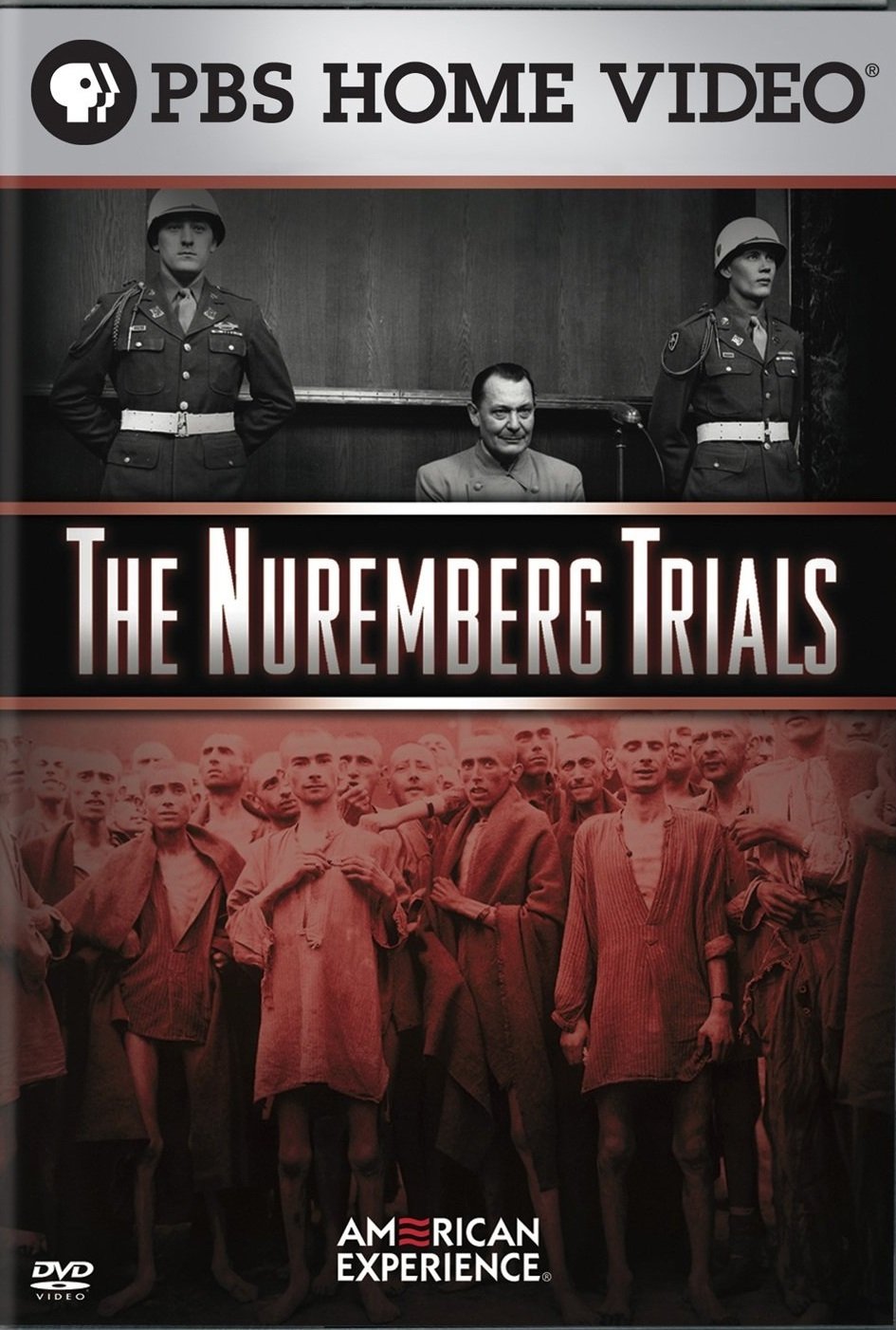
One journalist described it as a chance "to see justice catch up with evil." On November 20, 1945, the twenty-two surviving representatives of the Nazi elite stood before an international military tribunal at the Palace of Justice in Nuremberg, Germany; they were charged with the systematic murder of millions of people. The ensuing trial pitted U.S. chief prosecutor and Supreme Court judge Robert Jackson against Hermann Göring, the former head of the Nazi air force, whom Adolf Hitler had once named to be his successor. Jackson hoped that the trial would make a statement that crimes against humanity would never again go unpunished. Proving the guilt of the defendants, however, was more difficult than Jackson anticipated. This American Experience production draws upon rare archival material and eyewitness accounts to recreate the dramatic tribunal that defines trial procedure for state criminals to this day.
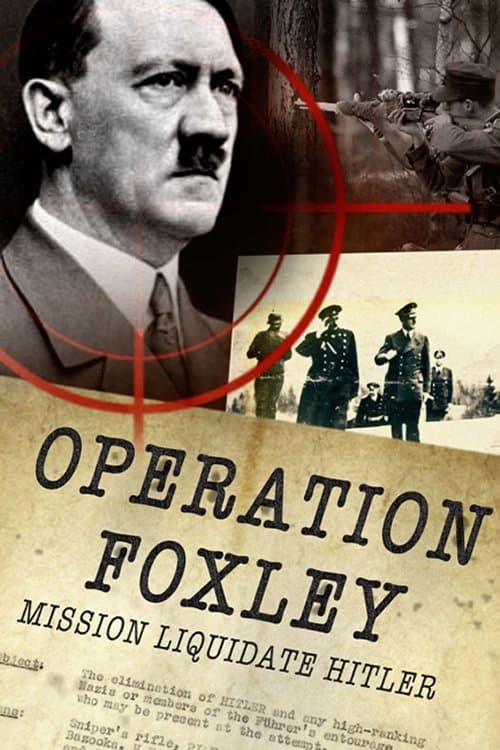
Throughout his time as head of the Nazi party, Adolph Hitler evaded numerous attempts to assassinate him. However the secret Operation Foxely came the closest to succeeding. Based on declassified World War II documents from the British secret service, this award-winning film reconstructs the detailed plan that nearly resulted in the murder of the notorious German Fuhrer, and why it failed.
Documentary about the Battle of the Scheldt.
Filmdocumentary about the Battle of the Scheldt.
The role of African American soldiers during the World War II Allied invasion of Normandy.
A woman’s Holocaust memoir takes the world by storm, but a fallout with her publisher-turned-detective reveals her story as an audacious deception created to hide a darker truth.
When Allied forces liberated the Nazi concentration camps in 1944-45, their terrible discoveries were recorded by army and newsreel cameramen, revealing for the first time the full horror of what had happened. Making use of British, Soviet and American footage, the Ministry of Information’s Sidney Bernstein (later founder of Granada Television) aimed to create a documentary that would provide lasting, undeniable evidence of the Nazis’ unspeakable crimes. He commissioned a wealth of British talent, including editor Stewart McAllister, writer and future cabinet minister Richard Crossman – and, as treatment advisor, his friend Alfred Hitchcock. Yet, despite initial support from the British and US Governments, the film was shelved, and only now, 70 years on, has it been restored and completed by Imperial War Museums under its original title "German Concentration Camps Factual Survey".
In an intimate and joyful story of love in the face of loss, celebrated poets Andrea Gibson and Megan Falley find strength—and unexpected hilarity—in what might be their final year together.
Over 35 years after Bob Lazar's revelations, this documentary exposes secrets of a facility the government still denies. Featuring Lazar's testimony, recreations, and new evidence, it reopens a case that continues to spark global curiosity
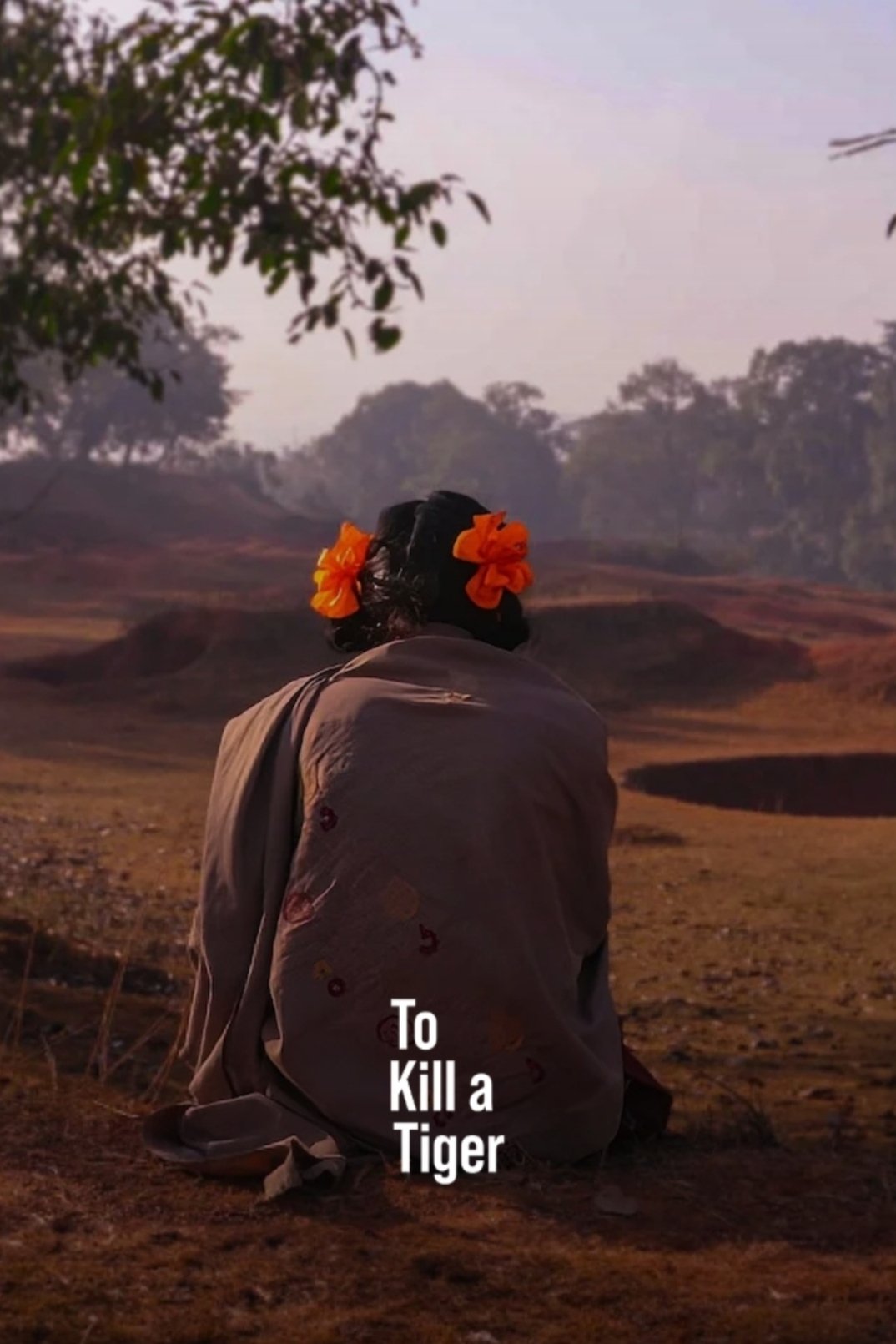
Ranjit, a farmer in India, takes on the fight of his life when he demands justice for his 13-year-old daughter, the victim of a brutal gang rape. His decision to support his daughter is virtually unheard of, and his journey unprecedented.
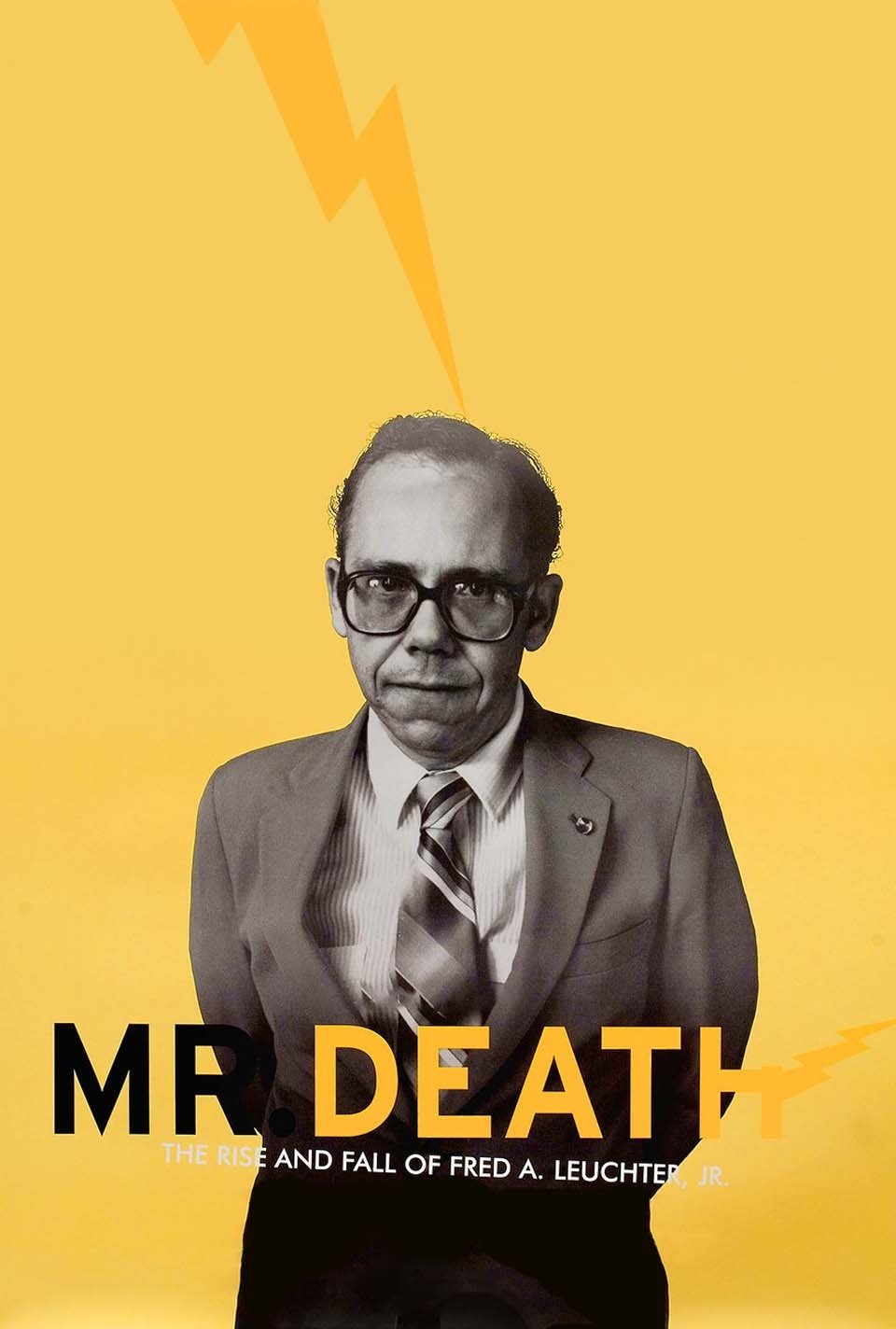
Documentary filmmaker Errol Morris investigates the case of a man who became an authority on capital punishment, but was discredited when he got involved on the wrong side of a court case. Leuchter, a meek man whose appearance belies his grim expertise, develops what he says is a more effective electric chair. Before long he's in demand from officials who want his opinions on other kinds of execution. But when called to aid the case of an accused Holocaust denier, Leuchter's problems begin.
Unravel the case of Utah therapist Jodi Hildebrandt, whose child abuse arrest with parenting YouTuber Ruby Franke exposed a twisted tale of manipulation.
Through deeply personal interviews with her siblings and an examination of the photographs, letters, and belongings left behind, Mariska assembles a new portrait of her mother Jayne Mansfield, an extraordinary and complex woman.
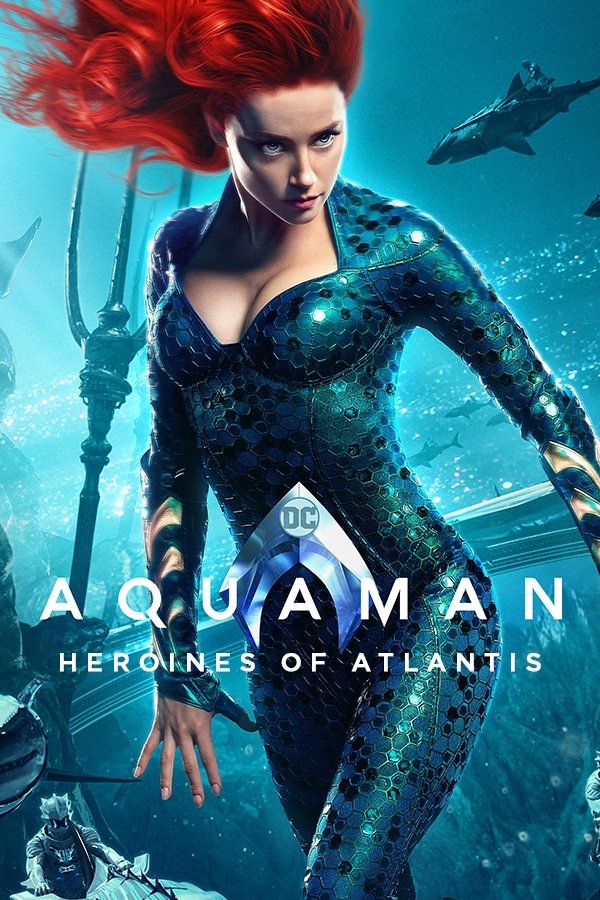
Amber Heard and Nicole Kidman discuss their characters Mera and Atlanna.
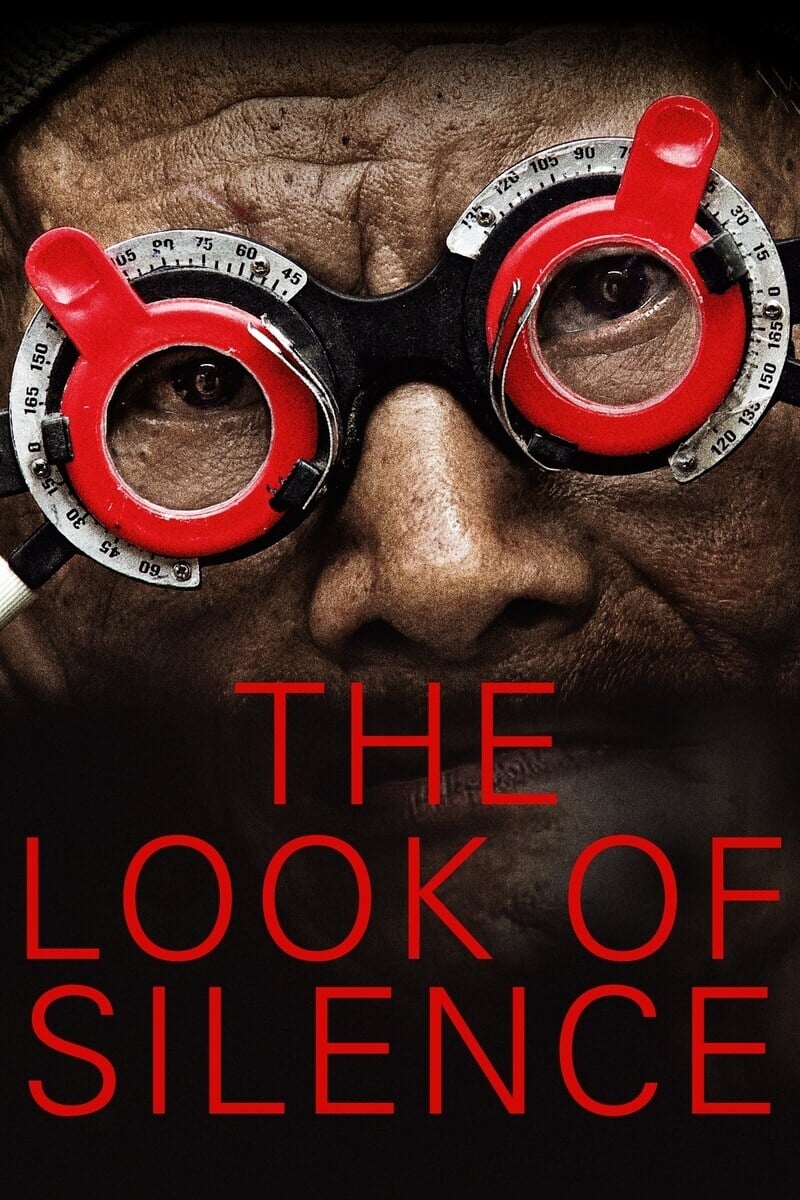
An Indonesian man with a communist background named Ramli was brutally murdered when the "Communist" purge occurred in 1965. His remaining family members lived in fear and silence until the making of this documentary. Adi, a brother of his, decided to revisit the horrific incident and visited the men who were responsible for the killings and one survivor of the purge. These meetings uncovered sadistic details of the murders and exposed raw emotions and reactions of the killers' family members about what happened in the past - much to Adi's disappointment.
This revealing documentary honors the legendary Sidney Poitier—iconic actor, filmmaker, and civil rights activist. Featuring interviews with Denzel Washington, Spike Lee, Halle Berry, and more.
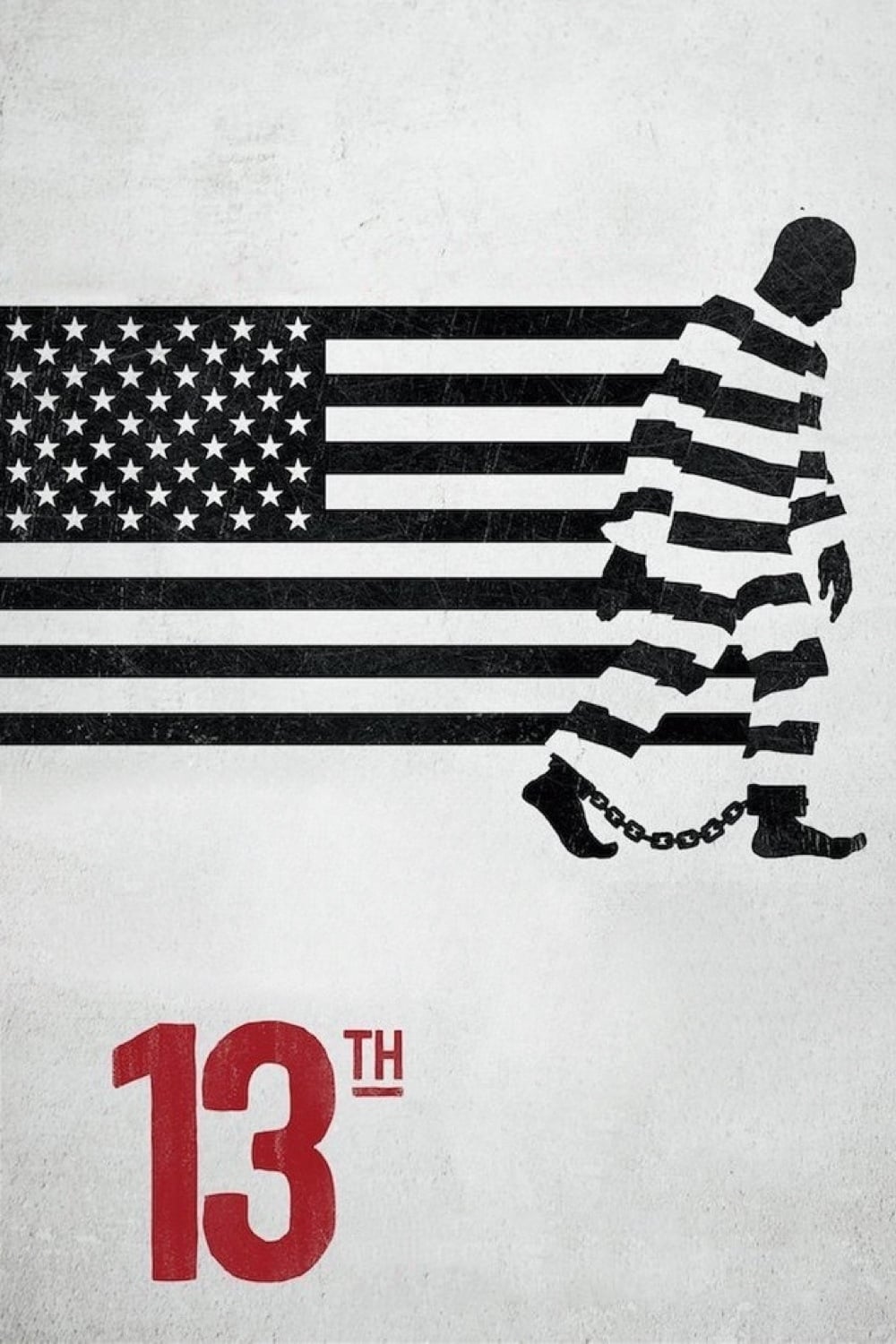
An in-depth look at the prison system in the United States and how it reveals the nation's history of racial inequality.
A documentary about the making of season five of the acclaimed AMC series Breaking Bad.
Follow the evolution of the 'Halloween' movies over the past twenty-five years. It examines why the films are so popular and revisits many of the original locations used in the films - seeing the effects on the local community. For the first time, cast, crew, critics and fans join together in the ultimate 'Halloween' retrospective.
A string of threatening emails escalates into a revenge plot involving a newly married US marshal and his ex-girlfriend.
A journalist and a photographer set out to memorialize the bedrooms left behind by children killed in school shootings.
“The Soviet Story” is a story of an Allied power, which helped the Nazis to fight Jews and which slaughtered its own people on an industrial scale. Assisted by the West, this power triumphed on May 9th, 1945. Its crimes were made taboo, and the complete story of Europe’s most murderous regime has never been told. Until now...
An inside look at one of the most anticipated movie sequels ever with James Cameron and cast.
Artists in LA discover the work of forgotten Polish sculptor Stanislav Szukalski, a mad genius whose true story unfolds chapter by astounding chapter.
Performance artist Marina Abramovic prepares for a major retrospective of her work at the Museum of Modern Art in New York.