Social & External
The people behind it
Karol Machata
Narrator (voice)
Dionýz Hirko
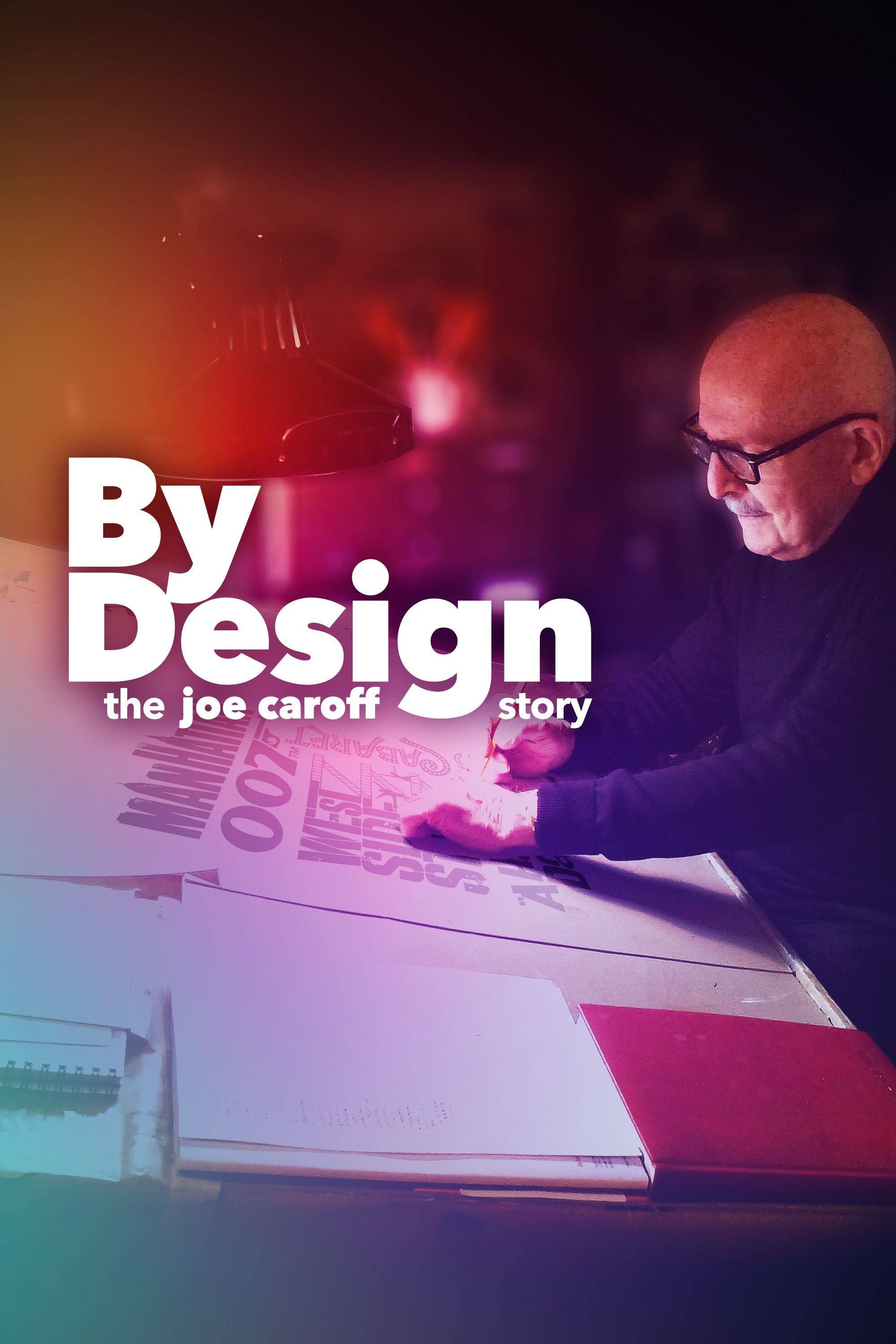
He may not be household name, but Joe Caroff is one the most influential graphic designers of the 20th century. His work is a history of the pop culture of our time: from iconic corporate logos (like ABC News and ORION Pictures) and book jackets (Norman Mailer’s The Naked and the Dead) to some of the most instantly recognizable “title treatments” for such classics as WEST SIDE STORY, A HARD DAY'S NIGHT, CABARET, LAST TANGO IN PARIS, MANHATTAN, and the James Bond gun logo. Caroff’s story is told by the centenarian himself, with reminiscences of growing up during the Depression and service in WWII, along with interviews with Phyliss Caroff, his wife of over 70 years, producer Mike Medavoy, and others.
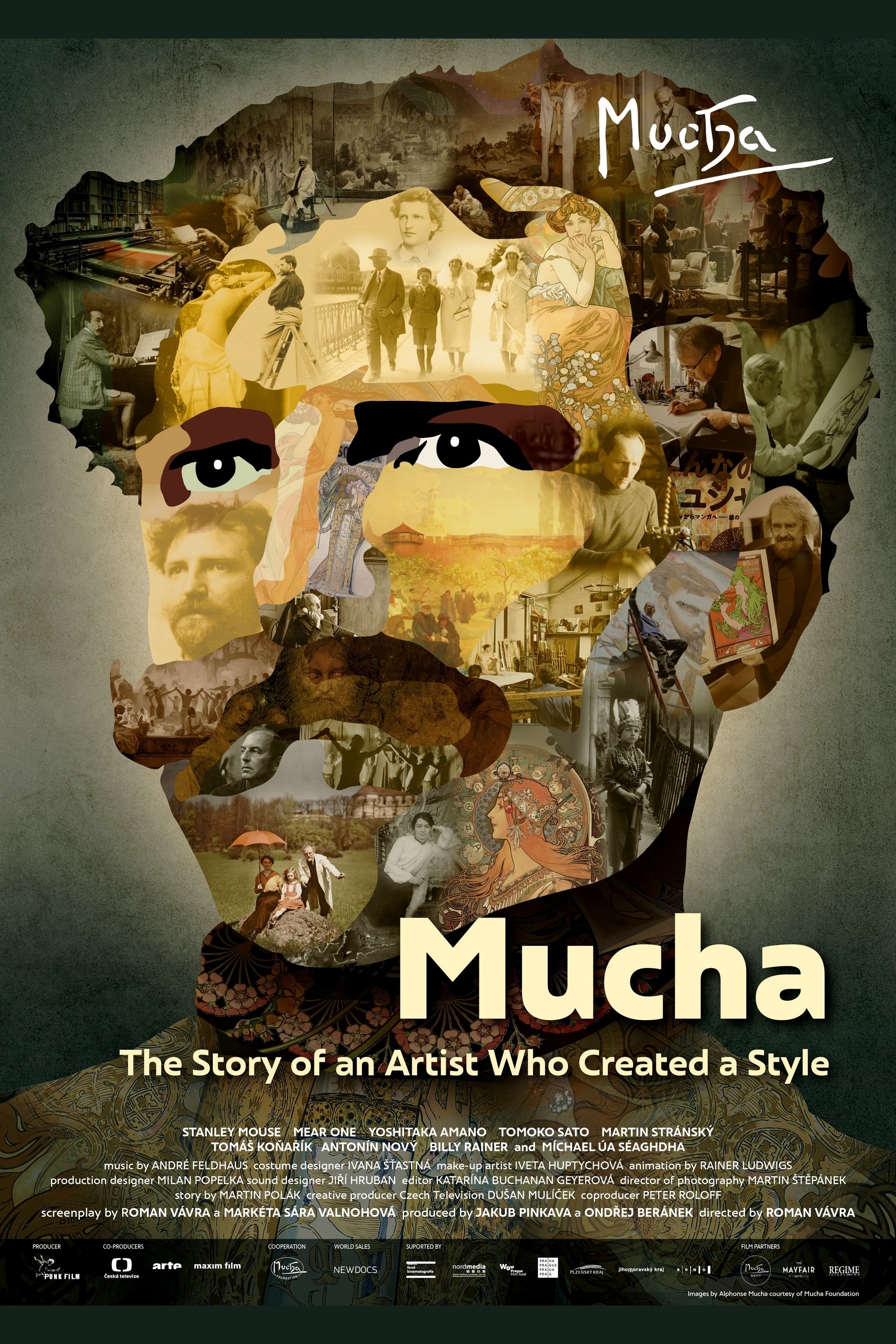
Czech painter and illustrator Alphonse Mucha (1860-1939) ranks among the pioneers of the Art Nouveau movement at the end of the 19th century. Virtually overnight, he becomes famous in Paris thanks to the posters that he designs to announce actress Sarah Bernhardt’s plays. But at the height of his fame, Mucha decides to leave Paris to realize his lifetime project.
The personal odysseys of some of the most influential advertising visionaries of all time and the stories behind their campaigns.
The last 15 years has seen a boom in the UK graphic arts and illustration industry, with a DIY scene emerging and prospering alongside new and affordable leaps in technology. So much of our lives is now spent in the virtual digital realm, so what will become of the tactile objects we all hold so dear? Will we see books disappear in our lifetime?
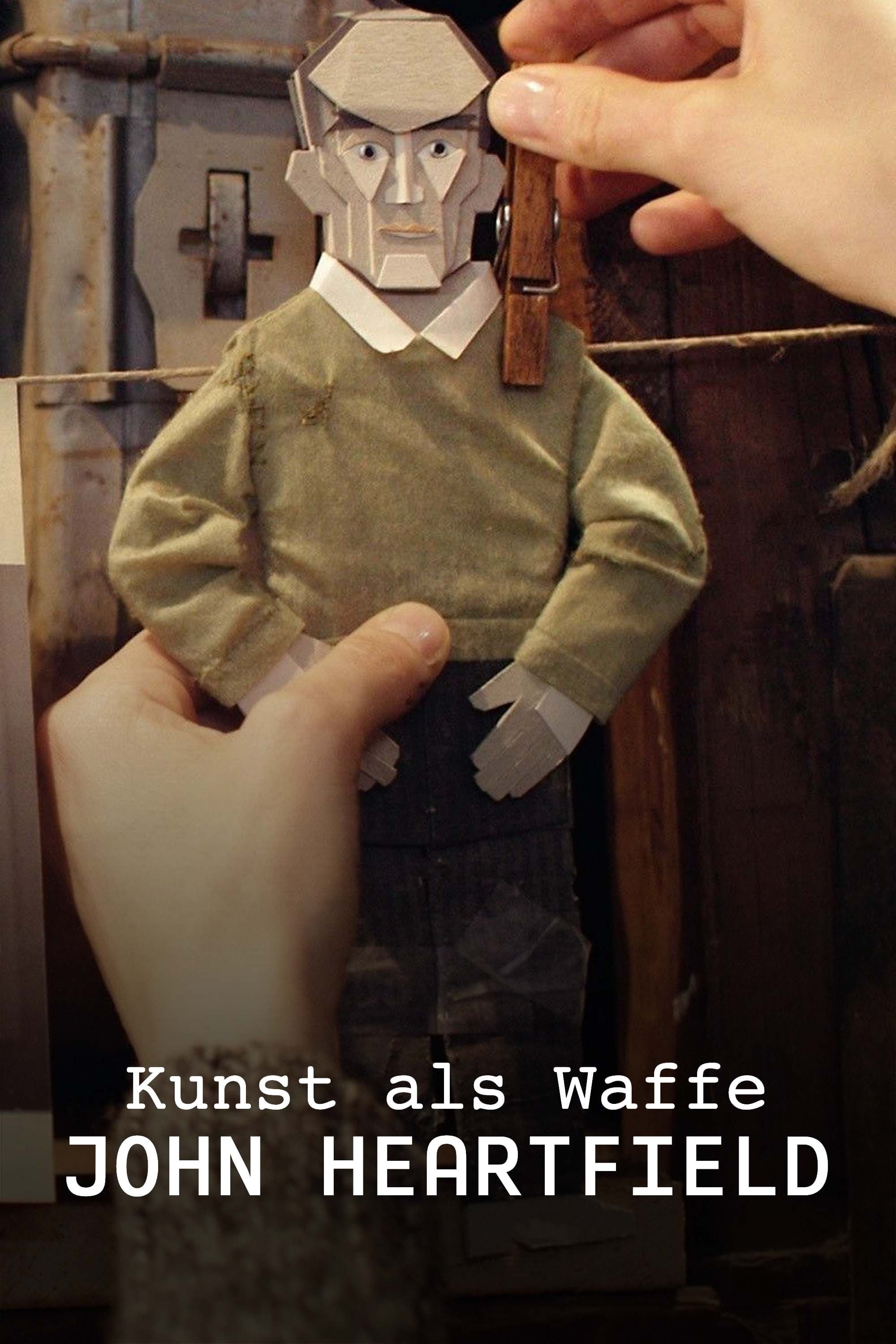
With a pair of scissors and some paper, he turned his art into a weapon the Nazis feared. A look back at the eventful career of satirist John Heartfield (1891-1968), pioneer of photomontage and modern graphic design.
A brief history of the DC Comics character Batman, created by Bob Kane in 1939.
Portraits is an intimate window into the life of Hung, a sketch artist in the middle of a bustling night market of Da Nang, Vietnam. With 2 charcoal pencils and masterful skills, Hung captures the essence of his subjects in minutes. In a world increasingly obsessed with the speed and precision of Artificial Intelligence, Hung offers a quiet, profound meditation on what it means to create.
Tommy's Christmas parcels are despatched to the Front in a fleet of trucks.
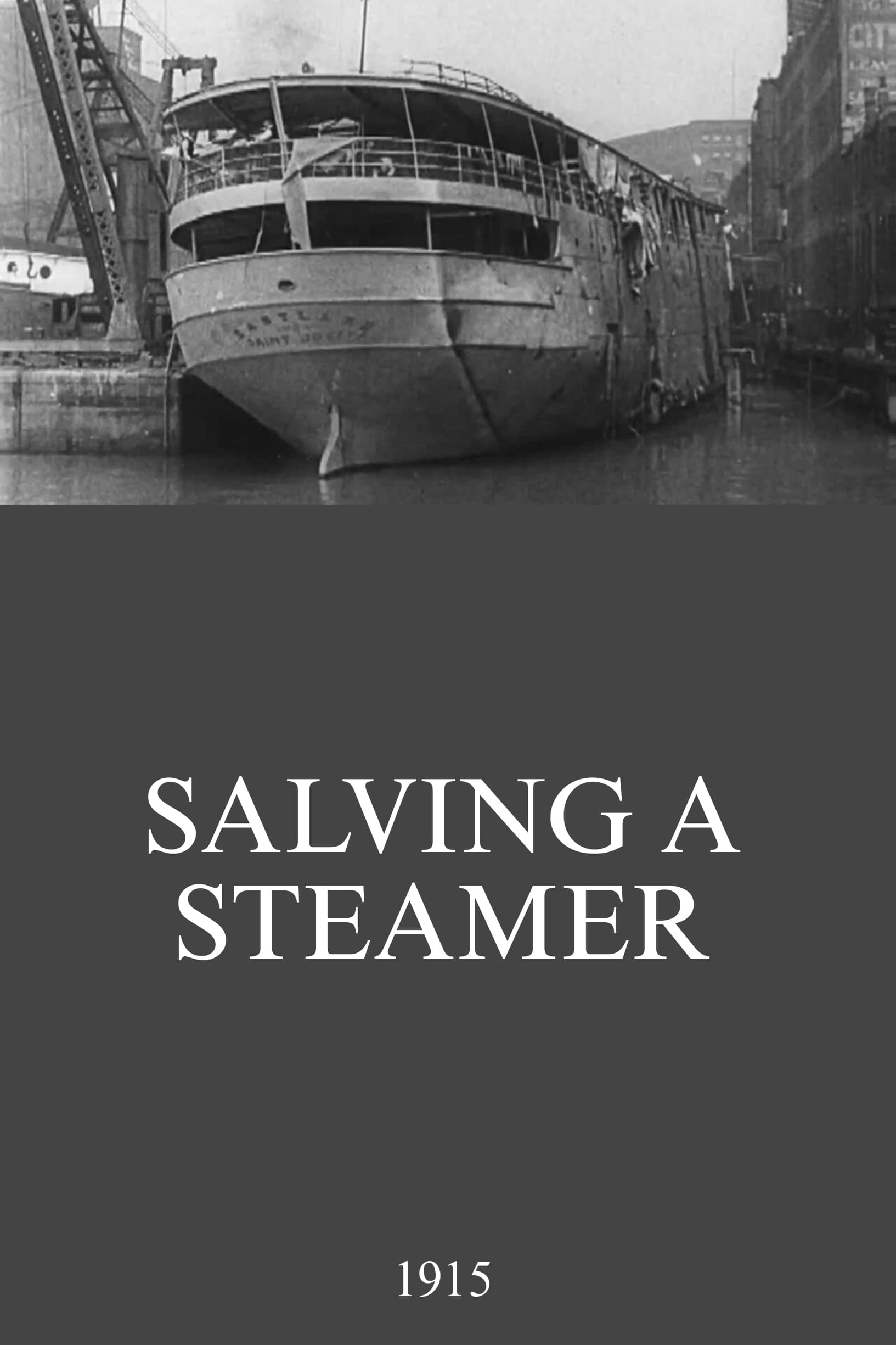
“Chicago’s Titanic” the S.S. Eastland, a Great Lakes passenger ship in which 844 people lost their lives, is brought up from the seabed.
A documentary completed through the NEH Humanities through Film course at Helena College.
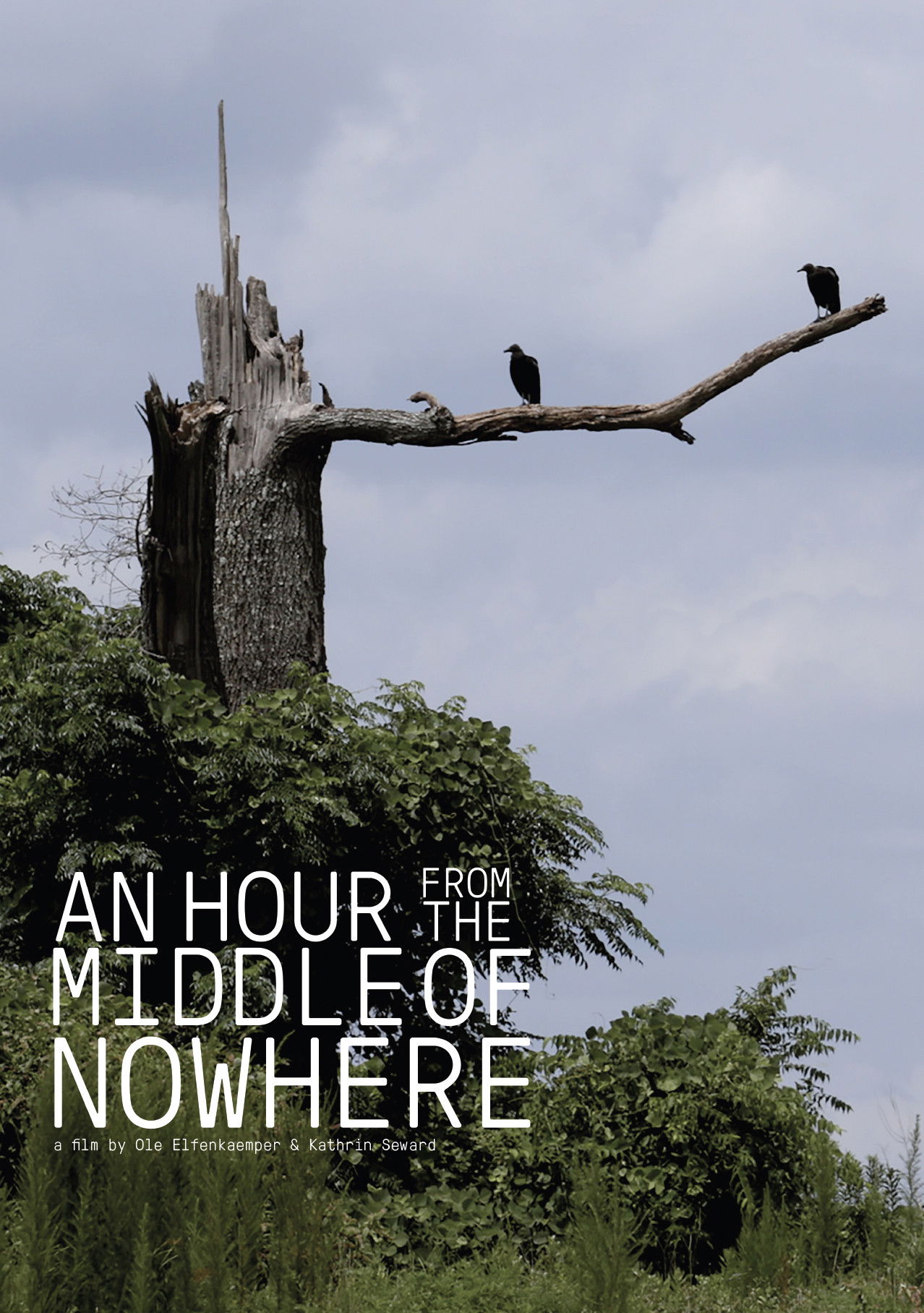
One of the largest immigration detention centers in the United States is located in a remote location with no close-by private immigration attorneys other than Marty.
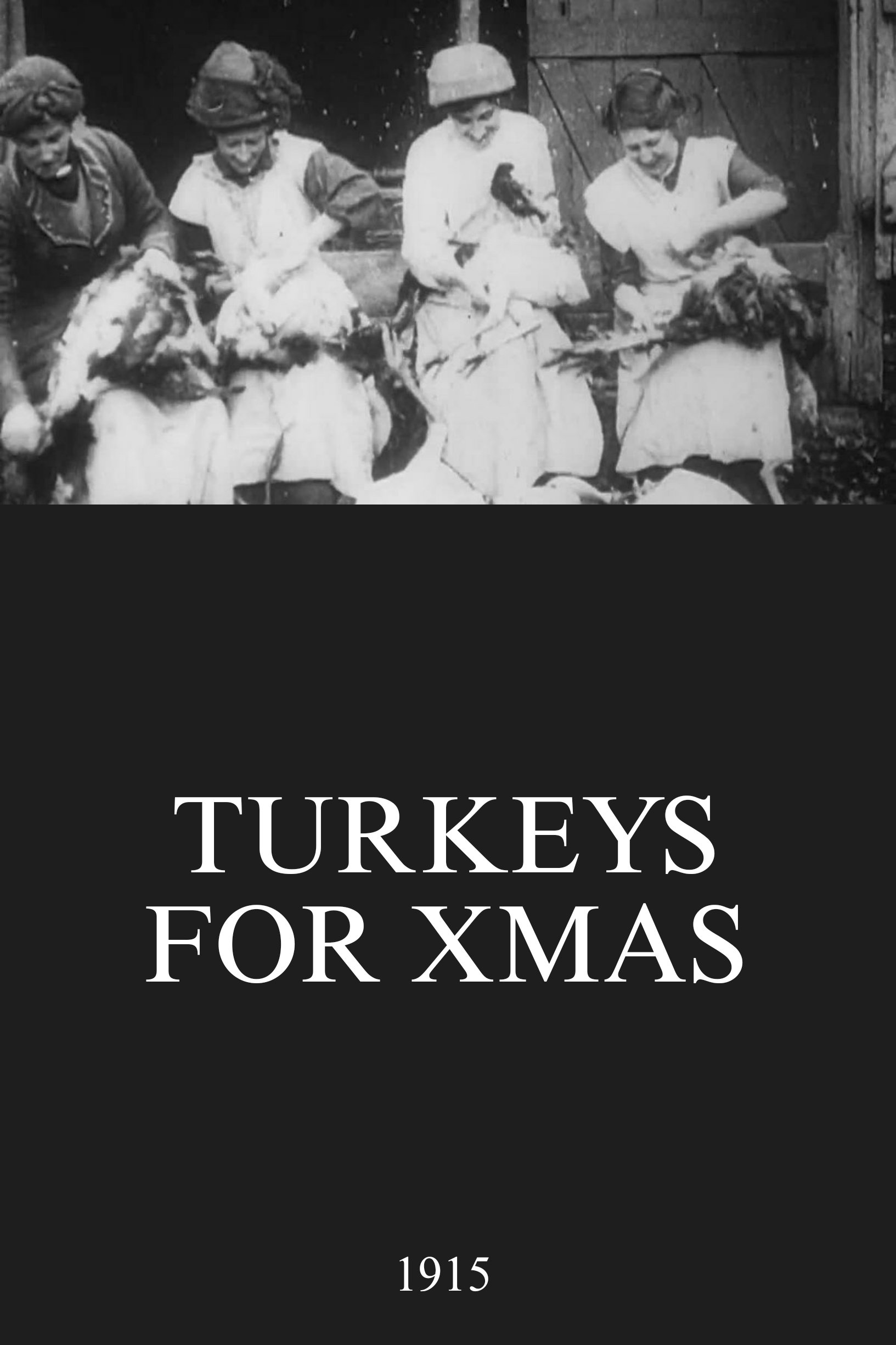
Feathered friends prepare to meet their fate in this seasonal newsreel outing to a Norfolk turkey farm.
In an intimate and joyful story of love in the face of loss, celebrated poets Andrea Gibson and Megan Falley find strength—and unexpected hilarity—in what might be their final year together.
A string of threatening emails escalates into a revenge plot involving a newly married US marshal and his ex-girlfriend.
An inside look at one of the most anticipated movie sequels ever with James Cameron and cast.
Artists in LA discover the work of forgotten Polish sculptor Stanislav Szukalski, a mad genius whose true story unfolds chapter by astounding chapter.
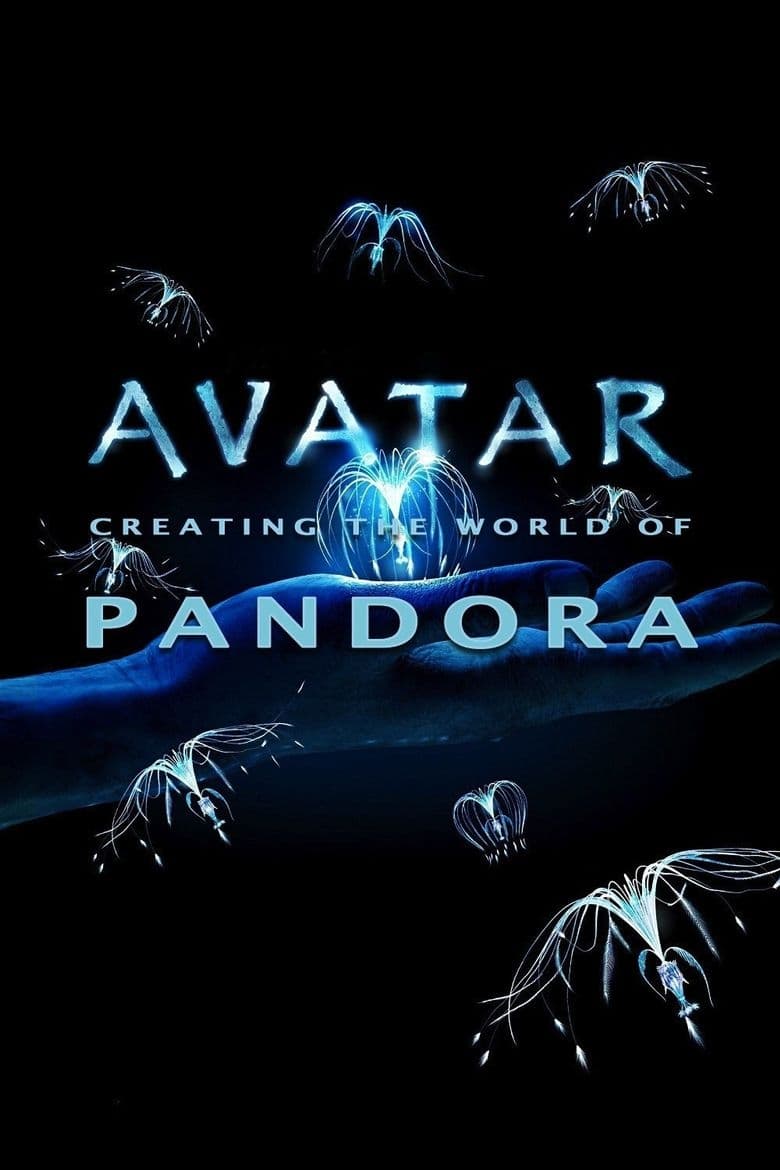
The Making-of James Cameron's Avatar. It shows interesting parts of the work on the set.
Al Pacino's deeply-felt rumination on Shakespeare's significance and relevance to the modern world through interviews and an in-depth analysis of "Richard III."
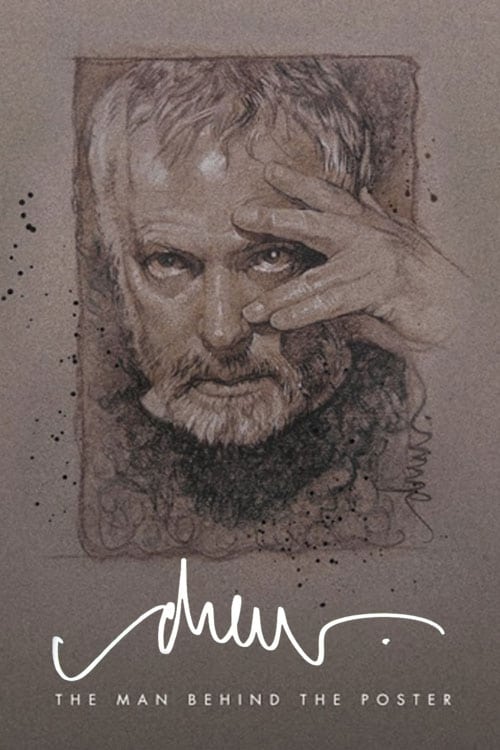
A documentary on legendary movie-poster artist Drew Struzan.
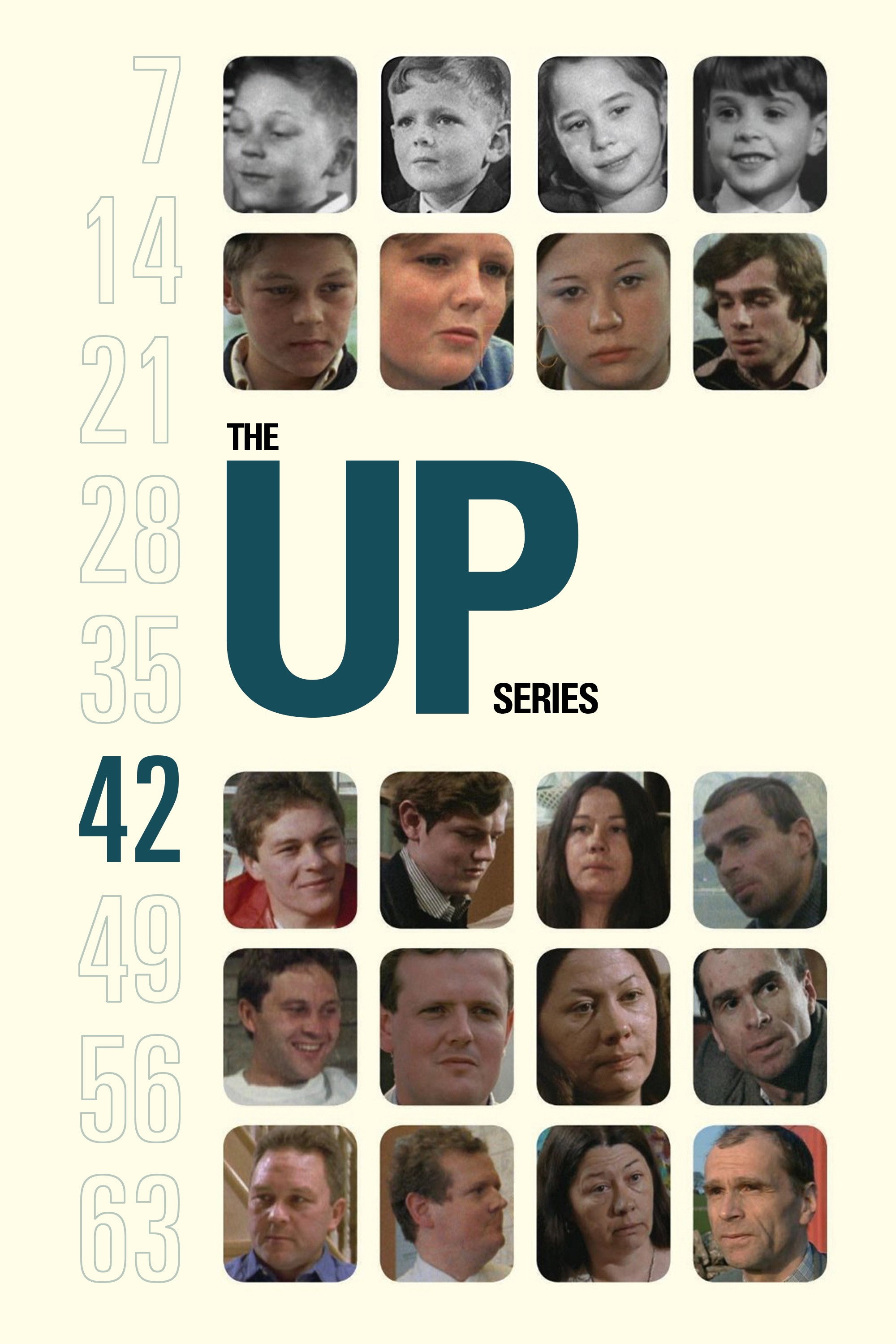
Director Michael Apted revisits the same group of British-born adults after a 7 year wait. The subjects are interviewed as to the changes that have occurred in their lives during the last seven years.
Through deeply personal interviews with her siblings and an examination of the photographs, letters, and belongings left behind, Mariska assembles a new portrait of her mother Jayne Mansfield, an extraordinary and complex woman.
A documentary about how a dominant cultural and demographic institution both sustains their traditional activities and adapts to the digital revolution.
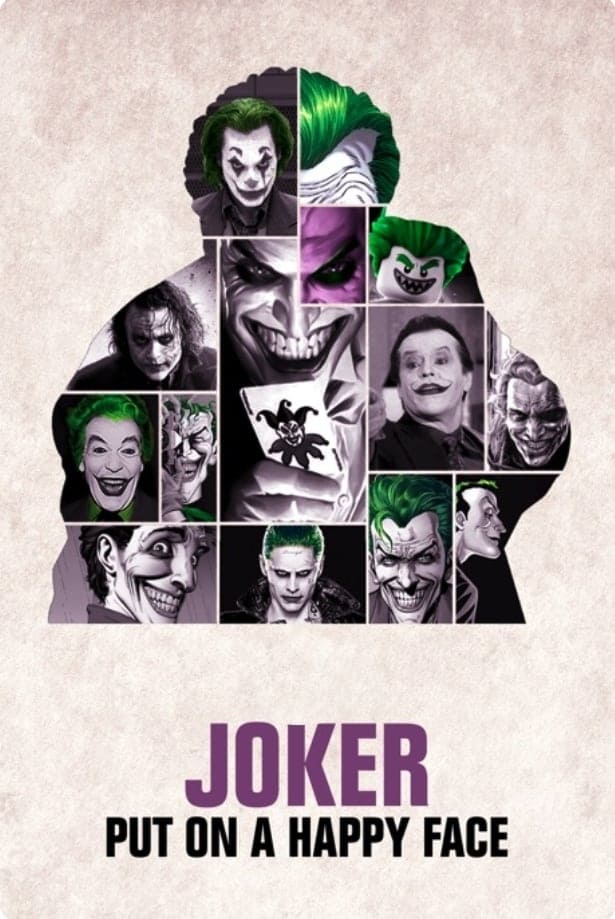
Featuring interviews with filmmakers and industry legends, discover the origins and evolution of The Joker, and learn why The Clown Prince of Crime is universally hailed as the greatest comic-book supervillain of all time.
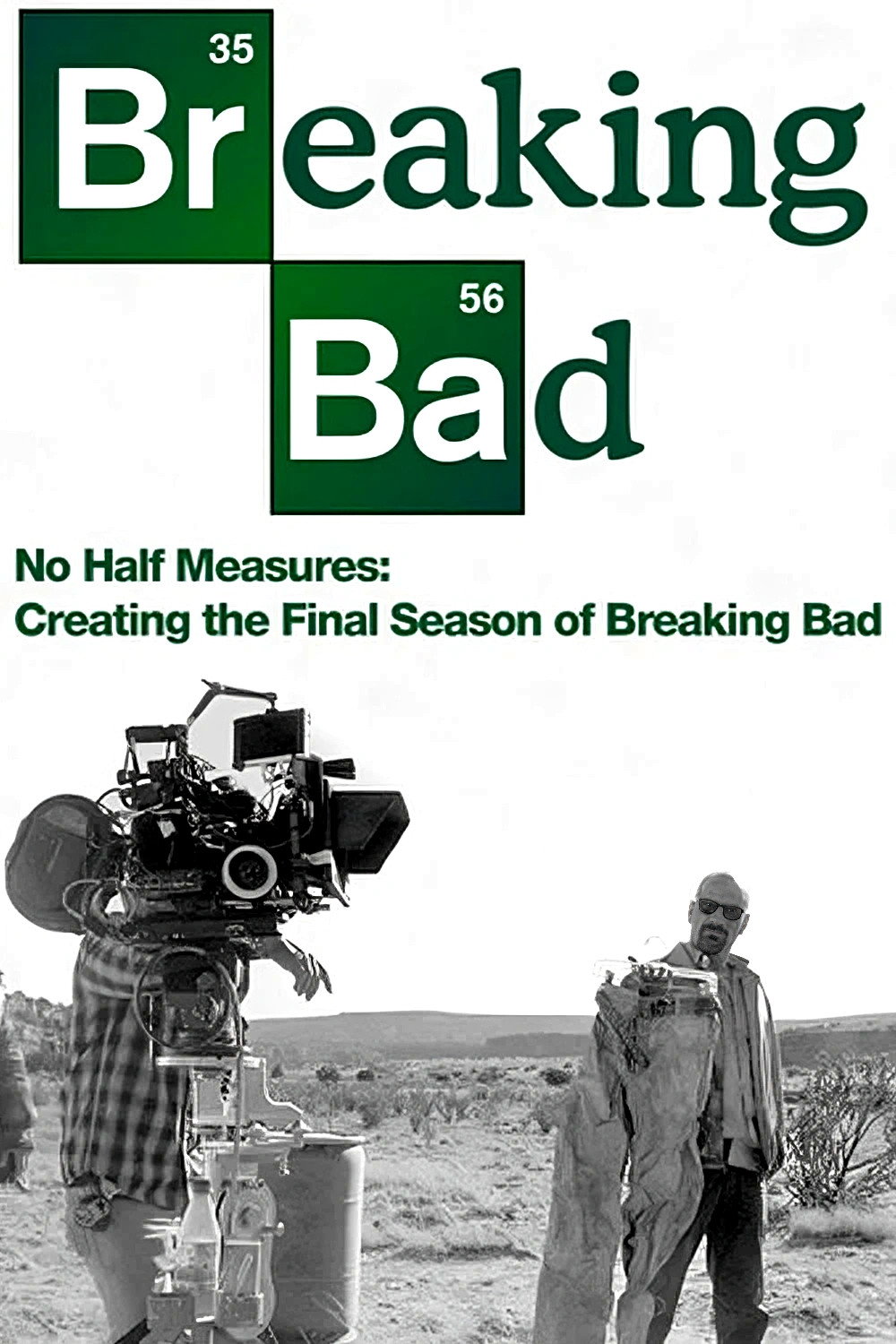
A documentary about the making of season five of the acclaimed AMC series Breaking Bad.
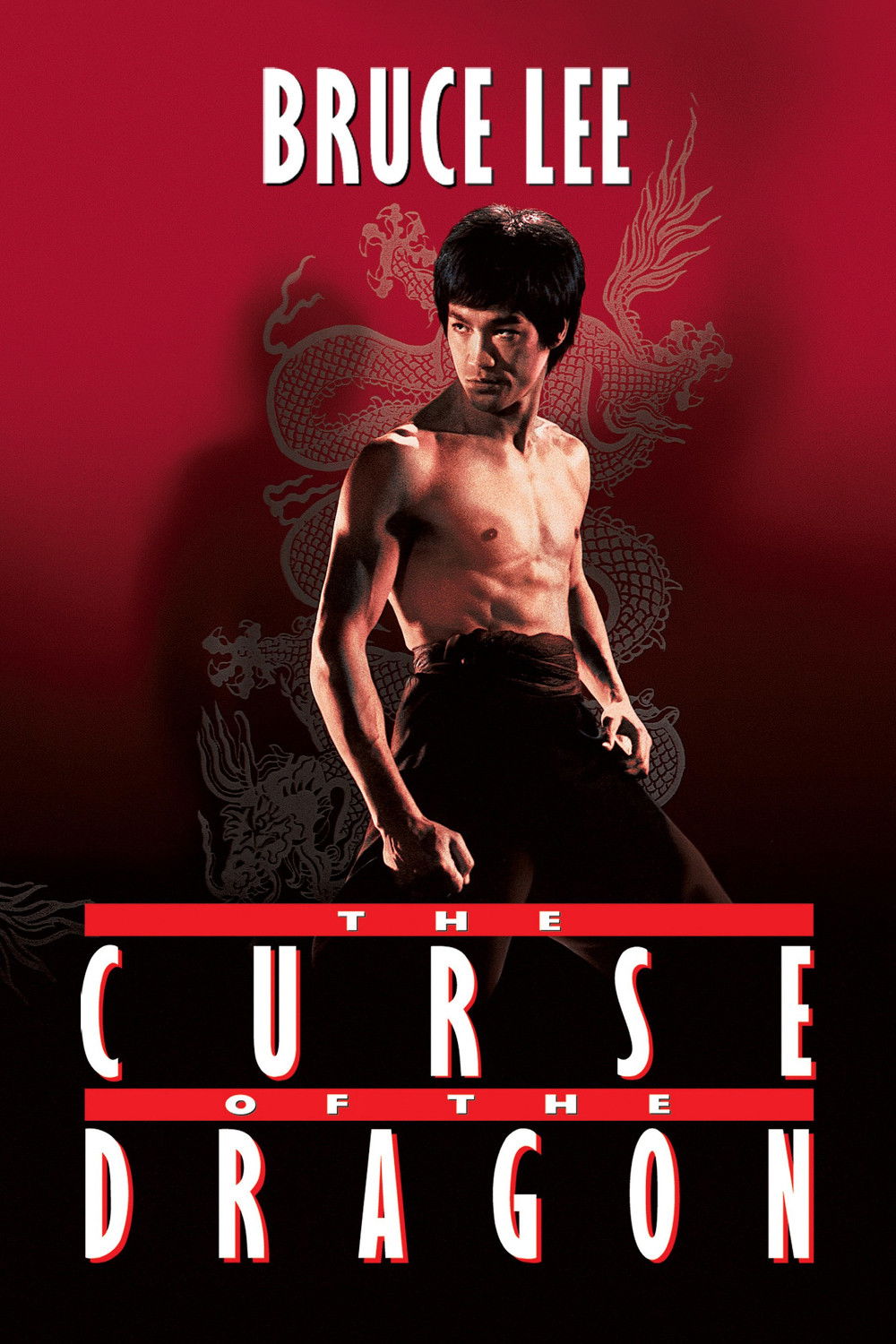
A 1993 documentary film about Bruce Lee. The film includes interviews from some of his fellow students and opponents who worked alongside him in his movies.
A documentary about the life and films of director John Ford.
The life and career of an actor, artist, and icon. His own journey through his own camera.
Behind the scenes look at fight choreography and action training.
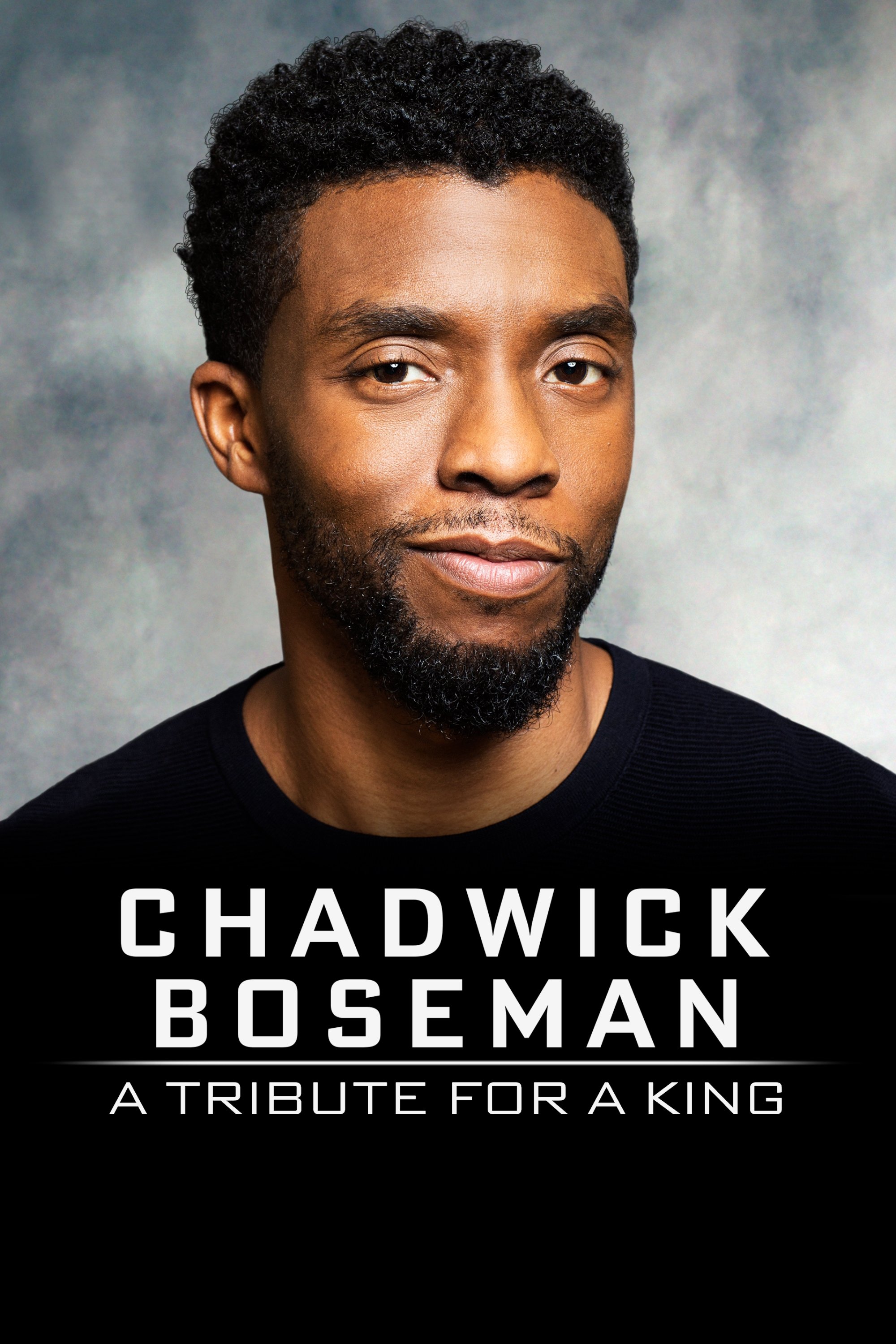
A tribute to Chadwick Boseman, celebrating his life and legacy.
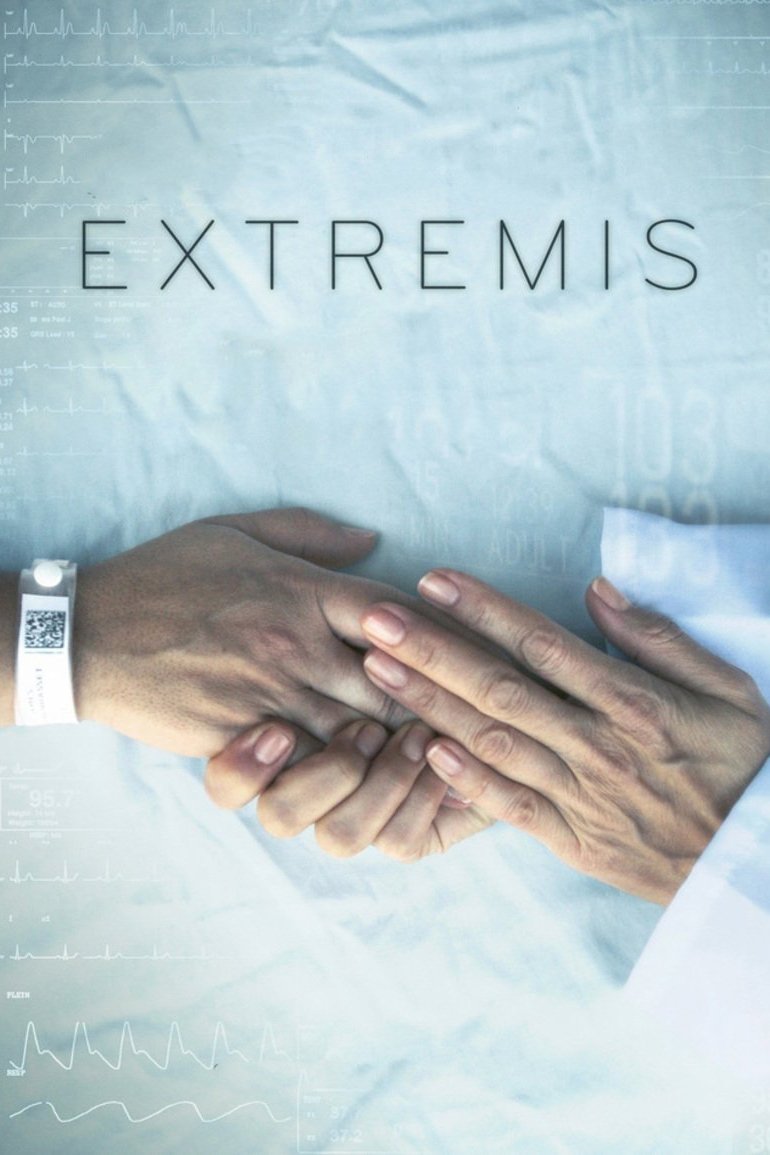
A purely observational non-fiction film that takes viewers into the ethically murky world of end-of-life decision making in a public hospital.
SEDUCED AND ABANDONED combines acting legend Alec Baldwin with director James Toback as they lead us on a troublesome and often hilarious journey of raising financing for their next feature film. Moving from director to financier to star actor, the two players provide us with a unique look behind the curtain at the world's biggest and most glamourous film festival, shining a light on the bitter-sweet relationship filmmakers have with Cannes and the film business. Featuring insights from directors Martin Scorsese, 'Bernando Bertolucci' and Roman Polanski; actors Ryan Gosling and Jessica Chastain and a host of film distribution luminaries.