Social & External
The people behind it
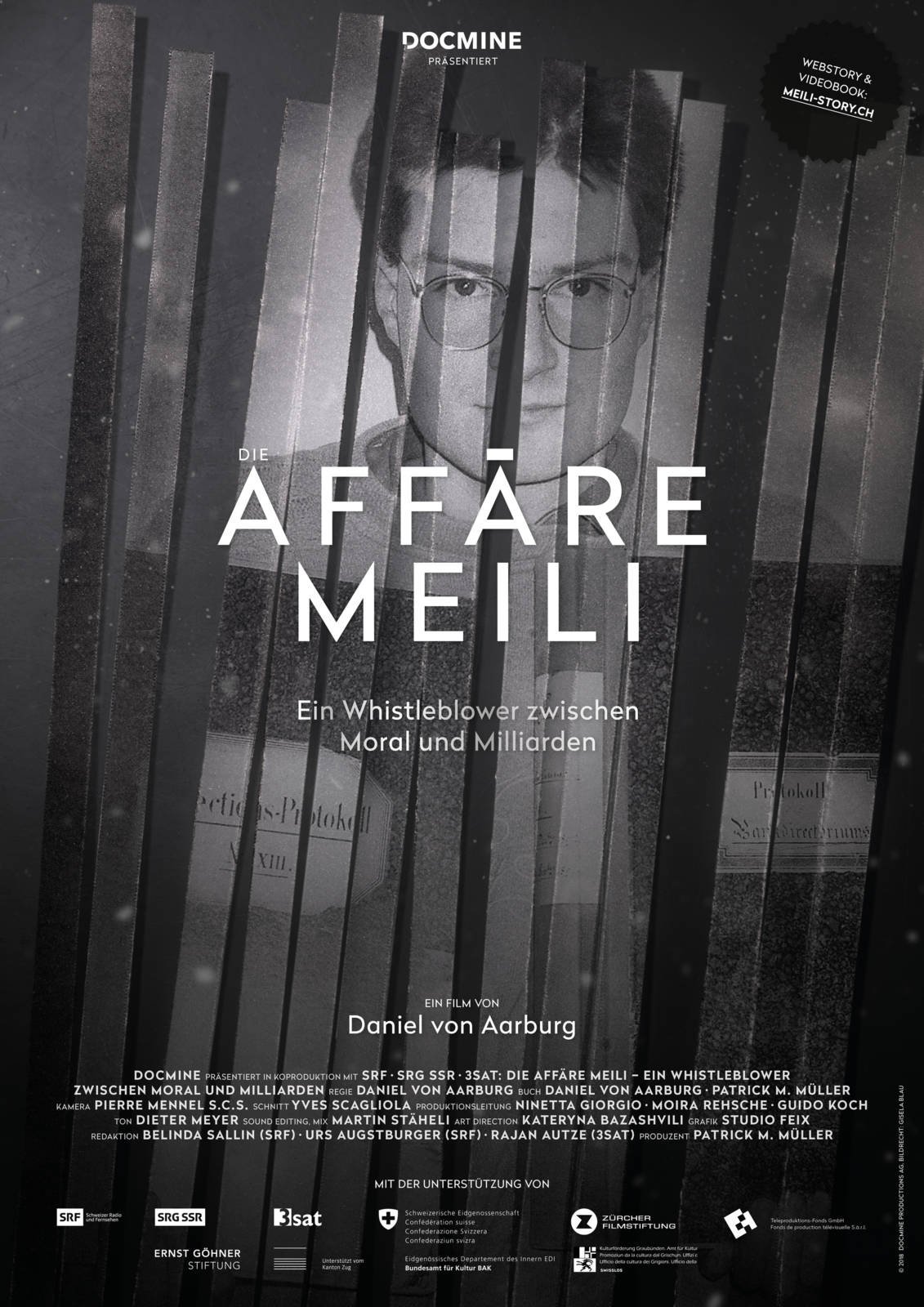
Christoph Meili
Thomas Borer
Greta Beer
Gisela Blau
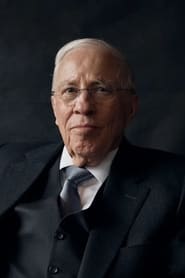
Christoph Blocher
Alfonse D'amato
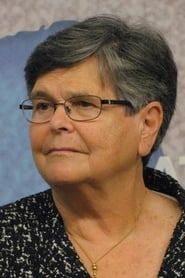
Ruth Dreifuss
Jakob Tanner
Filmmaker Alain Resnais documents the atrocities behind the walls of Hitler's concentration camps.
Markus Meechan is a criminal. Guilty of posting a YouTube video judged “grossly offensive” and containing menacing, anti-Semitic and racist material. He claims the video was a joke. Others claim, Markus is a Nazi. But what does the prosecution of a YouTube comedian mean for freedom of expression – is a censorious state overstepping the mark? Or are there some things you just shouldn’t joke about?
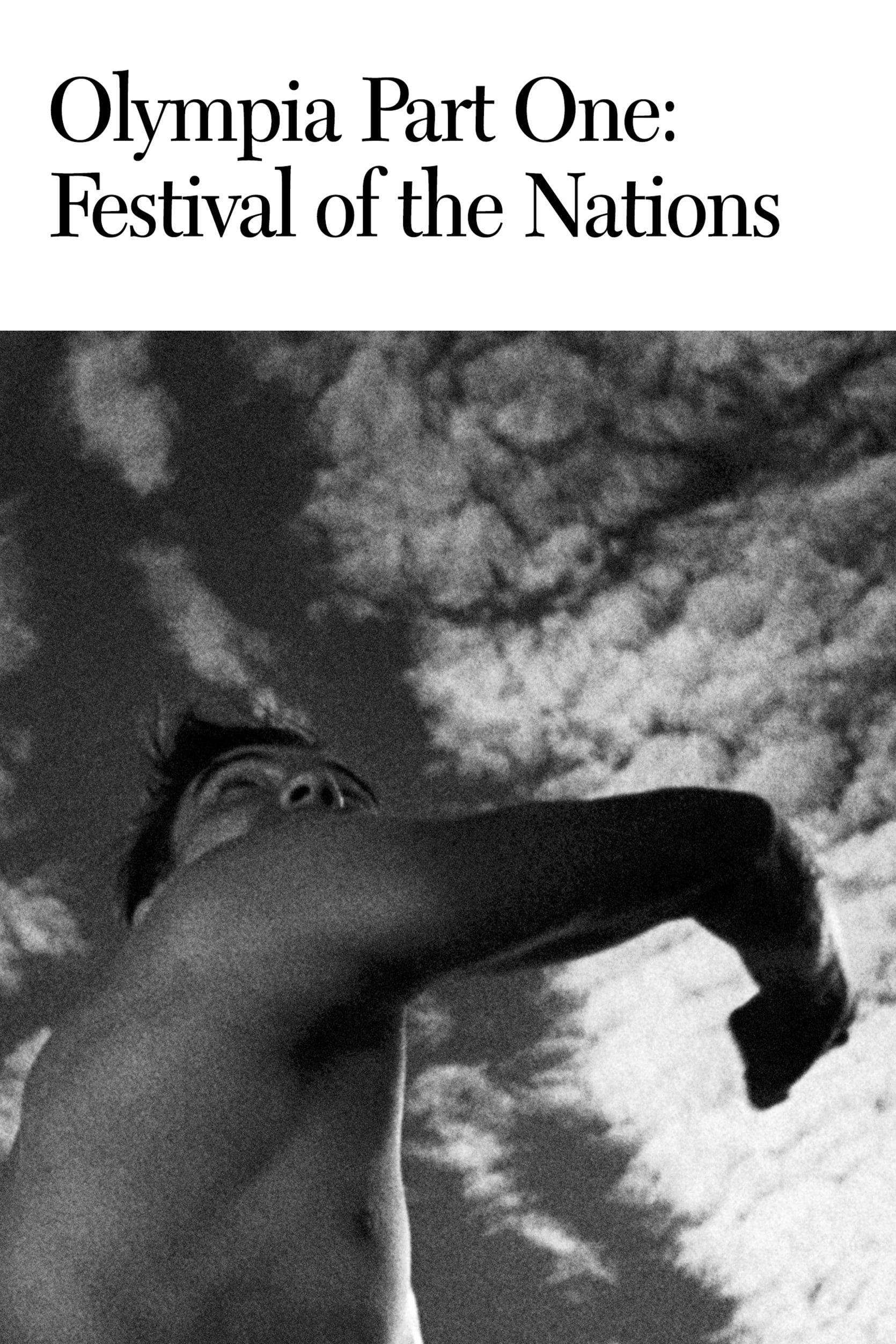
Starting with a long and lyrical overture, evoking the origins of the Olympic Games in ancient Greece, Riefenstahl covers twenty-one athletic events in the first half of this two-part love letter to the human body and spirit, culminating with the marathon, where Jesse Owens became the first track and field athlete to win four gold medals in a single Olympics.
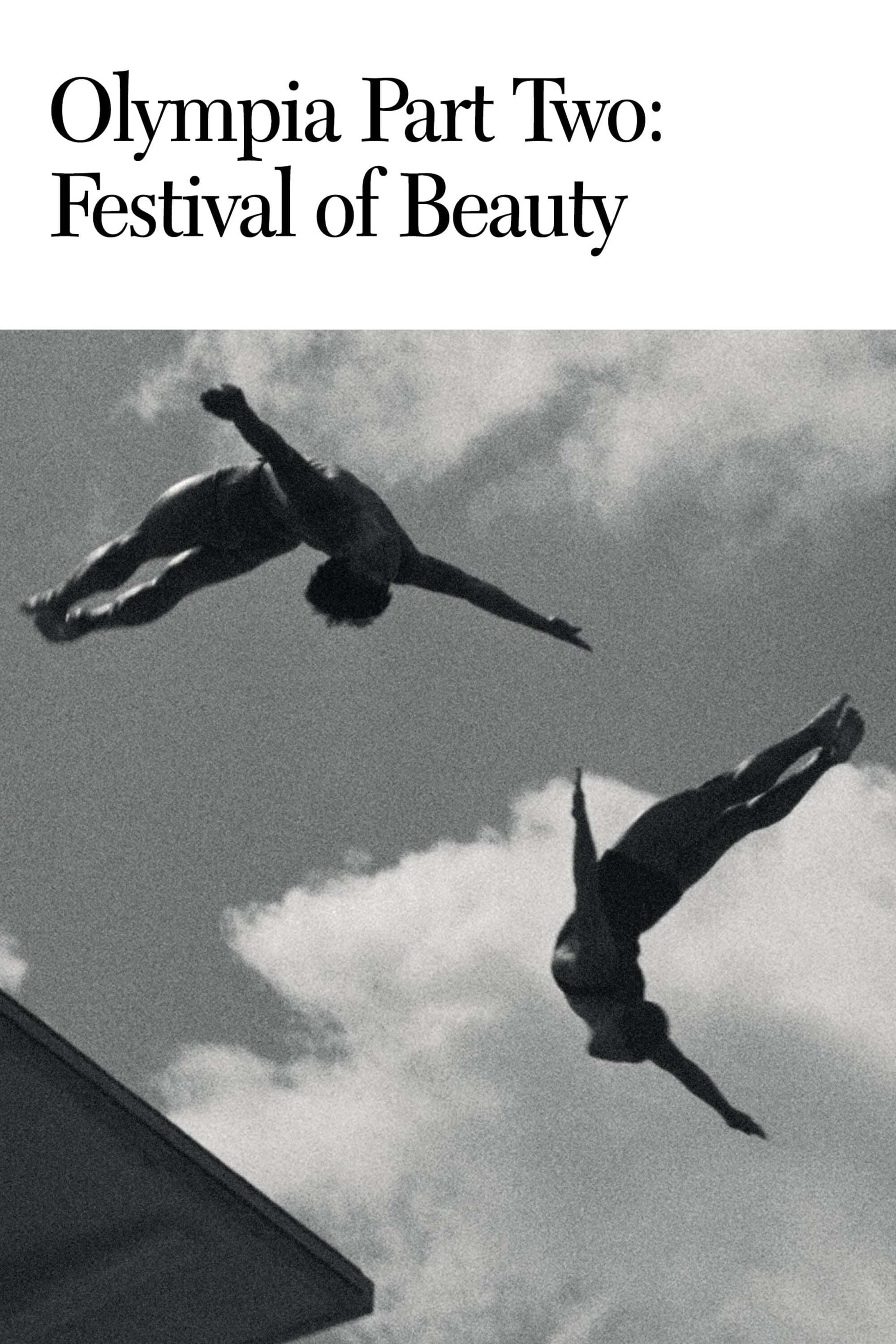
Part two of Leni Riefenstahl's monumental examination of the 1938 Olympic Games, the cameras leave the main stadium and venture into the many halls and fields deployed for such sports as fencing, polo, cycling, and the modern pentathlon, which was won by American Glenn Morris.
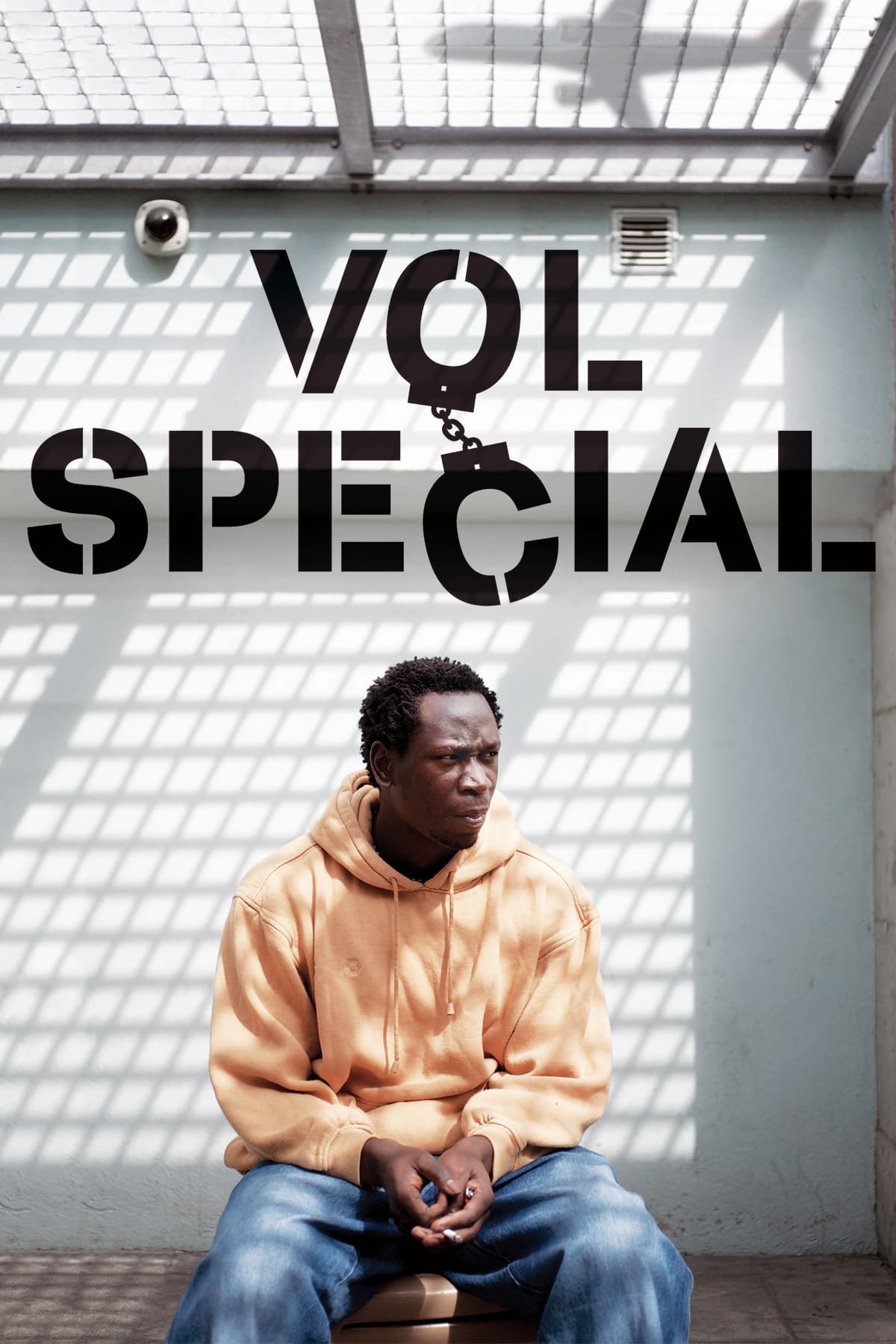
Switzerland still carries out special flights, where passengers, dressed in diapers and helmets, are chained to their seats for 40 hours at worst. They are accompanied by police officers and immigration officials. The passengers are flown to their native countries, where they haven't set foot in in up to twenty years, and where their lives might be in danger. Children, wives and work are left behind in Switzerland. Near Geneva, in Frambois prison, live 25 illegal immigrants waiting for deportation. They are offered an opportunity to say goodbye to their families and return to their native countries on a regular flight, escorted by plain-clothes police officers. If they refuse this offer, the special flight is arranged fast and unexpectedly. The stories behind the locked cells are truly heartbreaking.
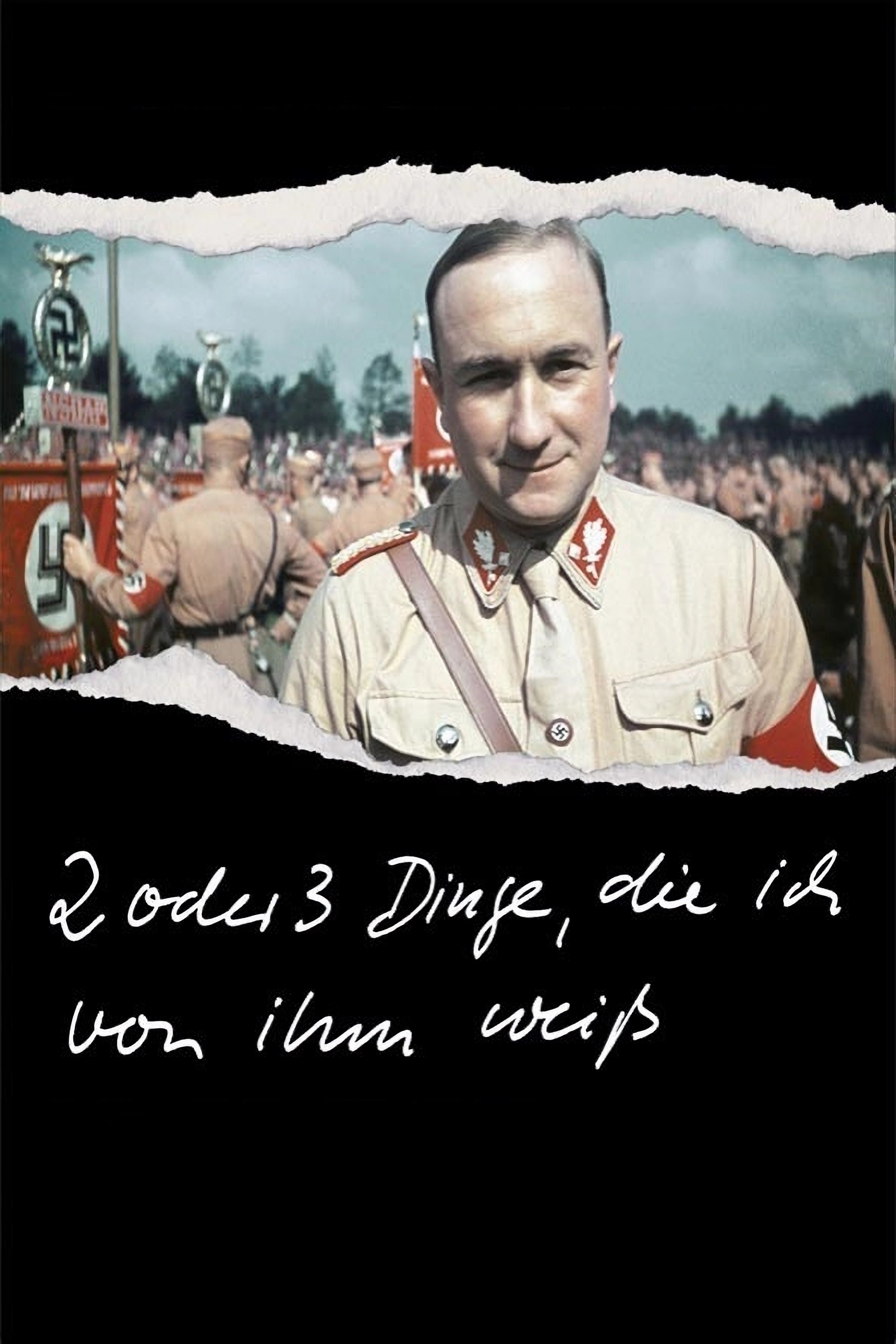
What would your family reminiscences about dad sound like if he had been an early supporter of Hitler’s, a leader of the notorious SA and the Third Reich’s minister in charge of Slovakia, including its Final Solution? Executed as a war criminal in 1947, Hanns Ludin left behind a grieving widow and six young children, the youngest of whom became a filmmaker. It's a fascinating, maddening, sometimes even humorous look at what the director calls "a typical German story." (Film Forum)
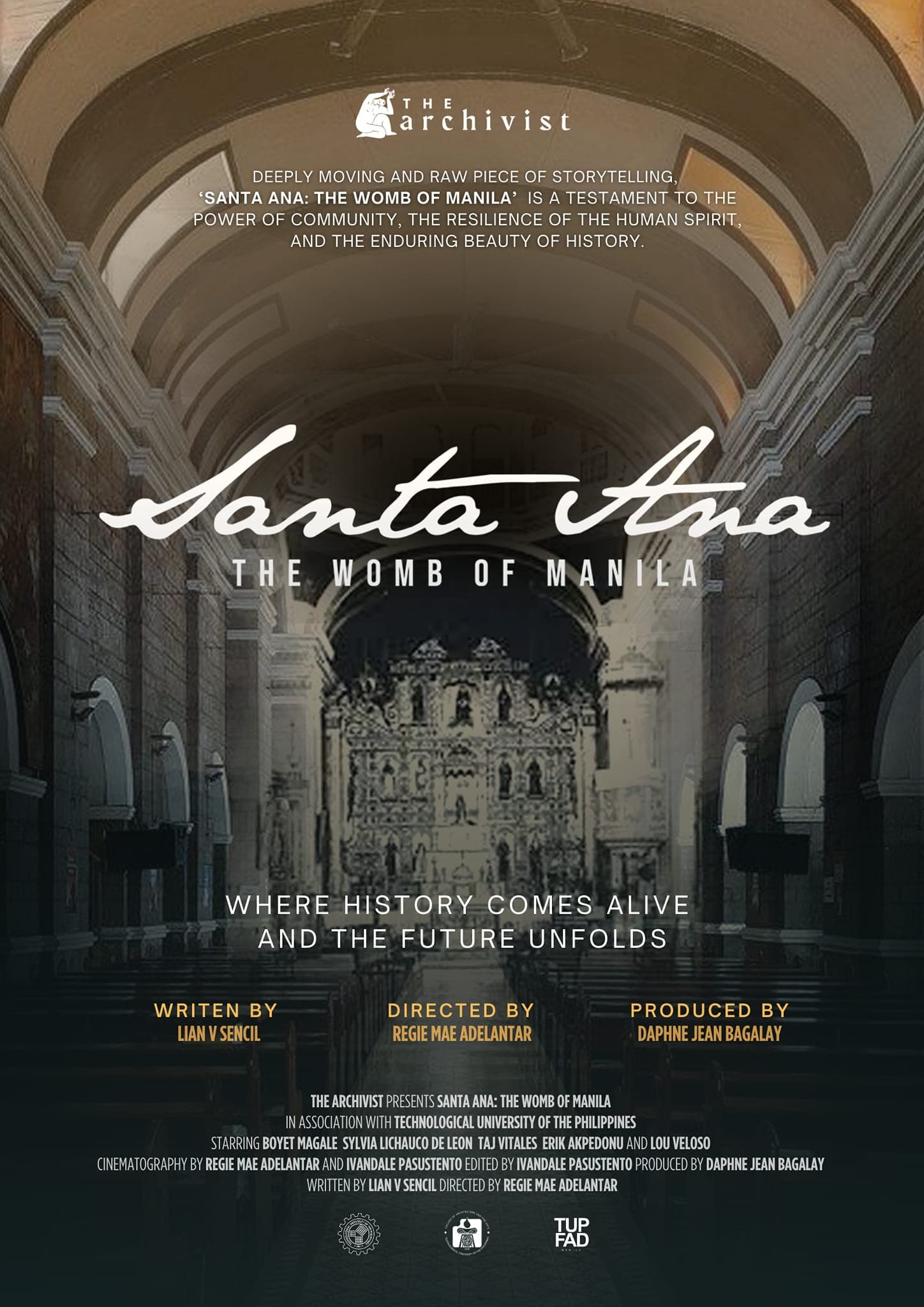
The film is about inspiration, reminding the power of collective action, the importance of preserving the heritage of Santa Ana, and the boundless potential that lies within the community. It is a story that deserves to be told, a story that will resonate with audiences of all ages and backgrounds.
In the months and years following the end of the World War Two, Allied forces faced a series of bombings and attacks in occupied Germany. Nazi loyalists attempted to derail the rebuilding process by killing any Germans collaborating with the enemy. And the mysterious SS-Werewolves underground organization boasted of the coming rebirth of the Party.
The story of Nisar Ahmed Khan, told through his children and the people he served, a spiritual guide whose followers still visit his tomb on his birth and death anniversaries. And alongside how his family spends a few days at the village keeping his traditions alive.
Lap up the luxury and opulence of the festive season at Switzerland's Gstaad Palace hotel, as we discover one of the most exclusive hotels in the world, where staff and management work hard to ensure their guests enjoy the ultimate 5-star festive experience. Run by third generation hotelier Andrea Scherz, whose family have owned the hotel since 1938, the hotel is one of the last in Switzerland to close between the summer season and winter. When it reopens in mid-December, with rooms costing up to £18,000 per night, the pressure is on to provide a truly first class Christmas.
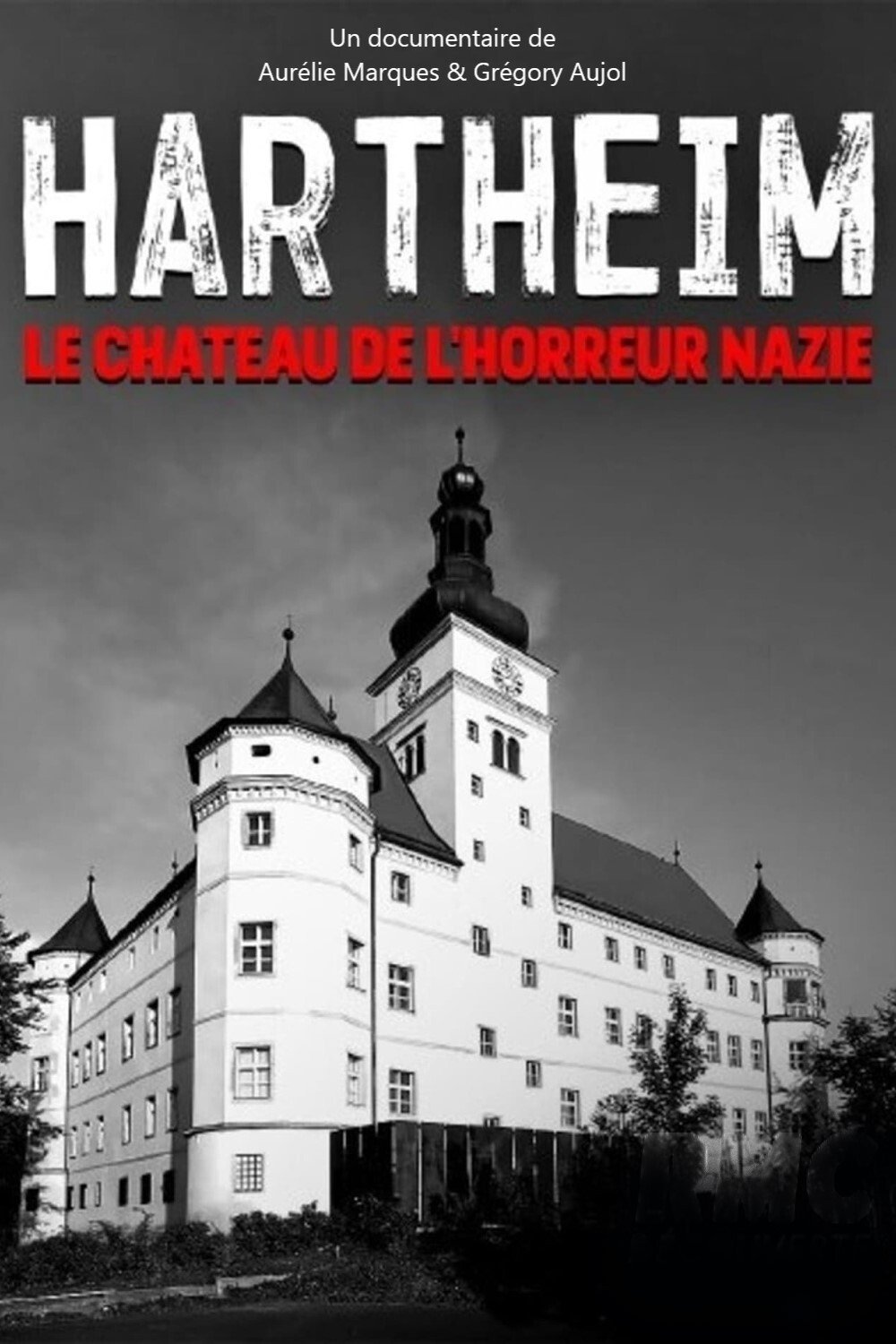
In 1939, as the world stood on the brink of World War II, Hartheim Castle, Austria, was at the centre of a turning point of history. It had been a centre for those with physical or mental disabilities. But from 1939 to 1944, it acted as a pilot scheme for the 'final solution.' Hartheim: the top secret Nazi school for mass murder.
Motivated by family memories, a filmmaker returns to the land of his mother to reflect on his identity and deep cultural heritage.
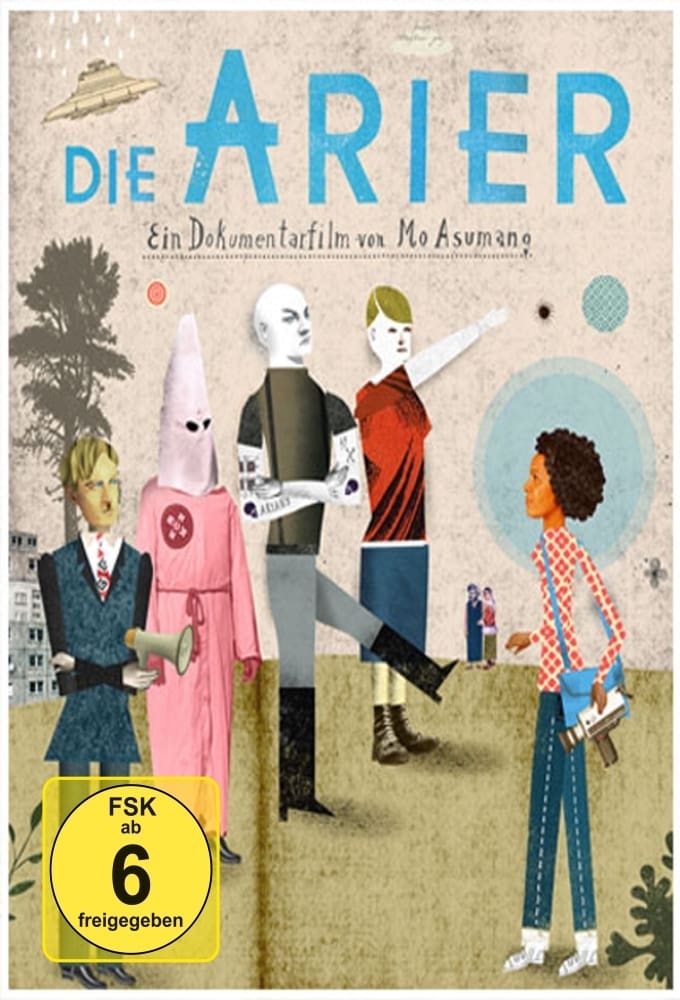
THE ARYANS is Mo Asumang's personal journey into the madness of racism during which she meets German neo-Nazis, the US leading racist, the notorious Tom Metzger and Ku Klux Klan members in the alarming twilight of the Midwest. In The ARYANS Mo questions the completely wrong interpretation of "Aryanism" - a phenomenon of the tall, blond and blue-eyed master race.
Wolves divide and fascinate us. 150 years after they were driven to extinction in Central Europe, they are returning slowly but inexorably. Are they dangerous to humans? Is it possible to coexist? Using Switzerland as a point of departure, where wolves have returned in the very recent past, this documentary sheds light on the wolf situation in Austria, eastern Germany, Poland, Bulgaria, and even Minnesota, where freely roaming packs of wolves are more common sight.
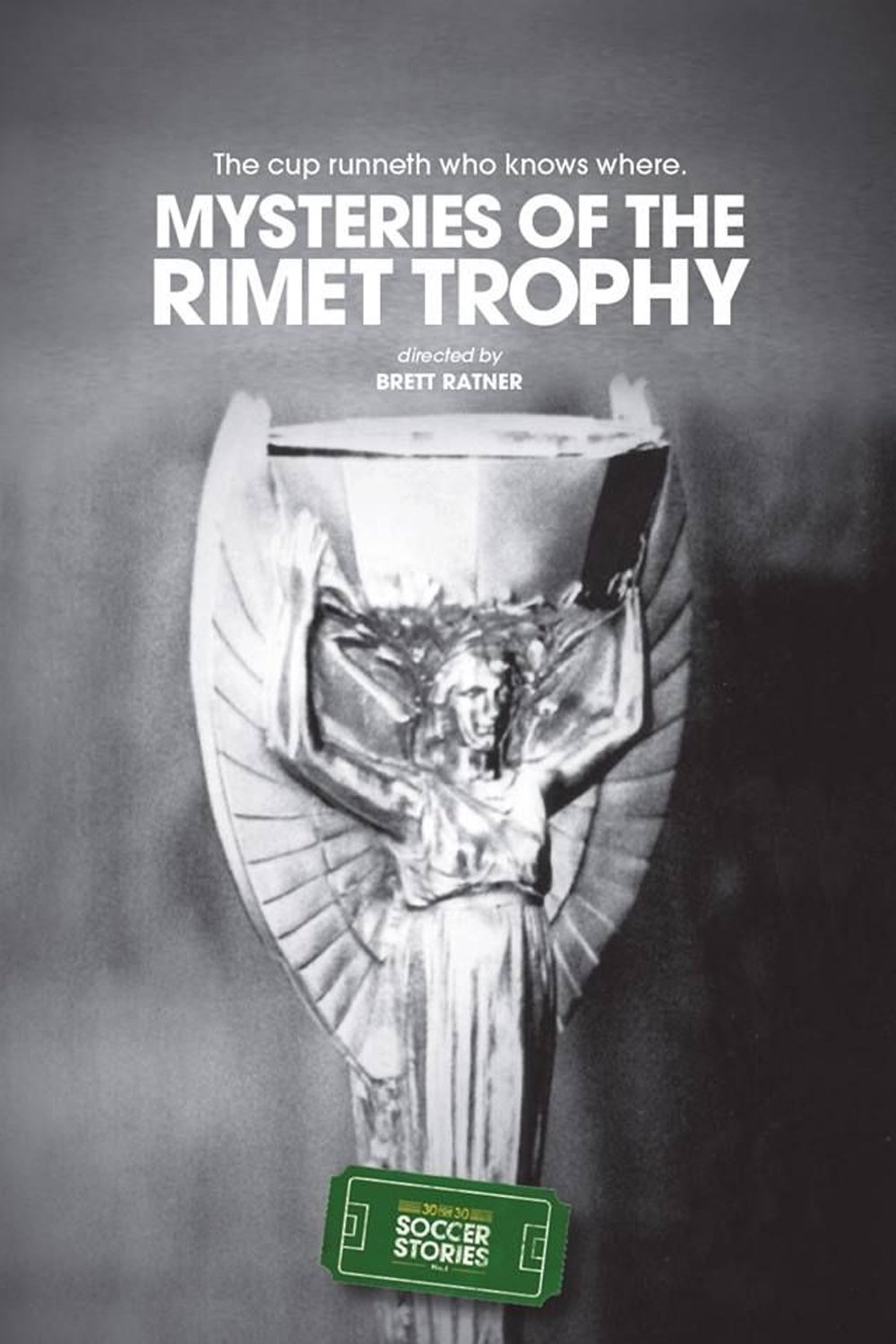
Starting with a Nazi plan to steal the Rimet Trophy from Italy during World War II, the story unfolds like a great caper film. Our hero, Ottorino Barassi, a mild-mannered Italian soccer official, tries to protect a valued treasure.
Climb aboard the illustrious Bernina Express for a festive ride through spectacular Alpine landscapes, taking in snow-covered peaks, architectural wonders, and majestic glaciers.
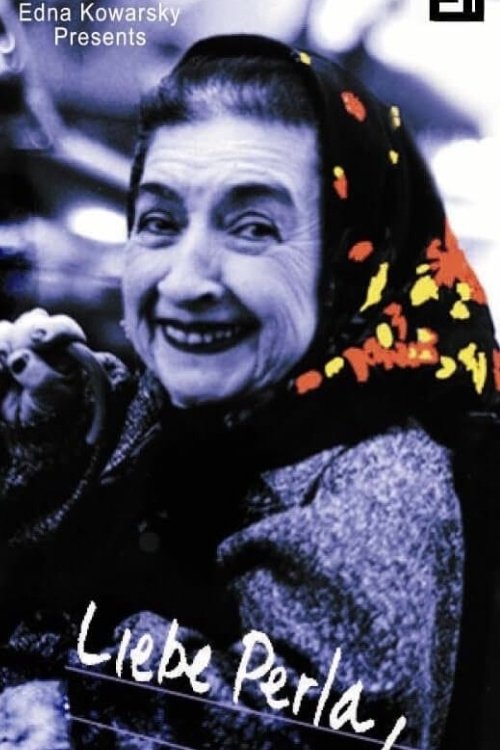
Researcher Hannelore Witkovsky searches for the notorious Nazi war criminal Dr. Joseph Mengele's lost film about his experiments on a family of little people in Auschwitz including Holocaust survivor Perla Ubitsch, whom she befriends.
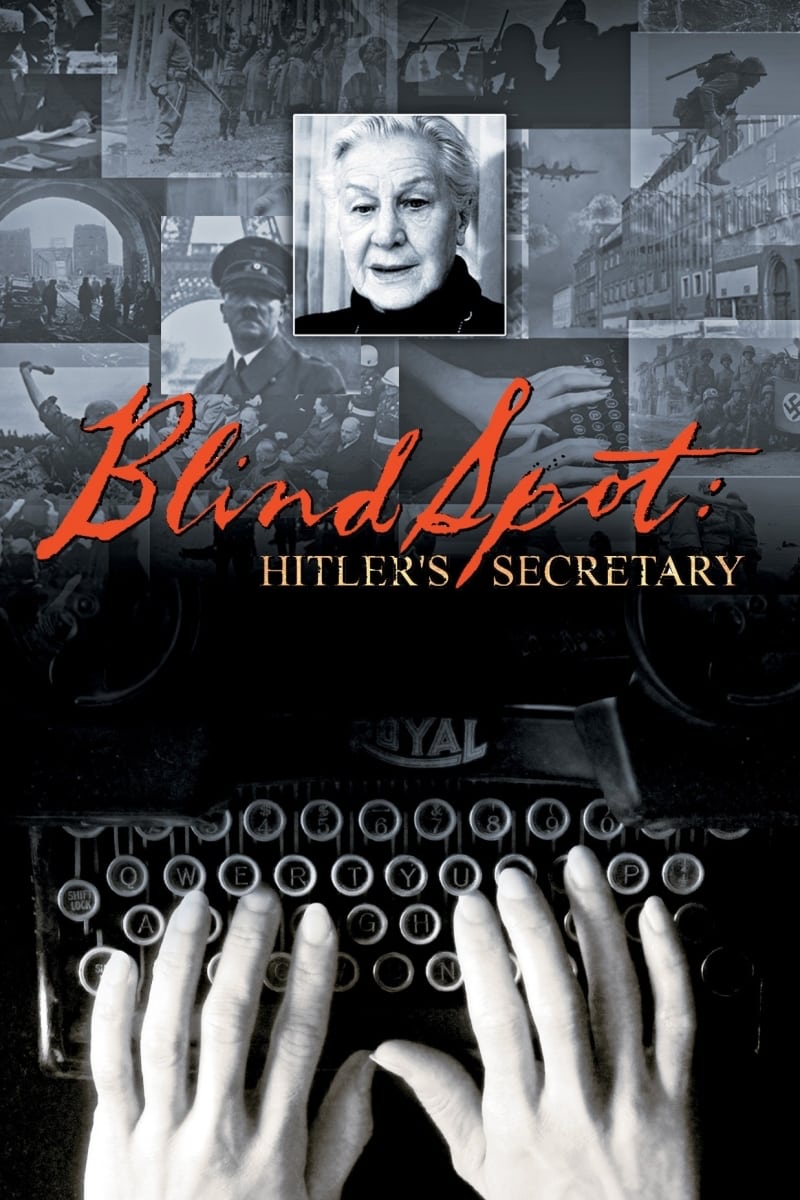
Documentarians Andre Heller and Othmar Schmiderer turn their camera on 81-year-old Traudl Junge, who served as Adolf Hitler's secretary from 1942 to 1945, and allow her to speak about her experiences. Junge sheds light on life in the Third Reich and the days leading up to Hitler's death in the famed bunker, where Junge recorded Hitler's last will and testament. Her gripping account is nothing short of mesmerizing.
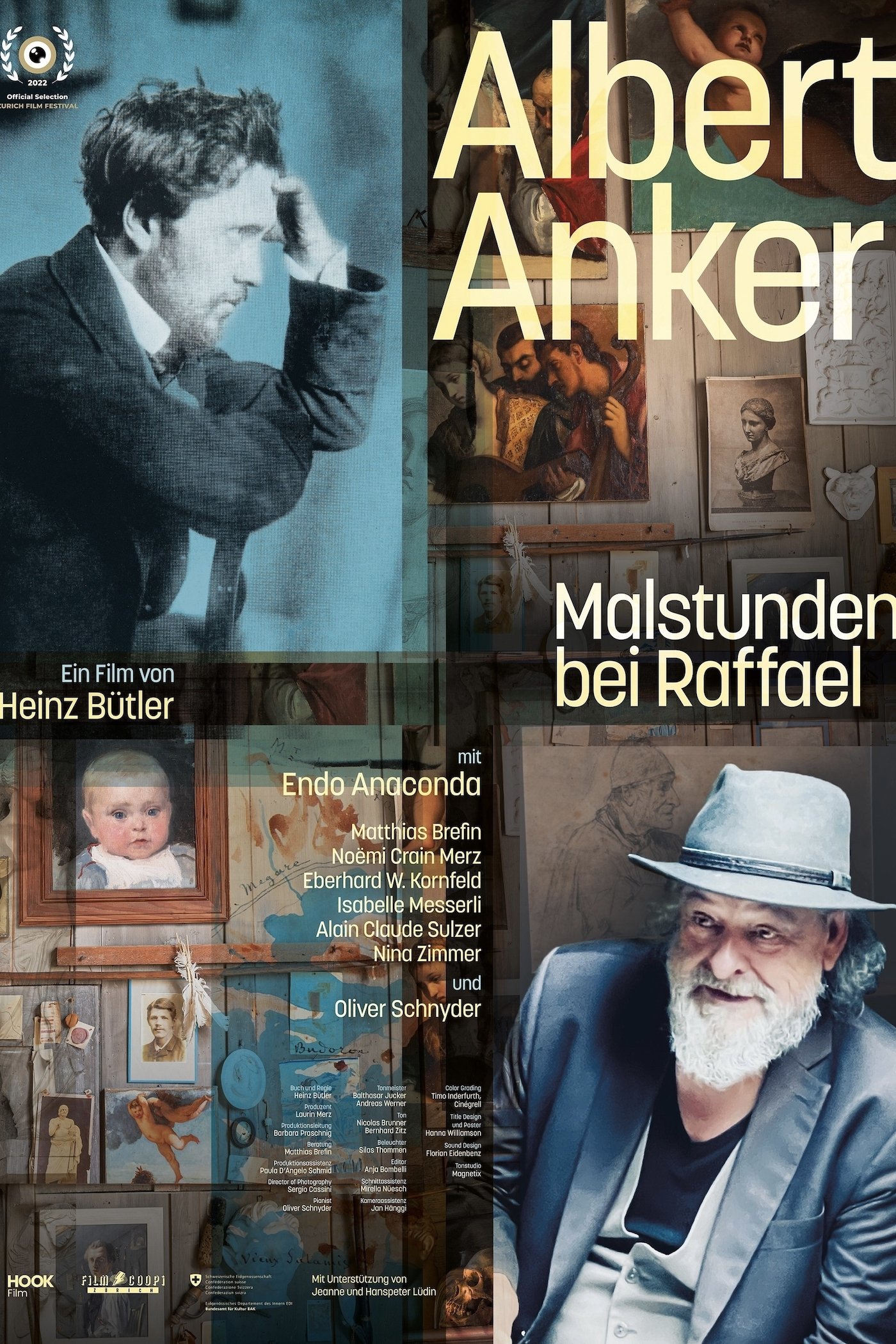
With his vivid oil paintings, Albert Anker captured Swiss folk life like no other. Together with musician Endo Anaconda we discover the "Anker-House", Anker's old studio.
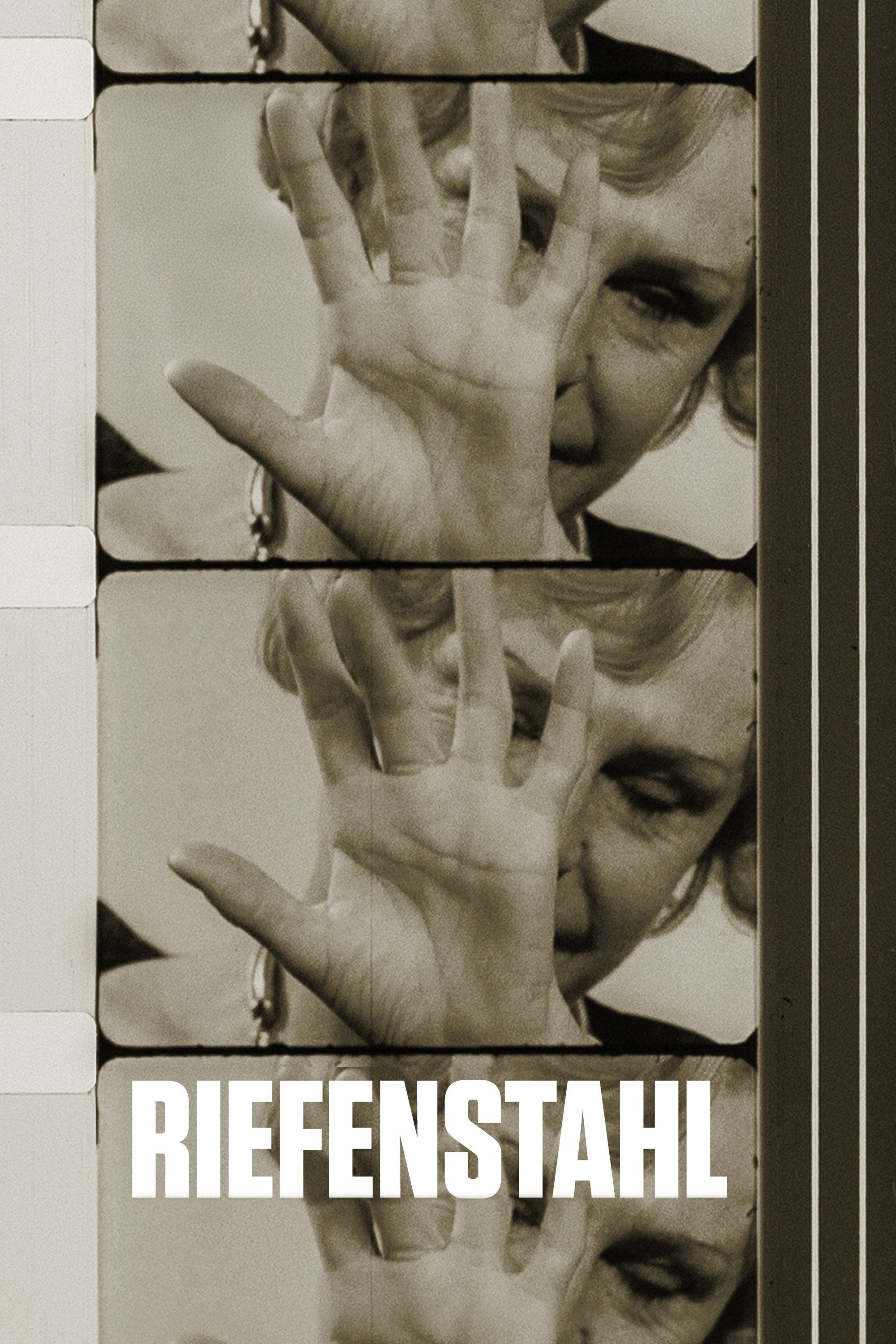
Explores Leni Riefenstahl's artistic legacy and her complex ties to the Nazi regime, juxtaposing her self-portrayal with evidence suggesting awareness of the regime's atrocities.
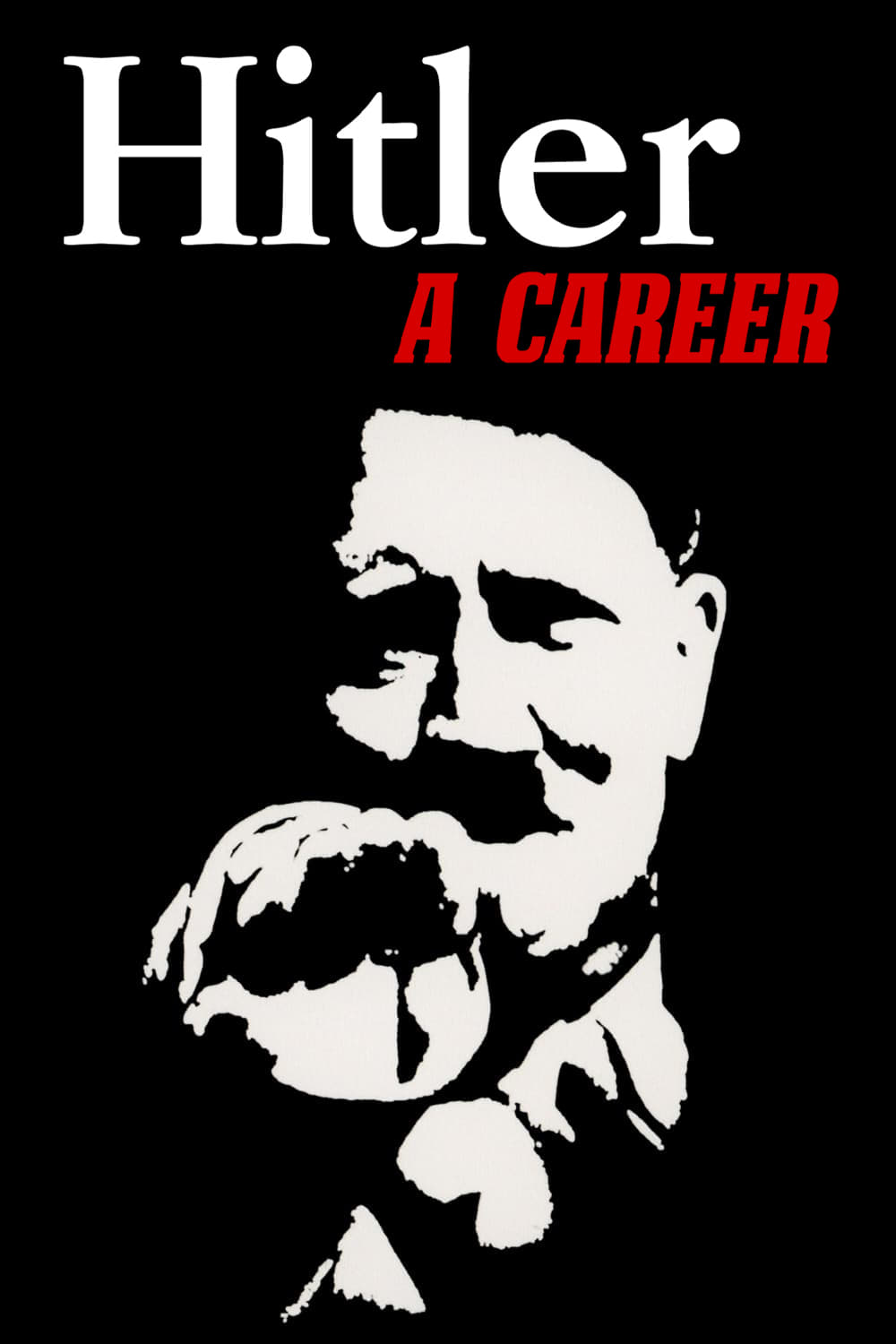
A keen chronicle of the unlikely rise to power of Adolf Hitler (1889-1945) and a dissection of the Third Reich (1933-1945), but also an analysis of mass psychology and how the desperate crowd can be deceived and shepherded to the slaughterhouse.
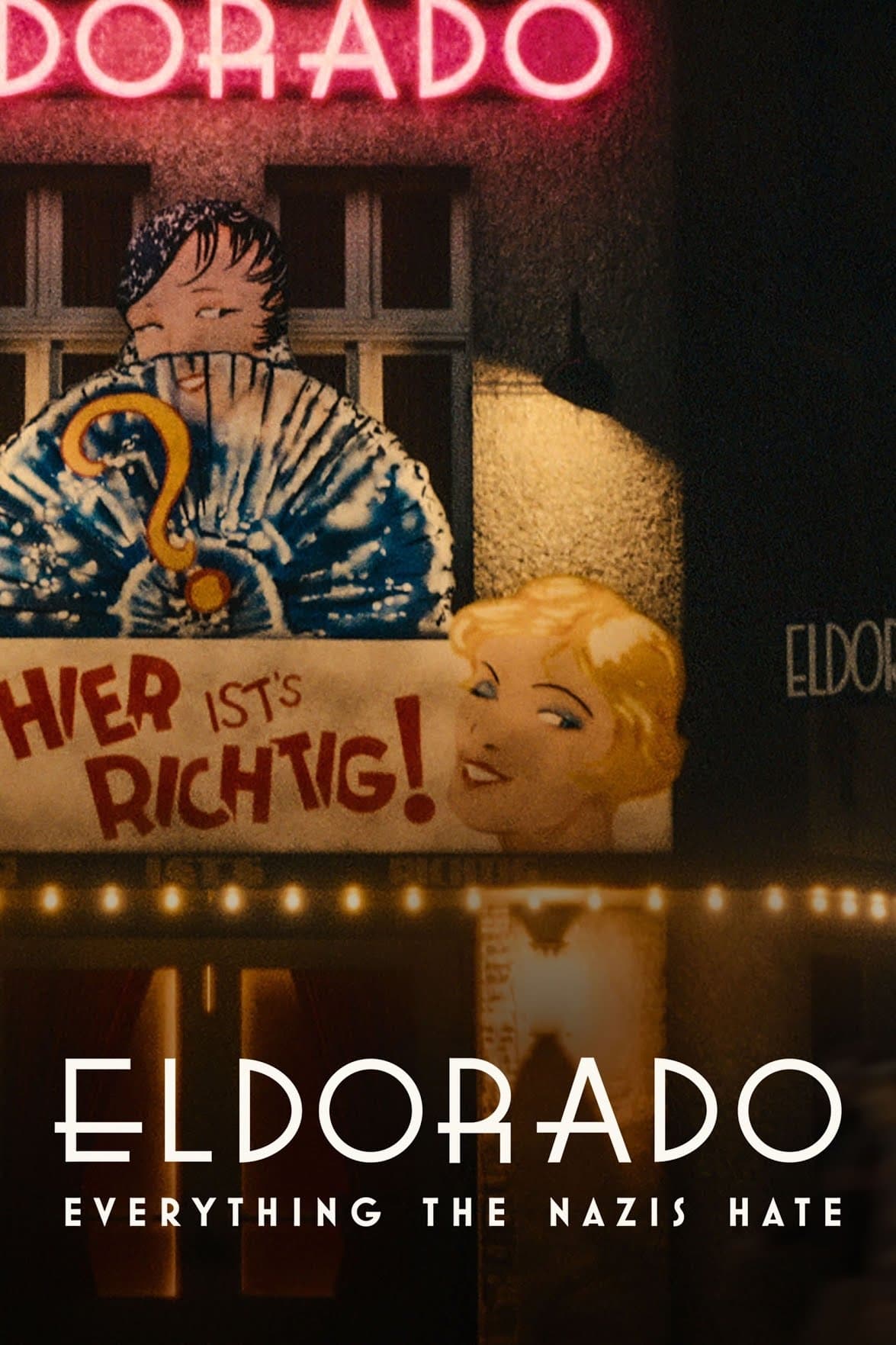
A glittery nightclub in 1920s Berlin becomes a haven for the queer community in this documentary exploring the freedoms lost amid Hitler’s rise to power.
An unprecedented and intimate look at the life, work and enduring legacy of British actress Audrey Hepburn (1929-1993).
A documentary examining possible historical and modern conspiracies surrounding Christianity, the 9/11 terrorist attacks, and the Federal Reserve bank.
This Oscar-winning documentary recounts the harrowing stories of five Hungarian Jews who endured the horrors of the Holocaust and Hitler's reign.
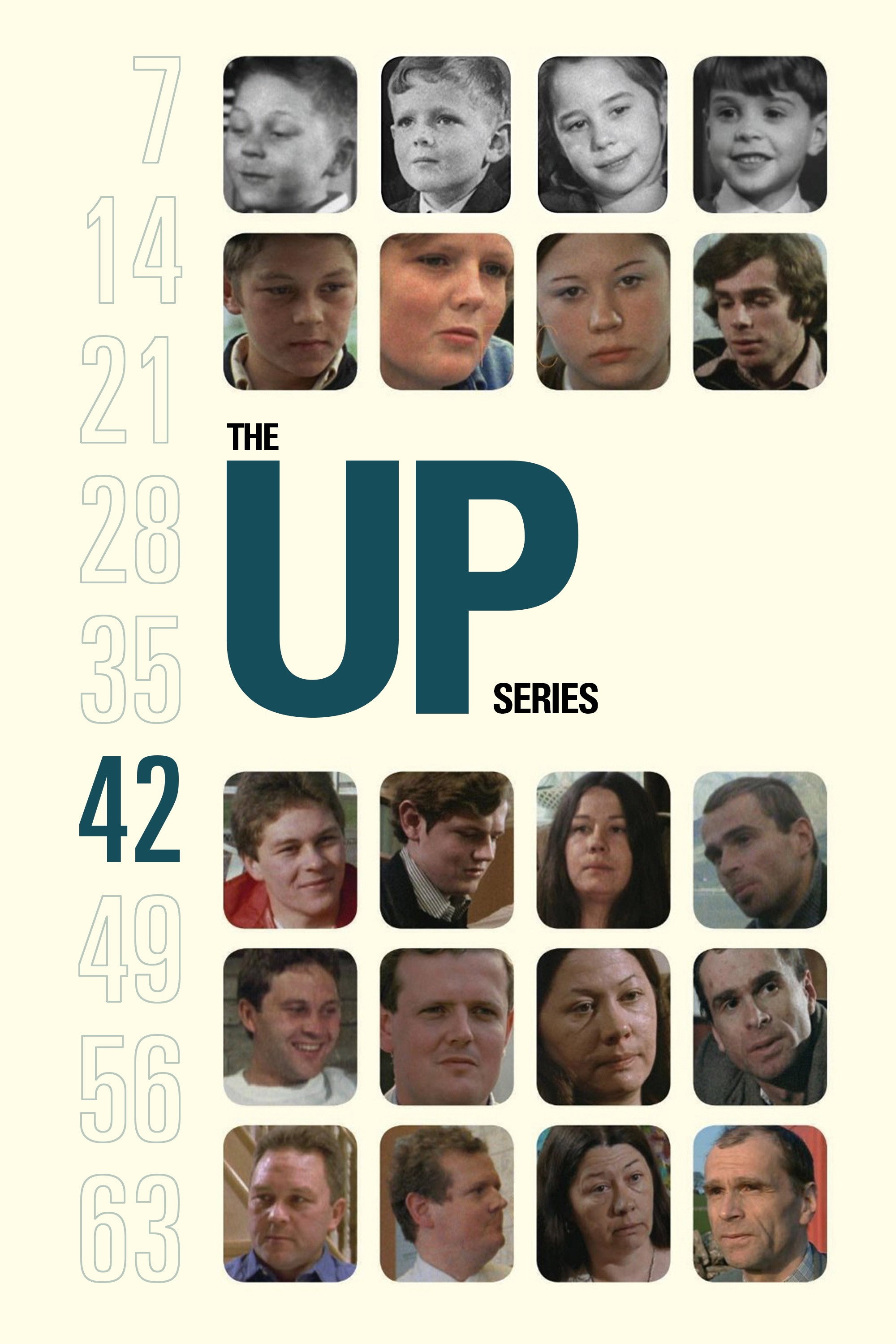
Director Michael Apted revisits the same group of British-born adults after a 7 year wait. The subjects are interviewed as to the changes that have occurred in their lives during the last seven years.
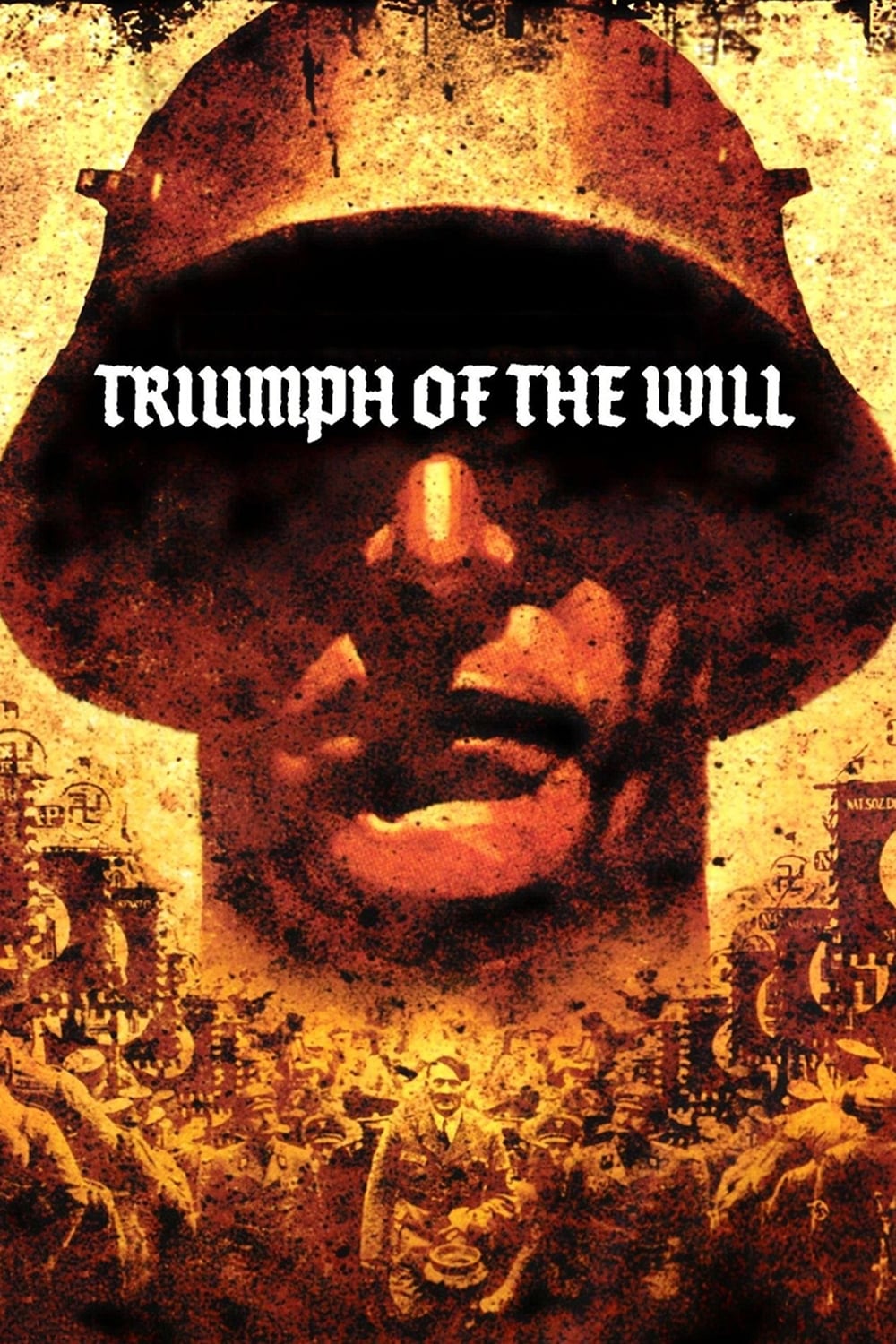
A showcase of German chancellor and Nazi Party leader Adolf Hitler at the 1934 Nuremberg Rally.
When Allied forces liberated the Nazi concentration camps in 1944-45, their terrible discoveries were recorded by army and newsreel cameramen, revealing for the first time the full horror of what had happened. Making use of British, Soviet and American footage, the Ministry of Information’s Sidney Bernstein (later founder of Granada Television) aimed to create a documentary that would provide lasting, undeniable evidence of the Nazis’ unspeakable crimes. He commissioned a wealth of British talent, including editor Stewart McAllister, writer and future cabinet minister Richard Crossman – and, as treatment advisor, his friend Alfred Hitchcock. Yet, despite initial support from the British and US Governments, the film was shelved, and only now, 70 years on, has it been restored and completed by Imperial War Museums under its original title "German Concentration Camps Factual Survey".
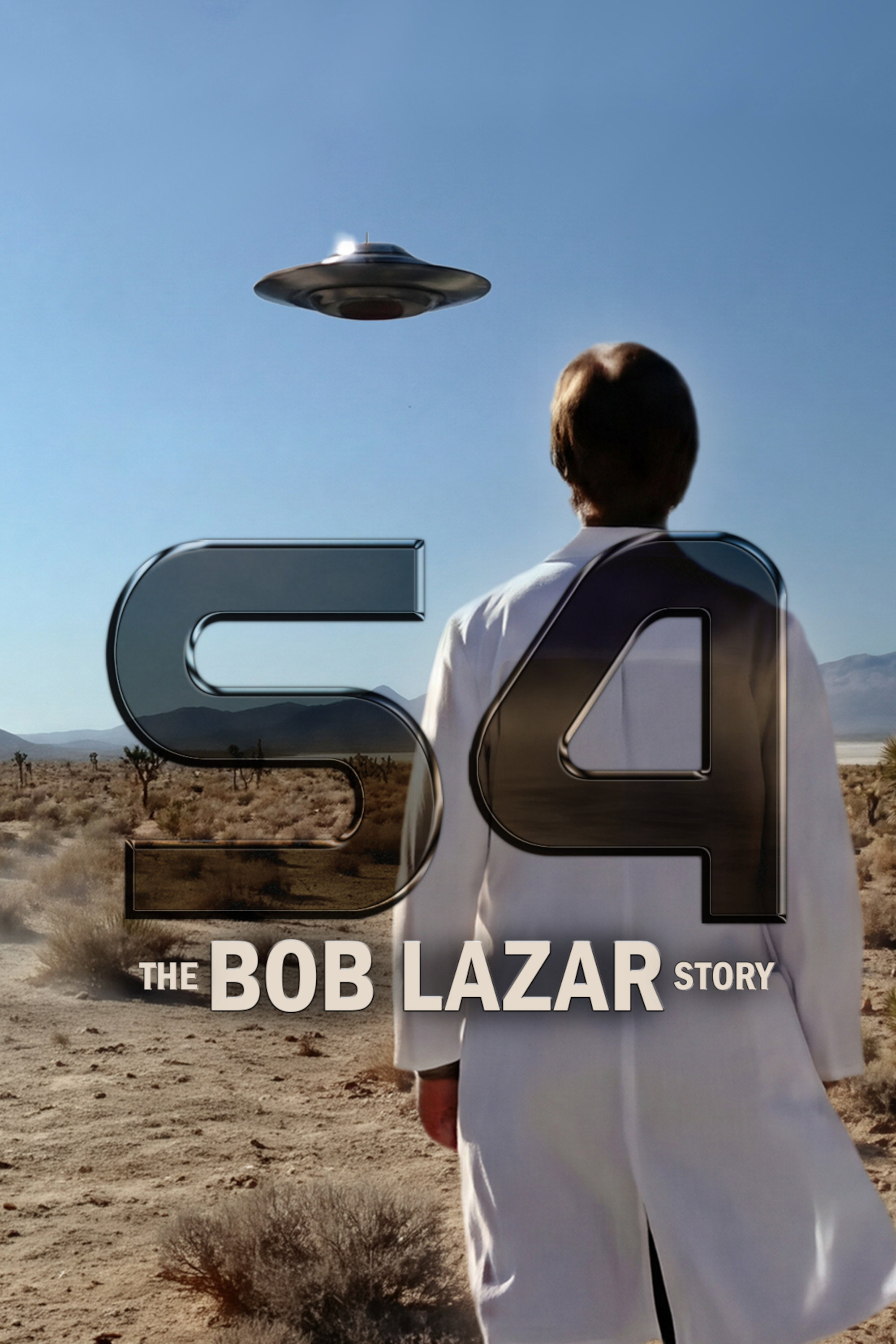
Over 35 years after Bob Lazar's revelations, this documentary exposes secrets of a facility the government still denies. Featuring Lazar's testimony, recreations, and new evidence, it reopens a case that continues to spark global curiosity
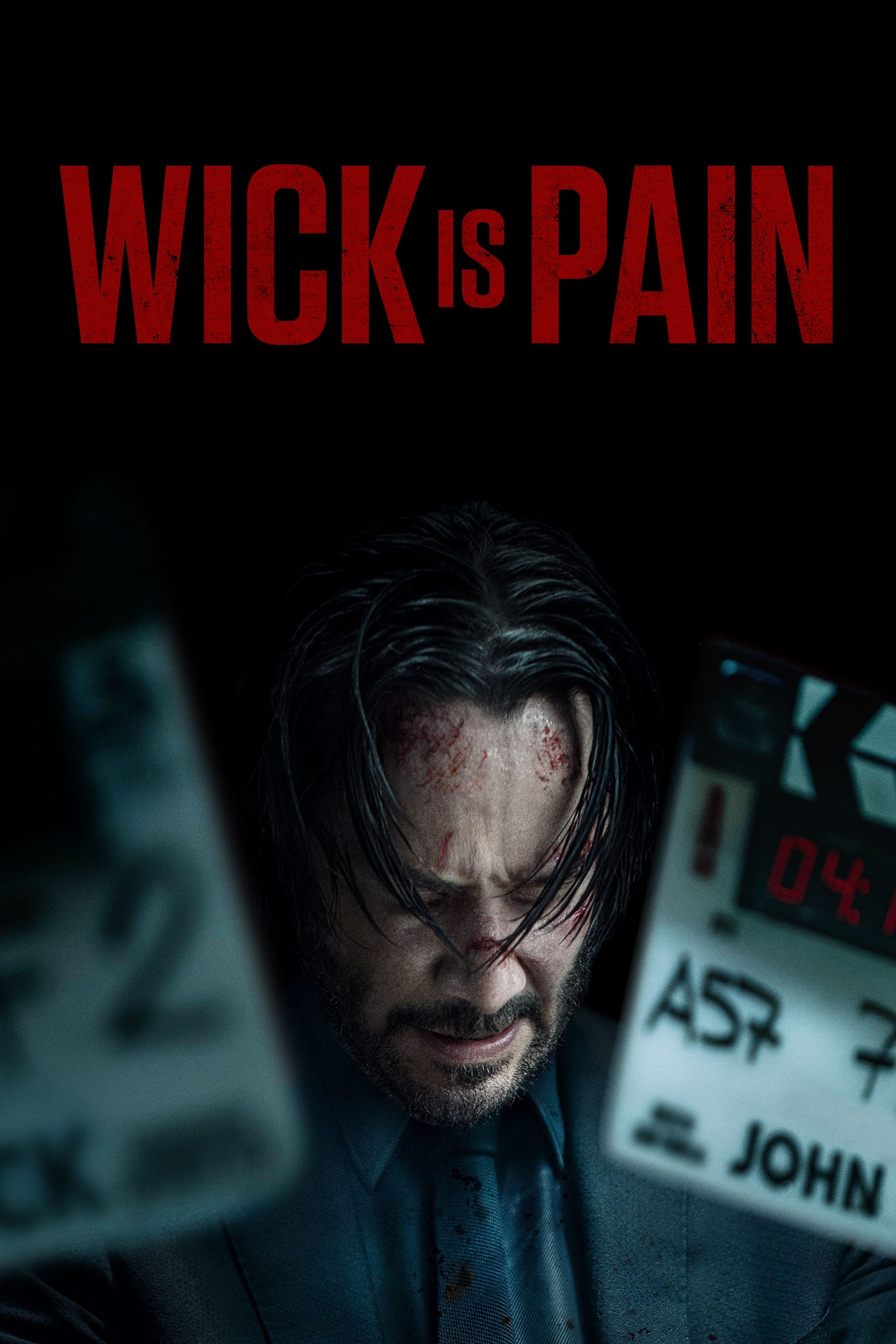
Witness the never-before-seen footage and true story behind the John Wick phenomenon – from independent film to billion-dollar franchise.
A documentary about the life and films of director John Ford.
Never-before-seen footage and survivor accounts trace the 2012 shipwreck of a luxury cruise and the disaster that ensued, in this immersive documentary.
This revealing documentary honors the legendary Sidney Poitier—iconic actor, filmmaker, and civil rights activist. Featuring interviews with Denzel Washington, Spike Lee, Halle Berry, and more.
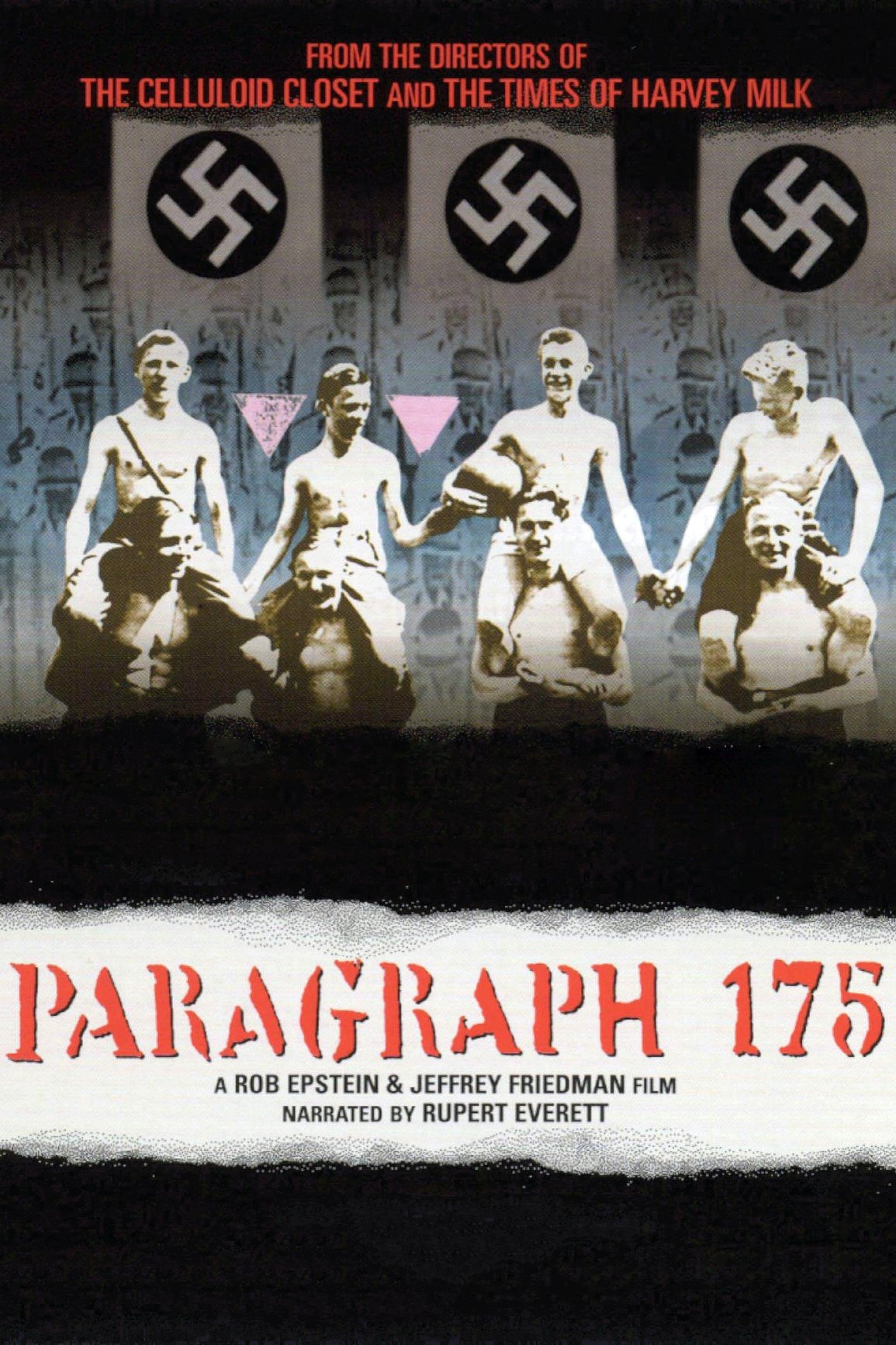
During the Nazi regime, there was widespread persecution of homosexual men, which started in 1871 with the Paragraph 175 of the German Penal Code. Thousands were murdered in concentration camps. This powerful and disturbing documentary, narrated by Rupert Everett, presents for the first time the largely untold testimonies of some of those who survived.
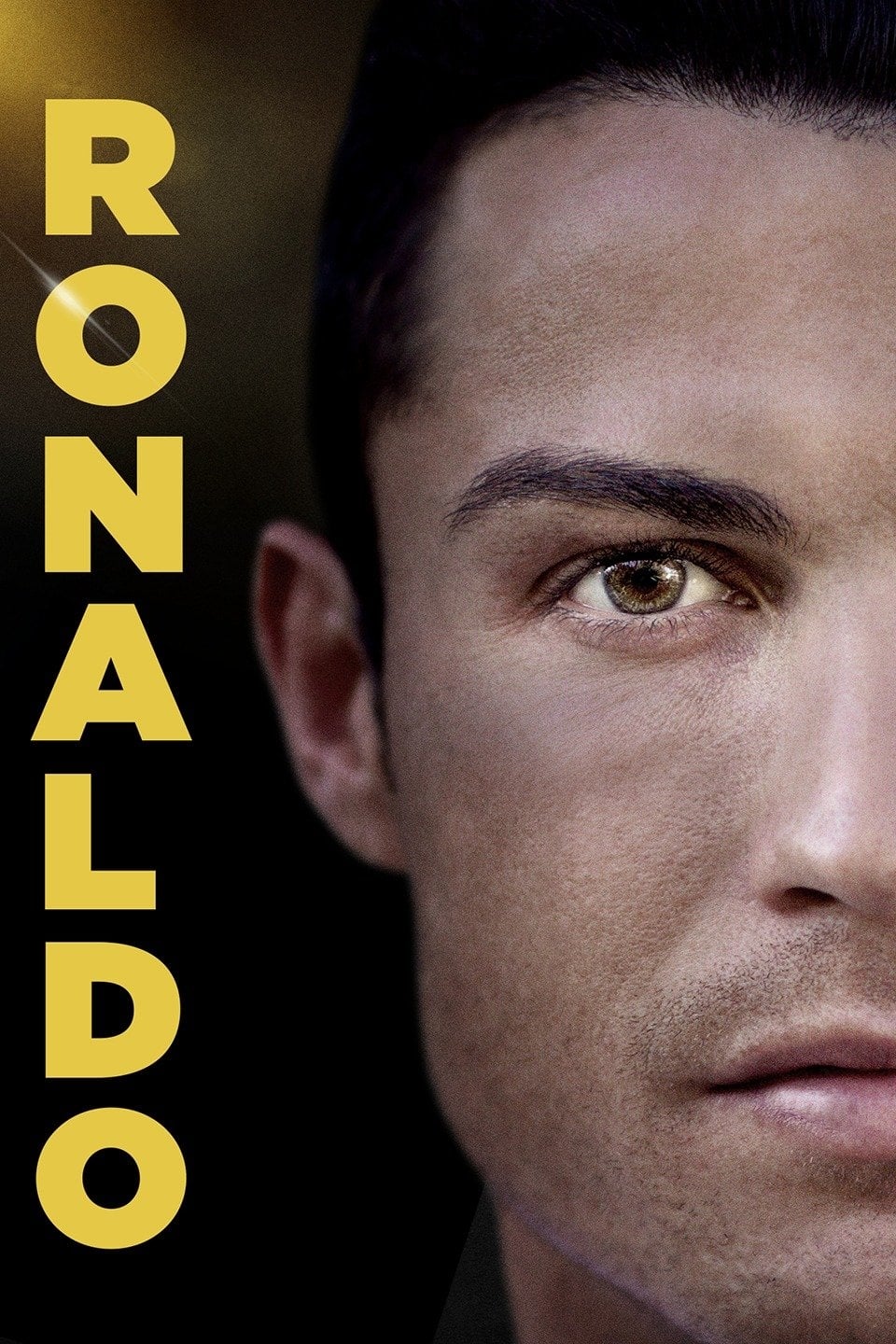
Filmed over 14 months with unprecedented access into the inner circle of the man and the sport, this is the first official and fully authorised film of one of the most celebrated figures in football. For the first time ever, the world gets vividly candid and un-paralleled, behind-closed-doors access to the footballer, father, family-man and friend in this moving & fascinating documentary. Through in-depth conversations, state of the art football footage and never before seen archival footage, the film gives an astonishing insight into the sporting and personal life of triple Ballon D'Or winner Cristiano Ronaldo at the peak of his career. From the makers of ‘Senna’ and ‘Amy’, Ronaldo takes audiences on an intimate and revealing journey of what it’s like to live as an iconic athlete in the eye of the storm.
A detailing of the rise to prominence and global sporting superstardom of six supremely talented young Manchester United football players (David Beckham, Nicky Butt, Ryan Giggs, Paul Scholes, Phil and Gary Neville). The film covers the period 1992-1999, culminating in Manchester United's European Cup triumph.
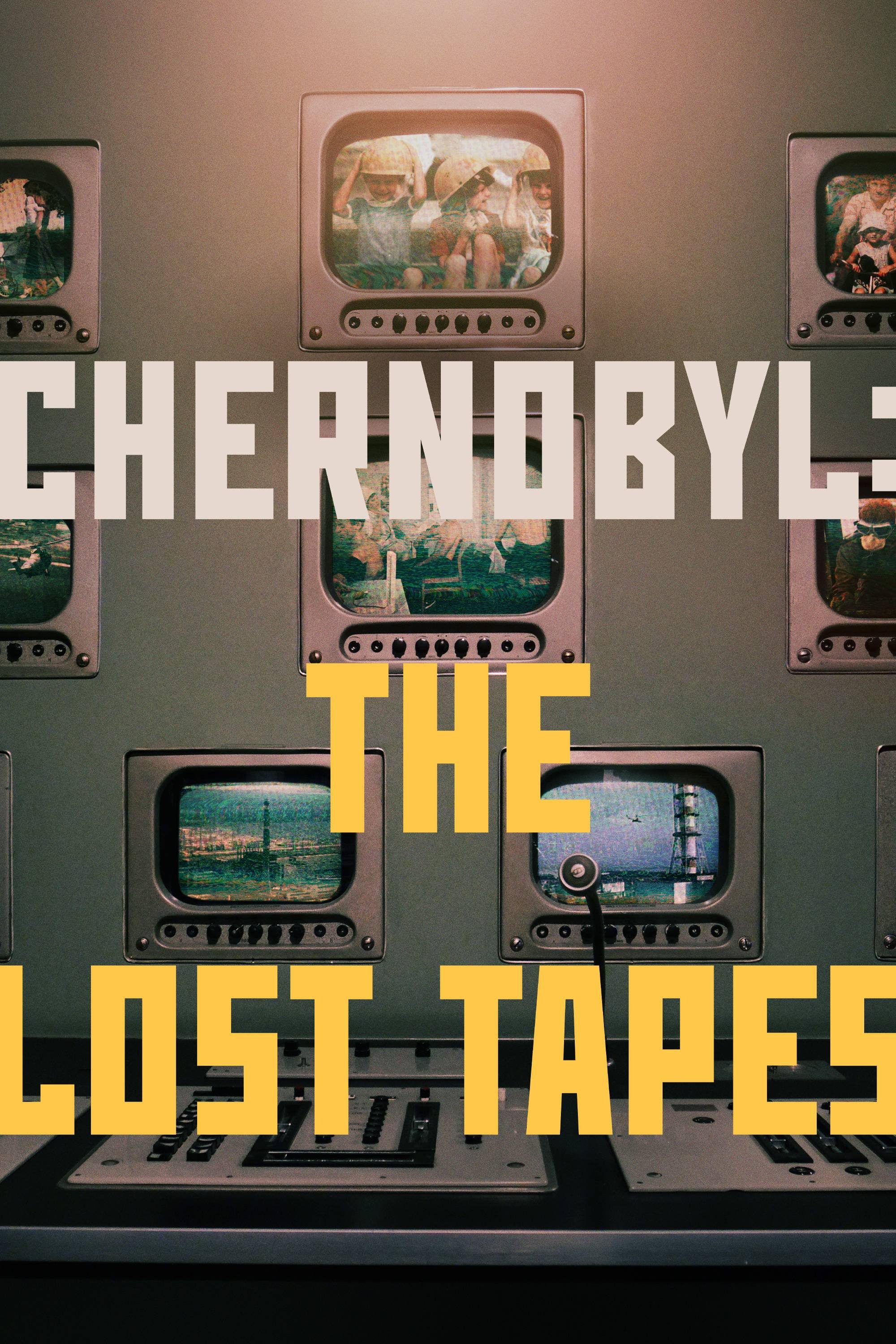
Thirty-six years after the Chernobyl nuclear reactor exploded in Soviet Ukraine, newly uncovered archival footage and recorded interviews with those who were present paint an emotional and gripping portrait of the extent and gravity of the disaster and the lengths to which the Soviet government went to cover up the incident, including the soldiers sent in to “liquidate” the damage. Chernobyl: The Lost Tapes is the full, unvarnished true story of what happened in one of the least understood tragedies of the twentieth century.
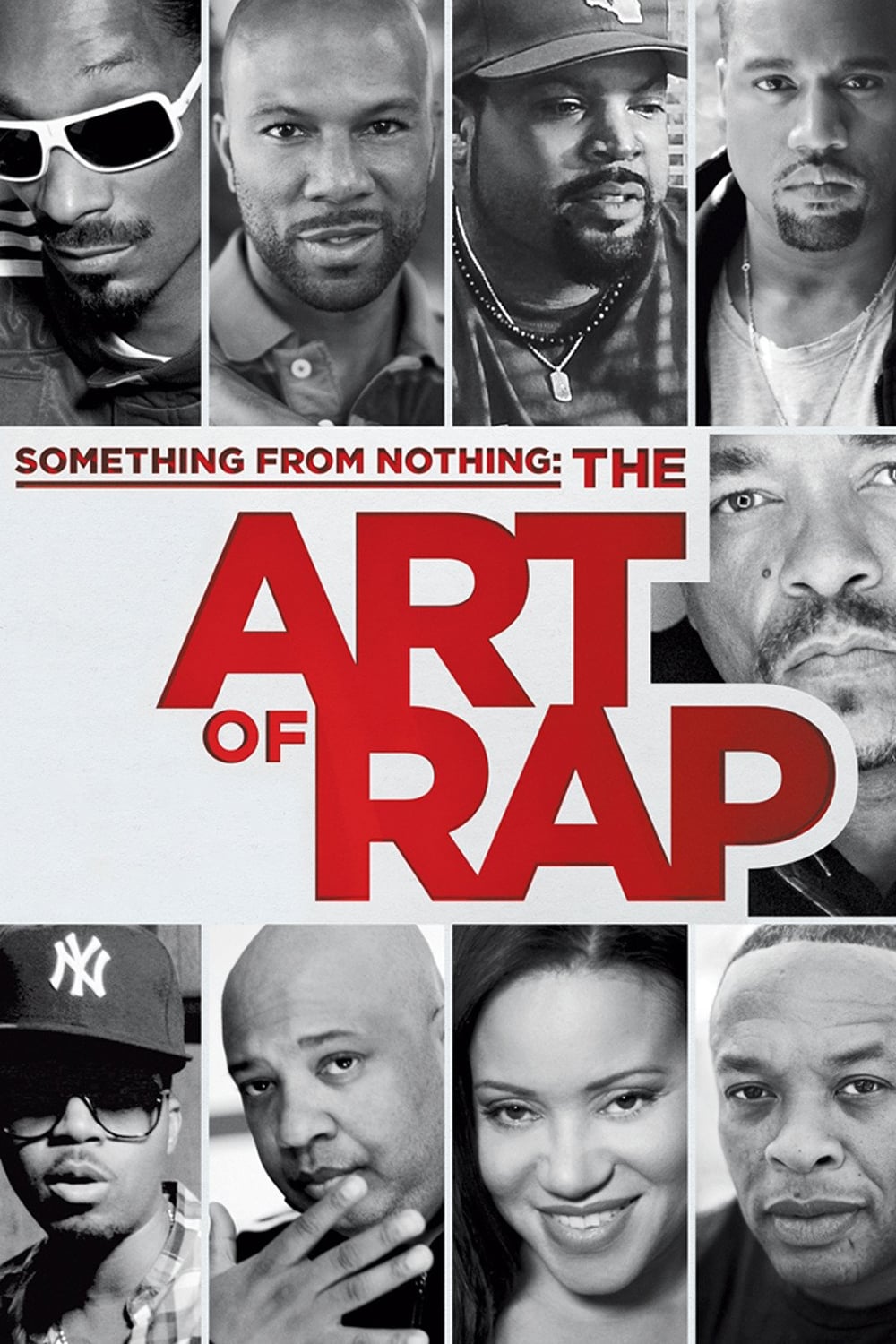
SOMETHING FROM NOTHING: THE ART OF RAP is a feature length performance documentary about the runaway juggernaut that is Rap music. At the wheel of this unstoppable beast is the film's director and interviewer Ice-T. Taking us on a deeply personal journey Ice-T uncovers how this music of the street has grown to dominate the world. Along the way Ice-T meets a whole spectrum of Hip-Hop talent, from founders, to new faces, to the global superstars like Eminem, Dr Dre, Snoop Dogg and Kanye West. He exposes the roots and history of Rap and then, through meeting many of its most famous protagonists, studies the living mechanism of the music to reveal 'The Art Of Rap'. This extraordinary film features unique performances from the entire cast, without resorting to archive material, to build a fresh and surprising take on the phenomenon that is Rap.
Filmmaker Lawrence Shapiro discusses voice-over acting with the talented people behind the characters.