An explanation of social security, survivors’ insurance and other benefit systems, encouraging workers to file for their social security cards.
Social & External
Self
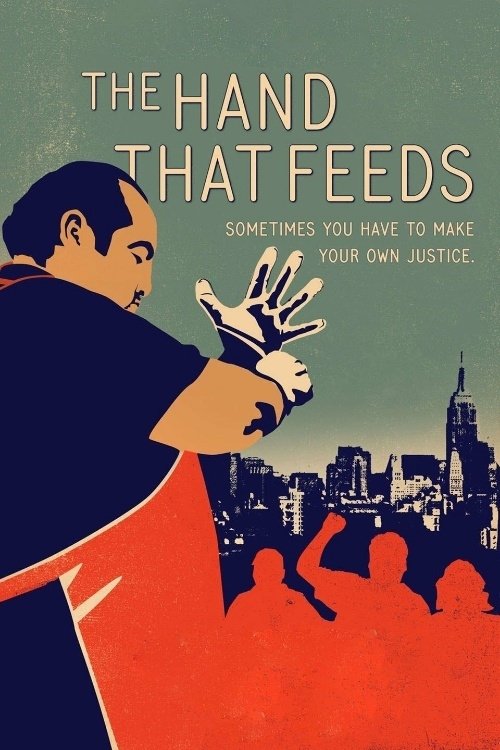
Behind the scenes of a popular deli on New York's Upper East Side, undocumented immigrant workers face sublegal wages, dangerous machinery, and abusive managers. Mild-mannered sandwich maker Mahoma López has never been interested in politics, but in Jan. 2012, he convinces a small group of his co-workers to fight back. Risking deportation and the loss of livelihood, the workers team up with a diverse crew of innovative young organizers and take the unusual step of forming an independent union, launching themselves on a journey that will test the limits of their resolve. In one rollercoaster year, they must overcome a shocking betrayal and a two month lockout. Lawyers will battle in backroom negotiations, Occupy Wall Street protesters will take over the restaurant, and a picket line will divide the neighborhood. If they can win a contract, it will set a historic precedent for low-wage workers across the country. But whatever happens, Mahoma and his compañeros won't be exploited again.

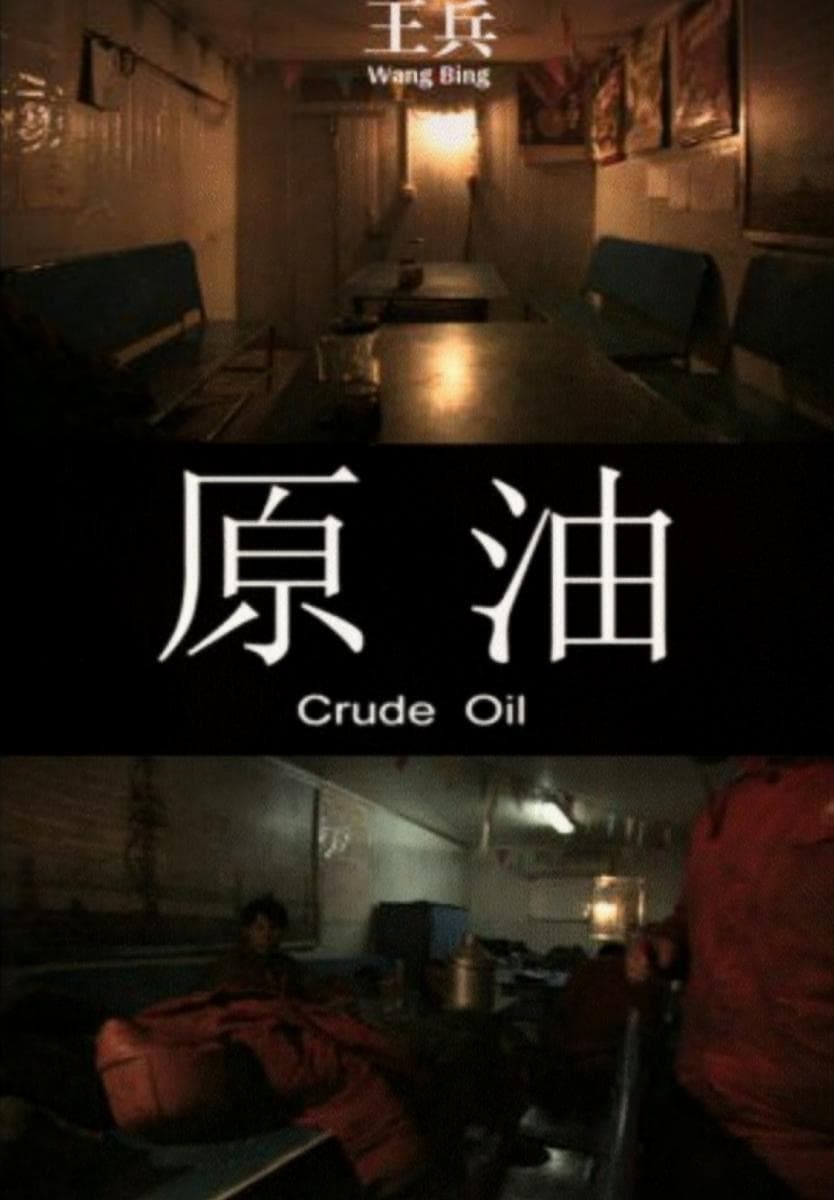
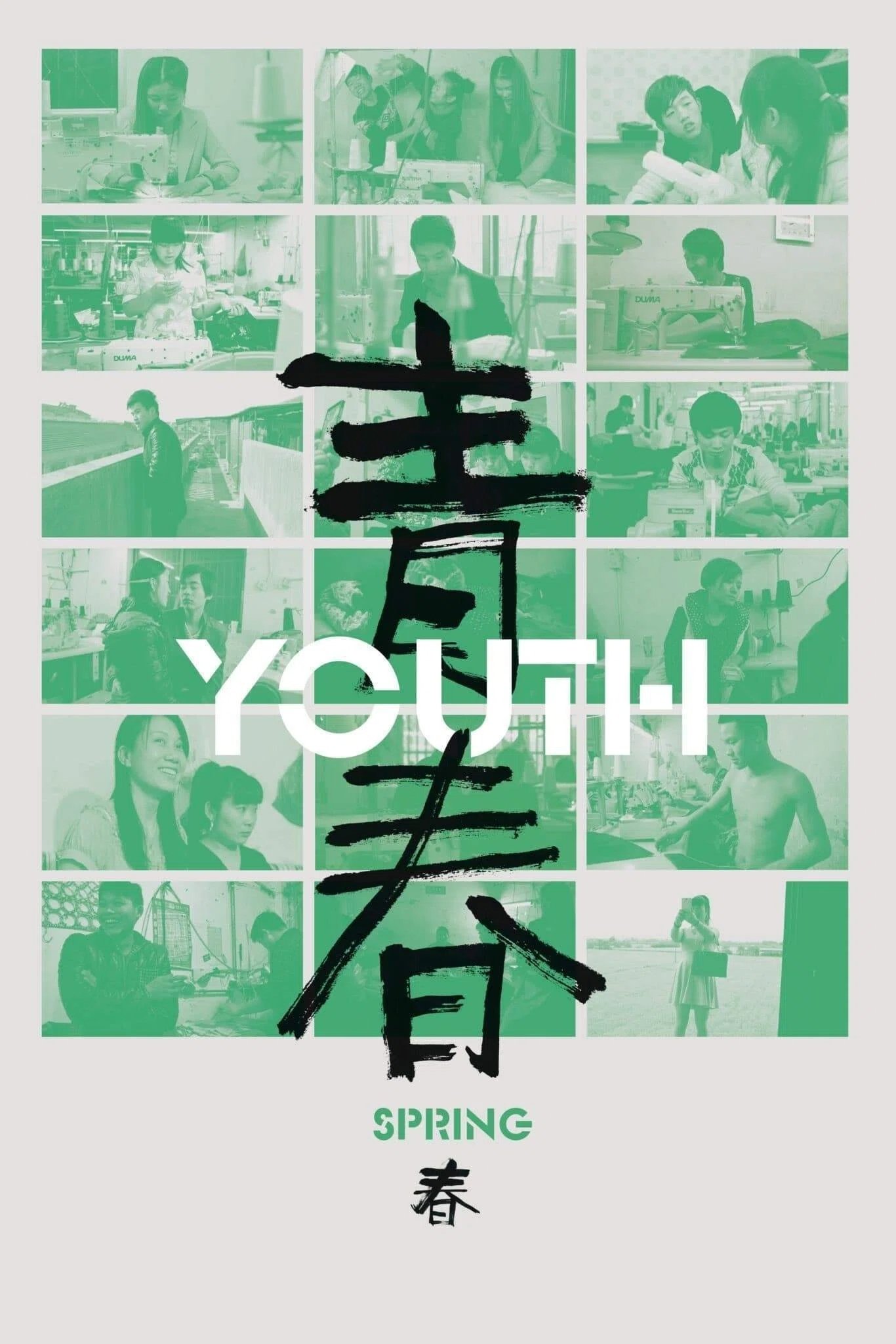
This film was shot between 2014 and 2019 in the town of Zhili, a district of Huzhou City in Zhejiang province, China. Zhili is home to over 18,000 privately-run workshops producing children's clothes, mostly for the domestic market, but some also for export. The workshops employ around 300,000 migrant workers, chiefly from the rural provinces of Yunnan, Guizhou, Anhui, Jiangxi, Henan and Jiangsu.
How Finnish immigrants came into contact — and conflict — with industrial America. Three generations of Finnish-Americans recount how they coped with harsh realities by creating their own institutions: churches, temperance halls, socialist halls, and cooperatives.
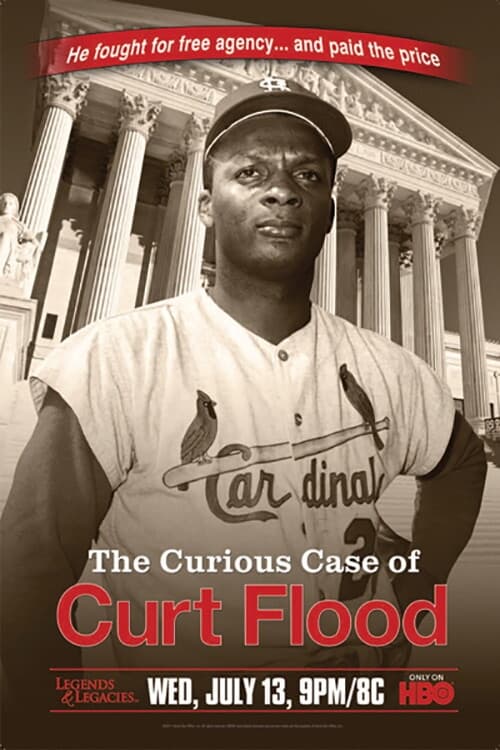
Inside the life of former baseball star Curt Flood whose fight against MLB's 'Reserve Clause' led to reform, but destroyed his career.
LIMITED PARTNERSHIP is the love story between Filipino-American Richard Adams and Australian Tony Sullivan, who, in 1975, became one of the first same-sex couples in the world to be legally married. After applying for a green card for Tony based on their marriage, the couple received a denial letter from the Immigration and Naturalization Service stating, 'You have failed to establish that a bona fide marital relationship can exist between two faggots.' Outraged at this letter, and to prevent Tony's impending deportation, the couple sued the U.S. government, filing the first federal lawsuit seeking equal treatment for a same-sex marriage in U.S. history. This tenacious story of love, marriage and immigration equality is as precedent setting as it is little known... until now.
They come from all walks of life and have lived for almost a century. They have lived through the upheavals of history. They are funny, moving and rebellious. They surprise and amaze us. Yet we rarely hear their voices. This film is an invitation to travel across France and meet them: the Old People.
A bare-knuckled critique of corporate America told through the powerful true story of a toxic CEO who evolves from a profits-over-people, philandering executive to an unorthodox leader, populist messenger, and mentor to American influencers. It’s a story of growth, redemption and the impact of self-awareness on leadership and life.
Shedding light on the current debate over immigration reform and the use of "guest workers" in American agriculture, this historical documentary, "Harvest Of Loneliness: The Bracero Program," examines what was known as the Bracero Program-a system put in place from 1942 to 1964 to recruit Mexican farm laborers for temporary work in the United States.
What does the world's richest man, dedicated chaos agent, and Donald Trump's new best buddy want out of politics? To shape the world? Or is it bigger than that?
When workers at the Hormel meatpacking plant in Austin, Minnesota are asked to take a substantial pay cut in a highly profitable year, the local labor union decides to go on strike and fight for a wage they believe is fair. But as the work stoppage drags on and the strikers face losing everything, friends become enemies, families are divided and the very future of this typical mid American town is threatened.
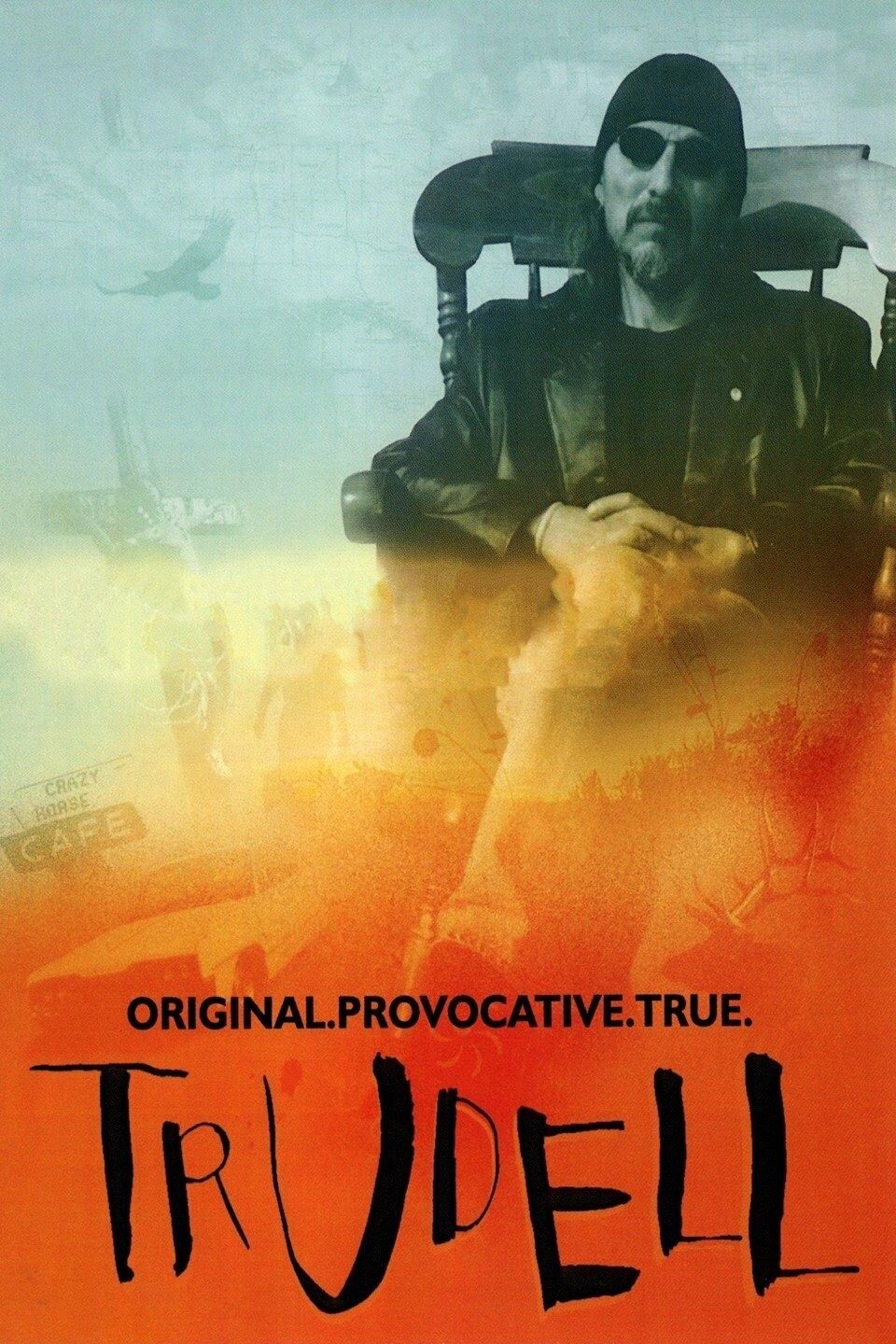
A chronicle of legendary Native American poet/activist John Trudell's travels, spoken word performances, and politics.
A highly choreographed review of the Industrial Age as we know it today – an intense and playful roller coaster ride that demands the viewer confronts how “work works.” Culled entirely from archival footage, the film unfolds in the filmmakers’ trademark, and humorously critical, cinematic voices.
Under the pretext of fighting terrorism or crime, the major powers have embarked on a dangerous race for surveillance technologies. Facial recognition cameras, emotion detectors, citizen rating systems, autonomous drones… A security obsession that in some countries is giving rise to a new form of political regime: numerical totalitarianism. Orwell's nightmare.
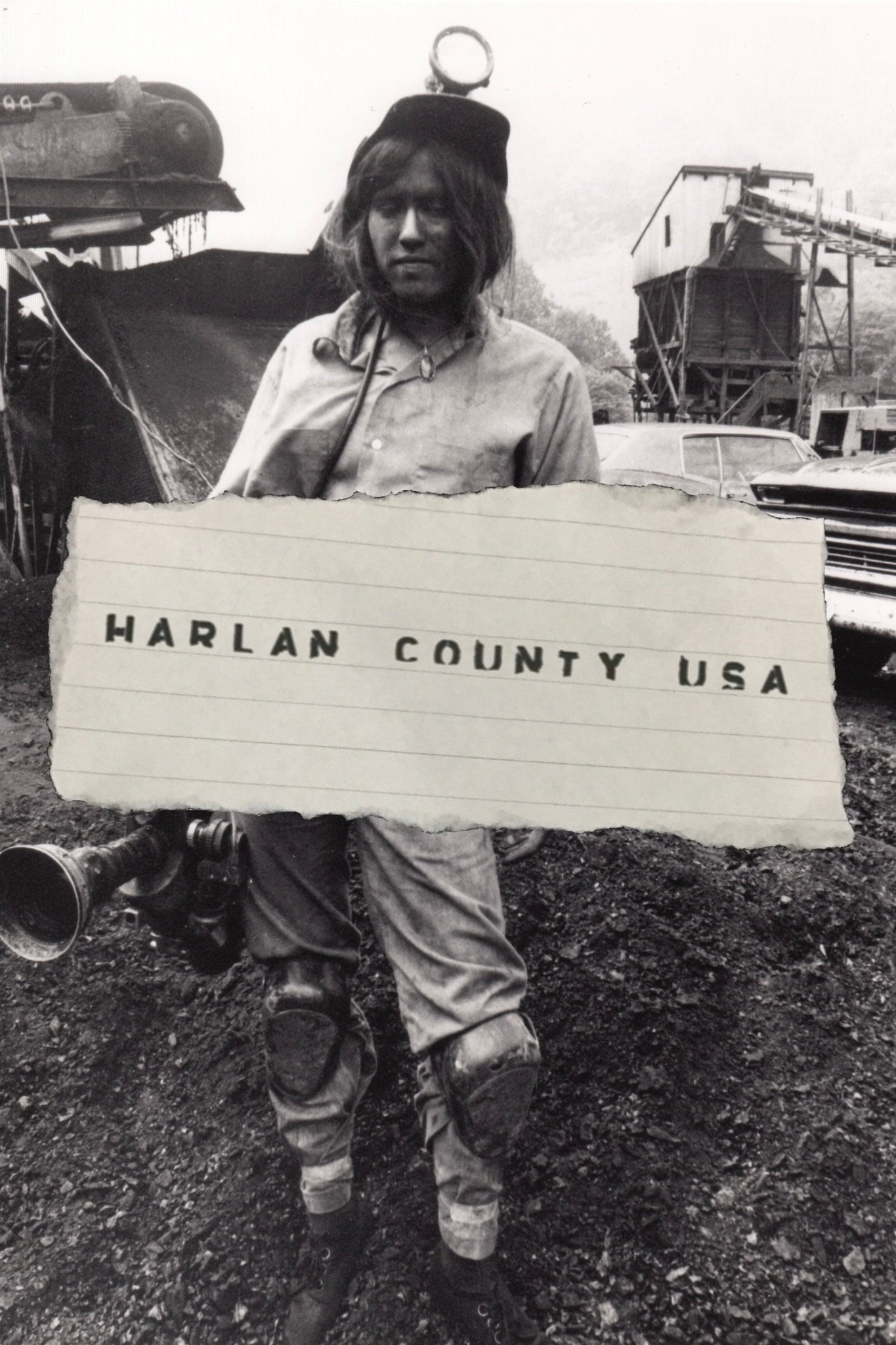
This film documents the coal miners' strike against the Brookside Mine of the Eastover Mining Company in Harlan County, Kentucky in June, 1973. Eastover's refusal to sign a contract (when the miners joined with the United Mine Workers of America) led to the strike, which lasted more than a year and included violent battles between gun-toting company thugs/scabs and the picketing miners and their supportive women-folk. Director Barbara Kopple puts the strike into perspective by giving us some background on the historical plight of the miners and some history of the UMWA. Preserved by the Academy Film Archive in partnership with New York Women in Film & Television in 2004.
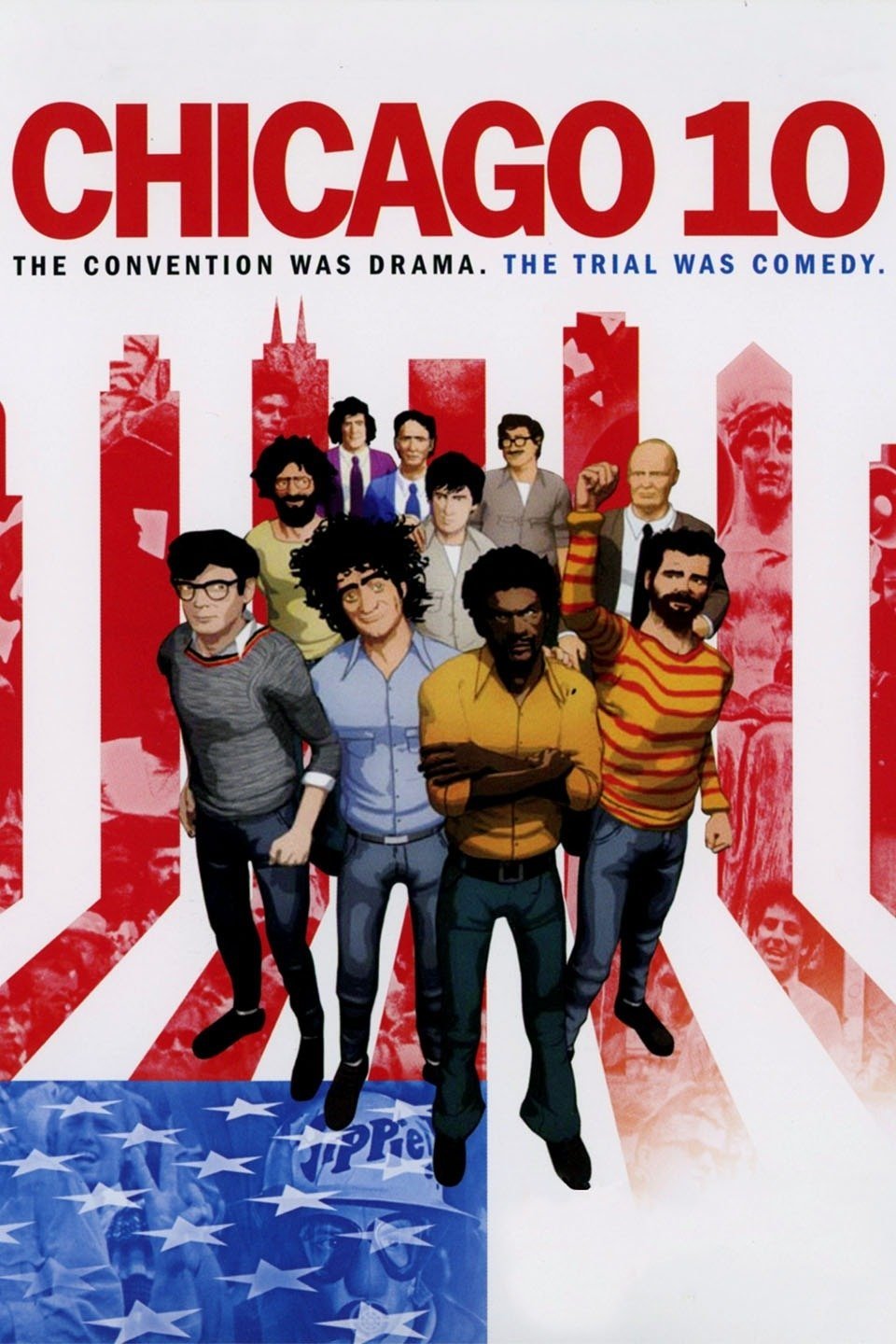
Archival footage, animation and music are used to look back at the eight anti-war protesters who were put on trial following the 1968 Democratic National Convention.
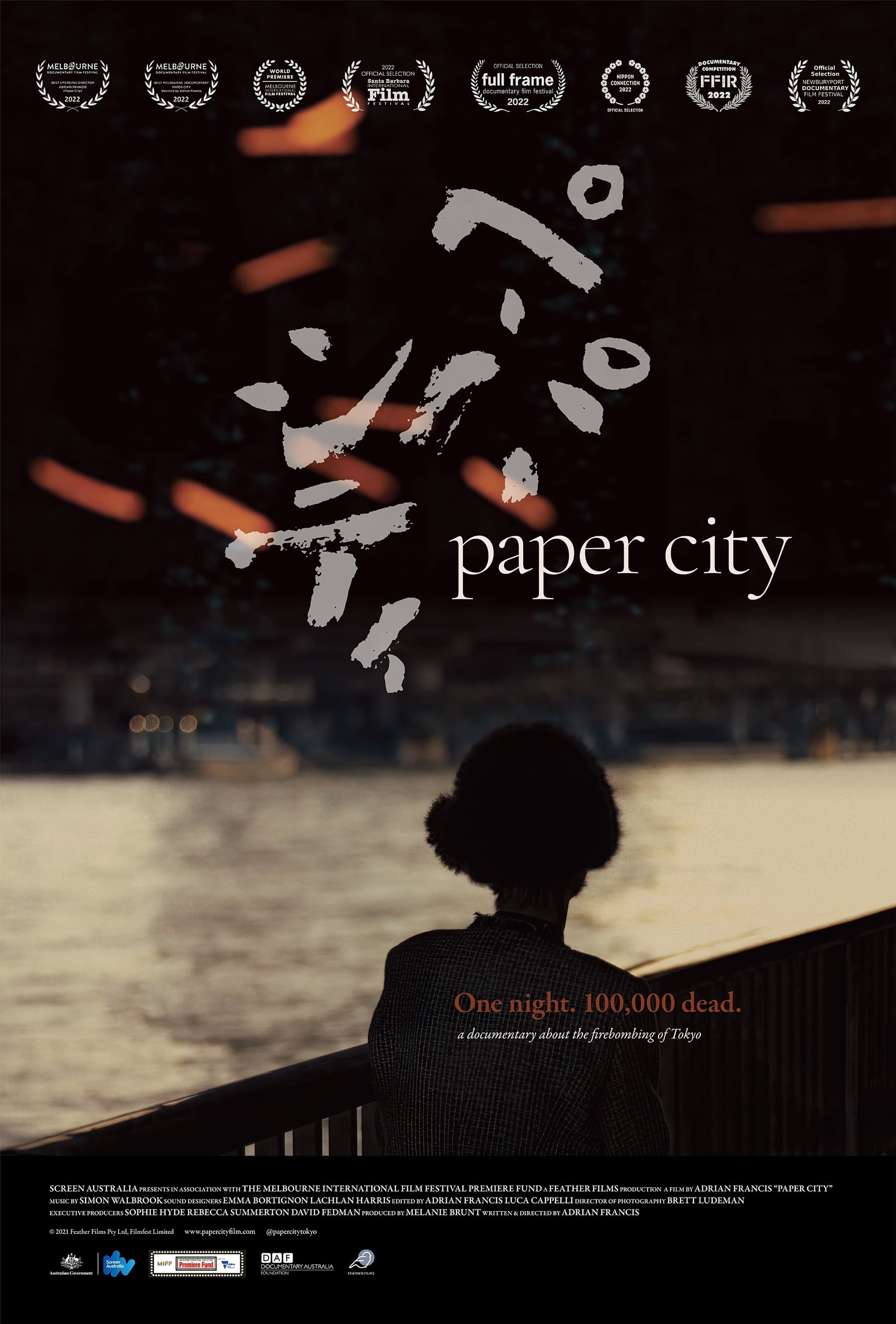
Just after midnight on 10 March 1945, the US launched an air-based attack on eastern Tokyo; continuing until morning, the raid left more than 100,000 people dead and a quarter of the city eradicated. Unlike their loved ones, Hiroshi Hoshino, Michiko Kiyooka and Minoru Tsukiyama managed to emerge from the bombings. Now in their twilight years, they wish for nothing more than recognition and reparations for those who, like them, had been indelibly harmed by the war – but the Japanese government and even their fellow citizens seem disinclined to acknowledge the past.
Destroying your own artwork. For many artists it is unmentionable, but Loes Heebink from Kolderveen irreparably destroyed her artwork "Fluisteraars" herself and came up with the idea for a documentary of the same name, directed by Saskia Jeulink.
World War II created a huge demand for American farm products. But the war also caused vast numbers of farm workers to abandon the fields, either to join the military or to seek work in the cities. The solution would be a unique contract-worker agreement between the United States and Mexico -- The Bracero Program.
The lowest paid teachers in the nation are in the middle of a statewide walkout in Oklahoma. From start to finish, Walkout follows the teachers as they get organized and demand raises from their state legislature. From crowded classrooms to a packed state capitol, Walkout offers an in-depth, personal look at the latest strike at the heart of a nationwide movement for education funding.