Social & External
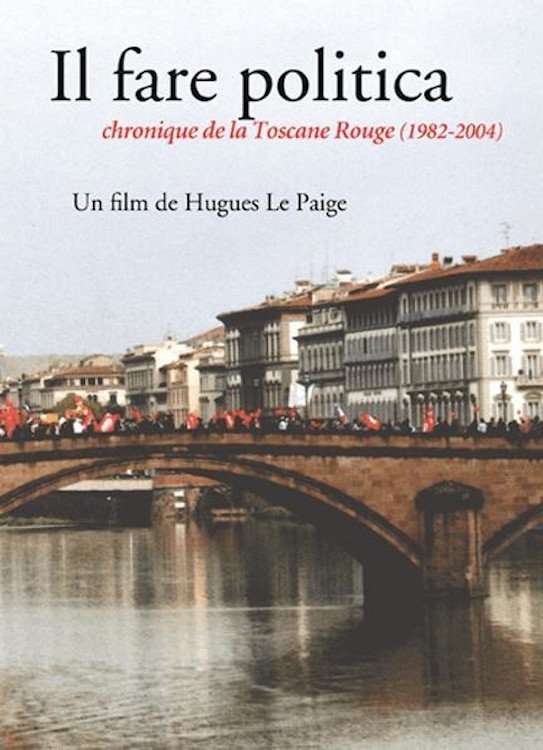
Fabiana, Carlo, Claudio and Vincenzo… I met them in 1982 in Mercatale, their village in Tuscany, near Florence. They were aged between 25 and 45 and were cheerful militants in the Italian Communist Party, that strange party which has made its mark on history and which was both a school and a family for them. I have filmed in Mercatale every two or three years for over 20 years (1982/2004). The fi lm takes the “long view” of their political and personal development against the backdrop of village life. Stories with both human and political interest spanning over a quarter of a century with relevance for present day issues: what has become of the plans to change the world in Berlusconi’s Italy? From a more global perspective: what else can politics do? When the time comes to take stock the paths of their rich and varied personal lives cross once more with all their doubts and allegiances.
Paris to Pittsburgh brings to life the impassioned efforts of individuals who are battling the most severe threats of climate change in their own backyards. Set against the national debate over the United States' energy future - and the Trump administration's explosive decision to exit the Paris Climate Agreement - the film captures what's at stake for communities around the country and the inspiring ways Americans are responding.
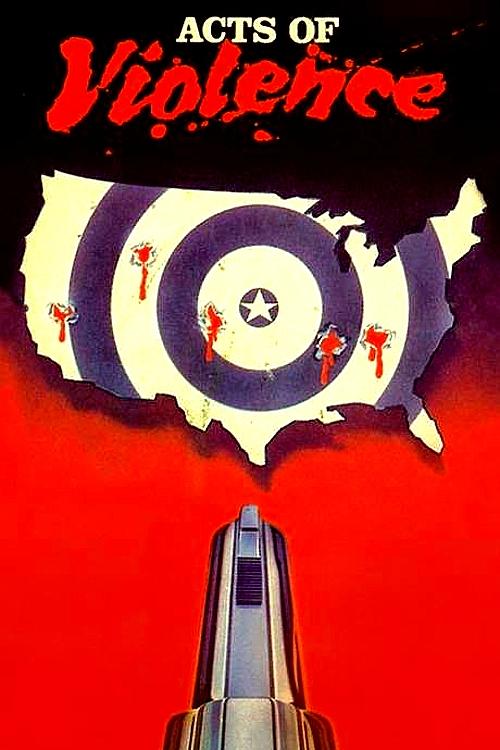
A riveting expose about the personalities of murderers and their motives. This 72 minute film covers the McDonalds' restaurant massacre, President Reagan's assassination attempt, serial murderer Henry Lee Lucas and others.
King of the Jews is a film about anti-Semitism and transcendence. Utilizing Hollywood movies, 1950's educational films, personal home movies and religious films, the filmmaker depicts his childhood fear of Jesus Christ. These childhood recollections are a point of departure for larger issues such as the roots of Christian anti-Semitism.
Documentary about three men from Kentucky who claim to have discovered an Old Testament relic for 69-cents at a Madison, Tennessee Goodwill superstore. The men believe that they have found the mysterious Urim and Thummim in the form of a stone cup that allows its users to communicate with God and see visions.
In the week when Hindus celebrate the holy festival of Diwali, this documentary tells the story of one of their faith's most sacred symbols - the swastika. For many, the swastika has become a symbol synonymous with the Nazis and fascism. But this film reveals the fascinating and complex history of an emblem that is, in fact, a religious symbol, with a sacred past. For the almost one billion Hindus around the world, the swastika lies at the heart of religious practices and beliefs, as an emblem of benevolence, luck and good fortune.
A documentary about the hearings of President Nixon's Commission on Obscenity, featuring adult-film producer David F. Friedman (one of the producers of this film) testifying before Congress, and involved in the production of one of his films, "Trader Hornee."
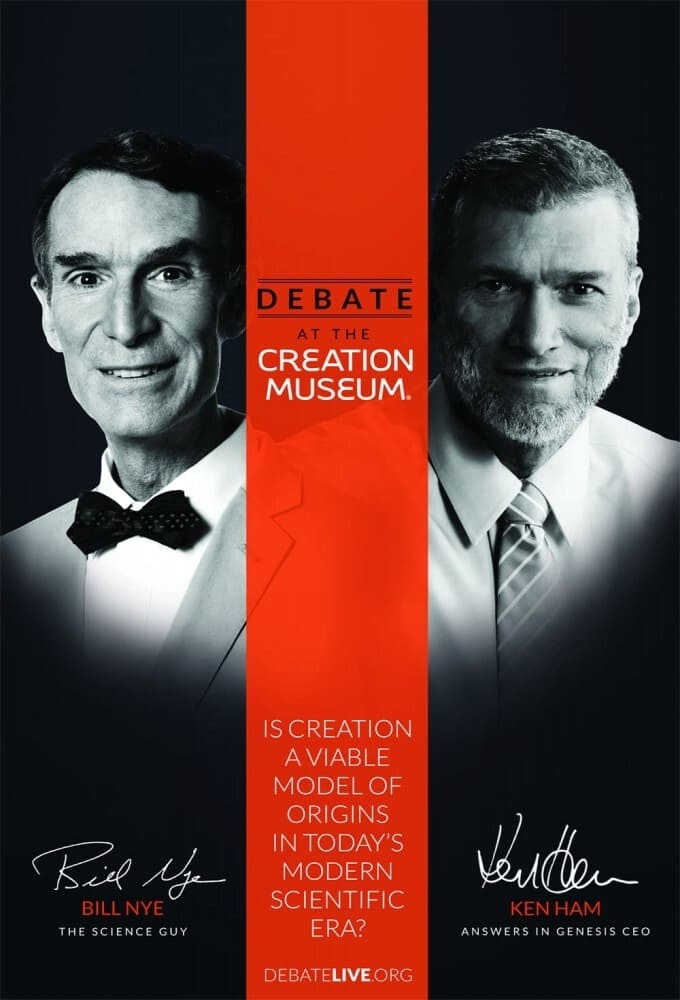
Bill Nye and Ken Ham debate whether creation is a viable model of origins in today's modern scientific era.
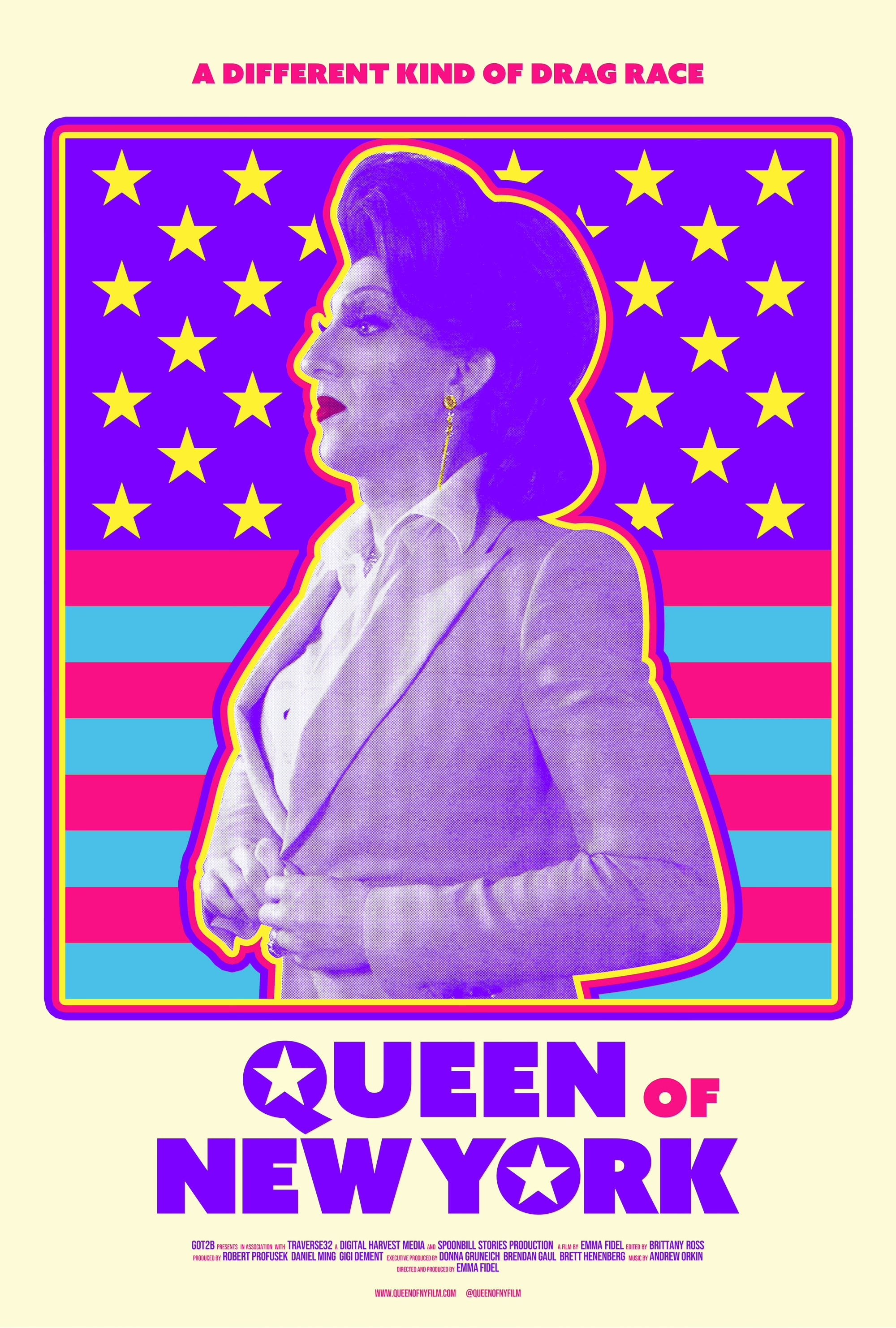
Welcome to a different kind of drag race! As NYC emerges from the chaos of 2020, Marti Cummings (they/them), an audacious and big-hearted drag queen, goes all out in a historic bid to become a City Councilperson. It’s one of the most hotly contested Council races in years, and Marti’s strongest competitor is Shaun Abreu, a tenants’ lawyer with deep roots in the district’s Latinx community. As these first-timers race to do the most good for their Upper Manhattan neighbors, they offer very different visions for Democratic politics – one in a suit and tie, the other in combat boots and floral print. As this immersive documentary reveals, Marti’s passion inspires queer activists and allies to change the political system. Their campaign becomes a community of its own, especially for Marti’s non-binary peers who have never before seen themselves represented.
This is the story of my father, my mother, my grandfather and my grandmother ... it is the story of all the saharaui people ... but I do not want it to be the story of my life.
The joys of 1960s modern education - as seen at a not-exactly-typical local comp.
Following the 2002 HBO documentary "Journeys with George," Pelosi's irreverent account of George W. Bush on the campaign trail, she set out on the road again with a handful of distinguished men competing to see who could eat the most pies, raise the most money and get the most votes to become the Democratic Party nominee.
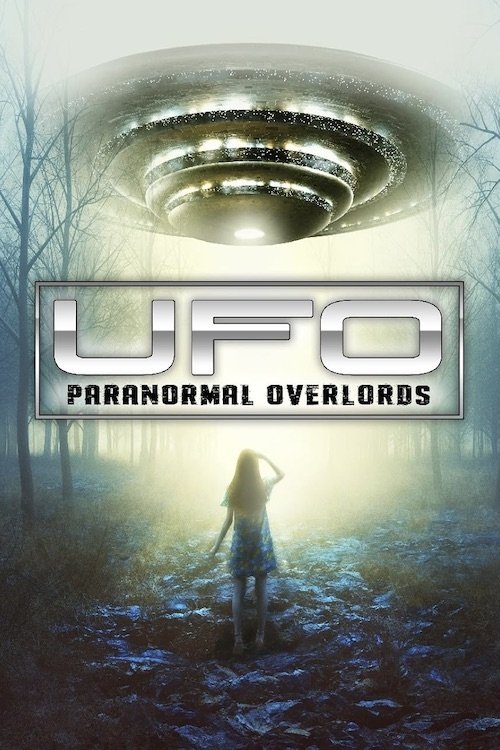
A documentary purporting to expose the space alien conspiracy that not only influenced human history... but created it as well.
Nine fictitious documentaries and films reflect the mood of late 1970s Germany, particularly the two-month period in 1977 when a businessman was kidnapped by the RAF (Red Army Faction). The kidnap had been made to orchestrate the release of the original leaders of the RAF, aka the Baader-Meinhof.
In Syria, the new government that overthrew Bashar al-Assad's regime on 8 December 2024 has just signed a historic agreement with the Kurds in the north-east of the country. In the heart of a country ravaged by more than 13 years of civil war, this autonomous administration of Syrian Kurdistan could well be integrated into a country that is in need of reconstruction and whose unity remains fragile. But in the north, the war has not stopped. A few kilometres away, neighbouring Turkey has been stepping up its attacks on Rojava for years, while militia abuses persist and the threat of Islamic State continues to loom. From Kobane to Raqqa via the Al-Hol prison camp... For this new long-form feature, Blast took to the roads of northern Syria in January 2025.
A documentary special that explores the power of identity behind the iconic superheroes we know and love today. These legendary Marvel creations and stories have not only reflected the world outside our window – they have become a reflection of our own identities and who we truly are.
A documentary on the expletive's origin, why it offends some people so deeply, and what can be gained from its use.
Those who knew iconic funnyman John Candy best share his story, in their own words, through never-before-seen archival footage, imagery, and interviews.
An agoraphobic psychologist and a female detective must work together to take down a serial killer who copies serial killers from the past.
Al Pacino's deeply-felt rumination on Shakespeare's significance and relevance to the modern world through interviews and an in-depth analysis of "Richard III."
Alex Gibney explores the charged issue of pedophilia in the Catholic Church, following a trail from the first known protest against clerical sexual abuse in the United States and all way to the Vatican.
We live in a world where the powerful deceive us. We know they lie. They know we know they lie. They do not care. We say we care, but we do nothing, and nothing ever changes. It is normal. Welcome to the post-truth world. How we got to where we are now…
Go behind the scenes and around the world with the "Sense8" cast and crew in this in-depth look at how the hit series is made.
The story of The Satanic Temple, a controversial movement that combines religion and activism with the apparent purpose of questioning the basic foundations of US society.
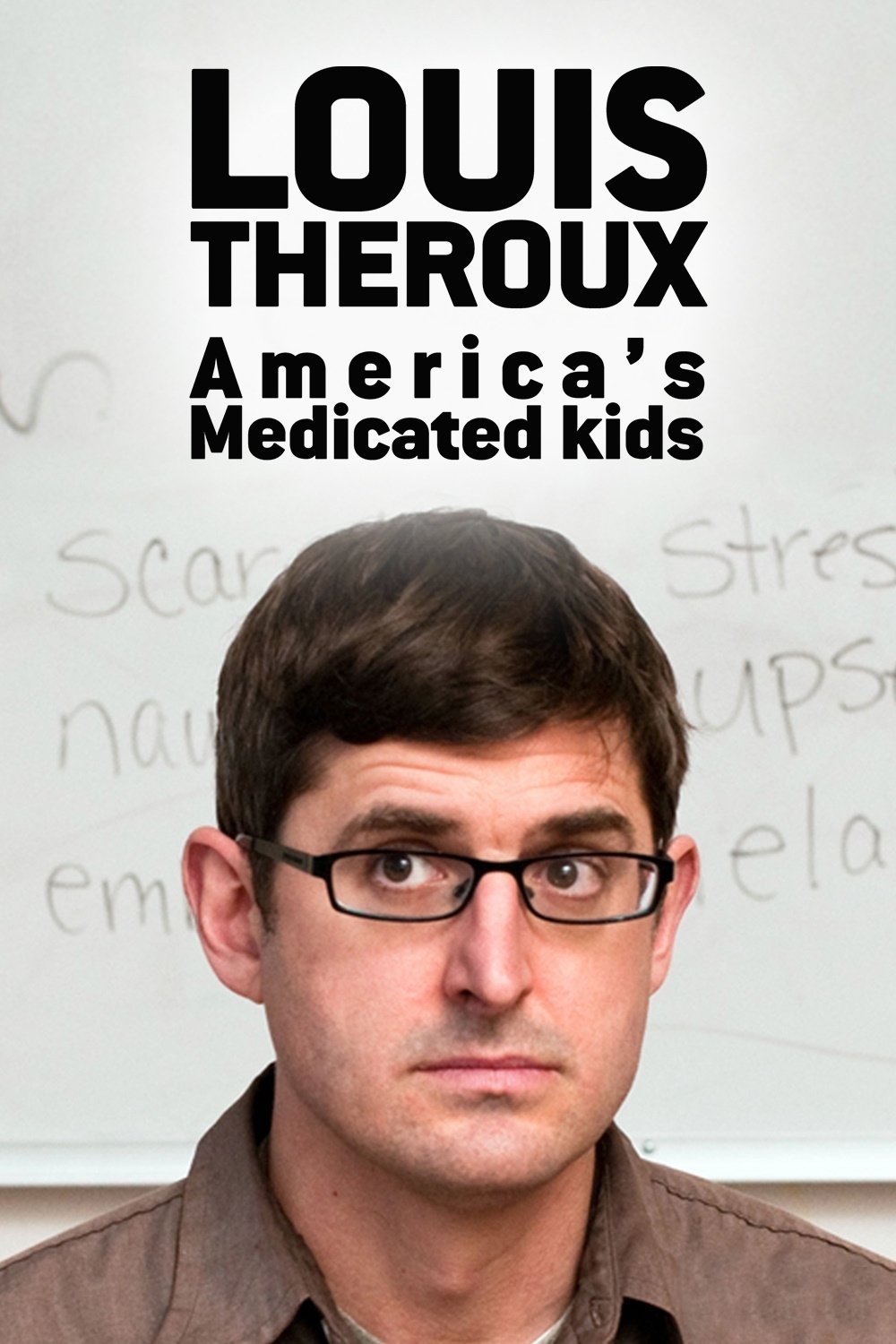
Faced with the challenging behaviour of their kids, more and more parents in America are turning to psychoactive medication to help them cope, even though the drugs, and sometimes the diagnoses, remain controversial. Louis travels to one of America's leading children's psychiatric treatment centres, in Pittsburgh, Pennsylvania, to get to know the diagnosed children and hoping to understand what drives parents to put their kids on drugs.
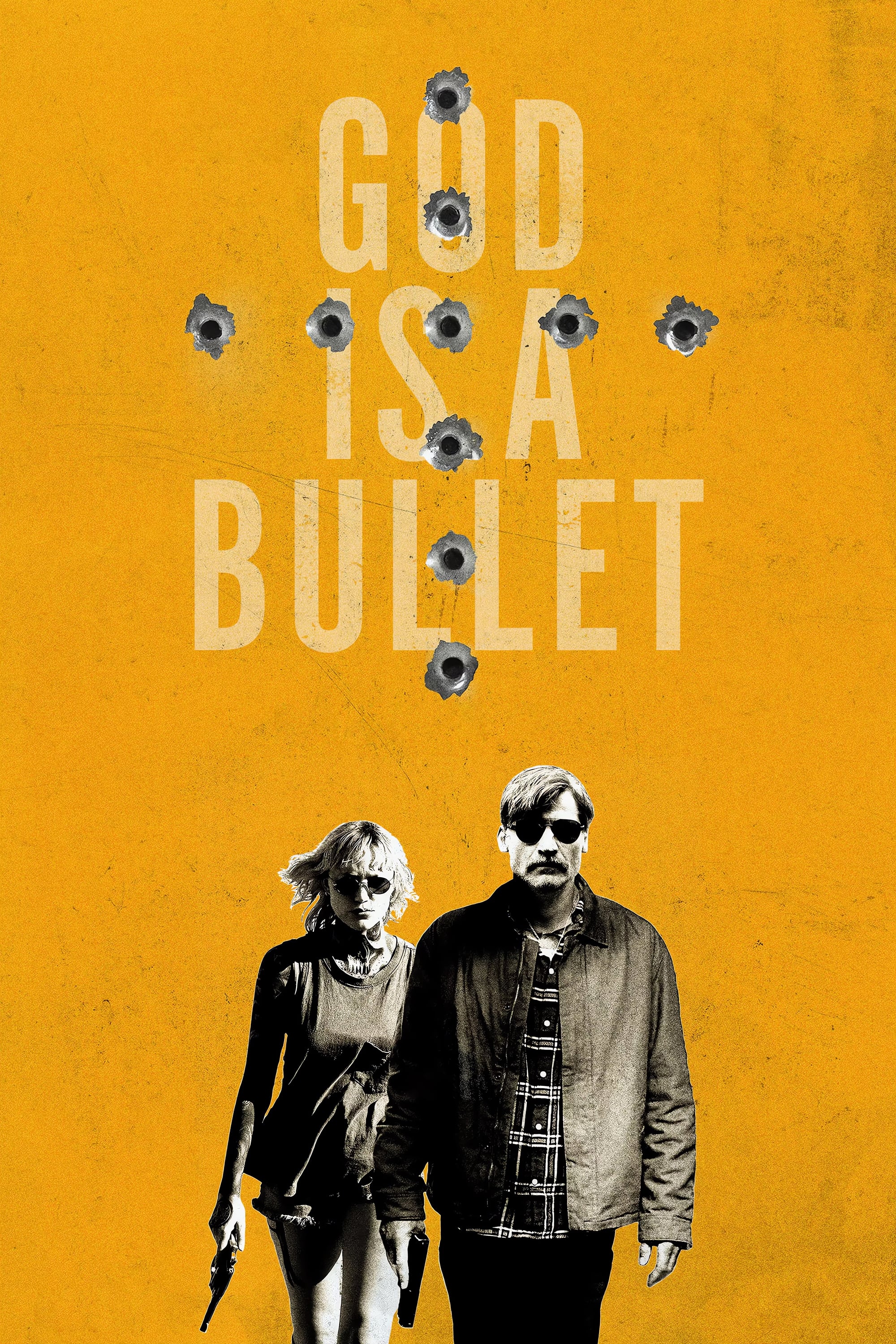
Vice detective Bob Hightower finds his ex-wife murdered and daughter kidnapped by a cult. Frustrated by the botched official investigations, he quits the force and infiltrates the cult to hunt down the leader with the help of the cult’s only female victim escapee, Case Hardin.
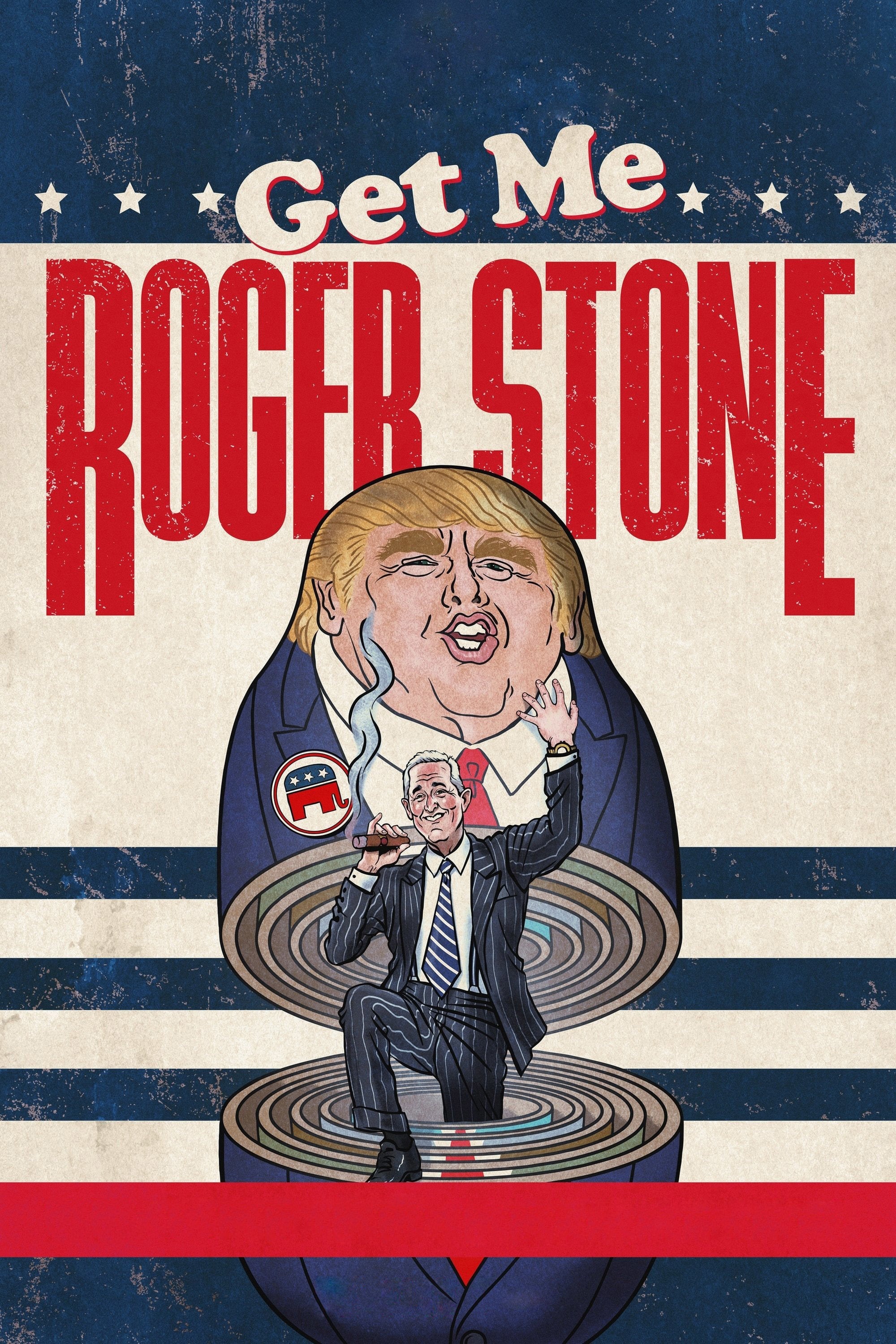
From his days of testifying at the Watergate hearings to advising recent presidential candidate Donald Trump, Roger Stone has long offended people on both sides of the political fence as a force in conservative America. Outspoken author, pundit, ahead of his time election strategist, this is his story.
In a hypercompetitive world, drugs like Adderall offer students, athletes, coders and others a way to do more -- faster and better. But at what cost?
The life of Mr. Spock, as well as that of Leonard Nimoy, the actor who played him for almost fifty years, written and directed by his son: Adam.
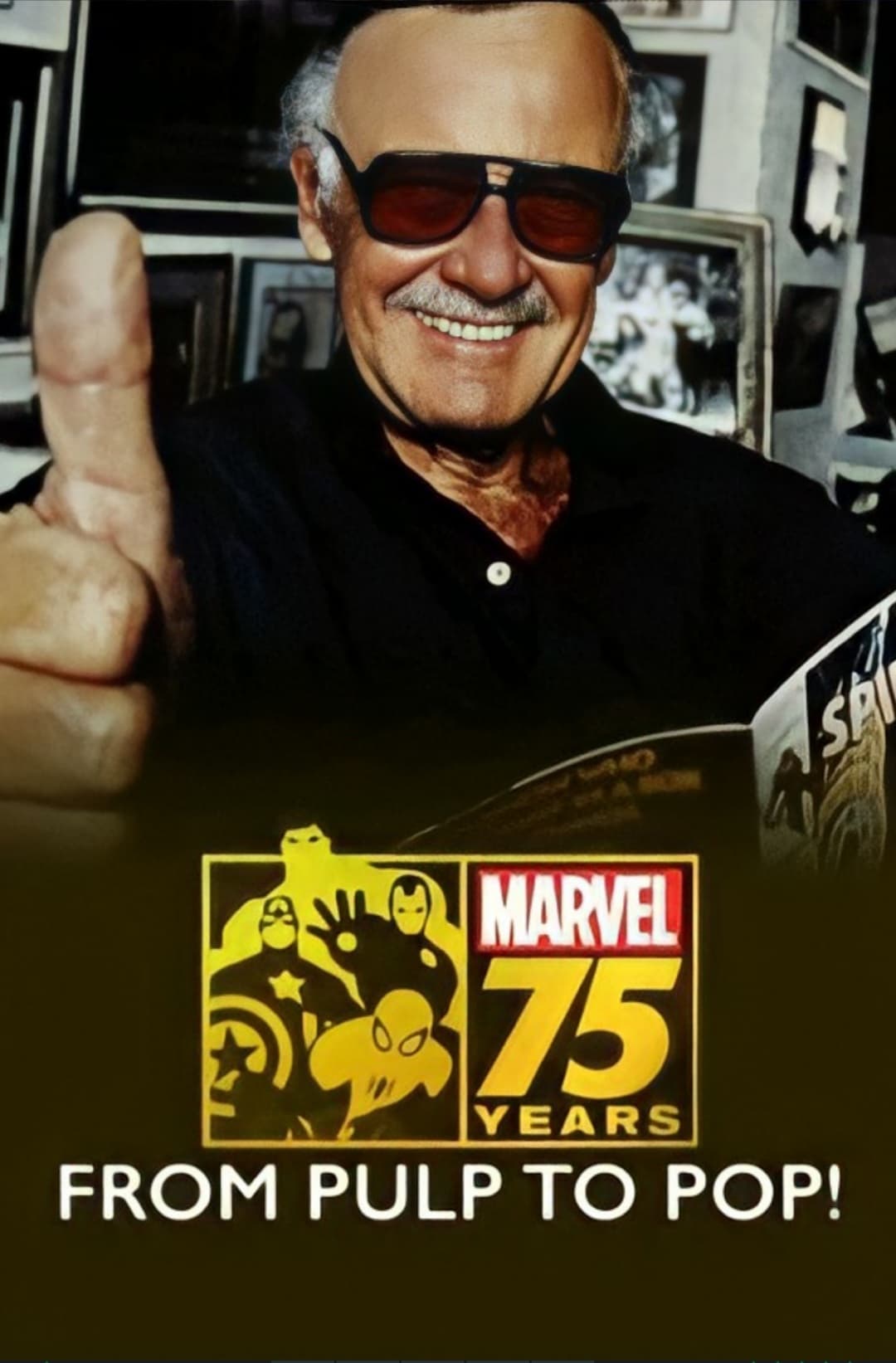
In celebration of the publisher's 75th anniversary, the hour-long special will take a detailed look at the company's journey from fledgling comics publisher to multi-media juggernaut. Hosted by Emily VanCamp (S.H.I.E.L.D. Agent Sharon Carter), the documentary-style feature will include interviews with comic book icons, pop culture authorities, and Hollywood stars. The special also promises an "extraordinary peek into Marvel's future!" Might Marvel release the first official footage from next year's Avengers: Age of Ultron or Ant-Man? If they do, you'll know about it here.
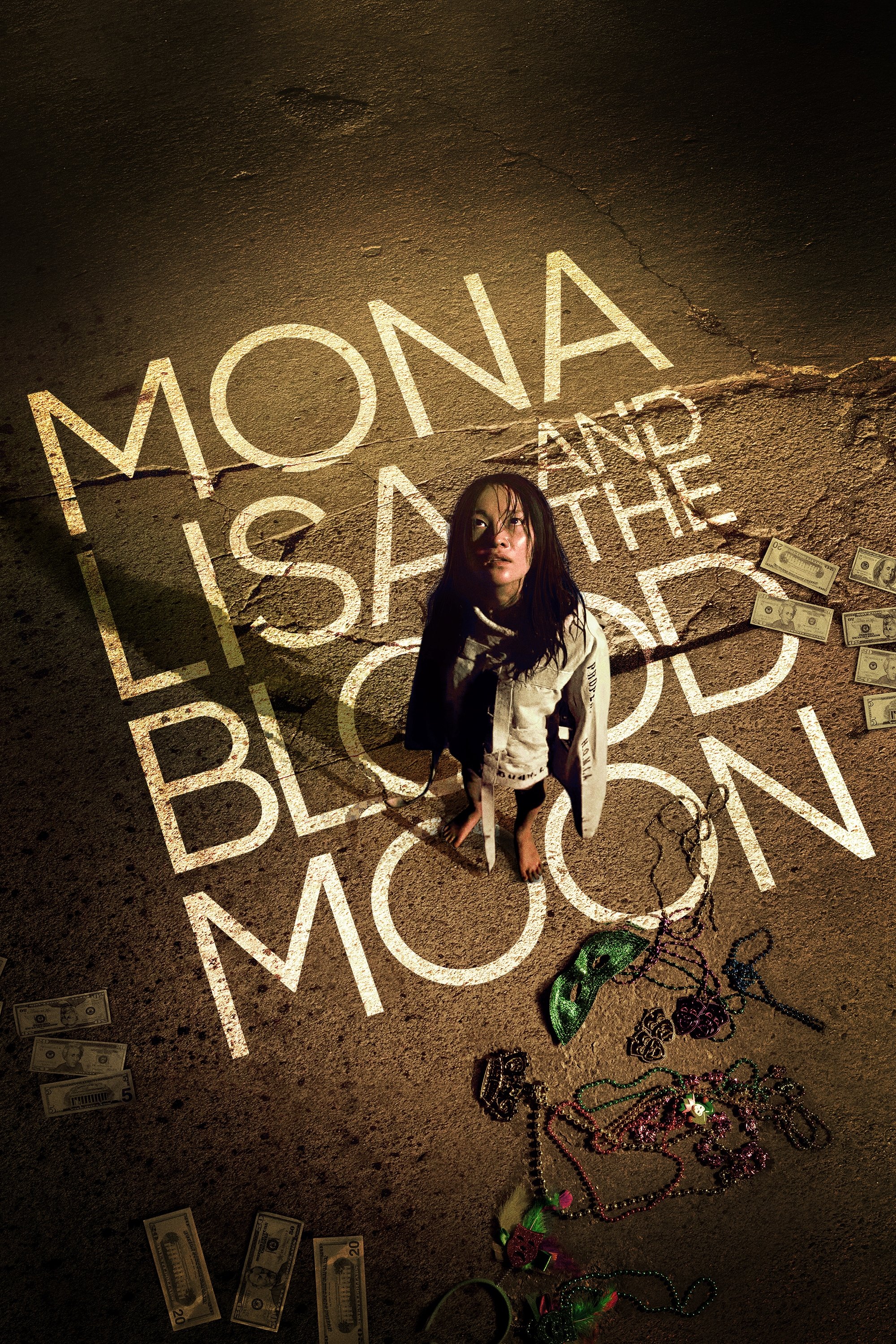
A young woman with psychokinetic powers breaks out of a Louisiana asylum and makes her way to New Orleans, where she falls into the city’s netherworld of misfits and miscreants.
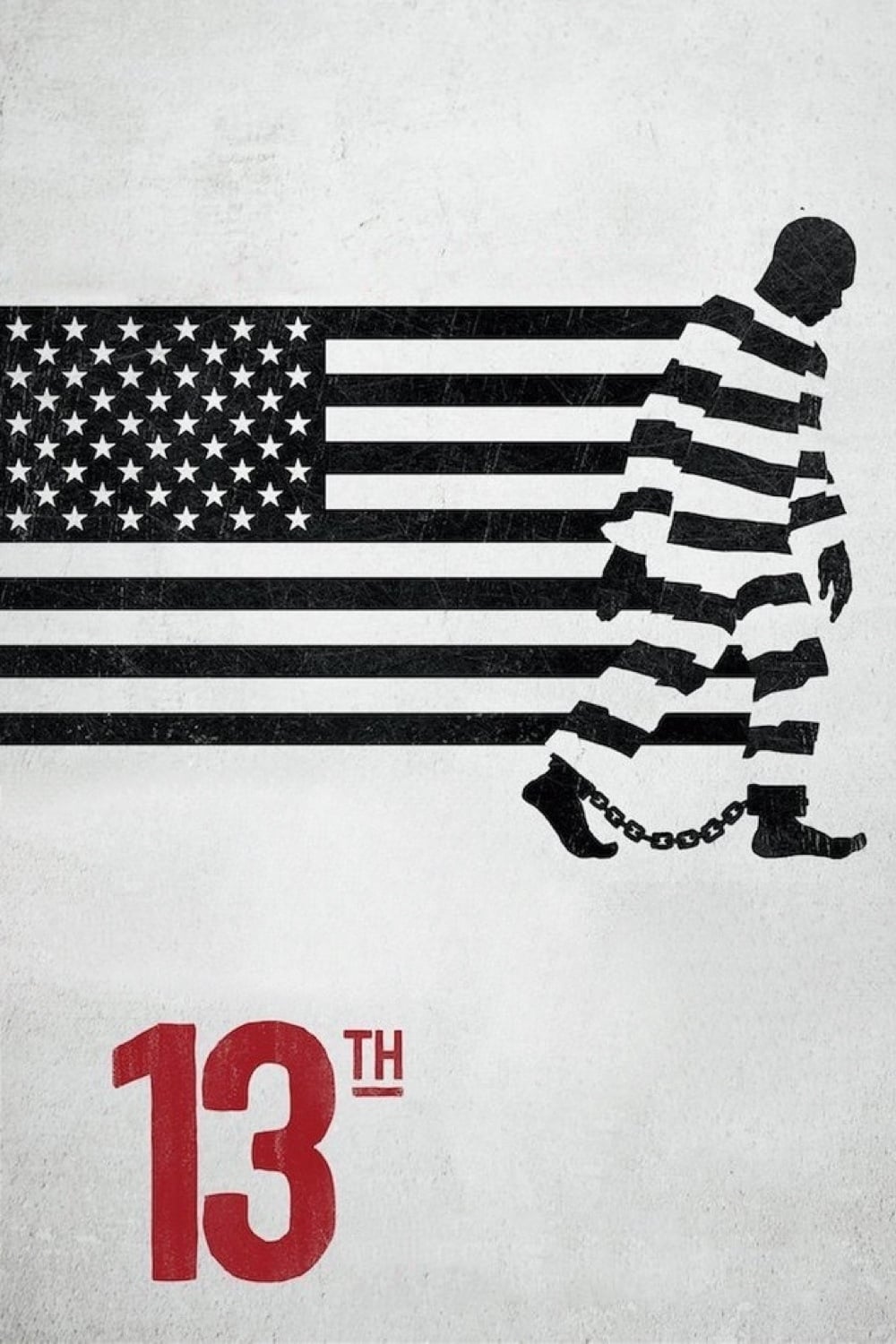
An in-depth look at the prison system in the United States and how it reveals the nation's history of racial inequality.
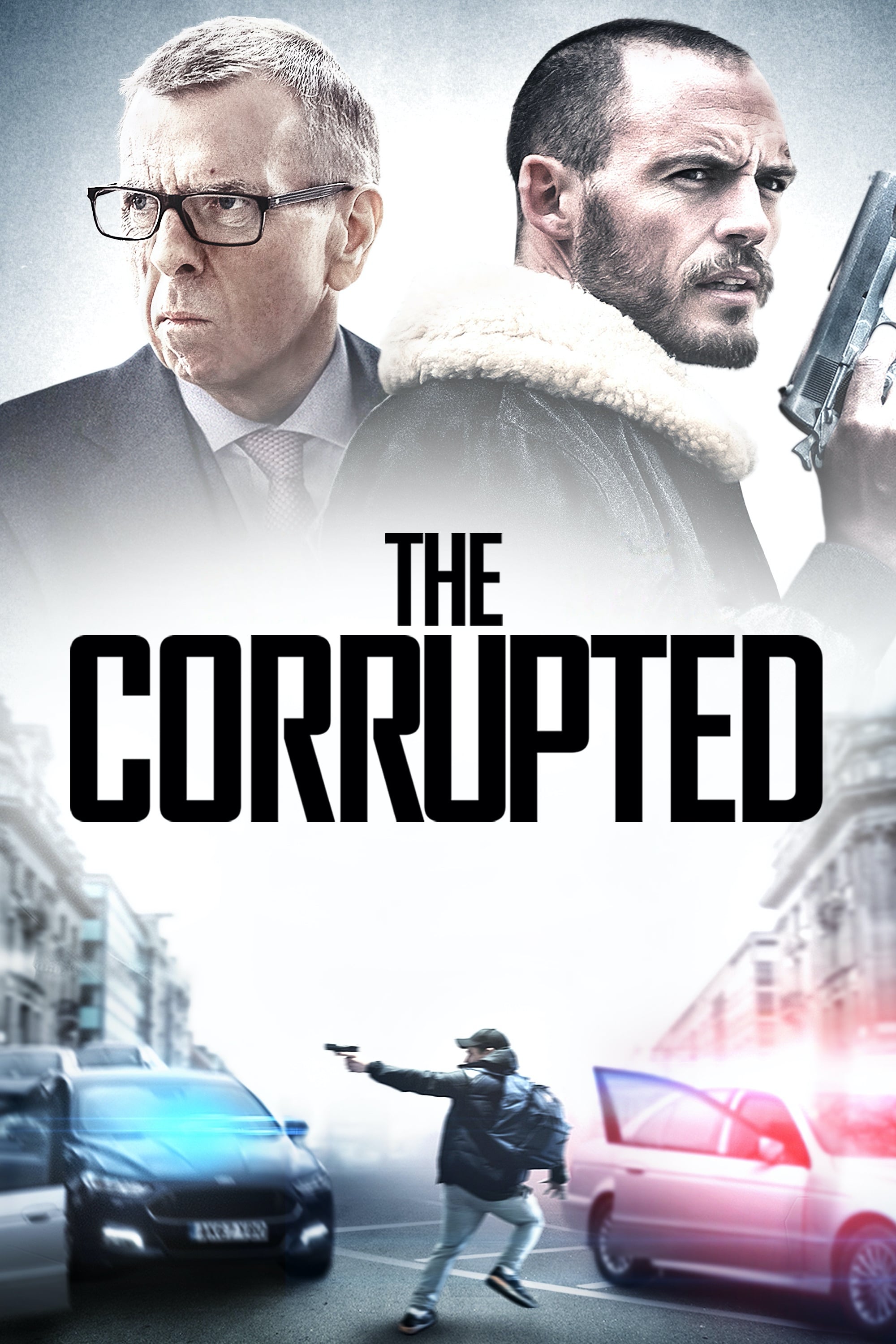
Set ahead of the 2012 London Olympics, the film follows Liam, an ex-con trying to win back the love and trust of his family. He has lost everything at the hands of a local crime syndicate run by Clifford Cullen, who has high-level connections in politics, finance and the police force. Liam's drive for redemption sees him caught up in a web of conspiracy, crime, and corruption.
A documentary detailing the epic Rogues' Gallery of DC Comics from The Joker and Lex Luthor, Sinestro, Darkseid and more, this documentary will explore the Super Villains of DC Comics.
After being denied access to the Church of Scientology's headquarters, documentarian Louis Theroux teams up with ex-Scientology official Marty Rathbun to stage re-enactments of alleged abuses within the organization. Theroux soon discovers that the church is watching his every move.