Social & External
Narrateur
"TDS, derrière l'écran des travailleuses du sexe" is a deep dive into the lives of Betty, Anaïs, Noochka, Manon, and Barty. They have all ventured into the world of selling sexual content online. What pushes someone to take the step of signing up on these platforms? What are their motivations? What are the consequences on their personal lives? Why do some choose to stick with it for years, while others decide to stop for good?
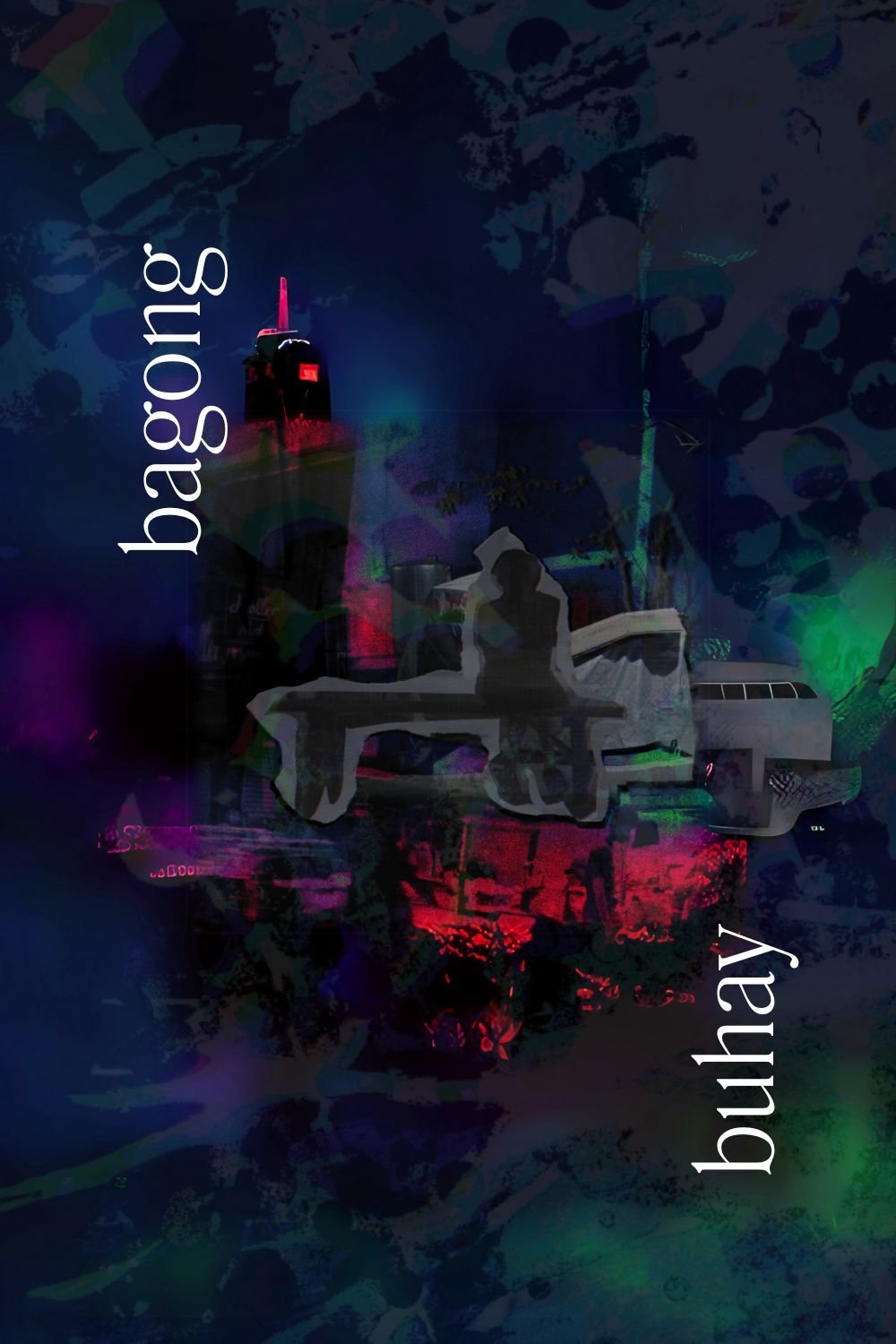
"Bagong Buhay" is a short experimental film that dispels the common belief that packing up and moving to a new place will magically improve one's quality of life. The film challenges this presumption by portraying two contrasting ways of life through objects and locations, encouraging viewers to think critically about the complexities of what makes a better life. In the Philippines, it's believed that relocating to a new area will bring about positive changes in one's existence. True satisfaction is a complex and multifaceted notion, and "Bagong Buhay" encourages us to ponder that relocating to a new place is not a surefire way to attain it.
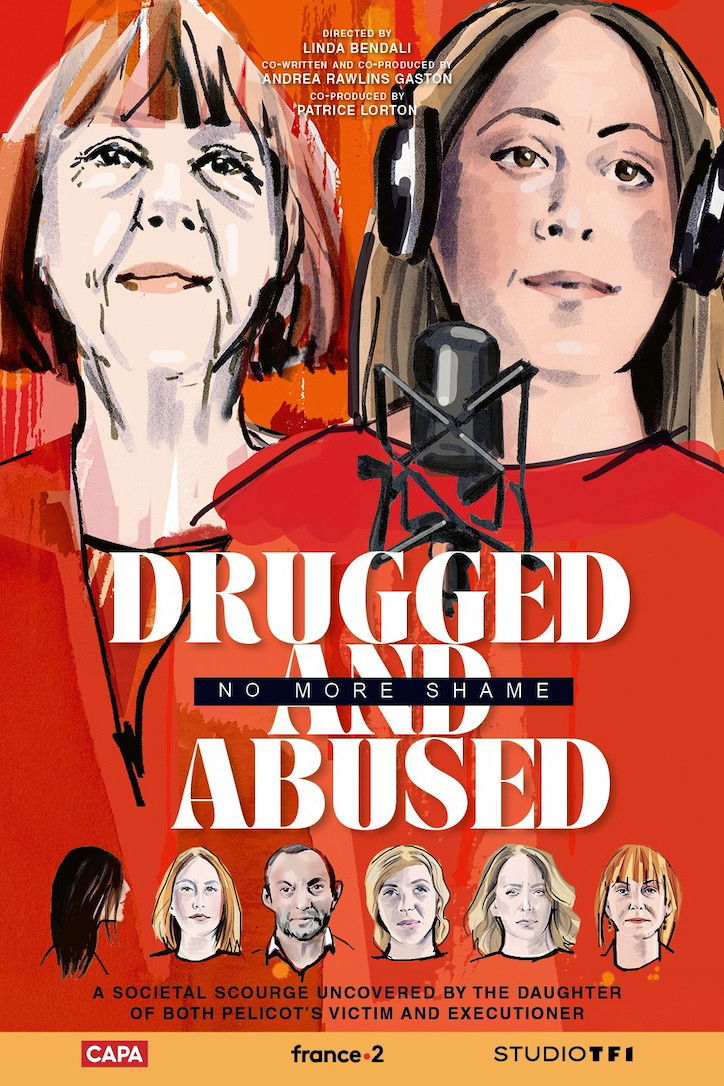
Caroline Darian, Gisèle Pelicot's daughter, looks back on the tragedy that shook her family: for ten years, her father drugged her mother to subject her to rapes committed by strangers recruited on the Internet. This case exposes the scandal of chemical submission, a practice where attackers, generally close to the victims, use prescription or over-the-counter medications to commit their crimes. This phenomenon, far from being marginal, affects victims with varied profiles...
30,000 people die in the US each year by firearms. Collateral damage of an undeclared civil war, from which the arms industry has benefited for decades under German and European participation. Starting from the massacre at Sandy Hook Elementary School, this documentary examines why we can't stop the arms madness.
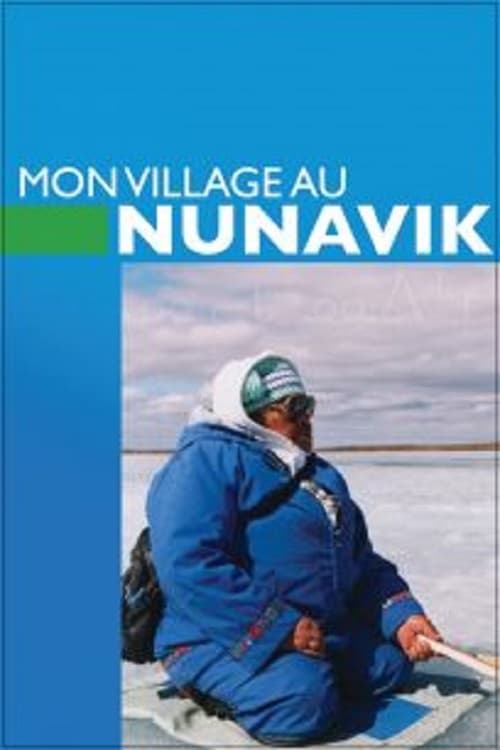
Shot during three seasons, Kenuajuak's documentary tenderly portrays village life and the elements that forge the character of his people: their history, the great open spaces and their unflagging humour. Though Kenuajuak appreciates the amenities of southern civilization that have made their way north, he remains attached to the traditional way of life and the land: its vast tundra, the sea teeming with Arctic char, the sky full of Canada geese. My Village in Nunavik is an unsentimental film by a young Inuk who is open to the outside world but clearly loves his village. With subtitles.
Ivory Coast, the Democratic Republic of Congo, and Senegal – when it comes to love and sex, these African countries are caught between tradition and modernity.
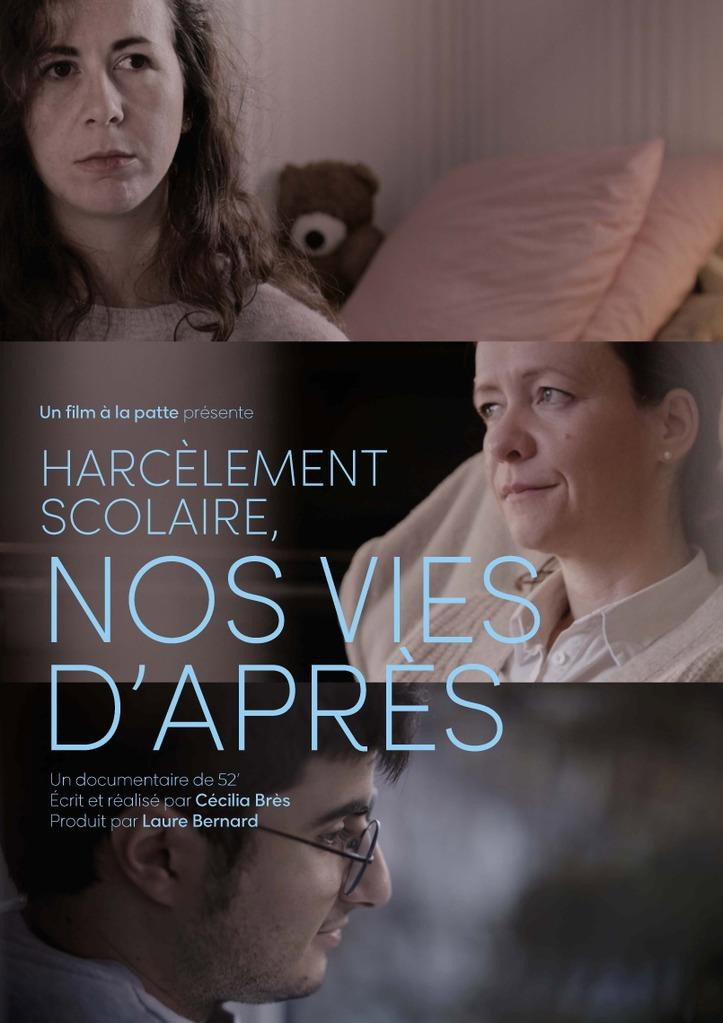
What if we changed viewpoints? "Bullying, our lives after" highlights the suffering of adults who were once bullied pupils. Ten, twenty or thirty years later, trauma is still present. Following Nathalie, Laurine and Samuel, this movie shows the long-term implications of bullying, pointing out a real failure of the educational institution and a major public health issue.
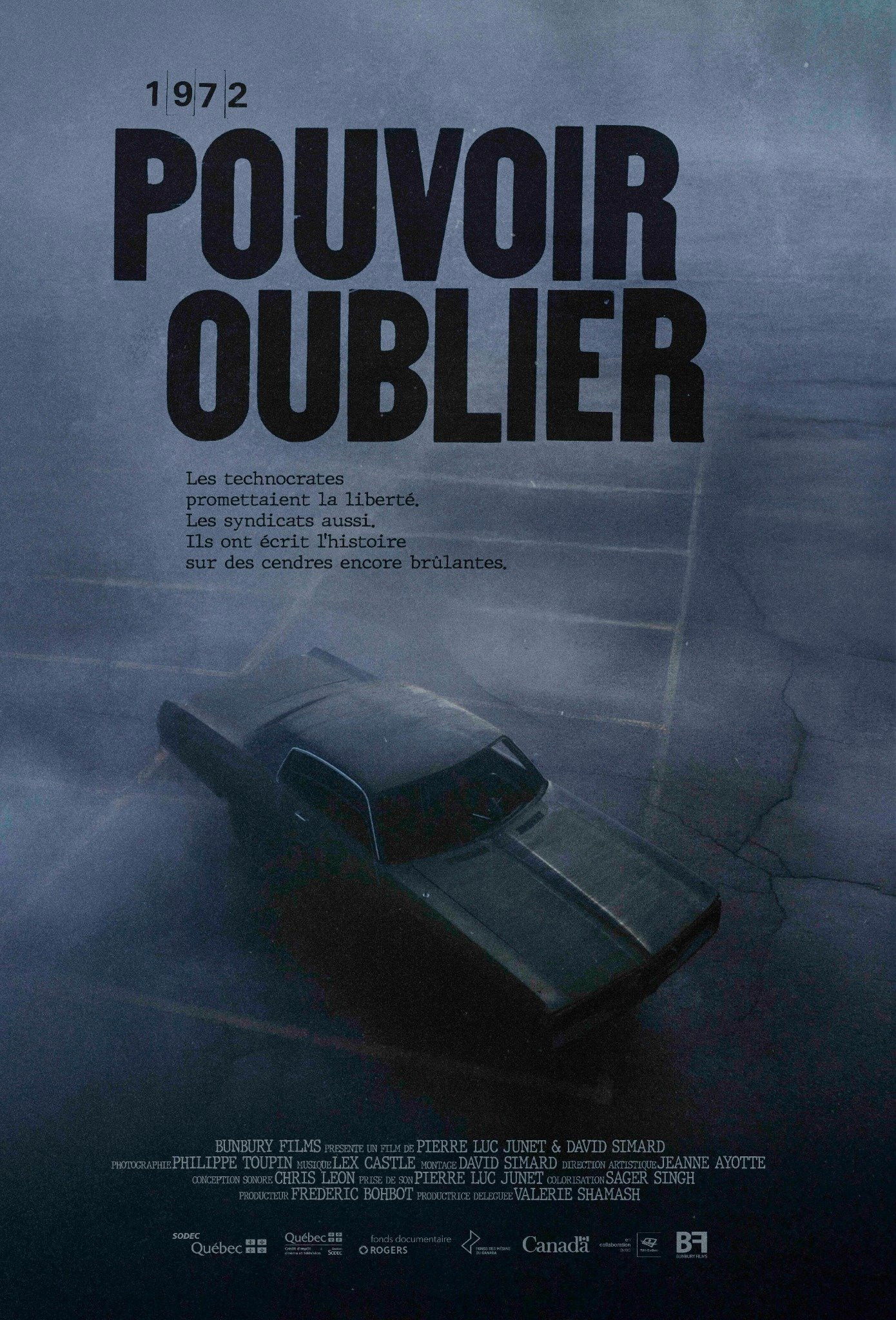
Pouvoir Oublier is a political documentary first constructed from the words of the speakers whose lives changed on the tragic day of May 10, 1972 in Sept-Îles. Their word will be juxtaposed with archival material from the events, some of which are unpublished, which will reflect the collective euphoria in which Sept-Îles and all of Quebec were then bathed.
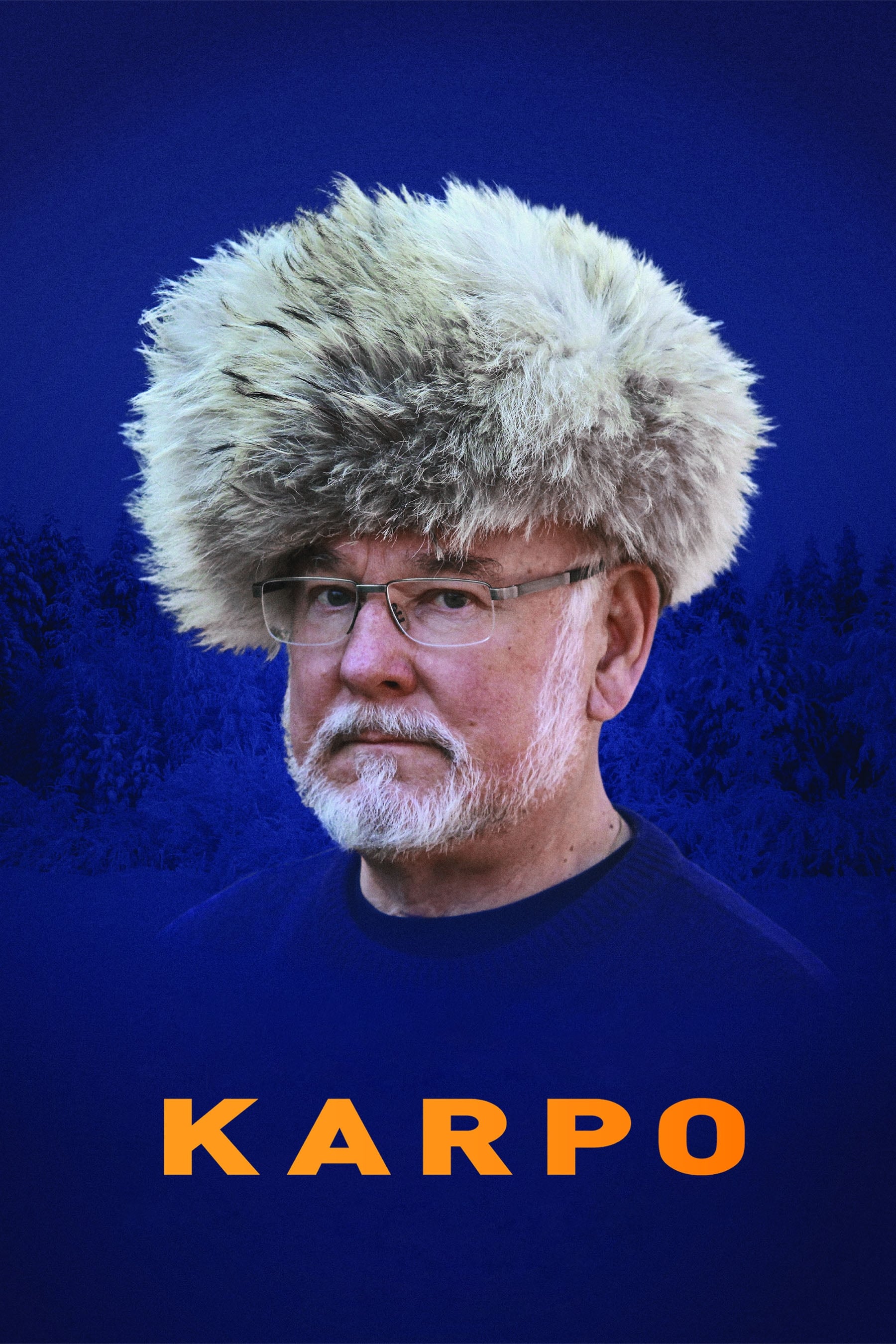
Documentary about a Finnish reporter, Hannu Karpo. The movie follows Karpo's decades-long career as a journalist, and how he became a phenomenon and known by the whole nation.
Last winter Russians got tired with Putin's autocratic actions and went out into the streets to demand change. A hope for more righteous Russia has awakened, but the journey is a long one, and the weight of history exceptionally heavy. However, an idea for new Russia has been born, and continues to grow even at this very moment. One of the people fighting for change is a Russian author and dissident Victor Erofeyev. He loves his country and wants it to be more tolerant and open-minded. For decades now, he has been criticising the people in charge of Russia. He has also been in trouble with the state since the Soviet times, but does not let the fear hold him back. With his work he wants to encourage the Russians to take a critical look around and try to actively improve their own situation. Now this is finally happening.
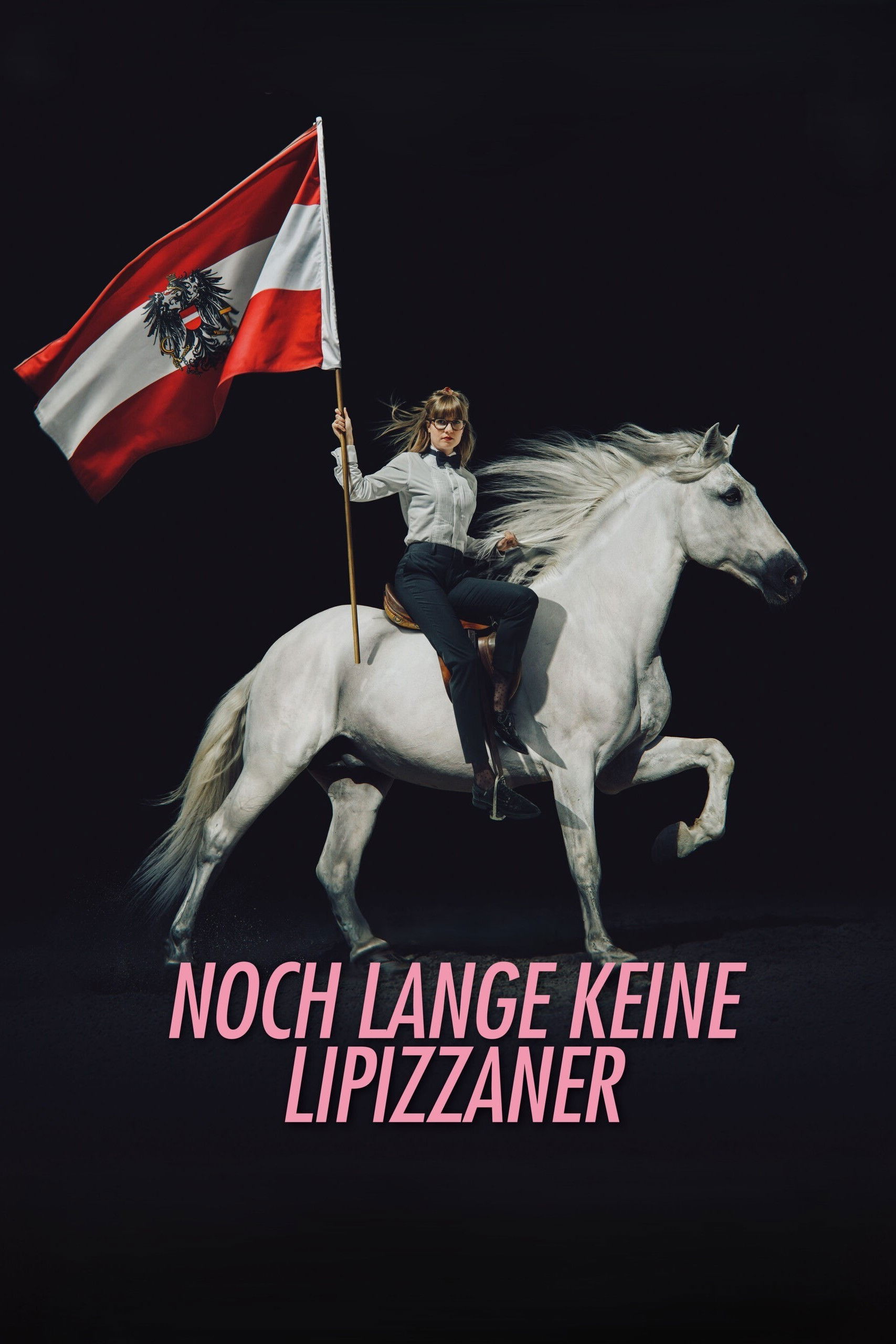
Although director Olga Kosanović was born and raised in Austria, she is not allowed to be Austrian. Her first attempt at naturalization failed. One contemptuous social media comment summed it up: “If a cat gives birth in the Spanish Riding School, that doesn’t make the kittens Lipizzaners.”What notion of identity underlies a legal system that divides society into “us” and “them”? A film about belonging — and about a second attempt.
fifteen zero three nineteenth of january two thousand sixteen explores how everyday routines and gestures are transformed when a mother loses her child in the violence impacting Swedish outskirts since the early 2000s. The film resists simplistic media depictions of the suburbs and shows how a home can hold both mourning and the mobilization of women to fight for their own and others' children.
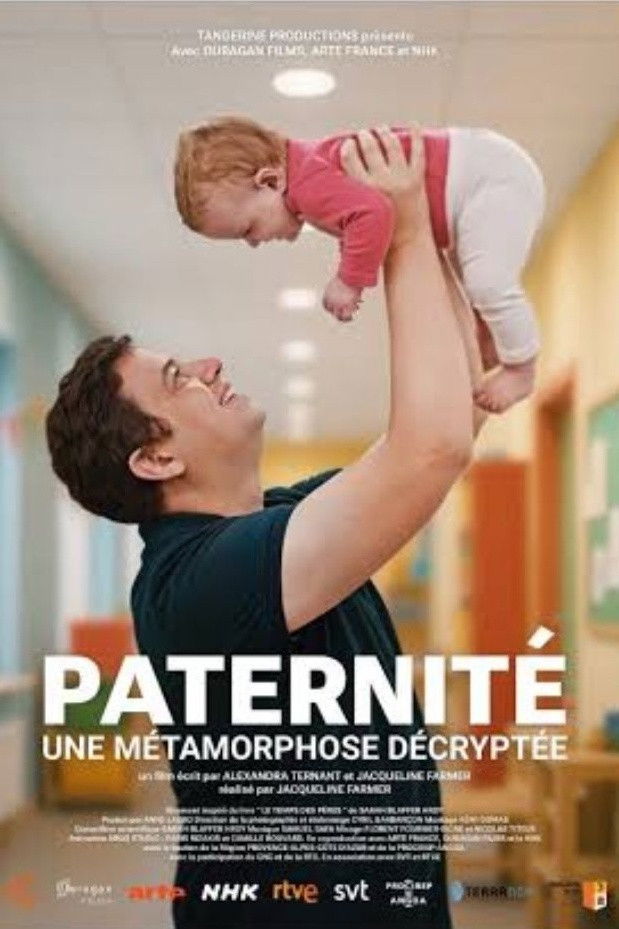
Becoming a father is an extraordinary adventure in a man's life, but it is also a real physiological metamorphosis that science is only just beginning to reveal. Researchers from multiple disciplines are lifting the veil on these changes taking place in men who are in contact with young children, and their discoveries are astonishing. By tracing the thread of evolution, the film reveals that these deep, long-ignored bonds between men and children are very ancient. And that they are just waiting for the right context to fully express themselves.
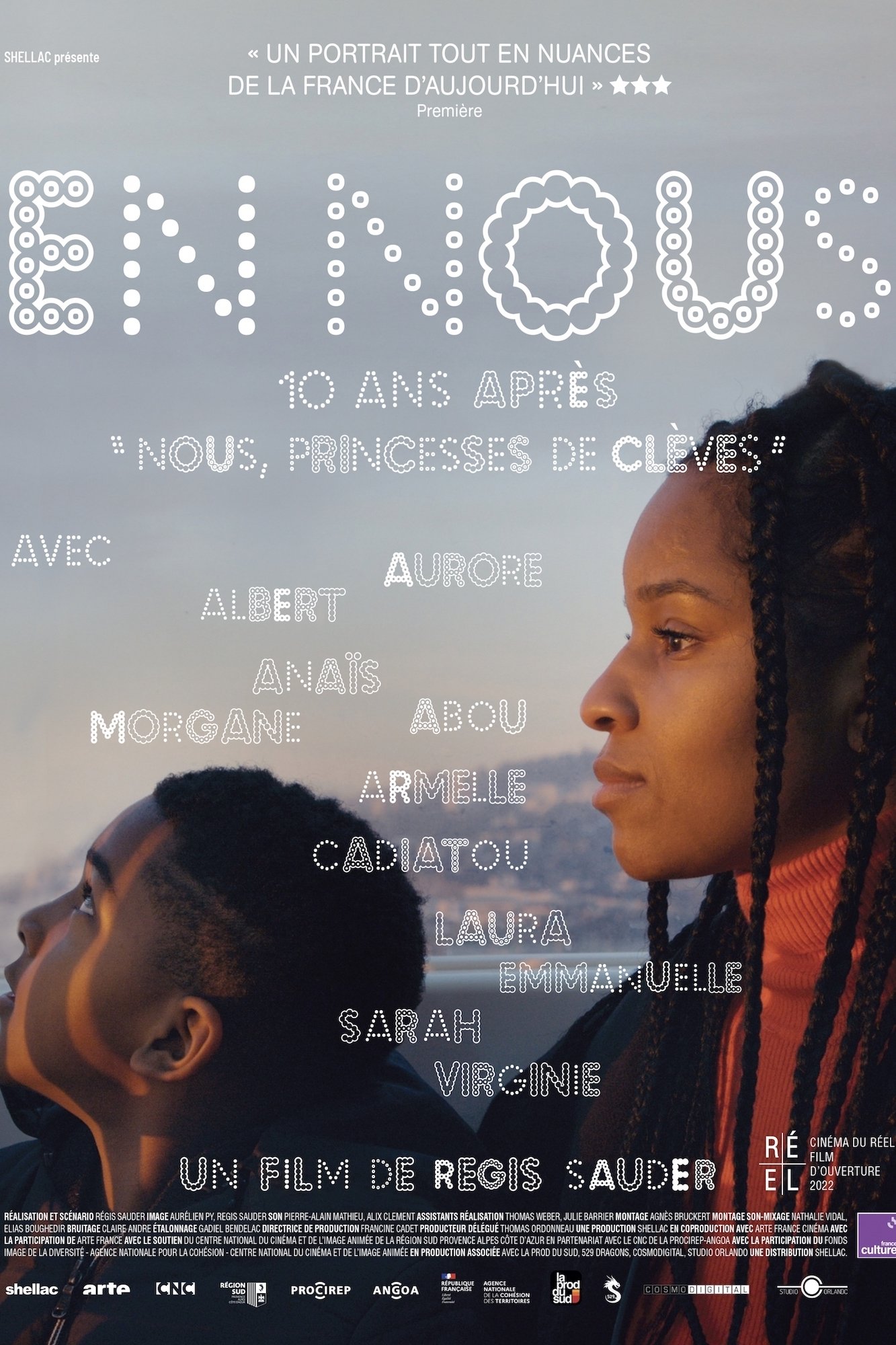
Ten years ago, the paths of Abou, Laura, Cadiatou and Jacques have crossed Emmanuelle’s. She was their French teacher at a high school in Marseille. Together they took part in a film, Children of the Princess of Cleves, in which, while analyzing the classic text, they expressed their hopes, dreams, and fears. In En Nous, the director re-connects with the protagonists : memories blend with stories of their lives and the daily obstacles they must overcome whilst trying not to lose hope. Now, the sentence of the Princess of Cleves rings poignantly true: “I know nothing can be more difficult than what I undertake”.
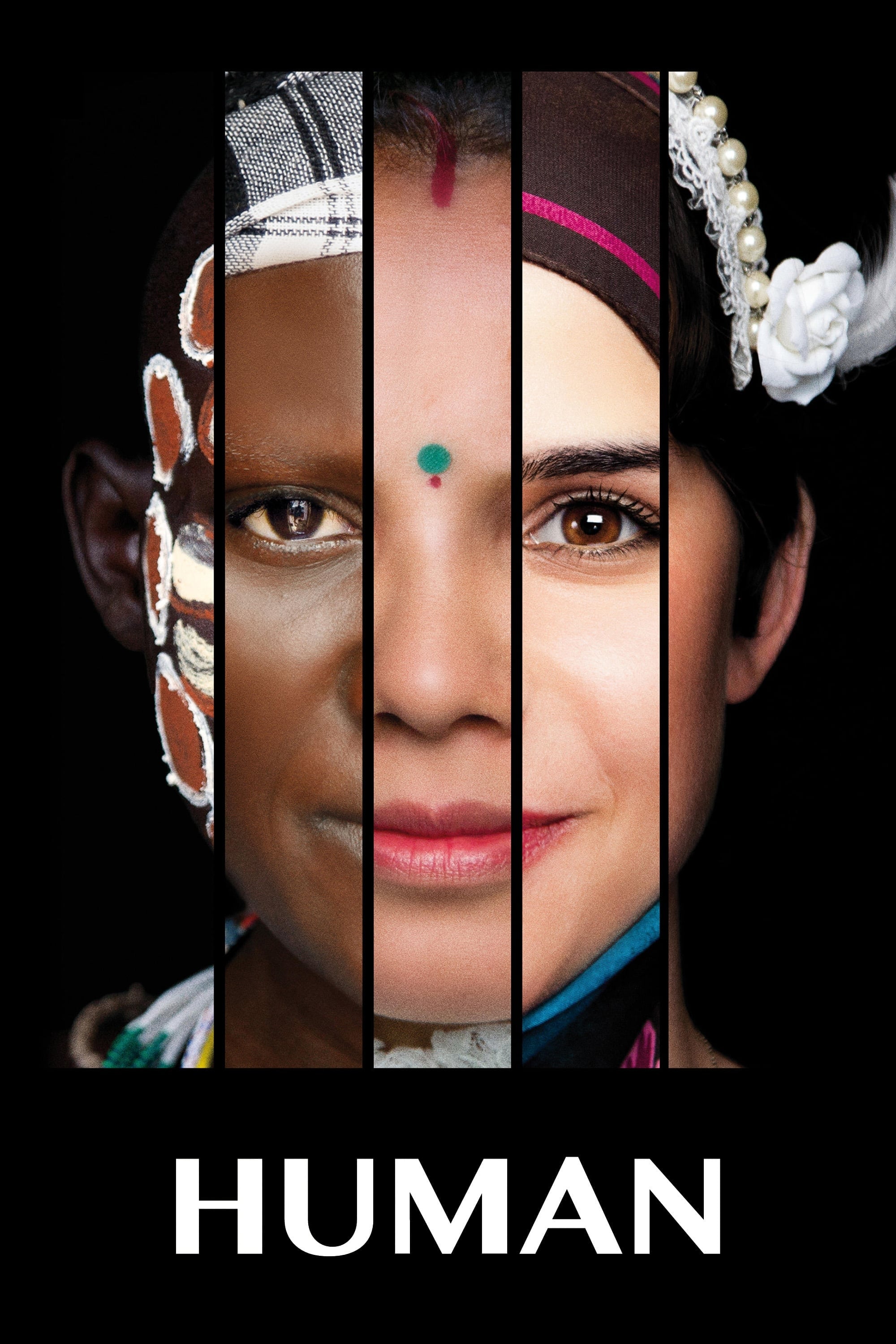
A collection of stories about and images of our world, offering an immersion to the core of what it means to be human. Through these stories full of love and happiness, as well as hatred and violence, it brings us face to face with the Other, making us reflect on our lives. From stories of everyday experiences to accounts of the most unbelievable lives, these poignant encounters share a rare sincerity and underline who we are – our darker side, but also what is most noble in us, and what is universal. Our Earth is shown at its most sublime through never-before-seen aerial images accompanied by soaring music, resulting in an ode to the beauty of the world, providing a moment to draw breath and for introspection. This film is a politically engaged work which allows us to embrace the human condition and to reflect on the meaning of our existence.
A documentary that explores the downloading revolution; the kids that created it, the bands and the businesses that were affected by it, and its impact on the world at large.
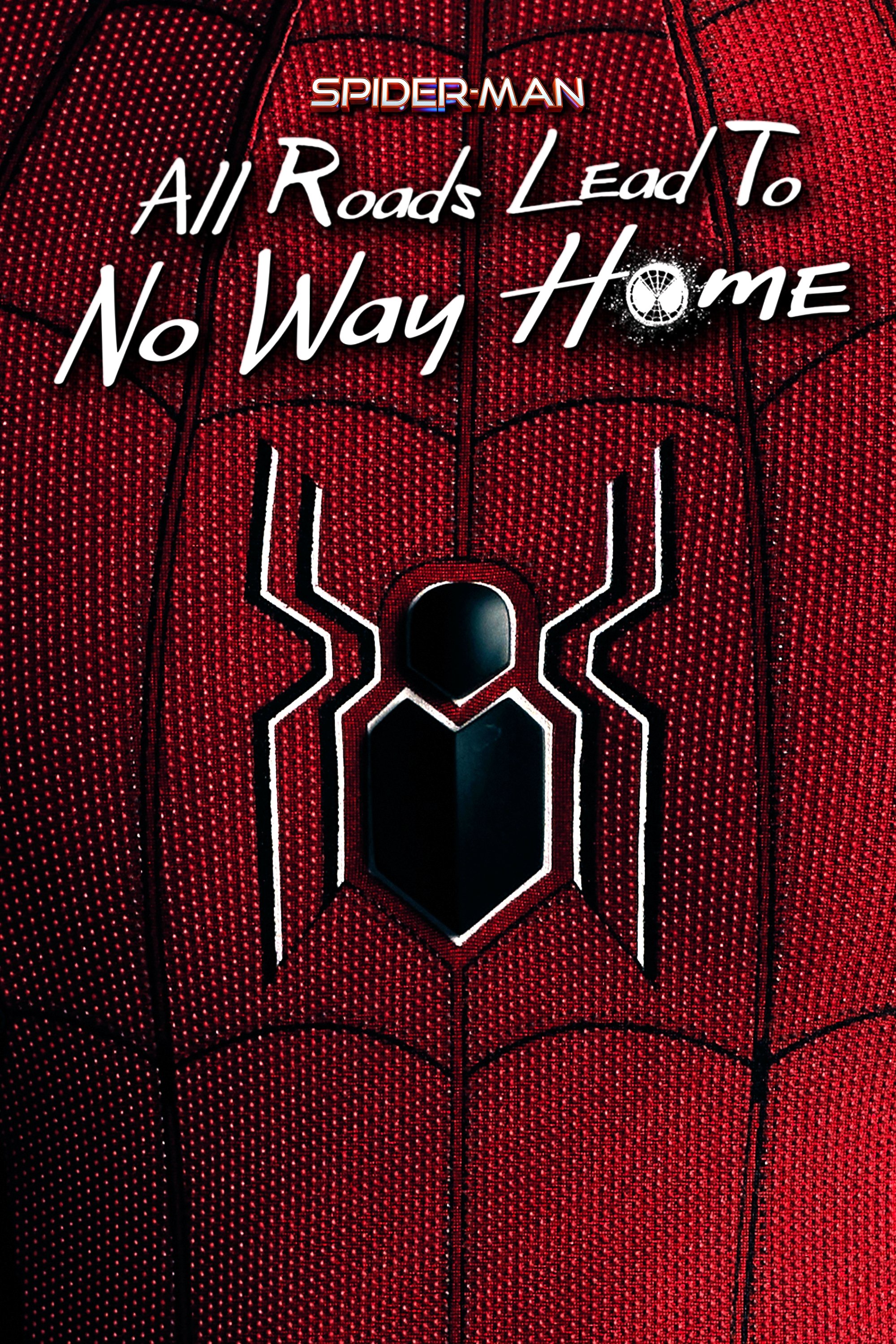
JB Smoove and Martin Starr host a celebration of 20 years of "Spider-Man" movies, from the Sam Raimi trilogy to Marc Webb's movies and the trio from Jon Watts.
Brilliant, long in-the-works story of the life and art of the world's greatest comedian and the cinema's first genius, Charlie Chaplin. Produced, written and directed by renowned film critic Richard Schickel.
A documentary on the expletive's origin, why it offends some people so deeply, and what can be gained from its use.
A documentary detailing the epic Rogues' Gallery of DC Comics from The Joker and Lex Luthor, Sinestro, Darkseid and more, this documentary will explore the Super Villains of DC Comics.
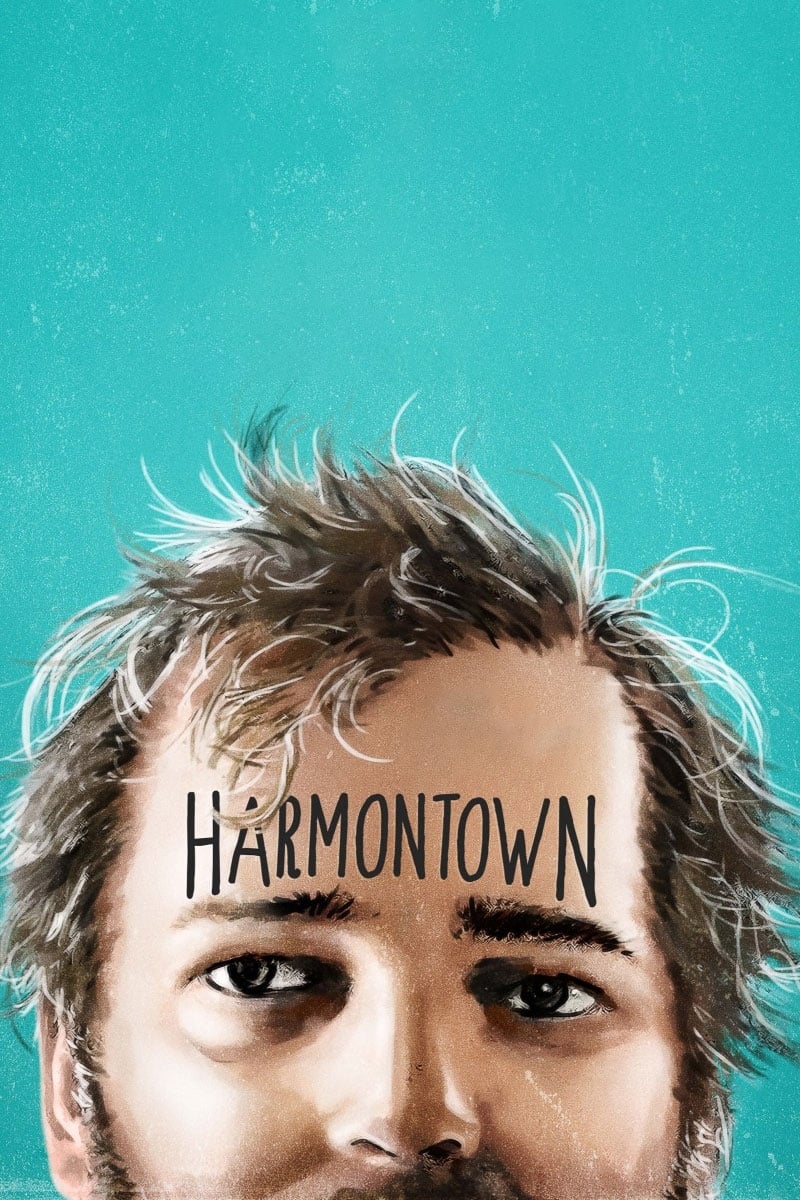
A comedic, brutally honest documentary following self-destructive TV writer Dan Harmon as he takes his live podcast on a national tour.
The life of Mr. Spock, as well as that of Leonard Nimoy, the actor who played him for almost fifty years, written and directed by his son: Adam.
Those who knew iconic funnyman John Candy best share his story, in their own words, through never-before-seen archival footage, imagery, and interviews.
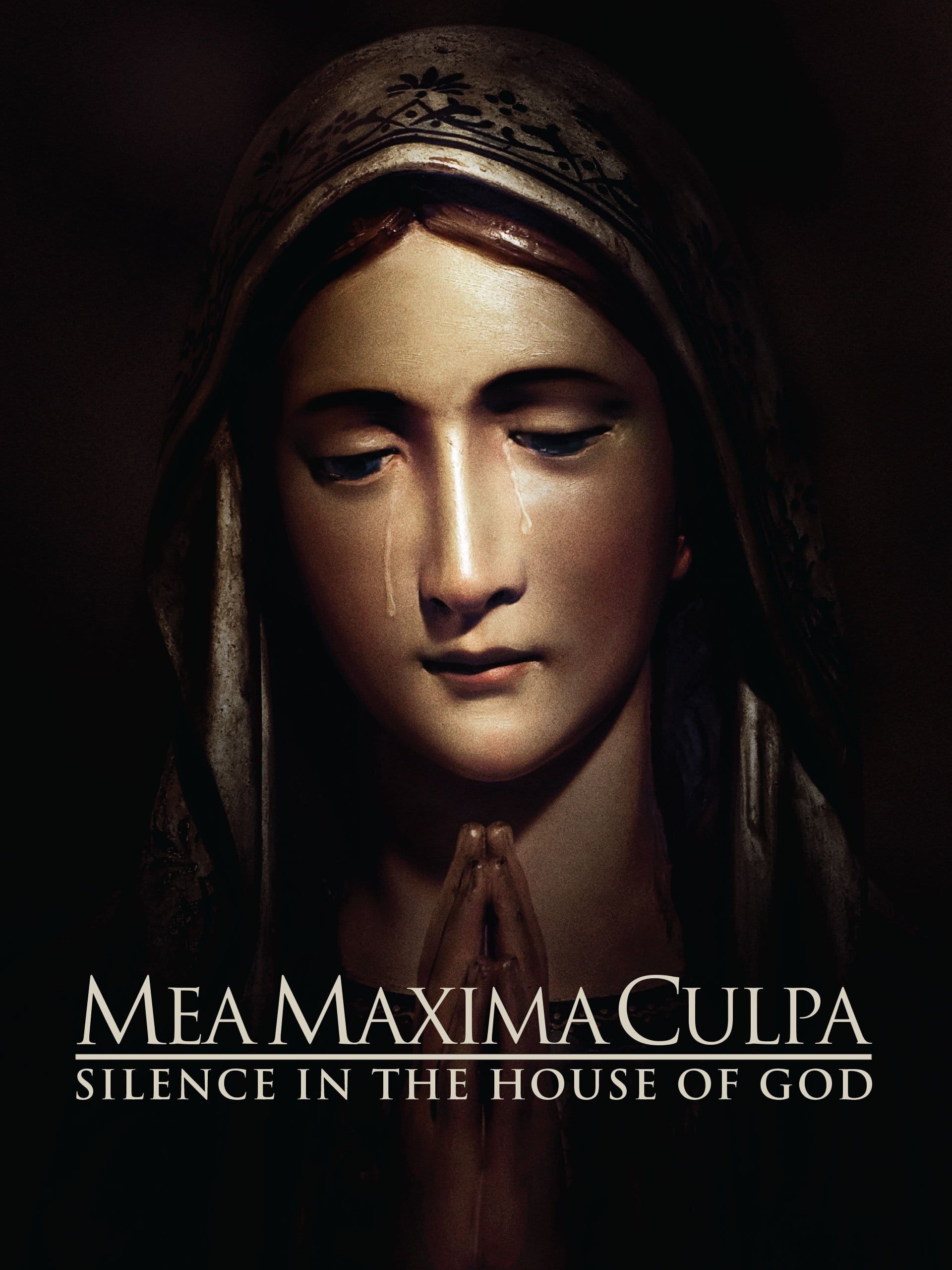
Alex Gibney explores the charged issue of pedophilia in the Catholic Church, following a trail from the first known protest against clerical sexual abuse in the United States and all way to the Vatican.
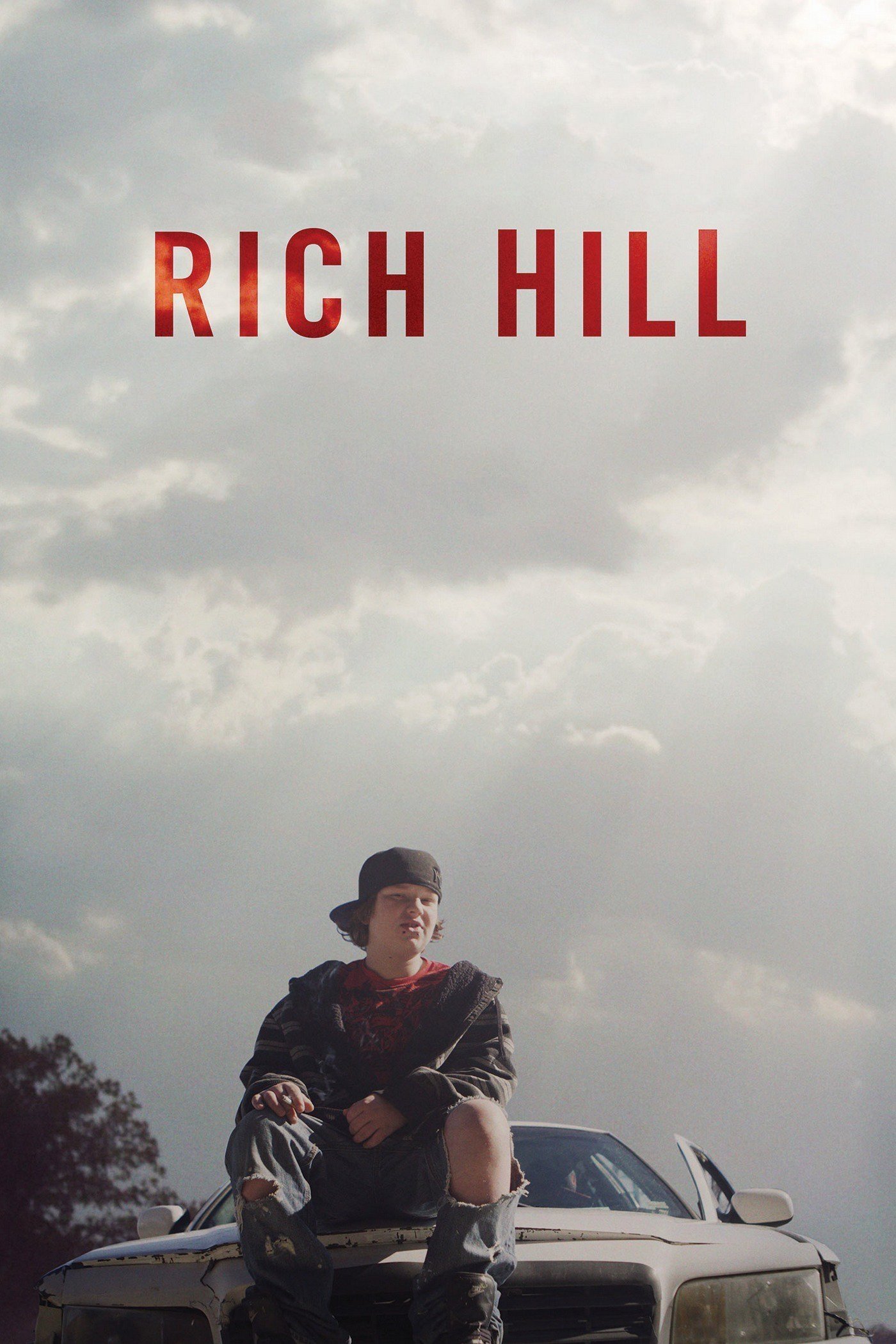
If you ever find yourself traveling down Interstate 49 through Missouri, try not to blink—you may miss Rich Hill, population 1,396. Rich Hill is easy to overlook, but its inhabitants are as woven into the fabric of America as those living in any small town in the country. This movie intimately chronicles the turbulent lives of three boys living in said Midwestern town and the fragile family bonds that sustain them.
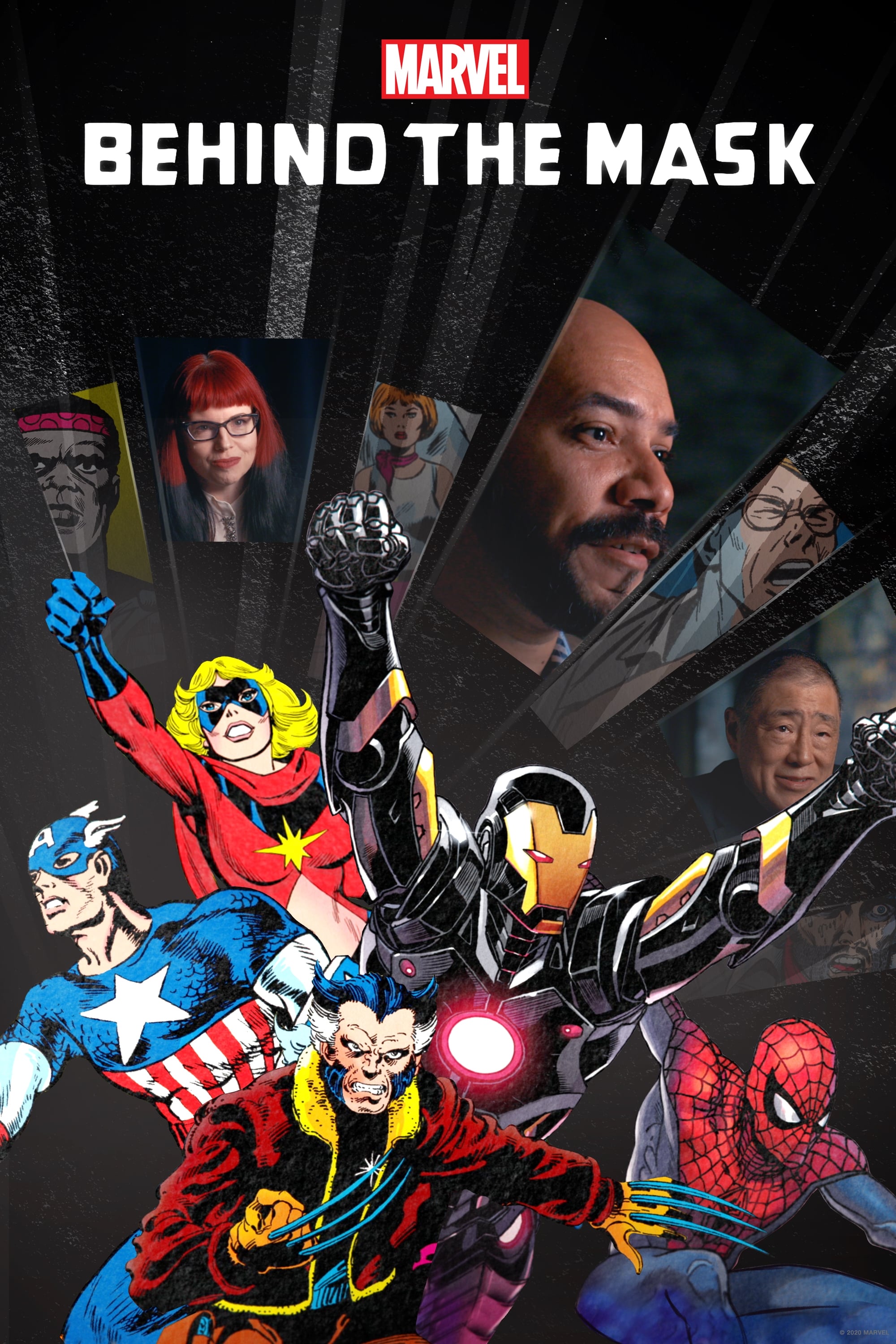
A documentary special that explores the power of identity behind the iconic superheroes we know and love today. These legendary Marvel creations and stories have not only reflected the world outside our window – they have become a reflection of our own identities and who we truly are.
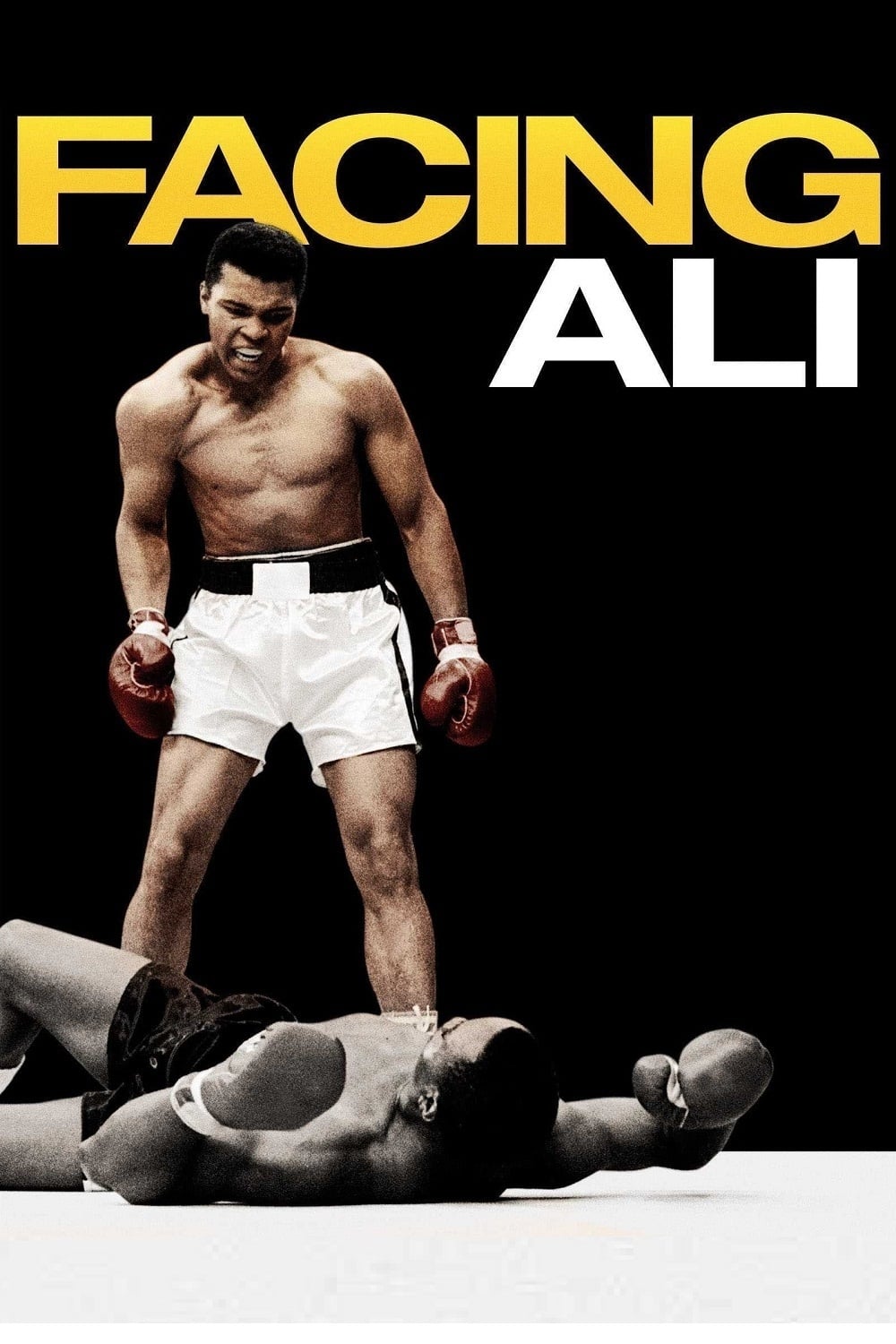
Ten of Muhammad Ali's former rivals pay tribute to the three-time world heavyweight champion.
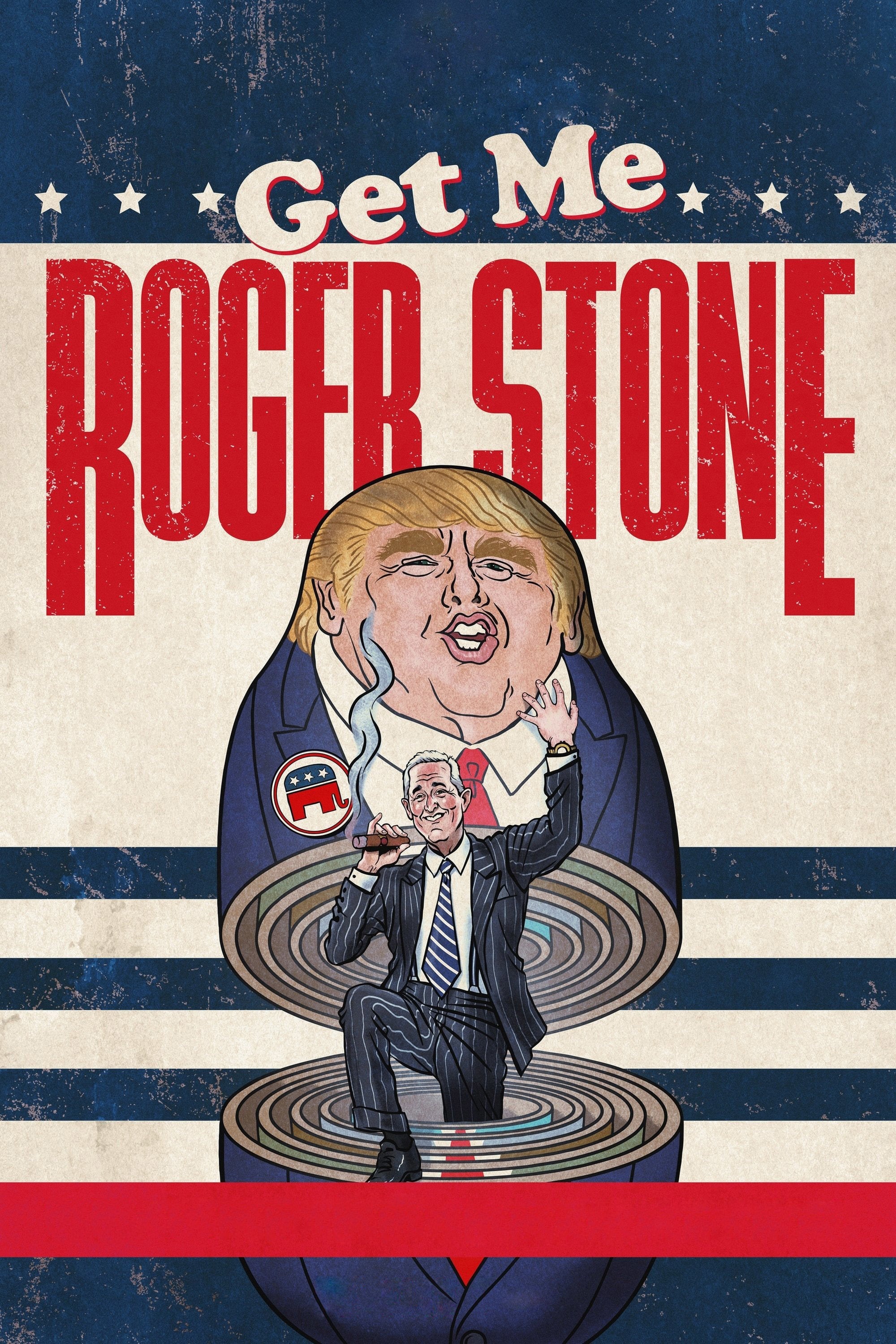
From his days of testifying at the Watergate hearings to advising recent presidential candidate Donald Trump, Roger Stone has long offended people on both sides of the political fence as a force in conservative America. Outspoken author, pundit, ahead of his time election strategist, this is his story.
The life and career of an actor, artist, and icon. His own journey through his own camera.
An inside look at one of the most anticipated movie sequels ever with James Cameron and cast.
This revealing documentary honors the legendary Sidney Poitier—iconic actor, filmmaker, and civil rights activist. Featuring interviews with Denzel Washington, Spike Lee, Halle Berry, and more.
A detailing of the rise to prominence and global sporting superstardom of six supremely talented young Manchester United football players (David Beckham, Nicky Butt, Ryan Giggs, Paul Scholes, Phil and Gary Neville). The film covers the period 1992-1999, culminating in Manchester United's European Cup triumph.
A documentary about how a dominant cultural and demographic institution both sustains their traditional activities and adapts to the digital revolution.
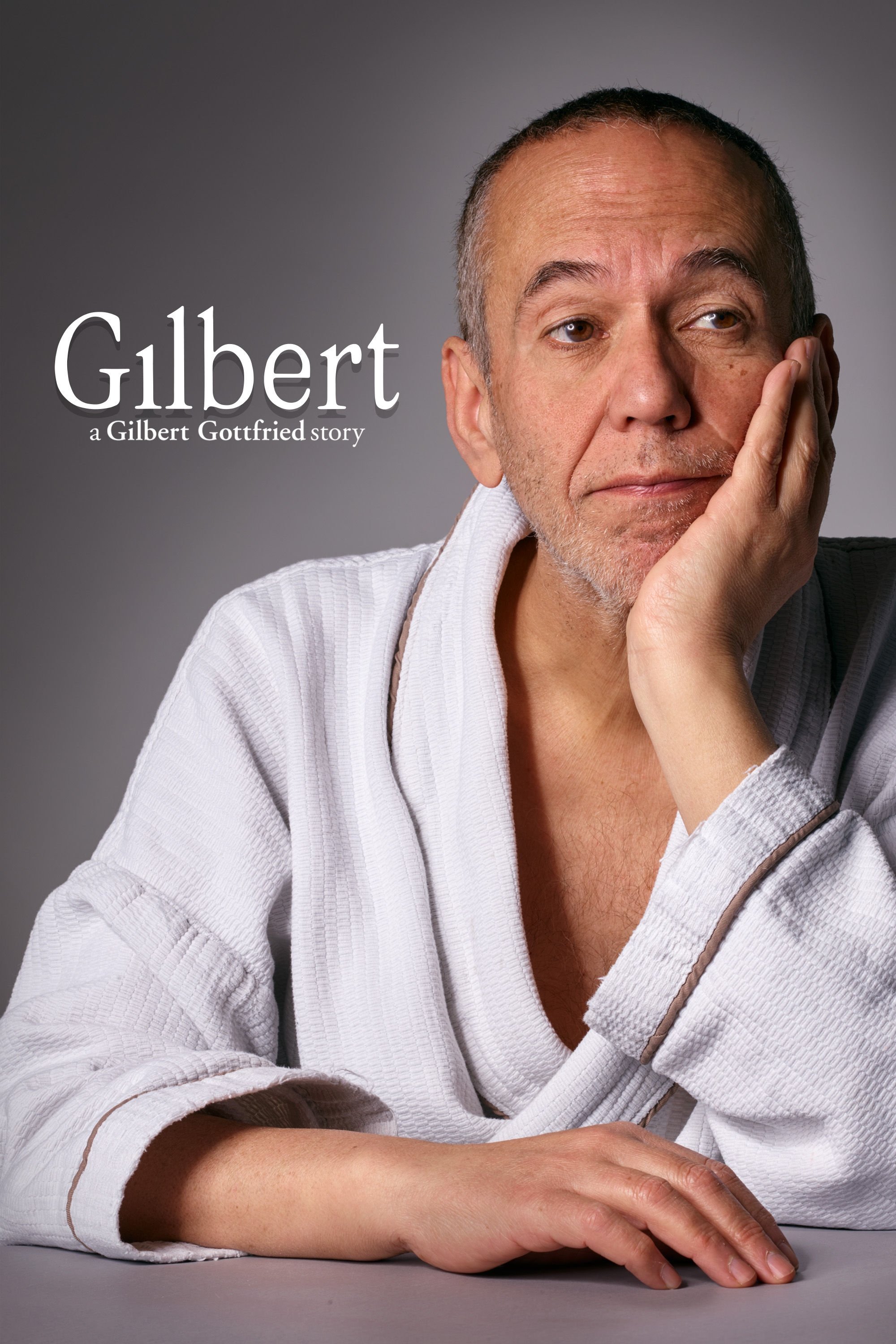
The life and career of one of comedy's most inimitable modern voices, Mr. Gilbert Gottfried.