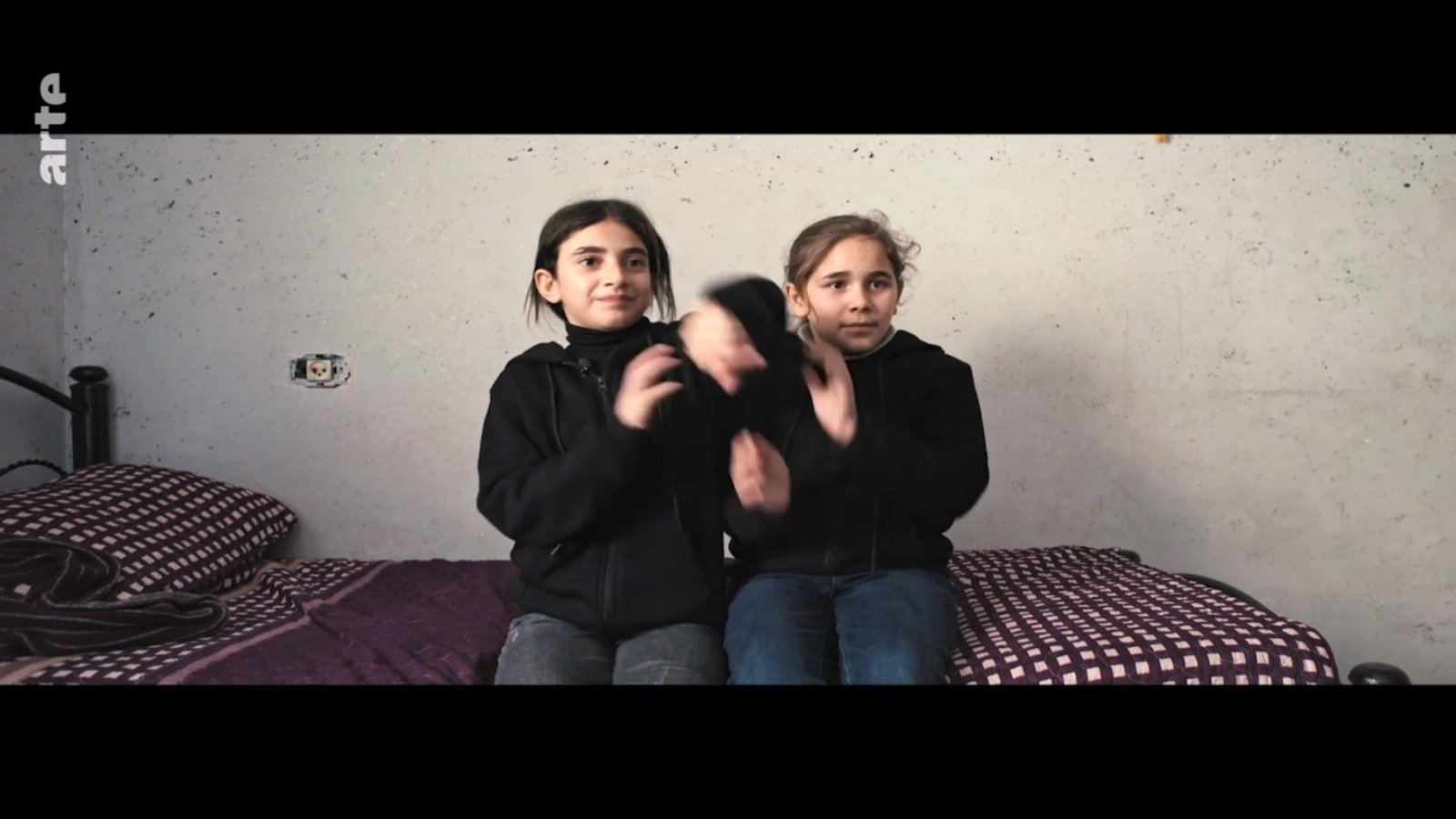
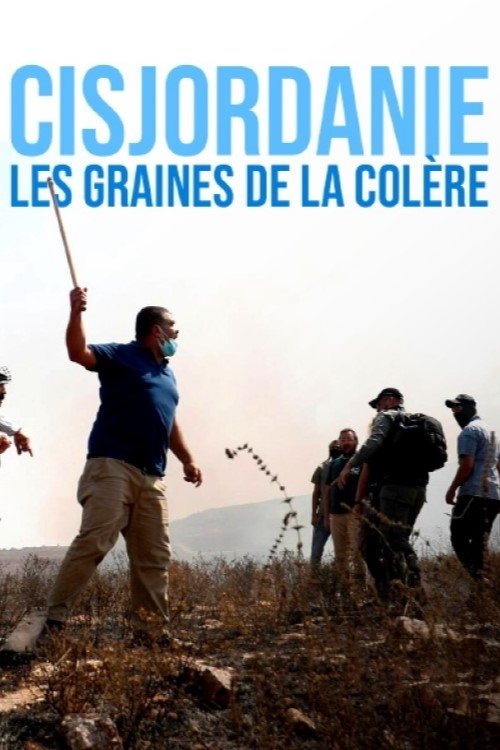
Two 10-year-old girls, one Palestinian and one Israeli, recount their daily lives under bombardment in the West Bank. Two poignant perspectives on the same conflict.

Social & External
The people behind it
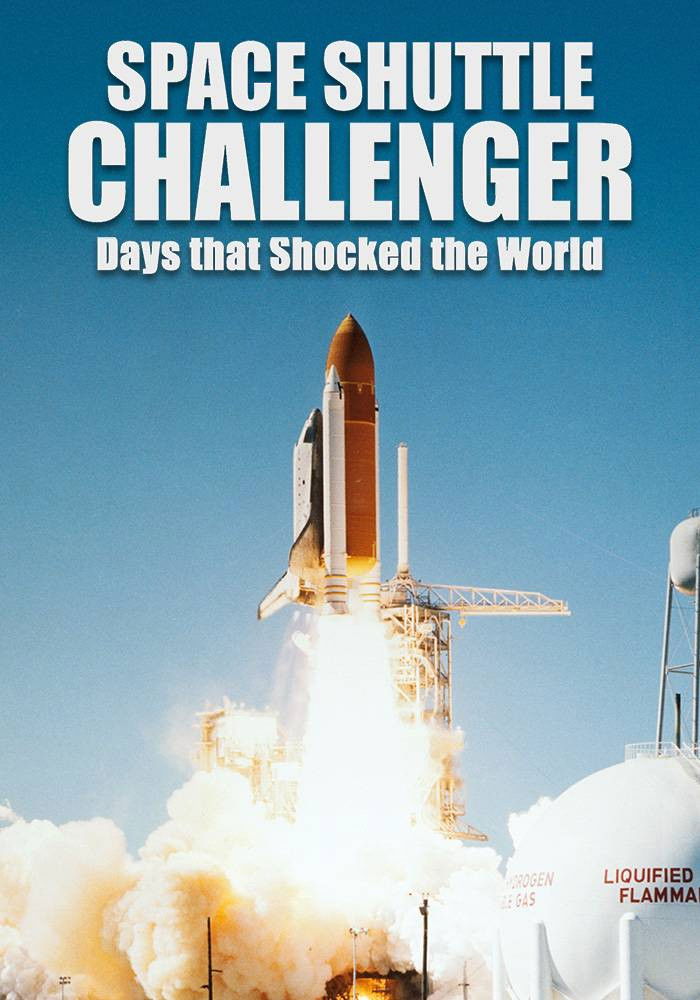
Tragedy struck when the Space Shuttle Challenger disintegrated just 73 seconds into flight. Hours earlier, engineers argued to cancel the launch, amid fears of such a tragedy – so why did it go ahead?

Concorde was an icon of the skies, but on 25 July 2000, Air France Flight 4590 left Paris for New York and caught fire during take-off before crashing to the ground just over a minute later, killing everyone on board. The tragedy brought an end to the dream of supersonic passenger flight. But what caused the disaster? Investigators, survivors’ loved ones and those who examined the wreckage recall the tragedy and describe how the evidence led to a shockingly simple conclusion about what went wrong.
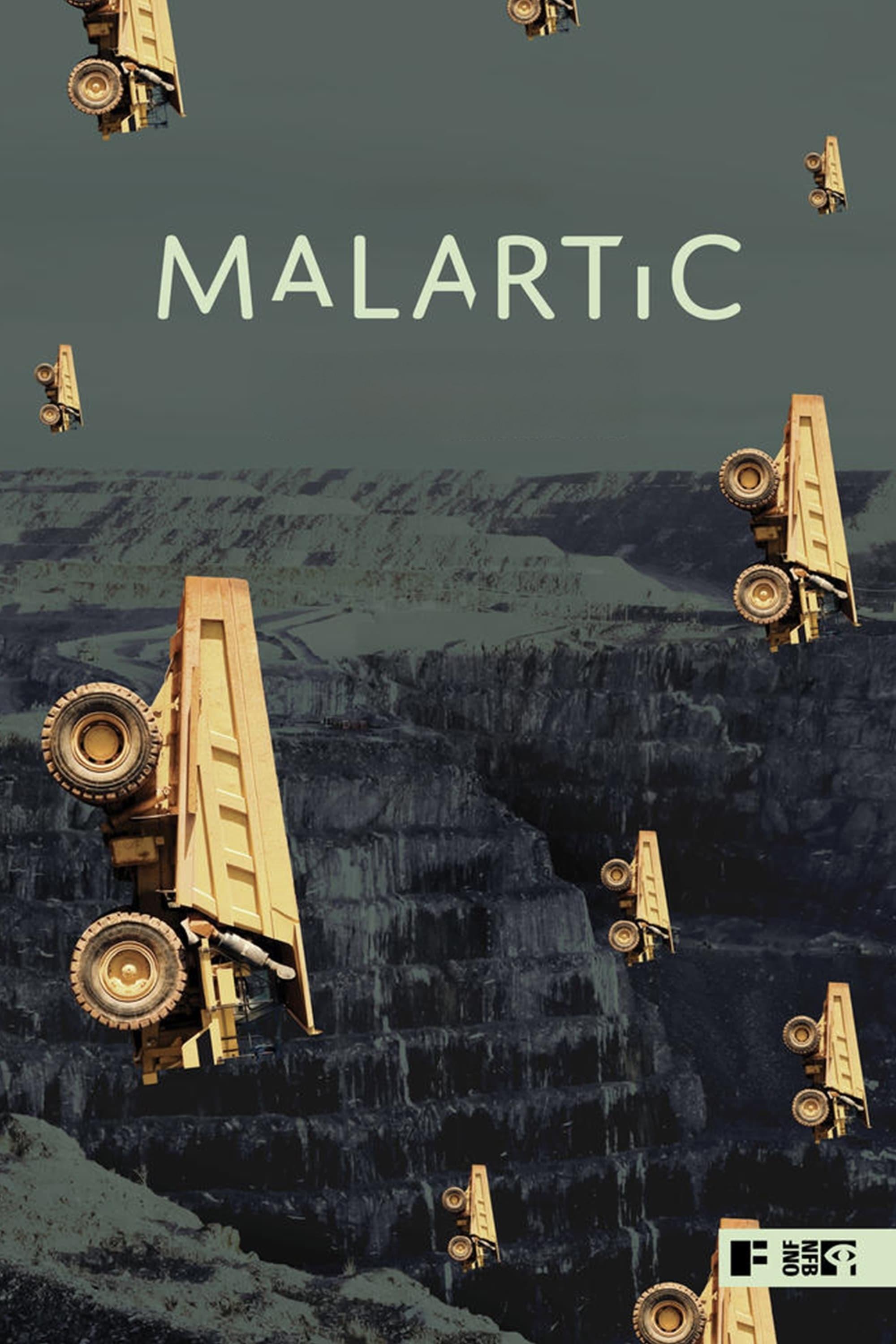
Ten years after an enormous open-pit gold mine began operations in Malartic, the hoped-for economic miracle is nothing more than a mirage. Filmmaker Nicolas Paquet explores the glaring contrast between the town’s decline and the wealth of the mining company, along with the mechanisms of an opaque decision-making system in which ordinary people have little say. Part anthropological study, part investigation into the corridors of power, Malartic addresses the fundamental issue of sustainable and fair land management.
Compulsive Twitterer, Elon Musk bought himself his favorite social network in 2022, and brutally shaped it according to his desires. This punchy investigation relates the stormy relations between the platform and the billionaire, and their impact on the public debate.
Using only rare archival and newsreel footage, this film tells the story of Palestine from the nineteenth century through current times.
Conrad Veidt plays a famous musician who is blackmailed for being gay. Eventually he stands trial and is convicted. At the end the film pleads for the abolition of §175 (the law that punishes homosexuality).
This is the story of a team of 40 agents facing 4,000 job seekers at a job centre in the Parisian suburbs. Samia, Corinne, Thierry, Zuleika must support and monitor, bring in the numbers, obey policy guidelines and communication injunctions, and find job offers while none is to be found. Will their strong sense of humor save them from the Kafkaian world they work in?
During another snowless winter, a famous freeride skier has a chance encounter with two kids on the street, which prompts him to dig through his grandfather's old family albums, capturing the snowy winters of the past. Immersing himself in the photos, the young man is transported to the parallel world of the winter mountains. Is winter irretrievably lost?
On February 28, 2026, the US and Israel launched massive strikes on Iran, claiming an imminent nuclear threat. This film traces how the world reached this point after more than three decades of shadow war over “the bomb”. Israel has tried to block Tehran’s nuclear drive with sabotage, assassinations and cyberwar – from the Stuxnet virus wrecking Natanz centrifuges to the AI-assisted killing of nuclear programme “father” Mohsen Fakhrizadeh, and a commando raid stealing 1.5 tonnes of secret nuclear archive files. Iran insists uranium enrichment is its sovereign right and key to national identity and regional power. As Israel pounded Iran’s nuclear facilities in June 2025 and systematically weakened its allies in Gaza, Lebanon, Syria and Yemen, nuclear talks continued in Geneva. Iran was edging towards diluting weapons-grade uranium – but Israel wasn’t prepared to wait, and pulled Washington into open war whose global consequences are only now beginning to unfold.
'To the May sun of a September life', wrote Henrik Ibsen on the photograph of himself that he gave to 19-year-old Emilie Bardach in Gossensass in September 1889. This is a documentary about the sixty-second year in the life of the great Norwegian dramatist.
The action takes place during perestroika in one of the old Moscow houses on the Arbat, intended for demolition. The tenants have long been evicted, and only 80-year-old Vera Vasilievna does not want to leave, claiming that Yesenin, Mayakovsky, Bulgakov have been in this house ...
In 2015 a lion in Zimbabwe named Cecil was killed by Walter Palmer, an American dentist, provoking a global outcry. The story of Cecil’s death turns the gaze back on to us and our behaviour. The simplicity of the outrage is a stark contrast to the complexity of the reality.
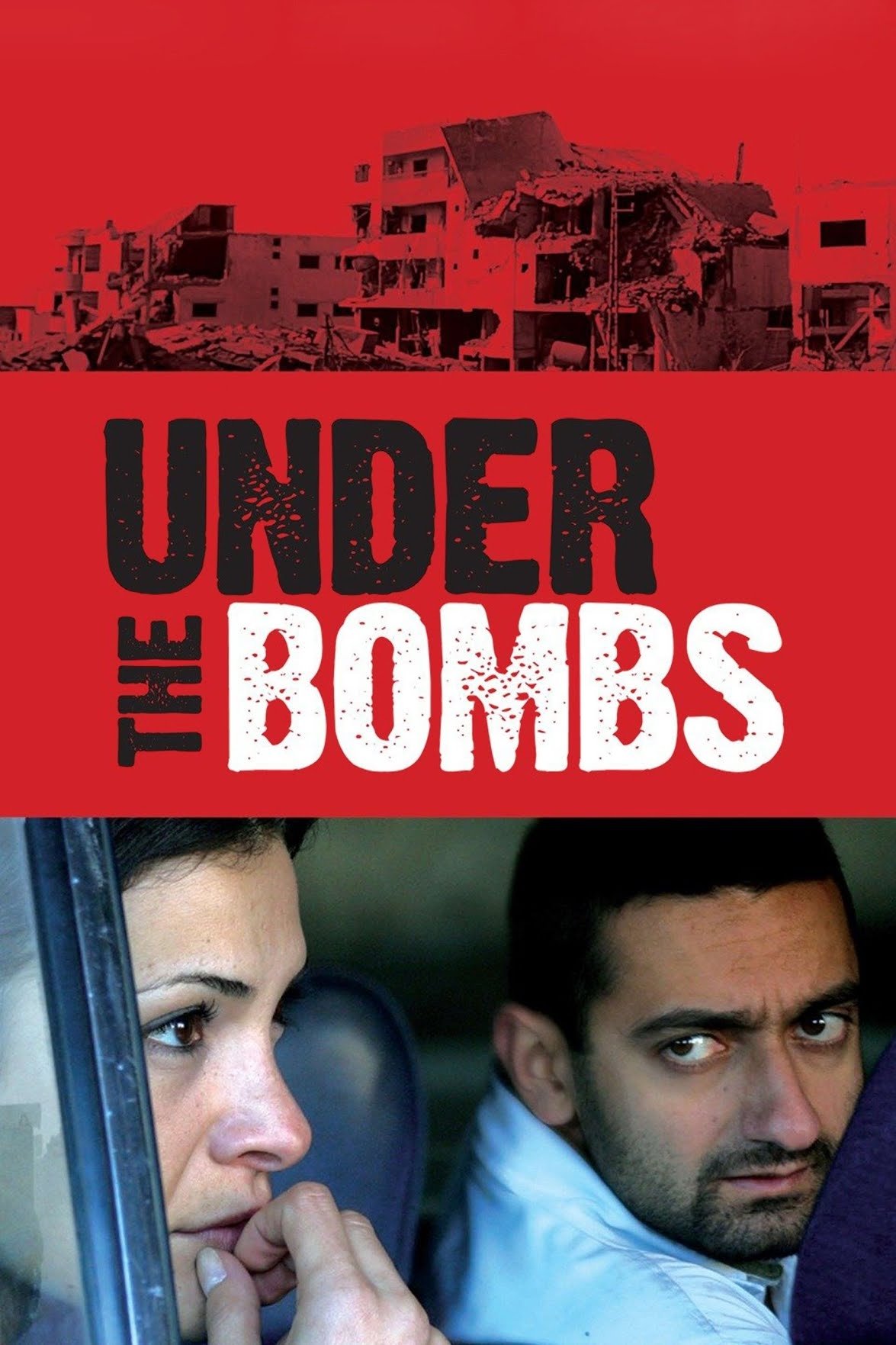
In the wake of Israel's 2006 bombardment of Lebanon, a determined woman finds her way into the country convincing a taxi driver to take a risky journey around the scarred region in search of her sister and her son.
Imagine one of the most remote wildernesses in the world. Granddaughter Masha and Vladimir, the protagonists of this story from Central Siberia try the impossible to keep their nomadic traditions alive.
A video project meant to highlight the human cost in Palestine.
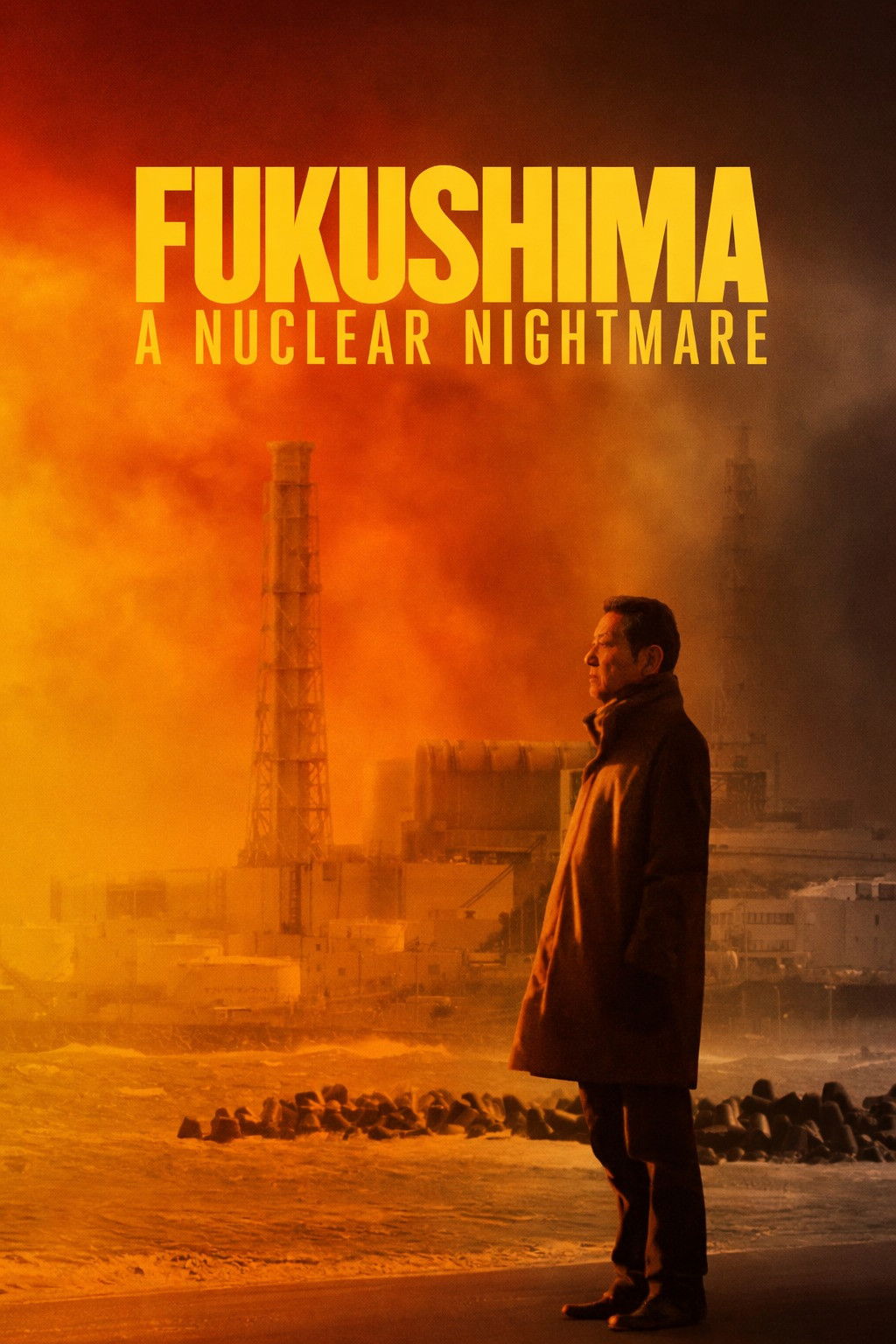
The definitive account of Japan’s struggle as it faced a nuclear catastrophe while still reeling from the devastation of an earthquake and tsunami.
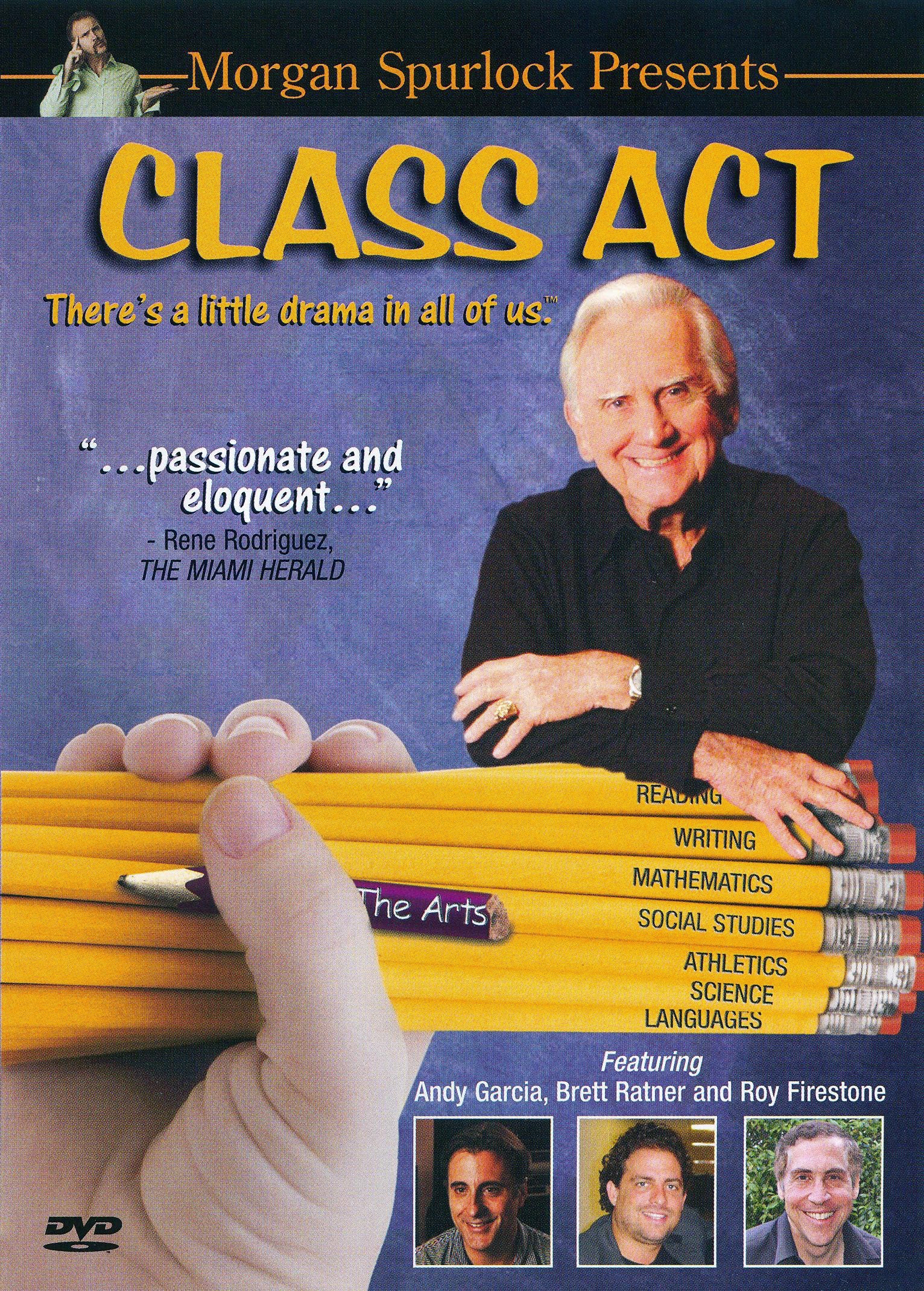
Morgan Spurlock, Joe Morley and Heather Winters -- the same group of filmmakers that exposed the greasy truth about fast-food "supersizing" -- team with director Sara Sackner for this eye-opening documentary that looks under the hood of America's public school curriculum. Under the microscope this time is arts education and its pitiable lack of funding, as well as the vital role a teacher can play in the lives of struggling students.
A love letter from a young mother to her daughter, the film tells the story of Waad al-Kateab’s life through five years of the uprising in Aleppo, Syria as she falls in love, gets married and gives birth to Sama, all while cataclysmic conflict rises around her. Her camera captures incredible stories of loss, laughter and survival as Waad wrestles with an impossible choice– whether or not to flee the city to protect her daughter’s life, when leaving means abandoning the struggle for freedom for which she has already sacrificed so much.
Amid the failing counteroffensive, a journalist follows a Ukrainian platoon on their mission to traverse one mile of heavily fortified forest and liberate a strategic village from Russian occupation. But the farther they advance through their destroyed homeland, the more they realize that this war may never end.
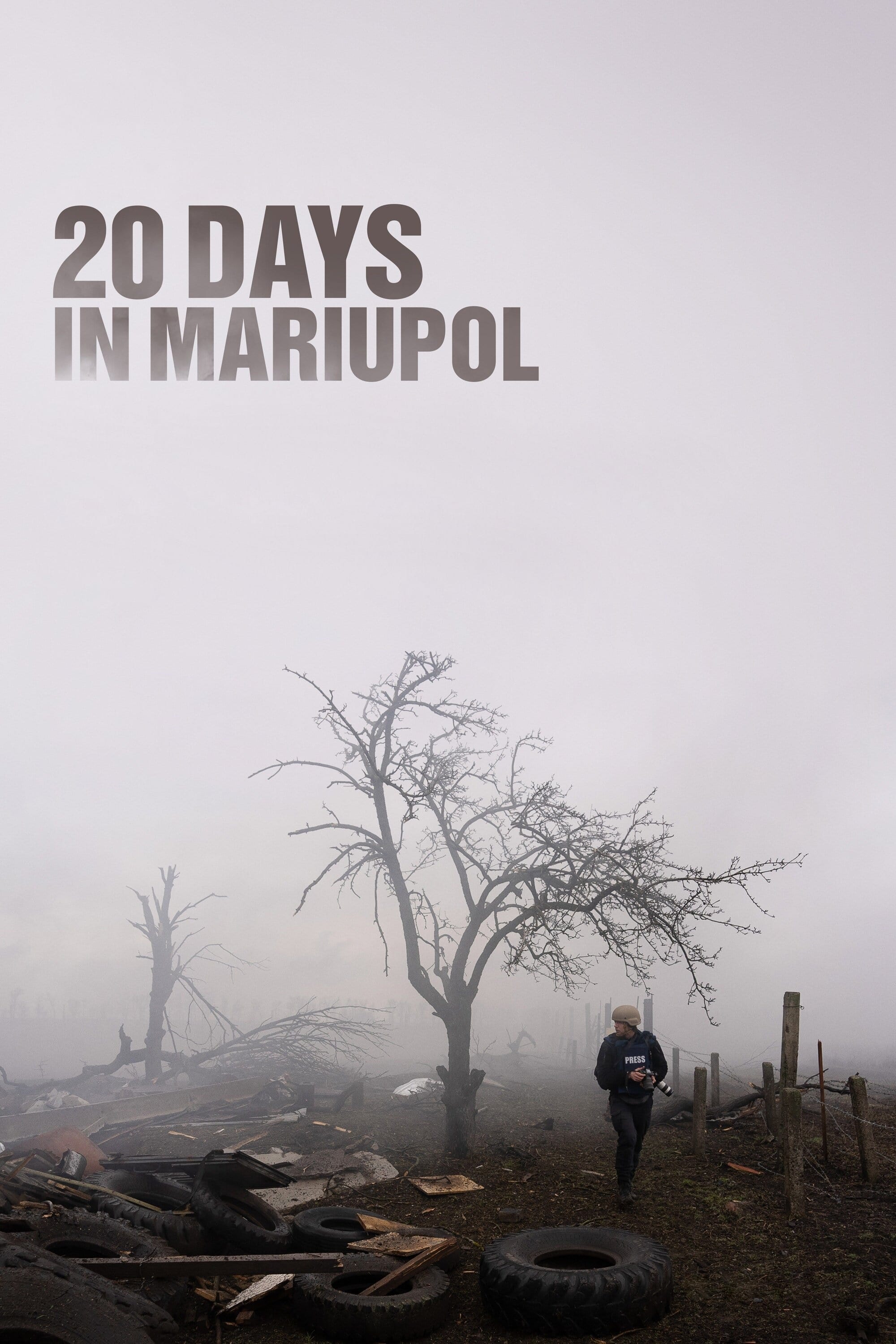
As the Russian invasion begins, a team of Ukrainian journalists trapped in the besieged city of Mariupol struggle to continue their work documenting the war's atrocities.
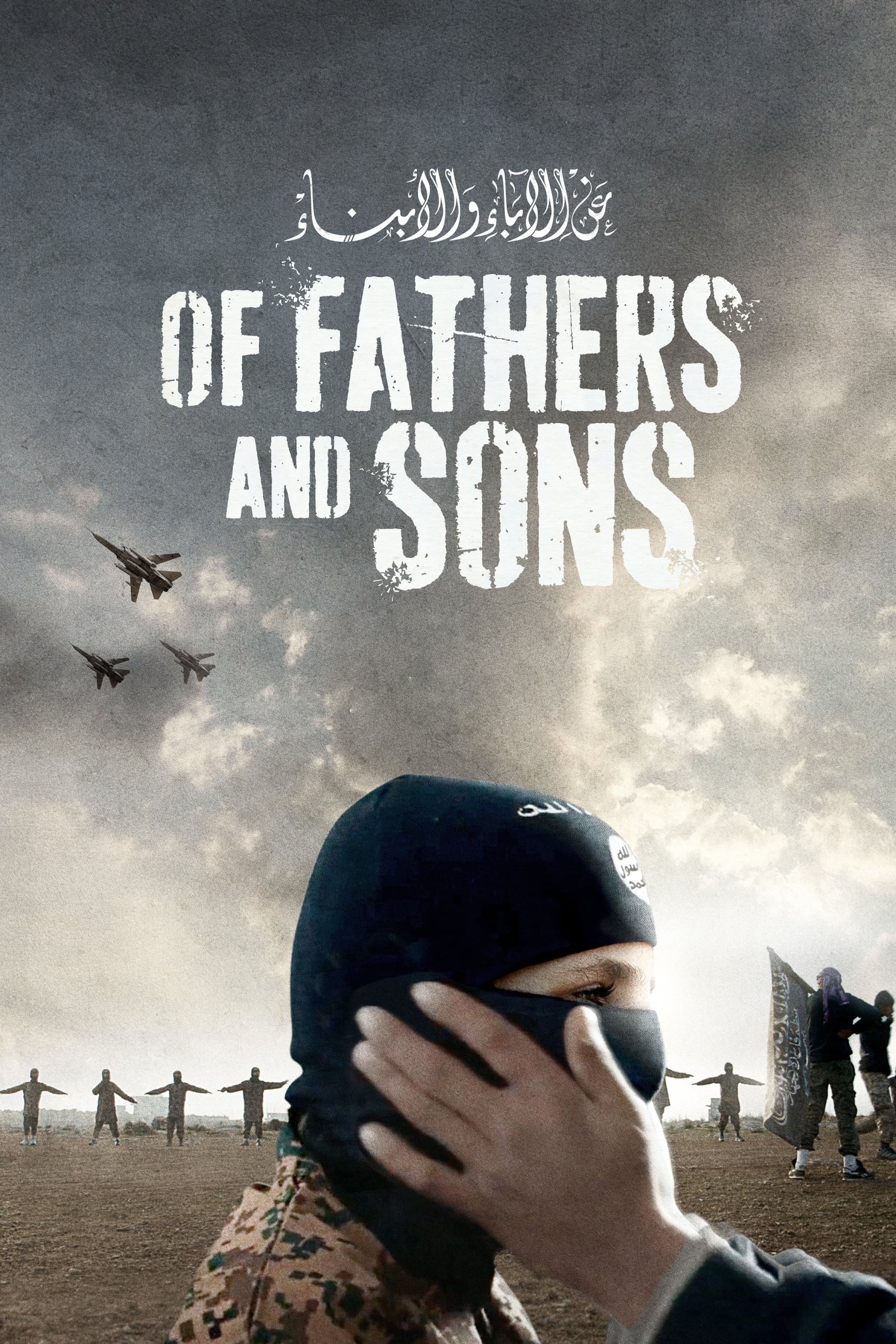
Talal Derki returns to his homeland where he gains the trust of a radical Islamist family, sharing their daily life for over two years. His camera focuses on Osama and his younger brother Ayman, providing an extremely rare insight into what it means to grow up in an Islamic Caliphate.
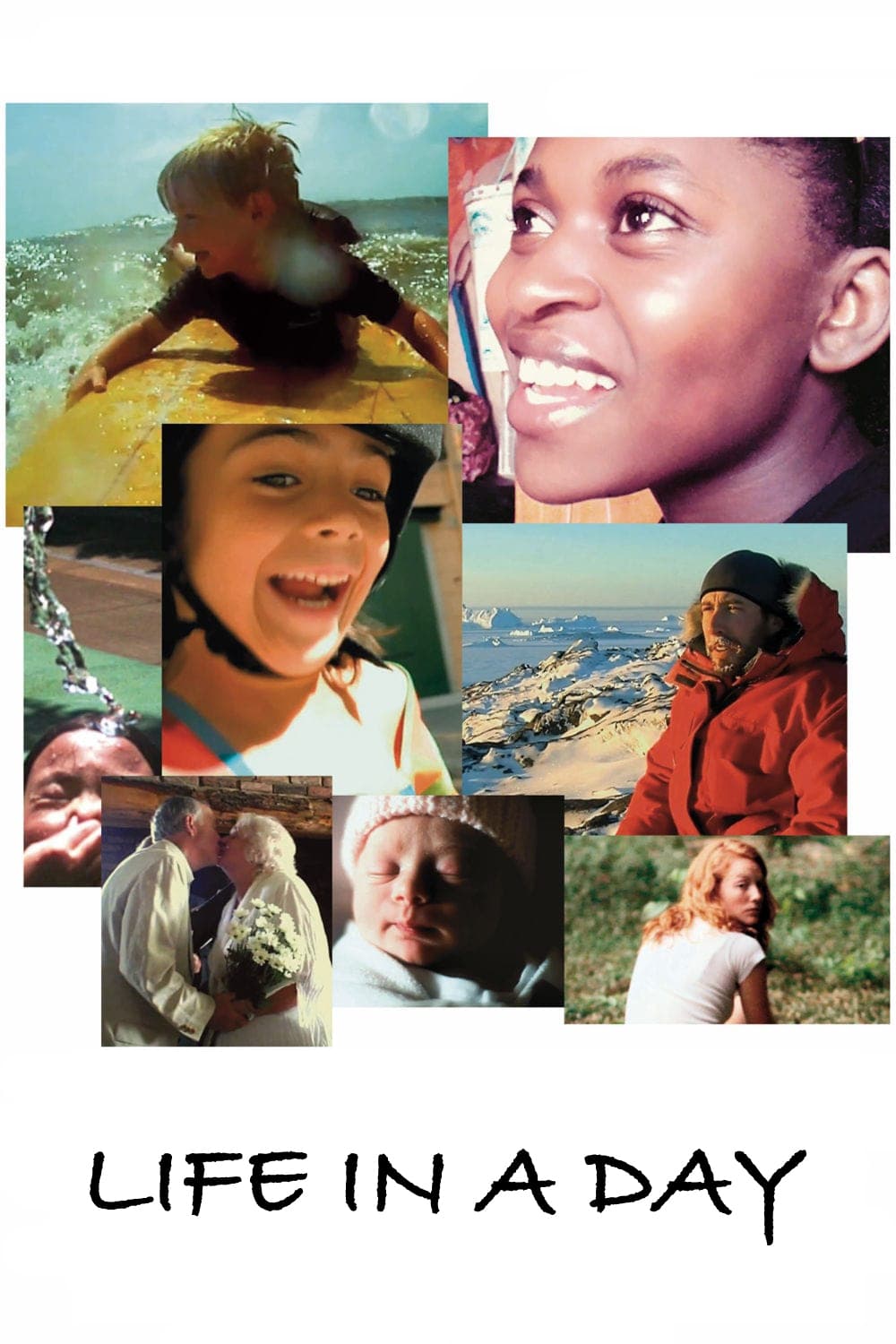
A documentary shot by filmmakers all over the world that serves as a time capsule to show future generations what it was like to be alive on the 24th of July, 2010.
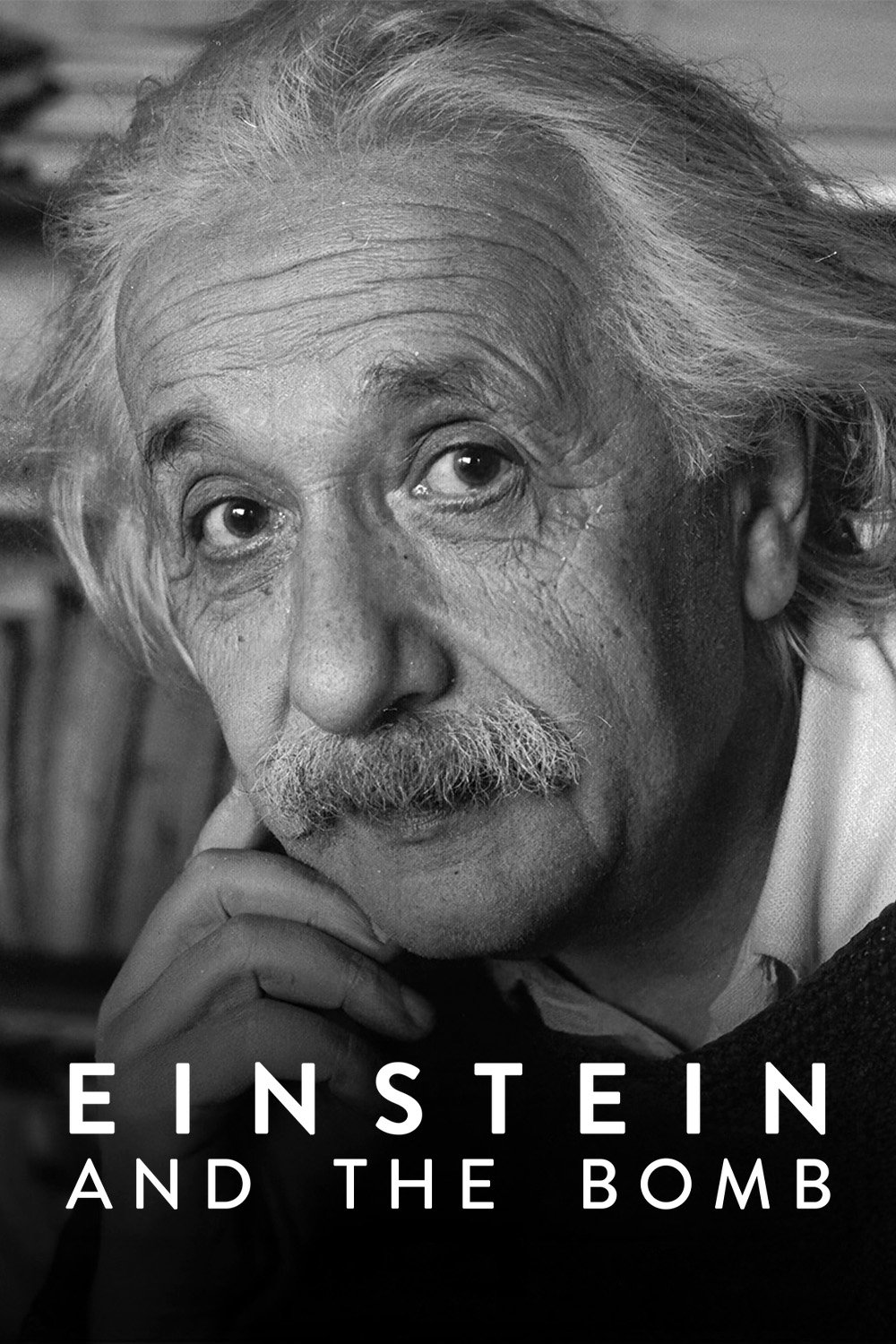
What happened after Einstein fled Nazi Germany? Using archival footage and his own words, this docudrama dives into the mind of a tortured genius.
Prelude to War was the first film of Frank Capra's Why We Fight propaganda film series, commissioned by the Pentagon and George C. Marshall. It was made to convince American troops of the necessity of combating the Axis Powers during World War II. This film examines the differences between democratic and fascist states.
“The Soviet Story” is a story of an Allied power, which helped the Nazis to fight Jews and which slaughtered its own people on an industrial scale. Assisted by the West, this power triumphed on May 9th, 1945. Its crimes were made taboo, and the complete story of Europe’s most murderous regime has never been told. Until now...
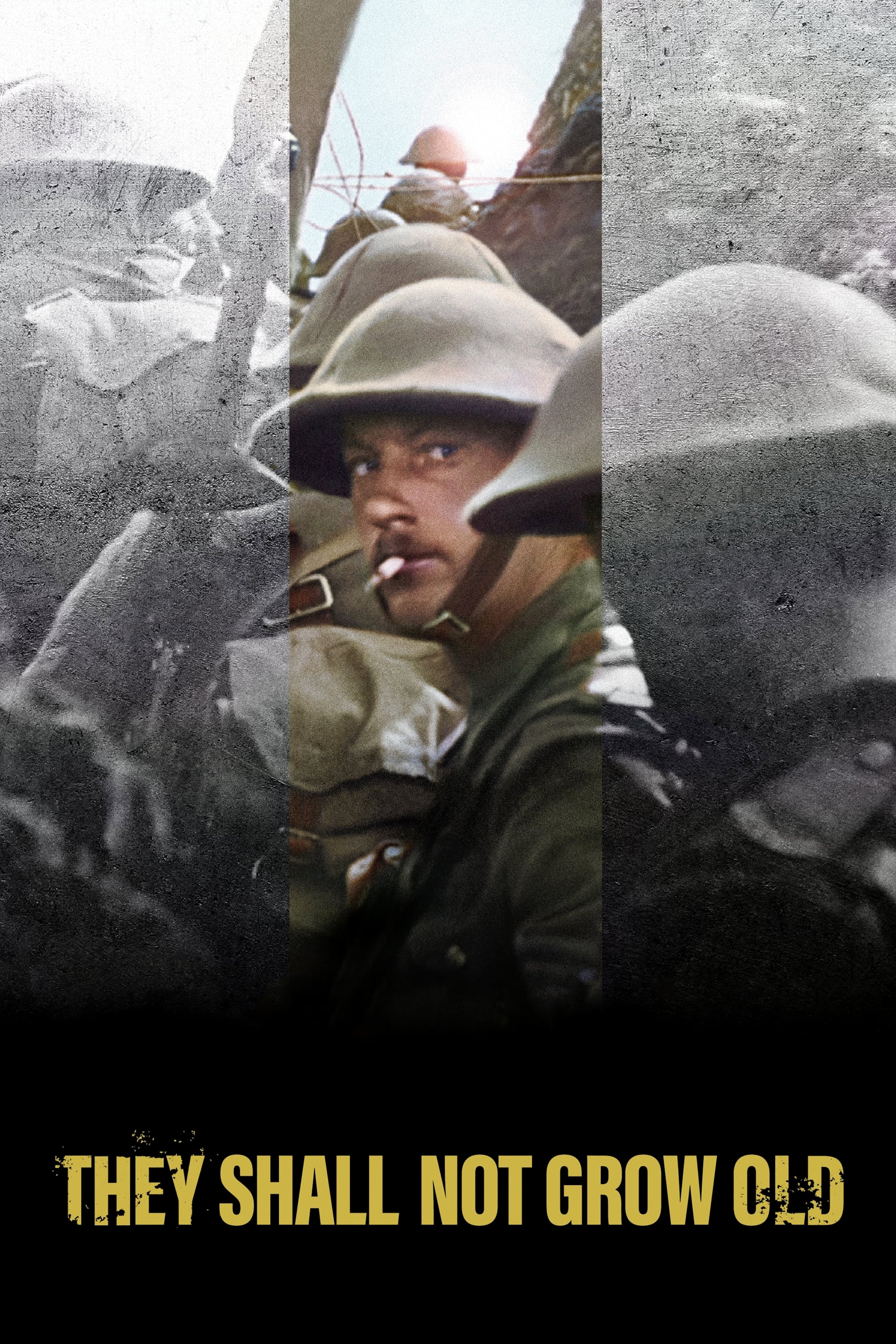
A documentary about World War I with never-before-seen footage to commemorate the centennial of Armistice Day, and the end of the war.
The final entry in a trilogy of films produced for the U.S. government by John Huston. Some returning combat veterans suffer scars that are more psychological than physical. This film follows patients and staff during their treatment. It deals with what would now be called PTSD, but at the time was categorised as psychoneurosis or shell-shock. Government officials deemed this 1946 film counterproductive to postwar efforts; it was not shown publicly until 1981.
Pete Postlethwaite stars as a man living alone in the devastated future world of 2055, looking at old footage from 2008 and asking: why didn’t we stop climate change when we had the chance?
This documentary movie is about the battle of San Pietro, a small village in Italy. Over 1,100 US soldiers were killed while trying to take this location, that blocked the way for the Allied forces from the Germans. Preserved by the Academy Film Archive in 2005.
When Sgt. First Class Brian Eisch is critically wounded in Afghanistan, it sets him and his sons on a journey of love, loss, redemption and legacy.
"Trinity and Beyond" is an unsettling yet visually fascinating documentary presenting the history of nuclear weapons development and testing between 1945-1963. Narrated by William Shatner and featuring an original score performed by the Moscow Symphony Orchestra, this award-winning documentary reveals previously unreleased and classified government footage from several countries.
The documentary recounts the world's first nuclear attack and examines the alarming repercussions. Covering a three-week period from the Trinity test to the atomic bombing of Hiroshima, the program chronicles America's political gamble and the planning for the momentous event. Archival film, dramatizations, and special effects feature what occurred aboard the Enola Gay (the aircraft that dropped the bomb) and inside the exploding bomb.
With unprecedented access, this documentary follows the extraordinary journey of “Raqqa is Being Slaughtered Silently”—a group of anonymous citizen journalists who banded together after their homeland was overtaken by ISIS—as they risk their lives to stand up against one of the greatest evils in the world today.
Meet the real-life airmen who inspired Masters of the Air as they share the harrowing and transformative events of the 100th Bomb Group.
During the chaotic final weeks of the Vietnam War, the North Vietnamese Army closes in on Saigon as the panicked South Vietnamese people desperately attempt to escape. On the ground, American soldiers and diplomats confront a moral quandary: whether to obey White House orders to evacuate only U.S. citizens.
Directors Hetherington and Junger spend a year with the 2nd Battalion of the United States Army located in one of Afghanistan's most dangerous valleys. The documentary provides insight and empathy on how to win the battle through hard work, deadly gunfights and mutual friendships while the unit must push back the Taliban.
Ten Minutes Older is a 2002 film project consisting of two compilation feature films entitled The Trumpet and The Cello. The project was conceived by the producer Nicolas McClintock as a reflection on the theme of time at the turn of the Millennium. Fifteen celebrated film-makers were invited to create their own vision of what time means in ten minutes of film.