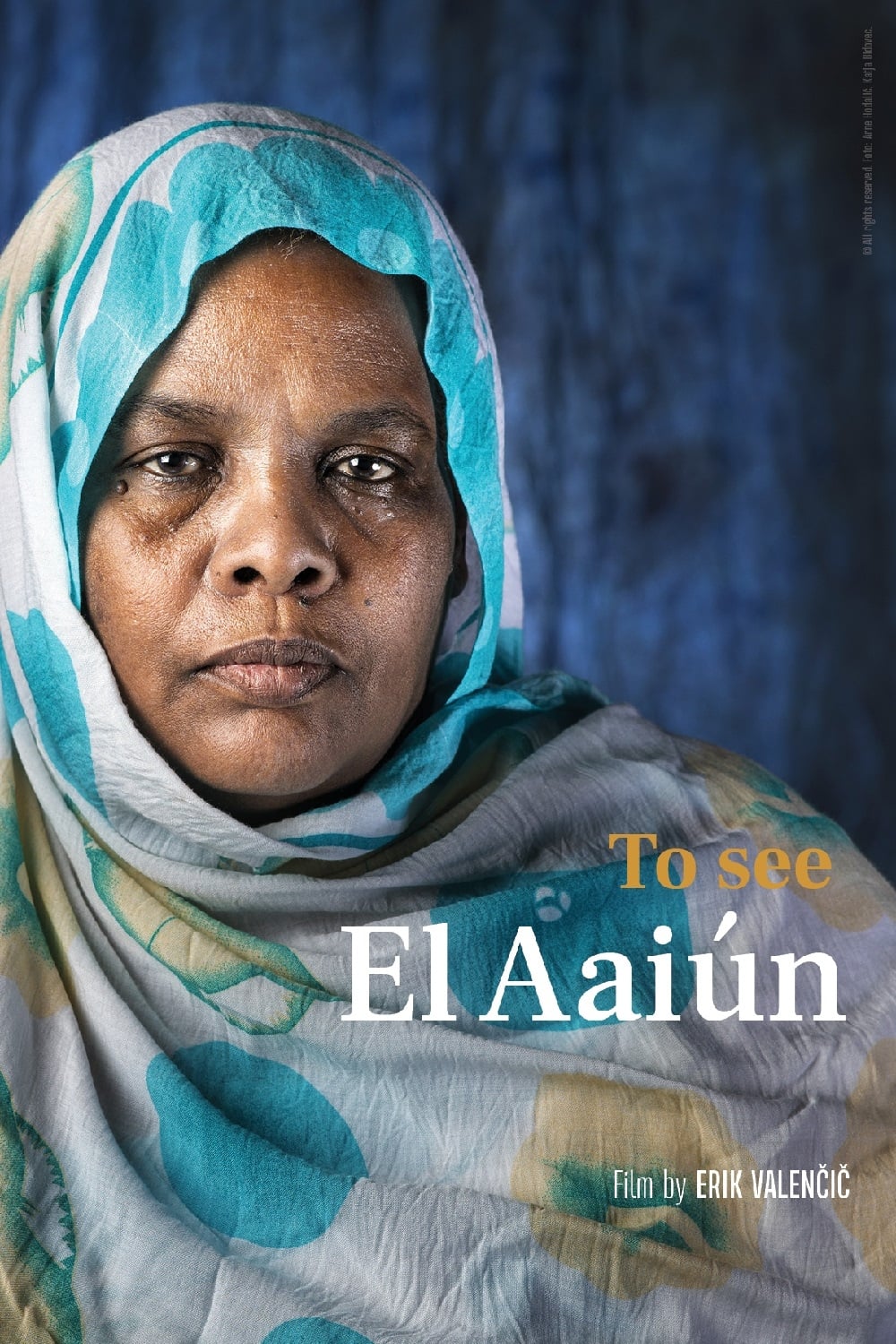
In the depths of the Algerian desert the Sahrawi people have been dwelling in the refugee camps for over 40 years. Camps gradually turned into settlements, named after towns in their homeland Western Sahara. One of them is called El Aaiún.
Social & External
The people behind it
Khalil Abdelaziz
Himself
Bashir Ali
Katja Bidovec
Herself
Gaibel Bulahi
Arne Hodalič
Saluca Lehbib
Sukheia Sheikh
Hamdi Toubali
Abdel Wadud
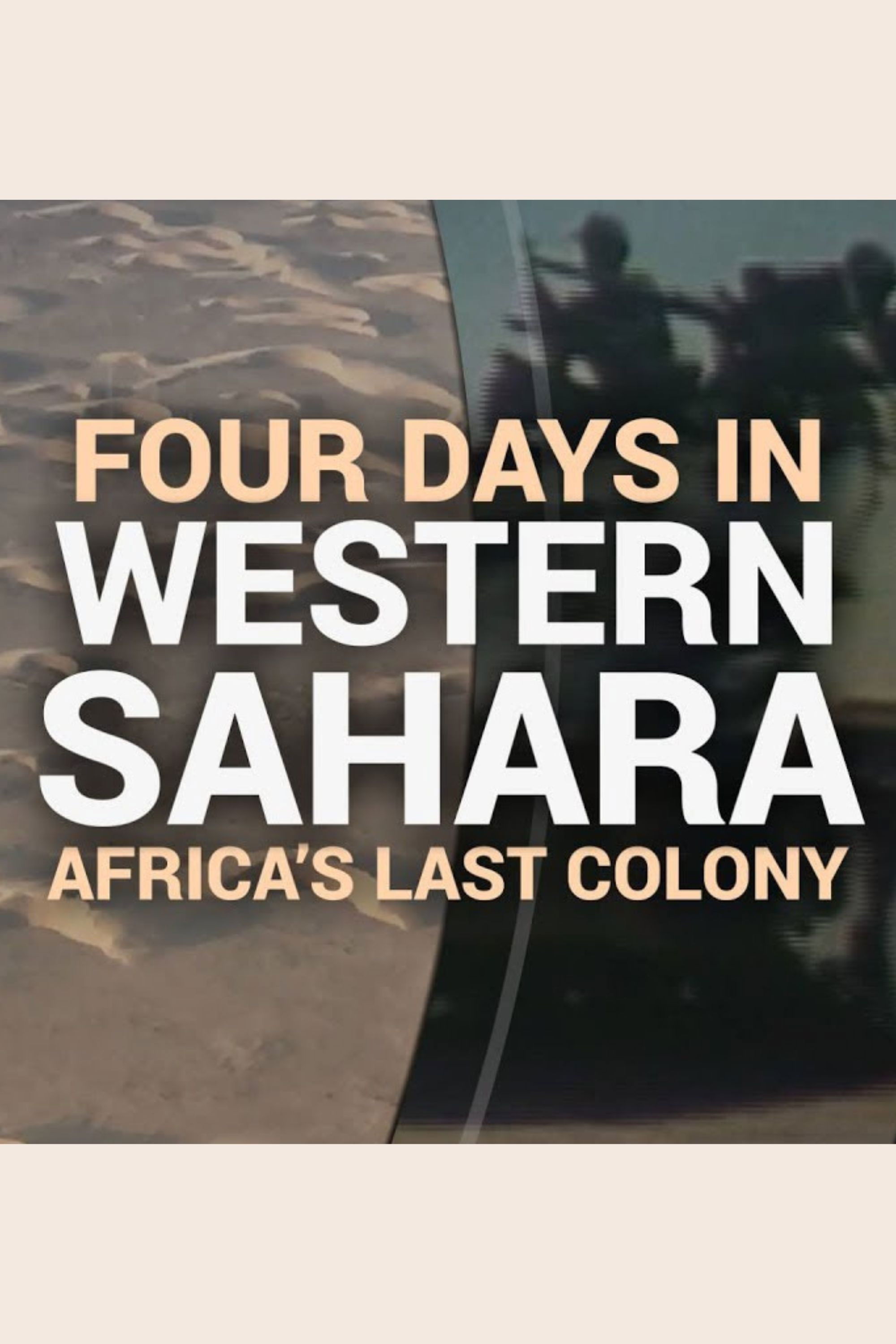
In this exclusive broadcast, Democracy Now! breaks the media blockade and goes to occupied Western Sahara in the northwest of Africa to document the decades-long Sahrawi struggle for freedom and Morocco's violent crackdown. Morocco has occupied the territory since 1975 in defiance of the United Nations and the international community. Thousands have been tortured, imprisoned, killed and disappeared while resisting the Moroccan occupation. A 1,700-mile wall divides Sahrawis who remain under occupation from those who fled into exile. The international media has largely ignored the occupation—in part because Morocco has routinely blocked journalists from entering Western Sahara. But in late 2016 Democracy Now! managed to get into the Western Saharan city of Laayoune, becoming the first international news team to report from the occupied territory in years.


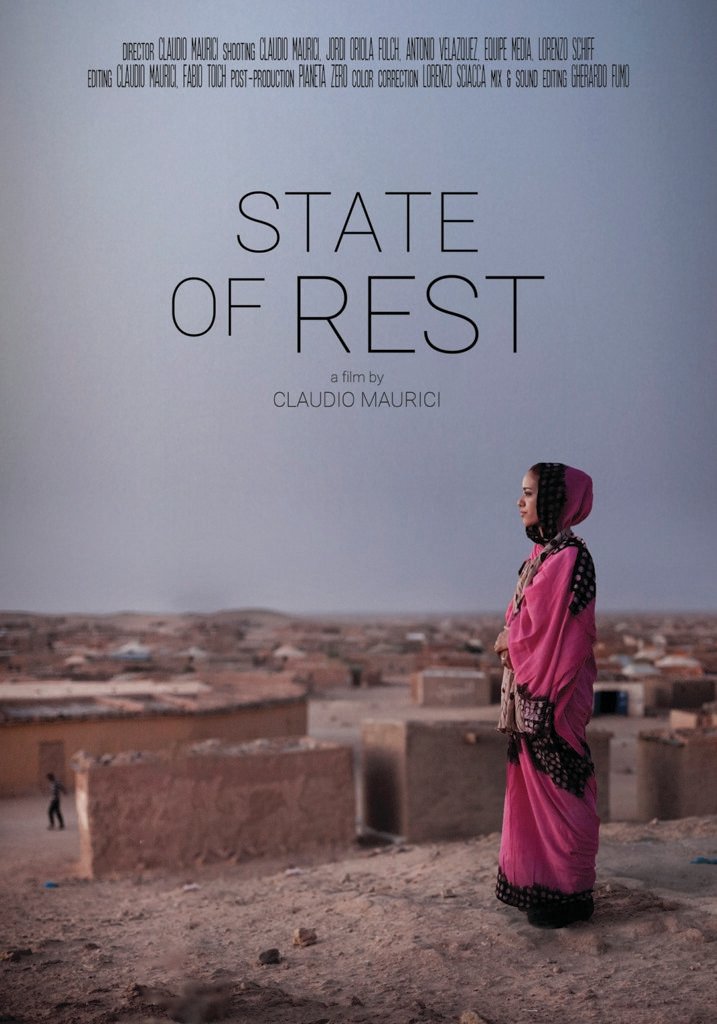
Salka was born as a refugee in the Sahara desert, and grew up in Italy by chance: she was one of the so-called "Little Peace Ambassadors". Sahrawis have been sending to Europe their children for decades, to show the world the injustice they suffer. A 2700 km long mined wall across the desert, and there's no mention of it even in UN resolutions on Western Sahara. This former spanish colony, just in front of Canary Islands, is occupied by Morocco since 1975. In 2011 I spent 5 weeks in the Sahrawi refugee camps near Tindouf, outer south-west of Algeria. This is where the Sahrawi's escape from their war-devastated land stopped, though none of them imagined they would stay there so long. When I met Salka, her foster italian mother Carmen and her mother Aisha, I had finally found what I had been looking for: state of rest began to take shape. Neither Salka nor I were born when it all began. Western Sahara has been occupied by Morocco and plundered by many others for over 40 years
Sahrawi artist and visual poet Mohamed Sleiman Labat follows the story of the emerging phenomenon of small scale family gardens in his local community in the Hamada Desert. The film features the story of four families in Samara Camp with small scale gardens, their practices and the knowledge they develop as part of their practices in the garden. The camps are located in a very harsh environment with extreme climate conditions, and the Sahrawi are still dependent on international food aid.
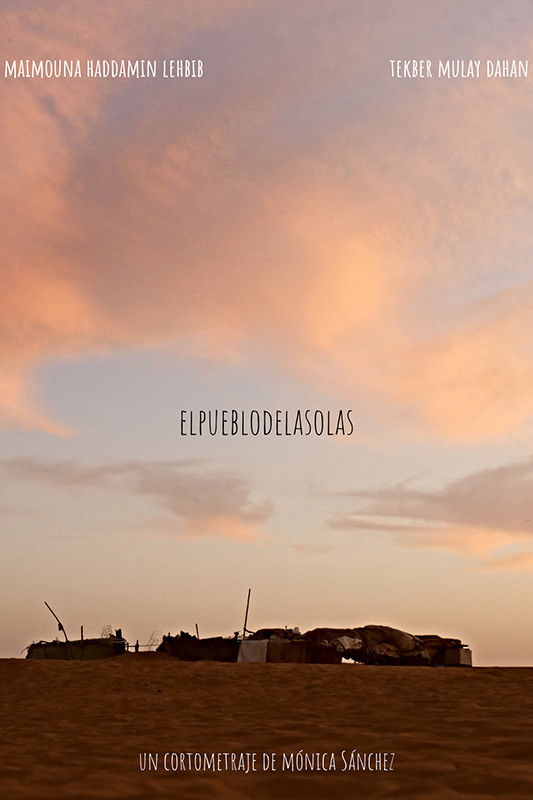
I am a girl of the waves, from a village of seafarers. Some days, I go out with my boat to the sea. But I don’t go alone. Maoimouna comes with me.
28-year-old Azman, a student in the film school Abidin Kaid Saleh, explains how he discovered film in the Sahrawi refugee camps, the difficulties he had explaining his choice of study to his family, and how his society views this career.
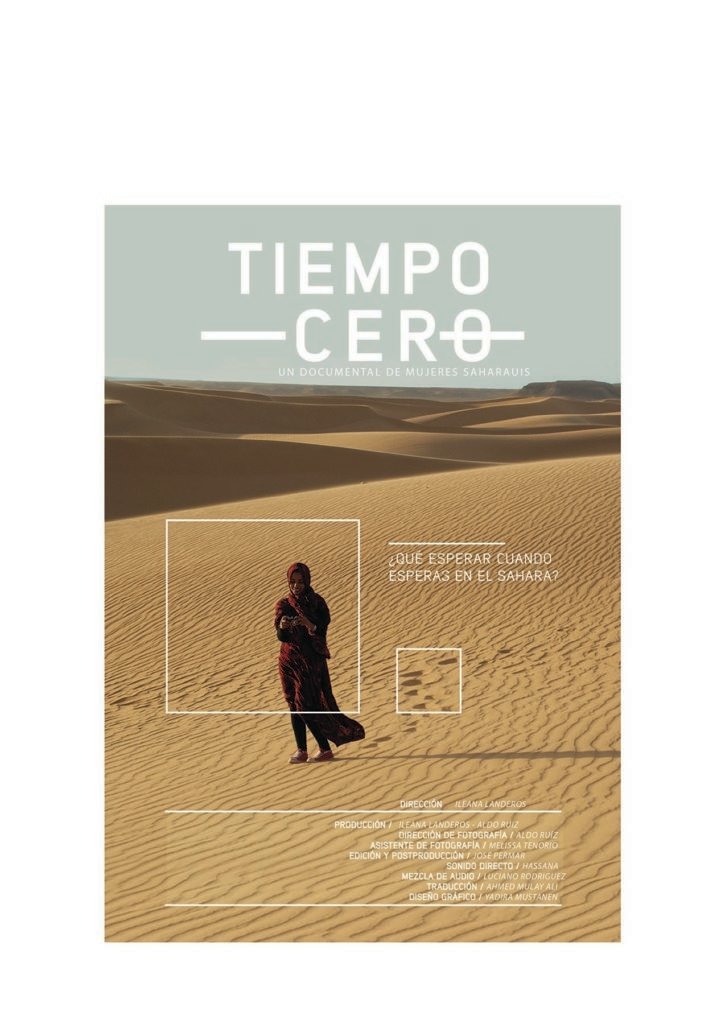
The documentary reflects the voices and photographic looks Saharawi women because they are the protagonists of this project allows us to see between the lines injustices and gaps in a decadent international system and little bit attached to reality, however, they are also women who with their example remind us that even in the injustices, despair and deprivation there is hope and dreams do not end.
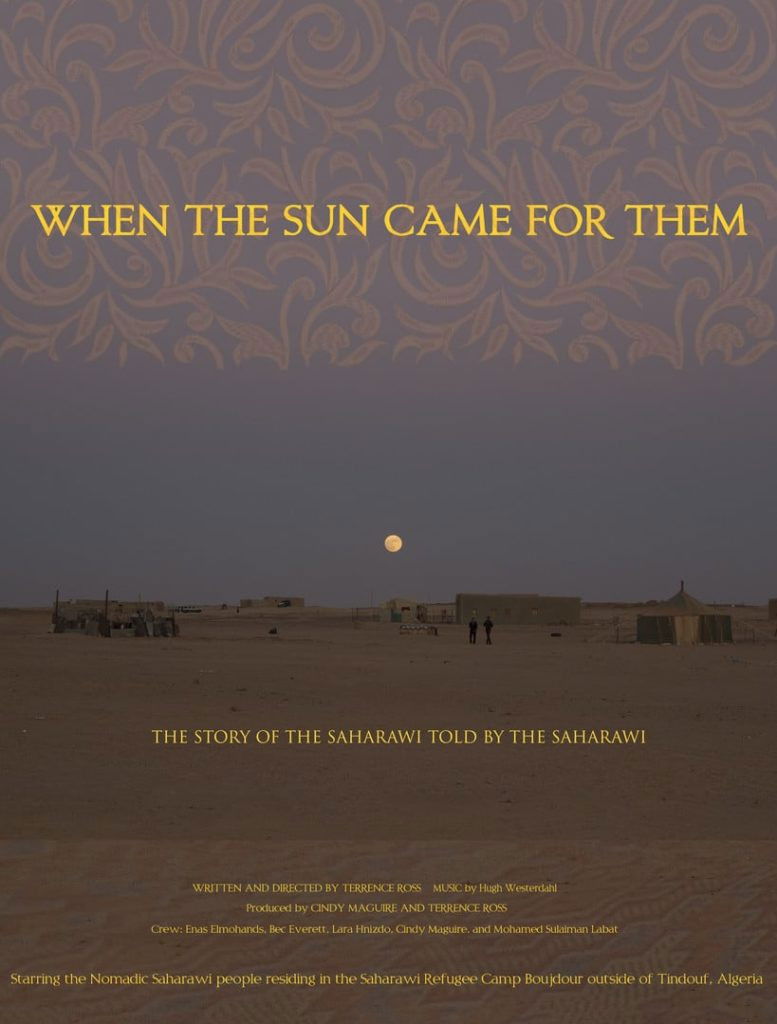
When the Sun Came for Them is a series of interviews with the nomadic Saharawi people in the Western Sahara. They discuss their remarkable history, their poetic life style and their strong morals. They recount the horrific Moroccan invasion, which forced them into the Algerian refugee camps. This is a powerful and unique movie, which not only preserves the Saharawi people’s personal and cultural history as nomads, but also documents what it means to be a “state-less” person. It is a human rights plea to a world, which has been sadly silent on the long time abuse of the Saharawi people. When the Sun Came for Them documents what it means to be a “state-less” person and how after decades of abuse even pacifist Muslims are turned into fighters committed to war. It is a timely and important film. All was shot by a crew of three recent college graduates on two iPads. It is true backpack journalism.
The filmmaker presents the living conditions of the Sahrawi people who survive in refugee camps in the middle of the desert. These series of animated short-films use interviews and recounts the history of the construction of the separation wall, called the Wall of Shame, to report on the terrible situation in Western Sahara but also on the richness of its culture.
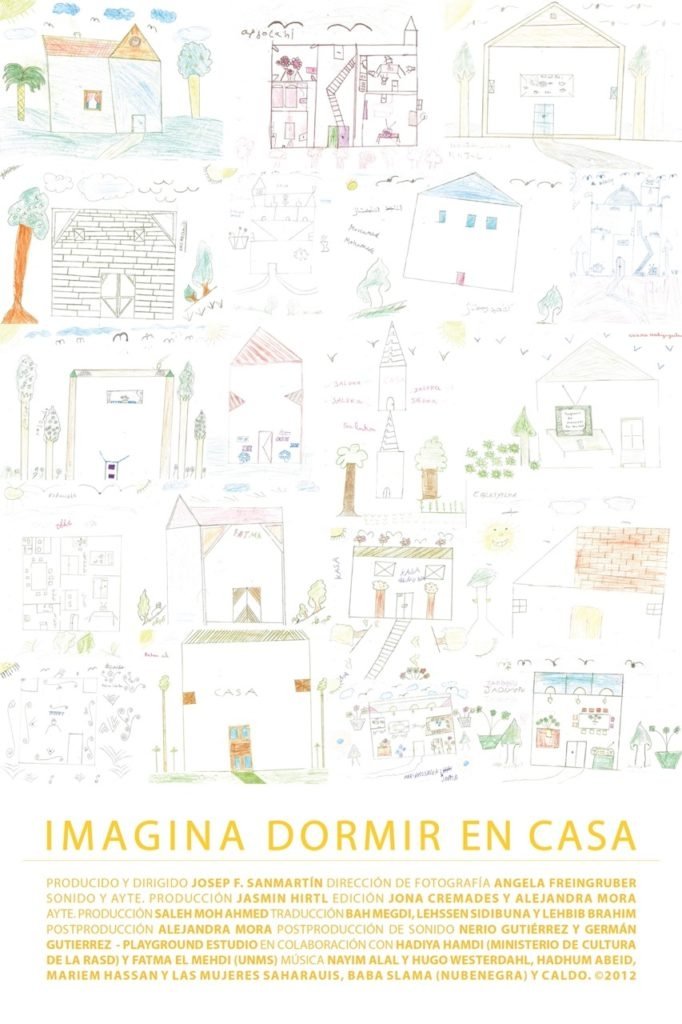
"Imagine sleeping at home" follows the story of several children who guide us to understand the conflict and the problems that they face, but also pay attention of small groups of friends who spontaneously comes to camera to tell what are their concerns. In the documentary we can also find the testimony of the director of a school for disabled children, the story of how a mother had to escape from the occupied territories when the Moroccan police detained for a week her ten years old son, or the analysis of a Sahrawi soldier about the situation of their children.
For over 40 years, the Sahrawi population, as refugees, has been waiting peacefully to return to their homeland after Morocco's illegal invasion of their territory in 1976. In the Sahrawi refugee camps, located in a portion of Algerian territory, two young men meet by chance where they share a conversation that leads them to reflect on the fleetingness of life and the urgency of making dreams possible. The dream of returning home.
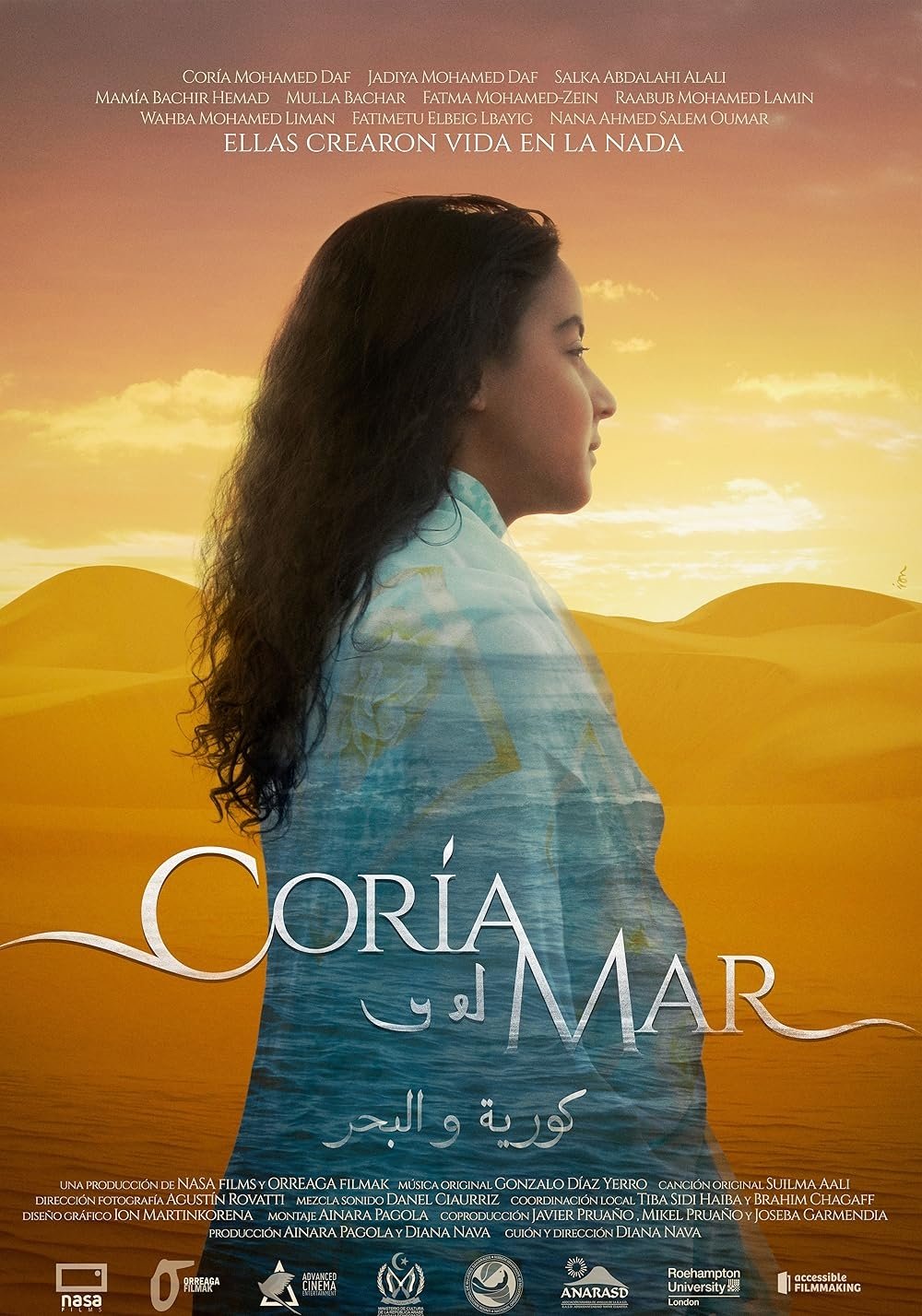
This is a story about women who are fighters, tenacious, hopeful, active women…who were capable of lifting, from nothingness, in the harshest landscape of the world, life. They are the Sahrawi women. 40 years ago, they were forced into exile; the men of this region, marched to war and the women created “temporary cities”: The Refugee Camps. They invented a new day to day life which made possible a sustainable existence and a hope, of one day returning home. Coría every night dreams of the sea; the majestic image of its water, the sound of its waves, are the echoes that join the people with their homeland. The will beats in the hearts of the Sahrawi women who maintain their unbreakable spirit, ever moving forward.
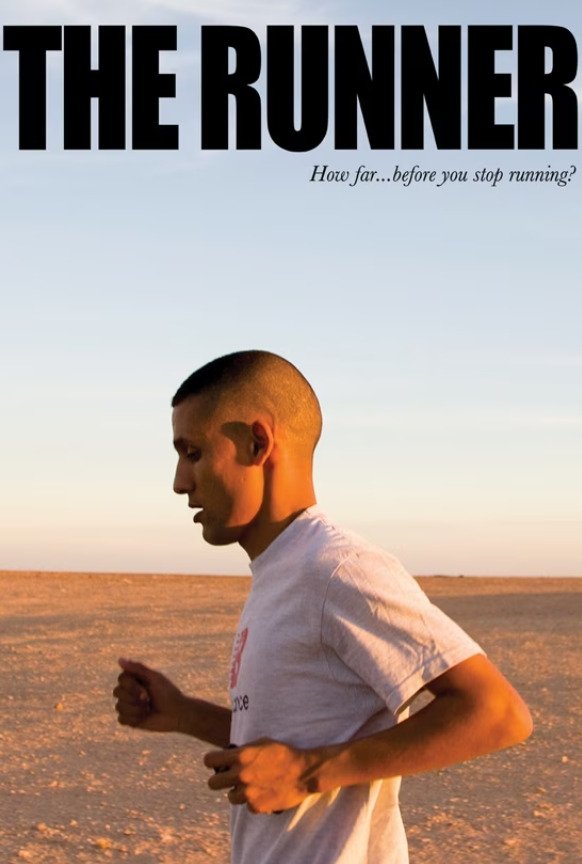
The Runner is a film about endurance. It is the story of a champion long-distance runner whose journey transformed him from an athlete into the symbol of a national liberation movement. Salah Hmatou Ameidan is willing to risk his life, his career, his family and his nationality to run for a country that doesn't exist. He is from Western Sahara, officially Africa's last colony and under Moroccan occupation since 1975.
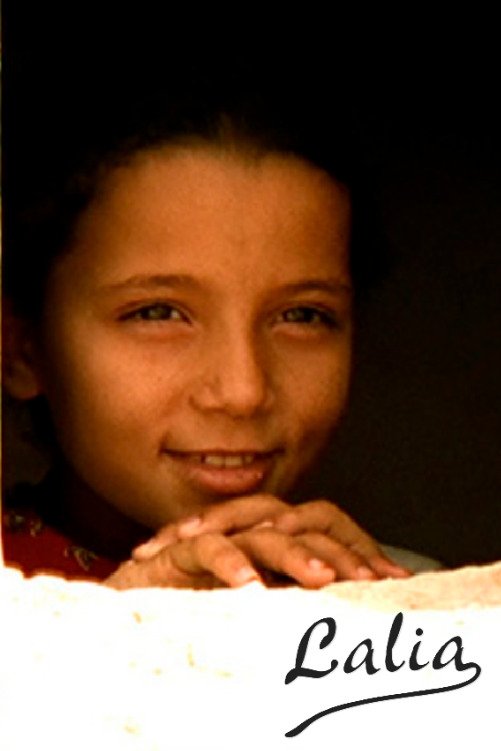
Lalia is a Saharaui girl who lives in a refugee camp in Algiers. She has only heard her grandmother and grandfather talk about her country, about the Sahara, that was taken away by Morroco. She dreams of one day seeing the ocean, seeing her real country. The reality she lives in is different... the uncertainty of the refugee camps, the political unbalance... but she is strong... and she knows that there can be change... she won't stop dreaming, and she won't stop longing..
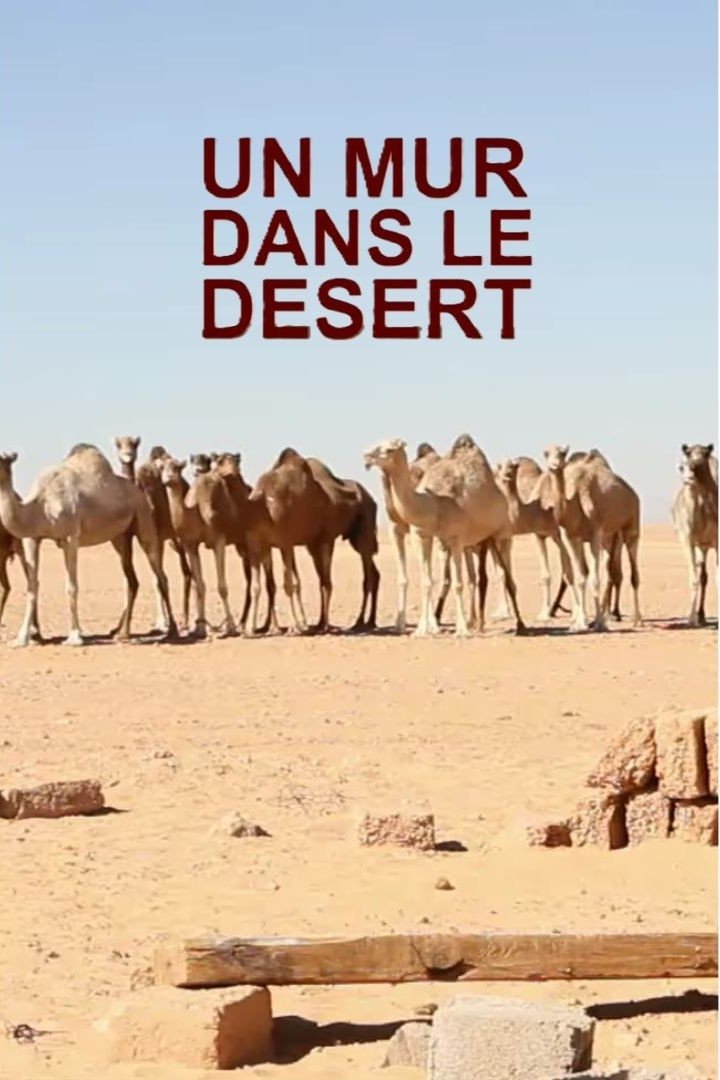
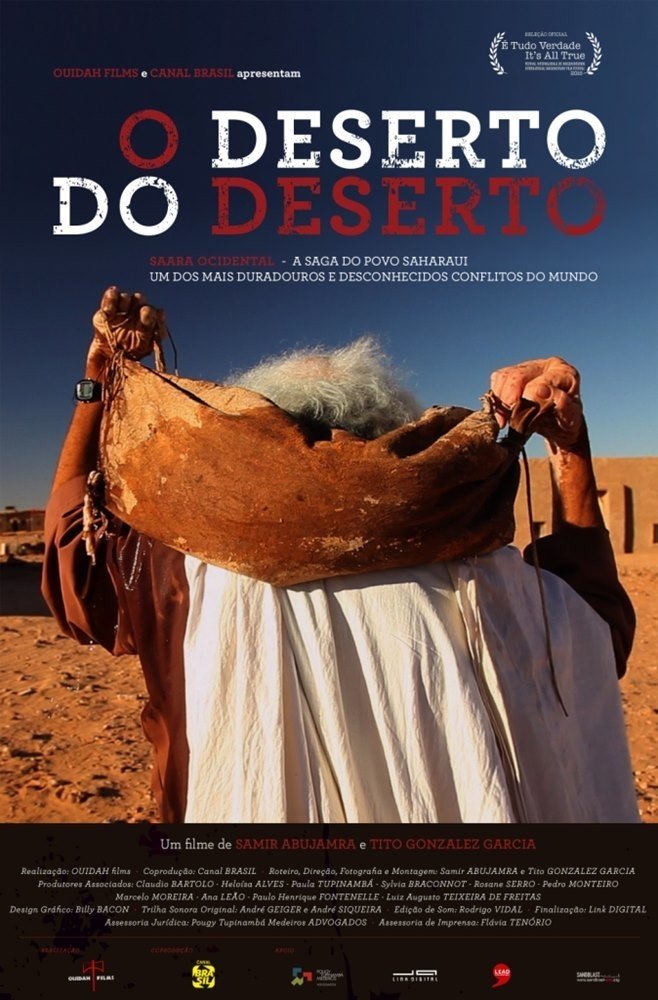
'The Desert of the Desert' is a feature documentary about one of the longest-running and least- known colonial conflicts and the plight of the Sahrawi desert nomads of Western Sahara since Morocco's 1975 invasion. Shot in Jan./Feb. 2014 in the Saharawi Liberated Territories of Western Sahara, and in the Saharawi Refugee Camps in Tindouf, Algeria, the film shows the saga of the Sahrawis, their struggle to regain their homeland and the sad paradox of a nomadic people forced to live in confinement. During production, the crew made a rare treck through 3,000 kilometers of bleak and dangerous desert, becoming unwitting participants in the conflict when their jeep was blown up by an anti-tank mine less than a kilometer from their destination on Western Sahara's Atlantic coast.
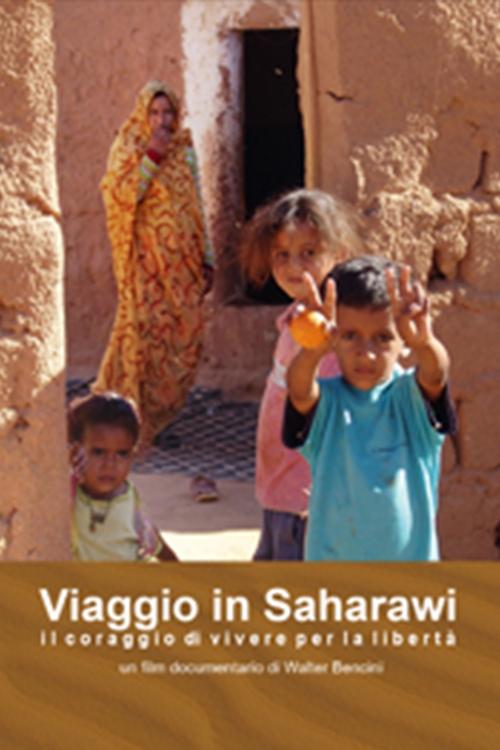
In the stunning and starkly beautiful landscape of Western Sahara, Walter Bencini recounts his journey to meet the Saharawi people, uprooted from their lands for decades and confined to desert tent camps named after the Moroccan cities where they once lived. It's the solidarity journey of a group of people from Valdarno, delivering the money and medicines raised through various initiatives directly into the hands of the beneficiaries.
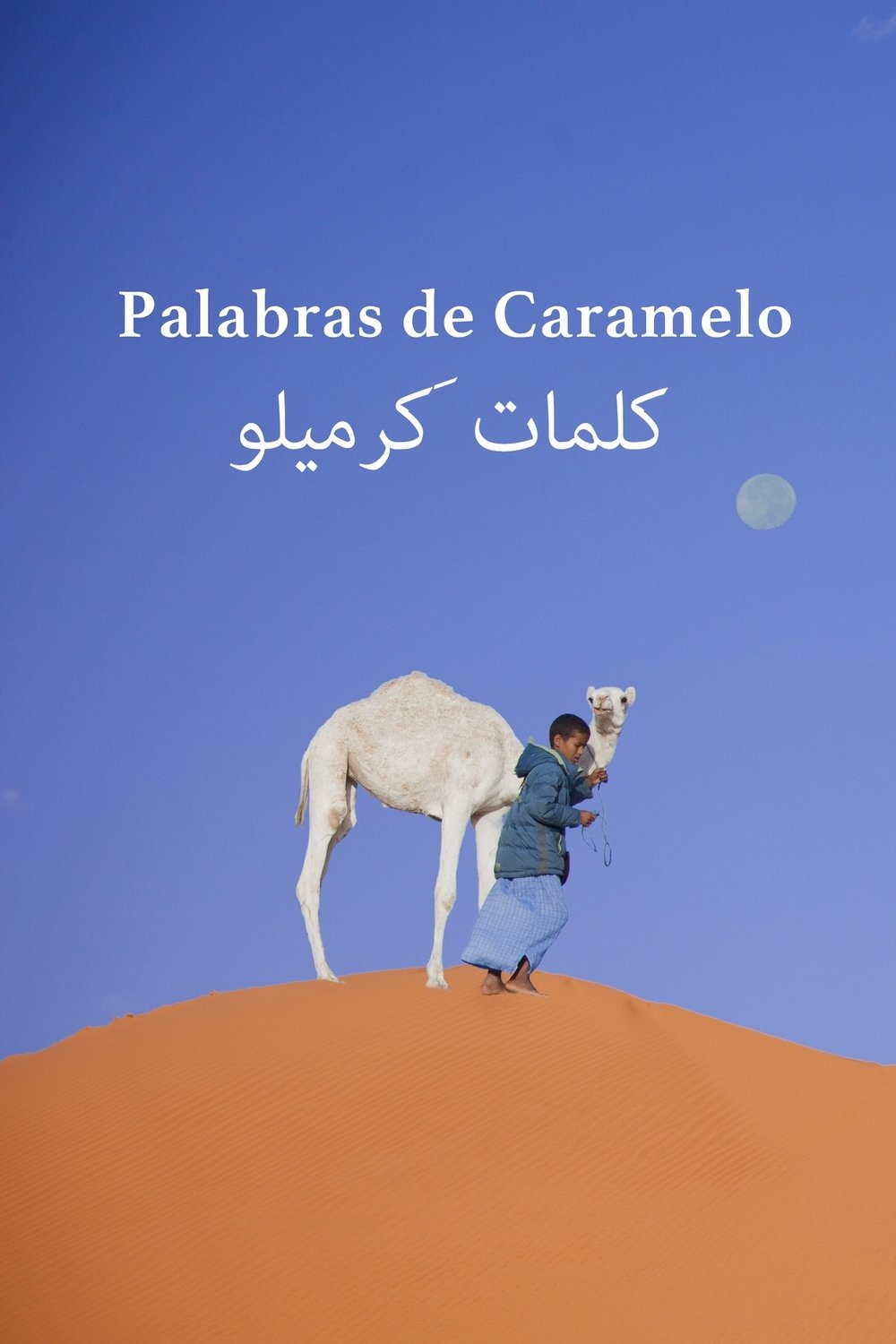
In a refugee camp in the Sahara desert lives a deaf boy who wants to learn to write. Welcome to the silent world of Kori and his best friend the camel Caramelo.
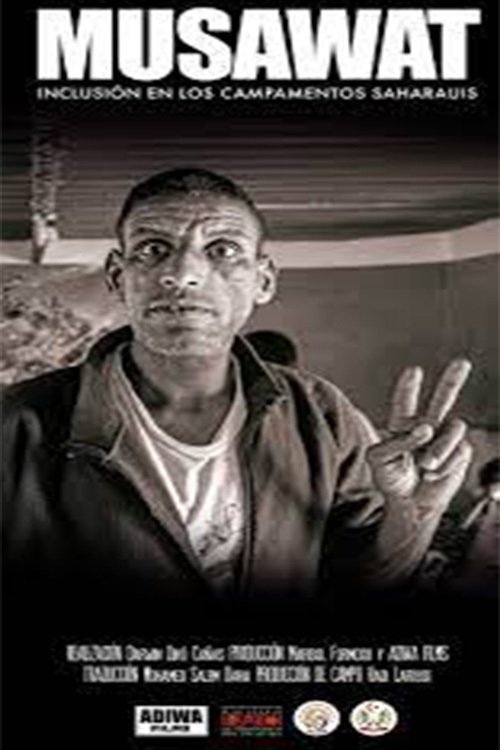
Education Center for disabled children located in the Sahrawi refugee camps in Algeria. Despite the precarious conditions in which this population lives since 40 years ago, the Polisario Front as the representative of the Sahrawi people has promoted inclusion as a way to avoid marginalization and discrimination of one of the most vulnerable populations within these territories: children with special needs. "Castro" is the man who devotes his life to this beautiful project fighting all odds: physical, psychic, social, economic, and even the incomprehensions of his own society. The Sahrawis are living (resisting) in one of the harshest deserts on Earth but Castro has the magic formula to achieve the inclusion of these wonderful beings in his society and in the rest of the world: MUSAWAT, EQUALITY.
My Sahrawi family' is a report - documentary that reflects the bonds of unity between Sahrawi families and Spanish families who every summer welcome minors from refugee camps into their homes.
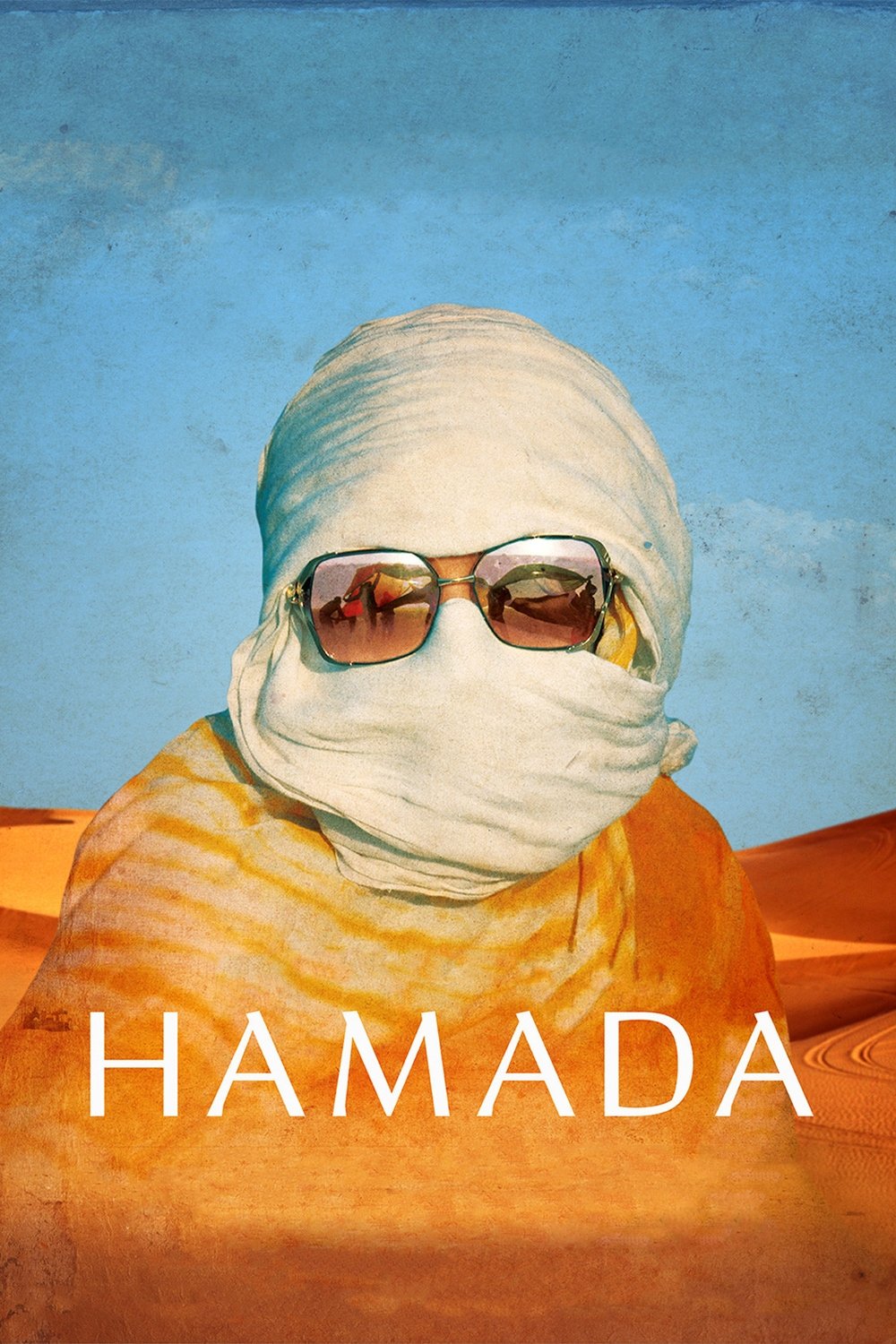
Filled with vitality, humor and unexpected situations, Hamada paints an unusual portrait of a group of young friends living in a refugee camp in the middle of nowhere. Western Sahara is known as “the last colony in Africa” and this conflict is the longest and one of the least known ongoing disputes in the continent, but the Sahrawi people refuse to become invisible.
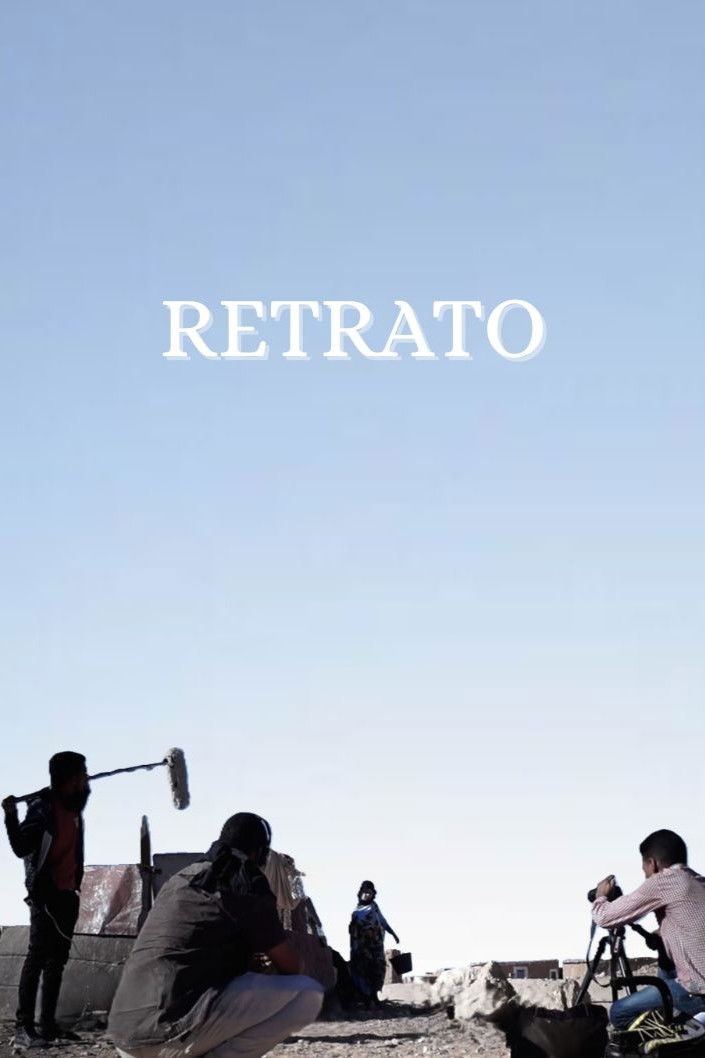
The Sahrawi people have lived in exile for almost half a century in the driest desert of the African continent. There, where basic resources such as water are scarce, there is a film school. As the world looks the other way, a group of young filmmakers carries out a battle against oblivion.
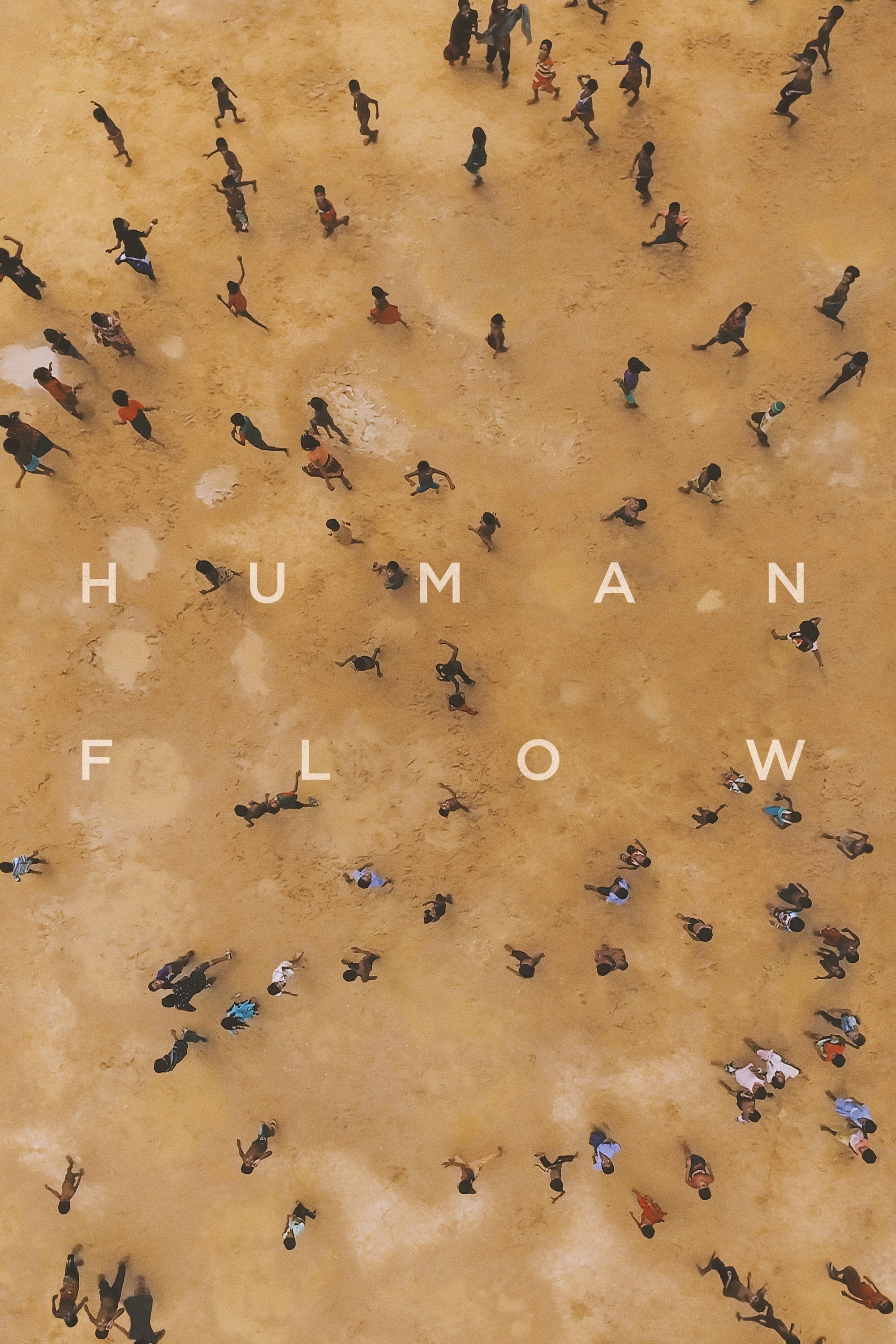
More than 65 million people around the world have been forced from their homes to escape famine, climate change and war, the greatest displacement since World War II. Filmmaker Ai Weiwei examines the staggering scale of the refugee crisis and its profoundly personal human impact. Over the course of one year in 23 countries, Weiwei follows a chain of urgent human stories that stretch across the globe, including Afghanistan, France, Greece, Germany and Iraq.
In an intimate and joyful story of love in the face of loss, celebrated poets Andrea Gibson and Megan Falley find strength—and unexpected hilarity—in what might be their final year together.
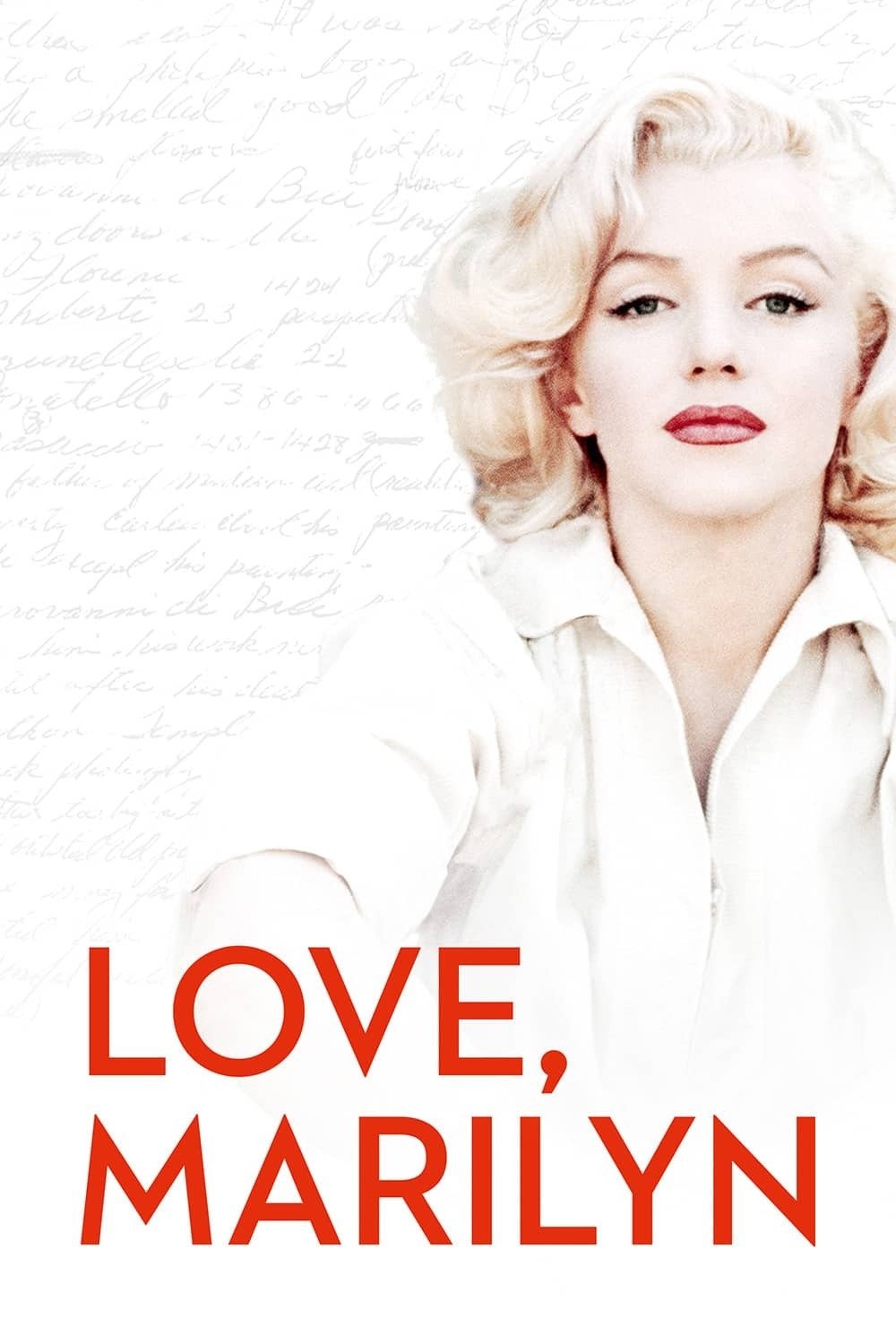
Using the book 'Fragments', which collects Marilyn Monroe's poems, notes and letters, and with participation from the Arthur Miller and Truman Capote estates who have contributed more material, each of the actresses will embody the legend at various stages in her life.
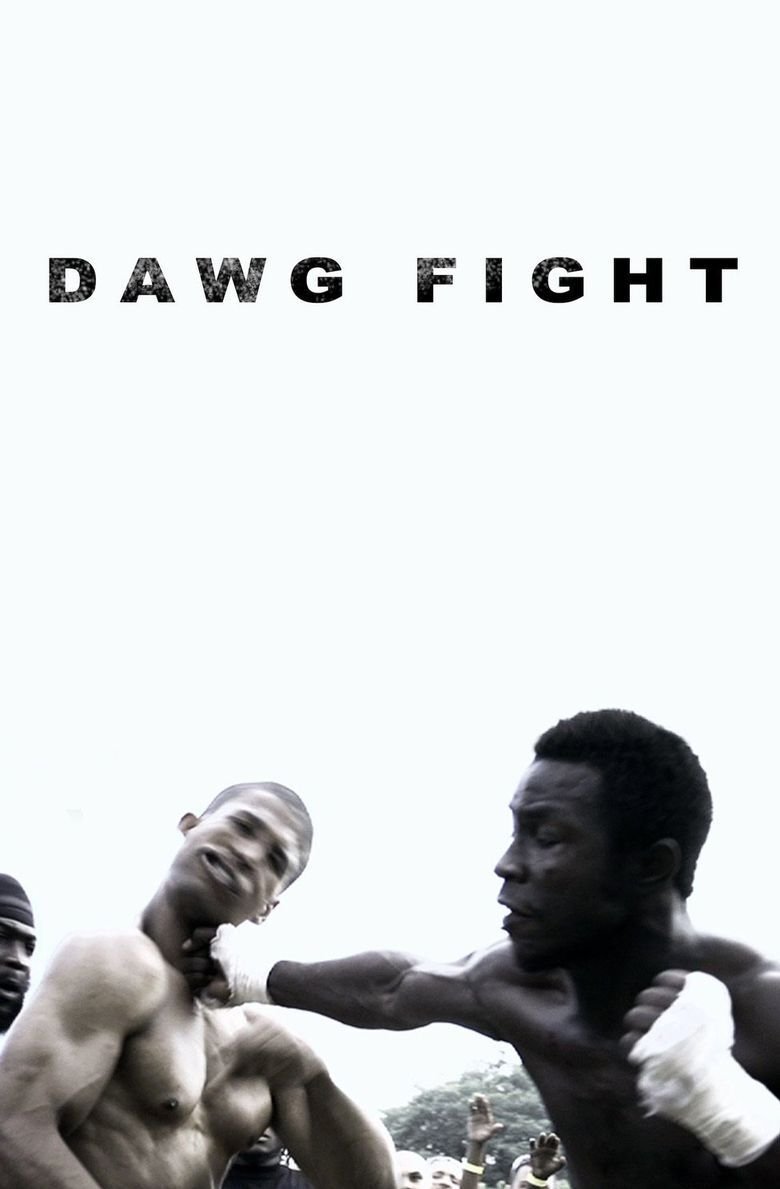
In a crime-plagued neighborhood near Miami, brutal, bare-knuckled backyard fights give young men a chance to earn money -- and self-respect.
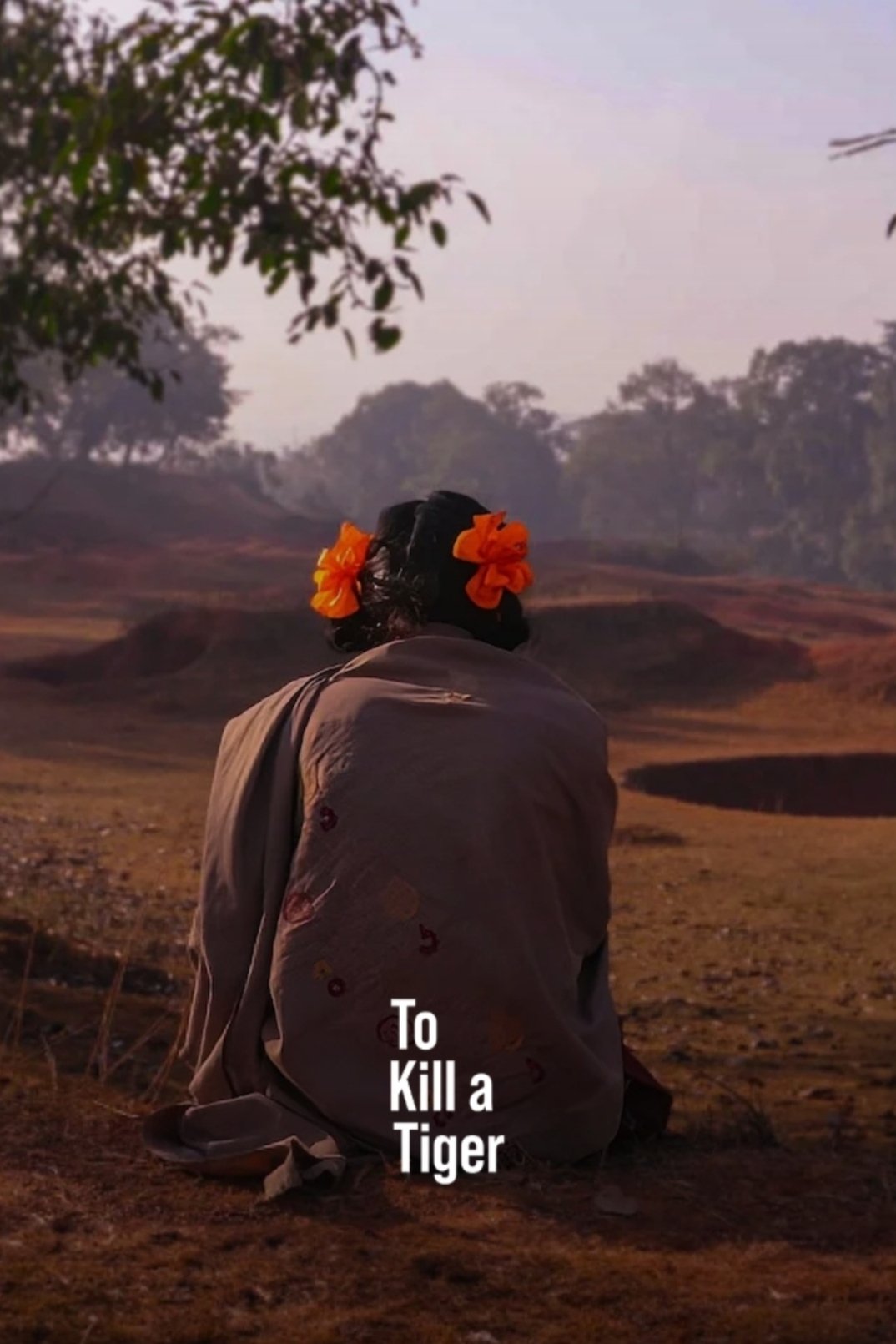
Ranjit, a farmer in India, takes on the fight of his life when he demands justice for his 13-year-old daughter, the victim of a brutal gang rape. His decision to support his daughter is virtually unheard of, and his journey unprecedented.
Vulgar, taunting texts blow up the phones of a teen and her boyfriend. Who's sending them — and why? This twisty documentary reveals the shocking answer.
Through deeply personal interviews with her siblings and an examination of the photographs, letters, and belongings left behind, Mariska assembles a new portrait of her mother Jayne Mansfield, an extraordinary and complex woman.
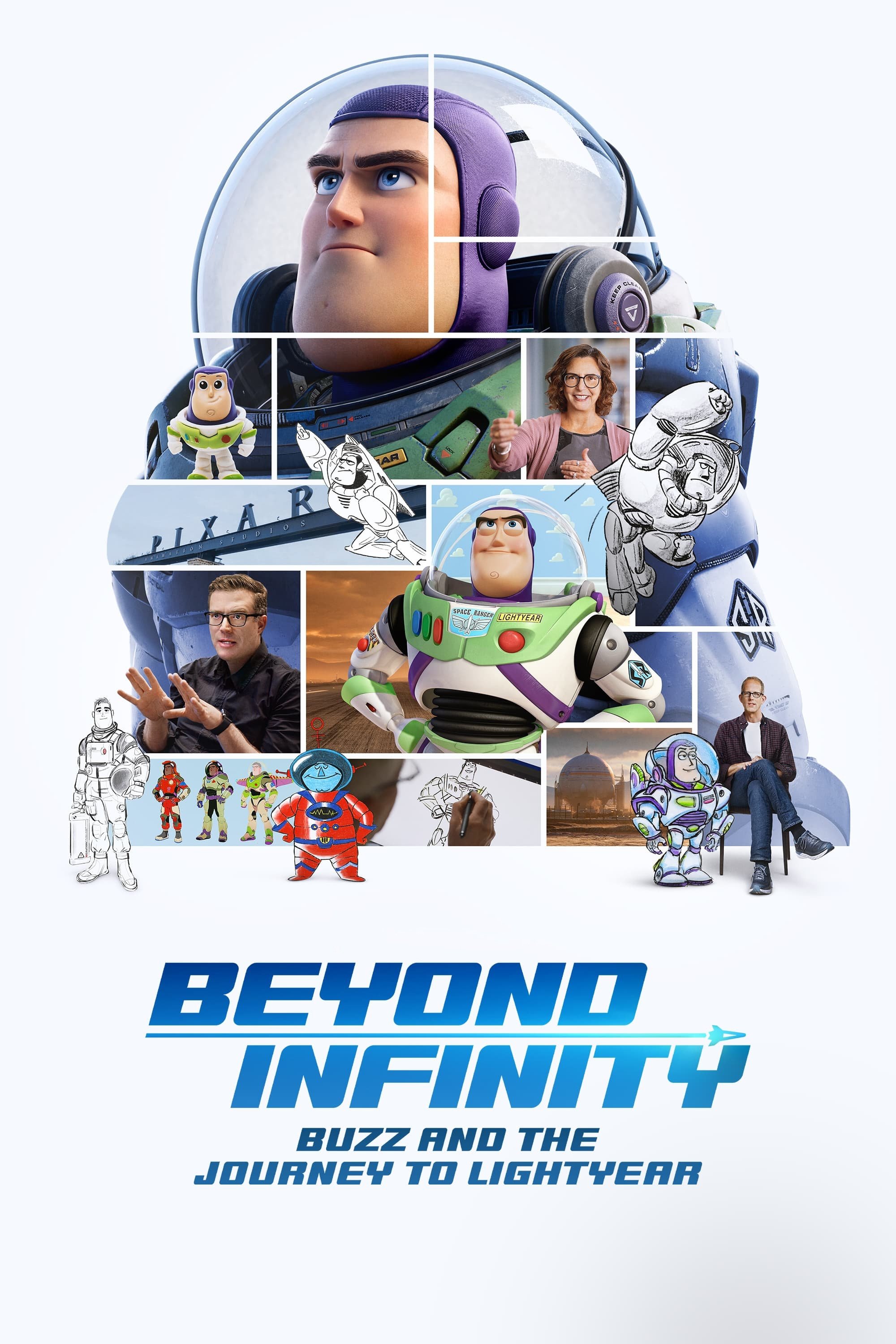
Explore the evolution of Buzz Lightyear from toy to human in the making of Pixar’s Lightyear. Dive into the origin and cultural impact of everyone’s favorite Space Ranger, the art of designing a new “human Buzz,” and the challenges faced by the Lightyear crew along the way.
Alexander McQueen's rags-to-riches story is a modern-day fairy tale, laced with the gothic. Mirroring the savage beauty, boldness and vivacity of his design, this documentary is an intimate revelation of McQueen's own world, both tortured and inspired, which celebrates a radical and mesmerizing genius of profound influence.
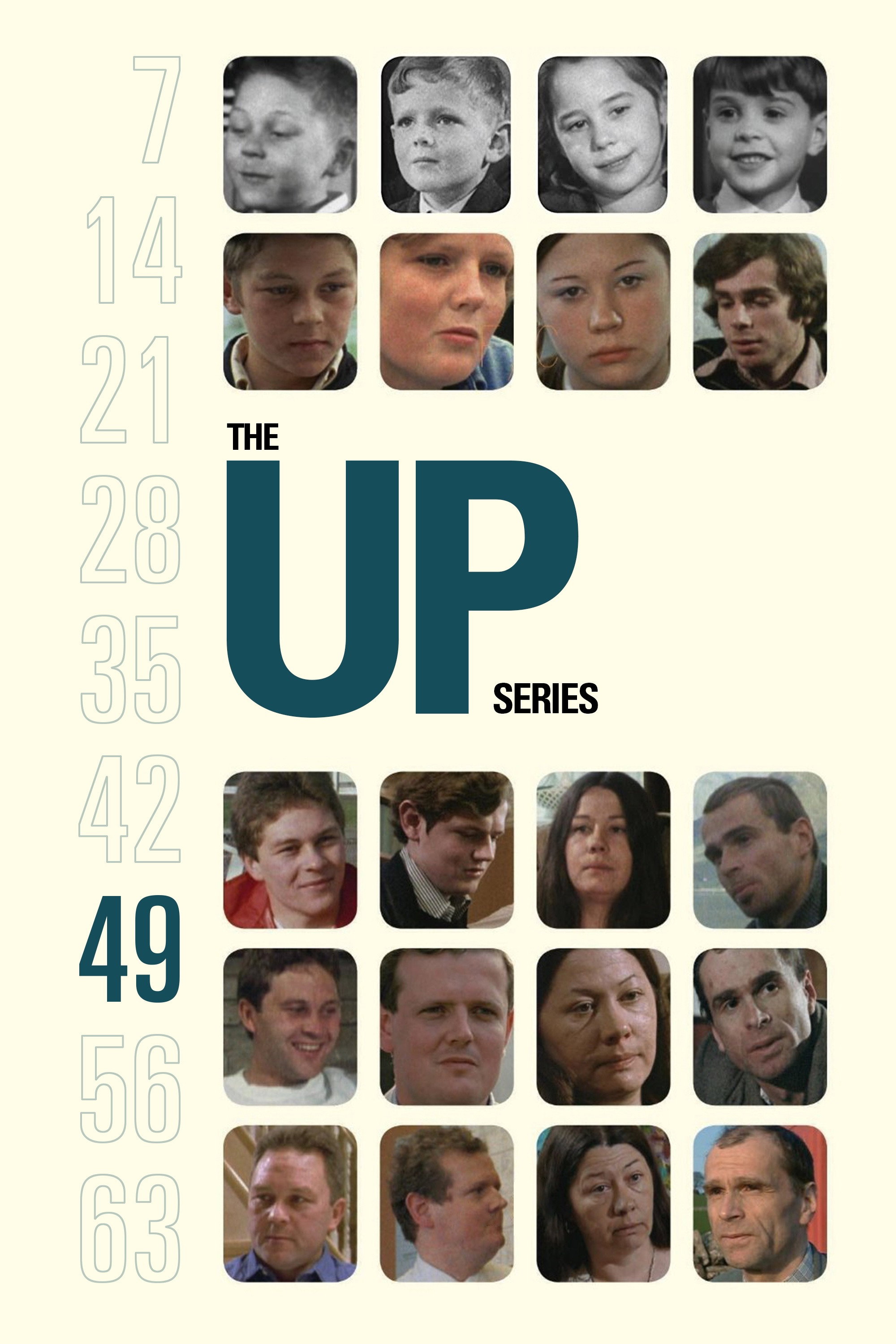
49 Up is the seventh film in a series of landmark documentaries that began 42 years ago when UK-based Granada's World in Action team, inspired by the Jesuit maxim "Give me the child until he is seven and I will give you the man," interviewed a diverse group of seven-year-old children from all over England, asking them about their lives and their dreams for the future. Michael Apted, a researcher for the original film, has returned to interview the "children" every seven years since, at ages 14, 21, 28, 35, 42 and now again at age 49.In this latest chapter, more life-changing decisions are revealed, more shocking announcements made and more of the original group take part than ever before, speaking out on a variety of subjects including love, marriage, career, class and prejudice.
A string of threatening emails escalates into a revenge plot involving a newly married US marshal and his ex-girlfriend.
Global superstar Jennifer Lopez reflects on her multifaceted career and the pressure of life in the spotlight in this intimate documentary.
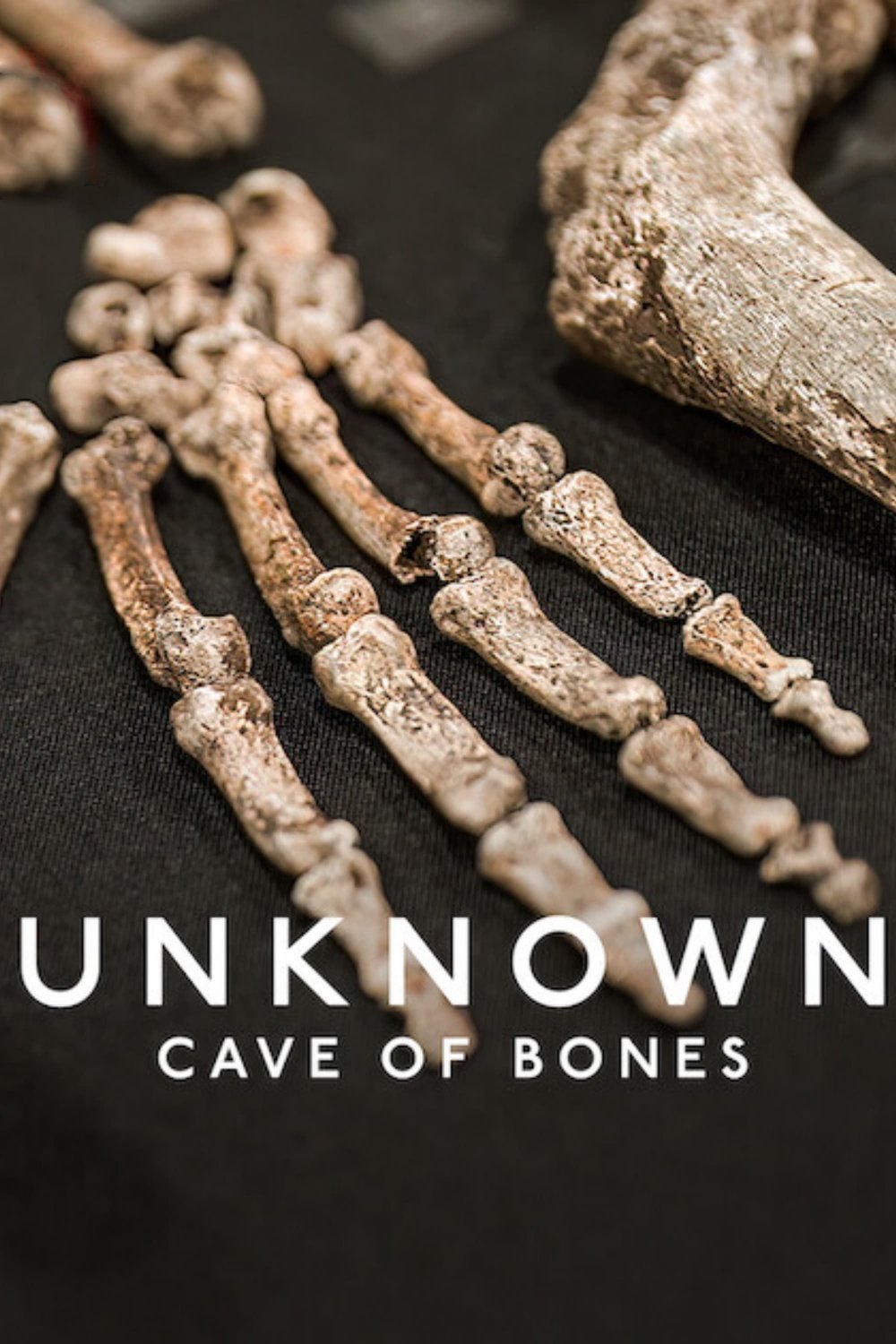
Scientists examine underground clues from over 250,000 years ago that raise questions about our early relatives — and what it truly means to be human.
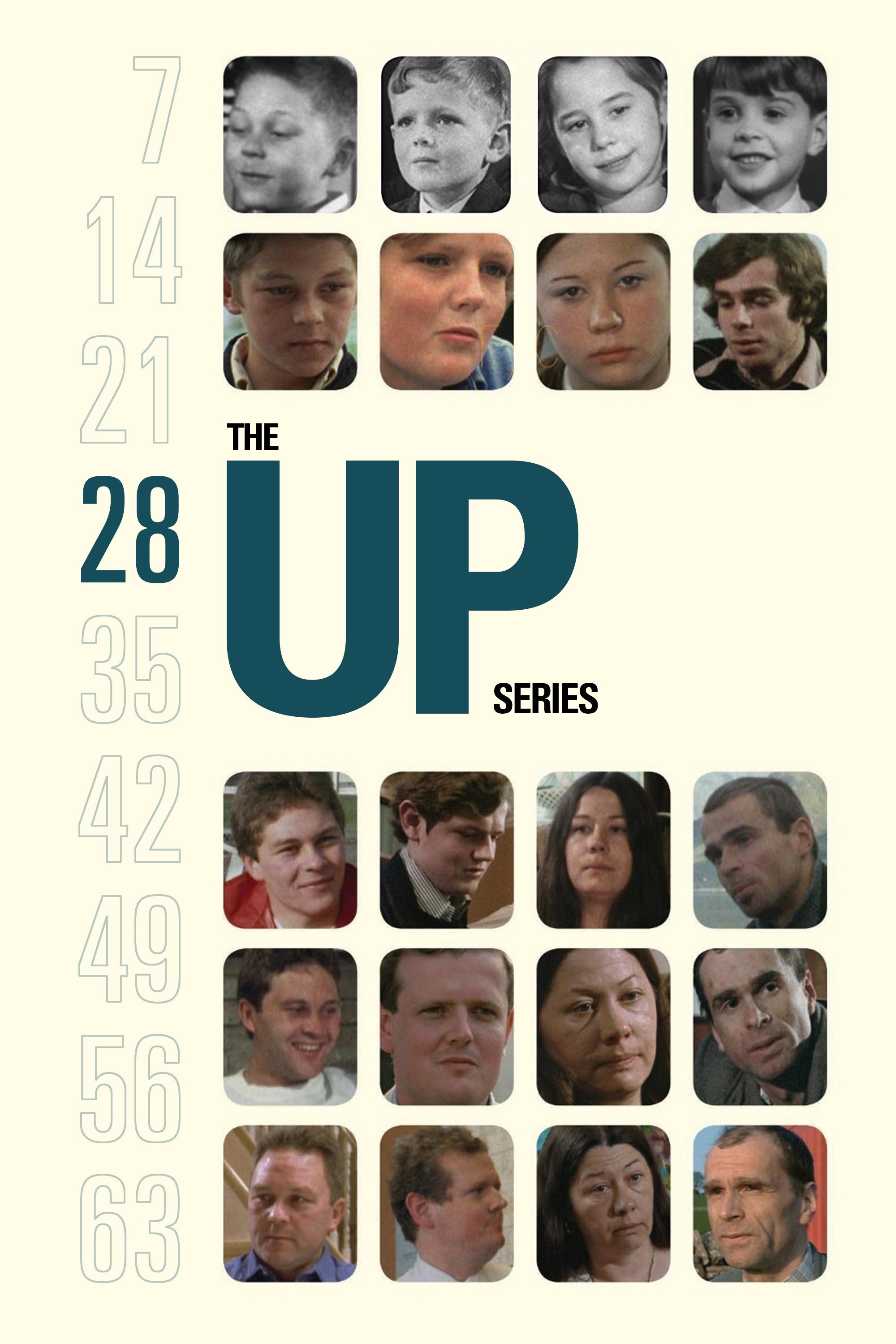
Just two years away from turning 30, participants in Michael Apted's documentary series are facing serious questions of identity and purpose, wondering whether they've found their place in the world.
A documentary chronicling Queen and Lambert's incredible journey since they first shared the stage together on "American Idol" in 2009.
An inside look at one of the most anticipated movie sequels ever with James Cameron and cast.
This revealing documentary honors the legendary Sidney Poitier—iconic actor, filmmaker, and civil rights activist. Featuring interviews with Denzel Washington, Spike Lee, Halle Berry, and more.
Mickey Mouse is one of the most enduring symbols in our history. Those three simple circles take on meaning for virtually everyone on the planet. So ubiquitous in our lives that he can seem invisible, Mickey is something we all share, with unique memories and feelings. Over the course of his nearly century-long history, Mickey functions like a mirror, reflecting our personal and cultural values back at us. "Mickey: The Story of a Mouse" explores Mickey's significance, getting to the core of what Mickey's cultural impact says about each of us and about our world.
A visual montage portrait of our contemporary world dominated by globalized technology and violence.
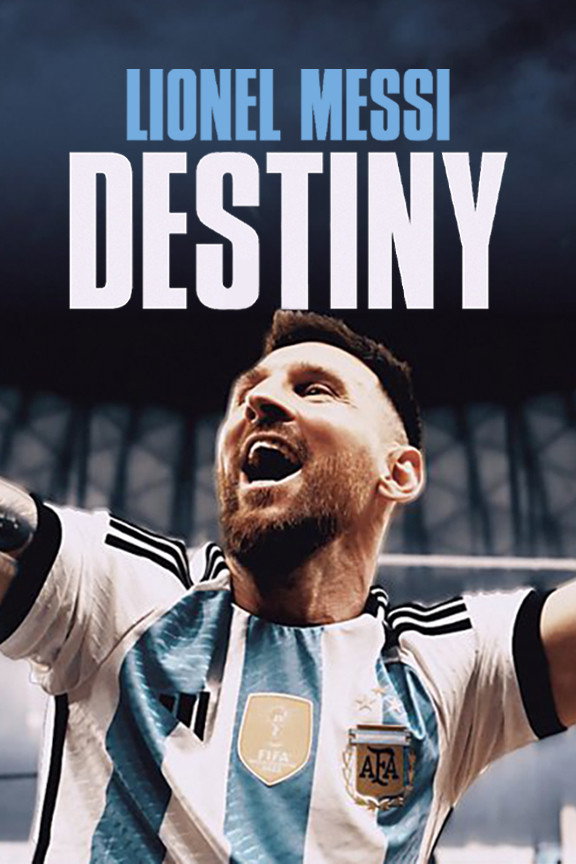
Behind-the-scenes documentary about how Lionel Messi succeeded in lifting the World Cup – the only trophy to have eluded him in an incredible career.