Social & External
Zashean
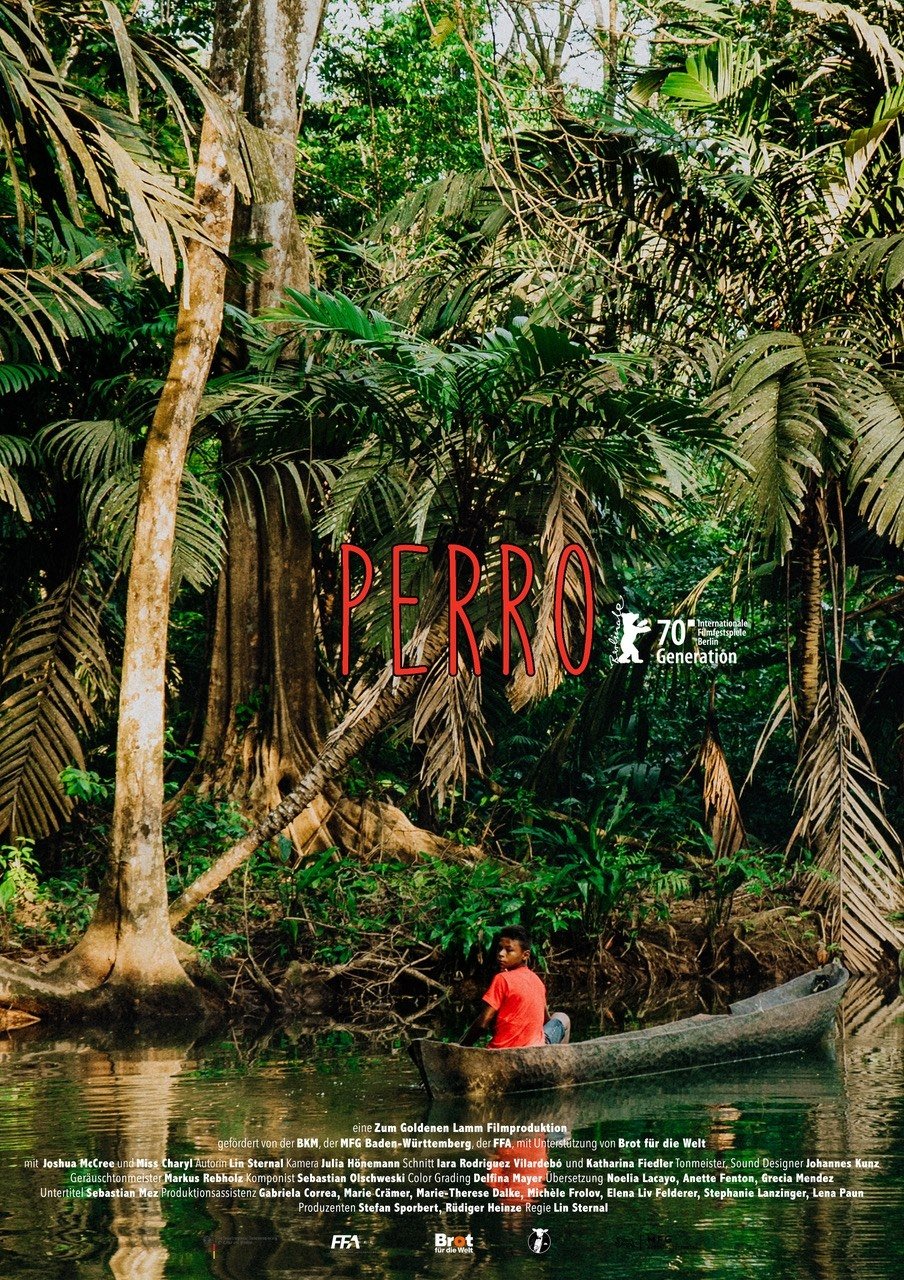
Perro and his grandmother fear for their homeland in southern Nicaragua, an area which is threatened by the planned construction of the 300-km-long "El Gran Canal". The documentary accompanies the silent and nature-loving boy amidst the inevitable farewell to his old life in the jungle and his new beginnings in the city.
From the mind of Chris Benchetler comes TGR's latest short film collaboration. Improvisation is the silver thread that weaves this crew together. Just as the Grateful Dead did not fit their music into an established category, this short film finds a cast of some of the world’s best athletes on a spontaneous journey of skiing, snowboarding, surfing, and music, complete with a soundtrack comprised of only Grateful Dead music.
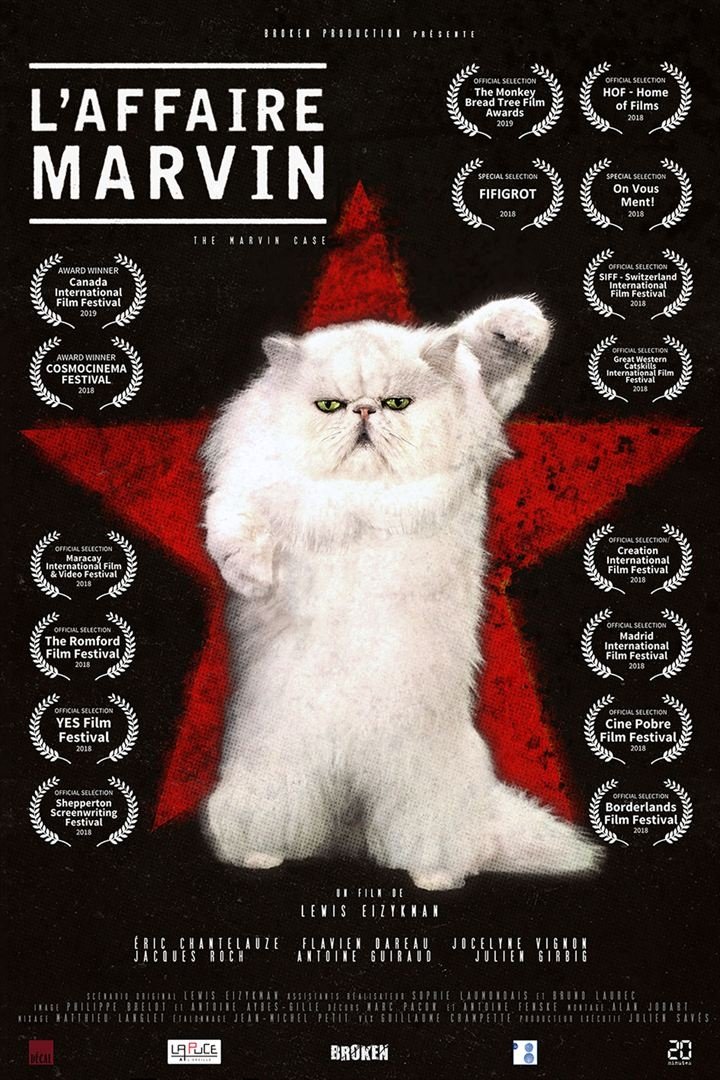
How could the disappearance of a simple cat lead to the biggest financial crisis of all times? French documentary filmmaker Thomas Lafite went out looking for an answer: his film The Marvin Case thus explores one of the most incredible stories of the 21st century.
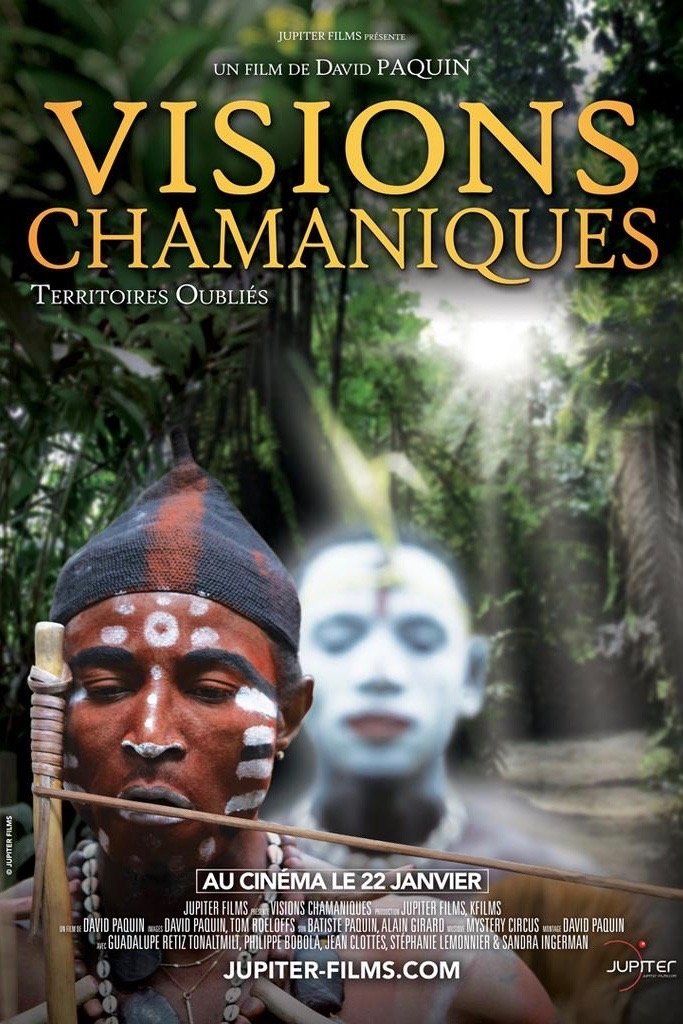
This film is an initiatory journey among the Fangs of Gabon and the Shipibos of Peru. With the sound of traditional instruments like the mogongo (arc in the mouth), the holy harp, and the Icaros, we discover the traditional peoples’ wisdom.
A documentary centered on the life and career of famous music artist, Rihanna.
A portrait of Italy in the 60's and 70's, based on films by Marco Bellocchio.
They grew up in the land of dictators and surveillance, where images are censored, photos are burned, thoughts are discreet, and mouths are kept shut. They grew up in Syria.
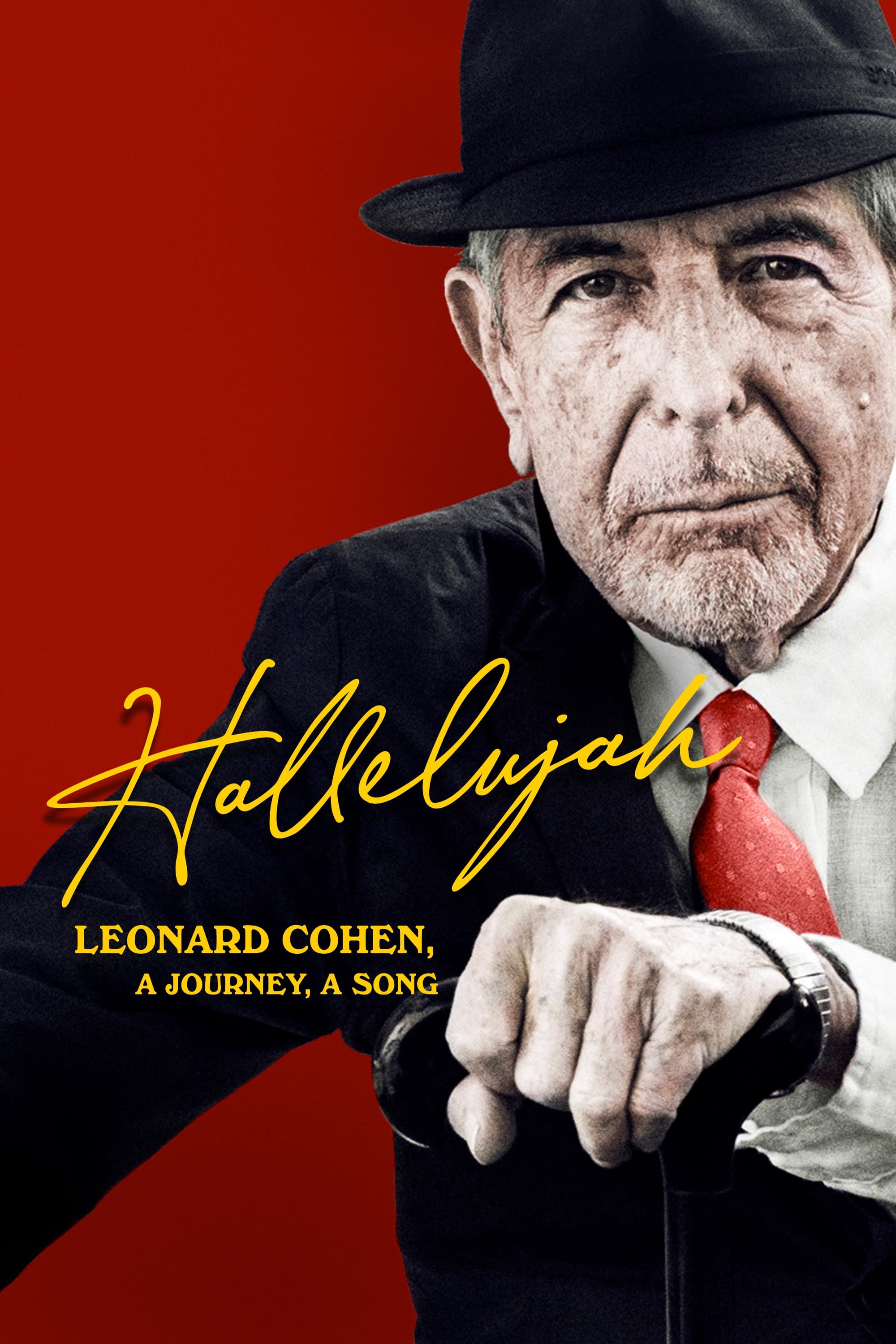
This feature-length documentary explores the life of singer-songwriter Leonard Cohen as seen through the prism of his internationally renowned hymn, Hallelujah.
This half-hour documentary was screened on Channel 4 in 1989. Charlie Gillett is in conversation with David Byrne and Susan Young. Gillett explores Byrne's interest in the music composed during Brazil's repressive political regime spanning the 1960's -1980’s, and Byrne's aim to introduce a wider audience to this music by compiling a series of albums featuring musicians from that era. Byrne asked Young to direct the animated film Beleza Tropical (Umbabarauma) to accompany the first of these albums. Young describes her approach to the making of the film and reflects upon this subtle and fascinating genre of music. The soundtrack features various artists from the album Beleza Tropical, Brazil Classics 1.
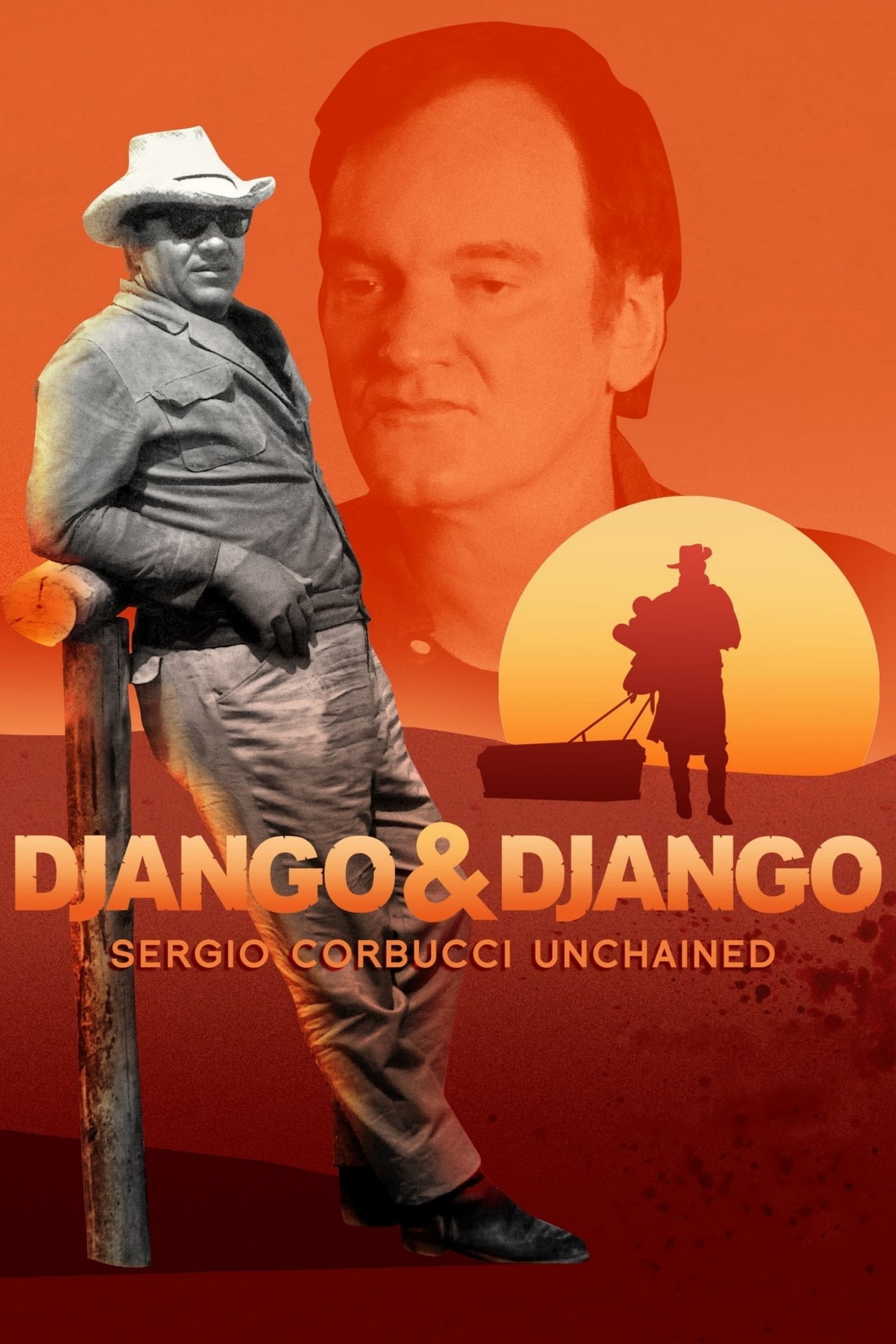
A tribute to Italian filmmaker Sergio Corbucci (1926-90), presented by American filmmaker Quentin Tarantino.
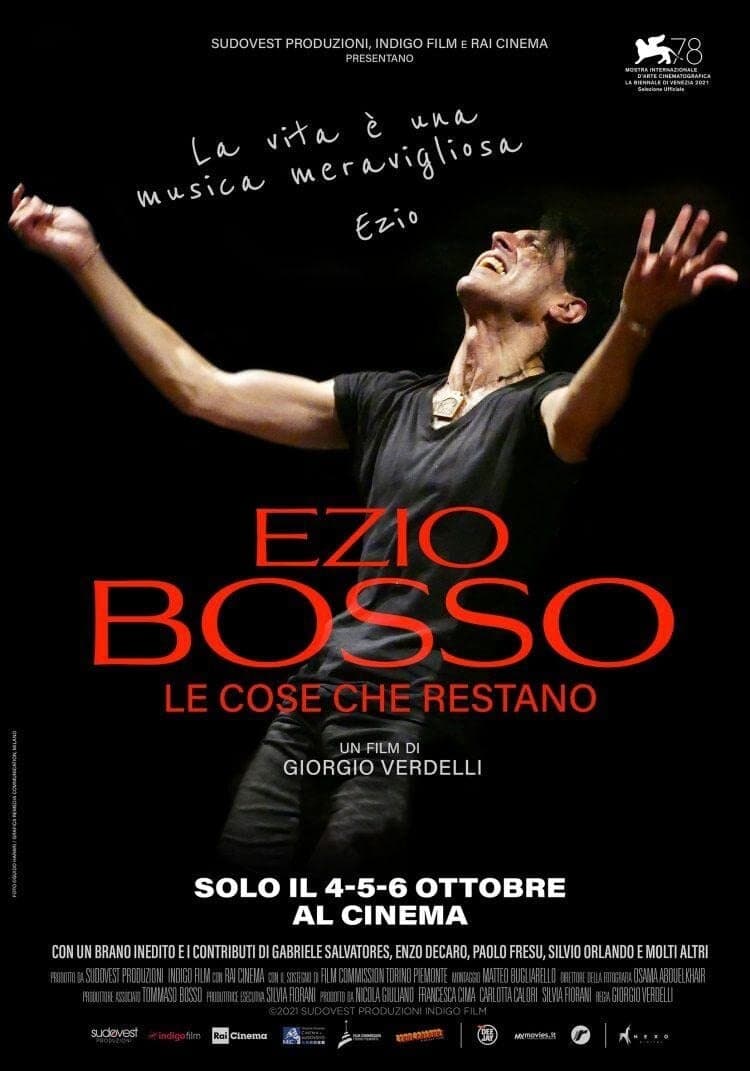
Ezio Bosso reveals his real self and takes us into his world and his imagination, as if were a diary.
In 2019, the night in Hong Kong was still in fascinating beauty and the landscape of everyday life was gradually changing. Travelling the streets, Tsai Ming-liang documented the city's rhythm and ambience, along with an overpass.
A celebration of the 30+ year legacy of the Child's Play franchise and iconic character, Chucky, with never-before-seen interviews with franchise creator and actors.
On August 24th of 1940 a group of cameramen cross the immense territory of the Soviet Union before it was attacked by Nazi Germany, and capture multiple aspects of life in this new world.
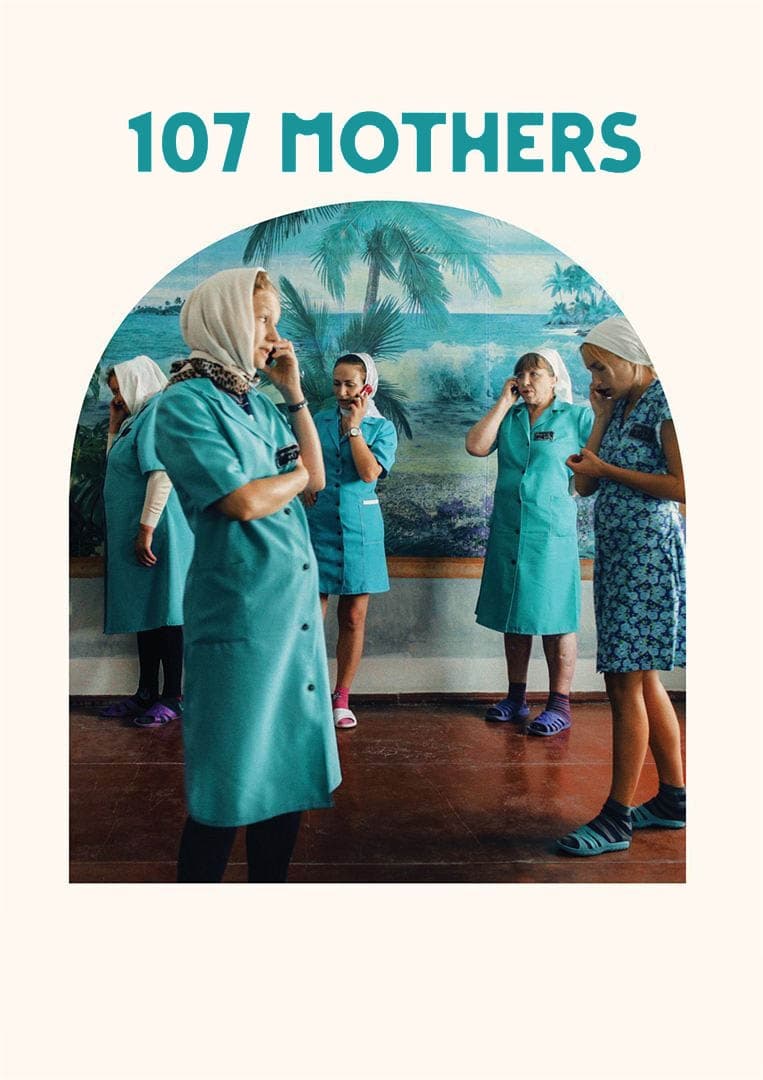
Lesya has committed a crime of passion which brings her a seven-year sentence in one of Odesa’s women’s correctional facilities. She has just given birth to her first child, and now she is entering a world populated only by women: inmates, nurses and wardens, women of all ages, wives and widows, daughters, sisters, pregnant women, and women with children too. If not for the color of the uniform, it would sometimes be hard to tell who is who.
(2021) 17/04/2021 (GB) Documentary 61m
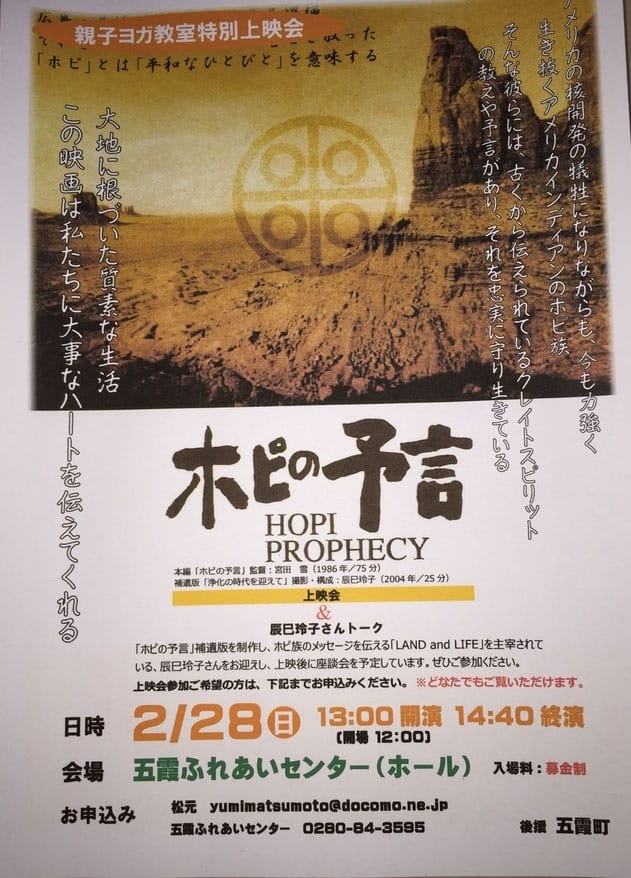
This film describes how the Hopi and Navajo tribes in the southwestern United States have responded to the resource colonization of their lands that have been repeatedly plundered for plutonium and uranium, or—in their words—“carving out the earth’s vital organs.”