Social & External
The people behind it
Freddy Hube
NARRADOR
A documentary expose on the first Gulf War.
A hand-filmed 32-minute documentary of the Skinny Puppy's 1988 'Head Trauma' tour of Europe by Dwayne Rudolph Goettel. Edited by Nivek Ogre in 2005.
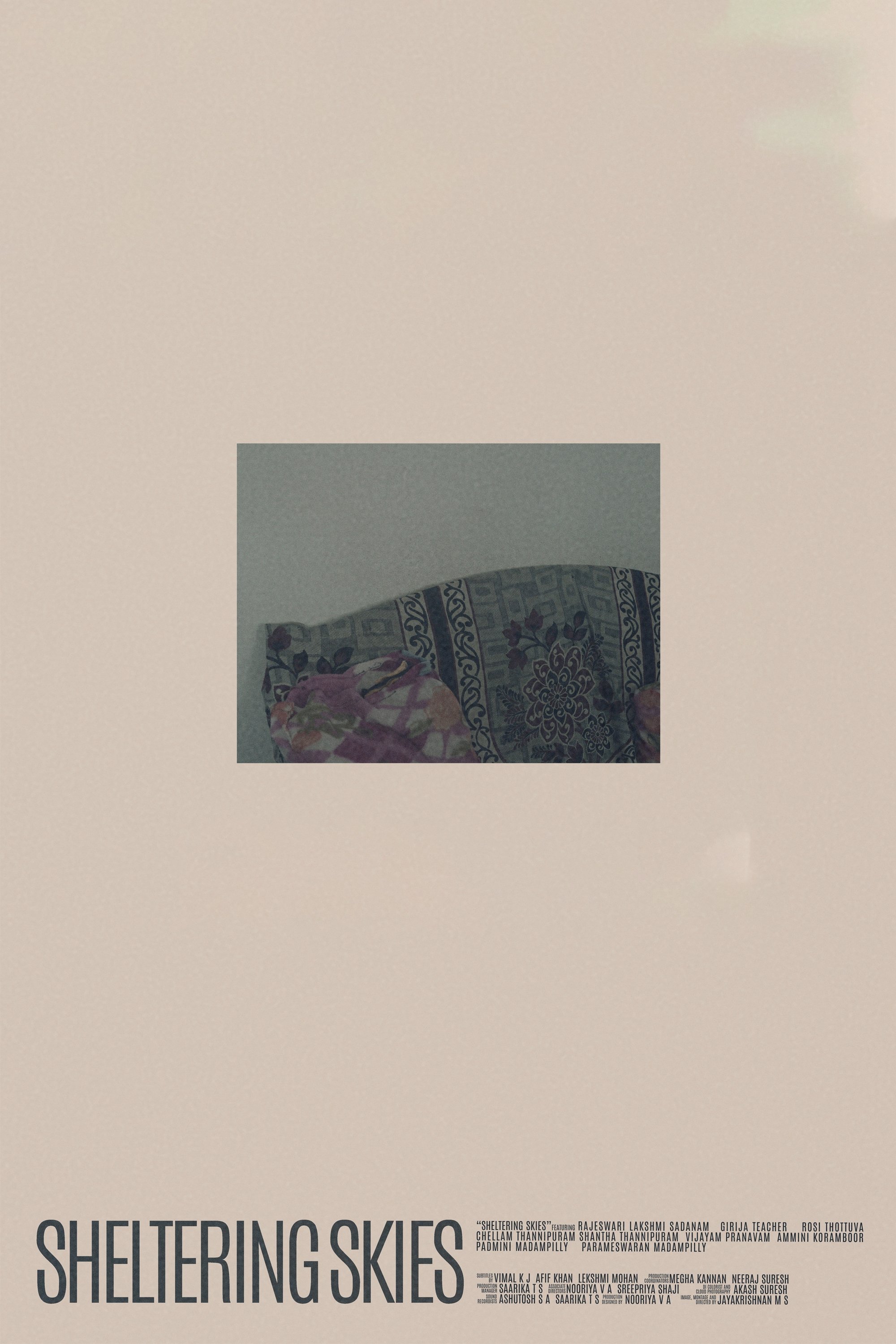
Exploration of the ordinary lives led by women of different classes—a college professor, an unmarried woman, and a seasoned drama artist. They unveil the societal intricacies woven into their social backgrounds, with typical evening talks besides them. Gripping tales of yore immersed in the metaphorical embrace of their surroundings, their familial shelters are emblematic of resilience and protection, where profound truths lie hidden within the depths of the commonplace.
During the women's demonstration on March 8, 1972, Mariasilvia SPOLATO was there with a placard: Liberazione omosessuale. A month later, Simone de Beauvoir came to Rome to give an interview, and this placard illustrated her article. Mariasilvia could no longer teach, ended up homeless and spent her life on the trains.
Documentary about the abstract filmmaker.
Concert film and documentary from Mika Nakashima's First Tour 2003 performed on February 23, 2003 at Zepp Tokyo.
Live concert documentary that was filmed during her "Sokenbicha Natural Breeze 2001 Happy Live" tour. In addition to the live show, it contains extensive backstage and behind-the-scenes footage. It also includes live perfomrance fragments from the 6 venues throughout Japan of her first tour.
A filmmaker's search for Yambo Ouologuem, a once famous writer who no longer wants to see any white people. Along the way, he meets five university students interested in the relationship between Africa and the West and who question the desire to go somewhere else, to leave the country and with it the culture that is theirs and their parents'.
When Moisex declares his hatred for Christmas, Kevin sets out to change his mind by creating a short film. This documentary captures their journey of creativity, humor, and the search for holiday spirit.
Has the time of women finally come? Have their everyday lives truly changed over the past sixty years? Guided by Agnès Jaoui, women—famous and unknown—share their stories across generations. From childhood to retirement, the documentary traces shared experiences shaped by prejudice, but also by hope, strength, and humor. Blending personal archives, historic moments, and social media footage, the film places women at the center of their own story. Welcome to the Time of Women.
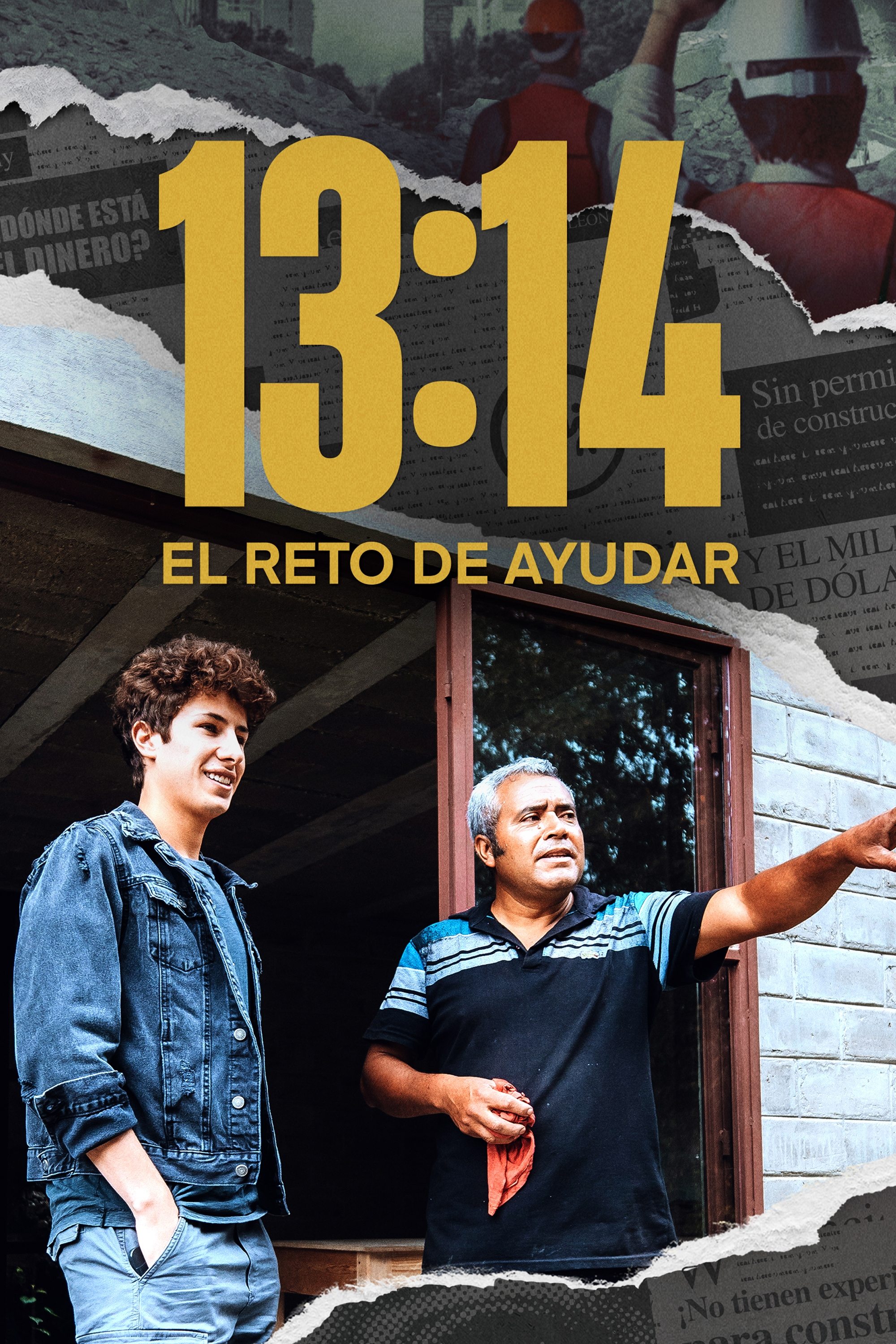
On September 19, 2017, at 1:14 p.m., an earthquake devastated Mexico City and its environs. Immediately, citizens mobilized to help, including the actor and youtuber Juanpa Zurita who quickly organized a group of friends that included singers, actors, content creators and other celebrities from the world of entertainment who helped him raise funds for the reconstruction of the city.
At just 24 years old, Imen ES, originally from Sevran, a city often seen as the archetype of a rough suburb and the birthplace of a raw hip-hop scene, has made her mark. Today, nothing can stop her. Starting out with the image of a "little sister," she has now transformed into a "queen," collaborating with renowned artists in France.
A look at the community surrounding Nintendo's New York store in the month leading up to the launch of the Nintendo Switch in 2017.
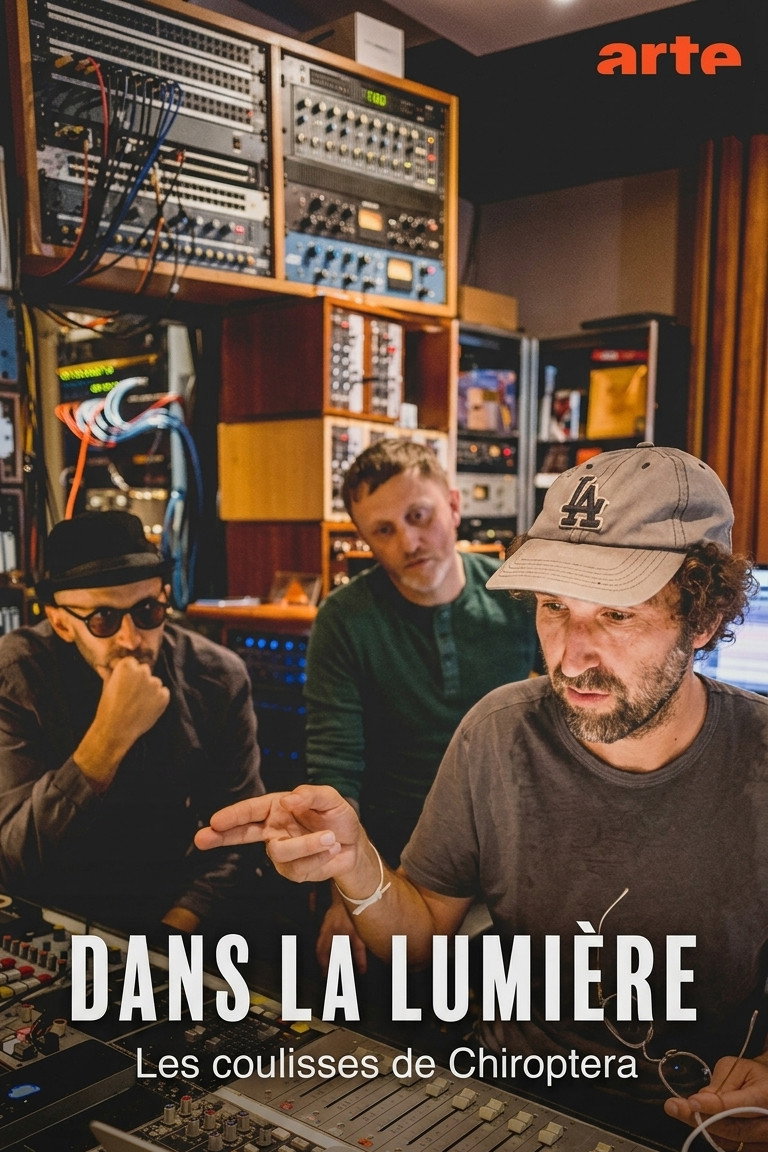
The documentary reveals the unique artistic collaboration between visual artist JR, former Daft Punk member Thomas Bangalter, and choreographer Damien Jalet. By combining their respective talents, they created "Chiroptera": 154 dancers from around the world perched on the scaffolding of the Palais Garnier in Paris. Together, they offer us an extraordinary performance. In the fall of 2023, the Paris Opera asked artist JR to transform the construction site on the façade of the Palais Garnier into a creative playground. By inviting Damien Jalet and Thomas Bangalter to create a performance for 154 dancers with him, he embarks on a human and artistic adventure with complex technical challenges. This documentary takes us behind the scenes of this show. How will the challenge be met?
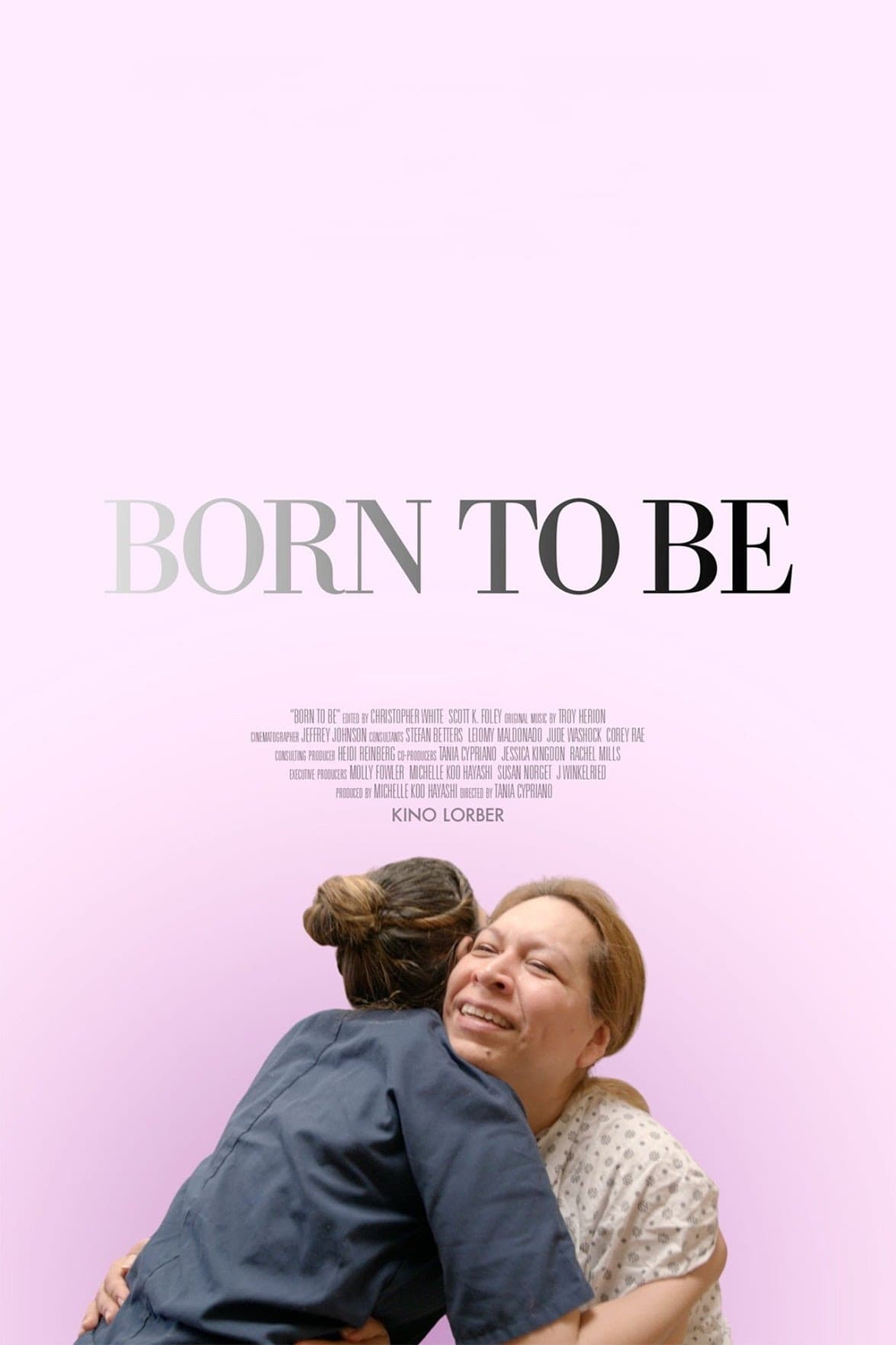
Soon after New York state passed a 2015 law that health insurance should cover transgender-related care and services, director Tania Cypriano and producer Michelle Hayashi began bringing their cameras behind the scenes at New York’s Mount Sinai Hospital, where this remarkable documentary captures the emotional and physical journey of surgical transitioning. Lending equal narrative weight to the experiences of the center’s groundbreaking surgeon Dr. Jess Ting and those of his diverse group of patients, BORN TO BE perfectly balances compassionate personal storytelling and fly-on-the-wall vérité. It’s a film of astonishing access—most importantly into the lives, joys, and fears of the people at its center.
Documentary of Nana Mizuki's summer tour of LIVE SENSATION, filmed at Shibuya Public Hall with Zepp and Hal Another Side.
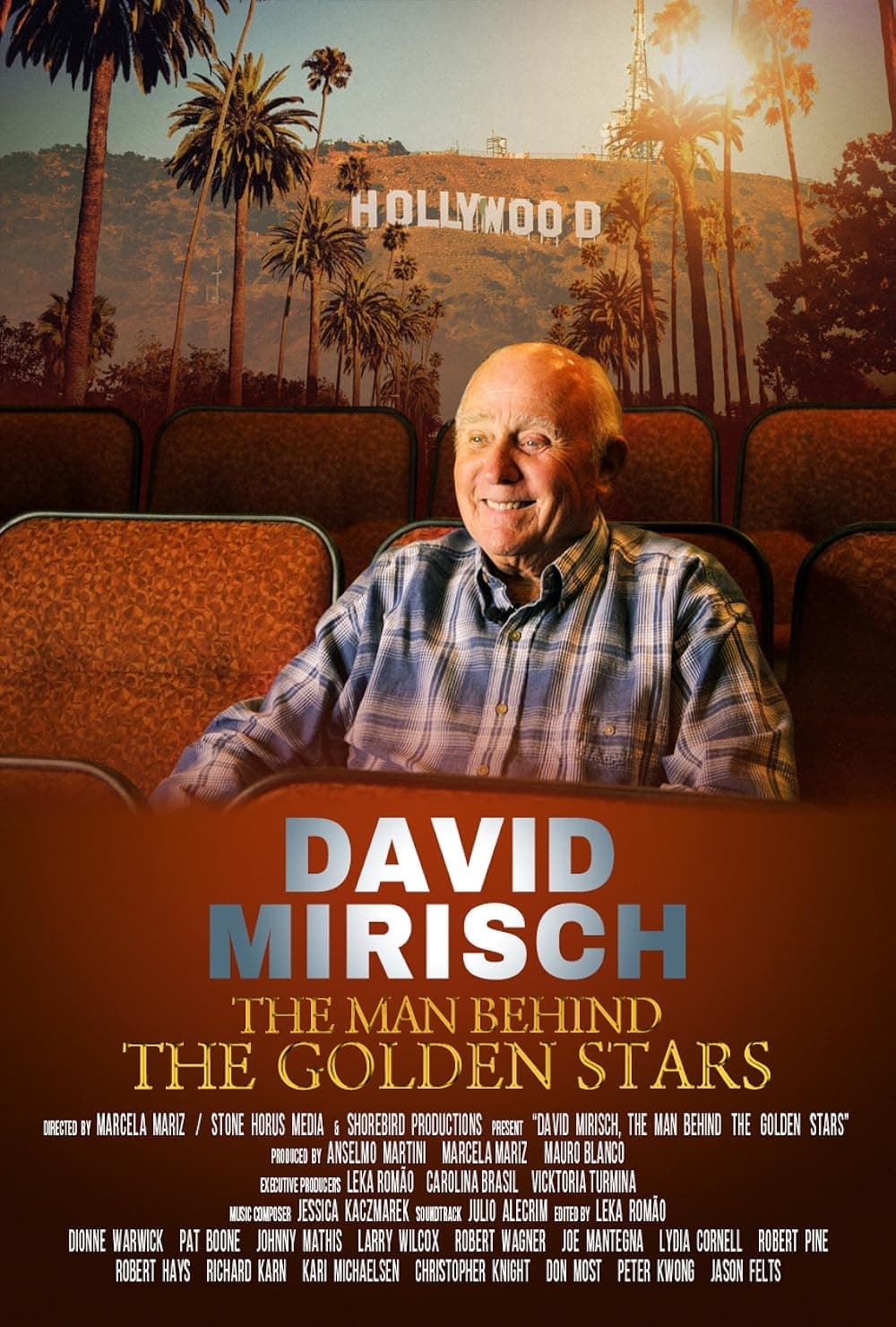
The documentary about the life of legendary Hollywood P.R. man David Mirisch.
A visual montage portrait of our contemporary world dominated by globalized technology and violence.
An exploration of technologically developing nations and the effect the transition to Western-style modernization has had on them.
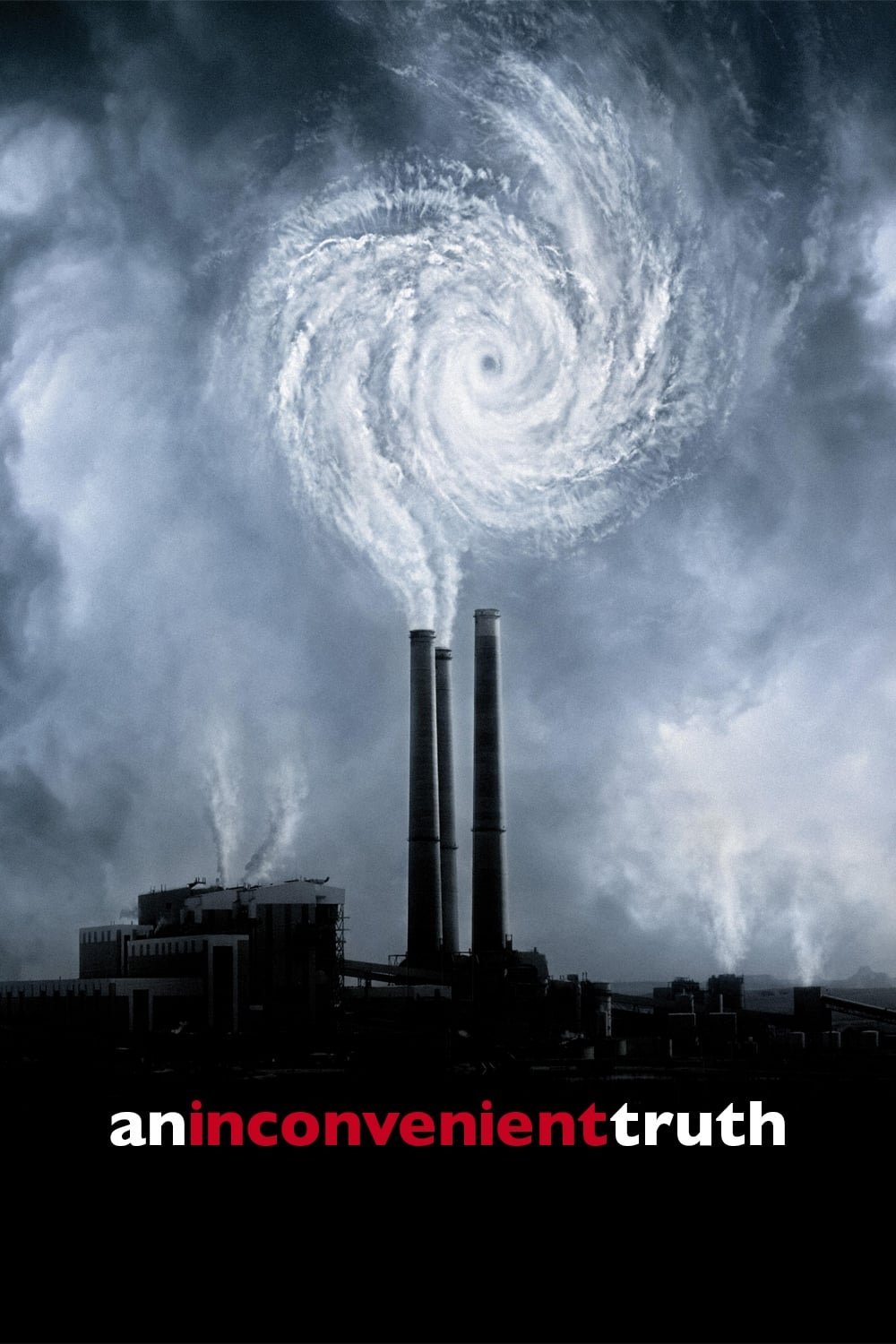
A documentary on Al Gore's campaign to make the issue of global warming a recognized problem worldwide.
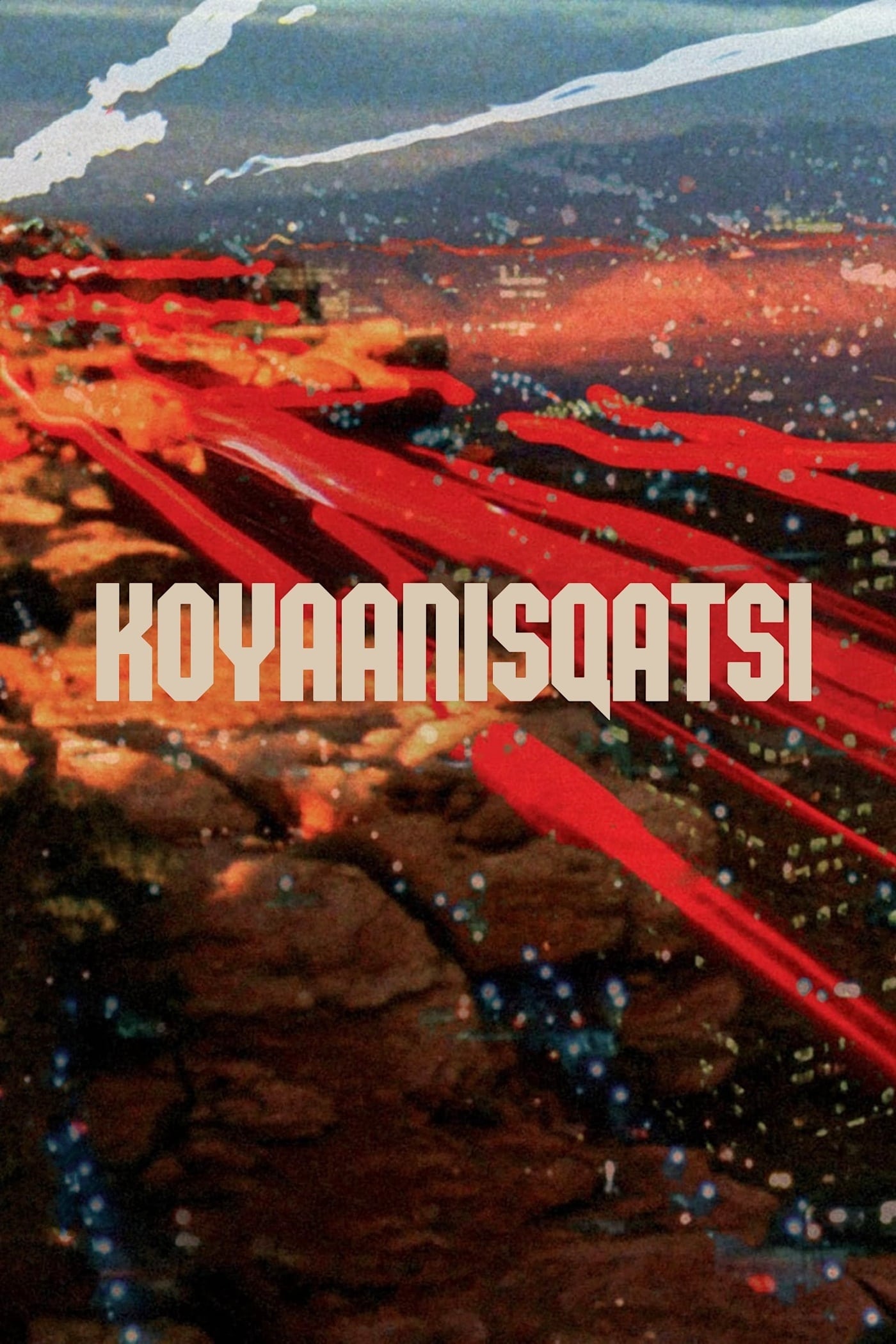
Takes us to locations all around the US and shows us the heavy toll that modern technology is having on humans and the earth. The visual tone poem contains neither dialogue nor a vocalized narration: its tone is set by the juxtaposition of images and the exceptional music by Philip Glass.
Captured during Billie Eilish's sold-out world tour, a concert experience from one of the most celebrated and successful artists of her generation, presented in immersive 3D.
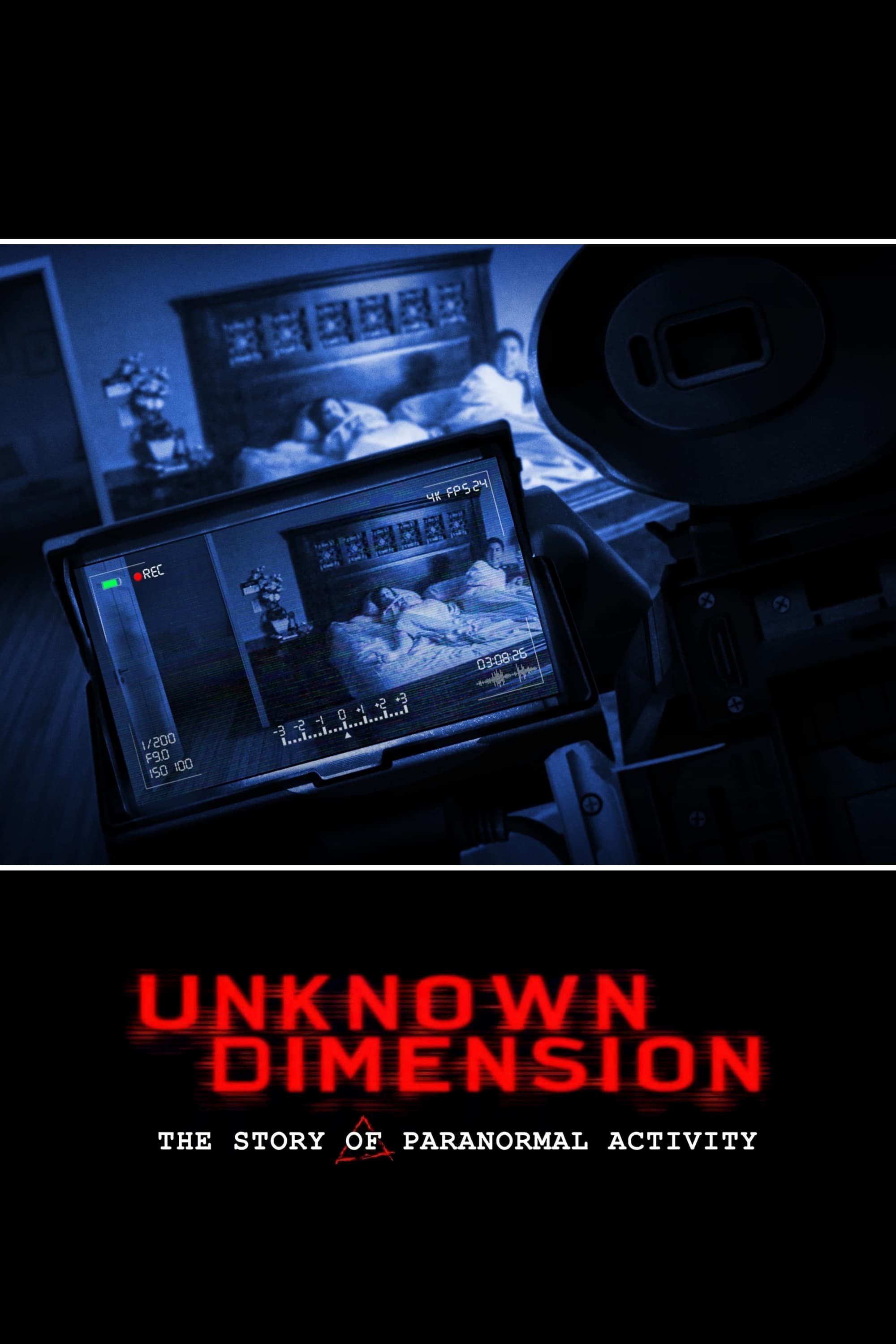
A deep dive into the making of the Paranormal Activity films with first time ever interviews with cast and crew, never-before-seen footage from the movies, and a preview of the seventh installment in the franchise.
The film follows adventurer Jeff Johnson as he retraces the epic 1968 journey of his heroes Yvon Chouinard and Doug Tompkins to Patagonia.
A documentary on the life of John Lennon, with a focus on the time in his life when he transformed from a musician into an antiwar activist.
Film adaptation of French economist Thomas Piketty's ground-breaking global bestseller of the same name: an eye-opening journey through wealth and power.
This documentary focuses on the actors and their journey over two summers to create the remake to the original IT, by Stephen King. The documentary originally released as bonus material, bundled with IT: Chapter Two.
It narrates the epic title obtained by the Argentine National Team in the World Cup Qatar 2022 with testimonies of the protagonists, told from the intimacy and in first person.
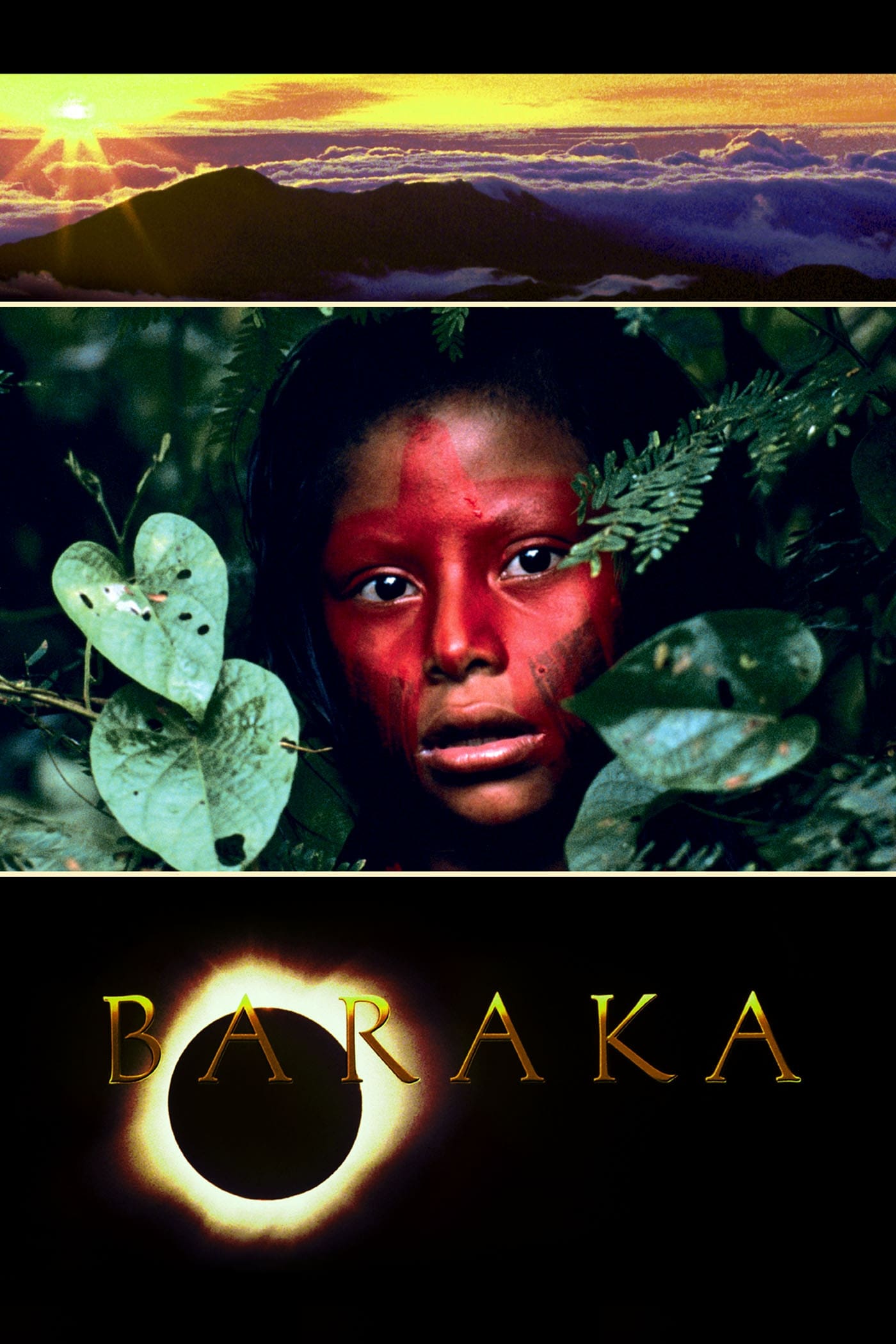
A paralysingly beautiful documentary with a global vision—an odyssey through landscape and time—that attempts to capture the essence of life.
Martin Scorsese, Robert De Niro, Joe Pesci, and Al Pacino in conversation about The Irishman.
A look at the "Hell House" performed annually in October by the youth members of Trinity Church (Assemblies of God) in Cedar Hill, Texas (a Dallas suburb) — seen by over 10,000 visitors each year.
Musician and performance artist Laurie Anderson reflects on the deaths of her husband Lou Reed, her mother and her beloved dog.
BBC Arena's documentary on the Dames of British Theatre and film featuring Maggie Smith, Eileen Atkins, Judi Dench and Joan Plowright on screen together for the first time as they reminisce over a long summer weekend in a house Joan once shared with Sir Laurence Olivier.
Forty years after the release of Michael Jackson’s ‘Thriller,’ the best-selling album of all-time, director Nelson George takes fans back in time to the making of a pop masterpiece, featuring never-before-seen footage and candid interviews.
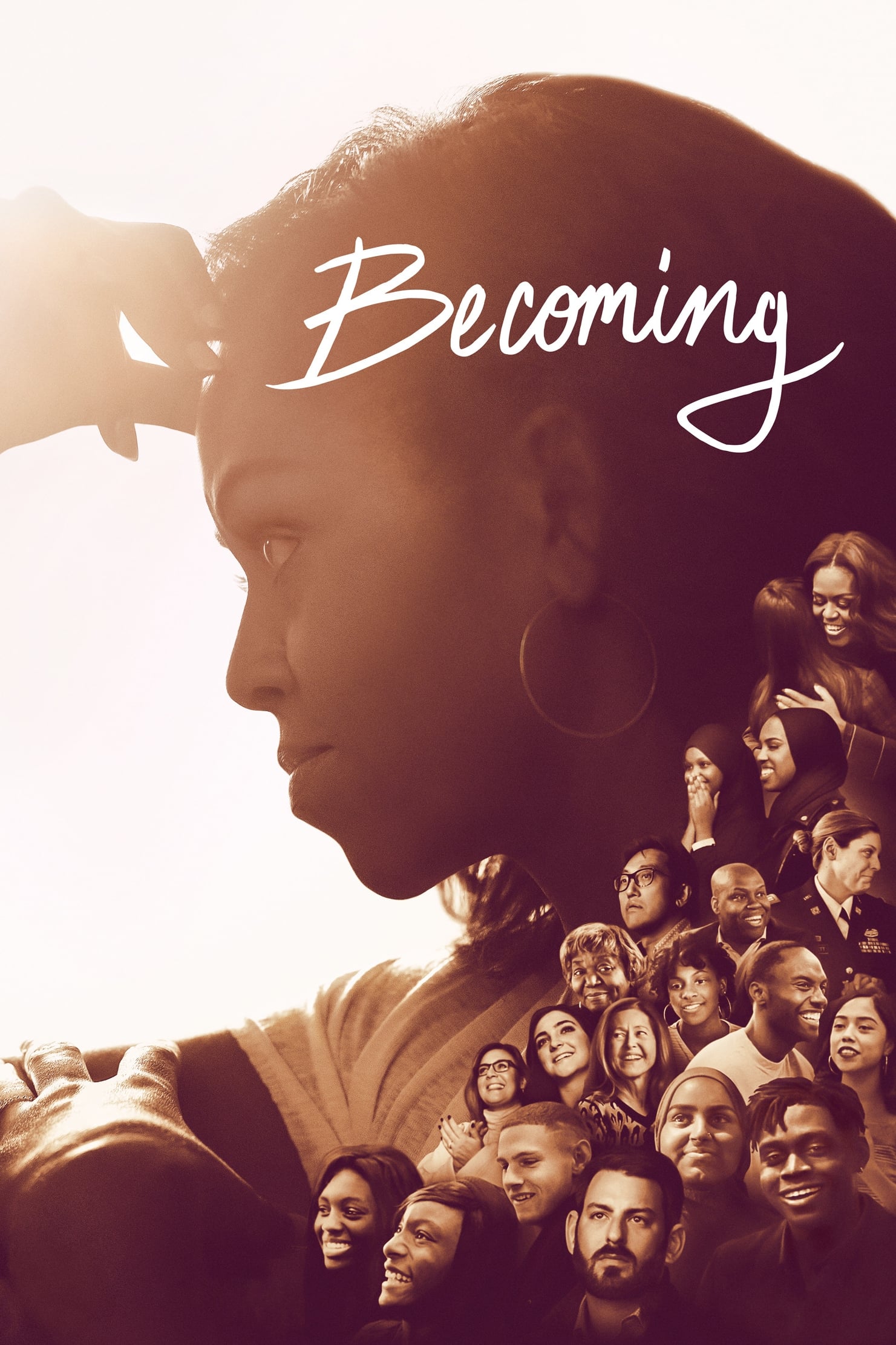
Join former first lady Michelle Obama in an intimate documentary looking at her life, hopes and connection with others.
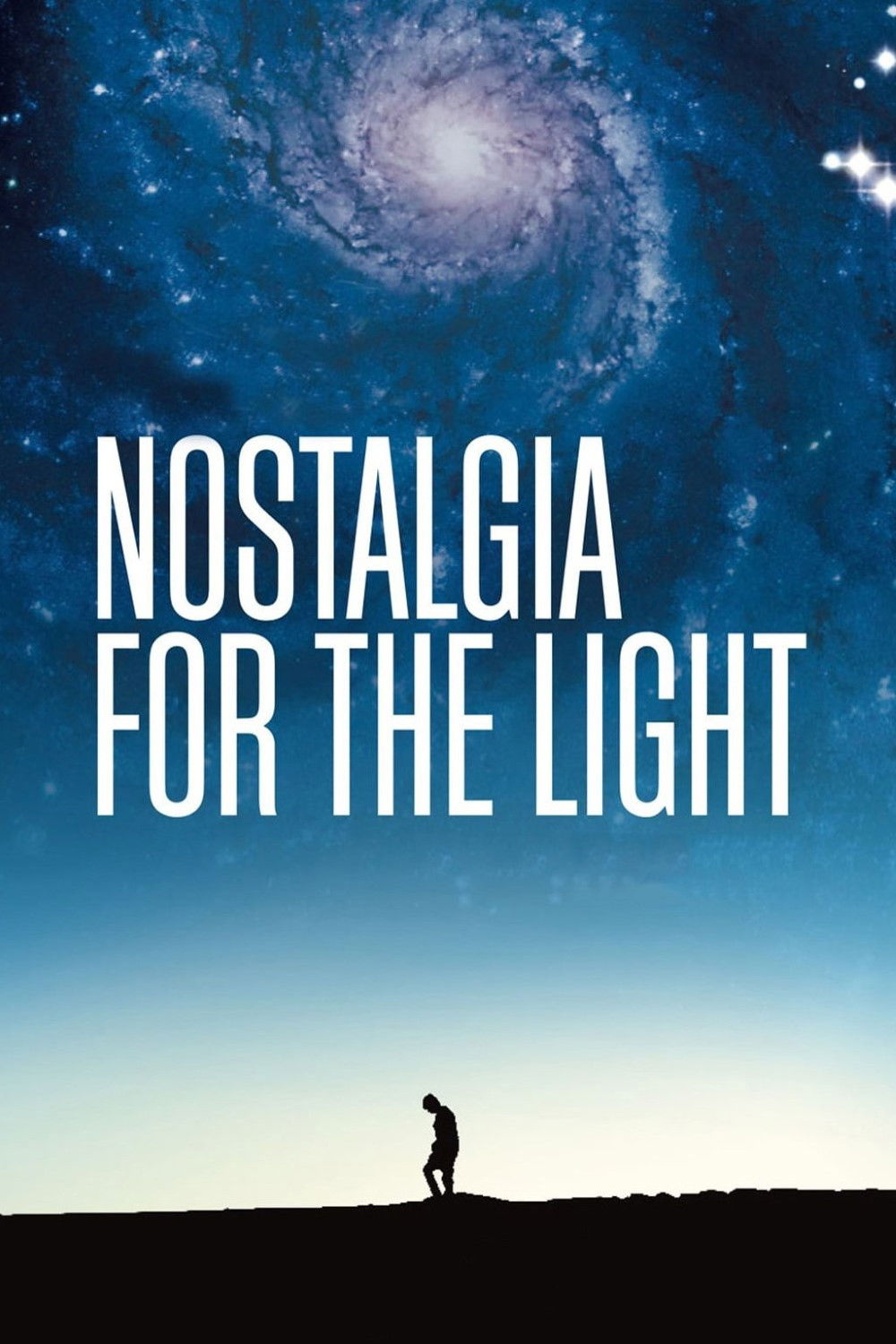
In Chile's Atacama Desert, astronomers peer deep into the cosmos in search for answers concerning the origins of life. Nearby, a group of women sift through the sand searching for body parts of loved ones, dumped unceremoniously by Pinochet's regime.
A documentary directed by Winding Refn's wife, Liv Corfixen, and it follows the Danish-born filmmaker during the making of his 2013 film Only God Forgives.