When two parties get in a head-on collision, it's up to emergency services to free them from the wreckage. What follows is a demonstration of what their job and duties entail.
Social & External
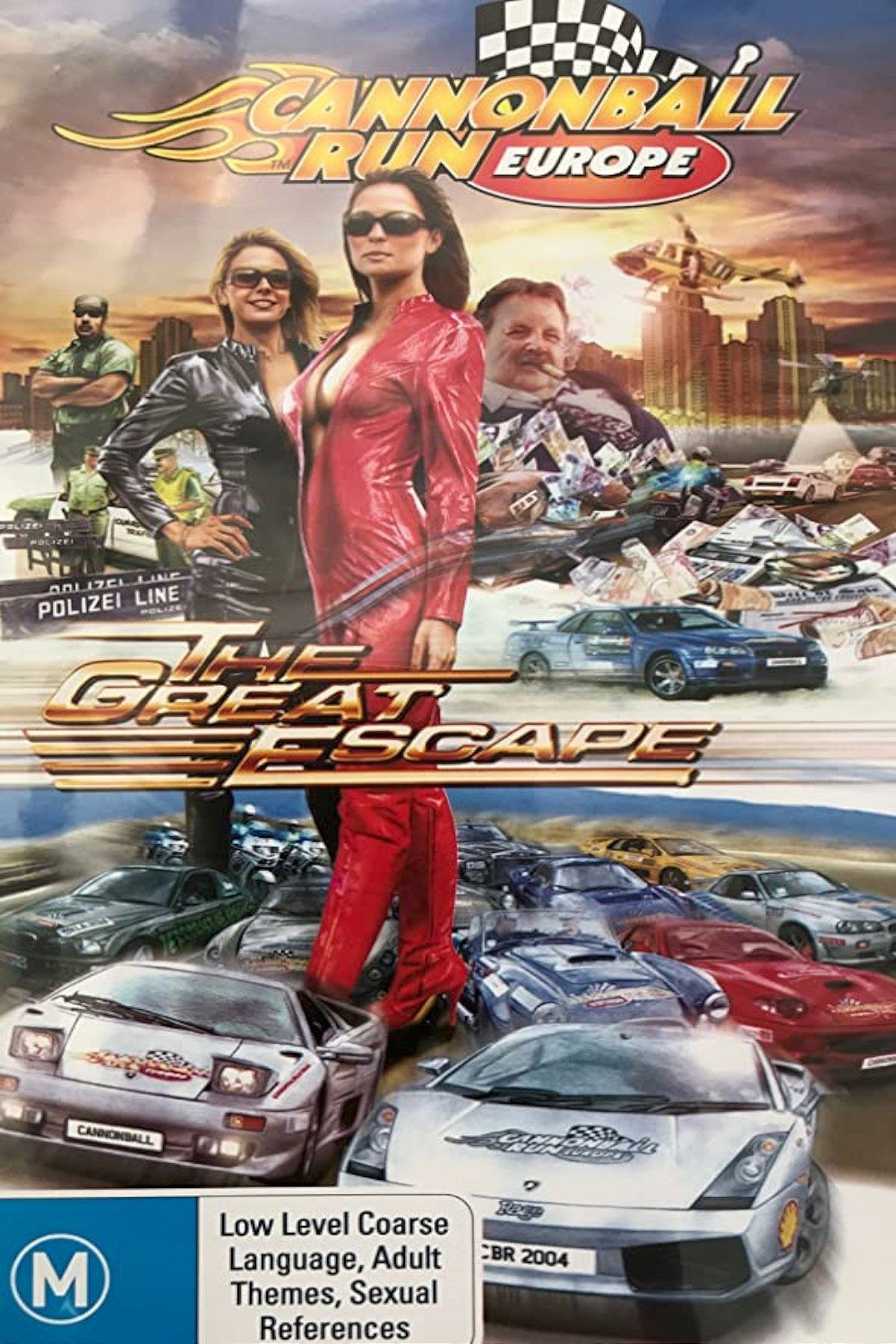
The 2003 Cannonball Run lives with this real super-charged race across Europe featuring high speed machines and the constant pursuit of the police that would make Burt Reynolds proud. Leading a pack of 100 exotic cars, legendary Cannonball racer Tim "Maverick" Porter races across the countryside as wild teams trail him, including a pair of racers decked out in Telletubbie outfits.
Created in 1963 at the height of the Cold War, this Civil Defense training film uses a dramatic premise to show how emergency staff should manage and organize a large public fallout shelter during a crisis. A Shelter Manager is shown immediately taking control of the situation in the shelter, speaking calmly to those who have made it into the facility, closing the door promptly once the shelter is full, and sticking to the "shelter plan" as the situation unfolds. Some of the areas discussed in this nuclear war drama are the safety plan, regular inspections, supervised public entry into shelters, ventilation, first aid, sanitation, fire prevention, decontamination of personnel, and more. "Shelter living is different," the Manager states, "But we have a trained staff that will make your stay in this shelter livable for us all."
The film features a meeting led by Dave Taylor, the shelter manager, discussing the protocols and responsibilities for staff members involved in managing a public shelter. Key participants, including operations deputy Harvey Johnson and health leader Mrs. Carter, outline their roles in ensuring a smooth entry for occupants during an emergency. The meeting emphasizes the importance of organization, communication, and the distribution of supplies. Staff members are encouraged to familiarize themselves with each other's duties and prepare for potential scenarios, including managing newcomers and ensuring safety and sanitation within the shelter.
This illuminating documentary examines the aftermath of Princess Diana's tragic death and the tense, dramatic week leading up to her funeral
This 1974 film is dedicated by the Chlorine Institute to the public interest. It is specifically intended to assist firefighters and other emergency services. The techniques demonstrated are appropriate for emergency use; different circumstances might require modified or additional procedure. The information is drawn from sources believed to be reliable. The Institute, its members any organizations cooperating in the development of this film, jointly or severally, cannot be responsible for how the information is used and must make this legal disclaimer. This is a 1960s era, color movie about Chlorine and emergency workers… specifically, firefighters. The film is intended to show firefighters what chlorine is, what a chlorine emergency might involve, how a company can plan ahead and how an emergency can be handled safely.
Dramatizes the plight of a young adventure seeker whose canoe is capsized by a wall of water during a flood. Shows community flood preparations, pointing out that a flood's predictability usually allows ample warning time to save lives. Designed to stimulate discussion on civil preparedness for floods
The Defense Civil Preparedness Agency began an informational campaign in 1972 called Your Chance to Live. As part of the campaign, a series of films was released along with a companion book. Each installment covers a different disaster scenario, including tornadoes, blizzards, earthquakes, forest fires, blackouts and a nuclear disaster. The California Department of Education helped produce the films and hosted a workshop of educational professionals to discuss the best ways to present the desired emergency preparedness information to school age audiences. The process was filmed and assembled, along with clips from each production, and distributed as an Instructor's Guide in 1975.
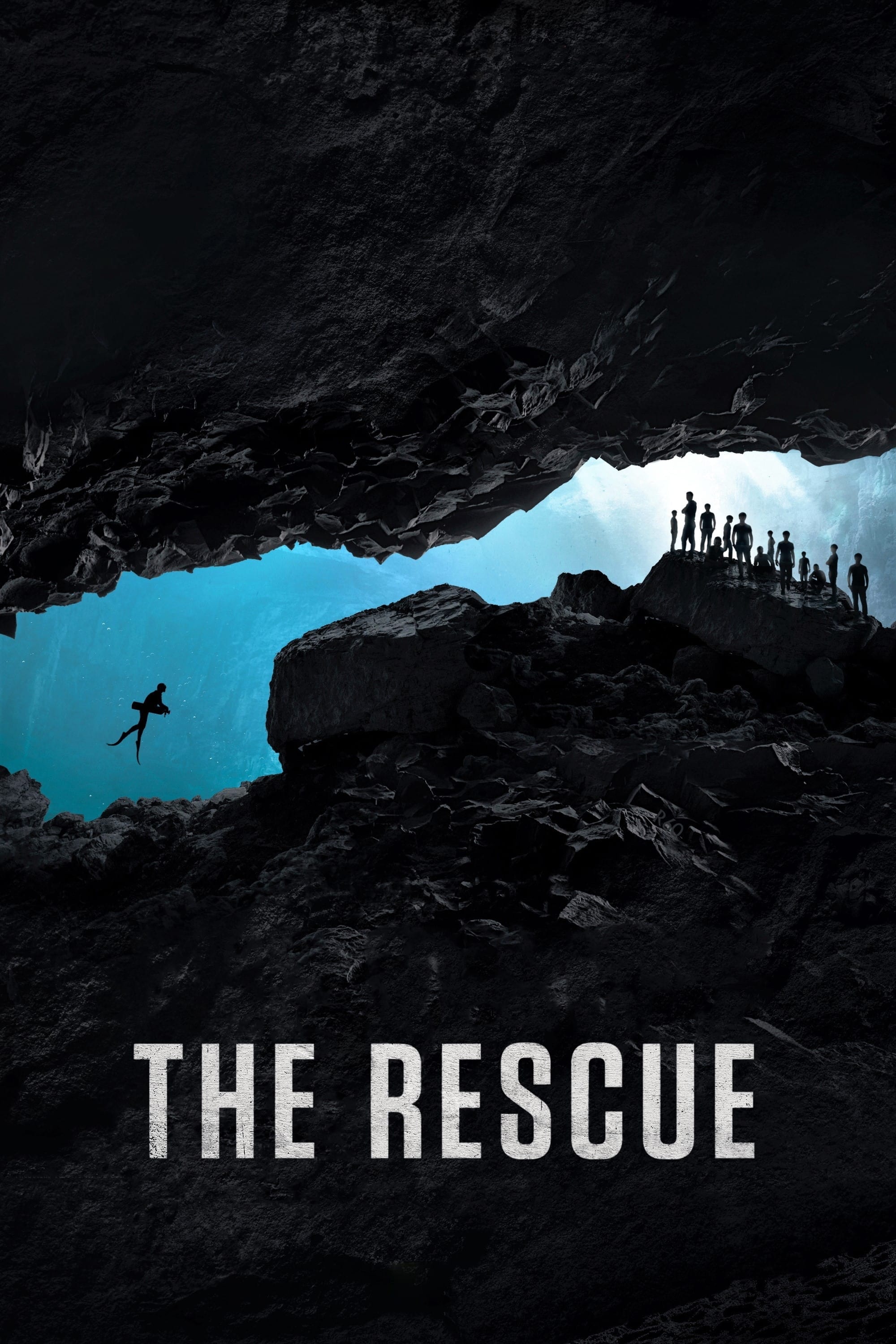
The enthralling, against-all-odds story that transfixed the world in 2018: the daring rescue of twelve boys and their coach from deep inside a flooded cave in Northern Thailand.
A live-action short, using many avant-garde film techniques, that looks at American car culture in the late 1960s. The main section deals with the many trials and obstacles a teenager must face on the path to being able to drive. Surviving the driver's education class is only the first step, as the teenager must then pass his driving test, and then finally get permission to borrow the family car.
Filmmaker Liz Garbus investigates the mysterious tragedy of Diane Schuler in an effort to understand what went wrong.
This somewhat bizarre film about Emergency Medical Technicians or EMTs was produced and distributed by Film Commutators in Hollywood, California. The film dates to a time when ambulance crews were being replaced by paramedics / EMTs, who had sufficient training to make medical decisions and give on-scene care. The film makes a strong argument to decision makers in favor of upgrading from mere ambulance drivers to EMTs.
The film provides a comprehensive guide on snorkeling skills and rescue techniques, emphasizing the importance of proper equipment such as masks, snorkels, and fins. It discusses how to choose the right mask for comfort and fit, the proper use of snorkels, and techniques for clearing water from both masks and snorkels. The film also covers essential skills for entering the water safely, practicing buddy systems during snorkeling, and techniques for locating and rescuing submerged victims. It highlights the need for training and emphasizes that while these skills are crucial for rescue, they do not replace the need for a full certified course in skin diving.
The transcript discusses the prevalent drug culture, particularly marijuana use, among youth in national parks. It highlights the perception that marijuana is less harmful than harder drugs and reflects on the challenges park rangers face in enforcing drug laws. While acknowledging the existence of drug trafficking, the narrative emphasizes that marijuana use is often seen as a minor issue compared to alcohol consumption or harder narcotics. The conversation also touches on the need for a more nuanced understanding of drug use, suggesting that current laws may be overly stringent and not reflective of societal attitudes.
This color educational film is a driver's safety film about city driving. There is no copyright at the beginning or end of the film so the date of the production appears to be the mid to late 1970s.
Paramedico is an observational documentary following emergency ambulance workers in four diverse locations Mexico, Pakistan, Venice and Hawaii. The camp, military style of Pakistans rescue teams, with their marching and theatrical disaster exercises are a world away from the relaxed beachside work of the Hawaiians who stop for ice-cream at every turn. On the other side of the globe, above the romantic canals of Venice, ambulance doctors and nurses watch a generation of old Venetians quietly die as tourists pass below. Meanwhile, Mexican paramedics put their mind off the terror of the countrys drug war with their on-station games and madcap antics.
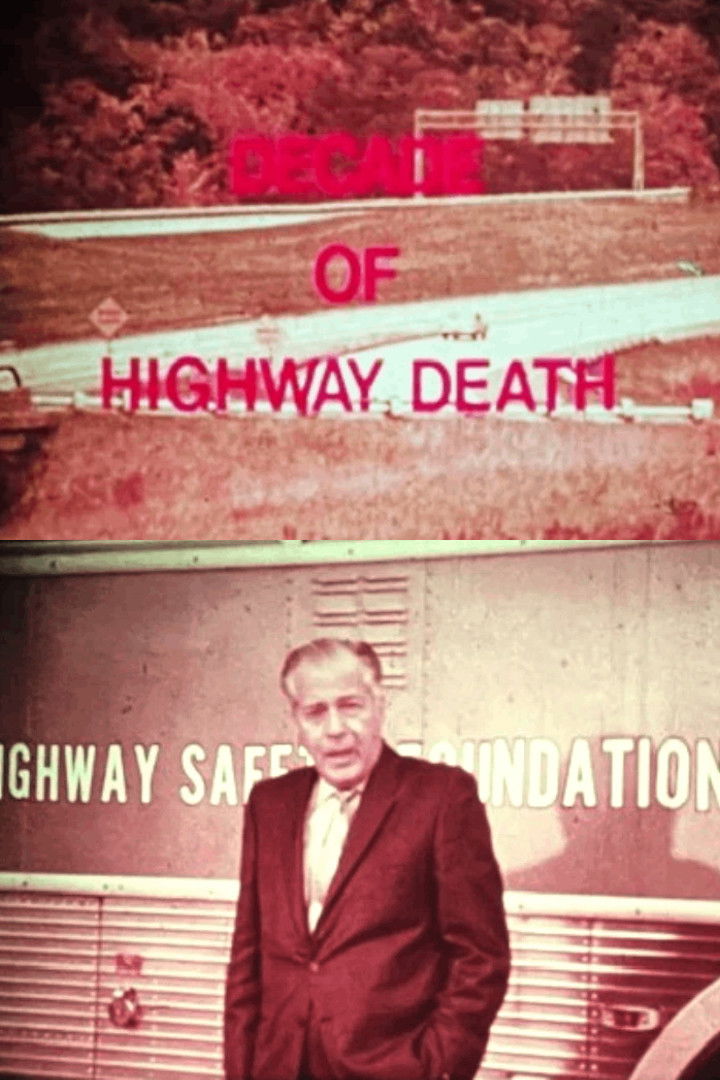
This highway scare film produced by the Highway Safety Foundation in 1971, "Decade of Death", is a retrospective of the organization's 10 years of gory, shocking social guidance films which aimed to promote traffic safety and driver responsibility through the display of bloody and horrific footage of traffic crashes.The Highway Safety Foundation made driver scare films such as "Signal 30," "Mechanized Death," and "Highways of Agony" that intended to encourage drivers to drive responsibly and with consideration of the risks and consequences. It was the organization's belief that crash footage, while horrific, was the best way to convey the importance of driving safely.
Coast Guard film about the importance of life jackets. Stresses safety in boating and shows how boating accidents can happen.
“The Mystery Crash” discusses the dangers of drinking and driving especially as it pertains to the seemingly harmless “social drinker.” This film was produced by Jack Lieb Productions Inc, Chicago and sponsored by the National Safety Council. It is part of a series of films, with each episode describing a different element of driving and road safety.
Djibi and Ange, two teenagers living on the streets, arrive at the Archipel, an emergency shelter in the heart of Paris. This documentary is a look at the Archipel, a shelter offering an innovative way to welcome families living on the streets.
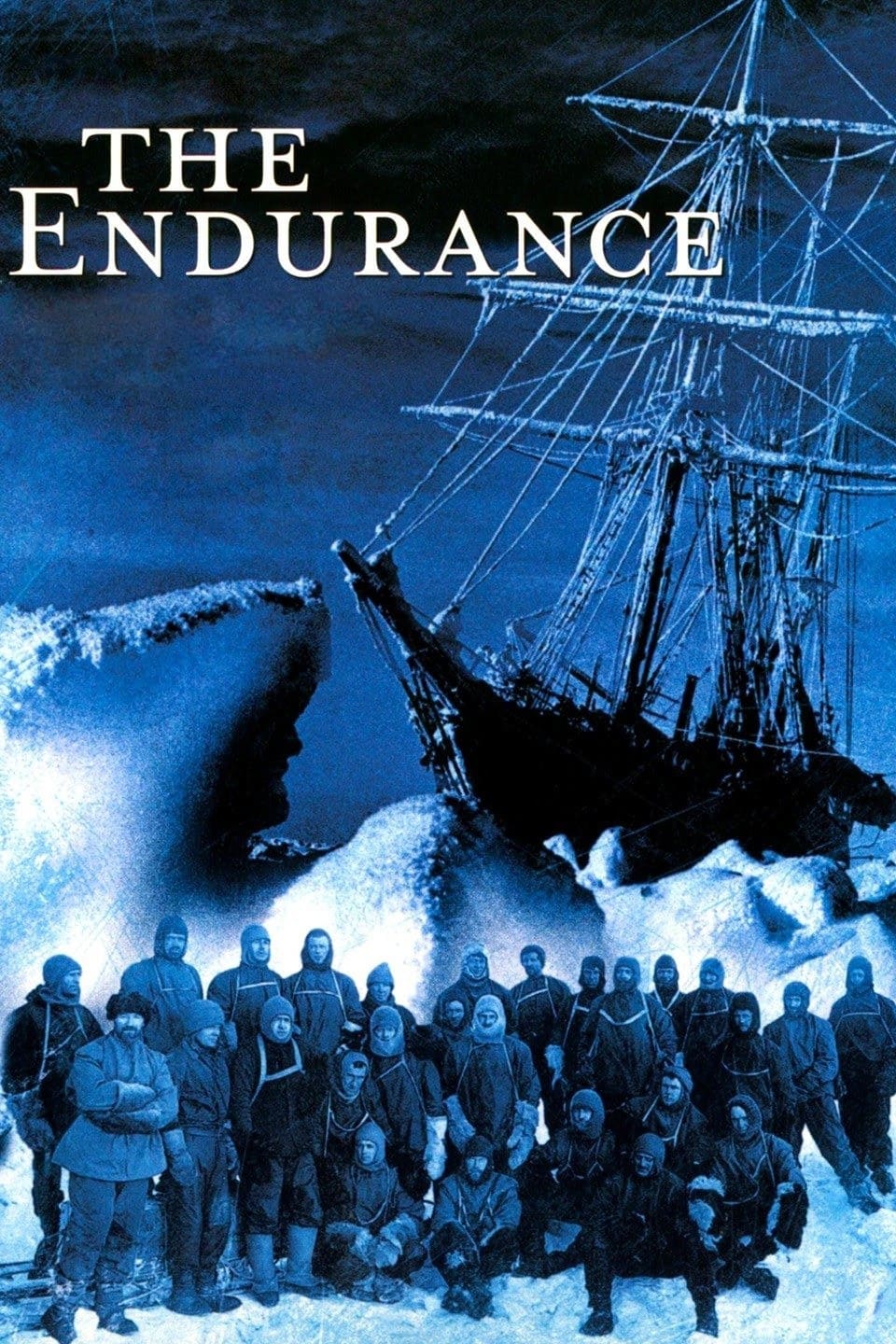
Documentary on the Shackleton Antartic expedition. A retelling of Sir Ernest Shackleton's ill-fated expedition to Antarctica in and the crew of his vessel 'The Endurance', which was trapped in the ice floes and frigid open ocean of the Antarctic in 1914. Shackleton decided, with many of his crew injured and weak from exposure and starvation, to take a team of his fittest men and attempt to find help. Setting out in appalling conditions with hopelessly inadequate equipment, they endured all weather and terrain and finally reached safety. Persuading a local team of his confidence that the abandoned team would still be alive, he set out again to find them. After almost 2 years trapped on the ice, all members of the crew were finally rescued.
Daniel Craig candidly reflects on his 15 year adventure as James Bond. Including never-before-seen archival footage from Casino Royale to the upcoming 25th film No Time To Die, Craig shares his personal memories in conversation with 007 producers, Michael G Wilson and Barbara Broccoli.
The Crash Reel tells the story of a sport and the risks that athletes face in reaching the pinnacle of their profession. This is Kevin Pearce’s story, a celebrated snowboarder who sustained a brain injury in a trick gone wrong and who now aims, against all the odds, to get back on the snow.
A documentary about how a dominant cultural and demographic institution both sustains their traditional activities and adapts to the digital revolution.
Years spent recording footage of creatures from every corner of the globe is bound to produce a bit of drama. Here's a behind-the-scenes look.
A documentary chronicling Vogue editor-in-chief Anna Wintour's preparations for the 2007 fall-fashion issue.
Long-lost footage from Elvis Presley's legendary Las Vegas residency in the 1970s woven together with rare 16mm footage from Elvis on Tour, and 8mm from the Graceland archive, plus recordings of Elvis telling "his side of the story" rediscovered during Baz Luhrmann's research for his 2022 film, Elvis.
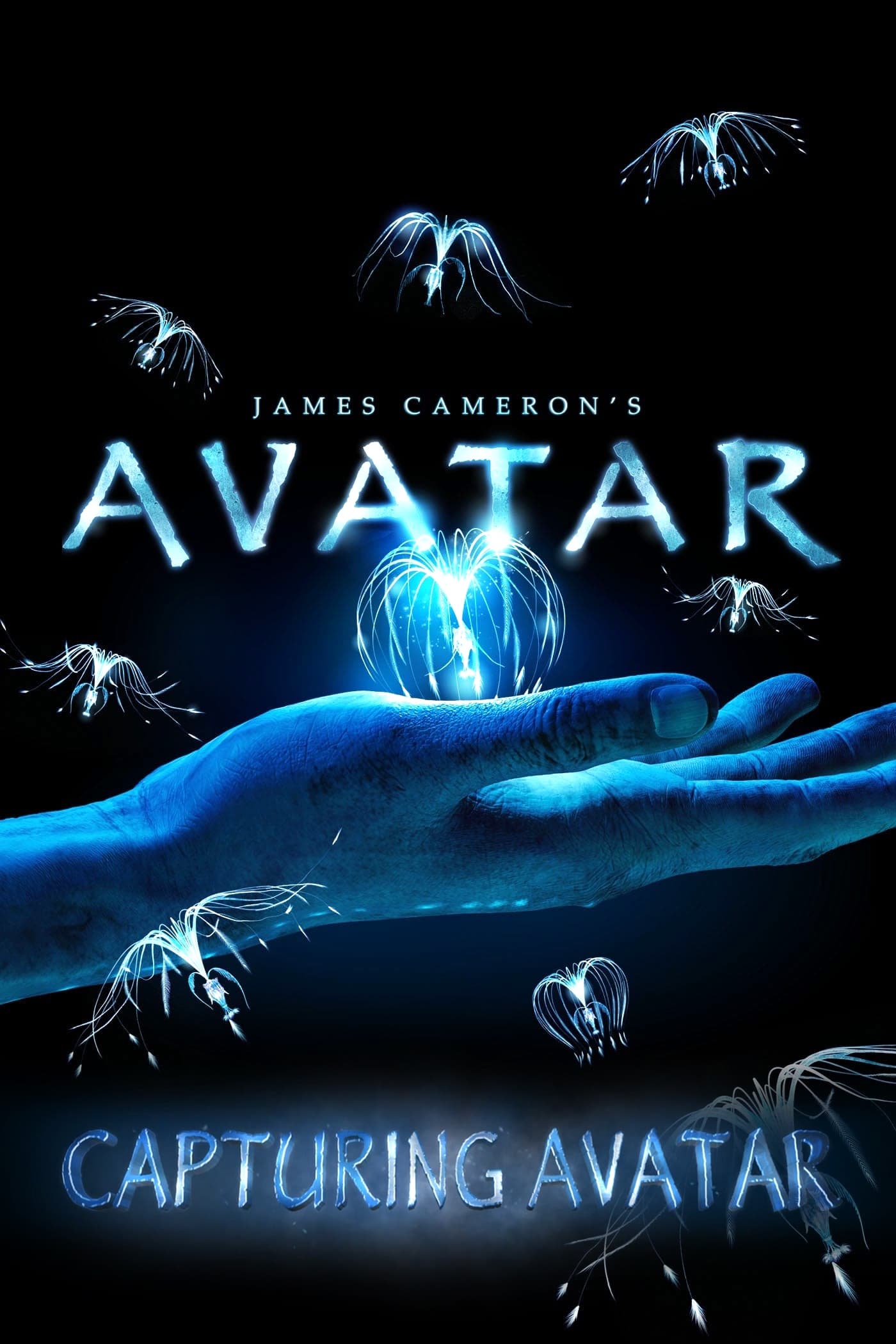
Capturing Avatar is a feature length behind-the-scenes documentary about the making of Avatar. It uses footage from the film's development, as well as stock footage from as far back as the production of Titanic in 1995. Also included are numerous interviews with cast, artists, and other crew members. The documentary was released as a bonus feature on the extended collector's edition of Avatar.
Lyrical and powerfully personal essay film that reflects on the deaths of her husband Lou Reed, her mother, her beloved dog, and such diverse subjects as family memories, surveillance, and Buddhist teachings.
The authorized documentary celebrating the film that redefined Hollywood, 50 years after its premiere. Featuring rare archival footage and interviews with acclaimed Hollywood directors alongside Steven Spielberg, top shark scientists, and conservationists, the film uncovers the behind-the-scenes chaos and how the film launched the summer blockbuster, inspired a new wave of filmmakers, and paved the way for shark conservation that continues today.
Bonded by their love of freediving, a record-setting champion and a heroic safety diver try to make history with a remarkable feat, ready to risk it all.
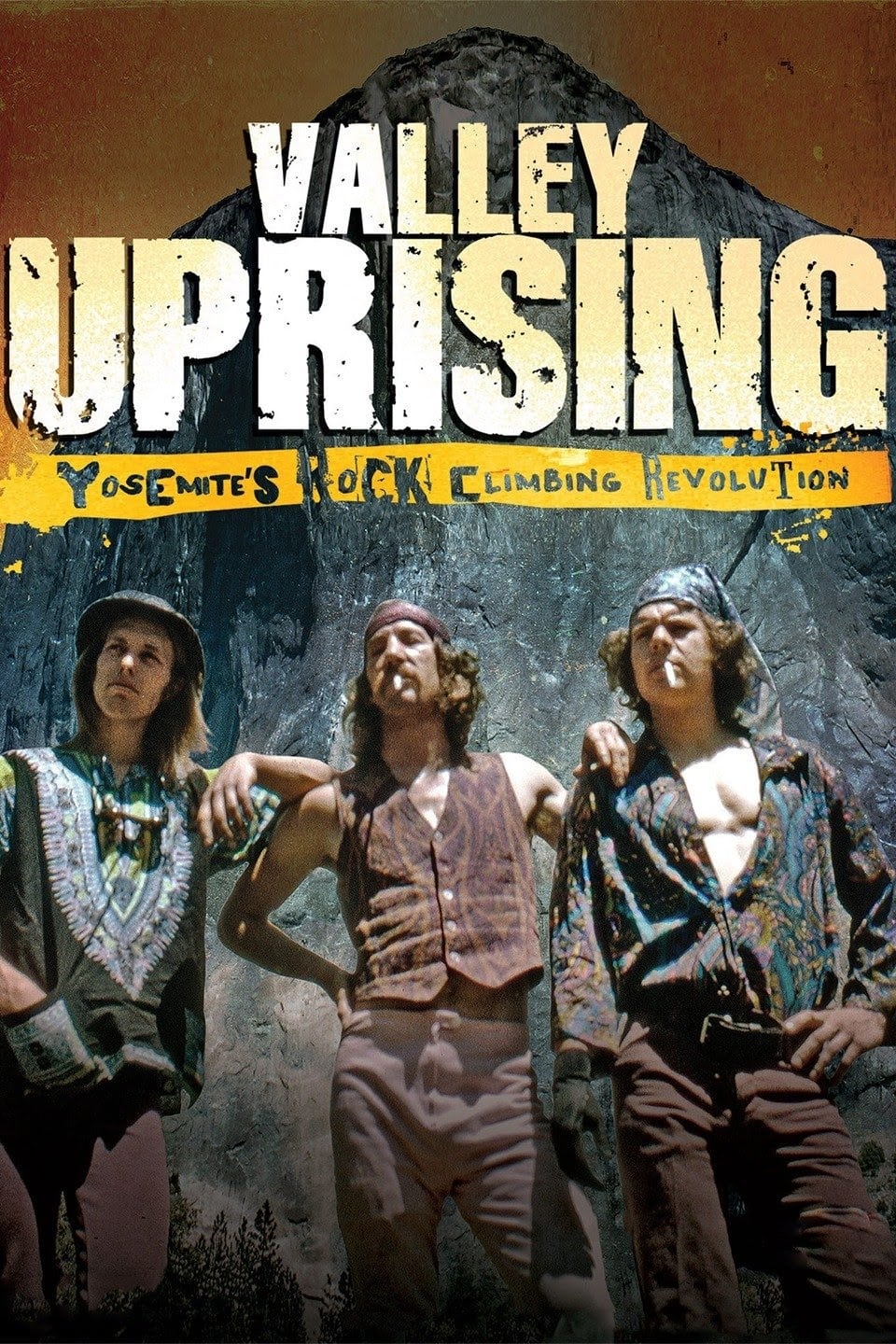
In the shady campgrounds of Yosemite valley, climbers carved out a counterculture lifestyle of dumpster-diving and wild parties that clashed with the conservative values of the National Park Service. And up on the walls, generation after generation has pushed the limits of climbing, vying amongst each other for supremacy on Yosemite's cliffs. "Valley Uprising" is the riveting, unforgettable tale of this bold rock climbing tradition in Yosemite National Park: half a century of struggle against the laws of gravity -- and the laws of the land.
Nine filmmakers each profile a young girl from a different part of the world to weave a global tapestry of youth in the 21st century.
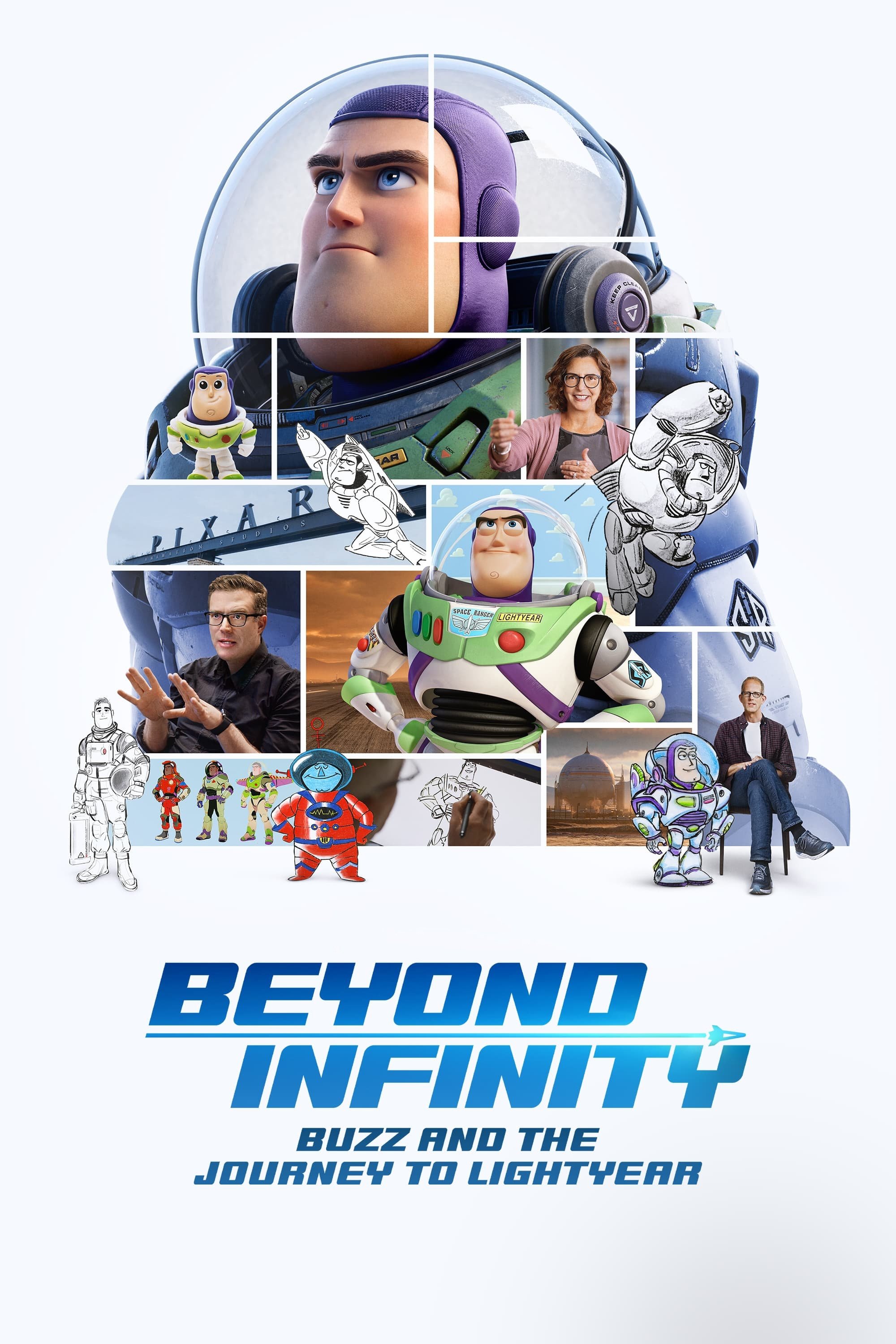
Explore the evolution of Buzz Lightyear from toy to human in the making of Pixar’s Lightyear. Dive into the origin and cultural impact of everyone’s favorite Space Ranger, the art of designing a new “human Buzz,” and the challenges faced by the Lightyear crew along the way.
The life and career of an actor, artist, and icon. His own journey through his own camera.
With mesmerizing footage and time lapses of animators at work, this behind-the-scenes special captures the artistry of a unique tale years in the making.
An epic cinematic and musical collaboration between SHERPA filmmaker Jennifer Peedom and the Australian Chamber Orchestra, that explores humankind's fascination with high places.
A commercial diver is stranded on the seabed with only five minutes of oxygen supply, but with no chance of rescue for more than 30 minutes. With access to amazing archival footage, this is the true story of one man’s impossible fight for survival.
The definitive film on the climb that captured headlines and ignited imaginations worldwide. Tommy Caldwell and Kevin Jorgeson ascend the hardest big wall of all time: a 19 day ascent of The Dawn Wall, on the 3,000 foot vertical face of El Capitan, in Yosemite National Park. The film travels deeper than the climb, digging into the history of the climbers and painting an intimate portrait of Caldwell's harrowing life experiences that culminated in a single-minded drive to complete this impossible climb. The Dawn Wall is a heart-warming and inspiring movie that celebrates perseverance, camaraderie, and the universal spirit of dreaming big, and never giving up.
Live Aid was held on 13 July 1985, simultaneously in Wembley Stadium in London, England, and the John F. Kennedy Stadium in Philadelphia, United States. It was one of the largest scale satellite link-ups and television broadcasts of all time: watched live by an estimated global audience of 1.9 billion, across 150 nations. "It's twelve noon in London, seven AM in Philadelphia, and around the world it's time for Live Aid...!"
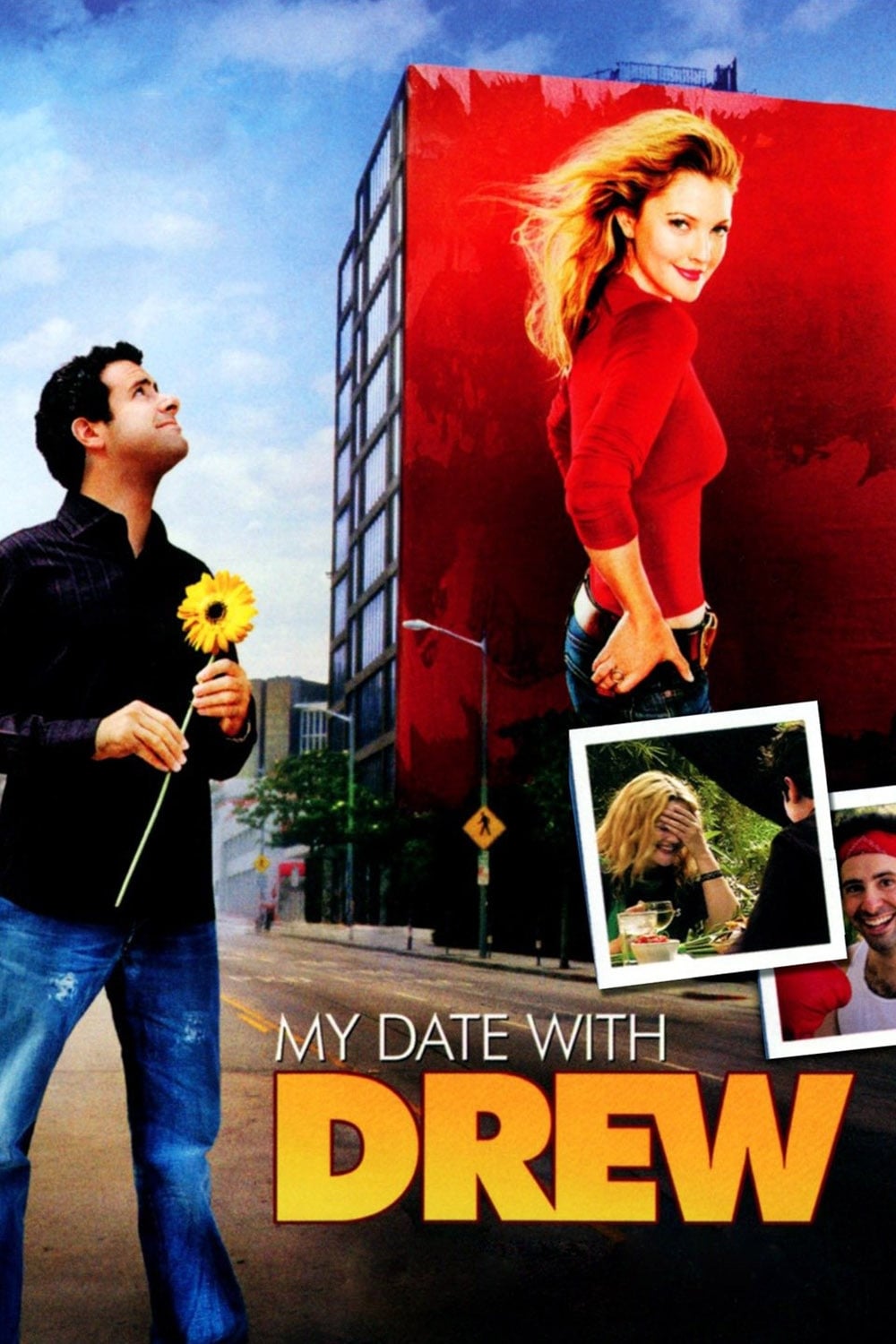
Ever since the second grade when he first saw her in E.T. The Extraterrestrial, Brian Herzlinger has had a crush on Drew Barrymore. Now, 20 years later he's decided to try to fulfill his lifelong dream by asking her for a date. There's one small problem: She's Drew Barrymore and he's, well, Brian Herzlinger, a broke 27-year-old aspiring filmmaker from New Jersey.