Social & External
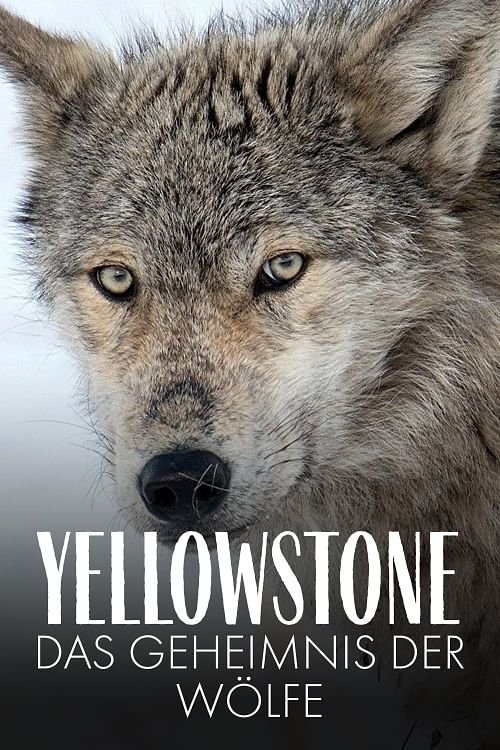
70 years after the last wolves roamed the national park, a total of 41 wolves were reintroduced between 1995 and 1997. A globally unique experiment that had many supporters, but also resolute opponents, then as now.
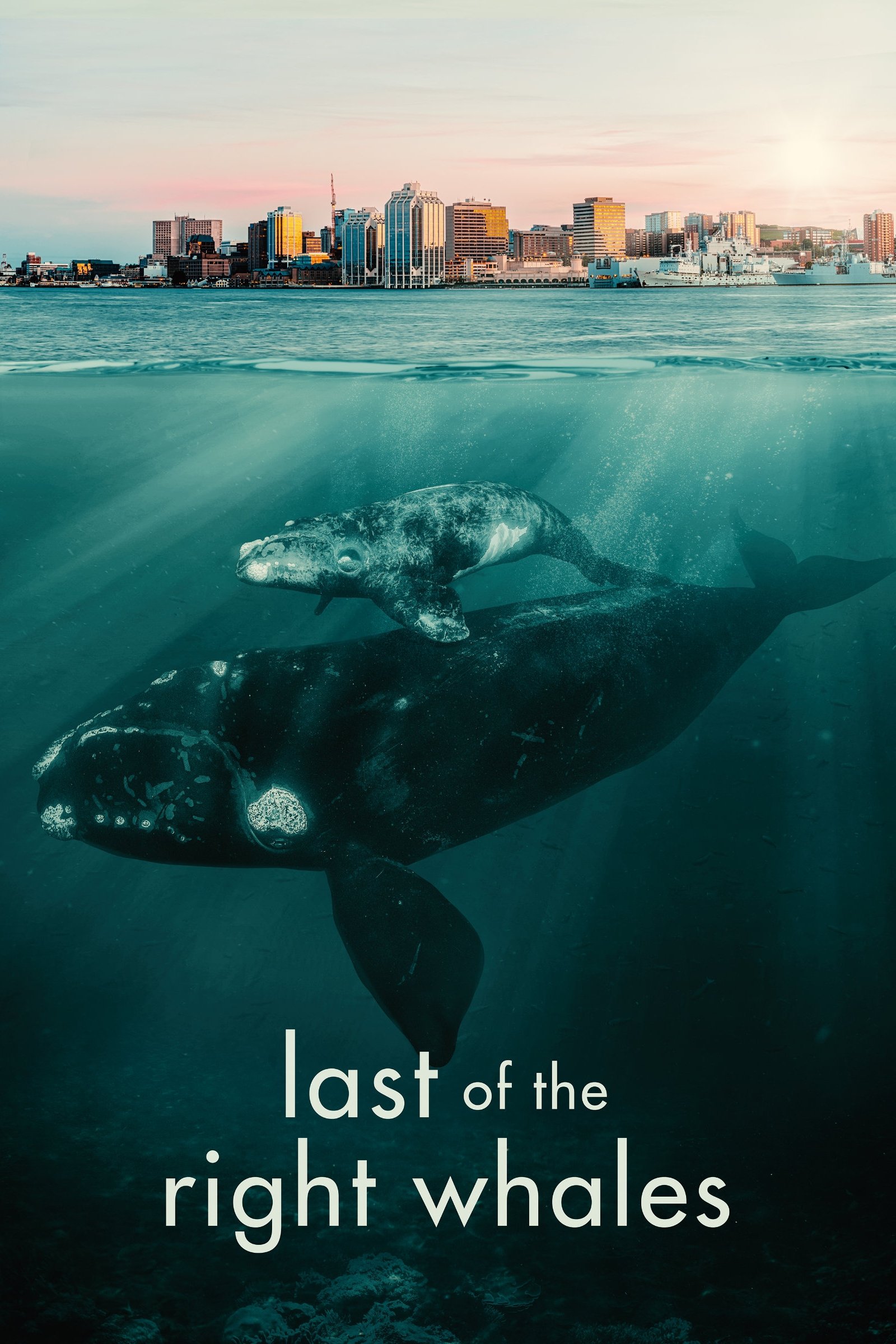
A differing group of people – a wildlife photographer, a marine biologist, a whale rescuer, and a crab fisherman – are united in their goal to save the North Atlantic right whale.
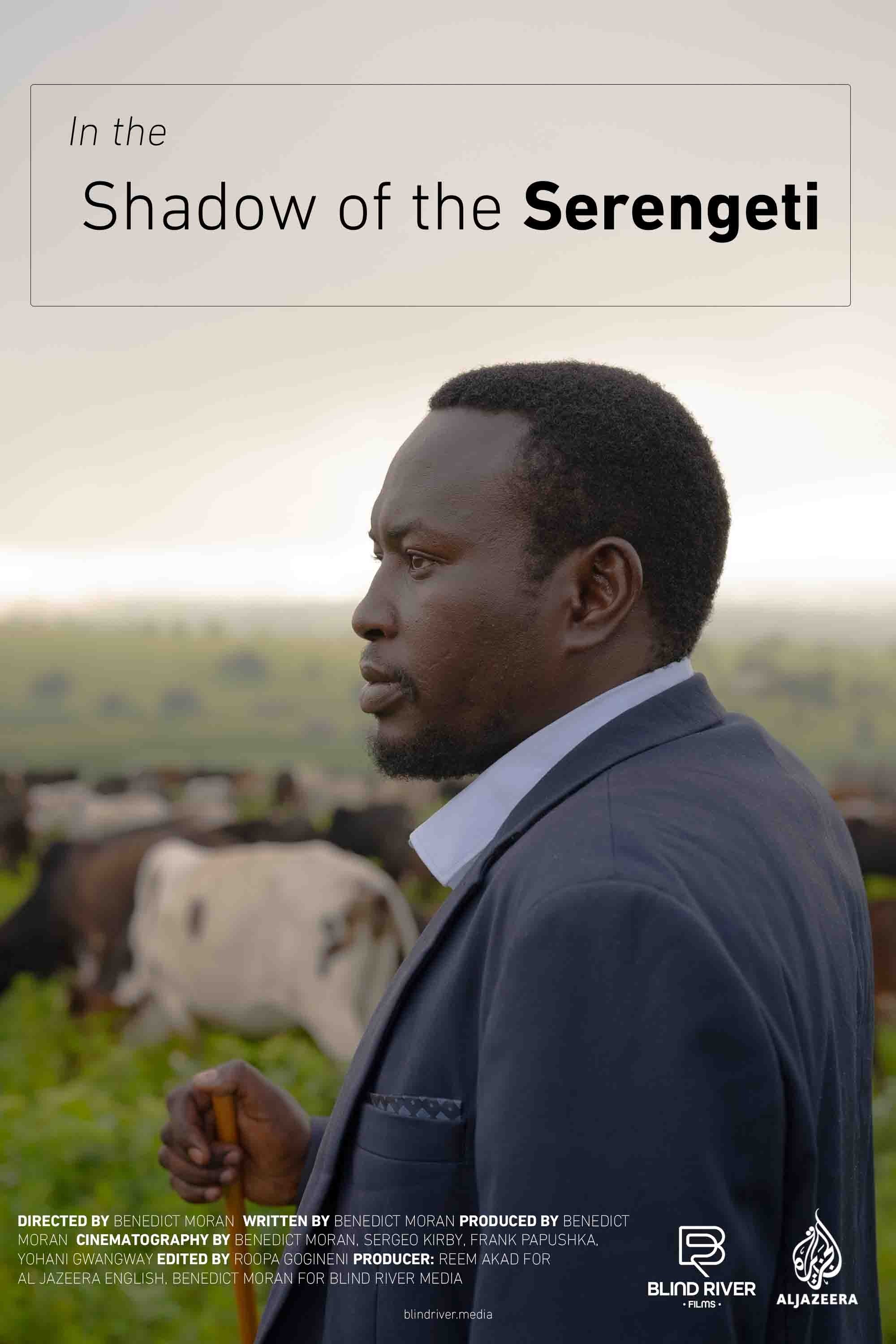
A Maasai human rights lawyer fights to stop the evictions of his people from their homelands in Tanzania. On the outskirts of Serengeti National Park in East Africa, Maasai face eviction from their land to make way for international tourism and hunting grounds. Human rights lawyer Joseph Oleshangay campaigns for his community to remain on its homeland as it has done for generations. While he represents Maasai communities in court, Joseph also remains close to his traditions among the cattle at his rural home near the Ngorongoro Crater. Risking his life to gather evidence from recently depopulated villages, Joseph battles in court where he leads the fight to resist the evictions.
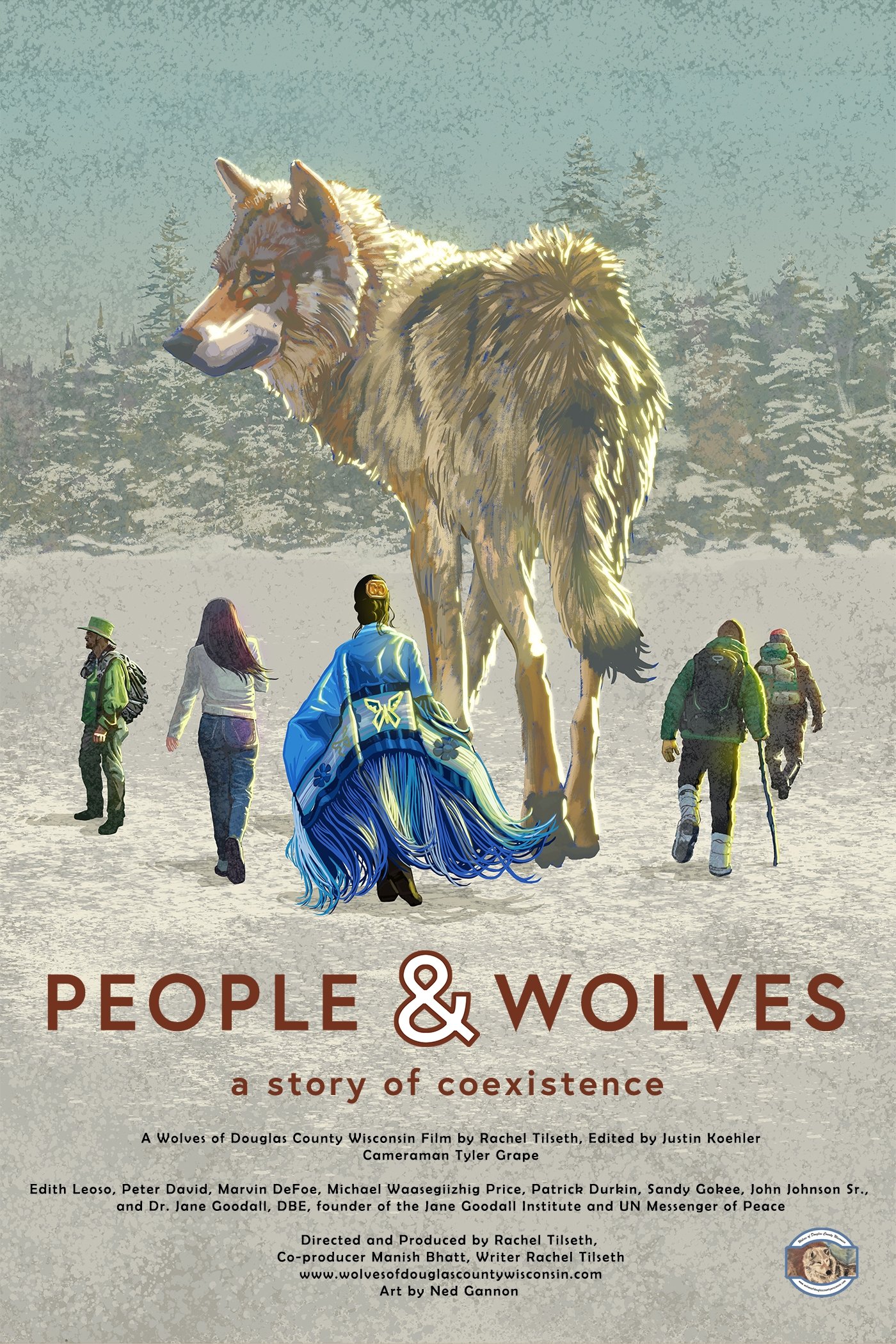
For centuries, the Ojibwe have lived alongside their brother Ma’iingan,(wolf). In February 2021, a brutal assault, a hunt on their wolf relative, stirs emotion and grief for Ma’iingan as they know what happens to him happens to them.
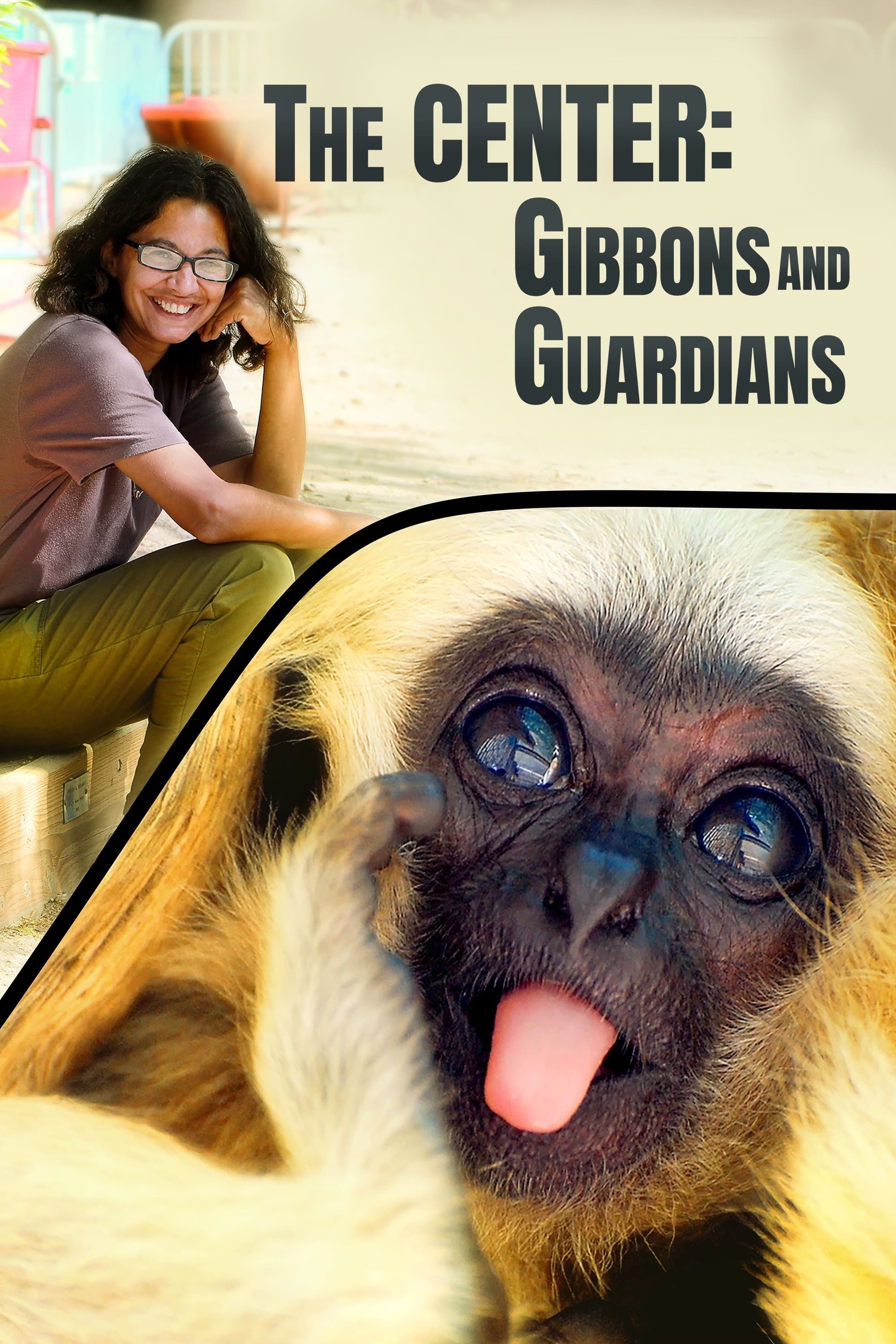
A love triangle that incites jealous rage. An out-of-control wildfire that threatens lives and livelihoods. A sudden tragedy that upends a close-knit community. You might not expect such intense dramas at a small conservation center in the California desert, yet that’s exactly what you’ll get in the documentary, The Center: Gibbons and Guardians, which includes interview with Dr. Jane Goodall, DBE, founder of the Jane Goodall Institute and UN Messenger of Peace. Watch it to get immersed in the sometimes funny, sometimes startling story of the Gibbon Conservation Center. There, a determined group of people dedicate their lives to the conservation, study, and care of these endangered apes — and in the process, find courage, laughter, and even romance. The film will keep you riveted as the staff face one challenge after another. The lives of the apes intertwine with those who care for them to create a rich symphony that will make you feel how surprising and passionate life can be.
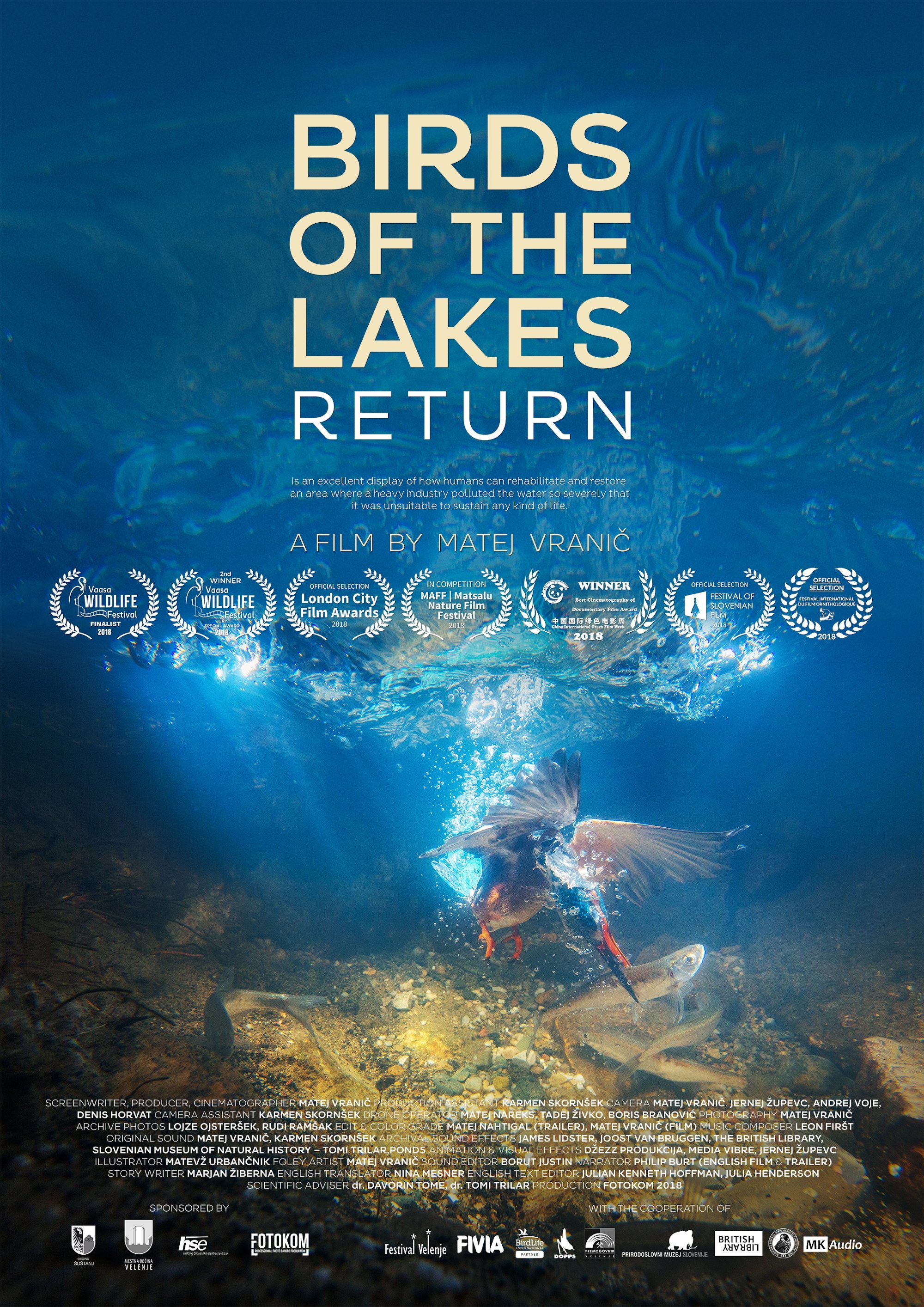
An excellent display of how humans can rehabilitate and restore an area where a heavy industry polluted the water so severely that it was unsuitable to sustain any kind of life. A a film showing how birds returned to an environment once devastated by industry. The lakes around the northern Slovenian town of Velenje, placed in the Central Europe, are geographic center of the film. They emerged as the land above the lignite mines subsided and the depressions were filled with water. The mines started operating at the end of the 19th century. In the mid 20th century a power plant was built that caused a severe pollution of the lake waters to the extent of the lakes not being fit for any kind of life. As a consequence many birds moved from these parts. After a long ecological restoration that started in the mid 1980s, life returned to the water. Gradually the birds returned as well, including some there were previously never observed in this area.
Etienne-Jules Marey, a French inventor who turned a gun into a camera. A hand-drawn hunter whose weapon, instead of firing ammunition, shoots photographs. Carlos, a Mexican wildlife photographer who used to be a real life hunter until he chose to get rid of all his guns. All come together in this poetic yet approachable animated documentary short film.
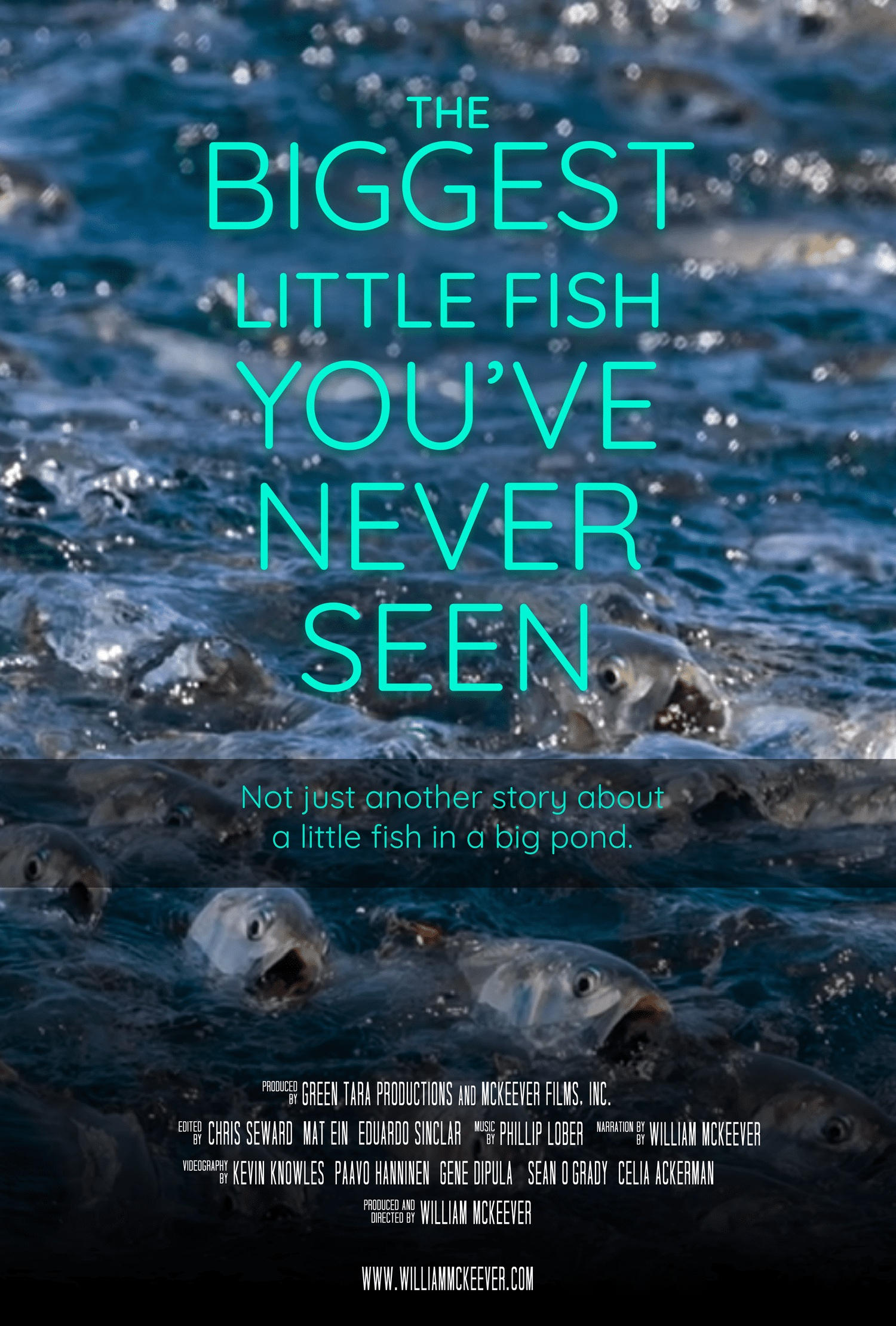
At only twelve inches long, the menhaden are a keystone species in the East Coast's marine ecosystem, yet their numbers are threatened by industrial-scale fishing operations in the Chesapeake Bay.
This short film focuses on how conservationists endeavor to protect wildlife.
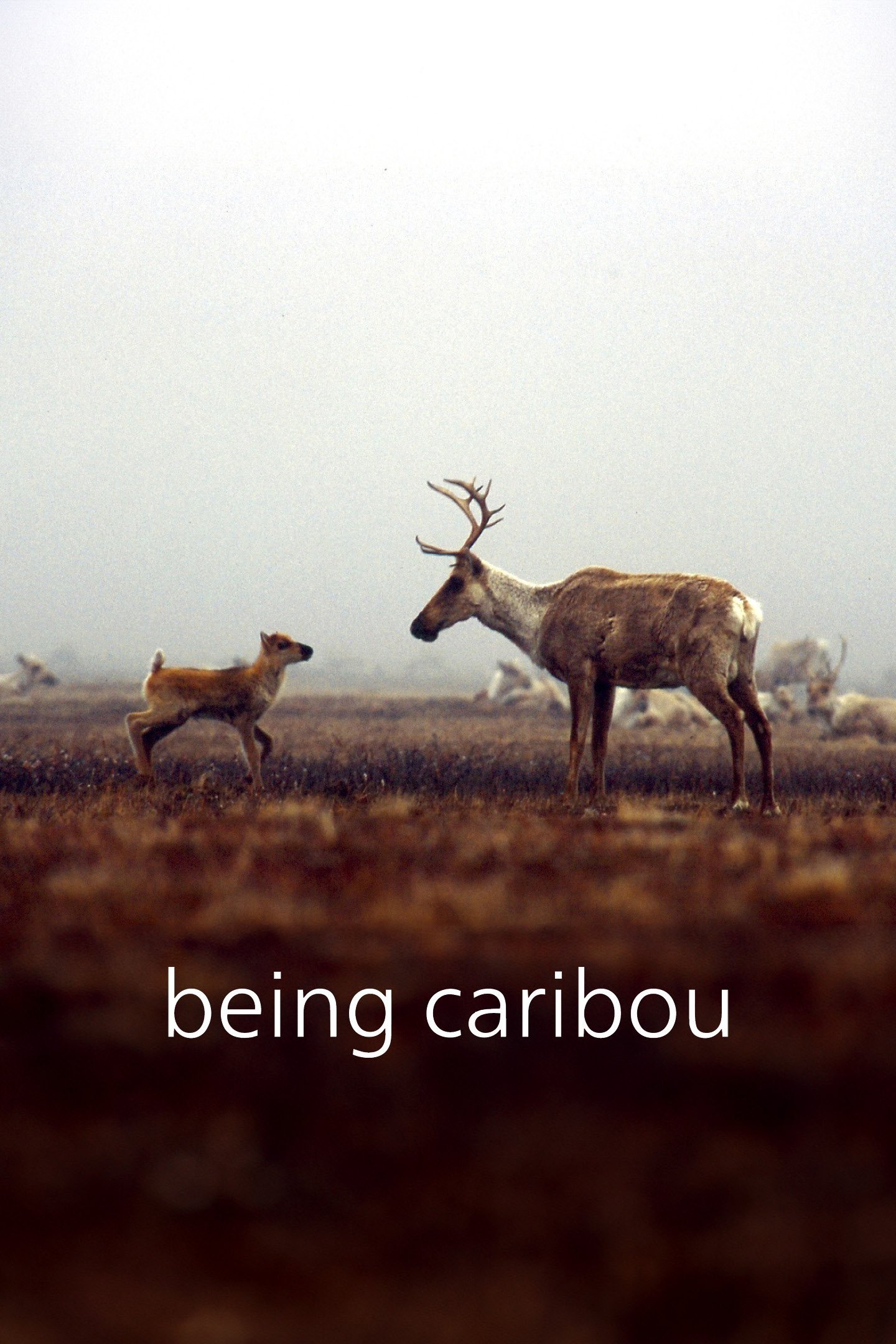
Wildlife biologist Karsten Heuer and his wife, environmentalist Leanne Allison follow a herd of 120,000 caribou on foot across 1500 km of Arctic tundra, hoping to raise awareness of the threats to the caribou's survival. Along this journey, they brave torrid conditions, dangerous wildlife and treacherous terrain all in the hopes of learning the truth about this epic migration.
In the mountains of Sichuan, China, a researcher forms a bond with Qian Qian, a panda who is about to experience nature for the first time.
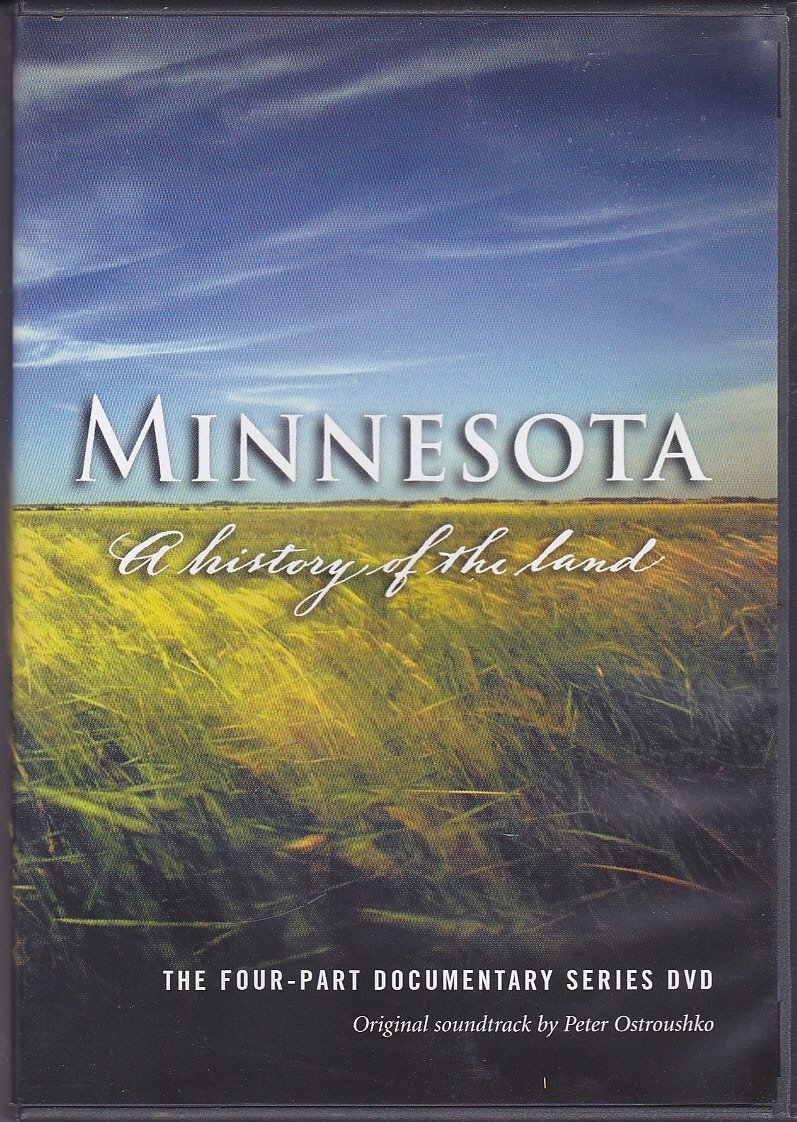
Minnesota: A History of the Land vividly brings to life the epic story of the people and landscapes of Minnesota. From the retreat of the last ice sheets to the growth of today’s suburbs – the series seeks to entertain as it enriches our understanding of Minnesota’s past, present, and future. A visually stunning and groundbreaking 4-part documentary series featuring nature videography from across the state, never before seen historic images, state-of-the-art animations and historic recreations. Original soundtrack by award-winning composer, Peter Ostroushko.
A doctor's efforts to live a green life near the Appalachian Mountains lead to the development of a radical idea to use green burials to conserve one million acres of land and to create wildlife reserves.
Guardian chronicles the work of wildlife stewards amid sweeping legislative rollbacks of environmental protections in Canada. Part hermit, part biologist, Guardians live on boats, full-time, in one of the last pristine frontiers of the world to monitor salmon, the backbone of the ecosystem, economy, and culture along British Columbia's coast. But, in an age of science censorship and soaring resource extraction in the form of fracking for oil and natural gas, Guardians and the wildlife they have dedicated their lives to protect are now disappearing.
In the jungles of the Solomon Islands, a remote archipelago in the South Pacific, a biologist is attempting to do something Charles Darwin and Ernst Mayr never accomplished: catch evolution in the act of creating new species. Albert Uy is on the verge of an amazing discovery in the Solomon Islands, but there's a threat looming on the horizon. The islands' resources are being exploited, putting all local wildlife at risk. It's a race against time to gather the evidence necessary to prove the existence of a new species before it's lost forever.
The documentary follows leaders and community members from the tropical Pacific island nation who are making bold changes to move the needle on marine protection. With a population of under 2,000 people and a marine reserve covering 40% of its waters, Niue has demonstrated the ways in which traditional knowledge and contemporary science can live in harmony for the benefit of people and the planet.
Robi Watkinson and Emma Hodson travel across Britain and the Netherlands documenting the story of the rewilding movement from its inception, to the return of the beaver, bison and perhaps one day, the lynx to Britain.
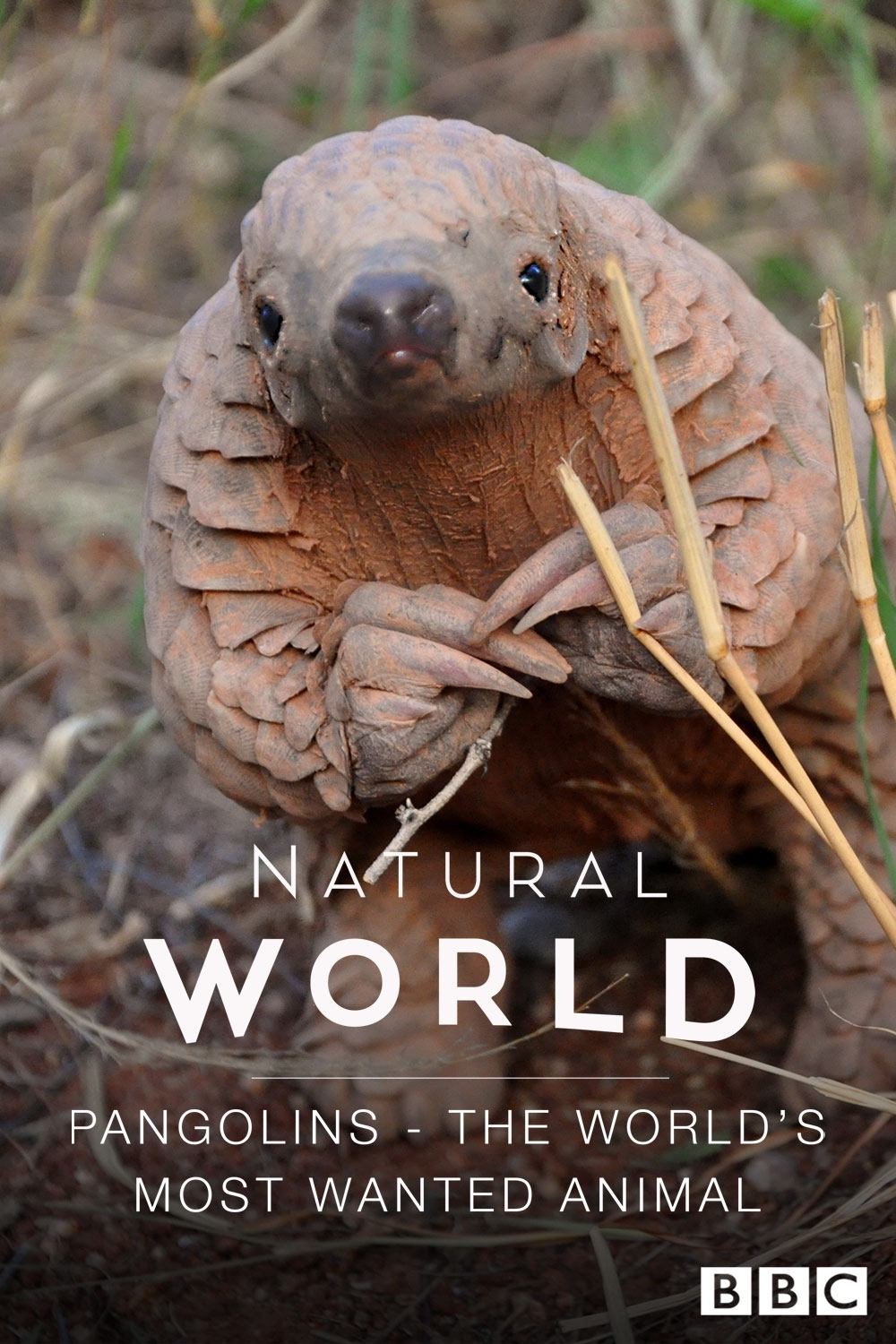
In Namibia, conservationist Maria Diekmann found herself on the frontline of the battle to save these wanted animals after unexpectedly becoming a surrogate mother to an orphaned baby pangolin named Honey Bun. On an emotional journey, Diekmann travels to Asia to better understand the global issues facing pangolins, before joining forces with a Chinese megastar to help build a campaign to bring awareness to the plight of these surprisingly charming creatures.