Social & External
Unknown Role
Snowflakes at the End of the World offers a meditation on the beauty and ugliness of Montreal winter, and invites critical reflection on the relationship between humans and nature.
BREAKING POINT brings viewers back to those tense, critical moments when Canada's future as a country was at stake.
This documentary let us to relive the challenge of the men behind the 1967 Universal Exposition in Montréal, Canada. By searching trough 80,000 archival documents at the national Archives, they managed to bring light on one of the biggest logistical and political challenges that were faced by organizers during the "Révolution Tranquille" in the Québec sixties. Includes the accounts of the Chief of Advertising Yves Jasmin, and businessman Philippe de Gaspé Beaubien.
Zombies are part of pop culture, but what are they? Where do they come from? To find real zombies we visit Haiti where Zombies are an integral part of the island's cultural and religious roots.
Set mainly in present day Dallas, Texas and Port-au-Prince, Haiti, this film features three main characters at three different stages of the same process. Supported by a nonprofit, these extremely tall teenagers come to the United States from Haiti using basketball as means to get an education and help their own country change.
Documentary tracing the extreme life of outlaw writer, performance artist and punk icon, Kathy Acker. Through animation, archival footage, interviews and dramatic reenactments, director Barbara Caspar explores Acker's colorful history, from her well-heeled upbringing to her role as the scribe of society's fringe.
Hosted by Keeley Hawes, star of the popular television series The Durrells, this documentary reveals the adventures of the eccentric Durrell family once they left Corfu, Greece.
A look back at the troubled life of genius British writer Virginia Woolf (1882-1941).
In 1937, tens of thousands of Haitians and Dominicans of Haitian descent were exterminated by the Dominican army, on the basis of anti-black racism. Fast-forward to 2013, the Dominican Republic's Supreme Court stripped the citizenship of anyone with Haitian parents, retroactive to 1929, rendering more than 200,000 people stateless. Elena, the young protagonist of the film, and her family stand to lose their legal residency in the Dominican Republic if they don't manage to get their documents in time. Negotiating a mountain of opaque bureaucratic processes and a racist, hostile society around, Elena becomes the face of the struggle to remain in a country built on the labor of her father and forefathers.
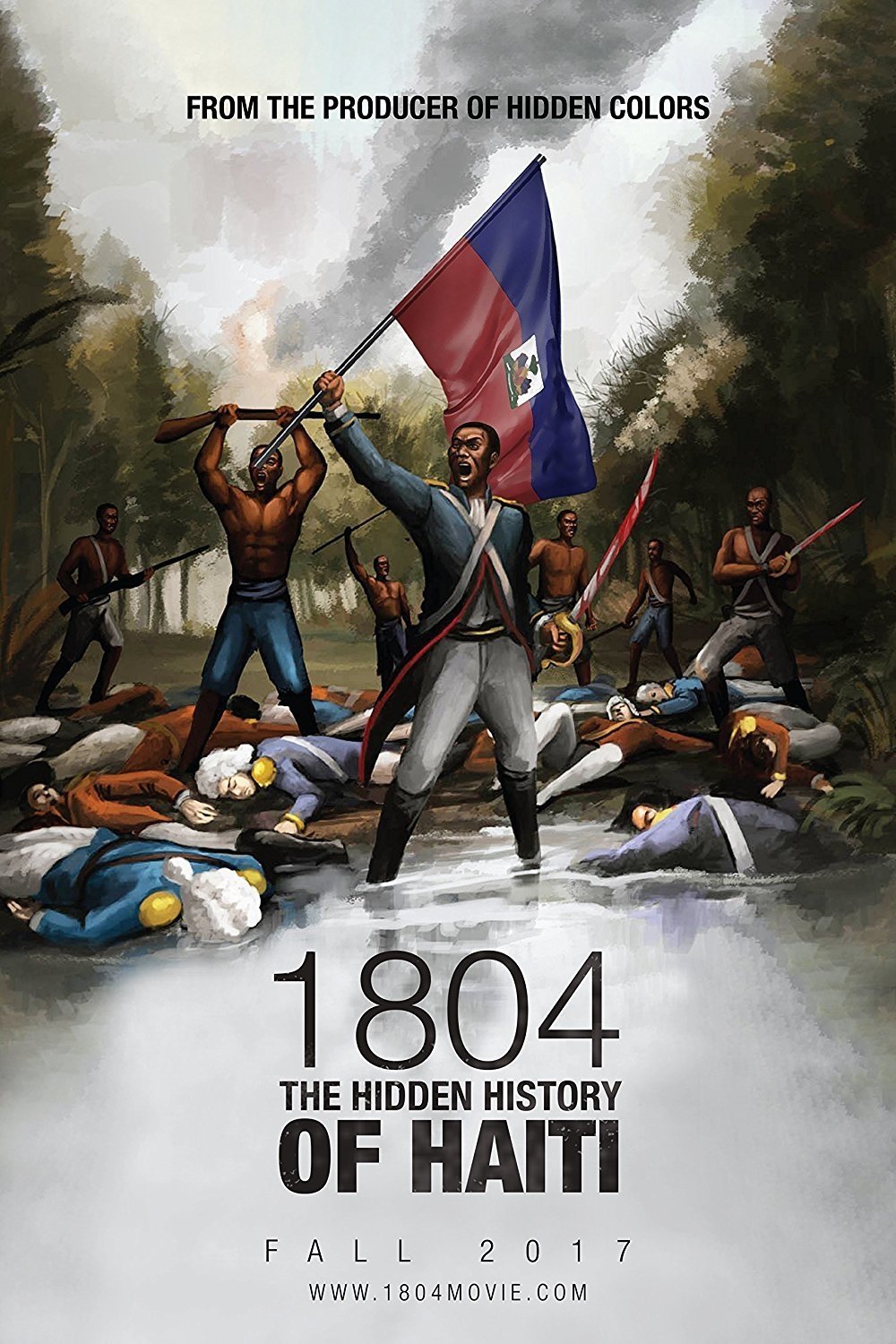
1804 is a feature length documentary film about the untold history of the Haitian revolution
Shot in early 2004 during the commemoration of the bicentennial of Haiti, this film offers a unique light on the last days to the presidency of Aristide, former priest of the poor became apprentice dictator. It is a reflection on the history of the first black republic in the world, a nation shared between the memory of its glorious revolution and the tragic litany of despots that have overwhelmed it since its independence.
Every New Year, and in celebration of their Independence, Haitian families gather together to feast in honor of a line of ancestors that fought for their freedom. The centerpiece of the festivity is the joumou soup—a traditional soup dating back centuries ago. The joumou soup is a concretization of war and victory, oppression and emancipation, and the deeply rooted celebratory traditions of the Haitian culture.
This feature documentary studies the different faces of Montreal’s Greek community in 1969. Instead of giving voice to the businessmen and well-integrated few, the film highlights the cultural and economic problems encountered by new immigrants and their families.
One of the most controversial writers of our times, join Trainspotting author Irvine Welsh as he undergoes a remarkable trip to find new meaning in his work, life and legacy.