Social & External
A monument handcrafted by Konstantin Bessmertny is exhibited at Venice Biennale 2007.
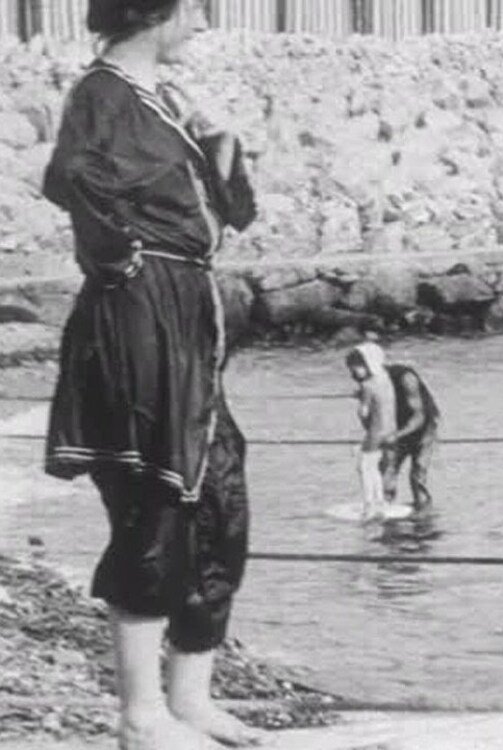
Blissful scenes of tourists arriving by boat and then sea bathing on a beach in the Venetian lagoon.
The documentary explores the world of culture, nature and gastronomy through one chef's eyes across the marshlands of the Venetian Lagoon.
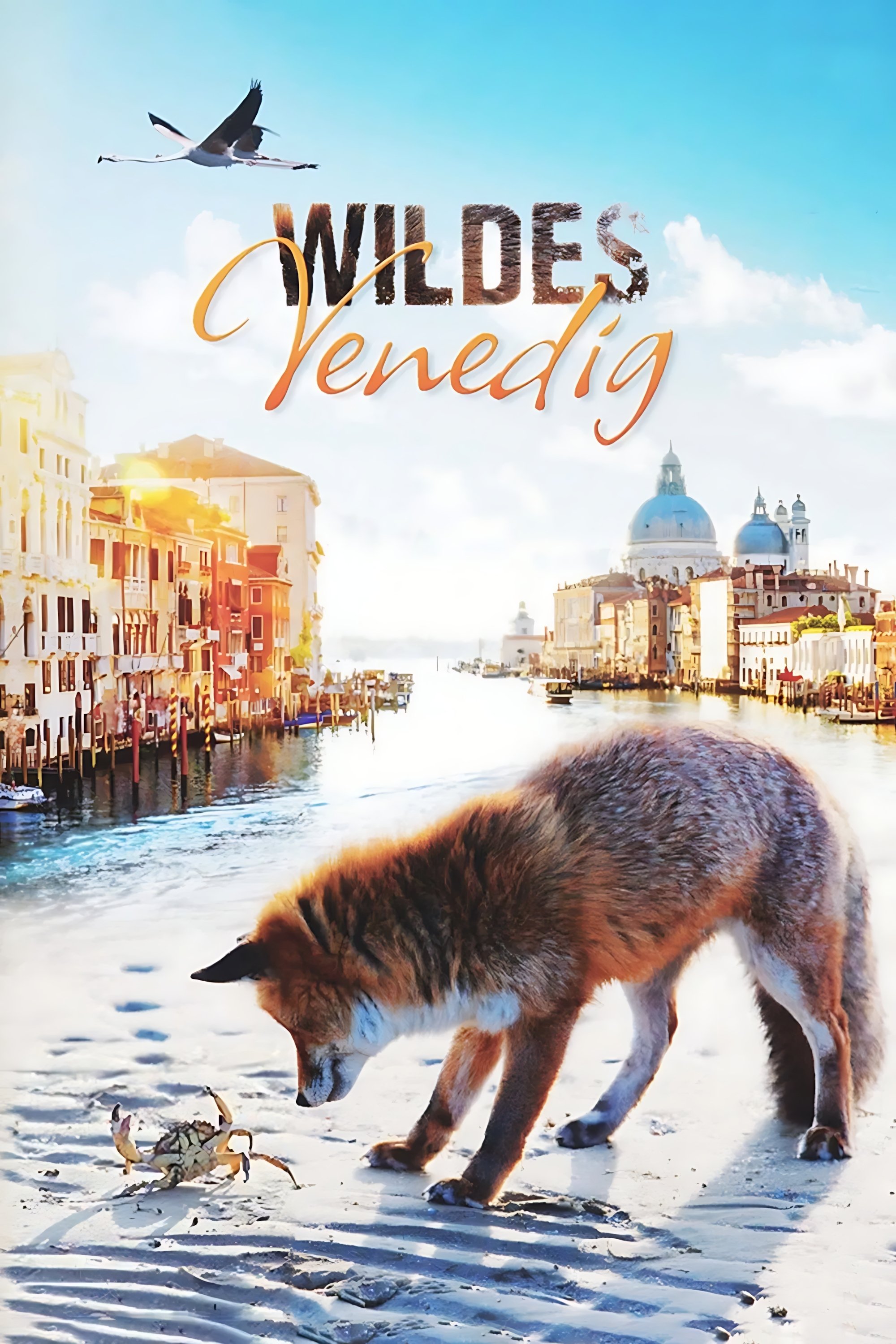
Explore a lesser-known part of Venice: the wild side! In coral reefs and hidden gardens, find everything from poisonous mammals to strange sea life.
A feature-length documentary about the famous Quebec Winter Carnival beauty pageant of 1975. Each year, seven beauties are carefully selected: a queen and six duchesses. A dream that many a young girl has cherished and lived... or experienced firsthand. They will have entered a competition marked by several stages. A tailor-made demeanor will have been demanded of them, one that has taken many hours to shape. The overall impression the viewer gets is captivating: the backstage of the Carnival is opened to an honest, yet wonderfully biased, camera.
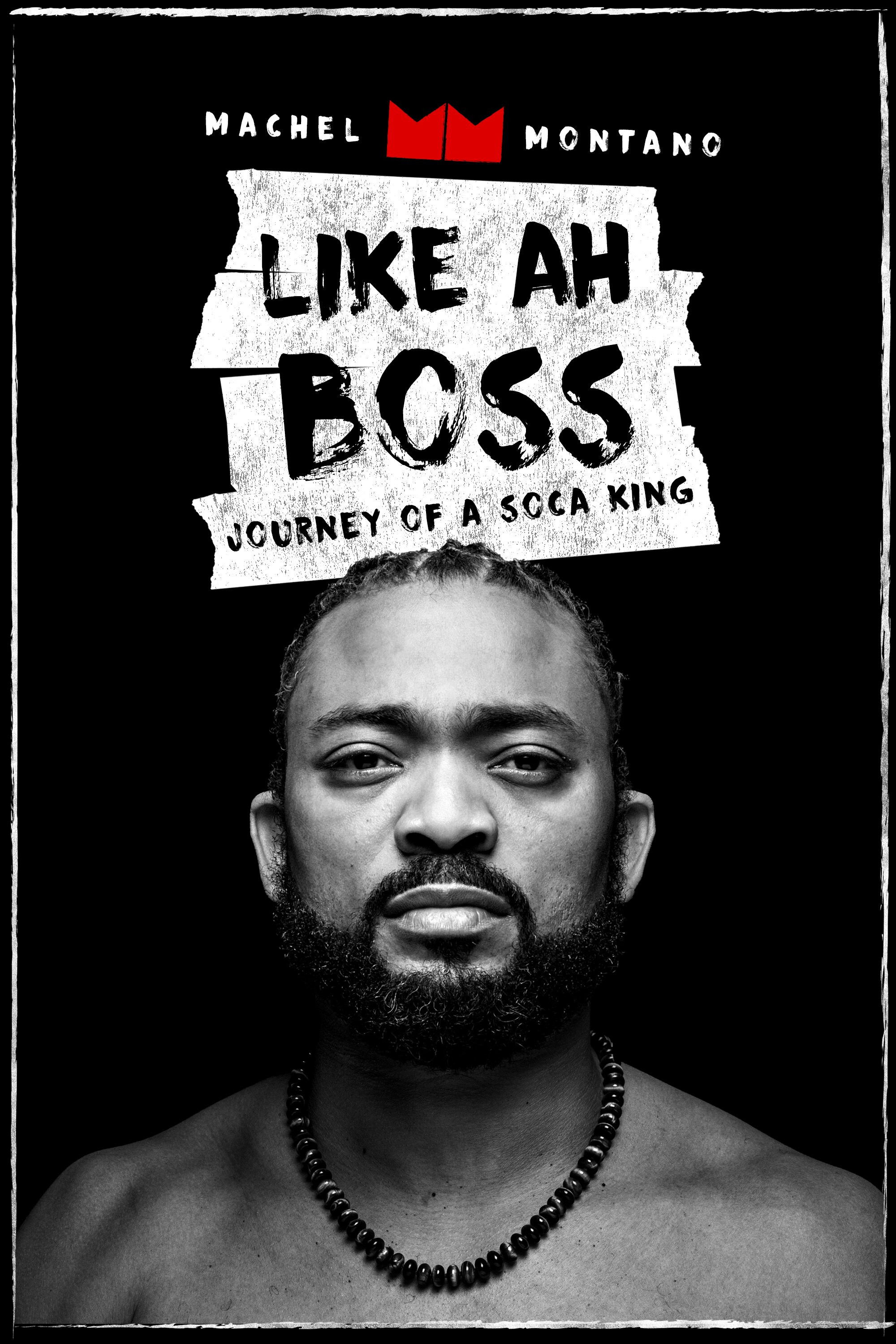
A documentary on Soca legend Machel Montano featuring his grueling 16 shows in 7 days during Carnival 2015, tracing his rise from child prodigy to the "Michael Jackson of the Caribbean.
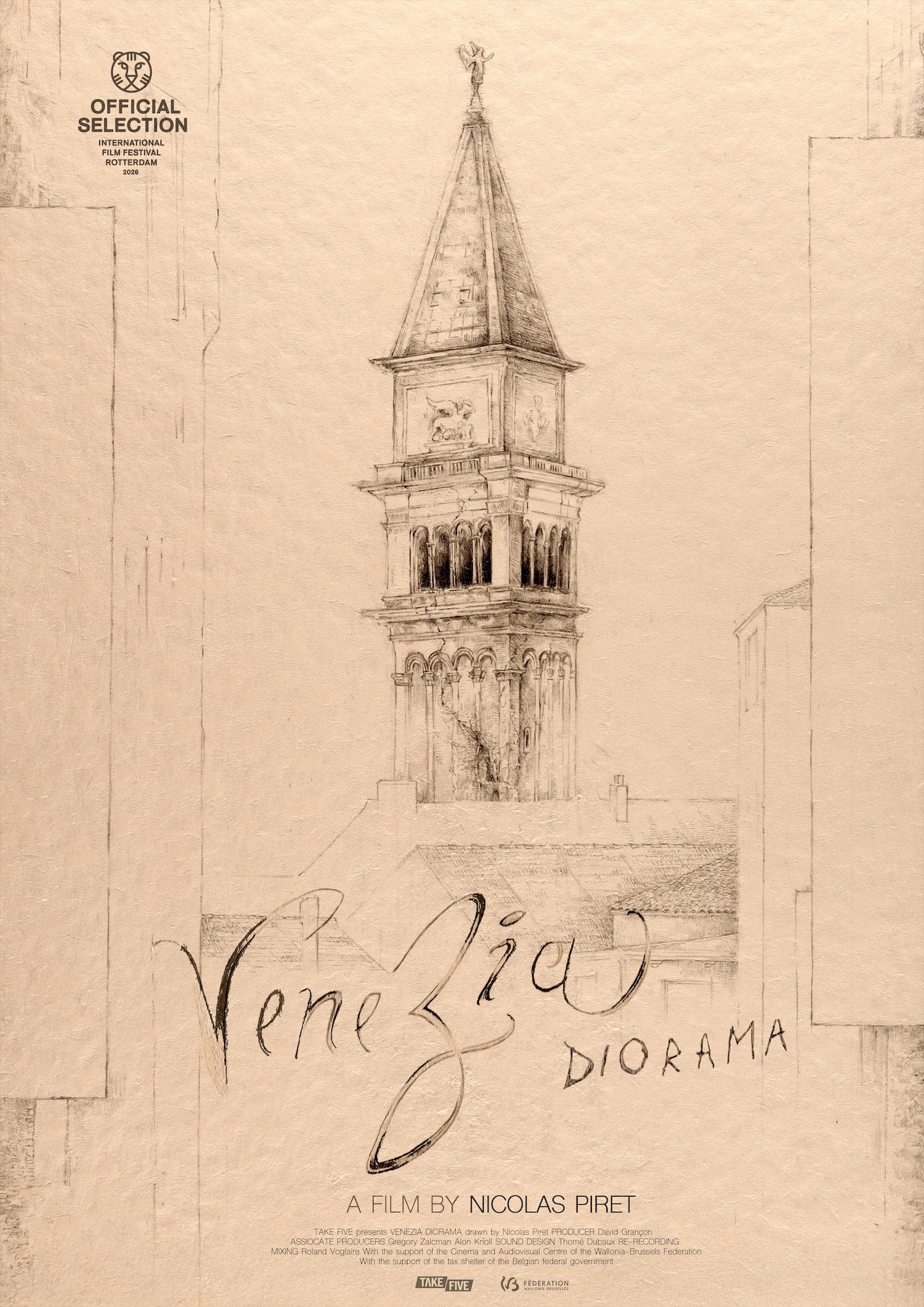
Through a series of animated art boards depicting a decaying Venice, the film unfolds like a set of postcards, capturing the mythical city's final moments of fragility. Blending archival footage with contemporary observations, and anchored by the story of the 1902 collapse of St Mark's Campanile, Venezia Diorama invites us to reflect on a city slowly eroding, yet suspended in time.
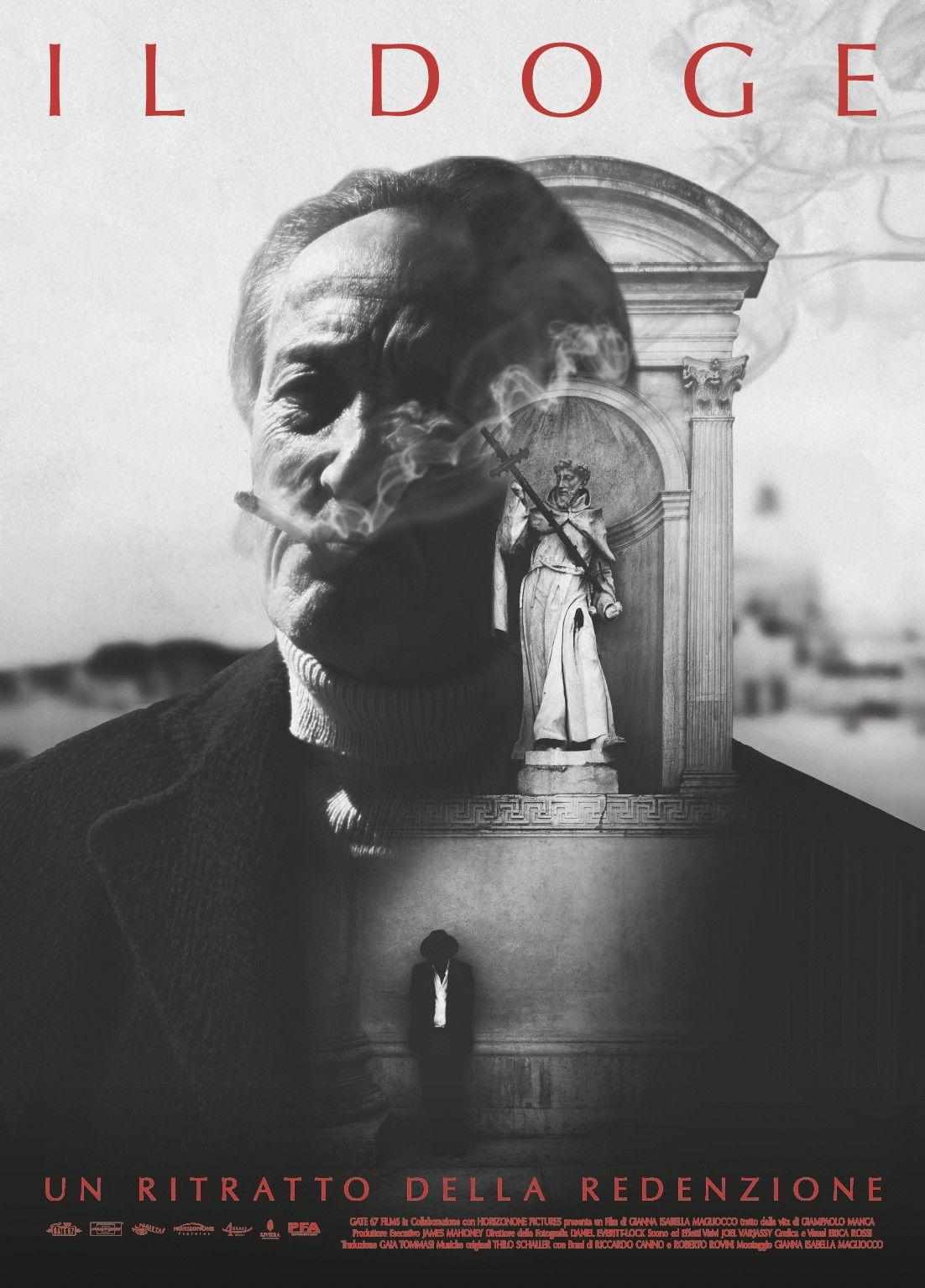
After spending more than 36 years in prison, Giampaolo Manca, 'Il Doge', a former boss of the Mala del Brenta gang in Venice, Italy is on a path towards redemption, but he can't seem to forgive himself for the violent crimes of his past.
The last days of summer captured on 16mm.
What is the "feeling" of a city? Is it the roads, the light that illuminates them, the people that live there and their stories? It's all these things, but also something else, something requiring time and attention to be understood. The film goes in search of this feeling exploring the city of Venice and its lagoon, prying into its less-known corners and listening to the stories of six citizens: a hotel waitress, an old archaeologist, a pensioner from Mestre, a painter/fisherman, an apartment burglar and a young boy.
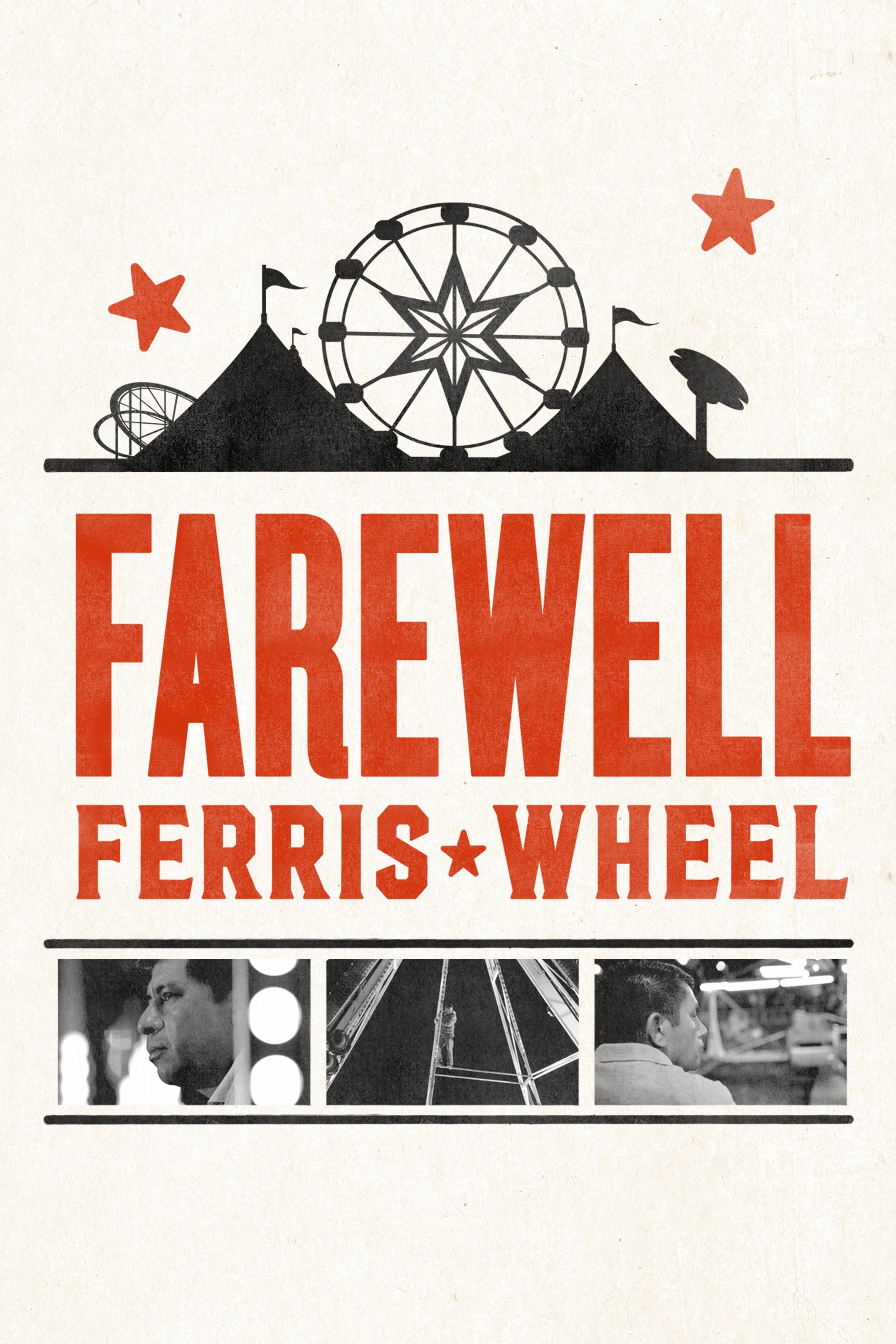
Farewell Ferris Wheel explores how the U.S. Carnival industry fights to keep itself alive by legally employing Mexican migrant workers with the controversial H-2B guestworker visa.
This is a documentary film on the romantic and decadent atmosphere of Venice at the end of the 18th century. A vigorous comment by Jean Cocteau tells us of the sick souls and the sorrows of literary characters and musicians who lived the dream of this city. It is the Venice of Lord Byron, Alfred de Musset, George Sand, d'Annunzio; a Venice made of precious images, palaces reflected in the water, mysterious moonlights, little squares where unhappy lovers wander under the music of Richard Wagner.
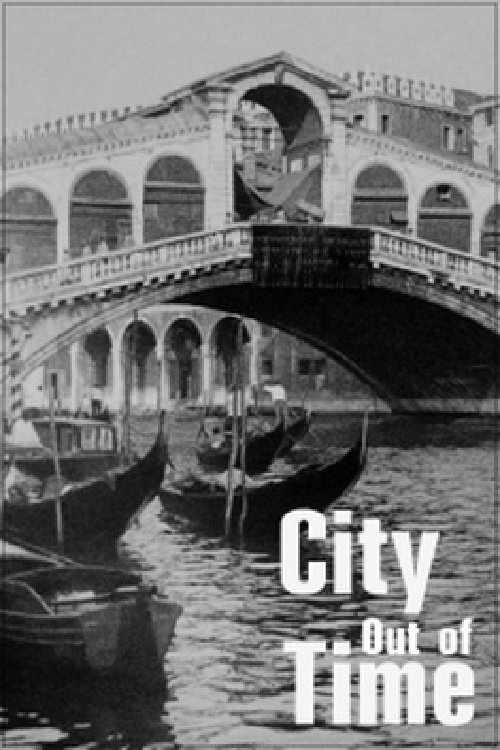
This Colin Low documentary from 1959 depicts Venice in all its splendor. In the tradition of Venetian painter Canaletto, the film captures the great Italian city’s elusive beauty and fabled landscapes, where spired churches and turreted palaces soar into a blue Mediterranean sky. Narration by William Shatner.
Footage of the Mainz carnival procession.
Short film about the carnival activities in Mainz, Germany.
Yannick Bellon's documentary paints a portrait of a city torn between the problem of unsanitary housing, pollution corroding walls and statues, and the recurring and increasing floods—all consequences of human activity. Faced with job shortages and rampant speculation, the overarching question arises of how industries can coexist with the city of Venice. Allowing them to develop risks destroying it; driving them out risks turning it into a museum, causing its inhabitants, and thus its soul, to leave.
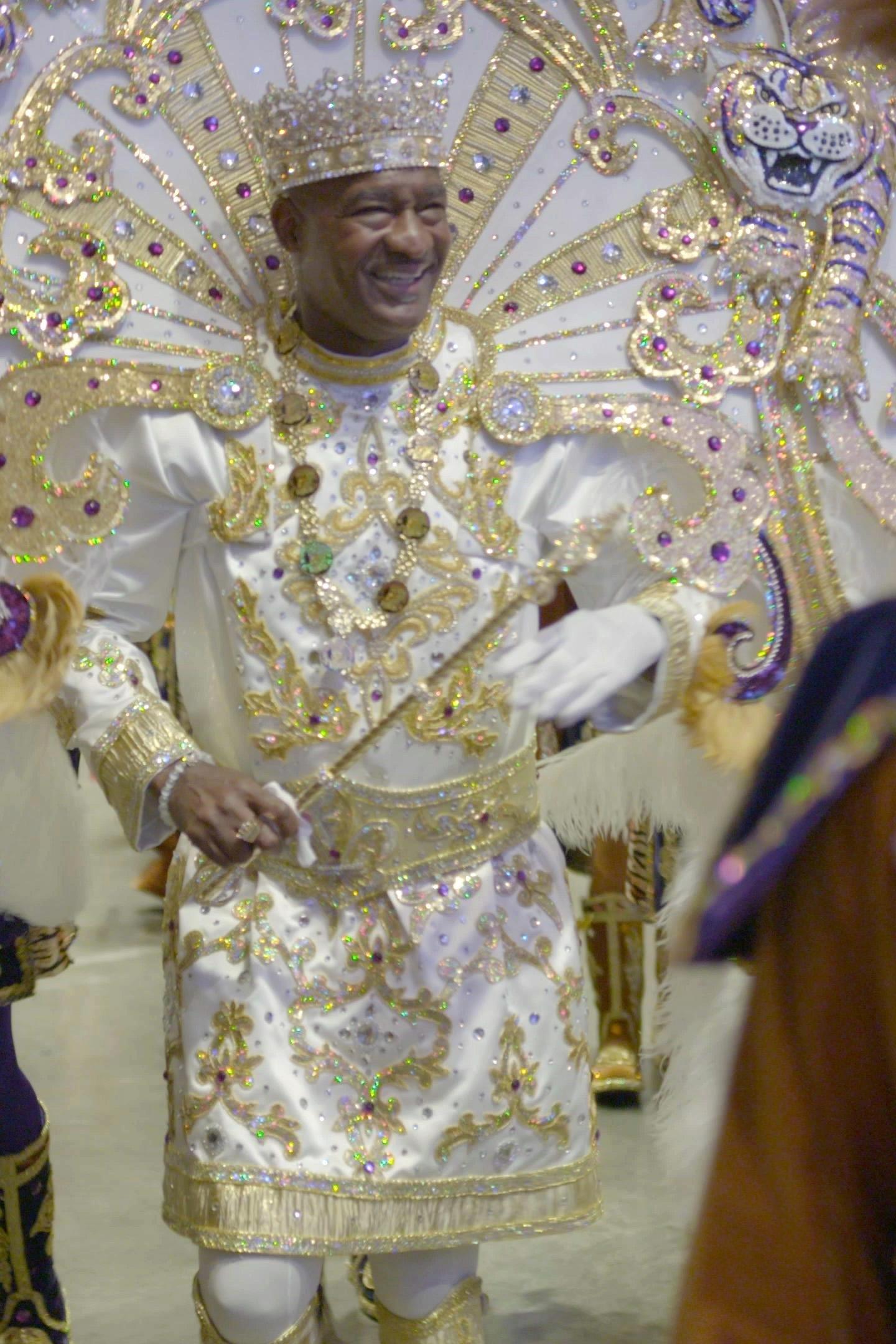
Follows members of the Zulu Club, New Orleans’ first Black Mardi Gras, as they work to bring the Zulu parade back to the streets for Mardi Gras Day 2022, in the face of a global pandemic, hurricane Ida and the loss of members due to COVID and gun violence.
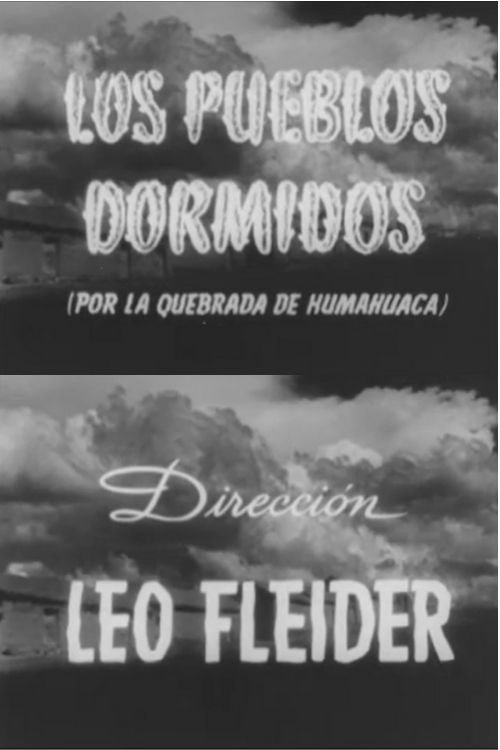
Documentary about the kolla people living in North Western Argentina.
JB Smoove and Martin Starr host a celebration of 20 years of "Spider-Man" movies, from the Sam Raimi trilogy to Marc Webb's movies and the trio from Jon Watts.
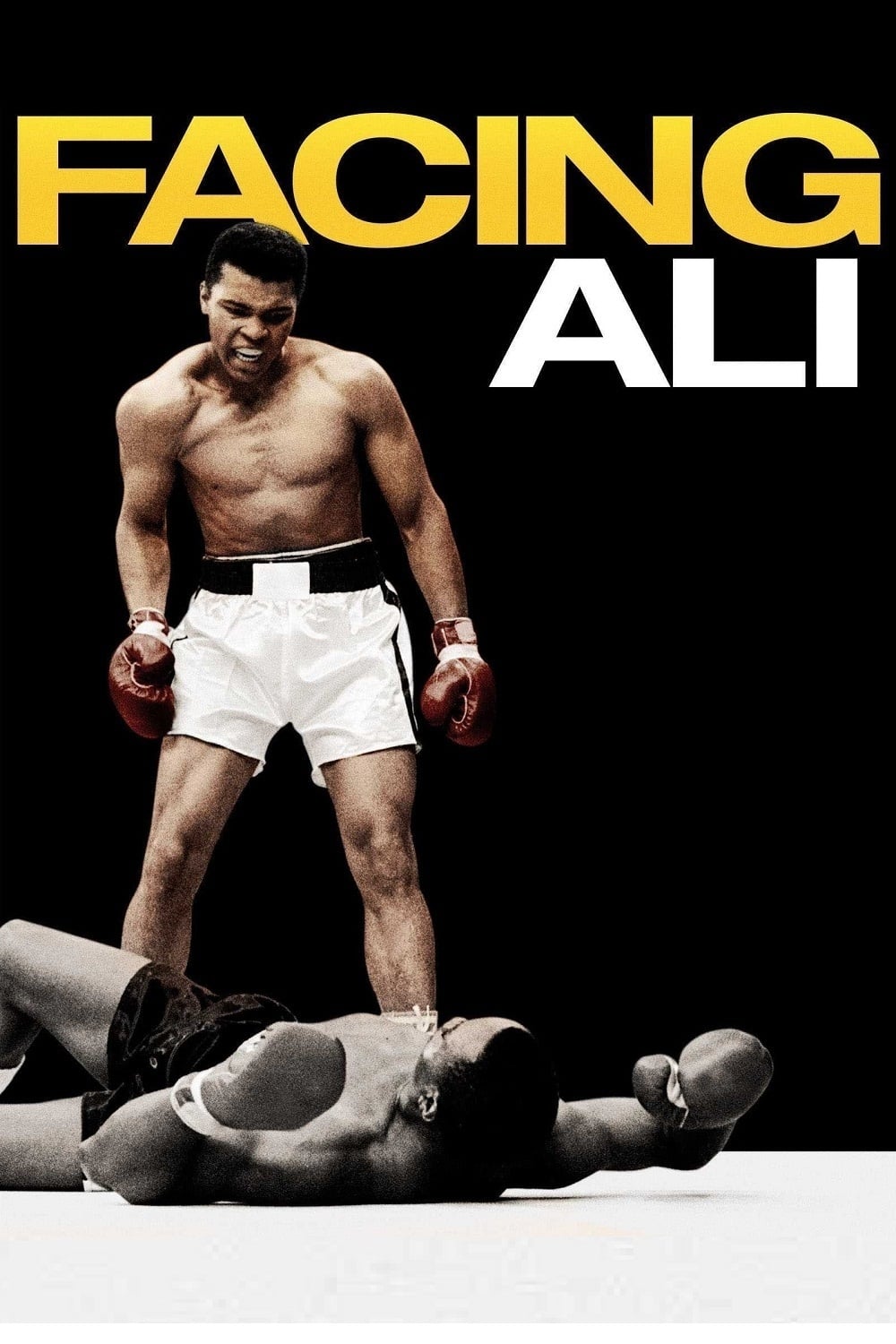
Ten of Muhammad Ali's former rivals pay tribute to the three-time world heavyweight champion.
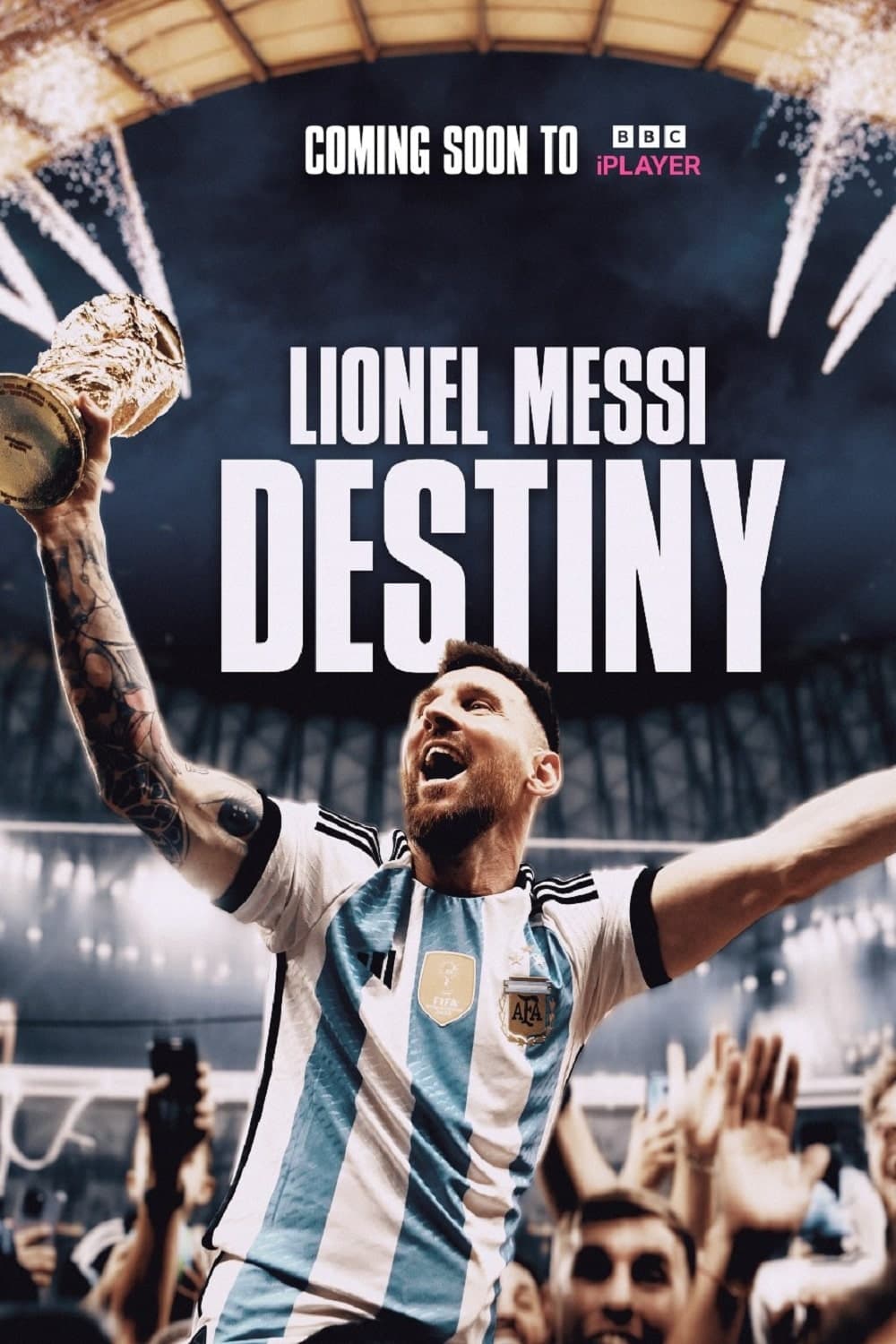
Behind-the-scenes documentary about how Lionel Messi succeeded in lifting the World Cup – the only trophy to have eluded him in an incredible career.
This character-driven film considers the evolving sex trafficking landscape as seen by the main players: the exploited, the pimps, the johns that fuel the business, and the cops who fight to stop it.
An inside look at one of the most anticipated movie sequels ever with James Cameron and cast.
Documentary sequel that offers a close-up look into the personal lives of the legendary porn stars who've survived the test of time and influenced popular culture. Blends rare interviews with erotic clips and additional appearances by Whoopi Goldberg, Steven Soderbergh and a host of adult stars, directors and trendsetters.
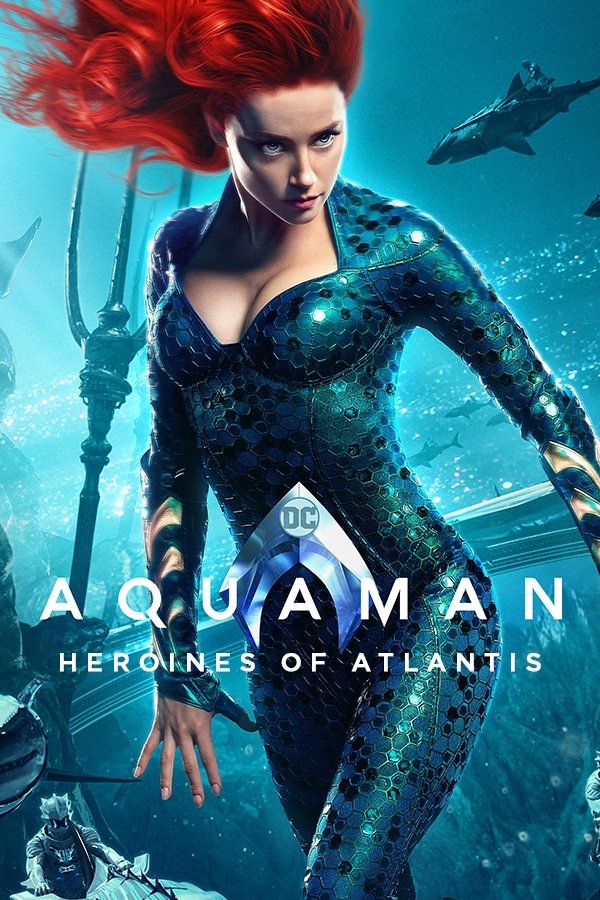
Amber Heard and Nicole Kidman discuss their characters Mera and Atlanna.
SEDUCED AND ABANDONED combines acting legend Alec Baldwin with director James Toback as they lead us on a troublesome and often hilarious journey of raising financing for their next feature film. Moving from director to financier to star actor, the two players provide us with a unique look behind the curtain at the world's biggest and most glamourous film festival, shining a light on the bitter-sweet relationship filmmakers have with Cannes and the film business. Featuring insights from directors Martin Scorsese, 'Bernando Bertolucci' and Roman Polanski; actors Ryan Gosling and Jessica Chastain and a host of film distribution luminaries.
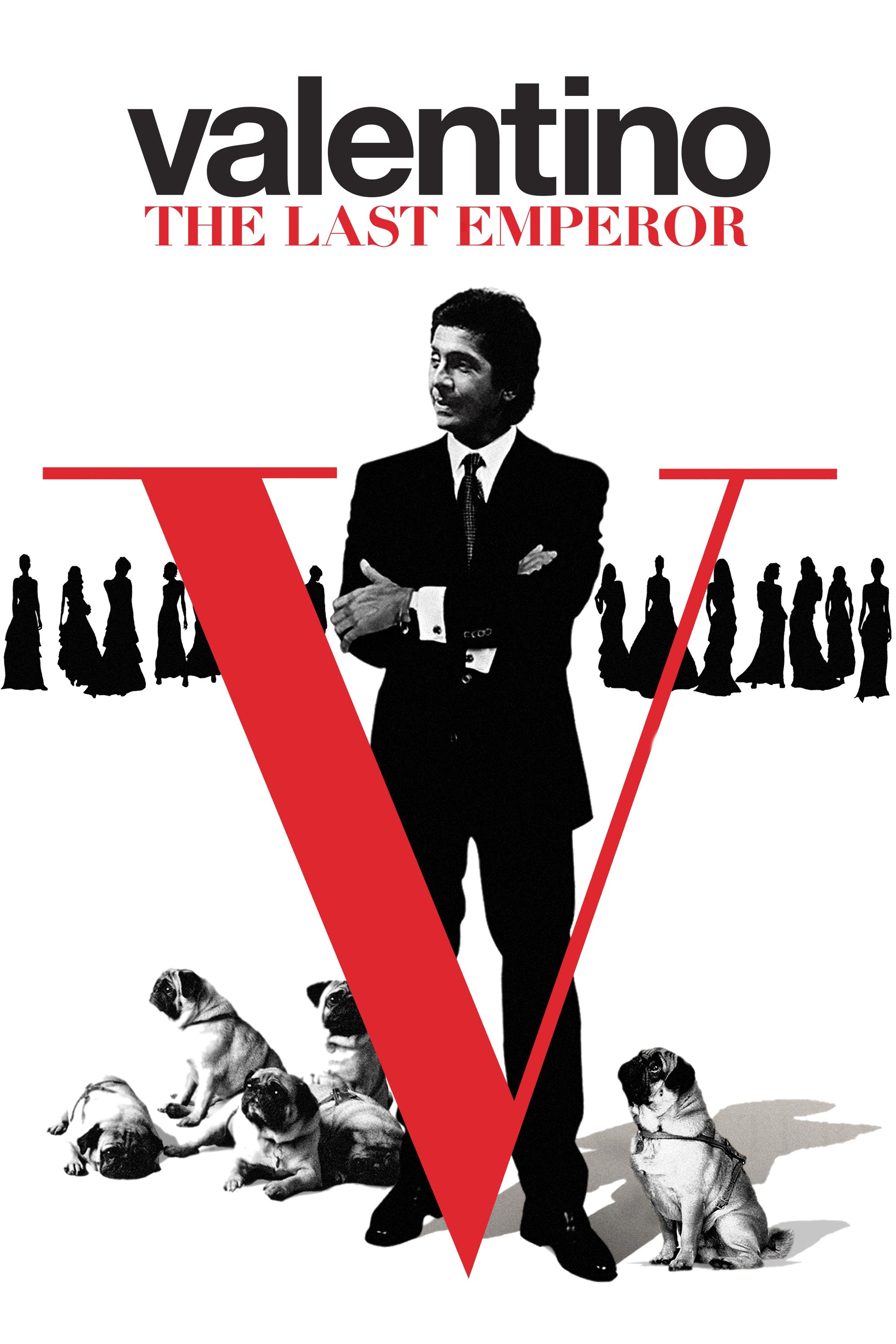
Film which travels inside the singular world of one of Italy's most famous fashion designers, Valentino Garavani, documenting the colourful and dramatic closing act of his celebrated career and capturing the end of an era in global fashion. However, at the heart of the film is a love story - the unique relationship between Valentino and his business partner and companion of 50 years, Giancarlo Giammetti. Capturing intimate moments in the lives of two of Italy's richest and most famous men, the film lifts the curtain on the final act of a nearly 50-year reign at the top of the glamorous and fiercely competitive world of fashion. (Storyville)
Al Pacino's deeply-felt rumination on Shakespeare's significance and relevance to the modern world through interviews and an in-depth analysis of "Richard III."
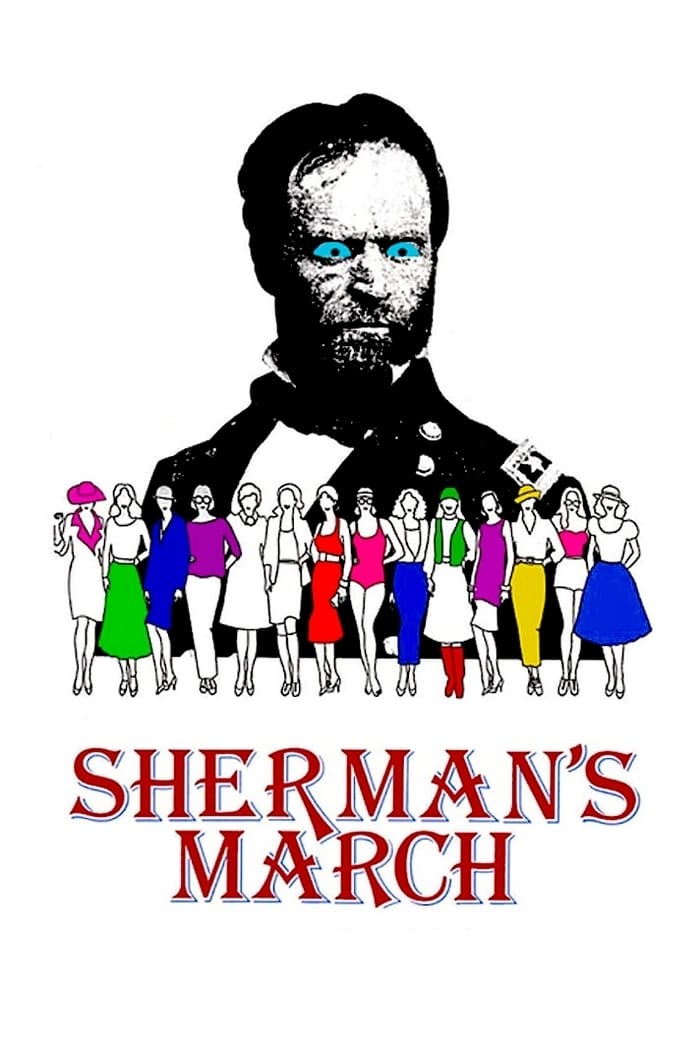
Ross McElwee sets out to make a documentary about the lingering effects of General Sherman's march of destruction through the South during the Civil War, but is continually sidetracked by women who come and go in his life, his recurring dreams of nuclear holocaust, and Burt Reynolds.
This revealing documentary honors the legendary Sidney Poitier—iconic actor, filmmaker, and civil rights activist. Featuring interviews with Denzel Washington, Spike Lee, Halle Berry, and more.
A look at the origins, history and conspiracies behind the "Majestic 12", a clandestine group of military and corporate figureheads charged with reverse-engineering extraterrestrial technology.
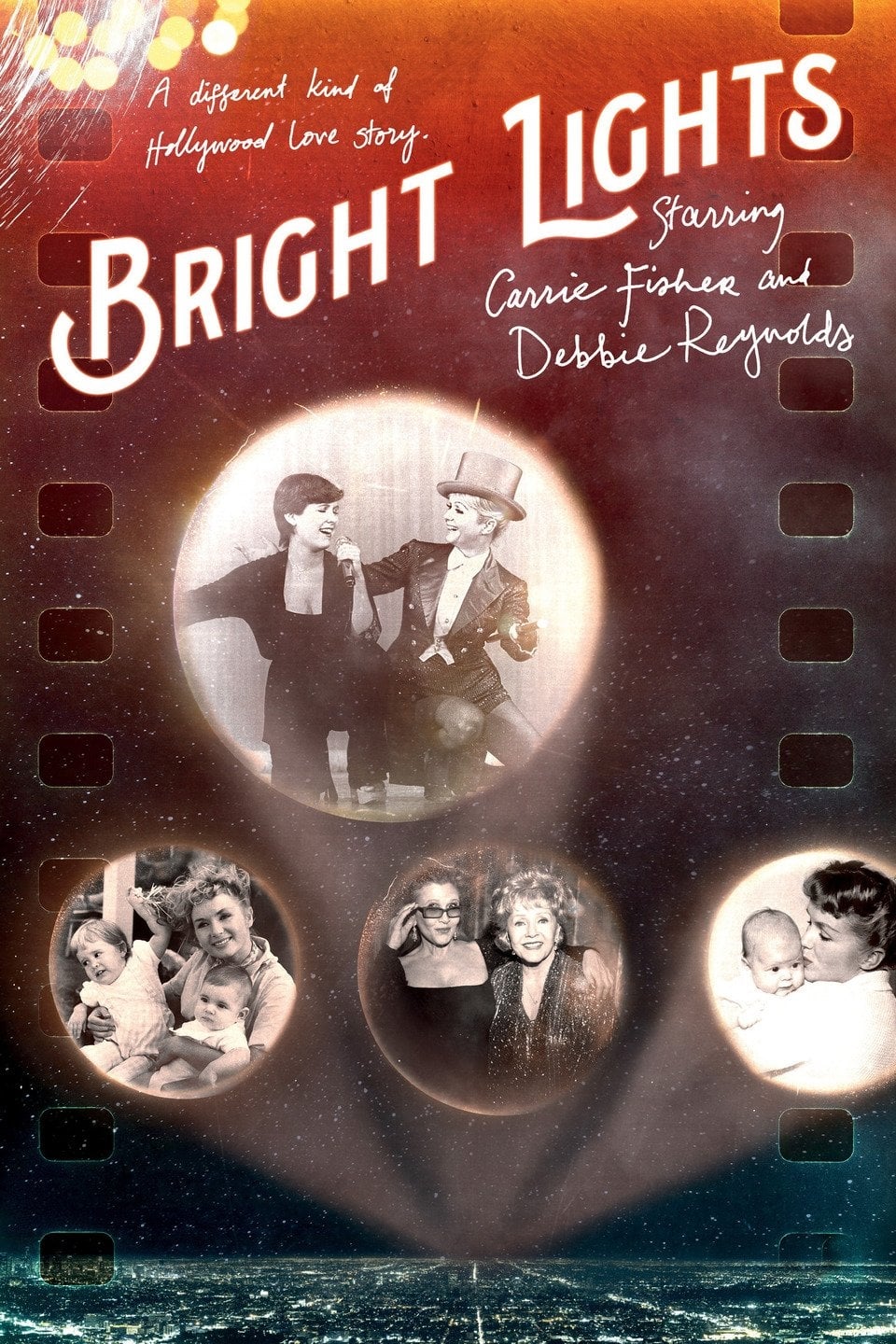
An intimate portrait of Hollywood royalty featuring Debbie Reynolds, Todd Fisher, and Carrie Fisher.
A compilation of over 30 years of private home movie footage shot by Lithuanian-American avant-garde director Jonas Mekas, assembled by Mekas "purely by chance", without concern for chronological order.
Those who knew iconic funnyman John Candy best share his story, in their own words, through never-before-seen archival footage, imagery, and interviews.
King of the slack wire. His daring feats of balancing as he performs his thrilling feats in midair show that he is perfectly at home.
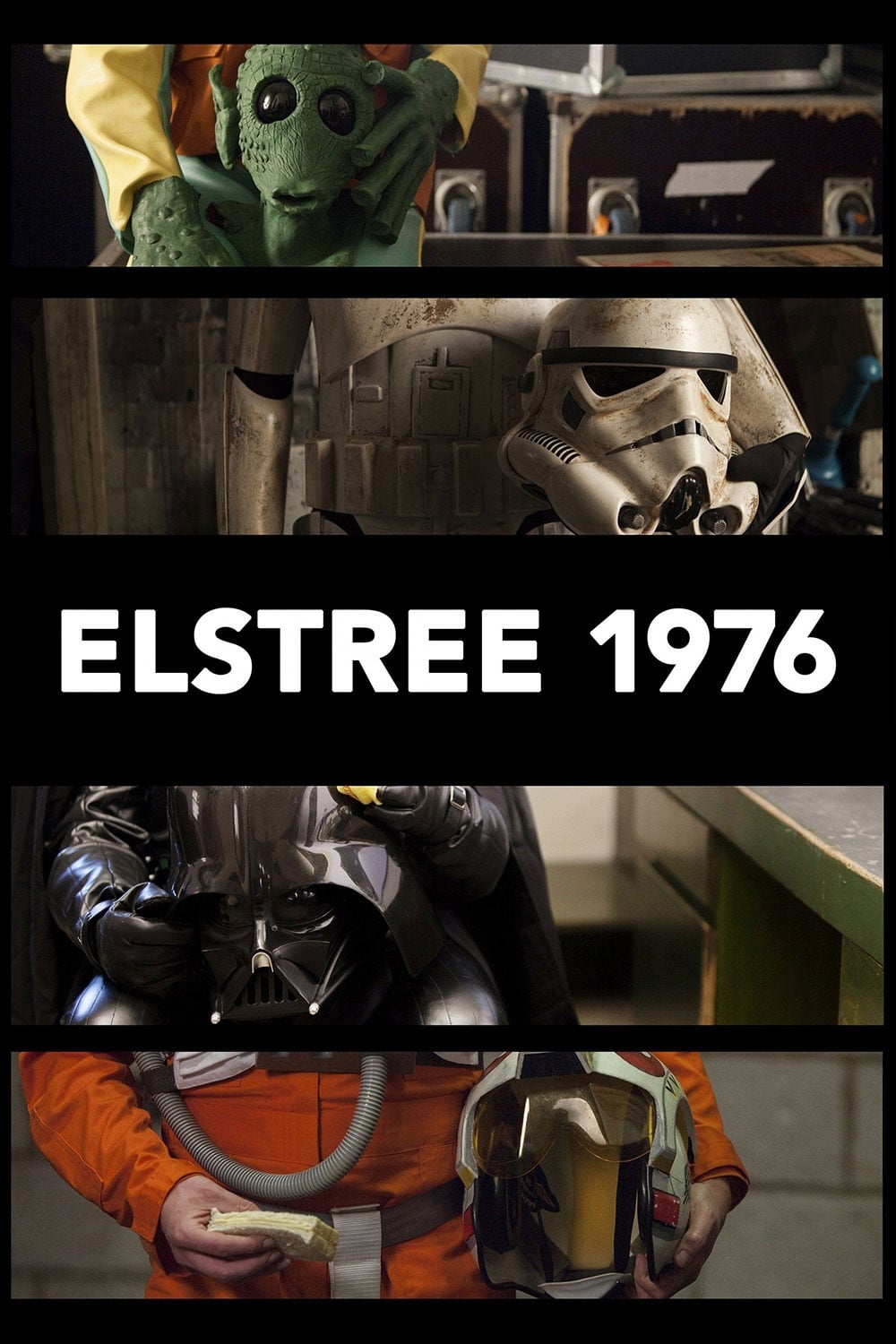
A documentary about ten very different lives connected by having appeared onscreen wearing masks or helmets in Star Wars.
Daniel Craig candidly reflects on his 15 year adventure as James Bond. Including never-before-seen archival footage from Casino Royale to the upcoming 25th film No Time To Die, Craig shares his personal memories in conversation with 007 producers, Michael G Wilson and Barbara Broccoli.
The life and career of an actor, artist, and icon. His own journey through his own camera.