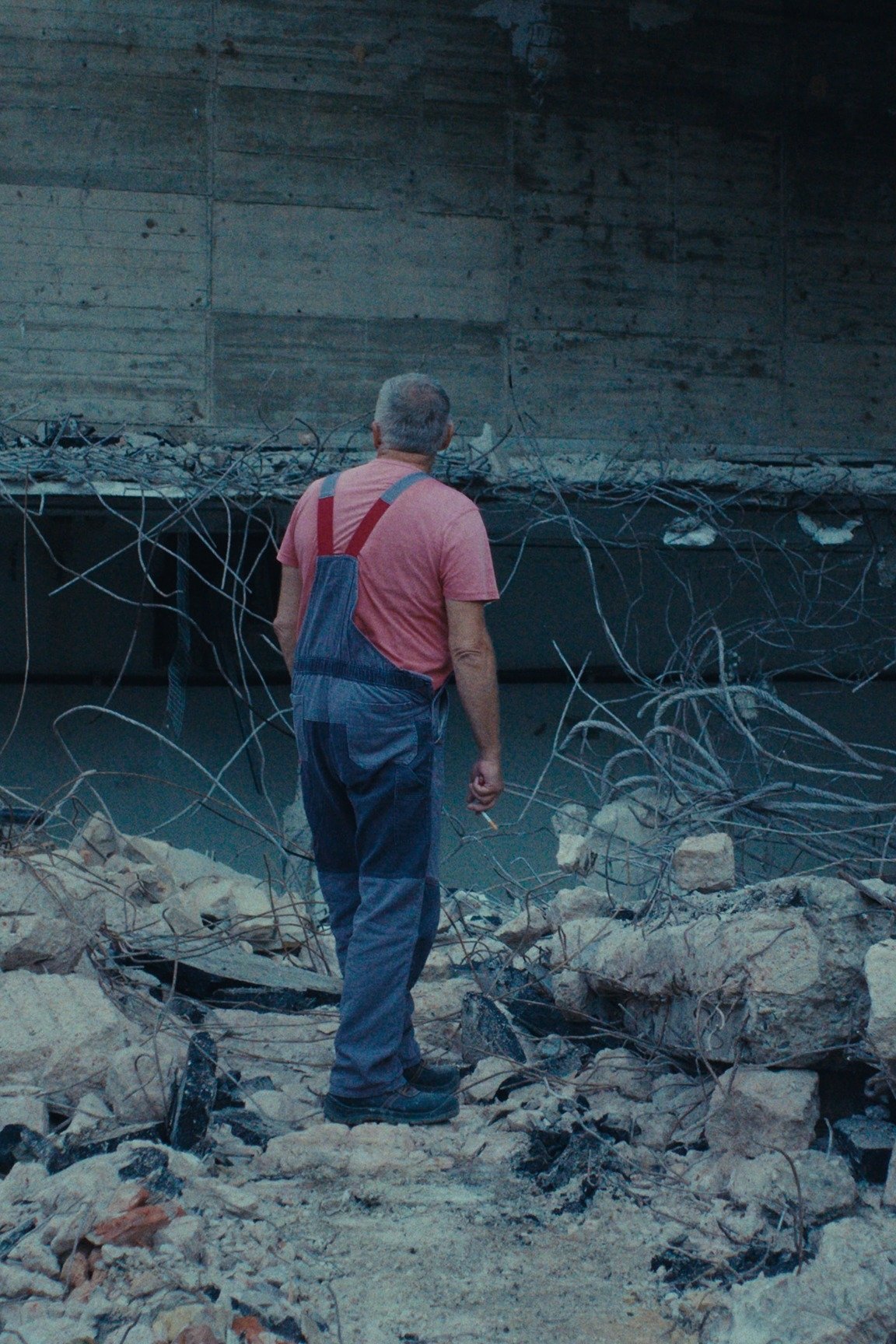
A documentary about Dutch shipbuilders and their work. Hundreds of jobs at shipyards are on the line and their craftsmanship is under threat. The labourers have to watch and stand by as their future becomes more and more uncertain.
Social & External

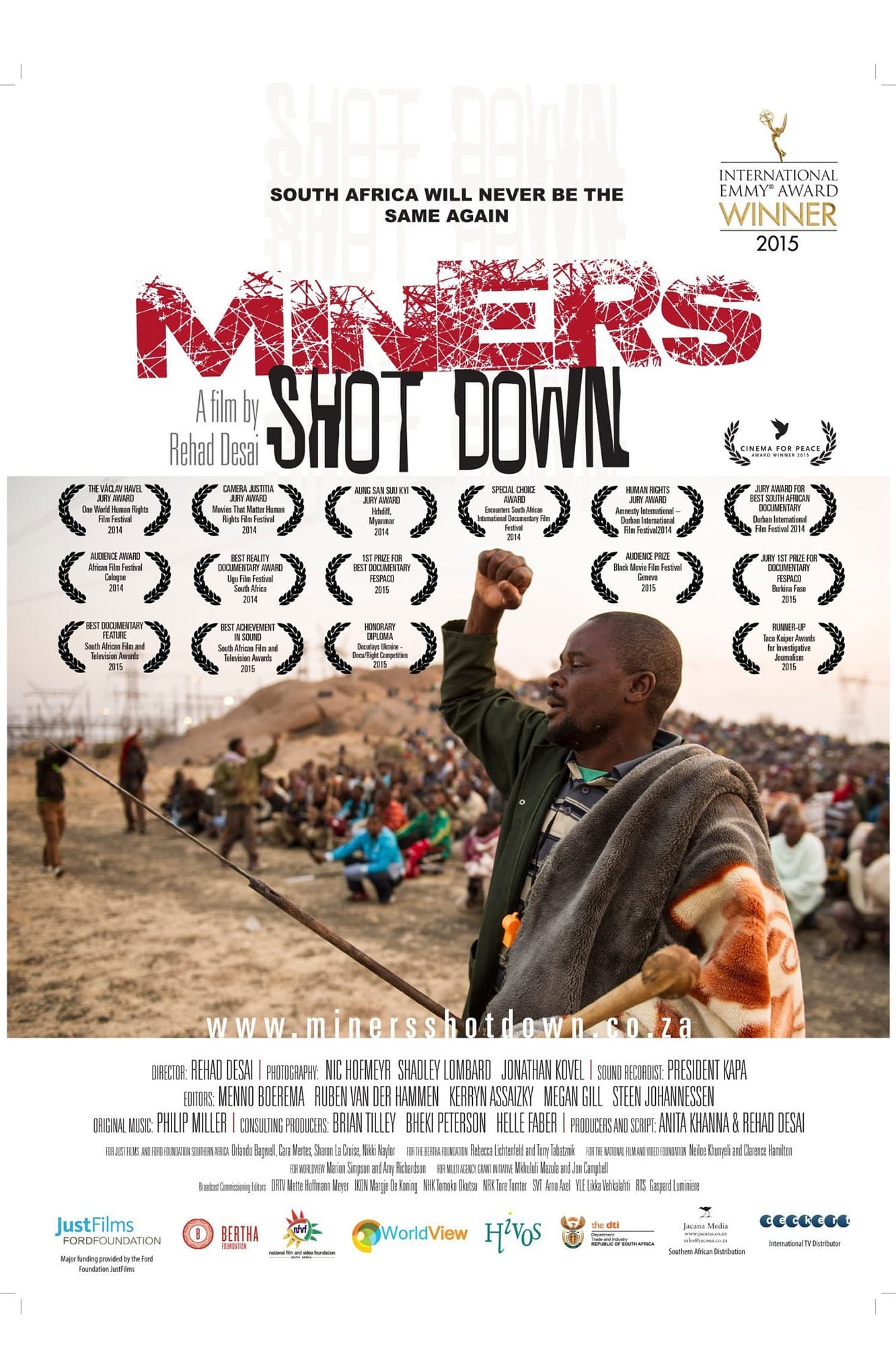
In August 2012, mineworkers in one of South Africa’s biggest platinum mines began a wildcat strike for better wages. Six days later the police used live ammunition to brutally suppress the strike, killing 34 and injuring many more. Using the point of view of the Marikana miners, Miners Shot Down follows the strike from day one, showing the courageous but isolated fight waged by a group of low-paid workers against the combined forces of the mining company Lonmin, the ANC government and their allies in the National Union of Mineworkers.

This film takes us into the harsh realm of BC's early coal mines, canneries, and lumber camps; where primitve conditions and speed-ups often cost lives. Then, the film moves through the unemployed' struggles of the '30s, post WWII equity campaigns, and into more recent public sector strikes over union rights.

This short documentary is a tribute to the unknown father. Emerging filmmaker Danic Champoux poses the question "How many men still have to uproot themselves and leave their families to get work?" as he sets out to search for his own father. He wonders about these men who are labourers, itinerants, and mostly nameless, but who are all exemplary providers. But at what cost? This film was produced as part of the Libres Courts collection of first-time documentary shorts.

Through the eyes of a Quebec Jewish activist, Lea Roback, feminist, unionist, pacifist and communist, A VISION IN THE DARKNESS proposes a modernist vision of Quebec history, from the beginning of the twentieth century to the period knows as « La Grande Noirceur », the Great Darkness.
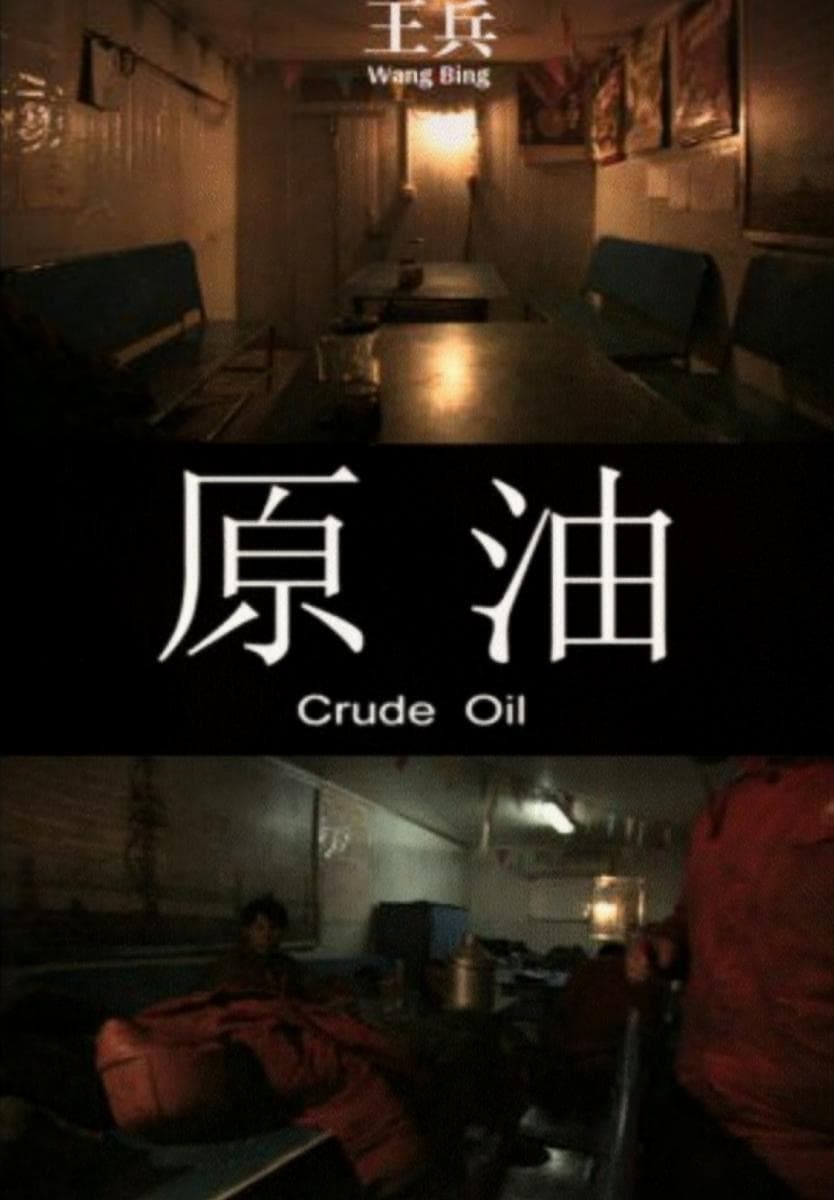
This film was shot between 2014 and 2019 in the town of Zhili, a district of Huzhou City in Zhejiang province, China. Zhili is home to over 18,000 privately-run workshops producing children's clothes, mostly for the domestic market, but some also for export. The workshops employ around 300,000 migrant workers, chiefly from the rural provinces of Yunnan, Guizhou, Anhui, Jiangxi, Henan and Jiangsu.
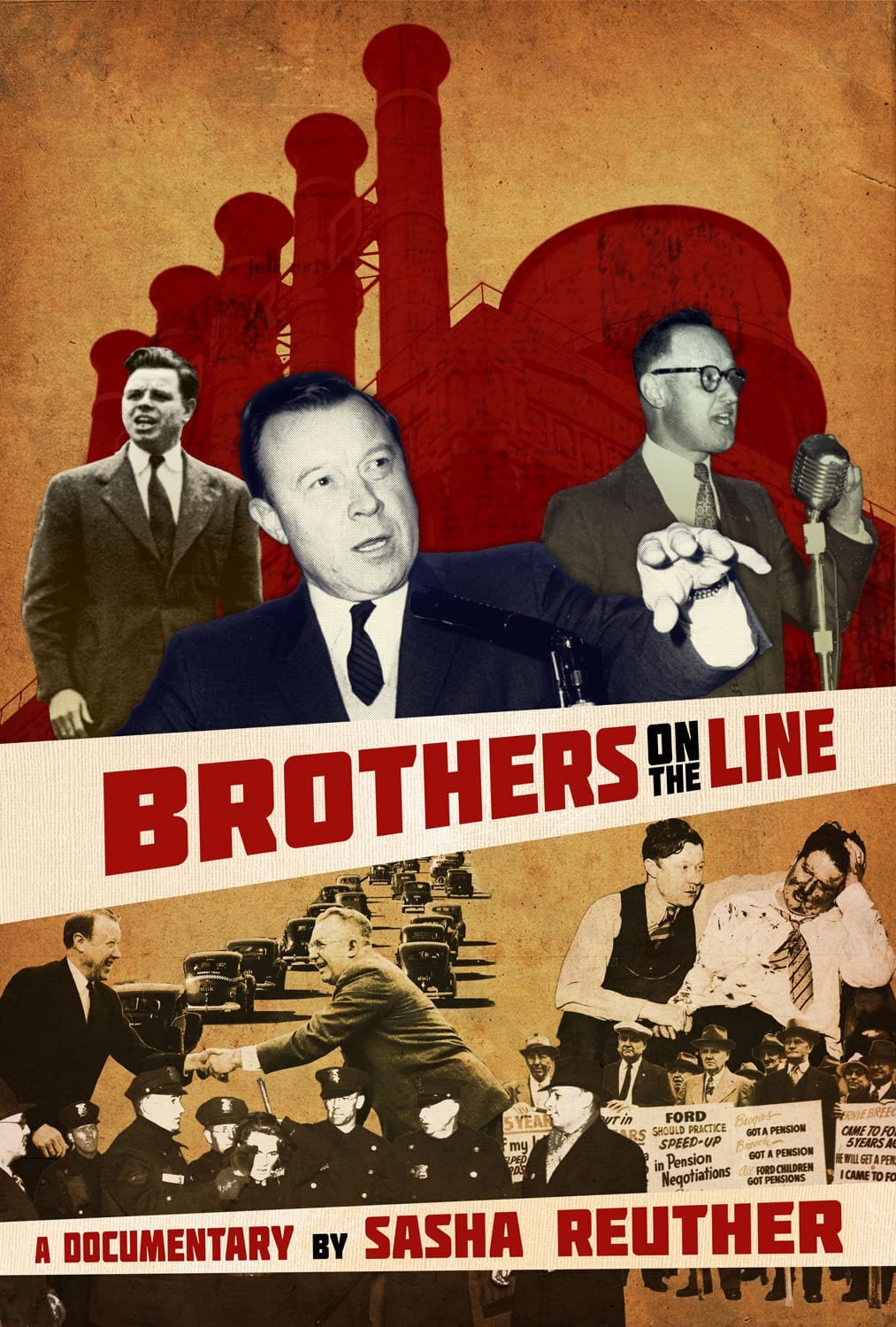
Brothers on the Line explores the extraordinary journey of the Reuther brothers – Walter, Roy, and Victor – union organizers whose unshakeable devotion led an army of workers into an epic human rights struggle.
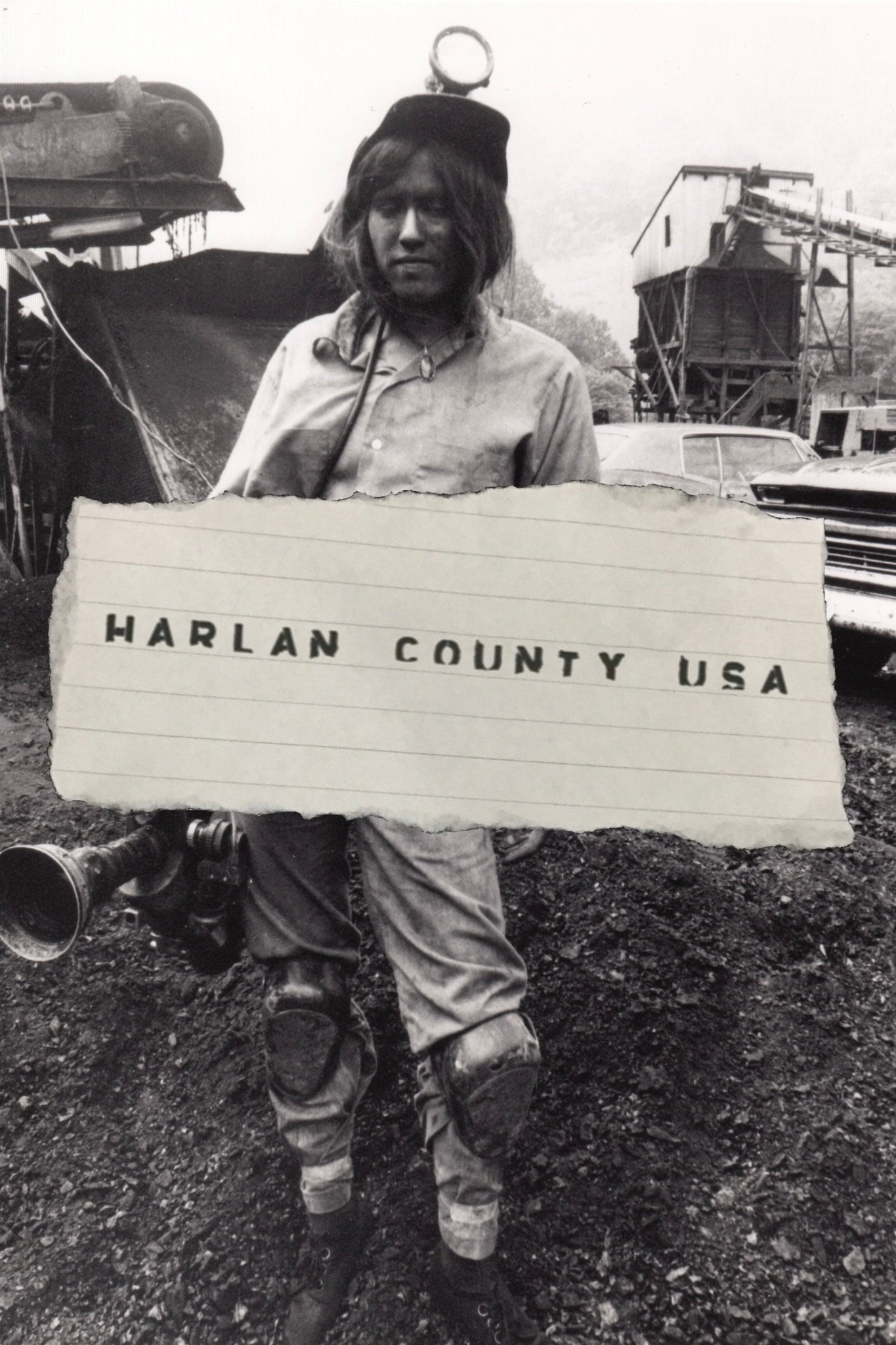
This film documents the coal miners' strike against the Brookside Mine of the Eastover Mining Company in Harlan County, Kentucky in June, 1973. Eastover's refusal to sign a contract (when the miners joined with the United Mine Workers of America) led to the strike, which lasted more than a year and included violent battles between gun-toting company thugs/scabs and the picketing miners and their supportive women-folk. Director Barbara Kopple puts the strike into perspective by giving us some background on the historical plight of the miners and some history of the UMWA. Preserved by the Academy Film Archive in partnership with New York Women in Film & Television in 2004.
When workers at the Hormel meatpacking plant in Austin, Minnesota are asked to take a substantial pay cut in a highly profitable year, the local labor union decides to go on strike and fight for a wage they believe is fair. But as the work stoppage drags on and the strikers face losing everything, friends become enemies, families are divided and the very future of this typical mid American town is threatened.
A documentary centered on the union formed by Bolivian farmers in response to their government's (which was urged by the U.S.) effort eradicate coca crops, and the man who would come to represent them, Evo Morales.
The story of the children who work 12-14 hour days in the fields without the protection of child labor laws. These children are not toiling in the fields in some far away land. They are working in America.
Shot with a mix of smartphones and GoPros, filmmaker Taku Aoyagi takes us on his daily bike rides as an Uber Eats worker. But pedaling on Tokyo’s deserted streets, delivering boba tea to cloistered condos, he starts to wonder… what was it that Ken Loach said about the Uberization of society? And what does gig-work offer an unemployed young person with student debt?
With the unexpected dismissal of 2045 workers, the strike by Ssangyong employees has received the most public support and attention since the IMF. It was an intense period inside and outside the factory.
The super-rich determines virtually every aspect of the lives of the other 90% of Americans. This film examines the hidden struggles of American families, the calculated political maneuvers of the elite, and the long overdue uprising of American workers. With affection for the middle-class and the outrageous attempt to color them as lazy, the film explores the question: How do we make sure workers are paid what they are worth, instead of believing they are only worth what they are paid?
Blair Brown narrates this gripping account of a community's struggle to preserve its way of life. In the summer of 1892, a bitter conflict erupted at the Carnegie Works in Homestead, Pennsylvania. The nation's largest steel maker took on its most militant union with devastating consequences for American workers.
In the winter of 2002-'03, as the US was building its case to attack Iraq, people around the world responded with a series fo the largest peace protests in history. Shutdown: The Rise and Fall of Direct Action to Stop the War, is an action-packed documentary chronicling how DASW successfully organized to shut down a major US city and how they failed to effectively maintain the organization to fight the war machine and end the occupation of Iraq. Created by organizers involved with DASW, Shutdown combines detailed information on organizing for a mass action, critical interviews on organizing pitfalls, and the wisdom of hindsight. It is a must-see film for those engaged in the continuous struggle toward social justice.
Migrating is seldom an easy solution. It is rather a journey, that begins with a journey. After more than eight years of campaigning, the immigrant cleaners outsourced at the School of Oriental and African Studies (SOAS) in London continue to demand being brought in-house. Limpiadores charts the history of their and others’ campaigns – from winning the London Living Wage to the deportation of nine colleagues, and the day-to-day invisible labour of cleaners on our campus.
Marcos then, Marcos now. Filipino workers unite and lead the struggle for economic and political rights, determined to shape the course of history. In between, a janitor painstakingly rewinds videotapes featuring these struggles, unknowingly aiding in the preservation of history.
This feature film made during an exceptionally feverish period of popular revolt that saw the coming together of Quebec’s 3 main unions (CSN, FTQ, CEQ) is a cinematic tract by socially engaged filmmaker Gilles Groulx. Propped against the backdrop of the 1970 October Crisis, the film is a frontal assault denouncing a “consumer society” viewed as the ultimate embodiment of evil.