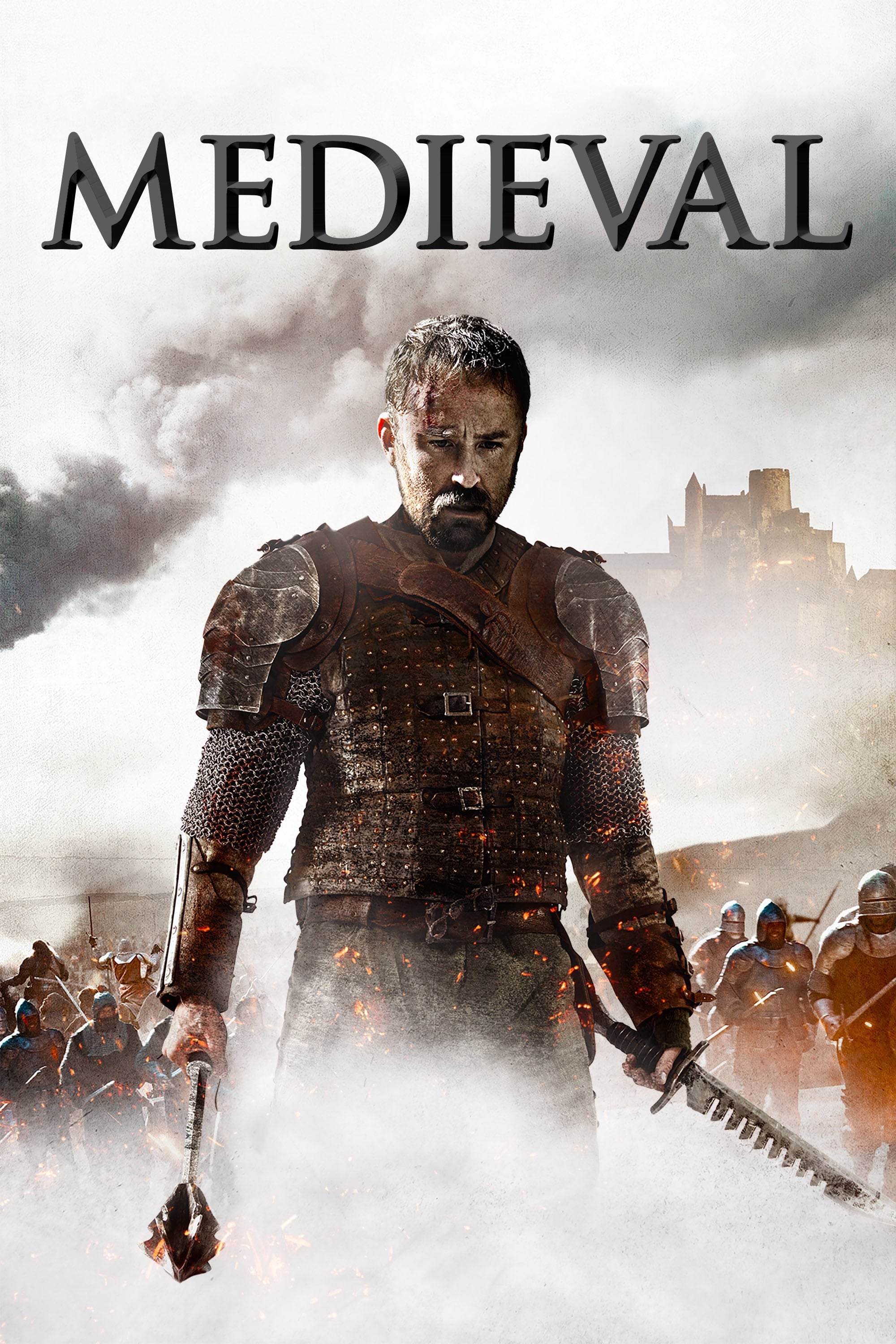
The Seljuk Empire has expanded, and taken over “the Holy Land”. Pope Gregory VIII gets together a band of valorous warriors from across Europe to defeat Saladin.
Social & External

The people behind it
Lyn Carson Duhrkopp
King Richard “The Lion-Hearted” I
William Rahner
Emperor Frederick Barbossa
Christian Deserto
King Philip II
Thomas Maichin
Saladin / Pope Gregory VIII
Filmmaker Alain Resnais documents the atrocities behind the walls of Hitler's concentration camps.
The Shah is about to marry his daughter off but she is kidnapped by a sorceress. A knight ho has fallen desperately in love wit her guards her. The story ends tragically.
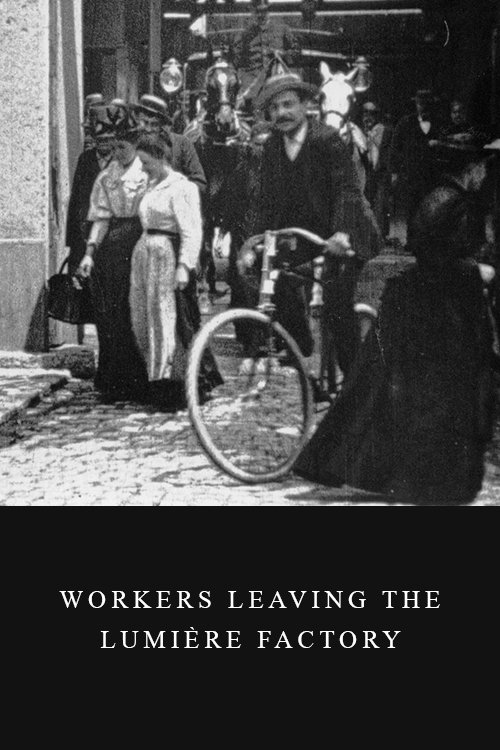
Working men and women leave through the main gate of the Lumière factory in Lyon, France. Filmed on 22 March 1895, it is often referred to as the first real motion picture ever made, although Louis Le Prince's 1888 Roundhay Garden Scene pre-dated it by seven years. Three separate versions of this film exist, which differ from one another in numerous ways. The first version features a carriage drawn by one horse, while in the second version the carriage is drawn by two horses, and there is no carriage at all in the third version. The clothing style is also different between the three versions, demonstrating the different seasons in which each was filmed. This film was made in the 35 mm format with an aspect ratio of 1.33:1, and at a speed of 16 frames per second. At that rate, the 17 meters of film length provided a duration of 46 seconds, holding a total of 800 frames.
LETTERS, a dramatic historical fiction written by Mrs. Evelyn Merritt in 2010, tells the story of U.S. soldiers and their loved ones through their correspondence beginning with the Civil War and ending with the War in Iraq. Sahuarita High School students adapted the Readers’ Theatre play into a movie, reasoning the student actors would be kept safe from Covid-19 by filming them individually, and afterward the footage could be reassembled into a screenplay following the original dialogue.
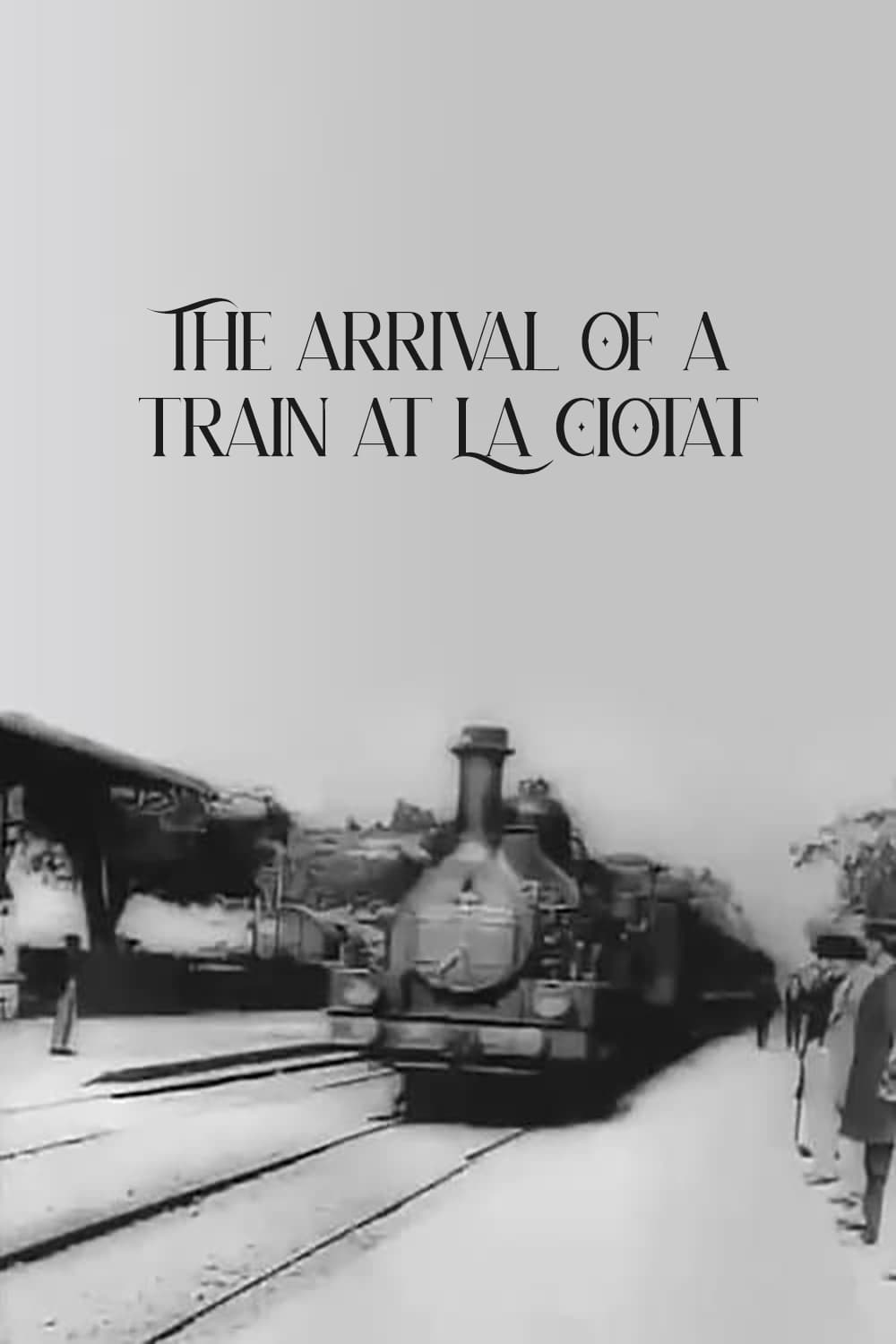
A group of people are standing along the platform of a railway station in La Ciotat, waiting for a train. One is seen coming, at some distance, and eventually stops at the platform. Doors of the railway-cars open and attendants help passengers off and on. Popular legend has it that, when this film was shown, the first-night audience fled the café in terror, fearing being run over by the "approaching" train. This legend has since been identified as promotional embellishment, though there is evidence to suggest that people were astounded at the capabilities of the Lumières' cinématographe.
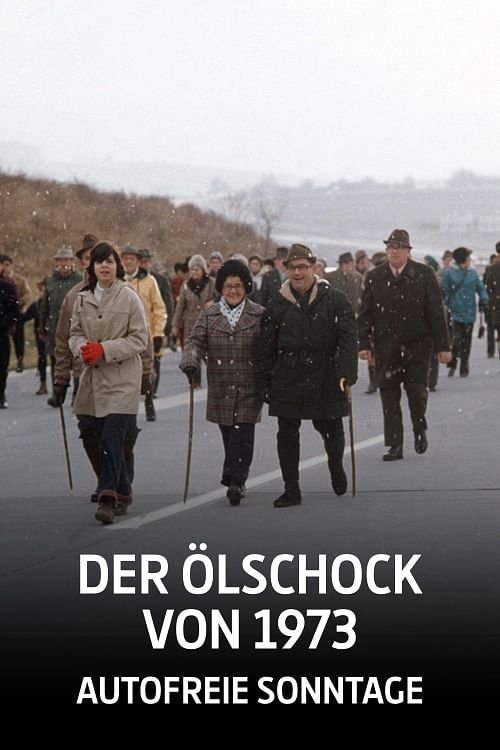
On November 25, 1973, the first of four car-free Sundays transformed West Germany's deserted highways into spaces for walking, cycling, and horse-drawn carriages, while towns and cities took on a festive atmosphere. Introduced during the oil crisis to conserve fuel after the Arab oil embargo and production cuts following the Yom Kippur War, the measure became an unforgettable collective experience. Beyond the immediate energy shortage, the crisis marked a turning point, ending the postwar economic boom and encouraging greater awareness of energy use, consumerism, and environmental issues.

Dustin Lewis investigates his own past after losing a signification portion of his memory.
A short film dedicated to the first female pilot Leyla Mammadbayova. Leyla Mammadbayova, in addition to being the first female pilot of Azerbaijan, also took her place in history as the second female paratrooper of the USSR. The film illuminates the life of Leyla Khanum, full of struggle, in the years 1930-1933. The difficulties faced by women in an environment full of deprivation during that period, Leyla's refusal to wear the veil, her determination despite the condemnation of society, her husband Bahram's support for her struggle, and how this support led Leyla further forward are artistically reflected in the film.
Set in 1961, during the height of the US-Soviet space race, an ambitious USAF test pilot is recruited by NASA for a daring suborbital mission in an X-15 hypersonic rocket-powered aircraft with astronomical implications.
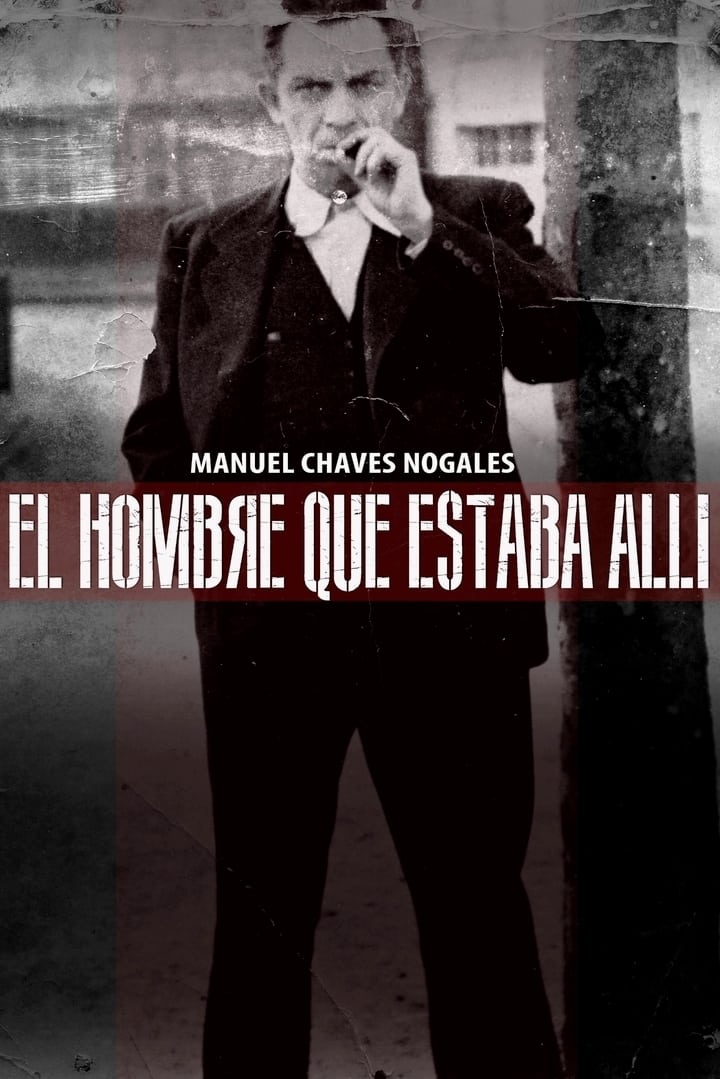
The Spanish journalist Manuel Chaves Nogales (1897-1944) was always there where the news broke out: in the fratricidal Spain of 1936, in Bolshevik Russia, in Fascist Italy, in Nazi Germany, in occupied Paris or in the bombed London of World War II; because his job was to walk, see and tell stories, and thus fight against tyrants, at a time when it was necessary to take sides in order not to be left alone; but he, a man of integrity to the bitter end, never did so.
In an attempt to connect with his fiancee who's she's locked in a Sanitarium, Pavlos tries to enter in his own will without thinking of the consequences.
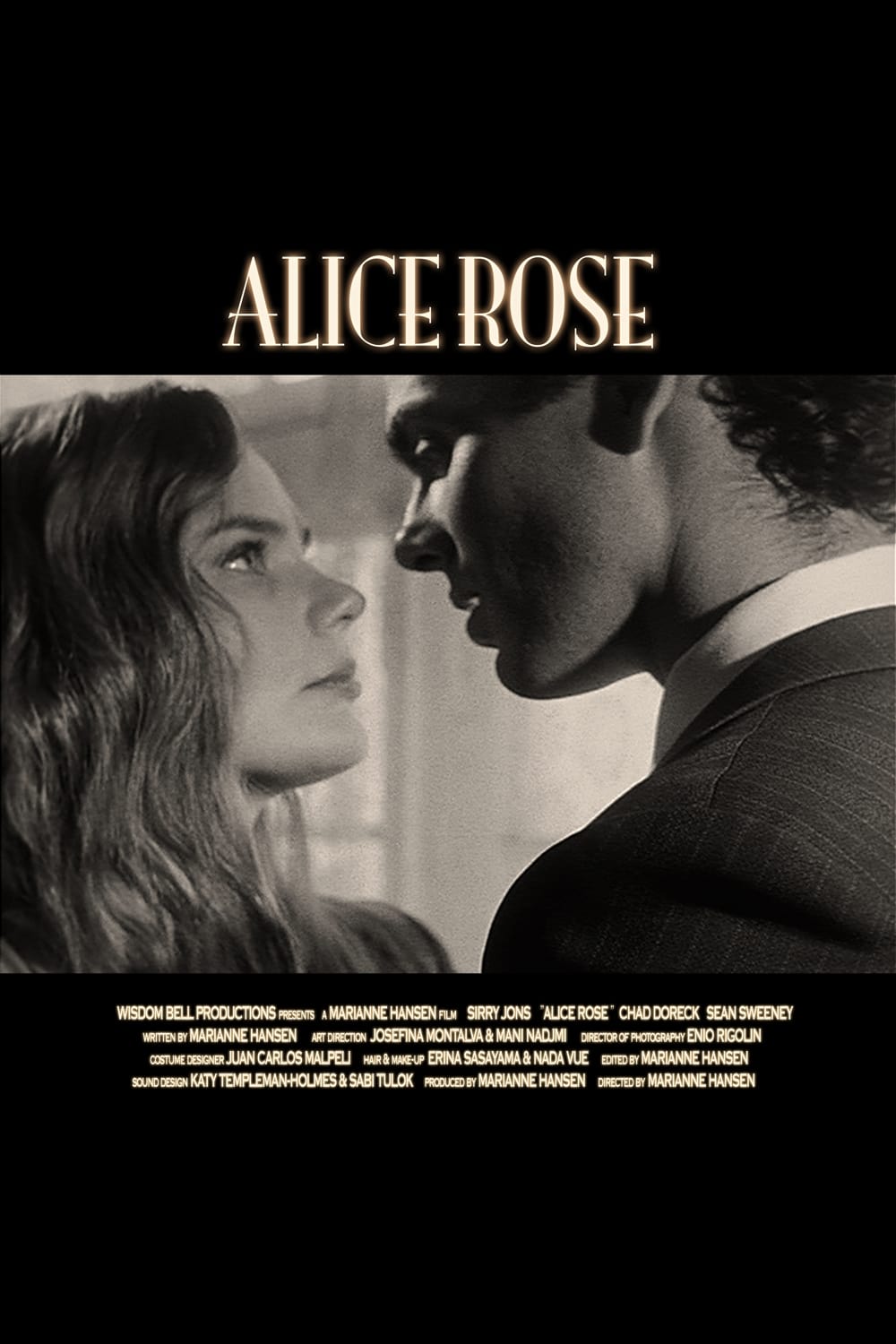
A damsel in distress agrees to run away with her wealthy lover in order to escape from her abusive husband. But all is not as it seems in this 1940s film noir.
A young Beothuk woman tells the story of her experiences witnessing recent interactions between her people and Europeans.
The story of the statesman Ioannis Kapodistrias from his time as foreign minister of Russia all the way to Greece's independence in the 1820s.
In 1970, during the annual Dutch national commemoration of those fallen in World War II, two men try to make a statement against gay discrimination. In the moments before and after the incident, their doubt, fear and firm belief becomes clear.
During WW2 a boy tries to save himself and his baby sister from a German soldier.
The history of cinematic sound, told by legendary sound designers and visionary filmmakers.
At the turn of the 19th century, Pugilism was the sport of kings and a gifted young boxer fought his way to becoming champion of England.
The story of fifteenth century Czech icon and warlord, Jan Zizka, who defeated armies of the Teutonic Order and the Holy Roman Empire.
A WWII veteran escapes his care home in Northern Ireland and embarks on an arduous but inspirational journey to France to attend the 75th anniversary of the D-Day landings, finding the courage to face the ghosts of his past.
In 1973, a young gallery assistant goes on a wild adventure behind the scenes as he helps aging genius Salvador Dali prepare for a big show in New York.
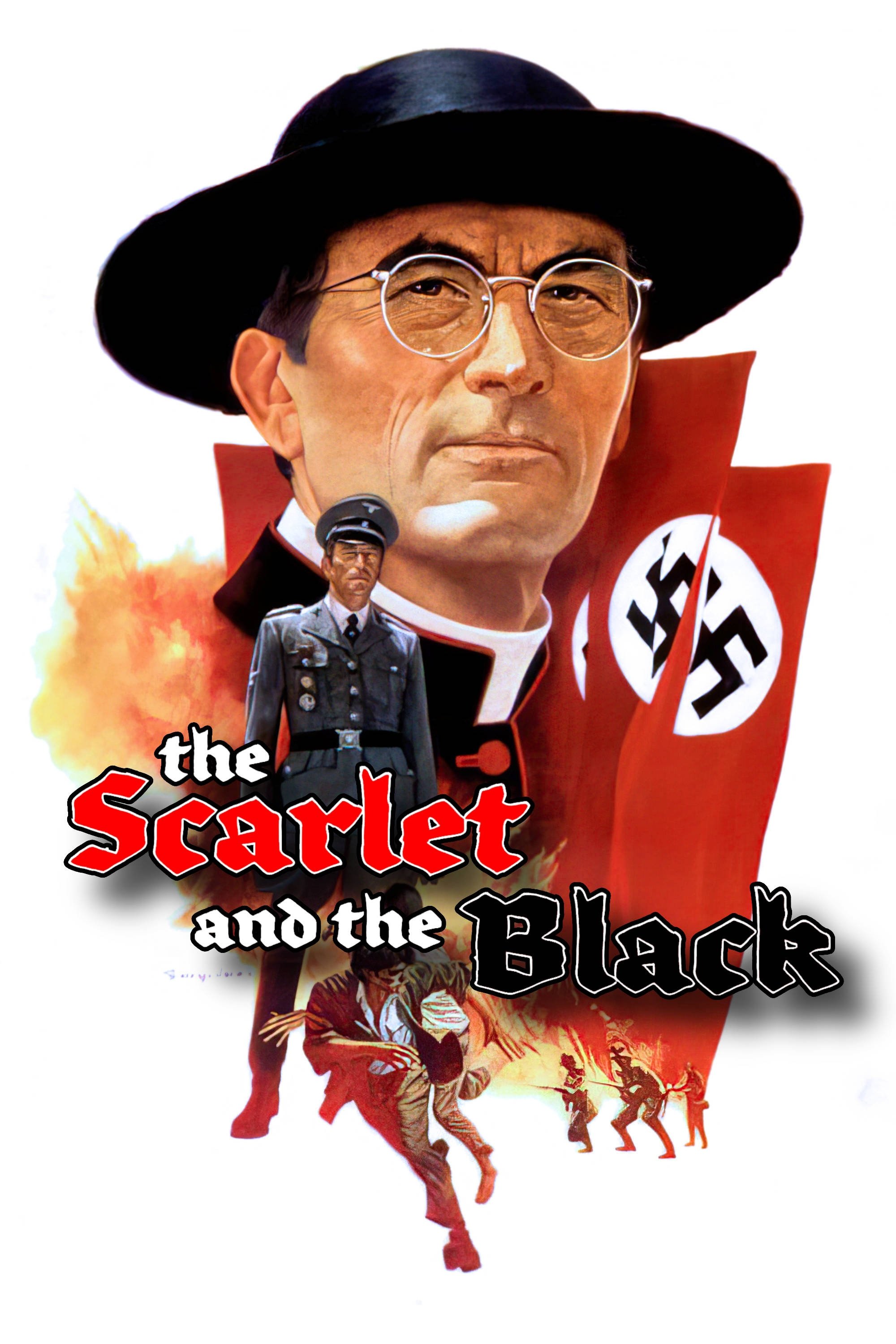
Fr. Hugh O'Flaherty is a Vatican official in 1943-45 who has been hiding downed pilots, escaped prisoners of war, and Italian resistance families. His activities become so large that the Nazis decide to assassinate him the next time he leaves the Vatican.
From its distinctive neighborhoods to its architectural homes, Los Angeles has been the backdrop to countless movies. In this dazzling work, Andersen takes viewers on a whirlwind tour through the metropolis' real and cinematic history, investigating the myriad stories and legends that have come to define it, and meticulously, judiciously revealing the real city that lives beneath.
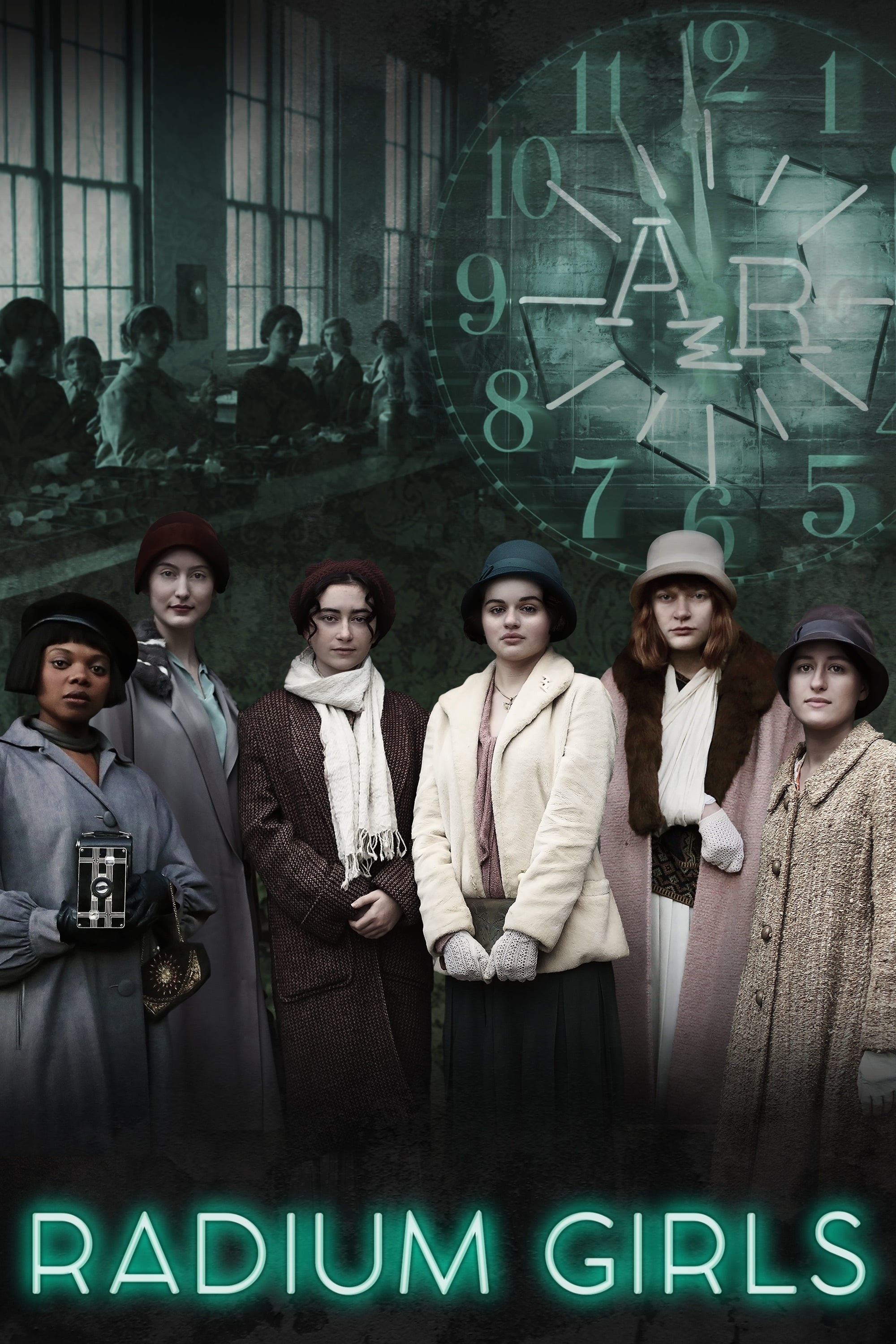
Young women toiling in a factory are exposed to hazardous material which takes a disastrous toll on their health.
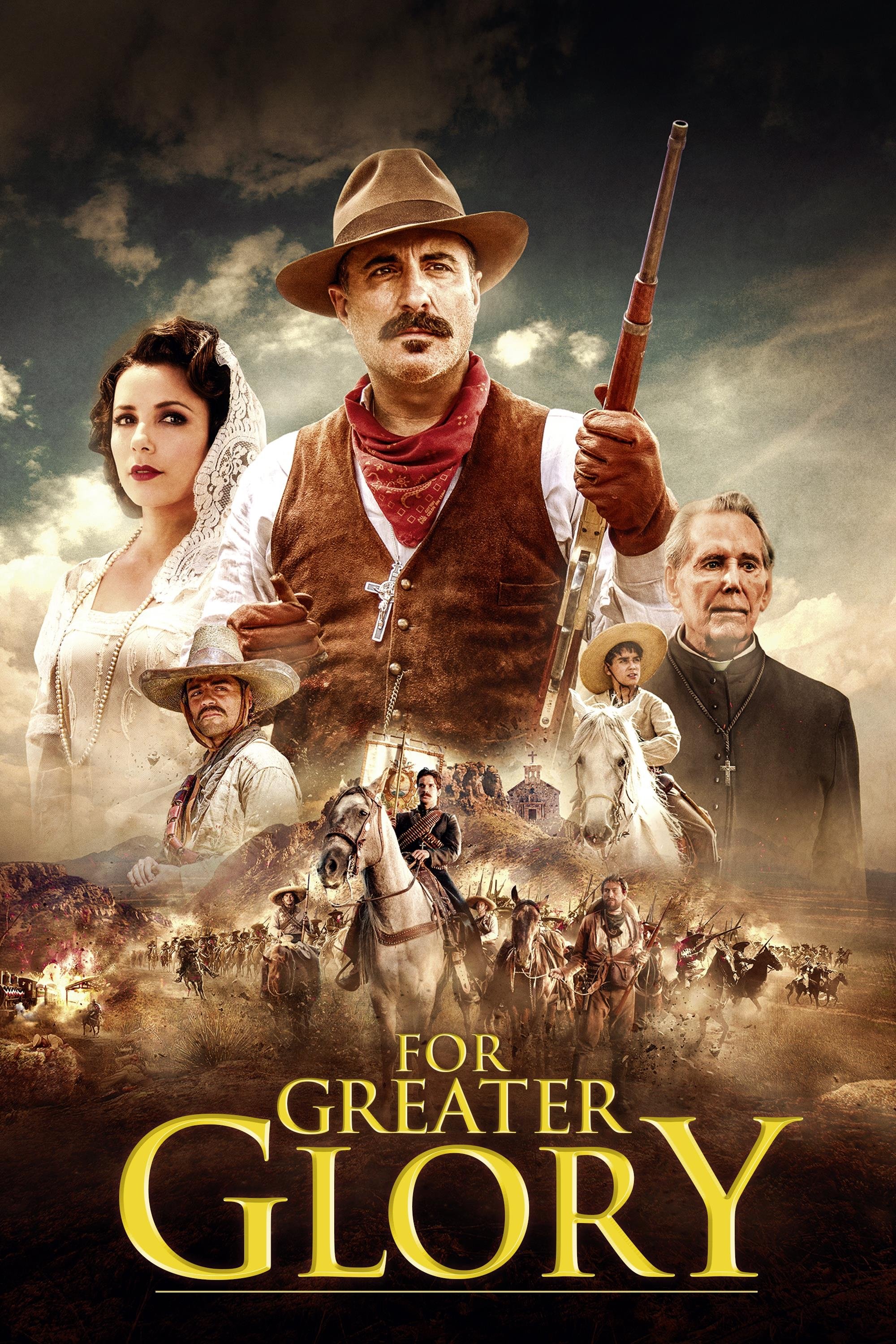
A chronicle of the Cristeros War (1926-1929), which was touched off by a rebellion against the Mexican government's attempt to secularize the country.
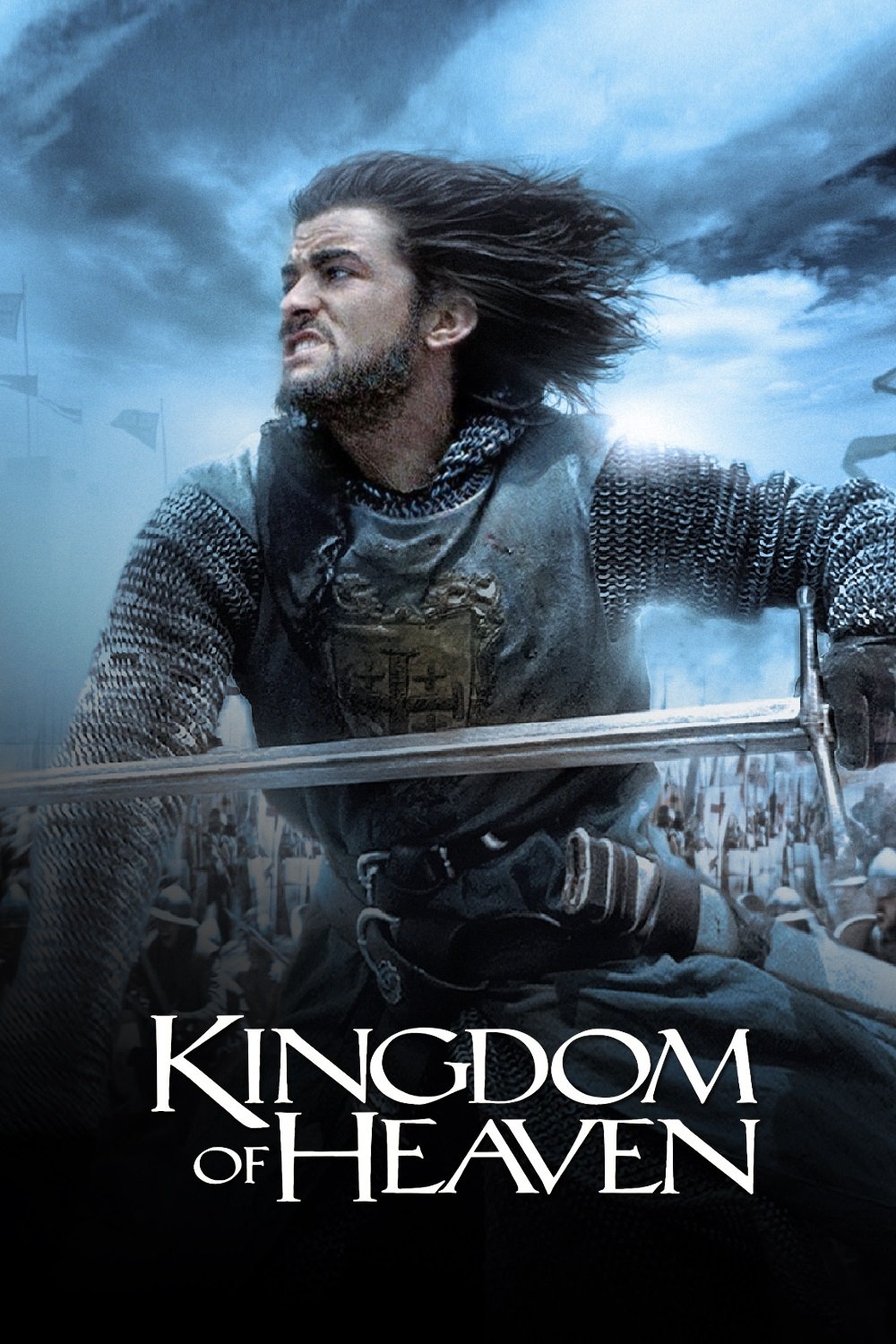
After his wife dies, a blacksmith named Balian is thrust into royalty, political intrigue and bloody holy wars during the Crusades.
Stephen Glass is a staff writer for the respected current events and policy magazine The New Republic and a freelance feature writer for publications such as Rolling Stone, Harper's and George. By the mid-90s, Glass' articles had turned him into one of the most sought-after young journalists in Washington, but a bizarre chain of events - chronicled in Buzz Bissinger's September 1998 Vanity Fair article - suddenly stopped his career in its tracks.
In post-World War II America, a woman, rebuilding her life in the suburbs with her husband, kidnaps her neighbor and seeks vengeance for the heinous war crimes she believes he committed against her.
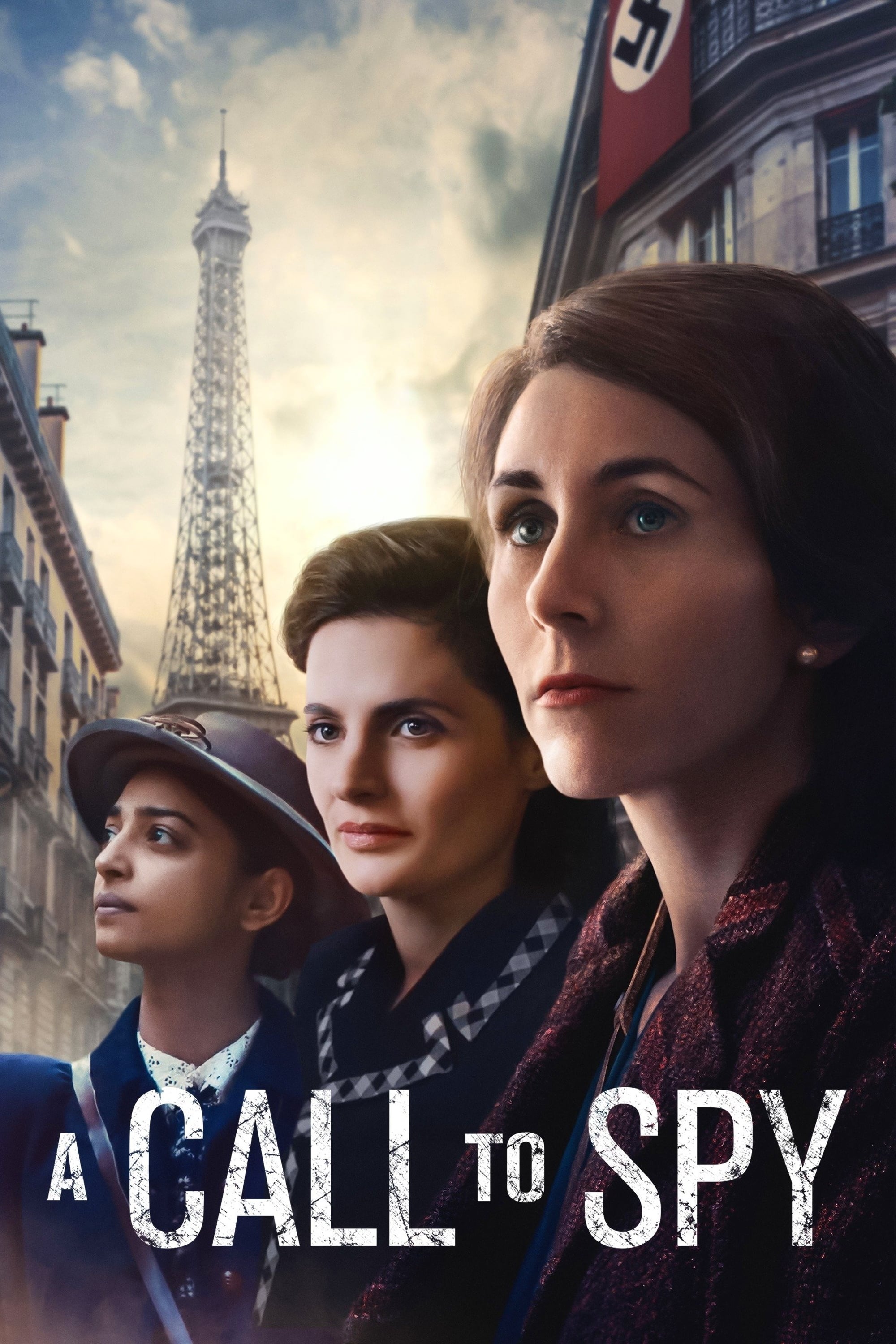
The story of Vera Atkins, a crafty spy recruiter, and two of the first women she selects for Churchill's "secret army": Virginia Hall, a daring American undaunted by a disability and Noor Inayat Khan, a pacifist. These civilian women form an unlikely sisterhood while entangled in dangerous missions to turn the tide of the war.
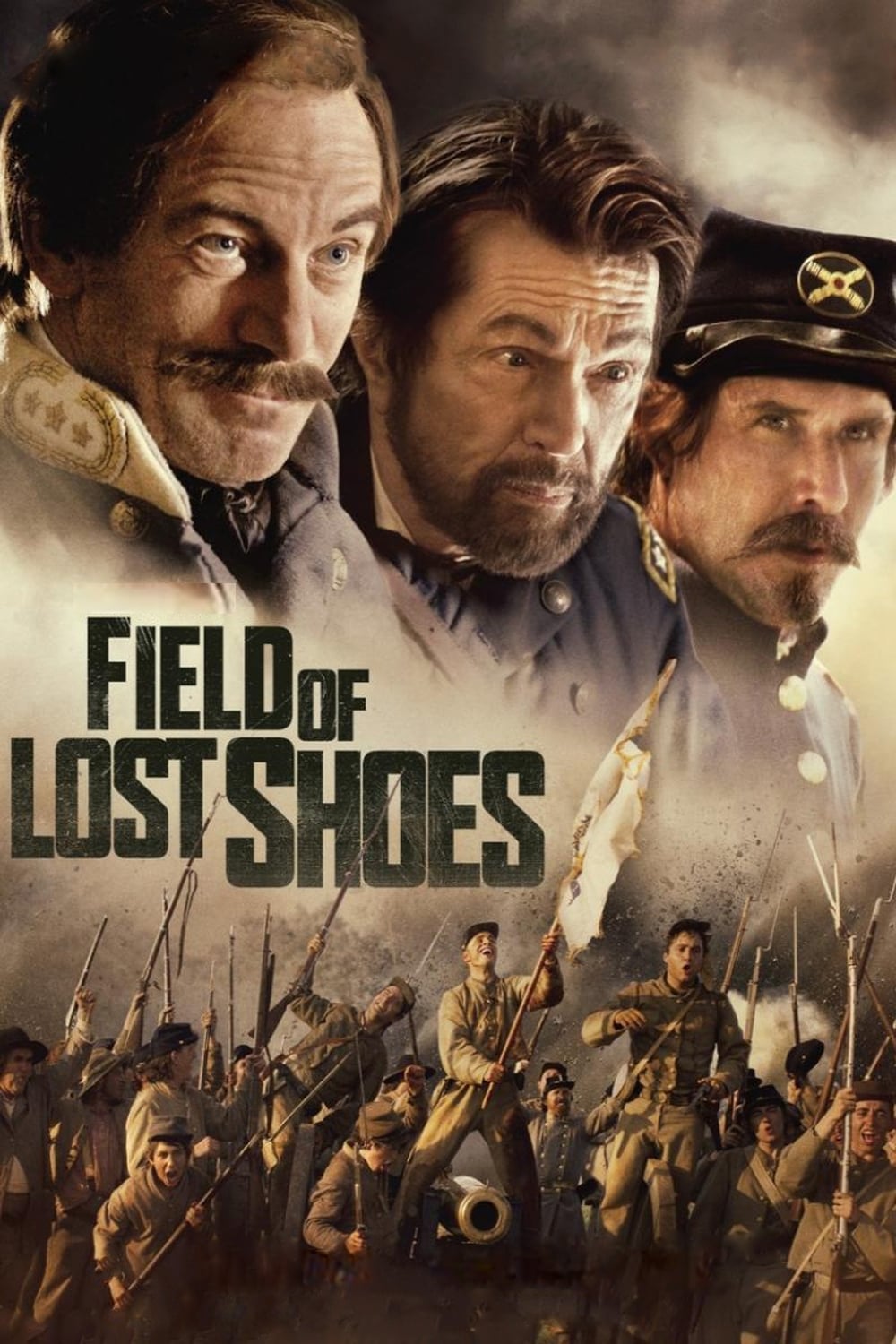
A group of teenage cadets sheltered from war at the Virginia Military Institute must confront the horrors of an adult world when they are called upon to defend the Shenandoah Valley.
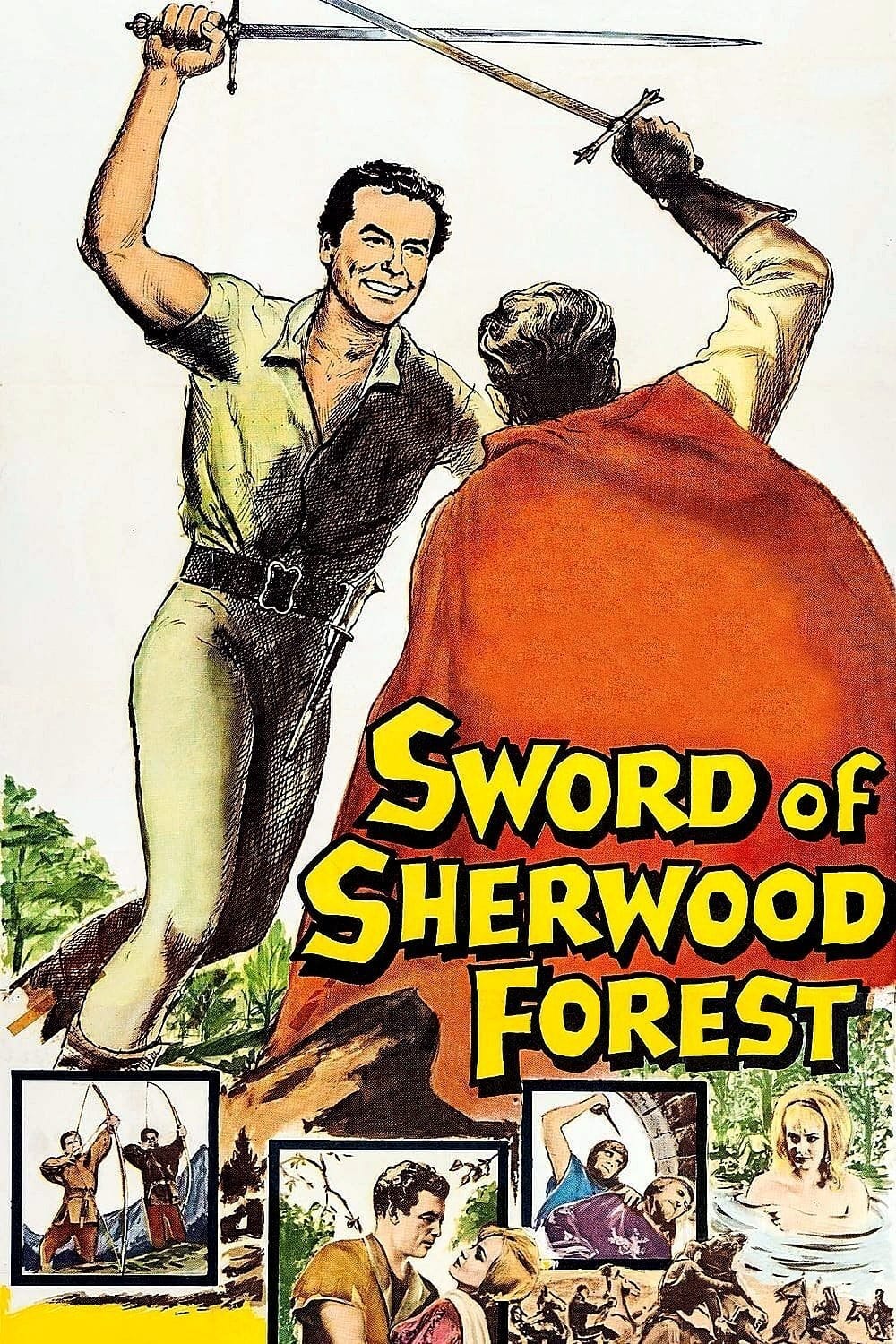
Robin of Loxley and his men stumble on a plot to overthrow Hubert Walter, King's Chancellor and Archbishop of Canterbury. The plotters, the Sheriff of Nottingham and the Earl of Newark, have set an ambush for Walter and Lady Marian Fitzwater. Will Robin get to them before it is too late?
“The Soviet Story” is a story of an Allied power, which helped the Nazis to fight Jews and which slaughtered its own people on an industrial scale. Assisted by the West, this power triumphed on May 9th, 1945. Its crimes were made taboo, and the complete story of Europe’s most murderous regime has never been told. Until now...
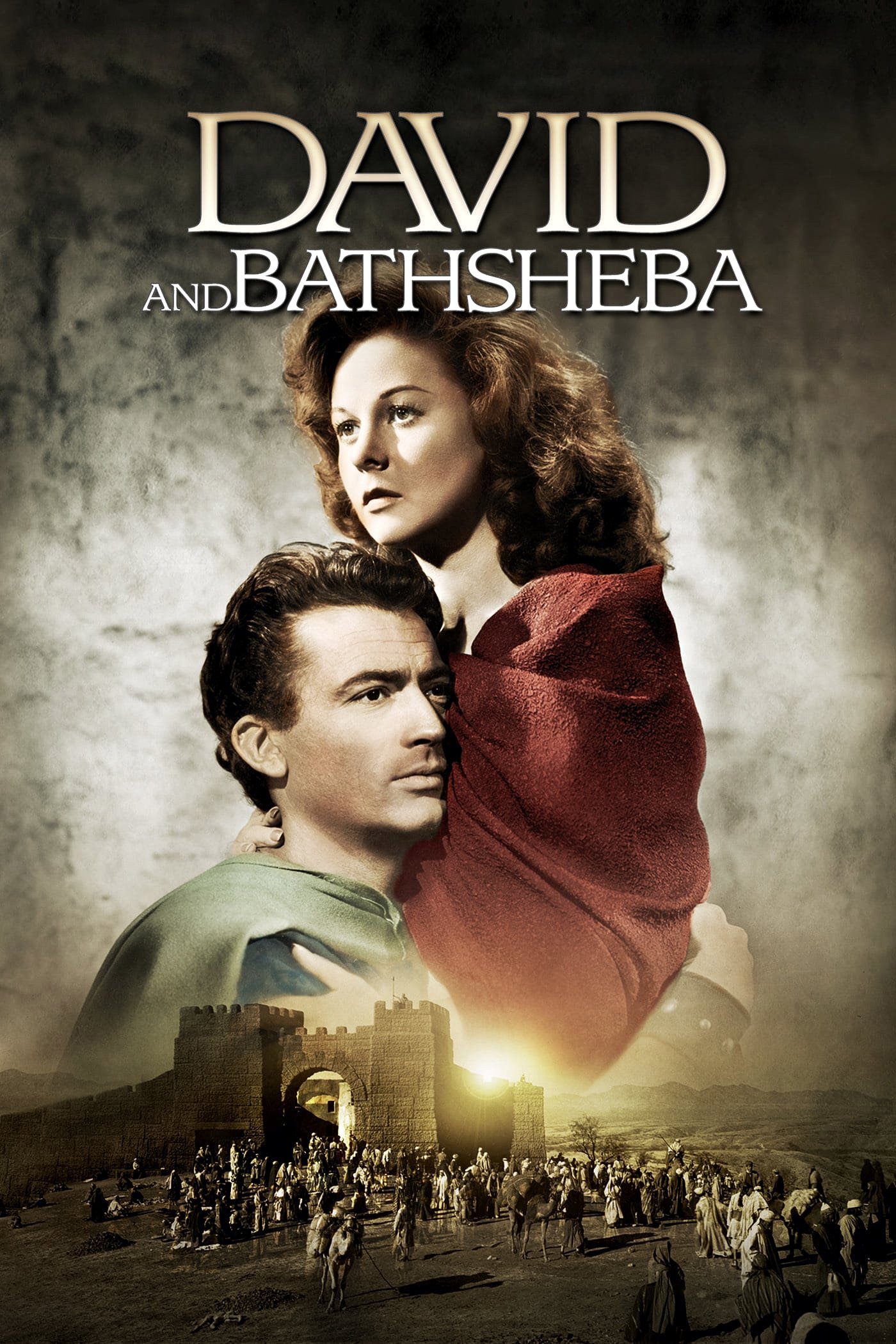
King David enters into an adulterous affair with the beautiful Bathsheba, which has tragic consequences for his family and Israel.
The story of Nobel Prize winner Maria Skłodowska-Curie and her extraordinary scientific discoveries—through the prism of her marriage to husband Pierre—and the seismic and transformative effects their discovery of radium had on the 20th century.
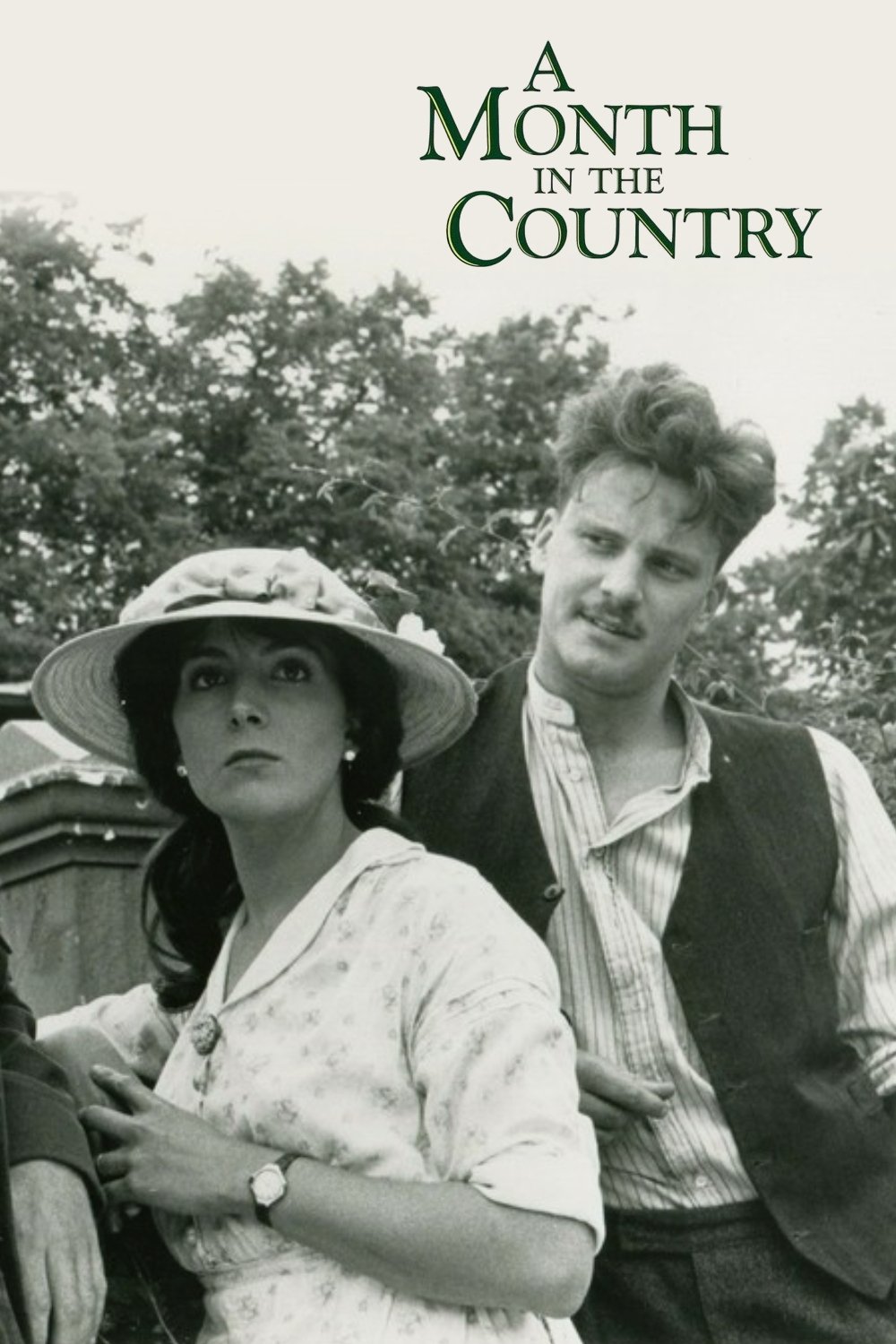
A destitute WWI veteran is hired to help carry out restoration work on a medieval mural in a rural Yorkshire church. While living in the quiet village, he forms a close friendship with an archaeologist and begins to come to terms with his trauma.
Judge Clarence Thomas' nomination to the United States' Supreme Court is called into question when former colleague, Anita Hill, testifies that he had sexually harassed her.