Social & External
Self (archive footage)
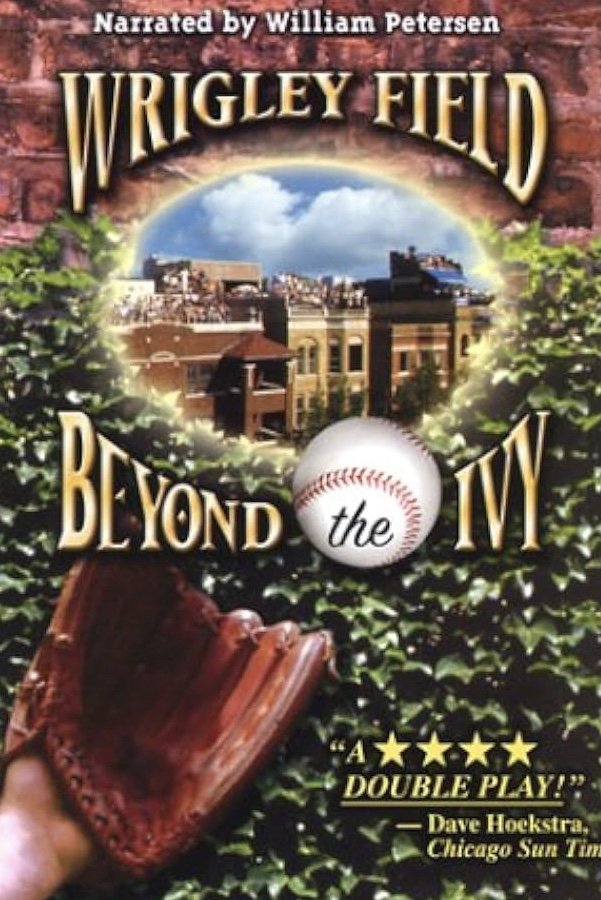
Actor William Petersen narrates this documentary about Chicago's venerable baseball stadium, Wrigley Field, focusing on a variety of quirky fans who've spent so much time there that they've become part of the stadium experience. These colorful Cubs enthusiasts tell their stories and discuss how both baseball and Wrigley Field have become an integral part of their lives. A bonus feature on Comiskey Park -- home of the rival White Sox -- is included.
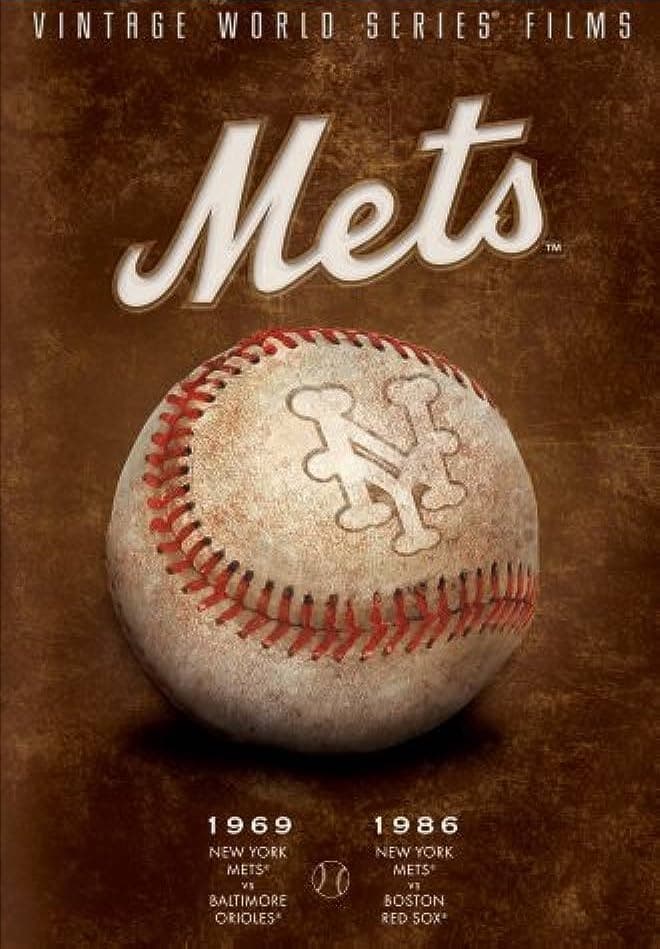
The World Series champion Mets of 1969 and 1986 were embraced by fans for their pitching, personalities, and perseverance. In 1969, the world was mesmerized by man's first steps on the moon. The world of baseball was equally transfixed by the Mets. New York relied on pitching from Tom Seaver and Jerry Koosman, and the hitting of Tommie Agee and Cleon Jones to register the Club's first 100-win season. It took the 1986 Mets two games to recover from a grueling NLCS, and then the fiery Lenny Dykstra led the charge. With two road victories pushing the Fall Classic back to Shea Stadium, the stage was set for Game Six--and arguably the most remarkable comeback in baseball history...
The 2019 World Series was loaded with surprises, comebacks, superstars, and a few new records. Home field advantage belonged to the 105-win Houston Astros, who were looking to take back a title they had won in 2017. The white-hot Washington Nationals were fighting for the first championship in franchise history. The Washington Nationals beat the Houston Astros in a most unpredictable Fall Classic, winning Game 7 with one last rally in a season full of rallies. For the first time in MLB history, the road team won all seven games in the World Series.
Osaka Korean High School has provided education for the past six decades to the children of pro-North Korean residents in Japan. This school is located only about 20 minutes away from Hanazono Stadium, the mecca of Japan’s high school rugby, but it was not until 1994, 18 years after the foundation of a rugby team at the high school, that the Japanese education ministry approved the team’s entry into the official league. Since then, the team has run in the national league as a representative of the Osaka area and been considered a front-runner ever since. The team has strong players and passionate supporters, but it faces difficulties just before winning the league.
The protagonists of the film are the Zainichi Korean women living in Kawasaki. They were tossed about by the war, and after many trips to and fro across the sea in search of a place to live, they finally arrived in Kawasaki, where they have lived modestly and vigorously.
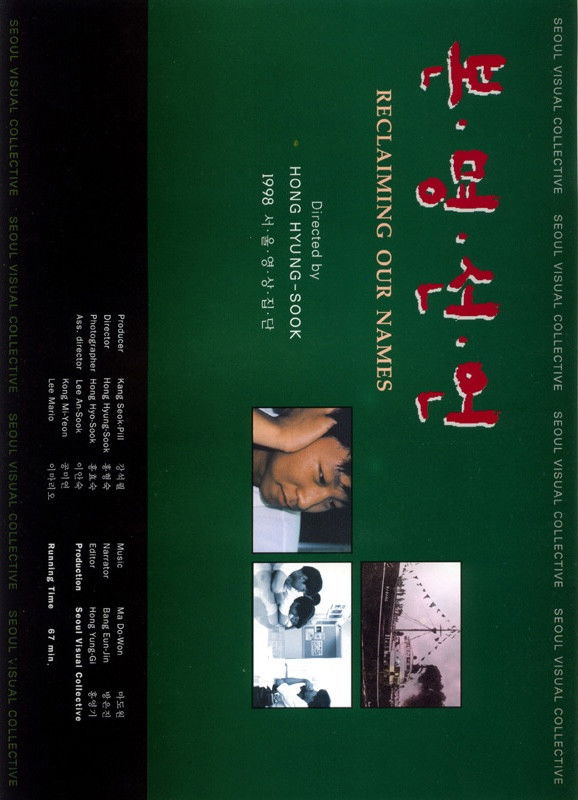
Confronting half of her mother’s life—her mother who had survived the Jeju April 3 Incident—the director tries to scoop out disappearing memories. A tale of family, which carries on from Dear Pyongyang, carving out the cruelty of history, and questioning the precarious existence of the nation-state.
"The Last Season" follows the stadium's last year, the fans' communal last look, the witnessing of the wrecking ball and the great fall of the Memorial Wall.
Acclaimed Florida novelist Randy Wayne White travels to Cuba with former pitchers Bill "Spaceman" Lee (Boston Red Sox) and Jon Warden (Detroit Tigers), and a band of baseball enthusiasts to find and revive the children's baseball league founded by American writer Ernest Hemingway in the days before Fidel Castro came to power.
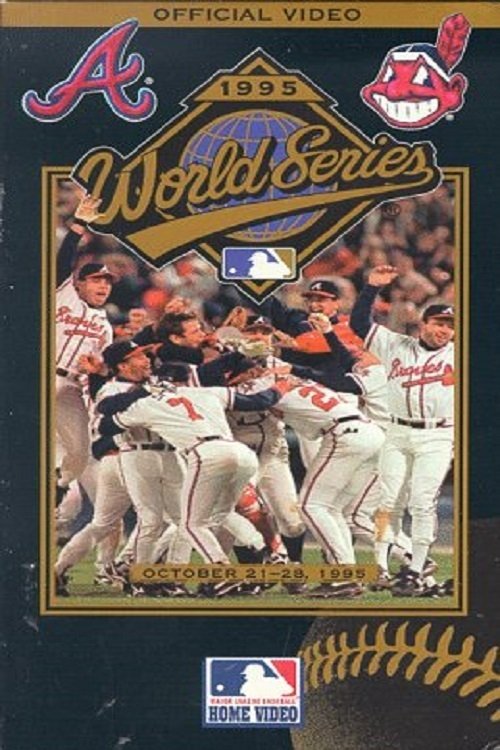
The 1995 World Series featured the two best teams in baseball. The Cleveland Indians won 100 games in a shortened season, and they made it to the World Series for the first time in 41 years. The Atlanta Braves had been here before, twice in the previous four years. With the best pitching staff in baseball, they were called the team of the '90's. Still they needed a World Series Title to claim that crown. This official documentary of the 1995 World Series includes all the dramatic moments of the six-game battle between the Indians and the Braves including: Eddie Murray's game-winning single at frenzied Jacobs Field. Orel Hershiser's gutsy performances against the incredible Greg Maddux. Dave Justice talking the talk...and then walking the walk. Tom Glavine, the series MVP, pitching one-hit baseball under phenomenal pressure.
"This film explores how freedom of speech — including dissent — is afforded to all Americans, and shows freedom of expression in art, music, dance, architecture, and science. The film also emphasizes the importance of the individual’s contribution to the whole of society and demonstrates how a productive and creative society is formed by the open and respectful exchange of ideas. The film was written, produced, and directed by William Greaves" (National Archives).
The T206 Honus Wagner is the most famous baseball card in the world. Bought and sold many times over, the card has now appreciated to nearly $3 million dollars. But, this gem may have been doctored. From mere speculation, the accusations of alteration have risen all the way to federal indictments. But this is still 'just' a baseball card. It is a small square in the tapestry of our national pastime. And, as the art world readily illustrates, it may be that no matter what was done or not done to 'The Card,' its value really does lie in the eye of the beholder.
On October 2nd, 1977 Dusty Baker hit his 30th homerun of the season. As Baker rounded the bases, an excited rookie named Glenn Burke met him at home plate, raised his arm high in the air and slapped Baker's hand. It was the first high five recorded in the history of sports. A year later, Burke was forced out of baseball amid rumours of his sexual orientation.
In the summer of 2001, a controversy unlike any other led to the disqualification of the Bronx baseball team from the Little League World Series. At the center of the bizarre story was a quiet, unassuming 14-year-old kid named Danny Almonte. Nicknamed "The Little Unit," the hard-throwing left-hander was exposed by Sports Illustrated as being too old to have competed in the tournament. The story instantly caught national and even international attention, as Danny was pushed into the spotlight and accused of cheating in the most sacred of all amateur sports. Twelve years later, the reclusive Almonte finally tells the truth about one of the strangest chapters in youth sports history: a hoax that would forever change the way people view amateur athletics in America.
The film will tell the story of Mackey Sasser, a talented catcher for the New York Mets, who could hit, call pitches, block the plate and fire missiles down to second base but he couldn't throw the ball back to the pitcher. Through interviews with Mackey, his sports psychologists and commentators, as well as footage of his playing days and his treatment (which involved using a baseball to find the boyhood traumas underlying his career-ending anxiety), this program will look at the mental side of sports and probe what takes a player in and out of the "zone".
Every day Pete Rose wakes up and goes to work. He's surrounded by bats, balls, gloves, and fans, and approaches each day with the same gusto which defined him on the field. But instead of a dugout, he's seated in a folding chair in a memorabilia store in Las Vegas. Nicknamed "Charlie Hustle" for his efforts on the field, Rose, now 71, agreed to a lifetime ban from baseball in 1989 after an investigation concluded he bet on games when he was the manager for the Cincinnati Reds. The ban has left him ineligible for induction into the Hall of Fame. He leads baseball with 4,256 career hits. - Written by ESPN Films
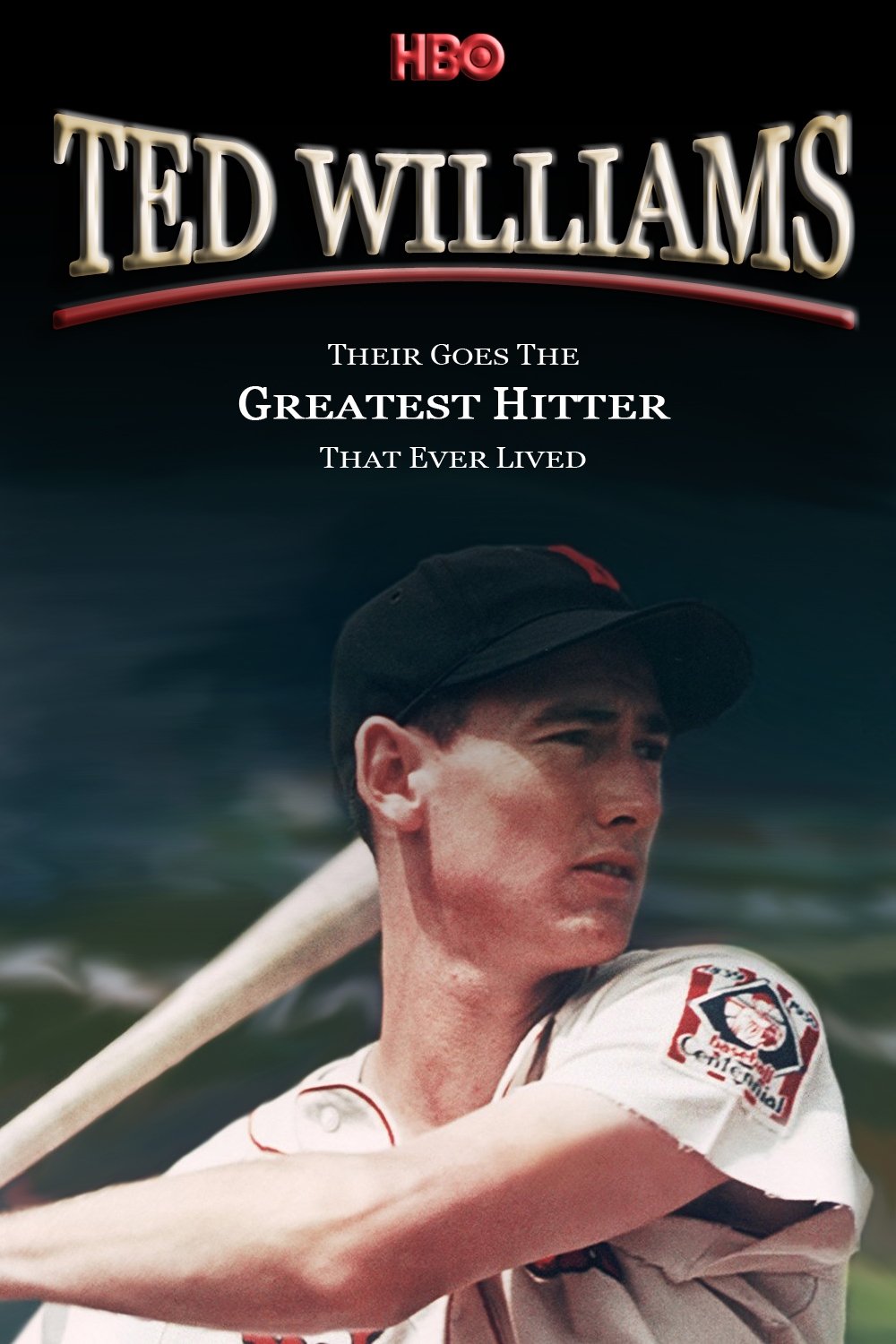
Red Sox legend Ted Williams grew up in front of America during baseball’s golden age. He served his country as an ace fighter pilot in Korea and was the last man to ever hit over .400 for a season. This story isn’t about how he lived, but about the mystery surrounding his world after his death. Williams’s head (yes, his head) is preserved in cryostasis in a facility in Arizona. How this came to be remains a mystery shrouded in claims that his children mistreated him and wrapped in a notorious dirty cocktail napkin.
The triumphs and challenges of Negro League baseball in the early 20th century. Through rare footage and interviews with iconic players like Satchel Paige and Buck O'Neil, as well as Hall of Famers Willie Mays and Hank Aaron, the film highlights the league's pivotal role in Black communities and the impact of integration.
Mike Veeck, son of MLB franchise owner Bill Veeck, blows up his father's career. Exiled from the game he loves, the younger Veeck spends the next few decades clawing his way up from rock bottom, determined to redeem himself.
Big Papi was at his best when it mattered, heralded as the greatest playoff clutch hitter of all-time. Filmed over the course of just six weeks, David Ortiz: Legend Of The Fall documents the three time world champion's recent induction in the baseball Hall of Fame – capturing the lead-up to this momentous event, the actual ceremony and the afterglow of his enshrinement.
The late Kim Dong-il, a Jeju April 3 refugee in Japan, left behind over 2,000 crocheted items and pieces of clothing that preserved her memories, identity, and history. As the film traces the redistribution of her belongings, it illuminates the still-unhealed lives of various Zainichi Koreans who lived through the same era, sharing and connecting their intertwined memories.