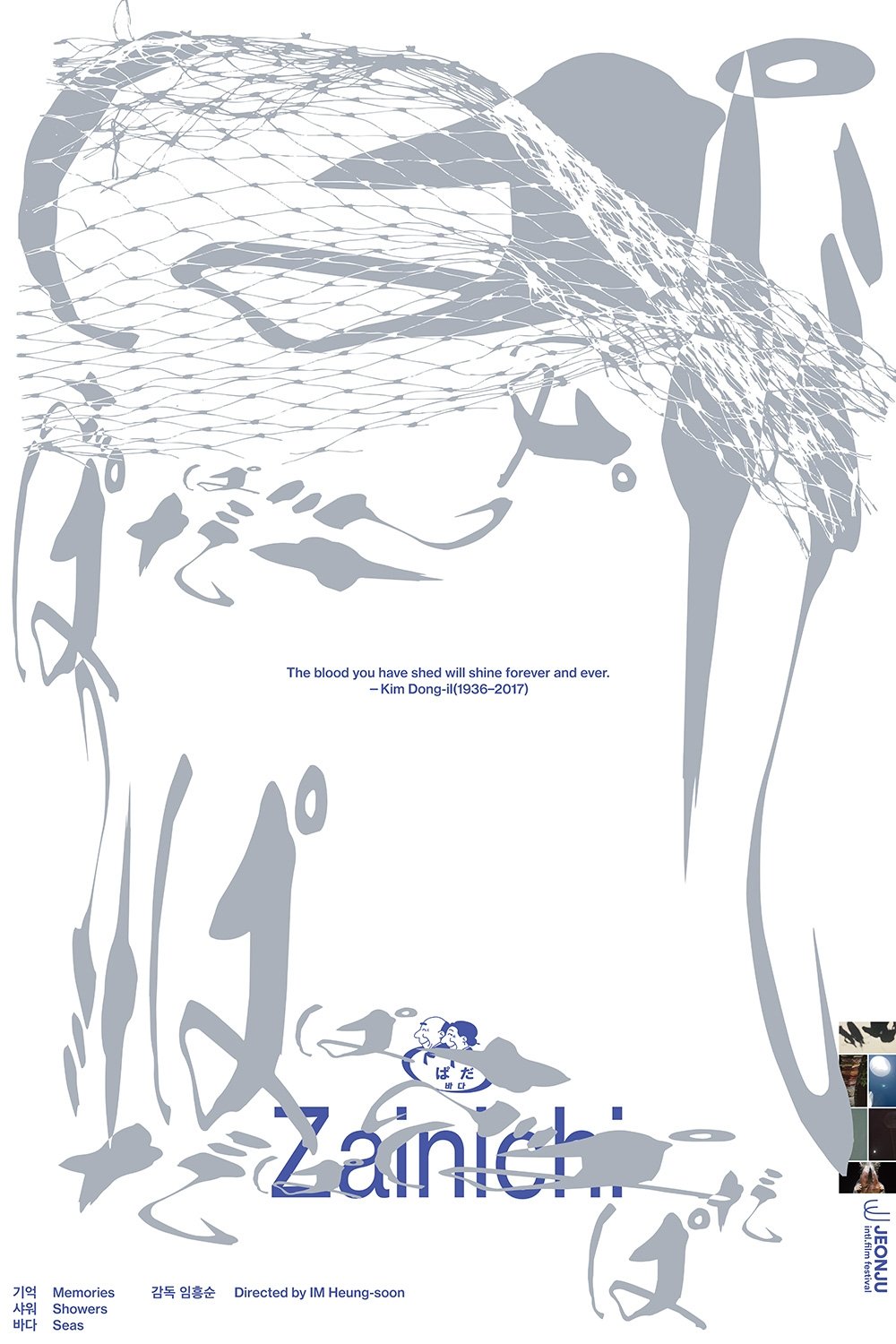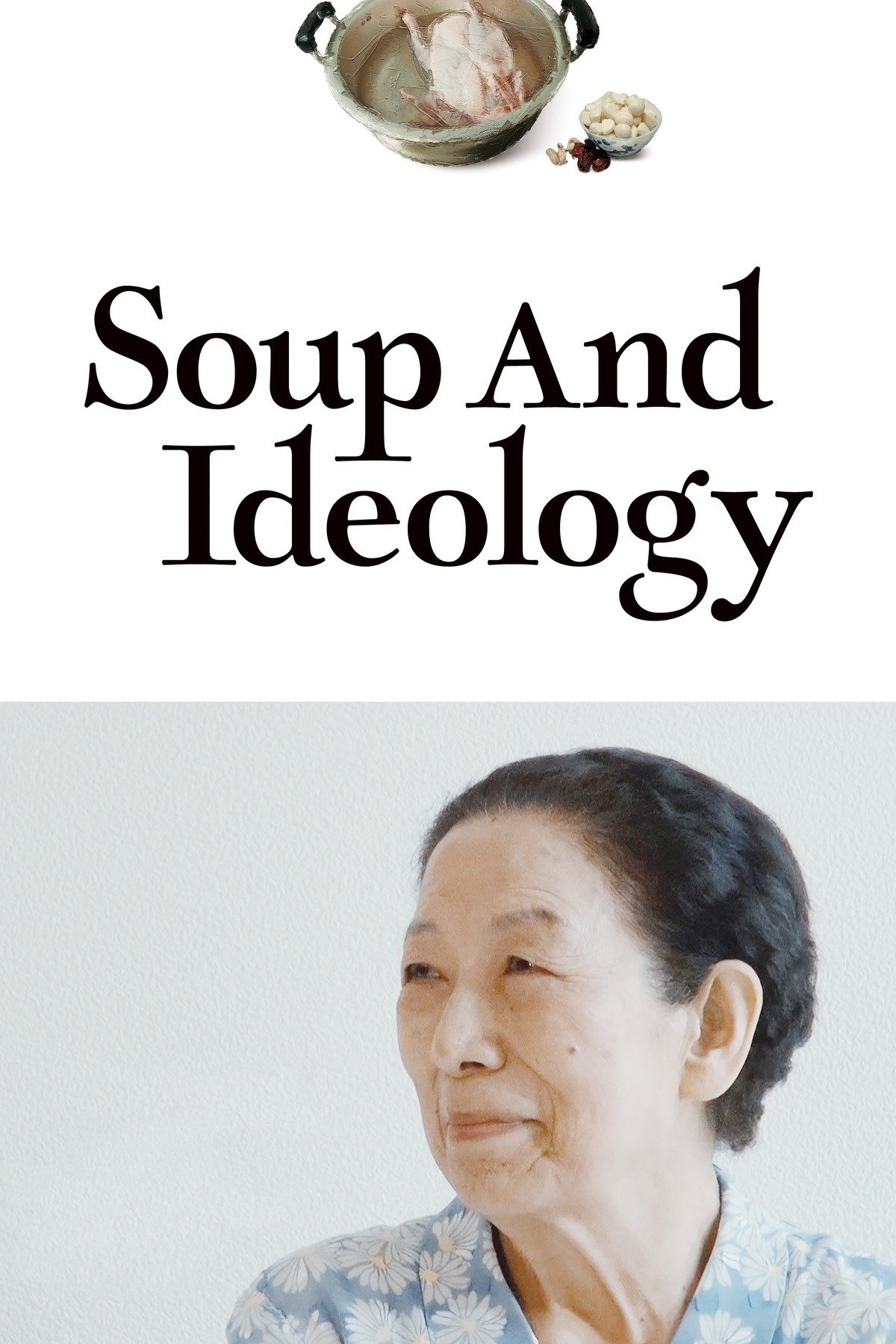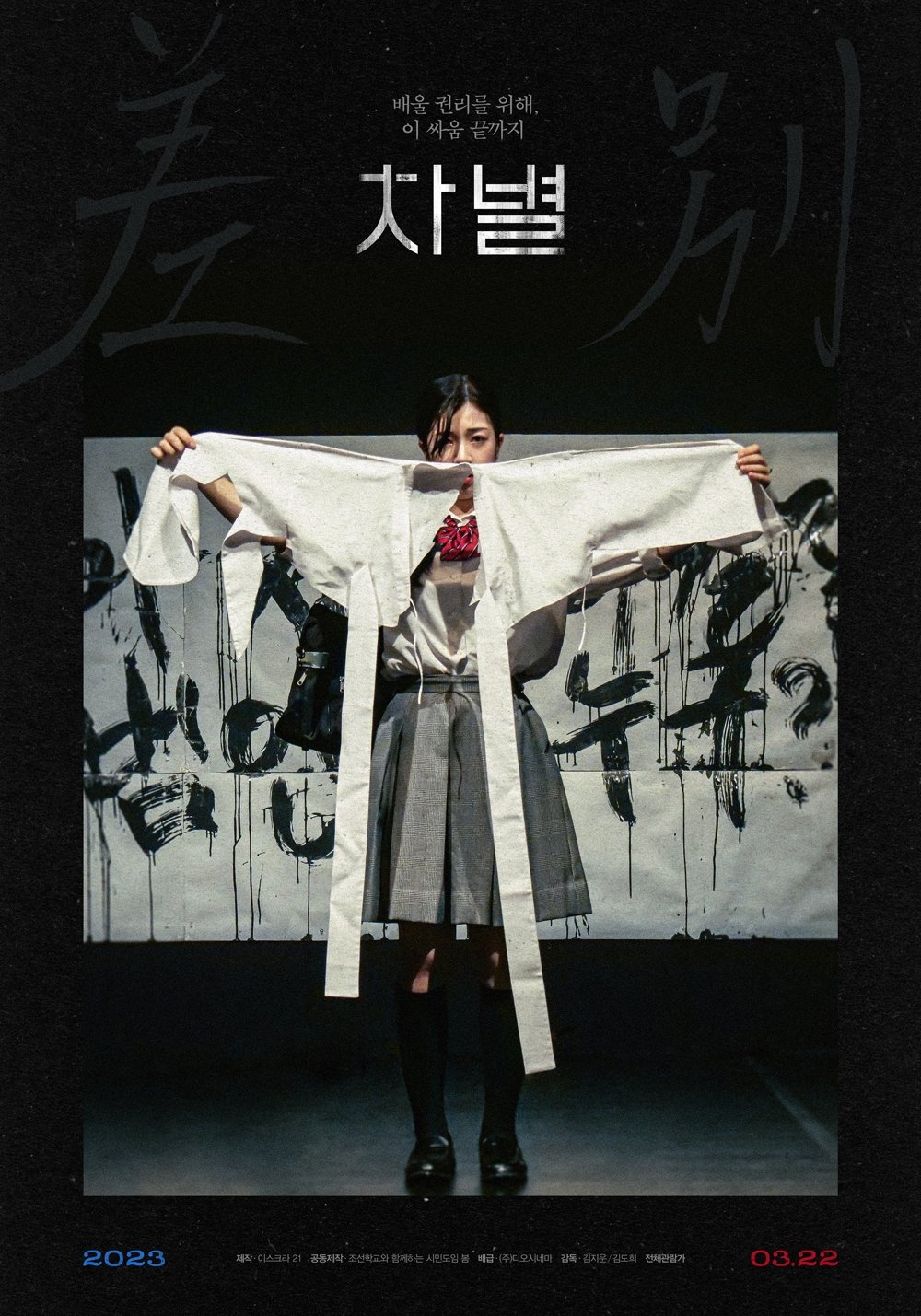
‘Ikaino’ refers to a neighborhood in Osaka, Japan, home to a large community of Zainichi Koreans. Though erased from official records over fifty years ago, its name still carries memories and stories.
Social & External
Director Park Soo-nam, a second-generation Korean resident in Japan who is losing his eyesight, decides to digitally restore 16mm film she shot a long time ago, relying on her daughter Park Ma-eui's eyesight. The blood, tears, and numerous corpses of Koreans living in Japan are clearly engraved in the film filmed over 50 years.
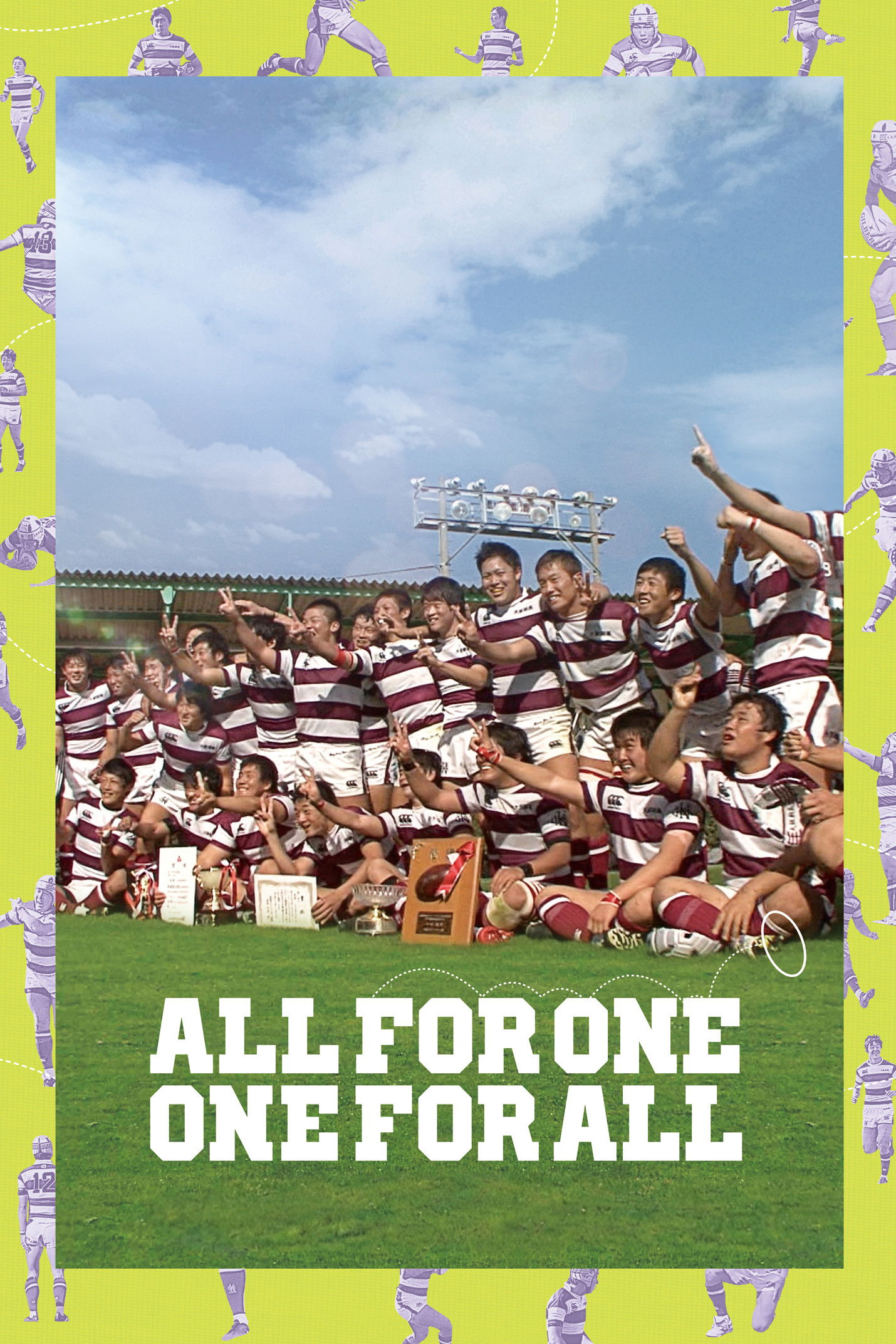
Osaka Korean High School has provided education for the past six decades to the children of pro-North Korean residents in Japan. This school is located only about 20 minutes away from Hanazono Stadium, the mecca of Japan’s high school rugby, but it was not until 1994, 18 years after the foundation of a rugby team at the high school, that the Japanese education ministry approved the team’s entry into the official league. Since then, the team has run in the national league as a representative of the Osaka area and been considered a front-runner ever since. The team has strong players and passionate supporters, but it faces difficulties just before winning the league.
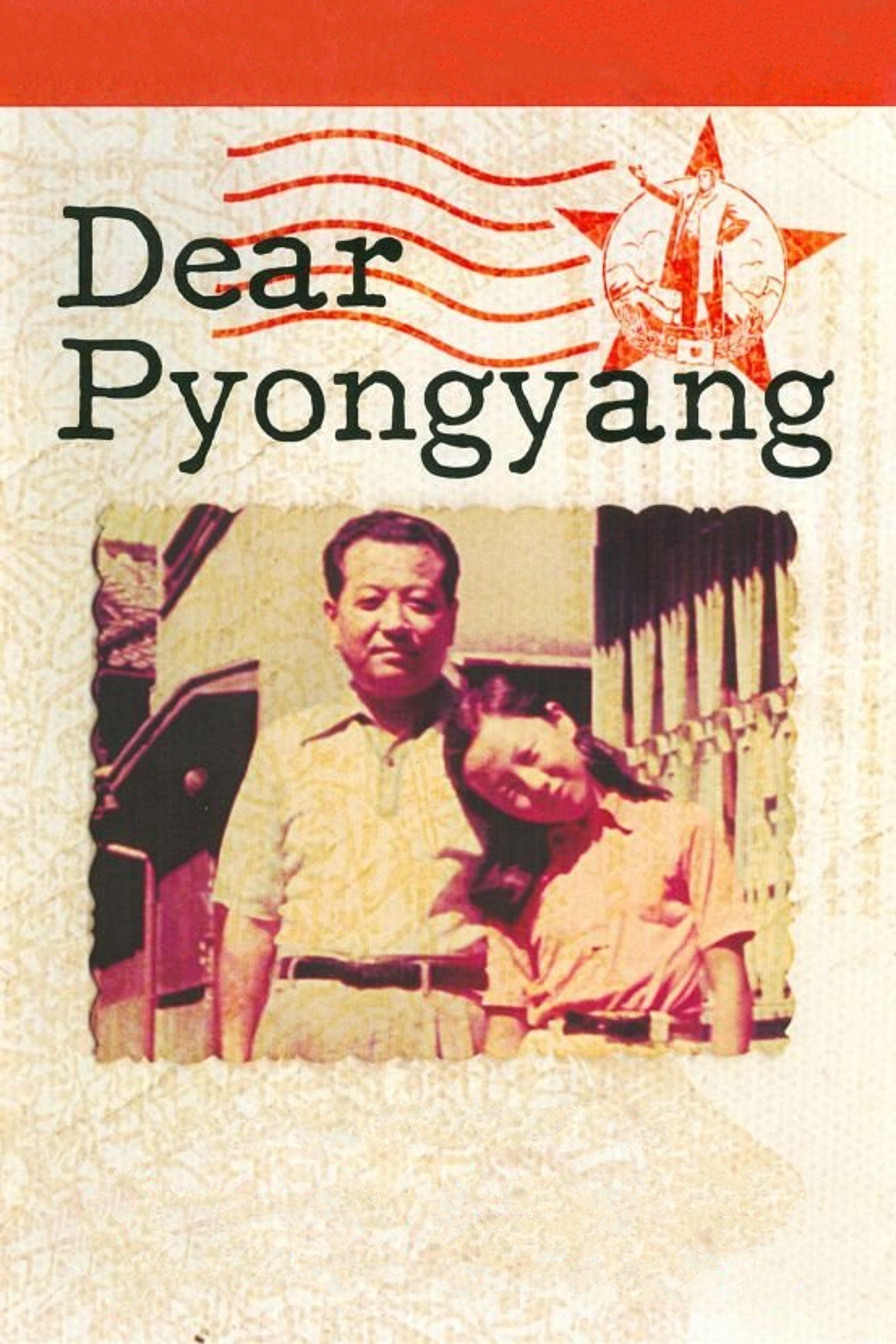
Dear Pyongyang is a documentary film by Zainichi Korean director Yang Yong-hi (Korean: 양영희, Hanja: 梁英姬) about her own family. It was shot in Osaka Japan (Yang's hometown) and Pyongyang, North Korea, In the 1970s, Yang's father, an ardent communist and leader of the pro-North movement in Japan, sent his three sons from Japan to North Korea under a repatriation campaign sponsored by ethnic activist organisation and de facto North Korean embassy Chongryon; as the only daughter, Yang herself remained in Japan. However, as the economic situation in the North deteriorated, the brothers became increasingly dependent for survival on the care packages sent by their parents. The film shows Yang's visits to her brothers in Pyongyang, as well as conversations with her father about his ideological faith and his regrets over breaking up his family.
Confronting half of her mother’s life—her mother who had survived the Jeju April 3 Incident—the director tries to scoop out disappearing memories. A tale of family, which carries on from Dear Pyongyang, carving out the cruelty of history, and questioning the precarious existence of the nation-state.
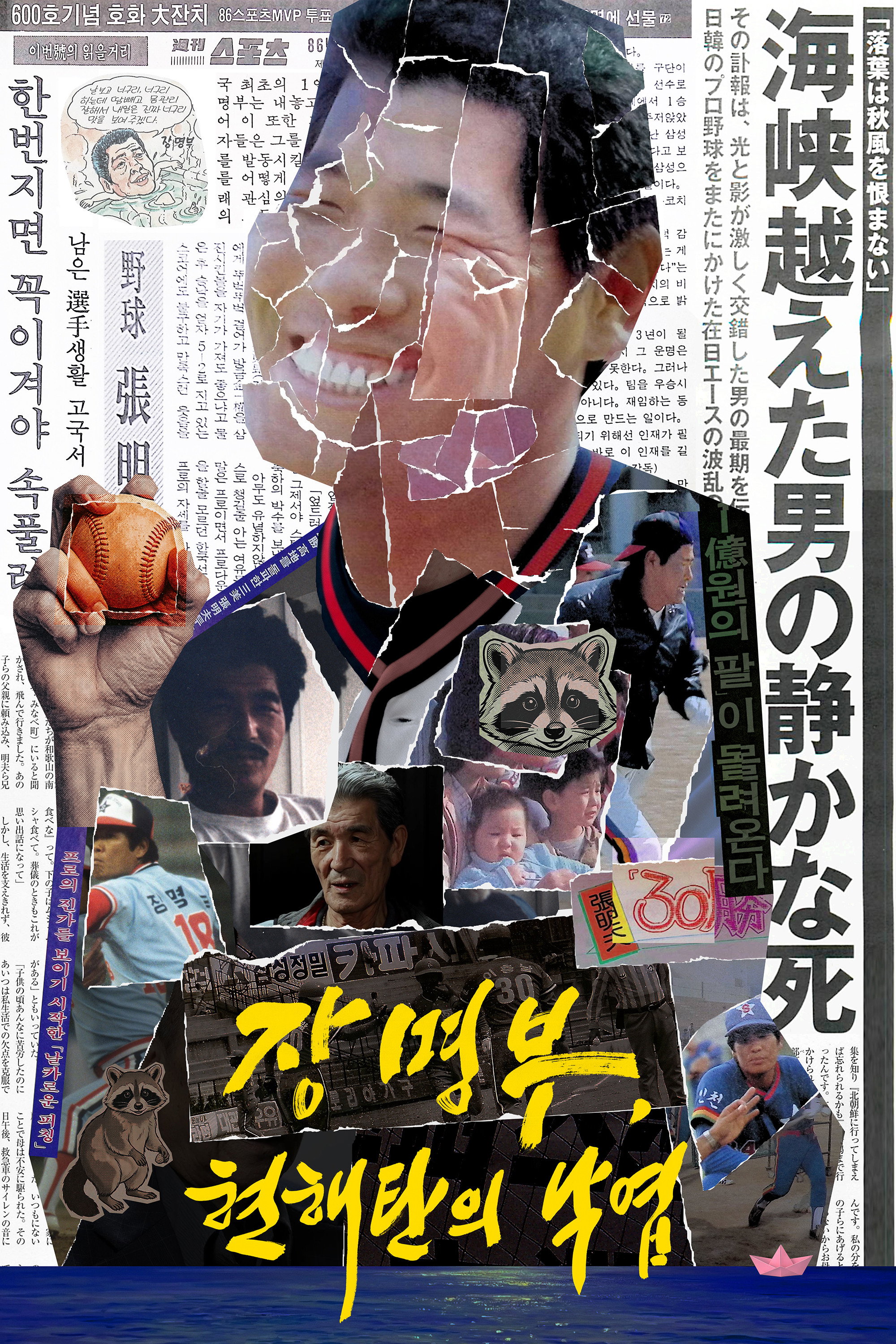
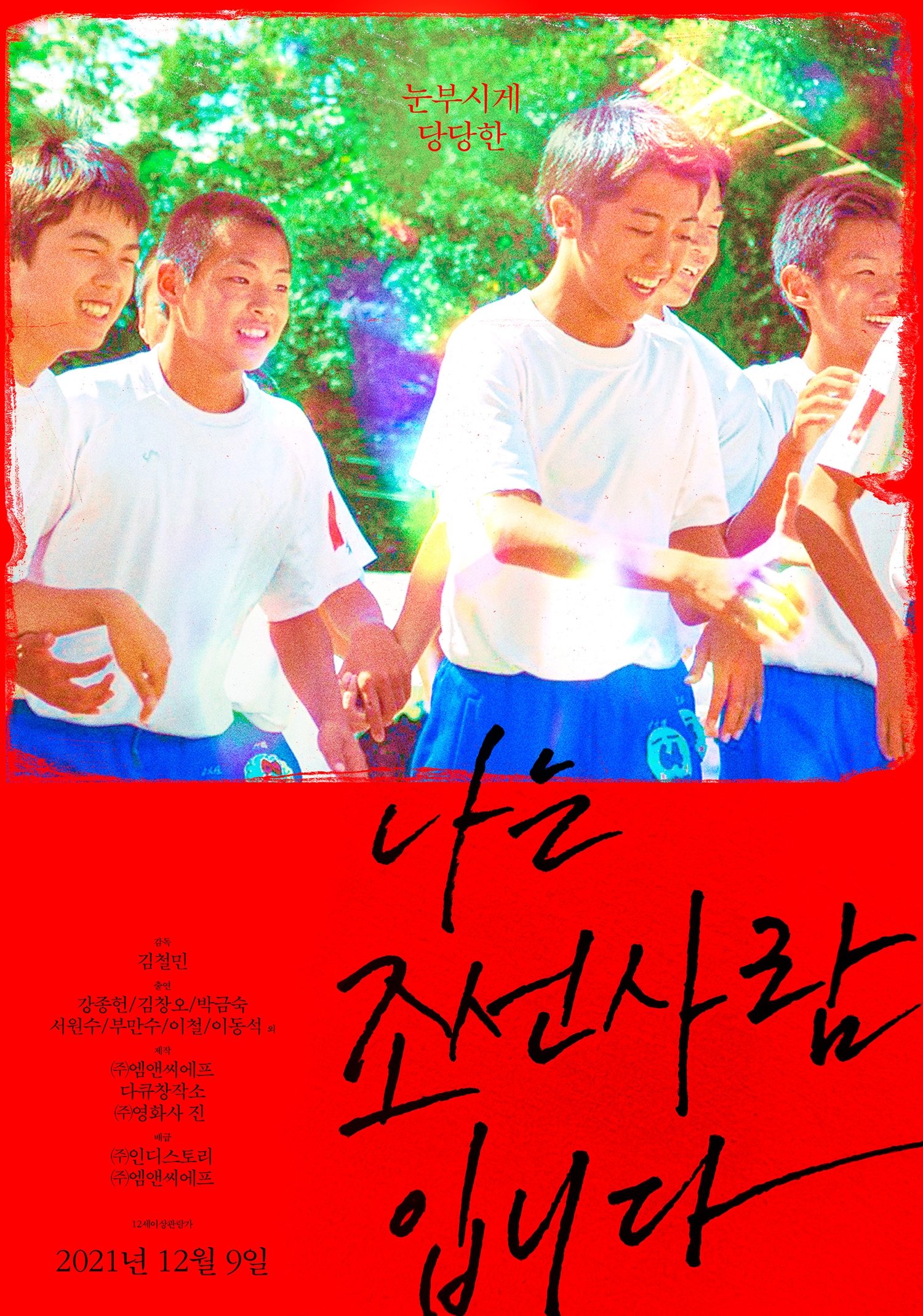
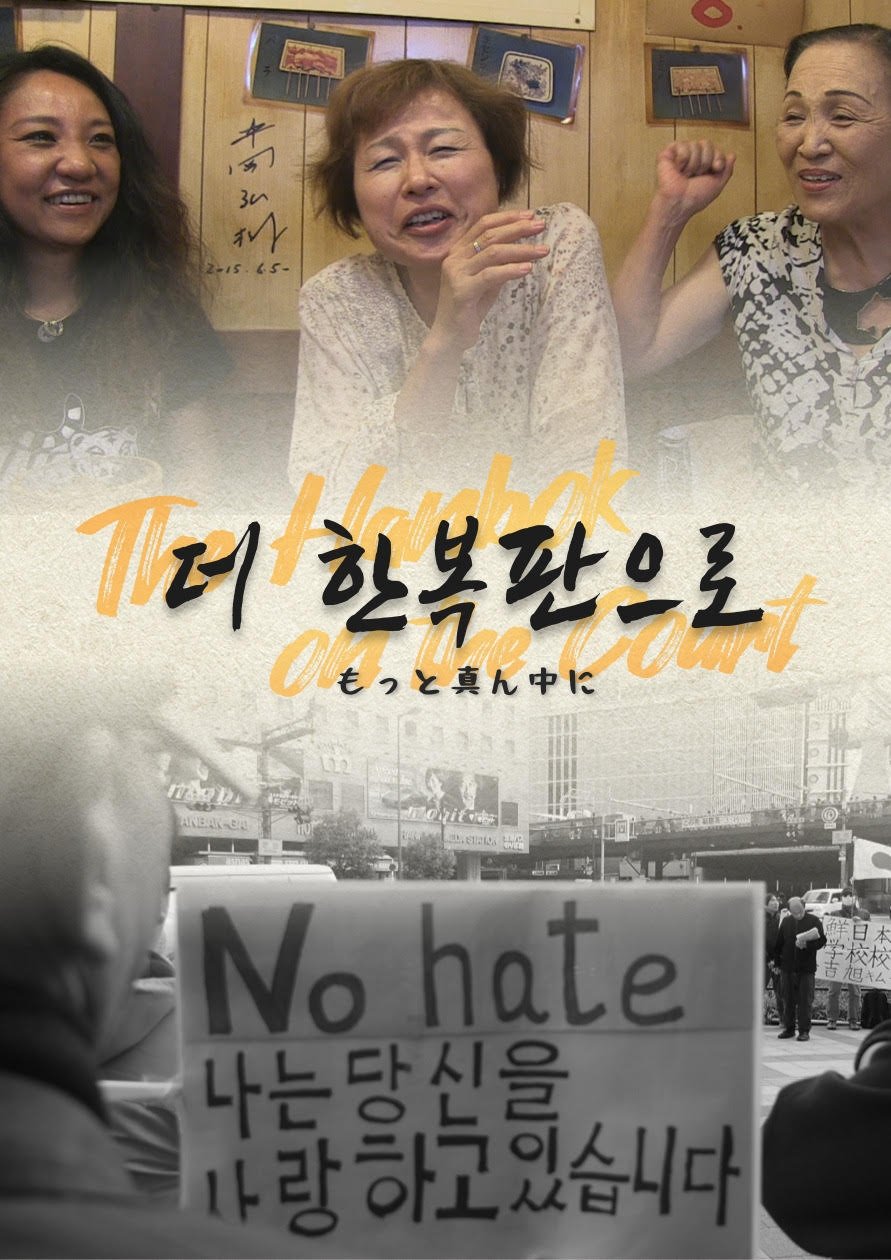
In April 2013, unfamiliar faces appear at the Jamsil Baseball Stadium during the opening matches between Doosan and SK. The nervous middle-aged men throwing and batting the first ball are, in fact, Korean-Japanese former team members that played on that same spot in the 1982 finals of the Bong-hwang-dae-ki games.
After 15 years of knowing Chosun people in Japan I met on Mt. Geumgang in 2002, I face the history of colonization and division that I had not known before. They’ve been to North Korea many times, but never to South Korea. They tell us why they want to live as Chosun people despite the discrimination in Japanese society.
Documentary film about the discrimination against zainichi, directed by Yoshihiko Okamoto.
In 1948, after the Japan’s defeat, the General Headquarters and Japanese government ordered that the Chosen gakko, schools for Koreans in Japan,ō be shut down. Koreans in Osaka strongly resisted, and 16-year-old Kim Taeil was even shot and killed by the police. This was the Hanshin Education Incident. 70 years have passed, but the Japanese oppression continues. They've removed the Chosen gakkoō from being eligible for free education. Gaining strength from the growing hatred from the conservatives, the Abe administration is misusing the educational issue as a means to cause political strife. In the midst of ongoing conflicts in Japan, nonfiction writer KO Chanyu has directed Korean Schools in Japan, compiling a history of the Koreans' fight for education.
One woman. One racist lie. One lawsuit that shook Japan. Korean Japanese entrepreneur Shin Sugok takes on major media in this electro-shock legal thriller about refusing to be silenced.
Since 2013, Japan has implemented the free high school policy. However, only 10 Chongryon Korean high schools are excluded from this policy. The reason is that there are suspicions that the grant for free education will be misused by Chochongryon and others. Five of these schools protested about this measure and filed a claim for damages against the government in 2013. After four years of hearings, the first trial decision was made on July 19, 2017, starting with the case of Hiroshima Chongryon Korean high school.
The late Kim Dong-il, a Jeju April 3 refugee in Japan, left behind over 2,000 crocheted items and pieces of clothing that preserved her memories, identity, and history. As the film traces the redistribution of her belongings, it illuminates the still-unhealed lives of various Zainichi Koreans who lived through the same era, sharing and connecting their intertwined memories.
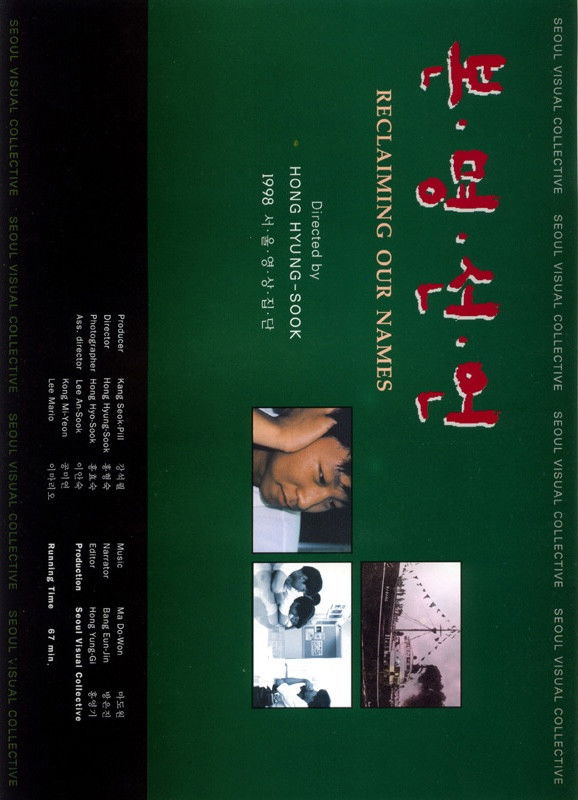
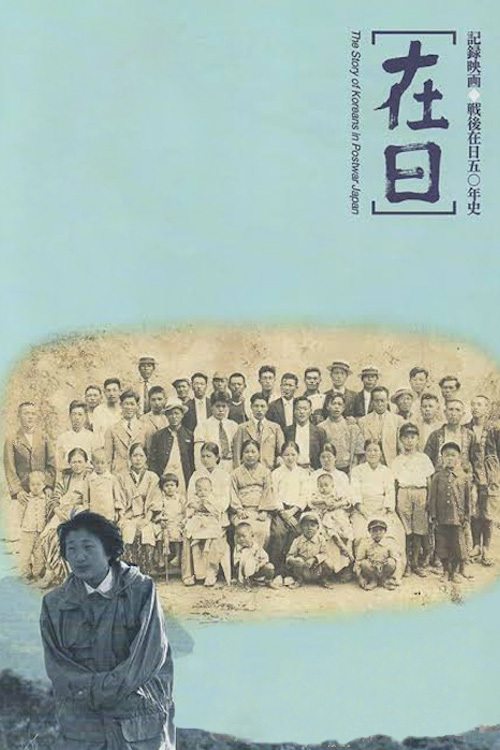
Portraying the fifty-year history of zainichi (long-term residents in Japan) Koreans after the liberation of Korea, traces of zainichi evoked in this film question the concepts of 'post-war democracy' and 'pacifism' in Japan. With copious stock footage and testimony, the first half of the film, "History," chronologically traces the various experiences of zainichi from Japan's defeat (Korean liberation) through 1990. The latter half, "People," focuses on first, second and third-generation zainichi respectively, vividly depicting how they live.
Matsuda Shunji, a freshman of Amagasaki High School in Osaka faces a difficult decision regarding the revelation of his Korean name, Lee Jun-Chi. The teenager is aware of the difficulties of living in Japan with a Korean name, and so dreads the day when he is supposed to make this decision. He ultimately meets a loneliness whereby we are left to witness the outcome of his dilemma.
The protagonists of the film are the Zainichi Korean women living in Kawasaki. They were tossed about by the war, and after many trips to and fro across the sea in search of a place to live, they finally arrived in Kawasaki, where they have lived modestly and vigorously.
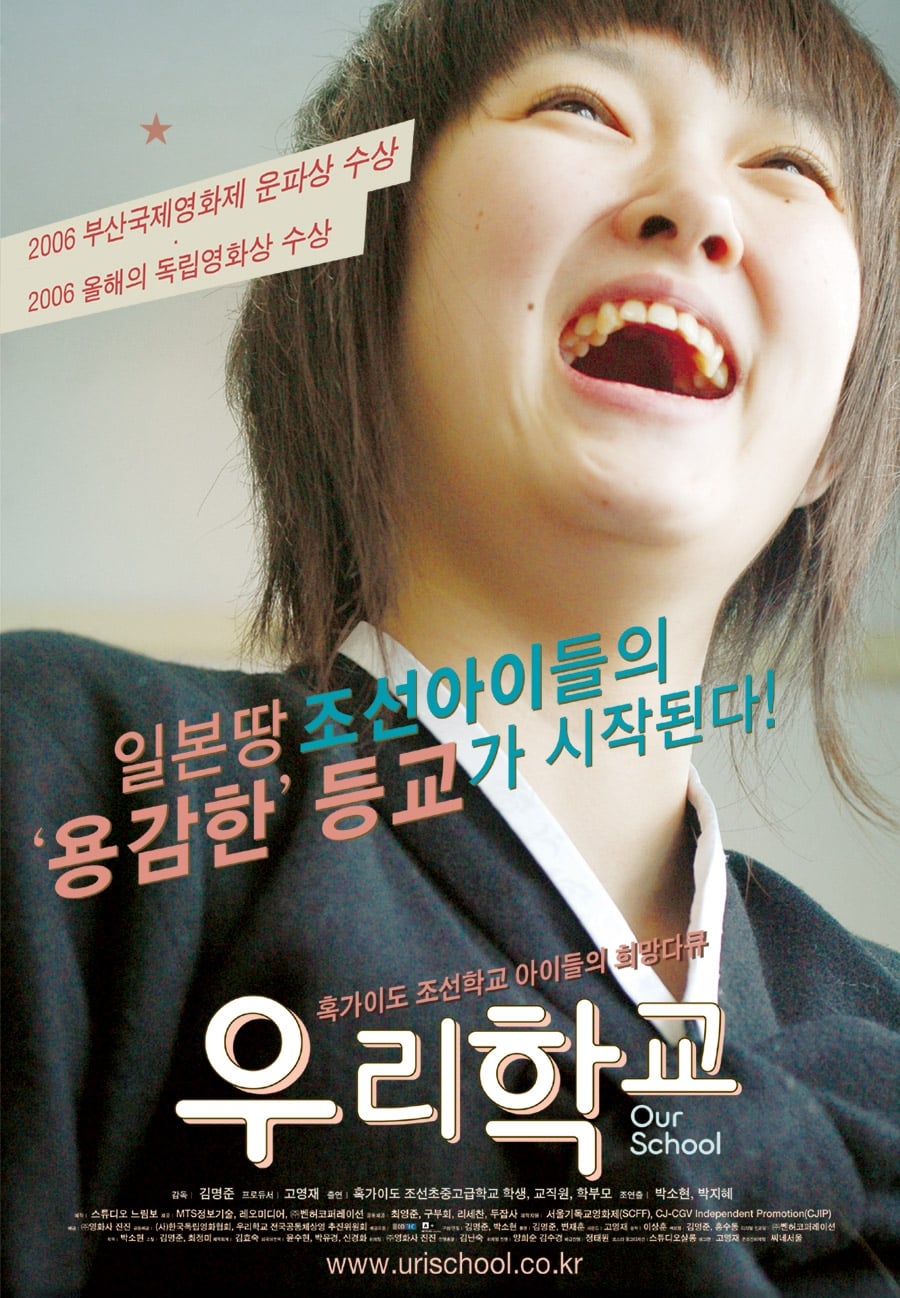
This documentary is about the 3rd and 4th generation Korean residents of Japan who are students of Chosen elementary, middle, and high school in Hokkaido. It follows the students through one year of the eventual 11 years` national education. Rather than focusing on special occasions or issues, it reveals what it is like to live in Japan as Korean-Japanese by describing their everyday lives.
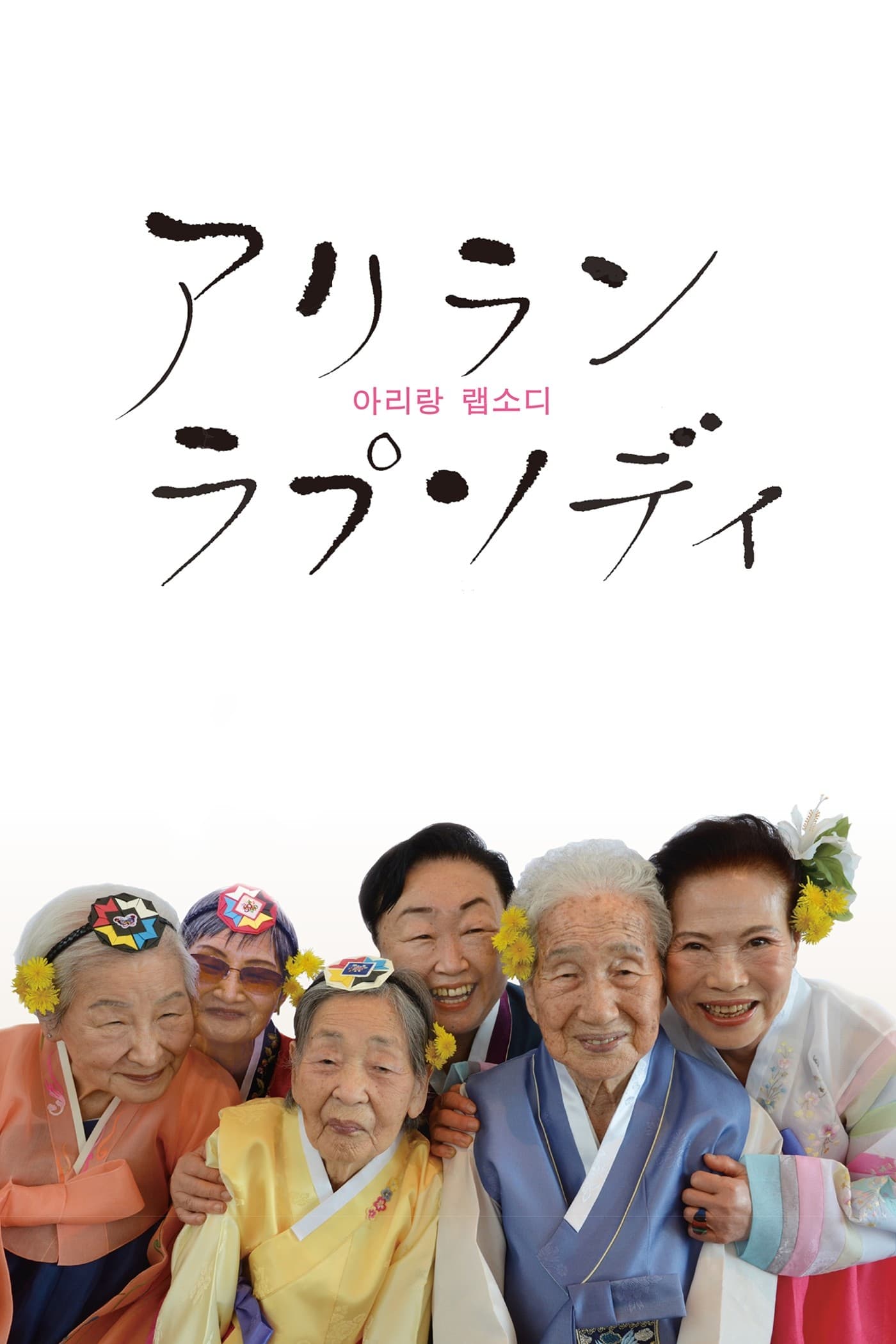
Imman Kim wants to reconcile with his parents, who emigrated to Osaka after April 3 Jeju Uprising. Cheolwoong Park has supported his younger sister during his entire life, blaming his father who moved to Tokyo to avoid guilt-by association. Soonam Park has devoted her life to human rights movement for a second-generation Korean-Japanese and her daughter Mayi Park who also lives as a Korean-Japanese. This film tell us about meaning of a nation through their life stories.
In Kawasaki, Japan, 1st to 3rd generation of Korean-Japanese and Americans share their daily lives and wish for a symbiotic society. The inter-Korean summit in 2000 brought reconciliation and hope to the divided Korean community. Meanwhile, hundreds of hateful demonstrators are approaching Sakuramoto, the Korean residence, amid deepening tensions between Japan and Korea in 2016.
After graduating from Joseon school, ✕✕ enters a South Korean university. Jihoon meets ✕✕’s family and friends, sharing meals, drinks, and songs together. Through these interactions, he naturally grows closer to ○○, △△, and ◇◇, listening to their memories of Joseon school and their lives in Japan. These exchanges erase the space of everyday life and question the sense of mission imposed in its place: For whom is it really when we label those living ordinary lives with ‘identity’?
As a visually radical memoir, CAMERAPERSON draws on the remarkable footage that filmmaker Kirsten Johnson has shot and reframes it in ways that illuminate moments and situations that have personally affected her. What emerges is an elegant meditation on the relationship between truth and the camera frame, as Johnson transforms scenes that have been presented on Festival screens as one kind of truth into another kind of story—one about personal journey, craft, and direct human connection.
The history of cinematic sound, told by legendary sound designers and visionary filmmakers.
Young women toiling in a factory are exposed to hazardous material which takes a disastrous toll on their health.
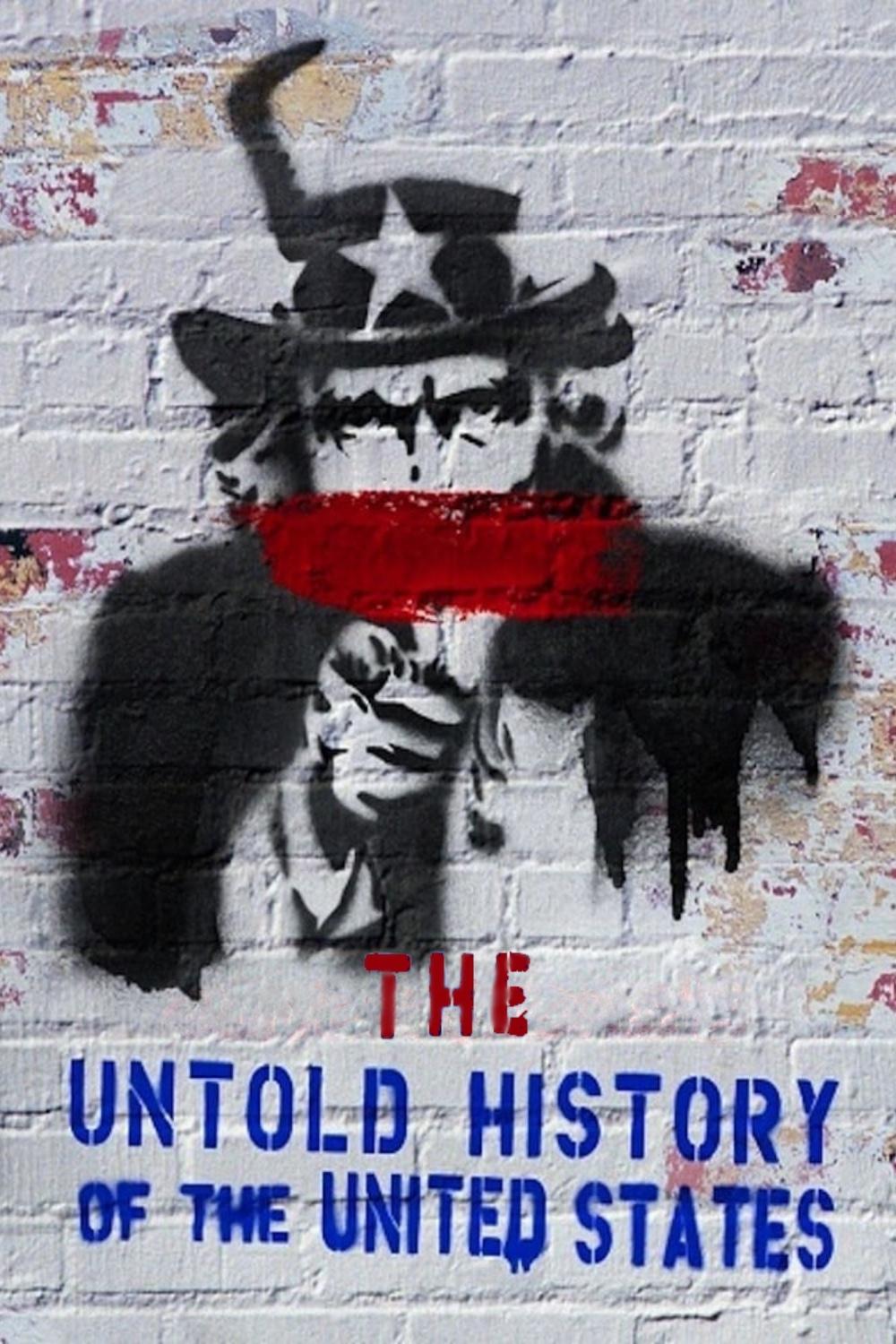
Oliver Stone charts the history of the United States from the Second World War to the present.
Two best friends, So-yool and Yeon-hee, dream of becoming the top artists in Seoul together. But their friendship doesn't last long as Yoon-woo, So-yool's first love and songwriter, falls in love with Yeon-hee and her voice. So-yool's feeling of jealousy and inferiority towards Yeon-hee grows by the day, and she eventually makes a drastic decision to bring the two lovers down.
Lyrical and powerfully personal essay film that reflects on the deaths of her husband Lou Reed, her mother, her beloved dog, and such diverse subjects as family memories, surveillance, and Buddhist teachings.
Crown Prince Rudolf of Austria clashes with his father, Emperor Franz Joseph I of Austria, over implementing progressive policies for their country. Rudolf soon feels he is a man born at the wrong time in a country that doesn't realize the need for social reform. The Prince of Wales, later to become Britain's King Edward VII, provides comic relief. Rudolf finds refuge from a loveless marriage with Princess Stéphanie by taking a mistress, Baroness Maria Vetsera. Their untimely demise at Mayerling, the imperial family's hunting lodge, is cloaked in mystery.
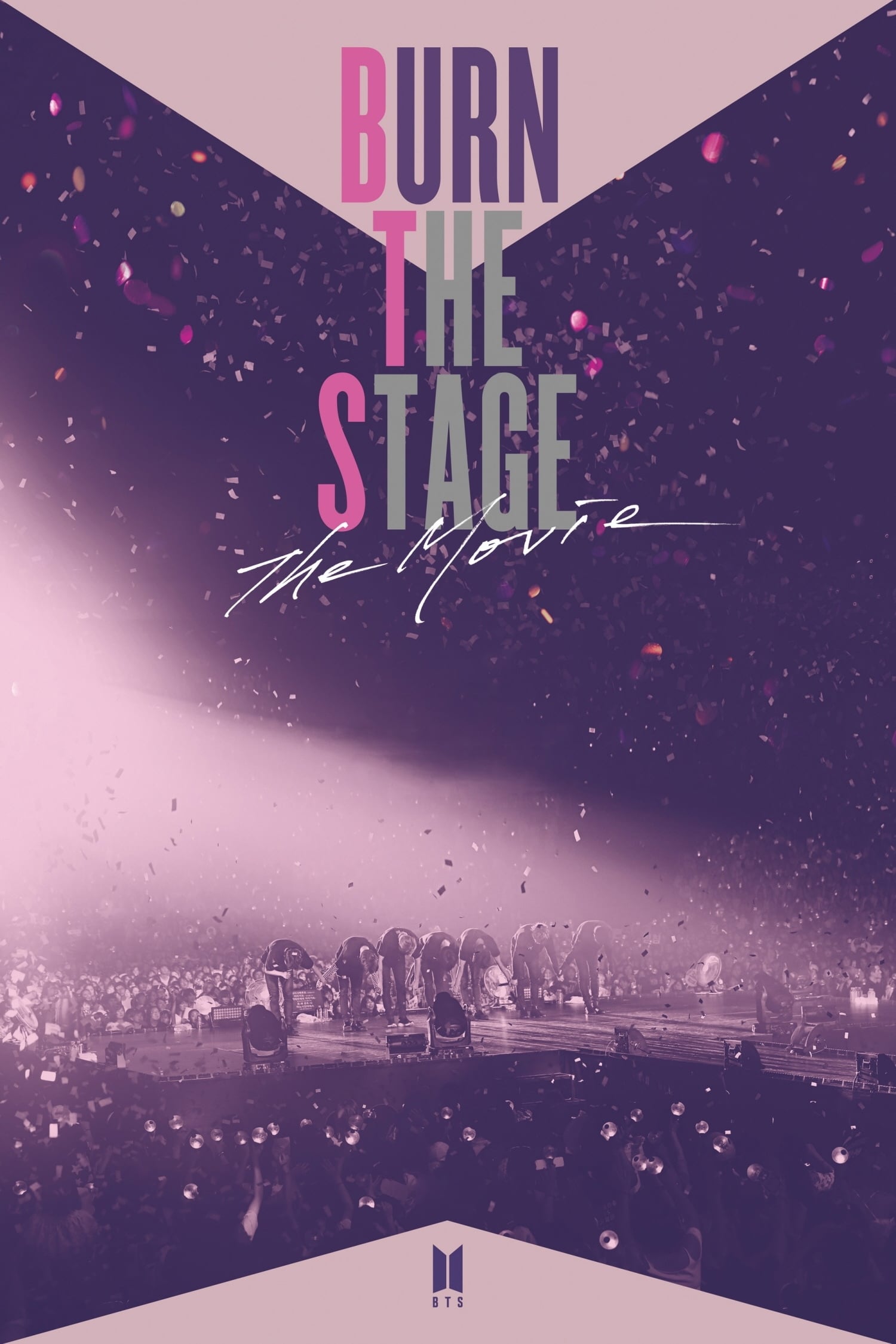
A glimpse into K-pop group BTS’ world away from the stage, featuring intimate group discussions alongside spectacular concert performances from their world tour.
Cast, crew and fans explore the 'Back to the Future' time-travel trilogy's resonance throughout our culture—30 years after Marty McFly went back in time.
A portrait of the day-to-day operations of the National Gallery of London, that reveals the role of the employees and the experiences of the Gallery's visitors. The film portrays the role of the curators and conservators; the education, scientific, and conservation departments; and the audience of all kinds of people who come to experience it.
Former United States Secretary of Defense, Donald Rumsfeld, discusses his career in Washington D.C. from his days as a congressman in the early 1960s to planning the invasion of Iraq in 2003.
Documentary filmmaker Frederick Wiseman takes us inside Northeast High School as a fly on the wall to observe the teachers and how they interact with the students.
A story set in 19th century China and centered on the lifelong friendship between two girls who develop their own secret code as a way to contend with the rigid cultural norms imposed on women.
A documentary detailing the epic Rogues' Gallery of DC Comics from The Joker and Lex Luthor, Sinestro, Darkseid and more, this documentary will explore the Super Villains of DC Comics.
One single Anne Frank moves us more than the countless others who suffered just as she did but whose faces have remained in the shadows-Primo Levi. The Oscar®-winning Helen Mirren will introduce audiences to Anne Frank's story through the words in her diary. The set will be her room in the secret refuge in Amsterdam, reconstructed in every detail by set designers from the Piccolo Theatre in Milan. Anne Frank this year would have been 90 years old. Anne's story is intertwined with that of five Holocaust survivors, teenage girls just like her, with the same ideals, the same desire to live: Arianna Szörenyi, Sarah Lichtsztejn-Montard, Helga Weiss and sisters Andra and Tatiana Bucci. Their testimonies alternate with those of their children and grandchildren.
A documentary on seniors at a high school in a small Indiana town and their various cliques.
Fr. Hugh O'Flaherty is a Vatican official in 1943-45 who has been hiding downed pilots, escaped prisoners of war, and Italian resistance families. His activities become so large that the Nazis decide to assassinate him the next time he leaves the Vatican.
In 1961, a 60-year-old taxi driver stole Goya’s portrait of the Duke of Wellington from the National Gallery in London. It was the first (and remains the only) theft in the Gallery’s history. What happened next became the stuff of legend.
Various MGM stars from yesterday present their favorite musical moments from the studio's 50 year history.
Those who knew iconic funnyman John Candy best share his story, in their own words, through never-before-seen archival footage, imagery, and interviews.