Social & External
The people behind it
Jakub Hejna
Self
Václav Havel
Šárka Hejnová
Jan Kačer
Helena Albertová
Daniel Dvořák
Henning Brockhaus
Jaromír Pleskot
Jaroslav Malina
Otomar Krejča
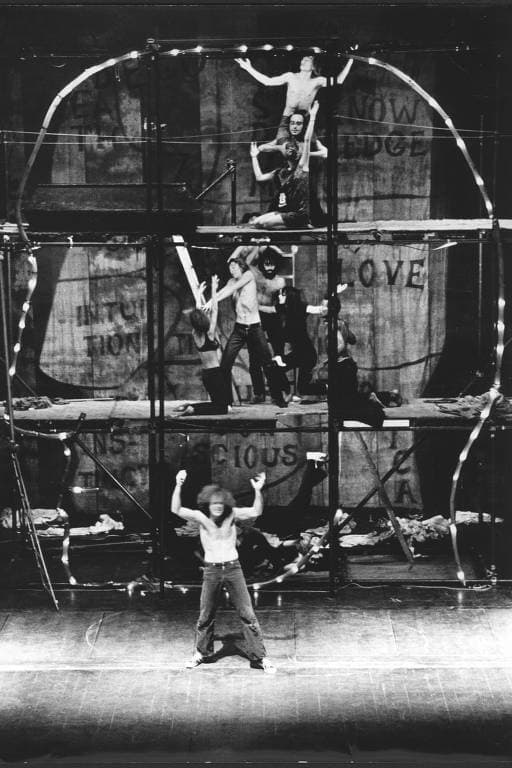
The Living Theatre is an experimental company founded in New York in 1947 by Julian Beck (New York 1925-1985), painter and poet, and the actress and stage director Judith Malina (Kiel 1926), a student of Erwin Piscator. From the very beginning the group’s activities bore the stamp of social and political commitment, imbued with a strong libertarian matrix. A video montage of films and videos from The Living Theatre Archives.
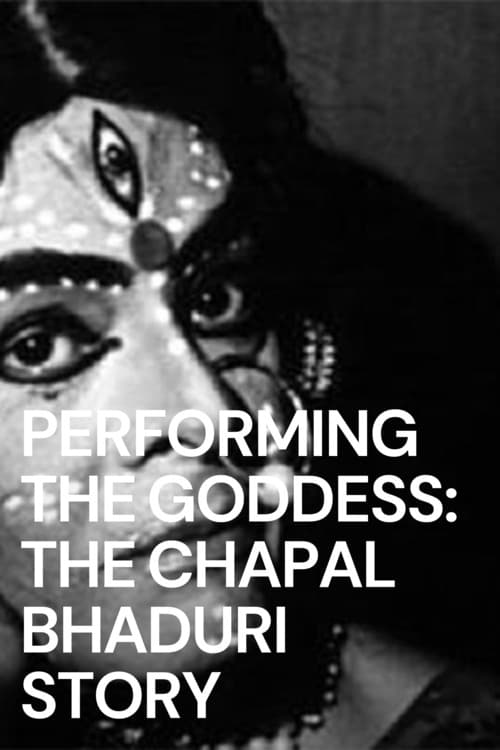
"Chapal Bhaduri, a leading lady of Bengal’s traditional folk traveling theatre-in-the-round, the Jatra, spent his life playing women. This film is an intimate biography that brings you face to face with this unique individual, sharing what it means to him to become a woman night after night, talking of the woman inside his body, of troubled sexuality, of a long partnership with his older lover, of the loneliness of living on the edges of conventional society–and showing how he metamorphoses into the goddess to perform her story." - The Bangalore International Centre
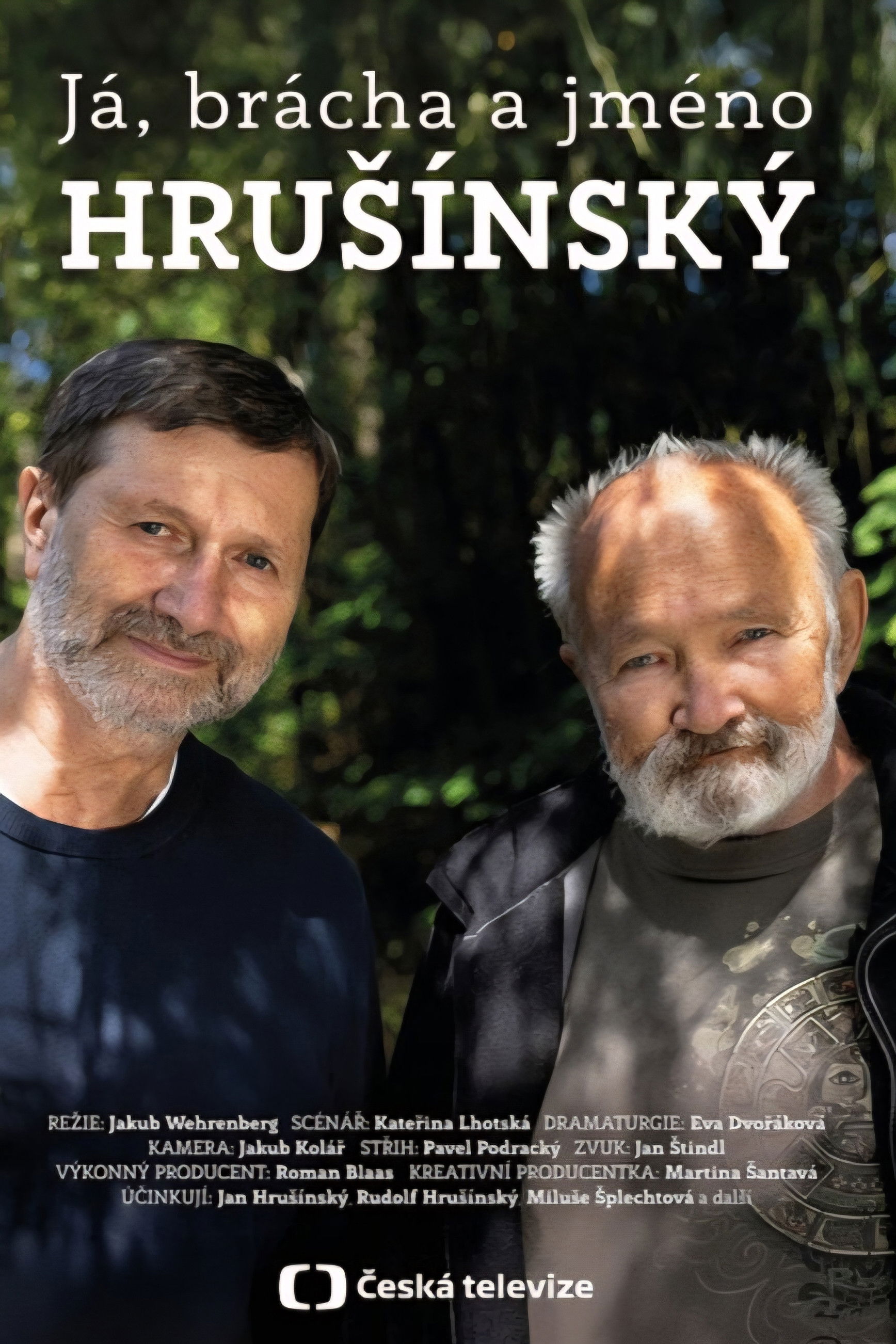
According to family legend, the name Hrušínský was born after Rudolf and Jan Hrušínský's grandfather Rudolf Böhm was caught stealing pears on a theater stage. The German name Böhm suddenly became Hruškovský and shortly after that Hrušínský. Grandfather Rudolf, later known as Rudolf Hrušínský the eldest, adopted the surname as his own and began using it in 1935. However, the history of the Hrušínský acting family goes back much further. It is therefore not surprising that the brothers Rudolf and Jan also took the same path. The documentary charts their acting beginnings alongside their father Rudolf Hrušínský Sr., from their first roles, through theater engagements at the Drama Studio in Ústí nad Labem and the Drama Club in Prague, to unforgettable film and television roles, when three generations of Hrušínskýs often met in front of the camera.
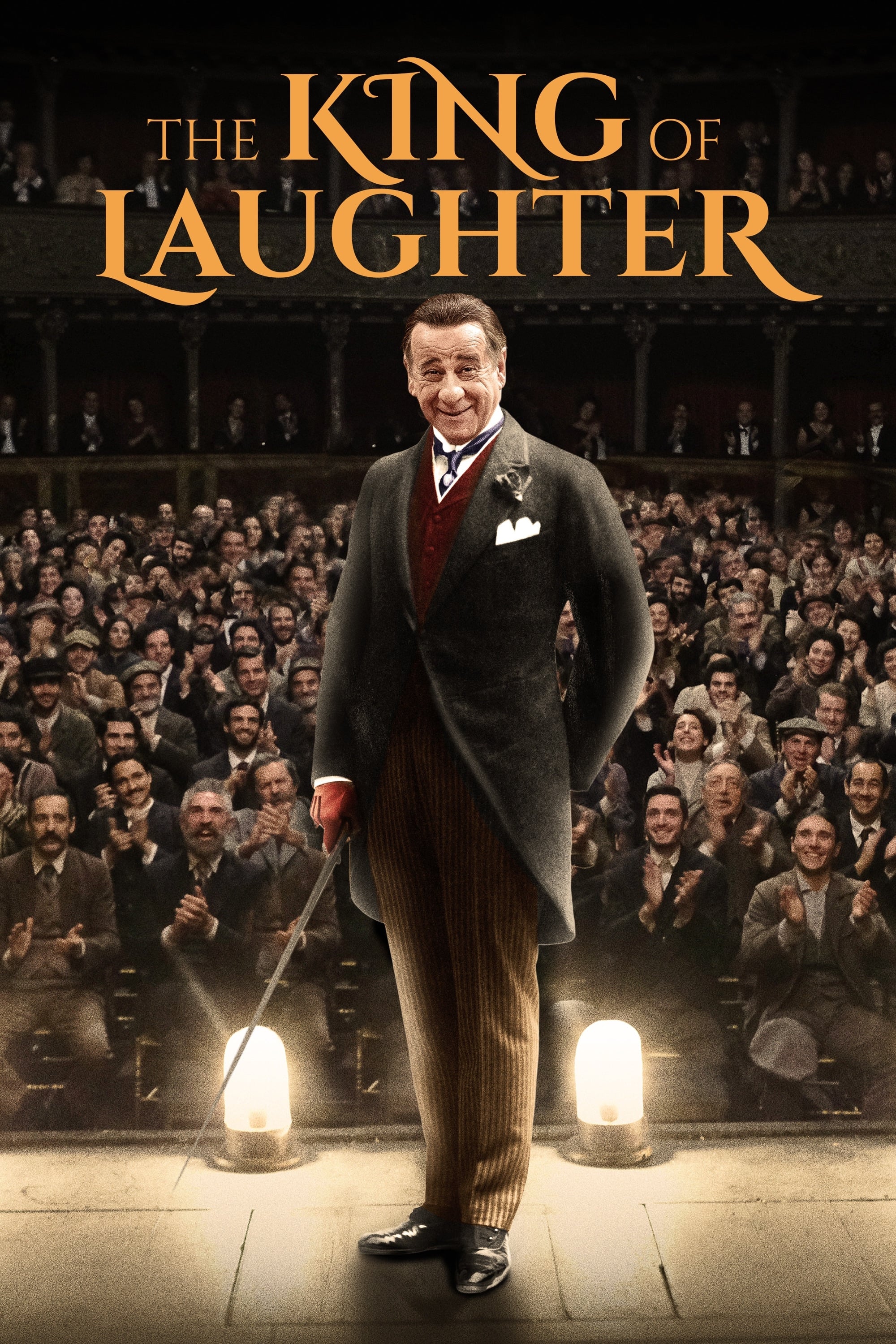
In early 20th-century Naples, a theatrical parody lands beloved thespian and playwright Eduardo Scarpetta in court, facing a malicious lawsuit that could compromise his freedom of expression and the economic security of his extended family—including his son's, young Eduardo De Filippo.
Truth becomes the source of creativity; actions are a result of being, not thinking. This film, INSIDE/OUTSIDE is based upon Monika’s processes over many years. Robert Golden has had the privilege of meeting and photographing some of Monika’s late work. Although her teaching is for performers, Robert has said that her gift of understanding humanity has been gifted in some small ways to him. Monika’s inspirational way of working, helps actors to find a unity between their inner psyche and its outer expression. The 46-minute film shows a precise description of her work. Monika explains it in detail along with thoughts about movement, performance and theatre. The insightful and entertaining book and film are relevant to actors, dancers, Laban yoga, Feldenkrais, Pilates and other sports and movement systems and to people working with children.
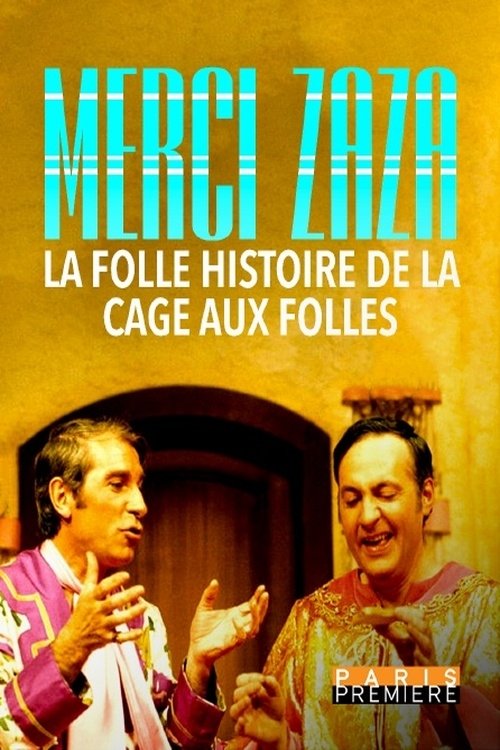
A look back at "La Cage aux Folles", which ran non-stop for five years, from February 1973, on the stage of the Théâtre du Palais Royal in Paris. At a time when homosexuality was considered a crime by the law, Poiret and Serrault achieved great success in boulevard theater. Their success continued on the silver screen, with three Oscar nominations and a Broadway musical. Combining never-before-seen archives from the play, extracts from the film, confessions by Poiret and Serrault, and interviews with witnesses, this is the story of a wild epic.
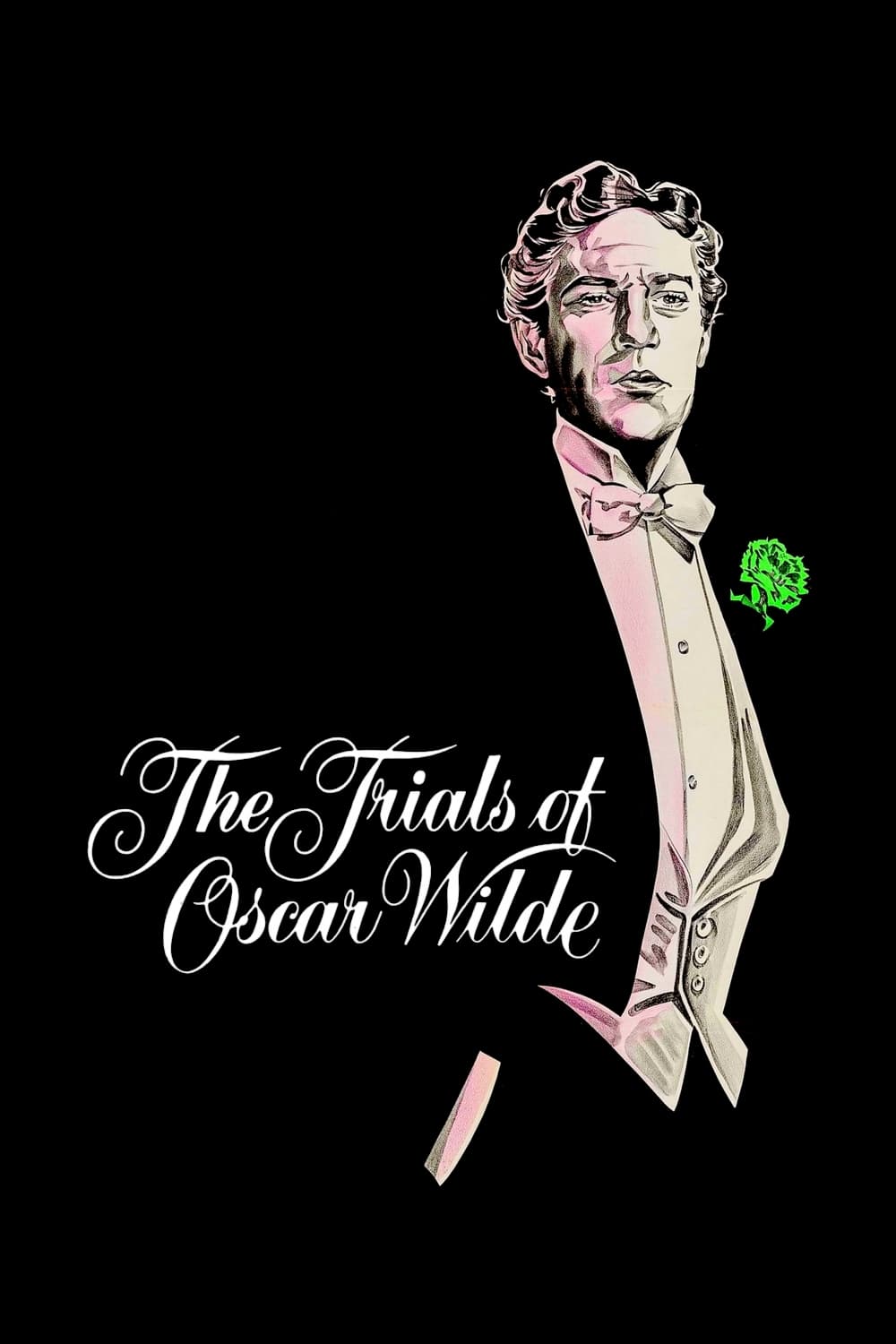
England, 1890s. The brutal and embittered Marquis of Queensberry, who believes that his youngest son, Bosie, has an inappropriate relationship with the famous Irish writer Oscar Wilde, maintains an ongoing feud with the latter in order to ruin his reputation and cause his fall from grace.
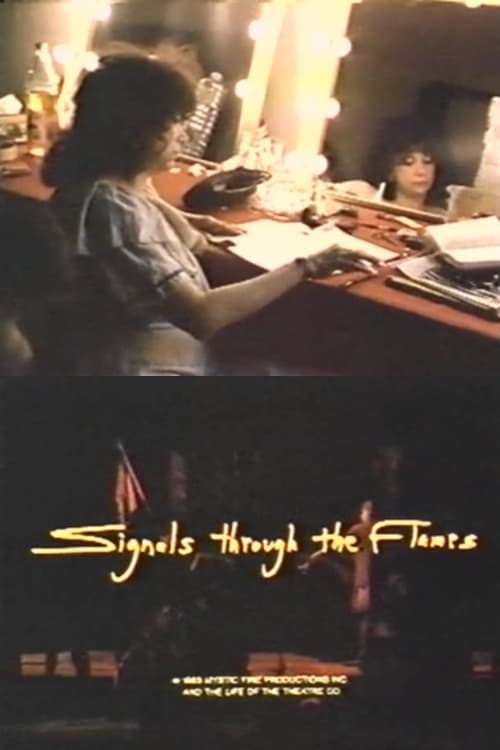
Signals Through the Flames is at once a history and a celebration of the Living Theatre. Founded in the late 1940s by husband-and-wife performers Julian Beck and Judith Malina, the Living Theatre was for many years the predominent American outlet for the avant-garde movement. There were occasional self-imposed exiles to Europe in the 1950s and 1960s, but the group returned full-force during the Aquarius Age to entertain a new generation of theatregoers.
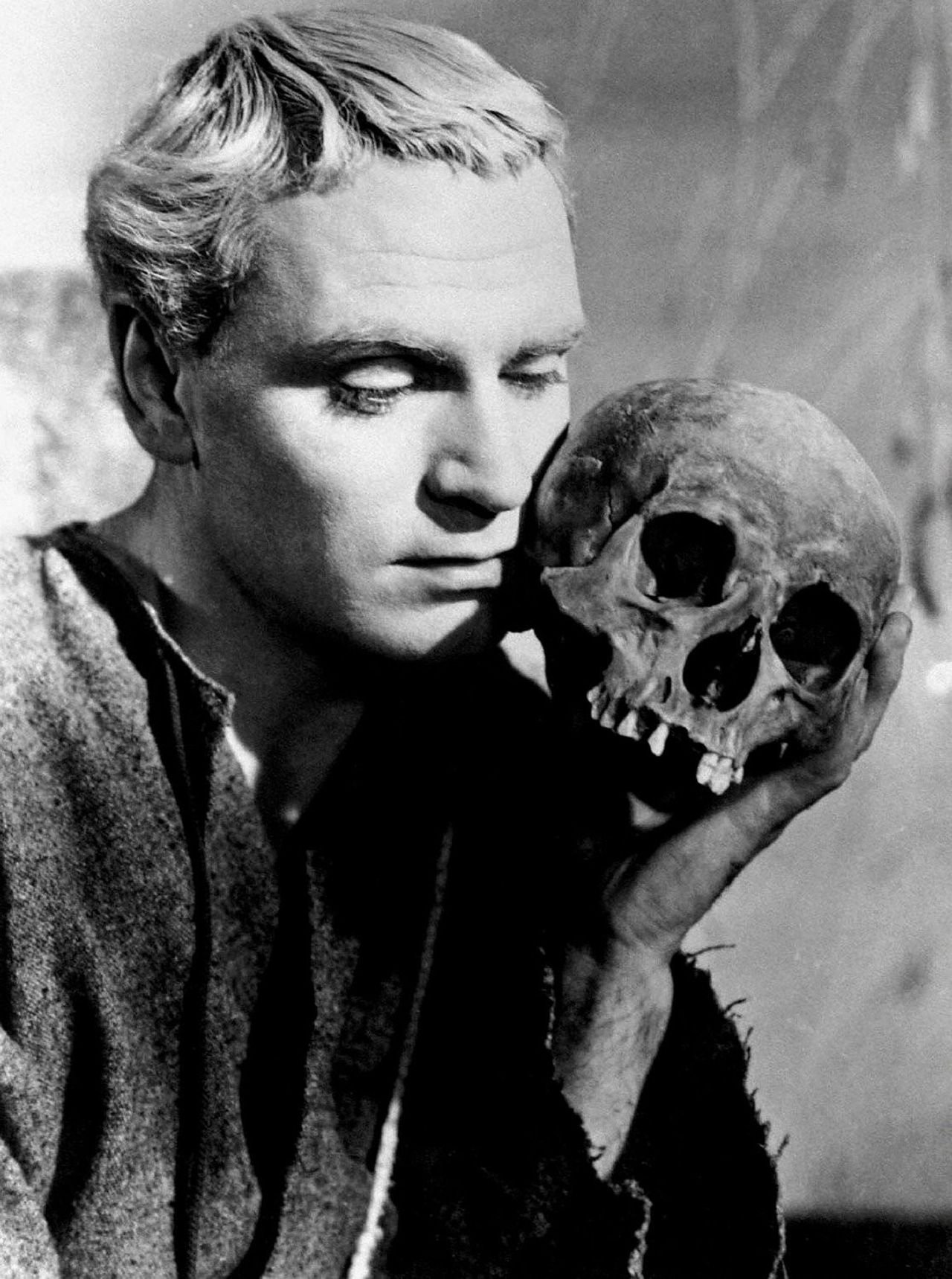
Journey into "Hamlet"-the play and the man-through the experiences of some of the major actors and directors who have brought Shakespeare's great tragedy to life. Christopher Plummer, David Tennant, John Nettles, John Simm, Sir Trevor Nunn, Franco Zeffirelli, Philip Saville, and others explore the enduring appeal of the Prince of Denmark more than 400 years after his stage debut.
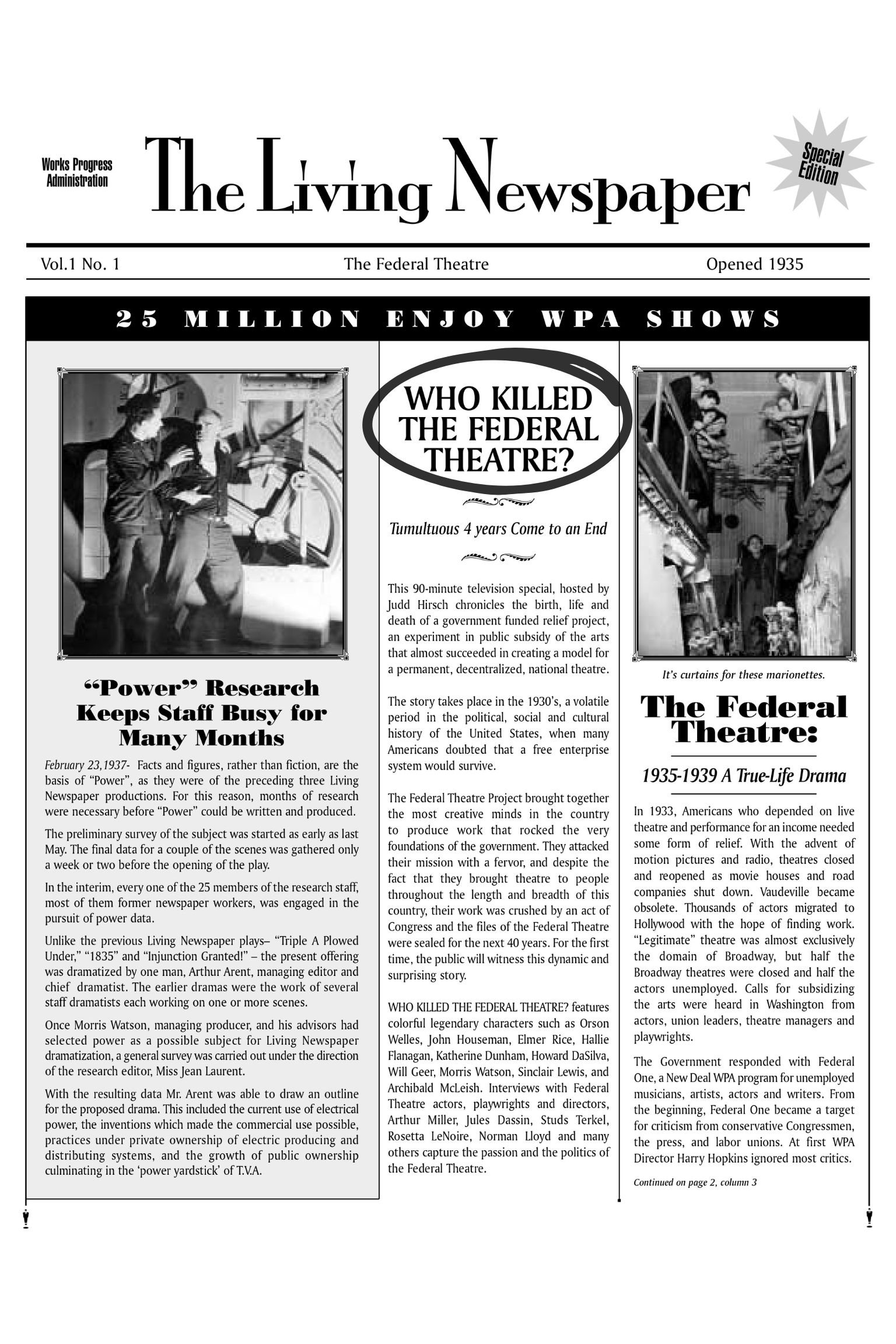
Part journalistic investigation and part performance documentary, "Who Killed The Federal Theater?" tells the story of the Federal Theatre Project within the context of a volatile period in the political, social and cultural history of the United States. The film features interview segments with playwrights, including Arthur Miller, and with actors, directors, designers, and historians. It also incorporates rare archival materials and dramatic sequences, including professionally re-created scenes from Federal Theatre productions that transport viewers back in time to a bygone era in American history and entertainment.
Honoré and Grégoire prepare their mother’s funeral. They are faced with the common and individual expenses inherent to funerals in Porto-Novo (Benin). Money is the nerve of their concern.
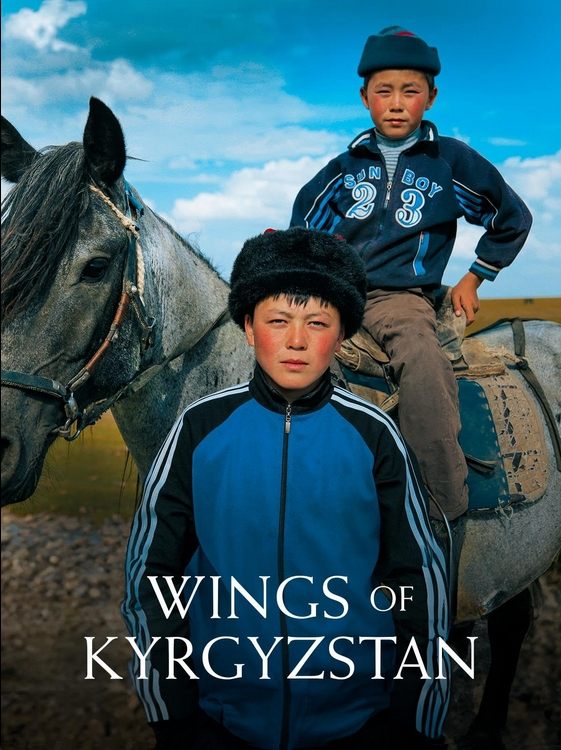
Wings of Kyrgyzstan (2019) This reverent cinematic journey is a deep lyrical look into the lives of diverse mountain families, vivid portraits of young men and women, semi nomads, who have one foot deep in their ancestral past, and one reaching for a new future.
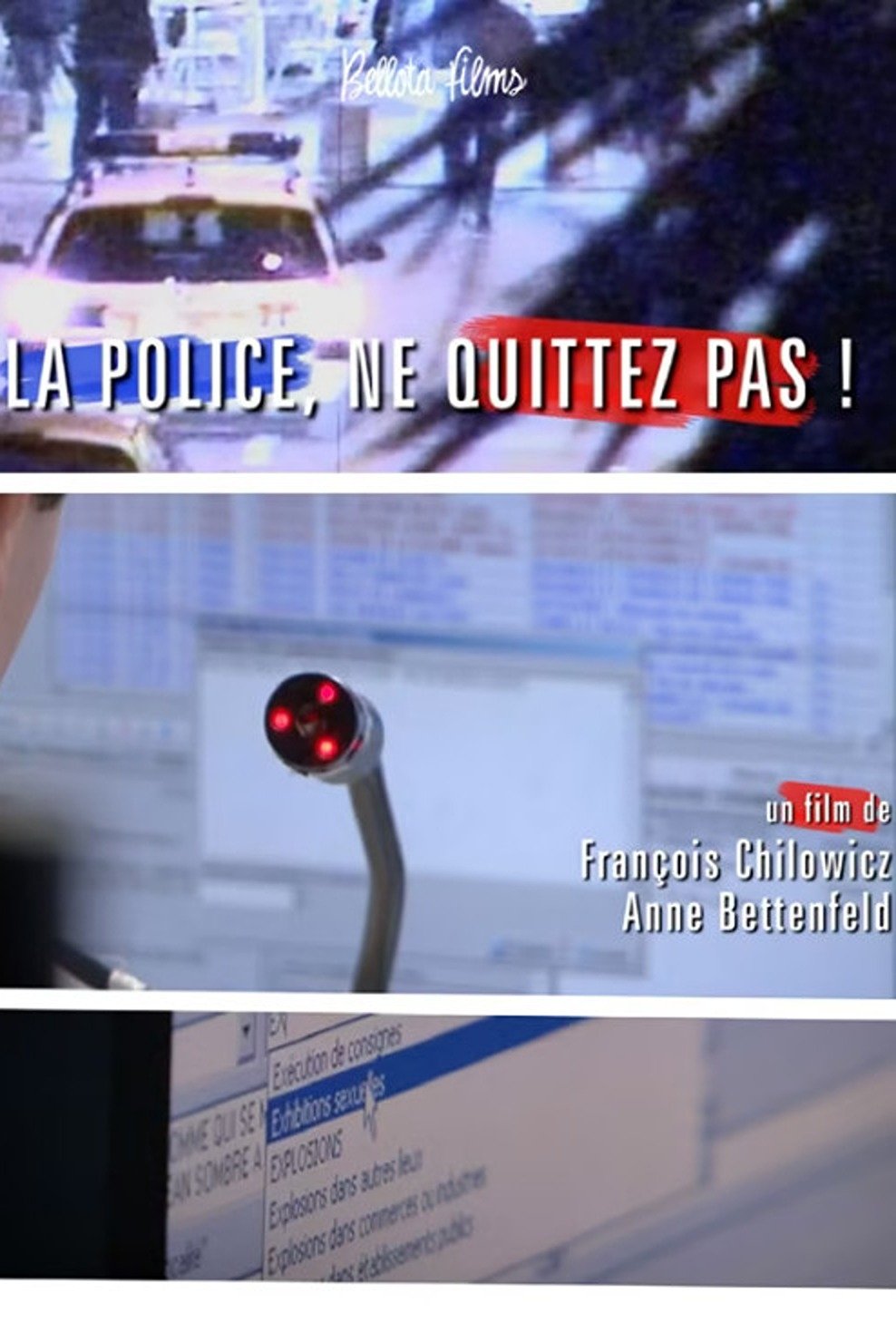
Accidents, theft, violence, disturbances. Calls to 17, the police emergency number, are intended for urgent situations. In reality, the number of calls keeps increasing, with many being considered "non-urgent." However, these calls capture raw moments of emotion, distress, or anxiety, offering insight into a society facing a growing sense of insecurity. How do officers, expected to handle everything and sometimes the impossible, manage their demanding work?
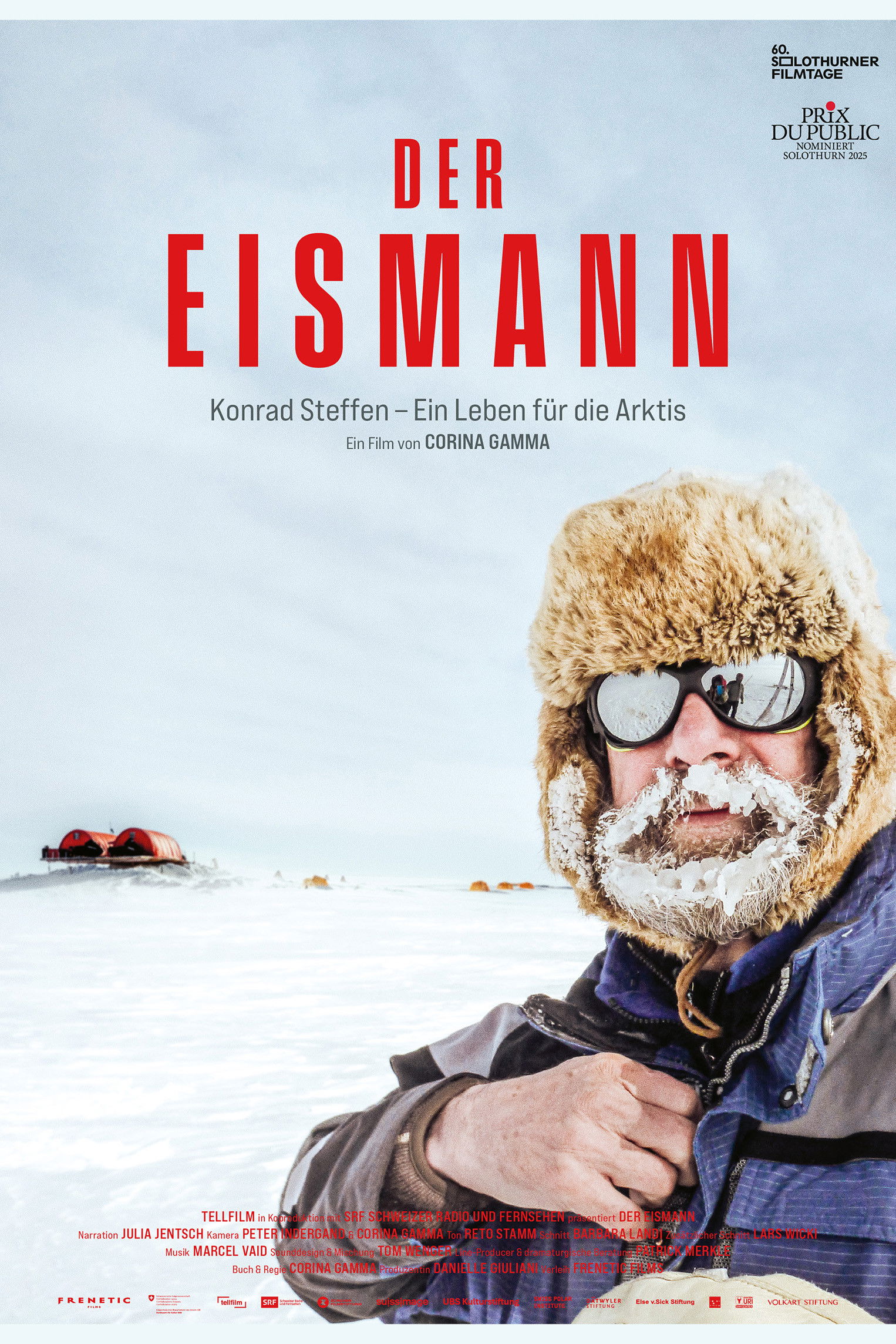
In August 2020, the well-known Swiss polar researcher Konrad Steffen died on the Greenland ice. It is suspected that he fell into a crevasse covered in fresh snow while on a routine trip to a measuring station. To this day, there is no trace of him.
The President of East Timor (Timor-Leste), Xanana Gusmao, takes us on a breathtaking and intimate journey. Revelations from the 24-year Resistance against Indonesian occupation, to the present-day challenges of the world's youngest nation.
Le Mirail, Toulouse. Crime, rioting, religion, and terrorism: it seems there is no common ground between the different communities of the ghetto. The divisions are widening beyond control. This documentary offers straight talk, rooted in time and trust. It can be direct or abrupt, sometimes even confusing or shocking, but it is essential in forming the first few threads of a dialogue. Only through learning and understanding can we resist the reflex to reject the Other.
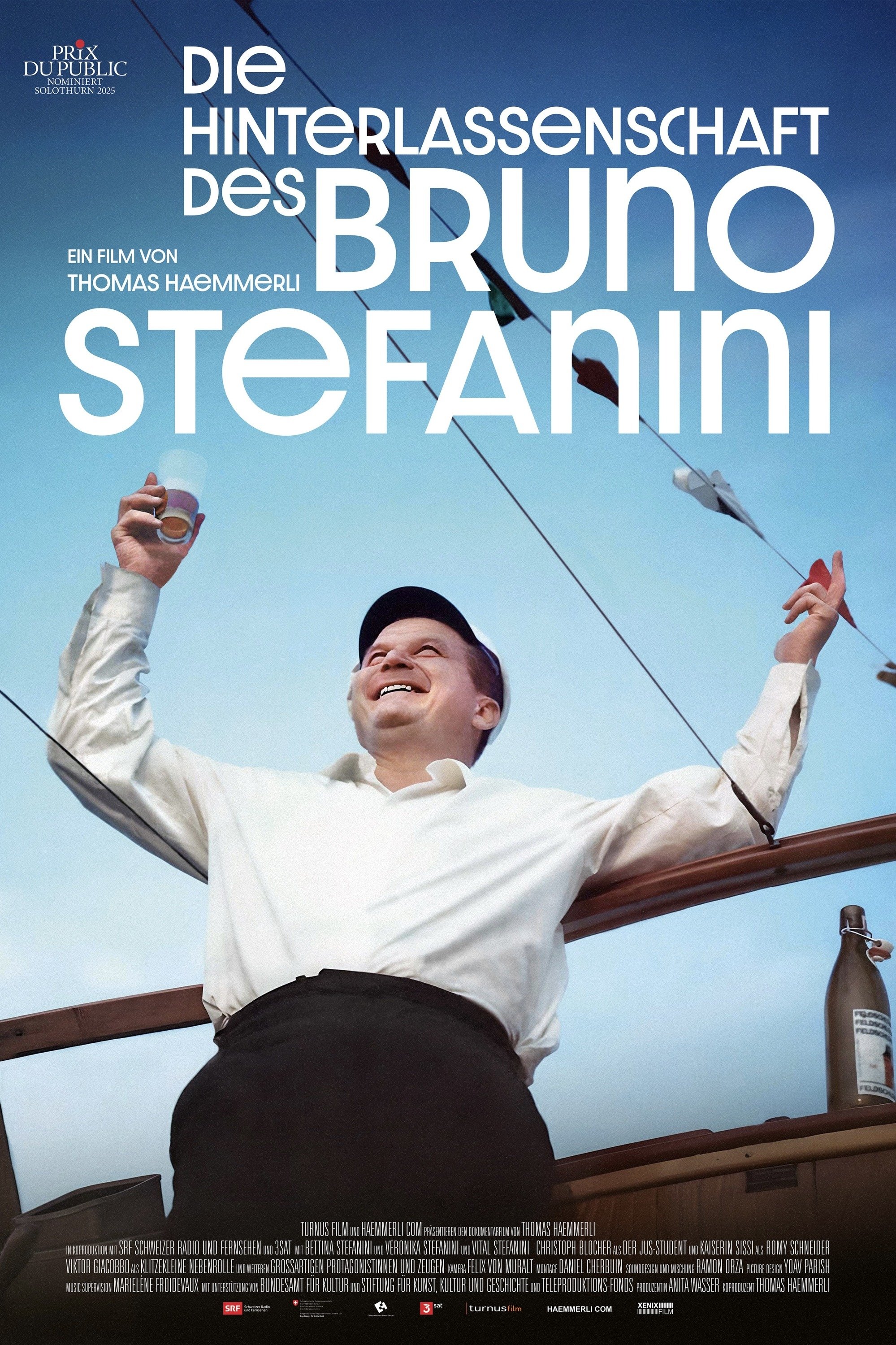
From the son of an immigrant to a billionaire building contractor: Bruno Stefanini has a crazy biography. This documentary chronicles Stefanini's conflict with army abolitionists and squatters as well as his passion for collecting everything from tanks and works of art to Empress Sissi's underpants, castles and nuclear bunkers. When he died, his entire estate was lost in a huge, moldy mess.
The history of cinematic sound, told by legendary sound designers and visionary filmmakers.
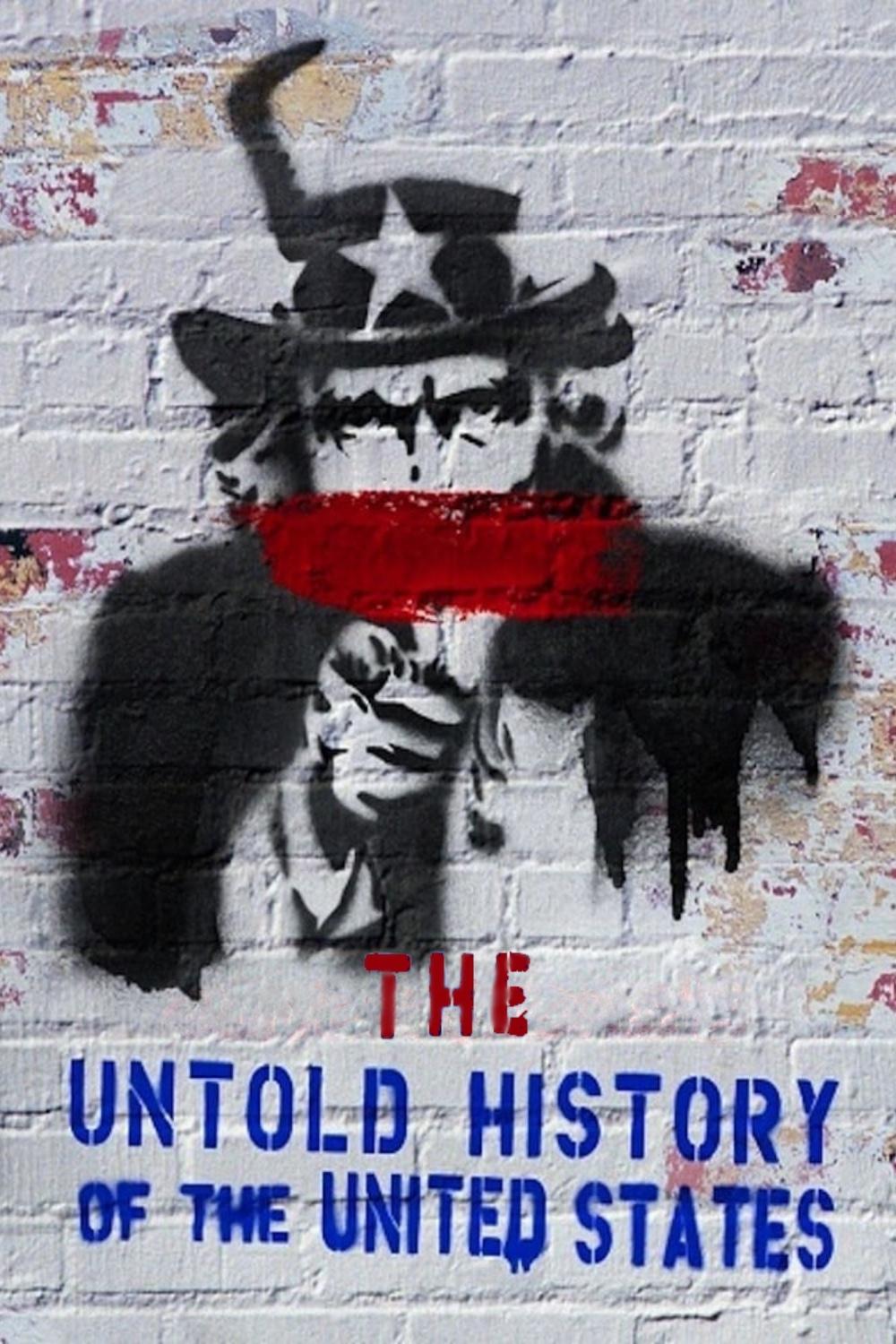
Oliver Stone charts the history of the United States from the Second World War to the present.
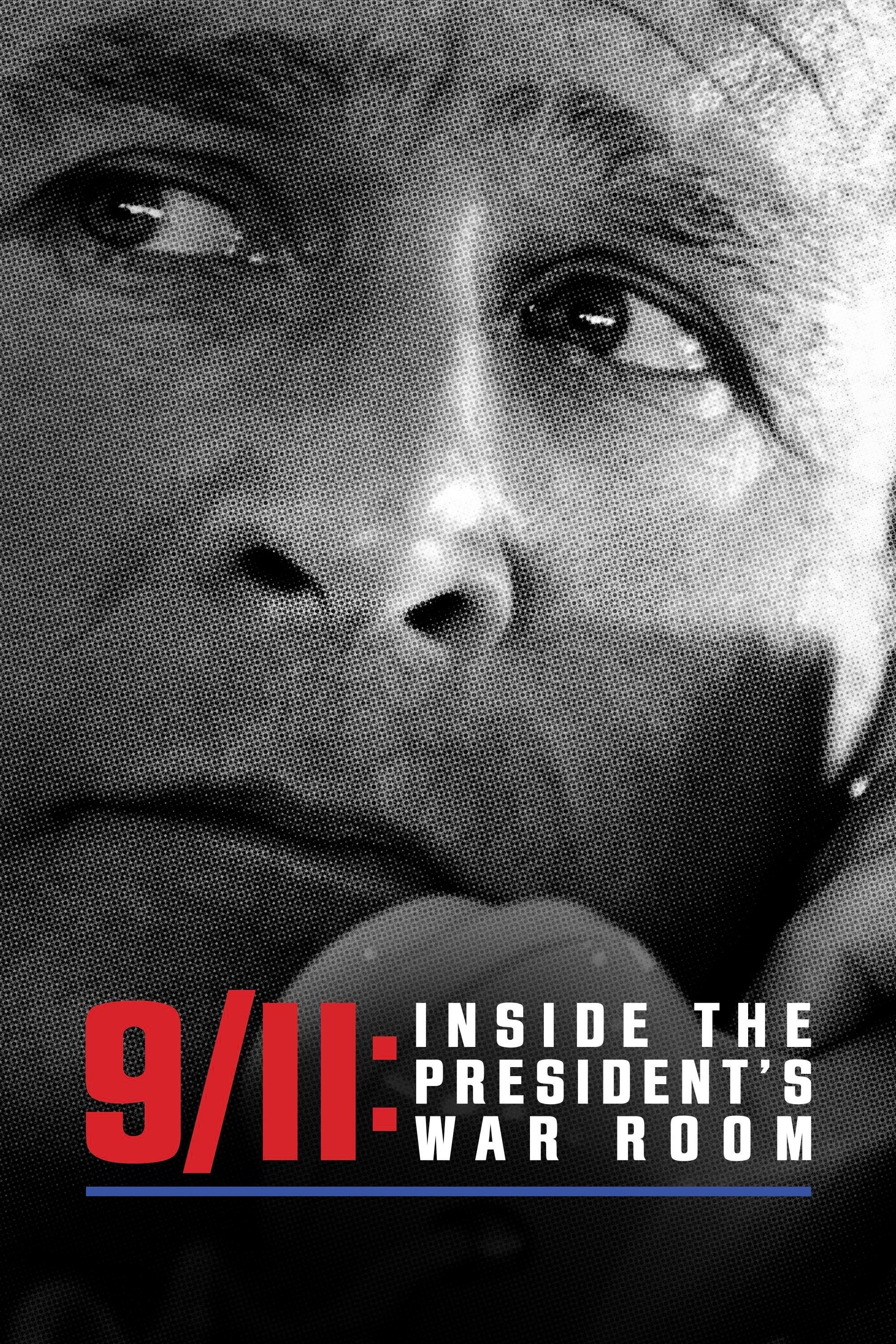
Experience the events of September 11, 2001 through the eyes of President Bush and his closest advisors as they personally detail the crucial hours and key decisions from that historic day.
This revealing documentary honors the legendary Sidney Poitier—iconic actor, filmmaker, and civil rights activist. Featuring interviews with Denzel Washington, Spike Lee, Halle Berry, and more.
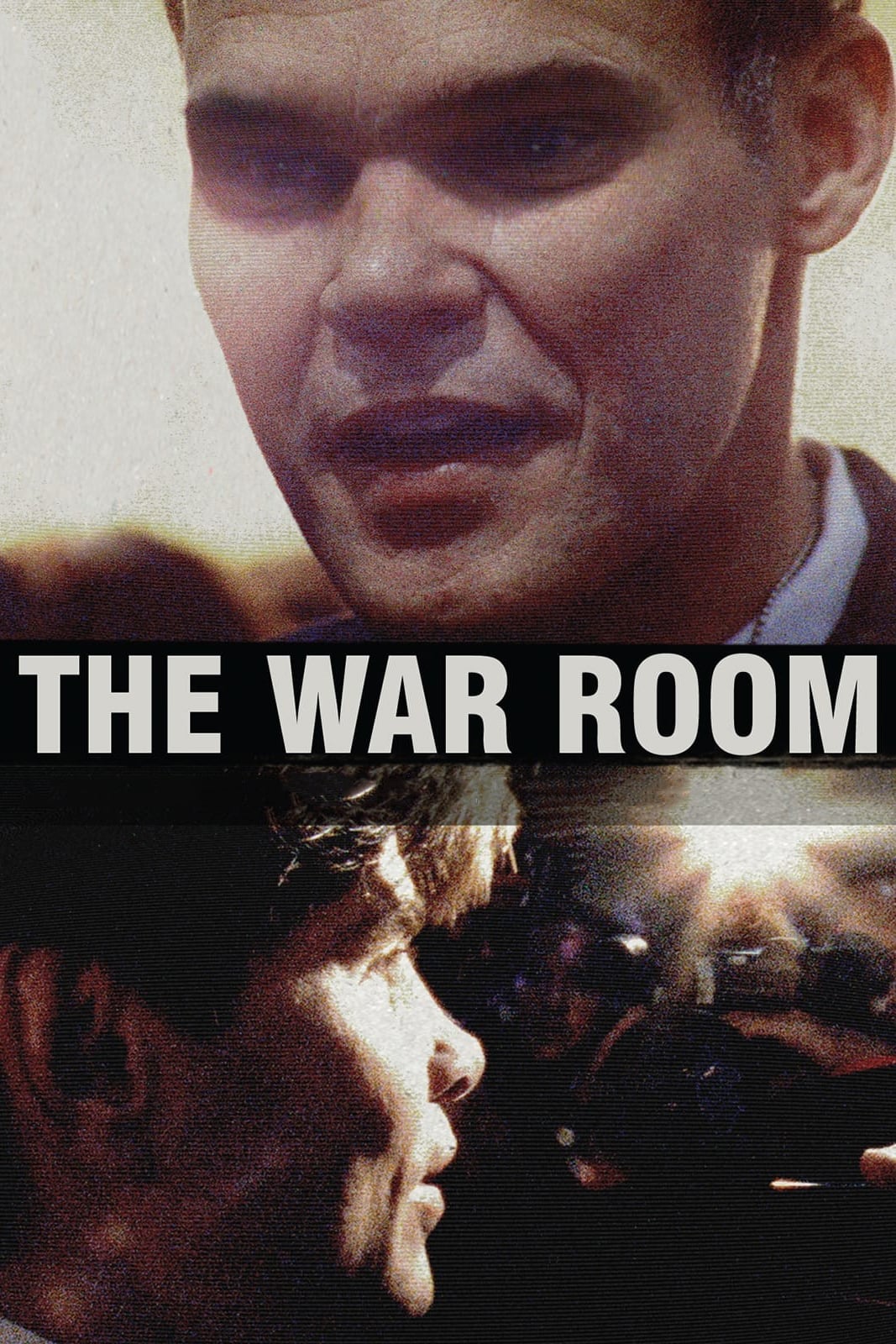
A behind-the-scenes documentary about the Clinton for President campaign, focusing on the adventures of spin doctors James Carville and George Stephanopoulos.
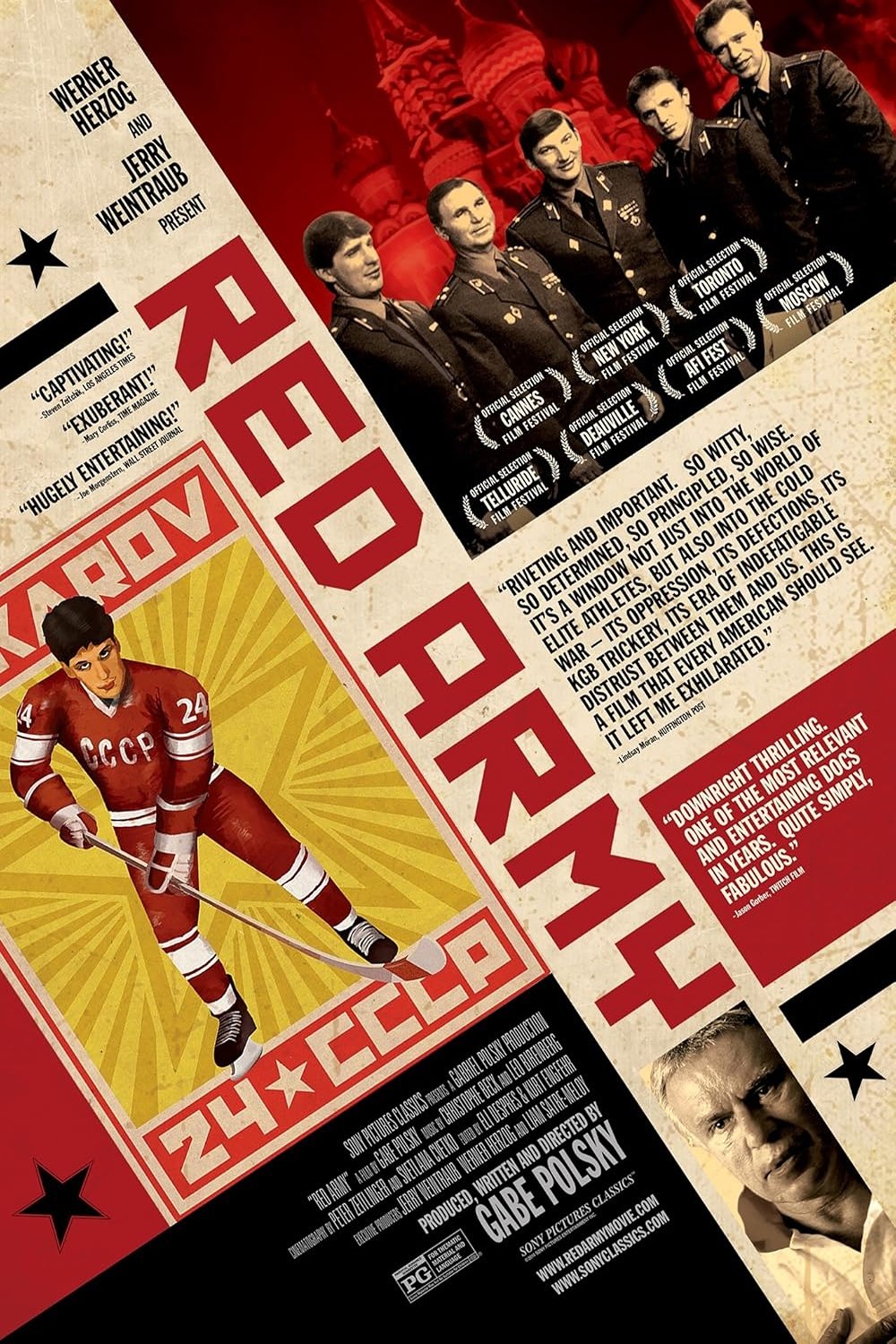
A documentary highlighting the Soviet Union's legendary and enigmatic hockey training culture and world-dominating team through the eyes of the team's Captain Slava Fetisov, following his shift from hockey star and celebrated national hero to political enemy.
SEDUCED AND ABANDONED combines acting legend Alec Baldwin with director James Toback as they lead us on a troublesome and often hilarious journey of raising financing for their next feature film. Moving from director to financier to star actor, the two players provide us with a unique look behind the curtain at the world's biggest and most glamourous film festival, shining a light on the bitter-sweet relationship filmmakers have with Cannes and the film business. Featuring insights from directors Martin Scorsese, 'Bernando Bertolucci' and Roman Polanski; actors Ryan Gosling and Jessica Chastain and a host of film distribution luminaries.
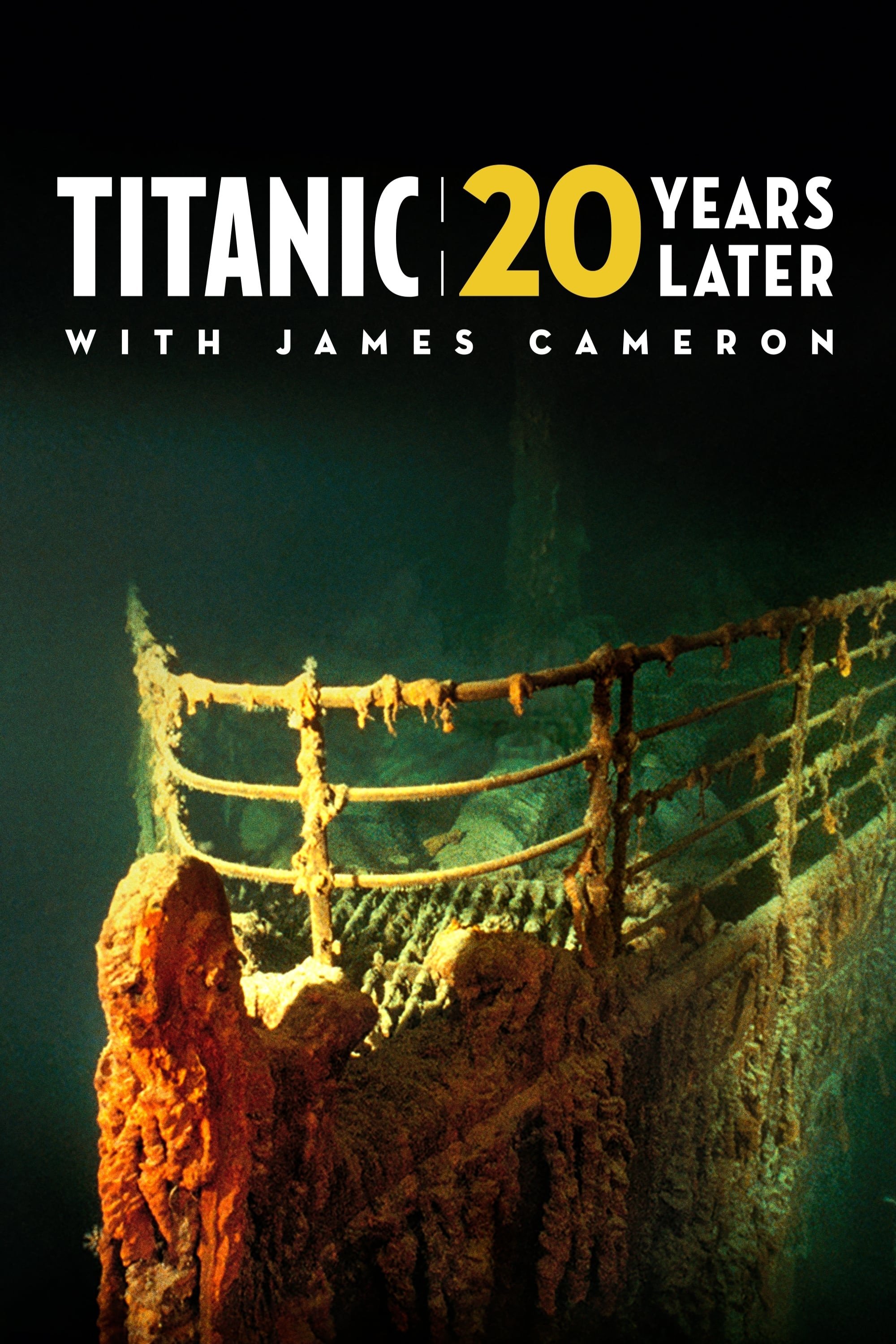
For the 20th anniversary of "Titanic," James Cameron reopens the file on the disaster.
An inside look at one of the most anticipated movie sequels ever with James Cameron and cast.
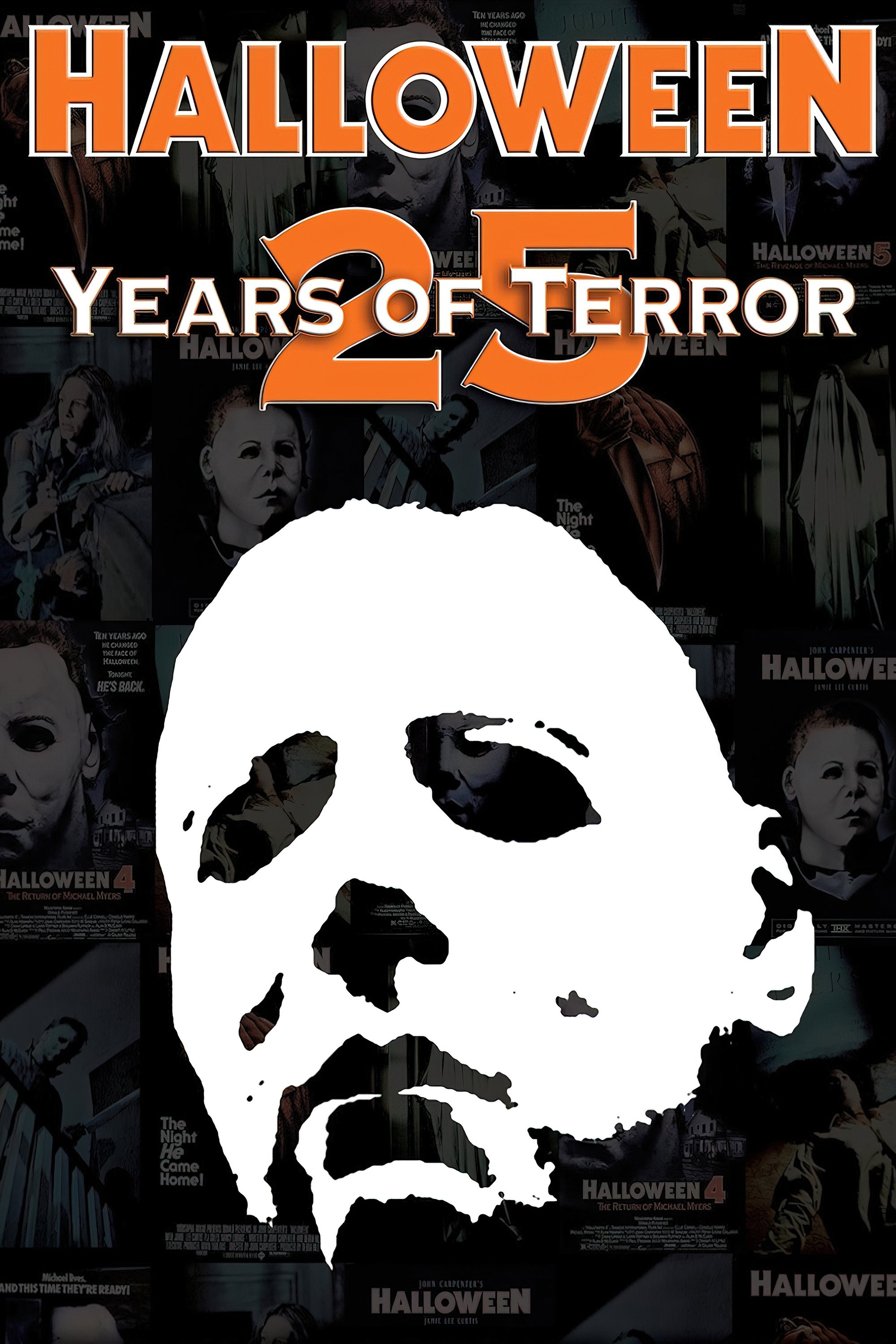
Follow the evolution of the 'Halloween' movies over the past twenty-five years. It examines why the films are so popular and revisits many of the original locations used in the films - seeing the effects on the local community. For the first time, cast, crew, critics and fans join together in the ultimate 'Halloween' retrospective.
The life and career of an actor, artist, and icon. His own journey through his own camera.
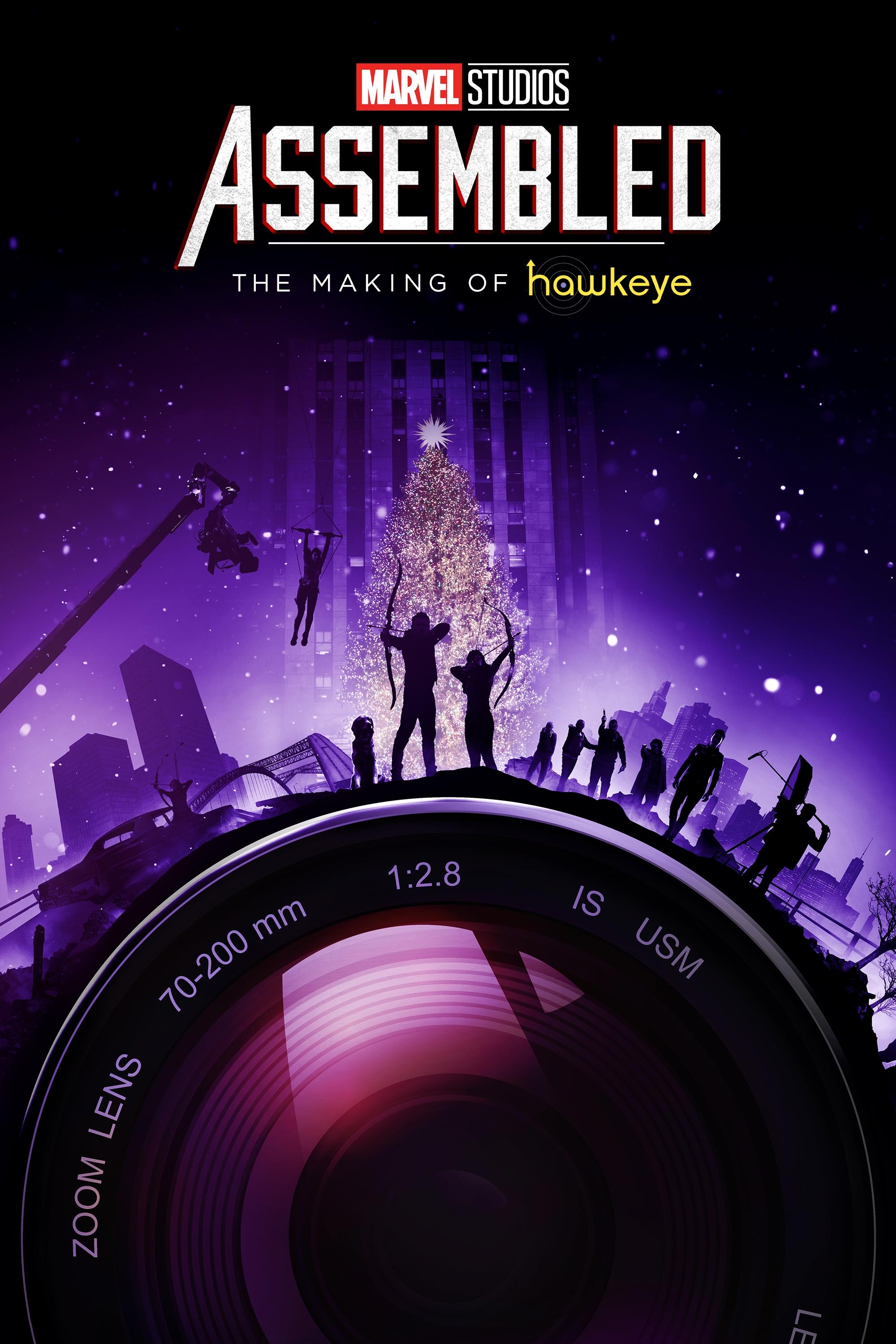
Join the likes of Jeremy Renner, Hailee Steinfeld, Florence Pugh, and Vincent D’Onofrio as they reveal how Marvel Studios’ “Hawkeye” was conceived and created. Witness firsthand what it took to pull off the show’s pulse-pounding action set pieces, and discover how iconic characters from the pages of Marvel Comics such as Kate Bishop were adapted and brought to life for the six-episode series.
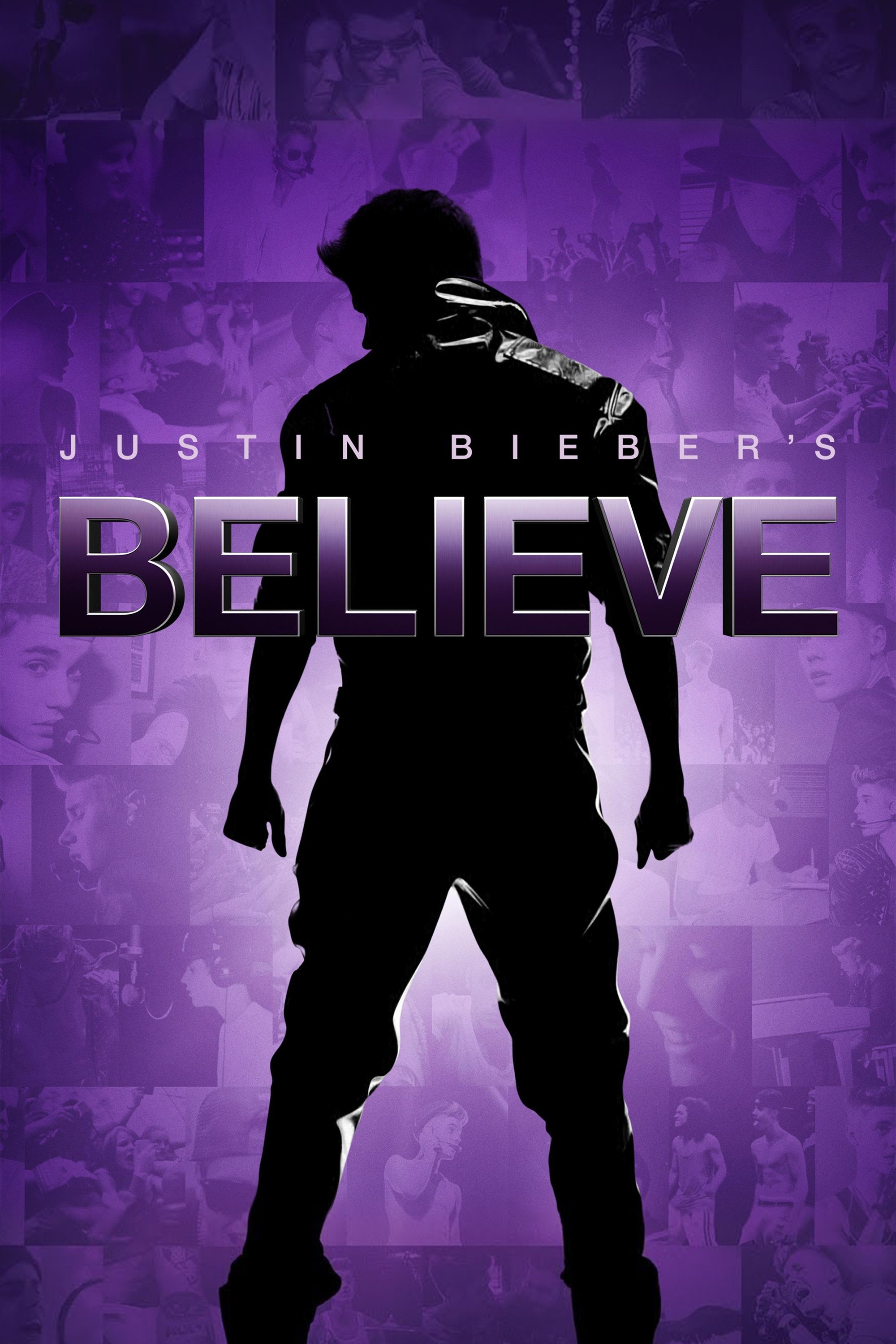
A backstage and on-stage look at Justin Bieber during his rise to super stardom.
A visual montage portrait of our contemporary world dominated by globalized technology and violence.
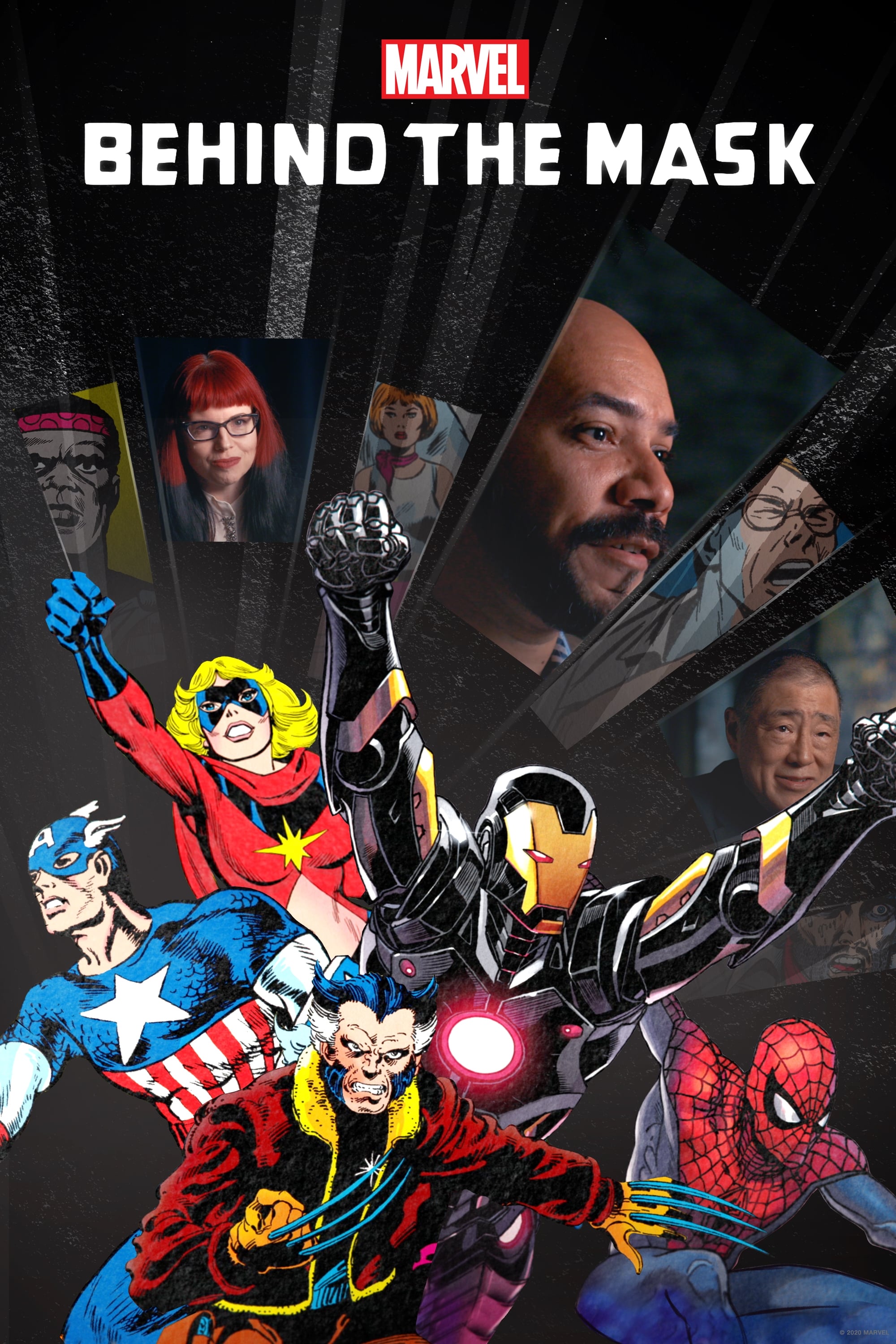
A documentary special that explores the power of identity behind the iconic superheroes we know and love today. These legendary Marvel creations and stories have not only reflected the world outside our window – they have become a reflection of our own identities and who we truly are.
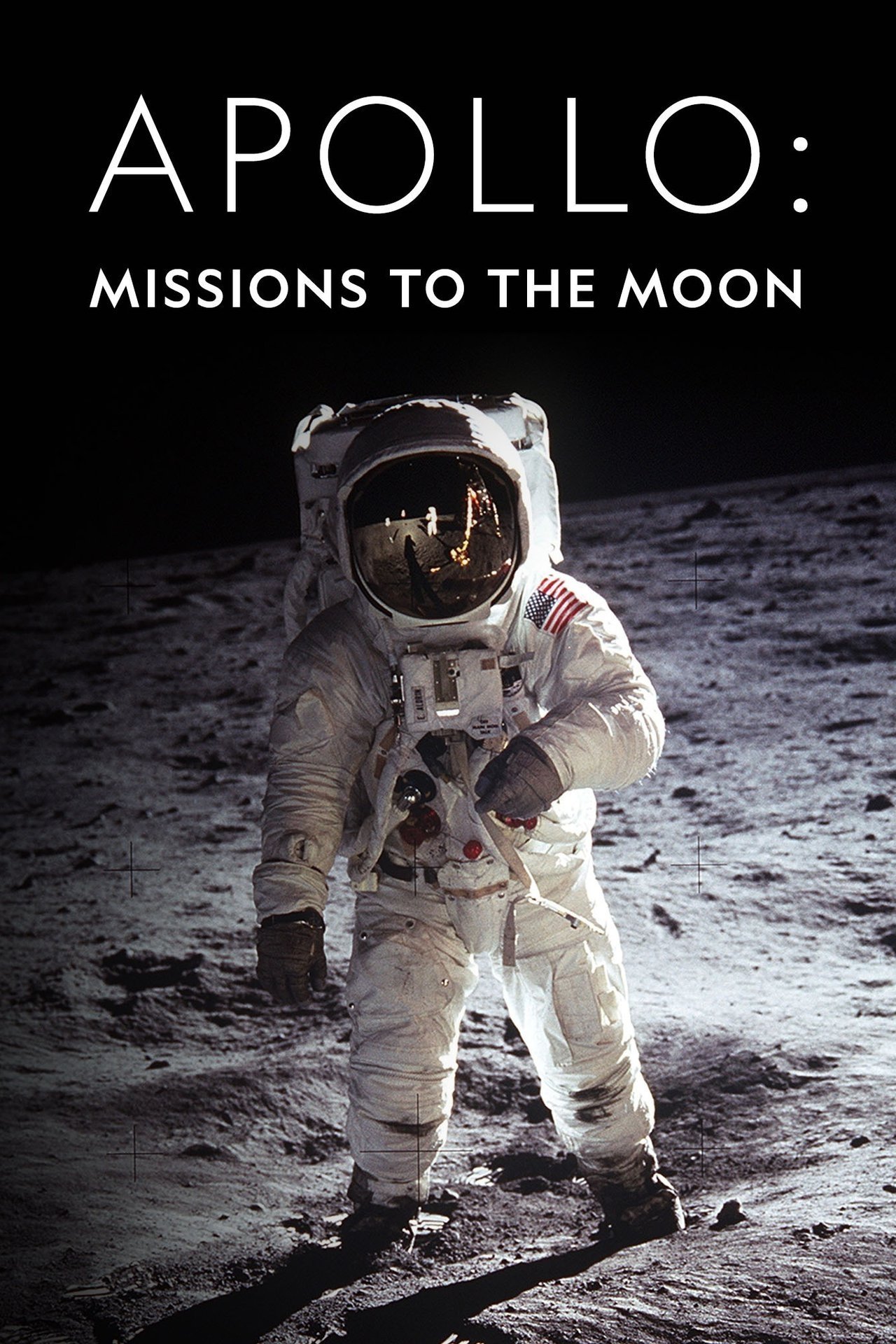
National Geographic's riveting effort recounts all 12 crewed missions using only archival footage, photos and audio.
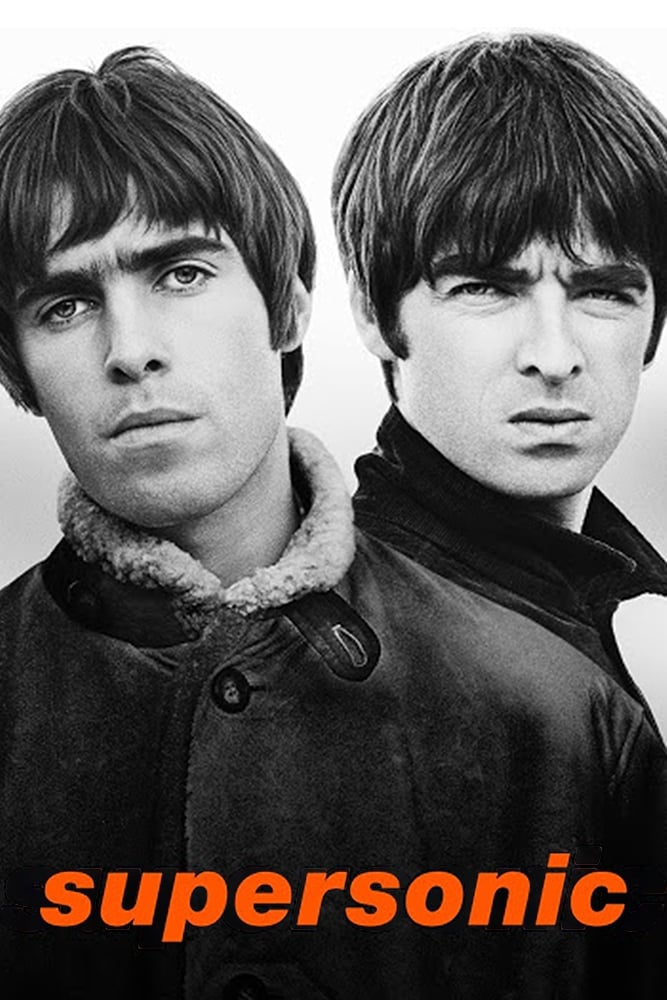
Supersonic charts the meteoric rise of Oasis from the council estates of Manchester to some of the biggest concerts of all time in just three short years. This palpable, raw and moving film shines a light on one of the most genre and generation-defining British bands that has ever existed and features candid new interviews with Noel and Liam Gallagher, their mother, and members of the band and road crew.
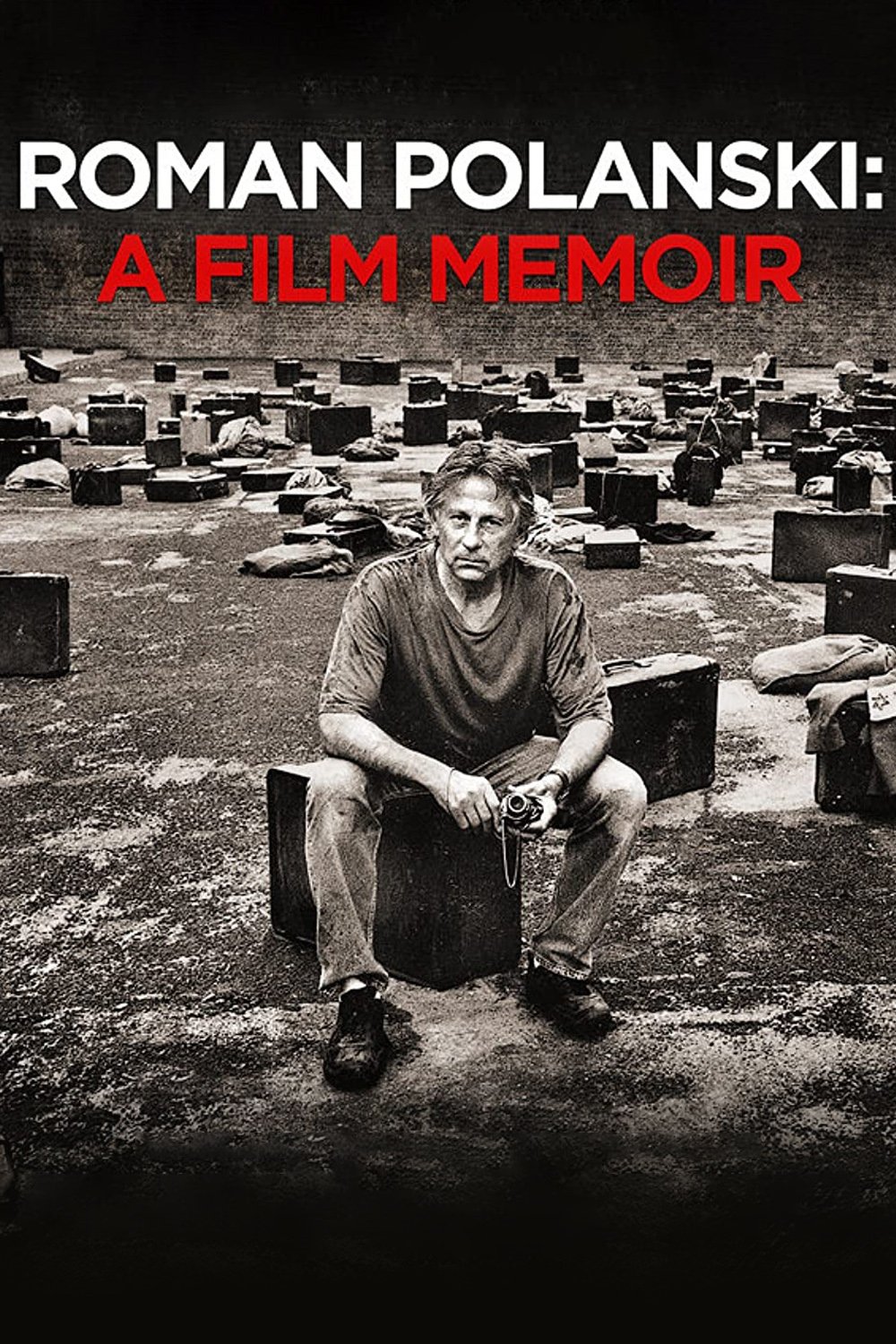
An interview with film director Roman Polanski conducted during his period of house arrest, discussing his life and work.
Al Pacino's deeply-felt rumination on Shakespeare's significance and relevance to the modern world through interviews and an in-depth analysis of "Richard III."
A documentary about the legendary series of nationally televised debates in 1968 between two great public intellectuals, the liberal Gore Vidal and the conservative William F. Buckley Jr. Intended as commentary on the issues of their day, these vitriolic and explosive encounters came to define the modern era of public discourse in the media, marking the big bang moment of our contemporary media landscape when spectacle trumped content and argument replaced substance. Best of Enemies delves into the entangled biographies of these two great thinkers, and luxuriates in the language and the theater of their debates, begging the question, "What has television done to the way we discuss politics in our democracy today?"