Xanadu is a 4-channel video installation by Robert Boyd that represents a history of apocalyptic thought as a series of MTV-style music videos.
Social & External
The people behind it
Religions are like cactus. They look like flowers, but with bare blades.
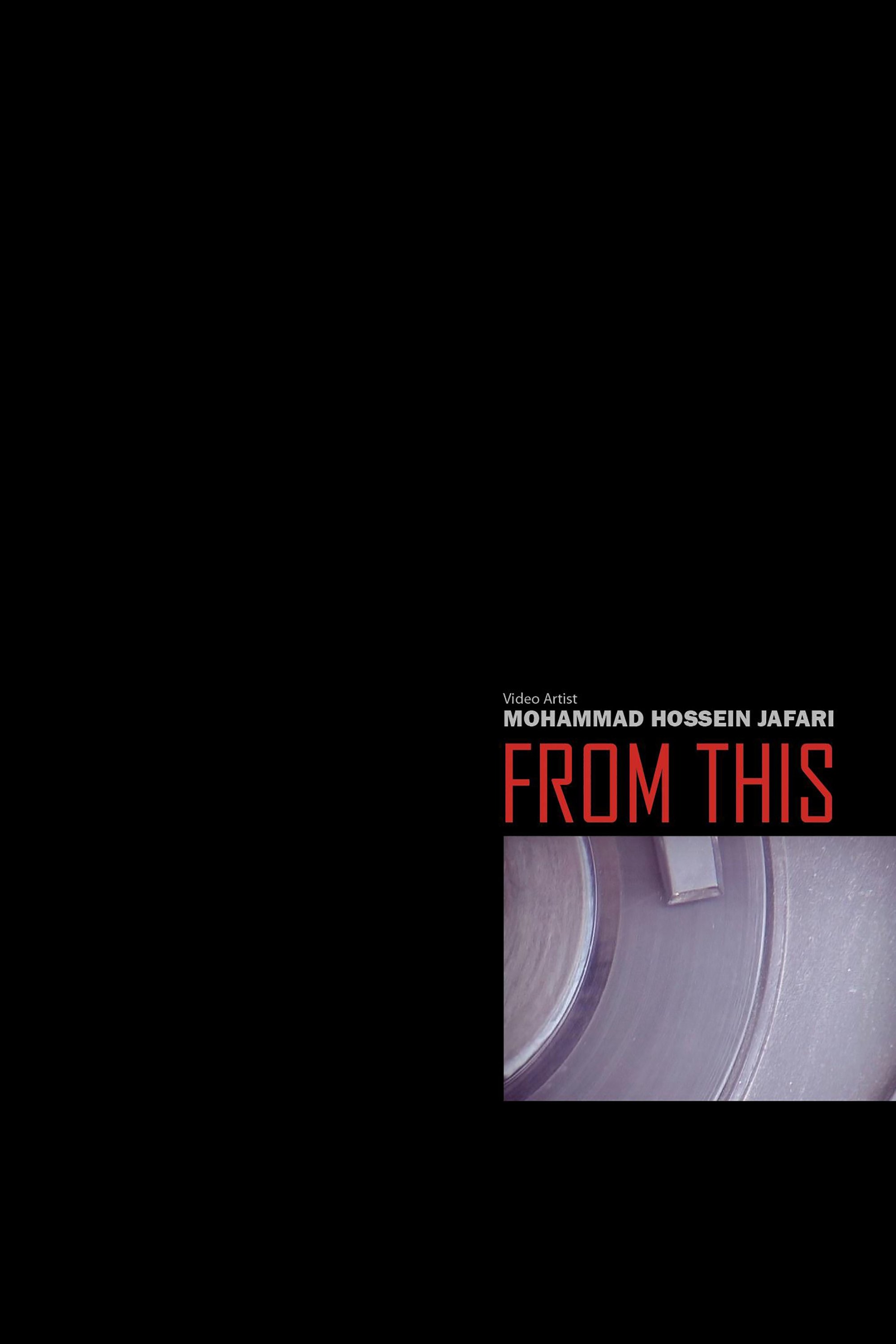
“From This” is a permanent cycle. This video intended to be timeless in its original action plan, to be played constantly in a particular place, with a TV, a player and a power generator.
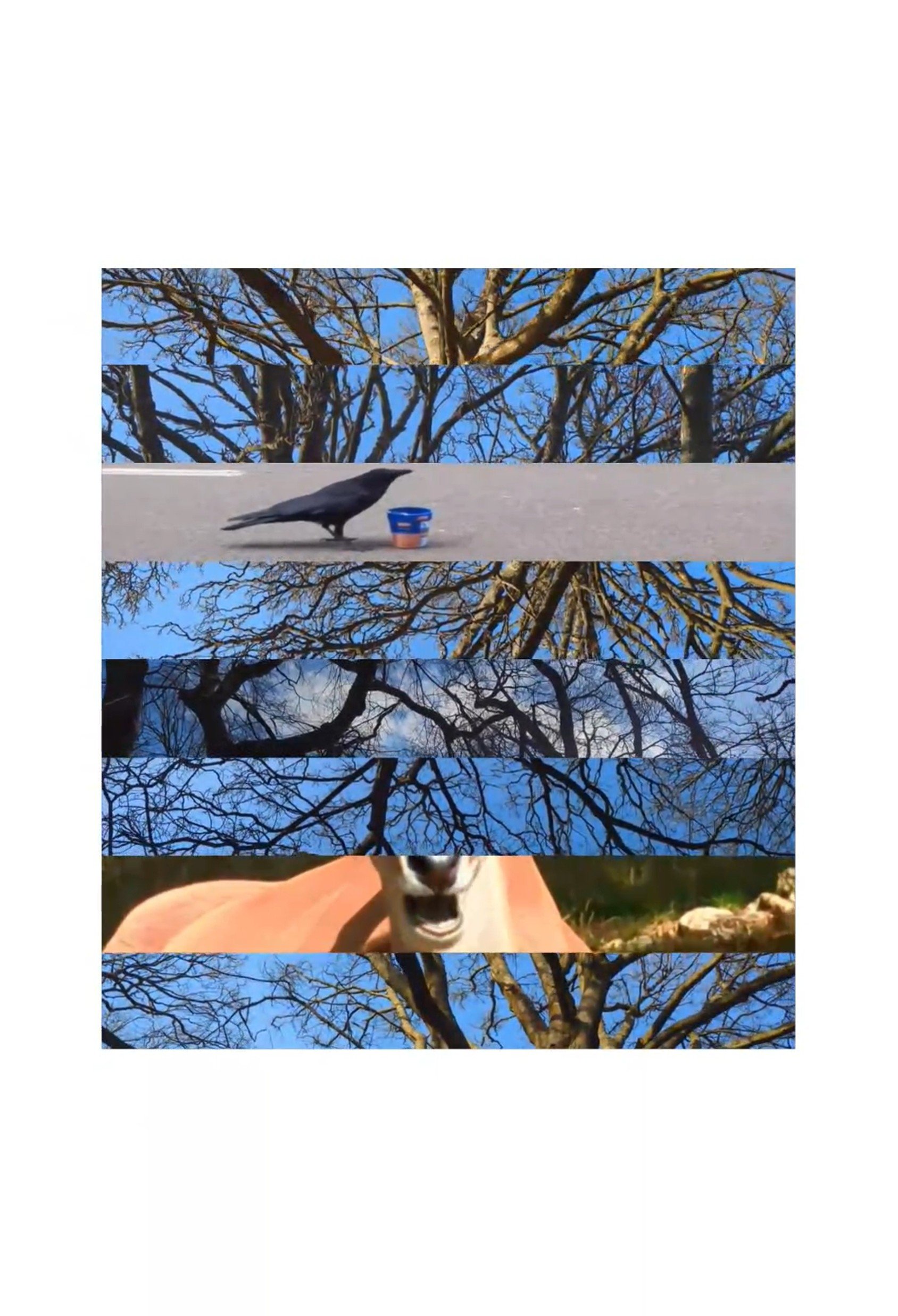
Four Poems is a series of video poems in which the horizontal lines of a poem, usually composed of text, have been substituted for horizontal lines of moving image. The piece explores what remains of a poem when its language is removed, and how images might interact with each other in similar or different ways to words. It asks whether rhyme, rhythm, sibilance, or dissonance, might be effectively created by juxtaposing images. It also asks whether arranging images might create a sense of authorship, intentionality, or a tone of voice, in the way that arranging words might. Finally, Four Poems invites the viewer to consider how they might ‘read’ a poem – does a reading have to occur from top-to-bottom, or might new interpretations be possible when the moving parts of the poem can all be seen at once?
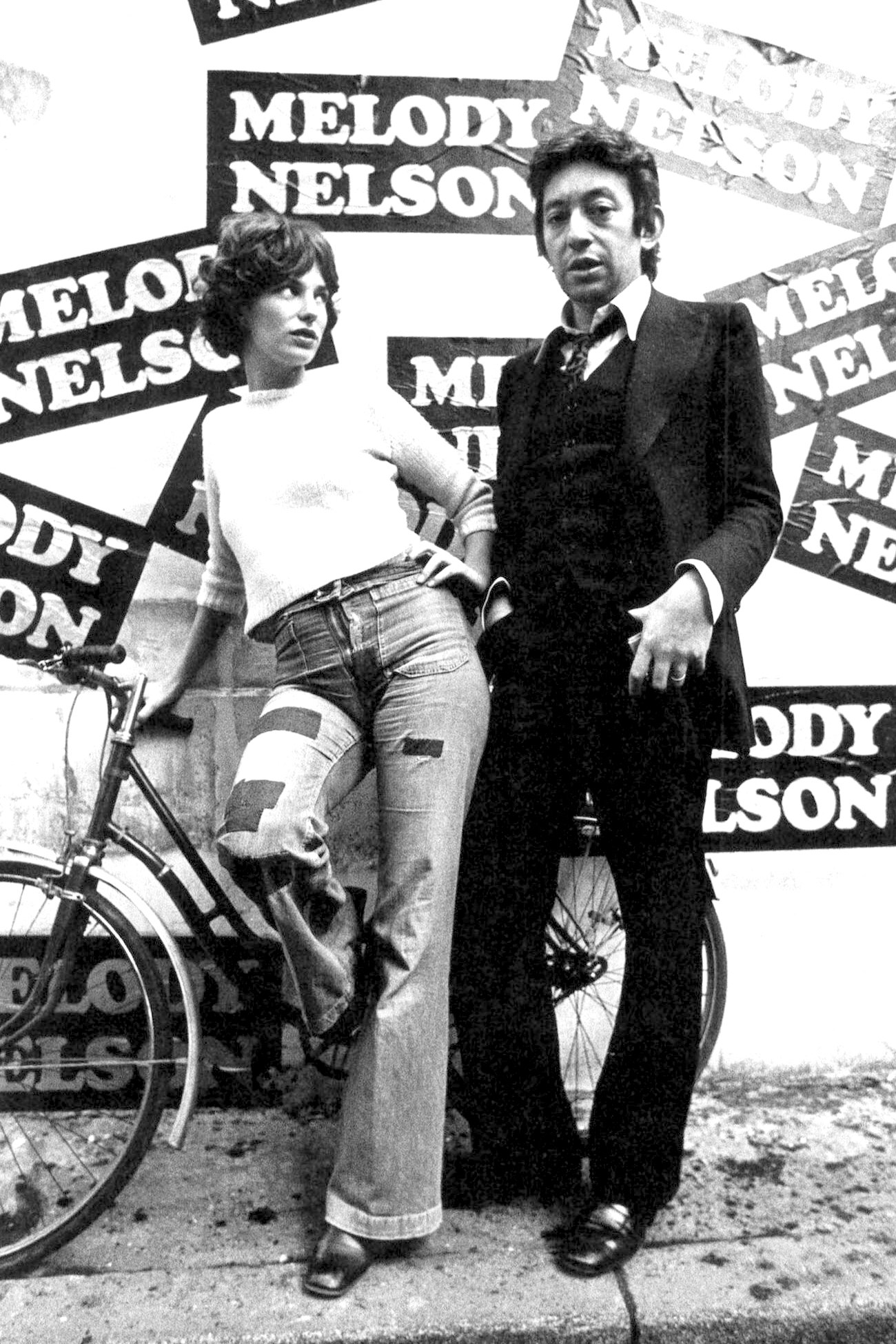
Although Gainsbourg and Birkin had appeared in a string of films since their magnetic collision in Pierre Grimblat’s Slogan, Melody was a bit of diversion from their collaborations since it’s a series of interwoven videos inspired by the Gainsbourgalbum. For '71 it’s a novel concept to bring visual life to an LP, but even more surprising are the short film’s amazing visuals that director Averty crafted using a wealth of video filters, overlays, camera movements and chroma key effects. Averty applies these in tandem with the increasing tone of Gainsbourg’s songs, which more or less chronicle an older man's affair with a young girl. Each song is comprised of steady, sometimes brooding poetic delivery, with refrains timed to the phrase repeats of each song, while Alan Parker’s buzzing guitar accompanies and wiggles around Gainsbourg’s resonant voice. The bass is fat and groovy, the drums easy but steady, and the periodic use of strings or rich vibrato makes this short a sultry little gem.
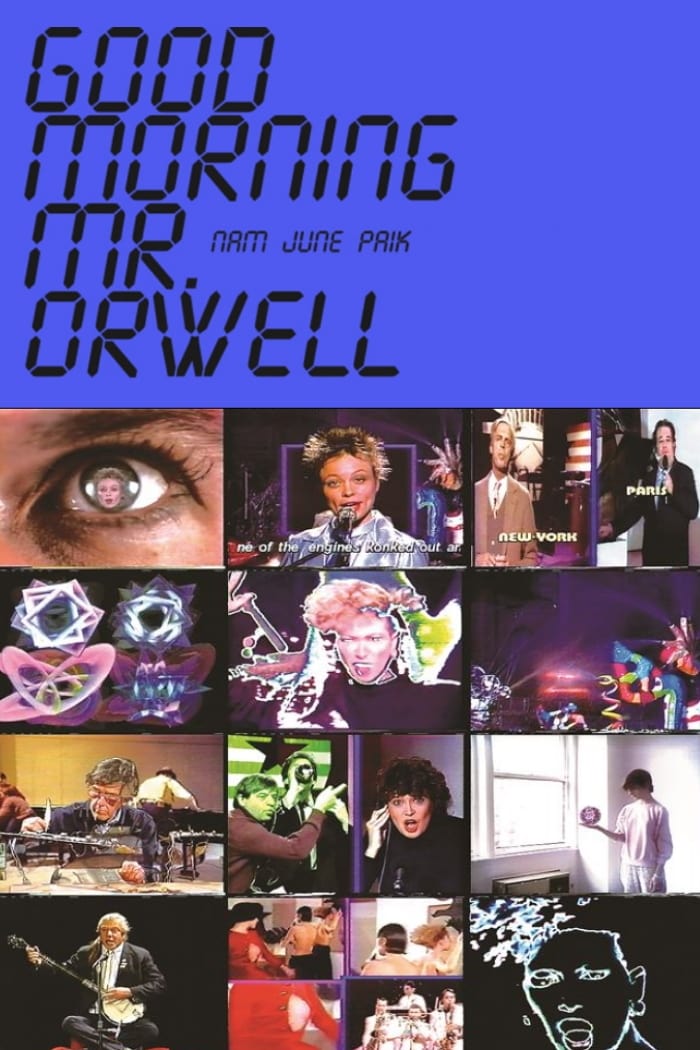
In his book "1984", George Orwell saw the television of the future as a control instrument in the hands of Big Brother. Right at the start of the much-anticipated Orwellian year, Paik and Co. were keen to demonstrate satellite TV's ability to serve positive ends-- Namely, the intercontinental exchange of culture, combining both highbrow and entertainment elements. A live broadcast shared between WNET TV in New York and the Centre Pompidou in Paris, linked up with broadcasters in Germany and South Korea, reached a worldwide audience of over 10 or even 25 million (including the later repeat transmissions).
Paul Clipson unexpectedly exchanged his court sound engineer, Jefre Cantu-Ledesm, for a promising artist named Kadet Kuhne, who presents herself in this experimental film with ambient meditation drawing on the theme in Barake from 1992. Cadet is a very interesting creature who not only makes music but audiovisual art, sculpture, photography and canvas.
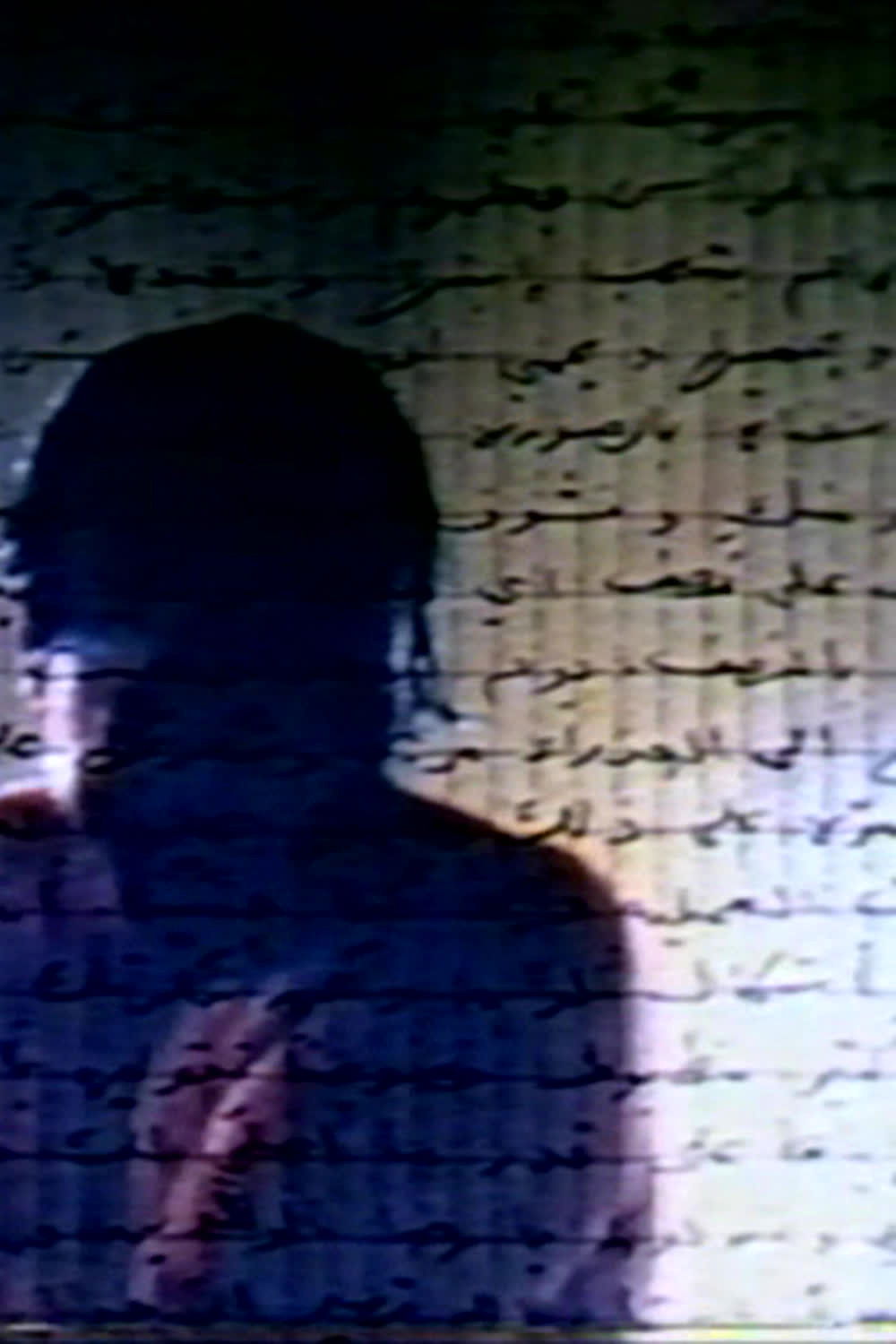
In this video, the artist tries to overcome the effects of distance, and reflects on geography represented in exile due to war, and on the psychological distance represented in each one’s approach to her womanhood. The video beautifully weaves personal images and audio recordings of a very intimate nature, binding the personal with the political. Reading aloud from letters sent by her mother in Beirut, Hatoum creates a visual montage reflecting her feelings of separation and isolation from her Palestinian family. The personal and political are inextricably bound in a narrative that explores personal and family identity against a backdrop of traumatic social rupture, exile and displacement.
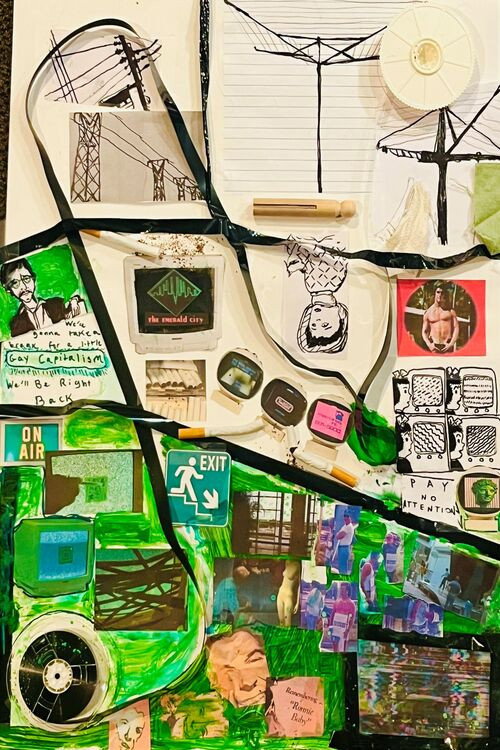
A continuously running two-channel installation, presented on 9" and 13" CRT monitors atop pedestals and overlooked by a green Kit-Cat clock. The smaller CRT bears a painted green square and is framed by a pair of crossed silver opera gloves, at whose intersection rests a vintage push-puppet of two boxers sharing a single red stand. Together, the two monitors display distinct video collages interweaving footage from Emerald Square Mall and the strike during its 1989 construction with remixed interferences from Channel J's Emerald City TV (1976–1979), Huge Video's Heat in the Night (1989), Genet's Un Chant d'Amour (1950), various cigarette commercials, The Wizard of Oz (1939), and a performance of a mylar-clad entity wrapping one of the televisions in videotape. The work has most frequently circulated publicly through its primary video channel.
An attic, a giant sewing needle and an anti-gravity fairy tale of sibling rivalry. Three sisters fight over who gets the biggest phallus in this post-feminist animation-infused playground by media artist Michelle Handelman. If Hans Christian Anderson got a sex change, surfed the porn sites, and hung with the freaky girls, his stories would look like this.
A fiction science monologue about artificial fertilization and its consequences, delivered by four characters interacting with the text.
Video art piece by Michigan artist Gio Orlando.
One of Paik’s most overtly political and poignant statements, Guadalcanal Requiem is a performance/documentary collage that confronts history, time, cultural memory and mythology on the site of one of World War II’s most devastating battles.
Paik produced this exuberant, high-speed collage as a commission for the National Fine Arts Committee of the 1980 Olympic Winter Games. In a fractured explosion of densely layered movement and action, images of Olympic sports events are mixed with Paik’s recurring visual and audio motifs.
In Junior War, a throng of highschoolers congregate at night for a party in the woods sometime in the year 2000. A band plays, the kids get drunk, the boys and girls tepidly flirt, and groups deploy into cars for the purpose of destroying mailboxes, tee-peeing houses, breaking lawn ornaments, and sparring with the police. The film is composed entirely of footage Trecartin took during his senior year of high school in exurban Ohio; as such, it baits the viewer with genealogical significance.
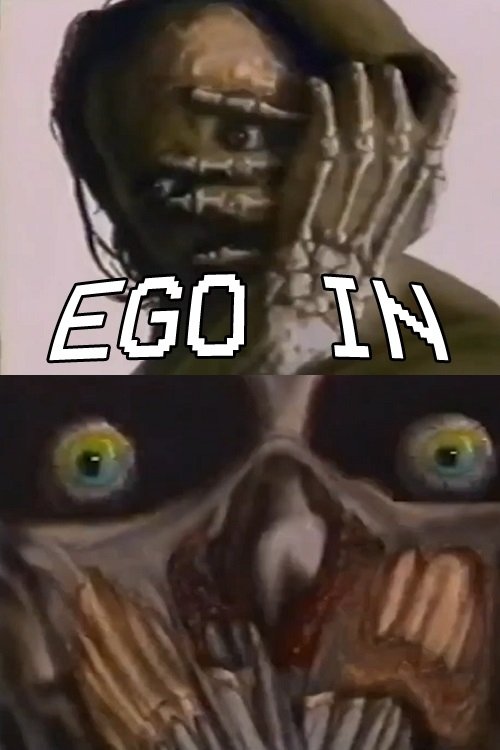
Video art body horror short film.
Experimental animation by Nicholas Nedelkopoulos
Shot on 16mm film in New York and composed in Berlin, the work explores polarizing themes of the metropolis. Audibly and visually, the viewer is put in a flicker between serenity and intensity; harrowing ambience cut with sharp beeps, vulnerable steps mashed in high velocity.
A short video adaptation of the poem "River: Morning" by Yuyutsu Ram Dass Sharma. Part of the Visible Poetry Project.
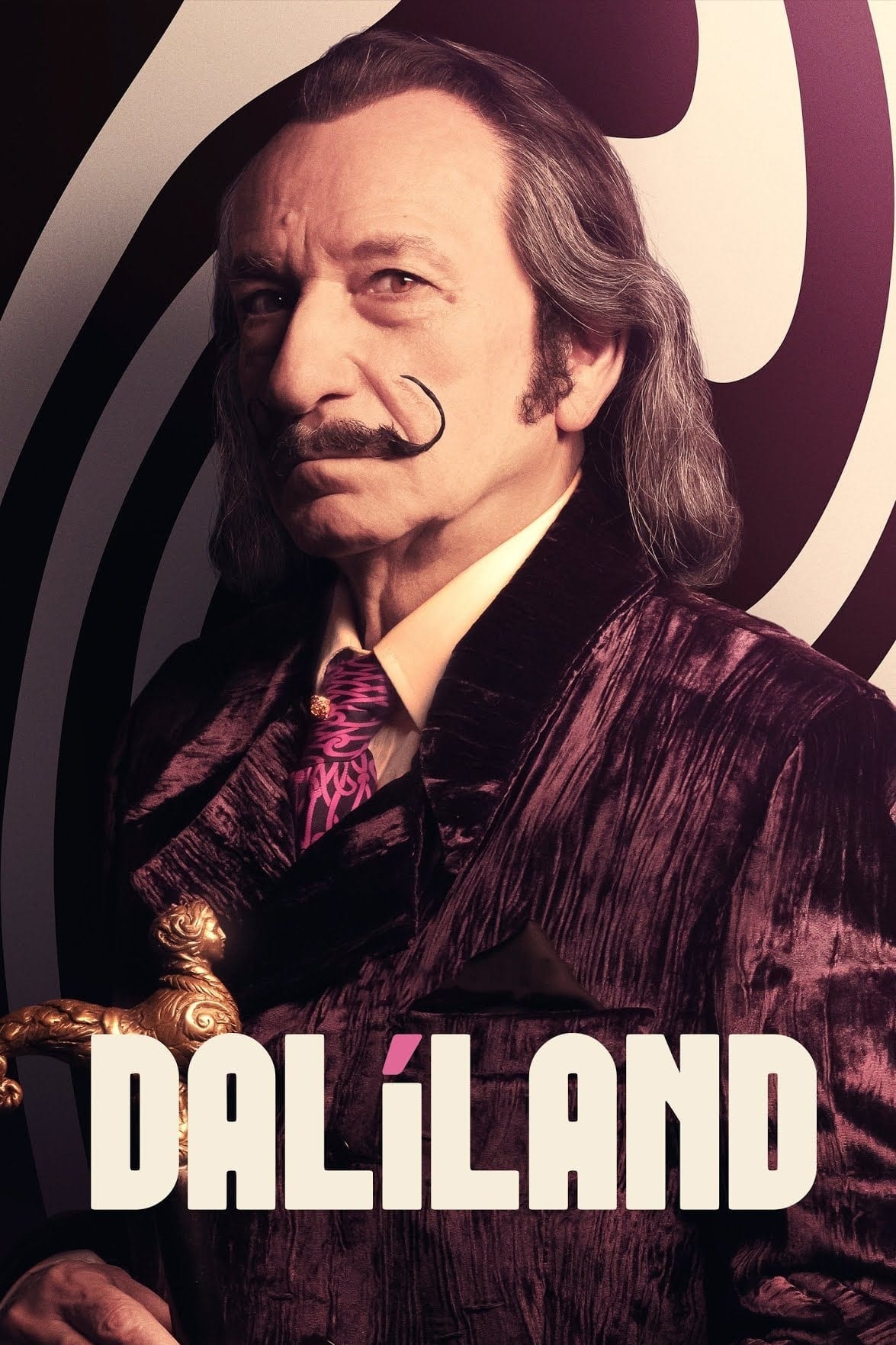
In 1973, a young gallery assistant goes on a wild adventure behind the scenes as he helps aging genius Salvador Dali prepare for a big show in New York.
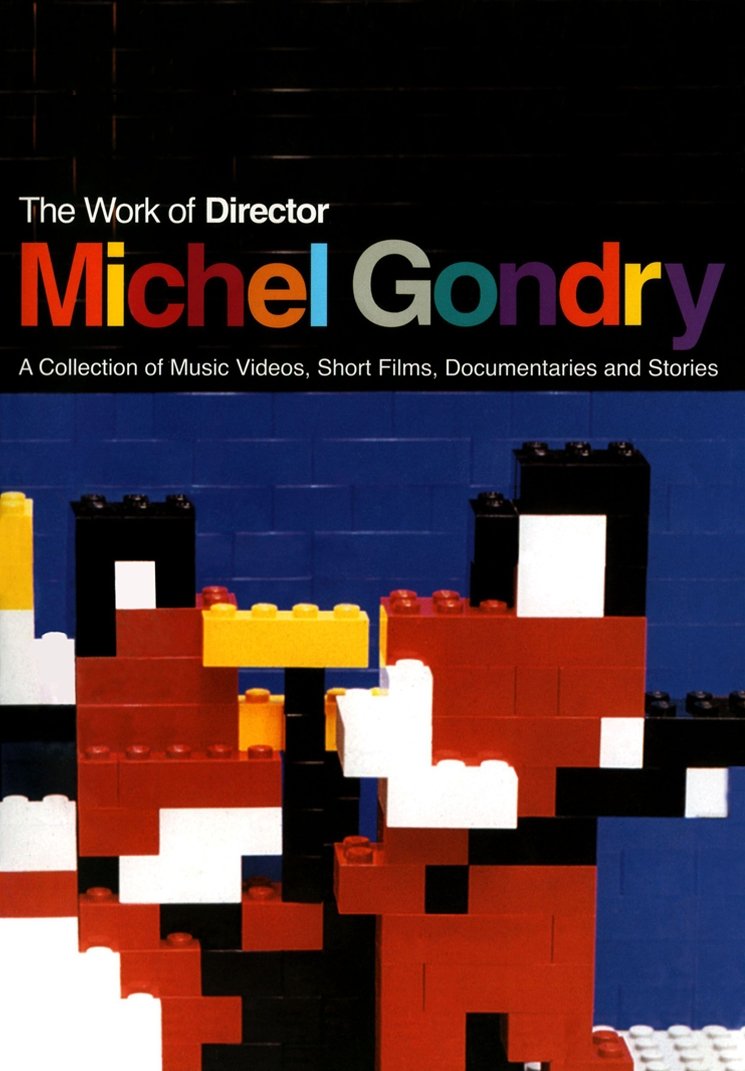
A look at the work of director Michel Gondry, through his music videos, short films, and commercials.
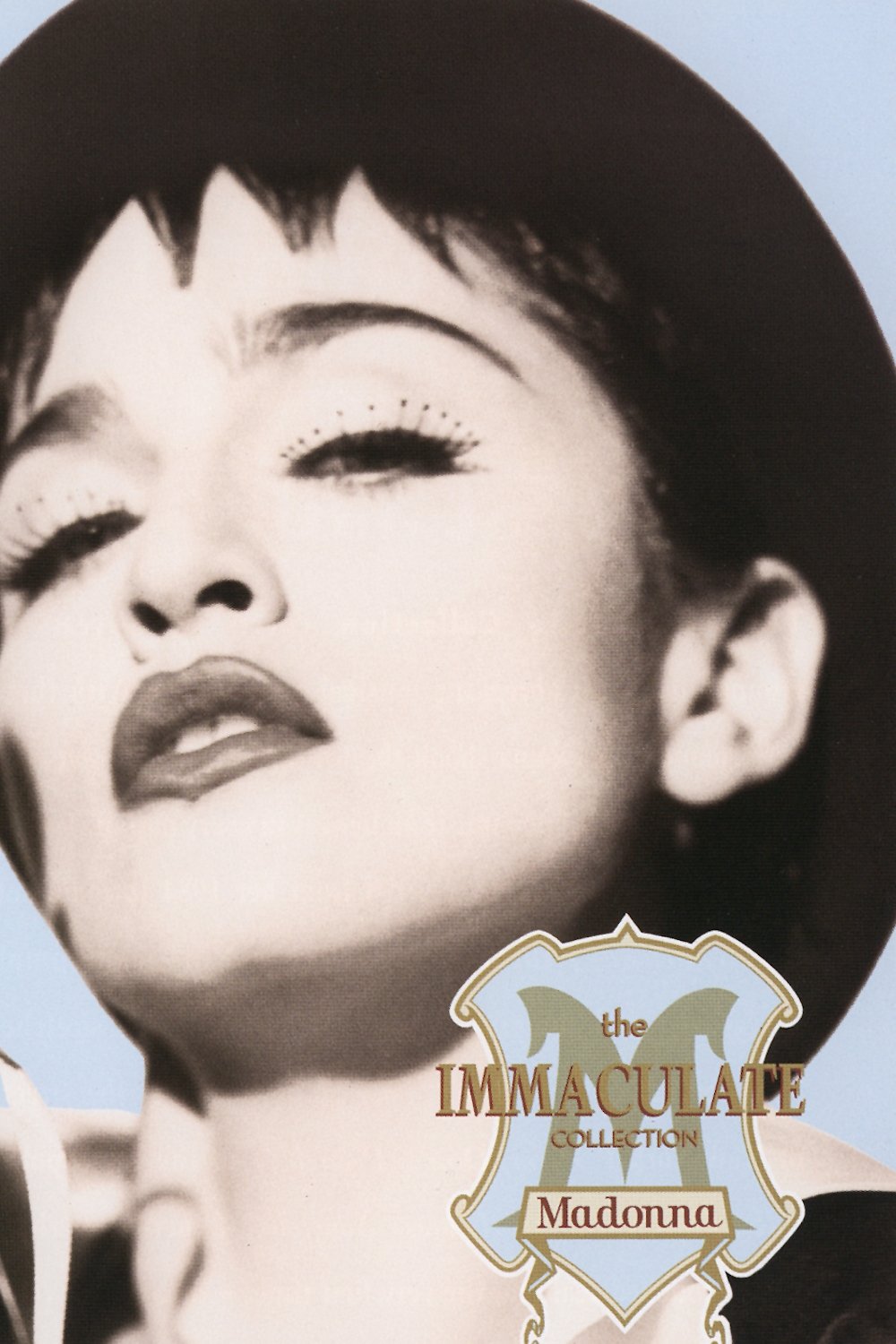
The Immaculate Collection is the first commercially released greatest videos compilation by singer Madonna. Released on November 13, 1990 to accompany the audio CD, it contained hits spanning 1983-1990. The collection won "Best Long Form Video" category at the 1991 MTV Video Music Awards. Includes the following videos: 1. Lucky Star 2. Borderline 3. Like a Virgin 4. Material Girl 5. Papa Don't Preach 6. Open Your Heart 7. La Isla Bonita 8. Like a Prayer 9. Express Yourself 10. Cherish 11. Oh Father 12. Vogue 13. Vogue (1990 MTV Awards Show Performance)
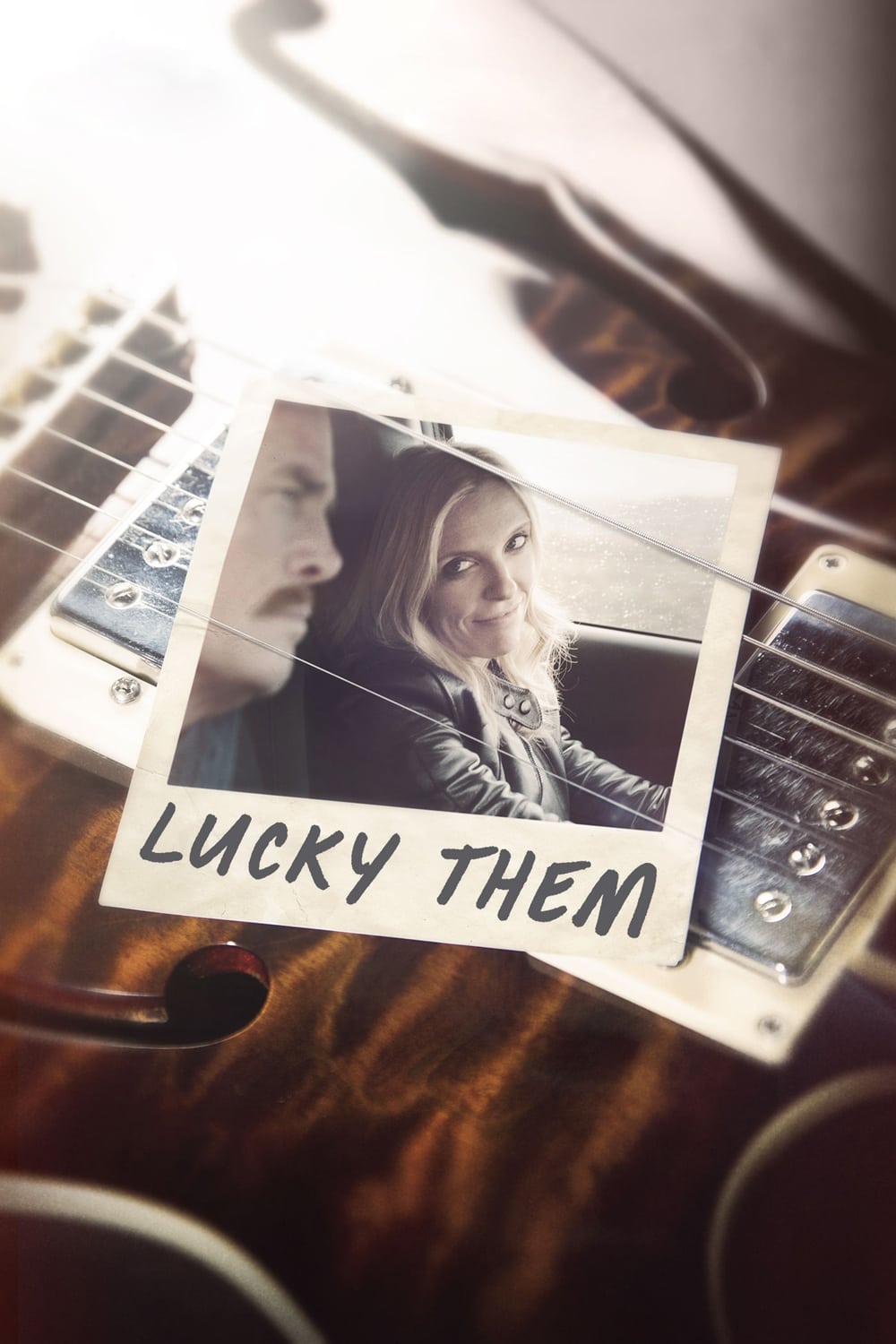
More interested in partying and flirting with young musicians than work, veteran rock journalist Ellie Klug has one last chance to prove her value to her magazine’s editor: a no-stone-unturned search to discover what really happened to long lost rock god, Matt Smith, who also happens to be her ex-boyfriend. Teaming up with an eccentric amateur documentary filmmaker, Ellie hits the road in search of answers.
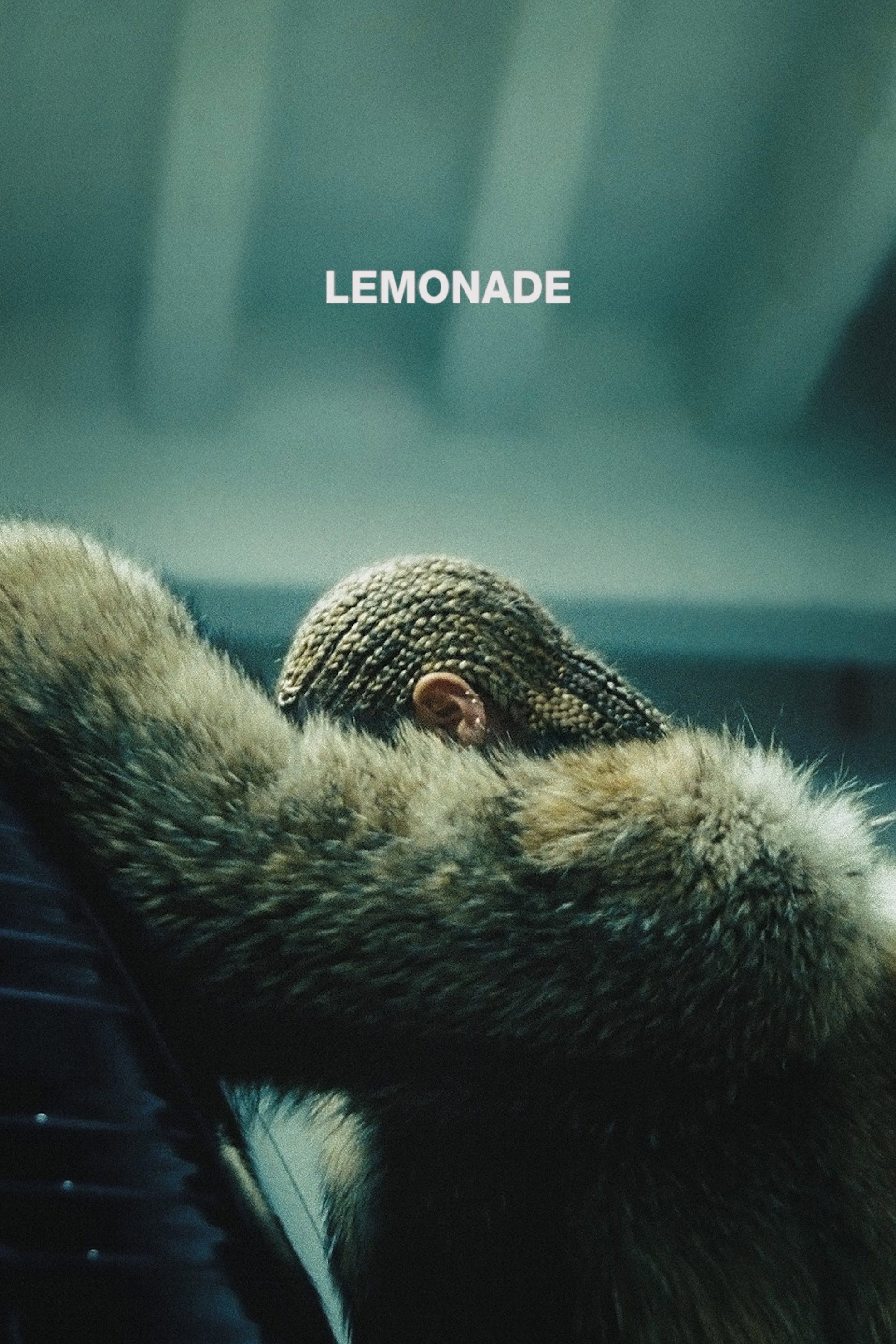
The second "visual album" (a collection of short films) by Beyoncé, this time around she takes a piercing look at racial issues and feminist concepts through a sexualized, satirical, and solemn tone.
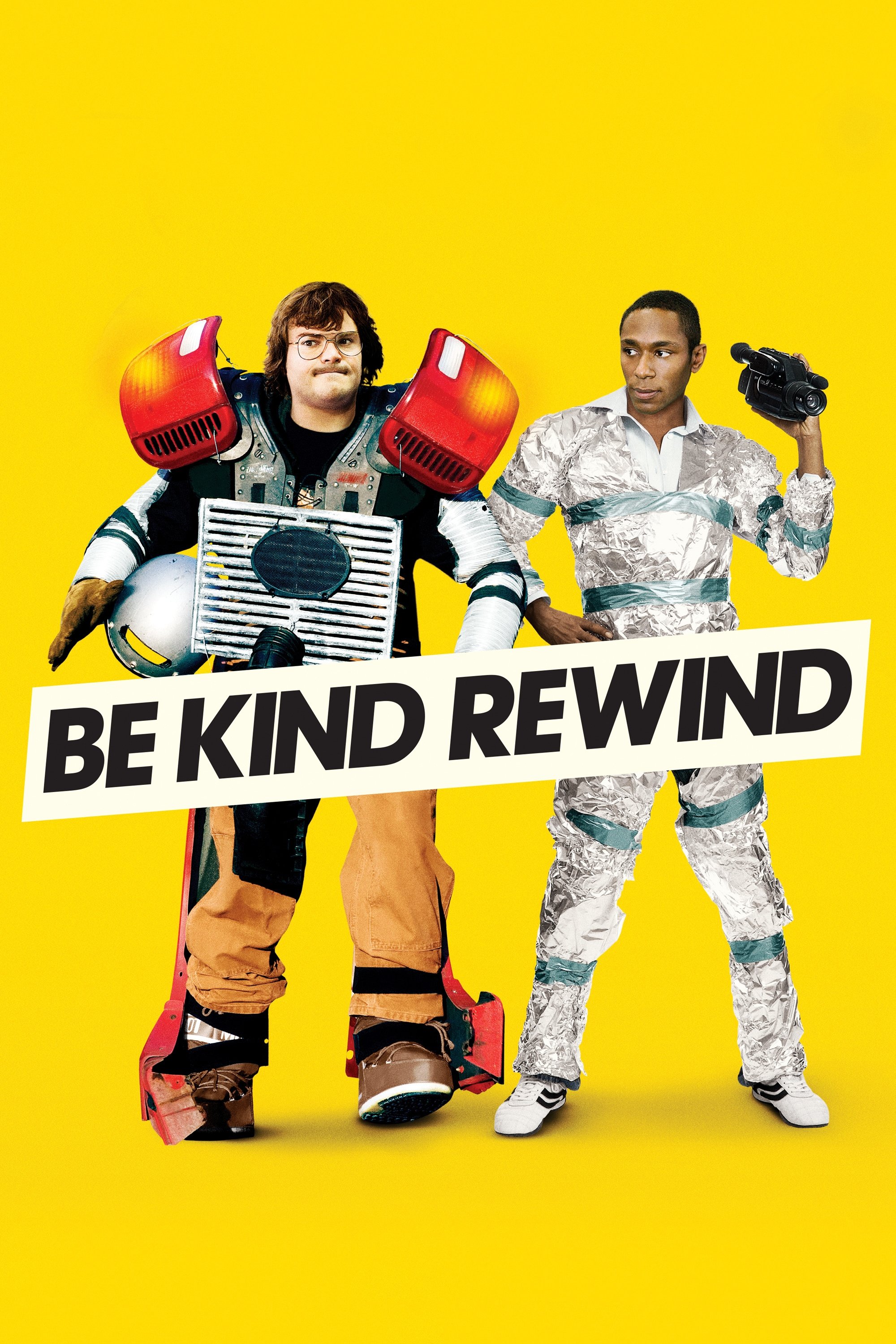
A man whose brain becomes magnetized unintentionally destroys every tape in his friend's video store. In order to satisfy the store's most loyal renter, an aging woman with signs of dementia, the two men set out to remake the lost films.
In a suburban landscape, the lives of several families interlace with loss, despair and personal crisis. Esther Gold has lost focus on all but caring for her comatose son, Paul, and neglects her daughter and husband. Lawyer Jim Train is devoted to his career, not his family. Helen Christianson wants to find a new spark in life, while Annette Jennings tries to rebuild hers.
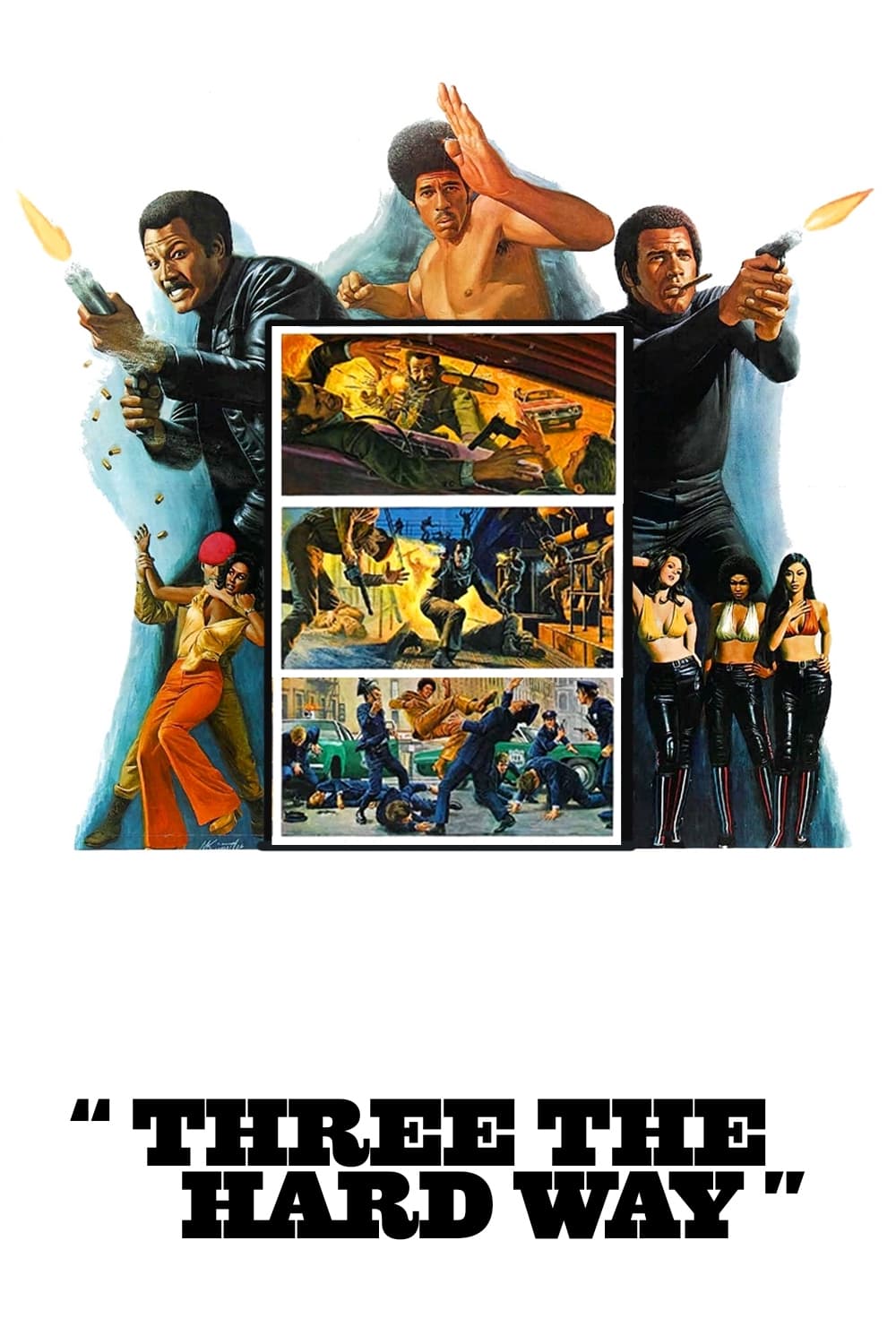
After his wife is kidnapped by a group of White supremacists, a record producer teams up with a PR man and a martial artist to get her back and put a stop to their plot to poison the water supply with a toxin that only kills Black people.
Al Pacino's deeply-felt rumination on Shakespeare's significance and relevance to the modern world through interviews and an in-depth analysis of "Richard III."
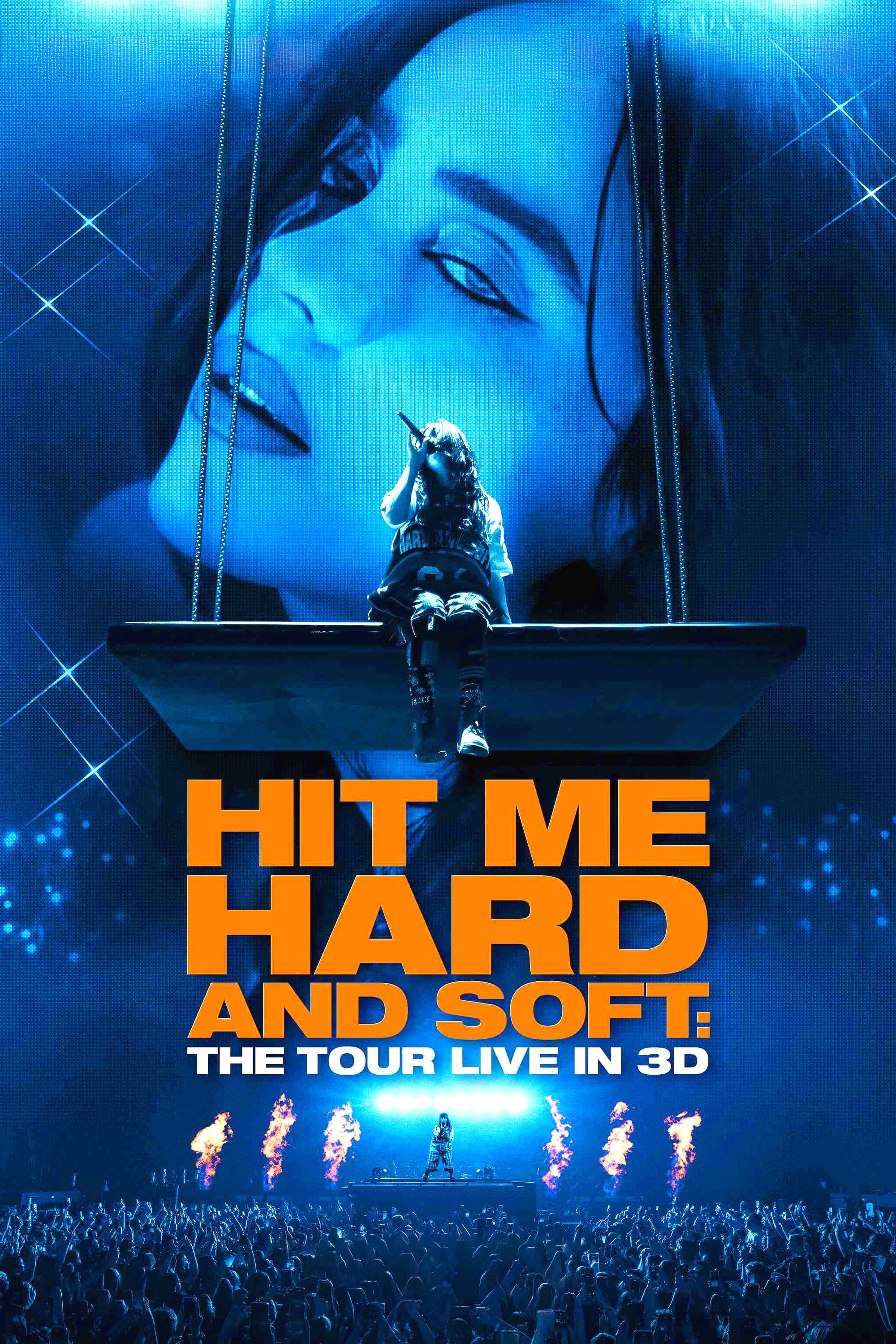
Captured during Billie Eilish's sold-out world tour, a concert experience from one of the most celebrated and successful artists of her generation, presented in immersive 3D.
When a group of misfits is hired by an unknown third party to burglarize a desolate house and acquire one rare VHS tape, they discover more found footage than they had bargained for.
After her boyfriend ends their relationship, the dreamself of a heartbroken woman floats through the air over an industrial wasteland singing ballads of love.
An aging Hollywood star, Joe Scott, lives a life of narcissistic hedonism, observed by his laconic personal assistant, Ophelia. The death of his childhood best friend, Boots, takes our protagonist, and the movie, into an extended flashback to a sea-side town in 1970s Britain.
Takes us to locations all around the US and shows us the heavy toll that modern technology is having on humans and the earth. The visual tone poem contains neither dialogue nor a vocalized narration: its tone is set by the juxtaposition of images and the exceptional music by Philip Glass.
When a comet passes close to the earth, machines all over the world come alive and go on homicidal rampages. A group of people at a desolate truck stop are held hostage by a gang of murderous 18-wheelers. The frightened people set out to defeat the killer machines…Or be killed by them.
A poor, struggling South Carolinian mother and daughter face painful choices with their resolve and pride. Bone, the eldest daughter, and Anney her tired mother, grow both closer and farther apart: Anney sees Glen as her last chance.
The story of a young writer's transformation when her past invades her present.
In this anime visual album, a mysterious driver heads deep into a postapocalyptic hellscape toward a ferocious showdown with two monstrous opponents.
Inside a darkened house looms a column of TVs littered with VHS tapes, a pagan shrine to forgotten analog gods. The screens crackle and pop endlessly with monochrome vistas of static white noise permeating the brain and fogging concentration. But you must fight the urge to relax: this is no mere movie night. Those obsolete spools contain more than just magnetic tape. They are imprinted with the very soul of evil.
This visual album from Beyoncé reimagines the lessons of "The Lion King" (2019) for today's young kings and queens in search of their own crowns.