Social & External
The people behind it
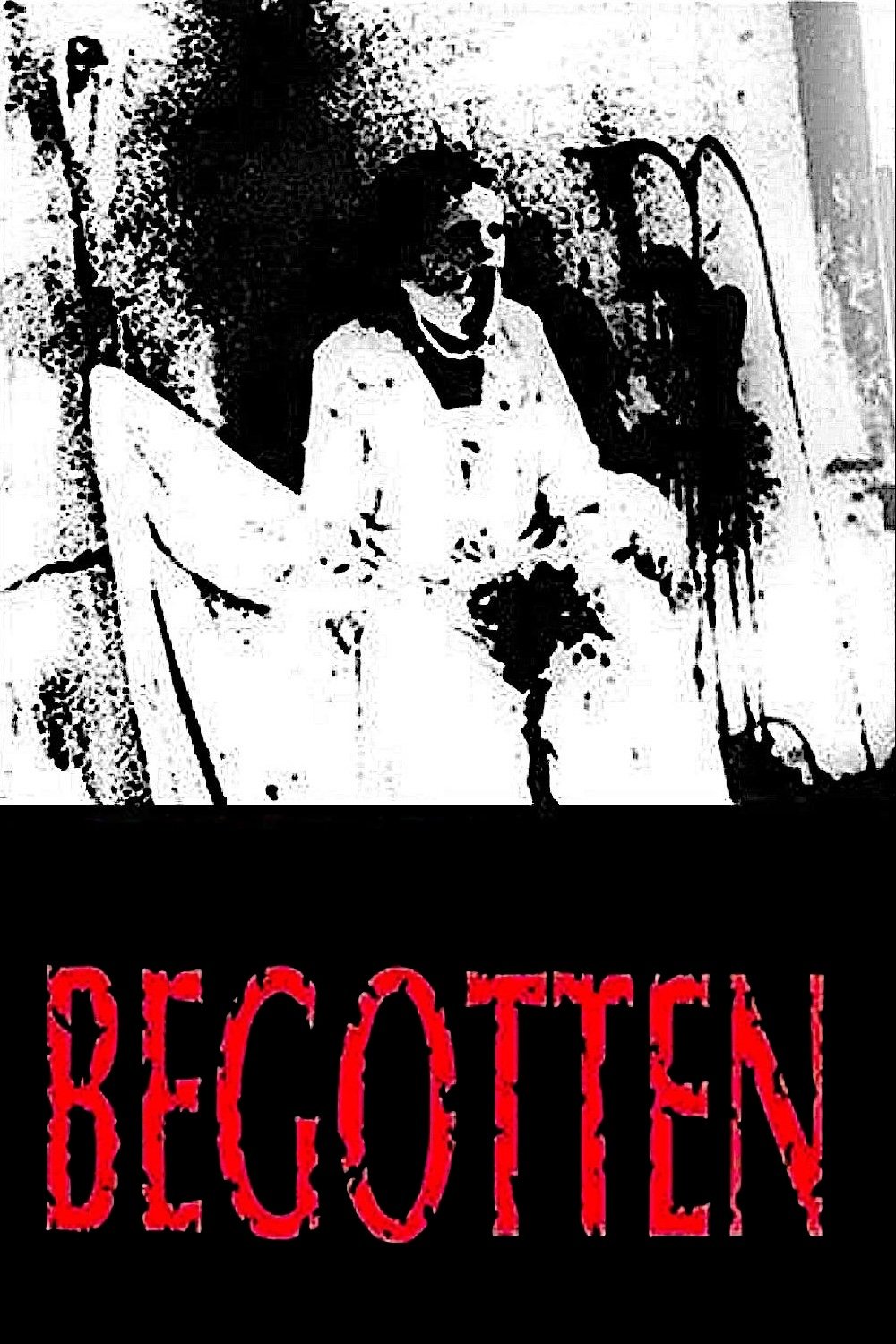
Begotten is the creation myth brought to life, the story of no less than the violent death of God and the (re)birth of nature on a barren earth.
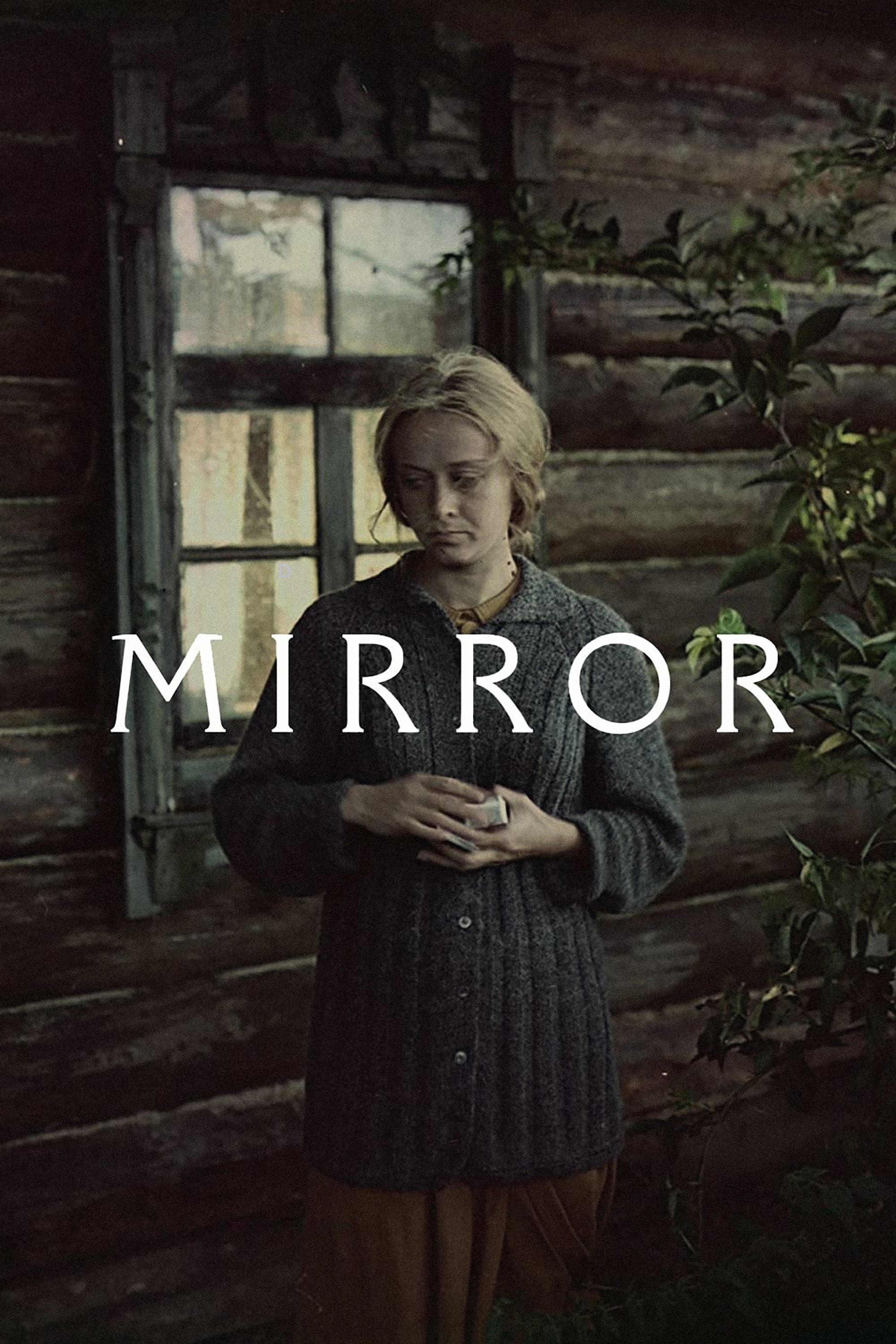
A dying man in his forties recalls his childhood, his mother, the war and personal moments that tell of and juxtapose pivotal moments in Soviet history with daily life.
You and AI at the end of the world.
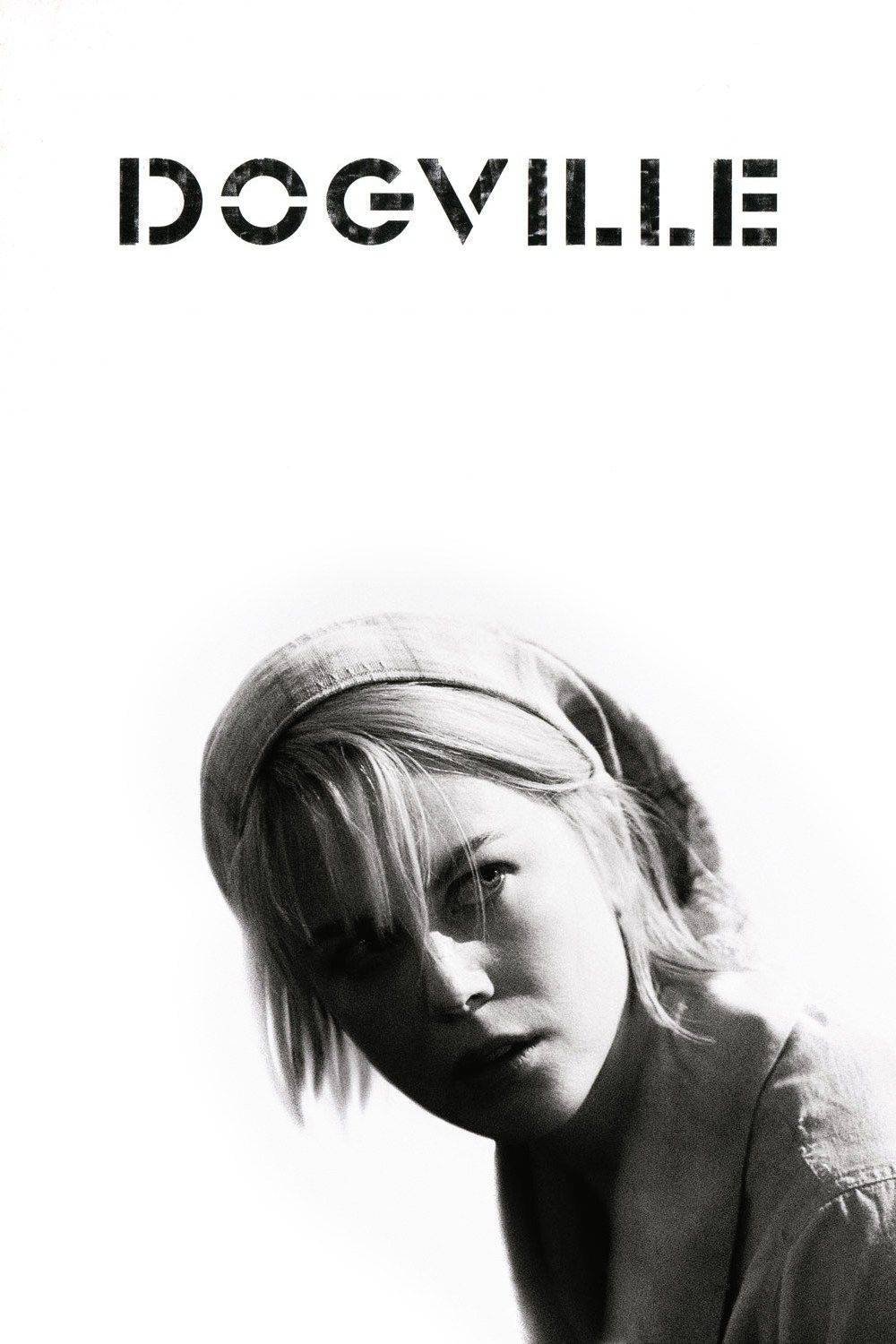
A woman on the run from the mob is reluctantly accepted in a small Colorado community in exchange for labor, but when a search visits the town, she learns that their support has a price.
A Short Film focusing on the urge to escape from the rabbit hole of depression
Shot in black and white, Invisible merges performance art and personal documentary to reflect personal and shared experiences during the military coup. Set in an abandoned building where many young revolutionists sought refuge, the seemingly invisible experiences of displacement, loss, suffering and anger are made visible through words and subtle movements.
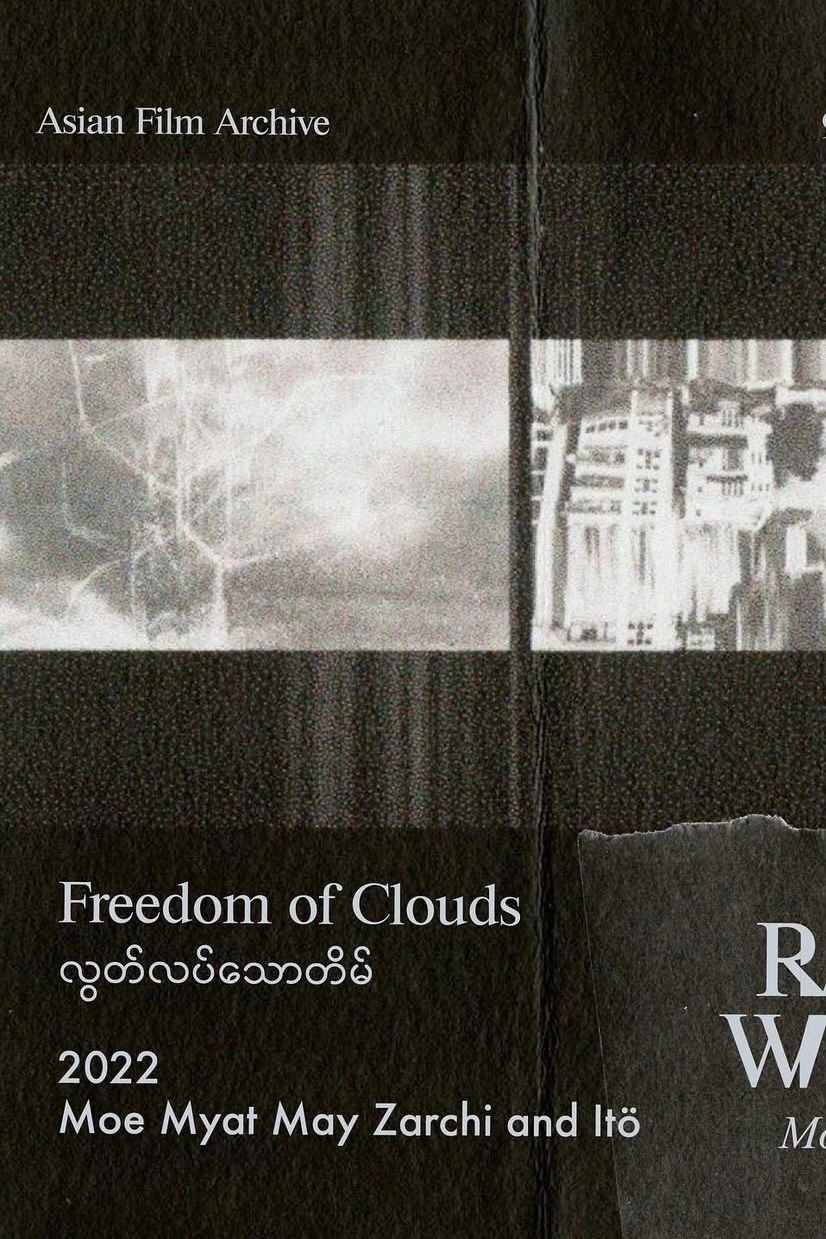
Informed by Taoist notions on the flow of nature, Freedom of Clouds is an experimental audiovisual poem composed of two visual languages which shift in tandem with the sonic landscape. The first involves abstract audio-reactive particles imitating the movement of dust, while the second is composed of Myanmar’s urban scenes which blur and morph as the piece moves away from form and definition.
Set against an operatic soundscape, period@period is a sensual interplay of sound and image that focuses on the anonymous protagonist’s monthly period and the rituals associated with it.
The author's erotic imagination is mixed between desire and magazine clippings, and the trade of collage becomes a ship that travels from outer space to the city itself.
1977 Czech experimental short by Petr Skala
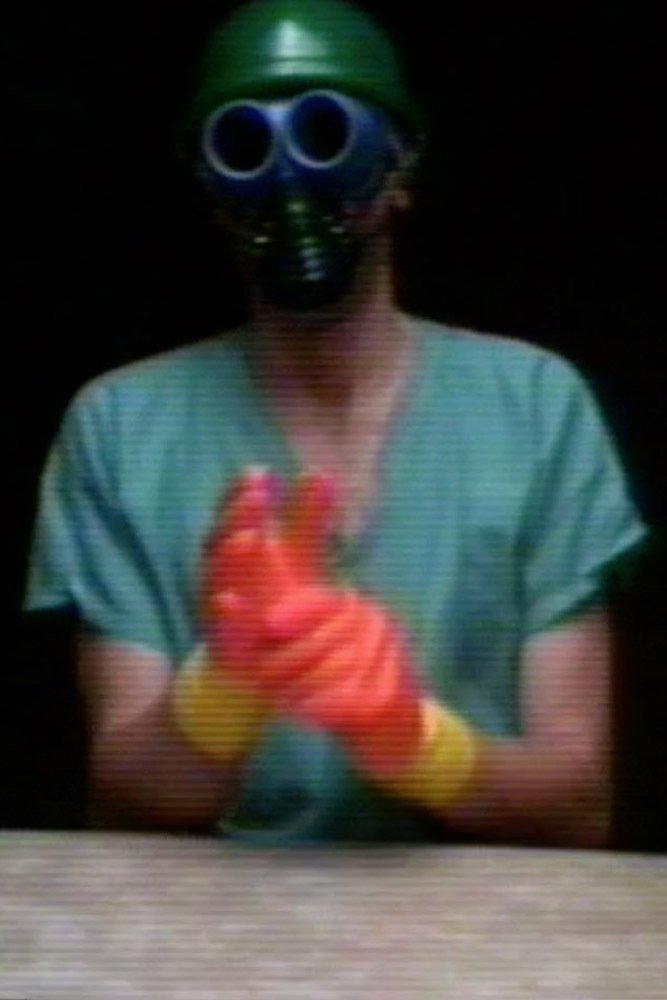
Protective Coloration shows Fisher seated at a mottled table. He wears short-sleeved hospital garb, surgical green ‘scrubs’. Nose-clips block his nostrils while a mouth-guard that looks like fake lips covers his mouth. Over the course of 11 minutes he masks his face and covers his hands with bright gear in colours that accumulate to resemble those of the standard reference chart: he puts on orange eye-caps, then a yellow bathing cap; covering his nose and mouth and the gear already there, he dons a black gas mask; a silky black sleeping mask voids his already covered eyes, a cyan blue bathing cap caps the yellow; yellow rubber gloves snap on his hands and forearms; puts on cyan eye goggles, then struggles with yet another bathing cap, hazmat orange, over the other two. A silvery transparent shower cap tops the caps, itself topped by a plastic green helmet. Finally heavy-duty magenta gloves hide most of the yellow rubber. Preserved by the Academy Film Archive in 2008.
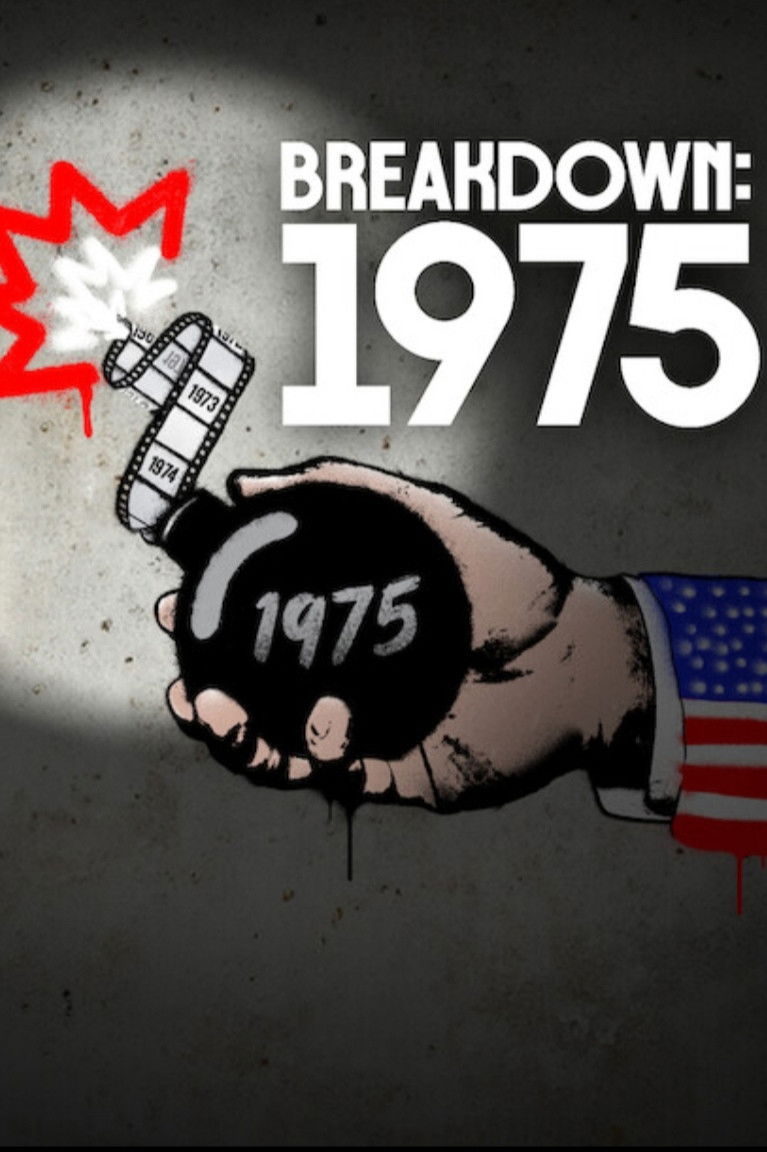
In 1975, as America faced social and political upheaval, filmmakers turned chaos into art.
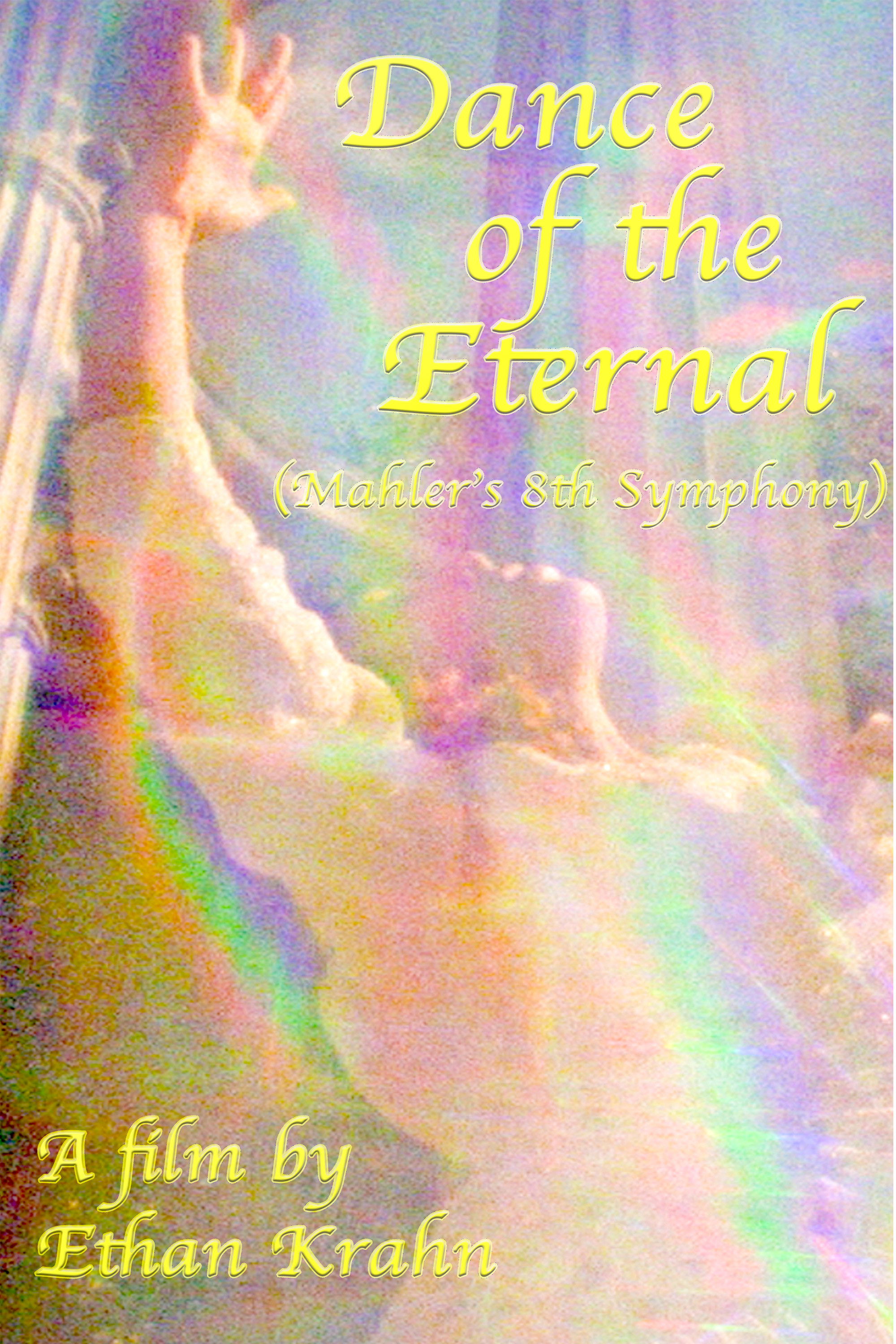
A young girl is born into an enchanting yet complex world where she must make the crucial decision to follow the path of an angel or a demon, two forces mercilessly competing for her attention, set to the music of Mahler's Eighth Symphony.
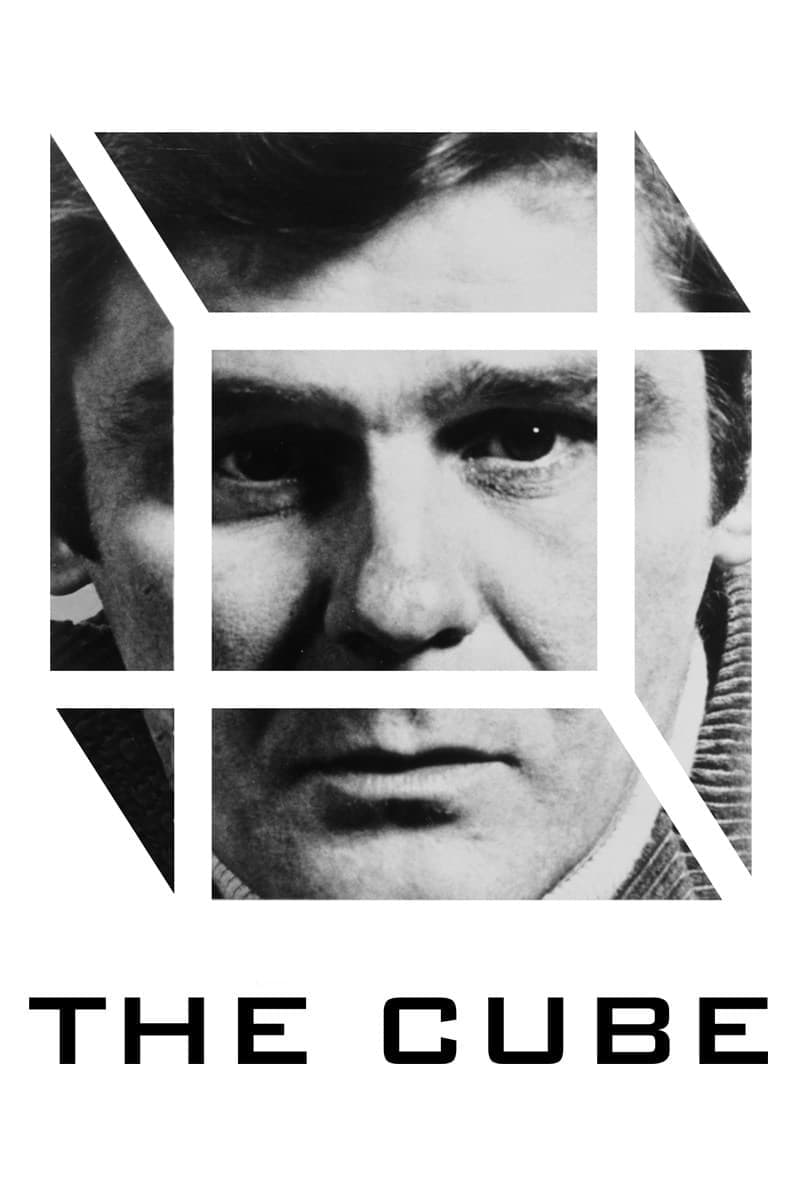
An unnamed character is trapped in a cubical white room where others can enter and leave, but which he himself apparently cannot leave. A stool is brought in covered in strawberry jam, the furniture changes throughout the play. The main character is subjected to an increasingly puzzling and frustrating series of encounters, as a variety of people come through various hidden doors. But, as many remind him, he can only leave through his own door, so he must find it.
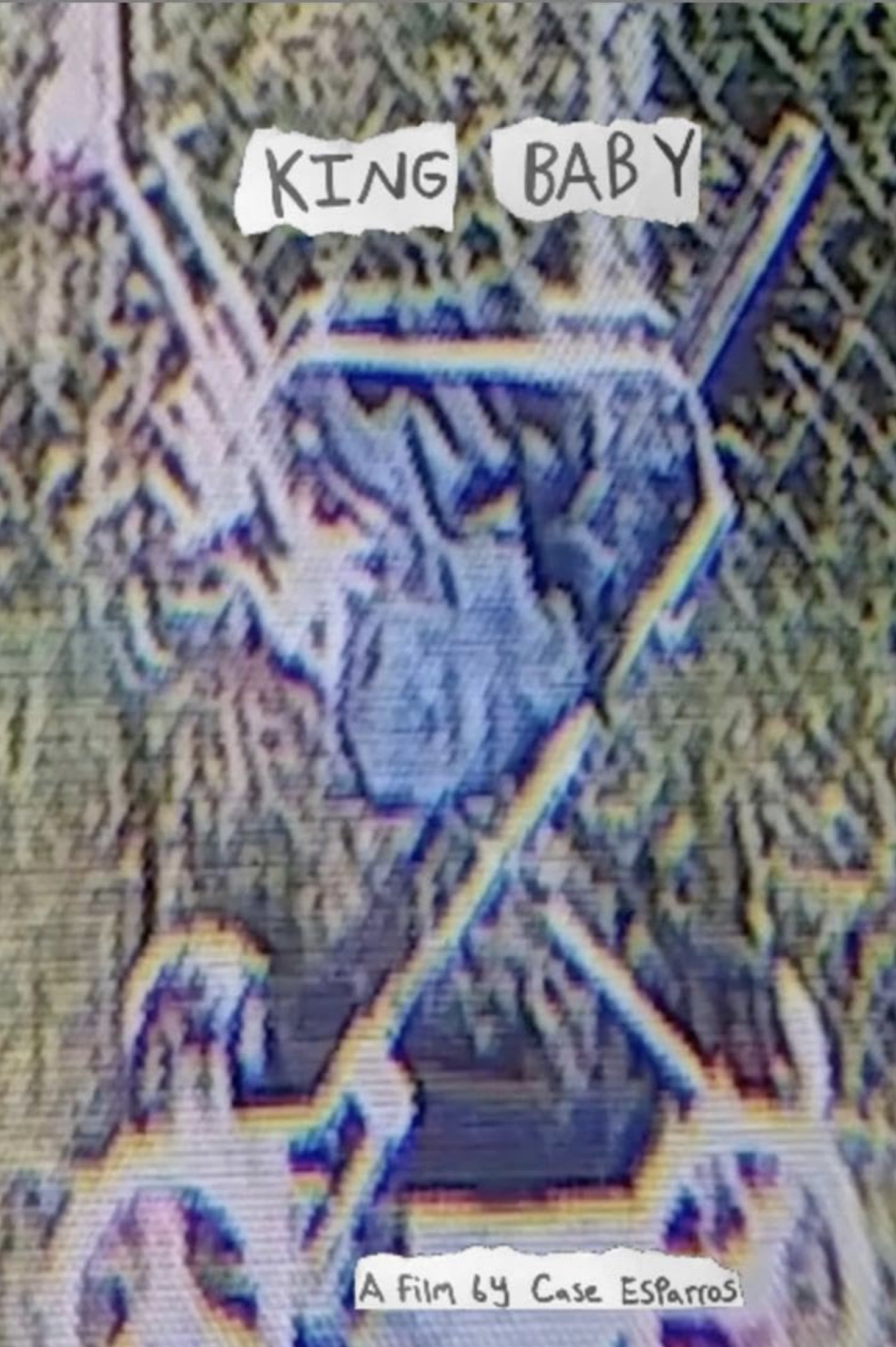
A collage storybook retelling of the Jesus Christ story with Digital, Super 8, 16MM, and VHS, primarily set within a decaying and run-down world and divided into three acts. Accompanying the film's images is distilled church music provided by various noise artists. This is the first feature film from Los Angeles experimental filmmaker Case Esparros and was released in 2019.
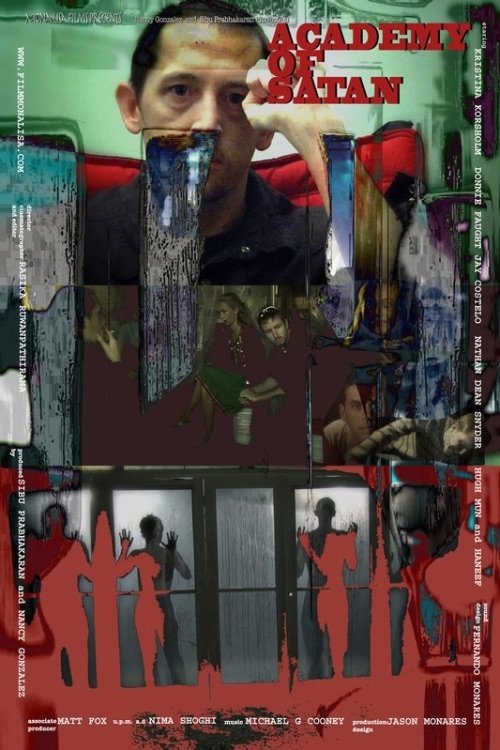
Misha, Dalton, Jaxon, Hamlet, and David are young aspiring actors who move to Hollywood to follow their dream, but wind up testing their fate with consequences beyond their wildest imagination. Each of the actors have been hand picked by 'The Master'. A dark, mysterious teacher who promises to teach them the ultimate secret to success. Without knowing it, the young faithful dreamers are set to the test of their lives. They are hypnotized, mentally and physically abused and brainwashed as The Master slowly steals away any human instinct and empathy from them and applies a strange animal behavior instead. He calls it his unique acting technique. But in spite of all their hopes, dreams and aspirations The Master is never planning on giving them the secret to success. He has his own dark agenda. He is the hungry wolf in the jungle waiting for the right moment to prey on little girls. Just like the fairy tale of 'Little Red Riding Hood'.
A comic study of 20th-century history, reconstructing the life of writer, creator and professional prisoner Tulse Luper. Born in 1911 Newport and last heard of in 1989, Luper’s life is pieced together from the evidence found in 92 suitcases scattered across the globe. In the first of three parts, we follow Luper through three distinct episodes: as a child during the First World War; as an explorer in Mormon Utah; and as a writer in Belgium during the rise of fascism.
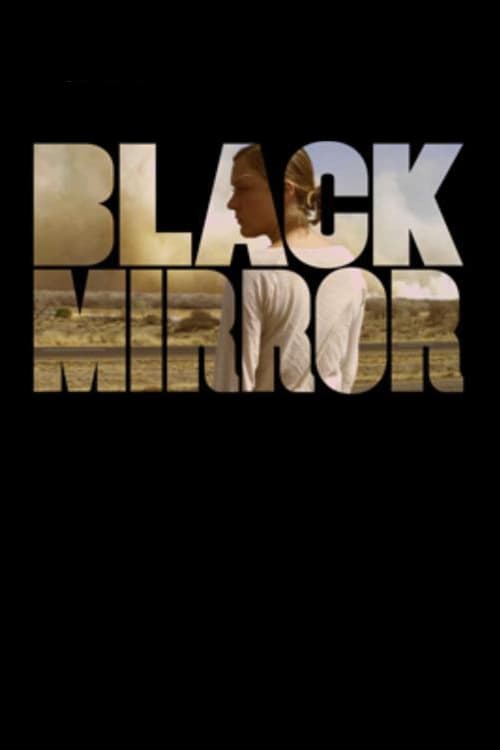
A nameless drifter navigates a barren landscape punctuated by satellite dishes, radio towers and droning airplanes. Stopping periodically in anonymous hotel rooms, she makes attempts to connect to an unidentified second party.
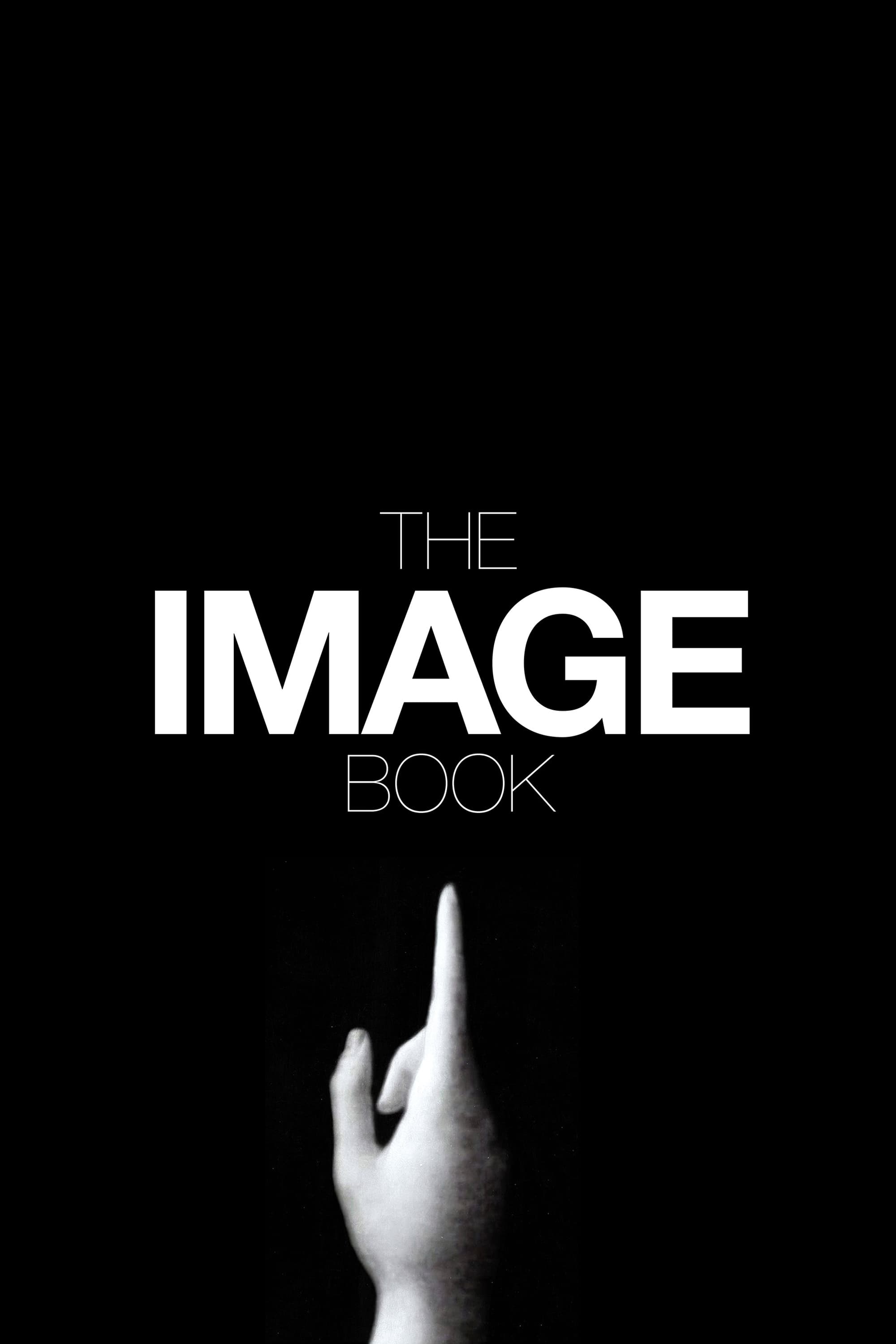
In Le Livre d’Image, Jean-Luc Godard recycles existing images (films, documentaries, paintings, television archives, etc.), quotes excerpts from books, uses fragments of music. The driving force is poetic rhyme, the association or opposition of ideas, the aesthetic spark through editing, the keystone. The author performs the work of a sculptor. The hand, for this, is essential. He praises it at the start. “There are the five fingers. The five senses. The five parts of the world (…). The true condition of man is to think with his hands. Jean-Luc Godard composes a dazzling syncopation of sequences, the surge of which evokes the violence of the flows of our contemporary screens, taken to a level of incandescence rarely achieved. Crowned at Cannes, the last Godard is a shock film, with twilight beauty.
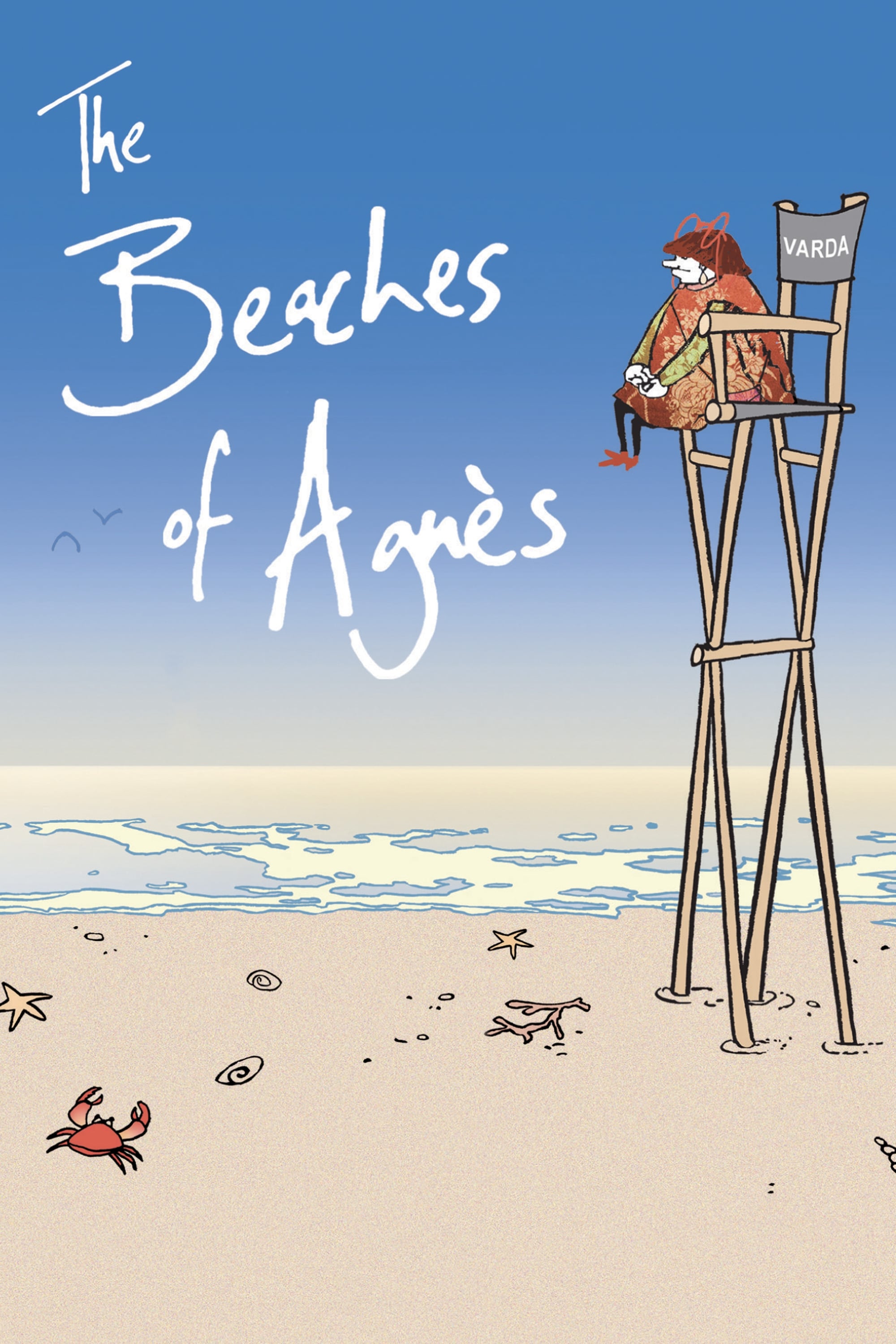
Filmmaking icon Agnès Varda, the award-winning director regarded by many as the grandmother of the French new wave, turns the camera on herself with this unique autobiographical documentary. Composed of film excerpts and elaborate dramatic re-creations, Varda's self-portrait recounts the highs and lows of her professional career, the many friendships that affected her life and her longtime marriage to cinematic giant Jacques Demy.
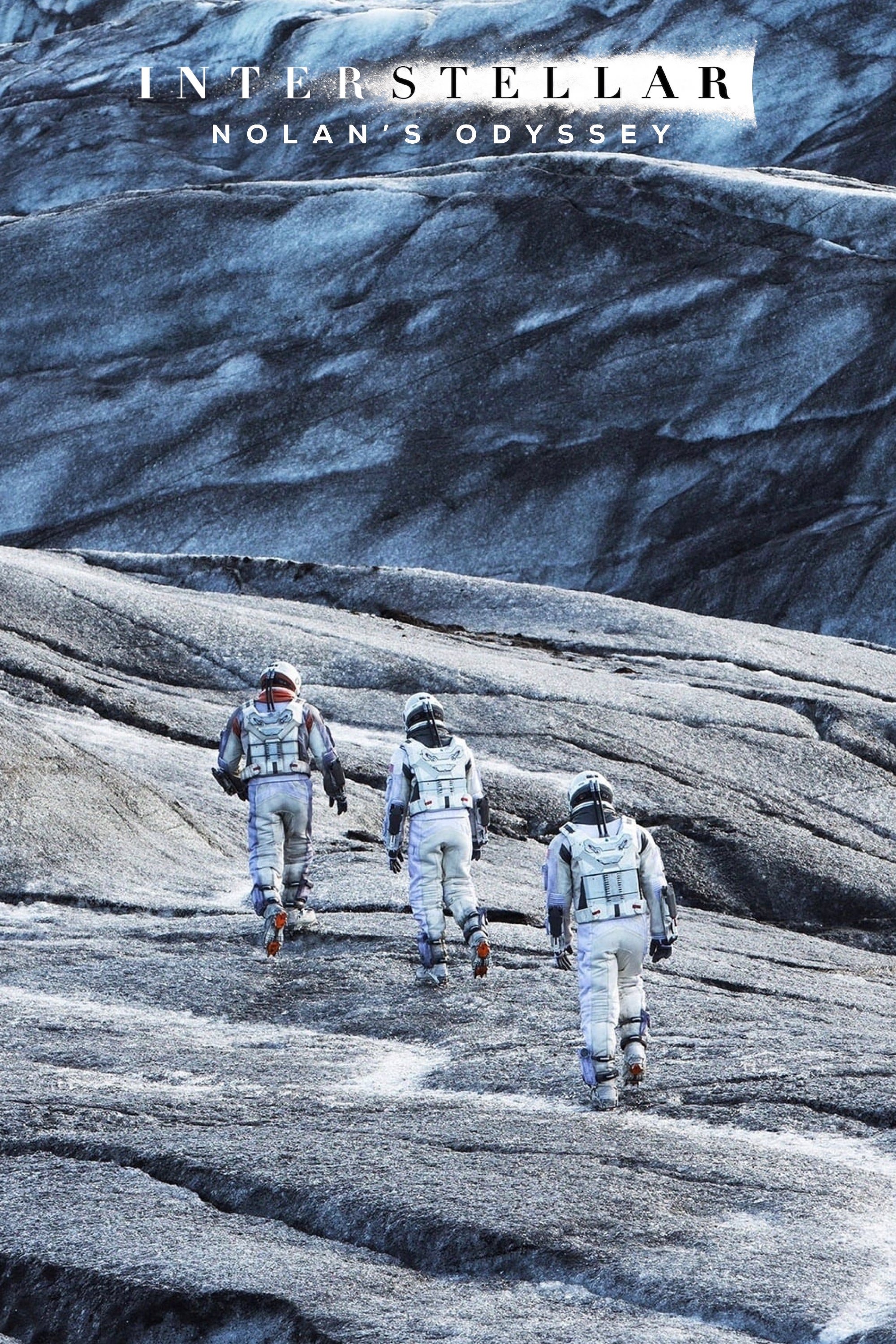
A look behind the lens of Christopher Nolan's space epic.
This special explores the return of Obi-Wan Kenobi and Anakin Skywalker to the screen, as well as Ewan McGregor and Hayden Christensen to their classic roles. Director Deborah Chow leads the cast and crew as they create new heroes and villains that live alongside new incarnations of beloved Star Wars characters, and an epic story that dramatically bridges the saga films.
An atmospheric essay, which is an alternative version of Count Dracula, a film directed by Jess Franco in 1970; a ghostly narration between fiction and reality.
Capturing Avatar is a feature length behind-the-scenes documentary about the making of Avatar. It uses footage from the film's development, as well as stock footage from as far back as the production of Titanic in 1995. Also included are numerous interviews with cast, artists, and other crew members. The documentary was released as a bonus feature on the extended collector's edition of Avatar.
Charlotte Gainsbourg agrees to play a witch condemned to be burned at the stake in the first film directed by Béatrice Dalle. But the chaotic production, technical problems, and psychotic breakdowns gradually plunge the shoot into a chaos of pure light.
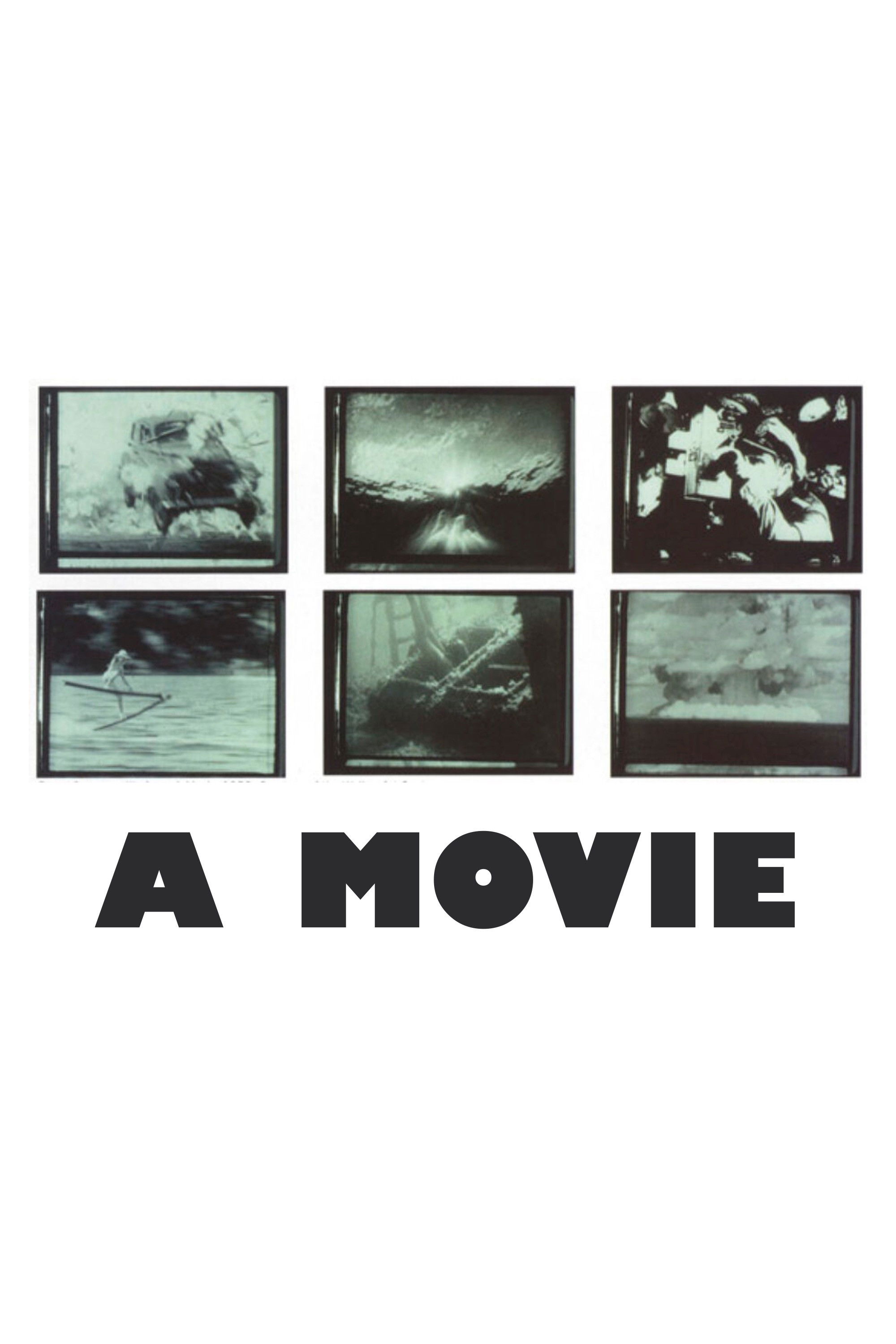
Bruce Conner's landmark experimental film consisting entirely of found footage edited to a new score.
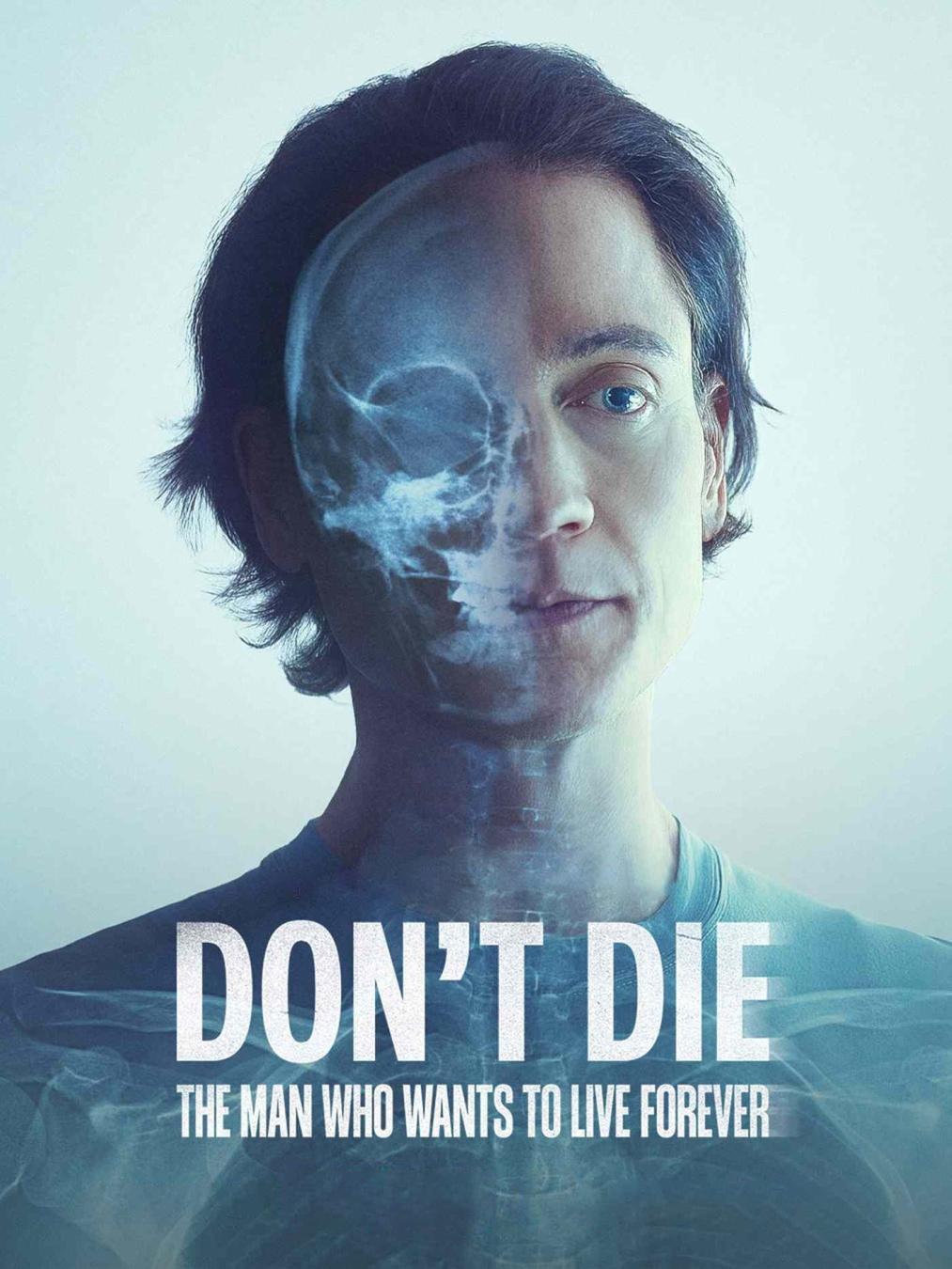
In this documentary, wealthy entrepreneur Bryan Johnson puts his body and fortune on the line to defy aging and extend his life beyond all known limits.
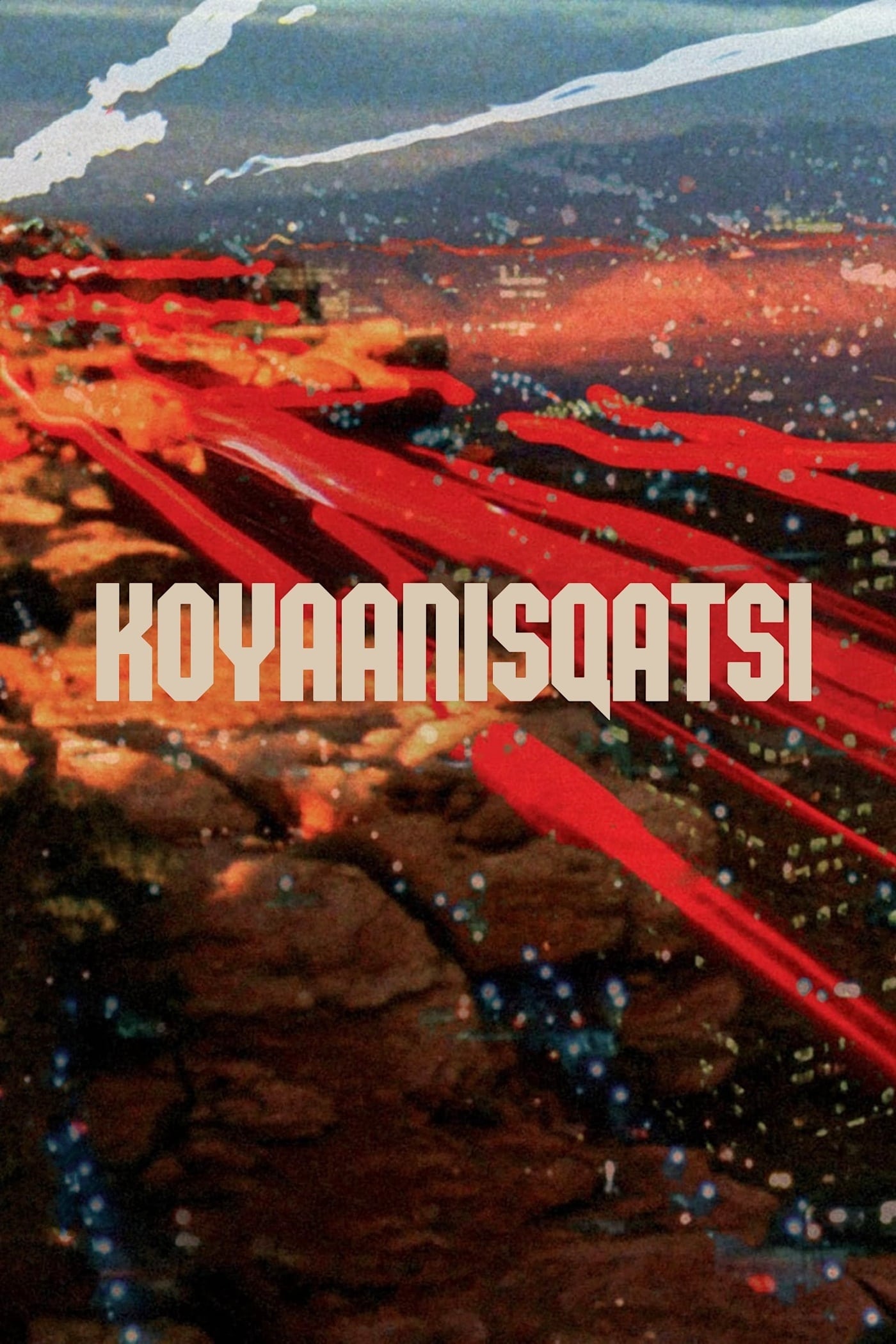
Takes us to locations all around the US and shows us the heavy toll that modern technology is having on humans and the earth. The visual tone poem contains neither dialogue nor a vocalized narration: its tone is set by the juxtaposition of images and the exceptional music by Philip Glass.
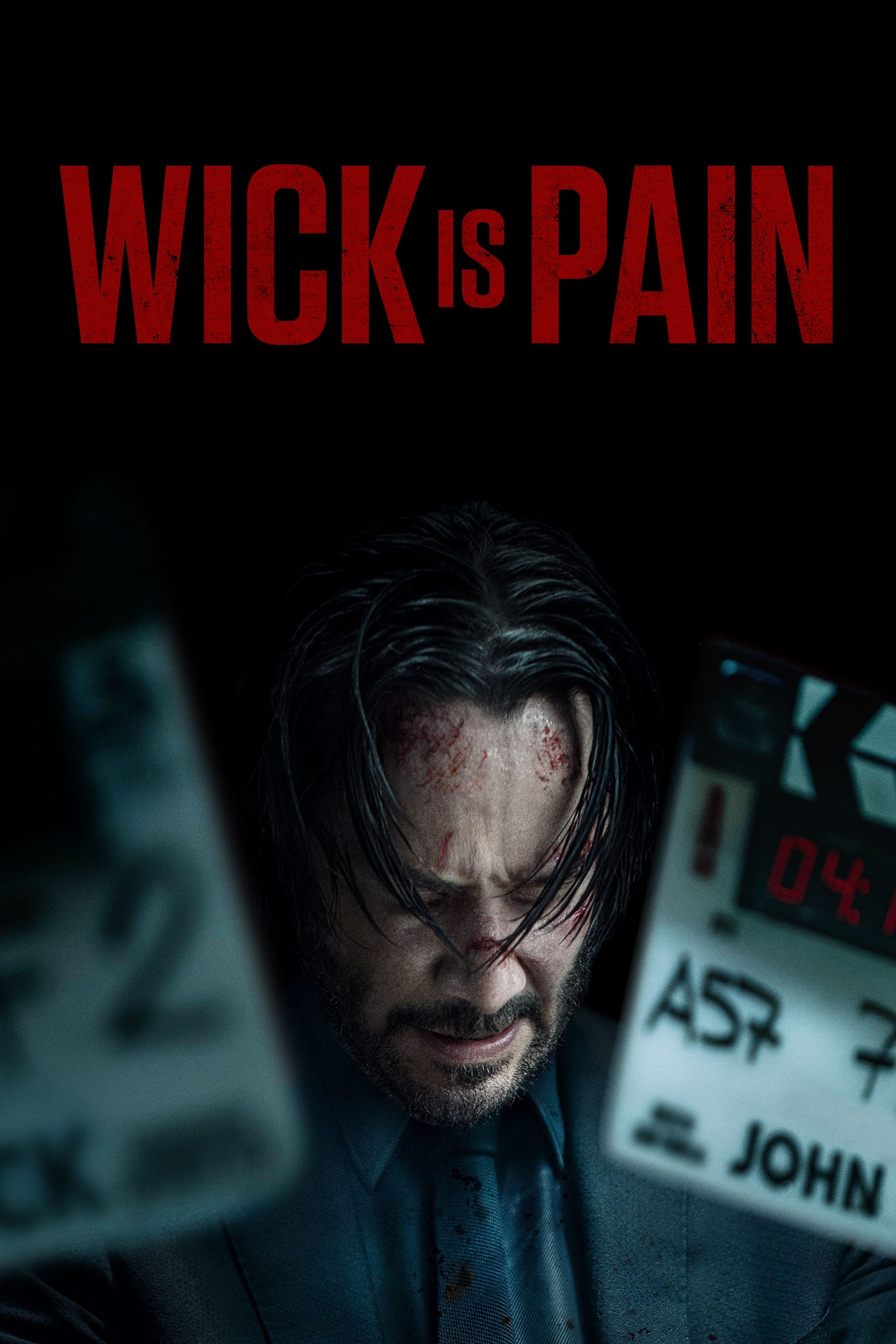
Witness the never-before-seen footage and true story behind the John Wick phenomenon – from independent film to billion-dollar franchise.
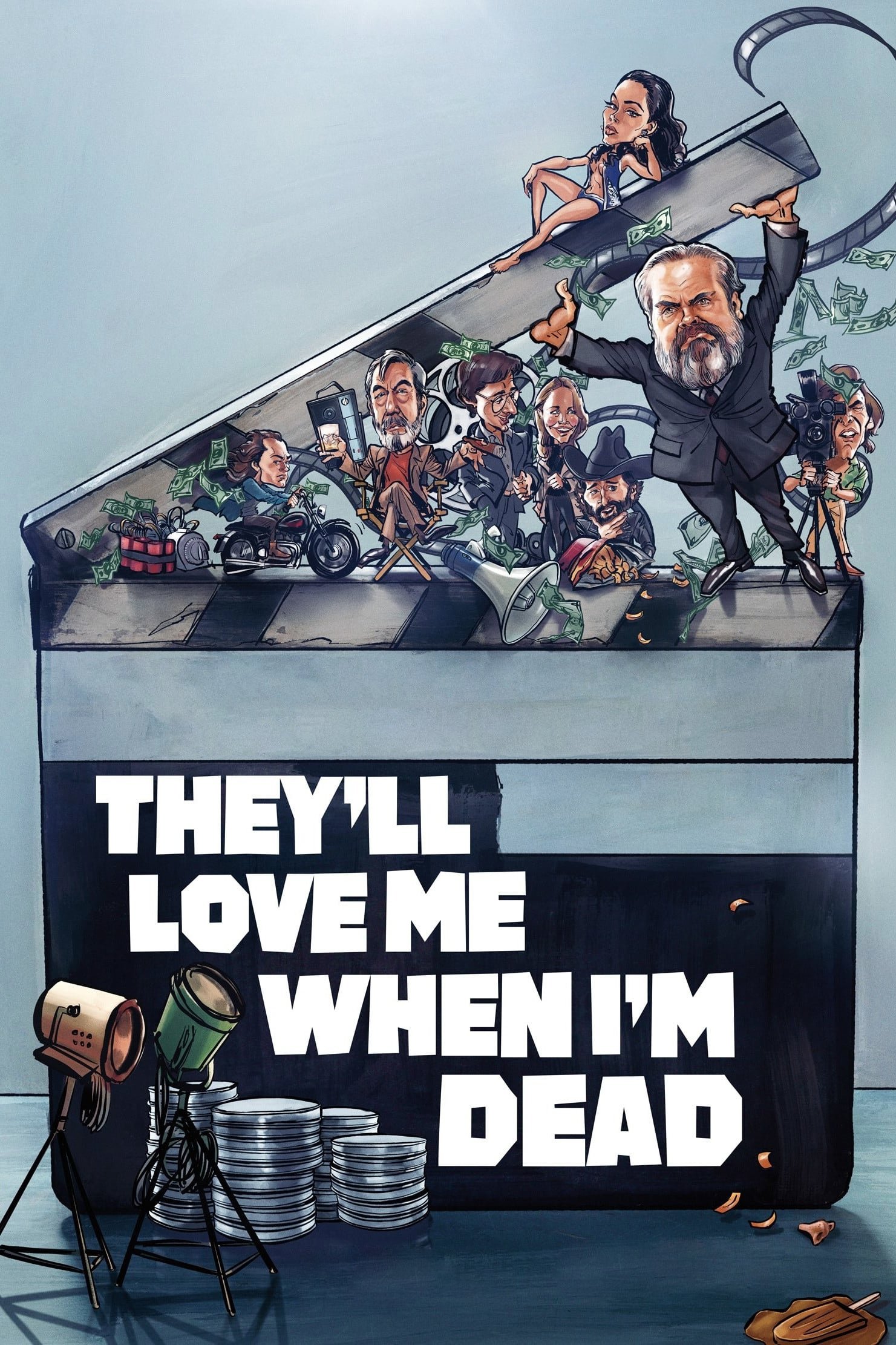
As his life comes to its end, famous Hollywood director Orson Welles puts it all on the line at the chance for renewed success with the film The Other Side of the Wind.
Told through performances, TV interviews, home movies, family photographs, private letters and unpublished memoirs, the film reveals the essence of an extraordinary woman who rose from humble beginnings in New York City to become a glamorous international superstar and one of the greatest artists of all time.
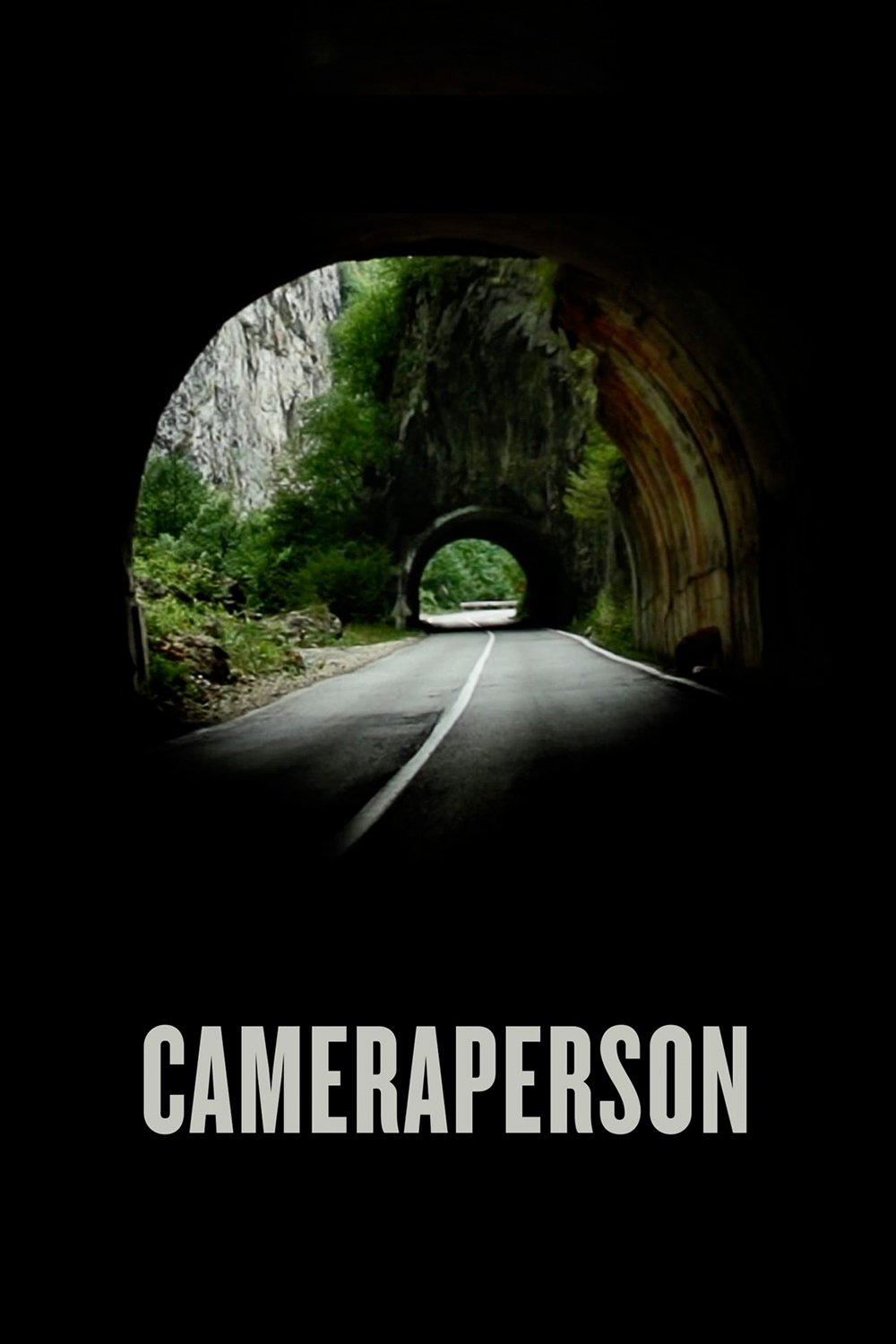
As a visually radical memoir, CAMERAPERSON draws on the remarkable footage that filmmaker Kirsten Johnson has shot and reframes it in ways that illuminate moments and situations that have personally affected her. What emerges is an elegant meditation on the relationship between truth and the camera frame, as Johnson transforms scenes that have been presented on Festival screens as one kind of truth into another kind of story—one about personal journey, craft, and direct human connection.
In Manhattan's Central Park, a film crew directed by William Greaves is shooting a screen test with various pairs of actors. It's a confrontation between a couple: he demands to know what's wrong, she challenges his sexual orientation. Cameras shoot the exchange, and another camera records Greaves and his crew. Sometimes we watch the crew discussing this scene, its language, and the process of making a movie. Is there such a thing as natural language? Are all things related to sex? The camera records distractions - a woman rides horseback past them; a garrulous homeless vet who sleeps in the park chats them up. What's the nature of making a movie?
A compilation of over 30 years of private home movie footage shot by Lithuanian-American avant-garde director Jonas Mekas, assembled by Mekas "purely by chance", without concern for chronological order.
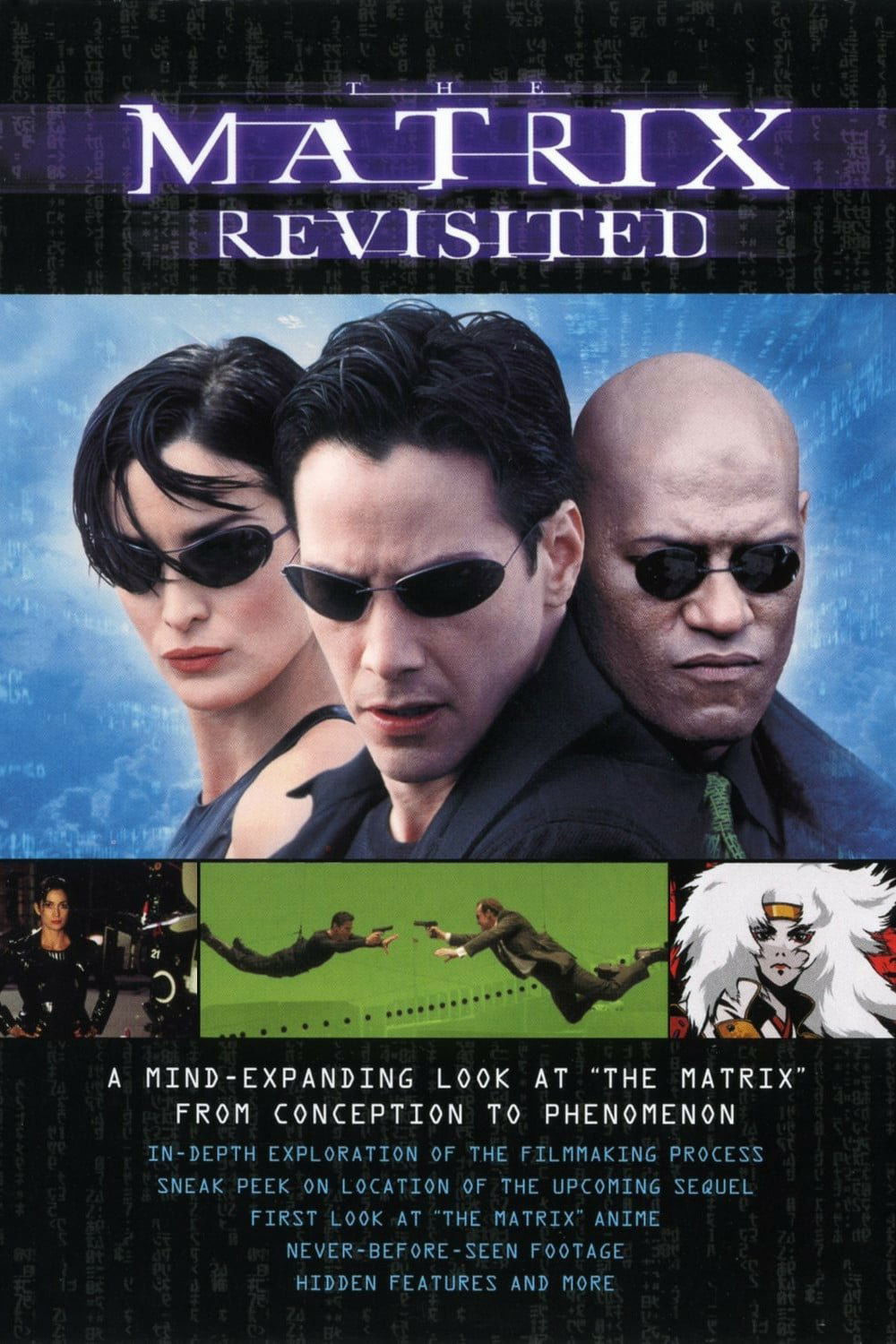
The film goes behind the scenes of the 1999 sci-fi movie The Matrix.
Amber Heard and Nicole Kidman discuss their characters Mera and Atlanna.
Against a plain, unchanging blue screen, a densely interwoven soundtrack of voices, sound effects and music attempt to convey a portrait of Derek Jarman's experiences with AIDS, both literally and allegorically, together with an exploration of the meanings associated with the colour blue.